Terbinafine cream
ListedA topical antifungal option for localised dermatophyte skin infection; follow the product course and avoid eyes.
Ringworm infection of non-bearded facial skin. Seborrheic dermatitis is a common, long-term rash that causes greasy flaking and inflammation where the skin is oiliest - the scalp, the eyebrows, the sides of the nose, the ears and the chest. Dandruff is its mildest form. It responds well to treatment and returns when treatment stops.
The same eight facts on every condition comparison.
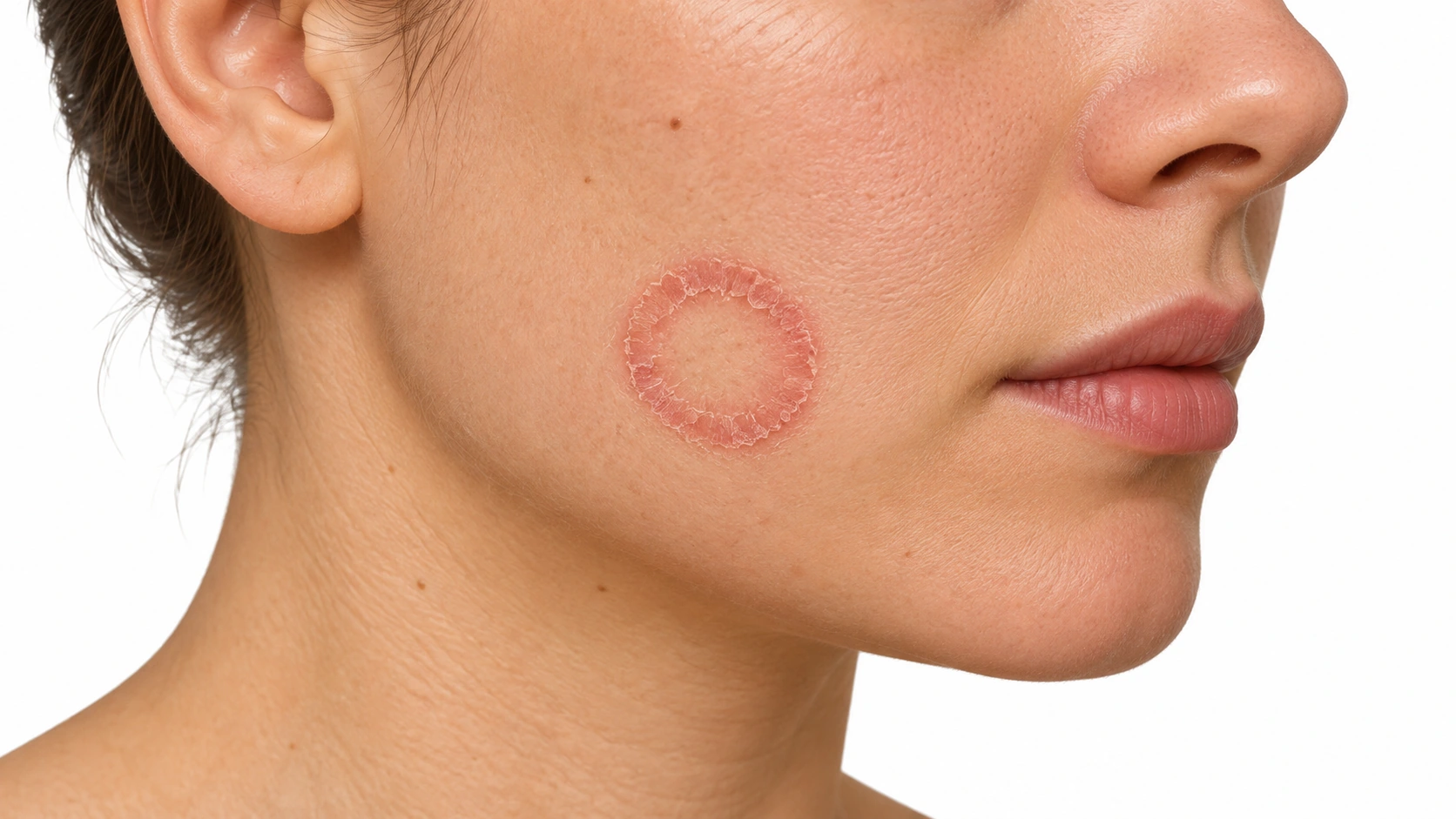
Tinea Faciei A red outer rim surrounds a paler center.
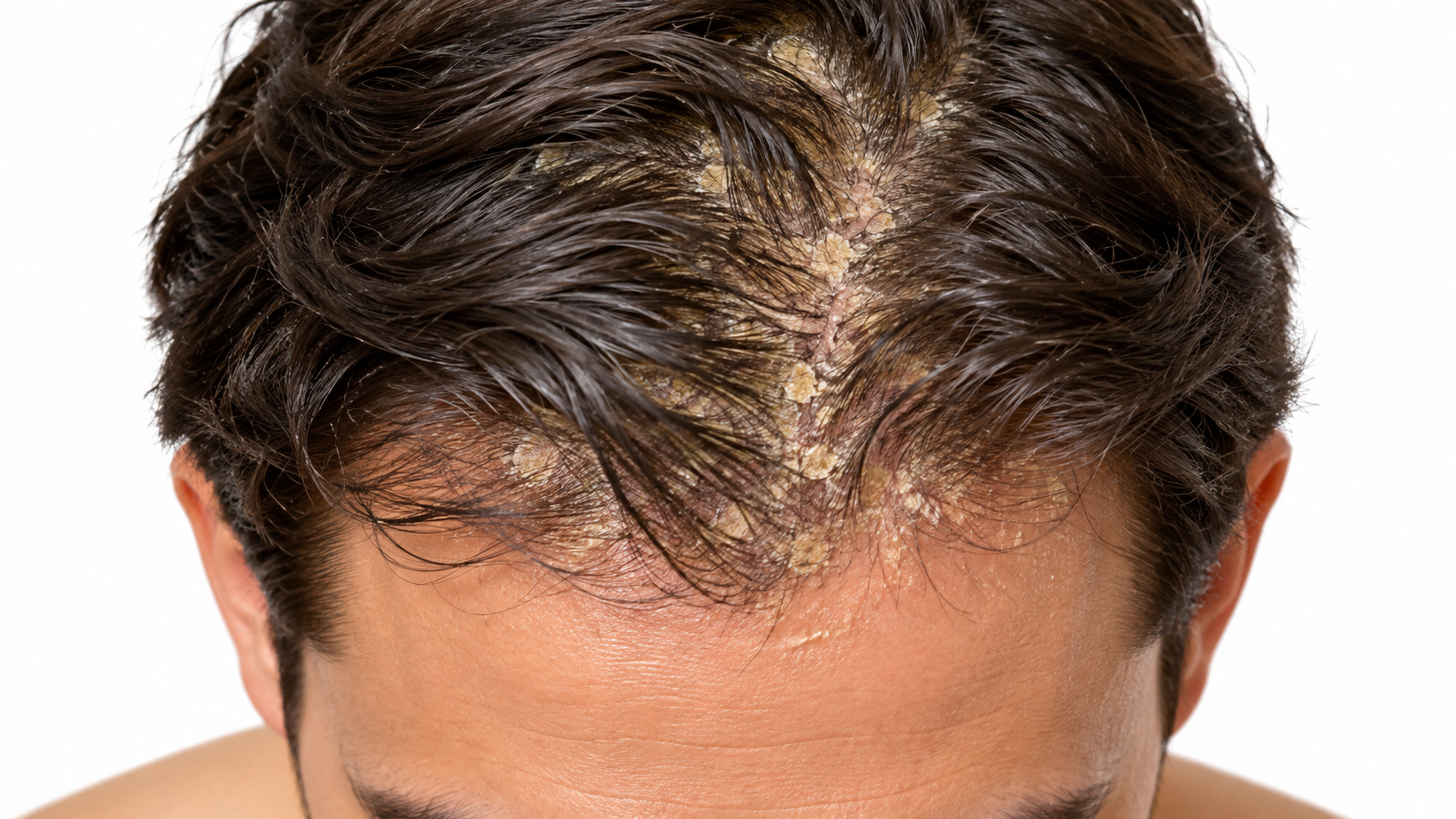
Scalp seborrheic dermatitis From mild dandruff to thick scale.
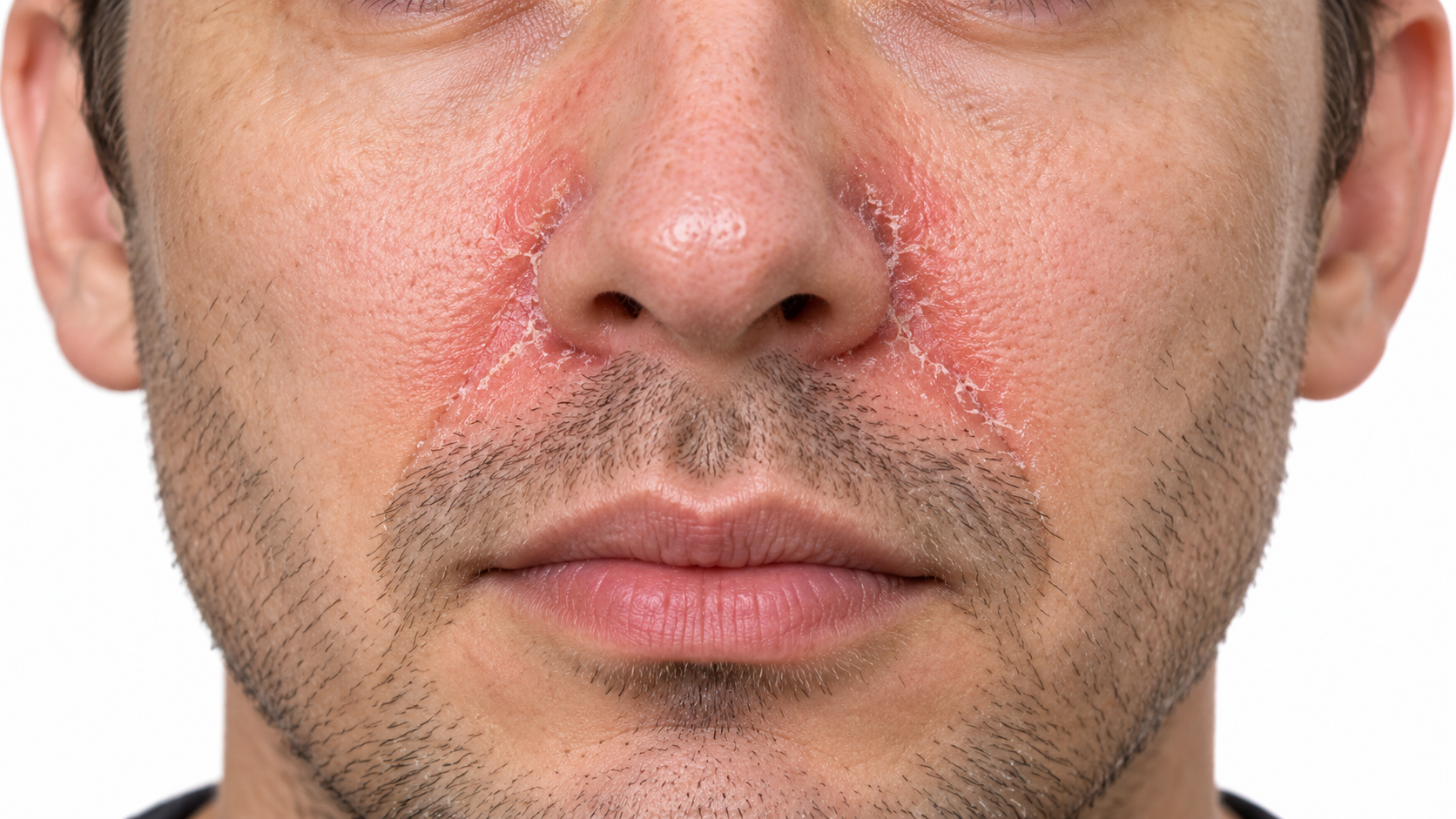
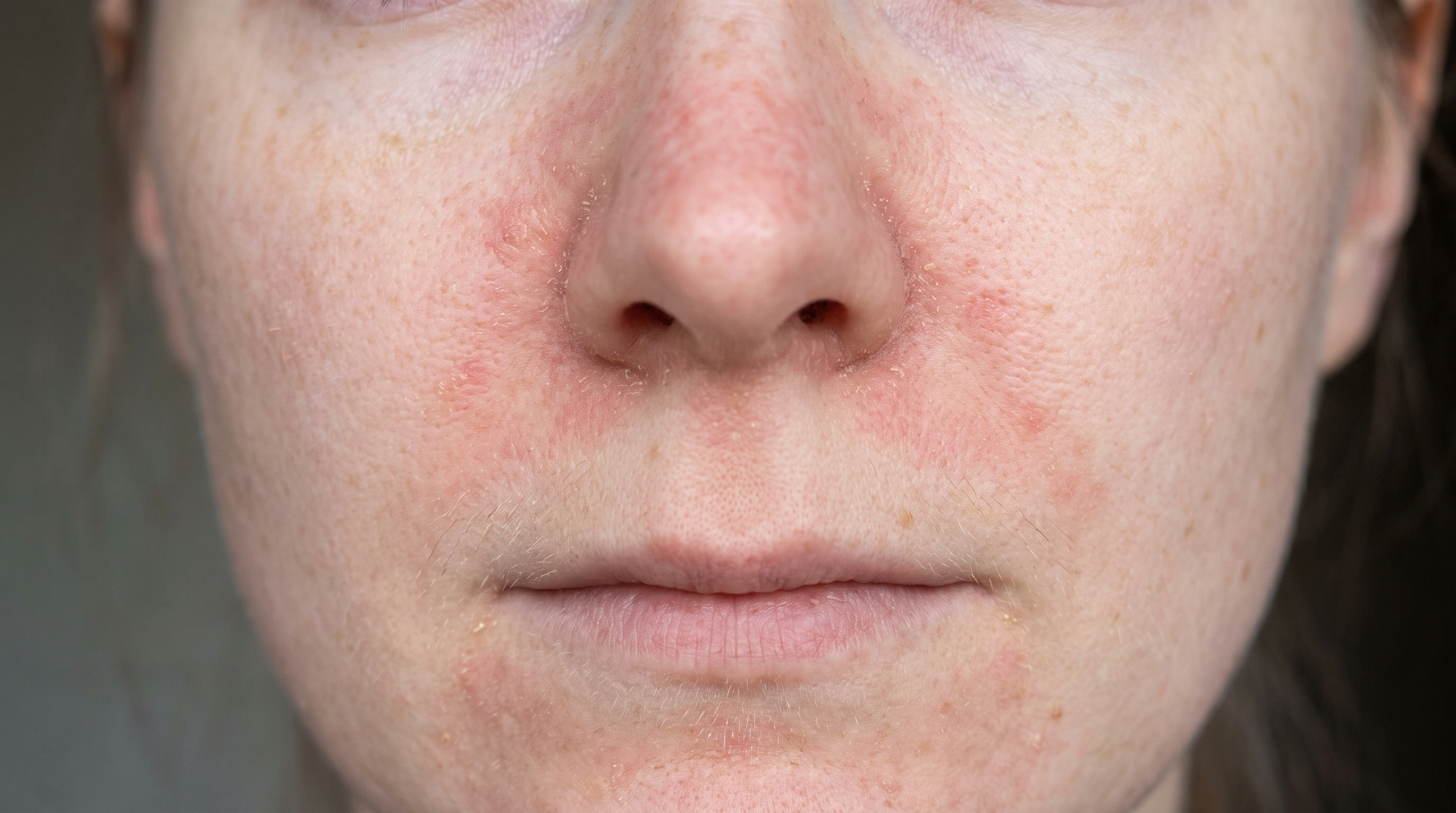
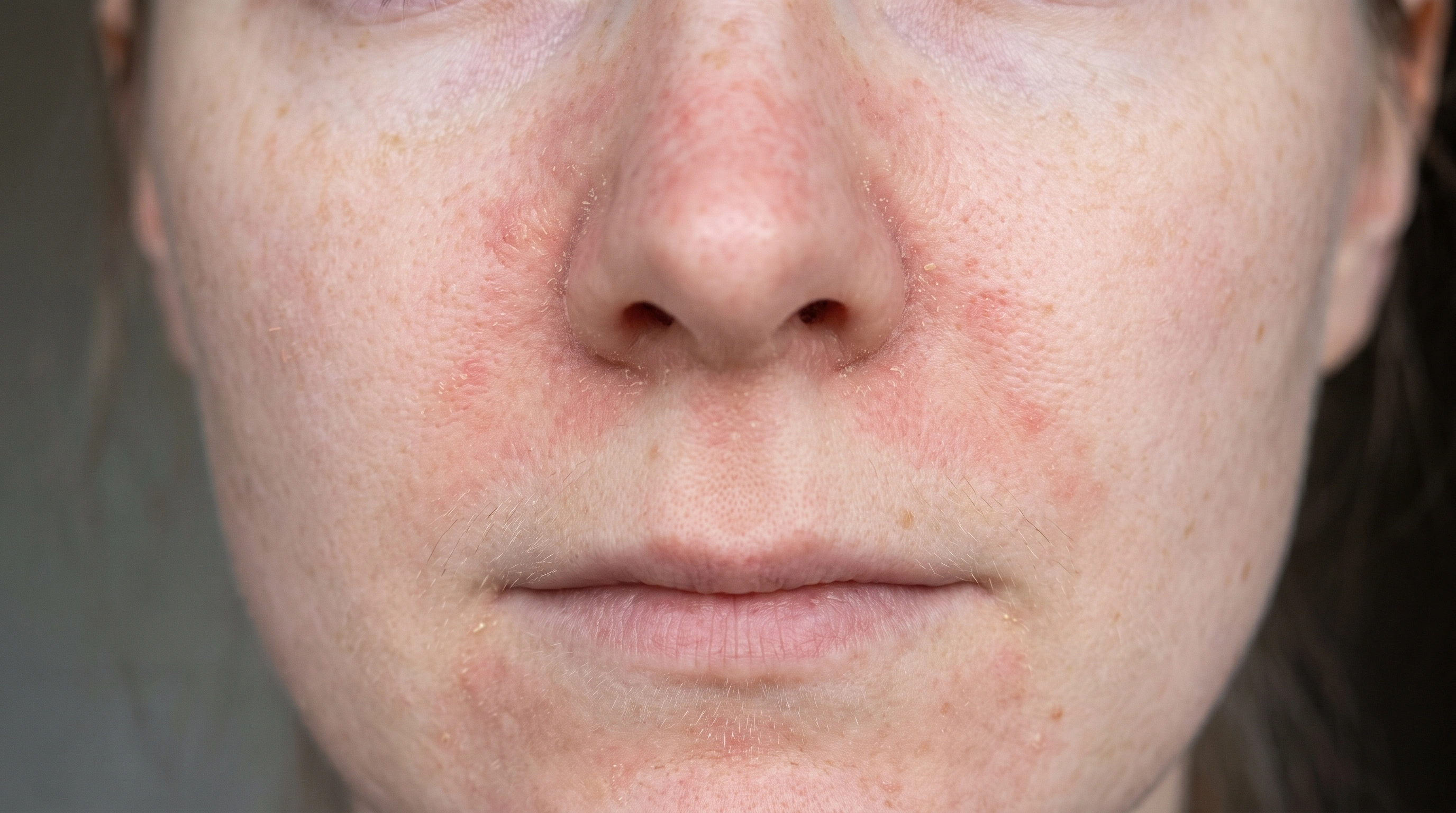
Facial seborrheic dermatitis Nose folds, eyebrows and beard.
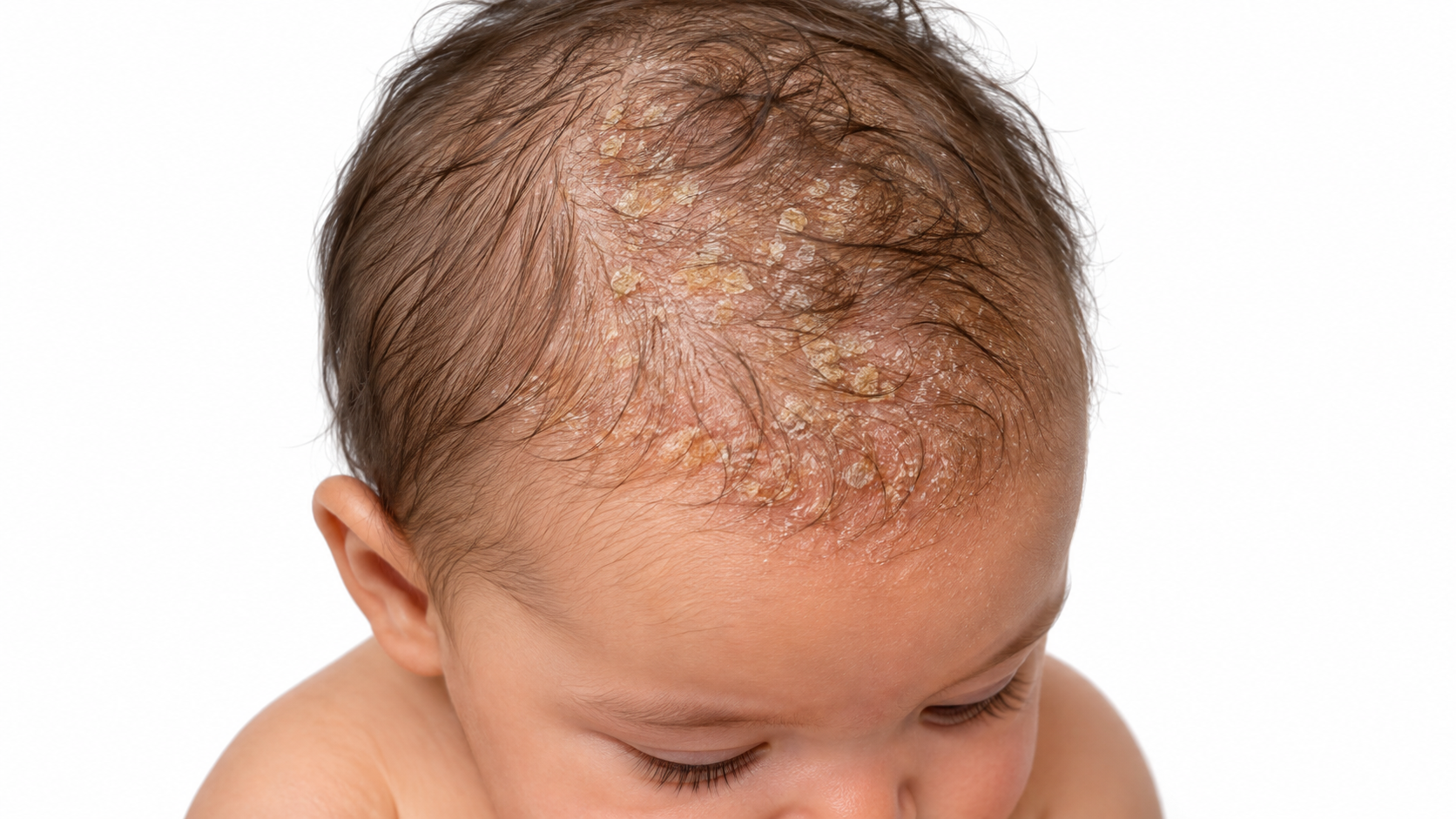
Cradle cap Thick yellow scale on a baby's scalp.

Dermatophyte fungi grow in the keratin of facial skin. The local inflammatory response can produce a scaly patch with an expanding edge.
Malassezia yeast and the skin's response to it contribute to inflammation in oil-rich areas. Irritation and altered surface shedding produce patches with greasy scale.
Tinea Faciei. Can occur at any age after exposure.
Seborrheic Dermatitis. Occurs in infancy as cradle cap and commonly recurs or begins in adult life.
Evidence labels come from each condition’s own treatment list.
A topical antifungal option for localised dermatophyte skin infection; follow the product course and avoid eyes.
A mild steroid cream that settles the stinging and redness on the face within a few days, which no antifungal does that quickly. Use it for a week or two to break a flare, not as the ongoing plan — the skin beside the nose and on the eyelids thins with repeated use. Something anti-yeast has to run underneath it.
The active ingredient in most ordinary anti-dandruff shampoos, and a reasonable choice for scalp flaking without much inflammation. It is gentler and easier to use often than ketoconazole. If it has stopped helping, rotating to a different active ingredient usually works better than looking for something stronger.
Another shampoo that reduces the same yeast by a different route, useful when ketoconazole has lost its edge. It works well on a thickly scaling scalp. It has a strong smell and can discolor light, gray or chemically treated hair, so rinse thoroughly and keep it off the length where you can.
A descaler for a scalp that has built up a thick crust. It loosens the scale so the antifungal underneath can actually reach the skin. It does nothing to the yeast or the inflammation, and on an already stinging face it is more likely to irritate than to help.
An older shampoo that slows scaling and helps some people with a stubborn, thickly flaking scalp. It is more useful when psoriasis is in the picture too. It smells strong and can stain light hair, and there are gentler options with better evidence for this condition, so it is rarely where to start.

A 5% shampoo has been tested in dandruff with a modest result, and some people do find it helps. It is a common cause of allergic reactions on the face, so it is best kept to the scalp. Undiluted oil straight onto inflamed skin is a reliable way to make things worse.
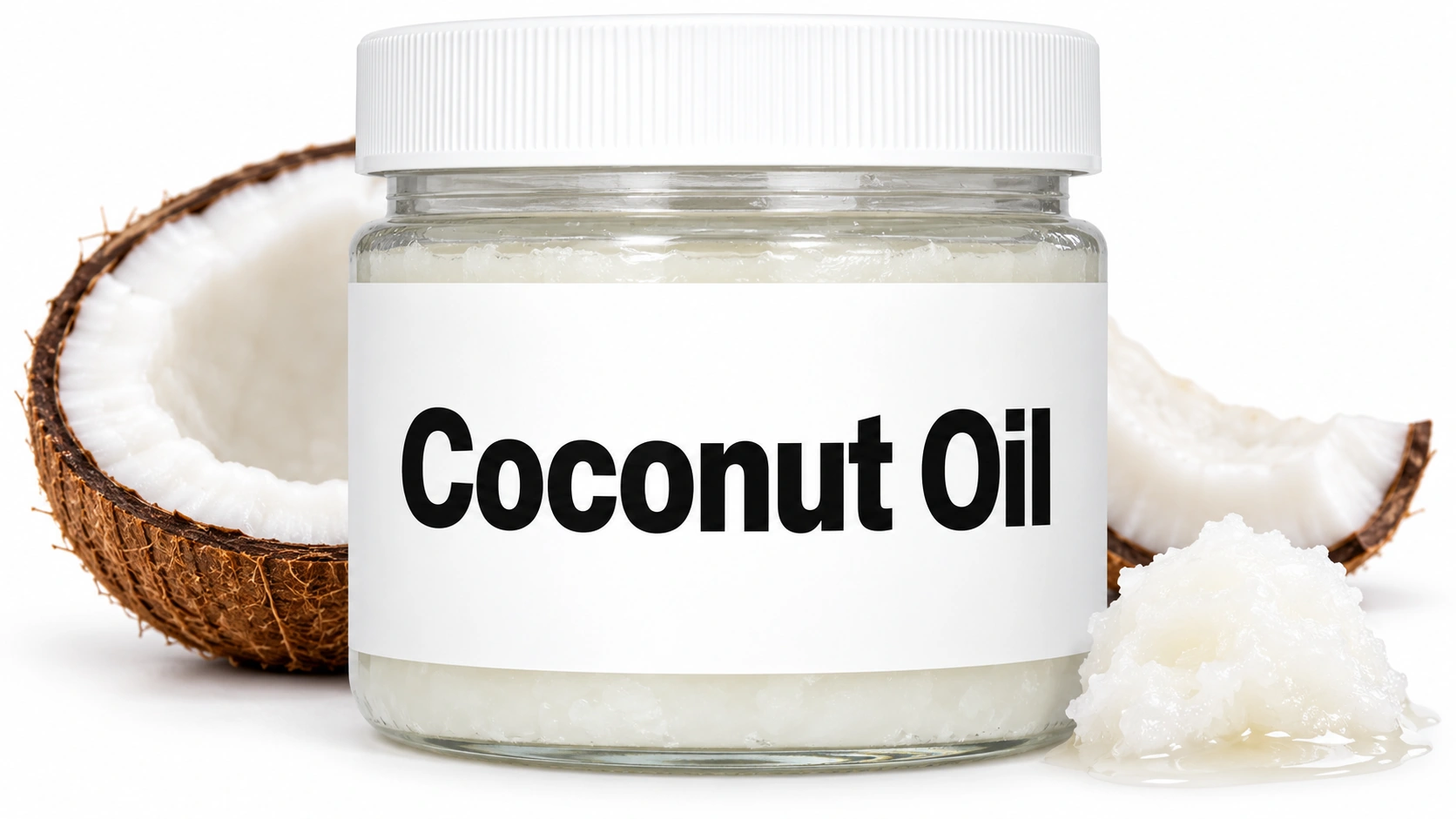
The most popular home remedy for this, and one of the few that can genuinely backfire. Malassezia feeds on the fats in most plant oils, so oiling the scalp can hand it more of what it uses, and heavy oils also trap scale against the skin. Softening a crust before washing is the one job an oil does well here.
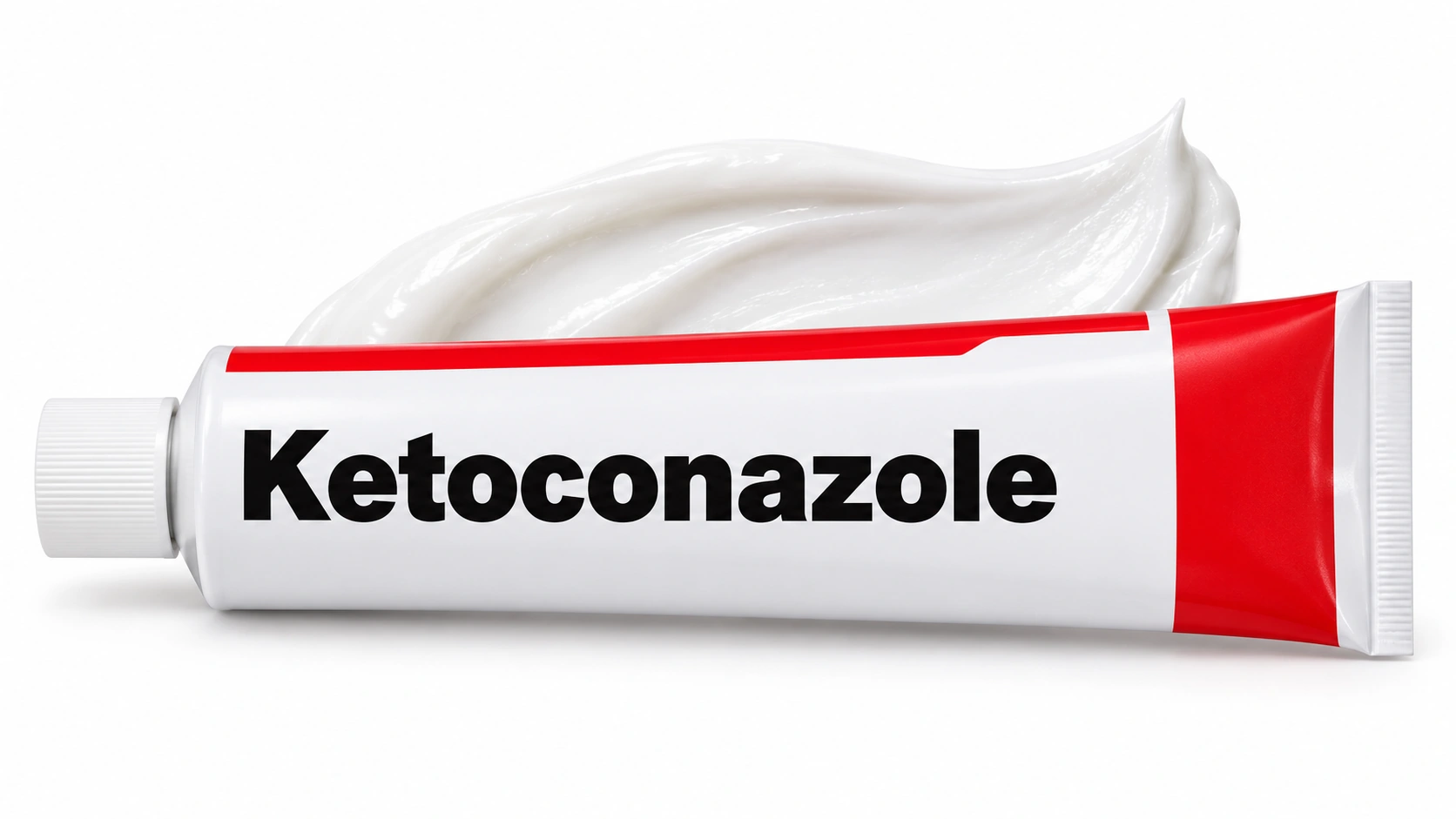
Ketoconazole 2% cream. The prescription strength, as a cream for the face, ears, beard area and chest, where a shampoo is impractical. Used daily it settles a facial flare in one to two weeks, then drops to twice a week to hold it. It treats the yeast and not the inflammation, so a sore, stinging face often needs something alongside it for the first week.
A once-daily non-steroid foam approved specifically for seborrheic dermatitis, and it works on the scalp and the face with the same product. It suits people who have been leaning on steroid creams on the face for a long time. Cost and insurance coverage are usually the deciding factor rather than the medicine.
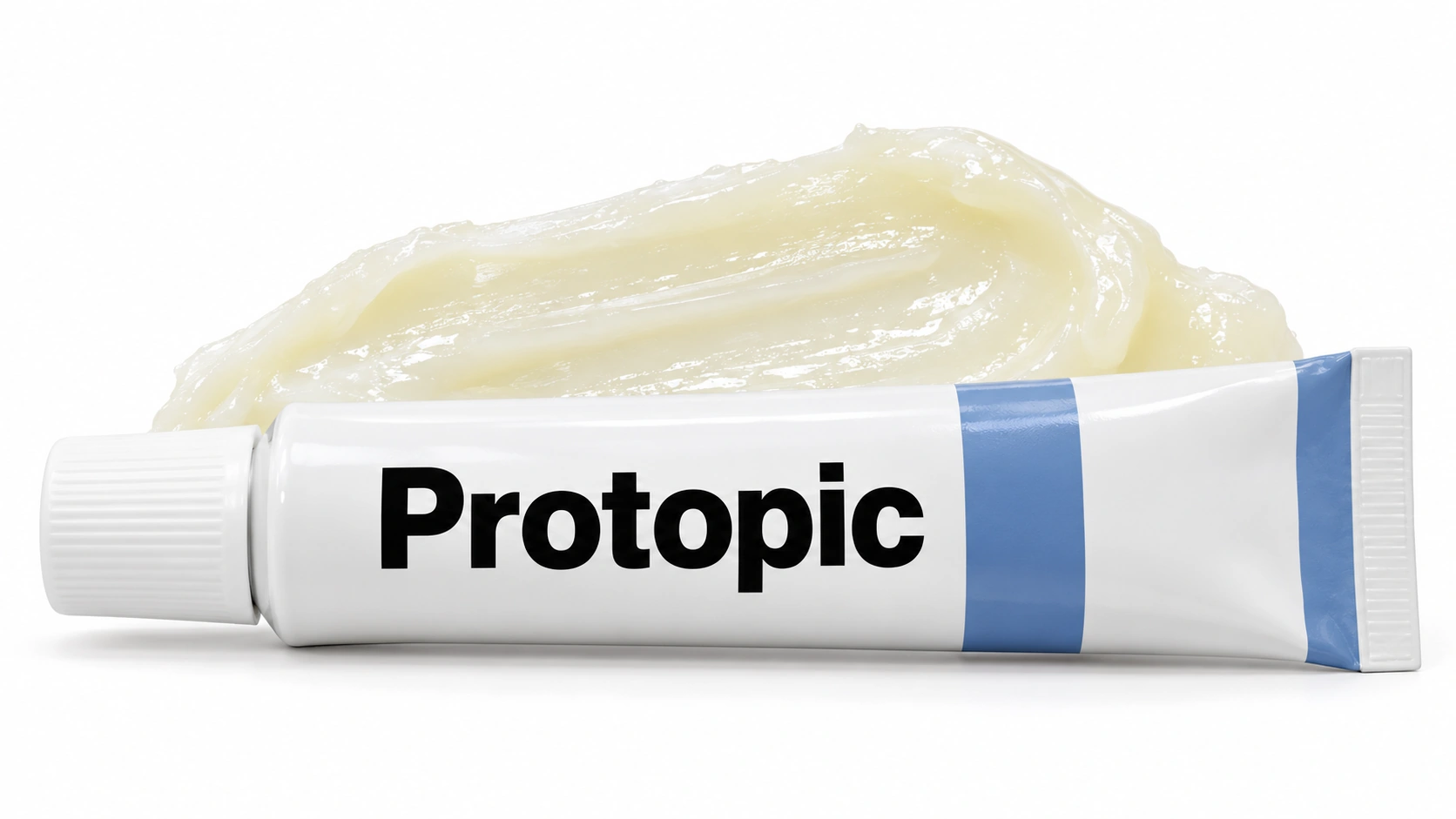
Calms the inflammation on the face without thinning the skin, which is what makes it useful around the nose creases and the eyebrows where steroids cannot be used for long. It stings or feels warm for the first few applications and then settles. It is often used twice a week to hold a face that keeps flaring.
The gentler of the two non-steroid creams, and usually the better fit for thin, easily irritated facial skin. It works a little more slowly than tacrolimus and stings less. Like tacrolimus, its main job here is keeping a face clear without steroids.
A mild prescription steroid for a face that is inflamed and sore, used for one to two weeks to break the flare. It is stronger than over-the-counter hydrocortisone and still gentle enough for facial skin. It is a short course, not a maintenance plan — long steroid use on the face causes its own rash.
Clobetasol scalp solution. A strong steroid shampoo or solution, used on the scalp only, for a thickly scaling flare that an antifungal has not shifted. Two to four weeks at most. It is never for the face, and the antifungal has to keep running underneath it or the flare simply comes back when the steroid stops.
Widespread or persistent infection may require a prescription after confirming the diagnosis.
Antifungal tablets, usually a short course, for seborrheic dermatitis that is severe, widespread, or has not responded to creams and shampoos used properly. They clear it faster than anything applied on the skin. It interacts with a long list of other medicines and needs a full list of what you take before it is started.
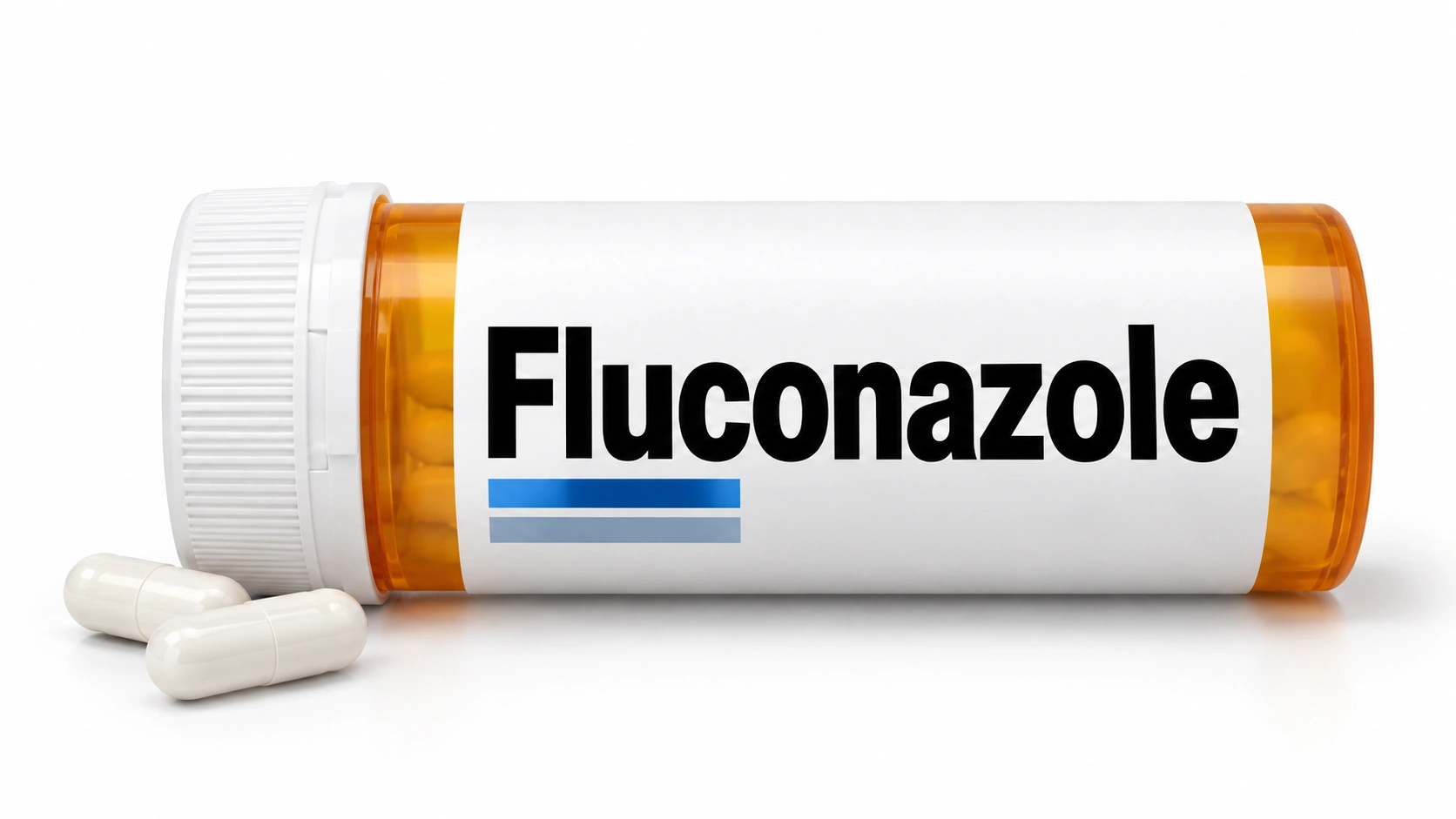
A weekly antifungal tablet sometimes used for widespread or stubborn disease when itraconazole does not suit. The evidence for it in this condition is thinner. Either way, tablets clear a flare rather than change the condition, so the shampoo or cream still has to continue afterwards.

A low dose shrinks the oil glands, and with less oil there is less for the yeast to feed on. It is reserved for severe disease that nothing else has controlled, because it dries the skin, lips and eyes and requires strict pregnancy prevention and monitoring. It is an unusual choice here, not a routine one.
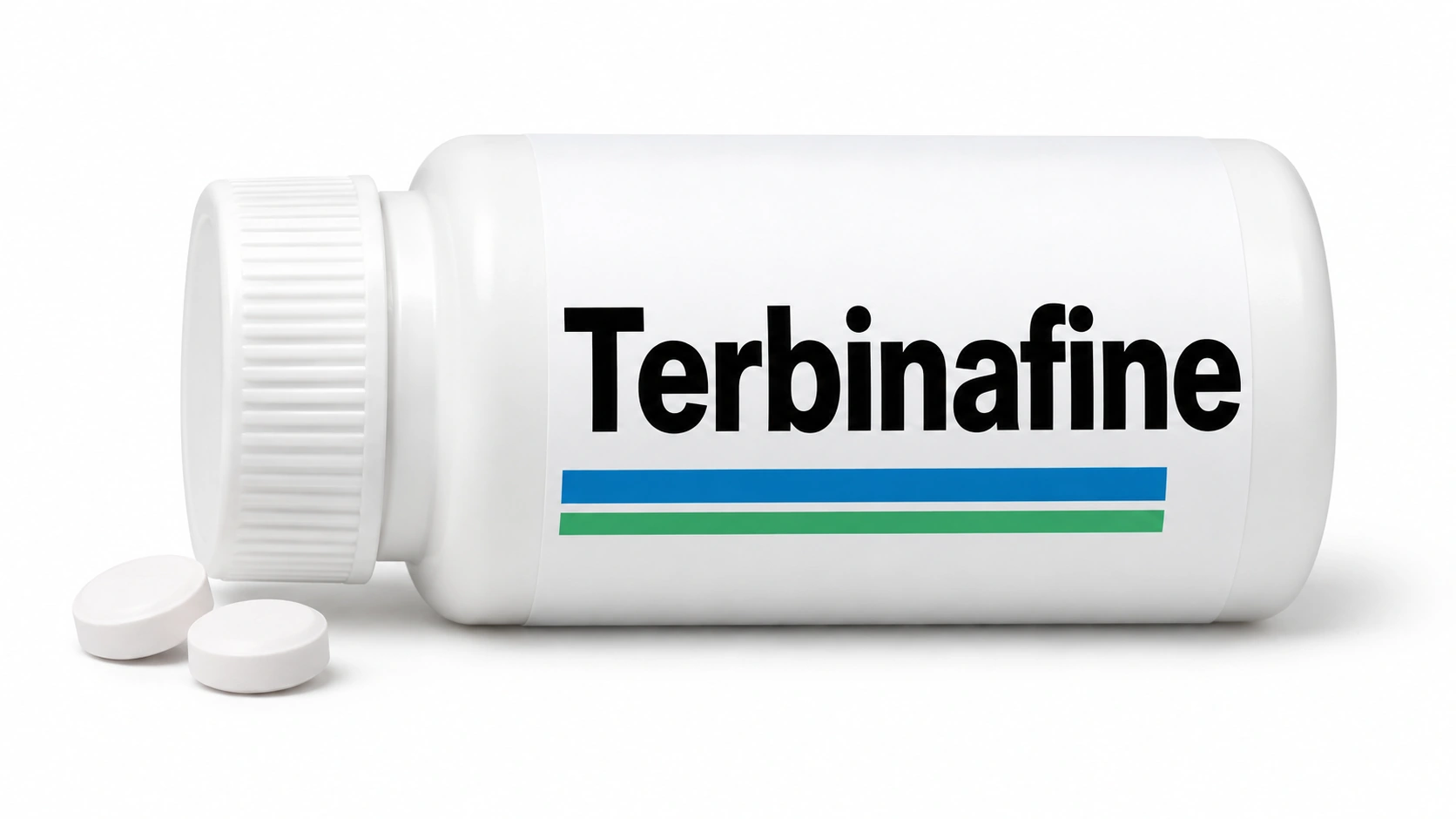
A common antifungal tablet that people are often given for this, and it is a poor match — it works well on the fungi behind athlete's foot and nail infections but has little effect on Malassezia. If a course of it has done nothing, that is expected rather than a sign the diagnosis was wrong.

Narrowband UVB in a clinic, considered only for widespread disease on the body that has not responded to creams. It fits with the fact that most people improve in summer. It means several visits a week for weeks, which is a lot of effort for a condition that usually answers to a shampoo, so it is rarely used.
Facial ringworm generally clears with appropriate antifungal treatment. Reinfection can occur if a source remains; a rash altered by steroid use may need testing and a revised plan.
Seborrheic dermatitis commonly returns after treatment is stopped, so maintenance may be needed. Symptoms can be controlled even when the tendency remains. Infantile seborrheic dermatitis usually follows a shorter course and often settles as the baby grows.
An untreated infection can spread to contacts or other sites; inflamed hair infection can scar.
Pale marks left behind
On deeper skin tones the rash commonly leaves flat pale patches, often ring-shaped or petal-shaped, along the hairline and on the face. For many people these are the real complaint, not the flaking. The color comes back — the inflammation interrupted pigment production rather than destroying it — but it can take several months, and treating the inflammation early is what shortens it.
Sore, crusted eyelid edges
Seborrheic dermatitis can settle on the rims of the eyelids, where it causes greasy crusting at the base of the lashes, redness along the edge, grittiness and morning stickiness. It is common and it is treatable, but face creams and shampoos are not safe this close to the eye. It needs its own plan, so mention it rather than treating it yourself.
Infection in scratched skin
Scratching or scraping the scale off breaks the skin, and bacteria can settle in the damage. The signs are golden-yellow crust, weeping, a hot sore area, or swollen glands in the neck. It is uncommon, and it clears with antibiotics, but it needs to be seen rather than treated with more shampoo.
Seek assessment if the diagnosis is uncertain; painful swollen scalp or beard lesions need prompt care.
Seek care when the diagnosis is uncertain, the rash is extensive or painful, or routine care does not control it.
Ringworm infection of non-bearded facial skin.
Avoid steroid treatment alone; it can disguise and worsen fungal infection. Do not share towels.
Seek assessment if the diagnosis is uncertain; painful swollen scalp or beard lesions need prompt care.
The same process at different intensities. Dandruff is the mild end - flaking and itch with little visible inflammation. Seborrheic dermatitis is the fuller version, with inflamed, discolored skin and greasy scale, and it can involve the face, ears and chest too. The same treatments work for both, and many people move between them over the years.
The infant version clears on its own, almost always within the first year. The adult version is long term. It is very treatable, and most people keep it more or less invisible with a once or twice weekly routine, but controlled is not cured. It fluctuates with season, stress and general health, so quiet spells are normal and not proof it has gone.
For most people it helps, because washing removes the oil and scale the yeast uses. That does not suit every hair type, and frequent washing of textured or treated hair can do real damage. If two or three times a week is not realistic, ask for a leave-on antifungal foam, lotion or cream, or apply the shampoo to the scalp in sections without lathering the length. The plan should fit your hair.
No, on both counts. Malassezia lives on the skin of essentially every adult as a normal resident. Seborrheic dermatitis is your immune system reacting to that normal resident, not an infection you caught, and nobody can catch it from you.
It does not destroy hair follicles or cause permanent hair loss. Severe inflammation and persistent scratching can cause temporary shedding, which recovers once the scalp settles. Hair lost in a defined pattern, or a scarring scalp with smooth bald patches, is a different problem and worth having looked at.
Because the creases beside the nose and the eyebrows are where seborrheic dermatitis lives, and it is easy to read that as your products drying you out. More moisturizer will not shift it, and acids and scrubs make it worse. The test is simple - an antifungal cream a few times a week there usually improves it within two weeks.
Sources