Shingles vs Chickenpox

Shingles is a painful, blistering rash that follows one nerve on one side of the body. It is caused by the chickenpox virus waking up years later. Antiviral tablets help most when they are started within three days of the rash appearing. A contagious varicella virus infection with successive crops of itchy blisters.

Research updated 2026-10-23
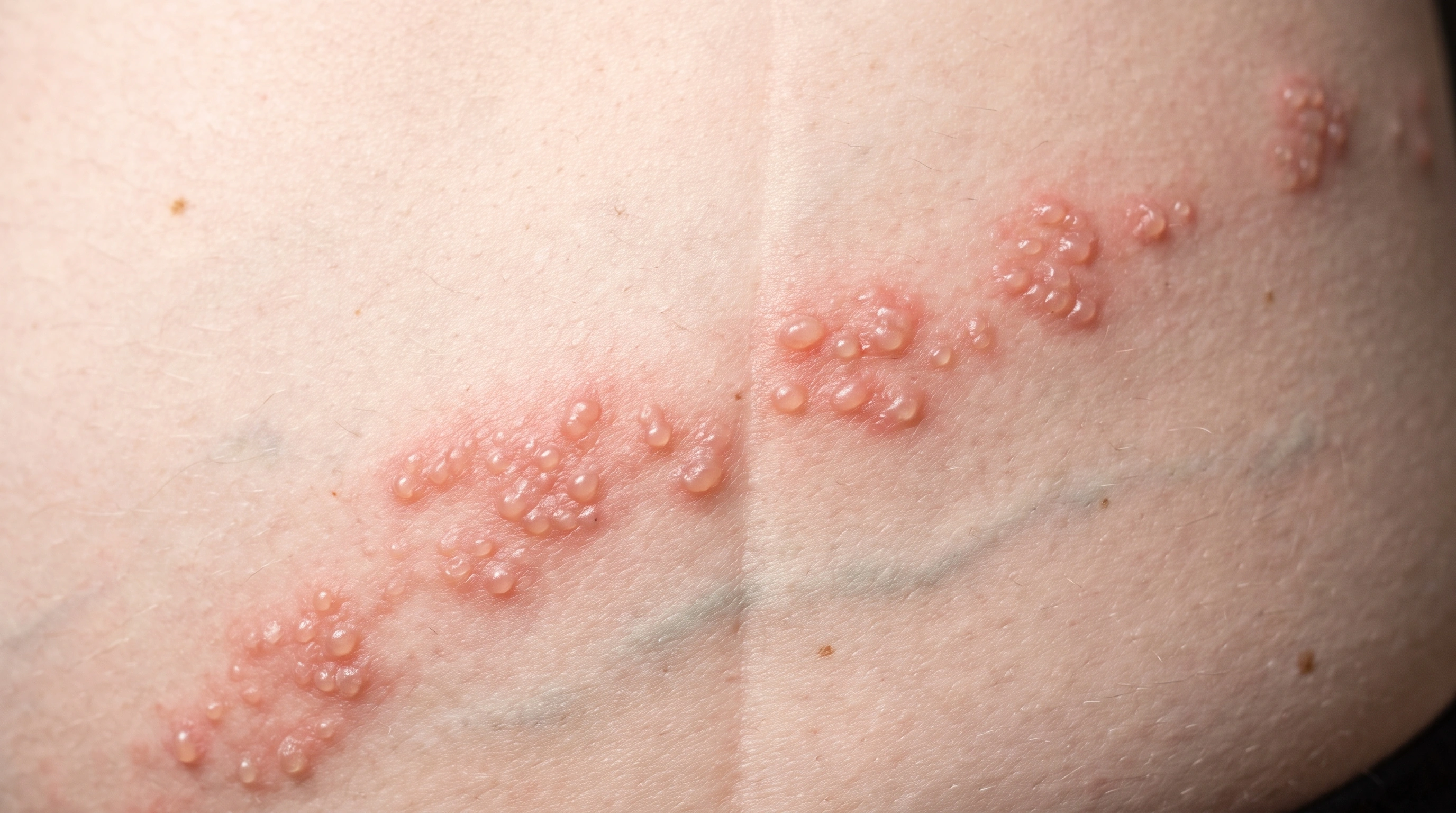
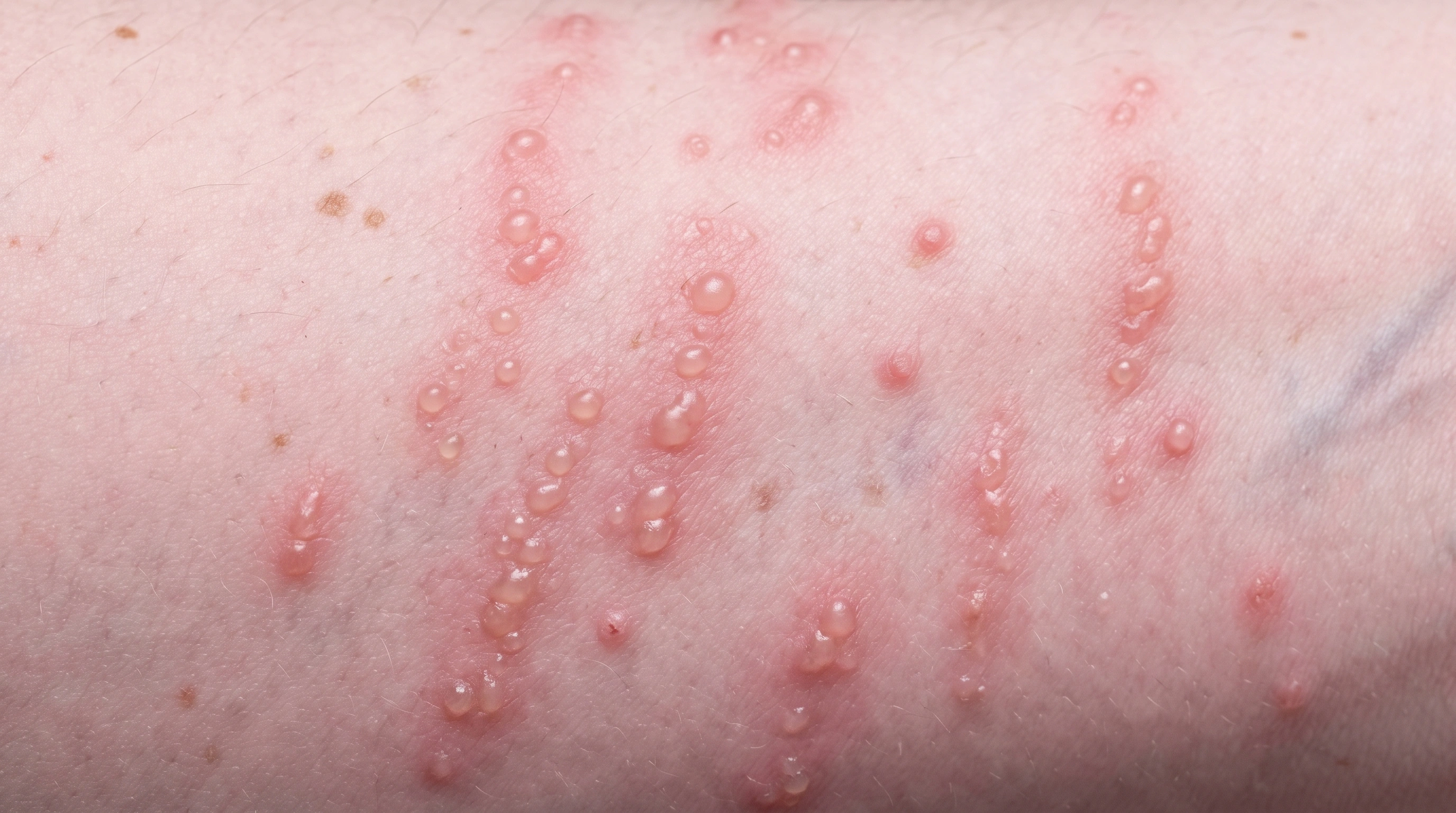
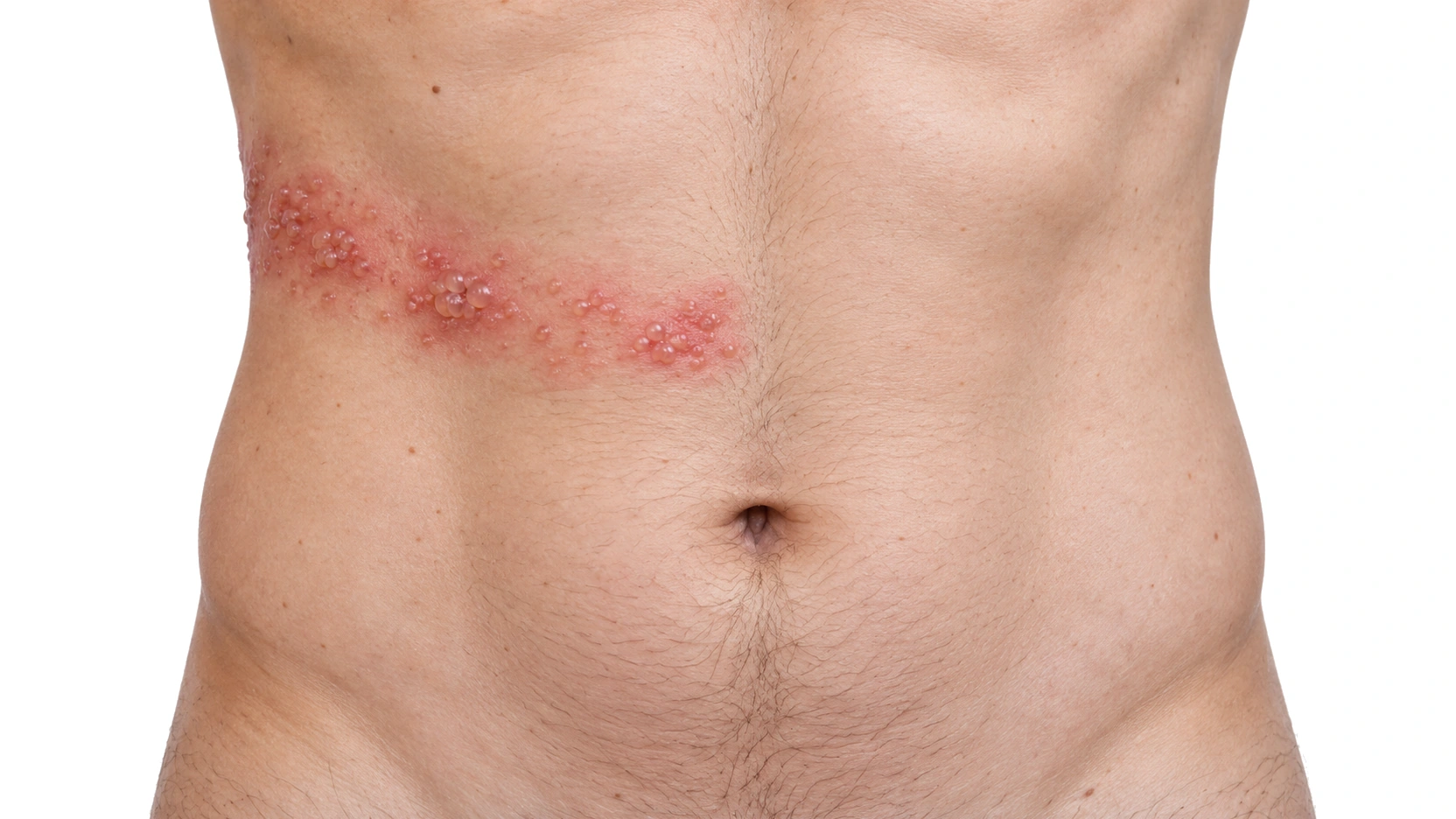
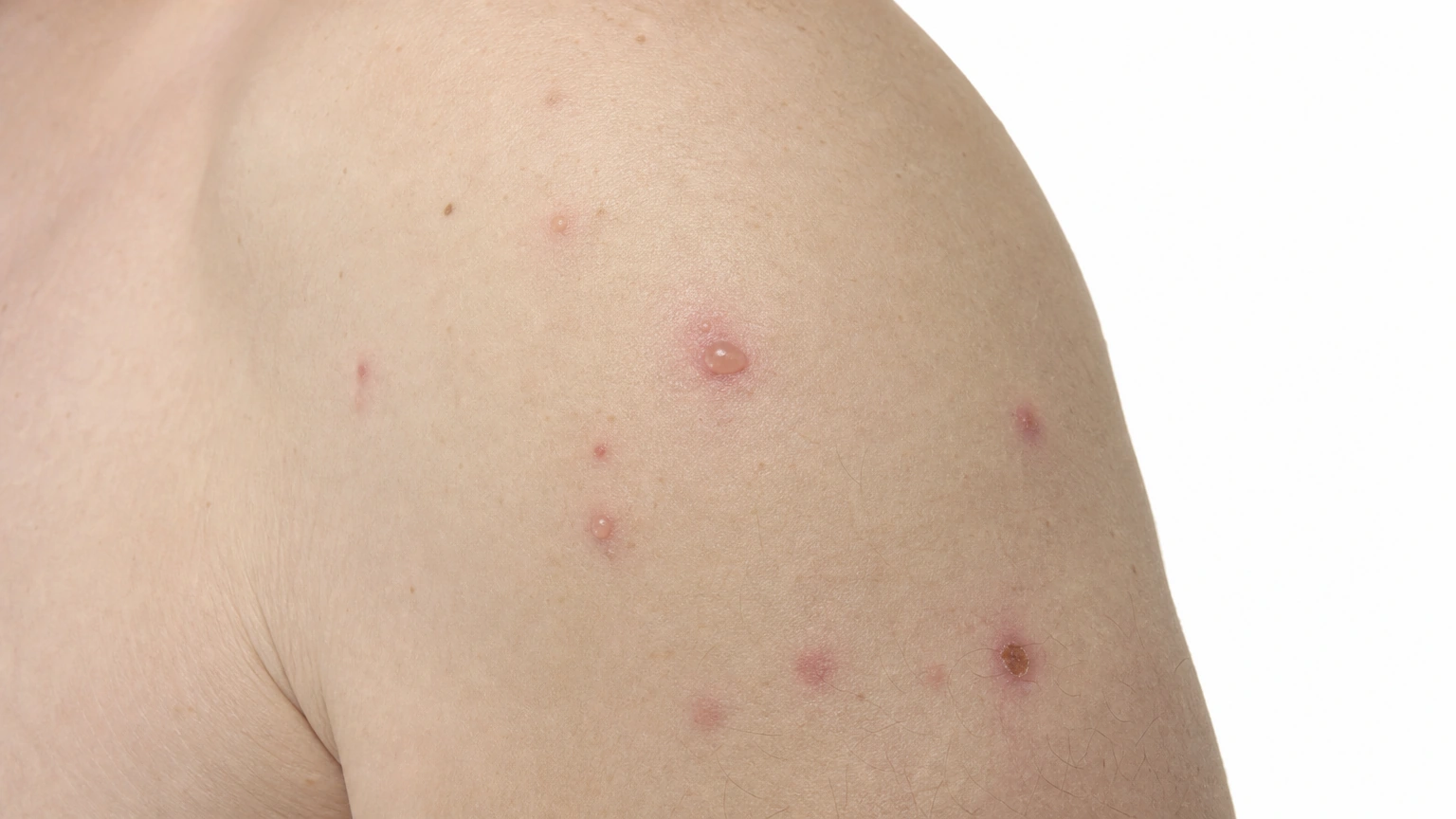
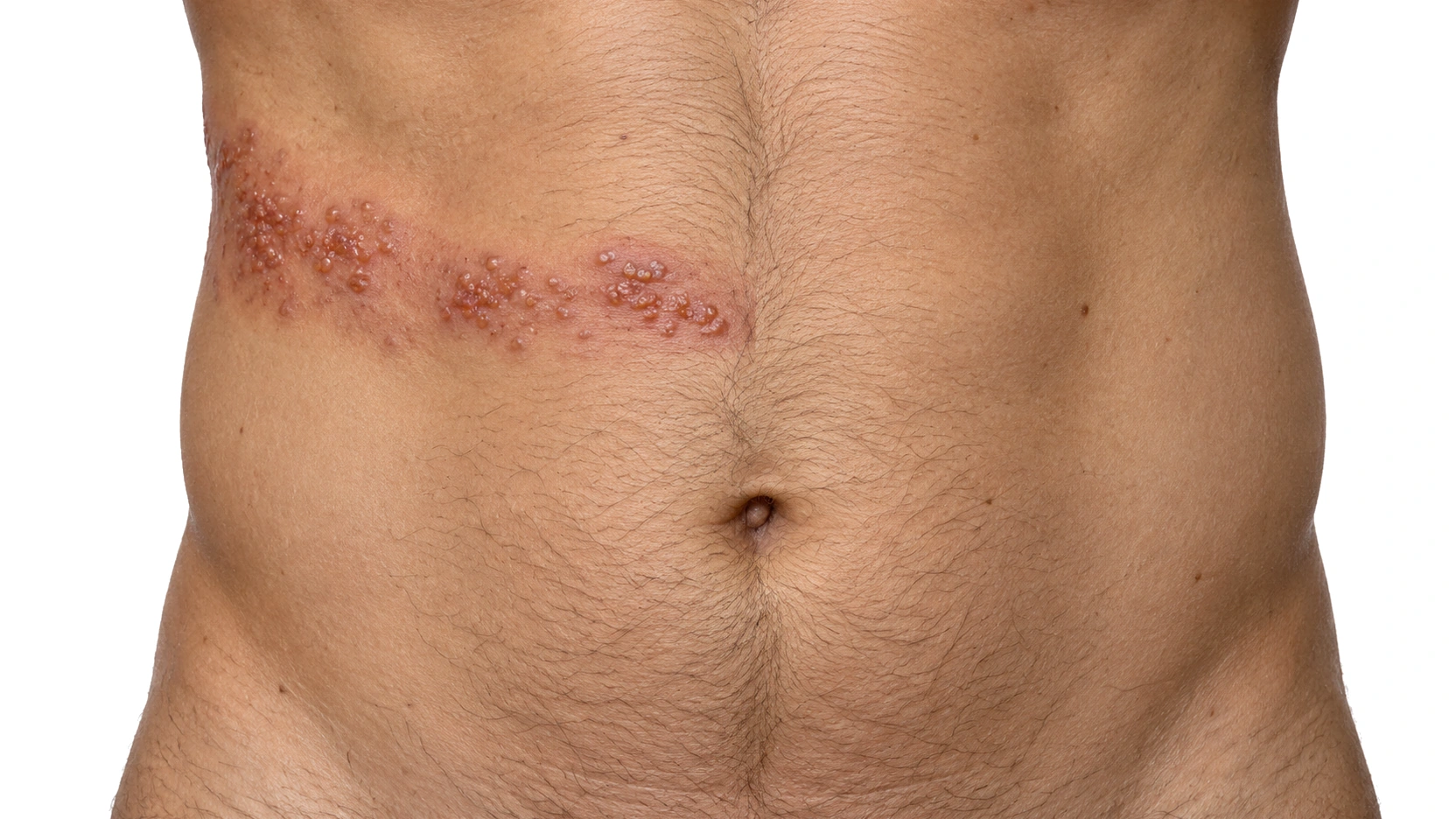
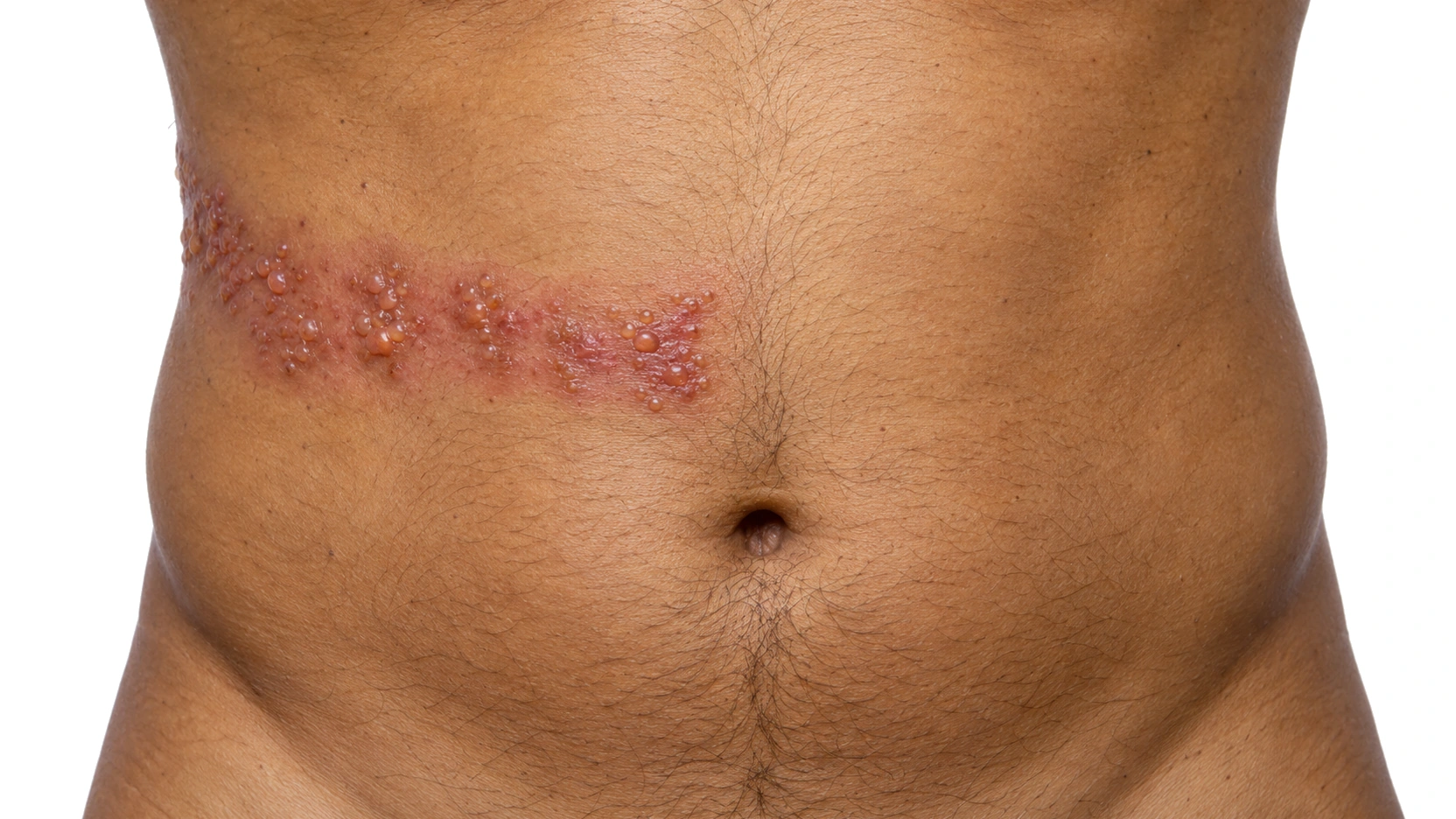
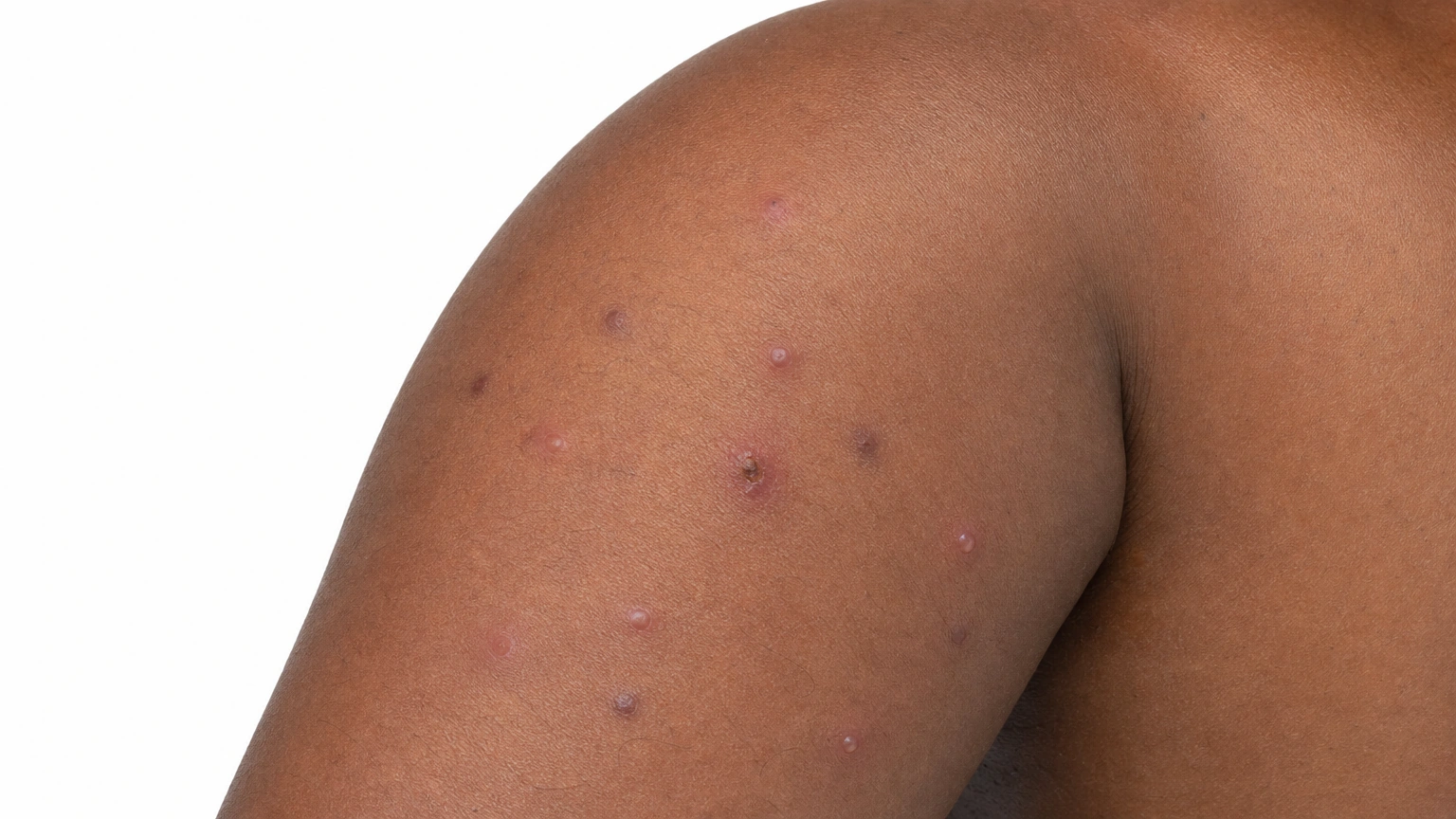
Grouped shingles blisters in a single narrow band on one side of the abdomen, stopping before the midline.Educational illustration of a representative crop of scattered papules, small vesicles and a few crusts on an upper arm and shoulder on light skin.

Key differences

The same eight facts on every condition comparison.

Usual age
50 and over
Childhood; anyone not immune
Where
A band on one side of the body
Trunk, face, scalp, then spreads
Main sign
Painful blisters in a stripe
Crops of itchy blisters
Itch or pain
Burning pain
Very itchy
Contagious
Chickenpox to those never exposed
Yes, very
Long term
Heals in 2 to 4 weeks
Clears in 1–2 weeks
Scars
Sometimes
Can leave pitted scars
Who gets it
Anyone who had chickenpox
Unvaccinated people

What is it?

Shingles
Chickenpox
What is it?
  • It is a reactivated virus.
    The chickenpox virus can lie dormant in nerves and later reactivate.
  • It follows a nerve.
    Inflammation follows a nerve band and causes a skin eruption.
  • Risk rises with weaker immunity.
    Age and immune-lowering treatment increase risk, but younger people can get it.
  • Care has several parts.
    Antivirals, pain control and checking for complications are each addressed.
  • What it is
    A contagious varicella virus infection with successive crops of itchy blisters.

What it looks like

Shingles

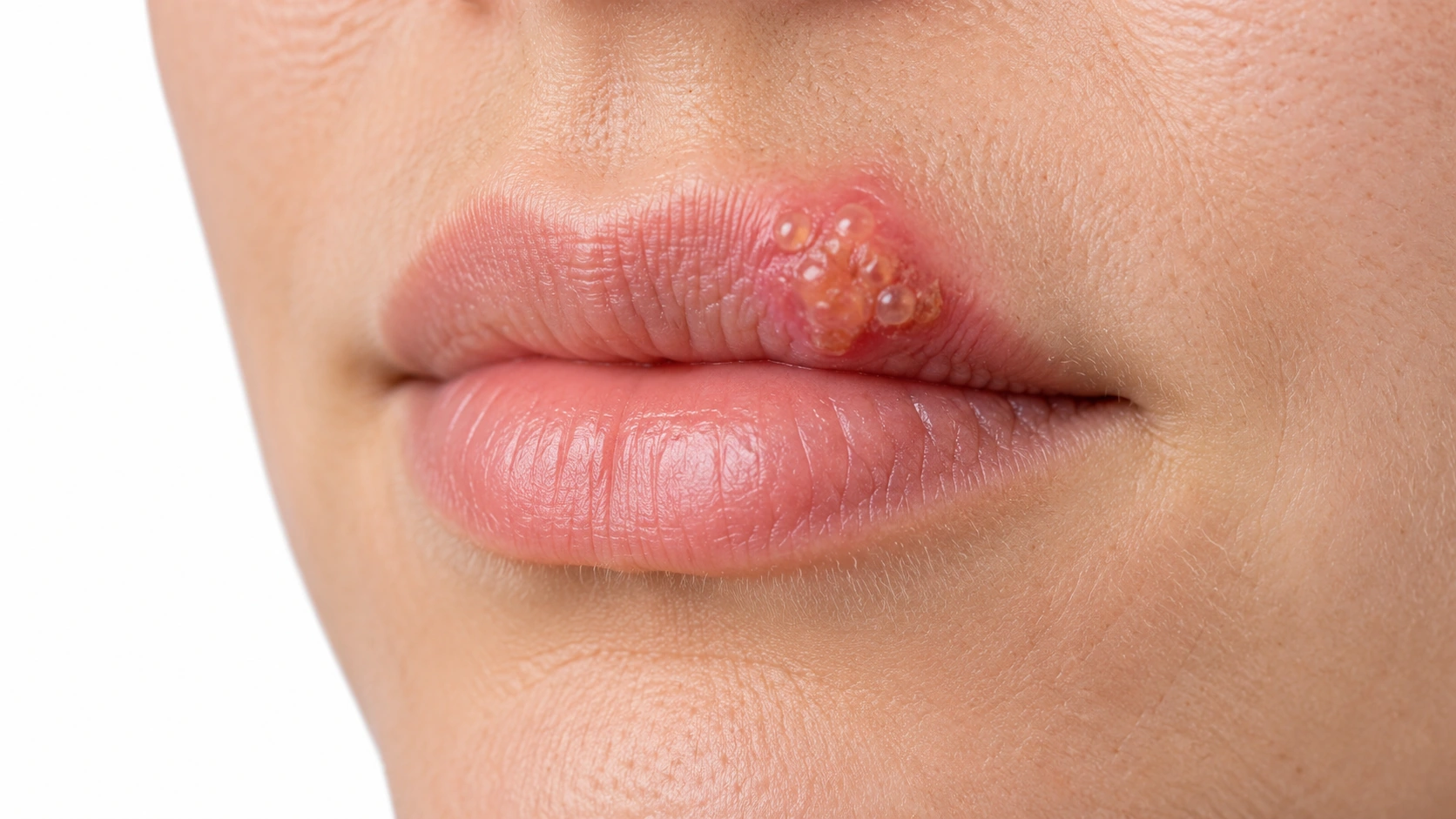
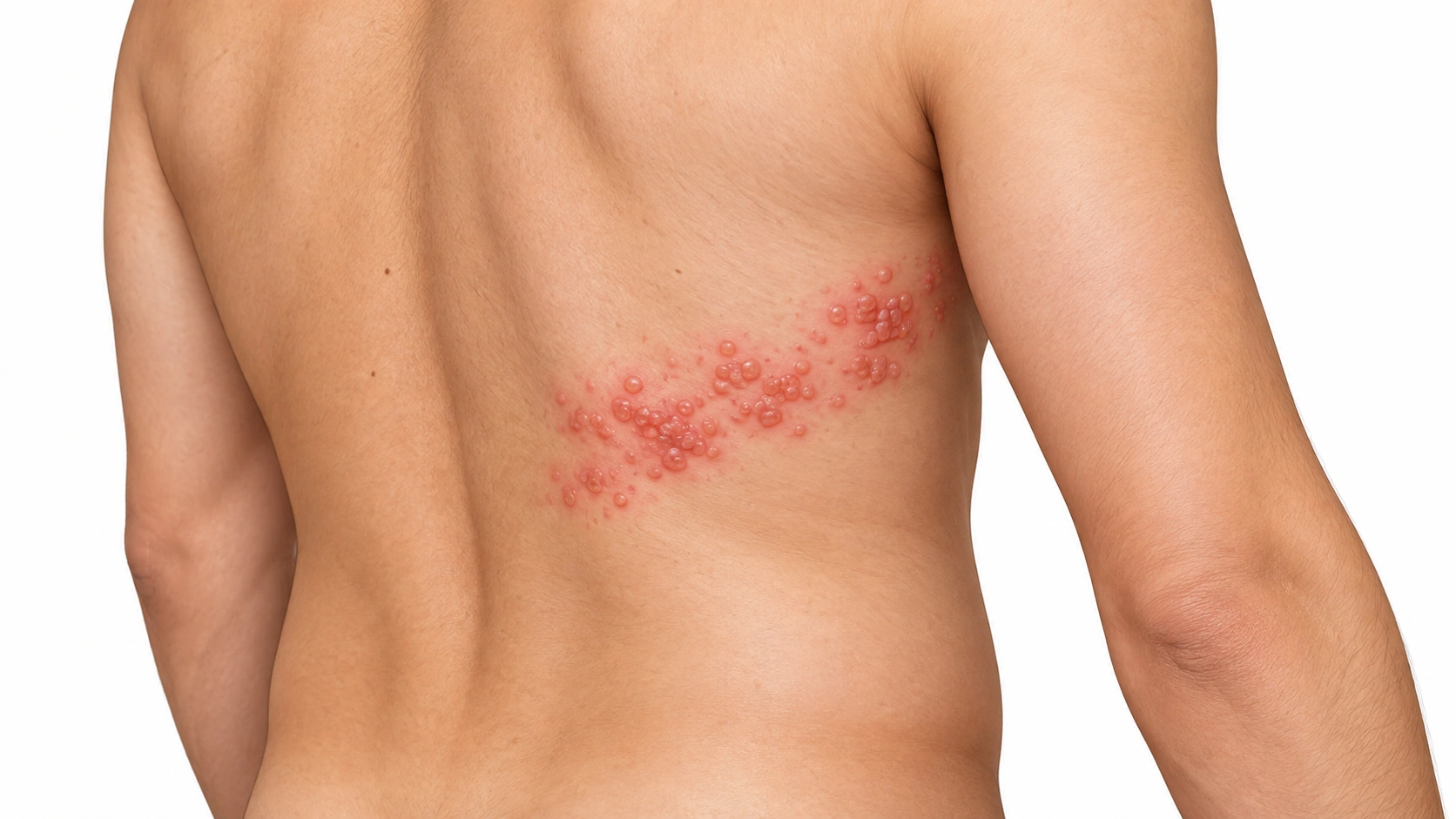
Representative image of shingles torso. Reused for related Supporting concepts; it is not an exact depiction of every subtype, location or stage, or a diagnostic reference.

Truncal shingles A band around one side of the chest or back.

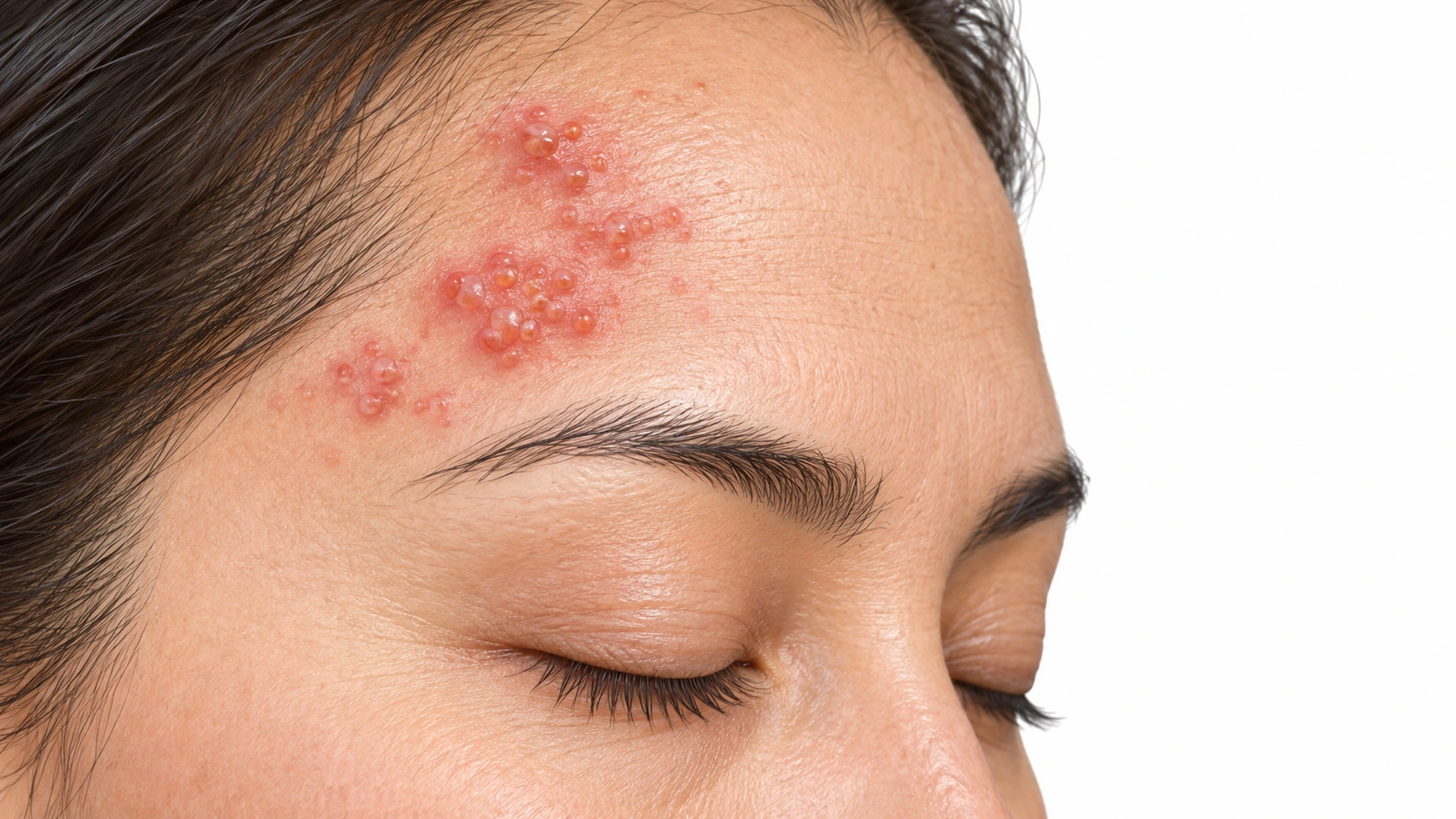
Representative image of shingles forehead. It is not a diagnostic reference or an exact depiction of every subtype, stage or location.

Facial and ocular shingles Forehead, scalp or around the eye.

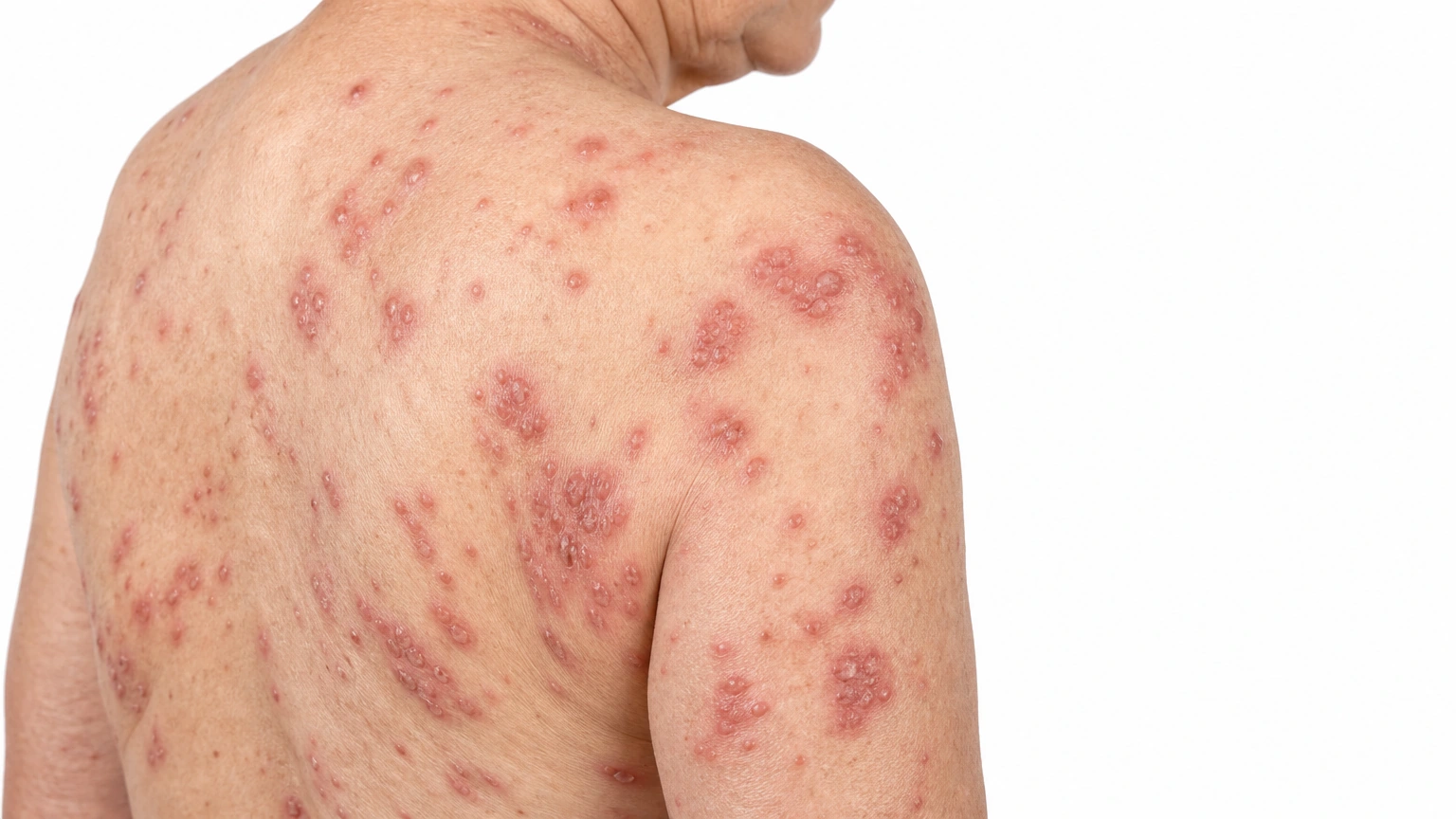
Widespread clusters of red vesicles across the back and shoulder, representing disseminated shingles.

Disseminated shingles Widespread; in weakened immunity.

Chickenpox

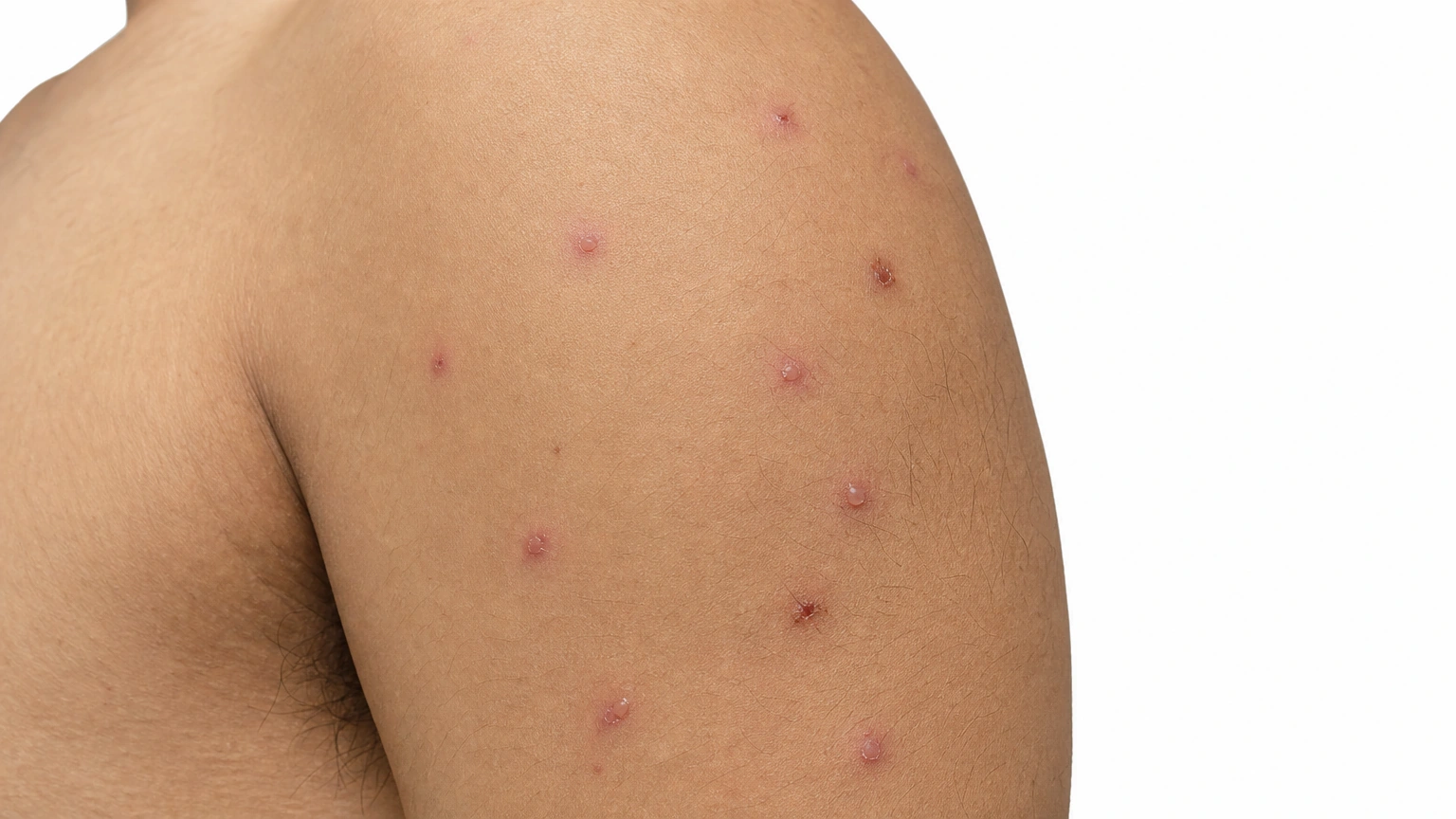
A back with scattered red spots, pale-centered blisters, and brown crusts.

Chickenpox Red bumps, small blisters, and crusted spots appear together on the back.

Skin tones
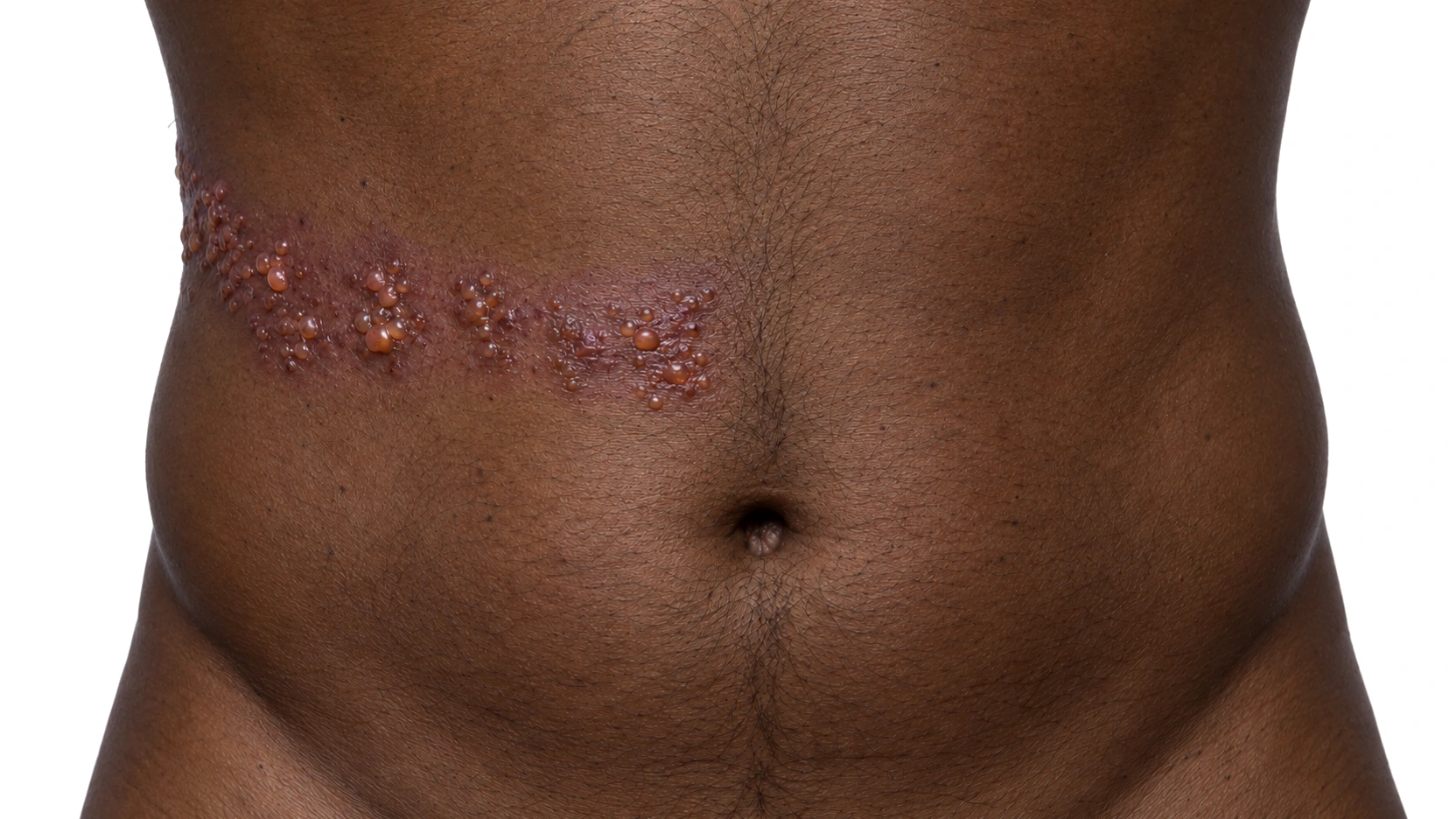
Grouped shingles blisters in a single narrow band on one side of the abdomen, stopping before the midline.
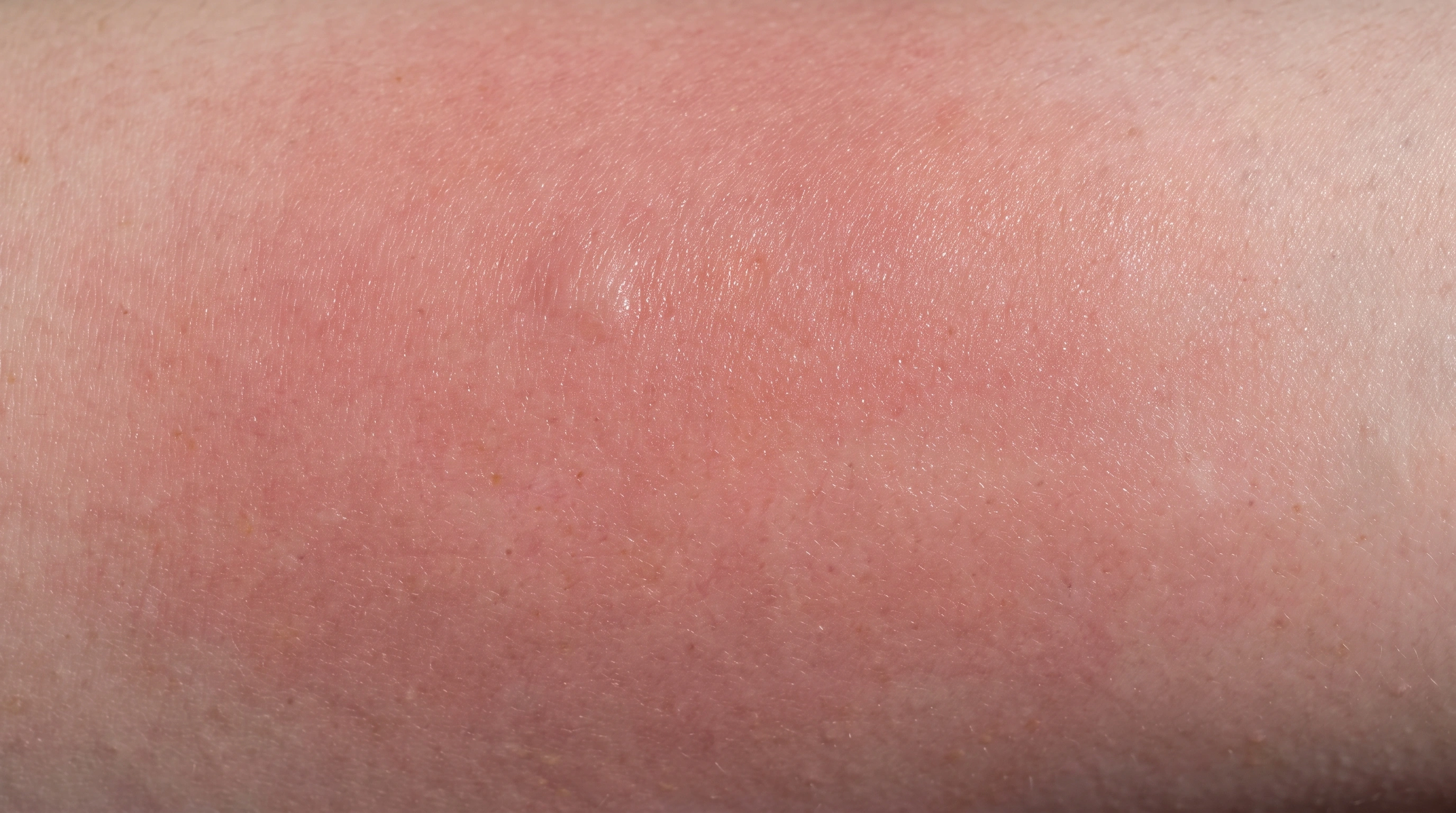
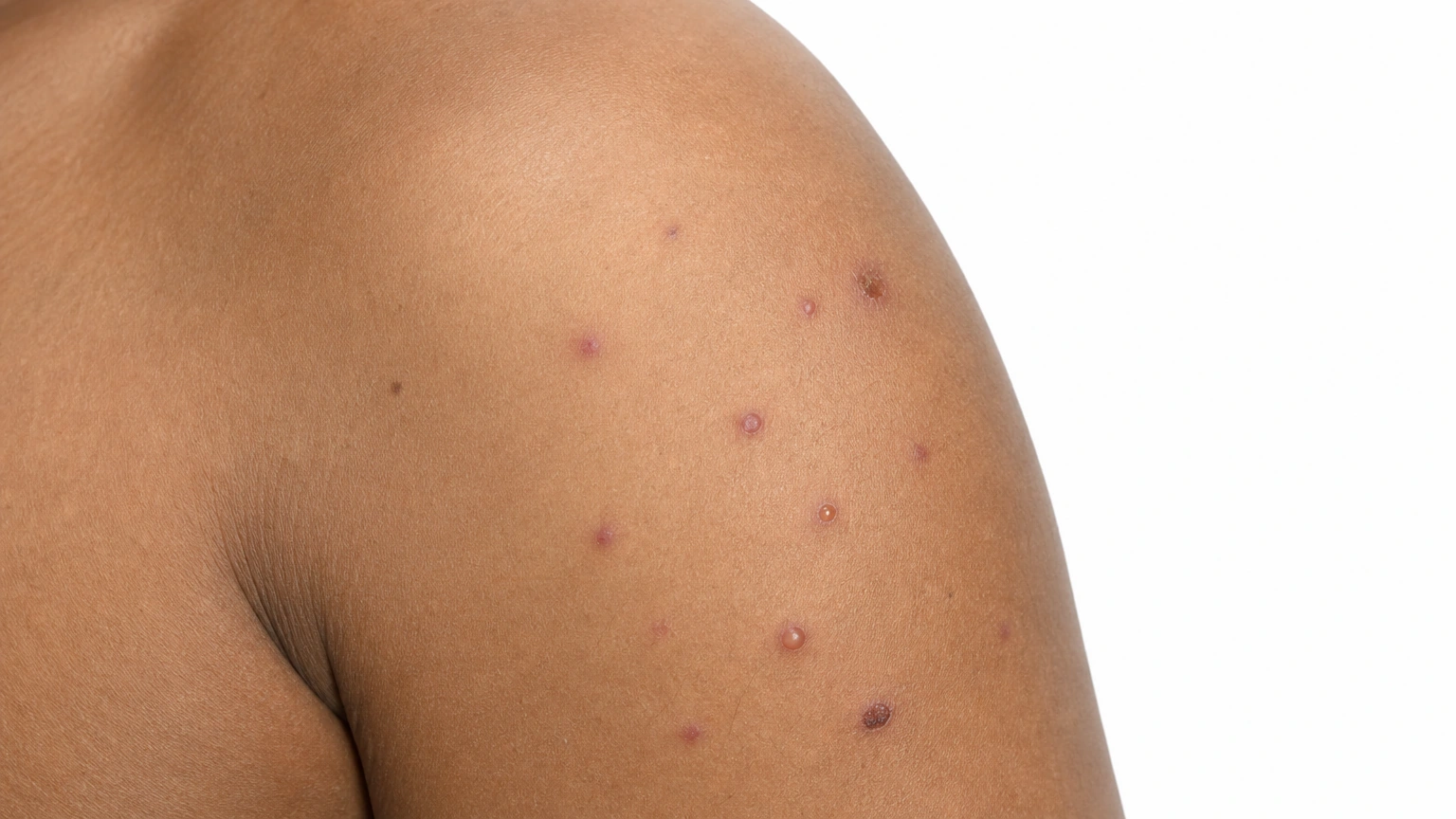
Educational illustration of a representative crop of scattered papules, small vesicles and a few crusts on an upper arm and shoulder on light skin.
Educational illustration of a representative crop of scattered papules, small vesicles and a few crusts on an upper arm and shoulder on medium skin.
Educational illustration of a representative crop of scattered papules, small vesicles and a few crusts on an upper arm and shoulder on brown skin.
Educational illustration of a representative crop of scattered papules, small vesicles and a few crusts on an upper arm and shoulder on deep skin.
Diagram
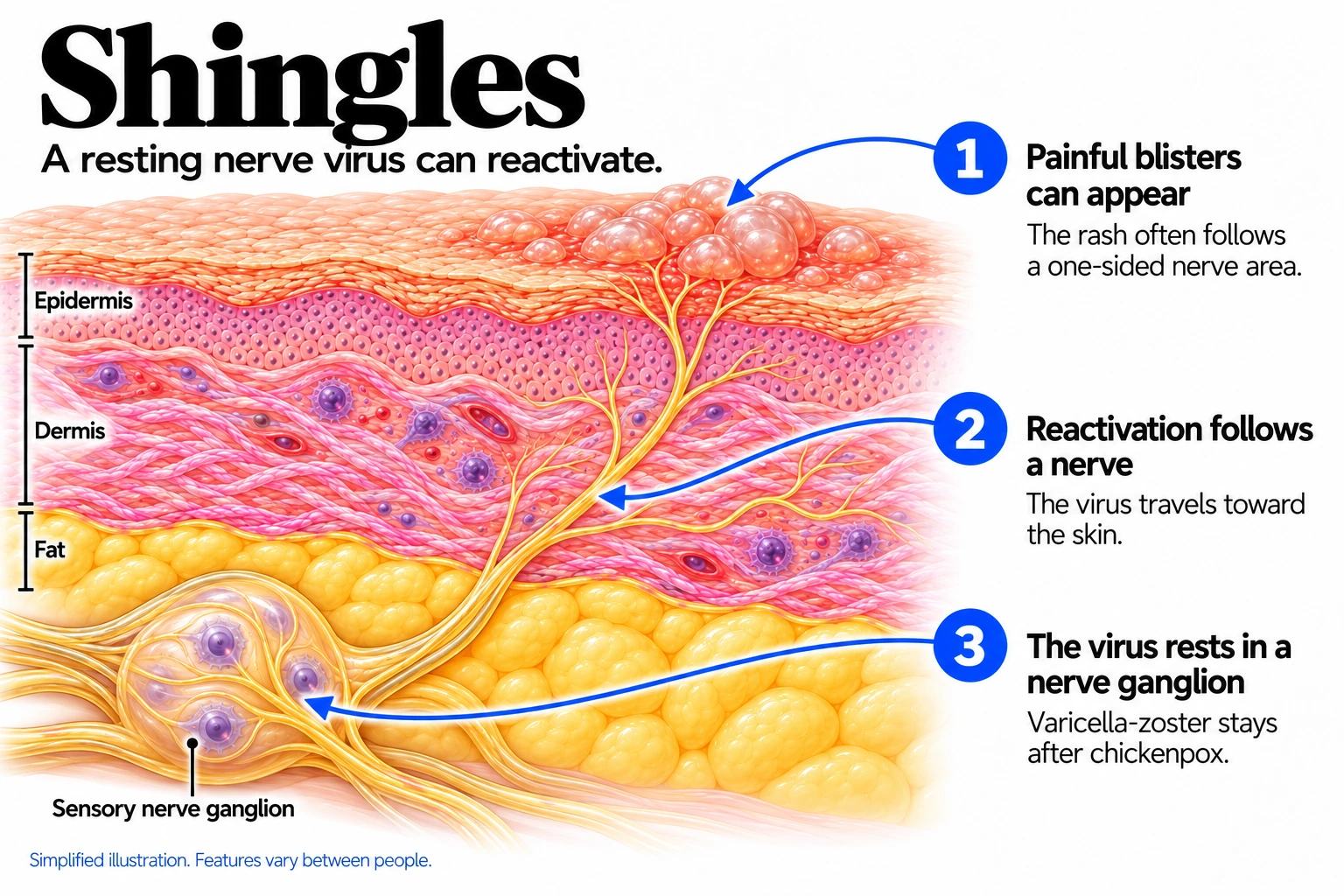
Shingles mechanism diagram. Painful blisters can appear: The rash often follows a one-sided nerve area. Reactivation follows a nerve: The virus travels toward the skin. The virus rests in a nerve ganglion: Varicella-zoster stays after chickenpox.
In the skin

Varicella-zoster virus remains dormant in sensory nerves after chickenpox. When it reactivates, it travels toward the skin and can cause pain and grouped blisters in a one-sided nerve distribution.

Initial infection with varicella-zoster virus produces the chickenpox rash. The virus then remains dormant in sensory nerves and may later reactivate as shingles.

When it usually starts

010203040506070+

Shingles. Risk rises with age, particularly after age 50, but younger people can be affected.

Chickenpox. Can occur at any age without immunity; adult illness may be more severe.

Causes and triggers

Causes

Shingles is caused by the chickenpox virus waking up years after it first infected you. The virus stays dormant in nerves and can reactivate later.

Varicella-zoster virus causes the primary infection and remains dormant afterwards.

Risk factors
Age over 50, Weakened immunity, Cancer treatment, Never vaccinated
Lack of immunity, Close contact exposure
Trigger
● Shingles
● Chickenpox
Weakened immunity
Well established
Not listed
Illness
Strong link
Not listed
Immune-suppressing medicines
Well established
Not listed
Stress
Possible
Not listed
Exposure to varicella virus
Not listed
Can contribute

Daily Care

Shingles
Chickenpox
Daily care

Habits that help

  • Keeping the rash covered
    A loose, non-adhesive dressing until it crusts.
  • Loose cotton clothing
    Less pressure over the band, less pain.
  • Plain petrolatum on broken areas
    Stops cracking and lowers infection risk.
  • Rest, and lowering expectations
    Pushing through shingles is not rewarded.
  • The shingles vaccine
    Two doses, more than 90 percent effective after 50.
  • Getting vaccinated after an episode
    One episode does not protect you.
  • Seek early treatment for suspected shingles, ideally within 72 hours
    Early treatment is most effective. Eye involvement, immune suppression or new lesions can warrant treatment even after 72 hours; do not assume it is too late to seek care.
  • Discuss how age affects monitoring and recovery
    Longer episodes and more lasting nerve pain.
  • Discuss immune suppression and the need for earlier assessment
    Raises reactivation, spread and complications.

Avoid

  • Avoid: Breaking or scratching the blisters
    Spreads virus and turns marks into scars.
  • Avoid: Ignoring a rash near the eye
    Forehead, eyelid or nose blisters, same day.
  • Avoid: Ear blisters with facial weakness
    Droop, hearing change or dizziness is urgent.
  • Avoid: Not covering the rash
    Blister fluid gives chickenpox to anyone not immune.
  • Avoid: Tight clothing and adhesive dressings
    Pressure worsens pain and tears blisters.
  • Avoid: Poor sleep during the episode
    Pain and sleep loss feed each other.
  • Avoid: Waiting to see if it settles
    Antivirals work best within 72 hours.
  • Avoid: Leaving severe pain untreated
    Linked with worse nerve pain later.
  • Avoid: Topical antiviral cream
    Antiviral creams sold for cold sores do not work for shingles. The virus is in the nerve, not just on the surface, so treatment has to be swallowed or given by drip. Reaching for a cream instead is one of the ways the 72-hour window gets missed.

Habits that help

  • Offer regular fluids and rest
    Small frequent drinks may be easier if mouth sores make drinking uncomfortable.
  • Keep nails short and discourage scratching
    Gentle reminders and soft clothing help reduce skin injury.
  • Use cool or lukewarm bathing and gentle moisturizer
    Pat skin dry and avoid overheating if it worsens itch.
  • Stay away from pregnant, newborn and immunocompromised contacts
    Keep away from others until all spots have crusted; follow local public-health advice.
  • Fluids and age-appropriate acetaminophen
    Can help fever and comfort; children must not receive aspirin, and avoid ibuprofen unless advised.

Avoid

  • Avoid: Aspirin in children and teenagers
    It can cause a serious complication during a viral illness.
  • Avoid: Ibuprofen unless a clinician specifically advises it
    It is linked with serious skin complications in chickenpox; ask about suitable fever or pain relief.

Treatment differences

Evidence labels come from each condition’s own treatment list.

Treatment
● Shingles
● Chickenpox
Over-the-counter
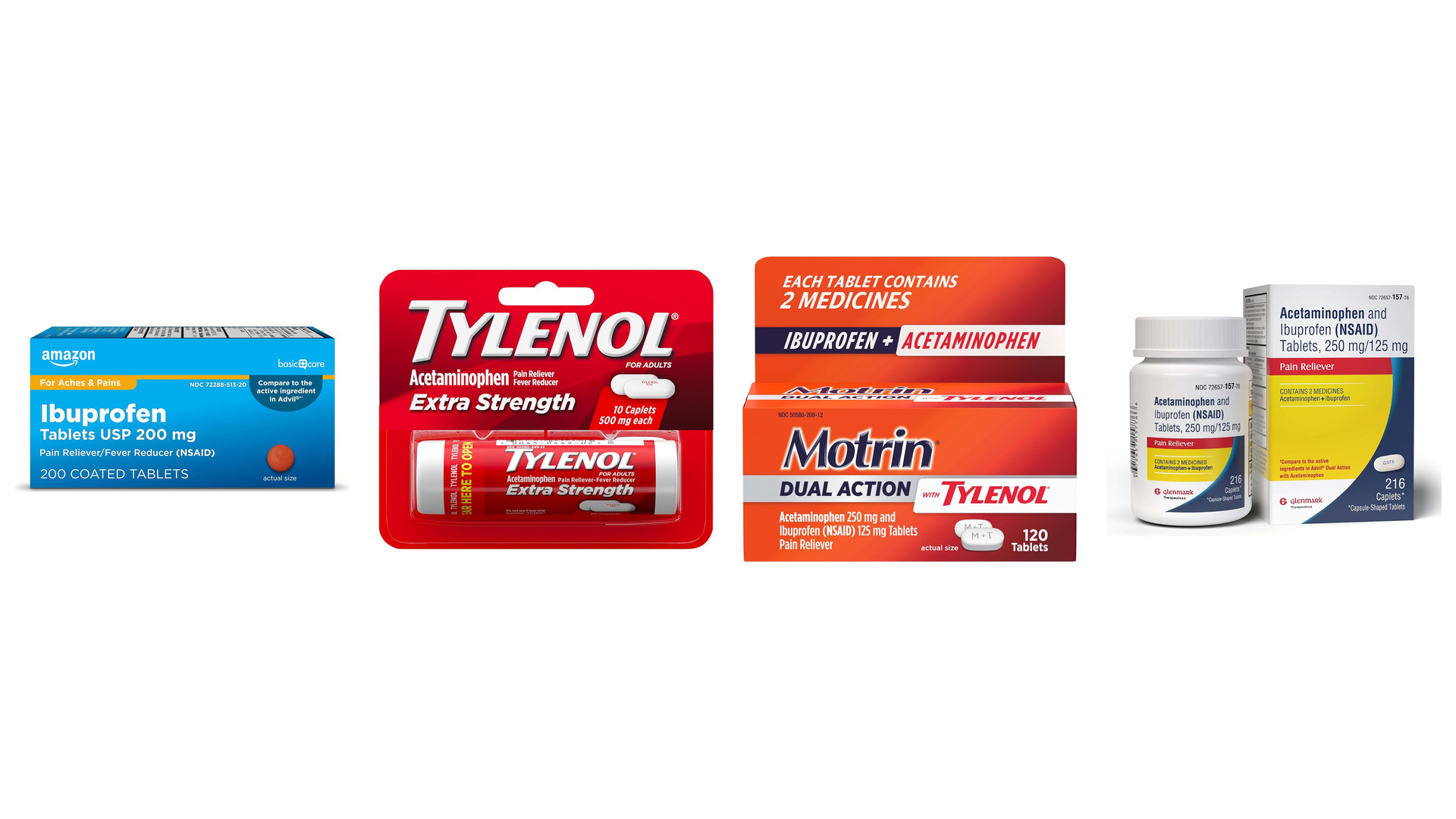
Existing Dermapedia illustration of acetaminophen and ibuprofen.

Acetaminophen and ibuprofen

Limited evidence

The first step for shingles pain, and enough on their own for a milder episode. They work better taken regularly than only when the pain peaks. Shingles pain is nerve pain, so if these are not holding it, that is a reason to ring your doctor rather than to take more.
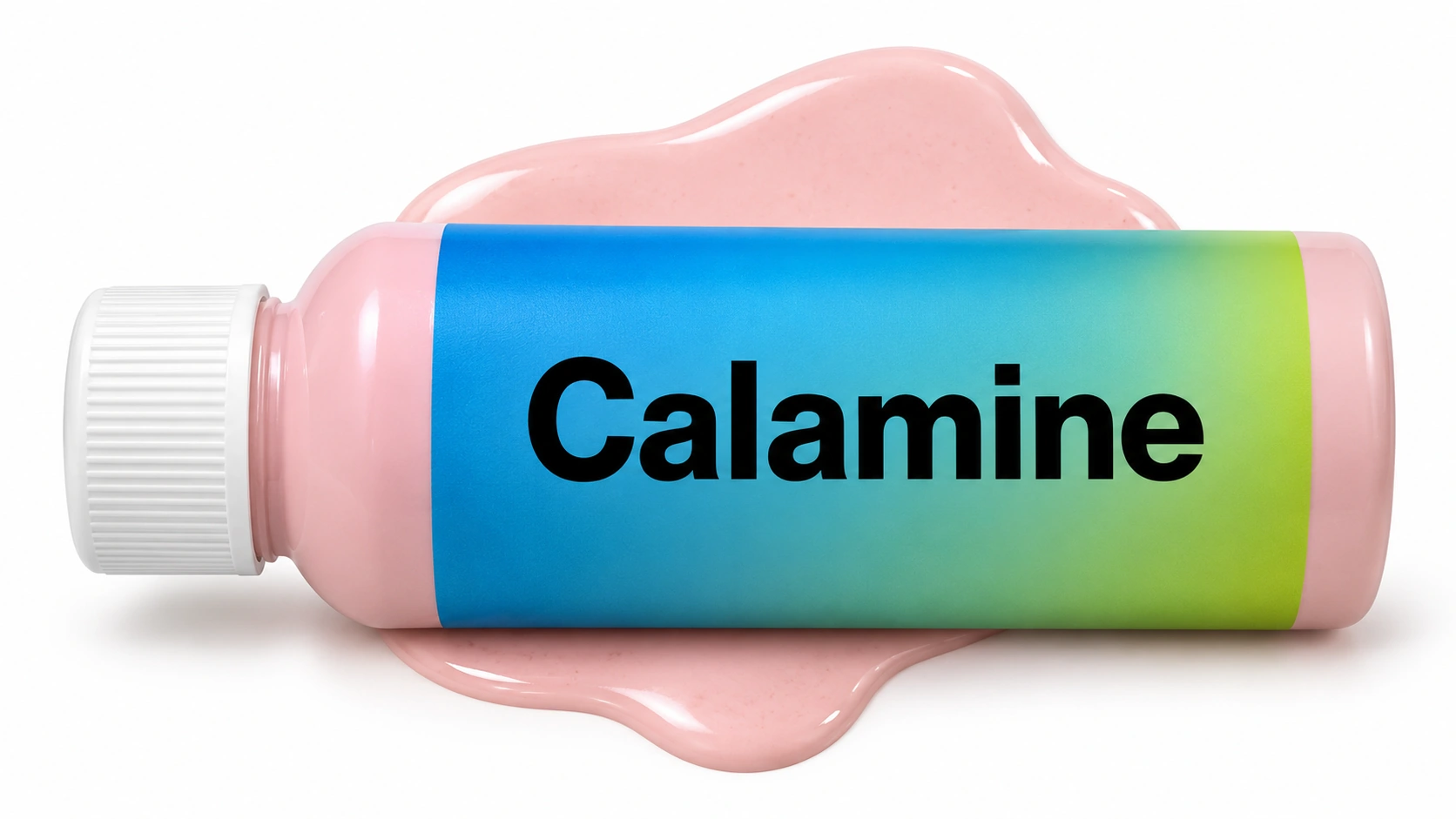
Existing Dermapedia illustration of calamine lotion.

Calamine lotion

Limited evidence

Dabbed on while the blisters are present, it cools the skin and takes the edge off the itching. A cool compress does much the same thing. Neither shortens the episode, and neither should be rubbed in, because breaking the blisters spreads virus and can leave scars.

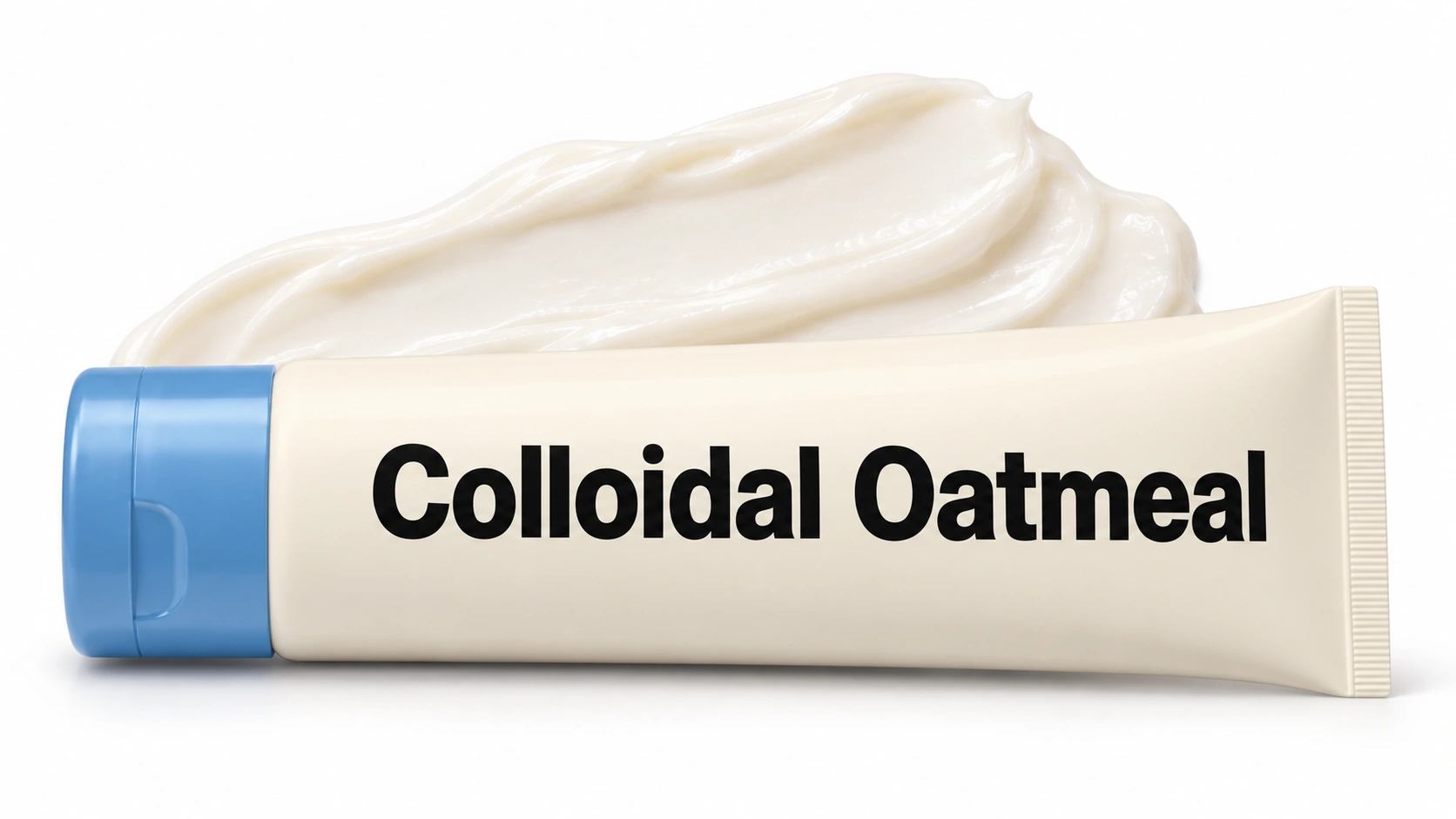
Five colloidal oatmeal eczema products lined up on white: tubes, a jar and a pump lotion

Colloidal Oatmeal

Limited evidence

An oatmeal soak can settle itching while the rash is blistering, in cool rather than hot water. It is comfort only. It does not change how long shingles lasts or whether nerve pain follows.

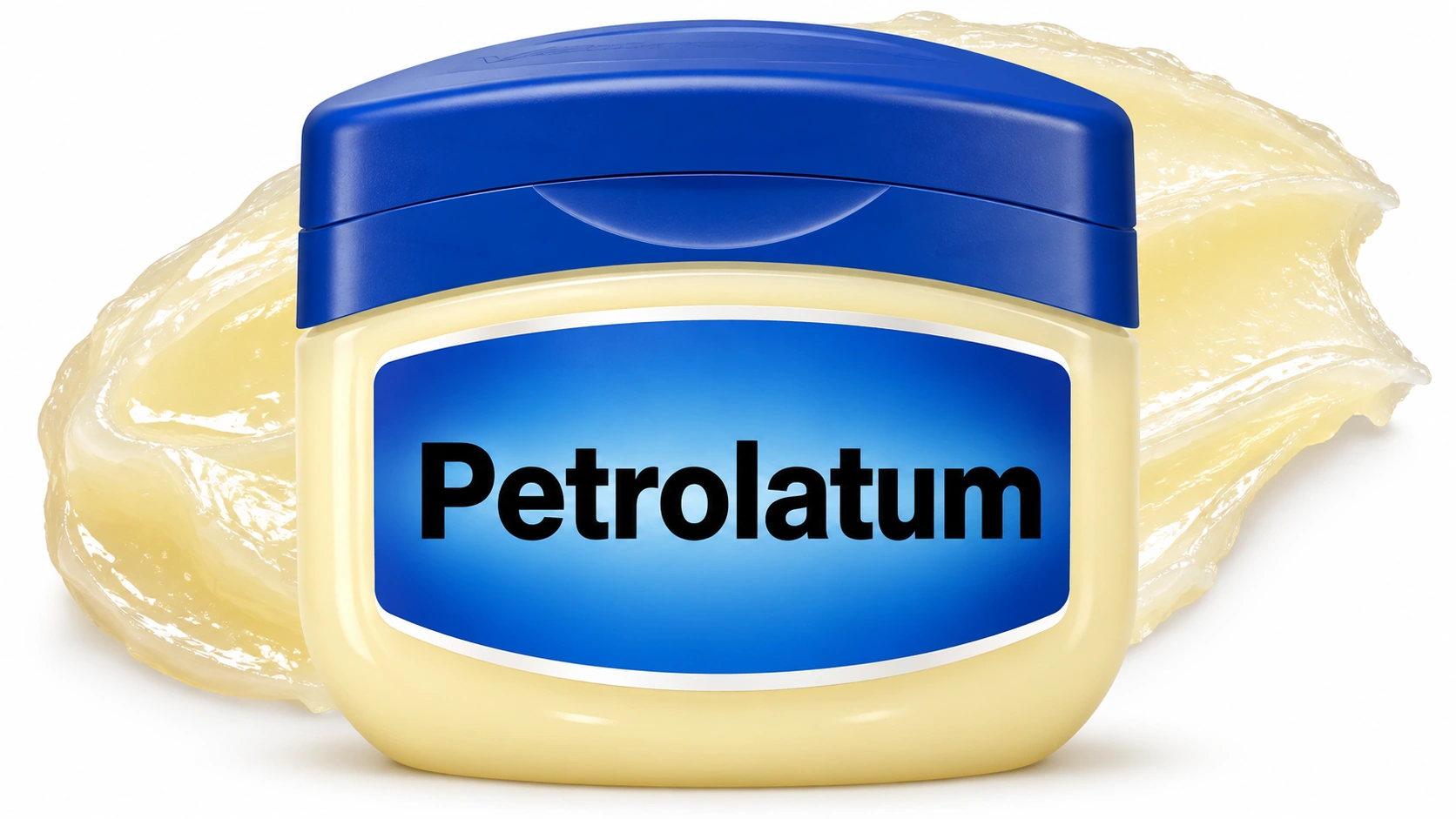
Four ointments on white: CeraVe Healing Ointment, a Vaseline jar, a petroleum jelly tube and Aquaphor

Petrolatum

Listed

A thin layer of plain petroleum jelly on broken or crusting areas stops them drying and cracking, which lowers the risk of bacteria getting in. It has no effect on the virus itself. Use it under a loose, non-stick dressing rather than an adhesive one, which tears blisters when it comes off.

None listed
Prescription topicals
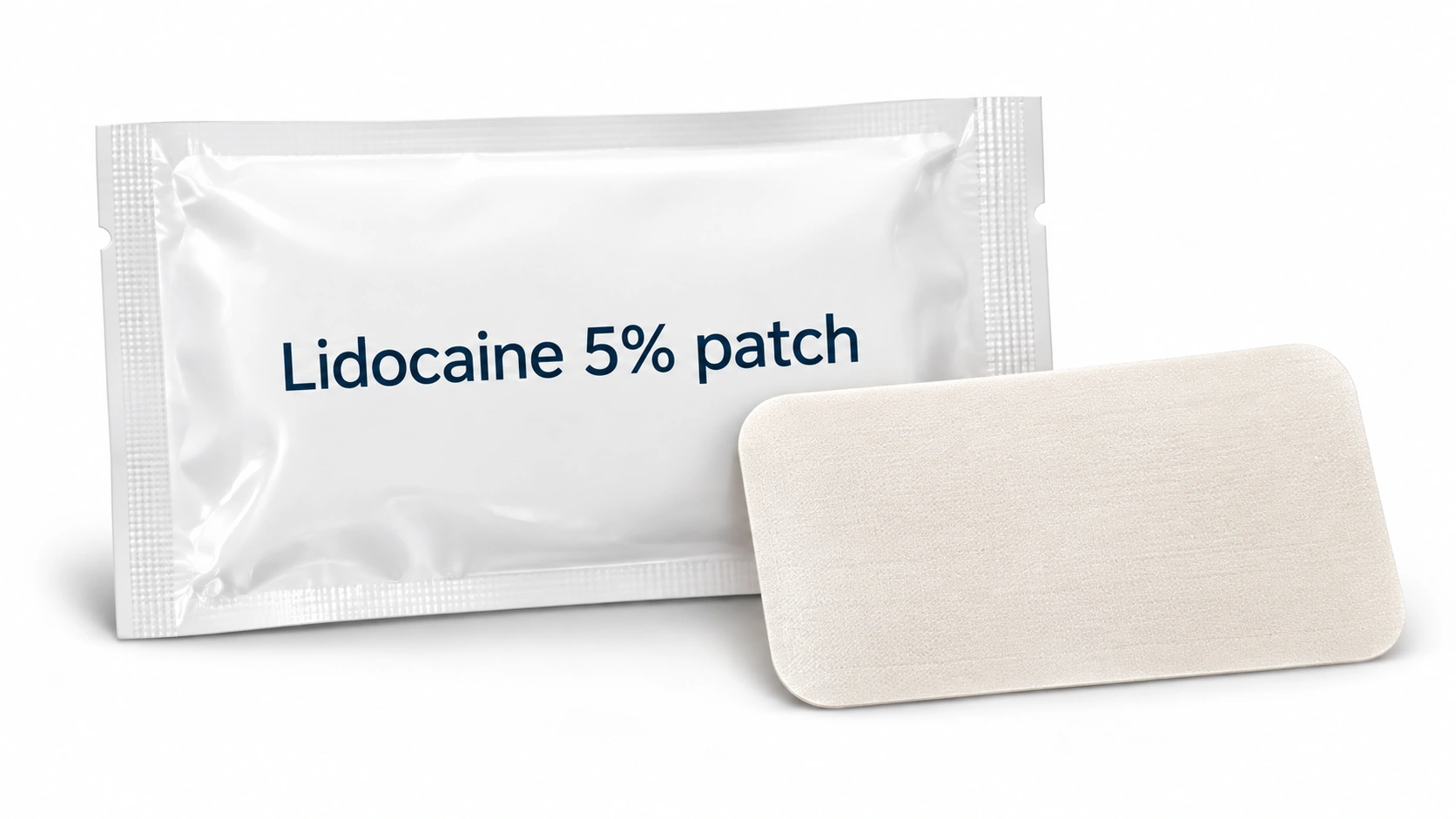
An illustrative lidocaine patch pouch and rectangular skin patch.

Lidocaine 5% patch

Moderate evidence

A numbing patch worn over the area for pain that carries on after the rash has healed. It goes only on intact skin, never on blisters or open areas. It helps some people a great deal and others hardly at all, so it is worth a proper trial before deciding.

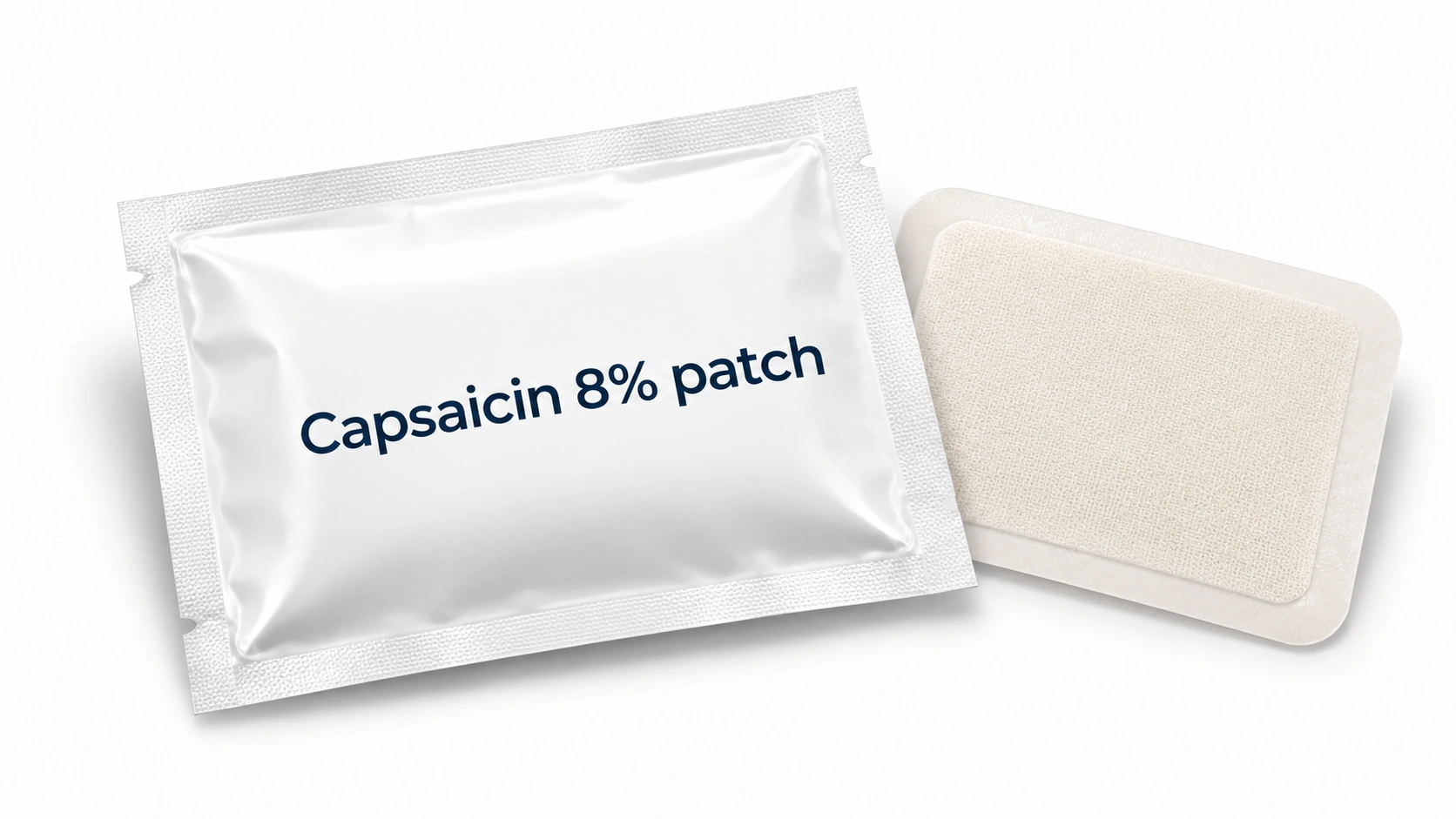
An illustrative capsaicin patch pouch and rectangular skin patch.

Capsaicin 8% patch

Moderate evidence

A high-strength patch applied in a clinic for lasting nerve pain, with one treatment lasting up to three months. It burns while it is on, so the skin is numbed first. It is used after simpler options, and only once the skin has fully healed.

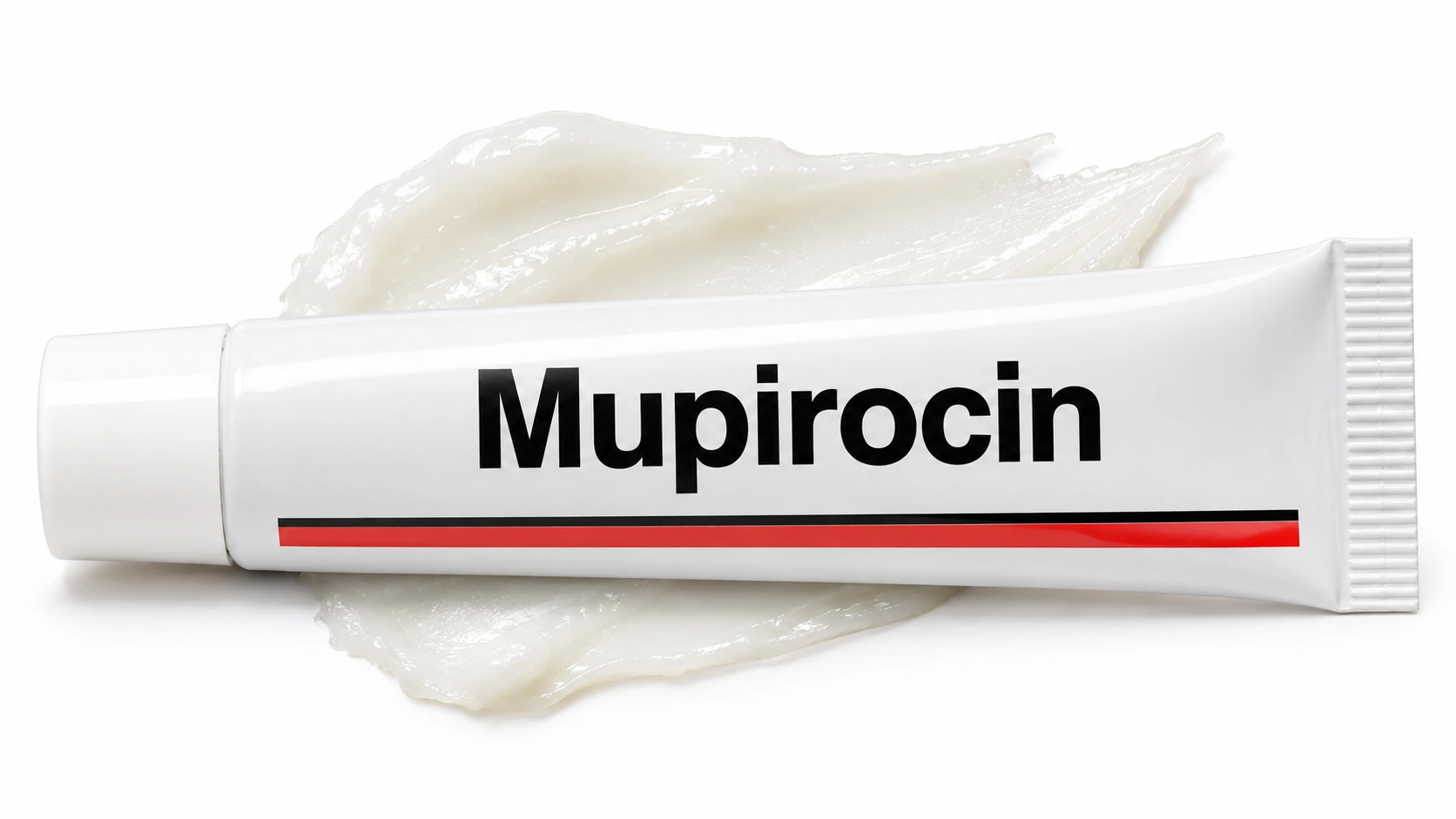
Mupirocin — Header Image

Mupirocin

Limited evidence

An antibiotic ointment used only if the crusts turn hot, swollen or start oozing pus, which means bacteria have moved in on top. It does nothing to the shingles virus. If the infection is spreading, antibiotic tablets are needed instead.

None listed
Prescription pills
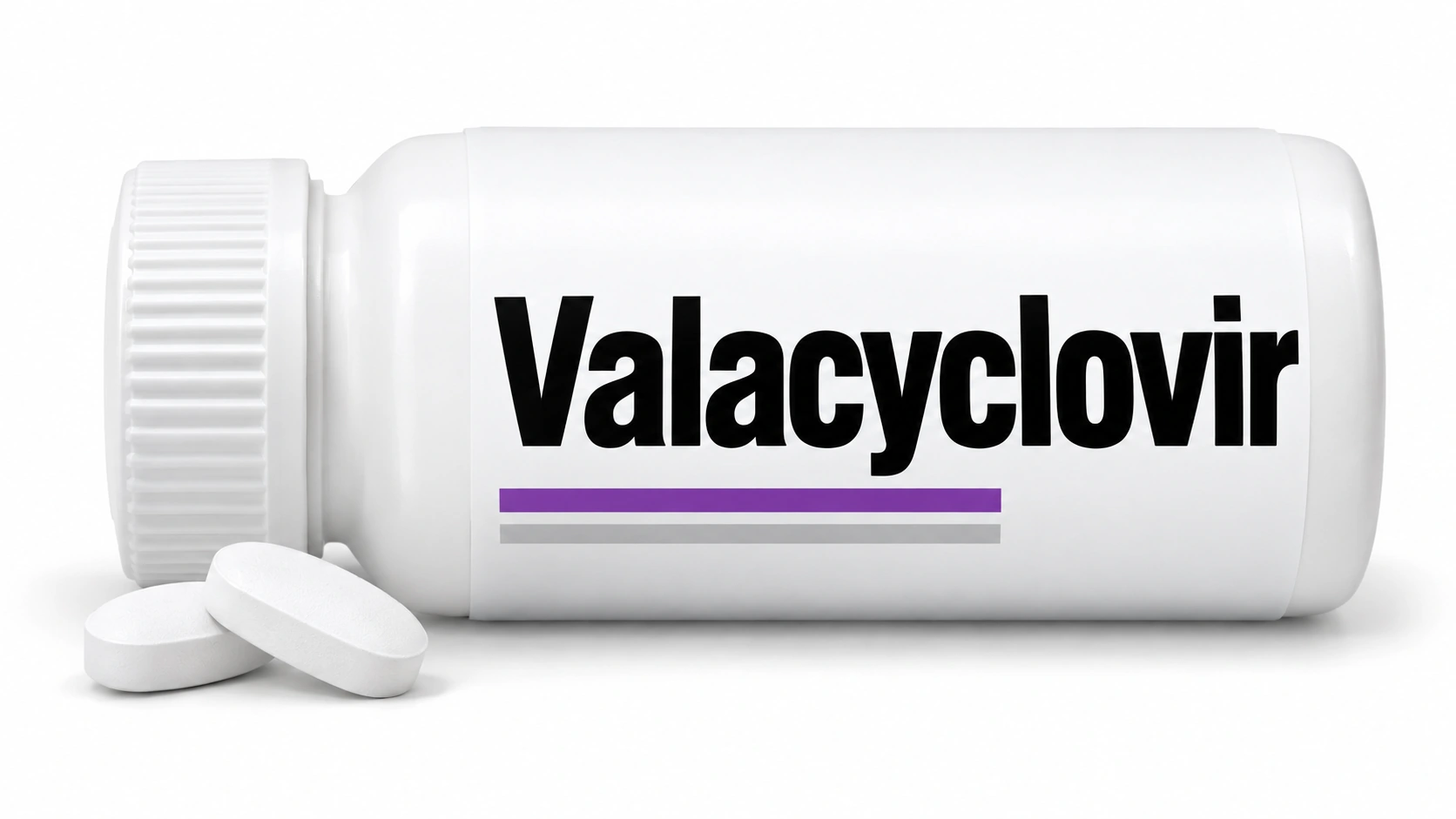
Valacyclovir — Header Image

Valacyclovir

Strong evidence

The usual first choice for shingles: three doses a day for seven days. Started within 72 hours of the rash it shortens the episode and lowers the chance of lasting nerve pain. It does not clear the virus from the body, and it does much less once everything has crusted over.

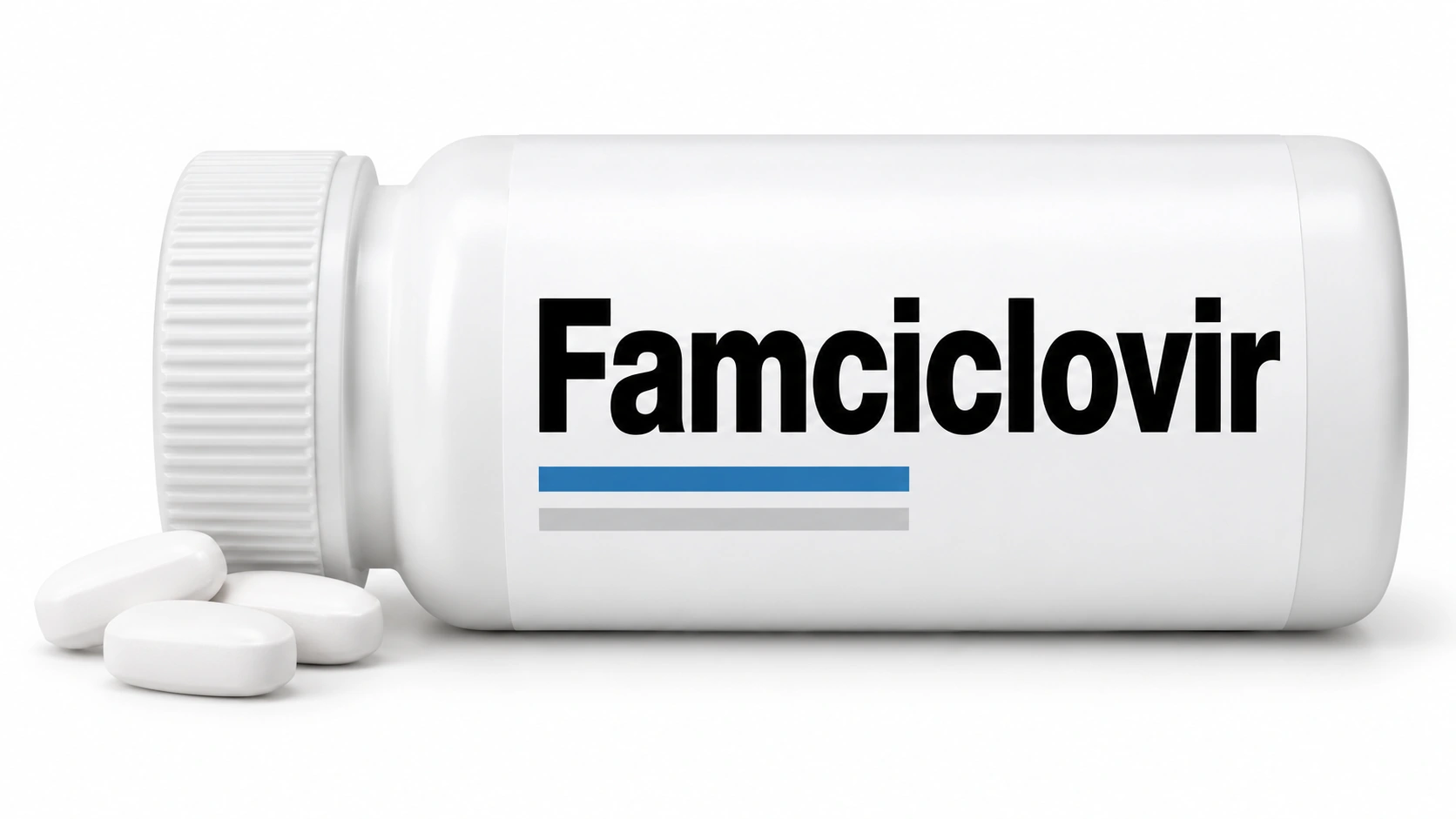
Representative medication packaging labelled Famciclovir, lying sideways on a white background.

Famciclovir

Strong evidence

An equally effective alternative to valacyclovir, taken three times a day for seven days. It is used when valacyclovir does not suit. The same 72-hour clock applies, and it is usually the more expensive option.

Tablets — stock illustration

Acyclovir

Strong evidence

The oldest of the three antiviral tablets and the cheapest. It works just as well, but it has to be taken five times a day for seven days, which is harder to keep up. The dose is lowered if your kidneys are not working well.

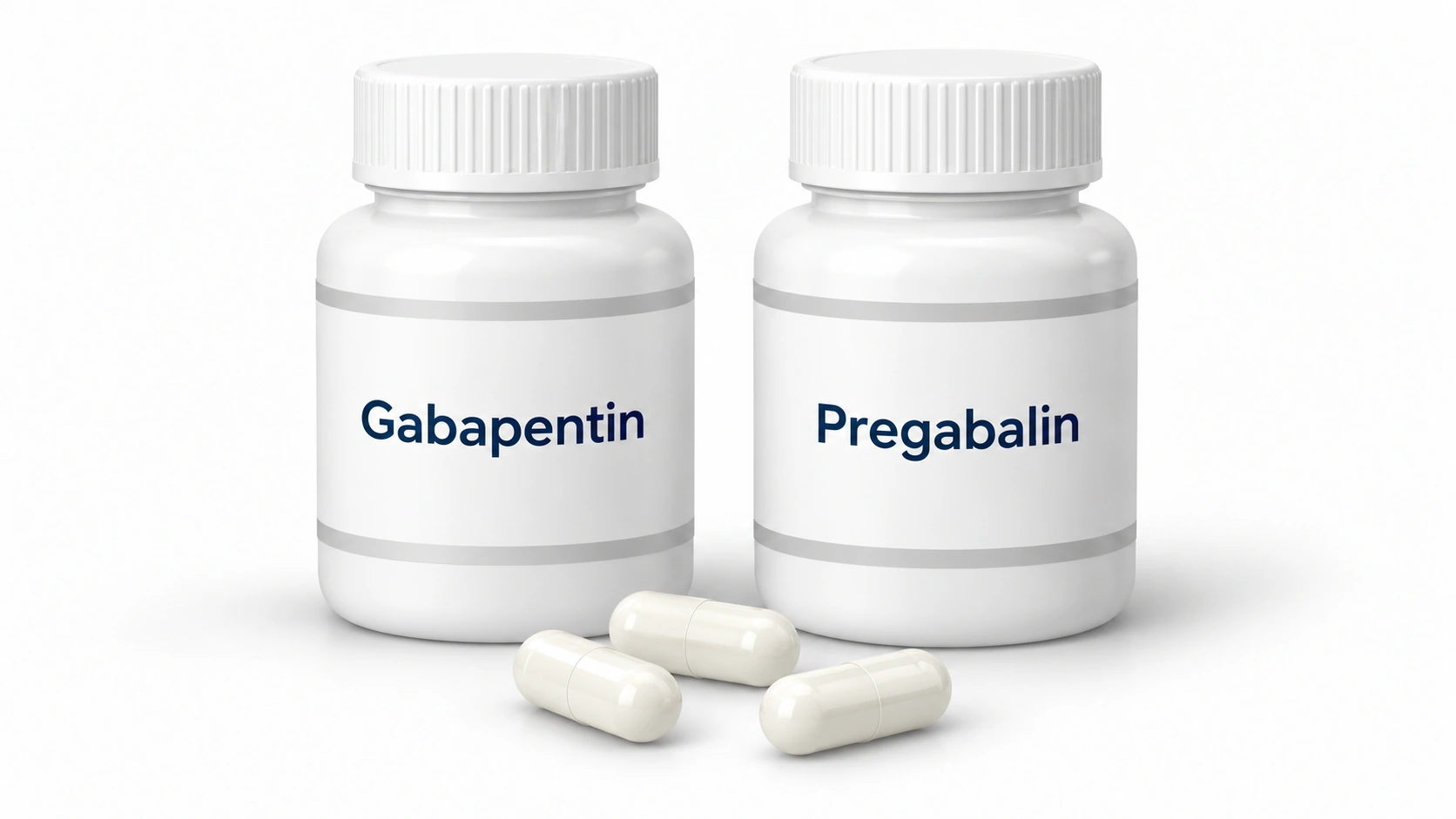
Two separate illustrative bottles labeled Gabapentin and Pregabalin beside plain capsules.

Gabapentin and pregabalin

Strong evidence

Nerve pain medicines rather than ordinary painkillers. They are the main treatment for pain that carries on after the rash heals, and they are often started during the episode when pain is severe. The dose is built up slowly, and they can make you drowsy or unsteady at first.

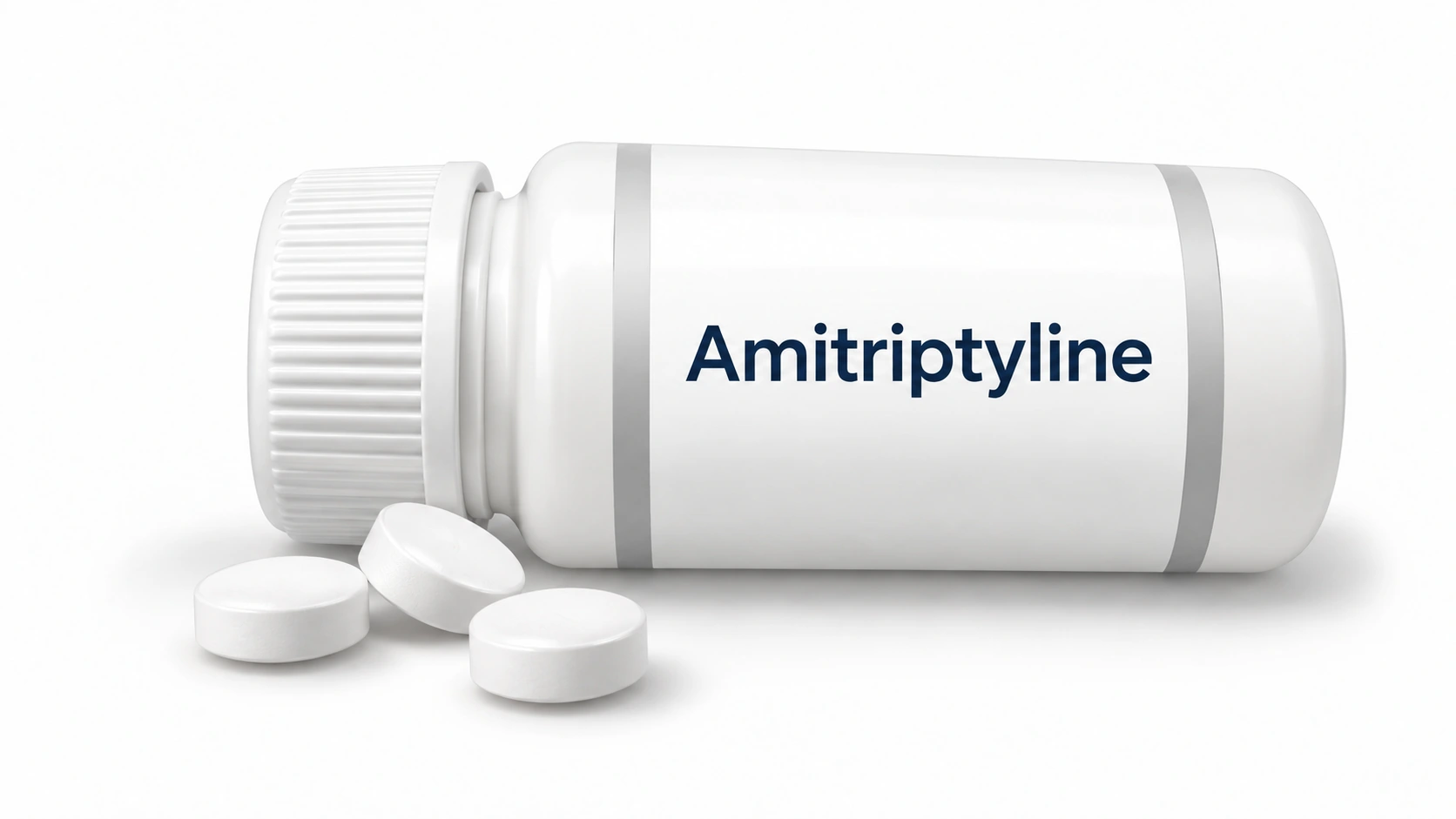
An illustrative bottle labeled Amitriptyline beside plain tablets.

Amitriptyline

Moderate evidence

A low dose of an old antidepressant, taken at night for nerve pain. It suits people whose shingles pain is keeping them awake. It takes a few weeks before you can judge it, and it is used carefully in older adults because of dry mouth, dizziness and confusion.

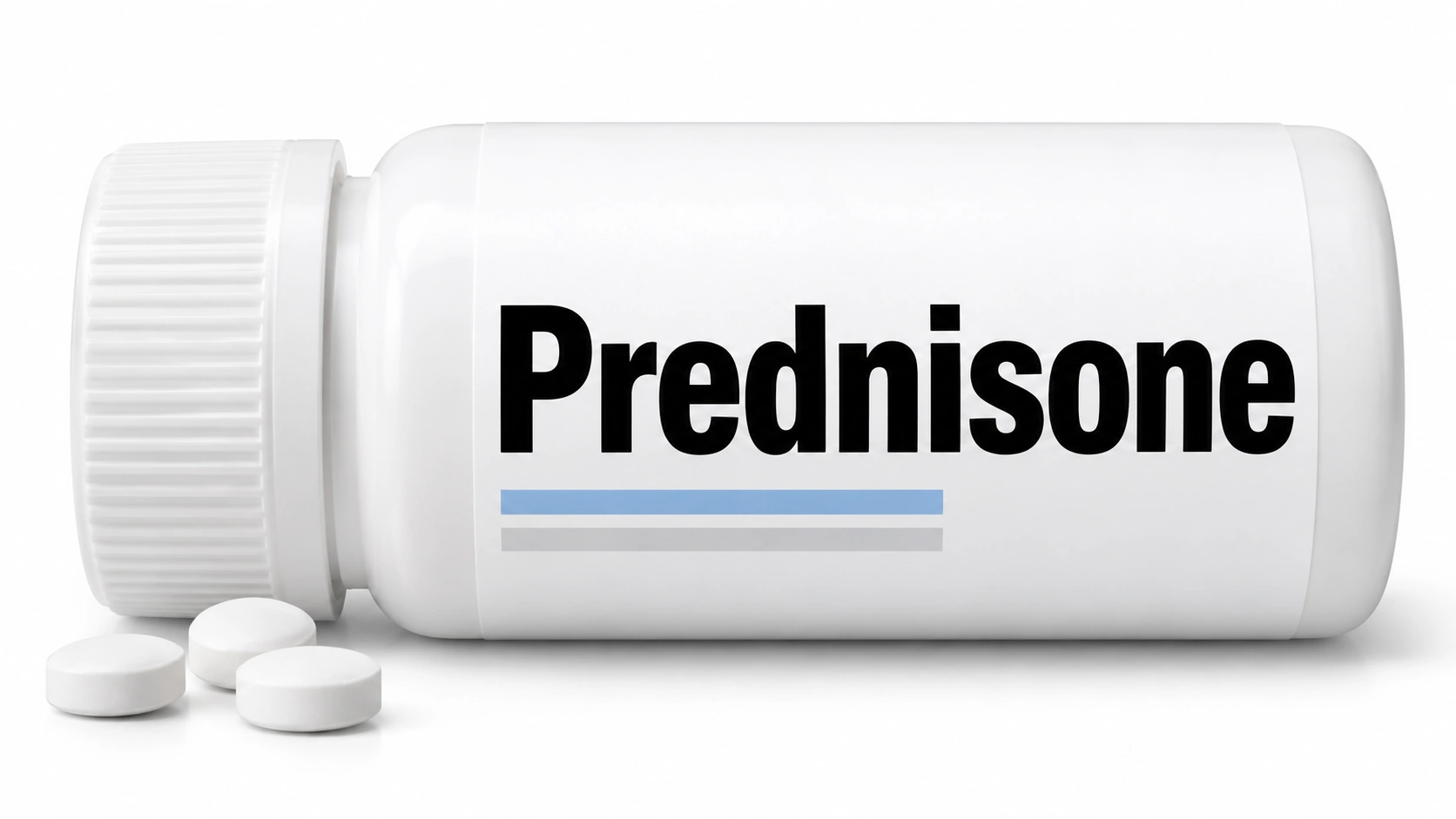
Prednisone — Header Image

Prednisone

Limited evidence

A short course of steroid tablets is sometimes added to antivirals for severe pain or when the facial nerve is involved. It can speed up rash healing and early pain a little. Studies have not shown that it prevents lasting nerve pain, and it is never given on its own for shingles.

Antivirals

Listed

Selected higher-risk patients benefit from early prescription antiviral treatment; contact a clinician promptly.

Injections

Shingrix

Strong evidence

Two injections a few months apart, more than 90 percent effective at preventing shingles in adults 50 and over. It prevents rather than treats, so it is not used during an episode. It is still recommended once an episode has cleared, because having had shingles does not protect you from having it again.

None listed

Outlook

Long term

An episode runs two to four weeks, the pain sometimes longer. Most people get it once, though it can recur if the immune system is suppressed.

Most otherwise healthy children recover as the blisters crust over and heal. Some marks take longer to fade; pregnancy, immune suppression or significant illness changes the risk and needs medical advice.

Complications

Possible complications
  • Postherpetic neuralgia
  • Shingles in the eye
  • Shingles in the ear
More details

Postherpetic neuralgia
Nerve pain that carries on after the skin has healed, because the virus damaged the nerve it traveled down. It is the most common complication of shingles, and the risk climbs steeply with age. Starting antiviral tablets within 72 hours and controlling the pain properly from day one both lower the chance of it. It is treatable, so it is worth going back rather than waiting for it to fade.

Shingles in the eye
When the affected nerve serves the forehead and eye, blisters appear on the forehead, the eyelid or the tip and side of the nose, and the eye itself can be involved. It can cause lasting damage to sight. Blisters anywhere in this area are a same-day problem, and often need an eye specialist as well as antiviral tablets.

Shingles in the ear
Blisters in or around one ear, together with weakness on that side of the face, and sometimes a change in hearing, ringing or dizziness. It is uncommon. It needs urgent treatment, because the facial nerve recovers better the sooner antiviral tablets and steroids are started.

Bacterial skin infection and other complications can occur; pregnancy and immune suppression increase concern.

When to get help

When to get help

Seek prompt care when shingles is suspected because antivirals work best early. Eye or ear involvement, widespread blisters or weakened immunity needs urgent assessment.

Contact a clinician promptly for pregnancy, immune suppression, adult infection or severe illness. Avoid ibuprofen unless advised.

Common questions

Shingles:Am I contagious?

Not with shingles - nobody catches shingles from you. But the blister fluid can give chickenpox to someone who has never had chickenpox and never been vaccinated. Keep the rash covered, wash your hands, and stay away from newborns, pregnant people who are not immune, and anyone immunosuppressed until it crusts.

Shingles:Is it too late for antivirals if I am past 72 hours?

Possibly not. The evidence is strongest inside 72 hours, but treatment is often still given if new blisters are forming, if you are older, if the rash involves the face or eye, or if you are immunosuppressed. Being late is a reason to be seen today.

Shingles:What is postherpetic neuralgia?

Nerve pain that continues after the rash heals, from damage to the nerve the virus traveled down. Much more common in older adults, and it can last months. It is treatable with different drugs from ordinary painkillers, so go back rather than waiting it out.

Shingles:Should I get the vaccine if I have already had shingles?

Generally yes. One episode does not protect you from another, and vaccination is recommended once an episode has cleared. Ask your doctor about timing.

Shingles:Why is it only on one side?

The virus travels down a single sensory nerve, and each nerve supplies a strip of skin on one side. That is also why the rash stops abruptly at the midline - one of the clearest clues.

Shingles:Can I get it more than once?

Yes, though most people do not. Recurrence is more likely if your immune system is suppressed. If it has happened more than once, ask whether anything underlying should be looked into.

Chickenpox:What is Chickenpox?

A contagious varicella virus infection with successive crops of itchy blisters.

Chickenpox:What can I do day to day?

Avoid scratching, keep nails short and avoid exposing high-risk contacts. Do not give aspirin to children.

Chickenpox:When should I get medical advice?

Contact a clinician promptly for pregnancy, immune suppression, adult infection or severe illness. Avoid ibuprofen unless advised.

Sources

Sources and further reading

  1. DermNet
  2. Chickenpox
Dermapedia on YouTube