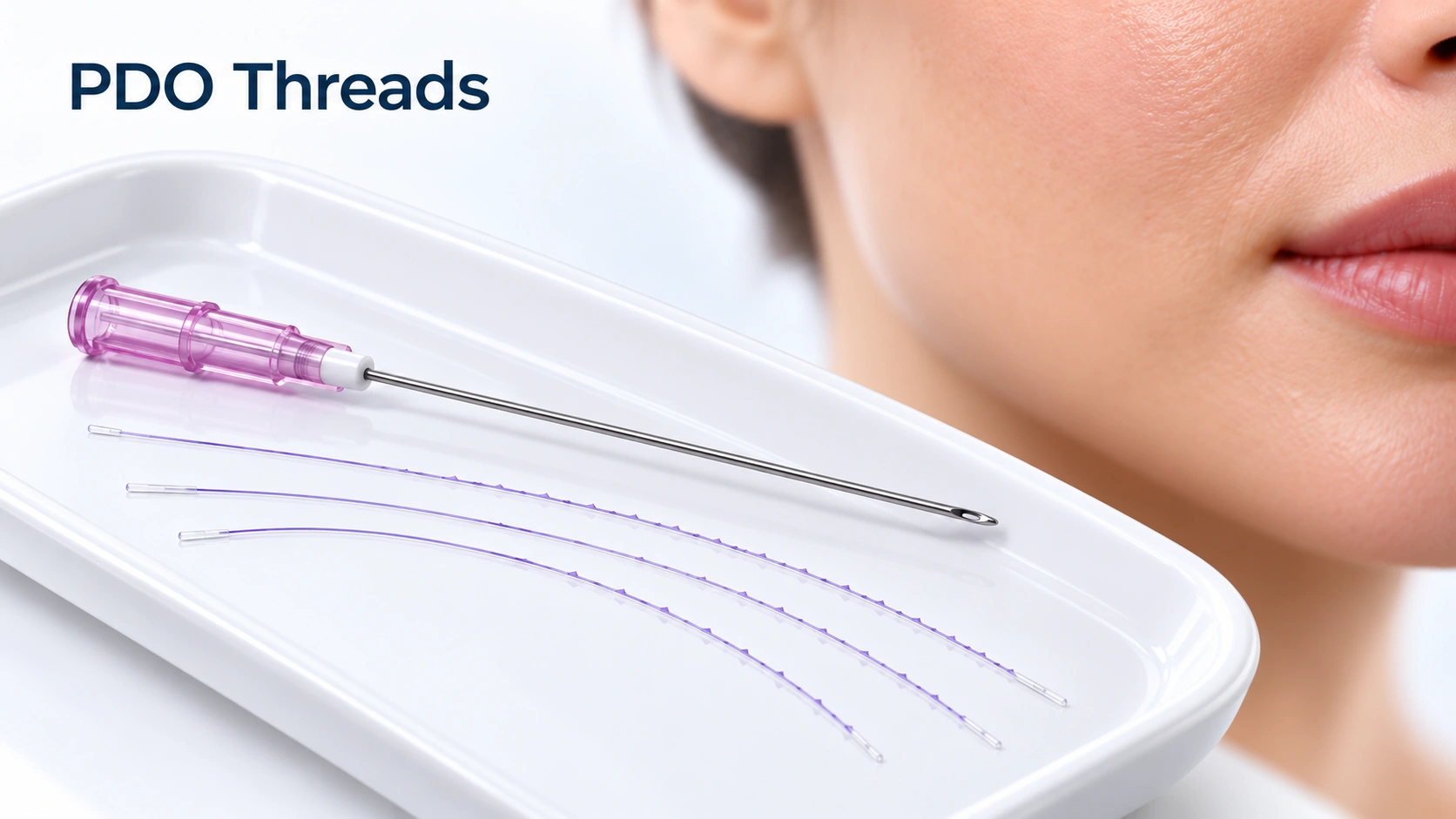
It is a calcium-based filler.
Radiesse contains calcium hydroxylapatite microspheres in a gel.
Radiesse: An injectable made of calcium-based microspheres in a gel. It adds volume the day it is placed and then prompts the skin to build collagen. It cannot be dissolved.
Ultherapy: Focused ultrasound delivered through the skin to heat small points in the deeper layers, so the body lays down new collagen over the following months. It gives a mild tightening of loose skin on the brow, jawline and neck. It is not a facelift, and the treatment itself is painful.
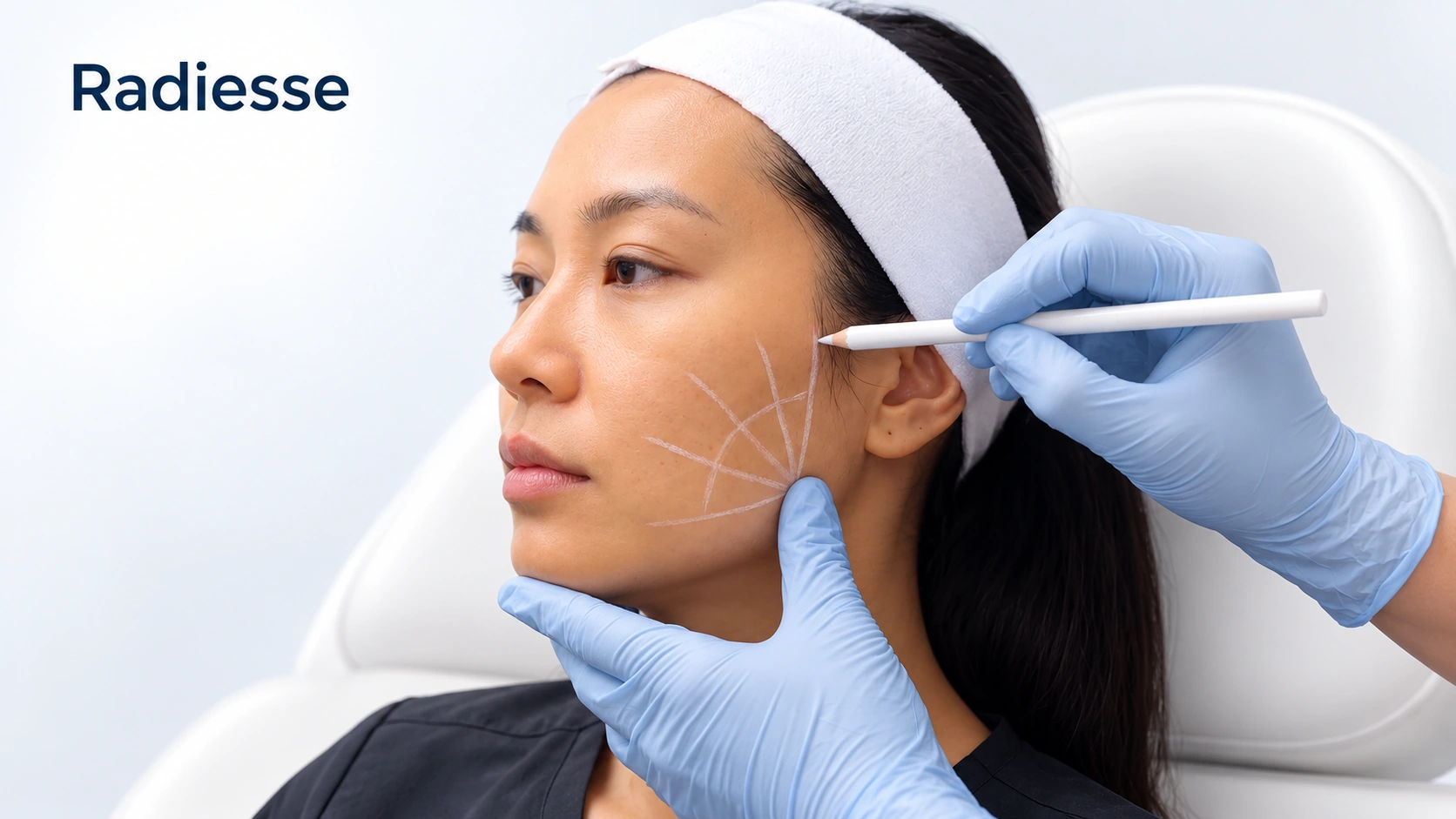
Choose for structural volume in the cheeks, jaw or hands when you want collagen stimulation too — it can't be dissolved.
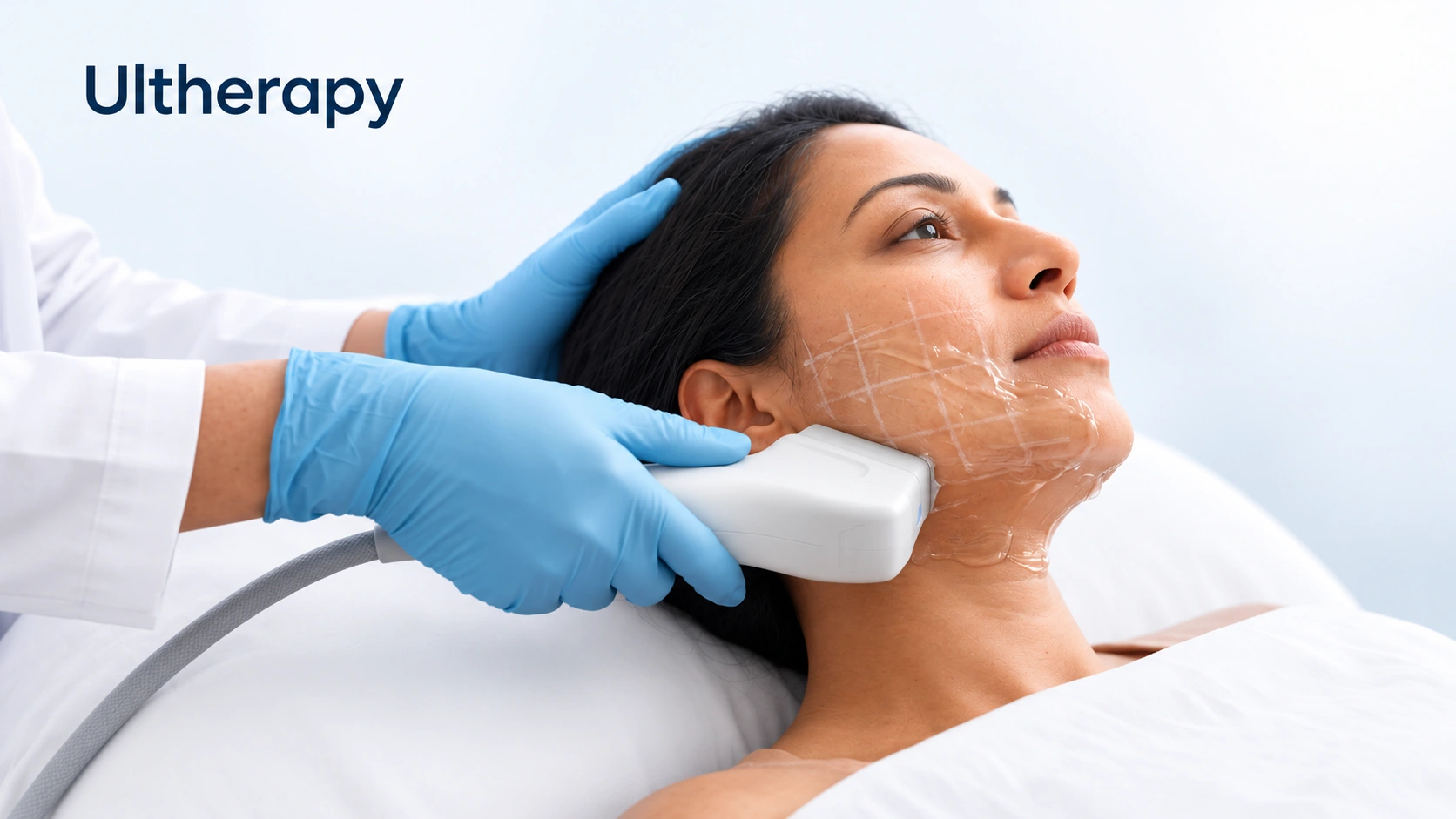
Choose for a mild lift of the brow, jaw or neck without surgery or downtime — not a facelift, and the treatment hurts.
Can you have both?
Ultherapy lifts while Radiesse adds structure. Do Ultherapy first, or wait several weeks after Radiesse.
Radiesse contains calcium hydroxylapatite microspheres in a gel.
It supports tissue and triggers a later tissue response.
Hyperdilute use is not the same as volumizing.
The intended use determines the evidence and rescue options.
Ultherapy heats selected tissue depths under visualization.
It is used for selected concerns about loose skin.
It does not remove excess skin.
Energy placed in the wrong tissue can cause injury.
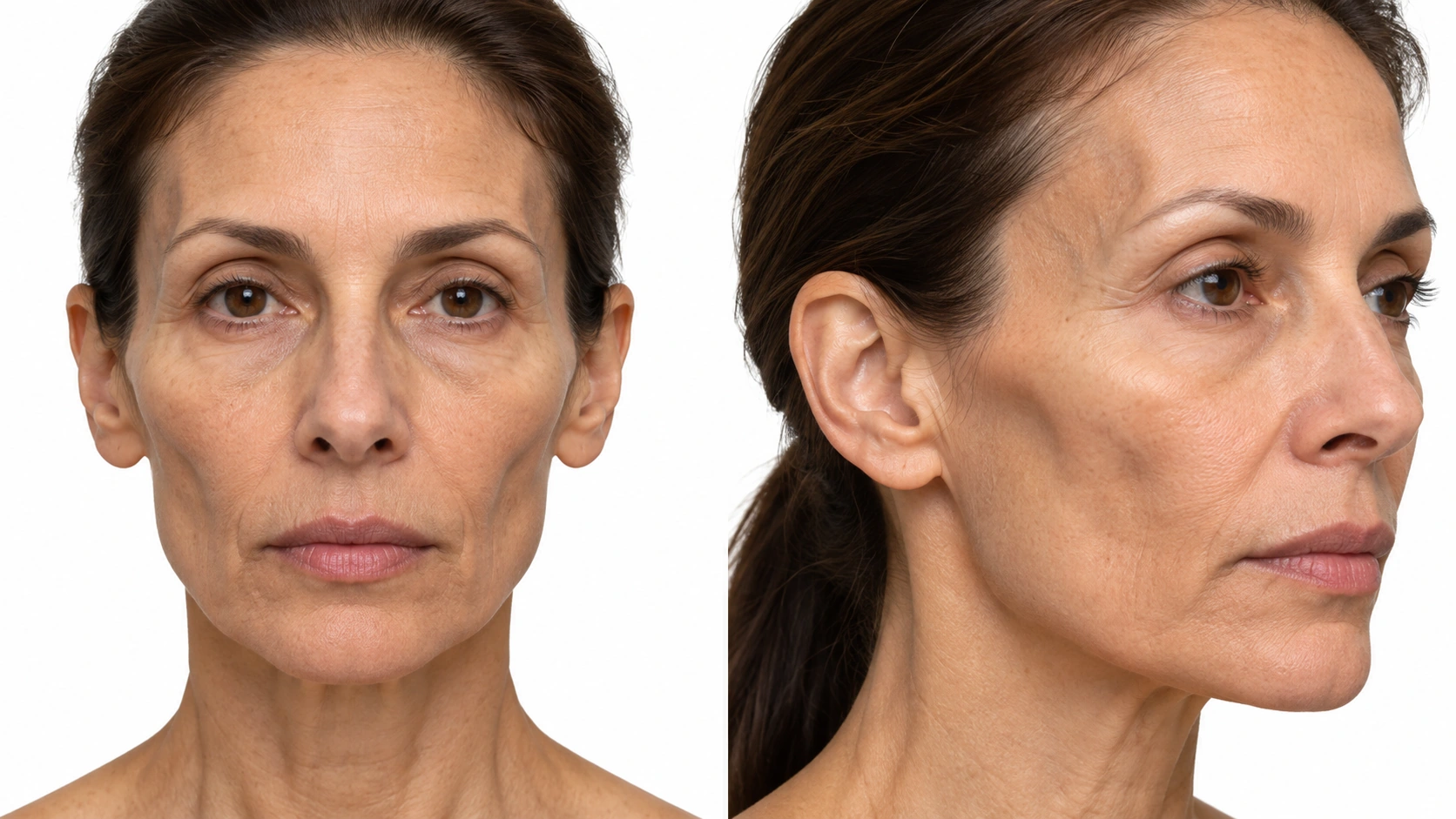
Restores fullness.
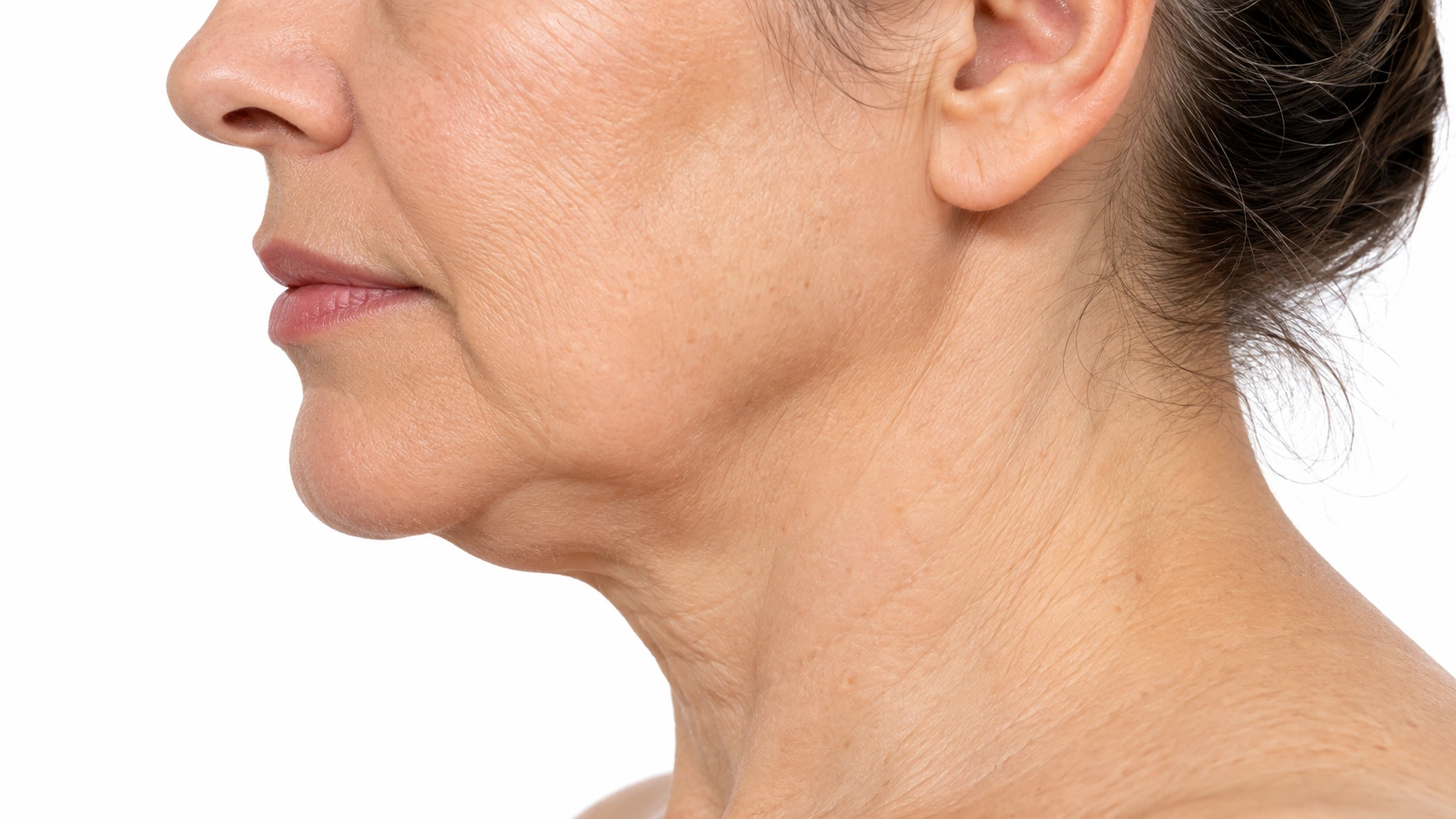
Diluted versions improve firmness.
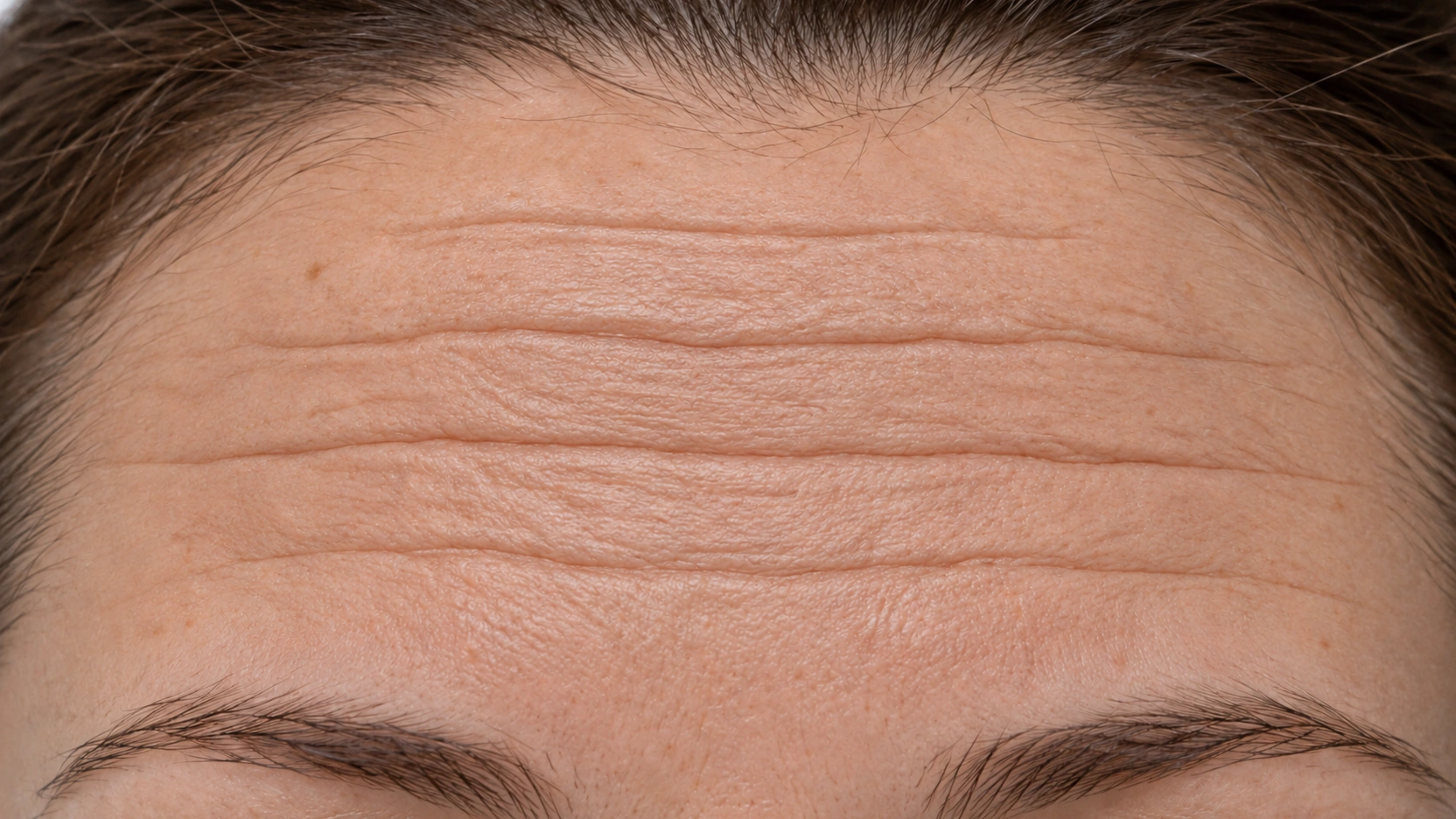
Fills deep folds.
Mild lift of brow and jaw.

Too heavy for fine lines.
Limited change on deep folds.
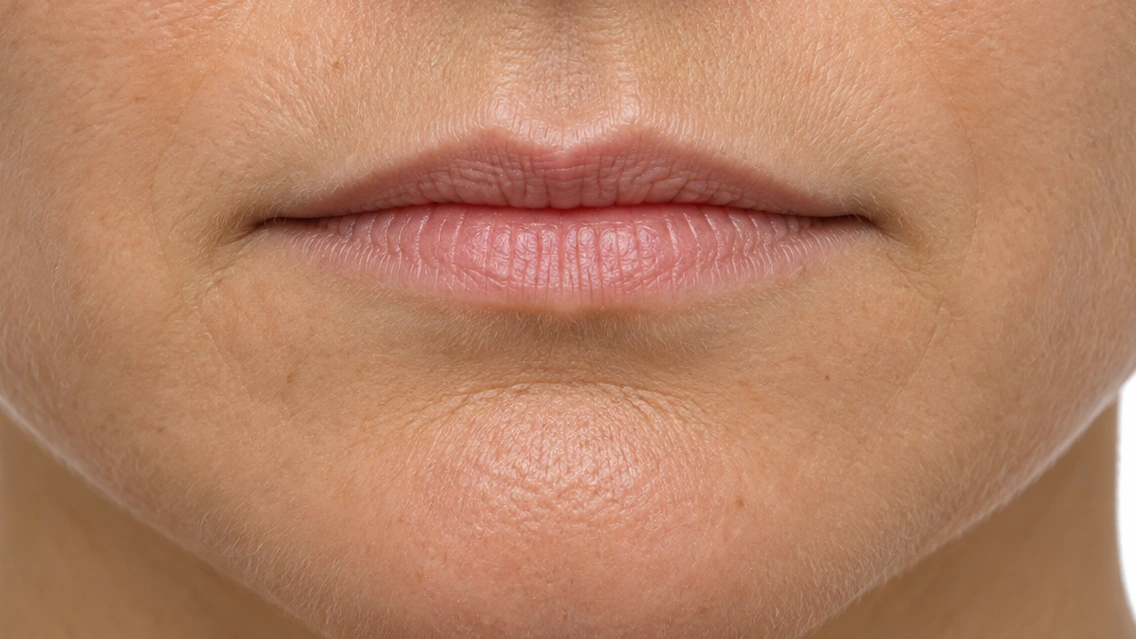
Not used in the lips.
Doesn't add volume.

Doesn't change scars.
Facial volume loss and backs of the hands; product use and dilution depend on the plan.
Brow, jawline and neck.
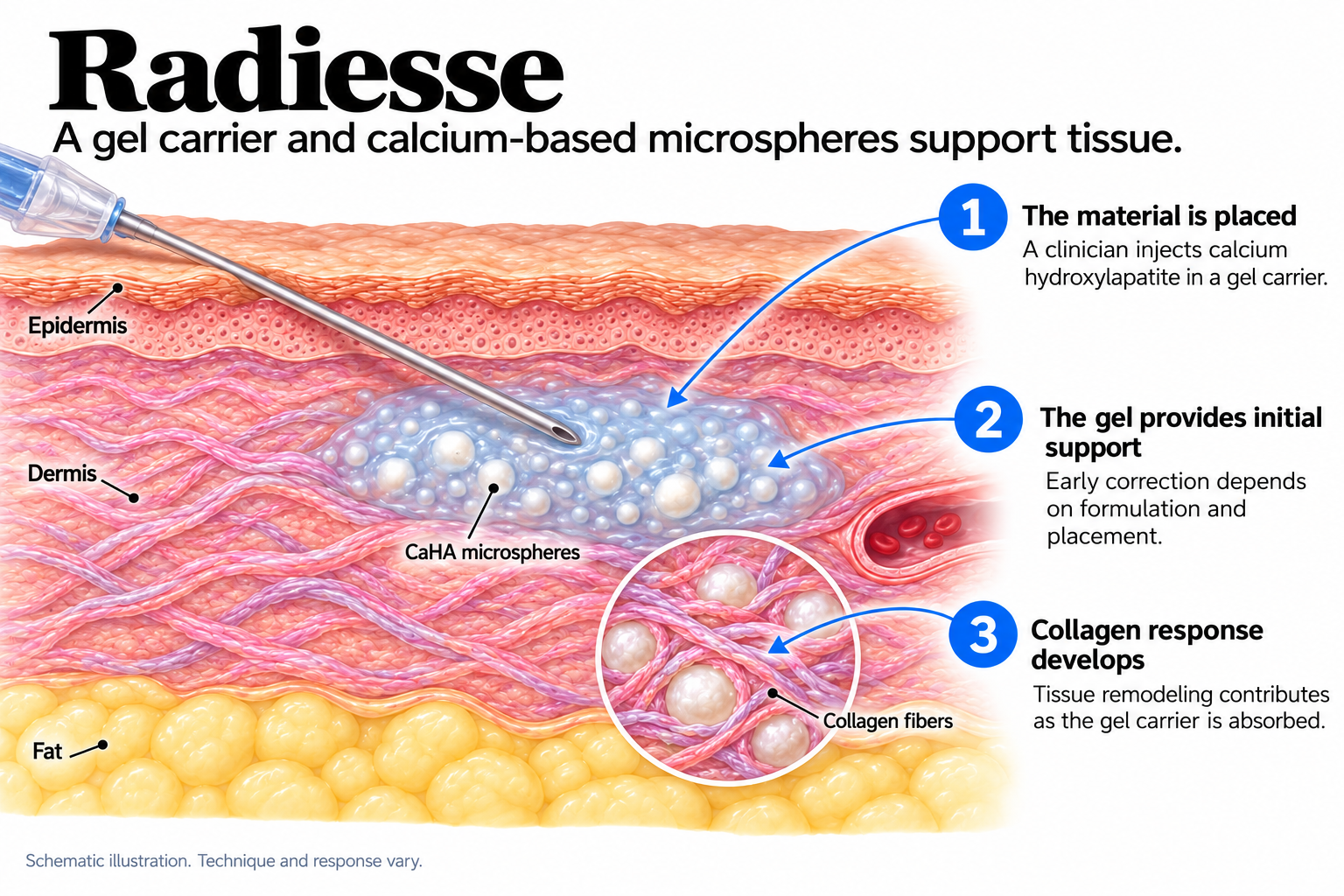

The material is placed: A clinician injects calcium hydroxylapatite in a gel carrier. The gel provides initial support: Early correction depends on formulation and placement. Collagen response develops: Tissue remodeling contributes as the gel carrier is absorbed.
Schematic illustration. Technique and response vary. This explains a mechanism and does not specify treatment settings.
Ultrasound locates tissue planes: Imaging helps the clinician view the treatment area. Focused energy creates heat points: Ultrasound concentrates energy at selected depths. Repair remodels support tissue: Collagen changes develop gradually; lifting effects vary.
Schematic illustration. Technique and response vary. This explains a mechanism and does not specify treatment settings.
2 weeks before: Events and dental: Do not book within two weeks of an event; bruising and swelling are normal, and swelling makes the early result look bigger.
Before you book: Infections and scans: Reschedule if there is an active infection, cold sore or inflamed cyst in the area.
A few days before: Blood thinners: Ask the prescribing doctor before pausing one.
The day before: Alcohol: None.
Until the visit: Skin care: Nothing to stop, and no pre-treatment cream needed.
An hour before: Pain relief: Ask what is on offer.
The area is assessed sitting up, photographed, and the injection points marked.
Photos and a ride: Photographs first — the change is gradual and modest, so photos are the only reliable way to judge it.
Photographs are taken, areas marked, and the provider decides which depths and how many lines of energy each area gets.
The product goes in deep, often onto or just above bone, through a needle or a blunt cannula, then each area is molded smooth.
A face takes about 20 to 40 minutes; hands and diluted treatments are quicker. You feel pressure and a deep ache more than sharp pain, with stinging at the entry points.
Gel goes on and the handpiece is pressed to the skin.
The provider checks the imaging screen and delivers a line of energy: seconds of deep heat and sharp pain, then a pause. Swapping the transducer changes depth. Face and neck take 60 to 90 minutes, smaller areas about 30. It is worst over the jawbone and brow and stops when the treatment does.
Swollen, with small red marks at the entry points and possible bruising.
Skin is flushed and slightly swollen, sometimes with small raised lines along the path.
Days 1 to 3: Bruises appear at needle sites and the area feels tender and firm — swelling and product, not a lump.
Days 1 to 7: The area is tender to press and can ache when chewing if the jaw was treated.
Days 4 to 14: Swelling drains and the area softens.
Weeks 2 to 12: The gel carrier is absorbed while new collagen replaces it.
Weeks 1 to 4: Swelling gone, sensation returning, skin looking the way it did before.
Weeks 4 to 8: Remaining numbness or tenderness usually resolves.
Immediately
2–3 months, building to 6
About 12–18 months
About 1 year
In the US a syringe usually runs about $700 to $1,200.
In the US a single smaller area such as under the chin, the brow or the chest runs about $1,000 to $2,000, and a full face and neck about $2,000 to $4,500, varying a lot by city and practice.
Insurance does not cover cosmetic use.
Insurance does not cover it.
Both. The gel gives volume the day it is injected, and the calcium particles prompt new collagen over the following months as the gel is absorbed.
No. Hyaluronidase dissolves hyaluronic acid only, and there is no equivalent here. A result you dislike has to be managed with time, massage, steroid injection or, rarely, minor surgery. Understand that before you agree to it.
Usually about 12 to 18 months in the face, then a gradual decline. Some people keep a little extra firmness from the collagen that formed, but that is a bonus, not the plan.
It is firm and lips move constantly. That gives a high rate of lumps, and a lump in a lip is visible and hard to treat in a product that cannot be dissolved. Hyaluronic acid is used there instead.
Yes, on X-rays and CT scans, which is harmless. Tell your dentist and any radiologist so a bright patch is not investigated as something else.
It should not, once swelling settles. Placed deep, it feels like your own tissue. Firmness you can feel through the skin after a few weeks usually means it sat too shallow — worth reporting.
Yes — one of the more painful non-invasive treatments, worst along the jaw and brow where bone sits underneath. The pain comes in bursts with each line of energy and stops when the treatment ends. Ask about pain control before booking: a painkiller beforehand, a nerve block, or a mild sedative.
A mild one. In somewhat loose skin it shows as a slightly crisper jawline and a small lift at the brow, visible in side-by-side photographs more than in the mirror. Heavy sagging does not respond.
Nothing for the first month, change from around two to three months, peak at about six. It then fades over roughly a year to eighteen months.
Not necessarily. Ultrasound devices differ in energy and design, and most cheaper machines have no imaging screen, so the operator cannot see the tissue layers. Ask what device is being used and who is operating it.
Rare, and reported — usually temporary weakness of a facial muscle or numbness recovering over weeks to months. It is the main reason to care who is holding the handpiece.
Yes, and one of the better energy options for deeper skin tones, because ultrasound is not absorbed by pigment the way laser light is. Settings do not change.