Cause-specific prescription treatment
ListedA clinician can choose antibacterial, antifungal or anti-inflammatory treatment after assessing the pattern.
A keratin-filled cyst arising from the hair root sheath, usually on the scalp. Inflammation of scalp hair follicles producing itchy or tender spots.

The same eight facts on every condition comparison.
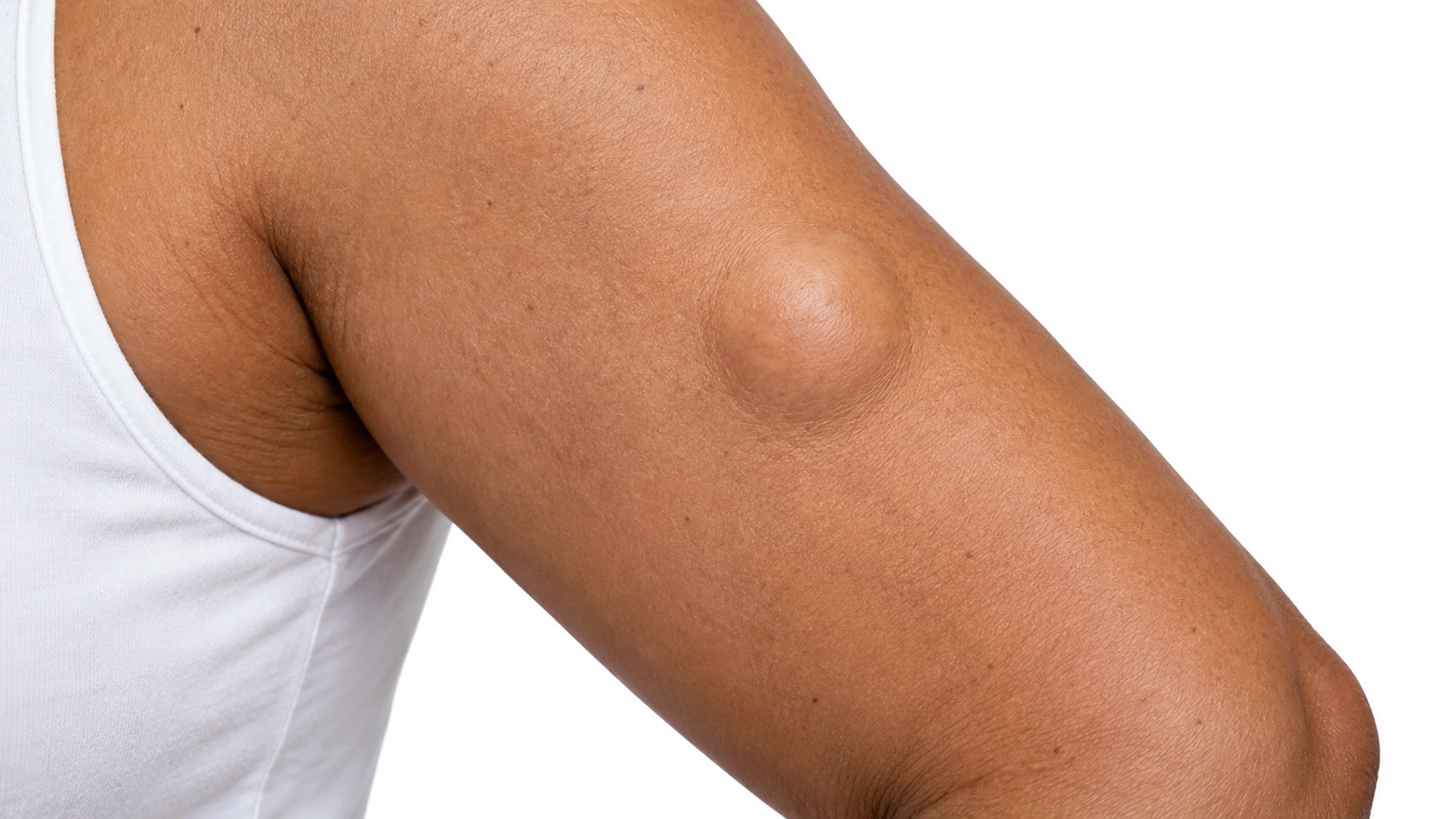
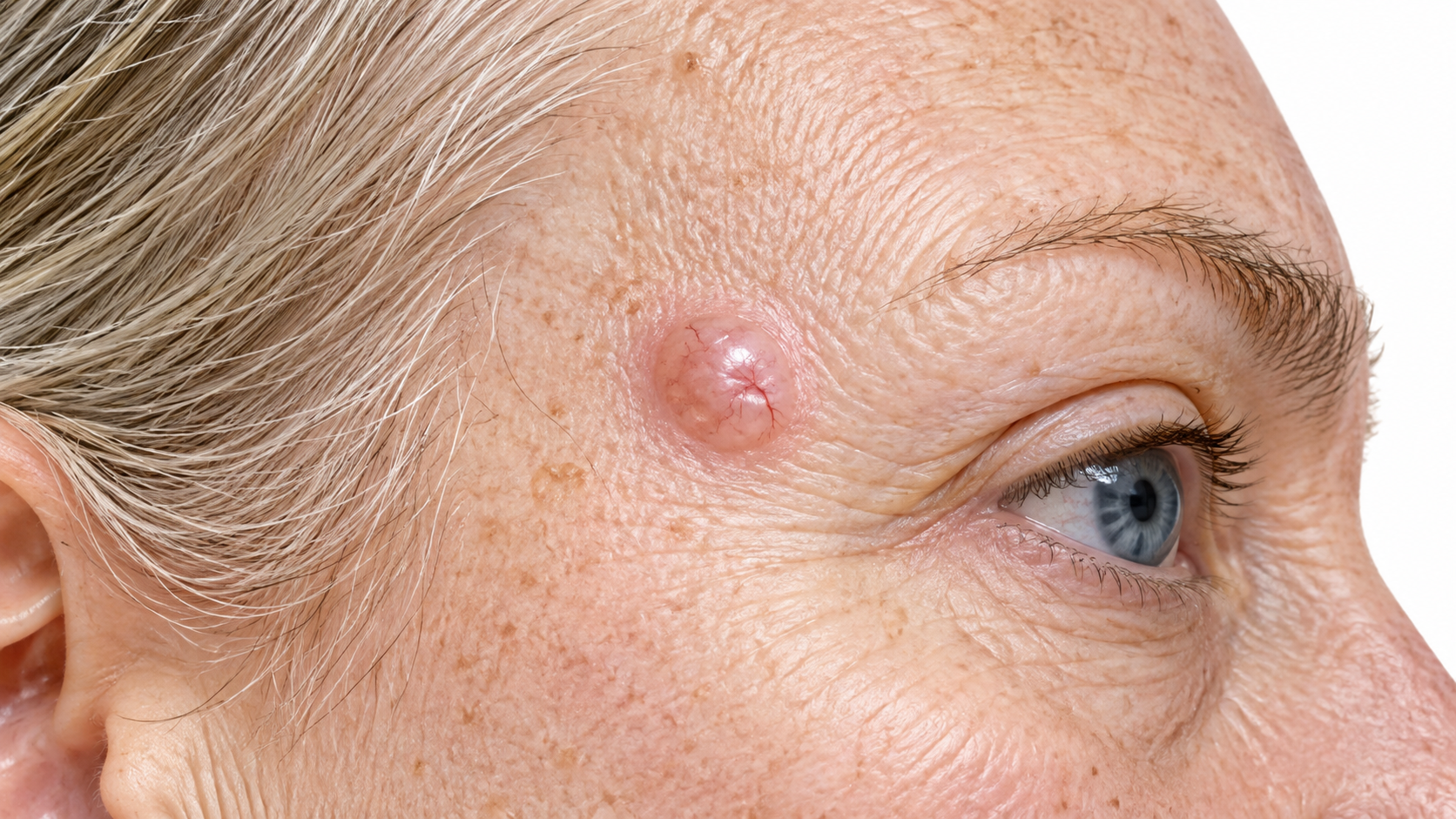
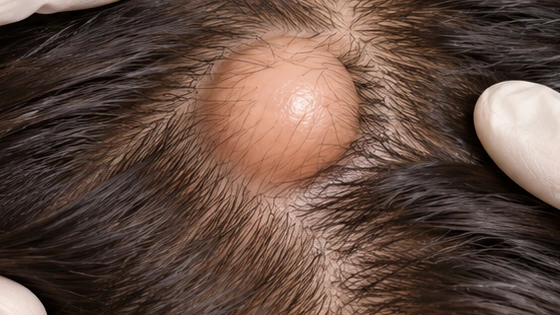
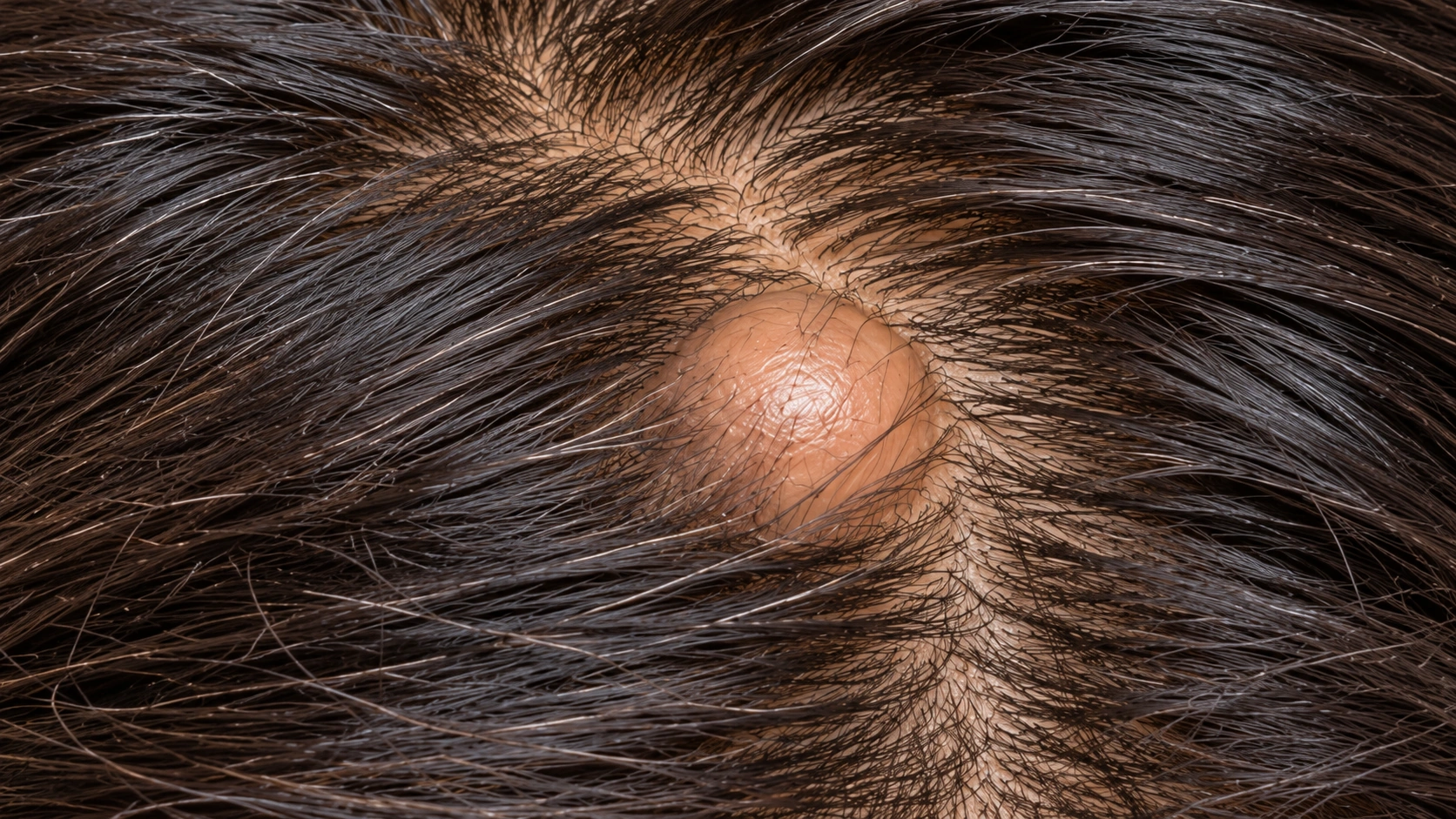
Pilar Cyst Parted hair reveals a smooth raised bump beneath the skin.
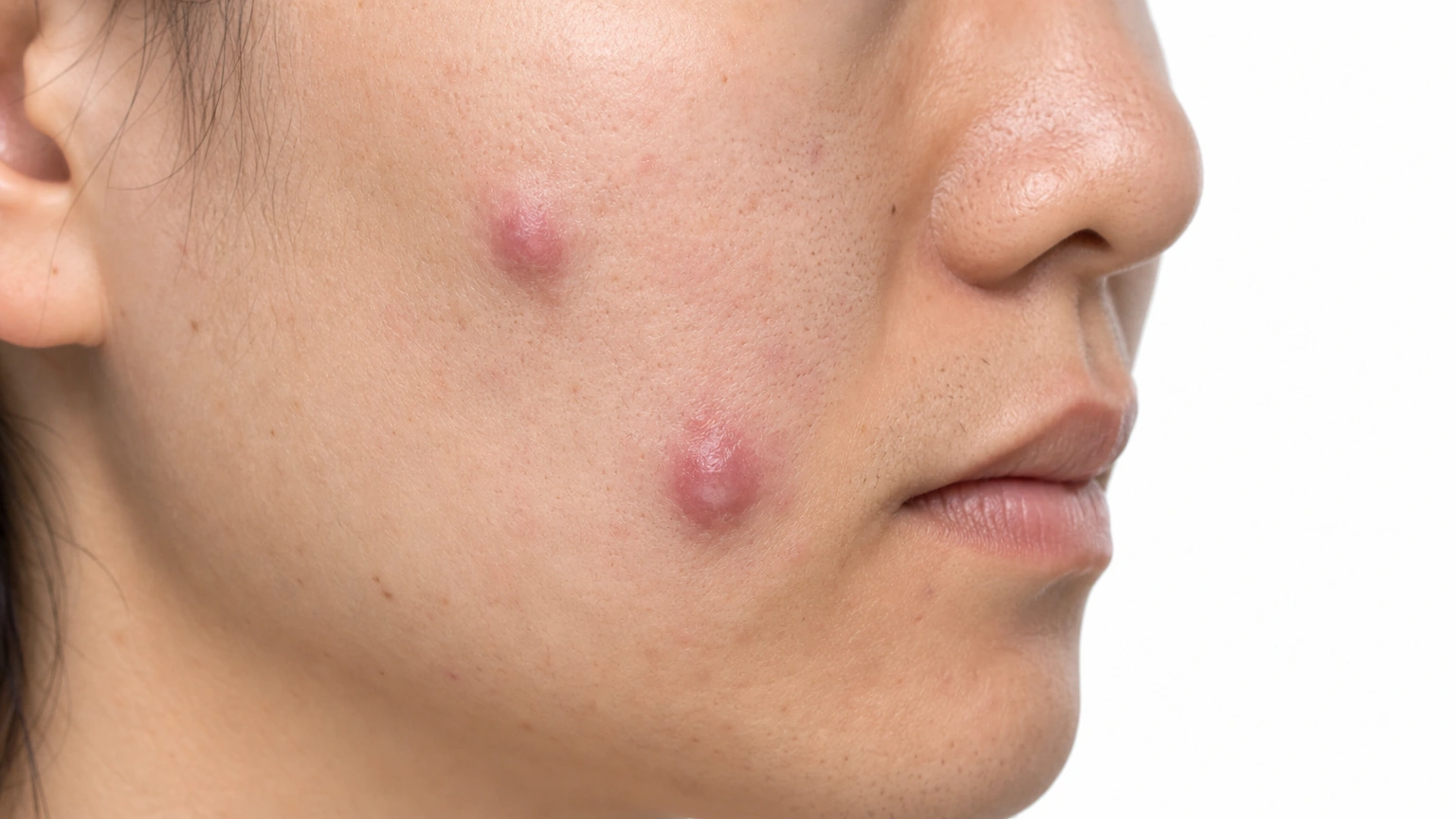
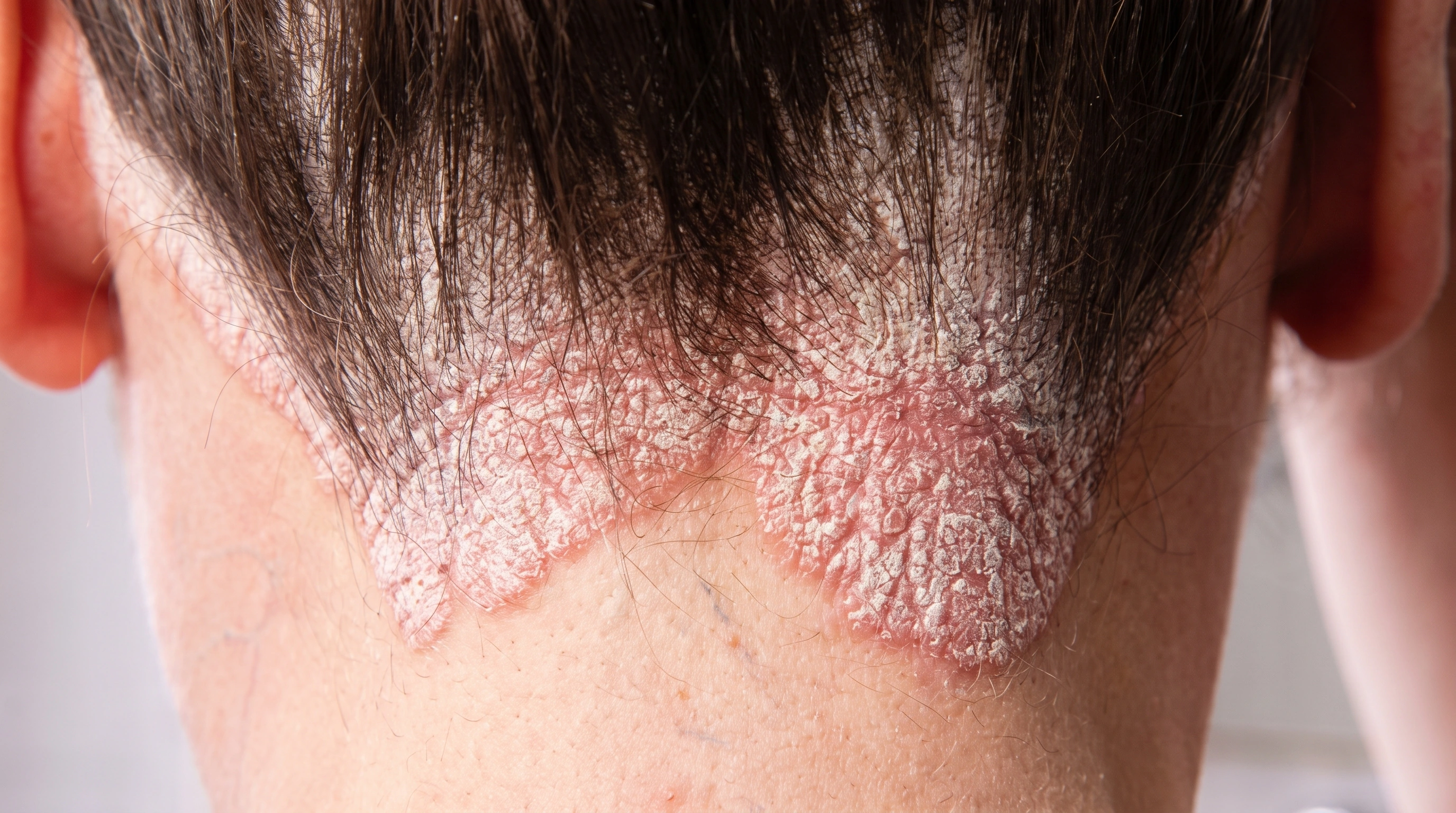
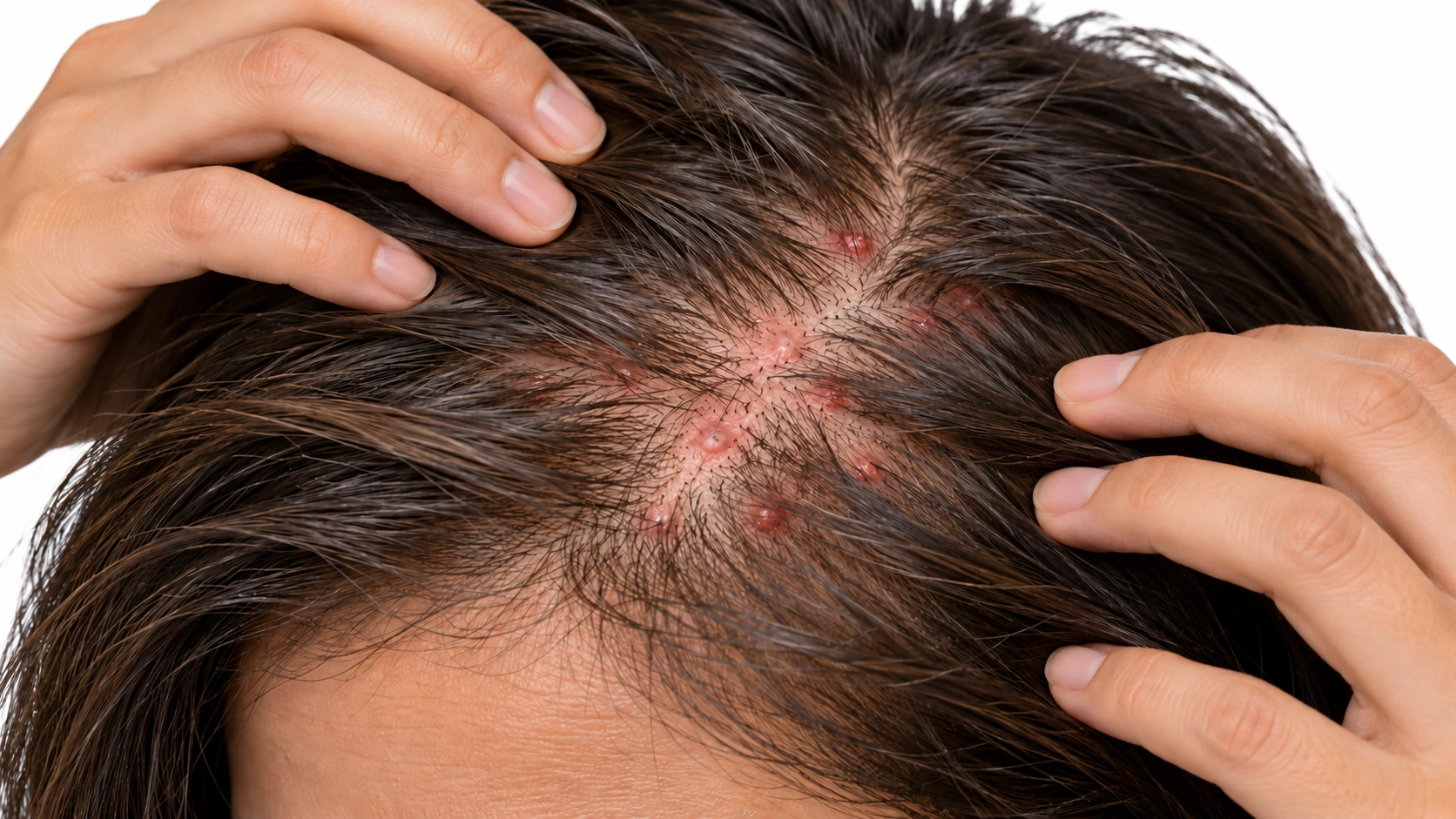
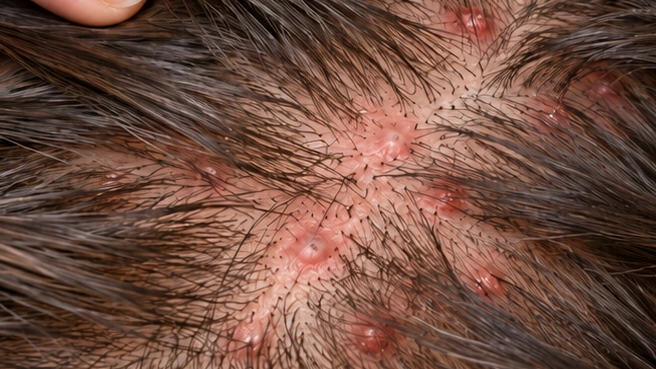
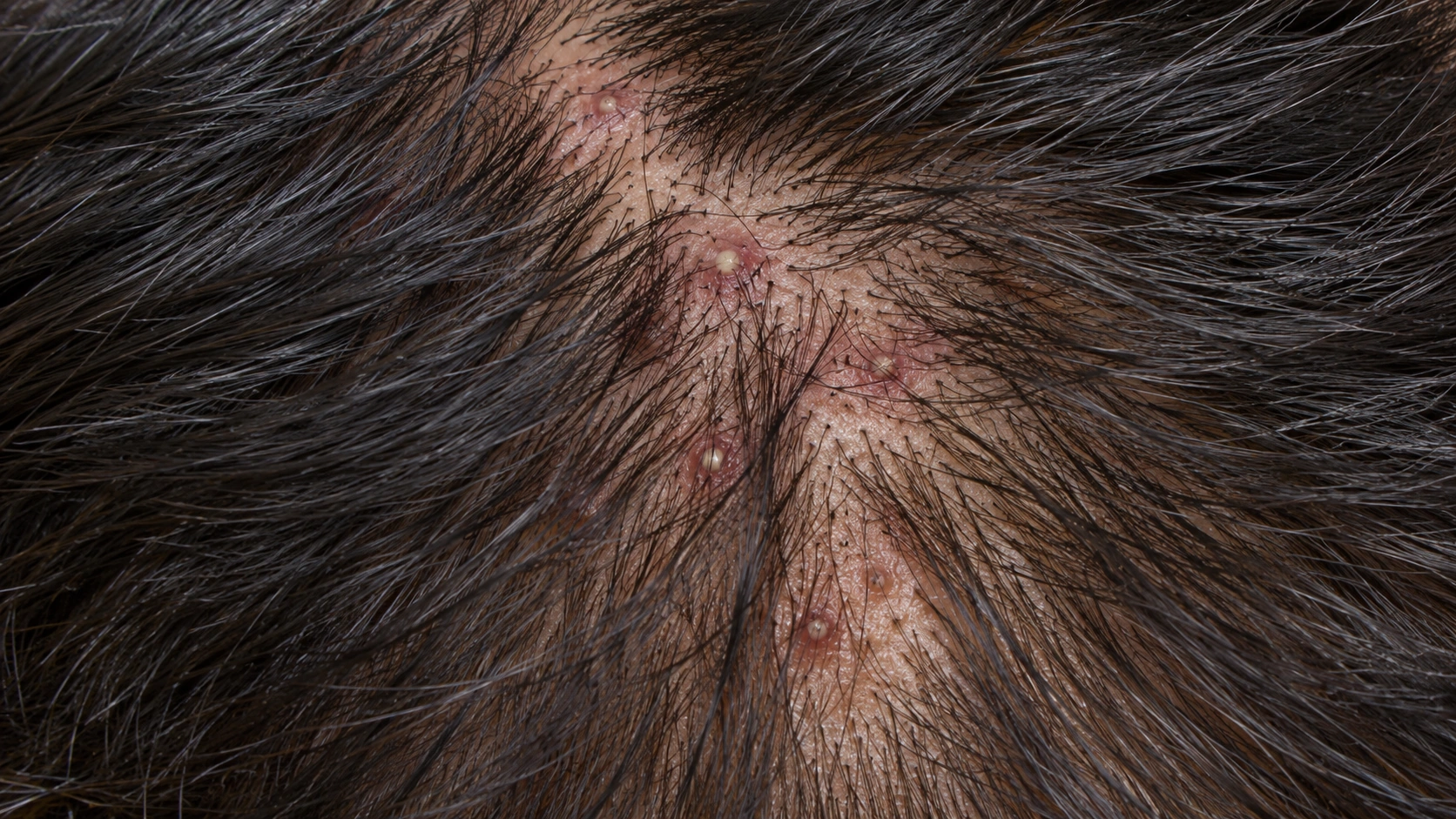
Scalp Folliculitis Small inflamed bumps are visible on the exposed scalp.
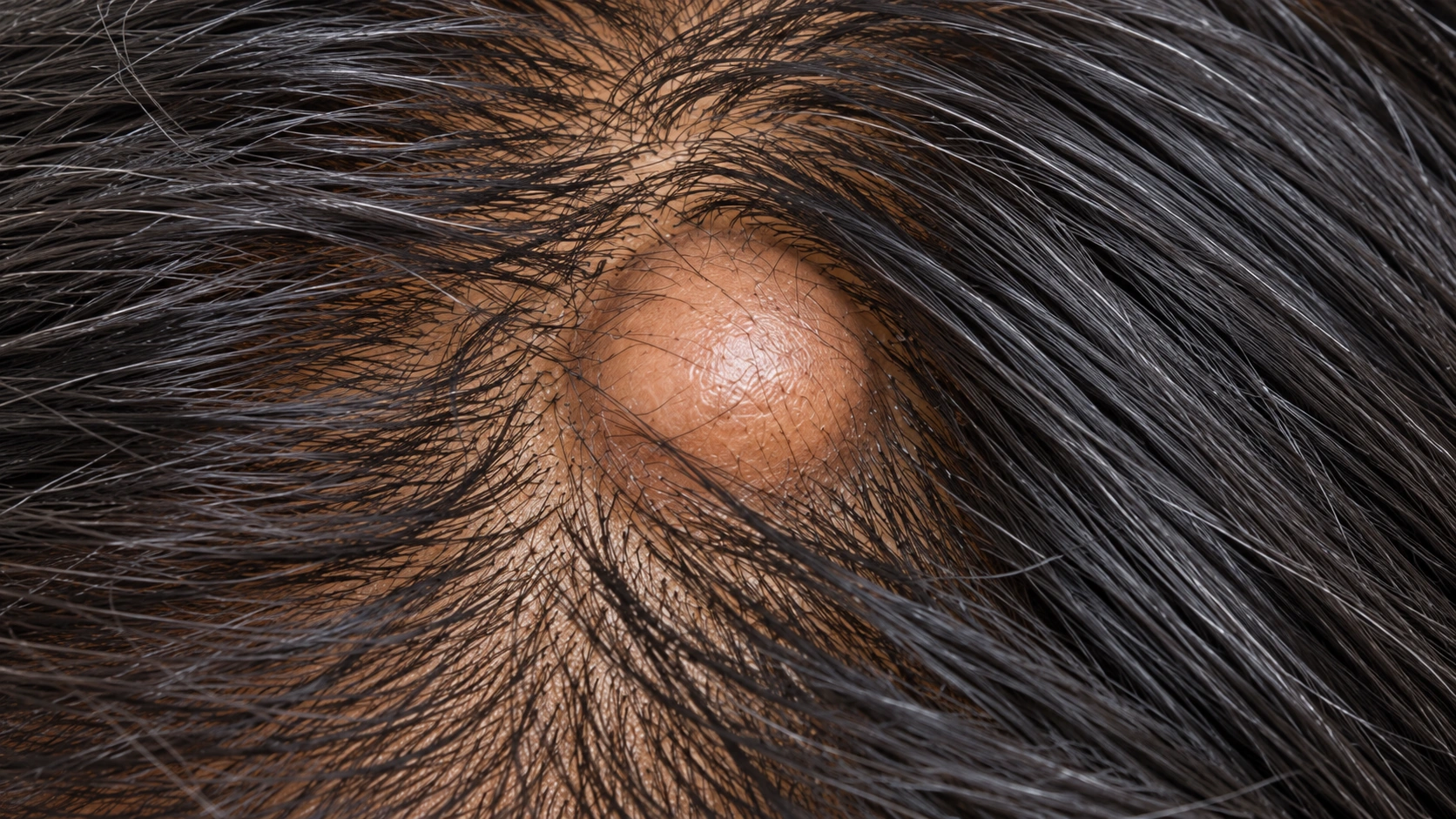
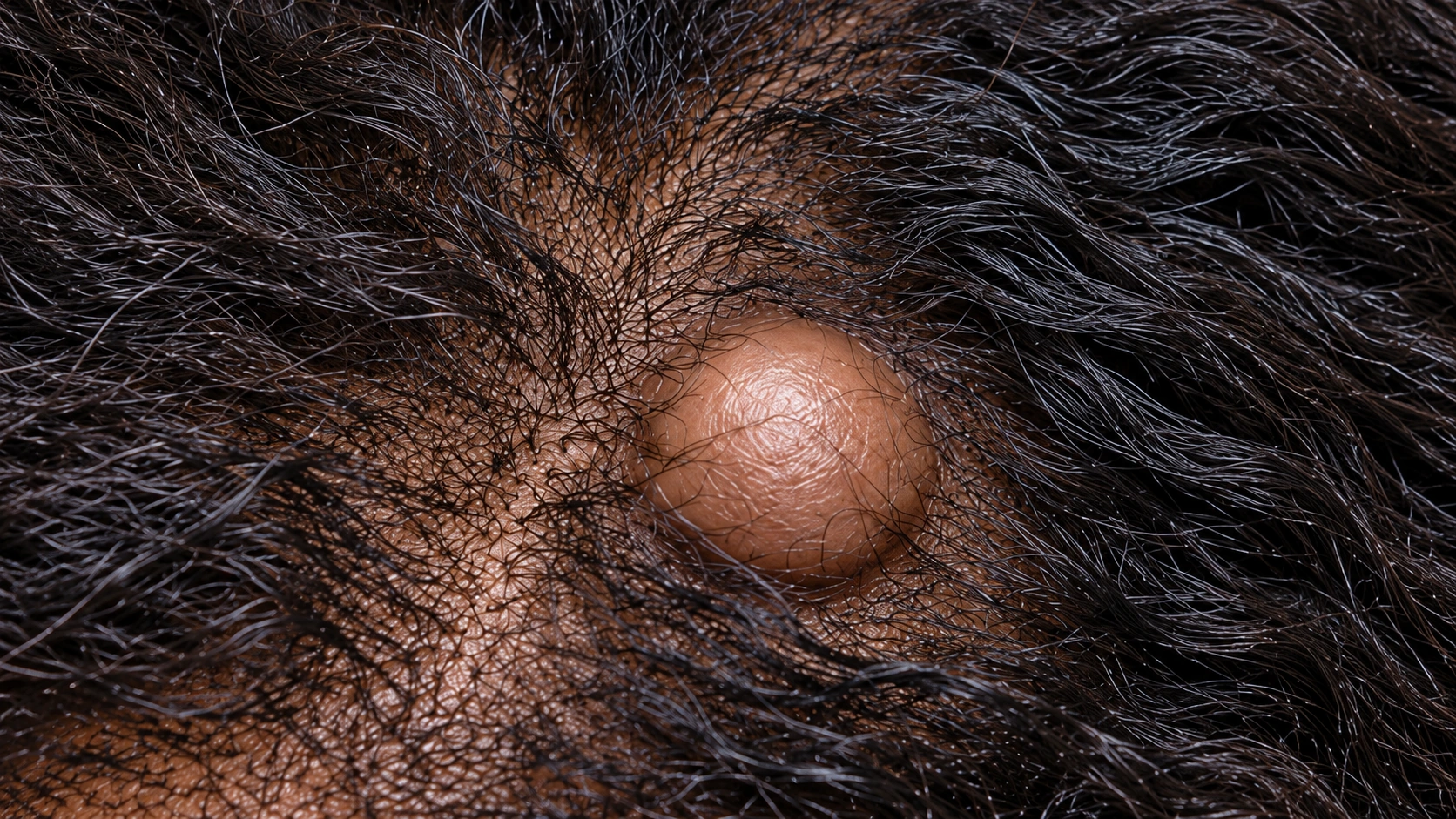
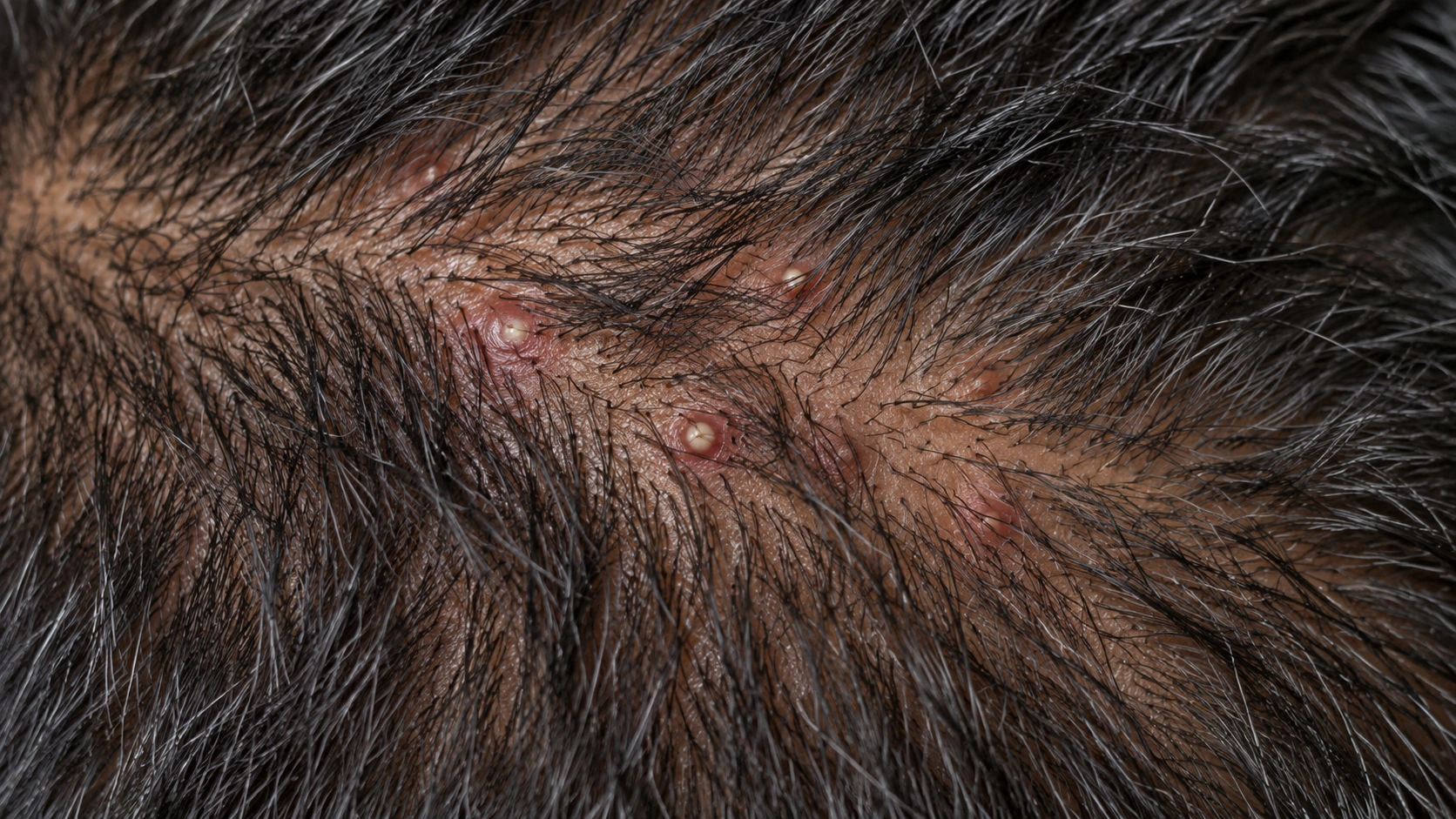
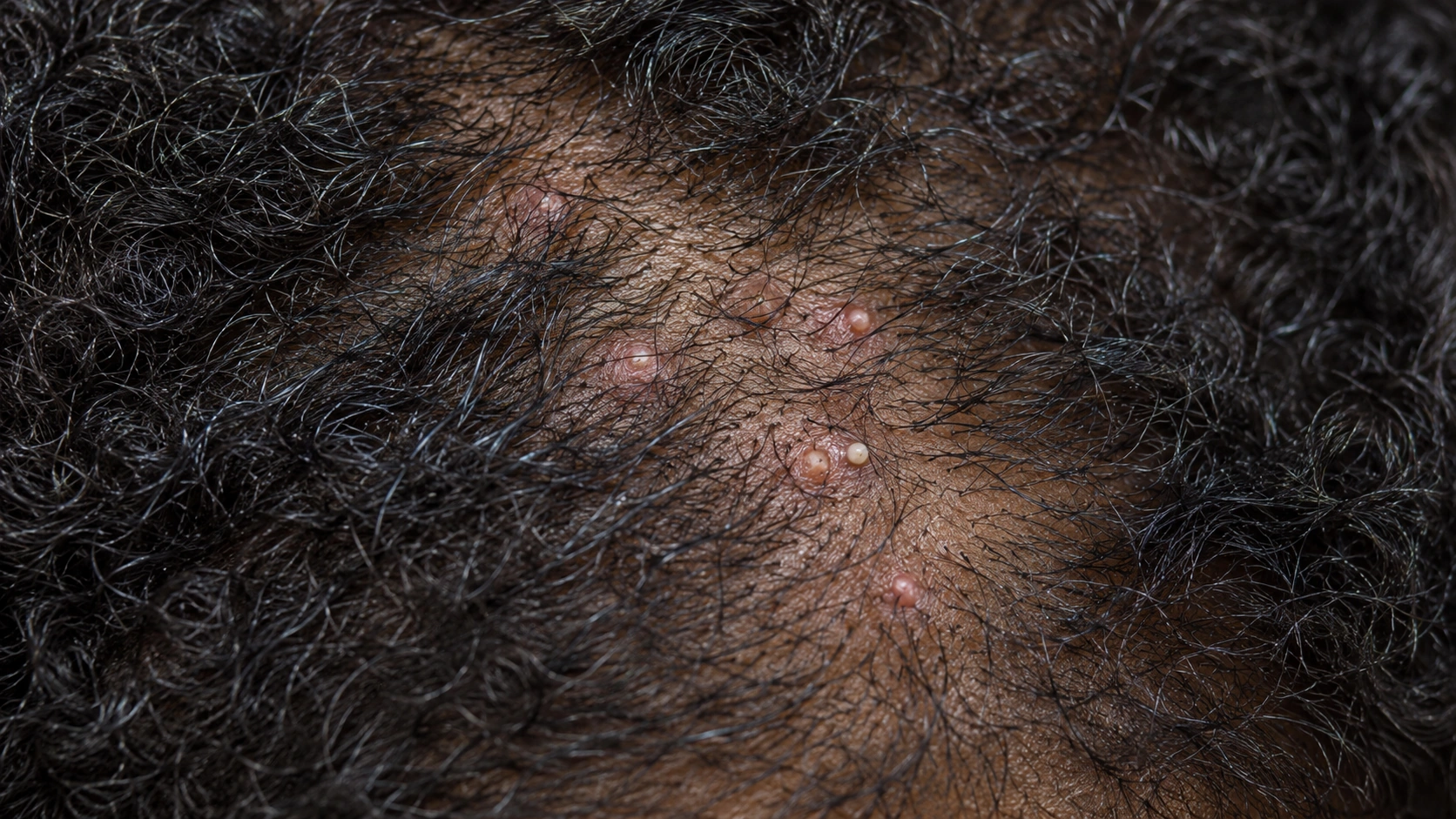
Cells from the hair root sheath form a cyst lining beneath the skin. Keratin produced by this lining accumulates inside the cyst.
Inflammation develops around follicles in the scalp. Bacteria, yeast, physical irritation or other contributors can be involved.
Pilar Cyst. Most often recognised in adults.
Scalp Folliculitis. Can occur at different ages after a relevant exposure or follicular inflammation.
Keratin accumulates within a cyst lined by cells from the hair root sheath.
Follicular inflammation can involve bacteria, yeast or other contributors.
Evidence labels come from each condition’s own treatment list.
A clinician can choose antibacterial, antifungal or anti-inflammatory treatment after assessing the pattern.
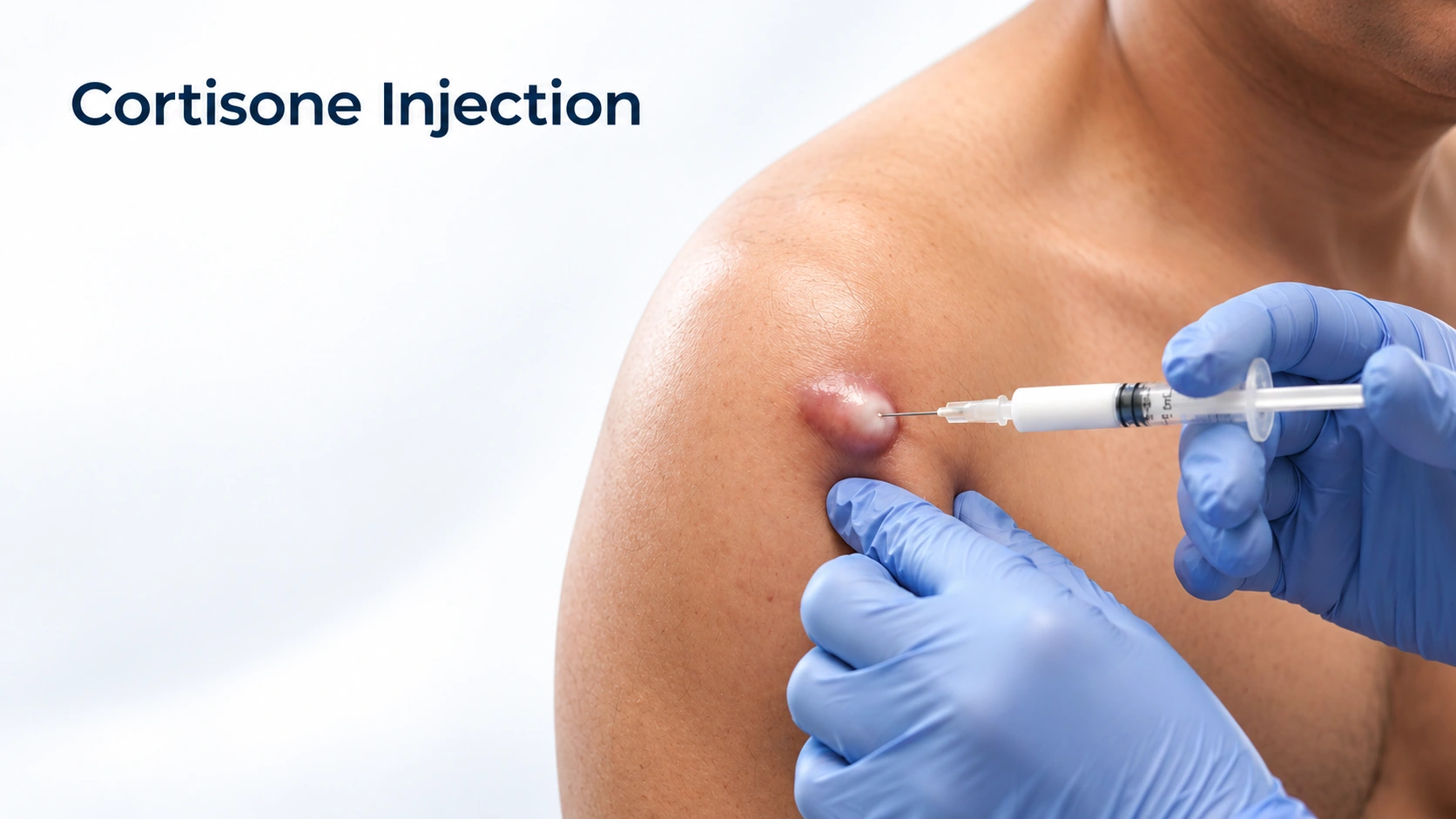
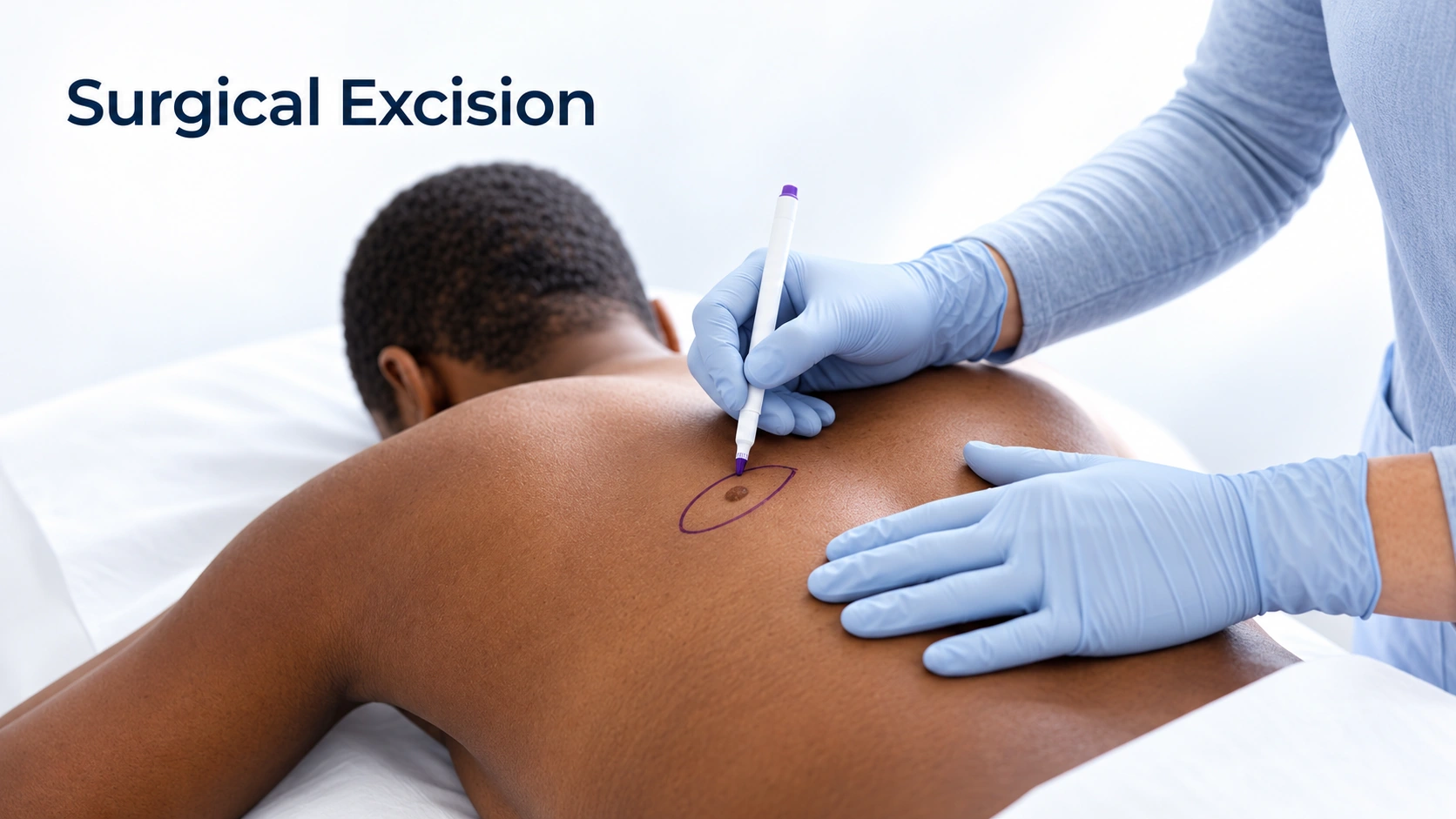
Can remove a symptomatic or troublesome cyst and its wall; the specimen may be examined.
Pilar cysts are usually benign and often remain unless removed. A painful or inflamed cyst needs assessment; recurrence is possible if the cyst wall is not completely removed.
Treatment can settle inflamed follicles, but some forms recur and need maintenance. Painful deep lesions, scarring or hair loss need assessment because the course differs between scalp disorders.
Most are benign; a rapidly growing, ulcerated or recurrent lump needs assessment.
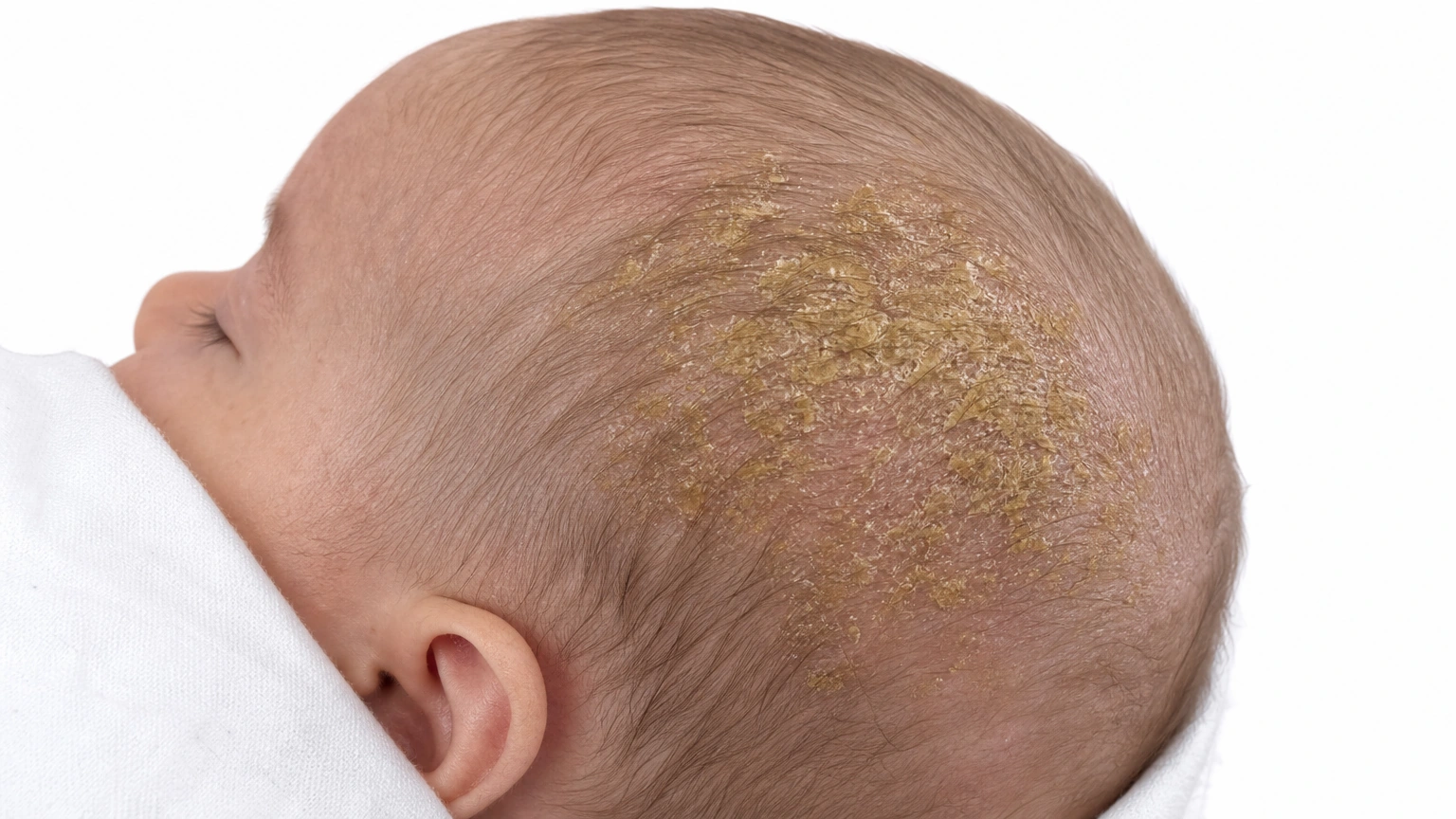
Scratching can cause crusting and secondary infection.
Have painful, growing, bleeding or uncertain lumps examined.
Seek care for painful deep lesions, scarring, hair loss or persistent disease.
A keratin-filled cyst arising from the hair root sheath, usually on the scalp.
Avoid picking or squeezing and protect it from comb trauma.
Have painful, growing, bleeding or uncertain lumps examined.
Inflammation of scalp hair follicles producing itchy or tender spots.
Use gentle shampoo, avoid heavy oily products and do not pick the spots.
Seek care for painful deep lesions, scarring, hair loss or persistent disease.
Sources