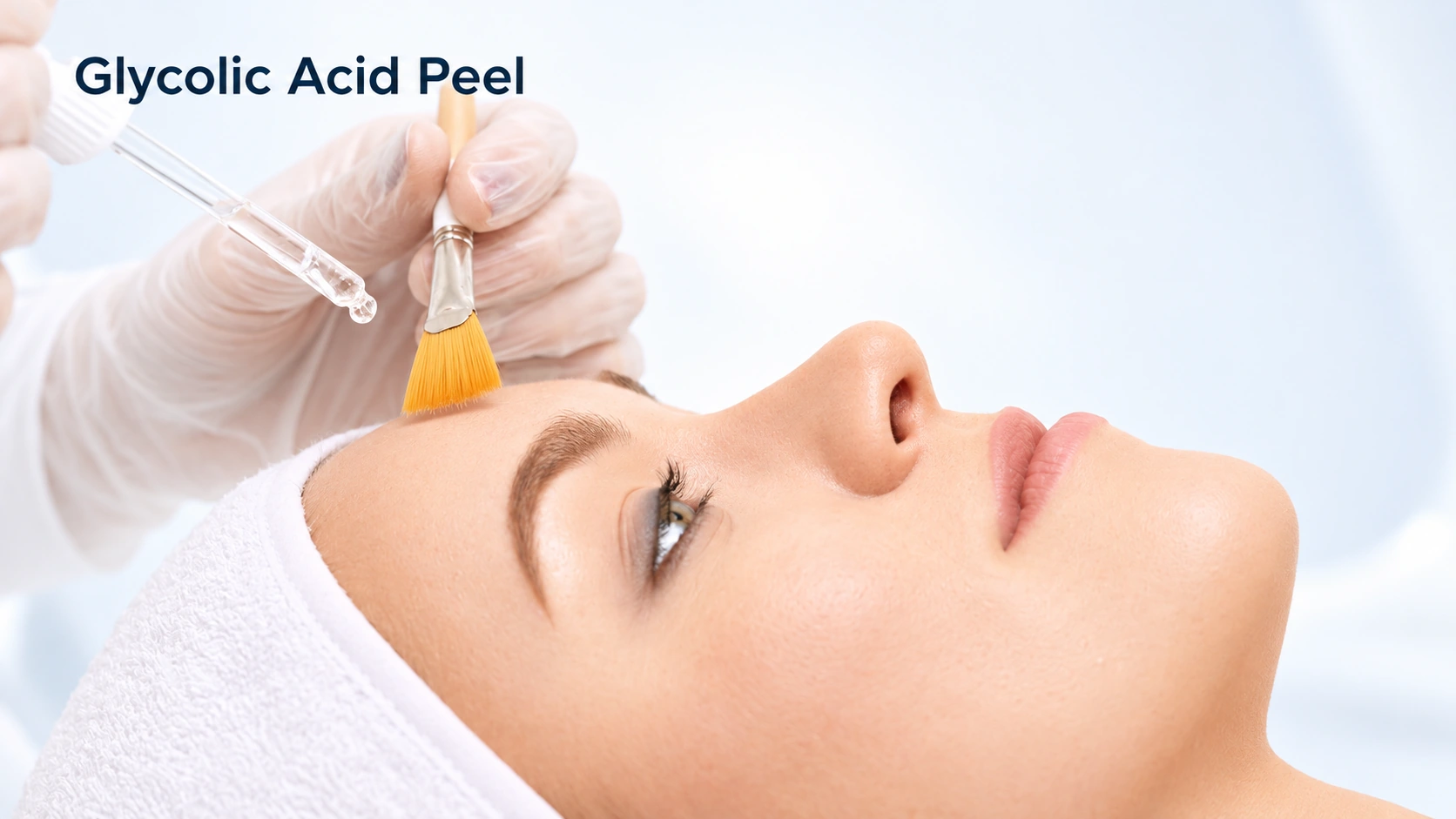
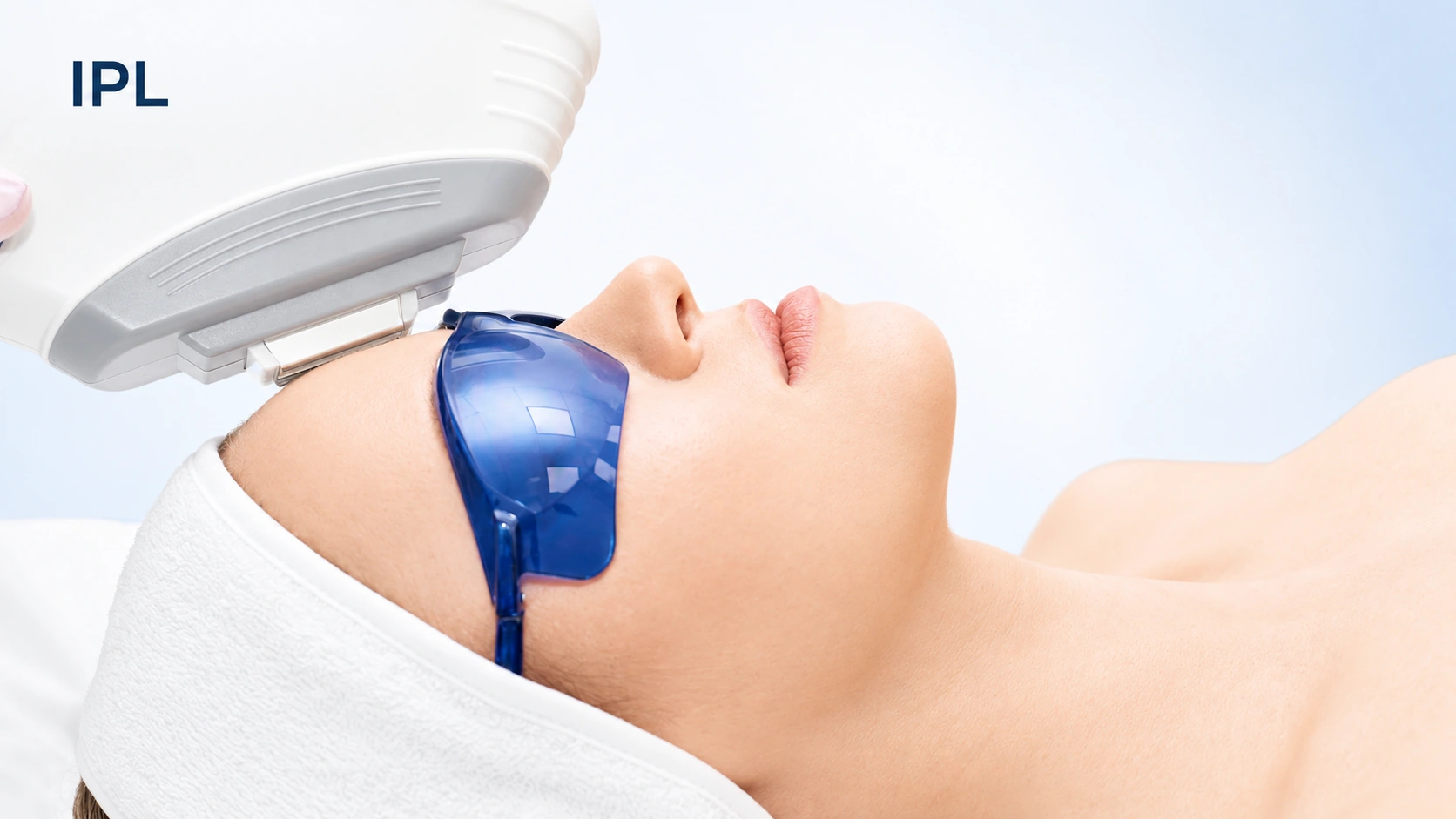
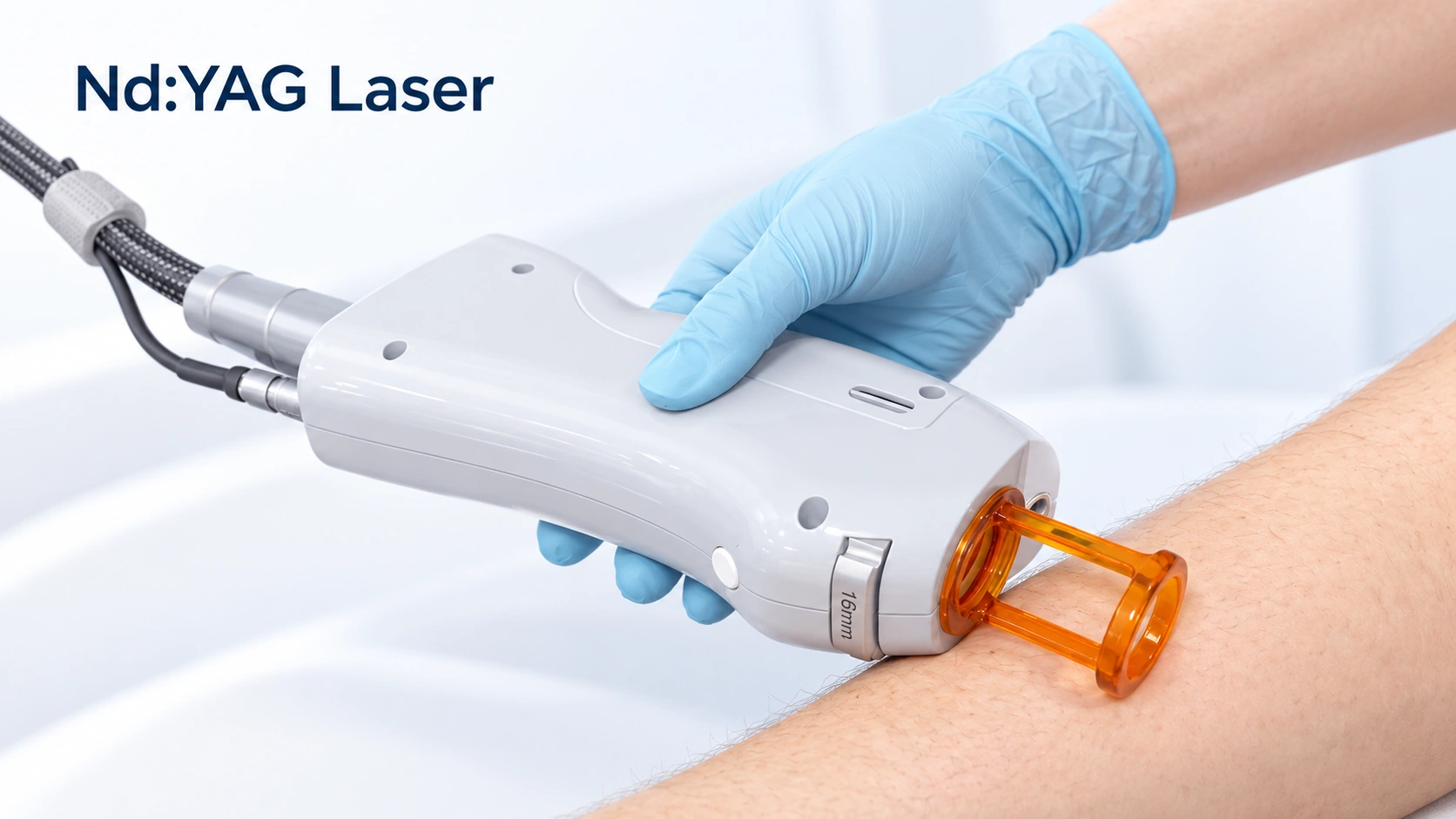
It uses ultra-short pulses.
Picosecond lasers act on pigment or create fractional tissue effects.
Picosecond Laser: A tattoo and pigment laser that fires in pulses lasting trillionths of a second. It works, and the marketing around the word “pico” has run well ahead of the evidence comparing it to the older quality-switched lasers.
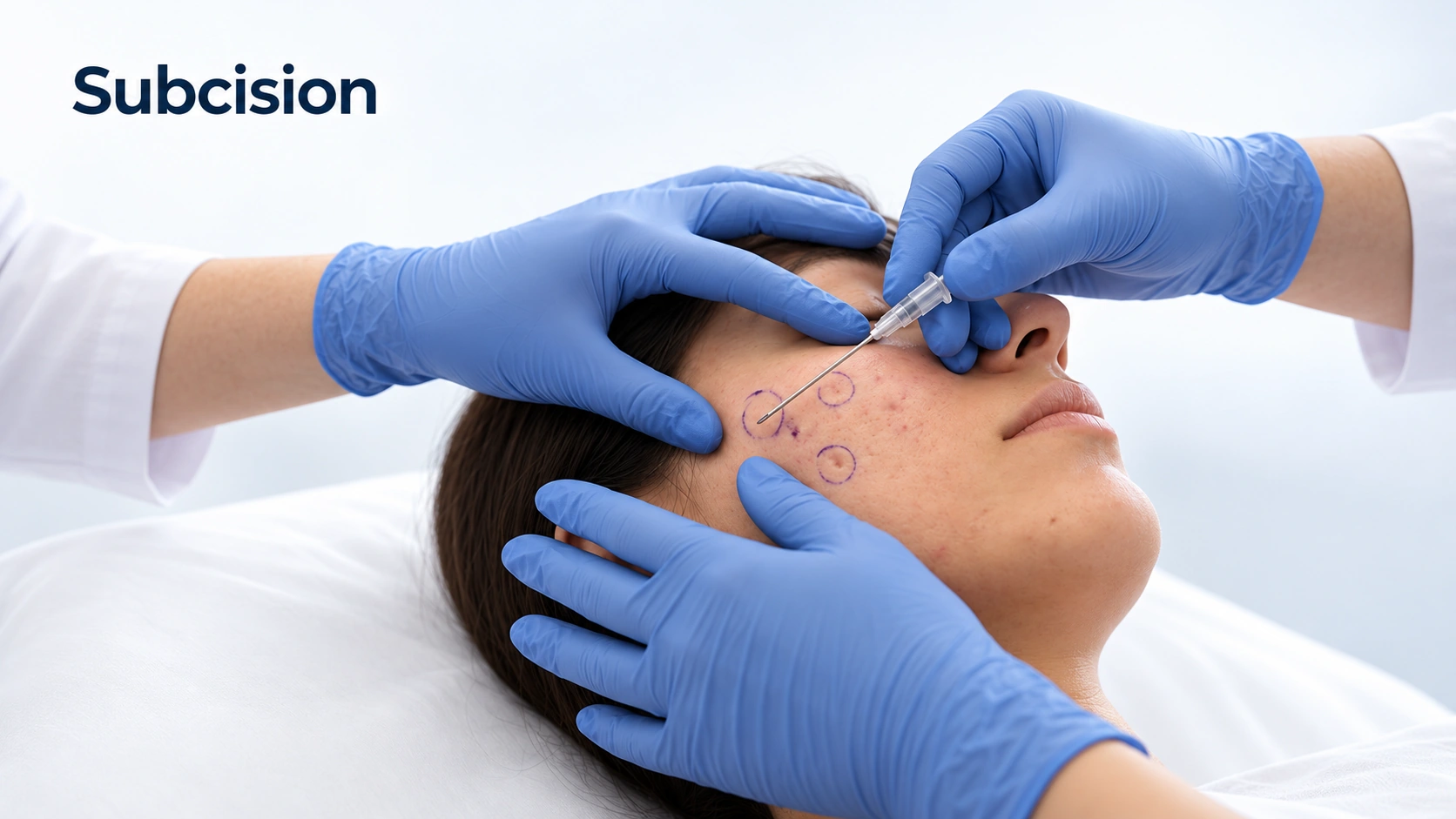
Subcision: A needle passed under an indented acne scar to cut the strands holding it down, so the surface can lift. It is aimed at rolling scars specifically, it bruises, and it is almost always combined with something else.
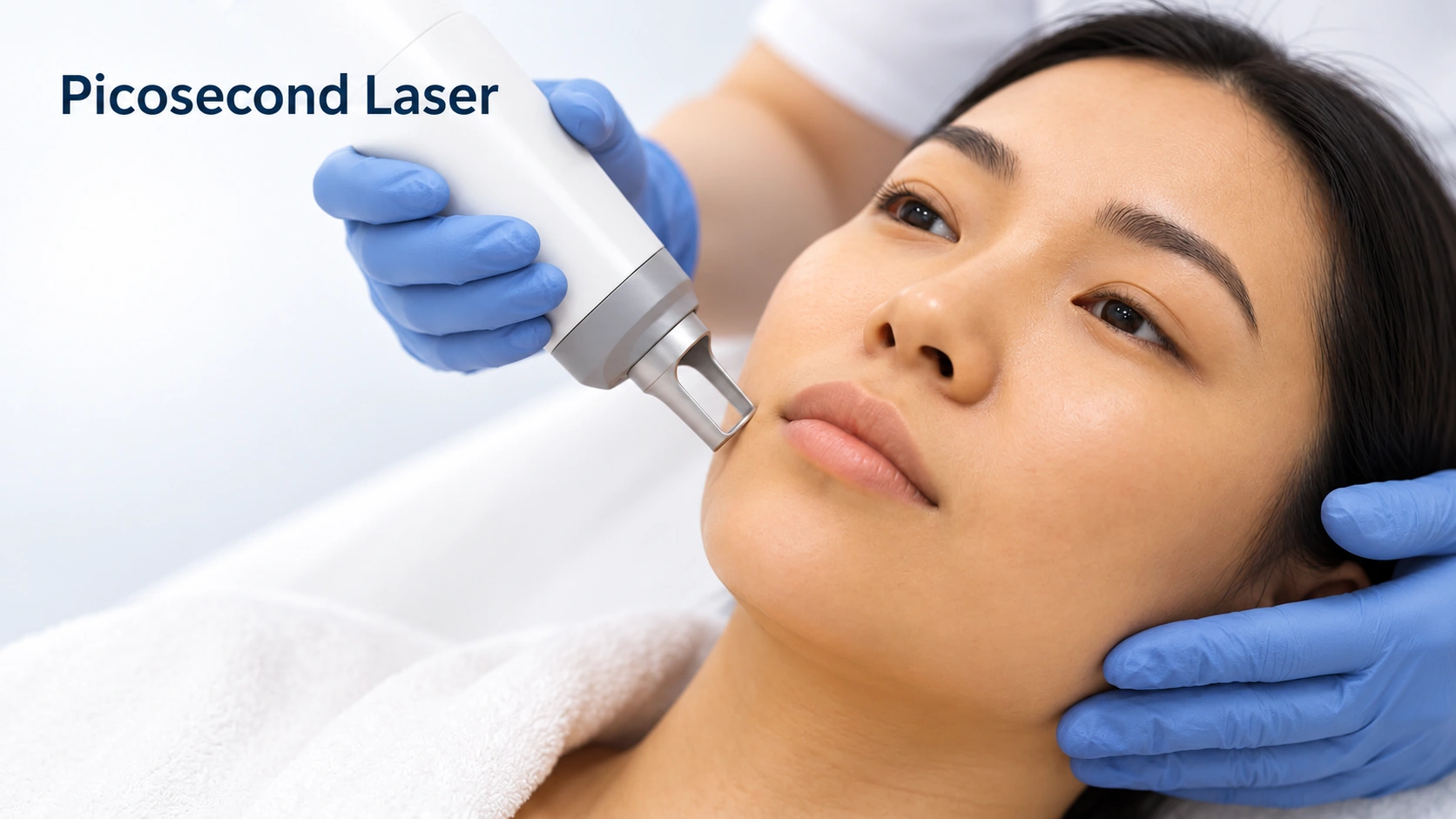
Choose for tattoo removal or sun spots — it works, but don't pay extra for the word "pico" alone.
Choose for rolling acne scars that are tethered down, usually combined with needling, laser or filler.
Can you have both?
Subcision releases tethered scars; picosecond improves surface texture. Space them several weeks apart.
Picosecond lasers act on pigment or create fractional tissue effects.
Tattoos, pigmentation and texture each need different settings.
Spots should be confirmed before fading.
Cosmetic tattoos may darken; melasma needs careful selection.
Fibrous bands tethering depressed scars are cut beneath the skin.
It is not for every pit, mark or raised scar.
It is performed by a clinician with a needle or blade.
Bleeding risk, scarring tendency and isotretinoin use are assessed.
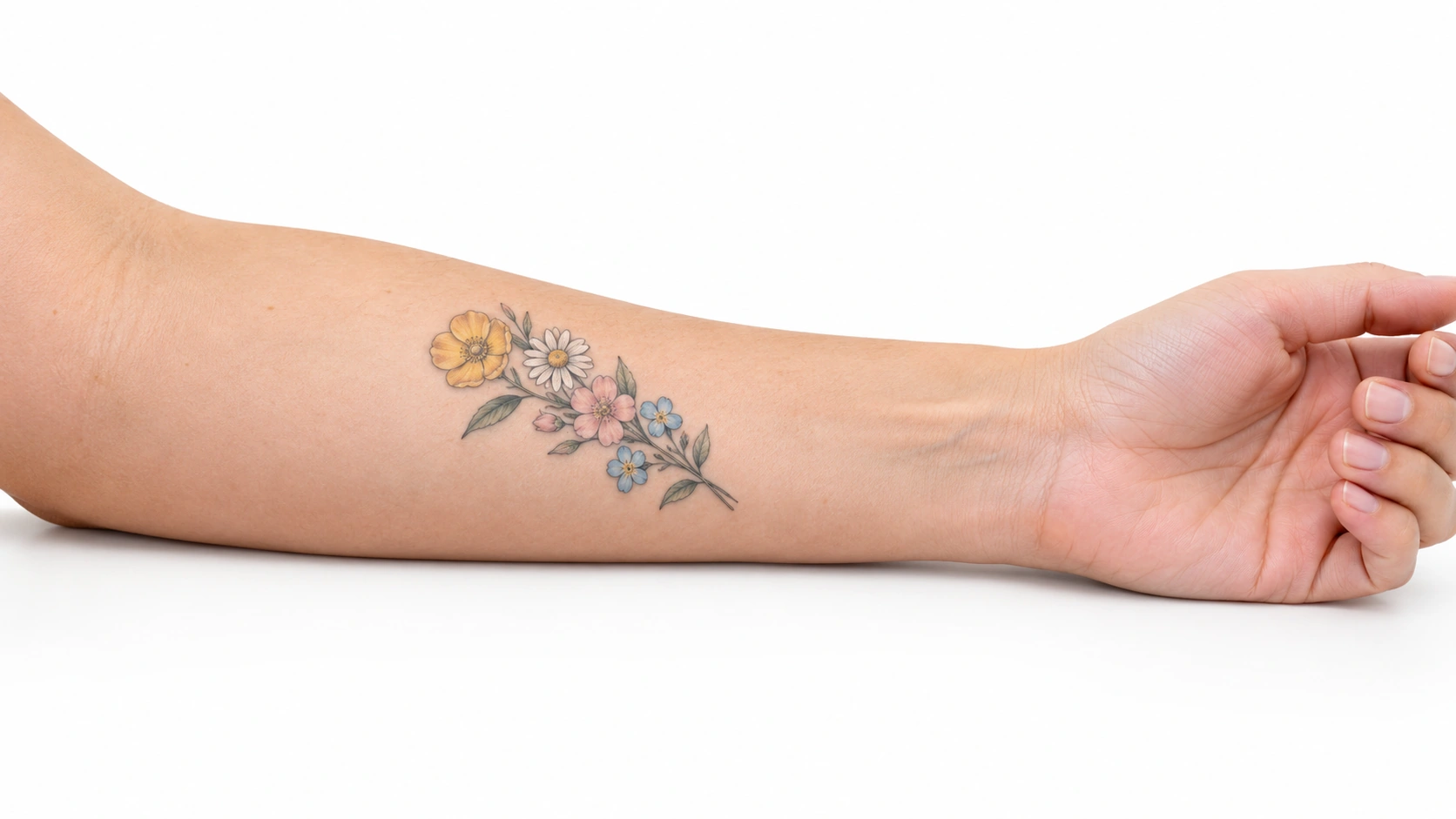
Fades most ink colors.
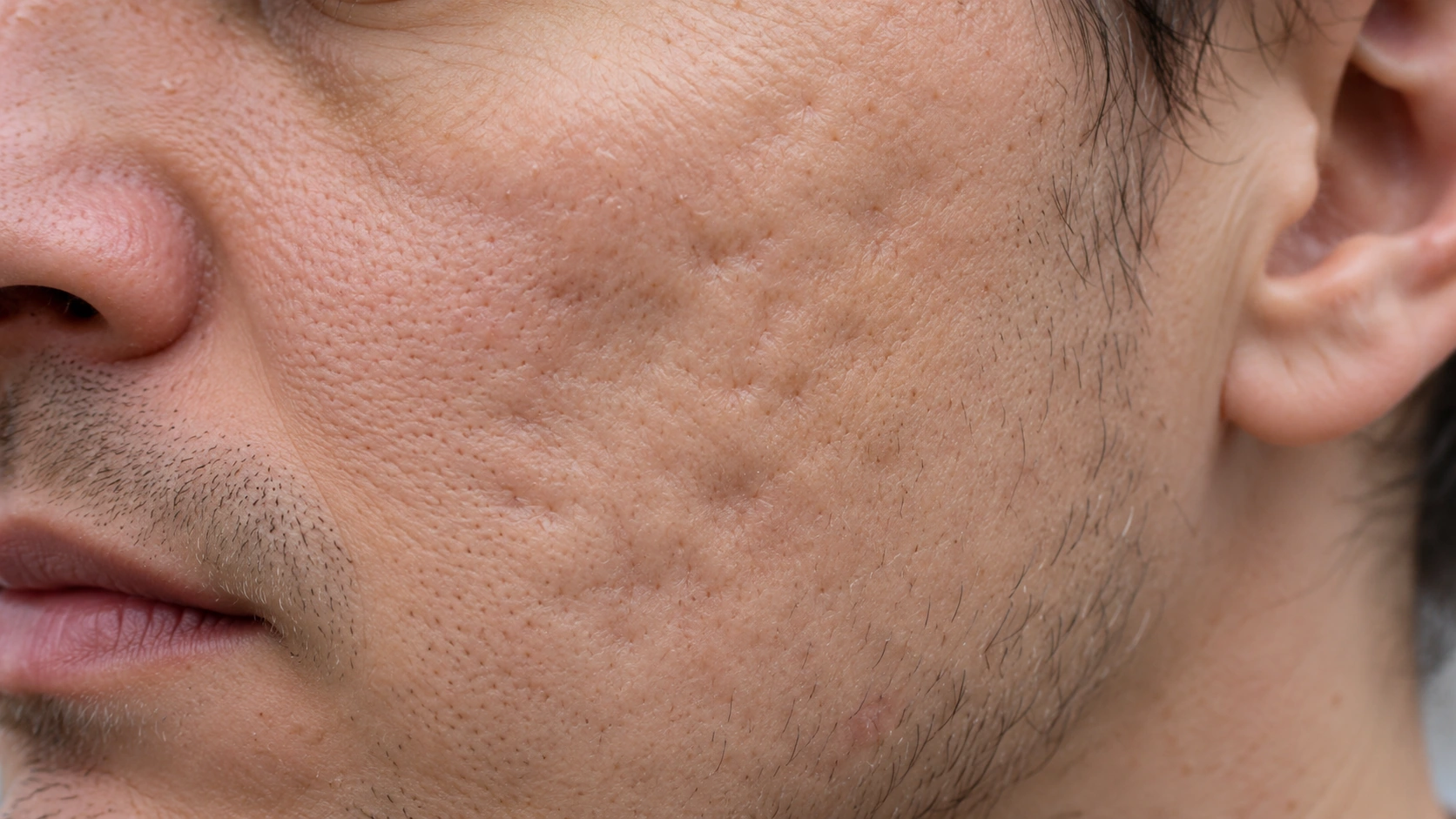
Releases tethered scars.
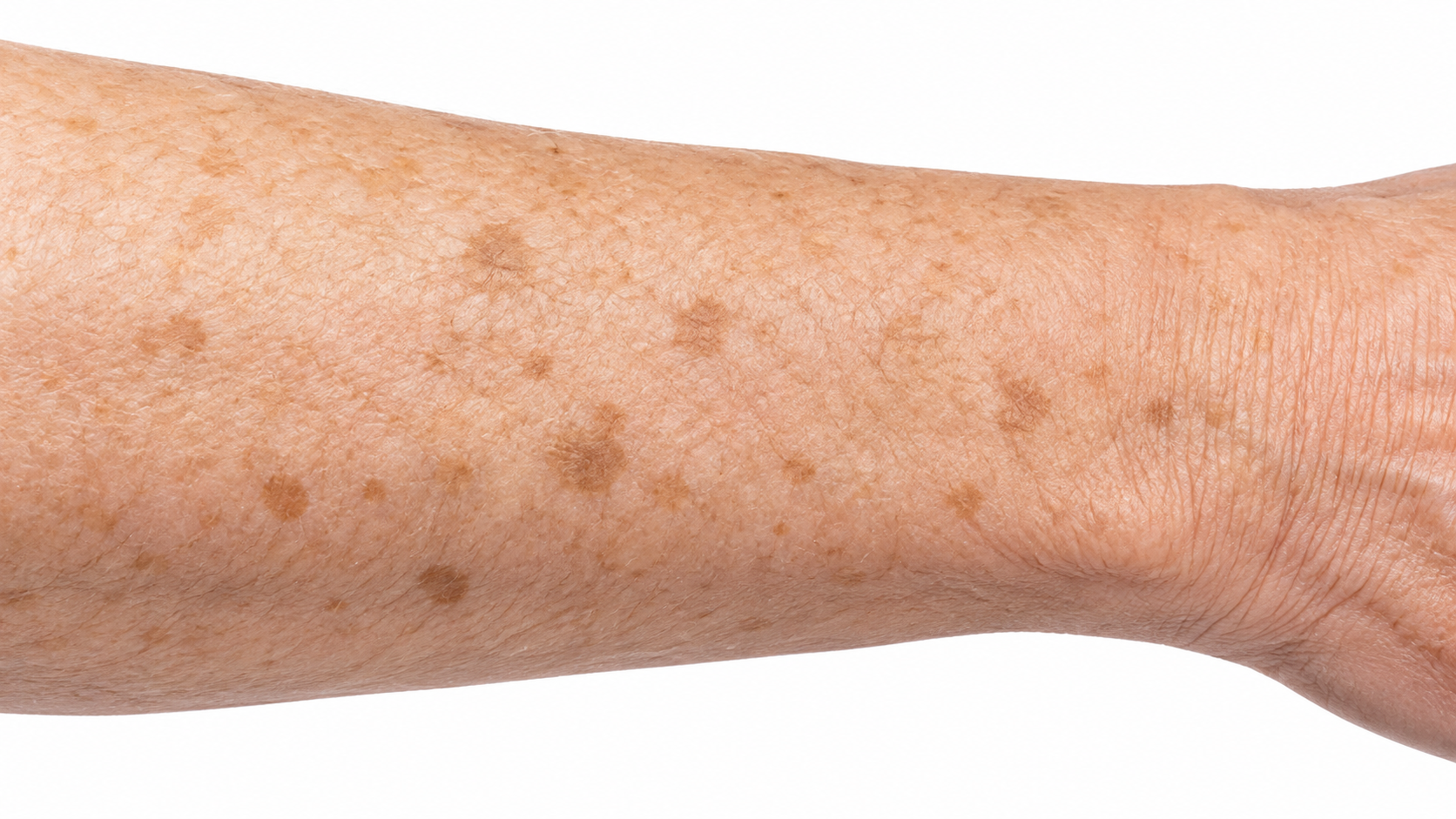
Clears spots.

Best for rolling scars.
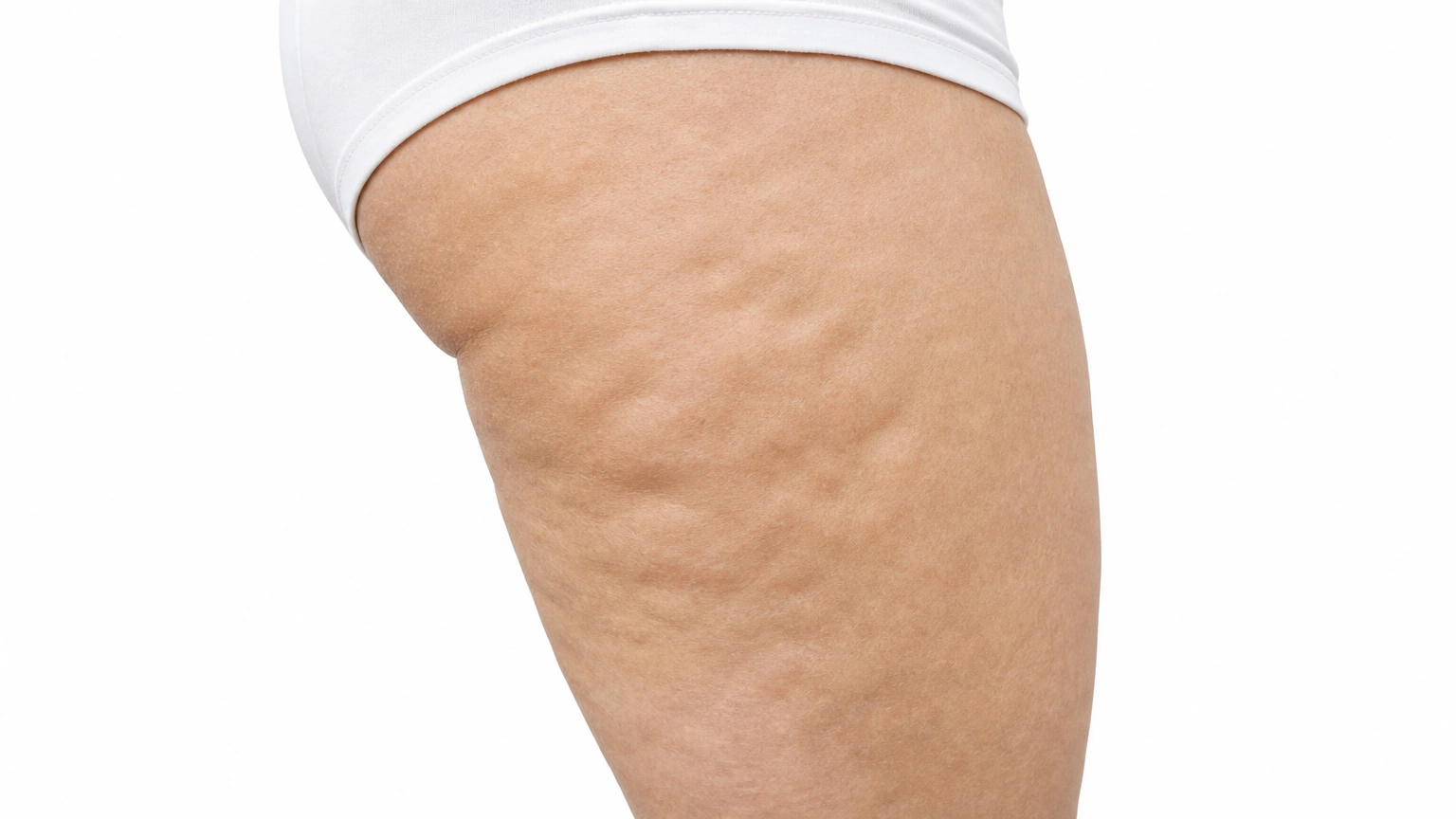
Releases dimples.
Focus lenses improve texture.
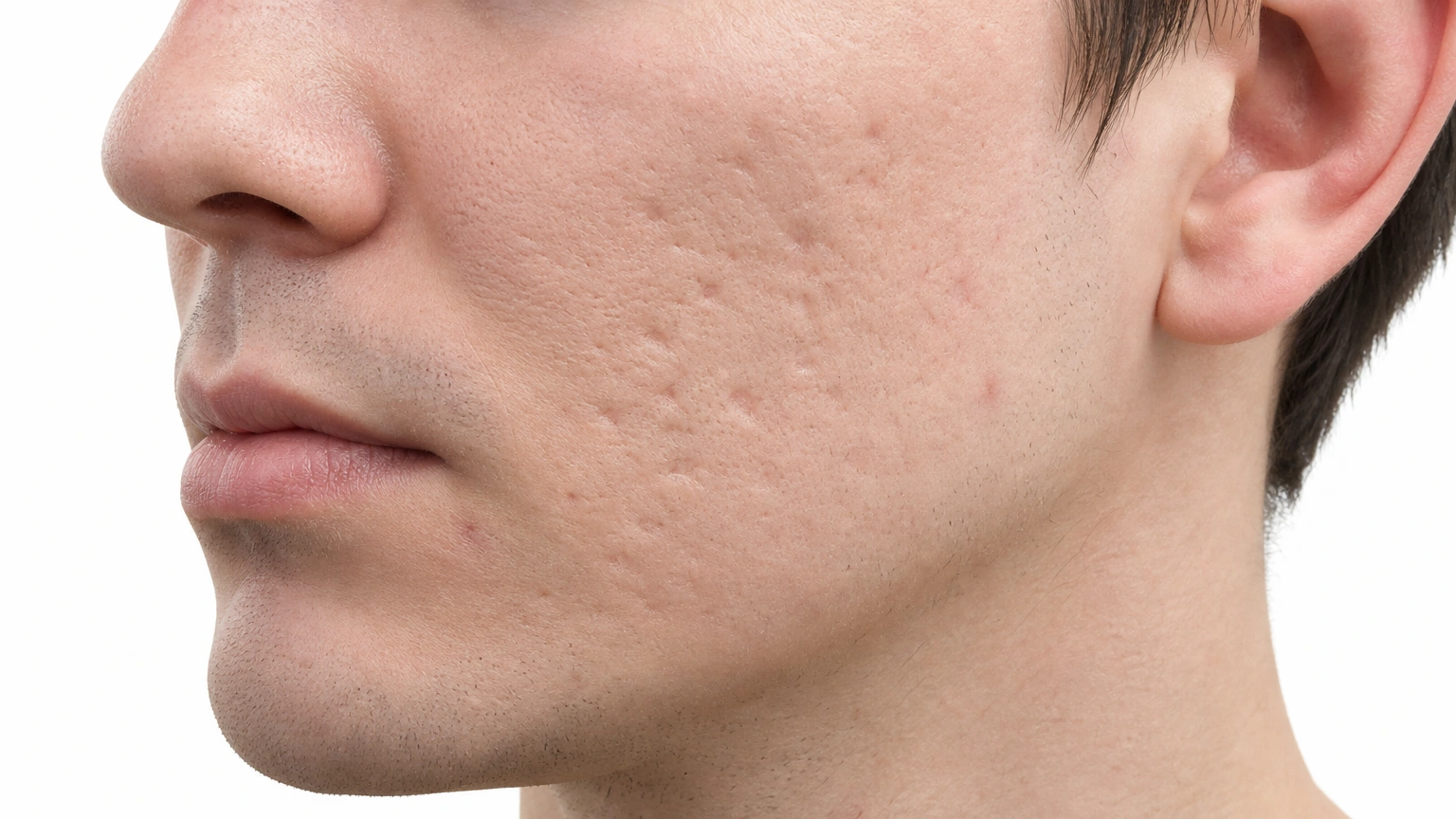
Better treated with resurfacing.
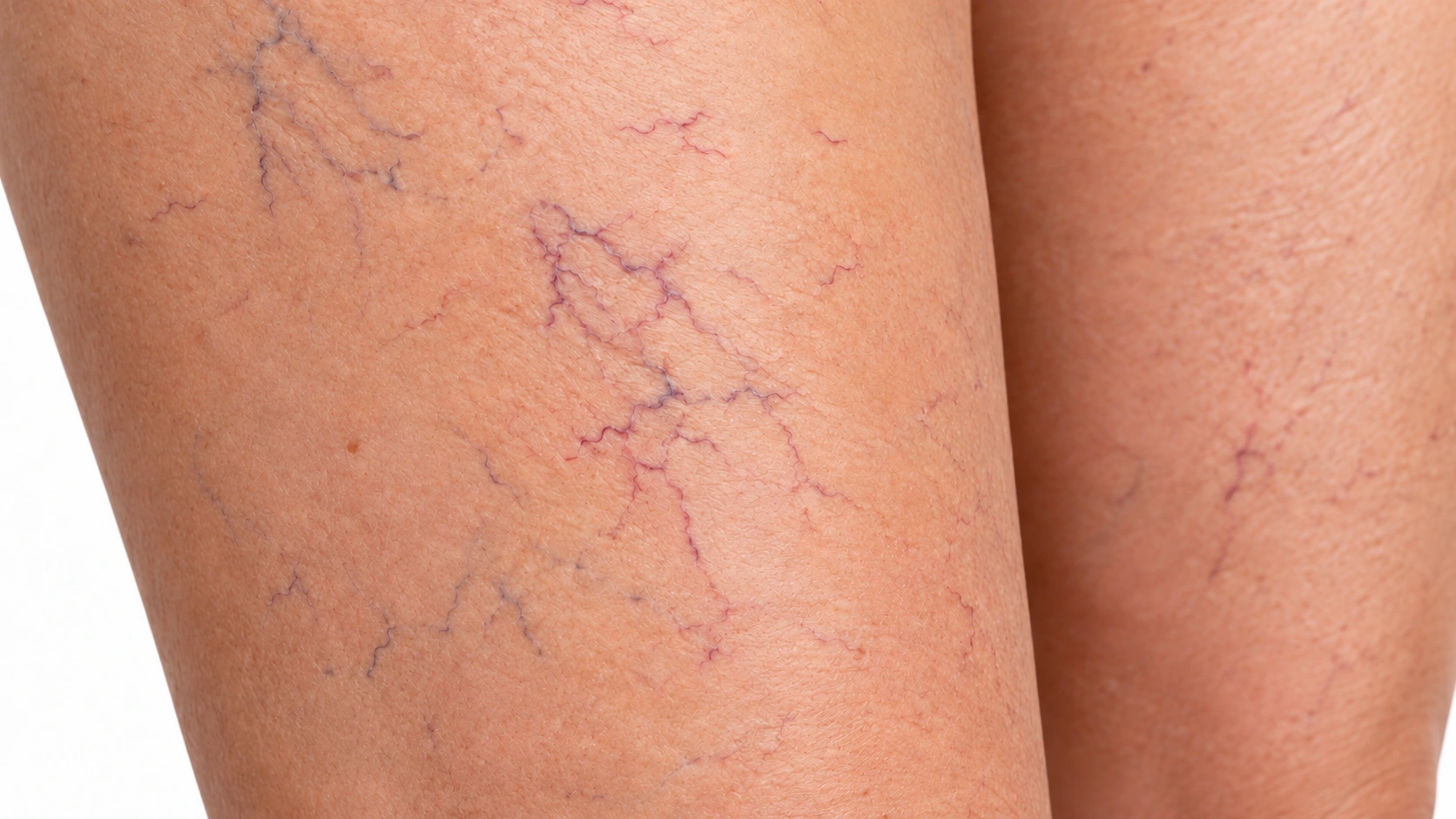
Doesn't target vessels.
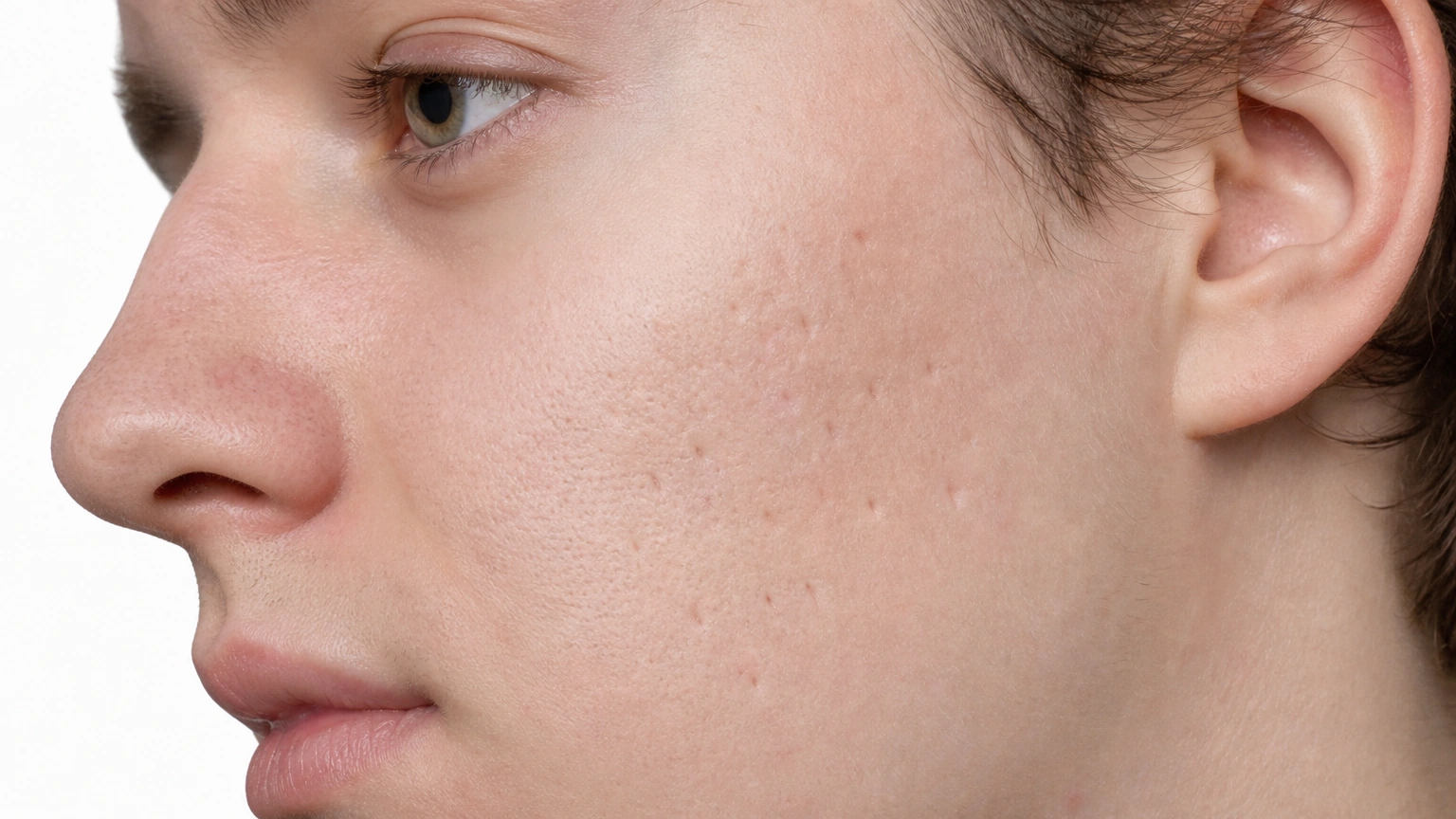
Too narrow to release.

Pigment can rebound.
The tattoo or diagnosed pigment spot determines the treatment site; location varies.
Selected facial scars; the highlighted cheeks show the general treatment area.

Ultrashort pulses reach pigment: The wavelength and treatment mode are chosen for the target. Rapid energy delivery fragments pigment: Mechanical effects can break selected particles into smaller pieces. Clearance follows over time: The body clears some fragments; results depend on the pigment and skin.
Schematic illustration. Technique and response vary. This explains a mechanism and does not specify treatment settings.
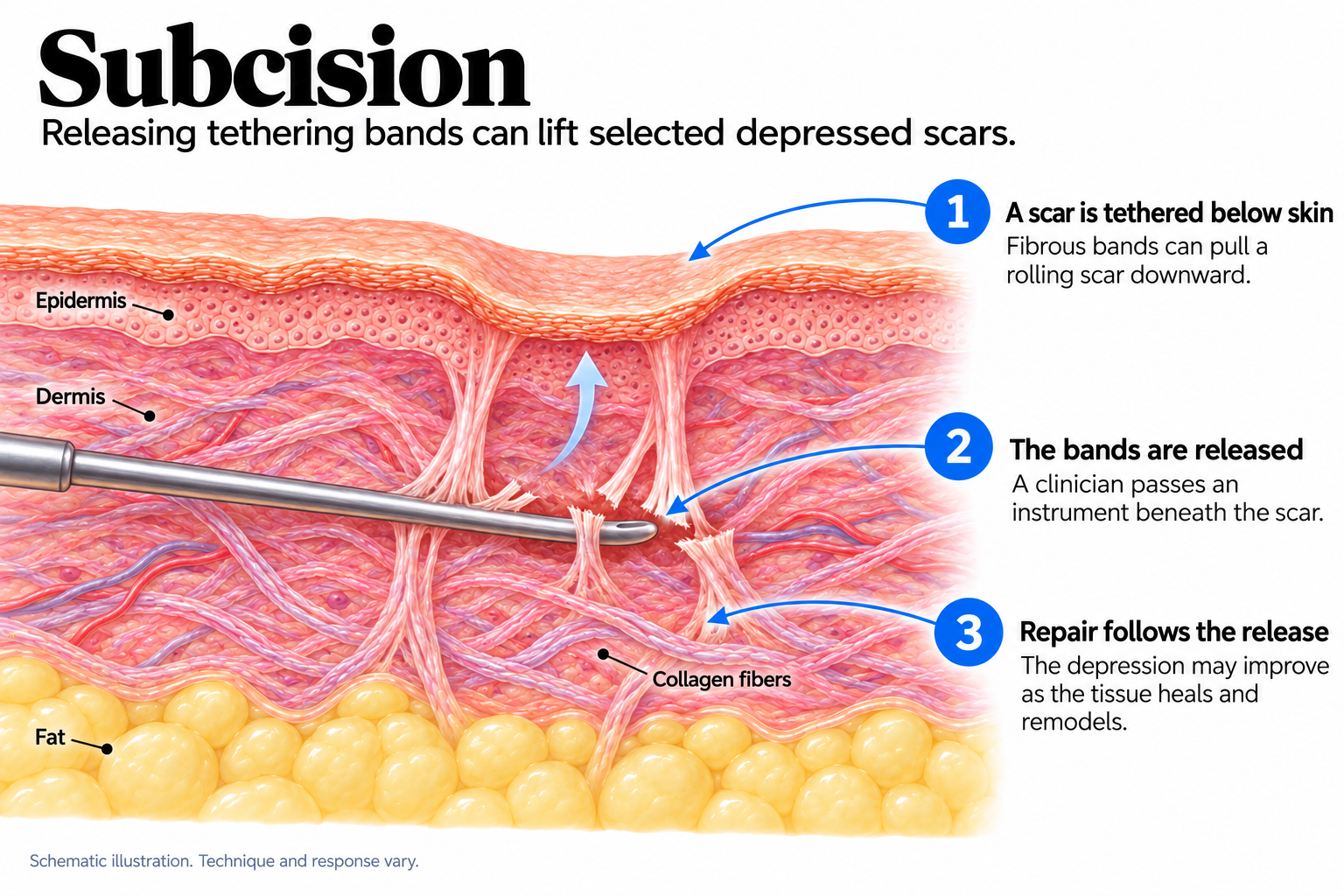
A scar is tethered below skin: Fibrous bands can pull a rolling scar downward. The bands are released: A clinician passes an instrument beneath the scar. Repair follows the release: The depression may improve as the tissue heals and remodels.
Schematic illustration. Technique and response vary. This explains a mechanism and does not specify treatment settings.
6 months before: After isotretinoin: Most providers wait about 6 months before subcision, though this is debated and some treat sooner.
4 weeks before: Sun and tanning: Avoid sun, sunbeds and self-tanner on the area.
4 weeks before: Sun and tanning: Tanned skin postpones a session — surface pigment competes for the light and raises the risk of burns and pigment loss.
Before you book: Numbing and history: Ask for numbing to be arranged in advance.
2 weeks before: Sun: Keep the area out of the sun and use SPF 30 or higher.
Before you book: Timing: Get active acne under control first, or new scars form beside the treated ones.
3 to 5 days before: Actives and shaving: Stop retinoids and exfoliating acids.
3 to 5 days before: Actives and shaving: Shave the area.
Actives and supplements: With your prescriber's agreement, stop blood-thinning supplements such as fish oil, vitamin E and ginkgo.
Clean skin: Clean, product-free skin.
The tattoo or pigment is examined, photographed, and its colors noted, since they decide the wavelengths.
Photographs first, then the skin is stretched and lit from the side so tethered scars stand out.
Everyone wears eye protection.
The provider fires overlapping pulses, with a snapping sound and a faint smell. Skin whitens at once — frosting — and fades within about 20 minutes. A small tattoo takes minutes; a large piece is split across appointments. It feels sharper than getting the tattoo but far quicker, and bony areas are worse.
A tiny entry point is made beside the scar, and the needle or cannula is passed underneath and moved side to side in a fan until the skin releases.
You feel pressure, tugging and a faint crunching as the strands give way. Firm pressure follows to limit bruising, and filler or microneedling may follow. Usually 15 to 45 minutes, and once numb it is pressure, not pain.
The area is white and raised, then red and swollen as the frosting fades.
Swollen, red and firm, with the treated scars looking temporarily better from the swelling.
Days 1 to 3: Swelling peaks on day one or two and can be marked around the eyes, hands and ankles.
Days 1 to 3: Deep purple bruising appears and spreads downward with gravity, worst around day two or three.
Days 3 to 14: Scabs form and fall away on their own, taking some ink with them.
Days 4 to 14: The bruises turn green and yellow, and concealer covers them reasonably well from about day three, once the entry points have sealed.
Weeks 2 to 8: Skin looks normal while the immune system clears ink fragments underneath.
Weeks 2 to 12: Small firm lumps can be felt as the scar tissue remodels, and most soften on their own.
Fading over weeks after each session
1–3 months
Removed ink is gone
Long-lasting
In the US, a picosecond session on a small to medium tattoo commonly runs $200 to $500, with larger pieces priced higher and often split into sections.
In the US, subcision commonly runs a few hundred dollars per session, and the price rises when filler, microneedling or radiofrequency needling is added — filler is often the larger part of the bill.
Insurance does not cover tattoo removal or cosmetic pigment treatment.
Insurance almost never covers subcision for acne scars, because scar treatment for appearance is cosmetic.
Not settled. Studies generally find picosecond devices perform at least as well, and some report clearance in fewer sessions, but the head-to-head trials are few, small and inconsistent. “Pico” is a marketing category, not a standard, so devices differ a lot. The provider's experience and the wavelengths available for your ink colors matter more than the category name.
Most professional tattoos need five to ten or more, six to eight weeks apart, so a year or longer. Amateur tattoos need fewer, cover-ups more. Nobody can give an accurate number at the first visit; how the first two sessions go is the best predictor available.
Sometimes, but heavily faded with a faint shadow is more common. Ink type, depth, color, age and location all matter, and none can be judged from the surface beforehand. Treat a guarantee of complete removal as a warning sign.
Black and dark blue clear most readily. Green and light blue are hardest and need specific wavelengths. Red, orange and yellow are unpredictable. White, flesh-toned and pastel cosmetic inks can turn dark instantly, which is why they get a test spot first.
Yes, generally at 1064 nm, because surface pigment absorbs it least — the same reason the Nd:YAG laser is preferred there for hair and vessels. Multicolored tattoos are harder, because the wavelengths needed for some colors carry more risk of a light or dark patch. Conservative settings, test spots and longer gaps are standard.
Sometimes, with mixed results. Melasma often improves during a course and then returns, and heat and light can provoke it. Most dermatologists lead with sun protection and pigment creams and add laser cautiously.
Stretch the skin either side of the scar, or press gently beside it. If the dip flattens out, it is tethered, and that is the scar subcision treats. Scars with sharp punched-out edges that stay put when you stretch are icepick or boxcar scars and need something else.
Usually 7 to 14 days. It looks worst around day two or three, then turns green and yellow, and concealer works from about day three. Plan for two clear weeks, not one.
Usually not. Most courses are 2 to 4 sessions, 4 to 8 weeks apart. Some of the immediate improvement is lost as cut strands reattach, and the gain builds over the course.
Not always, but many providers add it. Filler holds the released space open while new collagen forms, which reduces retethering. Ask what would be used, how much, and what it adds to the cost.
The numbing injections sting for a few seconds and are the worst part. After that it is pressure and tugging, not sharp pain. The area is sore for a day or two, like a deep bruise.
Yes, and it is often a good choice, because it uses no heat or light. The thing to manage is a temporary brown mark where the bruising was. Sun protection, limiting the bruising and spacing sessions all help.