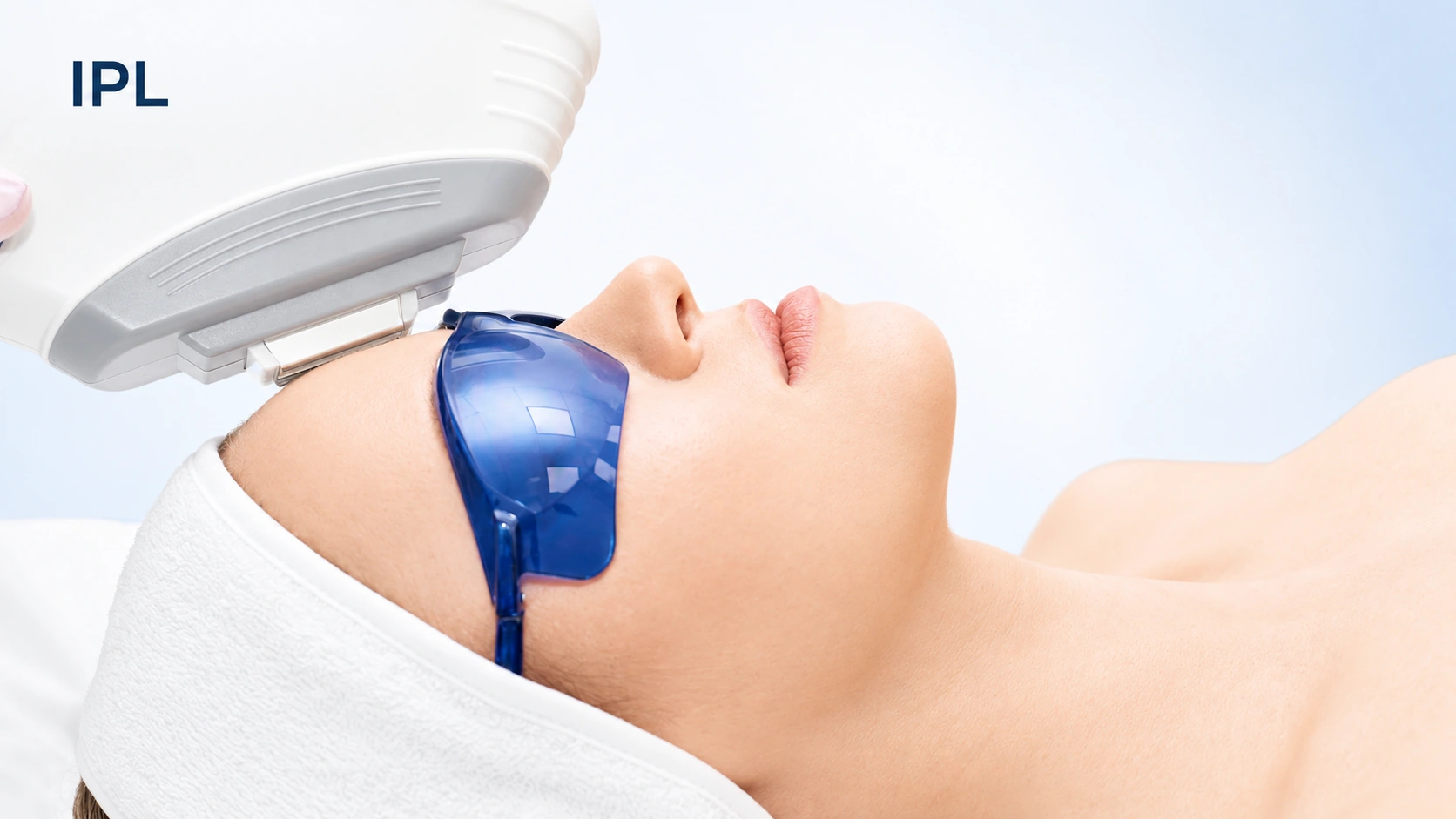
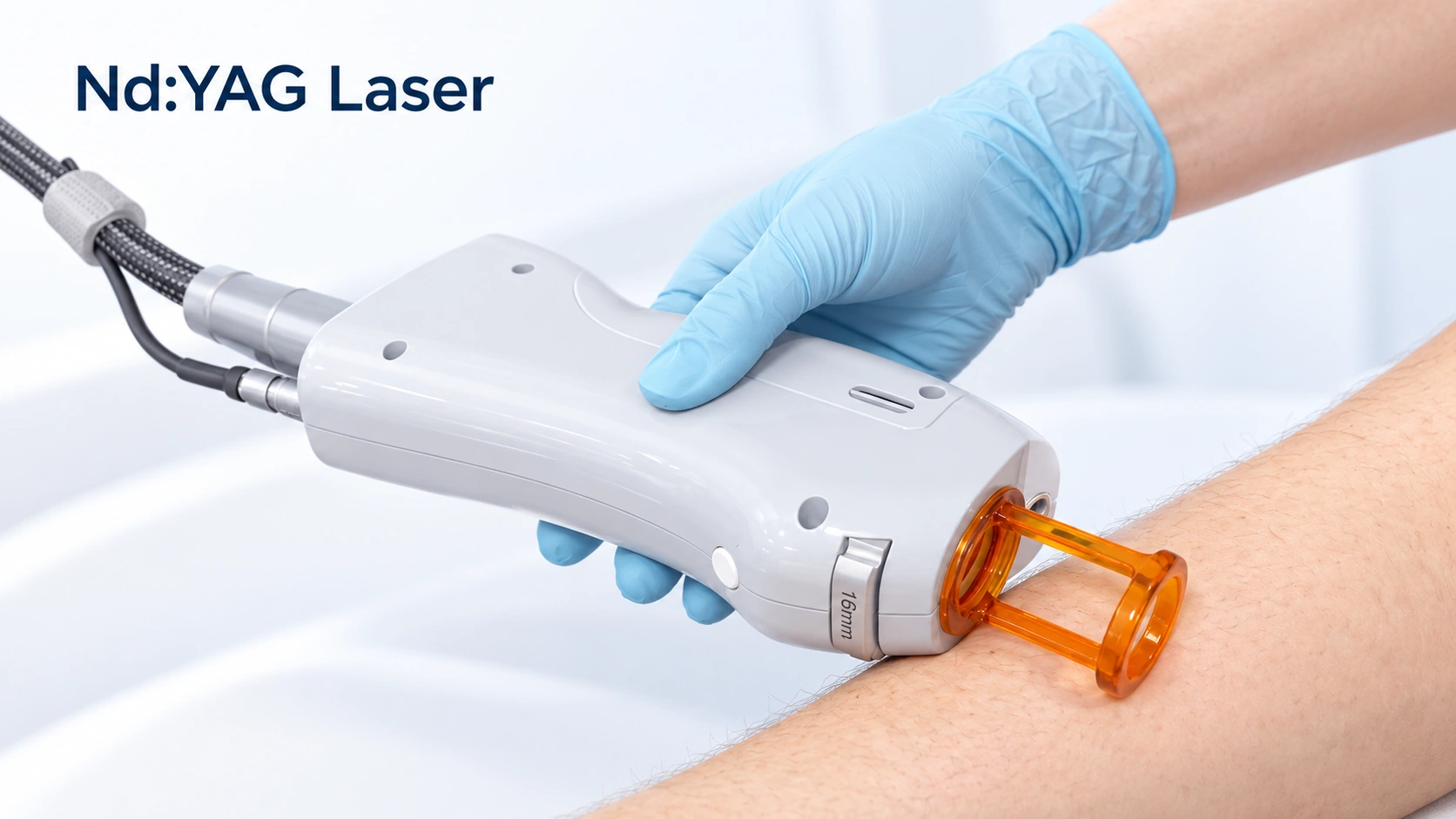
It uses ultra-short pulses.
Picosecond lasers act on pigment or create fractional tissue effects.
Picosecond Laser: A tattoo and pigment laser that fires in pulses lasting trillionths of a second. It works, and the marketing around the word “pico” has run well ahead of the evidence comparing it to the older quality-switched lasers.
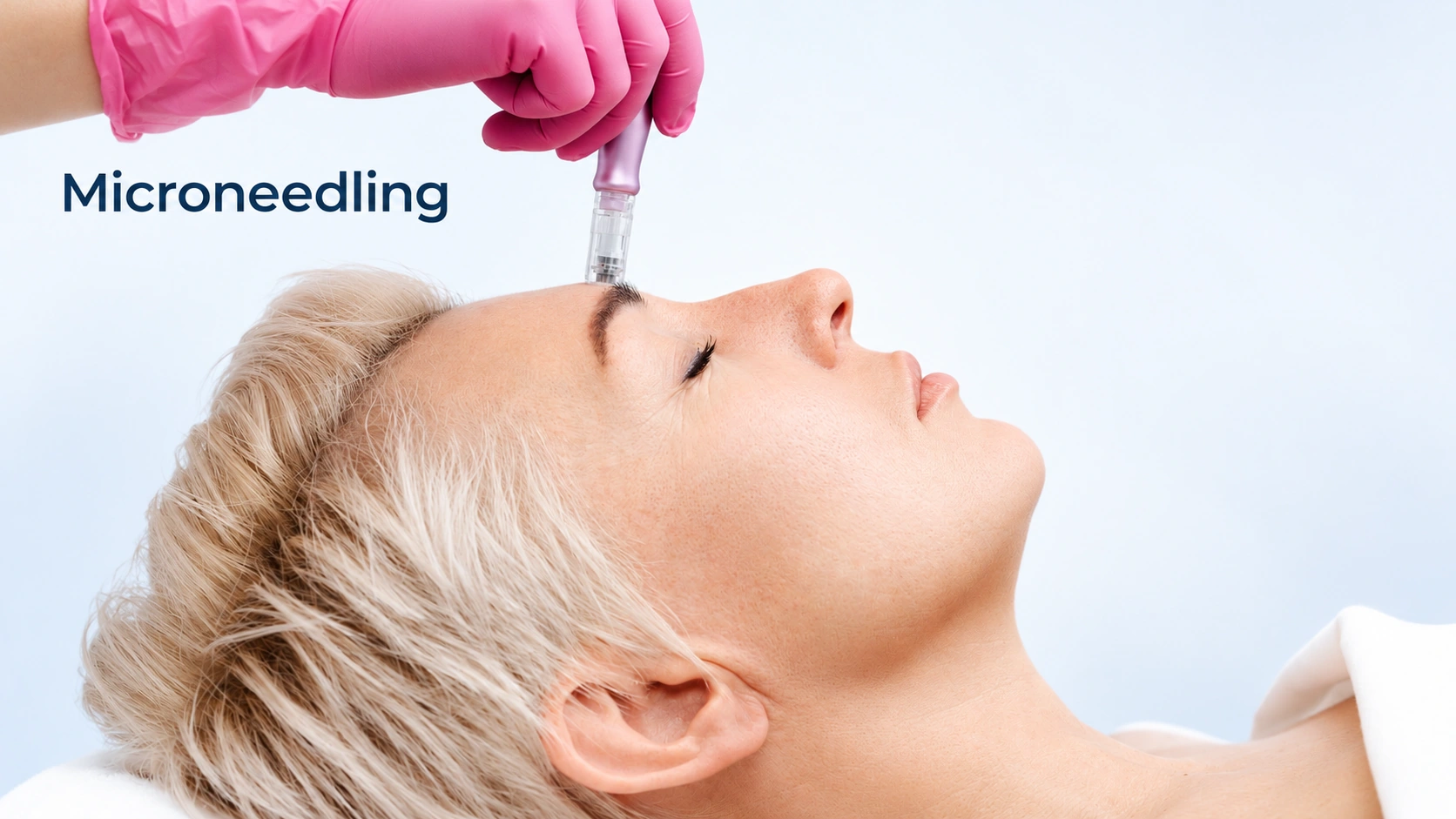
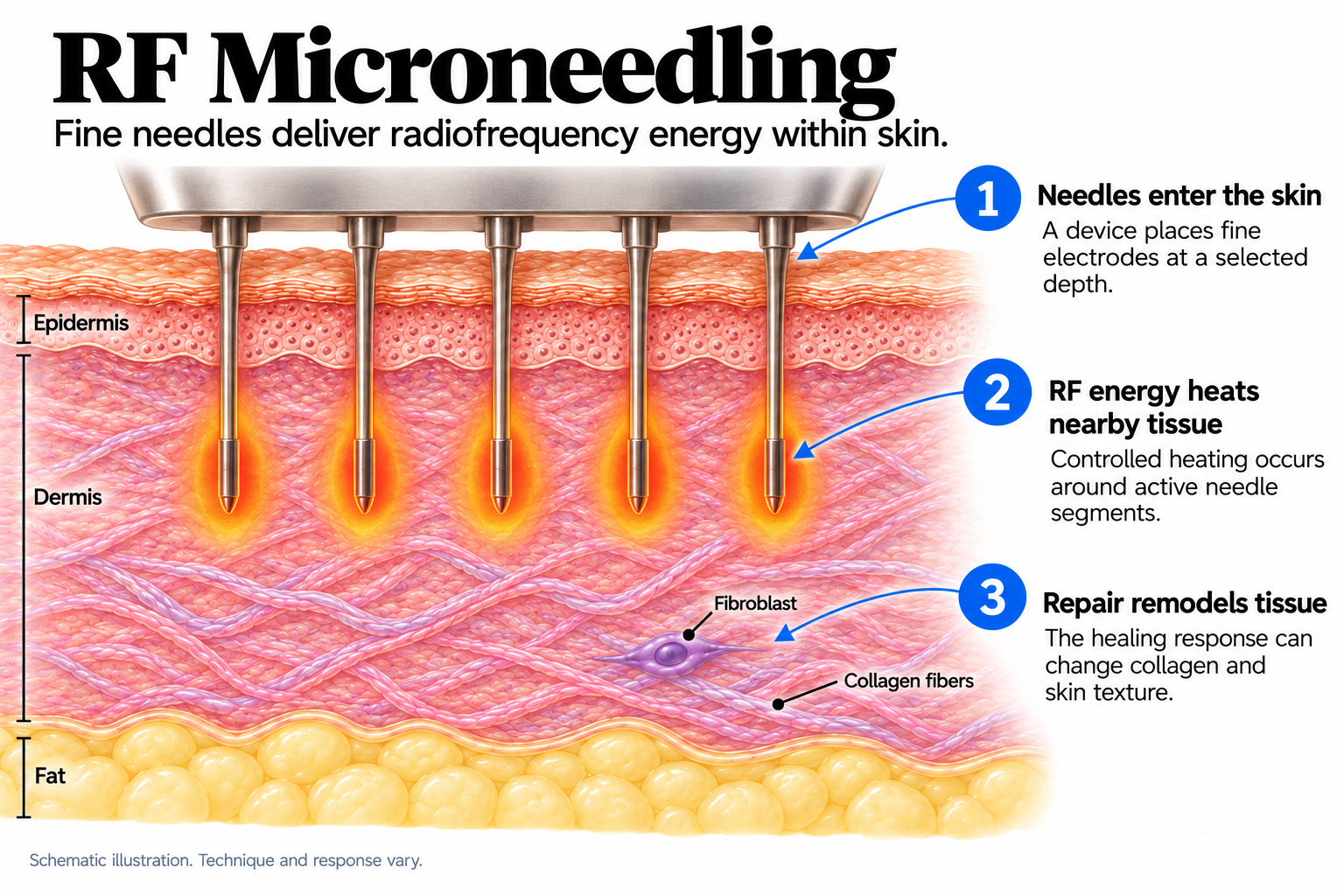
RF Microneedling: Microneedling with heat added. Insulated needles carry radiofrequency energy to a set depth in the skin, so the healing response comes from both the puncture and the heat. It is used for indented acne scars, texture, and mild sagging.
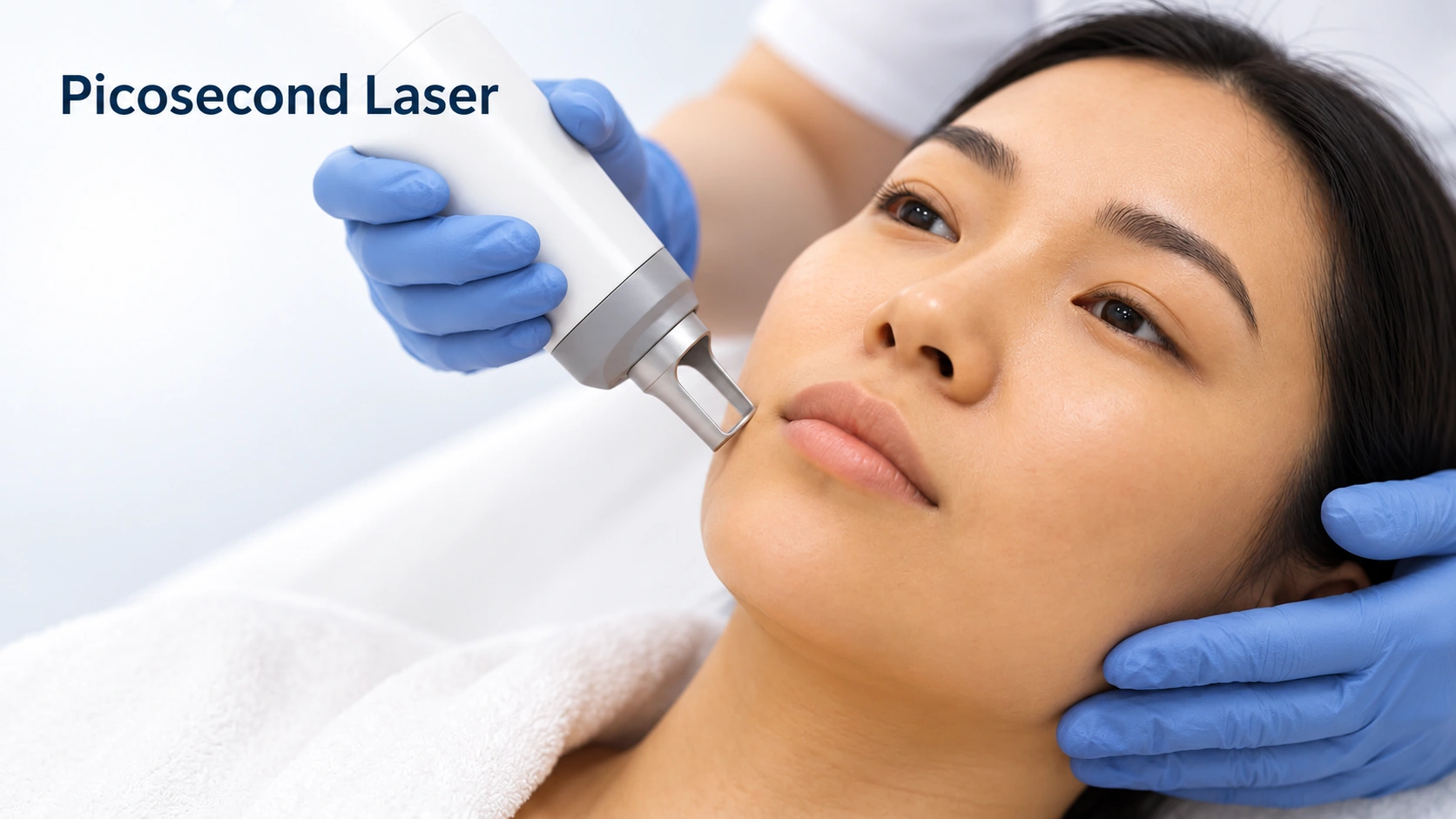
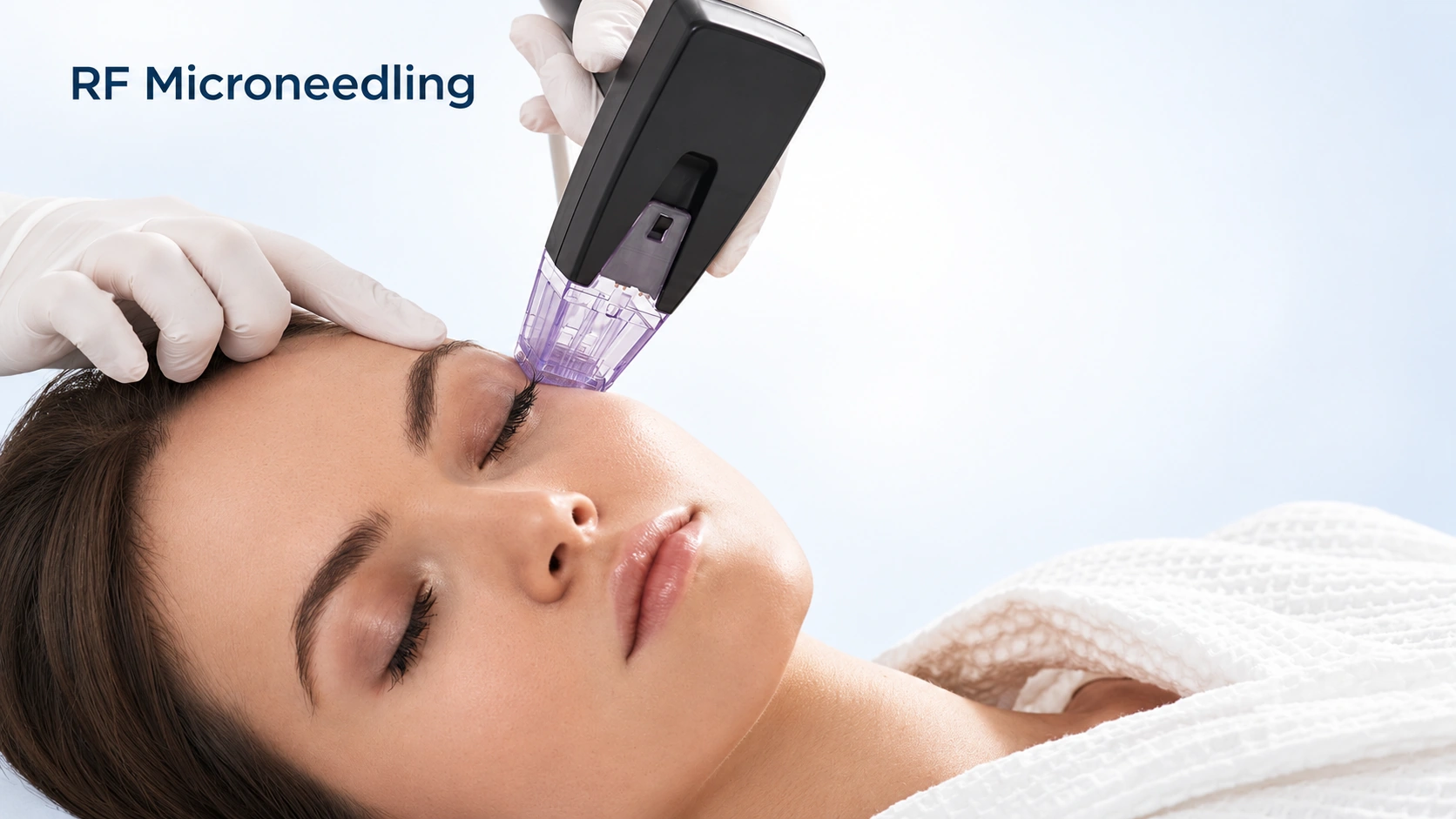
Choose for tattoo removal or sun spots — it works, but don't pay extra for the word "pico" alone.
Choose for acne scars and texture with some tightening, with a lower pigment risk than resurfacing lasers.
Can you have both?
They can share a plan: RF microneedling for scars and texture, picosecond for pigment. Space them about 4 weeks apart.
Picosecond lasers act on pigment or create fractional tissue effects.
Tattoos, pigmentation and texture each need different settings.
Spots should be confirmed before fading.
Cosmetic tattoos may darken; melasma needs careful selection.
Radiofrequency energy is delivered into or beneath the skin.
It differs from conventional microneedling and home rollers.
The FDA has noted burns, scarring, fat loss and nerve damage.
These should be discussed before consenting.
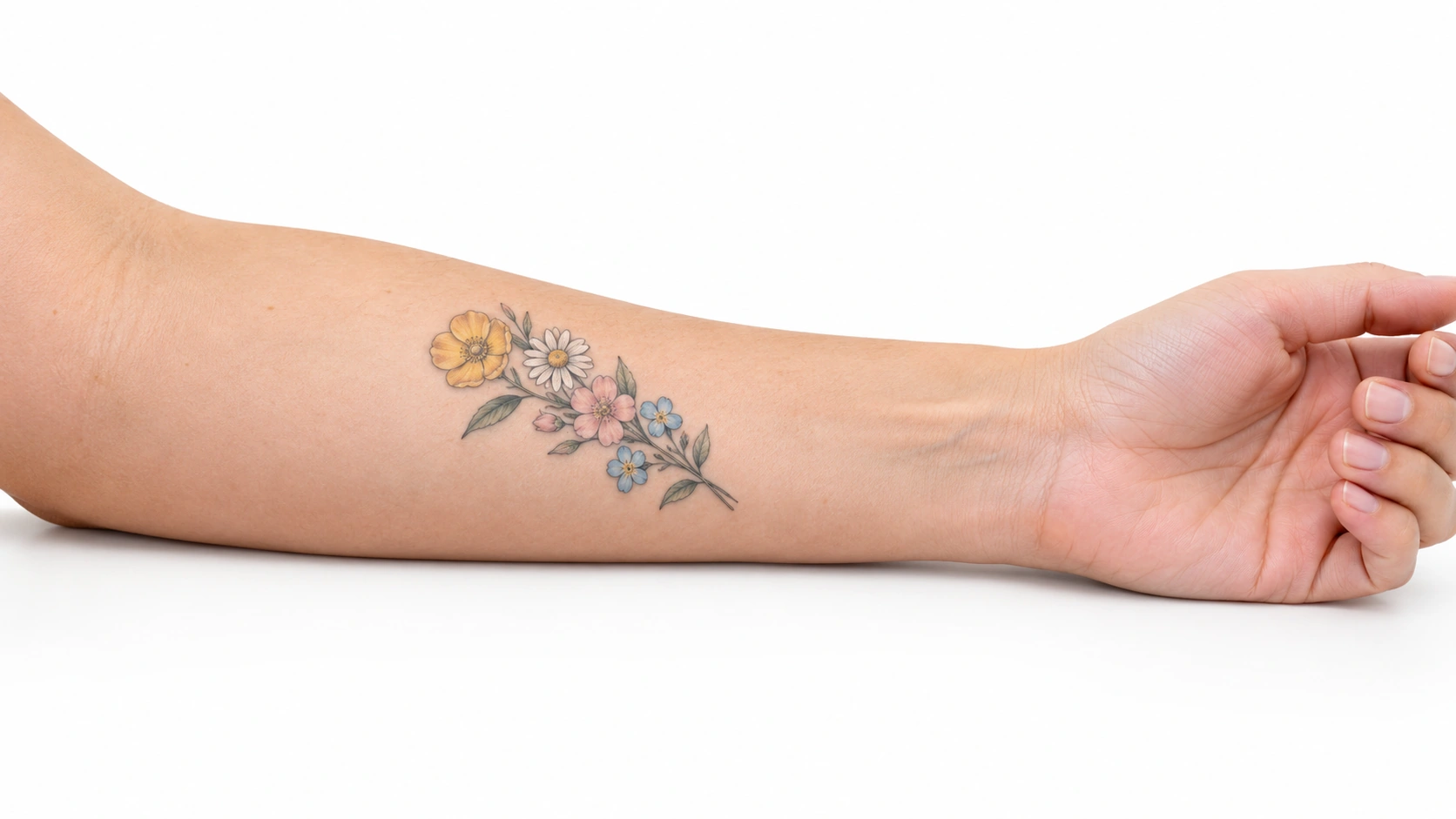
Fades most ink colors.

Improves rolling and boxcar scars.
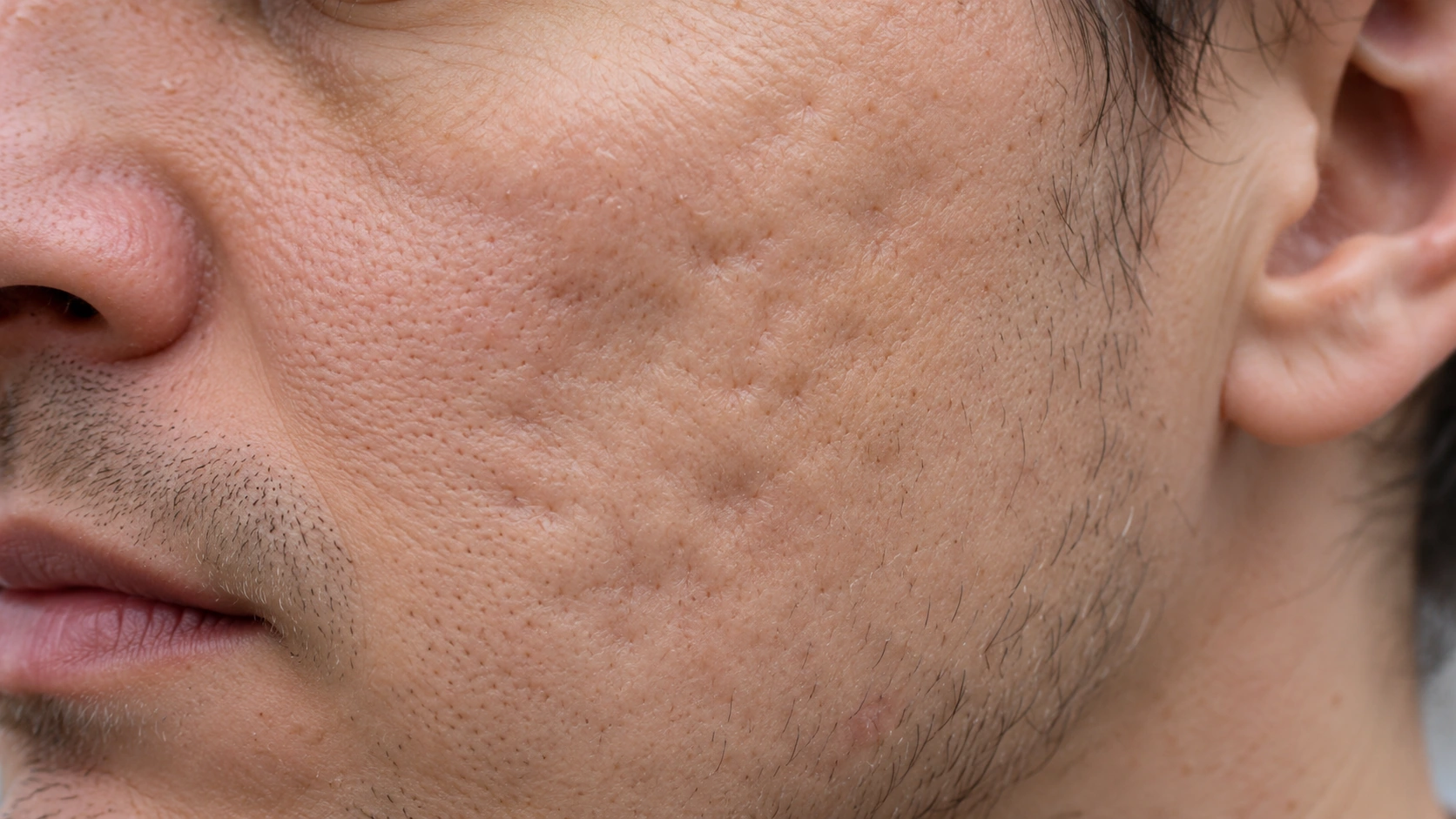
Heat remodels soft dips.
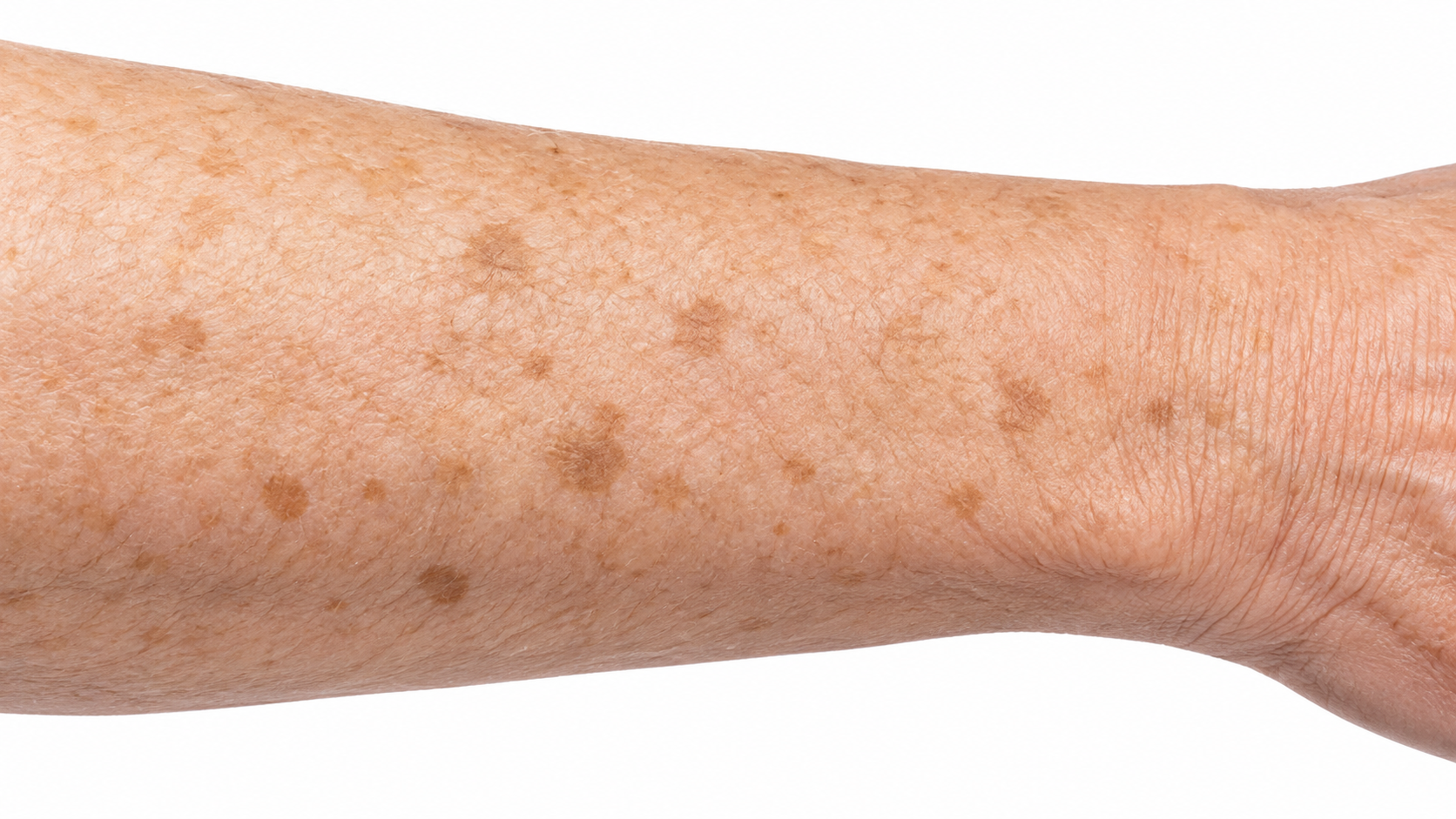
Clears spots.
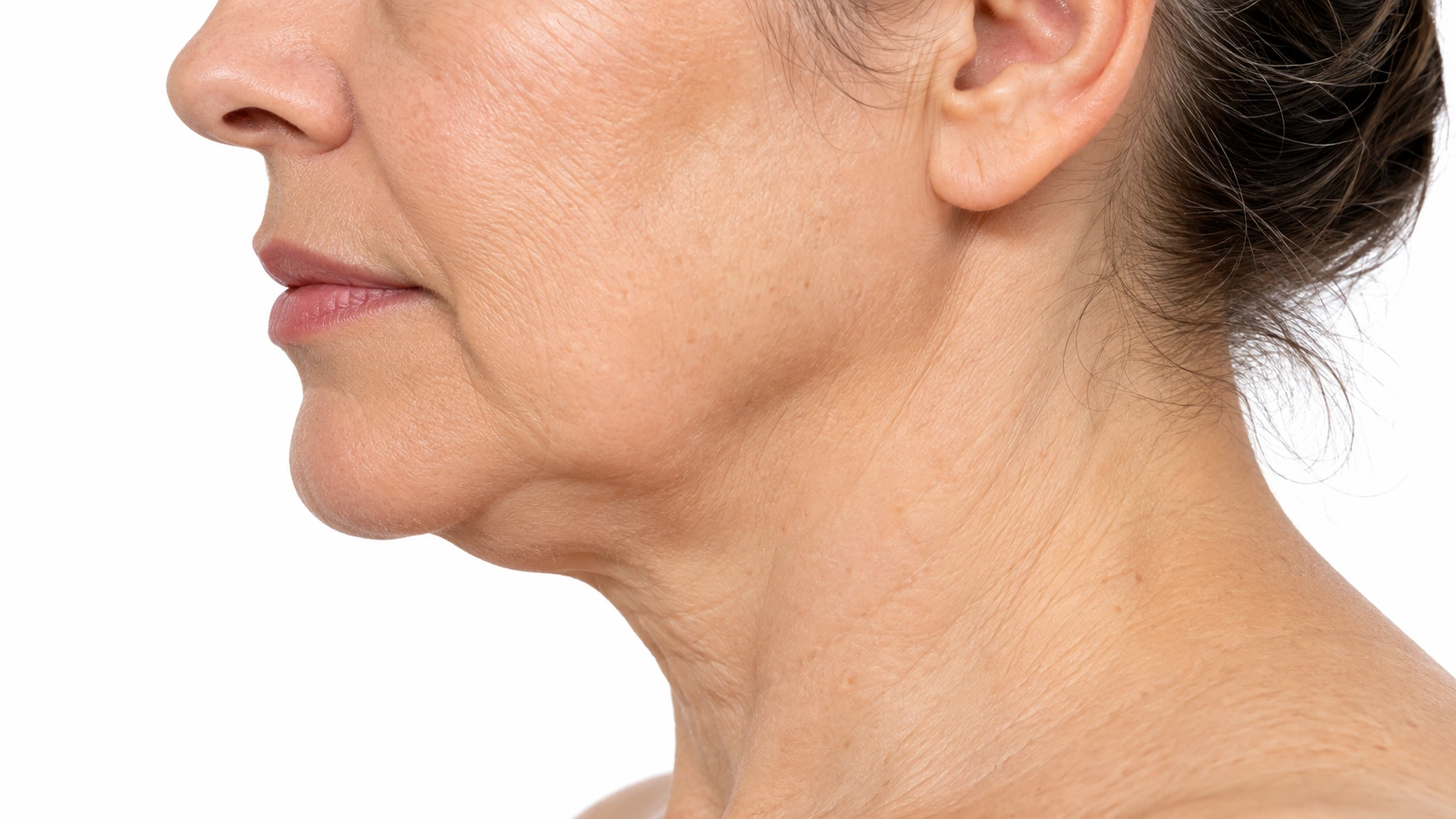
Mild tightening.
Focus lenses improve texture.
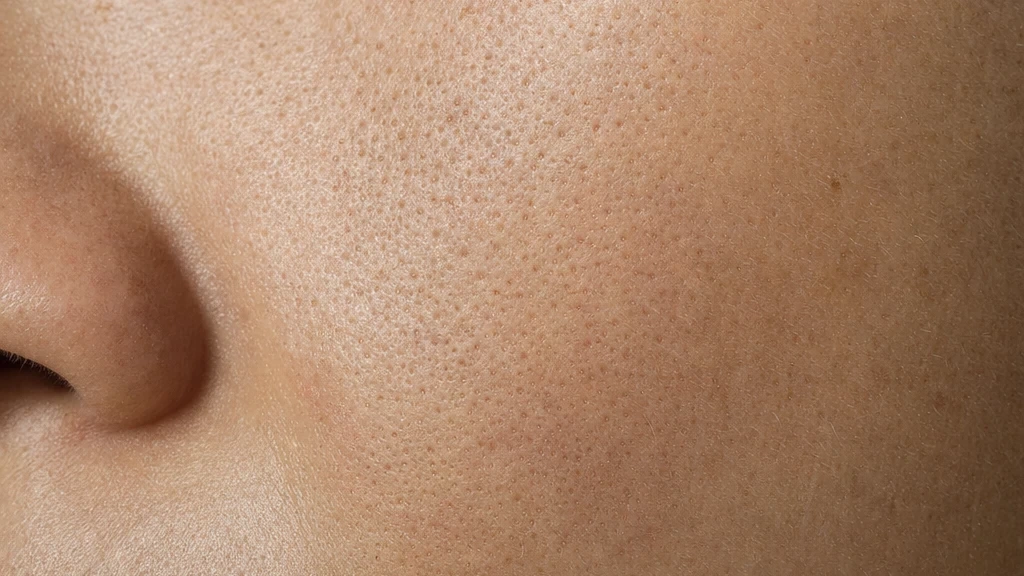
May shrink pores.
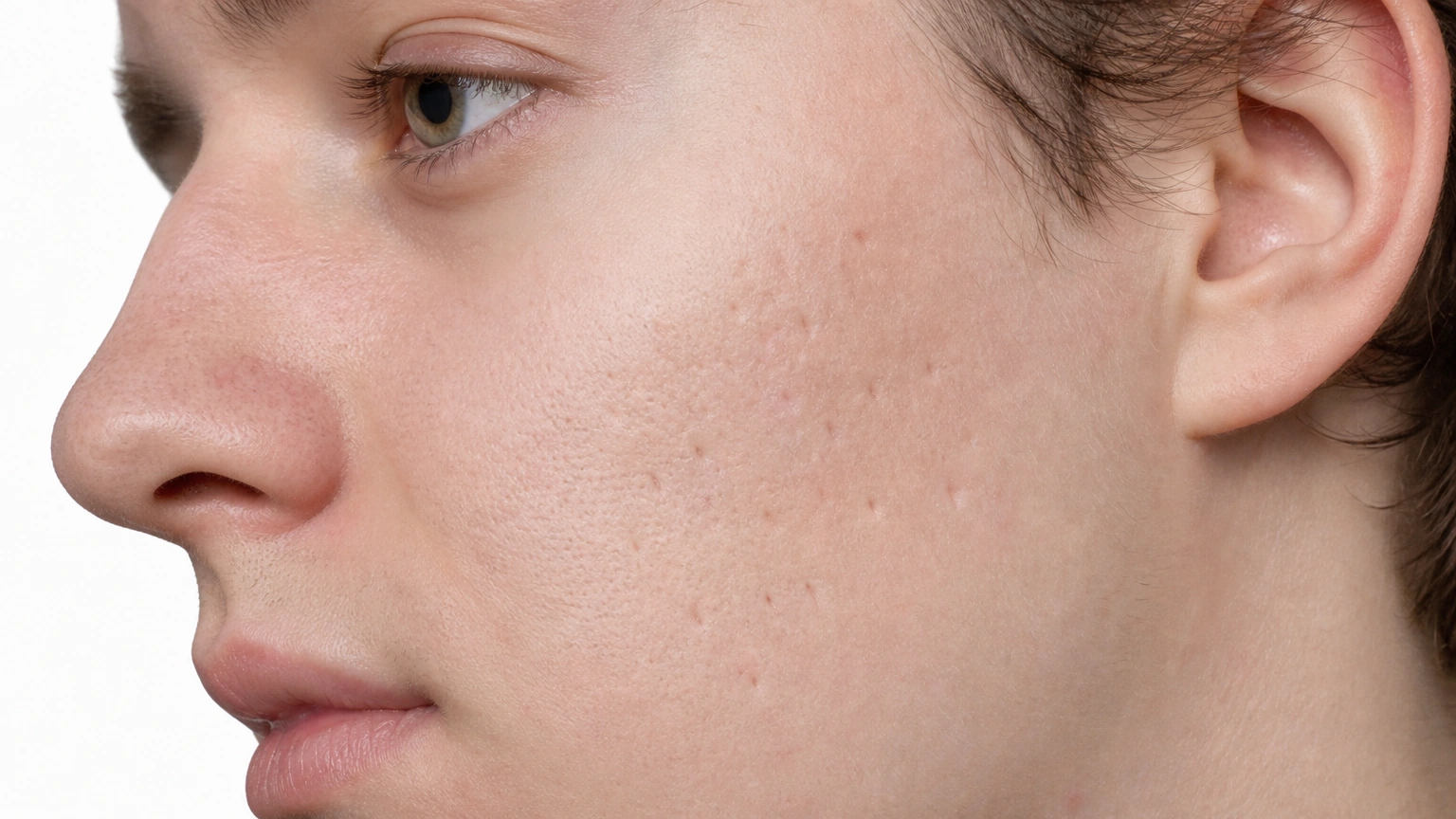
Needs TCA CROSS or punch excision.
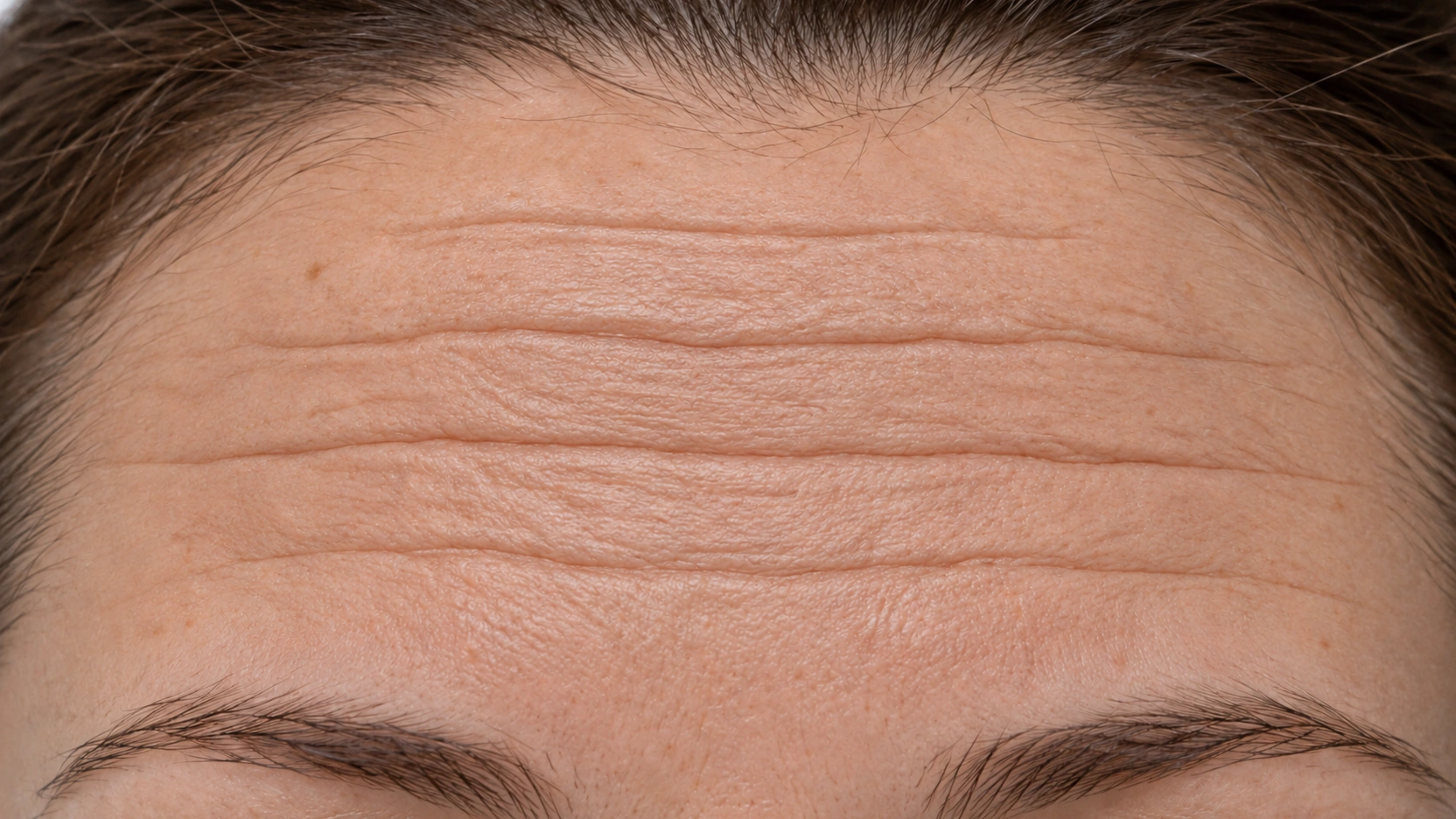
Modest change on deep folds.
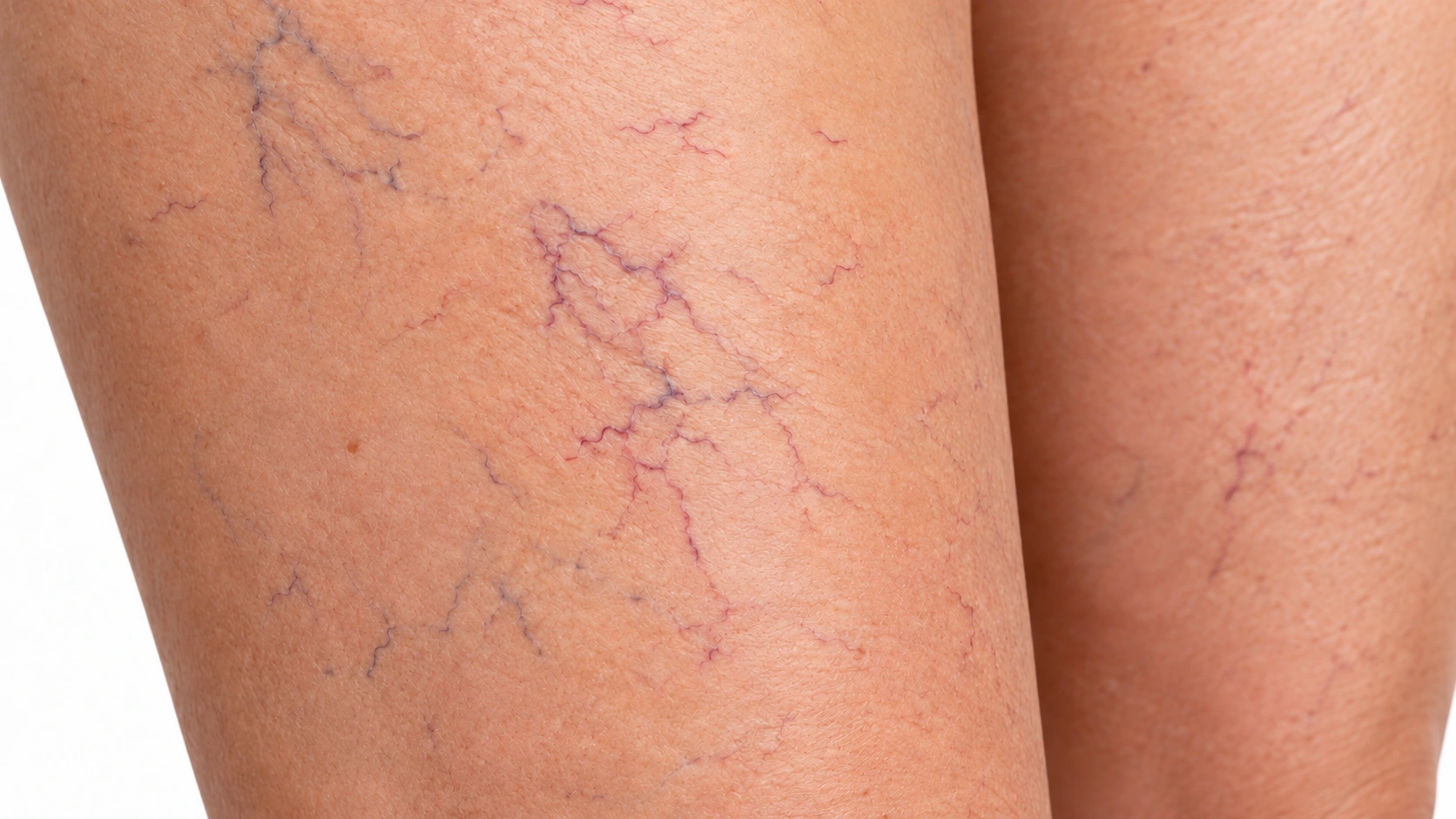
Doesn't target vessels.

Pigment can rebound.
The tattoo or diagnosed pigment spot determines the treatment site; location varies.
Face and neck; depths and coverage depend on the treatment plan.

Ultrashort pulses reach pigment: The wavelength and treatment mode are chosen for the target. Rapid energy delivery fragments pigment: Mechanical effects can break selected particles into smaller pieces. Clearance follows over time: The body clears some fragments; results depend on the pigment and skin.
Schematic illustration. Technique and response vary. This explains a mechanism and does not specify treatment settings.
Needles enter the skin: A device places fine electrodes at a selected depth. RF energy heats nearby tissue: Controlled heating occurs around active needle segments. Repair remodels tissue: The healing response can change collagen and skin texture.
Schematic illustration. Technique and response vary. This explains a mechanism and does not specify treatment settings.
4 weeks before: Sun and tanning: Avoid sun, sunbeds and self-tanner on the area.
4 weeks before: Sun and tanning: Tanned skin postpones a session — surface pigment competes for the light and raises the risk of burns and pigment loss.
Before you book: Numbing and history: Ask for numbing to be arranged in advance.
Pigment cream and sun: Do not arrive tanned or sunburned.
Pigment cream and sun: On deeper skin tones, many providers prescribe a pigment-blocking cream for two to four weeks first.
3 to 5 days before: Actives and shaving: Stop retinoids and exfoliating acids.
3 to 5 days before: Actives and shaving: Shave the area.
Actives and hair removal: Stop retinoids, benzoyl peroxide and exfoliating acids about 5 days before.
Actives and hair removal: No waxing or hair removal creams on the area.
Clean skin: Clean, product-free skin.
Clean face: Clean face, no makeup.
Clean face: If injected anesthetic is planned, expect a long appointment and a ride home if anything sedating is used.
The tattoo or pigment is examined, photographed, and its colors noted, since they decide the wavelengths.
Skin is examined and photographed, and the provider maps depths for each area — shallower around the eyes and forehead, deeper over scarred cheeks and the jaw.
Everyone wears eye protection.
The provider fires overlapping pulses, with a snapping sound and a faint smell. Skin whitens at once — frosting — and fades within about 20 minutes. A small tattoo takes minutes; a large piece is split across appointments. It feels sharper than getting the tattoo but far quicker, and bony areas are worse.
The handpiece is pressed on the skin and fired one stamp at a time in a grid, not glided.
A full face takes 20 to 45 minutes, often with passes at several depths. With cream alone the sting is sharp, worst on the forehead and jaw; with injected anesthetic it is mostly pressure and heat.
The area is white and raised, then red and swollen as the frosting fades.
Red, hot and swollen, with a visible grid of small dots.
Days 1 to 3: Swelling peaks on day one or two and can be marked around the eyes, hands and ankles.
Days 1 to 2: Swelling is worst the first morning, especially around the eyes and jaw, enough to change how your face looks.
Days 3 to 14: Scabs form and fall away on their own, taking some ink with them.
Days 3 to 10: Swelling drops, redness fades to pink, and the skin feels sandpapery with the grid faintly visible.
Weeks 2 to 8: Skin looks normal while the immune system clears ink fragments underneath.
Months 1 to 6: Firmness and texture keep changing after the visible healing.
Fading over weeks after each session
1–3 months, improving to 6
Removed ink is gone
Years for scars
In the US, a picosecond session on a small to medium tattoo commonly runs $200 to $500, with larger pieces priced higher and often split into sections.
In the US, a full-face session generally runs about $700 to $1,500, and a package of three commonly falls between $2,000 and $4,000.
Insurance does not cover tattoo removal or cosmetic pigment treatment.
Insurance does not cover it, since it is classed as cosmetic.
Not settled. Studies generally find picosecond devices perform at least as well, and some report clearance in fewer sessions, but the head-to-head trials are few, small and inconsistent. “Pico” is a marketing category, not a standard, so devices differ a lot. The provider's experience and the wavelengths available for your ink colors matter more than the category name.
Most professional tattoos need five to ten or more, six to eight weeks apart, so a year or longer. Amateur tattoos need fewer, cover-ups more. Nobody can give an accurate number at the first visit; how the first two sessions go is the best predictor available.
Sometimes, but heavily faded with a faint shadow is more common. Ink type, depth, color, age and location all matter, and none can be judged from the surface beforehand. Treat a guarantee of complete removal as a warning sign.
Black and dark blue clear most readily. Green and light blue are hardest and need specific wavelengths. Red, orange and yellow are unpredictable. White, flesh-toned and pastel cosmetic inks can turn dark instantly, which is why they get a test spot first.
Yes, generally at 1064 nm, because surface pigment absorbs it least — the same reason the Nd:YAG laser is preferred there for hair and vessels. Multicolored tattoos are harder, because the wavelengths needed for some colors carry more risk of a light or dark patch. Conservative settings, test spots and longer gaps are standard.
Sometimes, with mixed results. Melasma often improves during a course and then returns, and heat and light can provoke it. Most dermatologists lead with sun protection and pigment creams and add laser cautiously.
Morpheus8 is one brand of radiofrequency microneedling device. Profound, Vivace, Genius, Secret RF, Scarlet and Sylfirm X do the same job. Needle insulation, depth, energy and the operator determine the outcome.
Partly, and over a course. Rolling and boxcar scars become shallower across about three sessions. Icepick scars respond poorly. Expect improvement, not clearance.
Modestly, if the laxity is mild and early. It firms rather than lifts. Skin that visibly hangs will not respond, and a surgical consultation is the more honest next step.
More than plain microneedling. Numbing cream alone leaves a sharp hot sting, so many providers add injected anesthetic or nerve blocks at deeper settings. With those it is mostly pressure and heat.
Generally safer than ablative lasers, since melanin does not absorb the energy. Dark marks are still possible from the heat, sometimes in the grid pattern, and they fade over months. Ask about insulated needles and conservative starting settings.
Yes, and it is the risk worth understanding. Deep, high-energy settings in a thin face can shrink the fat under the skin, leaving a hollow that does not reliably return. Conservative settings built up over sessions, and a provider who takes the question seriously, are the protection.