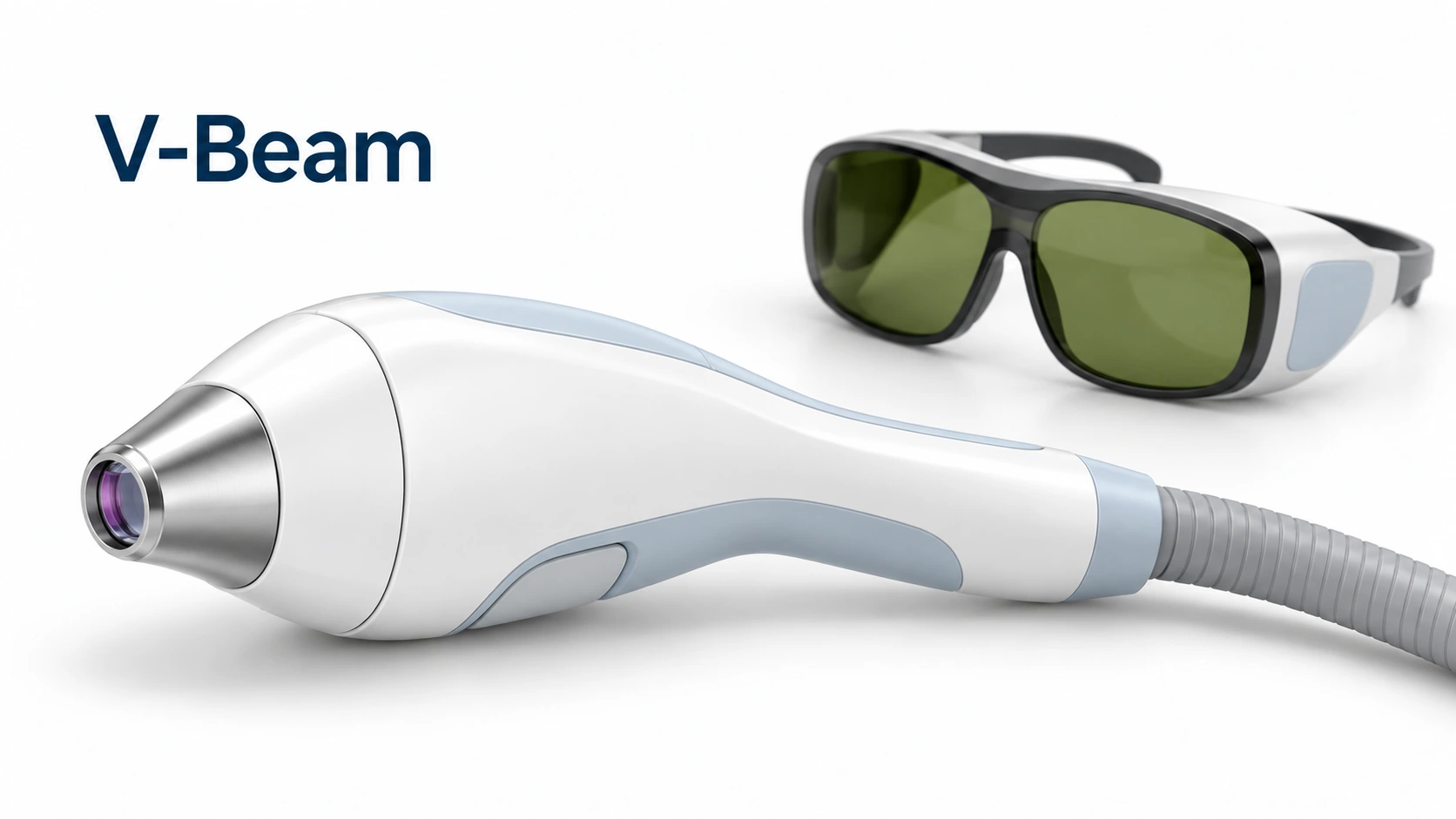
It is a family of lasers.
Nd:YAG devices commonly deliver 1064-nm light.
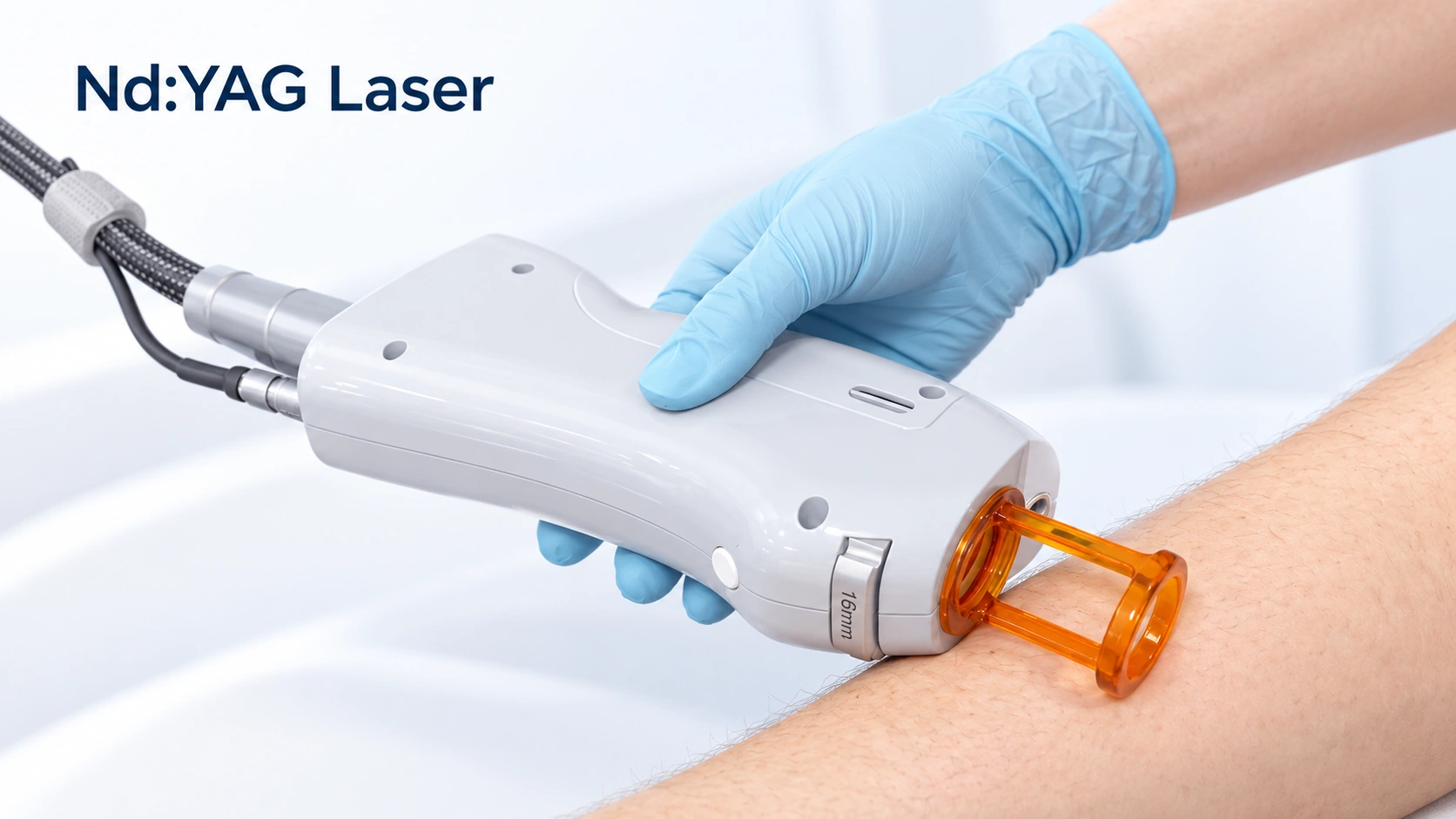
Nd:YAG Laser: A laser that reaches deeper than most and is absorbed least by skin pigment. At 1064 nanometers it is the wavelength that makes hair removal and vessel treatment safer on deeper skin tones.
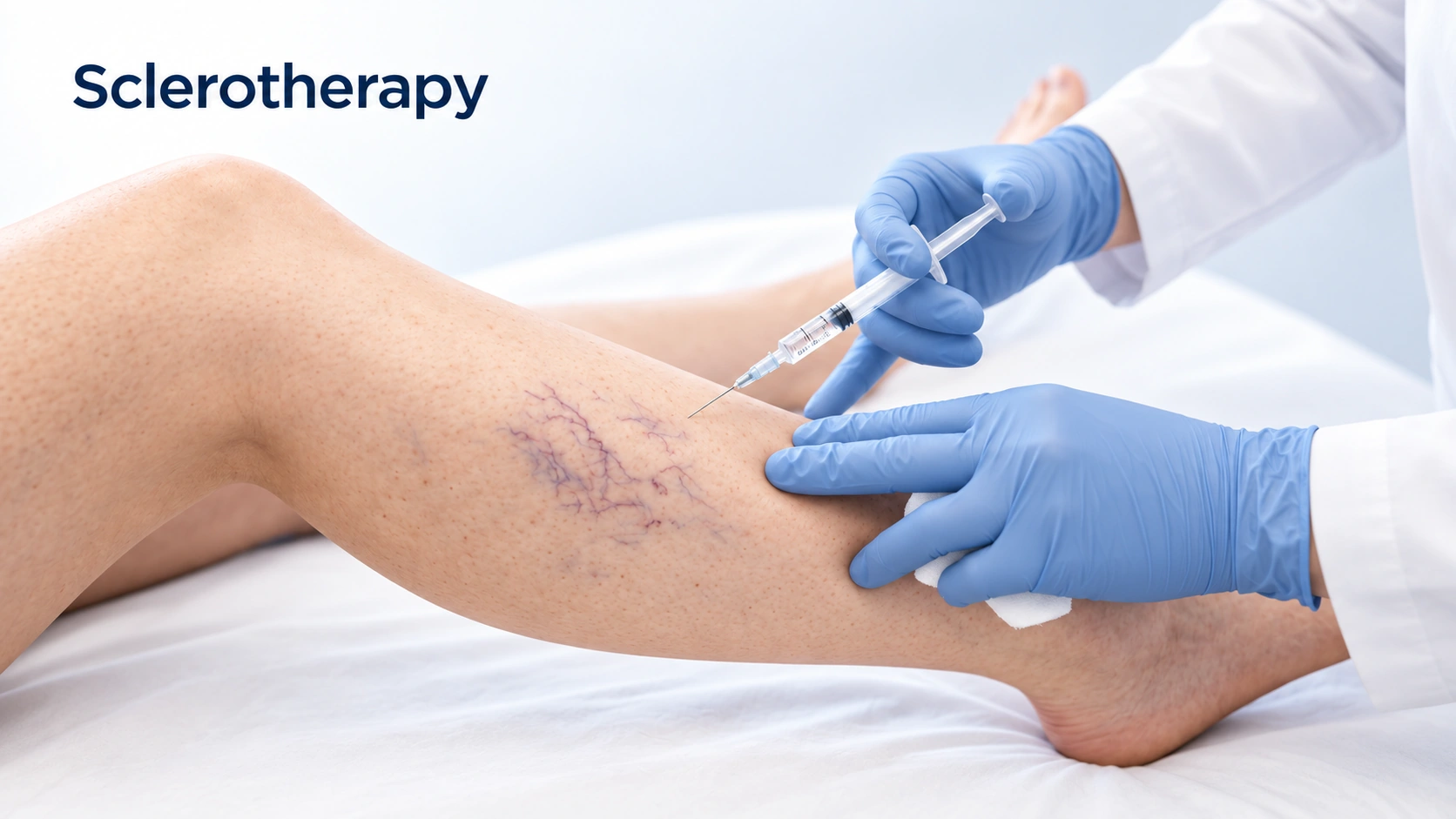
Sclerotherapy: A solution injected with a fine needle into spider veins on the legs, which irritates the vein lining so the vein closes and is absorbed. It takes several sessions, and a brown line often marks the treated vein for months afterward.
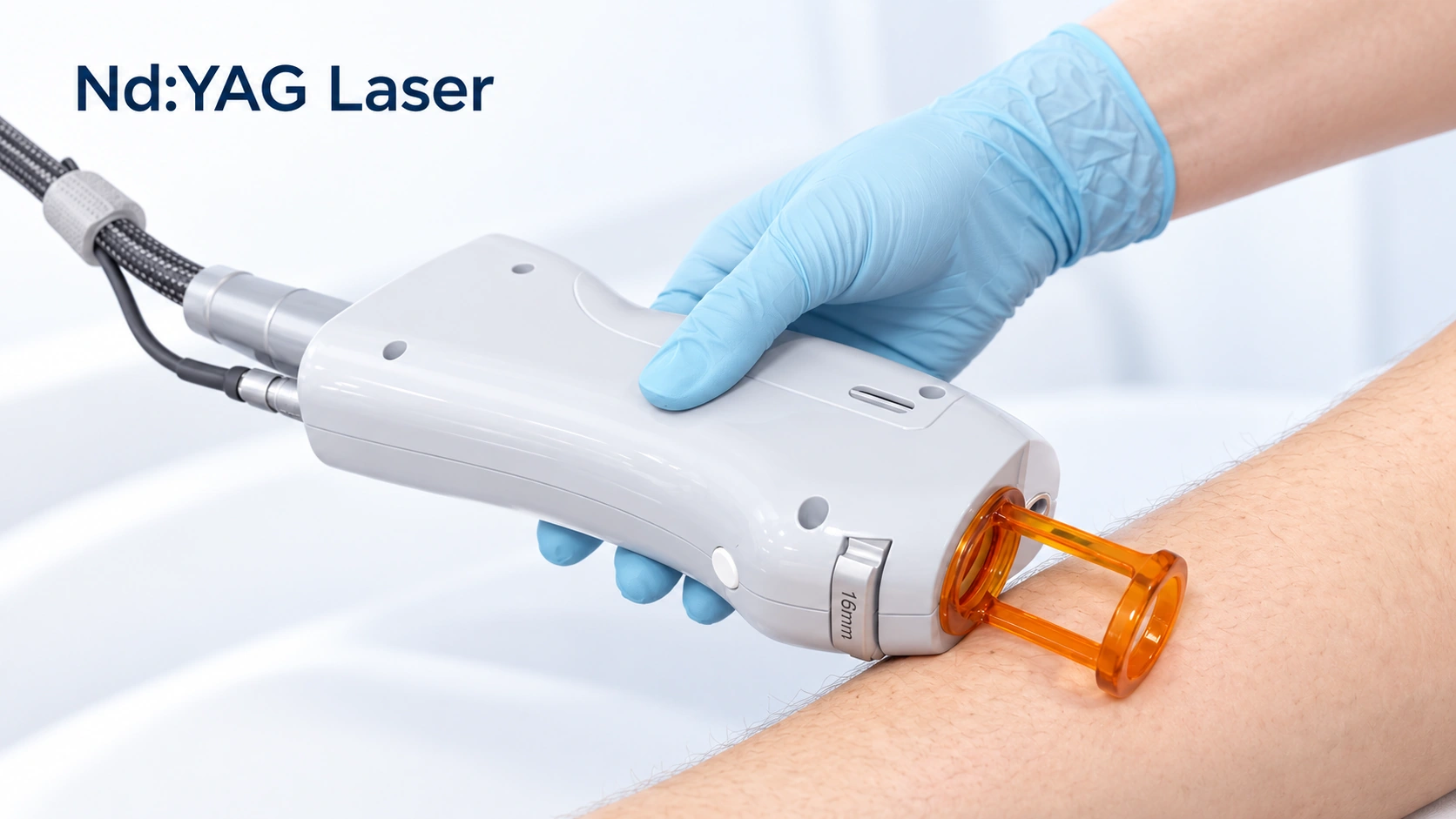
Choose for laser hair removal or vessel treatment on deeper skin tones — the wavelength that makes them safer.
Choose for spider veins on the legs — several sessions, and brown marks along treated veins can last months.
Can you have both?
For leg veins, sclerotherapy treats larger veins and Nd:YAG laser treats fine ones. They are often used together, spaced weeks apart.
Nd:YAG devices commonly deliver 1064-nm light.
Long-pulsed, Q-switched and picosecond modes have different effects.
Its wavelength is often used in darker skin types.
Inappropriate use can cause burns or pigment injury.
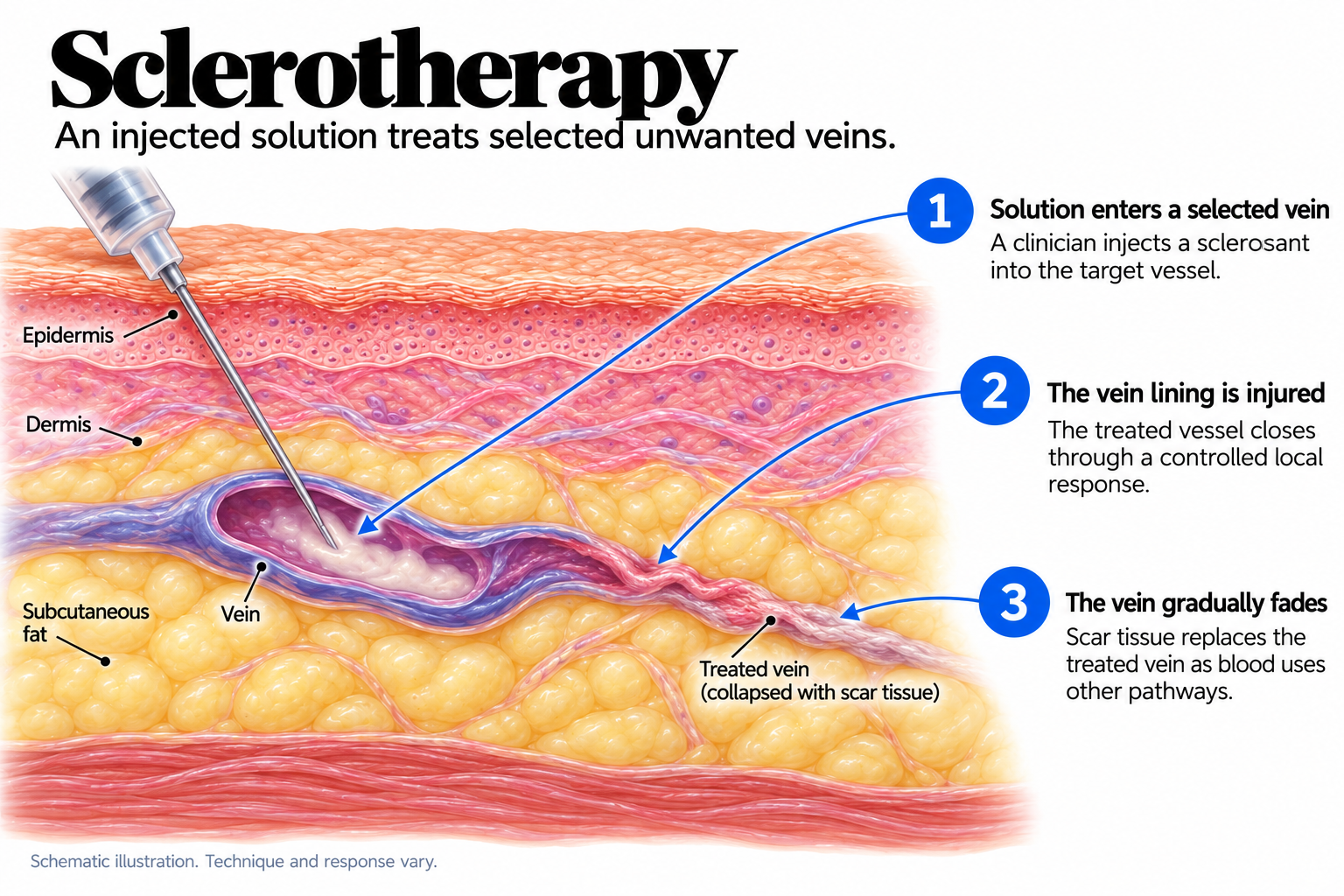
A sclerosant injected into a vein damages its lining.
It is gradually replaced by fibrous tissue.
Small visible veins and underlying reflux are treated differently.
Previous clots, circulation problems and pregnancy should be discussed.
Safe hair removal on darker skin.
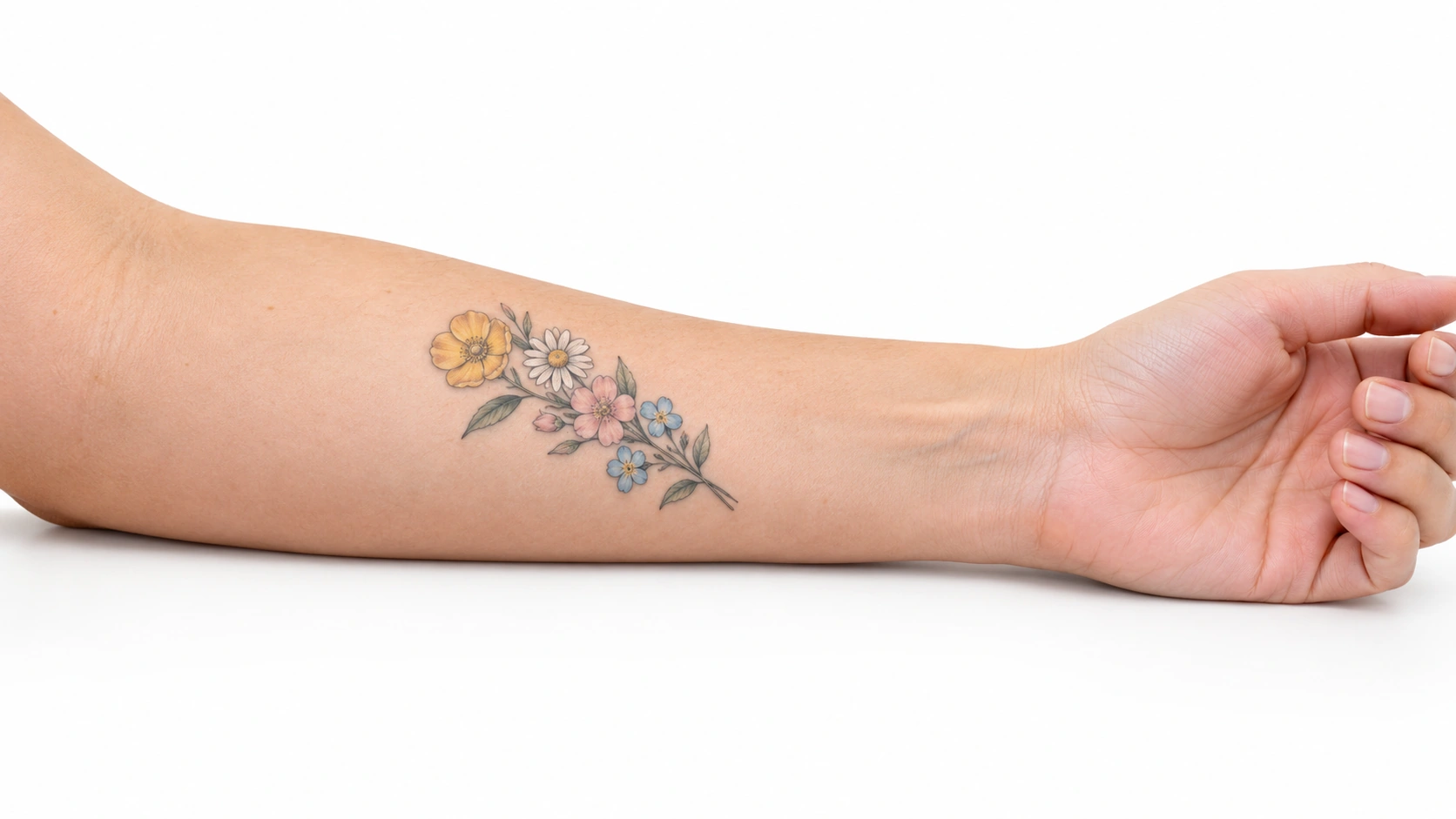
Q-switched versions clear dark ink.
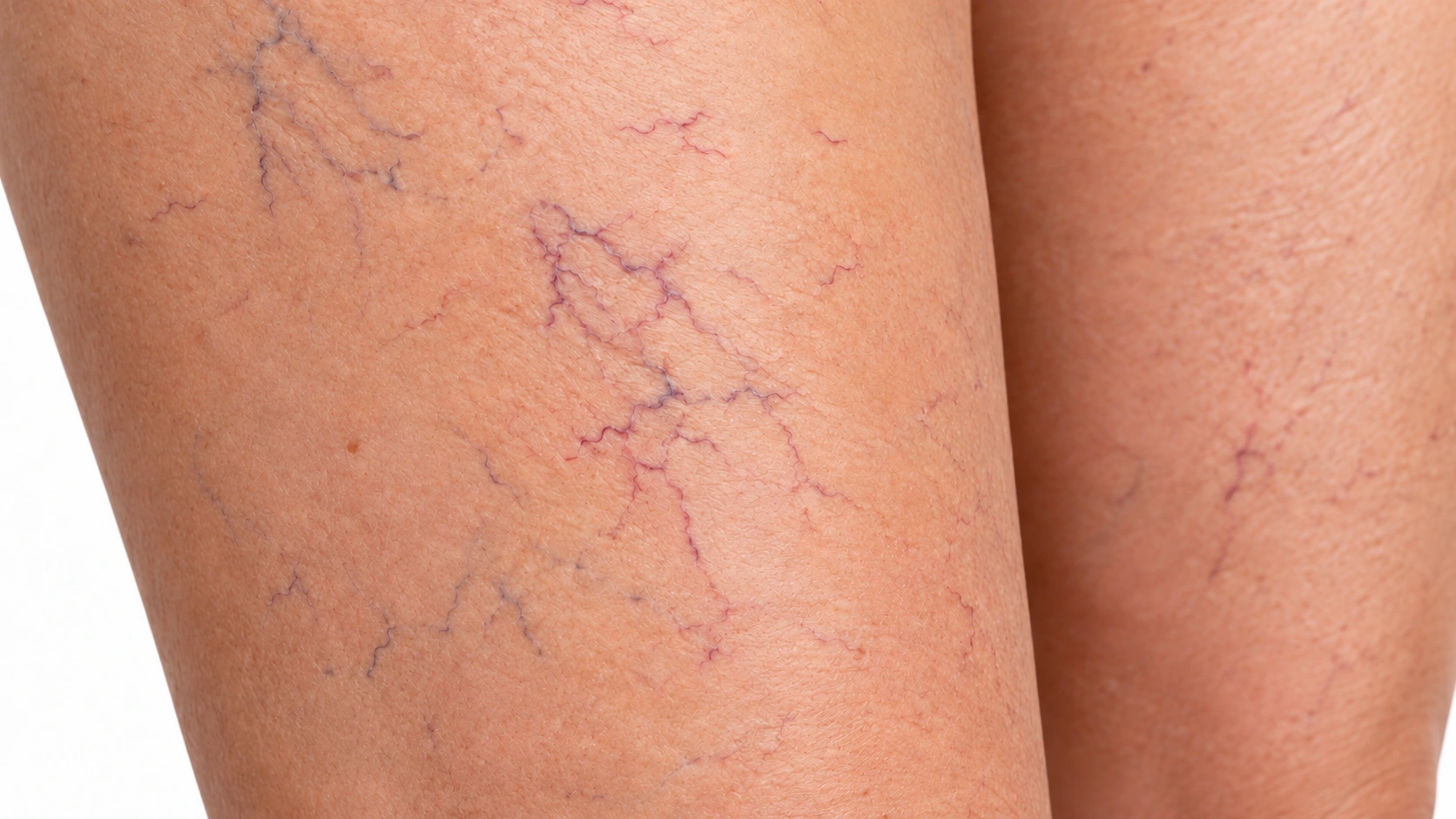
Clears leg veins.
Treats leg and facial veins.
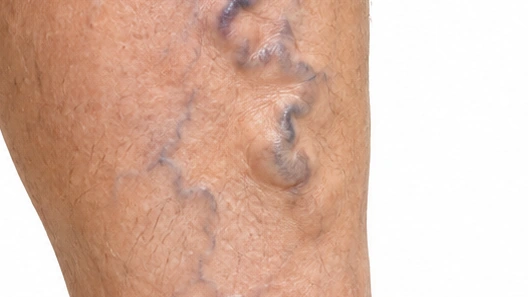
Treats small varicose veins.
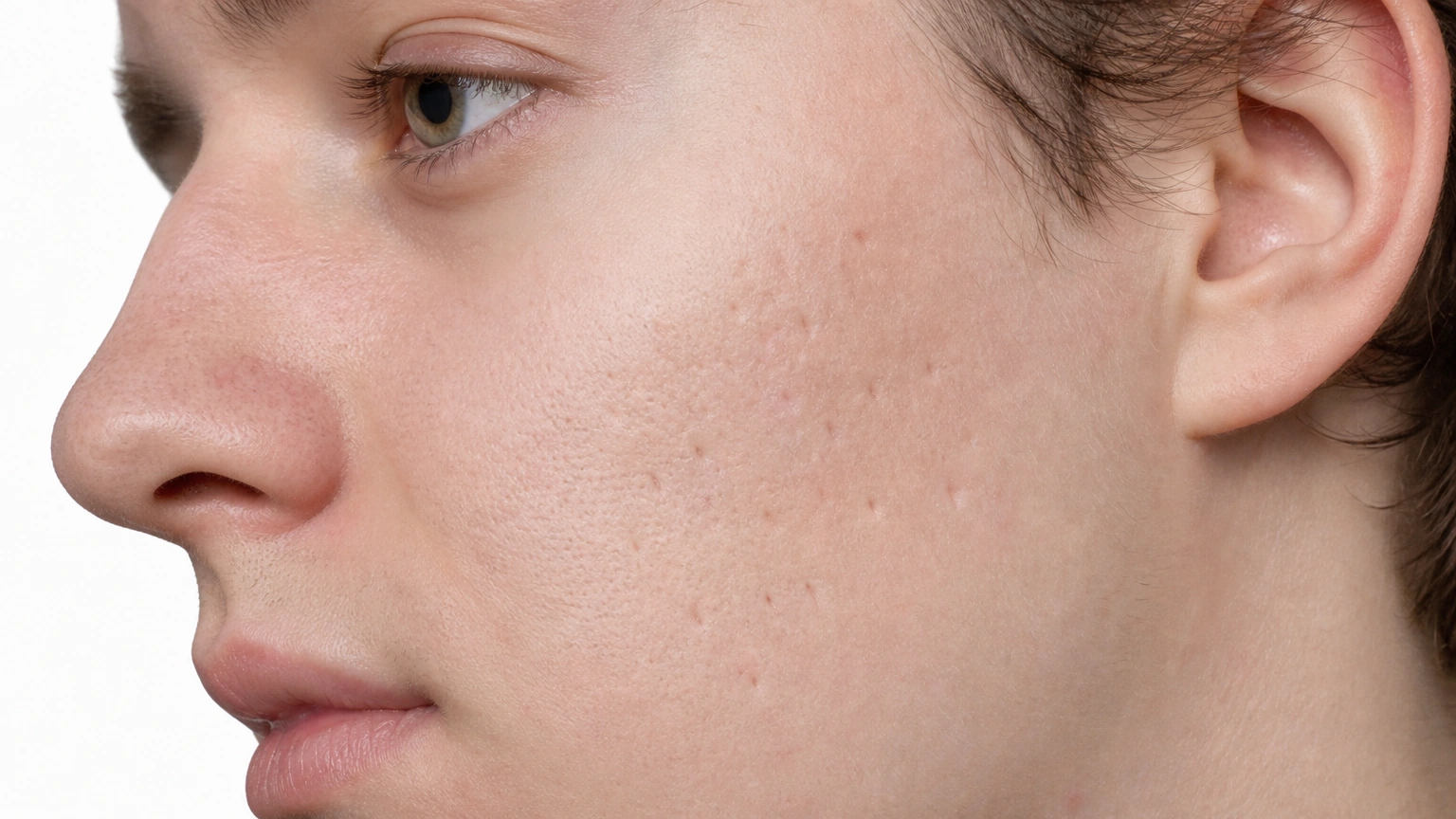
Other resurfacing works better.

Not used on the face.
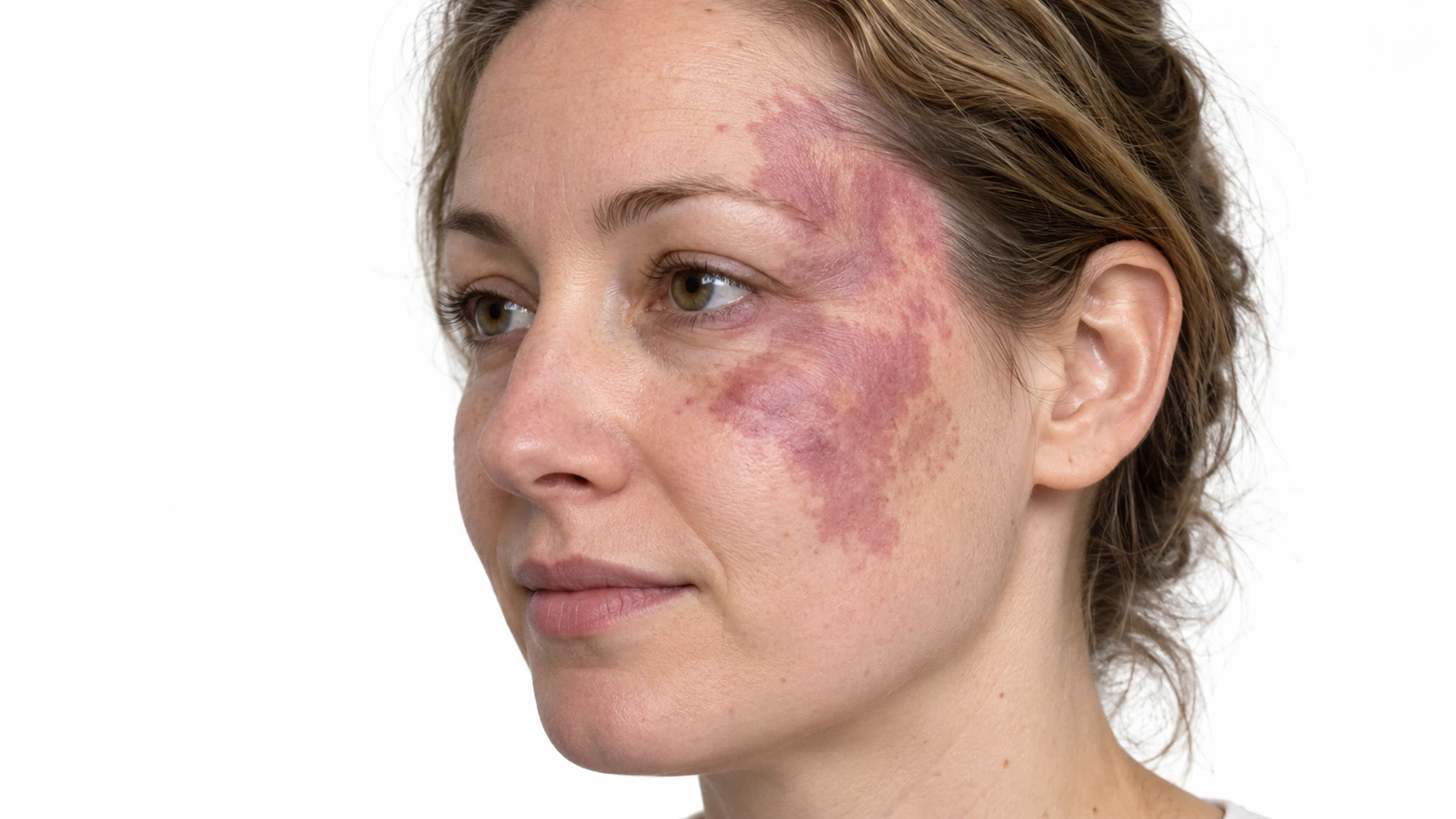
Lasers are used instead.

Heat can darken patches.
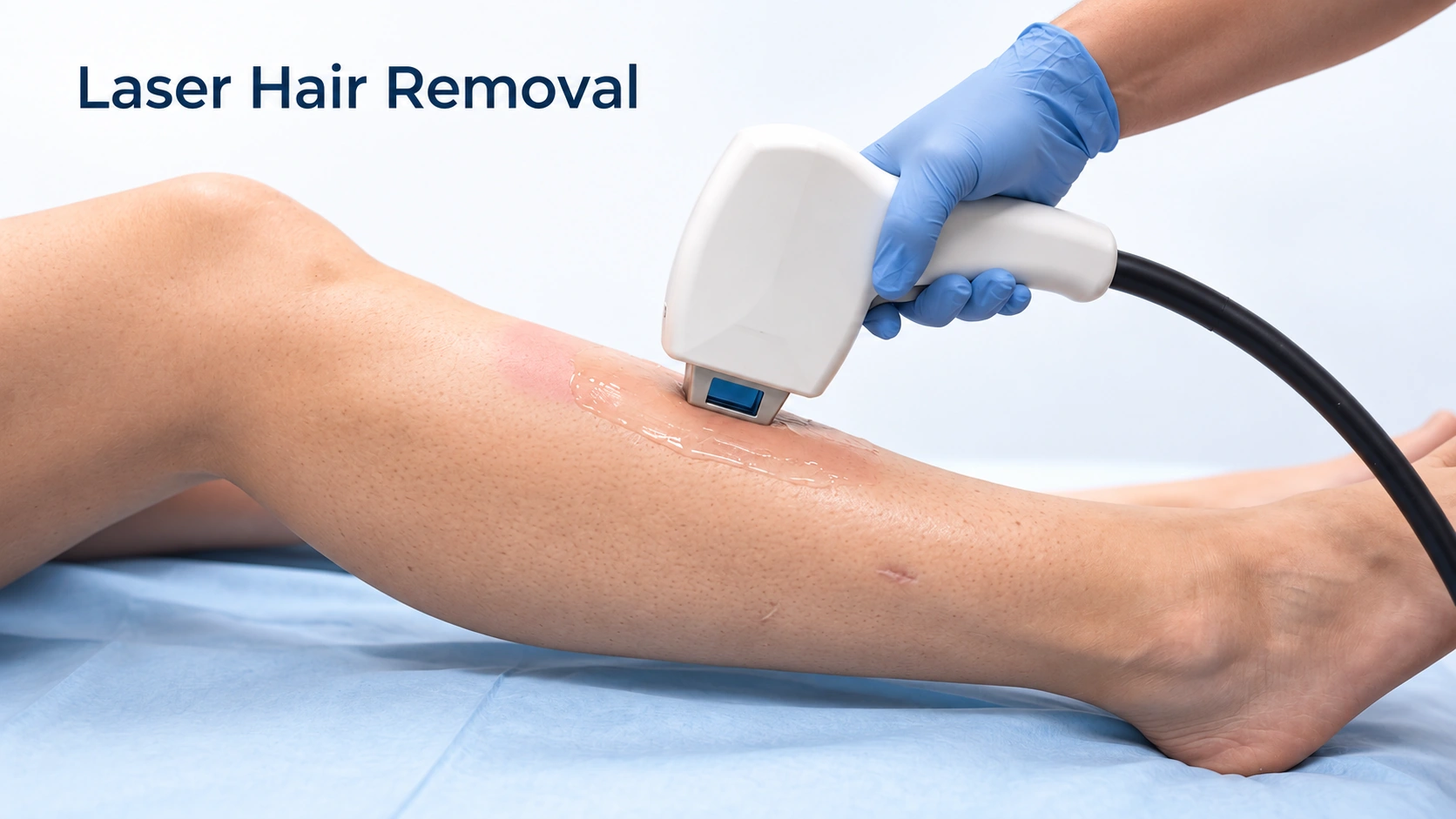
Upper lip, legs and back; the target and pulse mode determine the treatment.
Leg veins.

A target and pulse mode are selected: Long-pulse and short-pulse treatments have different uses. The chosen target absorbs energy: Pigment or blood can absorb 1064 nm laser energy. The tissue response depends on mode: Uses can include hair reduction, vessels, or selected tattoo pigment.
Schematic illustration. Technique and response vary. This explains a mechanism and does not specify treatment settings.
Solution enters a selected vein: A clinician injects a sclerosant into the target vessel. The vein lining is injured: The treated vessel closes through a controlled local response. The vein gradually fades: Scar tissue replaces the treated vein as blood uses other pathways.
Schematic illustration. Technique and response vary. This explains a mechanism and does not specify treatment settings.
4 weeks before: Sun and tanning: Avoid sun, sunbeds and self-tanner on the area.
4 weeks before: Hair removal: Do not wax, pluck, thread or use an epilator.
2 weeks before: Sun: Avoid sun and sunbeds on your legs for a couple of weeks before and after.
3 to 5 days before: Actives and shaving: Stop retinoids and exfoliating acids.
1 to 2 days before: Shaving: Shave your legs a day or two before, if you shave.
Clean, dry skin: Tape and dressings need clean, dry skin.
What to bring: Stockings and clothes: Buy the compression stockings your provider recommends beforehand.
Test spot: On a deeper skin tone, ask for a test spot.
Skin is examined, photographed and cleaned, and hair areas shaved again if needed.
Your legs are examined standing up, when veins fill, and photographs are usually taken.
Everyone wears eye protection — 1064 nm light is invisible and can injure the eye without warning.
Cool gel or cold air goes on and the handpiece moves in overlapping passes. An upper lip takes a minute or two, a back or legs 30 to 60 minutes. Each pulse is a deep hot snap that lingers a second. Say if it is too much; settings and cooling can be adjusted.
You lie down, the skin is cleaned, and the provider works along the leg injecting small amounts into each vein, often using magnifying glasses or a vein light.
A session runs about 15 to 45 minutes. Each injection stings for a second or two, sometimes with brief cramping along the vein.
Pink, warm, and often with a small raised bump around each treated follicle, like goosebumps or a mild rash.
Stockings or wraps go on before you stand, and you walk for fifteen or twenty minutes.
Days 1 to 3: Redness and swelling fade.
Days 1 to 14: Small red welts, itching and mild aching along the treated veins.
Weeks 1 to 3: Treated hairs push out and fall away over one to three weeks.
Weeks 4 to 8: Fewer hairs return, finer and slower.
Weeks 3 to 8: The veins fade and most bruising resolves.
Months 2 to 12: Brown staining fades slowly, and most clears within six to twelve months.
1–4 weeks per session
1–3 months
Long-term for hair; vessels can recur
Treated veins are gone; new ones can appear
In the US, small areas such as the upper lip, chin or underarms usually run about $100 to $250 a session.
In the US a session usually runs about $300 to $600, priced per leg or per block of time rather than per vein.
Insurance rarely covers any of this.
Ask what a session includes, whether the price covers both legs, and whether a follow-up visit to release trapped blood costs extra.
It is the wavelength usually chosen for them. At 1064 nanometers surface pigment absorbs very little of the light, so the pulse passes through rather than heating the skin. It still needs conservative settings, good cooling, a test spot and a provider who treats deeper skin tones regularly. Safer than the alternatives is not risk-free.
It is permanent reduction. Hair comes back finer, sparser and slower, and most people need a top-up once or twice a year. Anyone promising permanent removal is overstating what these devices are cleared to claim.
The target absorbs this wavelength weakly, so more energy has to be delivered, and deeper. That is the trade you accept for the pigment safety. Numbing cream, cold air and slower passes help, and settings can be adjusted if it is too much.
The laser aims at pigment in the hair sitting in the follicle. Waxing, plucking and threading pull that hair out, so the next session has nothing to find. Shaving cuts at the surface and leaves the follicle full.
No. Lasers find melanin and light hair does not have enough of it. This is not a settings problem and more sessions will not fix it. Electrolysis works regardless of hair color.
Treated hairs shed over one to three weeks after each session, which looks like regrowth and is not. Most people notice genuine thinning after three or four sessions, and the plan is usually six to eight before maintenance.
Usually two to four per leg, four to six weeks apart, and stubborn veins sometimes need injecting more than once. Extensive veins need more. Expect a course, plus touch-ups every year or two as new veins appear.
Blood trapped in the closed vein breaks down and leaves iron in the skin. Most fades over six to twelve months, and sun makes it darker and slower to clear. It is more visible and slower to fade on deeper skin tones. If a firm tender lump forms, having it released in the office speeds the fading.
A patch of very fine new red vessels where a vein was treated, usually within a few months. It happens to a minority, often fades on its own over months, and occasionally needs further injections or laser.
No. Ropey bulging veins need a vein specialist, an ultrasound to find the source, and usually a procedure that closes the larger vein with heat, glue or ultrasound-guided foam. Treating the spider veins on top is why some people see them return quickly.
Each injection stings for a second or two, sometimes with brief cramping along the vein. Dozens in a session make it repetitive rather than severe. Afterward, aching and itching for a few days.
Usually yes, for the first week or two. Bruising, raised red lines and brownish streaks are the normal middle stage. Judge the result months after the course finishes.