
Lupus Malar Rash vs Sunburn

A butterfly-pattern facial rash that can occur with acute cutaneous lupus. Sunburn is an injury to the skin from ultraviolet light. The redness and pain are the body clearing away damaged cells, which is why they arrive hours after the exposure rather than during it. The skin heals in about a week. Some of the DNA damage underneath does not.

Research updated 2026-10-23
Lupus Malar RashSunburn: 1. Sunburn Header — Light Skin; Lighter skin.

Key differences

The same eight facts on every condition comparison.

Usual age
Young to middle-aged adults
Any age
Where
Cheeks and bridge of the nose
Sun-exposed skin
Main sign
Butterfly-shaped facial redness
Red, hot, sore skin hours after sun
Itch or pain
Usually not itchy
Painful, then itchy
Contagious
No
No
Long term
Follows lupus activity
Heals in about a week
Scars
Usually not
No
Who gets it
Women with lupus
Anyone; fair skin most

What is it?

Lupus Malar Rash
Sunburn
What is it?
  • What it is
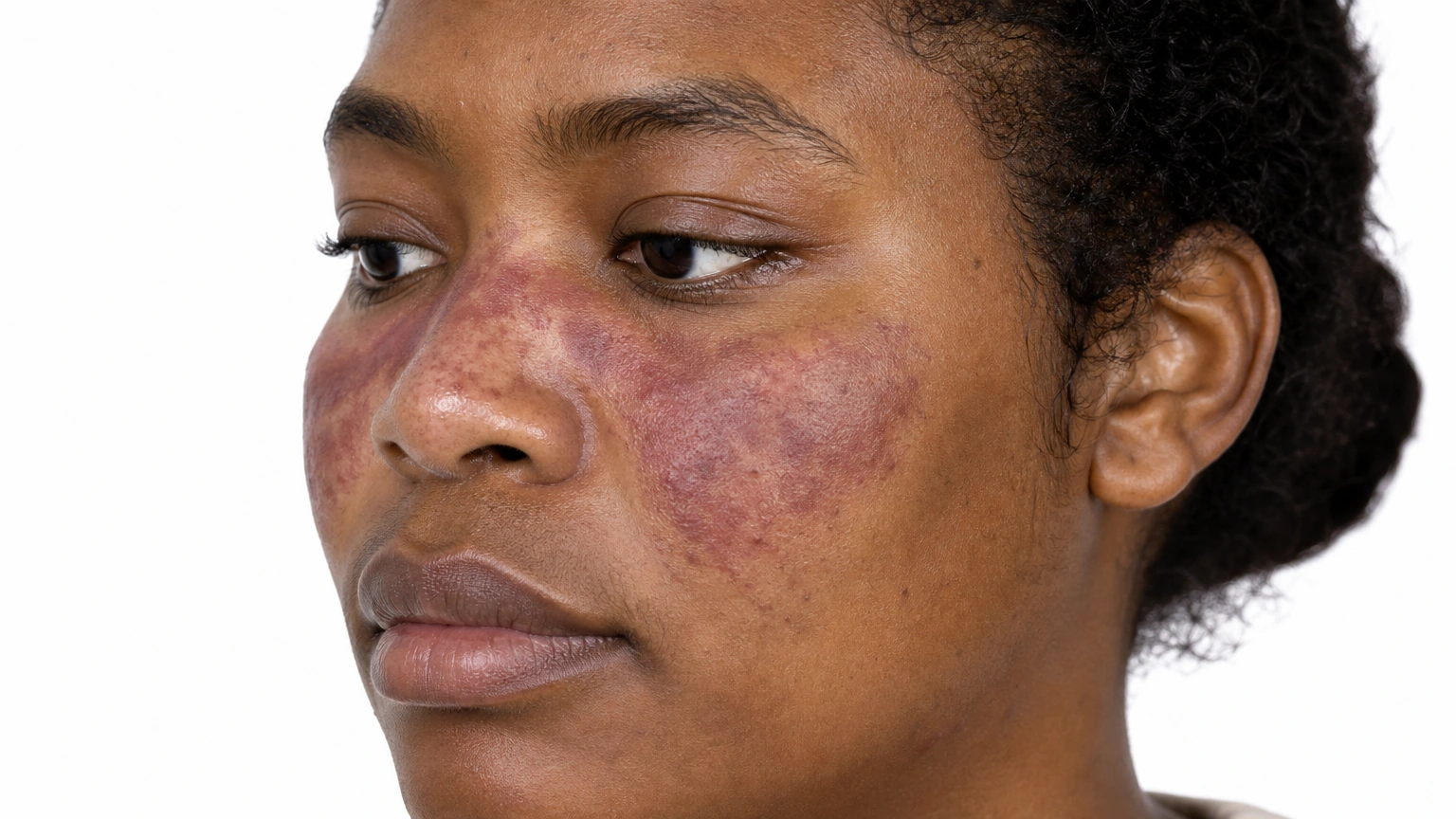
    A butterfly-pattern facial rash that can occur with acute cutaneous lupus.
  • It is an ultraviolet injury.
    Sunburn is inflammatory skin damage caused by excessive ultraviolet exposure.
  • Symptoms follow exposure.
    Warmth, tenderness, swelling and color change develop afterwards; severe burns may blister.
  • Cool weather still counts.
    Ultraviolet damage occurs even when it feels cool or redness is hard to see.
  • Unusual reactions have causes.
    A severe burn after little sun can reflect a photosensitizing medicine or condition.

What it looks like

Lupus Malar Rash

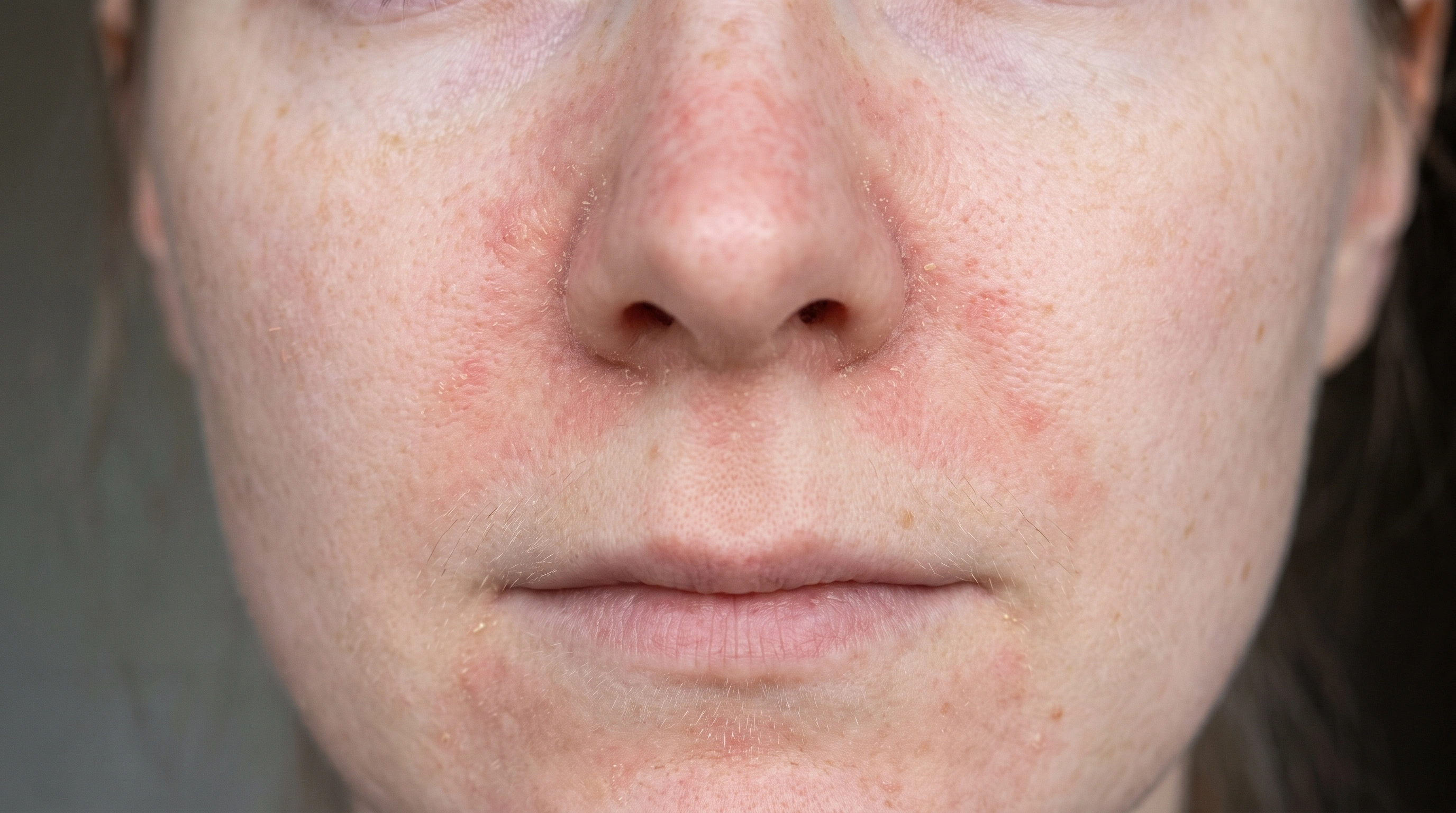
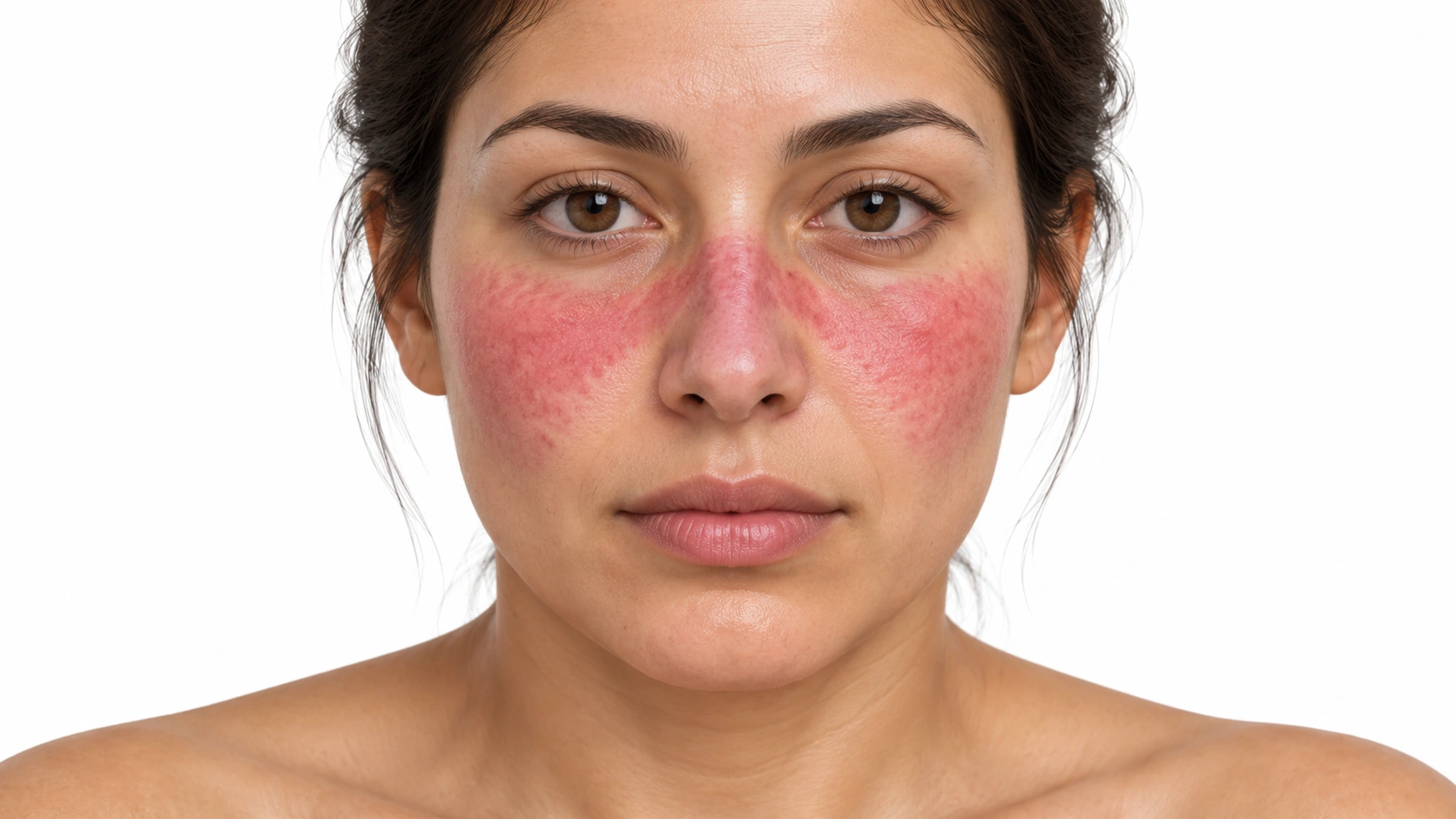
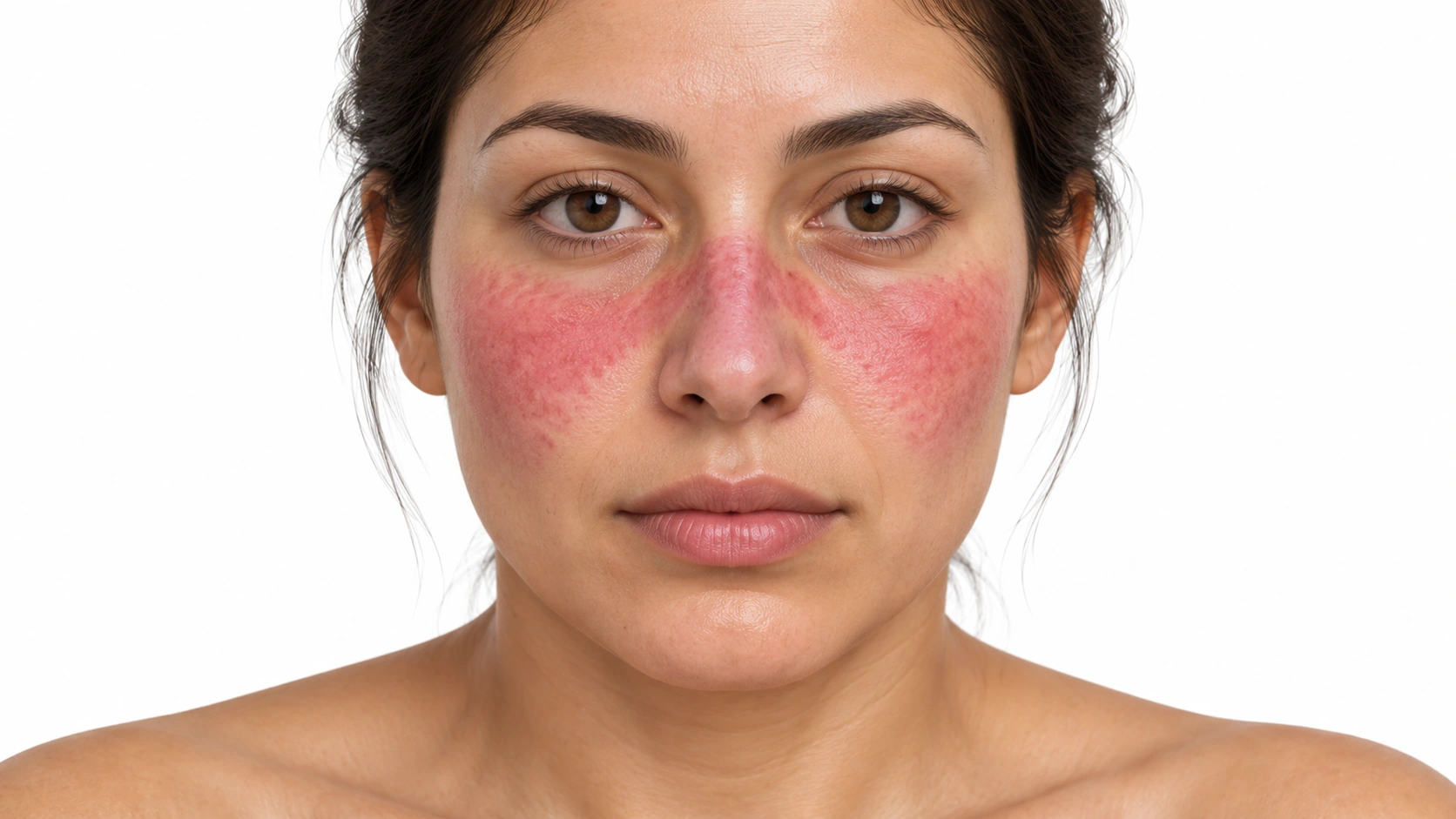
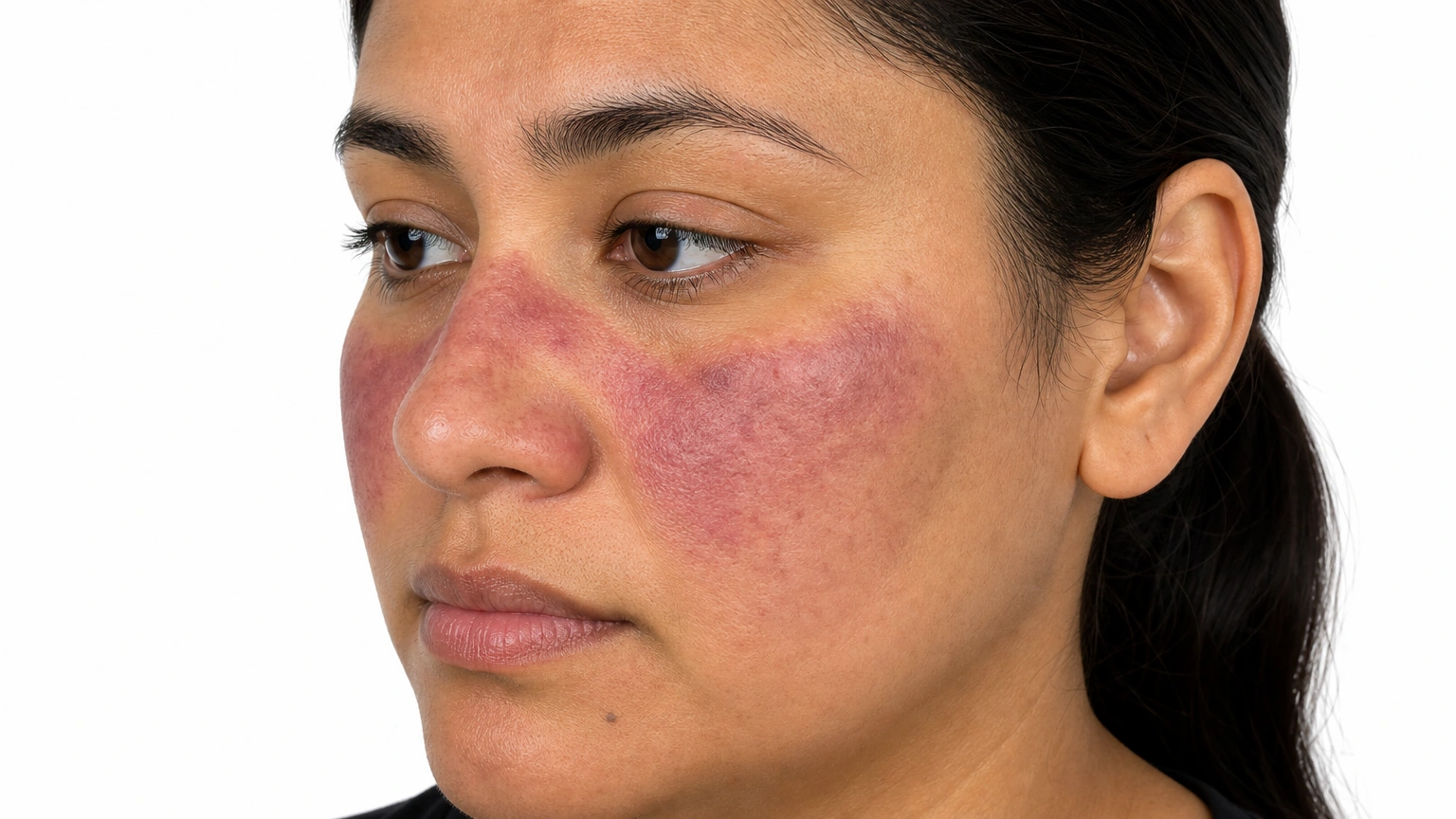
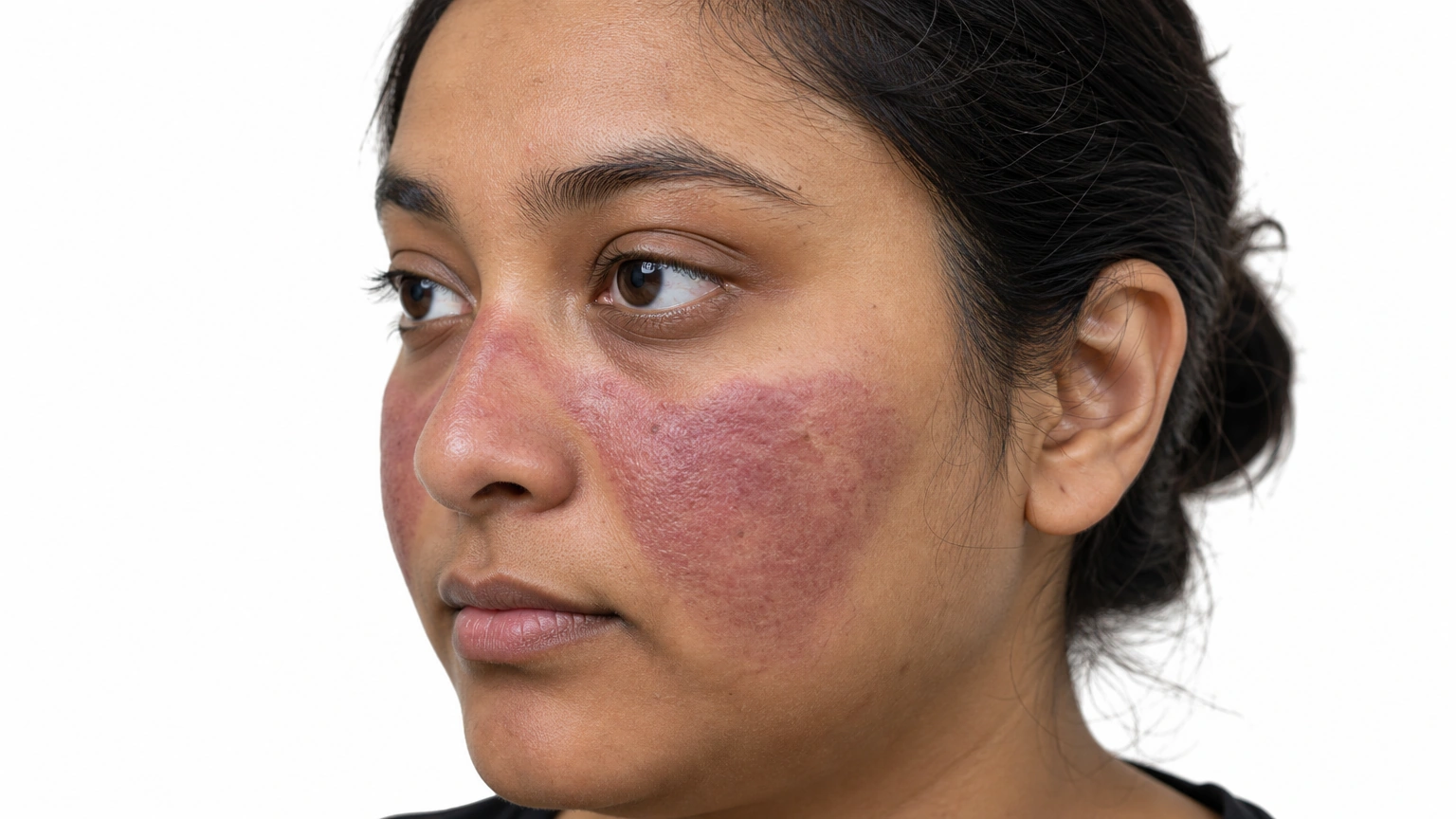
A face with pink-red patches over both cheeks connected across the bridge of the nose.

Lupus Malar Rash A broad, roughly symmetrical red pattern spans the central face.

Sunburn

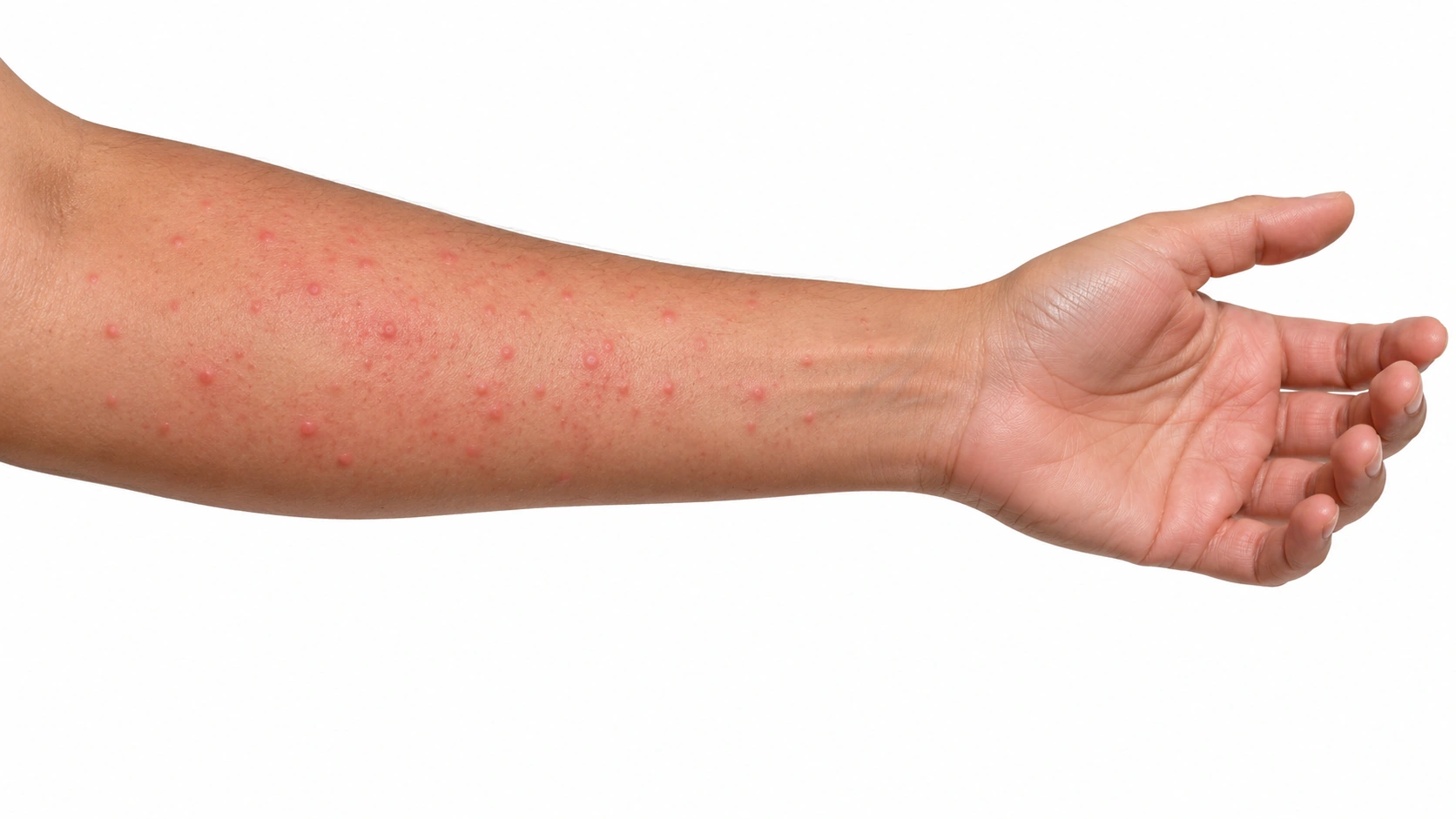
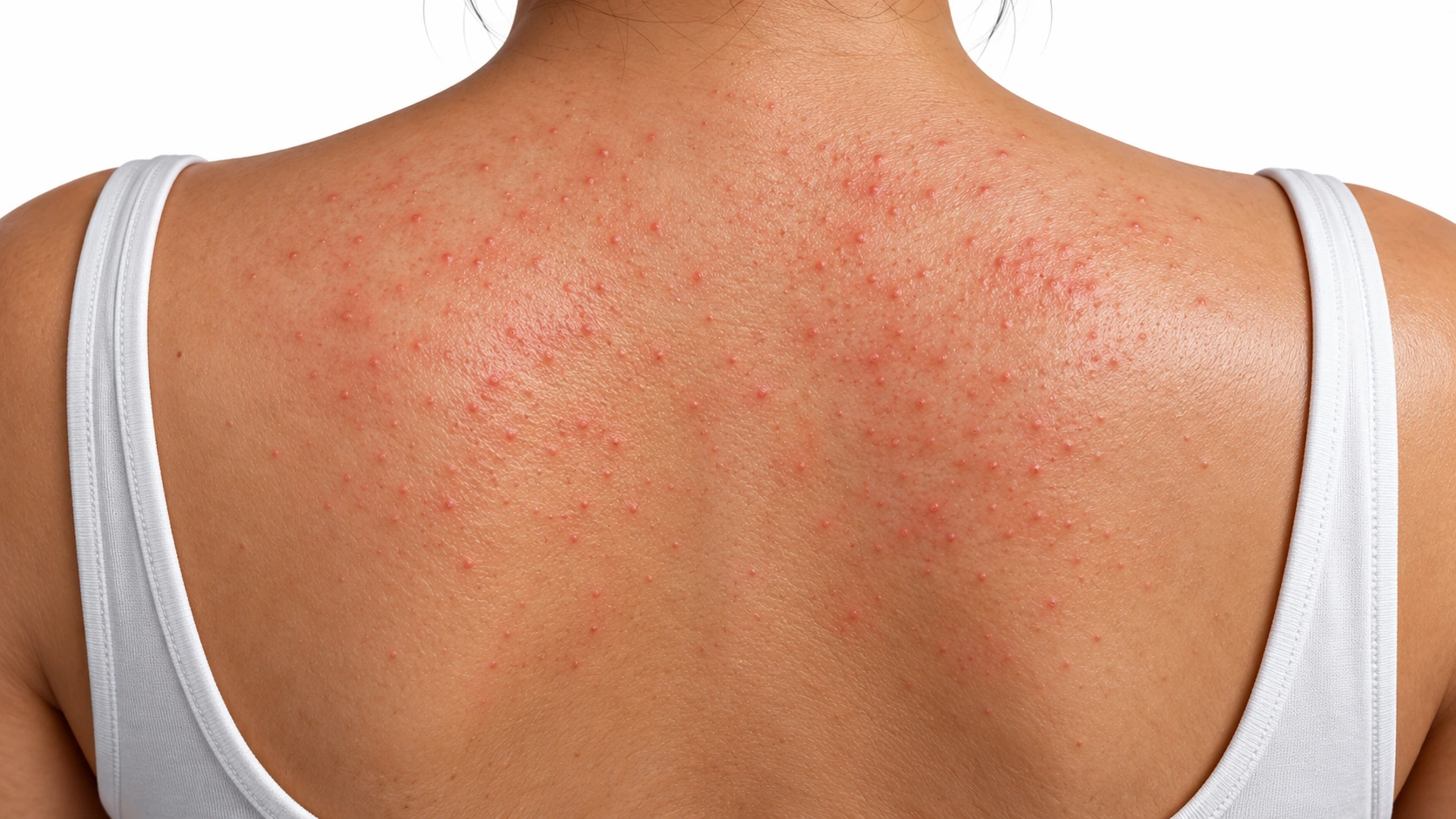
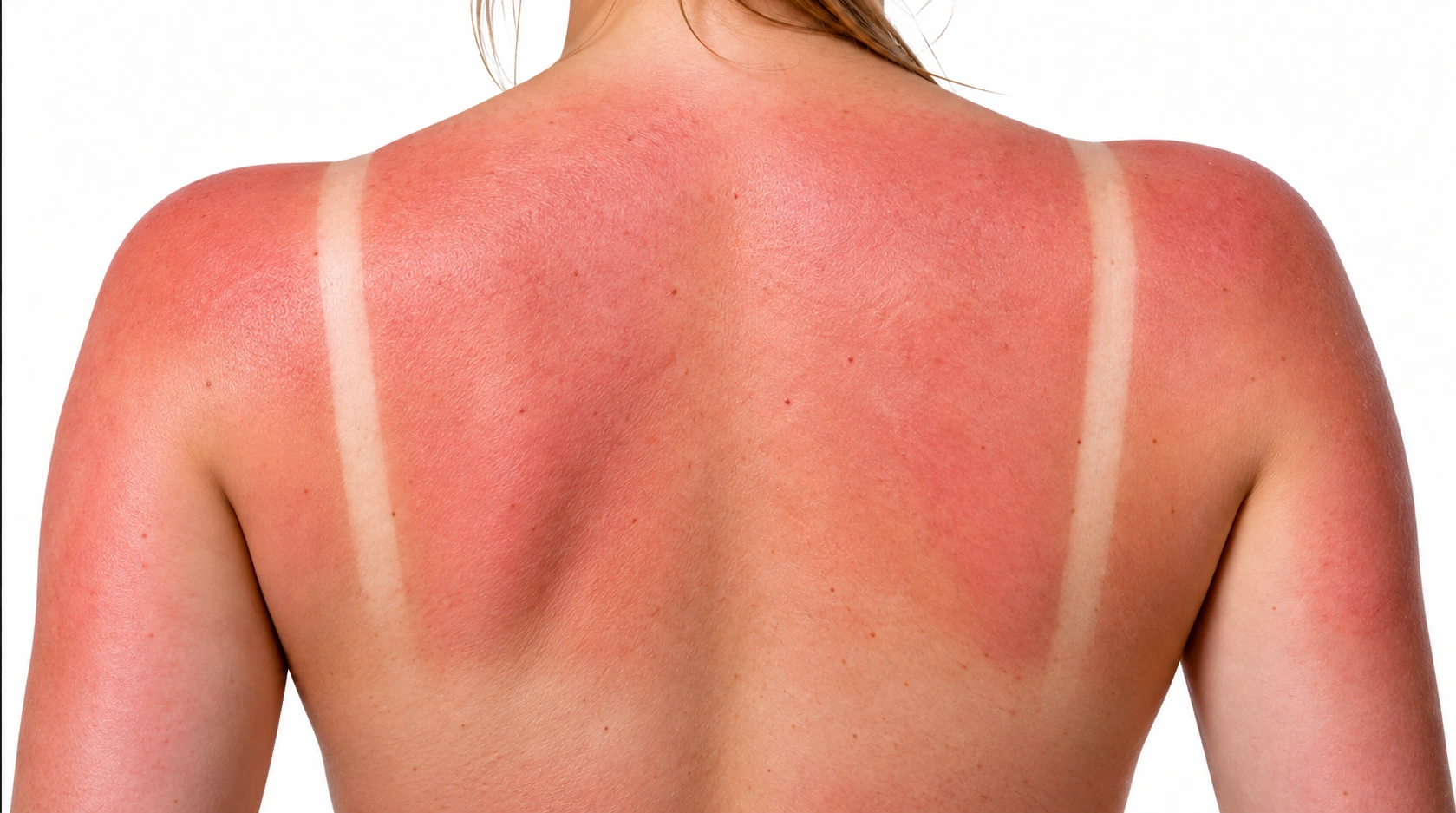
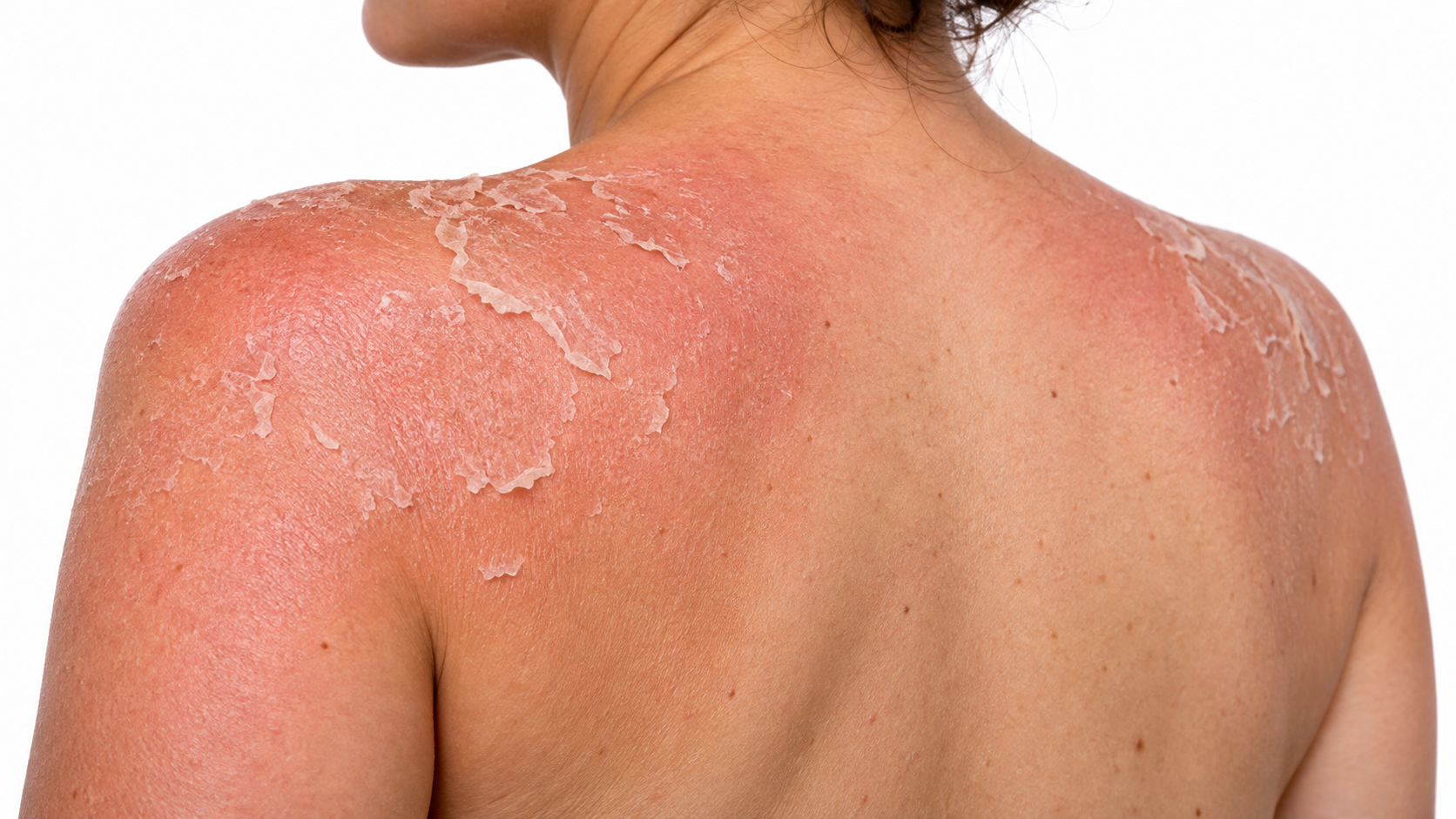
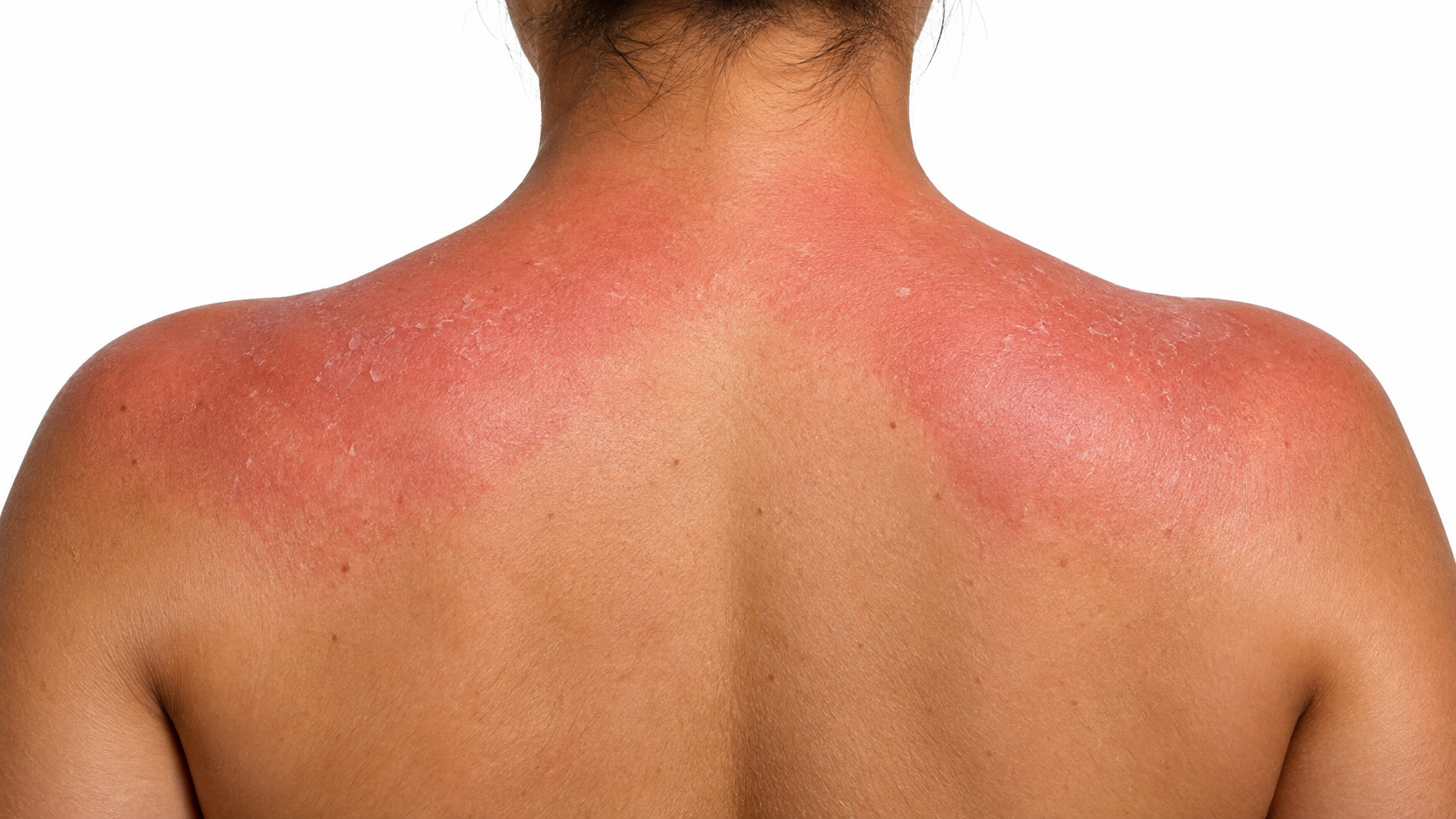
Sunburn: Redness.

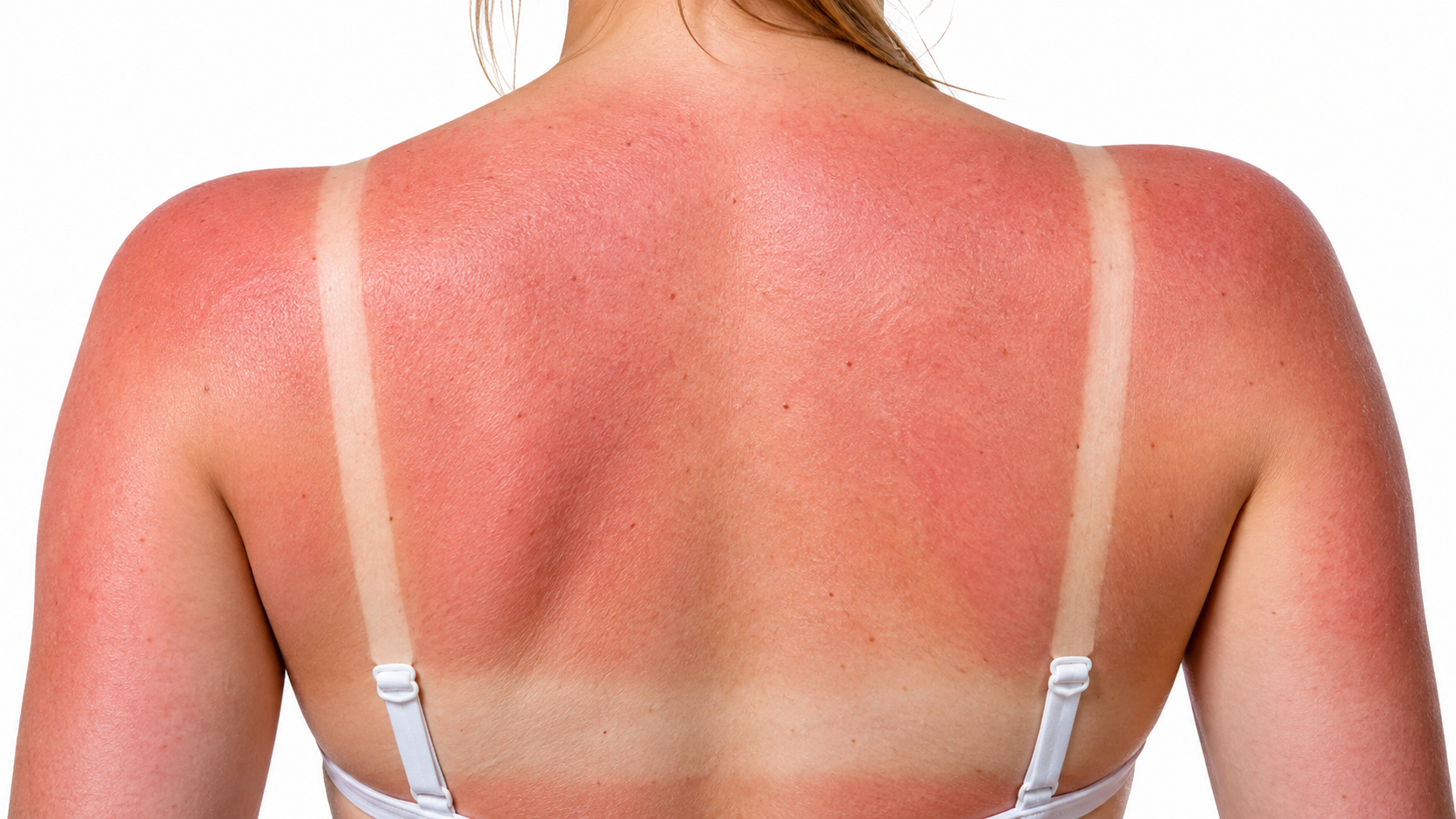
Redness Hot, tender skin in sun-exposed areas.

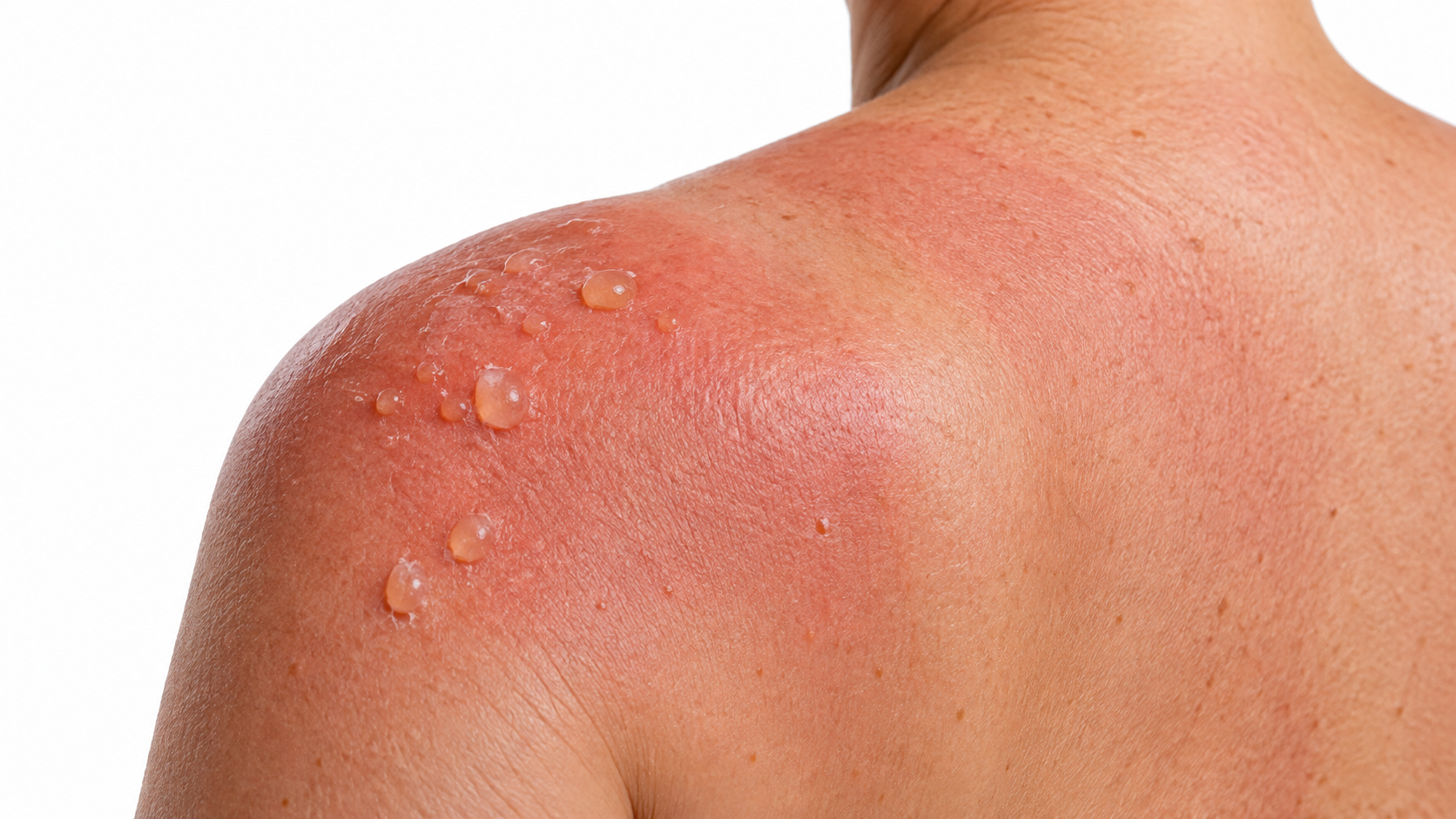
Sunburn: Blisters.

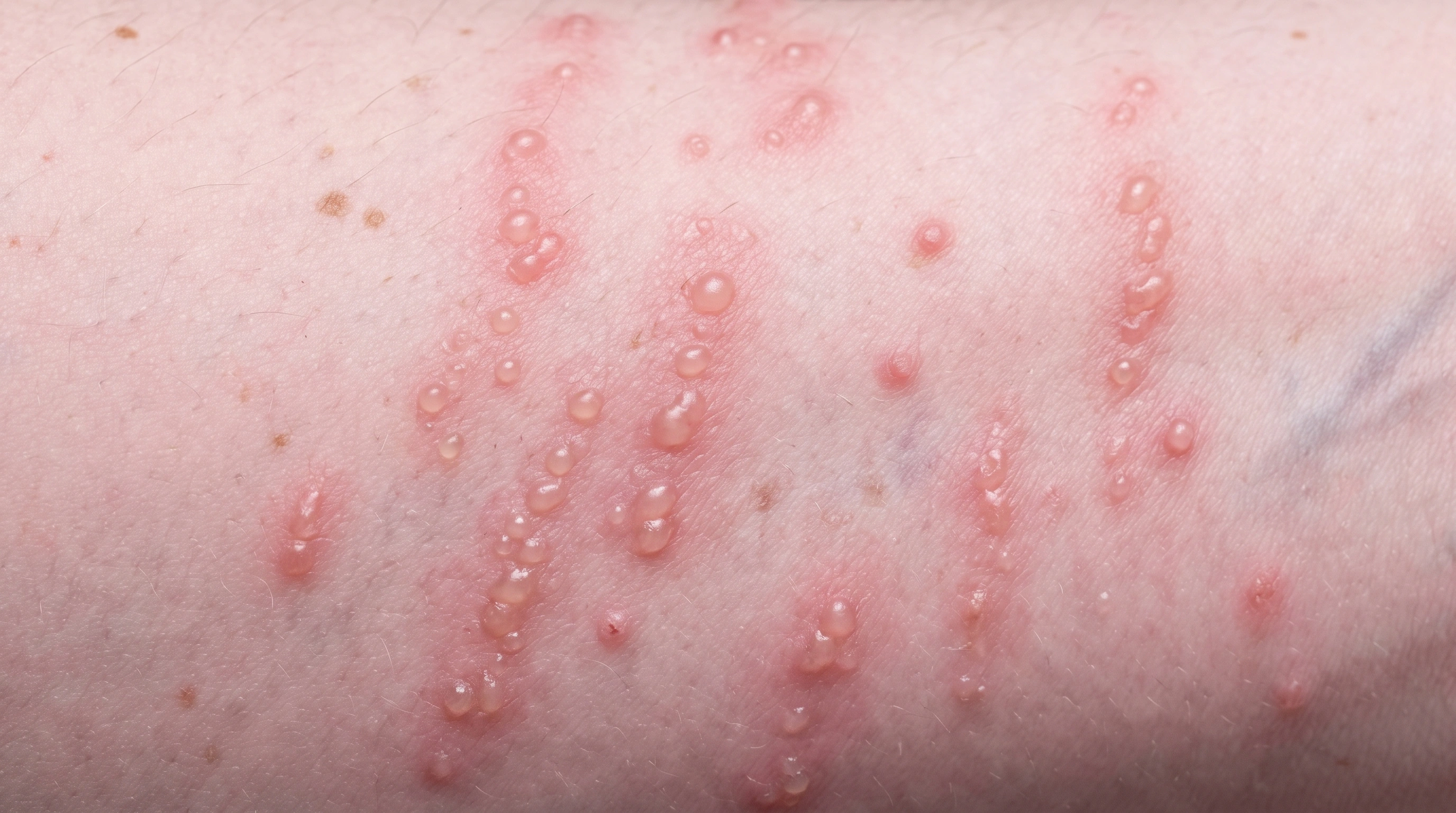
Blisters Fluid-filled blisters in severe burns.

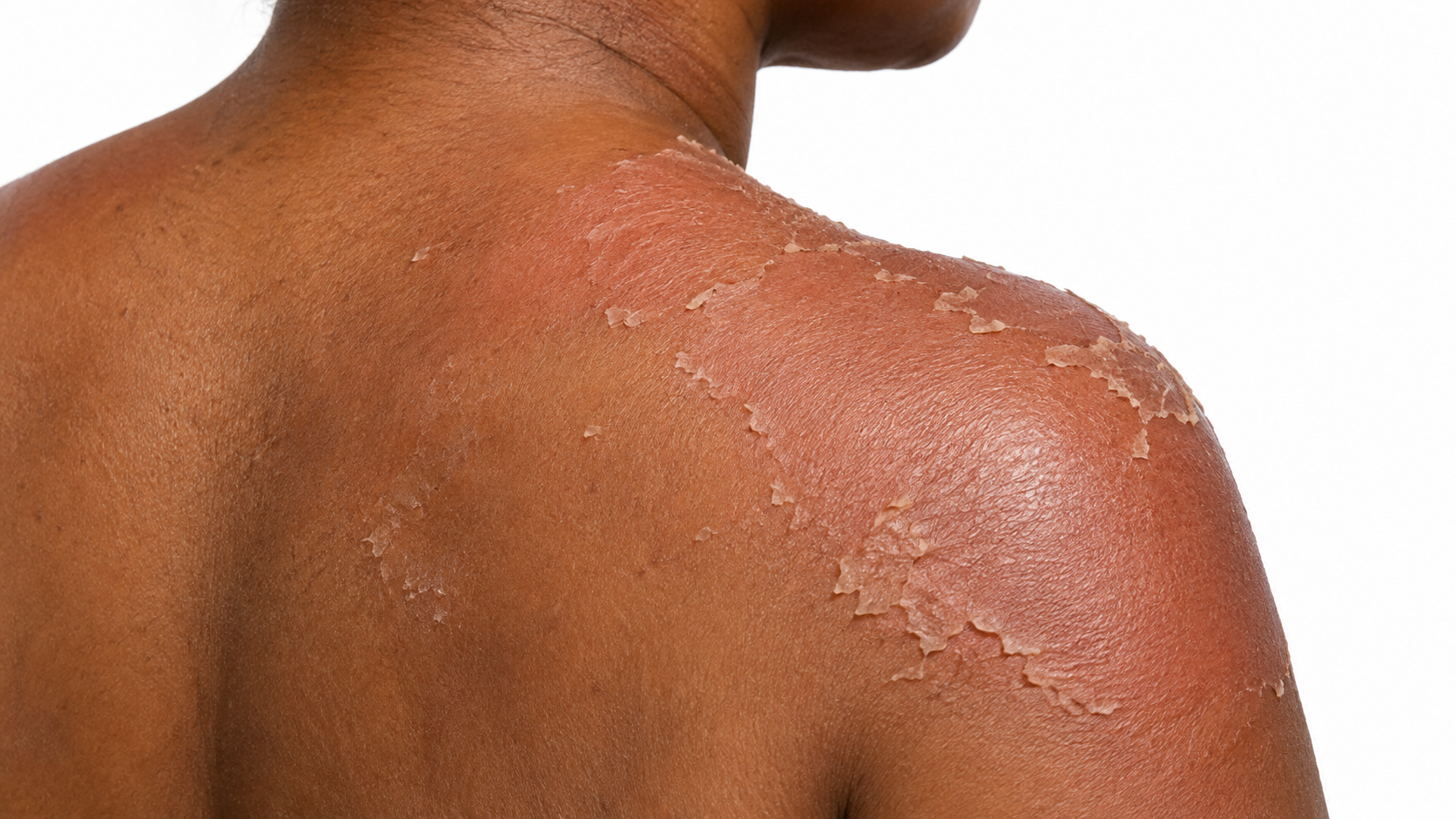
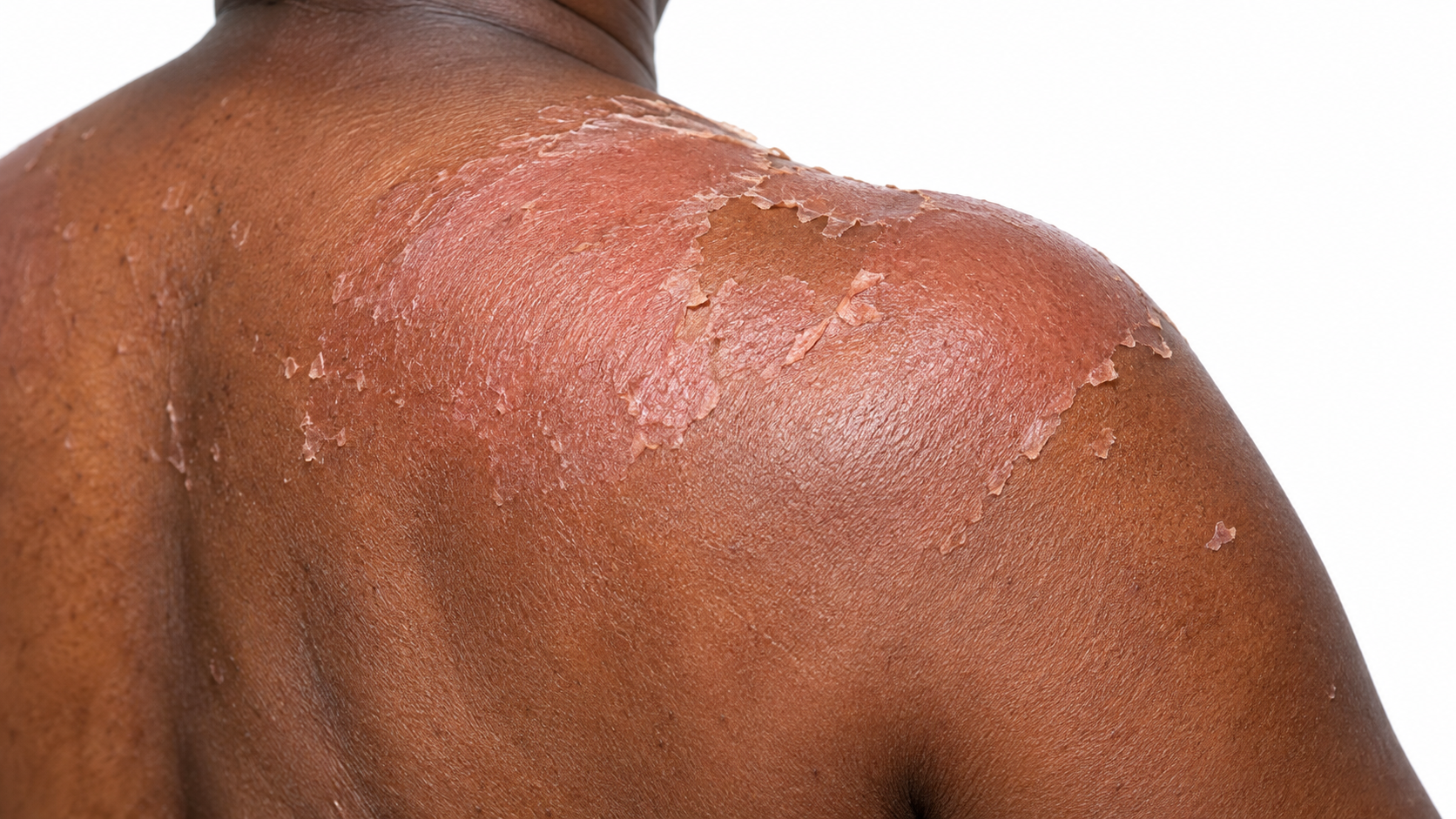
Sunburn: Peeling.

Peeling Skin flaking as it heals.

Skin tones
Lupus Malar Rash on light skin.
Lupus Malar Rash on medium skin.
Lupus Malar Rash on brown skin.
Lupus Malar Rash on deep skin.
Sunburn: 1. Sunburn Header — Light Skin; Lighter skin.
Sunburn: 2. Sunburn Header — Medium Skin; Medium skin.
Sunburn: 3. Sunburn Header — Brown Skin; Brown skin.
Sunburn: 4. Sunburn Header — Deep Skin; Darker skin.
Diagram
Sunburn mechanism diagram. UV damages skin cells: Excess ultraviolet light injures cell components. Inflammation develops: Chemical signals increase blood flow and swelling. Damaged cells are shed: The skin may peel as it recovers.
In the skin

Autoimmune inflammation and sensitivity to ultraviolet light affect facial skin. The cheek-and-nose pattern can occur in lupus, but its appearance alone does not establish the diagnosis.

Excess ultraviolet exposure injures skin cells and triggers inflammation. Increased blood flow and swelling cause soreness and warmth, and damaged surface cells may later peel away.

When it usually starts

010203040506070+

Lupus Malar Rash. Often recognised in younger or middle-aged adults but can occur at other ages.

Sunburn. Can occur at any age after enough ultraviolet exposure.

Causes and triggers

Causes

Autoimmune inflammation and photosensitivity affect the skin; the pattern alone cannot diagnose lupus.

Sunburn is damage to skin cells from ultraviolet light. The redness and pain come from the inflammation that follows.

Family tendency

Fair skin, red hair and freckles mean less natural protection from melanin.

Risk factors
Autoimmune susceptibility, Systemic lupus
Fair skin, Some medicines, Retinoids and acids, Young children
Trigger
● Lupus Malar Rash
● Sunburn
Sun exposure
Can contribute
Not listed
Midday sun
Not listed
Well established
High altitude
Not listed
Strong link
Water, sand and snow reflection
Not listed
Strong link
Tanning beds
Not listed
Well established

Daily Care

Lupus Malar Rash
Sunburn
Daily care

Habits that help

  • Use broad-spectrum SPF 50 or higher on exposed skin
    Choose strong UVA protection and reapply during outdoor exposure.
  • Add shade, a broad-brimmed hat and sun-protective clothing
    Physical protection matters even when sunscreen has been applied.
  • Plan around strong sunlight and consider window exposure
    UVA can pass through ordinary glass and trigger some photosensitive conditions.
  • Keep a record of flares and recent medicines
    Photos and timing can help the clinician identify the cause of photosensitivity.
  • Keep lupus follow-up and report new systemic symptoms
    Skin protection is important but does not replace assessment for disease beyond the skin.

Avoid

  • Avoid: Deliberate tanning or trying to toughen the skin in the sun
    Any light-hardening treatment should be clinician-directed.
  • Avoid: Stopping prescribed medicines on your own
    Discuss possible photosensitizing drugs and follow the agreed disease treatment plan.

Habits that help

  • Get out of the sun and stay out
    More exposure deepens the injury.
  • Drink more fluid than usual
    Burned skin pulls fluid out of circulation.
  • Leave blisters intact
    If one opens, keep it clean, with petrolatum and a non-stick dressing.
  • Loose cotton clothing
    Less rubbing on inflamed skin.
  • Broad-spectrum sunscreen, SPF 30 or higher
    Use generously and reapply every two hours outdoors and after swimming or sweating.
  • Clothing, a wide-brimmed hat and shade
    More reliable, because they do not wear off.
  • Planning around midday
    Limit midday sun and seek shade when ultraviolet levels are high.
  • Cool compresses
    Use a cool, damp cloth for comfort; never apply ice directly to burned skin.
  • Moisturizing
    Apply a plain, fragrance-free moisturizer to slightly damp skin to ease dryness.
  • An anti-inflammatory painkiller early
    Better in the first hours than on day two. If you are pregnant or breastfeeding, ask the doctor managing your pregnancy which pain relief is appropriate.
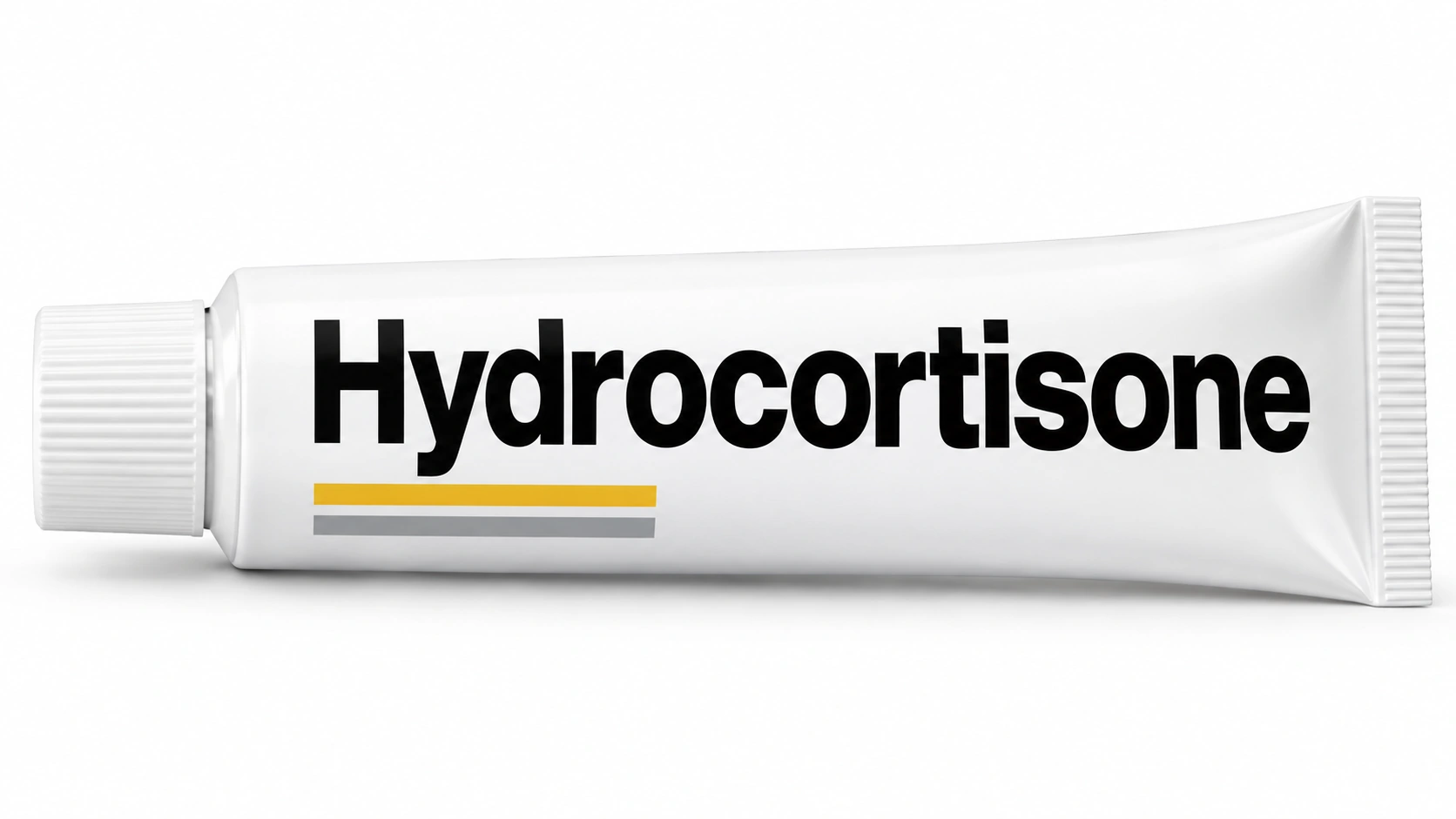
  • Low-strength hydrocortisone cream
    One percent takes the edge off small areas for a few days.
  • Ask about sun precautions for photosensitizing medicines; do not stop them yourself
    A normal amount of sun produces an abnormal burn. Ask your prescriber about precautions, not stopping anything.

Avoid

  • Avoid: Not using enough sunscreen
    Most people apply a quarter to half of what testing assumes.
  • Avoid: Not reapplying
    About every two hours, and after swimming or sweating.
  • Avoid: Assuming cloud is protection
    Much of the ultraviolet passes through it.
  • Avoid: Reflected light from water and snow
    It reaches skin that shade would cover.
  • Avoid: Midday sun, altitude and the equator
    The same time in the sun does more damage.
  • Avoid: Staying in water because it feels cool
    Water barely filters ultraviolet light.
  • Avoid: Lime juice, hogweed and plant saps
    Exaggerated burns in streaks where the sap landed.
  • Avoid: Going back out on burned skin
    Damaged skin has no protection left.
  • Avoid: Popping blisters
    Opening them invites infection and can turn a clean burn into a scar.
  • Avoid: Hot showers, scrubbing and exfoliating
    Heat and friction increase pain and redness.
  • Avoid: Numbing sprays
    Benzocaine and lidocaine cause allergic rashes on inflamed skin.
  • Avoid: Not drinking enough
    Dehydration is why people feel unwell after a day in the sun.
  • Avoid: Tanning beds
    The same injury, delivered deliberately.

Treatment differences

Evidence labels come from each condition’s own treatment list.

Treatment
● Lupus Malar Rash
● Sunburn
Over-the-counter
None listed
Ibuprofen or naproxen.

Ibuprofen or naproxen

Limited evidence

An anti-inflammatory painkiller works on the actual mechanism of a sunburn, which is inflammation, and it helps most when it is started in the first few hours rather than added on day two. Take it regularly for the first day or so rather than only when the pain peaks. If you are pregnant or breastfeeding, ask the doctor managing your pregnancy which pain relief is appropriate.

A plain white ointment tube lying on its side, labeled Hydrocortisone with a blue swoosh

Hydrocortisone

Limited evidence

One percent hydrocortisone can take the edge off a small, sore area for a few days. Use it on unbroken skin only, never on blisters or open areas, and not over large parts of the body. It is a mild help rather than a fix, and if the burn is big enough that you want to cover it all, that is a burn worth having looked at.

Illustration: Generic gel tube and clear gel.

Numbing sprays and gels

Limited evidence

Benzocaine and lidocaine sprays sold for sunburn cause allergic rashes on inflamed skin often enough that they are not worth using. The relief is short, and an allergic reaction on top of a burn is a considerably worse week. Cool compresses and an anti-inflammatory painkiller do the same job without that risk.

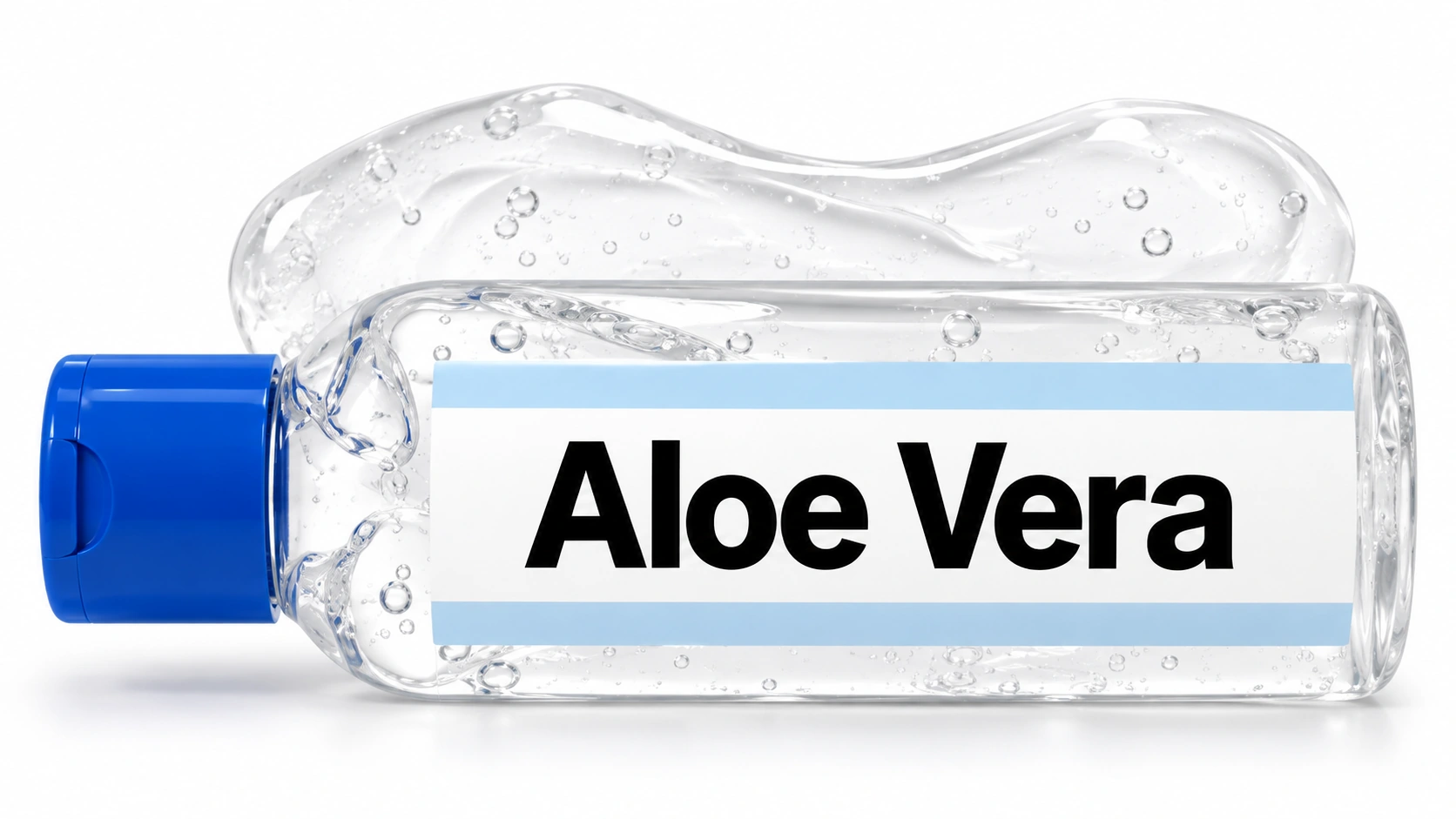
Five aloe vera gel products lined up on white: squeeze bottles, a pump bottle and a jar

Aloe Vera

Limited evidence

Cooling and pleasant on a burn, and it is what most people reach for first. The trial evidence that it does anything beyond that is thin. Keep it in the fridge if you like it, choose a plain gel without added fragrance or alcohol, and do not expect it to shorten anything. It is comfort, not treatment.

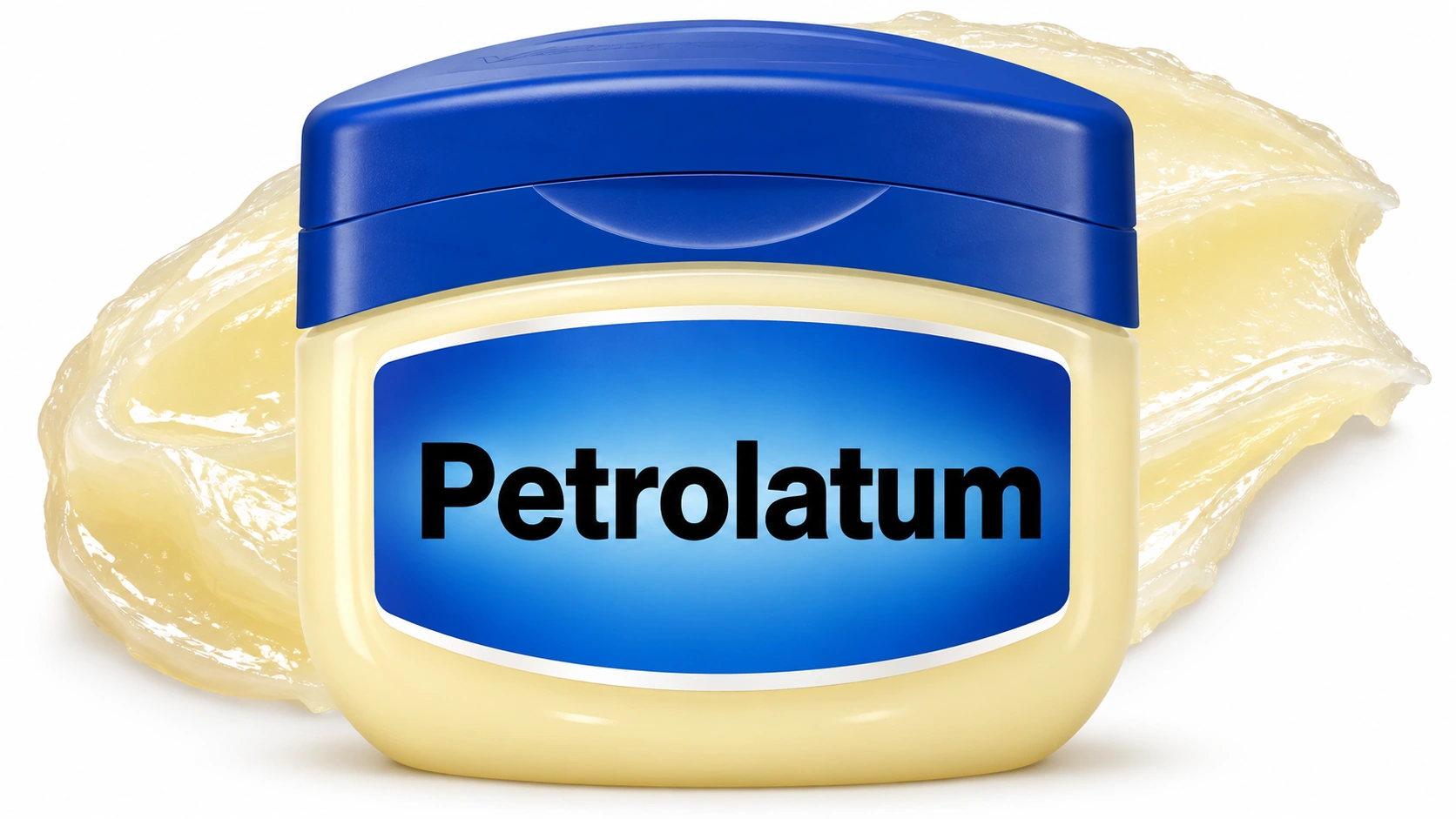
Four ointments on white: CeraVe Healing Ointment, a Vaseline jar, a petroleum jelly tube and Aquaphor

Petrolatum

Listed

Its job here comes later, on peeling skin and on any blister that has opened, where it stops the new skin drying and cracking and reduces the itch. Use it under a loose non-stick dressing rather than an adhesive one. It is not for the first day on an intact, hot burn, where a thick greasy layer traps heat and makes things feel worse.

Prescription topicals
None listed
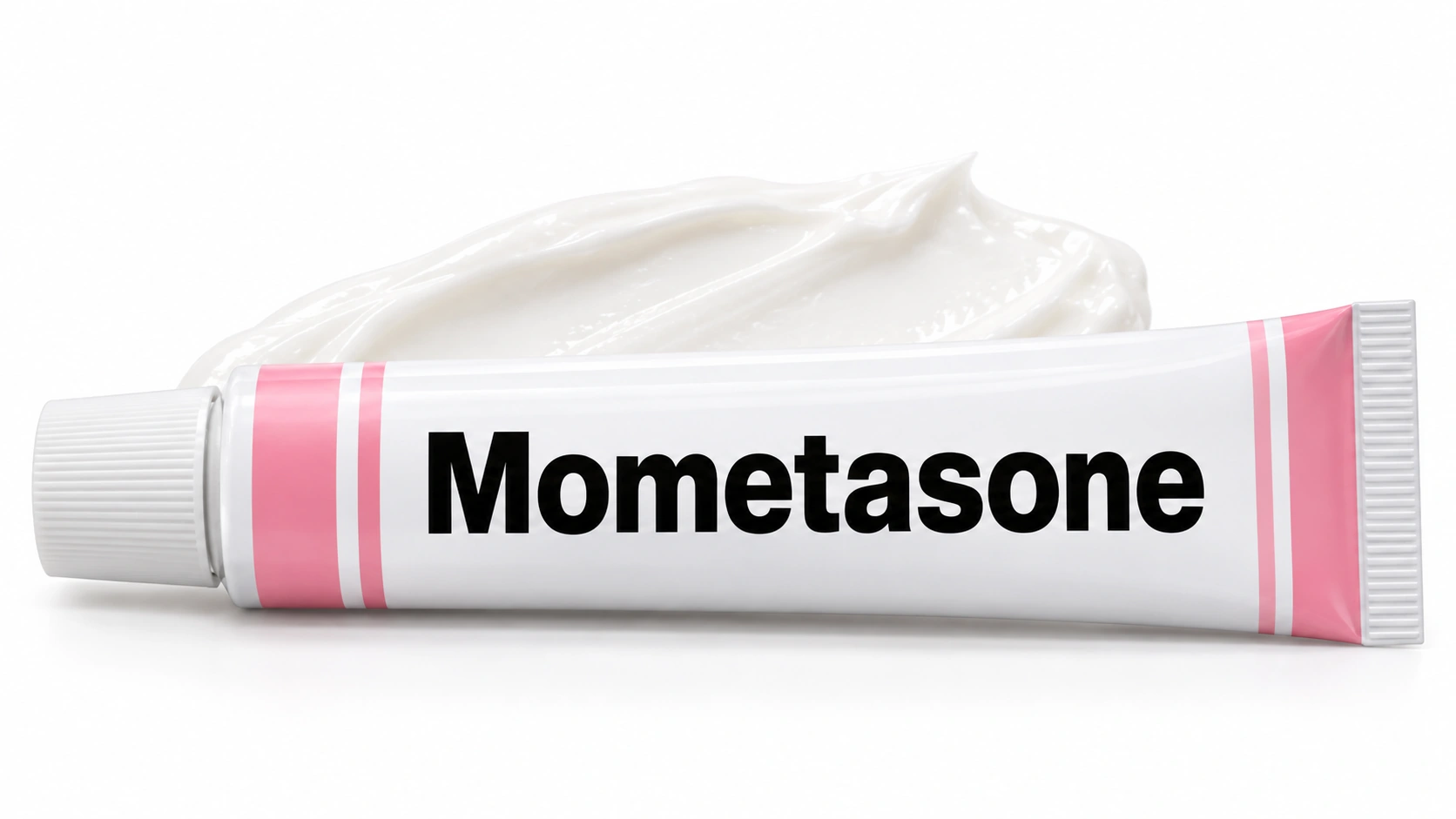
Mometasone — Header Image

Mometasone

Limited evidence

A stronger steroid cream, sometimes prescribed for a few days on a severe burn that hydrocortisone has not touched. It reduces the inflammation and the soreness a little. It does not change how long the burn lasts or repair any of the damage underneath, and it goes on unbroken skin only, never on blisters or open areas.

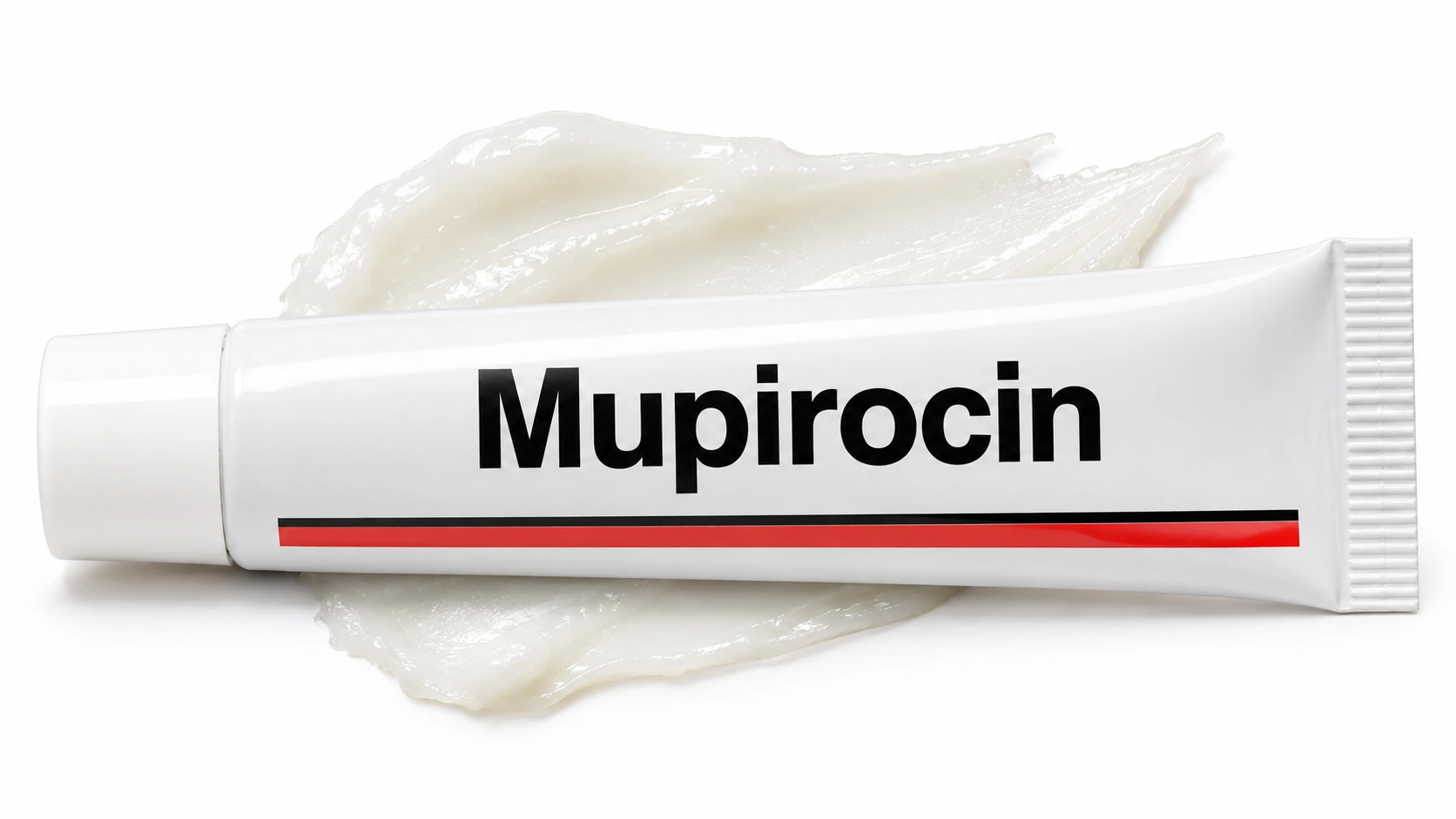
Mupirocin — Header Image

Mupirocin

Limited evidence

An antibiotic ointment for the specific situation where broken blisters have become infected, which shows as increasing redness, swelling, heat or pus. It is not for a plain burn and does nothing for one. If the infection is spreading beyond the burnt area, antibiotic tablets are needed instead.

Prescription pills

Specialist treatment plan

Listed

Topical anti-inflammatory medicines or systemic treatment such as hydroxychloroquine may be selected with appropriate monitoring.

None listed

Outlook

Long term

The rash may improve as the underlying lupus inflammation is controlled, but flares can recur. Follow-up should address the wider illness as well as the skin and any residual color change.

The worst of a sunburn arrives after you have gone indoors. Nothing makes it heal faster - aftercare makes the week bearable and prevents complications, but does not undo the injury. The DNA damage does not fully reverse, and repeated burns, particularly in childhood and adolescence, contribute to actinic keratoses, squamous cell carcinoma, basal cell carcinoma and melanoma decades later.

Complications

Possible complications

It may accompany systemic disease, so joint or other symptoms need discussion.

  • Blisters that get infected
  • Heat illness and dehydration
  • Skin cancer decades later
More details

Blisters that get infected
A blister means the injury went deeper into the skin. An intact blister is a sterile cover over an open wound, and popping one lets bacteria in and can turn a burn that would have healed cleanly into one that scars. Leave them alone. If one opens by itself, keep it clean, use plain petrolatum and a non-stick dressing, and get it looked at if the area becomes hot, swollen or starts oozing pus.

Heat illness and dehydration
A large burn is not only a skin problem. Fever, chills, headache, nausea, weakness, dizziness and intense thirst come from a big area of inflamed skin losing fluid alongside hours in the heat. It is often called sun poisoning, which it is not. Children and older adults reach this point sooner. It needs shade, fluids and, if there is confusion, fainting, vomiting or very little urine, same-day medical care.

Skin cancer decades later
This is the complication that never looks like one at the time. Repeated blistering sunburns, particularly in childhood and adolescence, are associated with a substantially higher risk of melanoma later, and ordinary cumulative exposure drives most other skin cancers. No amount of aftercare undoes it. It is why a pattern of burning every summer is worth a conversation, and why a history of repeated burns is a reason to arrange a skin check.

When to get help

When to get help

Seek assessment for a persistent photosensitive rash, especially with joint pain, mouth ulcers or other systemic symptoms.

Get prompt help for extensive blistering, dehydration, fever or severe pain; babies and young children need a lower threshold for assessment.

Common questions

Lupus Malar Rash:What is Lupus Malar Rash?

A butterfly-pattern facial rash that can occur with acute cutaneous lupus.

Lupus Malar Rash:What can I do day to day?

Use careful sun protection and follow a dermatologist or rheumatologist treatment plan.

Lupus Malar Rash:When should I get medical advice?

Seek assessment for a persistent photosensitive rash, especially with joint pain, mouth ulcers or other systemic symptoms.

Sunburn:How long does a sunburn last?

Redness appears within two to six hours, peaks around twelve to twenty-four hours, and settles over three to seven days, with peeling toward the end. Blistering burns take longer and can leave marks for months. Nothing shortens it.

Sunburn:Can I stop it peeling?

Not really. Peeling is dead skin being shed; the damage is already done. Moisturizer reduces itching and cracking. Do not pull the flakes off - that exposes tender new skin.

Sunburn:Should I pop the blisters?

No. An intact blister is a sterile cover over an open wound and lowers the risk of infection and scarring. If one opens, keep it clean, use plain petrolatum and a non-stick dressing, and have it checked if the area becomes hot, swollen or oozes pus.

Sunburn:Does one bad sunburn really raise my skin cancer risk?

Each burn adds to a lifetime total rather than deciding anything on its own. Repeated blistering sunburns, particularly in childhood and adolescence, carry a substantially higher risk of melanoma. Ordinary cumulative exposure drives most other skin cancers.

Sunburn:Why did I burn so badly when I was barely in the sun?

Usually a medicine that increases sensitivity to ultraviolet light - some antibiotics, diuretics, anti-inflammatories, retinoids and others. Plant sap, especially lime juice, does the same in streaks, and recent peels or laser lower the threshold. Ask a pharmacist rather than stopping any prescribed medicine yourself.

Sunburn:Is a tan from a tanning bed safer than one from the sun?

No. A tanning bed delivers a concentrated dose of ultraviolet light and causes the same DNA damage. Using one before the age of 35 carries a notably higher risk of melanoma. The tan is the injury response, so no version of deliberate tanning avoids it.

Sources

Sources and further reading

  1. Cutaneous lupus erythematosus
  2. DermNet
Dermapedia on YouTube