Common questions
Rosacea:Will rosacea ever go away?
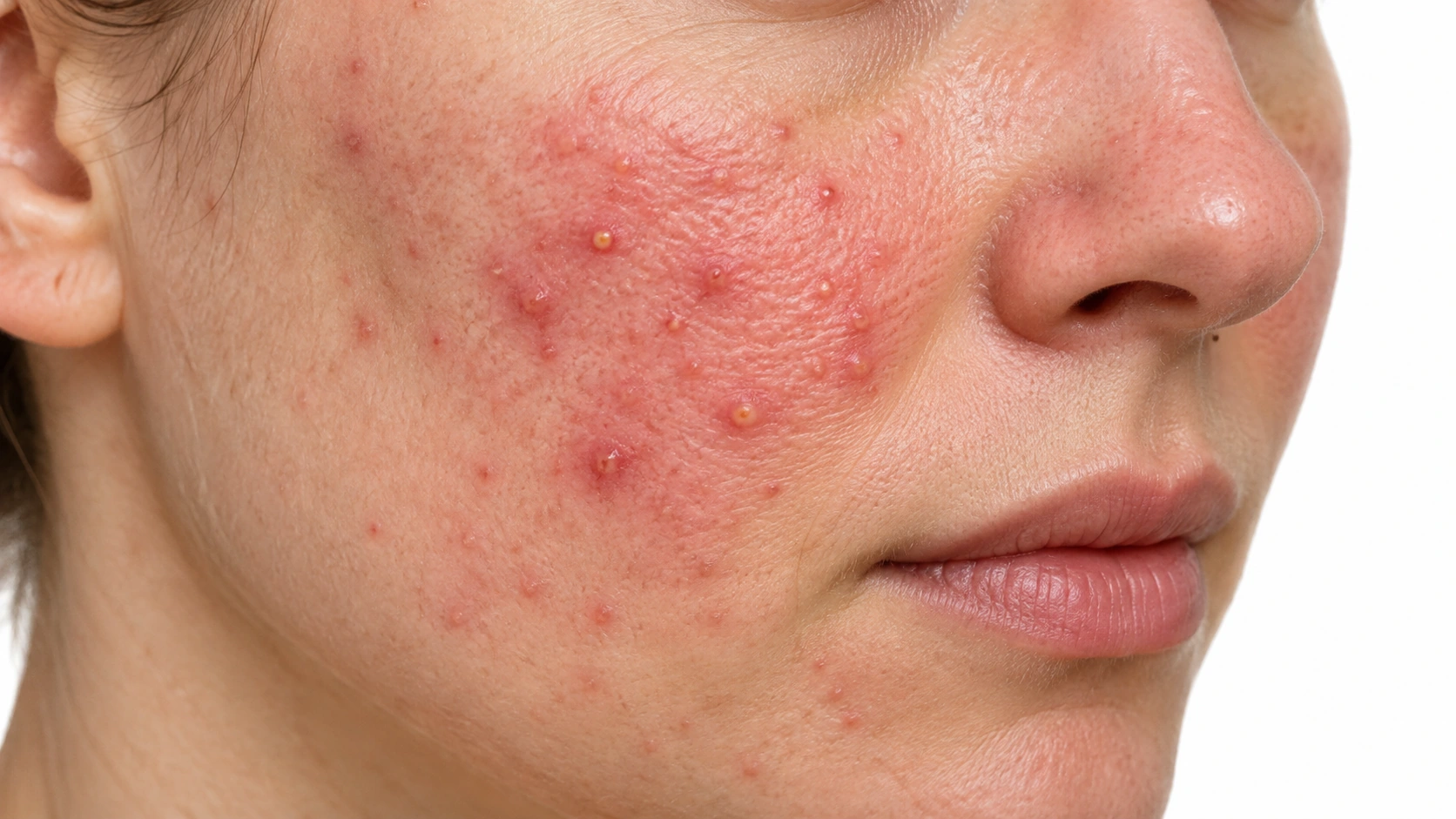
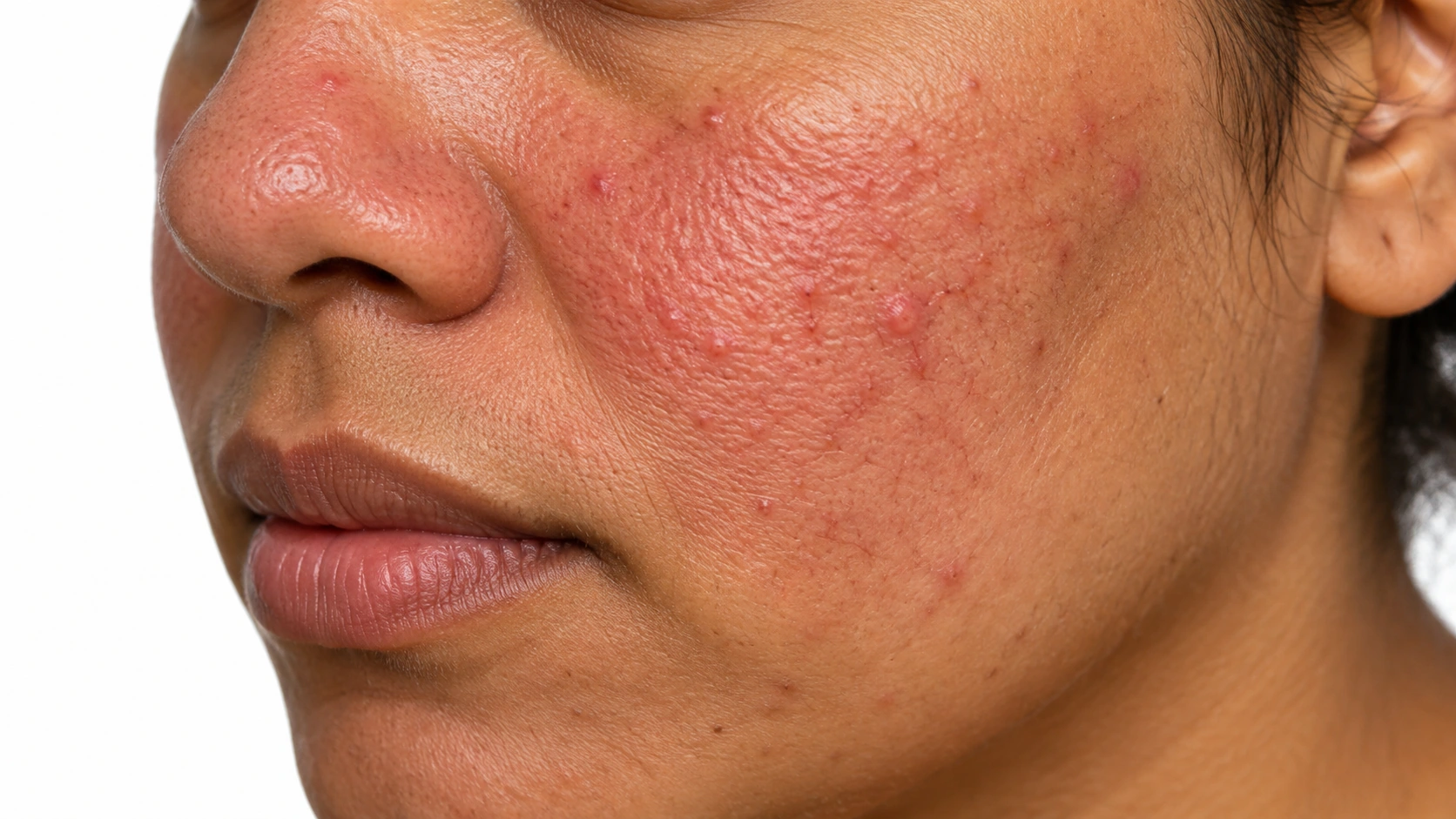
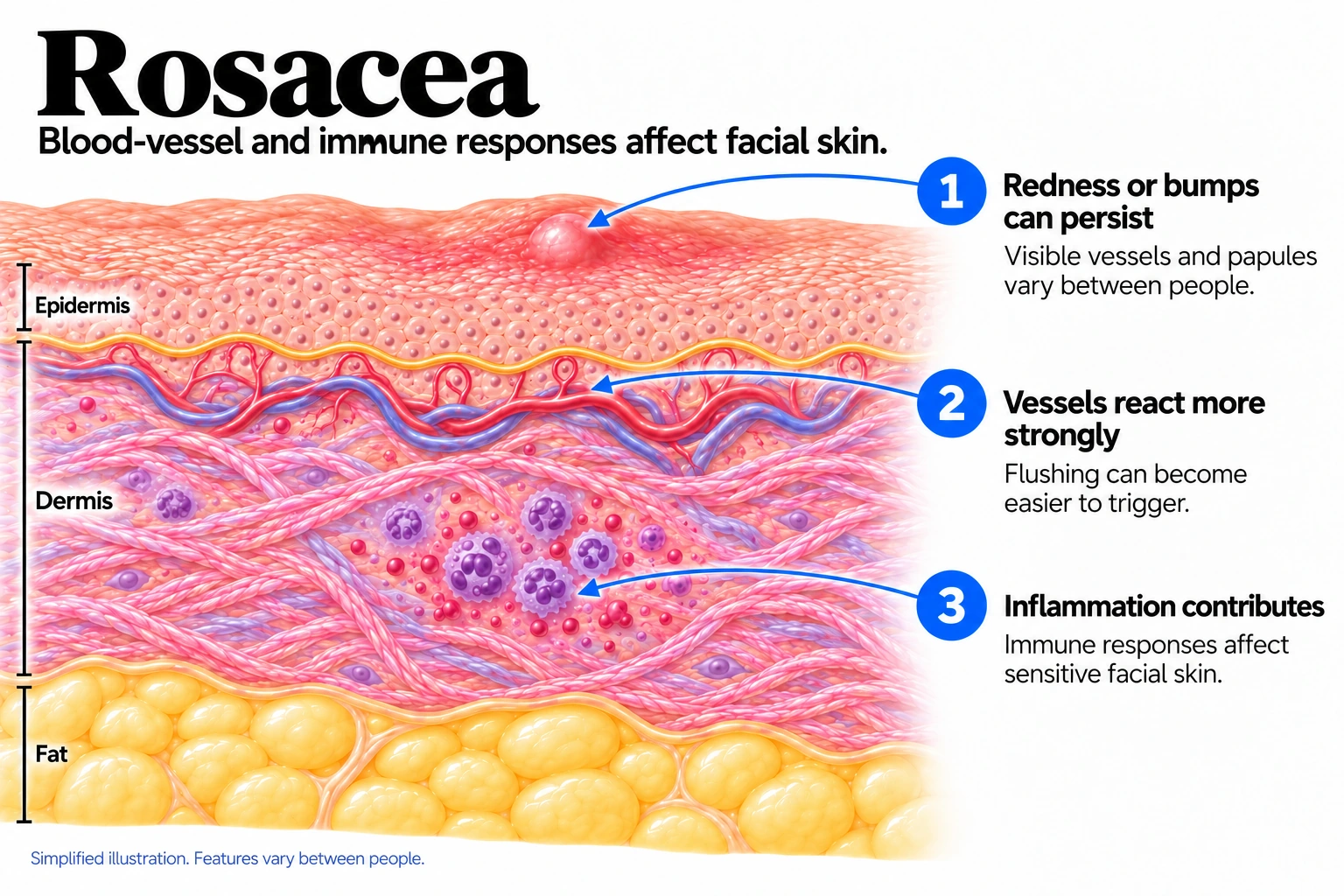
For most people it persists. It responds well to treatment, and many people keep it almost entirely controlled for years on light maintenance. The goal is control rather than cure, and treating early prevents the parts that become permanent.
Rosacea:Is rosacea caused by what I eat or drink?
No. Food and drink trigger flushing in someone who already has rosacea; they do not cause it. Hot drinks, alcohol and spicy food are reported most. Your triggers are personal - a couple of weeks of notes tells you more than any generic list. Cutting out foods that are not triggering you achieves nothing.
Rosacea:Can I use retinoids or vitamin C on rosacea skin?
Sometimes, carefully. Both irritate, and a weakened barrier means many people cannot tolerate them at usual strengths. If you try, add one at a time, two or three nights a week over moisturizer, and stop if it stings. Never start one during a flare.
Rosacea:Will laser get rid of the redness permanently?
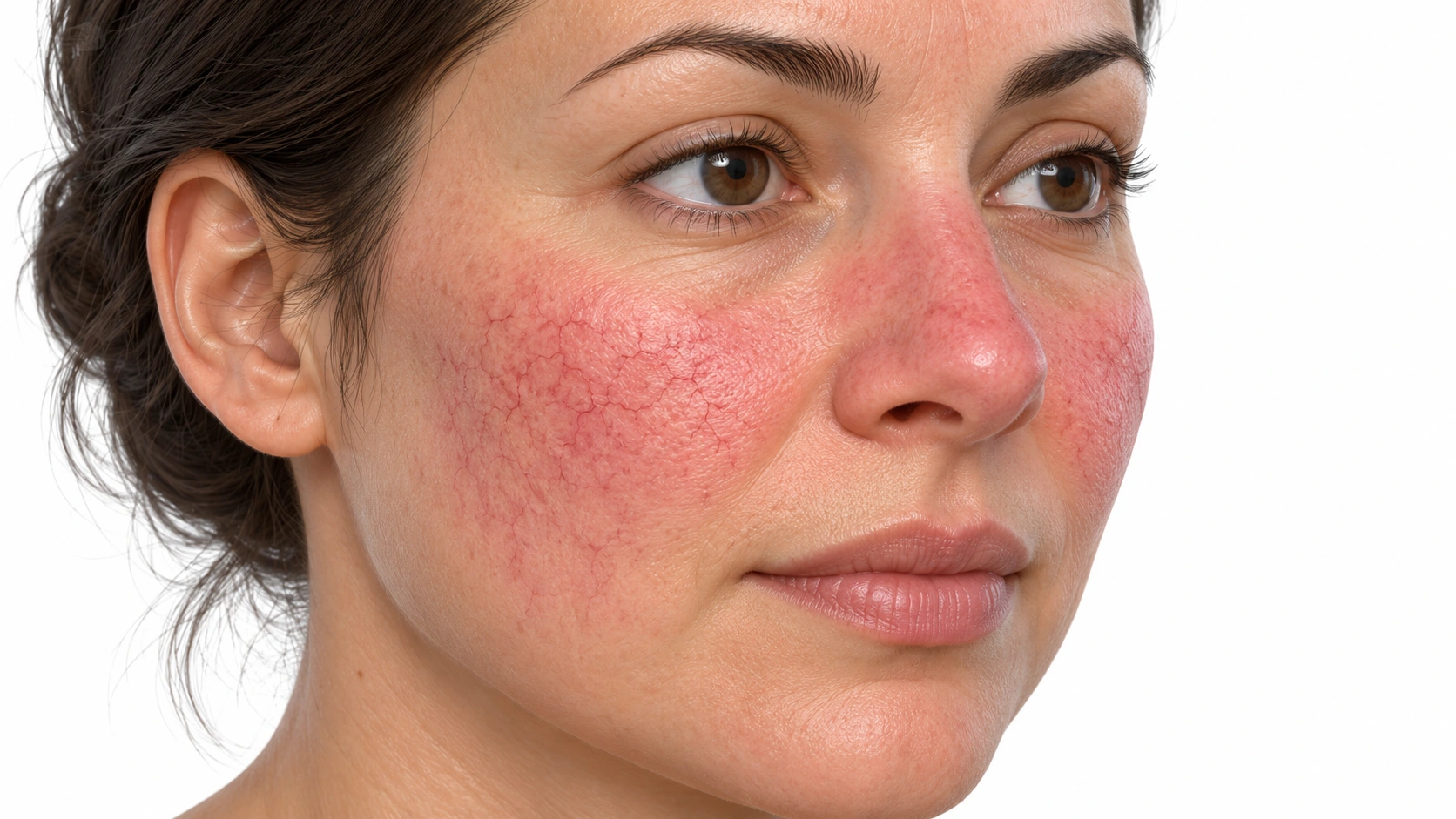
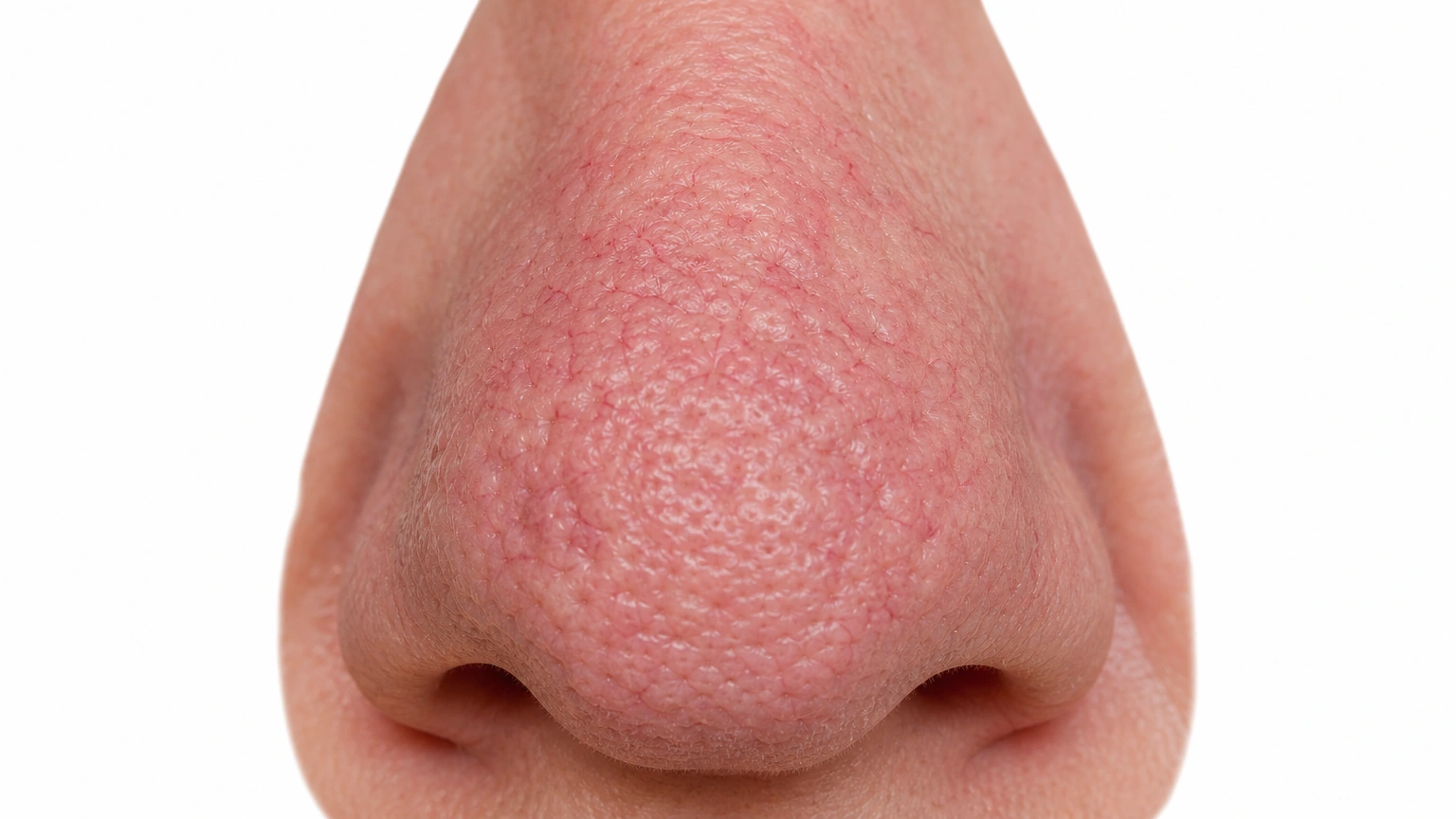
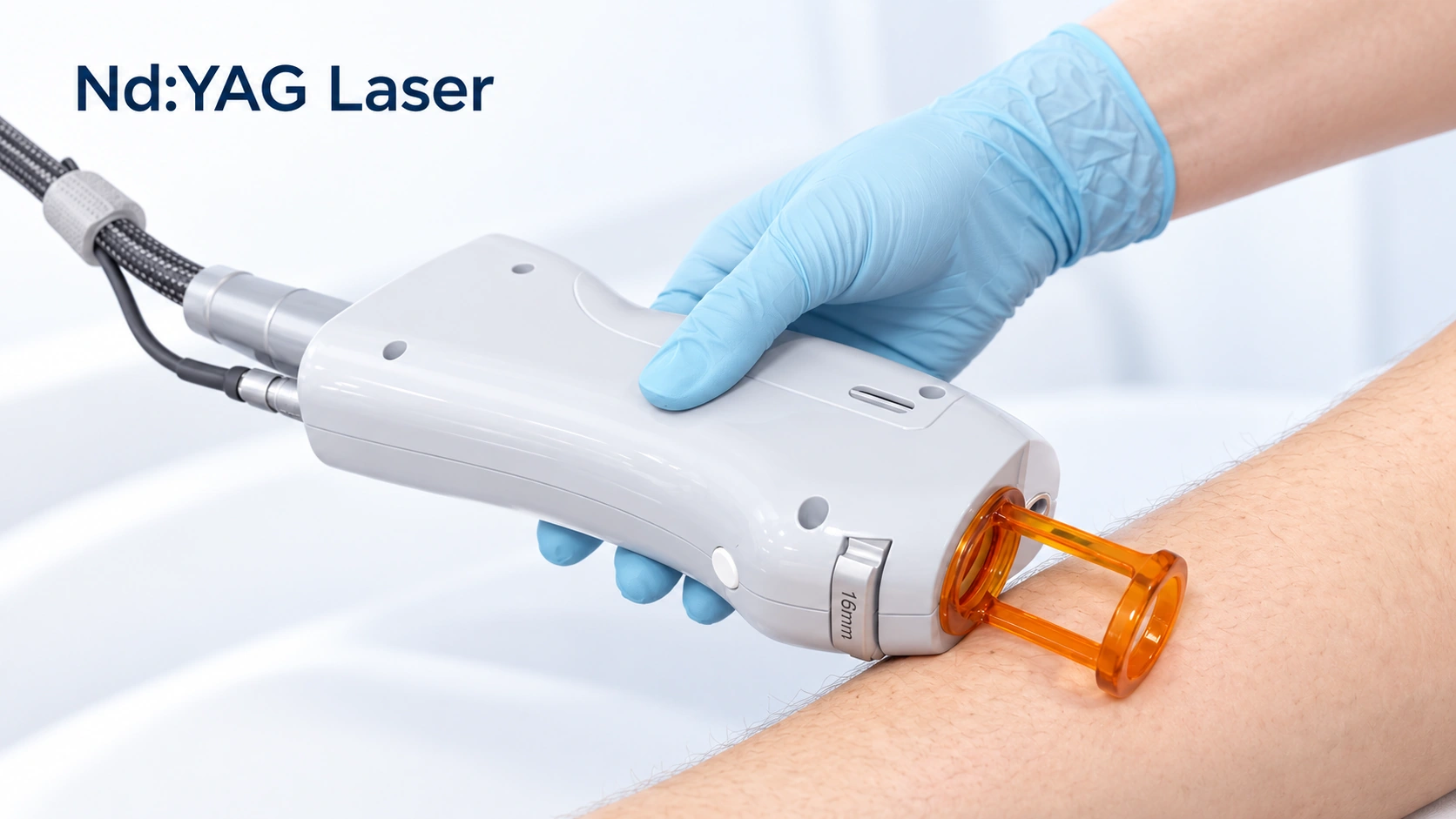
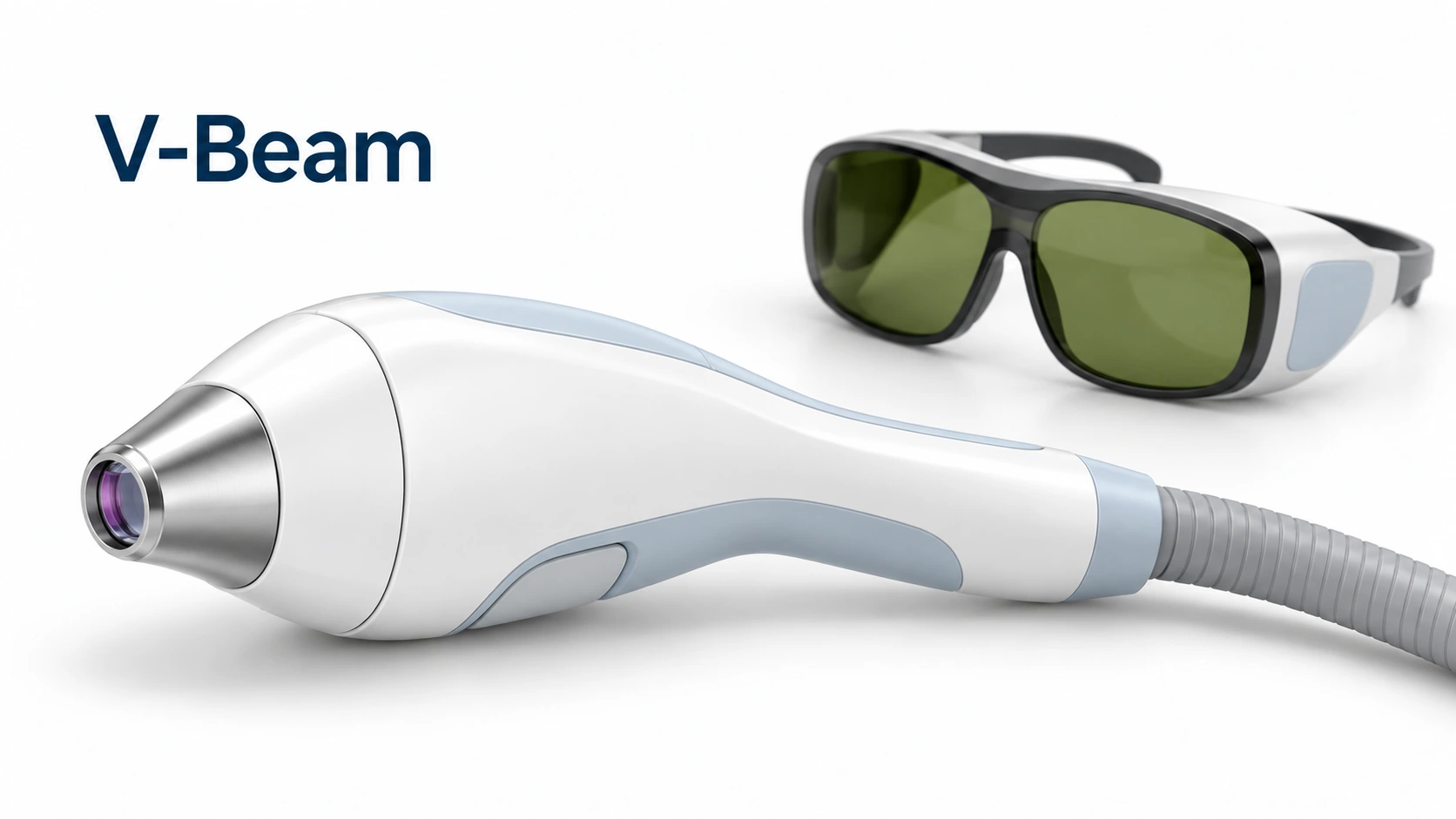
Laser and intense pulsed light are the only treatments that meaningfully remove visible vessels and reduce established redness, and results last a long time. Not permanently - rosacea continues and new vessels form, so most people need occasional maintenance sessions. Expect a series rather than one. On deeper skin tones, ask for an experienced practitioner and a test patch.
Rosacea:Is my flushing rosacea or menopause?
It can be both, and they feed each other. Hot flashes cause repeated flushing, and repeated flushing makes rosacea more visible. Rosacea flushing stays on the central face with bumps, visible vessels and sensitivity, while hot flashes involve the whole body, sweating and a sudden onset. Mention both to your doctor - managing one usually helps the other.
Rosacea:Can I wear makeup?
Yes, and worth doing if it helps. Green-tinted primers and color-correcting products neutralize redness well, and mineral foundations are generally well tolerated. What matters more than the brand is how you take it off - a gentle cream or micellar remover, not scrubbing or a wipe.
Sunburn:How long does a sunburn last?
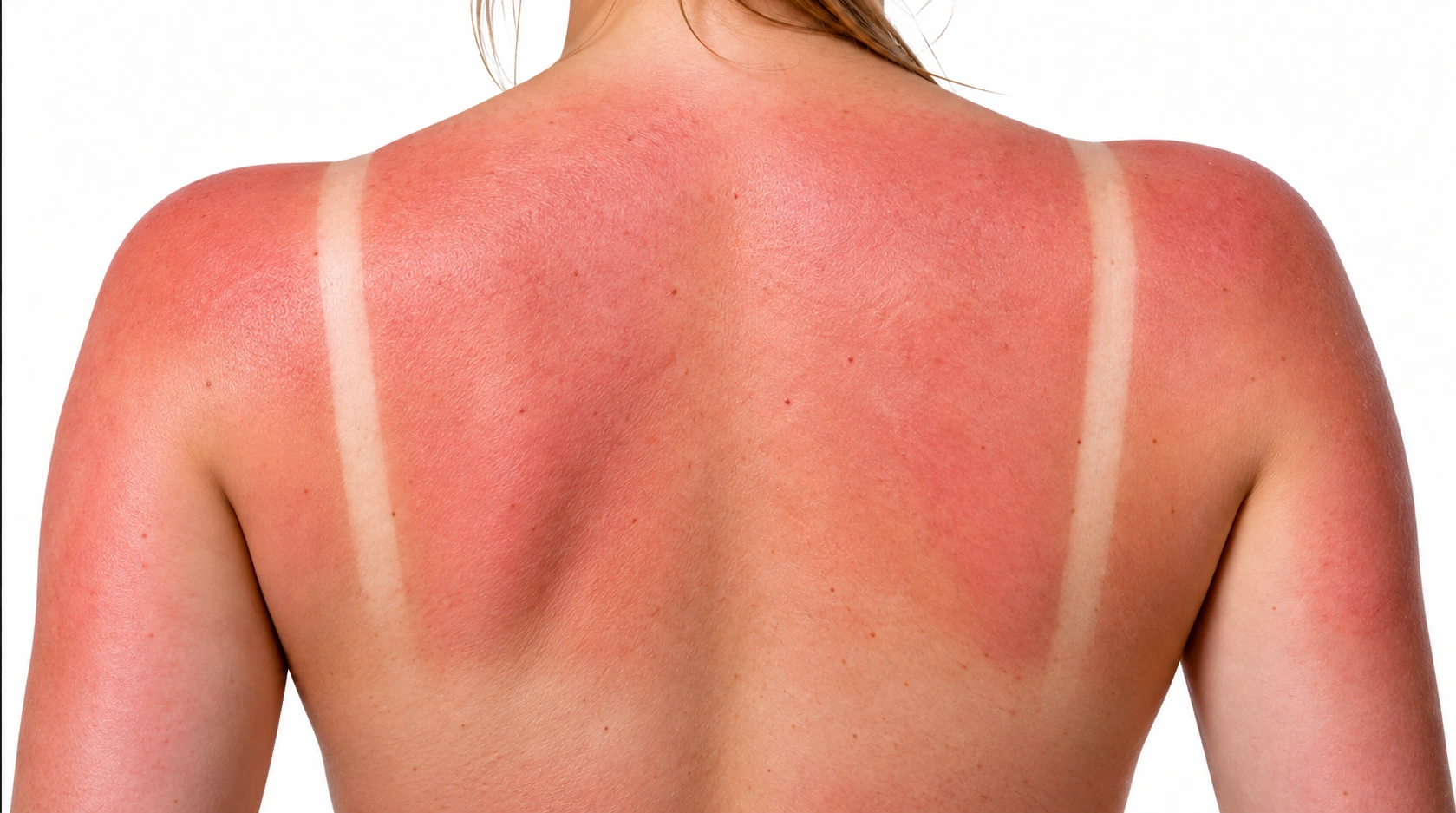
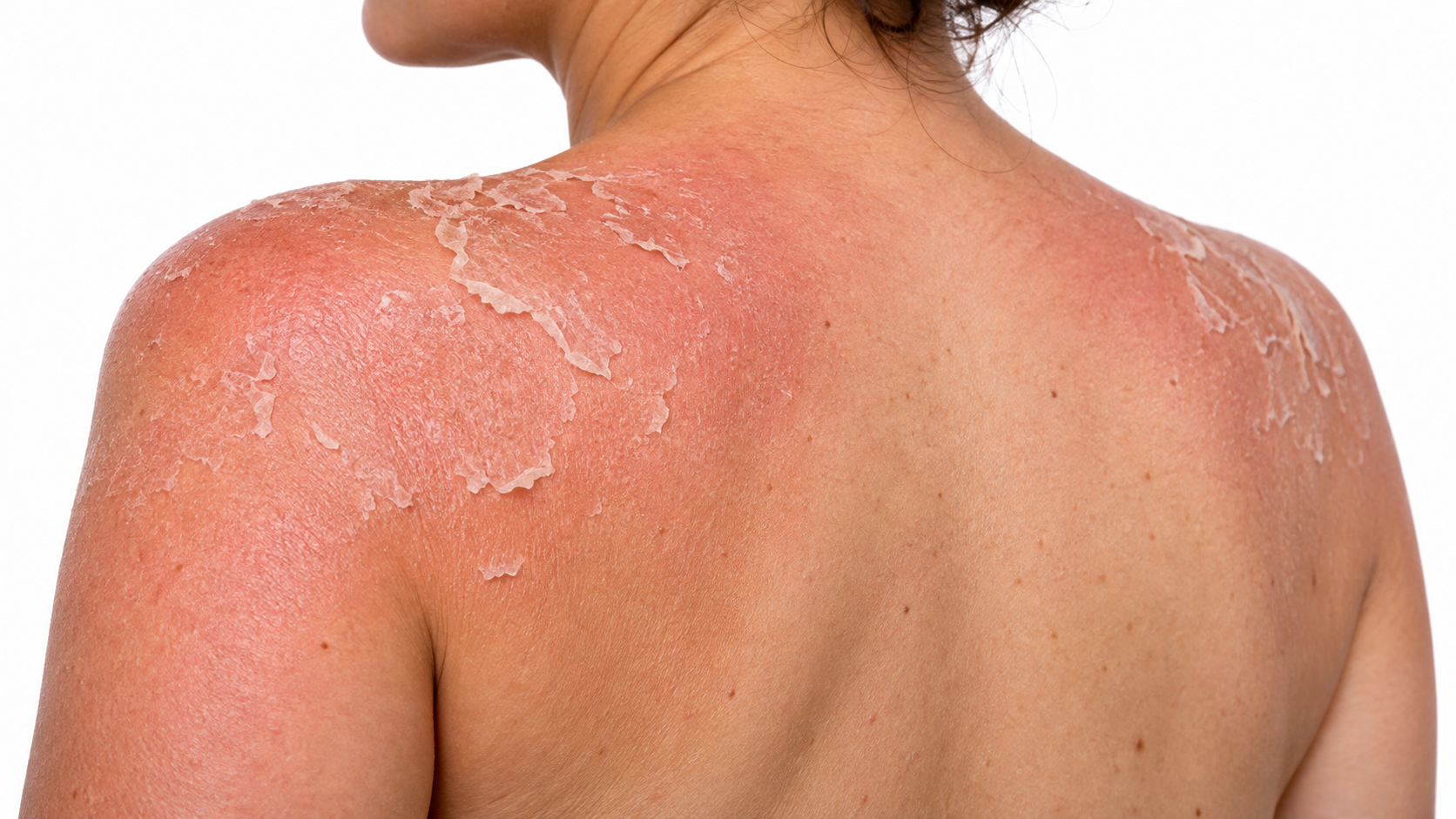
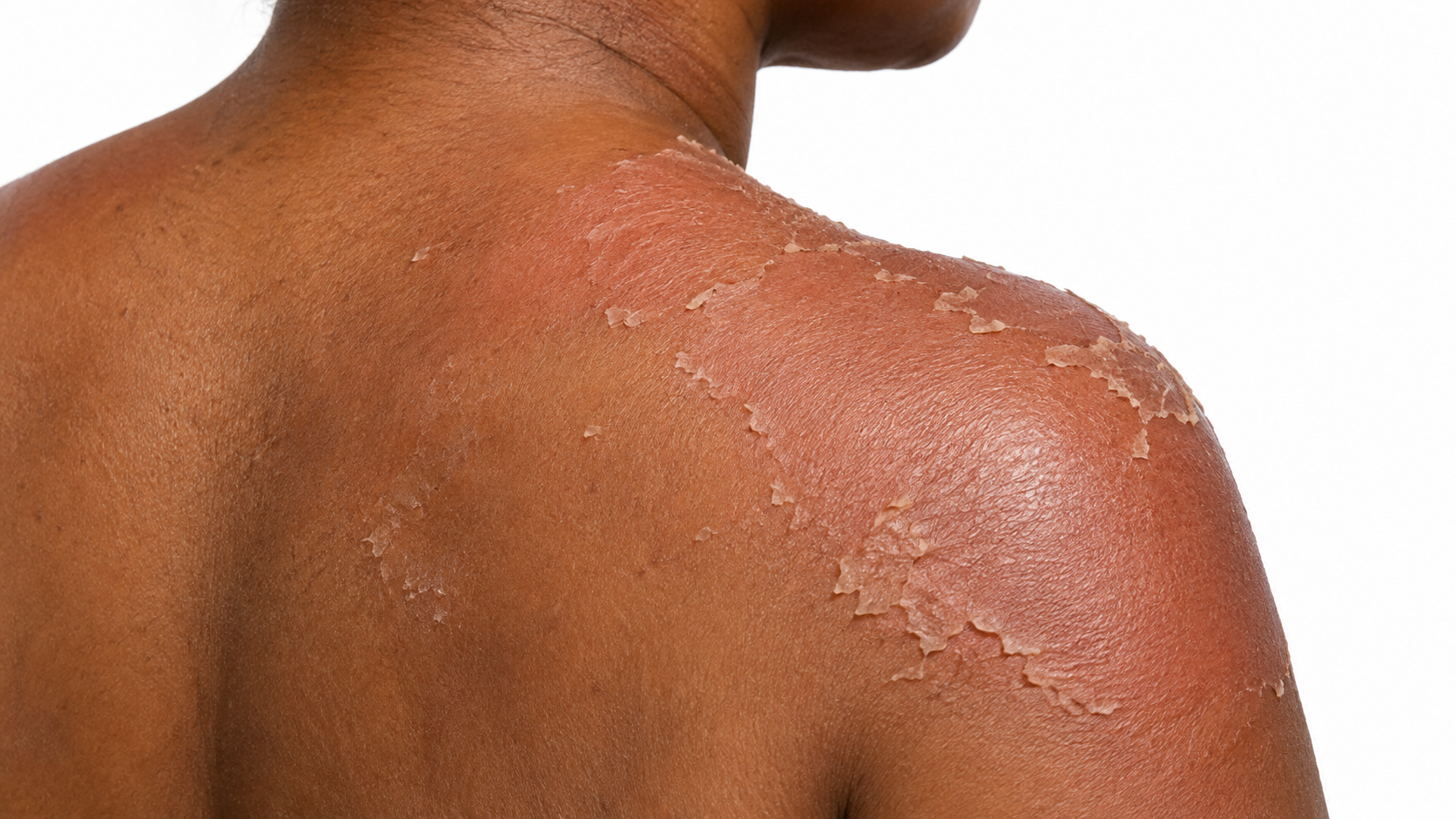
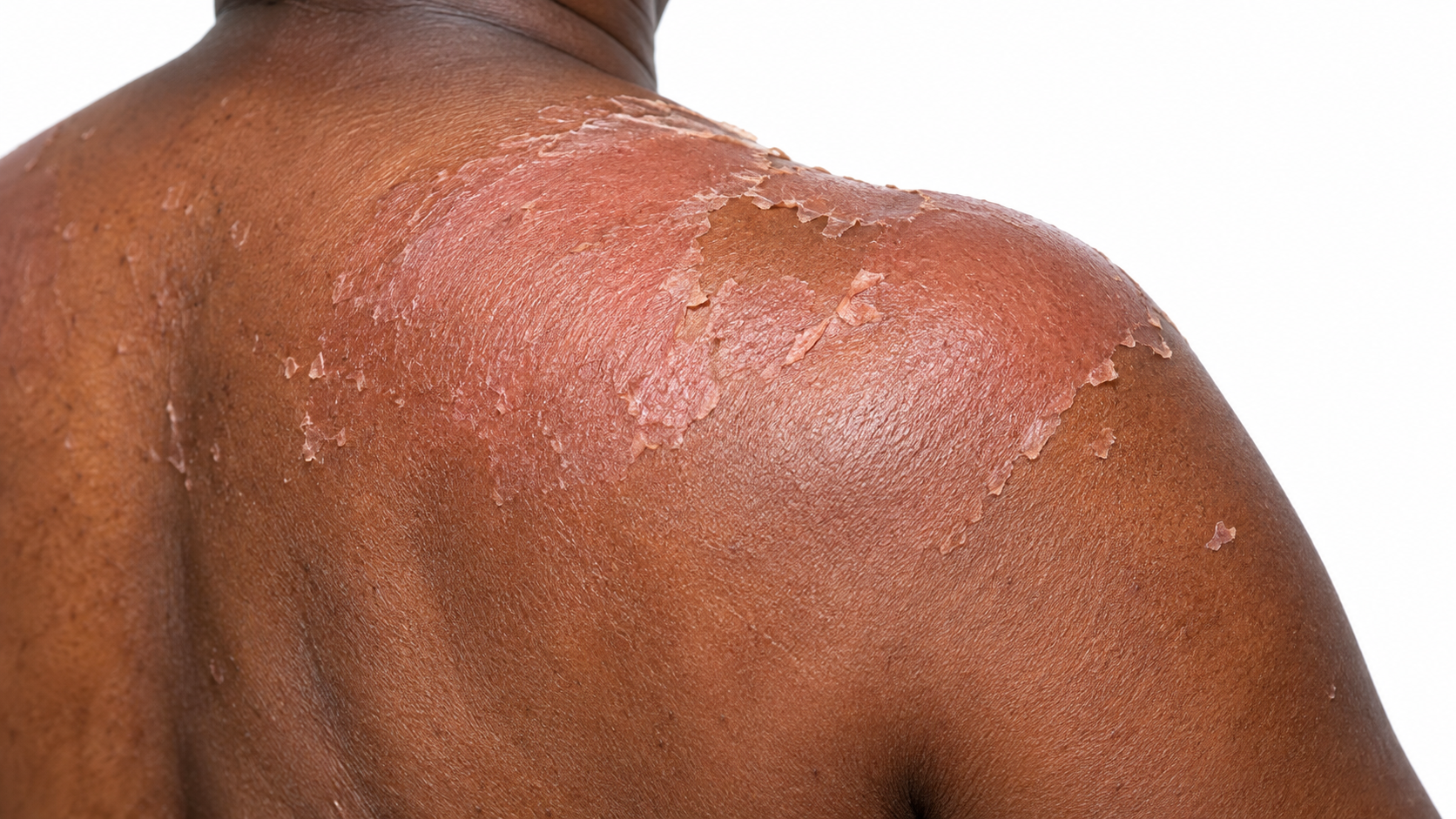
Redness appears within two to six hours, peaks around twelve to twenty-four hours, and settles over three to seven days, with peeling toward the end. Blistering burns take longer and can leave marks for months. Nothing shortens it.
Sunburn:Can I stop it peeling?
Not really. Peeling is dead skin being shed; the damage is already done. Moisturizer reduces itching and cracking. Do not pull the flakes off - that exposes tender new skin.
Sunburn:Should I pop the blisters?
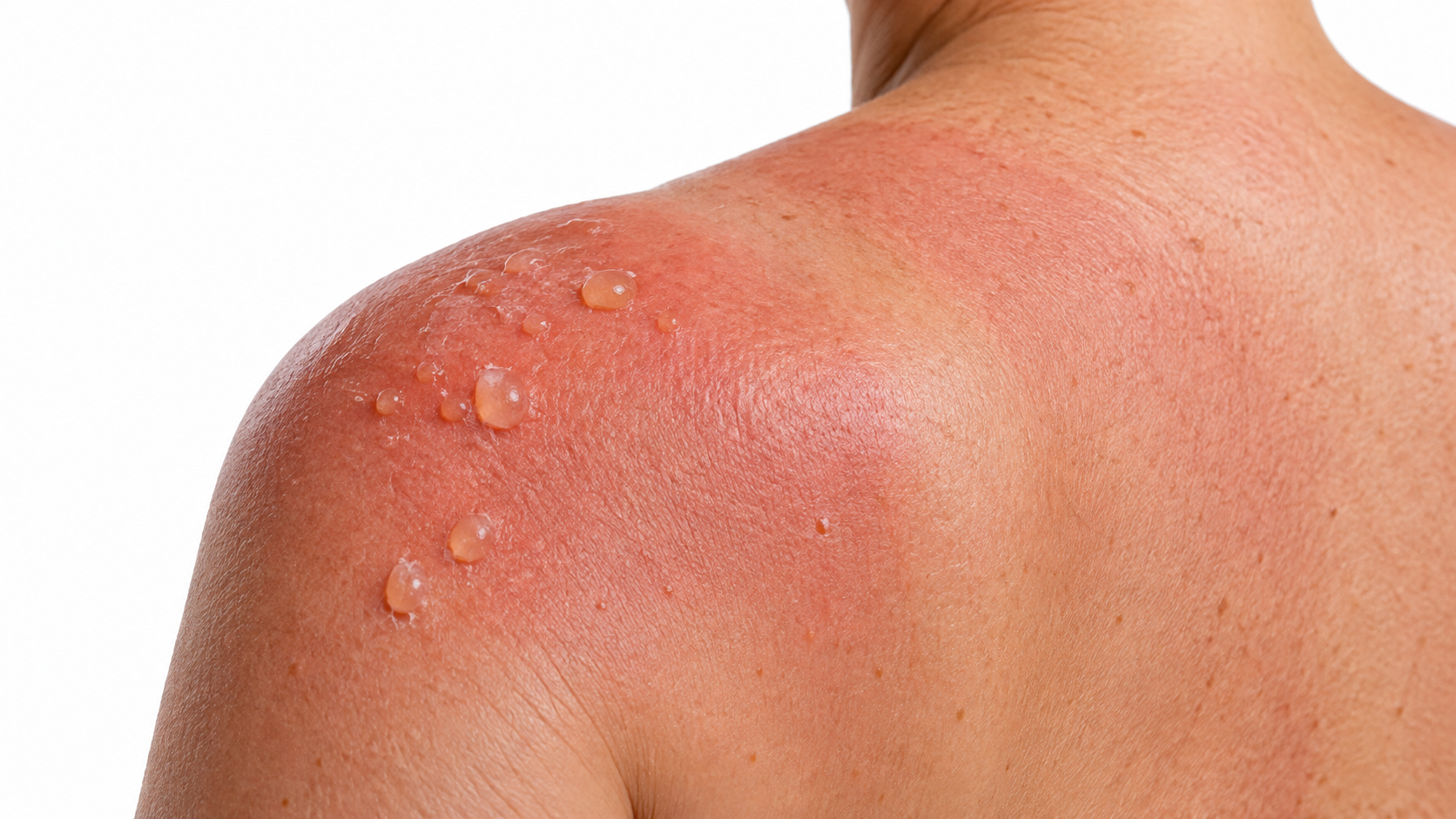
No. An intact blister is a sterile cover over an open wound and lowers the risk of infection and scarring. If one opens, keep it clean, use plain petrolatum and a non-stick dressing, and have it checked if the area becomes hot, swollen or oozes pus.
Sunburn:Does one bad sunburn really raise my skin cancer risk?
Each burn adds to a lifetime total rather than deciding anything on its own. Repeated blistering sunburns, particularly in childhood and adolescence, carry a substantially higher risk of melanoma. Ordinary cumulative exposure drives most other skin cancers.
Sunburn:Why did I burn so badly when I was barely in the sun?
Usually a medicine that increases sensitivity to ultraviolet light - some antibiotics, diuretics, anti-inflammatories, retinoids and others. Plant sap, especially lime juice, does the same in streaks, and recent peels or laser lower the threshold. Ask a pharmacist rather than stopping any prescribed medicine yourself.
Sunburn:Is a tan from a tanning bed safer than one from the sun?
No. A tanning bed delivers a concentrated dose of ultraviolet light and causes the same DNA damage. Using one before the age of 35 carries a notably higher risk of melanoma. The tan is the injury response, so no version of deliberate tanning avoids it.