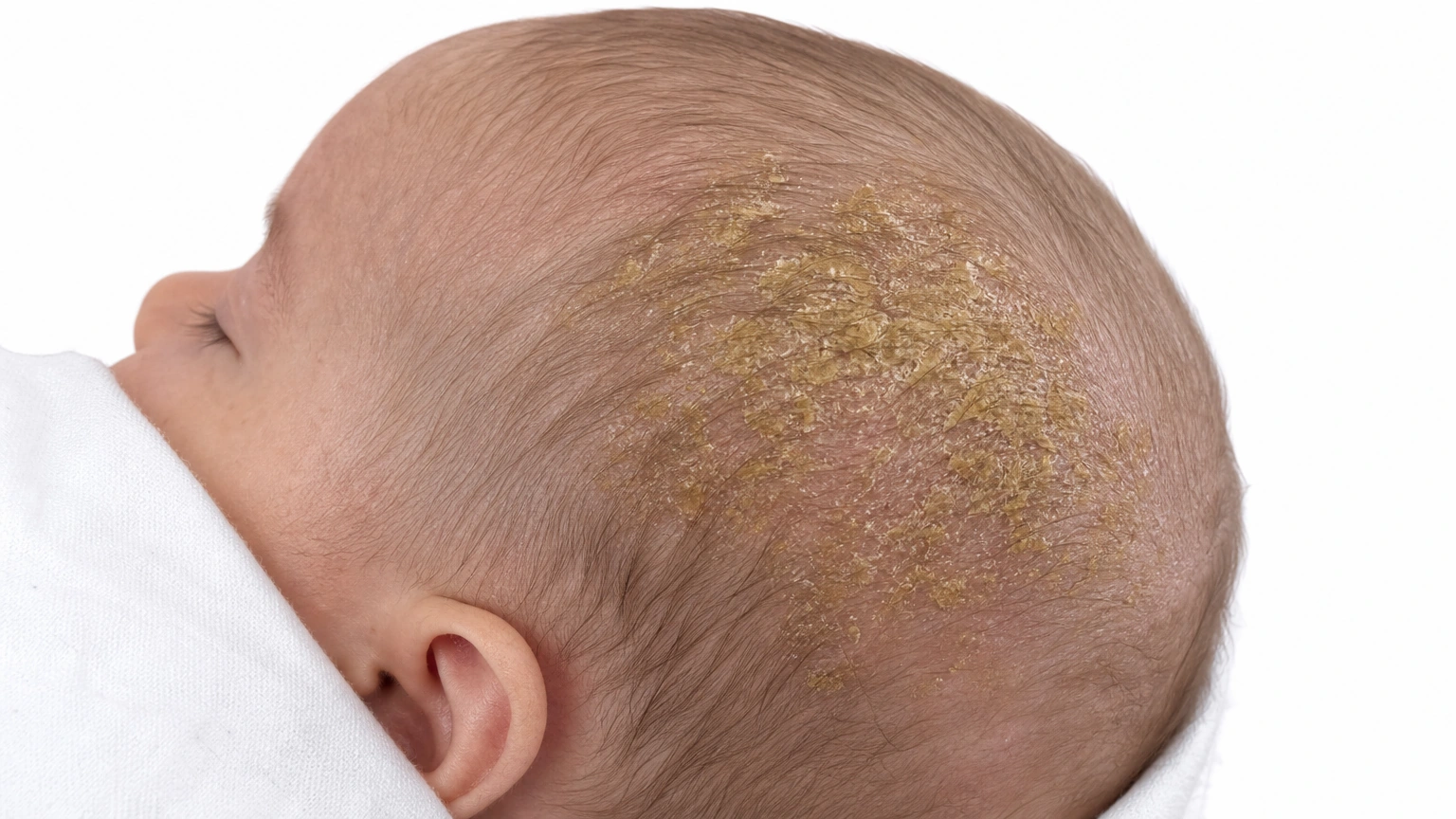
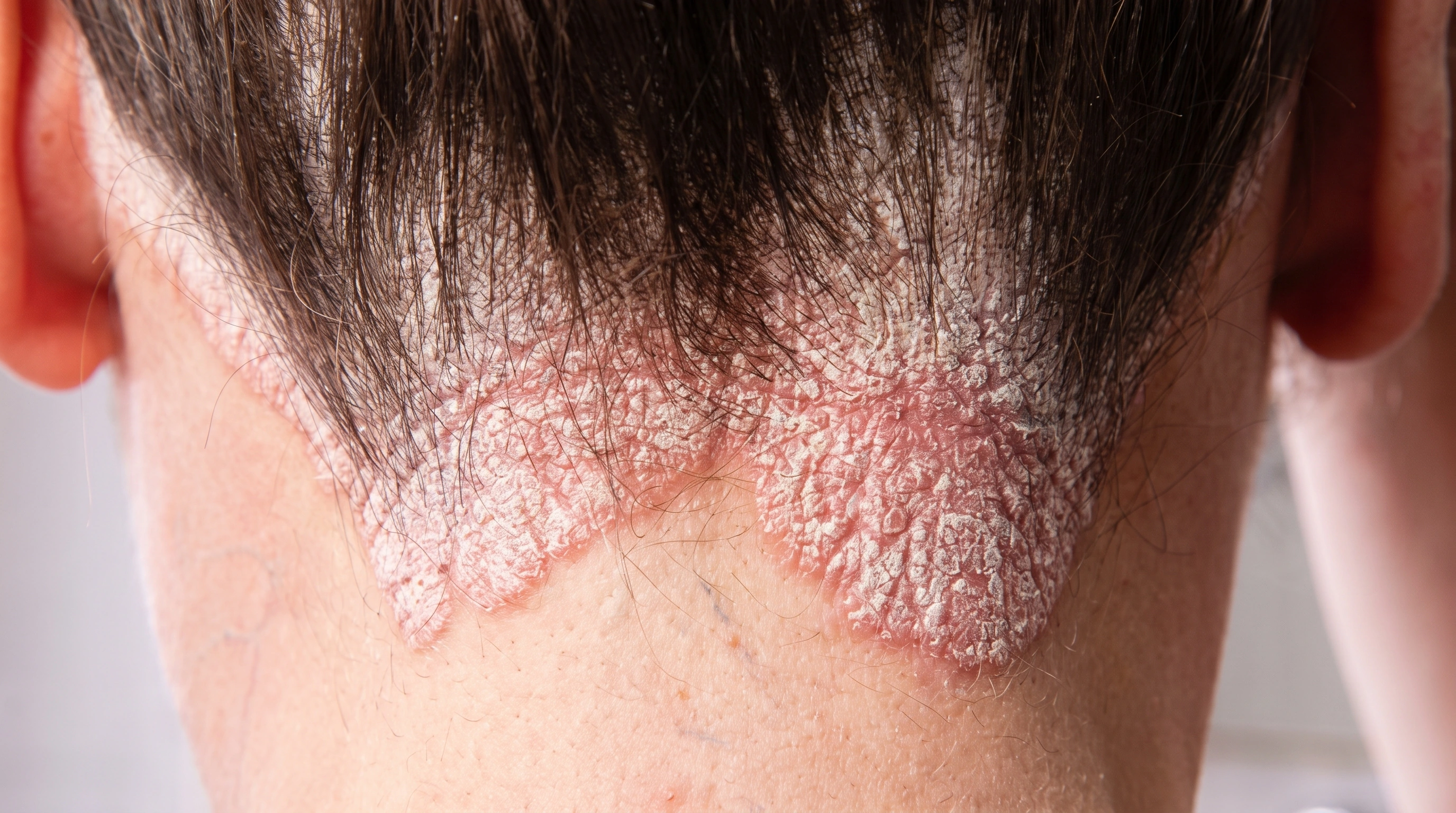
Inverse Psoriasis vs Candidal Intertrigo

Psoriasis of skin folds, also called flexural psoriasis. Yeast infection affecting an inflamed skin fold.
Research updated 2026-10-23
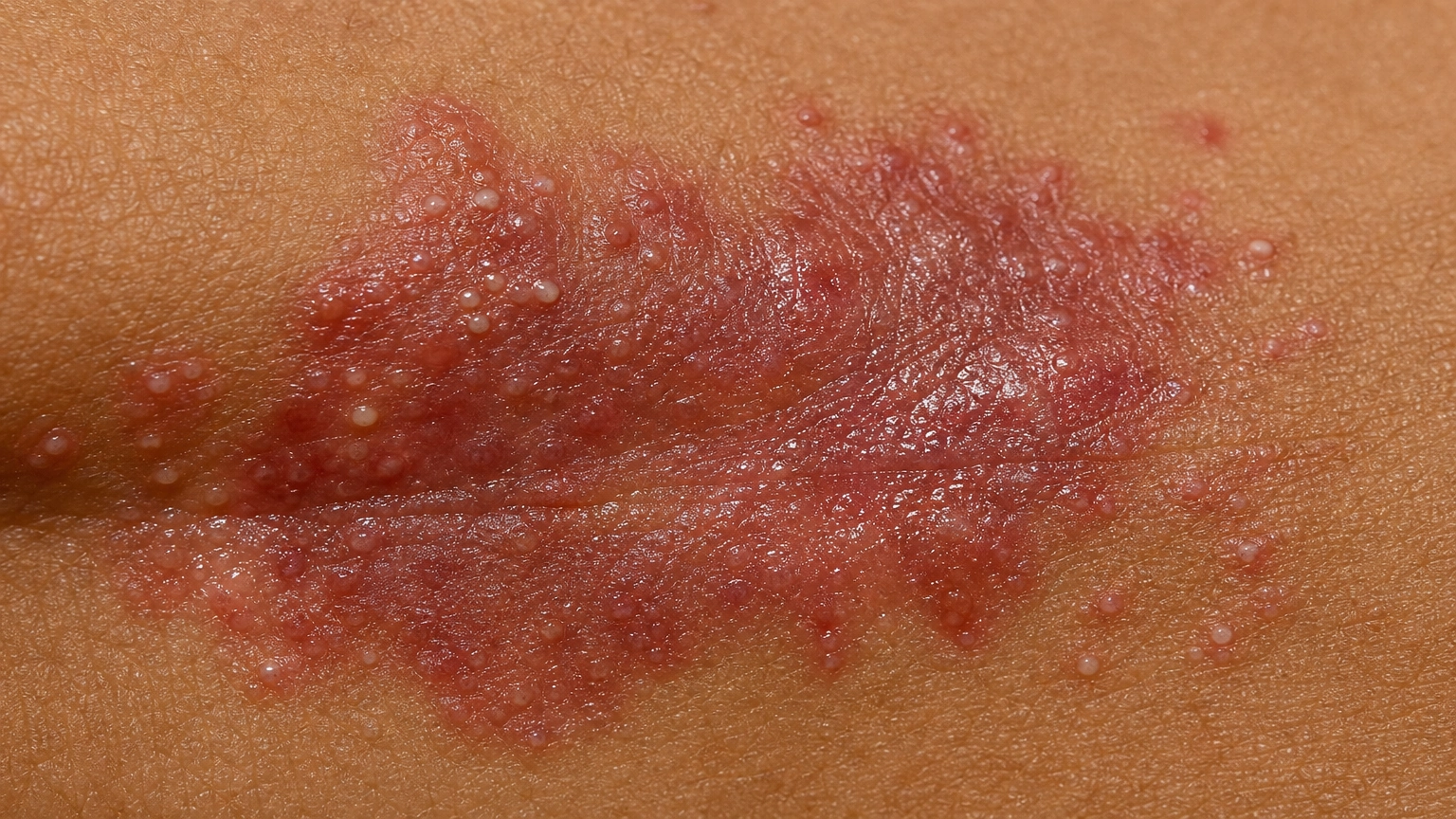
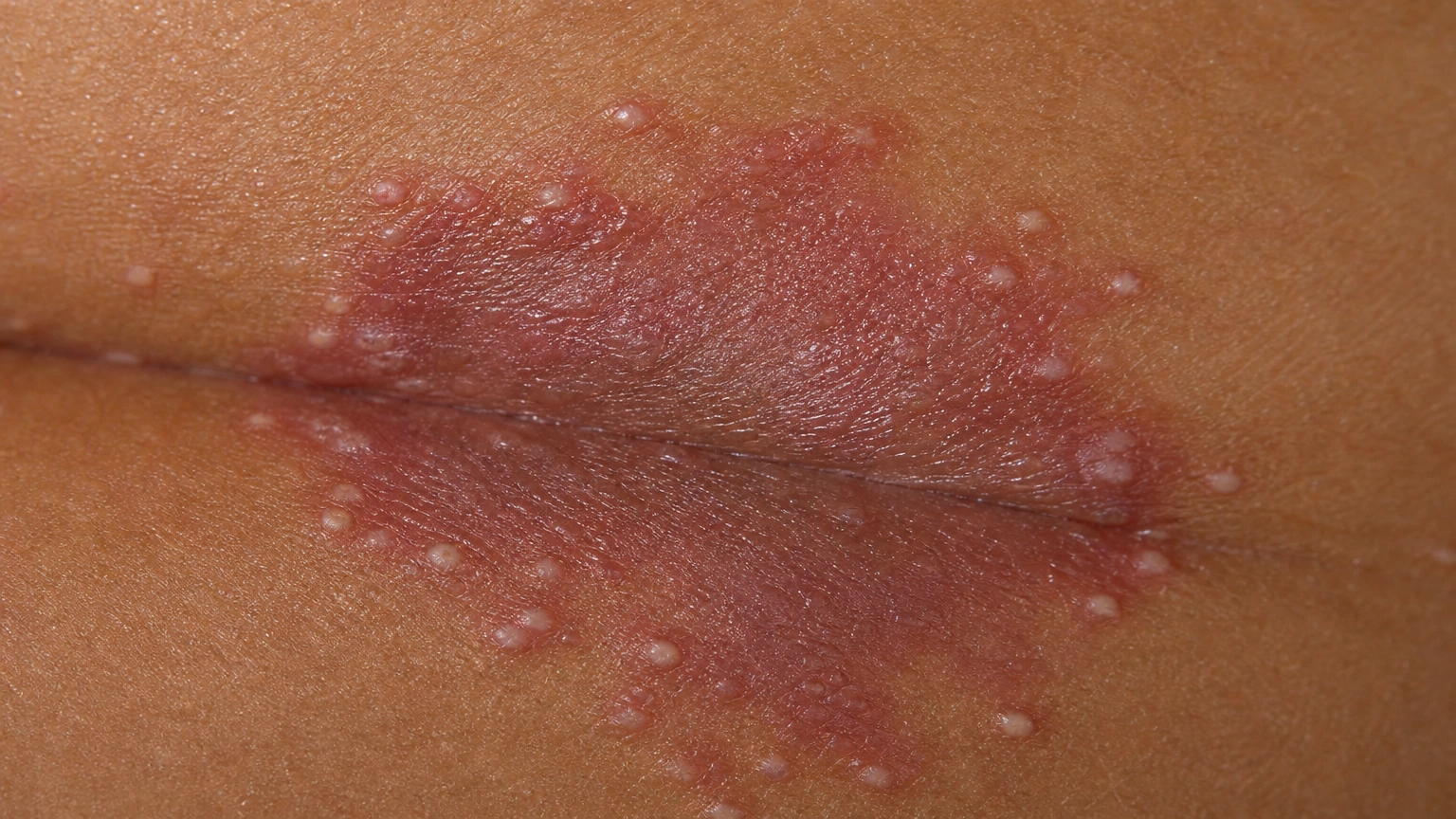
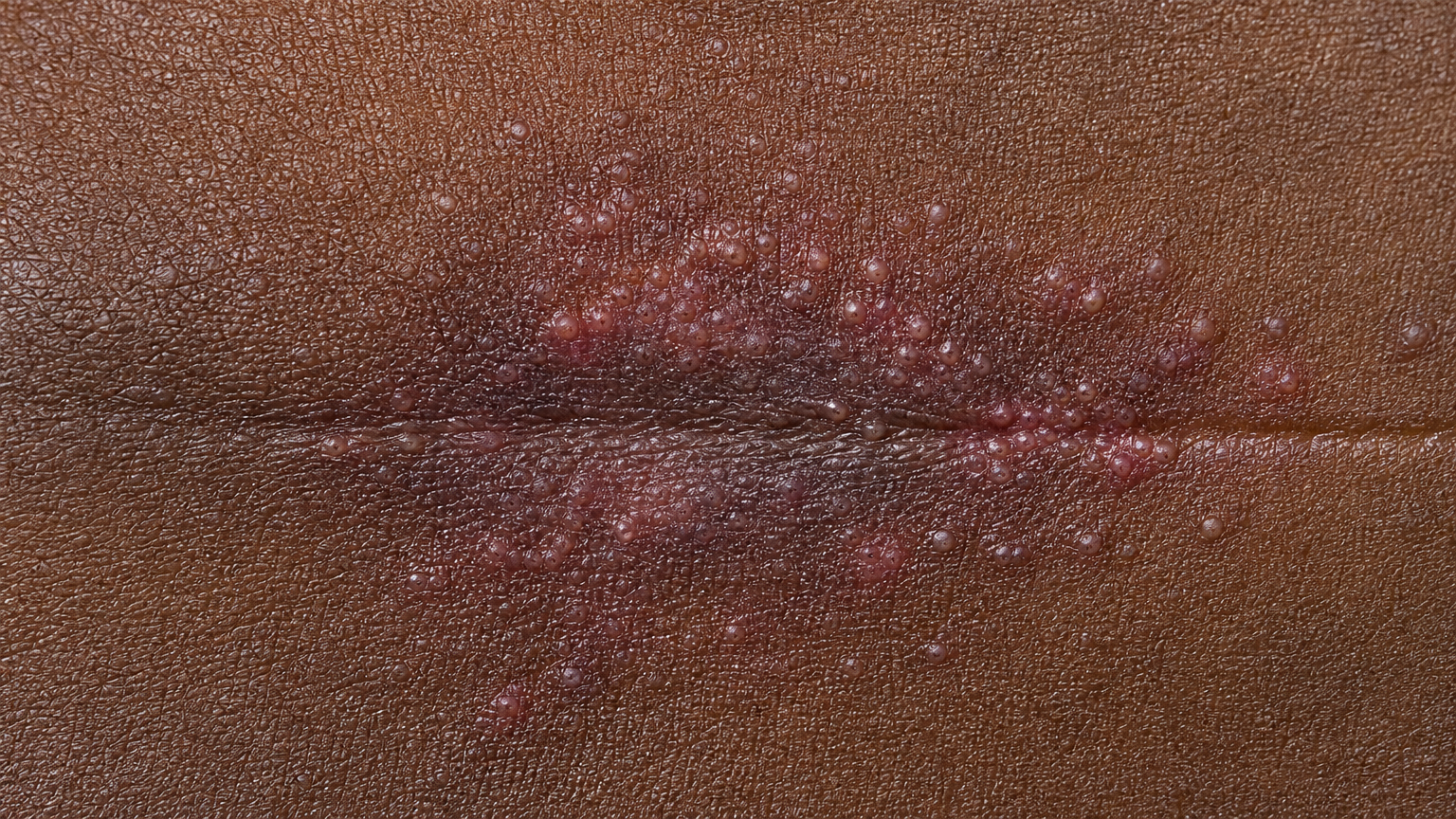
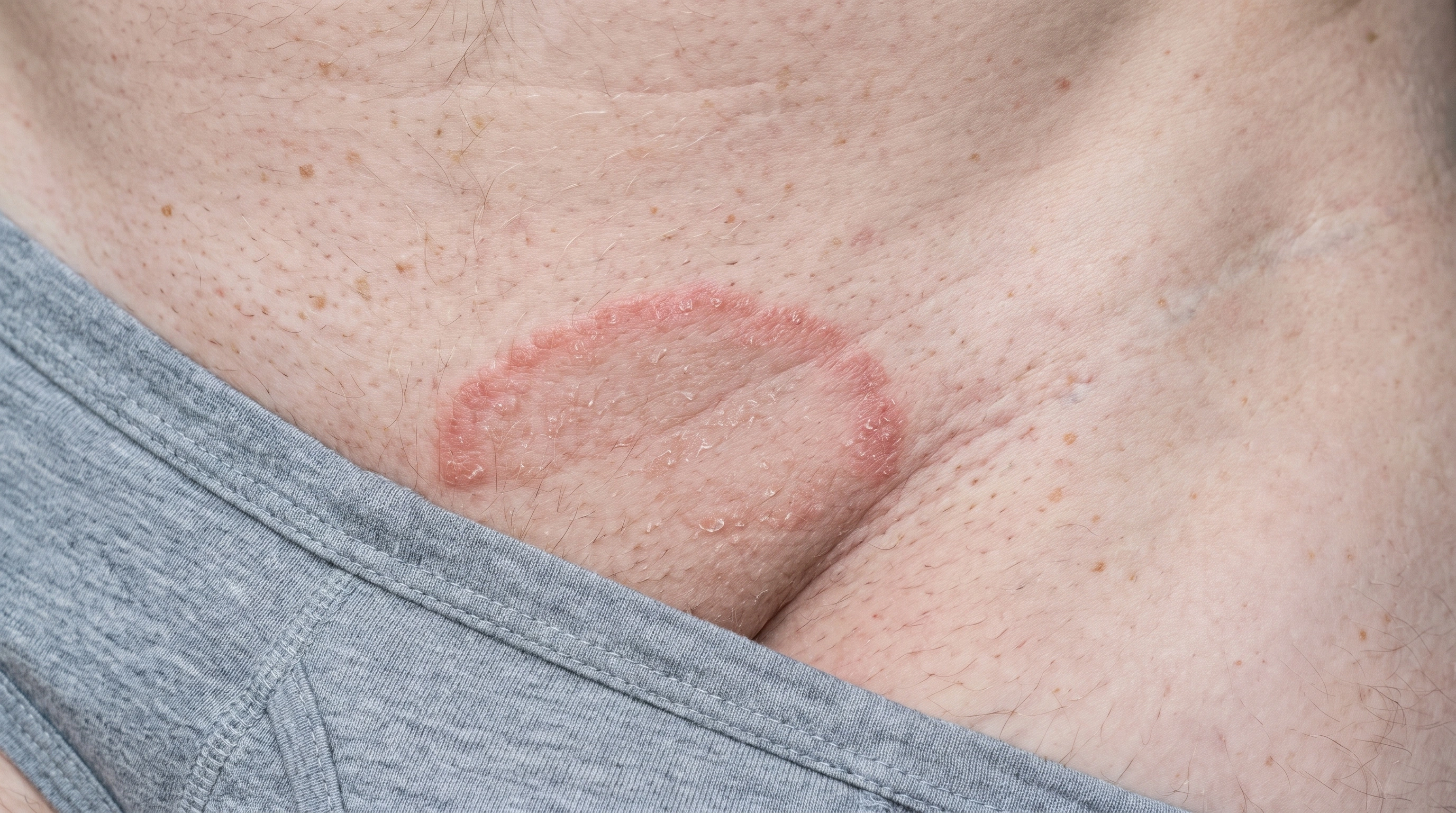
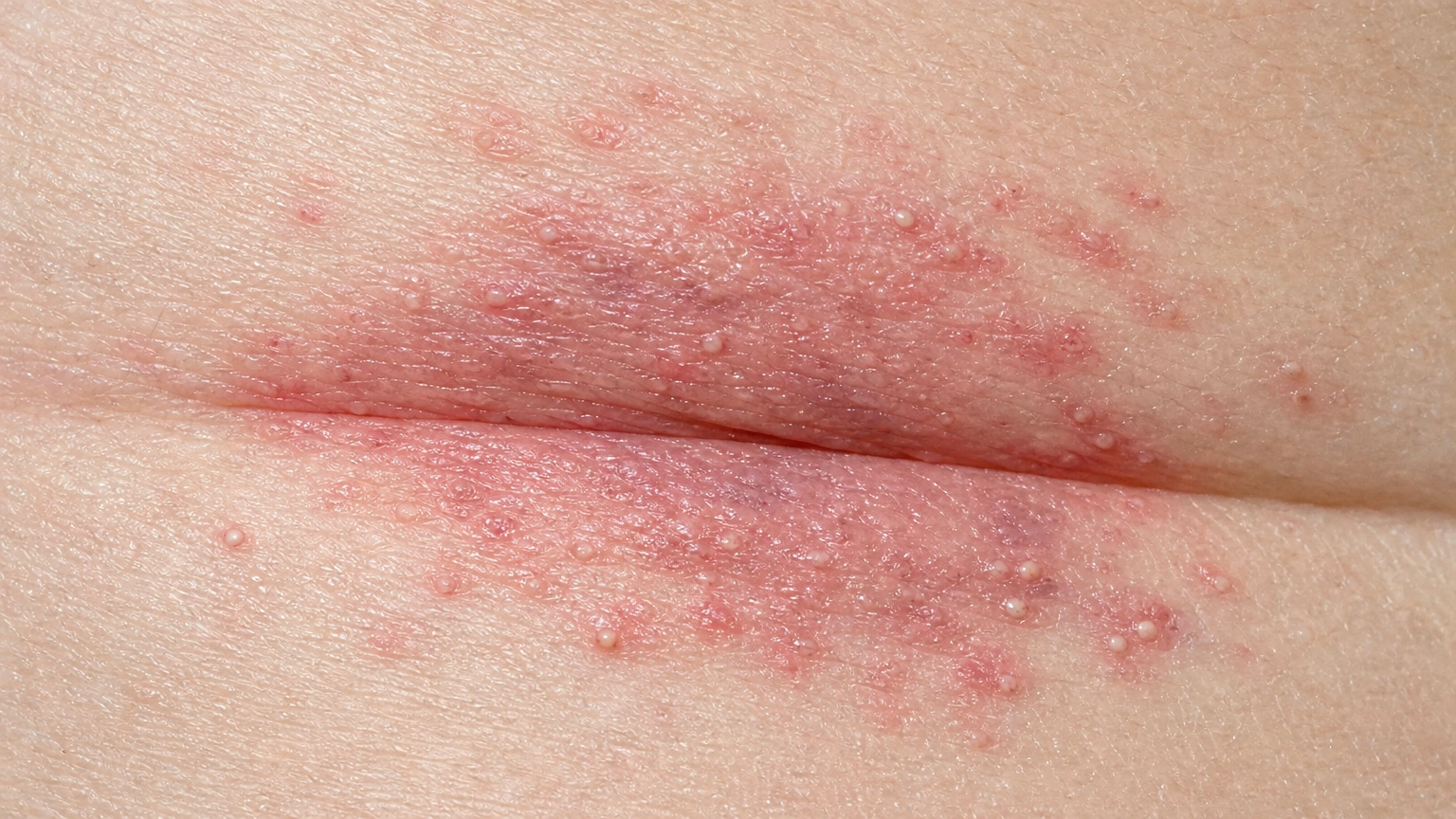
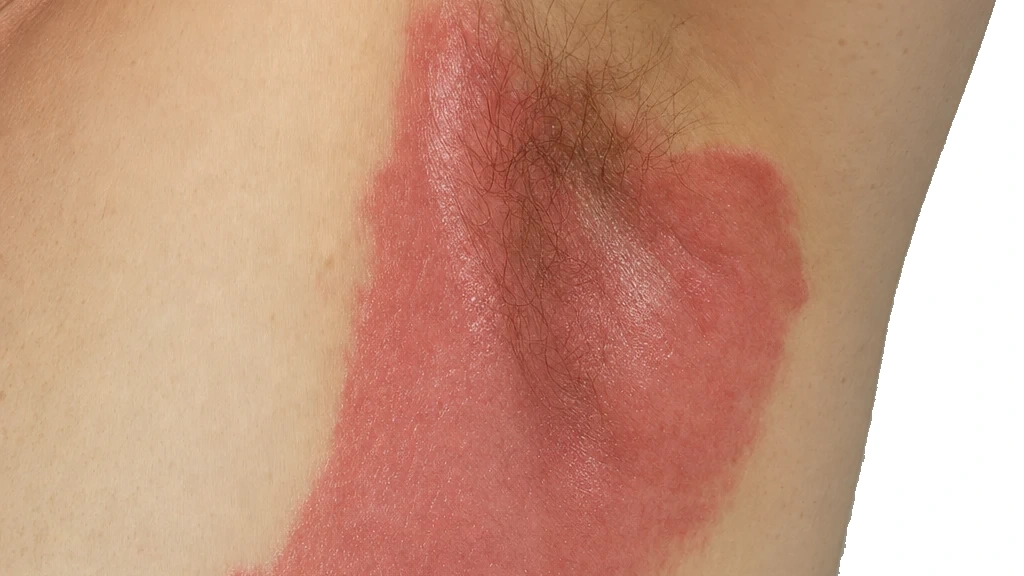
Inverse PsoriasisEducational illustration of a representative inflamed skin crease with small surrounding satellite bumps in an anonymous skin close-up on light skin.

Key differences

The same eight facts on every condition comparison.

Usual age
Any age
Any age
Where
Armpits, groin, under breasts, buttock crease
Armpits, groin, under breasts
Main sign
Smooth, shiny red patches
Red, moist fold rash with satellite spots
Itch or pain
Itchy, sore
Itchy or sore
Contagious
No
No
Long term
Long-term; flares
Clears; returns if folds stay damp
Scars
No
No
Who gets it
People with psoriasis
Diabetes, heat, larger body size

What is it?

Inverse Psoriasis
Candidal Intertrigo
What is it?
  • What it is
    Psoriasis of skin folds, also called flexural psoriasis.
  • What it is
    Yeast infection affecting an inflamed skin fold.

What it looks like

Inverse Psoriasis

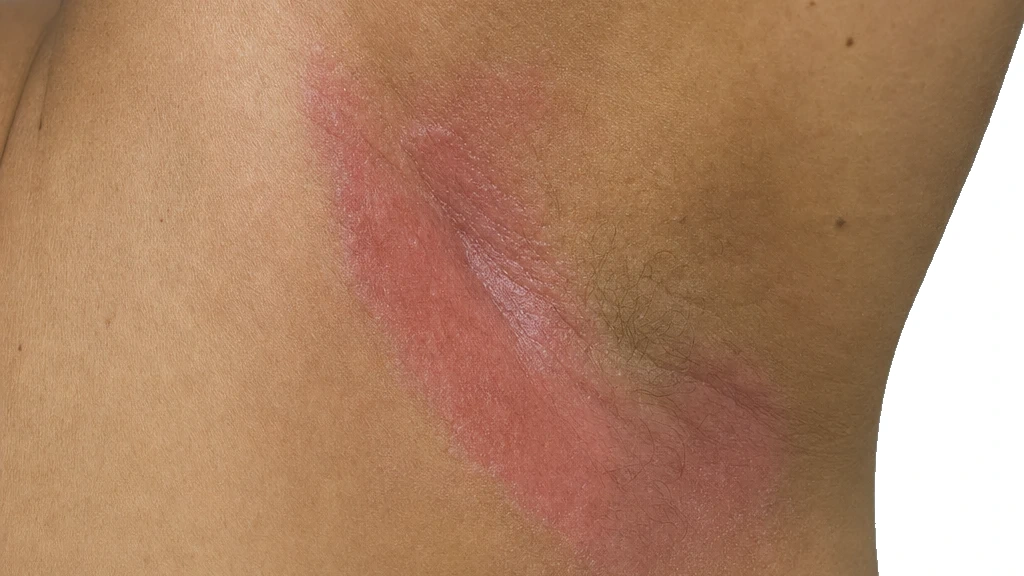
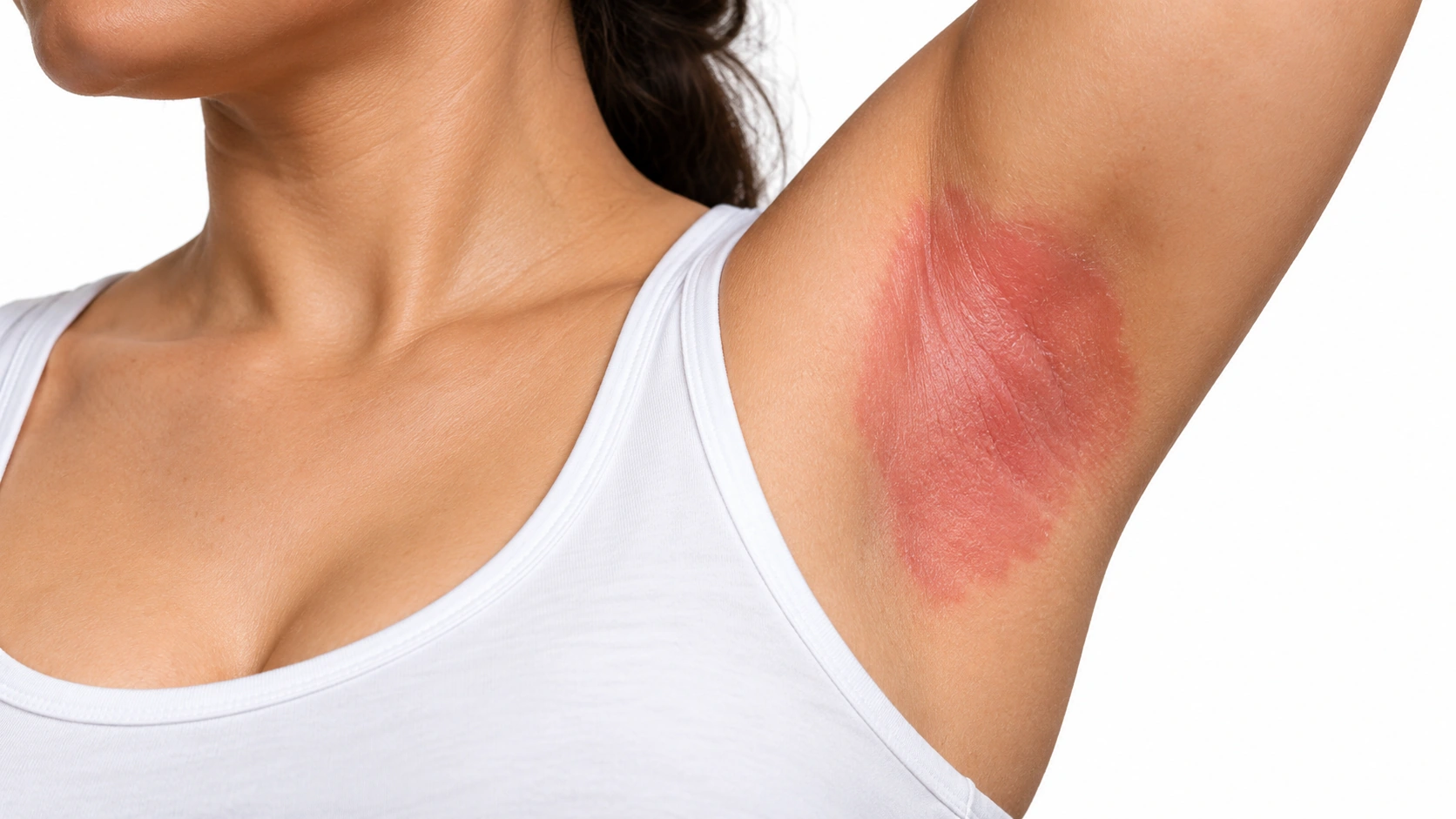
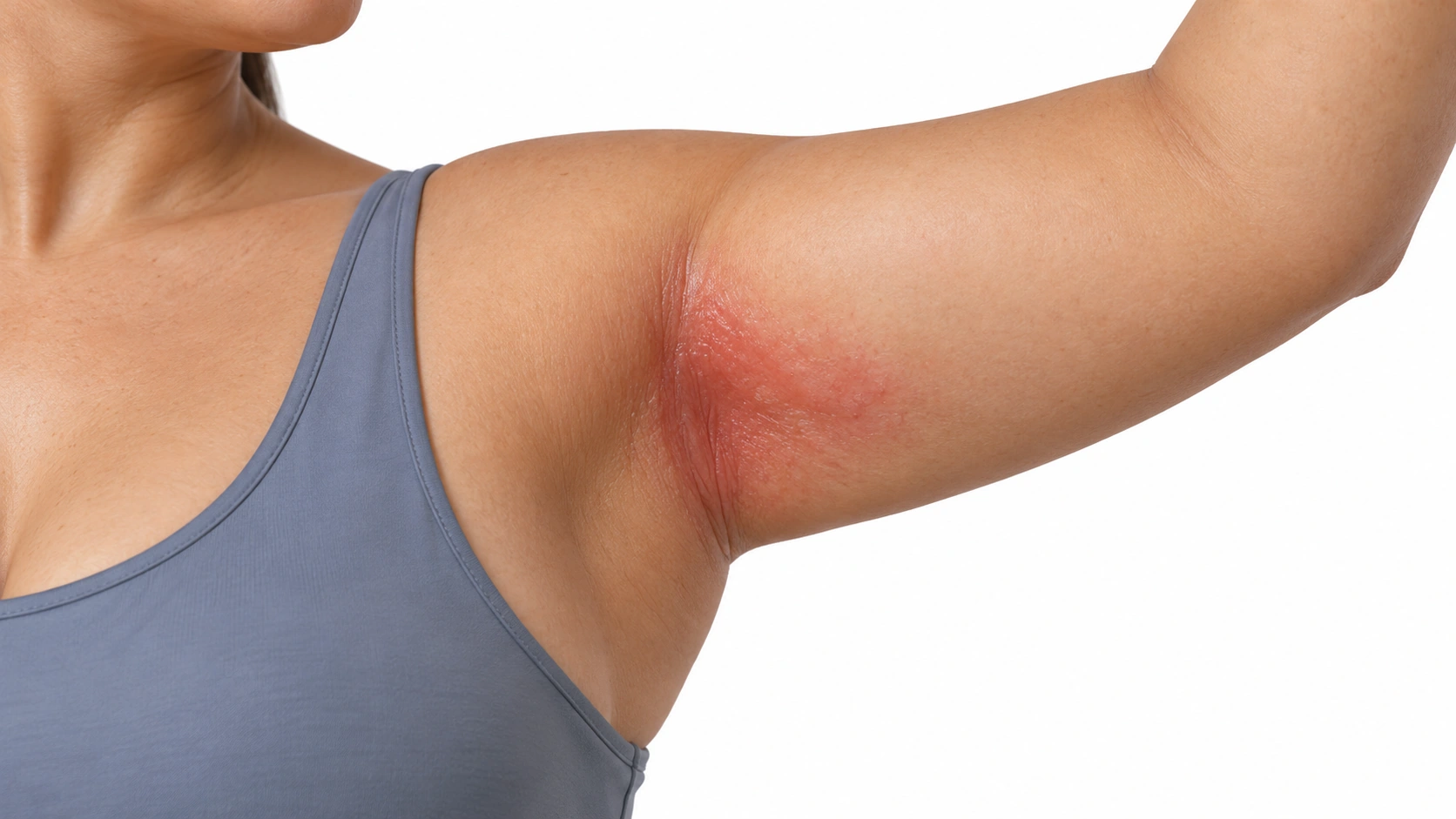
A raised arm revealing a broad smooth red patch in the underarm fold.

Inverse Psoriasis A clearly outlined area of redness lies within the underarm.

Candidal Intertrigo

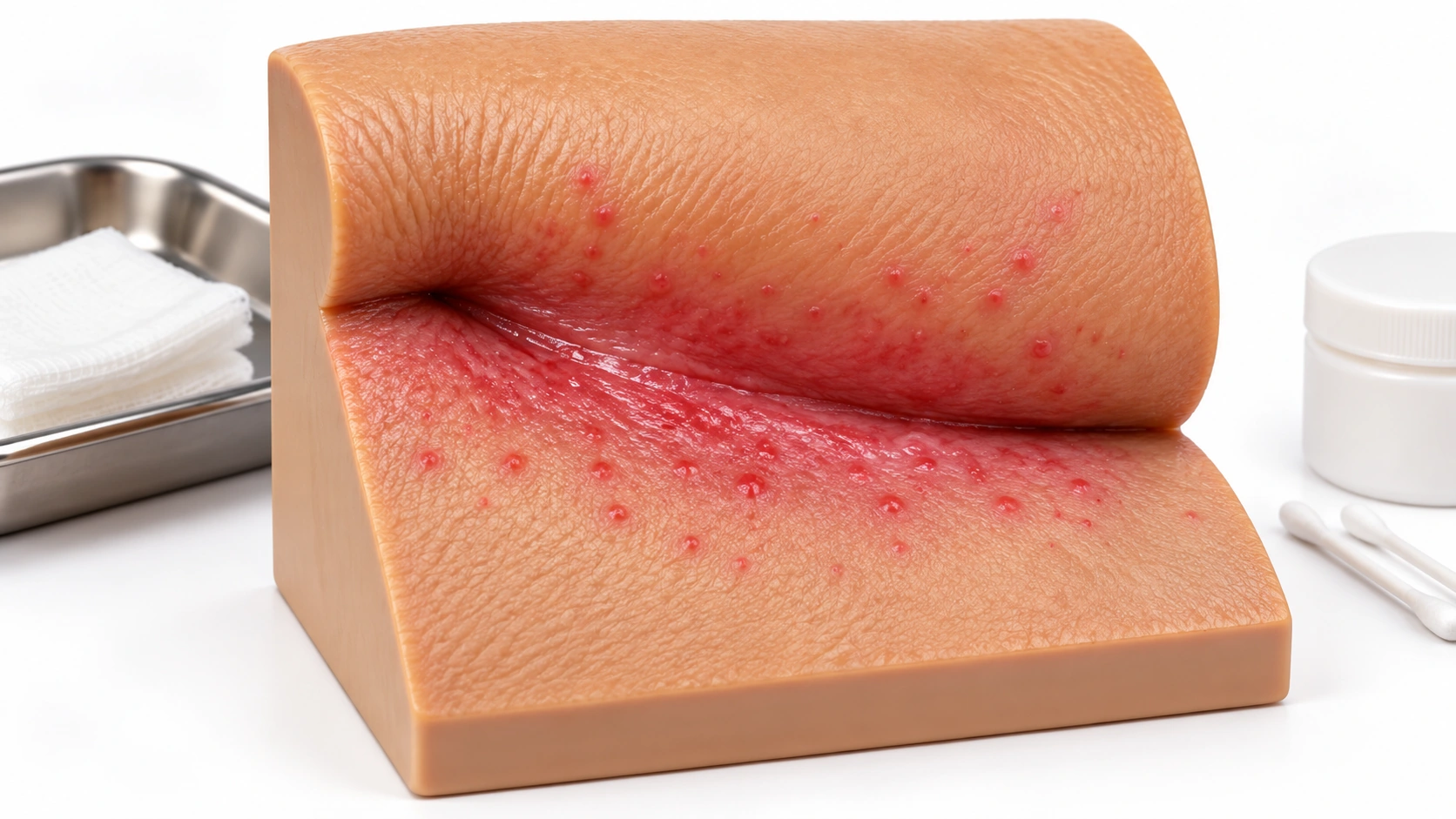
A model of a skin fold with a red central crease and separate small red bumps nearby.

Candidal Intertrigo A bright red crease is surrounded by smaller scattered spots.
Skin tones
Inverse Psoriasis on light skin.
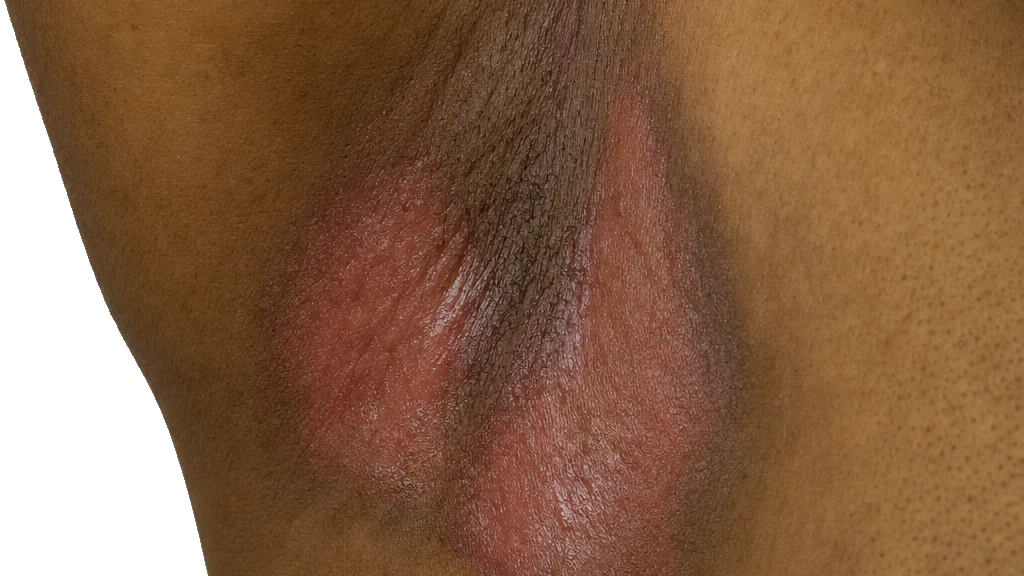
Inverse Psoriasis on medium skin.
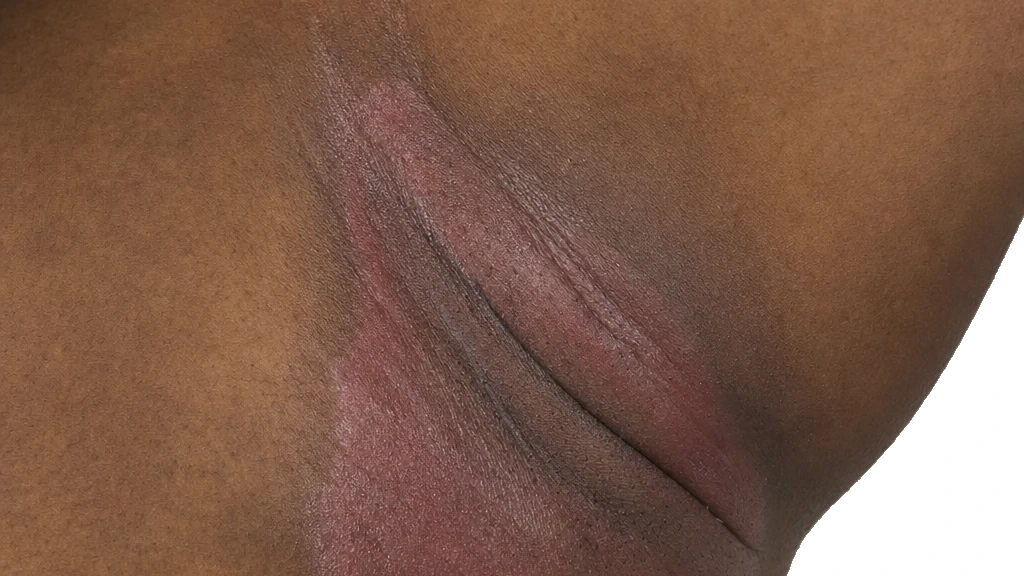
Inverse Psoriasis on brown skin.
Inverse Psoriasis on deep skin.
Educational illustration of a representative inflamed skin crease with small surrounding satellite bumps in an anonymous skin close-up on light skin.
Educational illustration of a representative inflamed skin crease with small surrounding satellite bumps in an anonymous skin close-up on medium skin.
Educational illustration of a representative inflamed skin crease with small surrounding satellite bumps in an anonymous skin close-up on brown skin.
Educational illustration of a representative inflamed skin crease with small surrounding satellite bumps in an anonymous skin close-up on deep skin.
In the skin

Psoriasis-related immune inflammation affects skin folds and speeds cell turnover. Moisture and rubbing can leave the patches smoother and less scaly than plaques elsewhere.

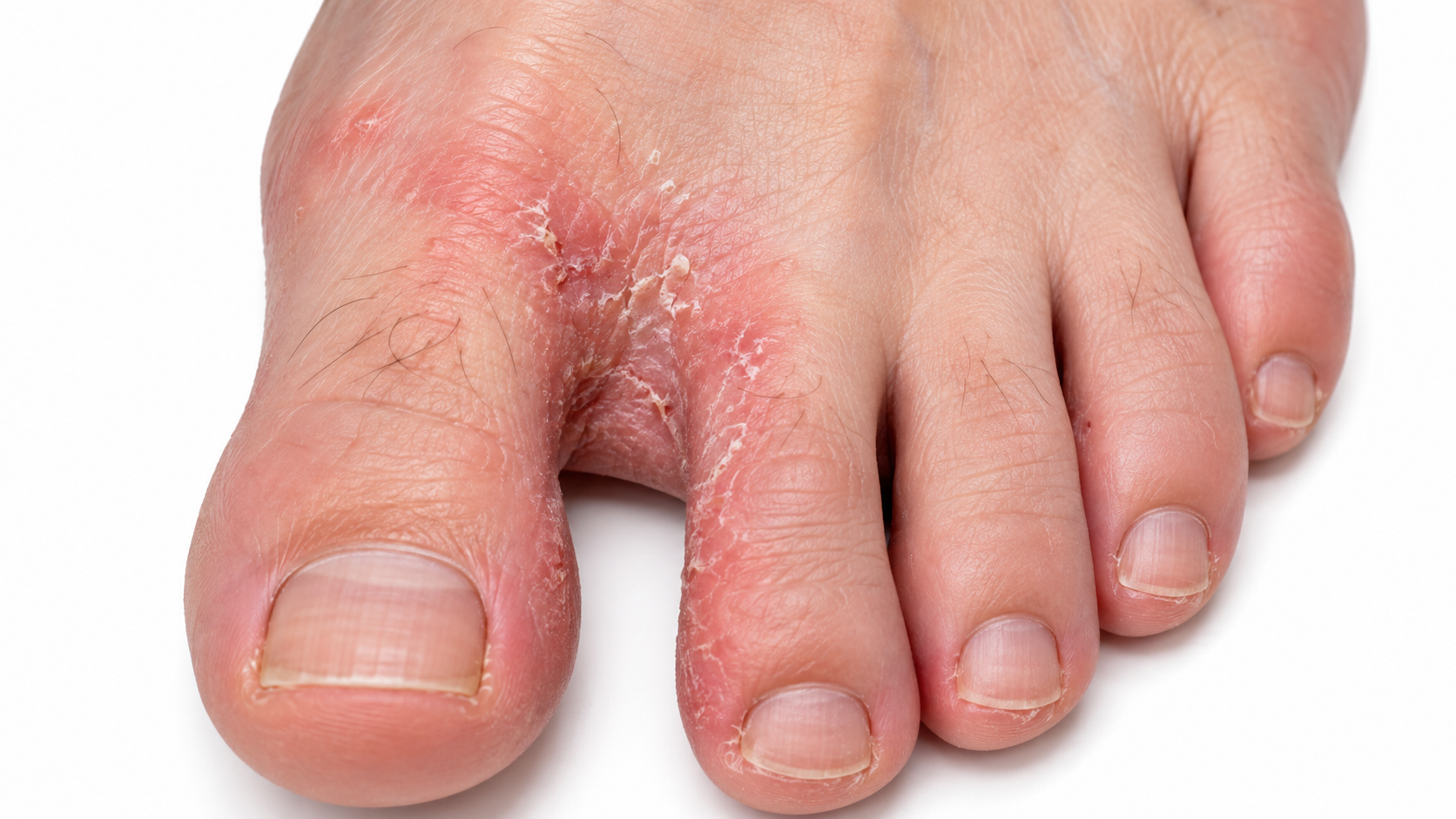
Candida yeast overgrows in a warm, moist skin fold with a weakened barrier. The yeast and the immune response add inflammation to the damaged skin.

When it usually starts

010203040506070+

Inverse Psoriasis. Can start at any age, with different patterns at different life stages.

Candidal Intertrigo. Can occur whenever skin remains damp and occluded.

Causes and triggers

Causes

Immune inflammation speeds skin-cell turnover; psoriasis is not contagious.

Candida overgrows in a damaged moist fold.

Risk factors
Family tendency, Immune susceptibility
Moisture, Diabetes, Immune suppression
Trigger
● Inverse Psoriasis
● Candidal Intertrigo
Friction
Can contribute
Can contribute
Sweating
Can contribute
Can contribute
Skin injury
Can contribute
Not listed
Prolonged dampness
Not listed
Can contribute

Daily Care

Inverse Psoriasis
Candidal Intertrigo
Daily care

Habits that help

  • Moisturize regularly with a plain fragrance-free product
    Apply after washing and when skin feels dry or tight.
  • Keep washing gentle and water lukewarm
    Use a non-soap cleanser and pat dry rather than rubbing.
  • Protect sore skin from friction and minor injury
    Comfortable clothing and gentle handling reduce avoidable irritation.
  • Keep a manageable record of flares and symptoms
    Note new medicines, infections or joint symptoms to discuss at review.
  • Keep folds gently clean, cool and dry
    Pat dry after washing, change damp clothing and avoid prolonged rubbing or unsupervised strong steroid use in folds.
  • Follow the inverse psoriasis care plan
    Keep folds gently clean and dry, reduce rubbing and use a site-specific prescription.

Avoid

  • Avoid: Picking scale or scratching plaques
    Injury can worsen psoriasis and create breaks in the skin.
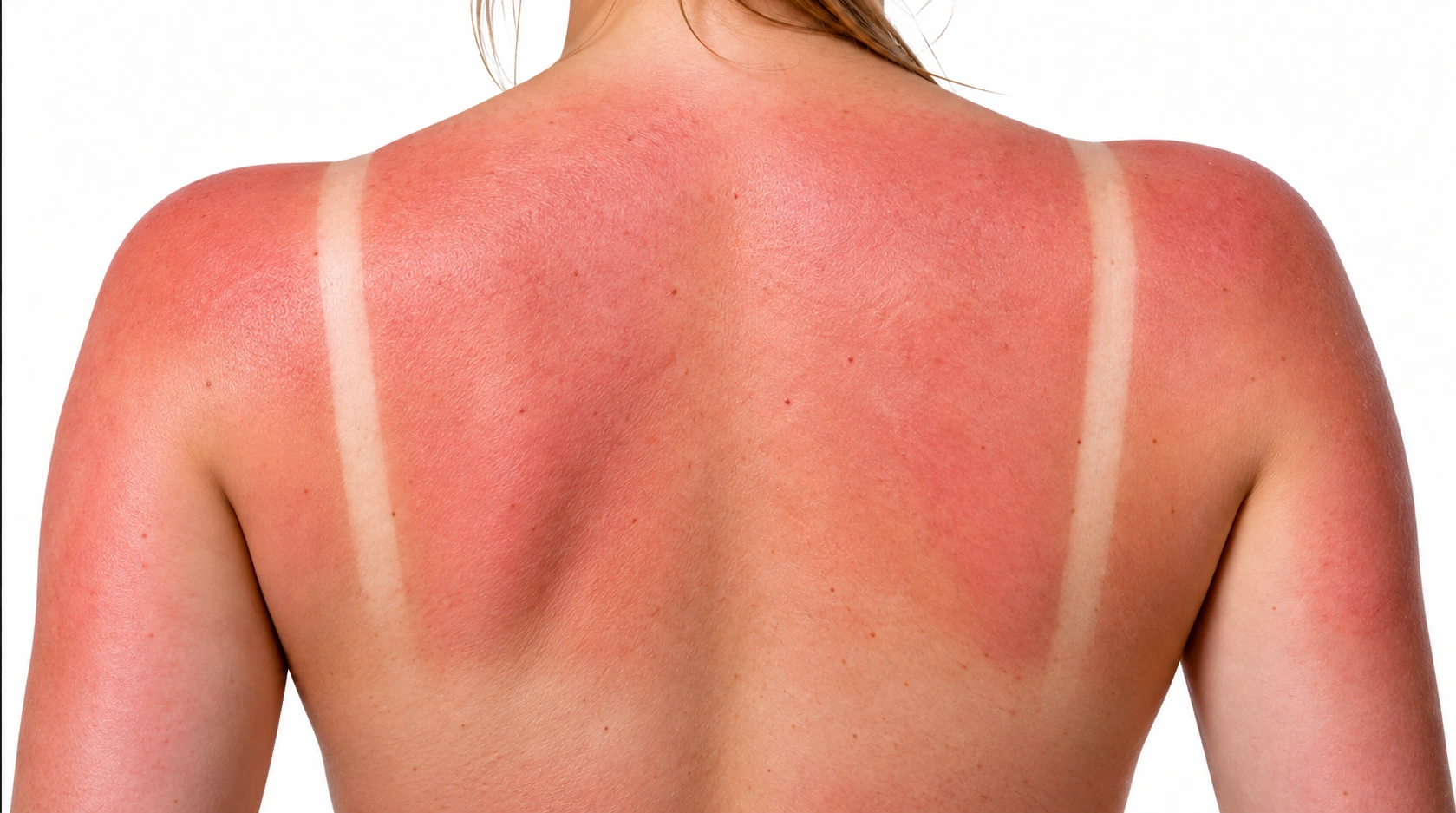
  • Avoid: Unsupervised tanning or harsh home exfoliation
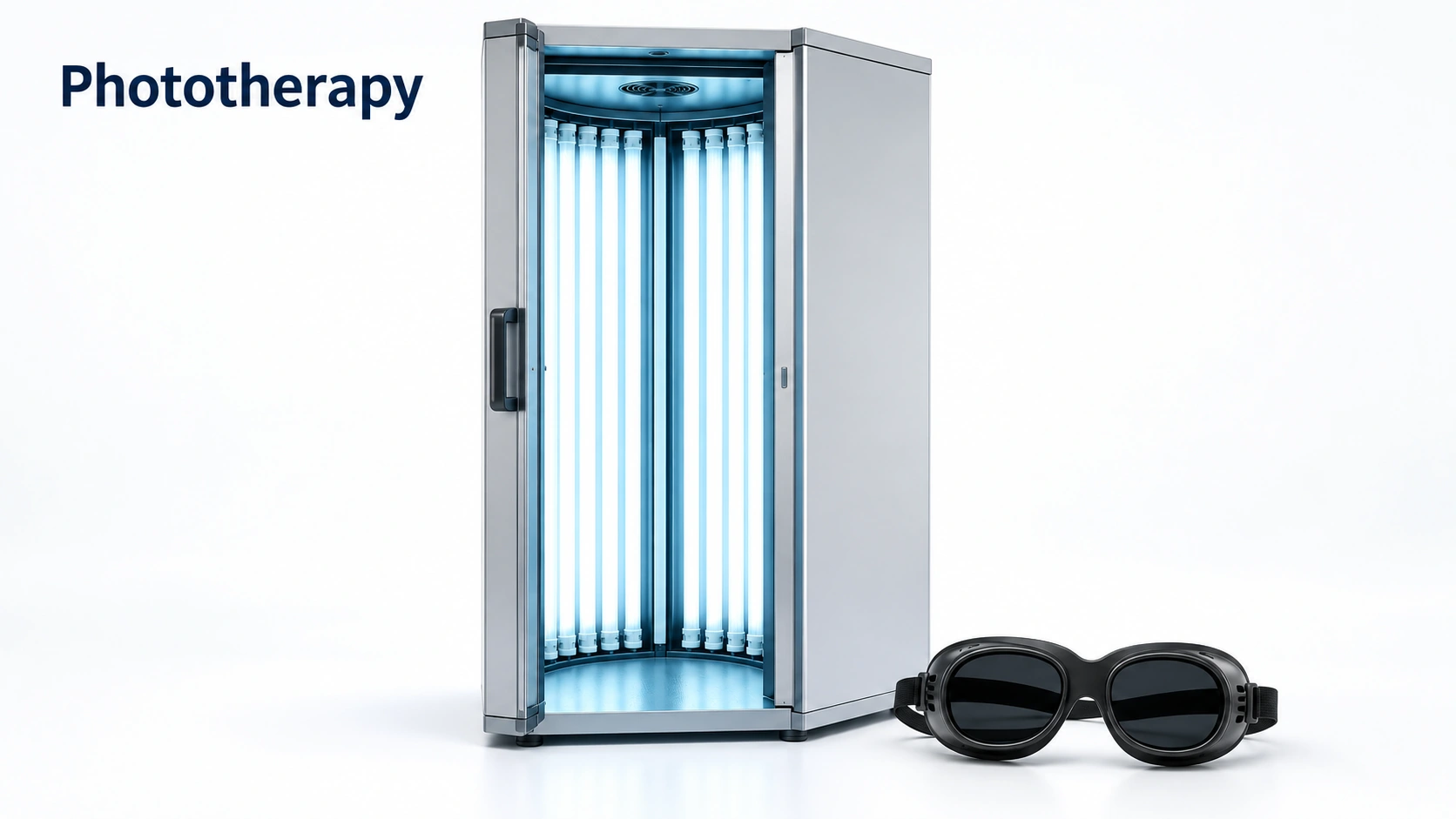
    Sunburn and irritation can trigger worsening; prescribed phototherapy is different from tanning.

Habits that help

  • Clean skin folds gently and dry them completely
    Pat dry; a cool hairdryer held safely away can help with difficult-to-reach folds.
  • Change damp clothing and underwear promptly
    Choose loose, breathable fabrics to reduce heat and moisture.
  • Reduce rubbing between skin surfaces
    A soft, clean absorbent layer may help; replace it when damp.
  • Keep the area cool during activity
    Wash or rinse after heavy sweating and dry well afterwards.
  • Follow the prescribed antifungal plan alongside moisture control
    Seek advice about contributing problems such as diabetes or recurrent infection.

Avoid

  • Avoid: Vigorous scrubbing and fragranced products
    Irritation makes an already sore fold harder to heal.
  • Avoid: Treating every fold rash with a steroid alone
    Yeast or bacterial infection may need specific treatment and persistent rash needs assessment.

Treatment differences

Evidence labels come from each condition’s own treatment list.

Treatment
● Inverse Psoriasis
● Candidal Intertrigo
Over-the-counter
None listed

Clotrimazole or another topical antifungal

Listed

Treats Candida in a suitable formulation; follow clinician or local product advice.

Prescription topicals

Site-specific anti-inflammatory treatment

Listed

A brief mild steroid or a steroid-sparing agent may be selected for face, folds or genital skin; avoid potent body steroids without guidance.

None listed

Outlook

Long term

Fold psoriasis tends to recur even after treatment clears the skin. Reducing friction and using a site-appropriate treatment plan can help maintain control.

Yeast-related fold rash can improve with appropriate antifungal treatment and moisture control. Recurrence is possible when the folds remain damp or another contributing factor persists.

Complications

Possible complications

Psoriasis can accompany inflammatory joint disease. Report persistent joint stiffness or swelling.

Damaged skin can develop secondary yeast or bacterial infection.

When to get help

When to get help

Seek care for painful cracks, widespread flares, joint symptoms or uncertain diagnosis.

Seek care for spreading pain, broken or weeping skin, fever or failure to improve.

Common questions

Inverse Psoriasis:What is Inverse Psoriasis?

Psoriasis of skin folds, also called flexural psoriasis.

Inverse Psoriasis:What can I do day to day?

Keep folds gently clean and dry, reduce rubbing and use a site-specific prescription.

Inverse Psoriasis:When should I get medical advice?

Seek care for painful cracks, widespread flares, joint symptoms or uncertain diagnosis.

Candidal Intertrigo:What is Candidal Intertrigo?

Yeast infection affecting an inflamed skin fold.

Candidal Intertrigo:What can I do day to day?

Clean gently, pat dry and reduce moisture and rubbing.

Candidal Intertrigo:When should I get medical advice?

Seek care for spreading pain, broken or weeping skin, fever or failure to improve.

Sources
Sources and further reading

  1. Flexural psoriasis
  2. Candidal intertrigo
Dermapedia on YouTube