Genital Warts vs Fordyce Spots
Growths caused by genital human papillomavirus, or HPV. Visible normal oil glands that appear as small pale or yellowish spots.
Key differences
The same eight facts on every condition comparison.
What is it?
- What it is
Growths caused by genital human papillomavirus, or HPV.
- What it is
Visible normal oil glands that appear as small pale or yellowish spots.
What it looks like
Genital Warts
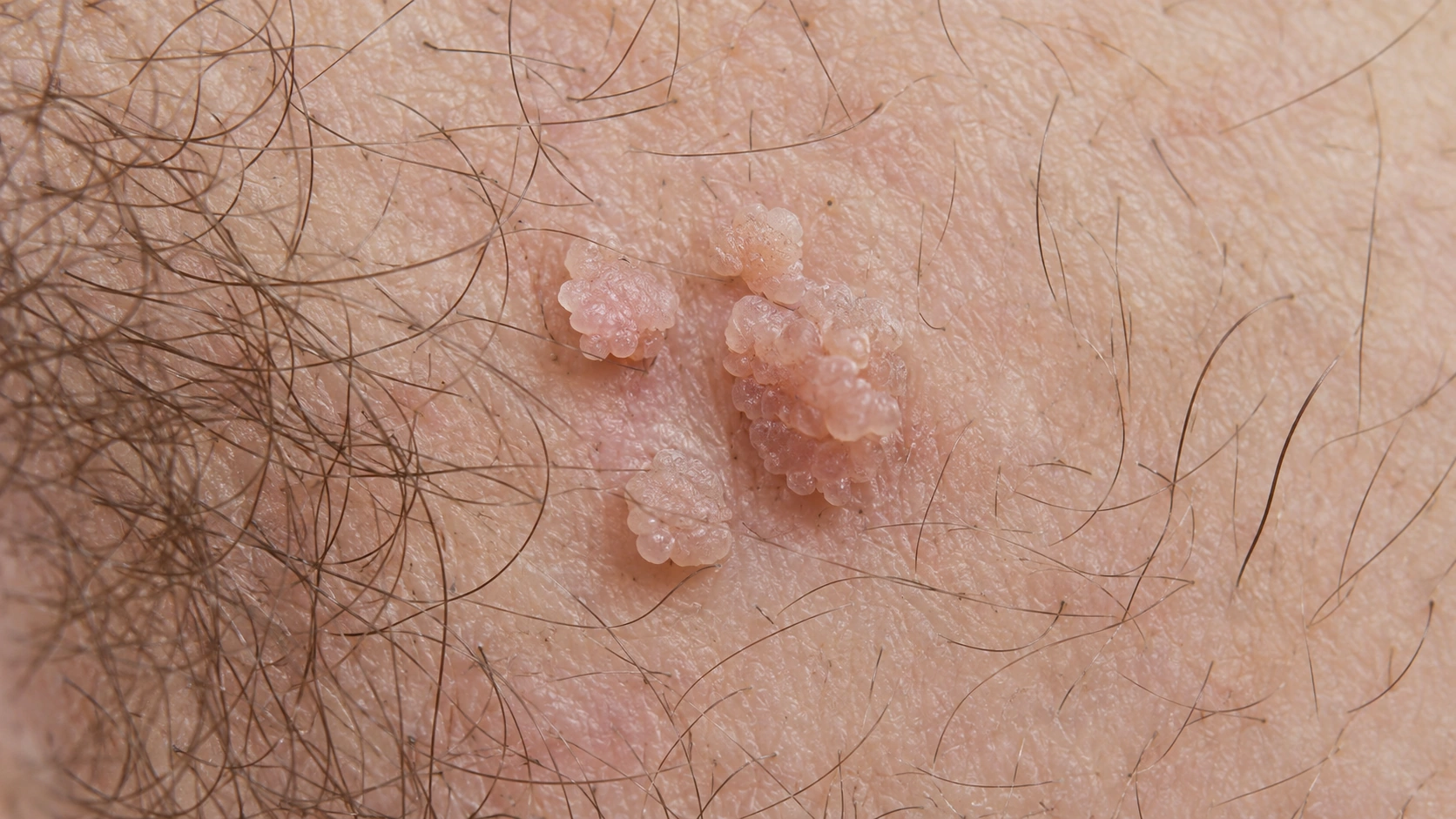
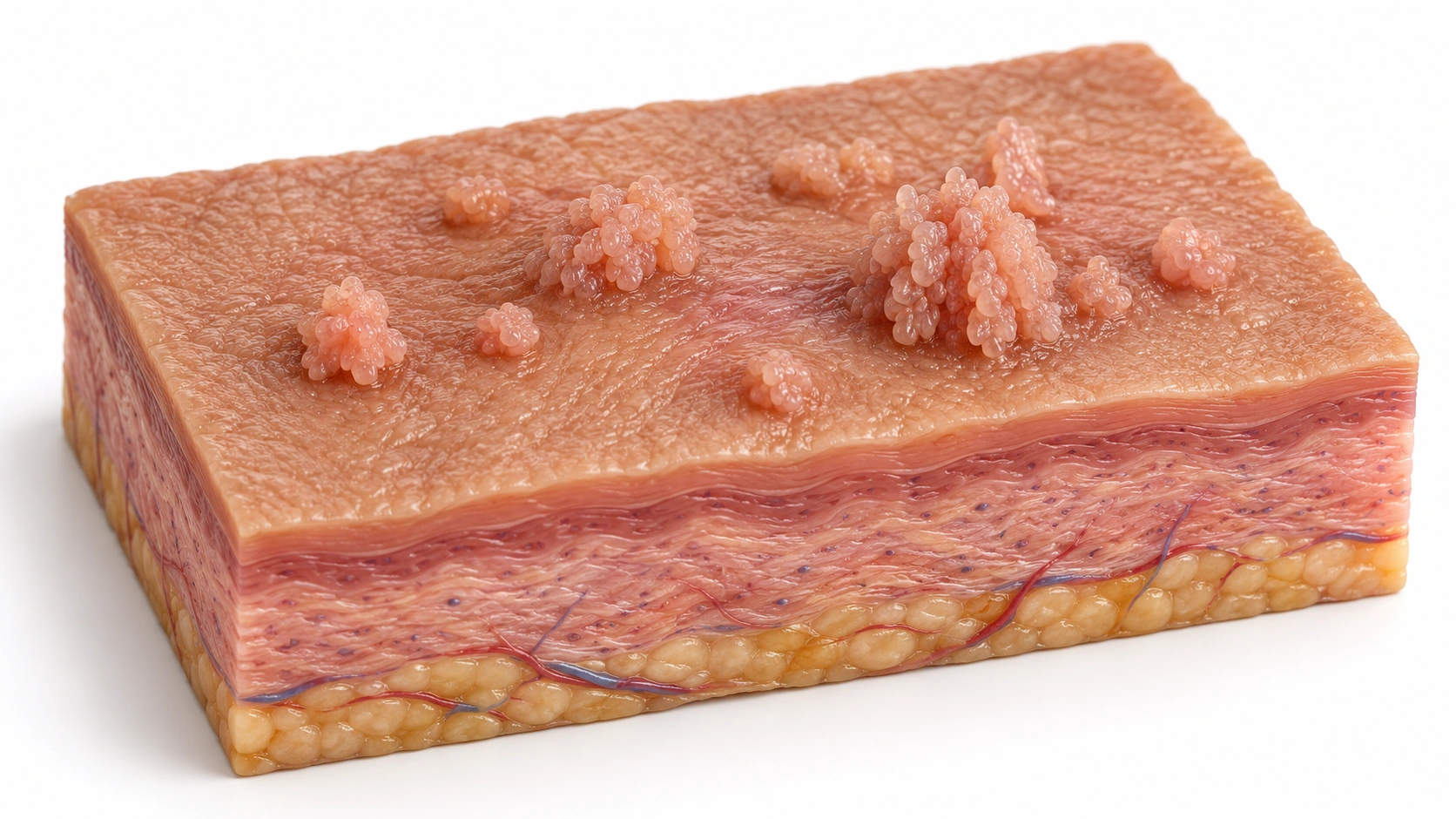
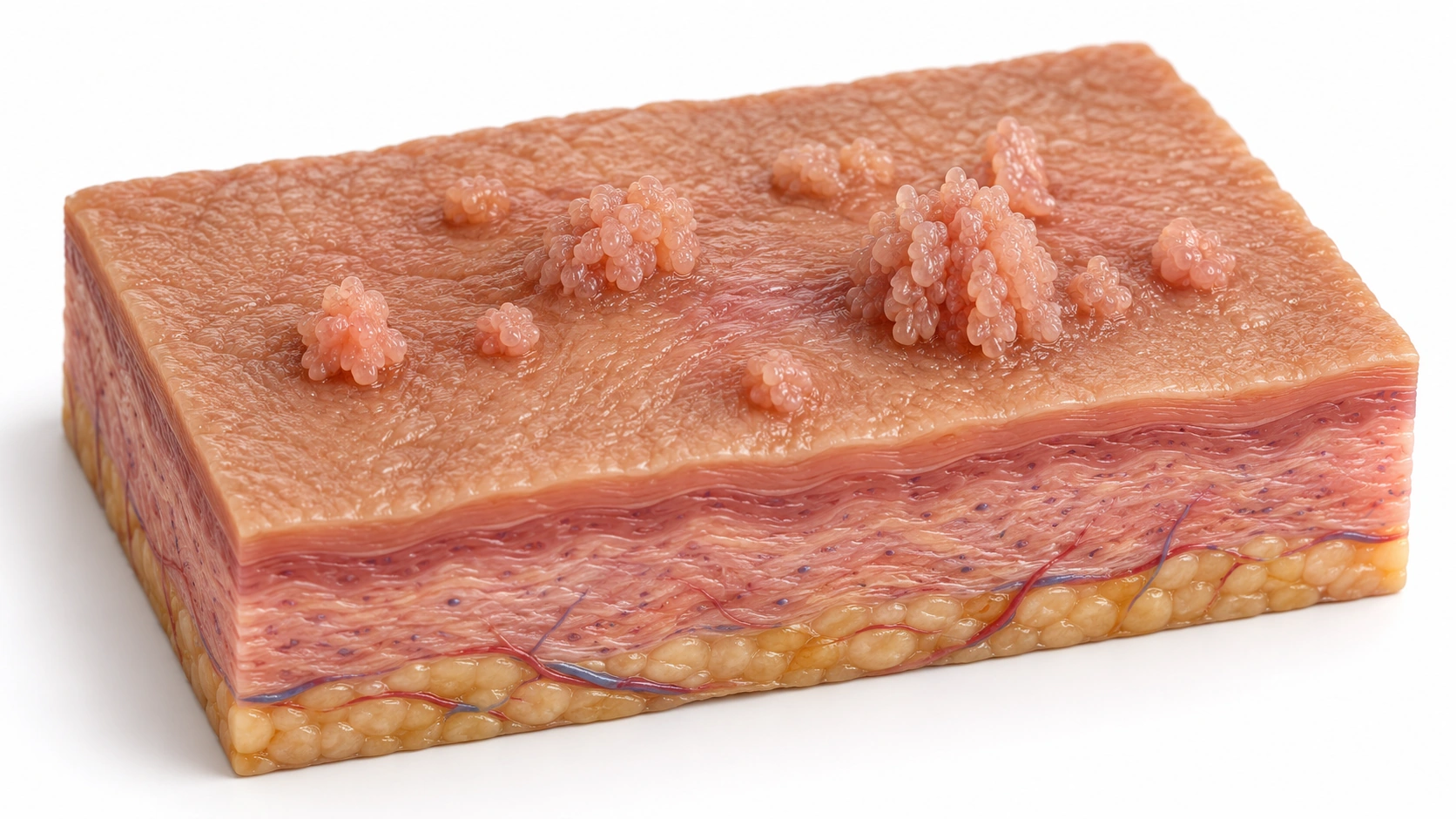
Genital Warts The skin model shows grouped bumps with a rough, folded surface.
Fordyce Spots
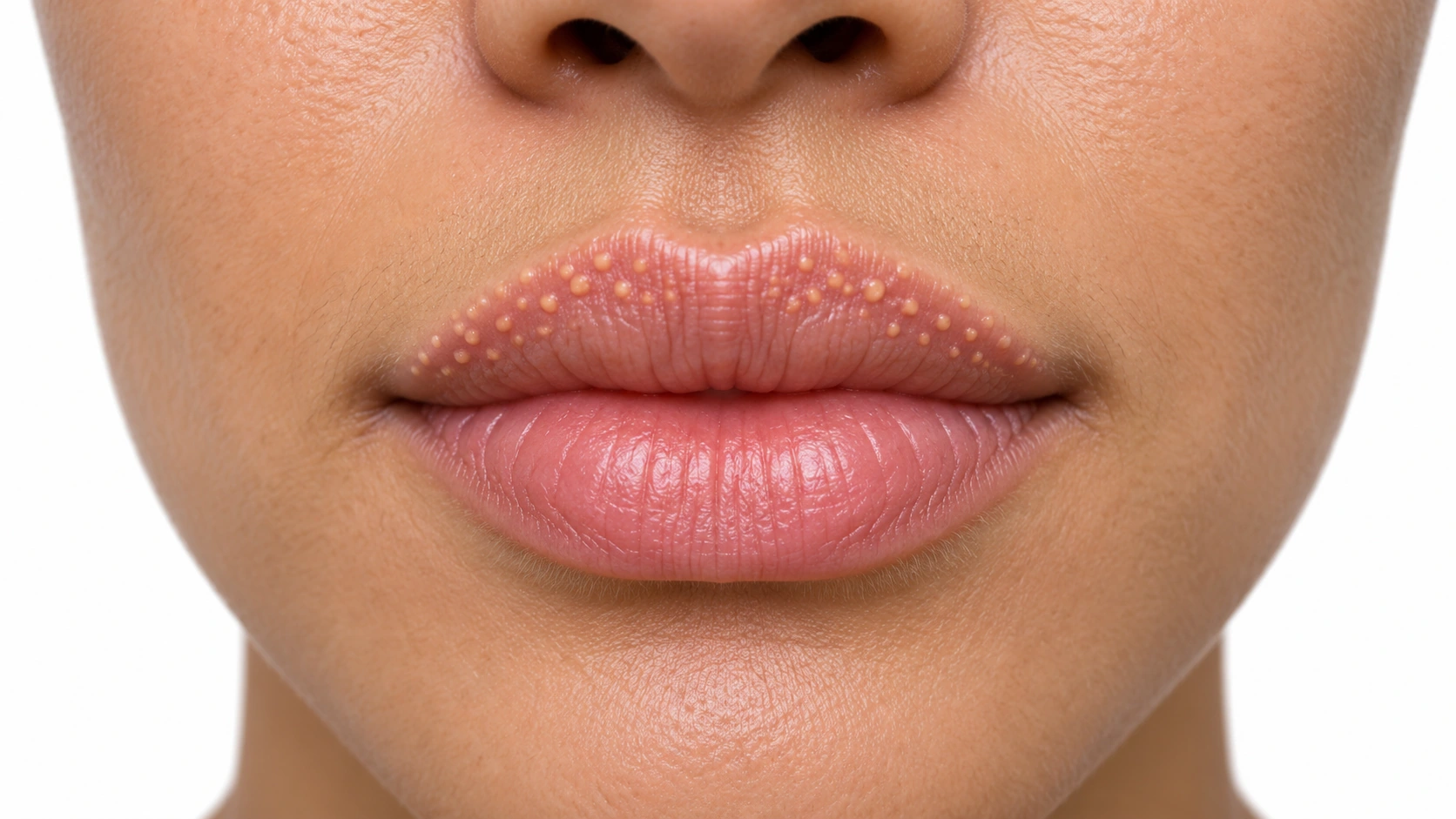
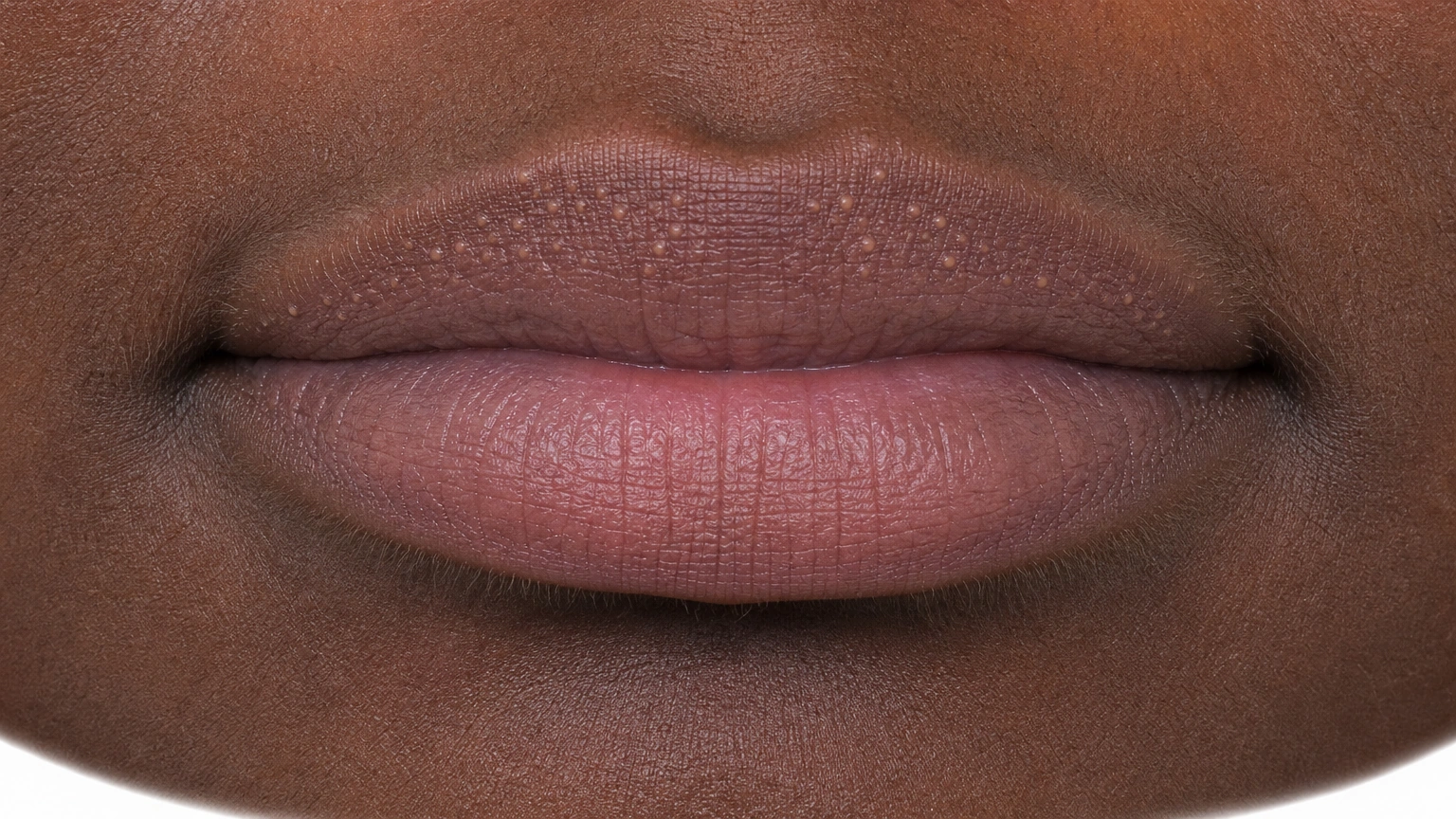
Fordyce Spots Small yellow-white dots line the upper lip surface.
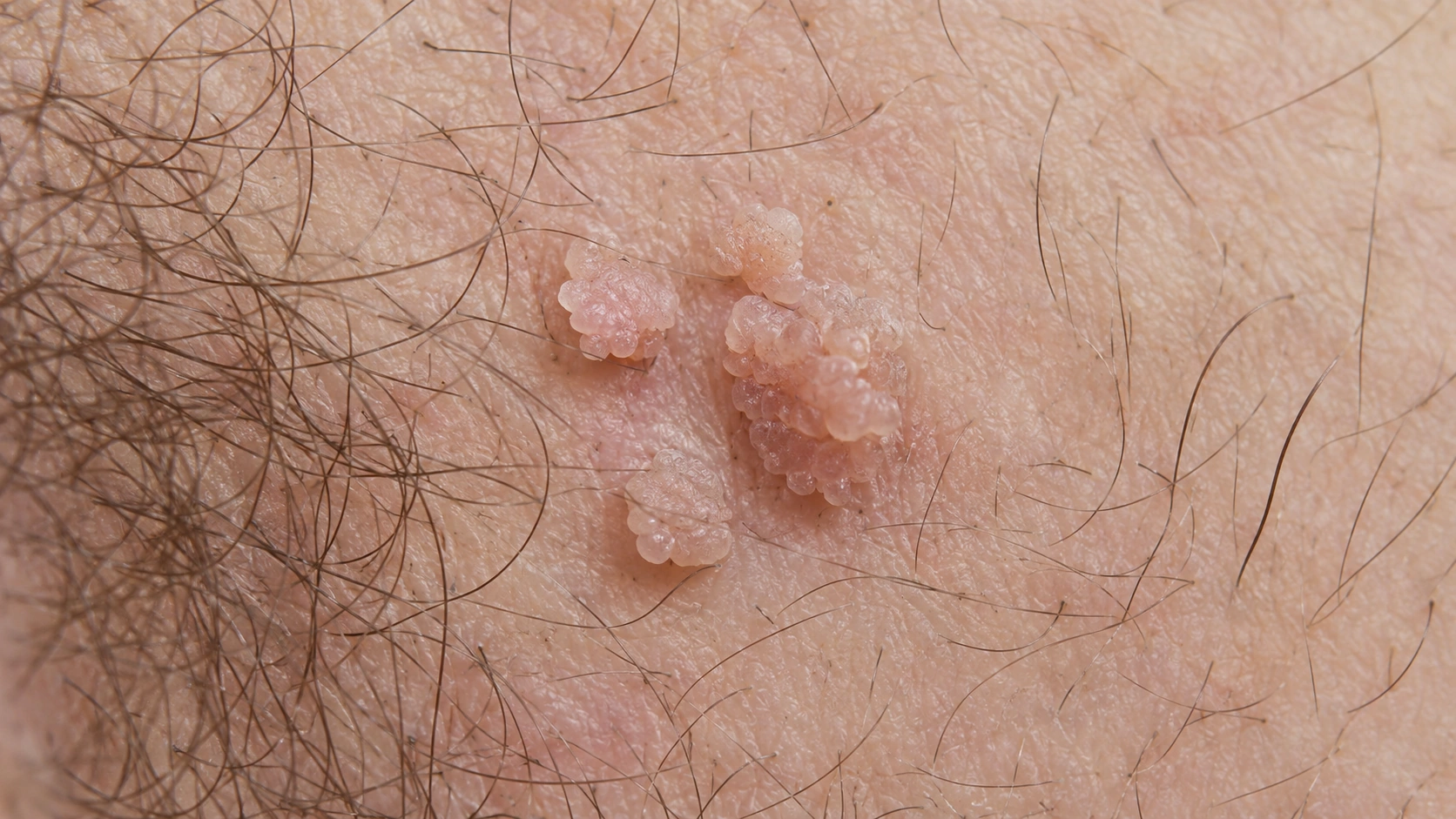
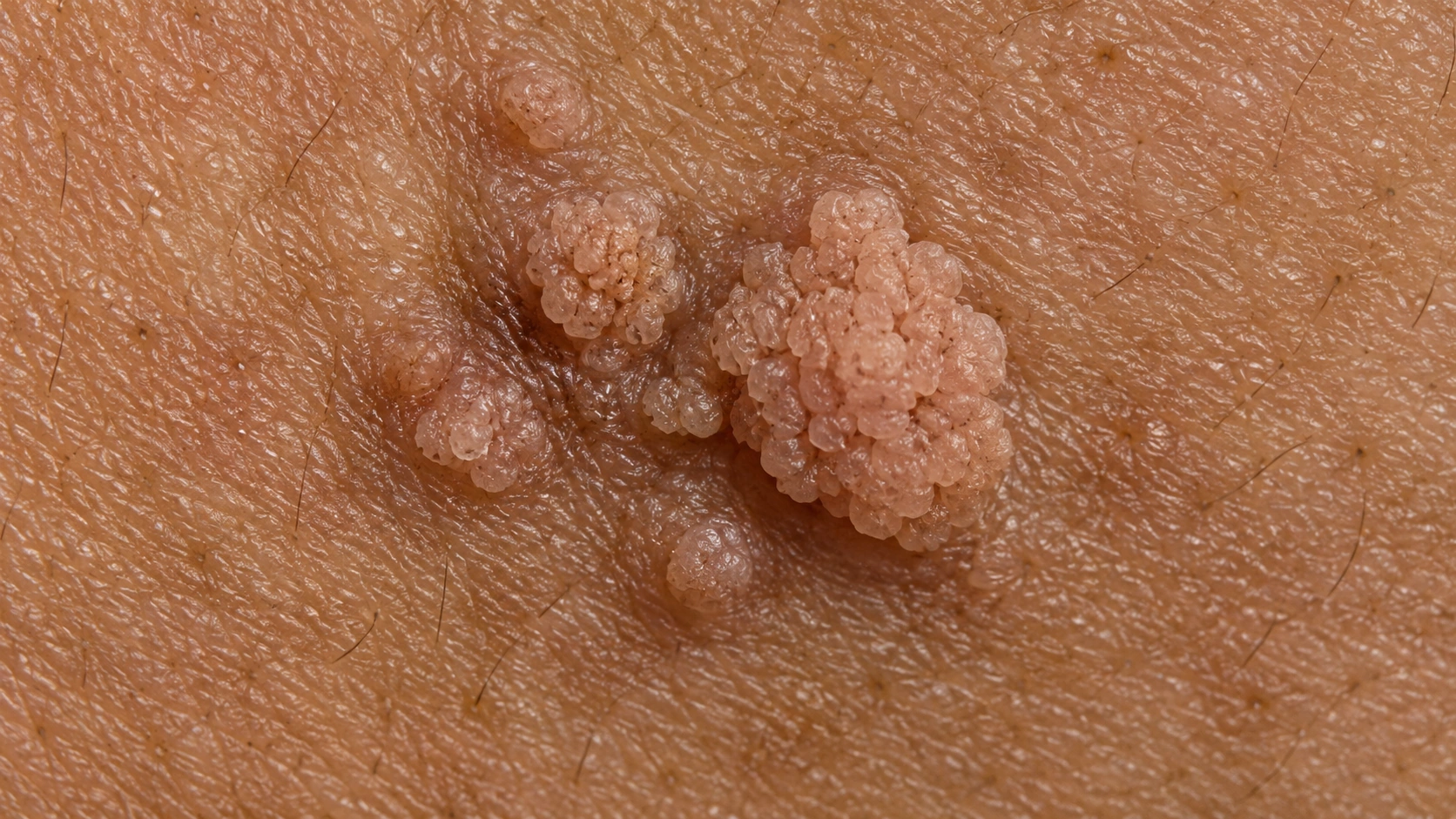
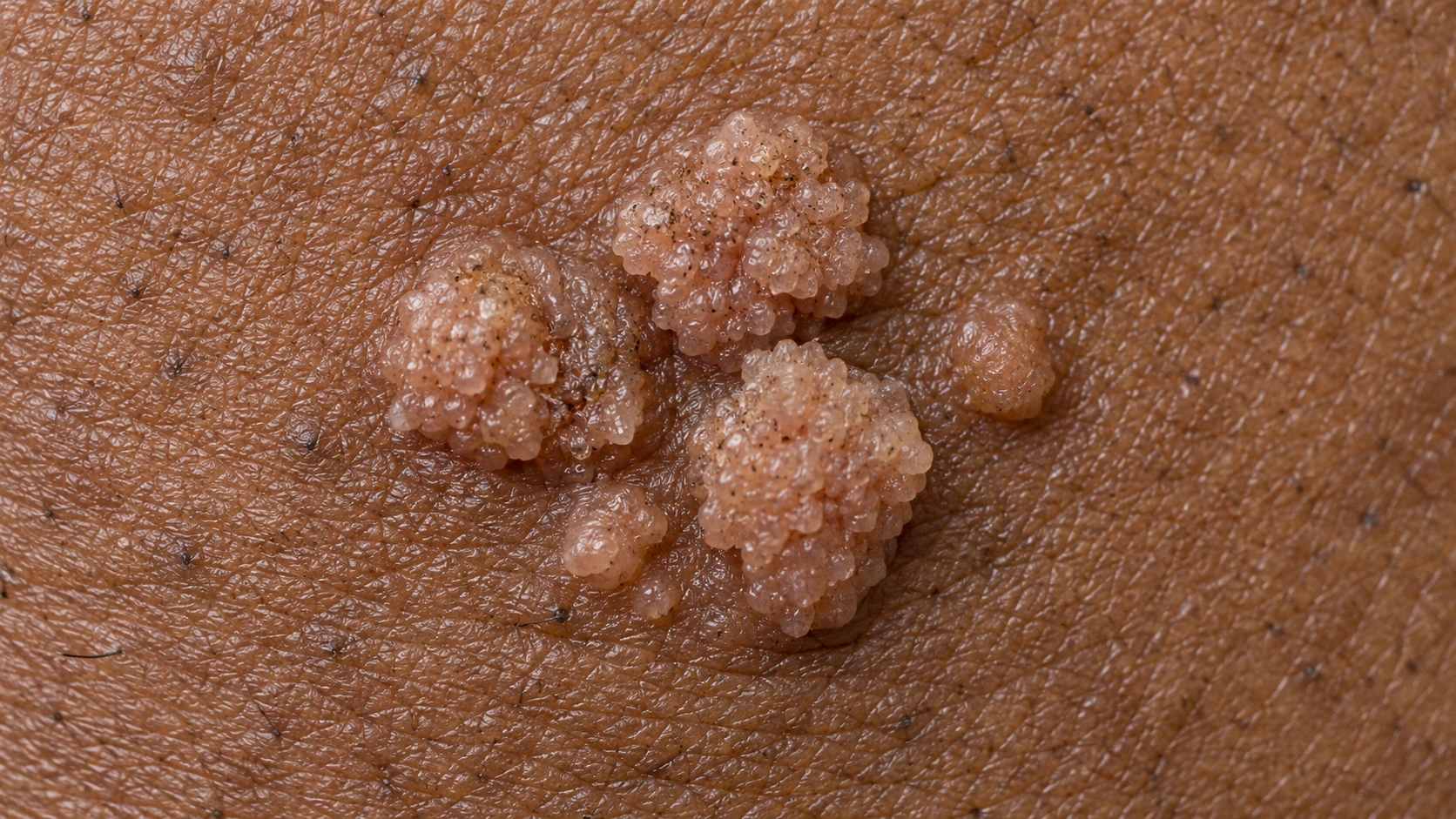
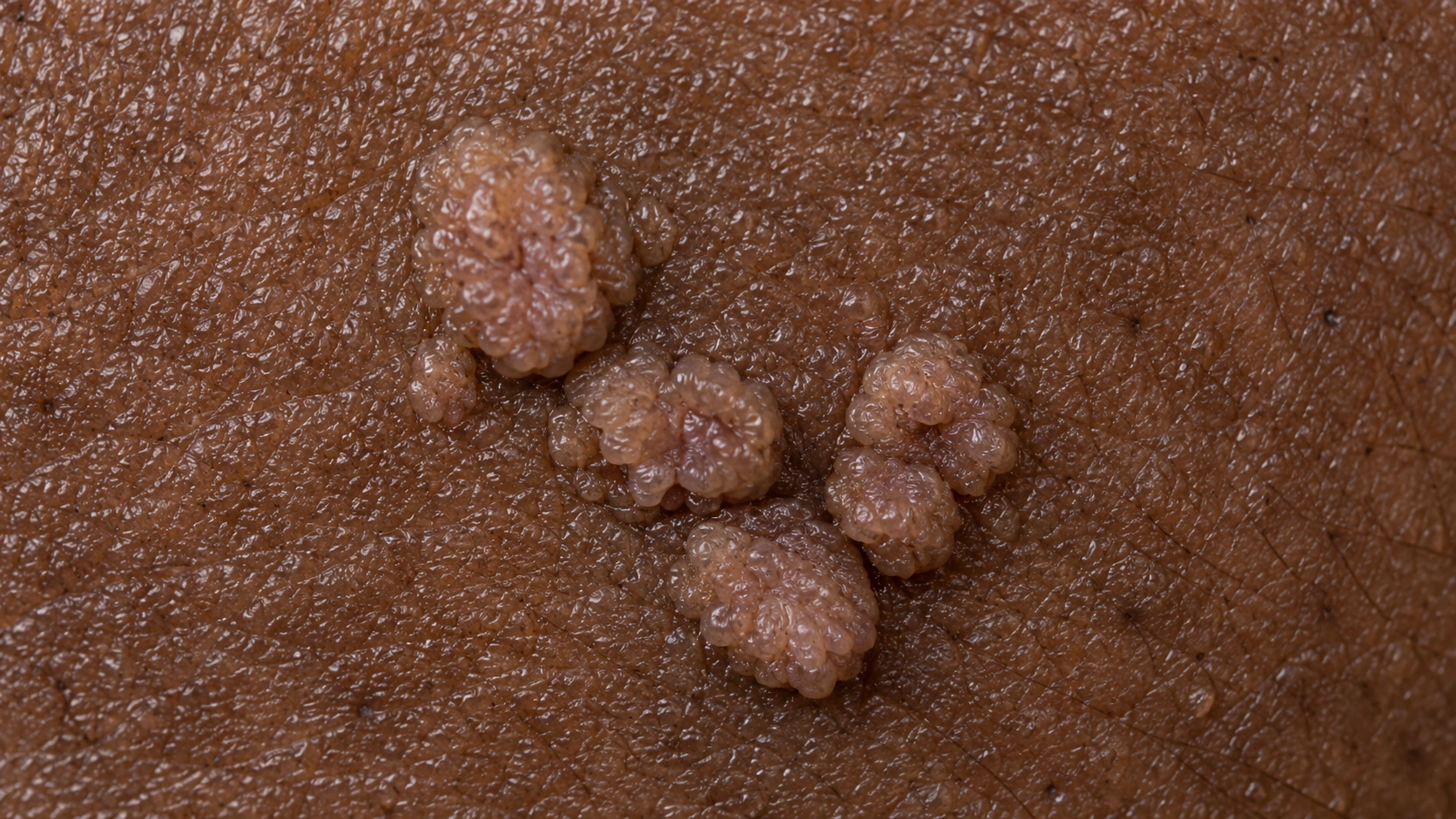

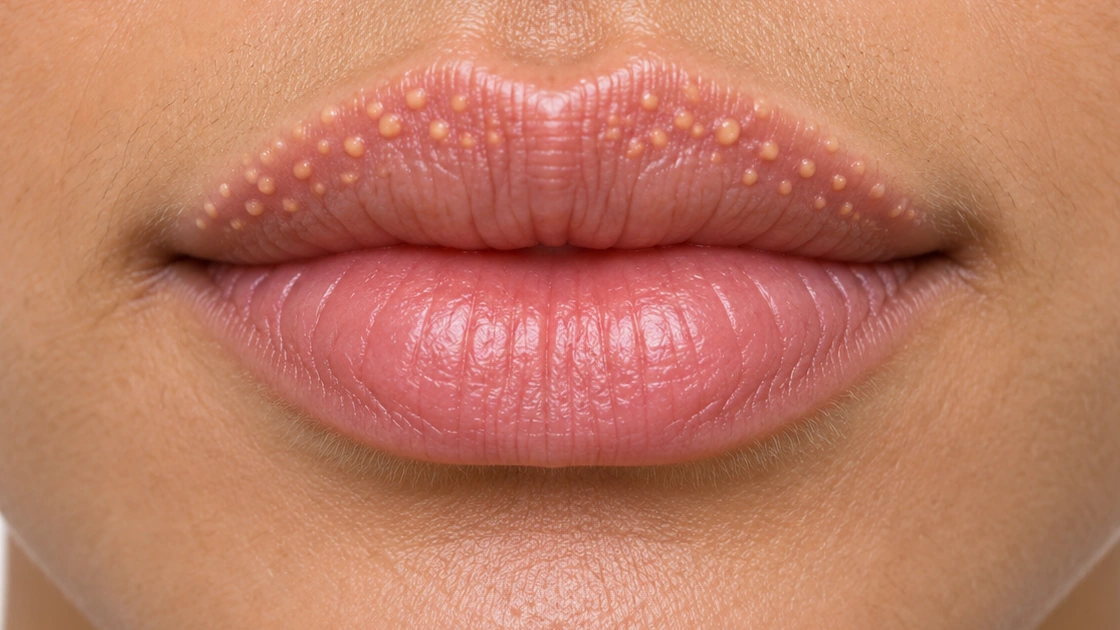
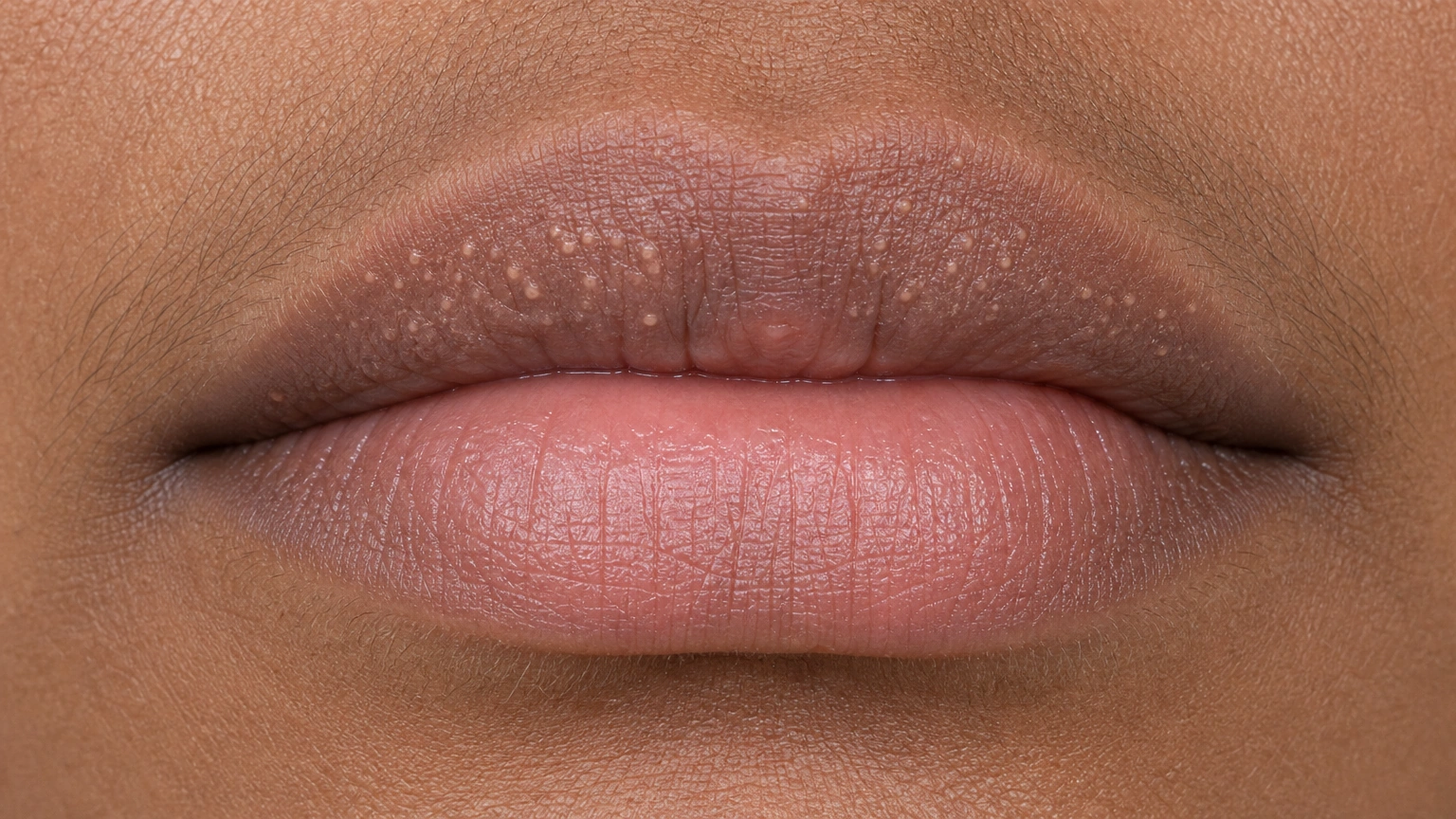
Human papillomavirus reaches surface skin cells through close skin contact. Infected cells grow locally to produce visible warts.
Normal oil glands become visible where they are not associated with a hair follicle. They are a harmless anatomical variation rather than an infection.
When it usually starts
Genital Warts. Often recognised after sexual activity begins; timing cannot identify when infection was acquired.
Fordyce Spots. Often becomes noticeable around puberty or early adult life.
Causes and triggers
HPV infects surface cells through close skin contact.
A harmless normal anatomical variant, rather than an infection.
Daily Care
Habits that help
- Wash gently and pat the skin dry
Avoid fragranced washes on irritated genital skin. - Use only a treatment intended for the diagnosed genital warts
Follow the clinician’s application plan to protect nearby normal skin. - Discuss partner communication, vaccination and routine screening
HPV vaccination and appropriate sexual health care may still be relevant after warts appear. - Use condoms or barriers to reduce transmission risk
They reduce risk but cannot cover every area of affected genital skin.
Avoid
- Avoid: Picking, shaving over or cutting off warts
Injury can spread the virus or lead to bleeding and infection. - Avoid: Ordinary wart acids or home freezing on genital skin
These products can cause serious burns on delicate areas.
Habits that help
- Leave clinician-confirmed normal bumps alone
They are normal variants and usually need no treatment. - Wash gently without scrubbing
Routine hygiene is enough; stronger cleansing does not remove the glands or papules. - Reduce friction if the skin becomes irritated
Choose comfortable clothing and stop products that sting. - Ask for assessment if the diagnosis is uncertain
New, changing, painful or ulcerated bumps should not be assumed to be a normal variant.
Avoid
- Avoid: Squeezing, picking, wart acids or home removal
These can cause burns, infection, pigment changes and scars.
Treatment differences
Confirmed Fordyce spots need no medical treatment. Cosmetic procedures can carry risks of pigment change and scarring; do not squeeze them or apply wart-removal products.
Outlook
Warts may clear on their own or with treatment, but recurrence is common. Removing visible warts does not guarantee that the underlying HPV infection has cleared.
Fordyce spots are normal visible oil glands and often persist. They do not need treatment; cosmetic removal can cause pigment changes or scars and does not prevent all new spots.
Complications
Wart treatment removes visible lesions but may not clear HPV. Appropriate screening and vaccination still matter.
These are not sexually transmitted and do not require treatment when diagnosis is secure.
When to get help
Have new genital growths examined, especially if bleeding, ulcerated, pigmented or rapidly changing.
Have new, painful, ulcerated or changing genital bumps examined to confirm the diagnosis.
Common questions
Genital Warts:What is Genital Warts?
Growths caused by genital human papillomavirus, or HPV.
Genital Warts:What can I do day to day?
Avoid picking and home wart acids on genital skin. Discuss sexual health testing and vaccination.
Genital Warts:When should I get medical advice?
Have new genital growths examined, especially if bleeding, ulcerated, pigmented or rapidly changing.
Fordyce Spots:What is Fordyce Spots?
Visible normal oil glands that appear as small pale or yellowish spots.
Fordyce Spots:What can I do day to day?
Leave the bumps alone; do not squeeze, burn or use wart-removal acids.
Fordyce Spots:When should I get medical advice?
Have new, painful, ulcerated or changing genital bumps examined to confirm the diagnosis.
Sources
Sources and further reading
Keep exploring.
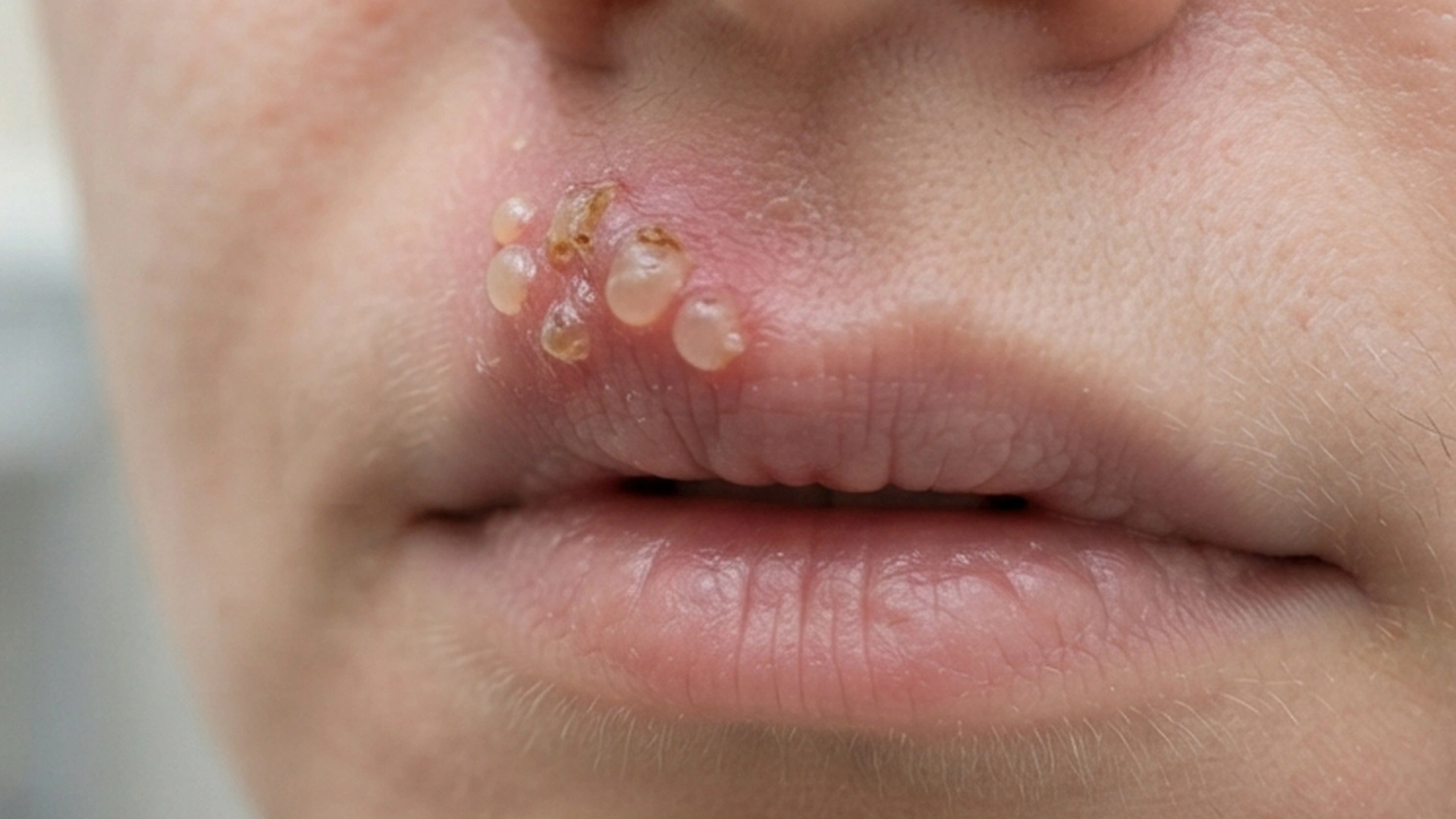
Fordyce Spots vs Cold Sores
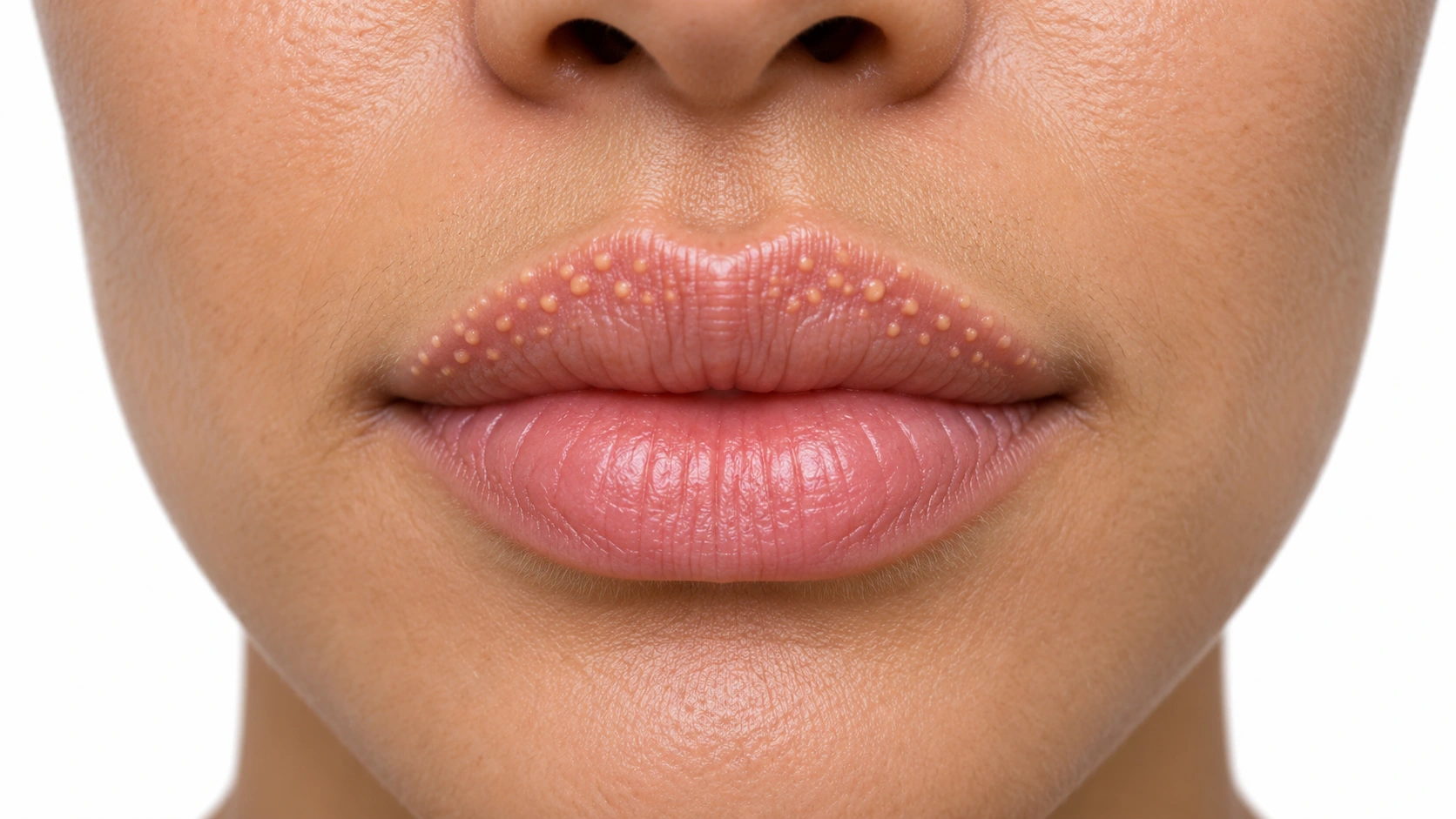

Fordyce Spots vs Milia
Genital Warts vs Molluscum Contagiosum

Genital Warts vs Pearly Penile Papules
Genital Warts vs Skin Tags
Ingrown Hairs vs Genital Warts
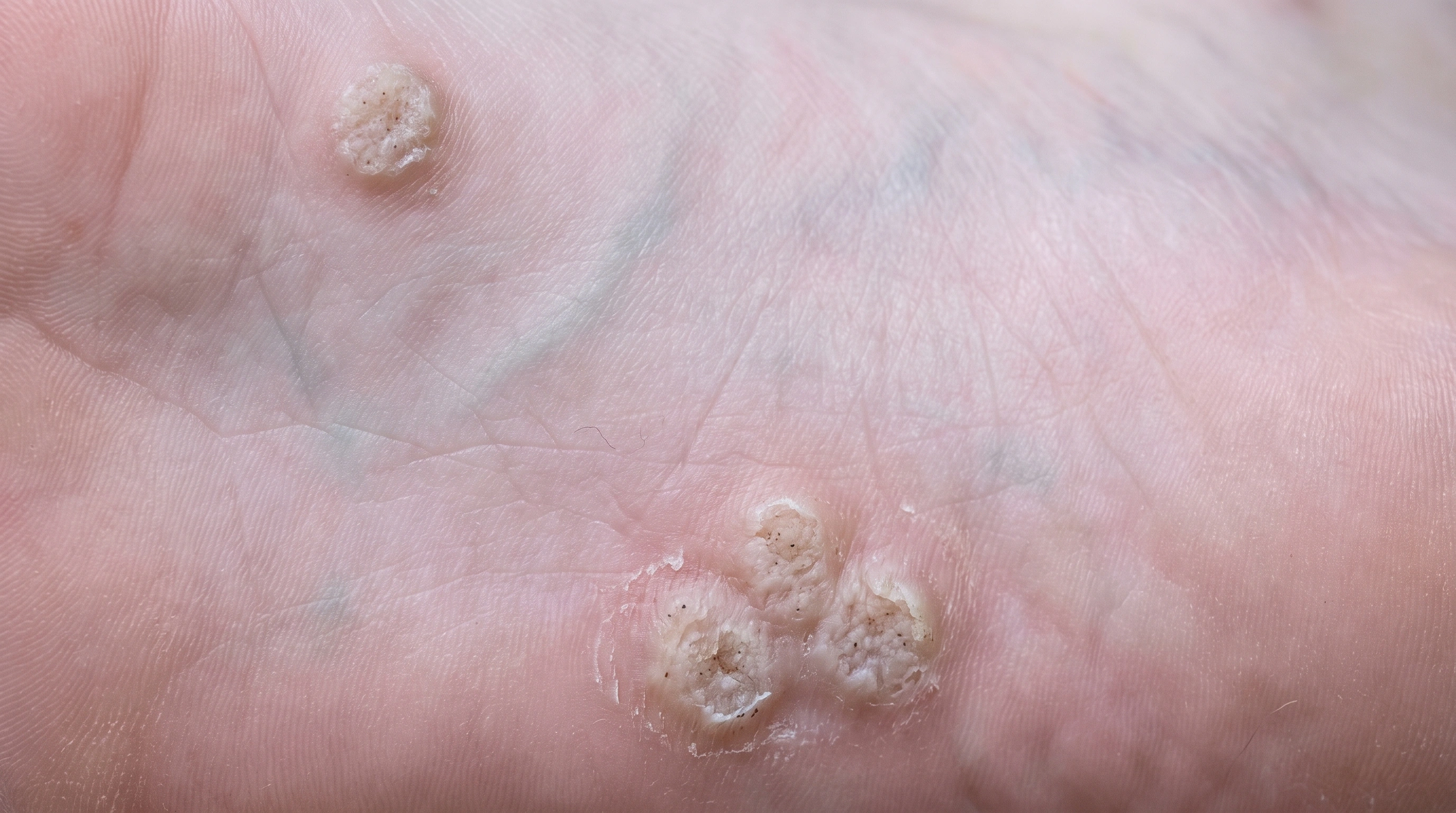
Warts
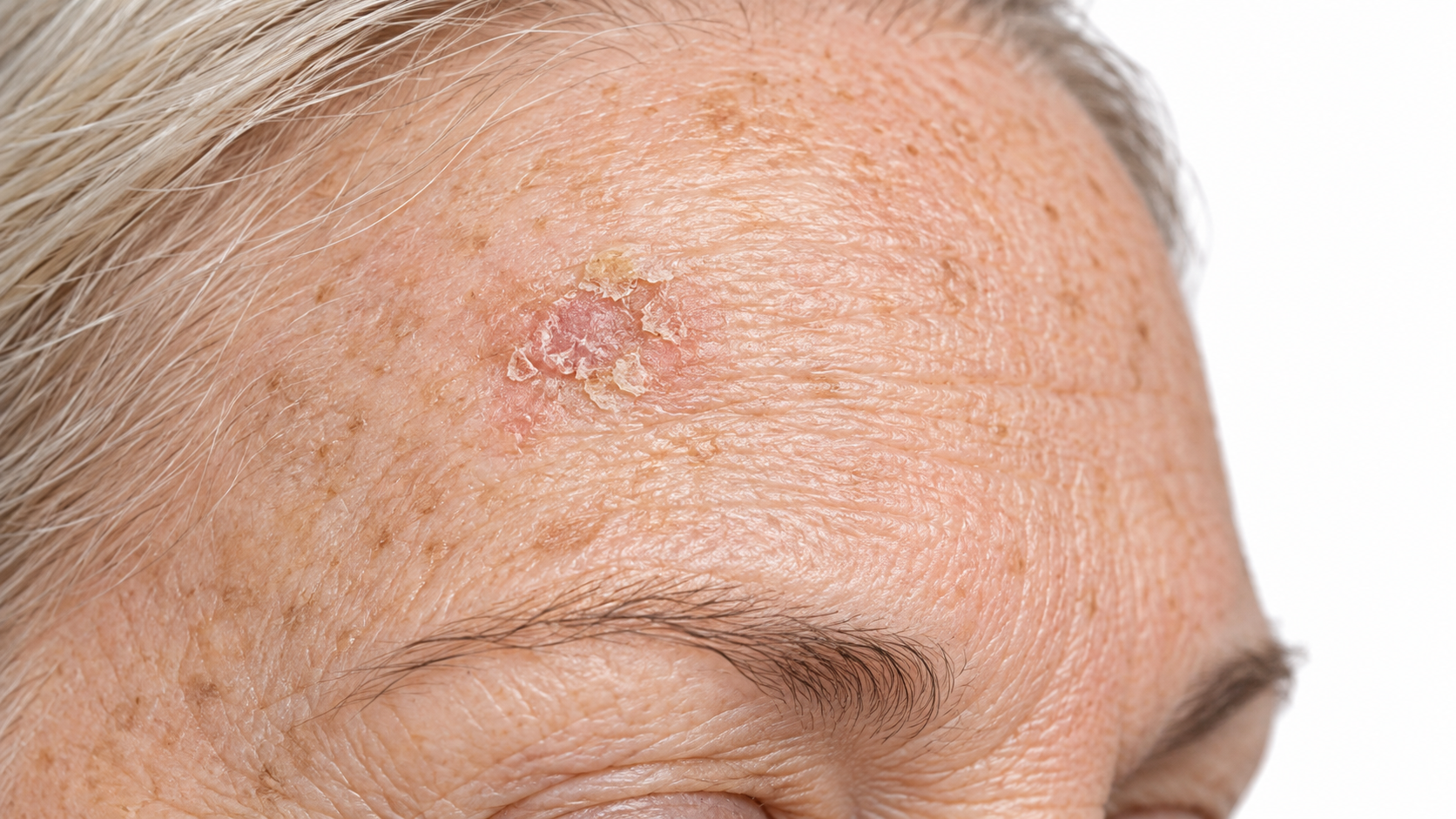
Actinic Keratosis vs Warts
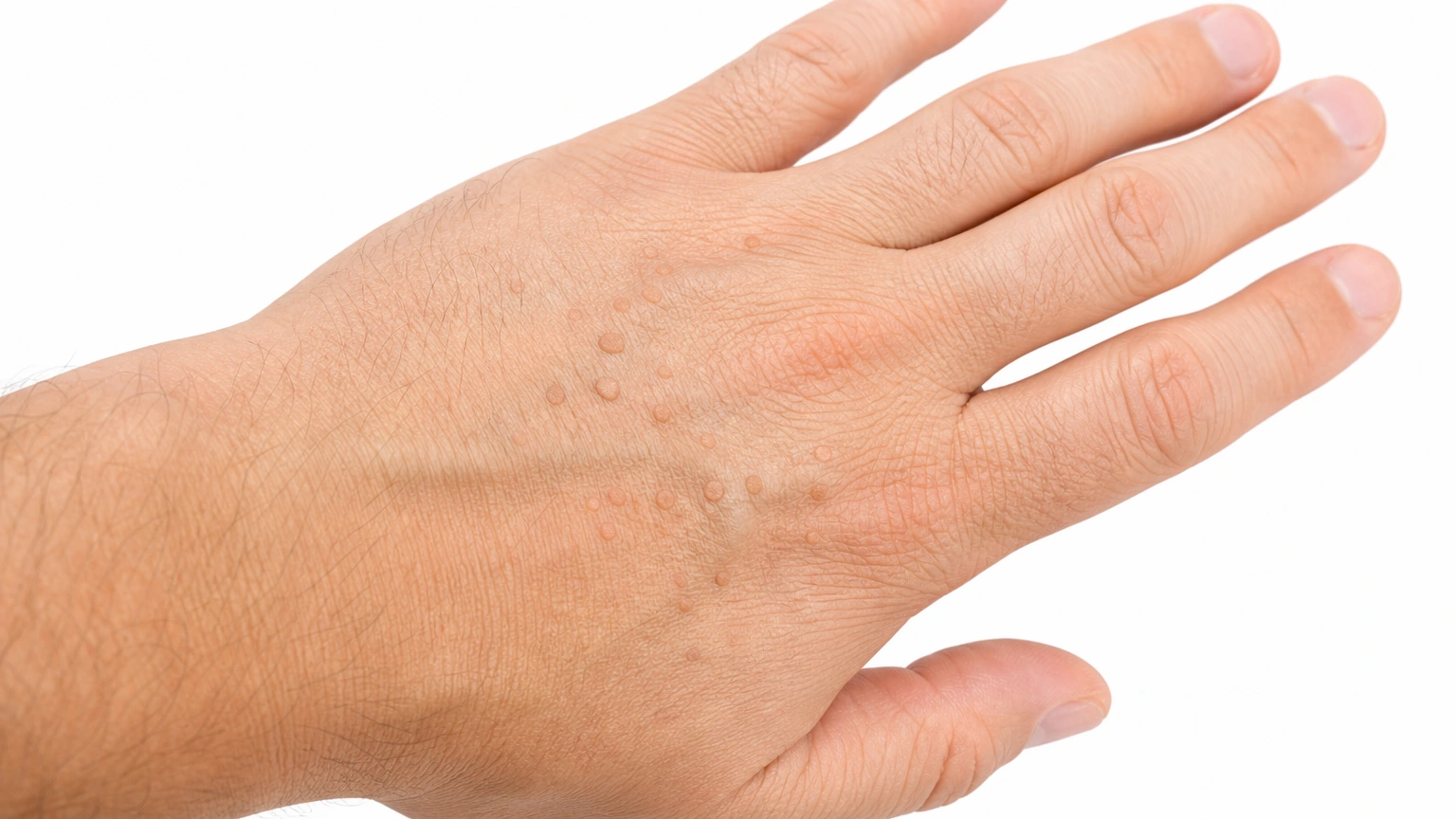
Flat Warts vs Milia
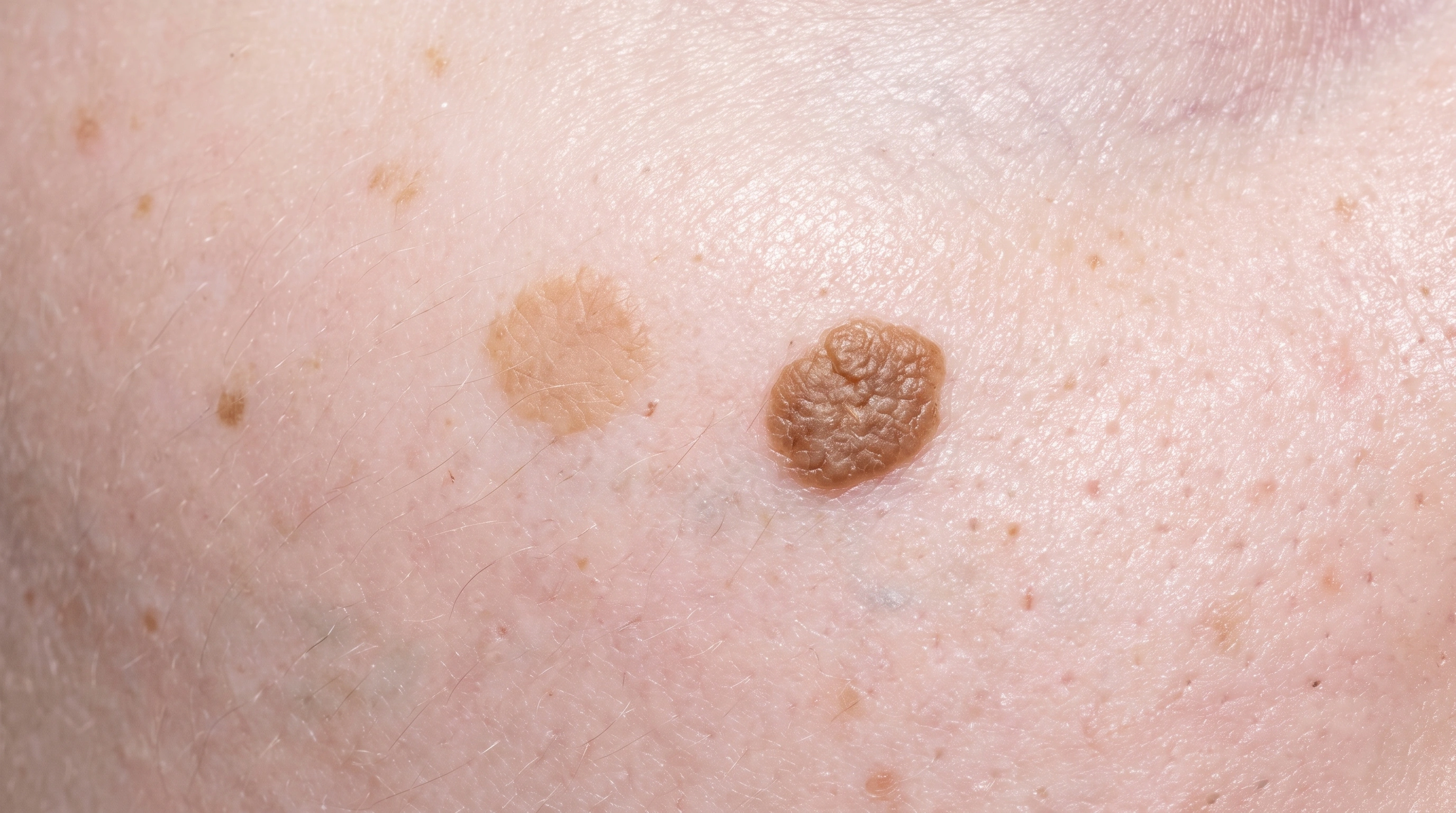
Flat Warts vs Seborrheic Keratosis

Genital Herpes vs Folliculitis