Rosacea
Reduces bumps and redness.
Finacea: The prescription strength of azelaic acid, made for the bumps and pustules of rosacea. It is the same ingredient sold at 10% over the counter, in a stronger and regulated formula. Mirvaso: A gel that narrows facial blood vessels to fade redness for about half a day. It treats color only, it does nothing for bumps, and in some people the redness returns worse as it wears off.
Choose for rosacea bumps and pustules, or acne with dark marks, when you want a gentle option that's often used in pregnancy.
Choose to fade rosacea redness for a day or an event — it treats color only, not bumps.
Can you take them together?
They treat different parts of rosacea: Finacea for bumps, Mirvaso for redness. Apply Finacea first and let it dry.
Compare uses by strength of evidence. Evidence level describes confidence in a benefit, not its size.


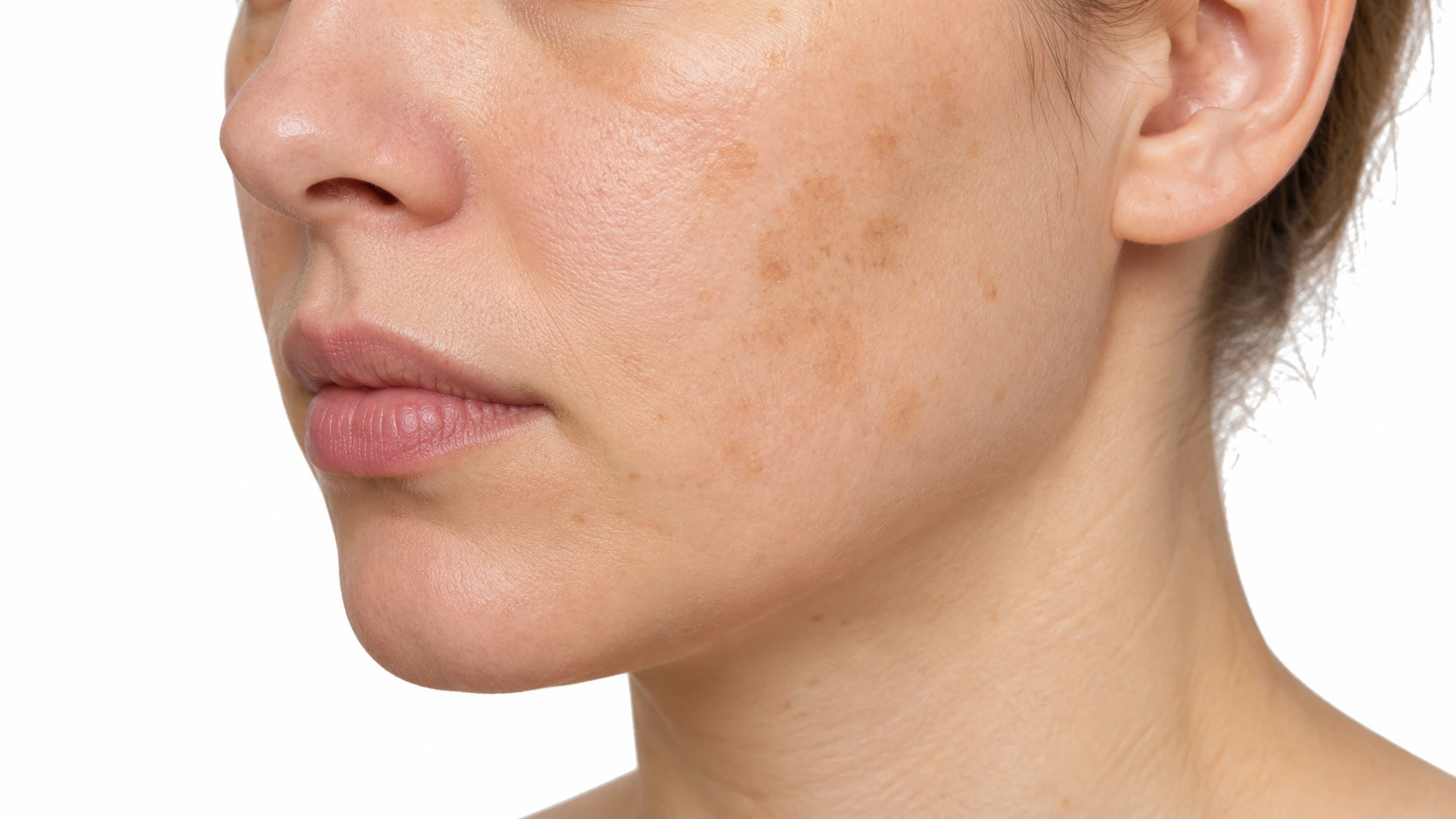

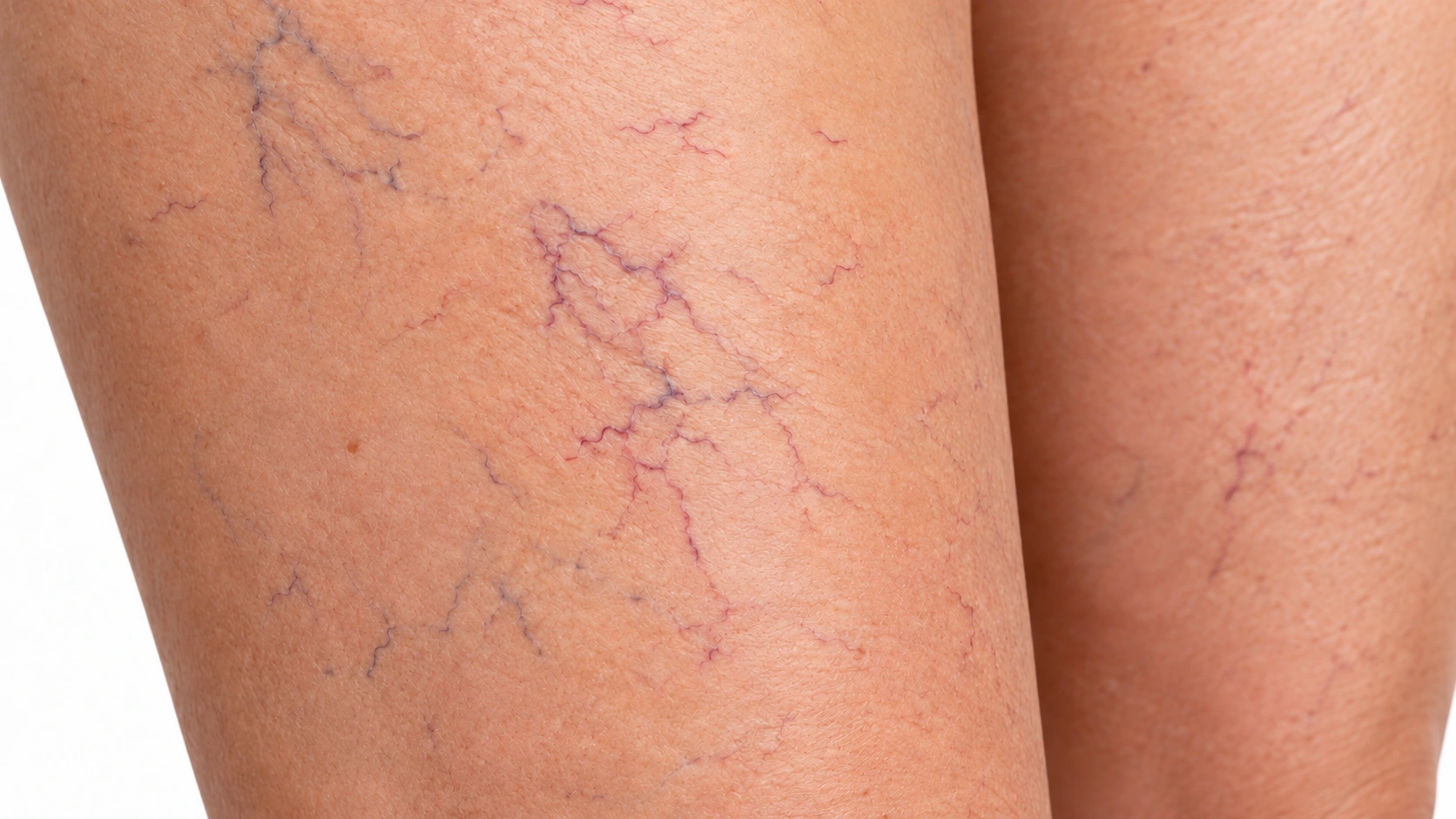

Calms inflammatory pathways: May reduce signals involved in rosacea inflammation. Normalizes cell buildup: Helps reduce excess keratin inside follicles. Limits acne bacteria: Has activity against susceptible C. acnes. Can help fade dark marks: Can inhibit tyrosinase, an enzyme used to make pigment.
Finacea 15% is labeled for rosacea inflammatory lesions; the full rosacea mechanism is unknown. Follicular, antimicrobial and pigment actions summarize azelaic-acid evidence across formulations, including 20%; acne and pigment use of this particular product may be off-label. KLK5/cathelicidin changes support a proposed inflammatory pathway. Tyrosinase inhibition is established in vitro; the complete clinical pigment mechanism is not established and 15% Finacea is labeled for rosacea rather than pigmentation.
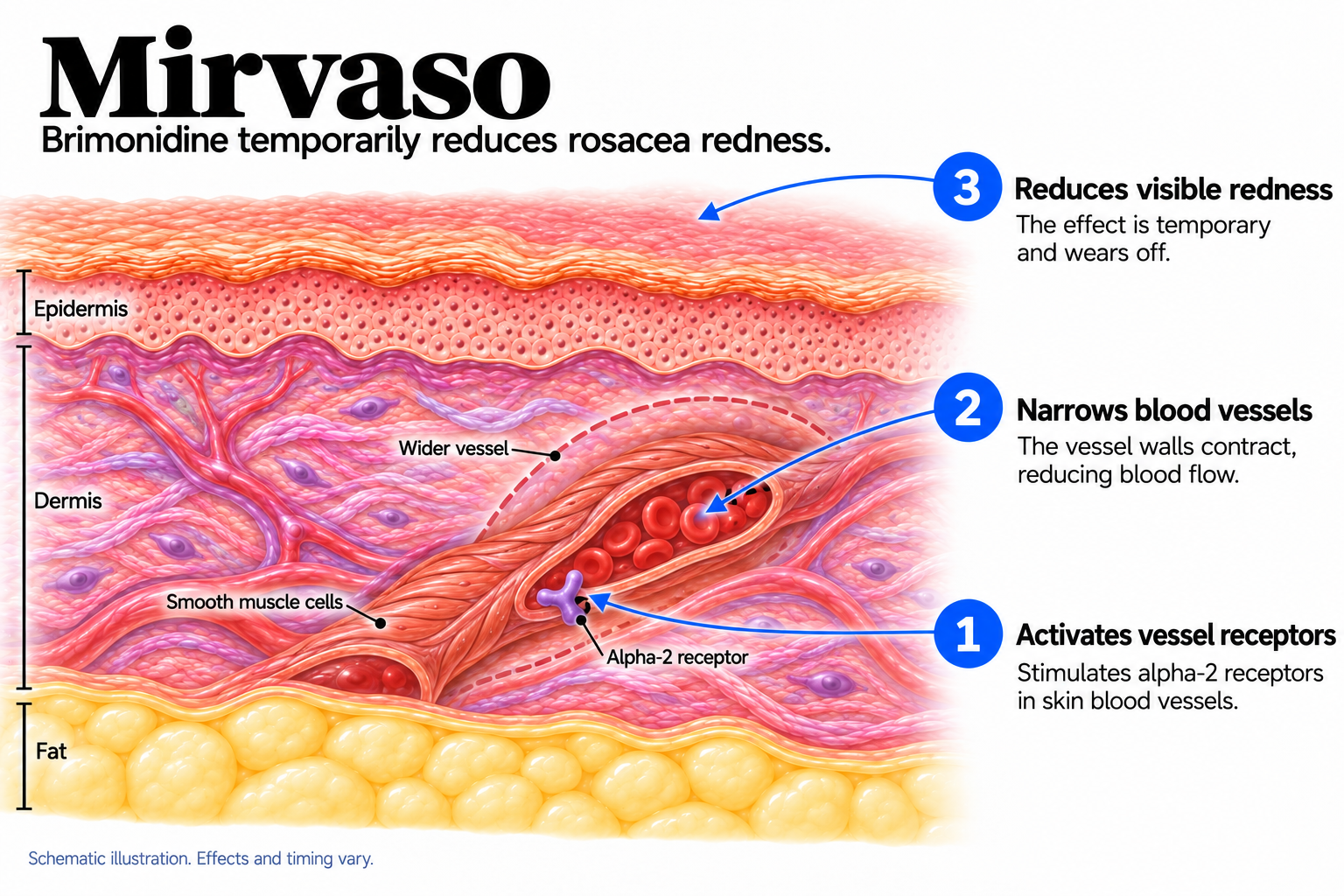
Activates vessel receptors: Stimulates alpha-2 receptors in skin blood vessels. Narrows blood vessels: The vessel walls contract, reducing blood flow. Reduces visible redness: The effect is temporary and wears off.
Brimonidine is a relatively selective alpha-2 agonist. This explains temporary vasoconstriction, not permanent removal of blood vessels or cure of rosacea.
When to Apply: Twice a day on clean dry skin, a thin layer over the whole affected area, not on single spots. Moisturizer, sunscreen and makeup go on top once it has dried. Wash your hands afterwards.
How to Start: Once a day for the first week or two if your skin is reactive, then twice daily. Twice a day is what the trials did, and it is the part that quietly gets dropped.
If It Irritates: Stinging for a few minutes after applying is common in the first two weeks and usually stops. Moisturizer first, or back to once a day, settles it. The gel and the foam feel different, so switching form is worth asking about.
If It's Not Working: Give it twelve weeks of twice-daily use. There is no higher rosacea strength, so the next steps are ivermectin cream, an oral treatment such as doxycycline, or treating redness separately.
When to Apply: Once a day on clean dry skin, timed for when you most want the redness down. A pea-sized amount for the whole face, divided between forehead, nose, chin and cheeks and spread thinly. Makeup and sunscreen go on once it has dried.
How to Start: Test one small area, such as one cheek, for several days first. That is the cheapest way to find out whether you get rebound. Use less than a pea-sized amount, and never more than once a day.
If It Irritates: Burning, stinging or itching where you applied it is common early and often settles. If redness worsens, or comes back stronger as the gel wears off, stop and speak to your doctor. Rebound does not settle by pushing through it.
If It's Not Working: There is one strength, and more gel is not the answer. The next steps are oxymetazoline cream, which works on a different receptor, or laser and light treatment, which treats the vessels themselves.
No blood tests or lab monitoring. Very little is absorbed, and what is absorbed is handled like the same compound from food.
Monitoring is a review at around twelve weeks: have the bumps reduced, is the twice-daily schedule being kept, is anything separate needed for redness. People stay on this for years.
Watch skin color. Pale patches on treated skin are reported, rarely, and are more noticeable in deeper skin tones. Show new lighter areas to a doctor.
No blood tests for ordinary use. What is monitored is what you can see: does the redness fade, does it come back worse, does burning settle.
A small amount is absorbed, so the gel carries the theoretical body-wide effects of its class — low blood pressure, a slow heart rate, drowsiness, dizziness. These are rare on intact skin, but they are why heart disease, low blood pressure, circulatory problems or an existing brimonidine eye drop should be raised before you start.
Review a few weeks in — is this worth continuing.
Approximate windows, not promises.
First few minutesApplying it: Stinging, warmth or itching for a few minutes is common at the start.
Weeks 1 to 2Adjusting: Stinging settles, some dryness is normal, little visible change yet.
Weeks 4 to 8Working: Fewer new bumps and pustules — the main target and the first thing to change. The face looks calmer before the count is obviously lower. Some background pink settles with it.
Weeks 8 to 12Judge it here: Most of the benefit seen in trials is in by twelve weeks of twice-daily use.
Weeks 12 to 16Dark marks: Brown marks left where spots healed start to fade. Slower than the bumps.
OngoingMaintenance: People who continue hold their improvement. Bumps return within a few months of stopping.
OngoingNo build-up: It does not accumulate. Day ninety works like day one.
First 30 minutesStarting: Redness begins to fade. Some tingling or warmth is normal.
3 to 6 hoursPeak: The face is at its least red. The fixed pink of cheeks, nose and forehead visibly lightens.
9 to 12 hoursWearing off: Color returns, in most people to where it started.
Days 1 to 14Watching for rebound: In a minority, redness comes back worse than it started, sometimes with burning. It can appear on day one or after a week or two.
Sorted by what to do about them.
Better than most rosacea options. The 15% gel has generics in many markets, which brings the price down a lot; the foam is more often brand priced. Coverage is easier than for the redness creams, because bumps and pustules count as medical rather than cosmetic.
Over-the-counter 10% costs less again and is a reasonable start for mild cases.
If cost is the issue, price the generic 15% gel first.
Brand priced for most of its life, and often not covered, because insurers treat facial redness as cosmetic. Generic brimonidine gel has appeared in some markets, bringing the price down unevenly.
A tube lasts a long time if you stick to the pea-sized rule.
If cost is the barrier, the honest question is whether a treatment lasting twelve hours that does not change the disease is where the budget should go, or whether laser or light treatment is the better buy.
For rosacea, the published evidence is at 15%. Ten percent is a reasonable start, but if three months has changed nothing, move to the prescription strength.
Both are 15% and studied for rosacea. The gel dries quickly and suits oilier skin; the foam spreads more easily and is more comfortable on dry or sensitive skin. Choose on feel.
Expected in the first couple of weeks. It lasts a few minutes after applying and stops as the skin adapts. Starting once daily makes it easier.
Partly. As the inflamed bumps settle, the pink around them settles too. It does not narrow blood vessels, so flushing and visible capillaries need something else.
Yes — routinely with a redness treatment, ivermectin cream, or oral doxycycline. Split them between morning and night to keep irritation down.
Doctors commonly consider azelaic acid when other treatments have to stop, but that decision belongs to the doctor managing your pregnancy.
Redness that comes back worse than it started, as the gel wears off or after several days of use, sometimes with burning. A minority of users, but the main reason people stop. It settles within a couple of weeks of stopping.
Use less than you think — a pea-sized amount for the whole face, once a day at most — and test one small area for several days first. Over-application is the pattern most linked to trouble.
No. It is a blood vessel treatment. Bumps and pustules need a separate medicine, and the two are often prescribed together.
It begins around thirty minutes, peaks at three to six hours, and is gone by twelve. It does not accumulate, so daily use is not needed if you want it for occasions.
Yes, once it has dried.
Not really. Those are visible individual vessels; they need laser or light. Brimonidine pales the background around them, which can make them look less obvious.