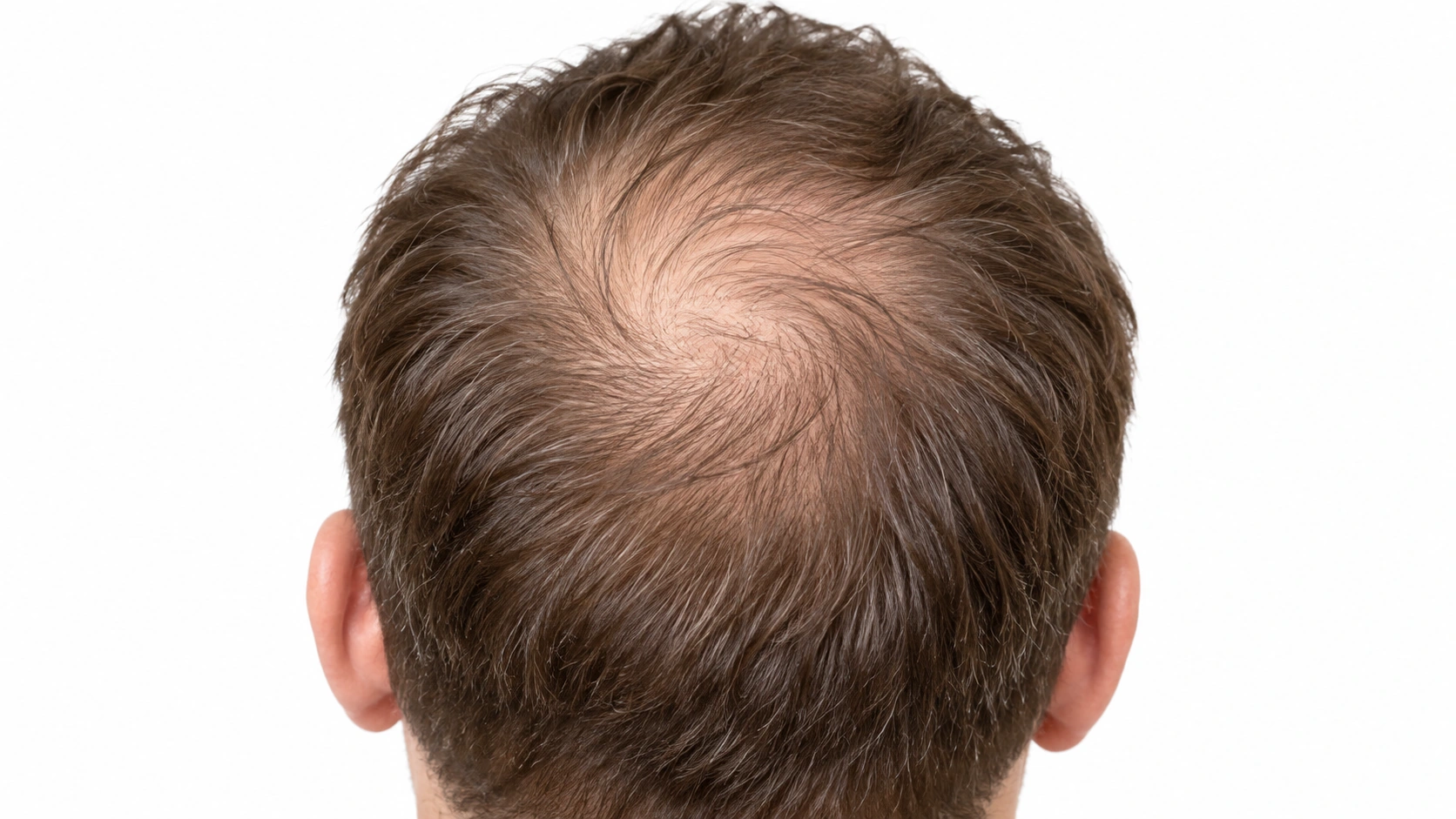
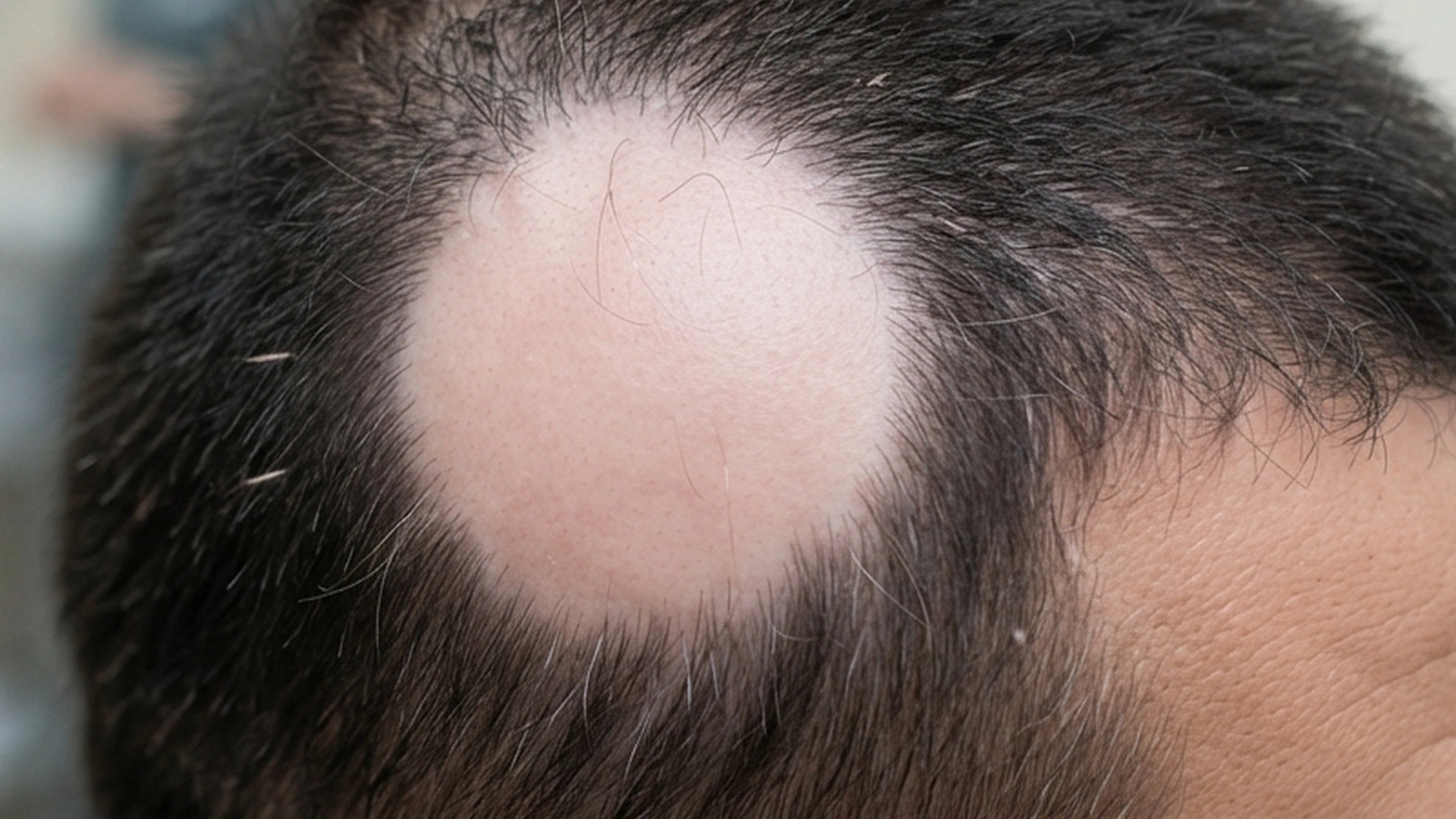
Male Pattern Hair Loss
Often slightly stronger than finasteride.
Dutasteride: A stronger relative of finasteride that blocks both forms of the enzyme making DHT. In the United States it is used off-label for hair loss, and it stays in the body for months. Spironolactone: A water tablet that blocks male-type hormones as a side effect. In adult women, that side effect is the reason it is prescribed for acne.
Choose for male pattern hair loss when finasteride hasn't done enough, accepting it stays in the body for months.
Choose for hormonal acne in adult women as a long-term, low-cost alternative to repeated antibiotic courses.
Can you take them together?
Both lower hormone effects and are sometimes combined for female hair loss under specialist care. Both must be avoided in pregnancy, so reliable contraception is needed.
Compare uses by strength of evidence. Evidence level describes confidence in a benefit, not its size.

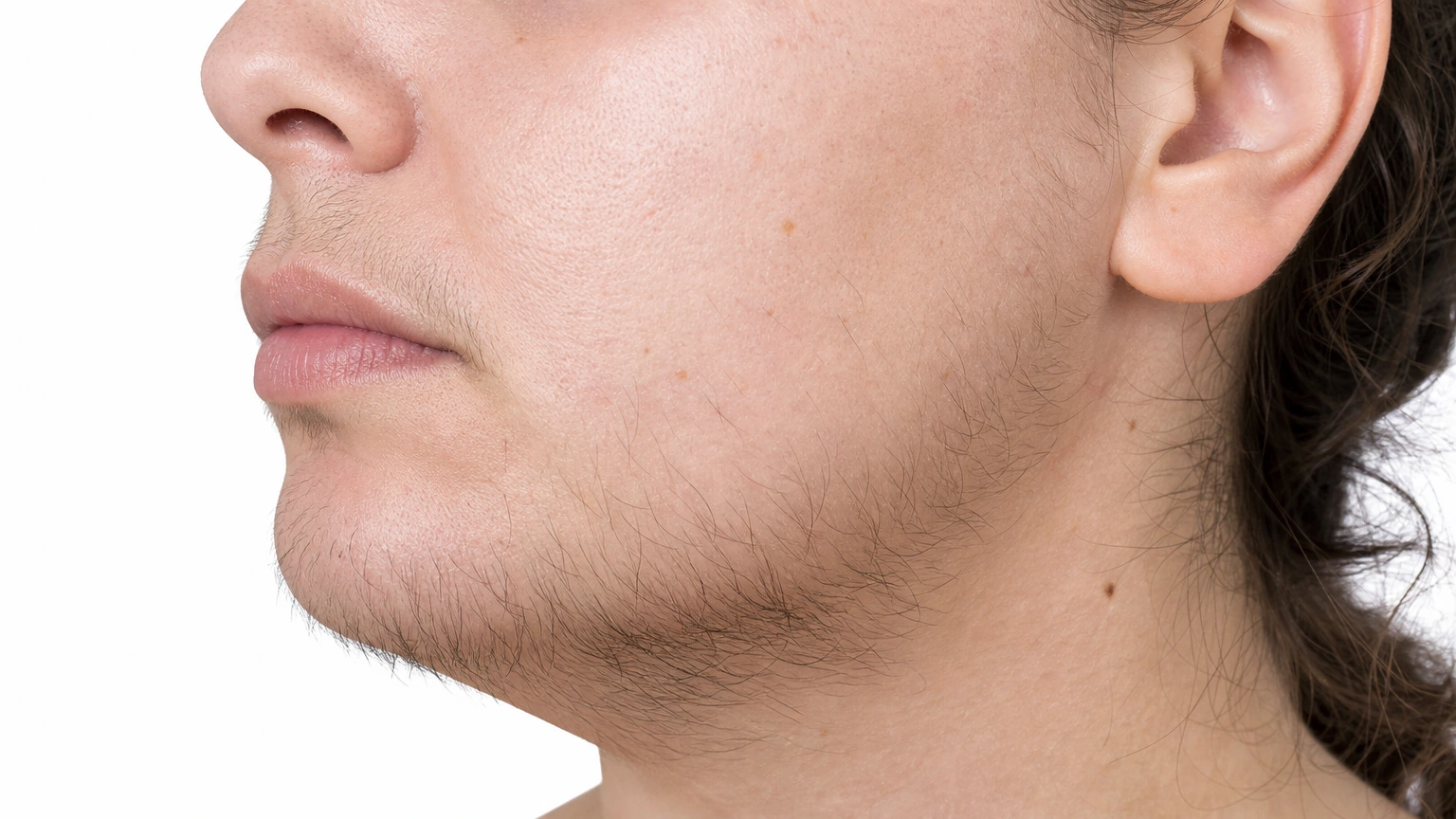
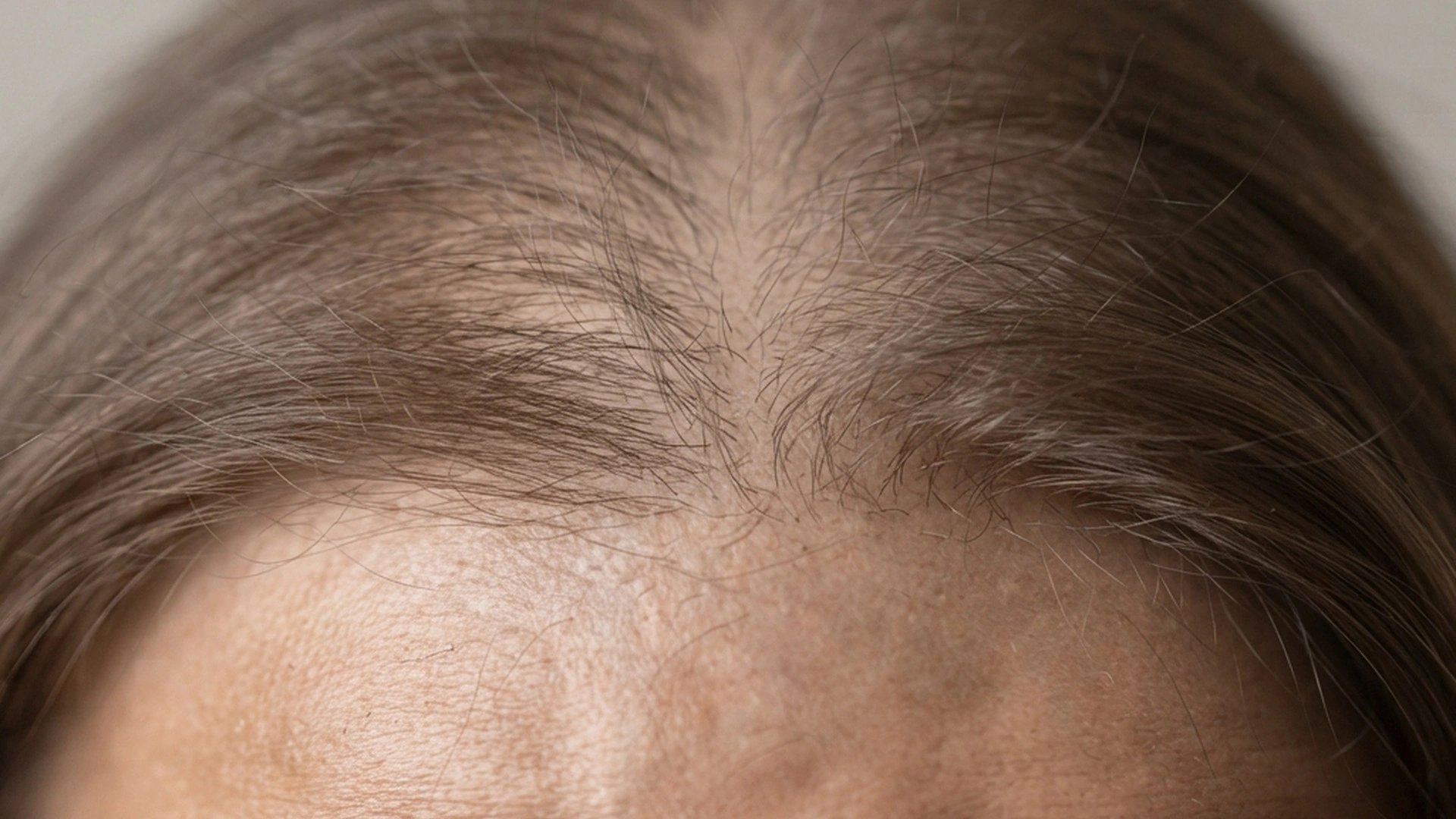

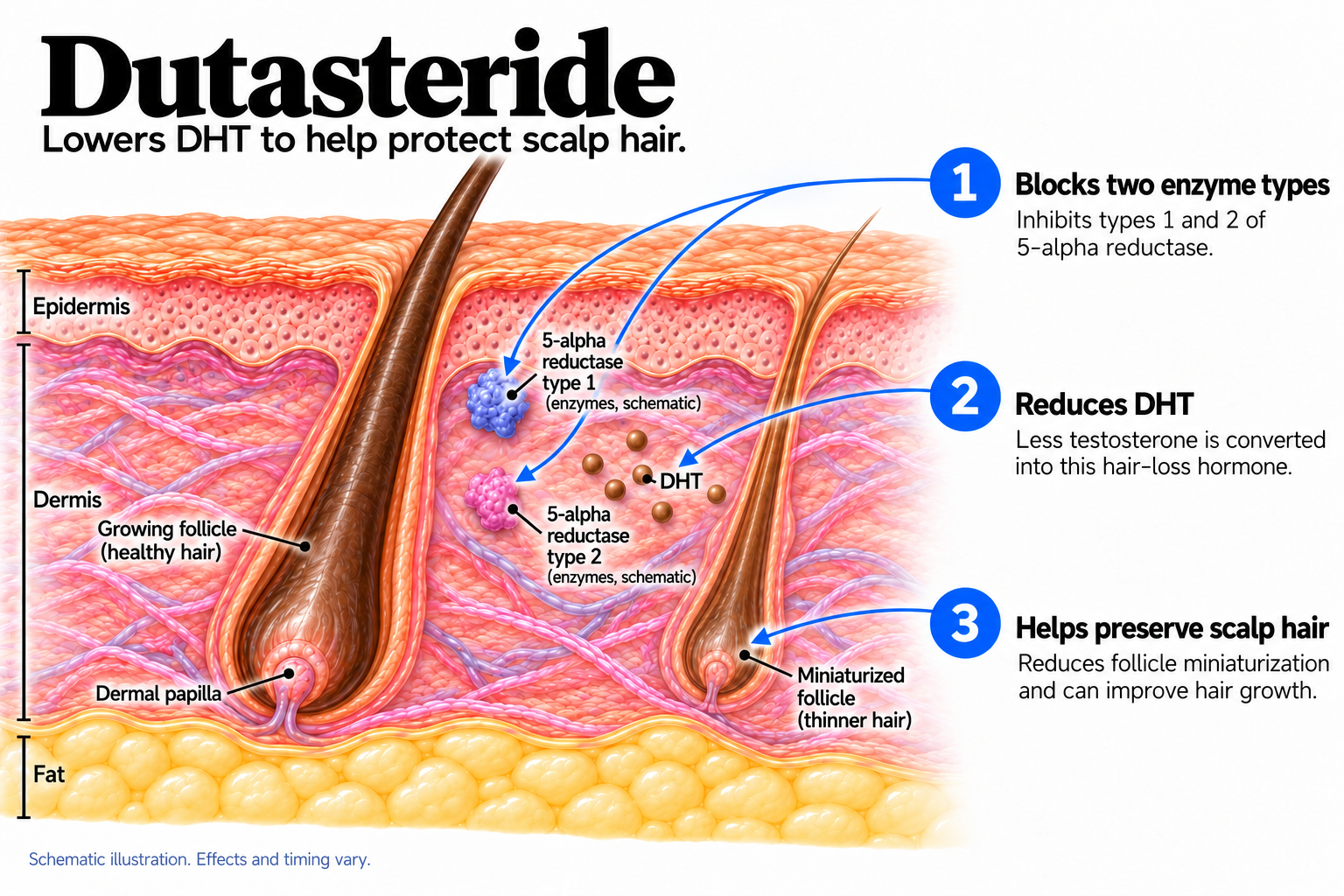
Blocks two enzyme types: Inhibits types 1 and 2 of 5-alpha reductase. Reduces DHT: Less testosterone is converted into this hair-loss hormone. Helps preserve scalp hair: Reduces follicle miniaturization and can improve hair growth.
Dutasteride inhibits type 1 and type 2 5-alpha reductase and does not bind androgen receptors. Hair-loss use is off-label in the US. Follicles are conceptual, not a guaranteed before-and-after response.

Reduces breakouts: Hormone-driven acne gradually improves. Makes less oil: Oil glands release less sebum into follicles. Blocks androgen signals: Limits hormone stimulation of oil-gland cells.
Oral spironolactone acne mechanism overview. Clinical evidence for acne improvement and reduced sebum is complemented by topical receptor studies and cultured sebocyte findings. The receptor is conceptual and intracellular; hormone shapes and oil droplets are not to scale. This is not a direct exfoliant or antibacterial.
The long half-life shapes everything. Levels build over weeks and settle after a few months, so nothing here is judged quickly.
Starting dose: 0.5 mg once a day — the dose used in the hair loss trials and approved for hair where it is licensed.
Alternative schedules: Some prescribers use 0.5 mg two or three times a week, since the drug is still present between doses. Lower exposure, less evidence.
Going up: Nothing above 0.5 mg for this use. Higher doses are not a hair strategy.
Total course: Open-ended. The effect lasts only while you take it, with a long tail after stopping.
The dose depends on tolerance and blood pressure more than weight. Kidney function sets the ceiling.
Starting dose: Often 25 mg to 50 mg daily, to see how blood pressure and the bladder respond.
Going up: Increased every four to six weeks if tolerated and acne has not responded.
Usual dose: Most settle between 50 mg and 100 mg a day. Higher doses are used, but side effects rise with them.
Total course: No set course. Many women stay on it for years, and stopping too early is the usual reason acne returns.
Any time of day, with or without food. Swallow the capsule whole — do not chew, open or squeeze it, and do not use one that is leaking. Wash your hands if you touch a damaged capsule.
Once daily, with or without food, though food reduces nausea. Take it in the morning — it increases urination for the first week or two. Some doctors split the dose. Drink to thirst; forcing water on a diuretic just means more trips to the bathroom.
Take it when you remember, or skip it. Never double up. Because the drug lasts weeks, a missed capsule barely changes your levels — a real advantage over finasteride.
Take it when you remember, the same day. If it is nearly the next day, skip it.
No routine blood tests are needed for a healthy man taking it for hair loss. Monitoring is a review and photographs, as with finasteride.
Two practical points. Dutasteride roughly halves PSA, the prostate blood test, so any doctor ordering one needs to know. Blood donation is deferred for six months after the last capsule, not one month, because it clears so slowly. Nothing accumulates harmfully; the question is whether to continue, not what to test.
Blood pressure is checked before starting. For healthy women under about 45 with normal kidneys and no interacting medicines, current guidance supports skipping routine repeated potassium tests — abnormal results in this group are rare and rarely meaningful. Potassium and kidney function are checked over 45, with kidney or heart disease, or on drugs that raise potassium.
This is a drug people stay on for years. What drifts is kidney function with age and the medicine list, so the decision gets revisited. A yearly review of dose, blood pressure and other medicines is usual.
Approximate windows, not promises.
Months 1 to 3Starting: Nothing visible yet; levels are still building. Some men shed more early as weak hairs are replaced.
Months 3 to 6Turning: Shedding slows, and hair feels denser before it looks denser. Sexual side effects, if they happen, show up here.
Months 6 to 12Regrowth: Regrowth appears if it is going to, mostly at the crown and mid-scalp, where dutasteride beat finasteride head to head. The hairline responds too, but stays the hardest area.
After 12 monthsJudge it here: Holding what you have is a result. The deeper DHT suppression gives a modest gain over finasteride, not a different category.
If you stopSlowly backwards: Levels take months to fall, so neither benefit nor side effects disappear quickly.
Weeks 1 to 2More urination, sometimes mild lightheadedness on standing. Skin unchanged.
Weeks 2 to 8Oiliness drops. Periods may become irregular at higher doses.
After 12 weeksThe fair judgment point. Improvement often continues to six months, so a partial response at three months means continue, not stop.
Sorted by what to do about them.
Generic dutasteride is cheap, though it costs more than generic finasteride. Branded Avodart costs far more for the same drug.
Hair loss use is off-label in the United States, so insurance rarely covers it and most people pay cash. Compounded topical and injectable versions cost much more on far less evidence.
Generic spironolactone is cheap and widely available. Some insurers query acne as an off-label use, but the cost rarely blocks treatment. The liquid form costs far more than tablets.
At 0.5 mg it regrew somewhat more hair than finasteride at 1 mg. Better is not first choice, though — off-label in the United States, and far slower to clear.
Weeks for most of it, traces for months. That is why donation is deferred six months rather than one.
That is how most people start it — a planned switch, not an addition.
Not routinely if you are healthy. Anyone ordering a PSA needs to know, because the result runs at about half.
Intact capsules are fine to handle. Nobody pregnant or who could become pregnant should touch a leaking or damaged one.
DHT recovers over months, not days, and the hair being held is lost over the following six to twelve months.
A healthy woman under about 45 with normal kidneys and no interacting medicines does not need routine potassium testing. If you are older, or have kidney or heart disease, or take drugs that raise potassium, testing is appropriate.
No. Most women who respond have normal blood tests. What matters is oil gland sensitivity, which is not measurable.
It can make them irregular at higher doses. A combined contraceptive pill alongside usually prevents this.
Generally avoided — at acne doses it commonly causes breast enlargement and tenderness. Clascoterone cream is the alternative.
Those findings came from rats on very high doses. Human studies have not shown a matching risk at acne doses.