Acne
Reduces hormonal breakouts in women.
Spironolactone: A water tablet that blocks male-type hormones as a side effect. In adult women, that side effect is the reason it is prescribed for acne. Topical Minoxidil: The over-the-counter liquid or foam for pattern hair loss. It works for a good share of the people who use it properly, and it almost always sheds before it grows.
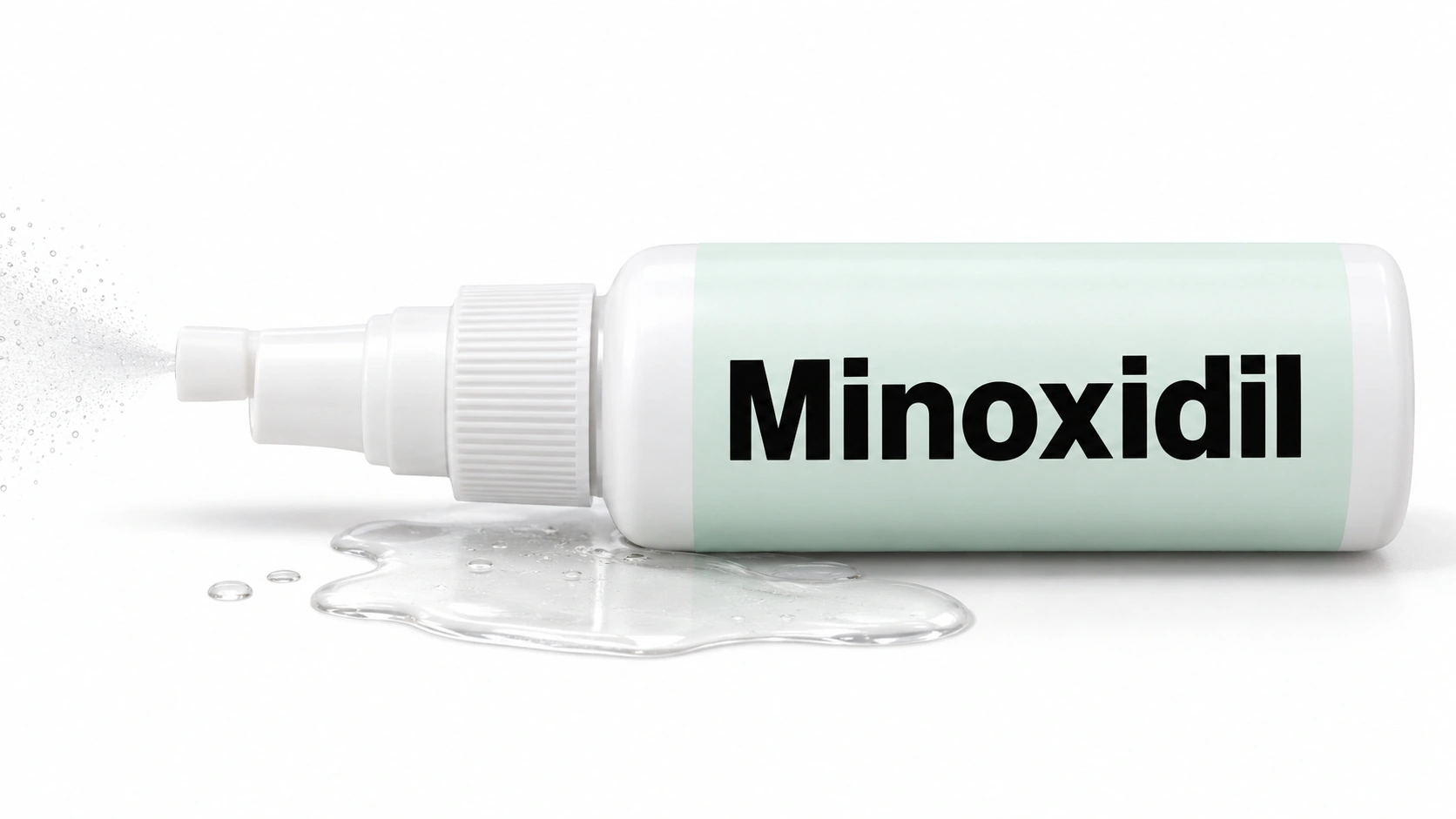
Choose for hormonal acne in adult women as a long-term, low-cost alternative to repeated antibiotic courses.
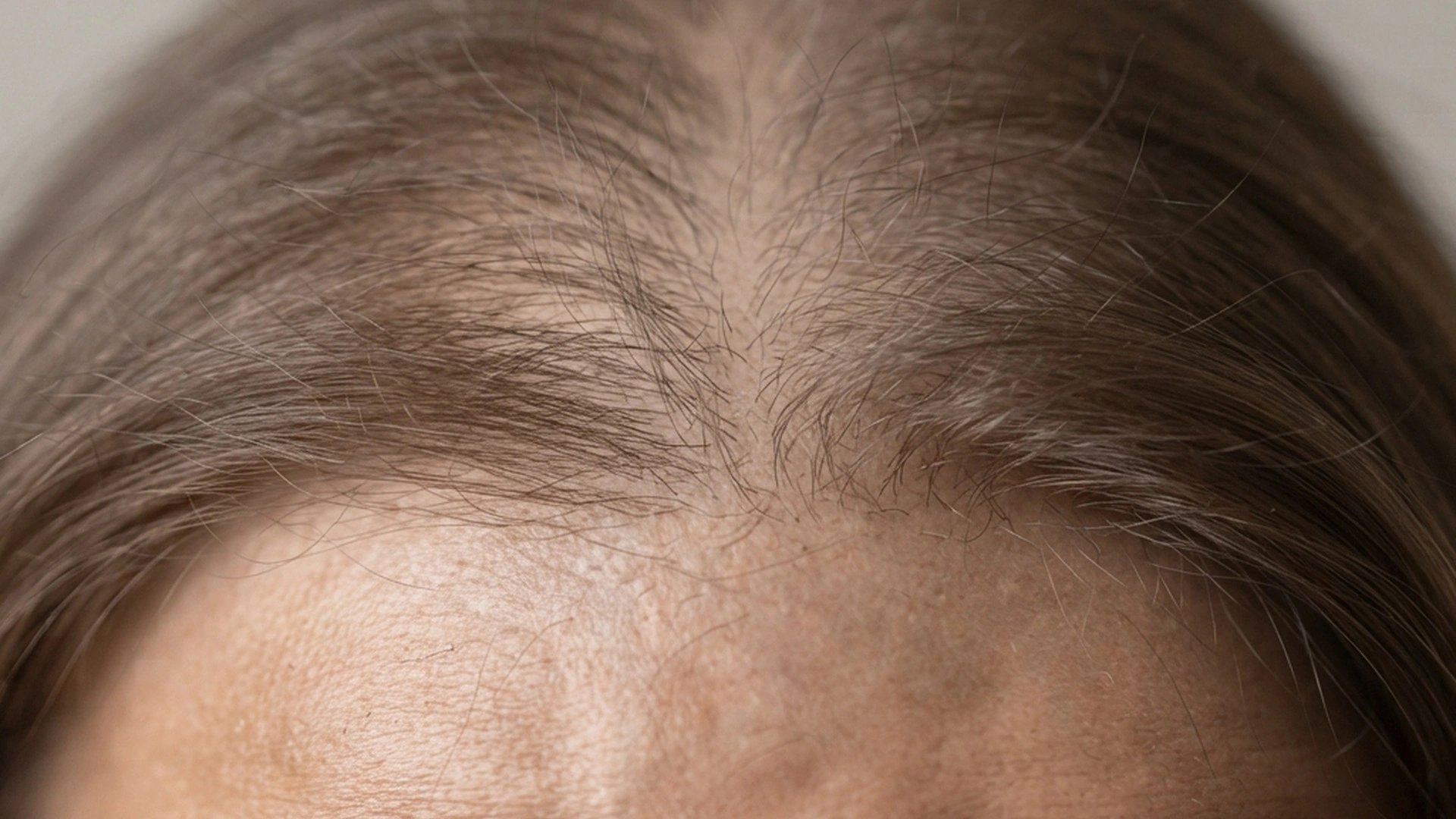
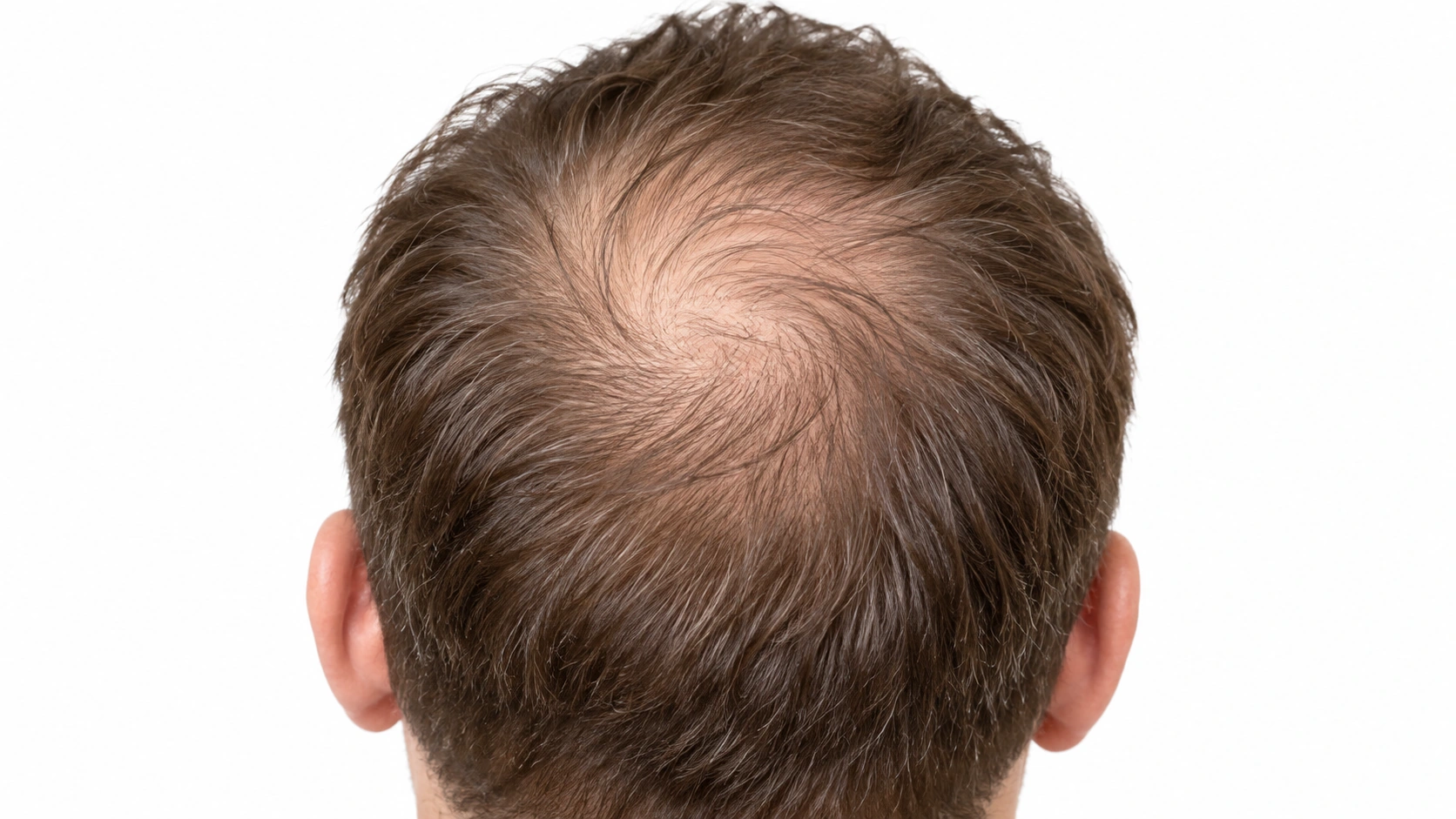
Choose as the over-the-counter first step for pattern hair loss in men or women, if you'll use it daily for a year.
Can you take them together?
A common pairing for female pattern hair loss: spironolactone slows the loss while minoxidil helps regrow hair.
Compare uses by strength of evidence. Evidence level describes confidence in a benefit, not its size.

Reduces breakouts: Hormone-driven acne gradually improves. Makes less oil: Oil glands release less sebum into follicles. Blocks androgen signals: Limits hormone stimulation of oil-gland cells.
Oral spironolactone acne mechanism overview. Clinical evidence for acne improvement and reduced sebum is complemented by topical receptor studies and cultured sebocyte findings. The receptor is conceptual and intracellular; hormone shapes and oil droplets are not to scale. This is not a direct exfoliant or antibacterial.

Activated in the follicle: Follicle enzymes convert it into minoxidil sulfate. May open potassium channels: This may alter growth signals in follicle cells. Favors the growing phase: Helps follicles spend more time making hair. Can improve hair density: Some hairs become thicker with continued treatment.
The full hair-growth mechanism is not established. Activation by sulfation is supported; potassium-channel involvement is based on experimental human follicle evidence and is qualified. Oral hair-loss use is off-label in the US. This diagram does not equate vasodilation alone with hair growth.
The dose depends on tolerance and blood pressure more than weight. Kidney function sets the ceiling.
Starting dose: Often 25 mg to 50 mg daily, to see how blood pressure and the bladder respond.
Going up: Increased every four to six weeks if tolerated and acne has not responded.
Usual dose: Most settle between 50 mg and 100 mg a day. Higher doses are used, but side effects rise with them.
Total course: No set course. Many women stay on it for years, and stopping too early is the usual reason acne returns.
When to Apply: On a dry scalp, aimed at the skin rather than the hair. About 1 mL of solution or half a capful of foam over the thinning area, worked in with fingertips. Twice a day for the solutions and for men using foam; the 5% foam sold for women is once daily. Wash your hands afterwards, and let it dry a couple of hours before bed or a hat.
How to Start: Every day from day one, at times you can keep. Missed days are the main reason it fails, and there is no loading period. If the alcohol stings, move to the foam rather than a lower strength.
If It Irritates: Itching, flaking and redness usually come from the propylene glycol in the solution, not the drug, and switching to the foam fixes most cases. A medicated shampoo helps a flaky scalp. Redness that spreads or worsens needs looking at.
If It’s Not Working: Give it a full year of daily, correctly applied use. Applying more, or more often, does not speed it up. If nothing has changed after a year, the follicle may not be converting the drug to its active form — a biological limit, not a discipline problem. Ask about a tablet then.
Once daily, with or without food, though food reduces nausea. Take it in the morning — it increases urination for the first week or two. Some doctors split the dose. Drink to thirst; forcing water on a diuretic just means more trips to the bathroom.
Take it when you remember, the same day. If it is nearly the next day, skip it.
Blood pressure is checked before starting. For healthy women under about 45 with normal kidneys and no interacting medicines, current guidance supports skipping routine repeated potassium tests — abnormal results in this group are rare and rarely meaningful. Potassium and kidney function are checked over 45, with kidney or heart disease, or on drugs that raise potassium.
This is a drug people stay on for years. What drifts is kidney function with age and the medicine list, so the decision gets revisited. A yearly review of dose, blood pressure and other medicines is usual.
Nothing needs checking for over-the-counter use on an intact scalp. Very little of the drug reaches the bloodstream at normal doses.
The real monitoring is photographic: the same part of your scalp, in the same light, at the start and every three months. Hair change is too slow to see in a daily mirror, and without pictures people abandon treatments that were working.
Approximate windows, not promises.
Weeks 1 to 2More urination, sometimes mild lightheadedness on standing. Skin unchanged.
Weeks 2 to 8Oiliness drops. Periods may become irregular at higher doses.
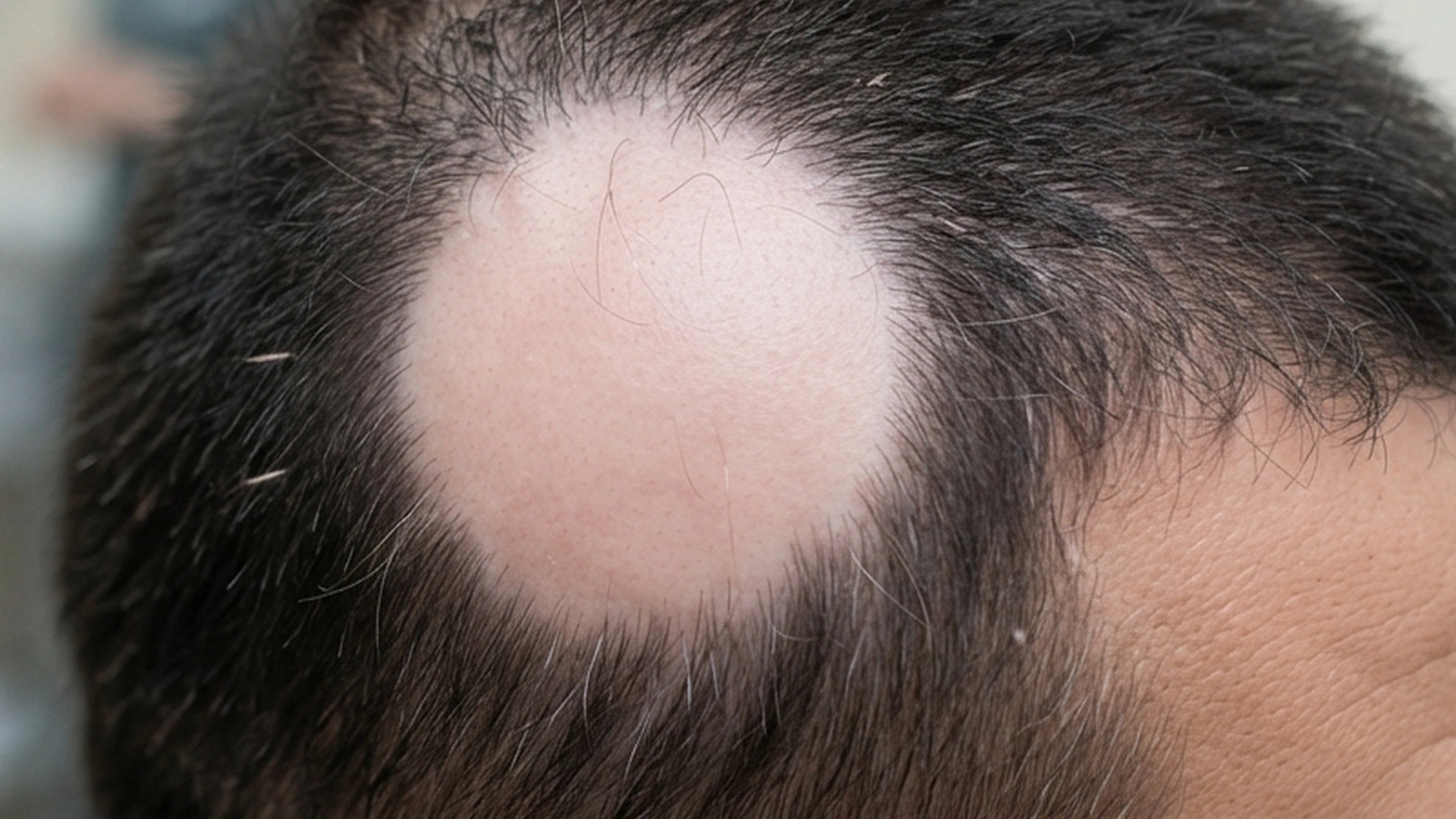
Weeks 2 to 8The shedding phase: More hair comes out than usual, because resting hairs are released early so new ones can start. This is where most people quit, and the growth underneath then never arrives. Mild itching or flaking starts now if the solution is going to irritate.
After 12 weeksThe fair judgment point. Improvement often continues to six months, so a partial response at three months means continue, not stop.
First few minutesApplying it: Onto a dry scalp, not the hair, and off the forehead, temples and cheeks.
Months 2 to 4The quiet stretch: Shedding settles back to normal and nothing looks better yet. The routine either sticks here or it does not.
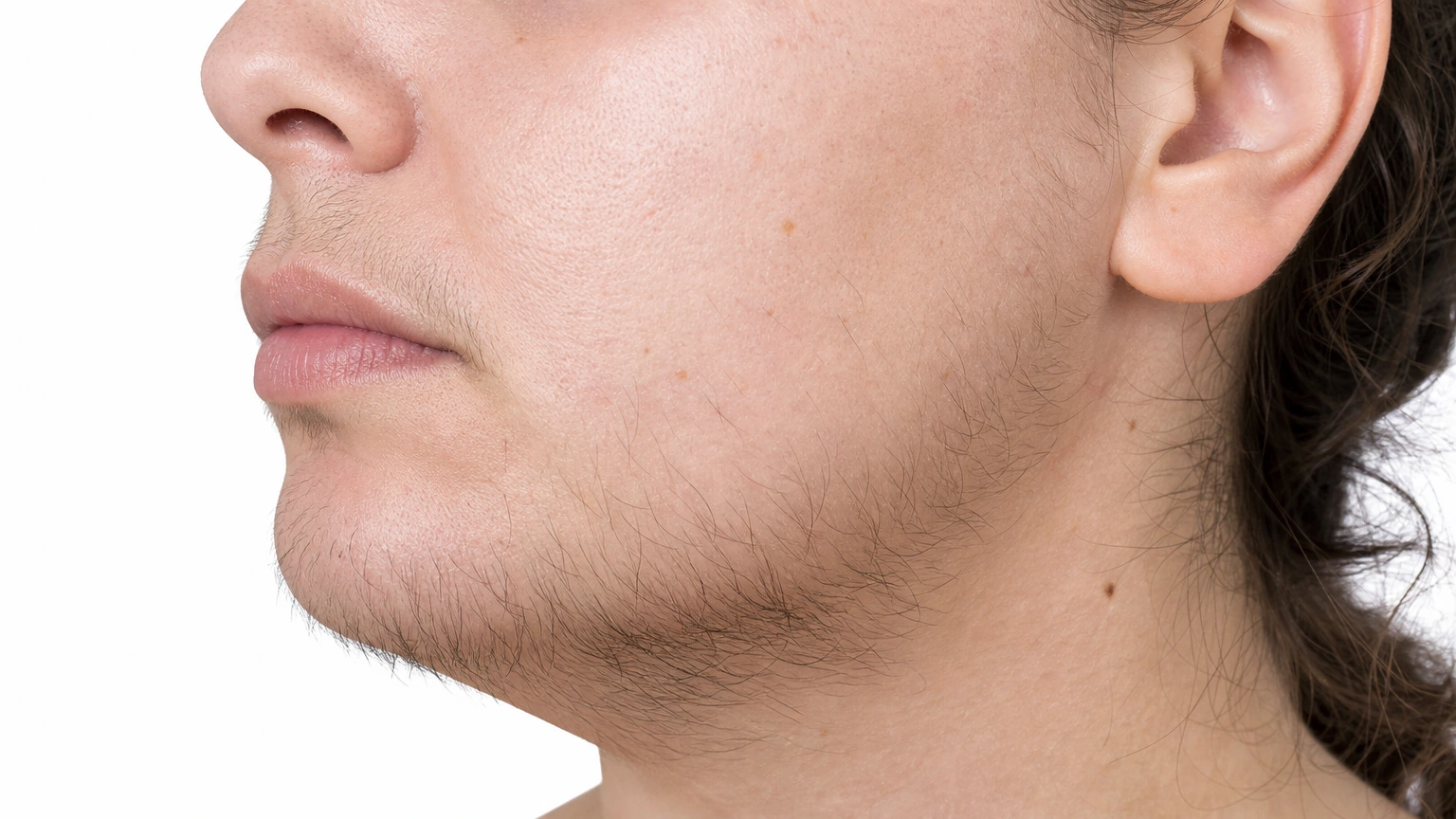
Months 4 to 6First regrowth: New hairs appear, fine, short and pale. Unwanted hair on the forehead, temples or cheeks shows up now if the product has run onto the face.
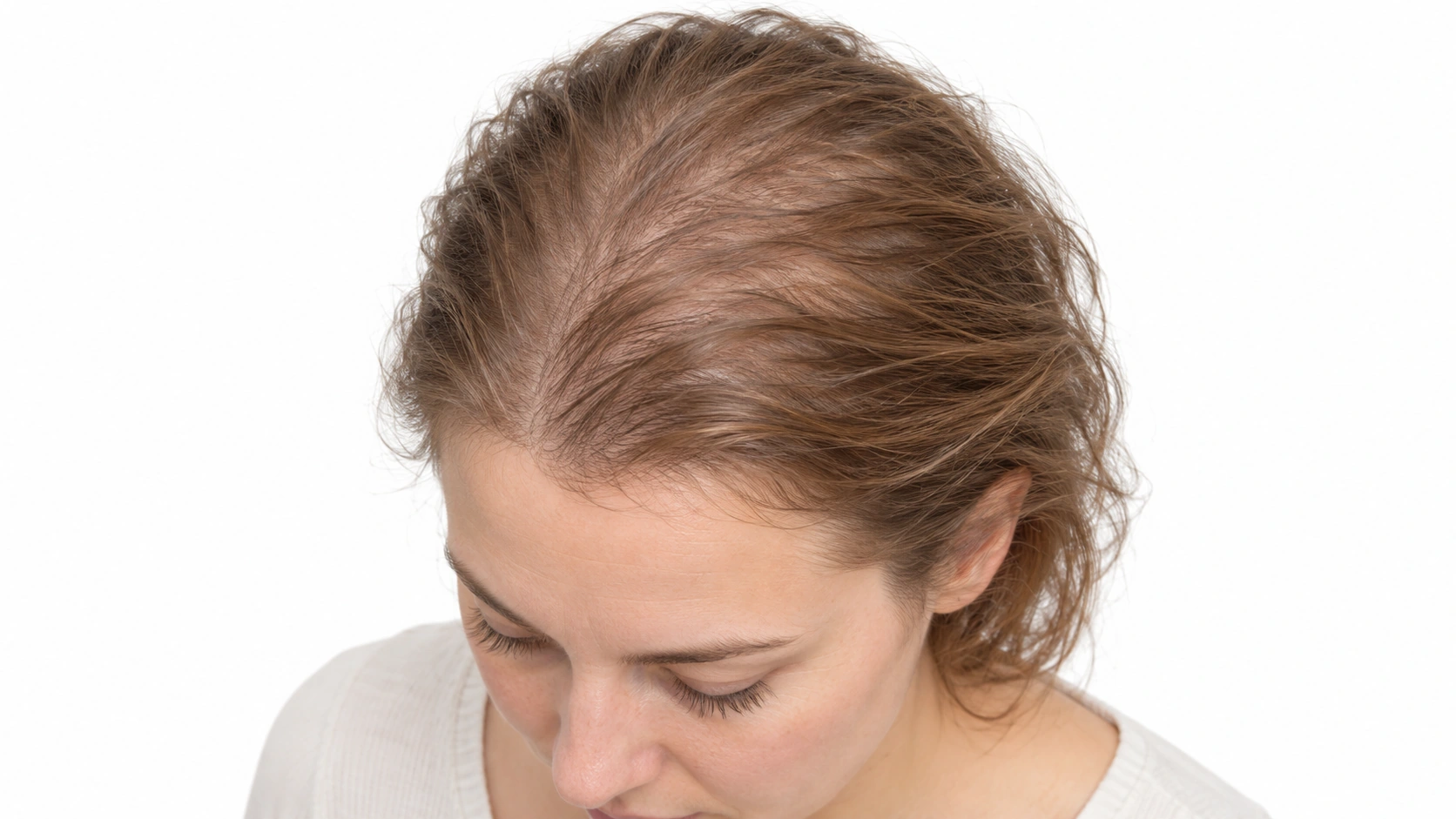
Months 6 to 12Density: It improves if it is going to, thickest at the crown and mid-scalp — the best-documented result in men and women. In women, a fuller look across the top rather than a new hairline.
After 12 monthsJudge it here: Improvement that arrived tends to plateau rather than continue.
Sorted by what to do about them.
Generic spironolactone is cheap and widely available. Some insurers query acne as an off-label use, but the cost rarely blocks treatment. The liquid form costs far more than tablets.
Generic minoxidil is cheap — store-brand solution is among the least expensive treatments in dermatology, and the same drug as the branded bottle beside it.
Foam costs more, and the gap is worth paying if propylene glycol bothers you. Buying several months at once lowers the monthly cost. Insurance does not cover it, since it is sold over the counter.
A healthy woman under about 45 with normal kidneys and no interacting medicines does not need routine potassium testing. If you are older, or have kidney or heart disease, or take drugs that raise potassium, testing is appropriate.
No. Most women who respond have normal blood tests. What matters is oil gland sensitivity, which is not measurable.
It can make them irregular at higher doses. A combined contraceptive pill alongside usually prevents this.
Generally avoided — at acne doses it commonly causes breast enlargement and tenderness. Clascoterone cream is the alternative.
Those findings came from rats on very high doses. Human studies have not shown a matching risk at acne doses.
The expected early shed, usually between weeks two and eight — resting hairs released so new ones can grow. It settles by month three.
Foam if your scalp is sensitive, flaky or itchy. Liquid if you want the cheapest option and your scalp tolerates it.
For as long as you want the result. Stopping returns your scalp to untreated within three to six months.
Yes. Leave a few hours between applying and washing.
Probably not much. Its evidence is the crown and mid-scalp, and diffuse thinning in women.
Not around cats. Minoxidil is severely toxic to them, so keep it away, let your scalp dry, and wash your hands every time.