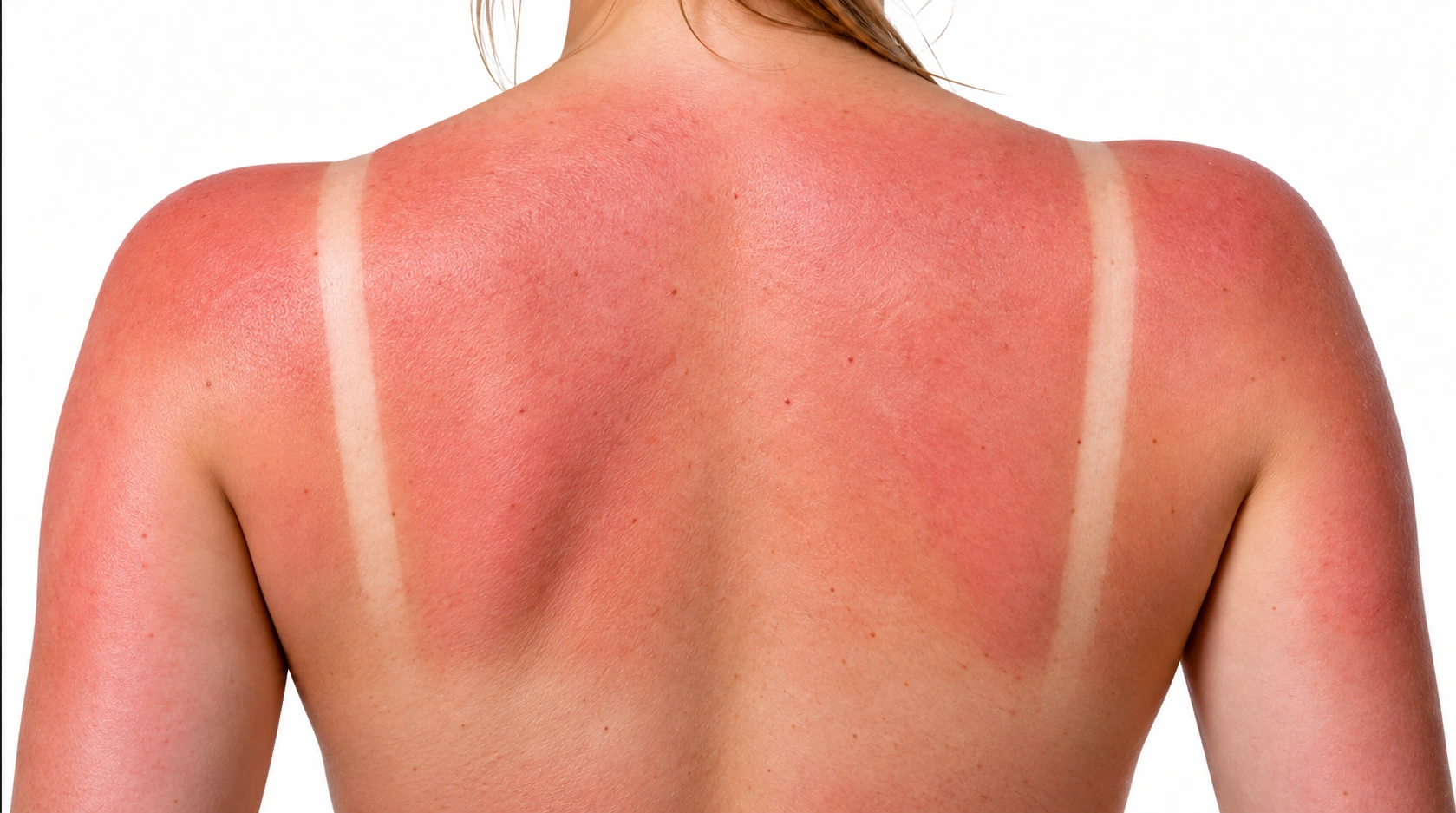
Sunburn
A tested sunscreen helps prevent sunburn when used as directed.
Cica: Used in soothing moisturizers; ingredient-specific clinical evidence is limited. Titanium Dioxide: Provides UV protection in tested sunscreen formulas, often with other filters.
Consider for a gentle moisturizer; check the complete formula and your tolerance.
Choose a comfortable tested broad-spectrum sunscreen; check its UVA coverage.
Can you use both?
Apply cica first, then a mineral sunscreen as the last step.
Compare uses by strength of evidence. Evidence level describes confidence in a benefit, not its size.

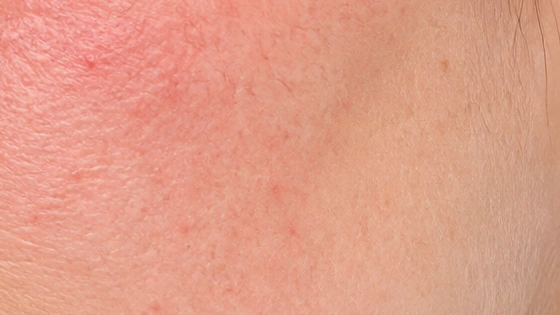

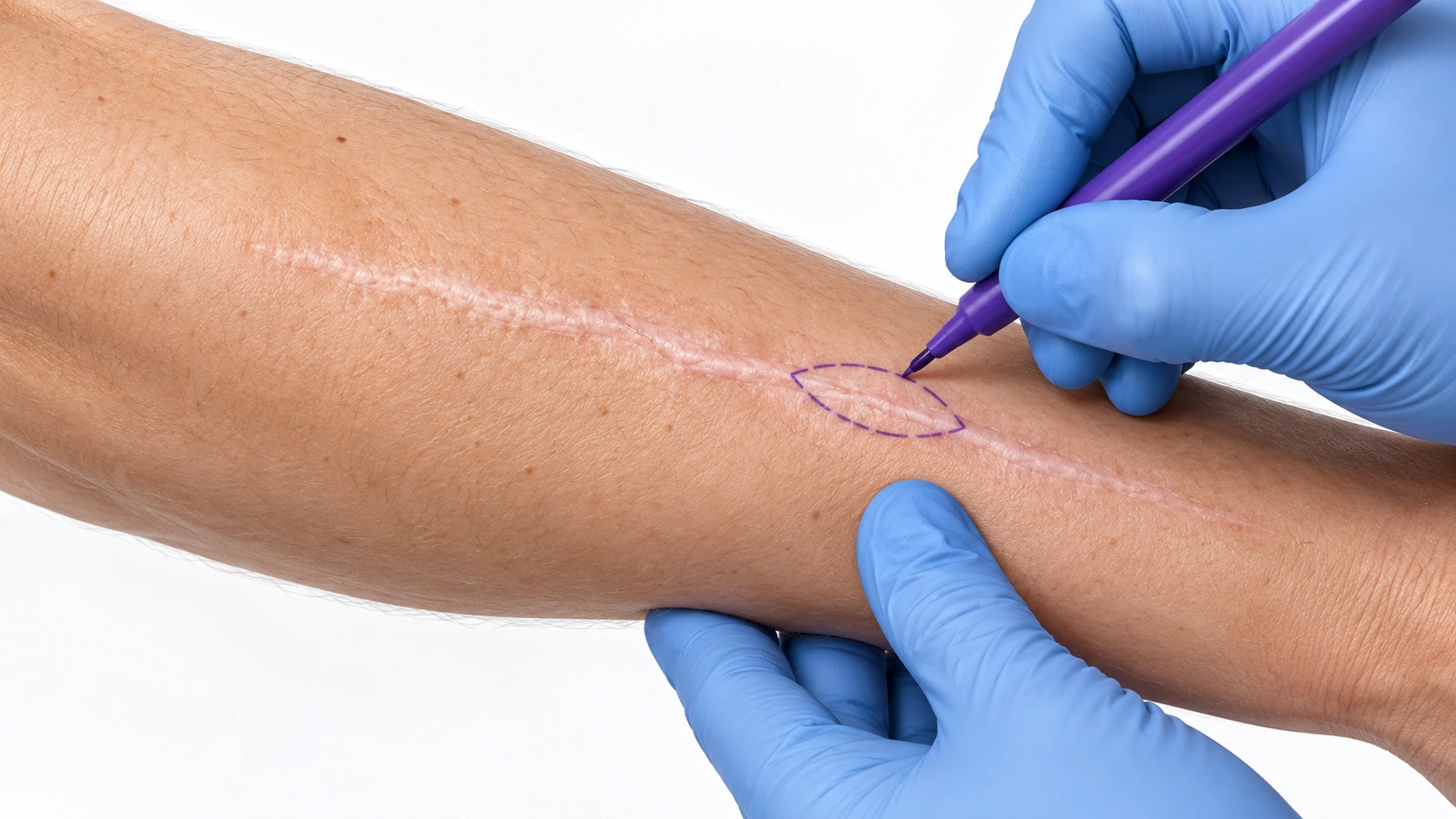


Contains plant compounds: Extracts may include madecassoside and related molecules. Repair signaling is being studied: Laboratory findings do not guarantee clinical repair.
Schematic illustration; not a measurement of skin penetration. Effects vary with ingredient identity and formulation. Some illustrated pathways are experimental; laboratory findings do not establish a clinical treatment benefit.
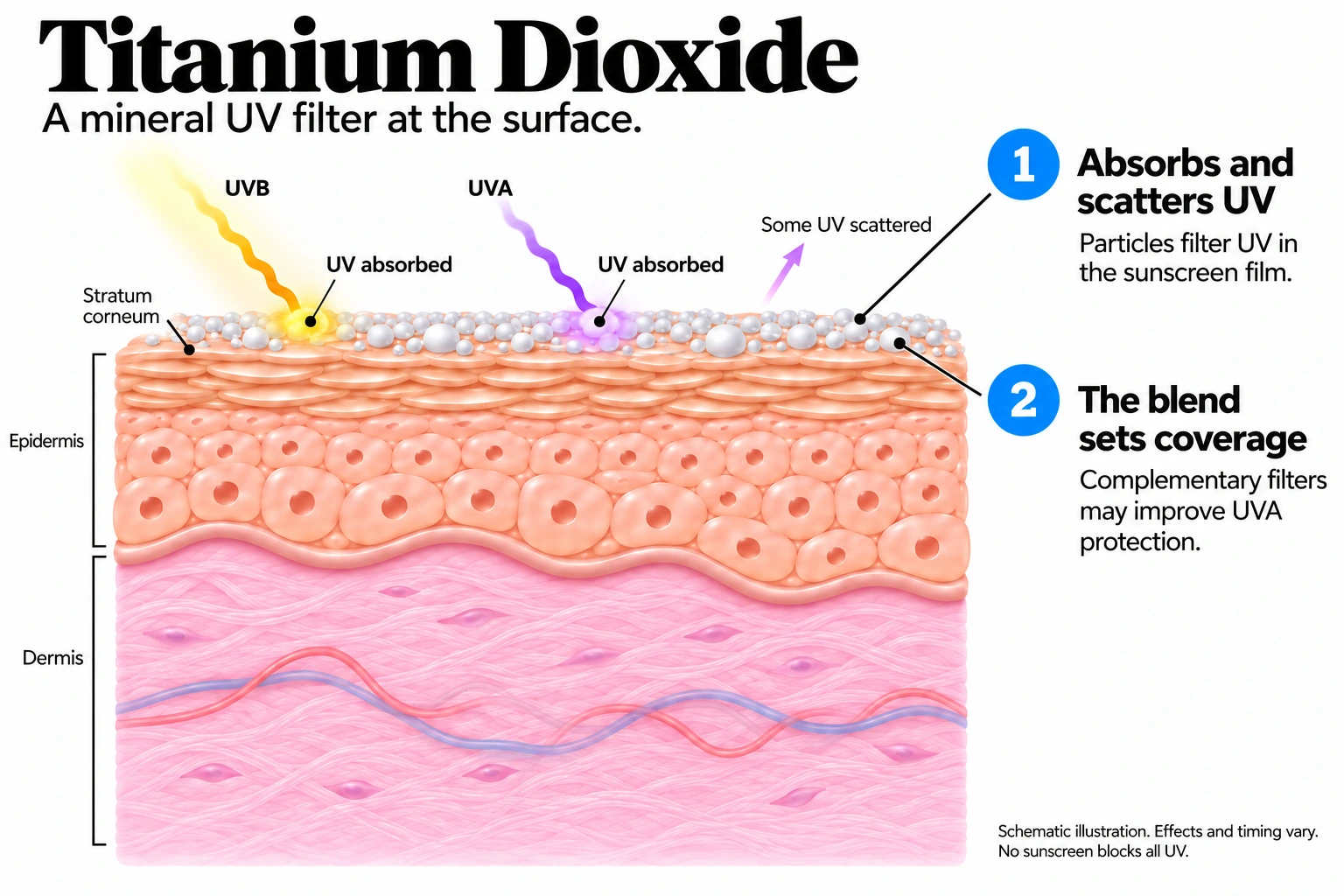
Absorbs and scatters UV: Particles filter UV in the sunscreen film. The blend sets coverage: Complementary filters may improve UVA protection.
Schematic illustration; not a measurement of skin penetration. Effects vary with ingredient identity and formulation.
Built from where each one usually sits in a routine. Introduce one at a time.
Cica usually means Centella asiatica extract, a mixture whose composition varies with extraction and standardization. There is no established percentage scale that makes different cica products equally potent.
Choosing a strength: Check whether the label names whole Centella extract, madecassoside, asiaticoside, or another purified compound.
Higher strengths: A higher extract percentage does not necessarily mean more of the compounds studied in clinical research.
Formula matters: A study of 0.1% madecassoside with 5% vitamin C cannot be used as a recommended percentage for whole cica extract.
U.S. sunscreen products may use titanium dioxide up to 25%. The filter percentage is not the product’s SPF or a guarantee of broad-spectrum protection.
25%
U.S. sunscreen ceiling
A permitted maximum, not a target dose or proof that the product provides adequate UVA protection.
Choosing a strength: Choose the finished sunscreen by its tested broad-spectrum and SPF labeling, texture and ability to apply enough.
Higher strengths: A higher filter percentage does not reliably predict stronger protection or better tolerance.
Formula matters: Particle properties, dispersion and other filters affect the finished product. Titanium dioxide in makeup or a moisturizer is not automatically a sunscreen.
Approximate windows, not promises.
First few weeksSkin may feel softer soon after use; relief depends on the formula.
First few weeksProtection starts with correct application; it does not require a weeks-long course.
4–8 weeksJudge hydration, comfort and whether dryness is recurring.
4–8 weeksConsistency matters; this is prevention, not a spot-clearing treatment.
8–12 weeksPersistent cracking, itch or a rash needs reassessment.
8–12 weeksContinue correct application and reapplication.
3–6 monthsContinue if comfortable; hydration usually requires ongoing use.
3–6 monthsMonitor tolerance and sun exposure; a changing spot needs assessment.
6–12 monthsMoisturizing does not establish reversal of structural ageing or scars.
6–12 monthsPhotoaging prevention is a long-term benefit, not a promise of wrinkle reversal.
Can cause a contact rash; avoid assuming botanical products are allergy-free.
Can leave a white cast; avoid inhaling powder or spray products.
Stop for persistent burning, swelling, blistering or a new rash. Seek urgent care for breathing difficulty or a severe allergic reaction.
Stop for persistent burning, swelling, blistering or a new rash. Seek urgent care for breathing difficulty or a severe allergic reaction.
Choose a simple formula and test a small area first. Individual tolerance matters more than an ingredient’s reputation for being gentle.
Choose a simple formula and test a small area first. Individual tolerance matters more than an ingredient’s reputation for being gentle.
Do not use a cosmetic product as a substitute for diagnosis of an unexplained, changing or persistent skin problem.
Do not use a cosmetic product as a substitute for diagnosis of an unexplained, changing or persistent skin problem.
Applied to the skin, very little is expected to be absorbed, but ask the doctor managing your pregnancy. Mention it separately if you also take gotu kola by mouth.
Mineral sunscreens are generally considered acceptable in pregnancy.
On the skin. The finished product delivers cica in a particular vehicle.
Entering skin. No single molecular mass. The 500 Da guideline cannot be applied to this whole ingredient family or mixture.
Conversion. No activation step is established as necessary for its intended topical role.
Skin response. Contains plant compounds studied for inflammatory and repair signalling; extracts are not chemically identical.
Additional effects. Proposed pathways do not establish a measured depth of delivery or clinical benefit beyond the studies cited.
On the skin. The finished product delivers titanium dioxide in a particular vehicle.
Entering skin. Formula-unit mass is not particle size. These mineral particles act in the surface sunscreen film; the 500 Da guideline does not predict particle penetration.
Conversion. No activation step is established as necessary for its intended topical role.
Skin response. Particles absorb and scatter UV in the surface film; particle coating, size and the filter blend affect performance.
Additional effects. Proposed pathways do not establish a measured depth of delivery or clinical benefit beyond the studies cited.
Consider for a gentle moisturizer; check the complete formula and your tolerance.
A 20-person study tested madecassoside together with vitamin C for six months. It cannot isolate Centella extract or establish treatment of acne, eczema or scars.
Choose a comfortable tested broad-spectrum sunscreen; check its UVA coverage.
Penetration experiments depend on the particles, model and skin condition; the cited study used minipigs. The formula-unit mass is not nanoparticle size and does not predict entry through skin.
Sources