Triamcinolone Acetonide
The mid-strength topical steroid most rashes on the body get treated with. Cheap, effective, and not meant for the face, eyelids or skin folds.
Key facts
Triamcinolone Acetonide at a glance.
Used for
Eczema and body rashes
Results
2–4 weeks
Treatment commitment
Short topical courses; injections differ
Key precautions
Overuse can thin skin
What is it?
Top things to know about Triamcinolone Acetonide
- It is a corticosteroid. Triamcinolone reduces steroid-responsive inflammation.
- It comes in several strengths. Creams range from 0.025% to 0.5%, and they are not interchangeable.
- It can also be injected. Dermatologists inject it into selected lesions using a different preparation.
- Other forms are not for skin. Nasal and systemic products should not be applied to skin.
Often used for
What Triamcinolone Acetonide is used for

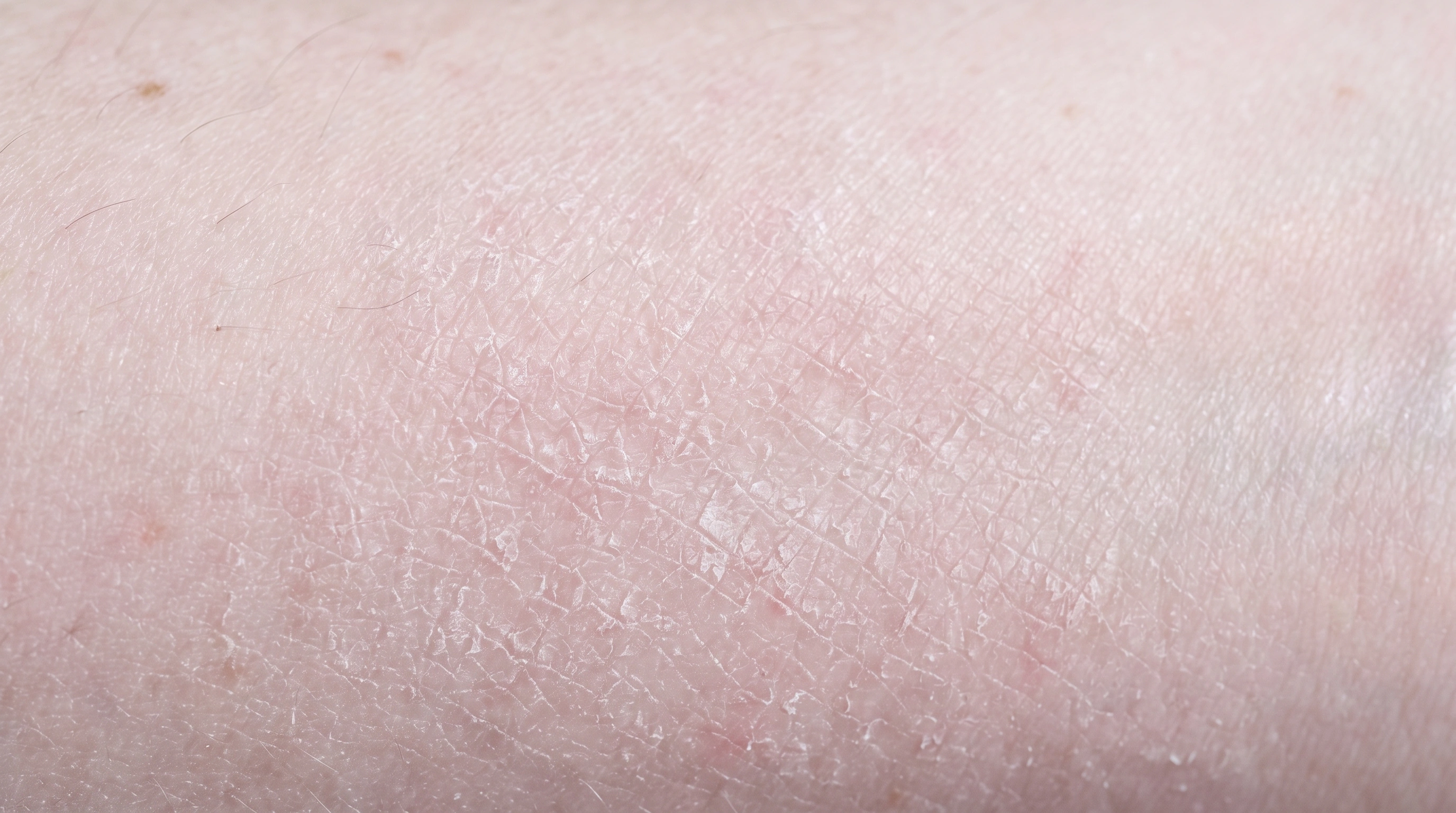
Eczema
Calms flares on the body.
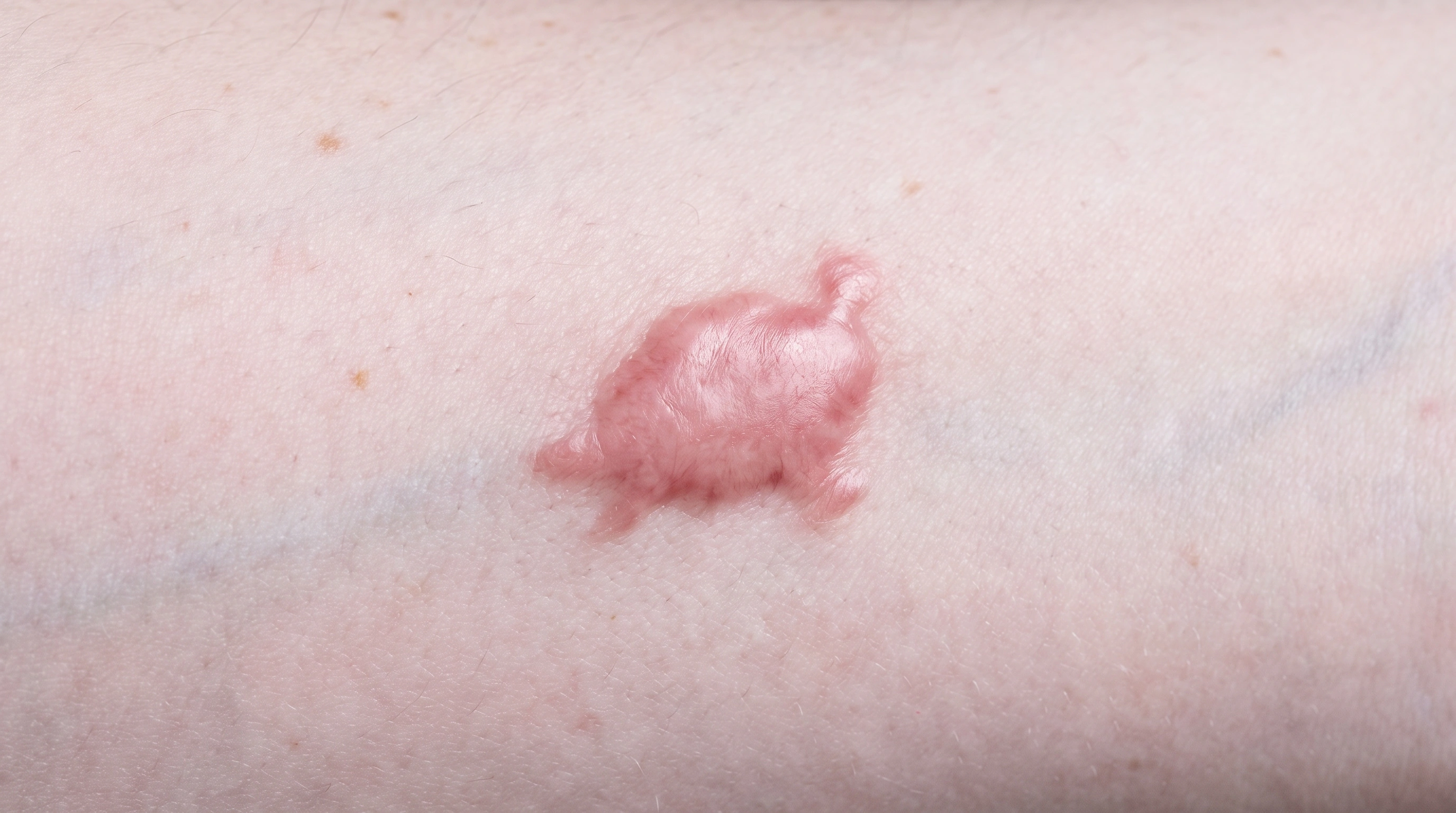
Keloids
Injections flatten and soften scars.

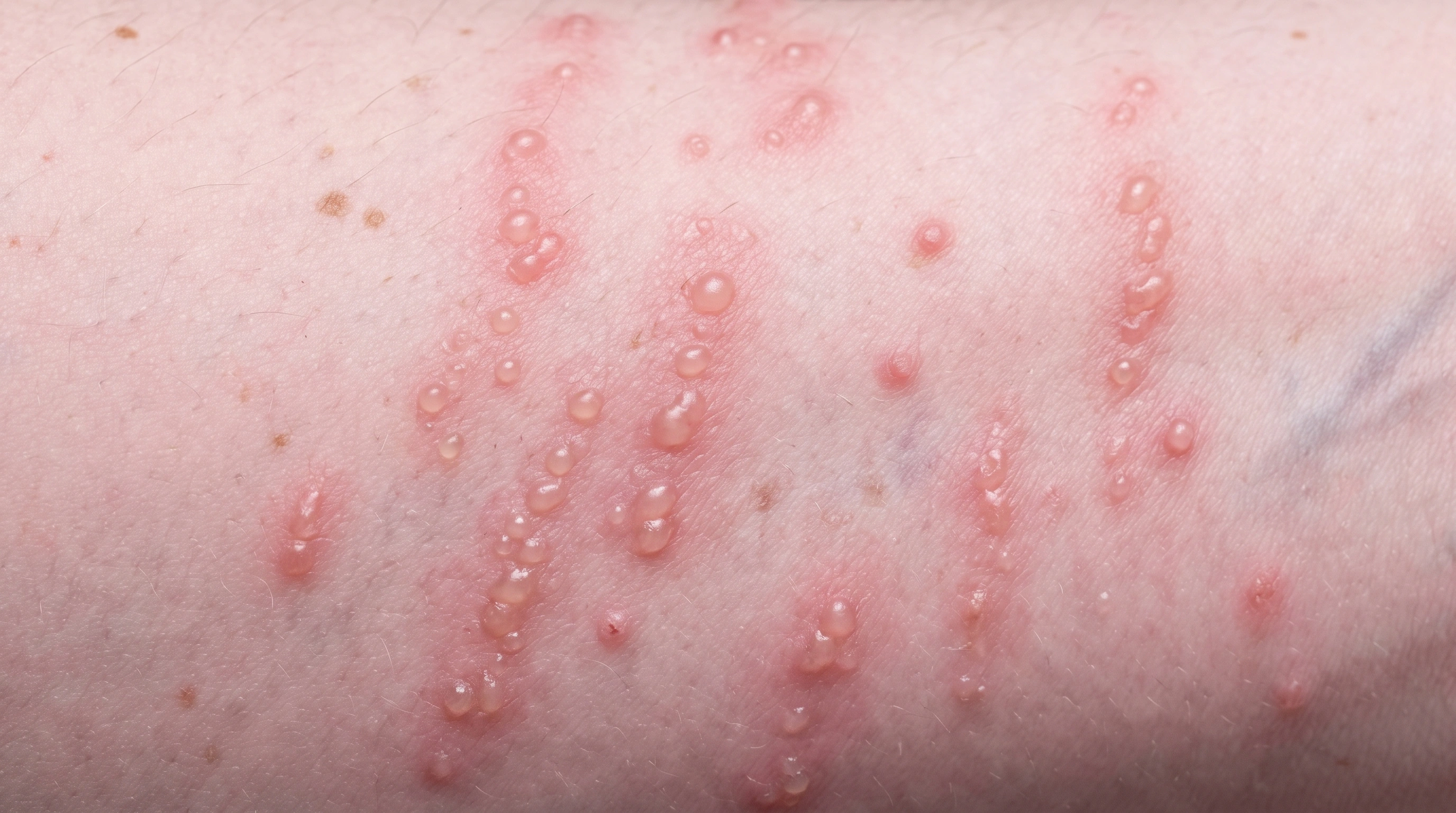
Psoriasis
Reduces plaques on the body.
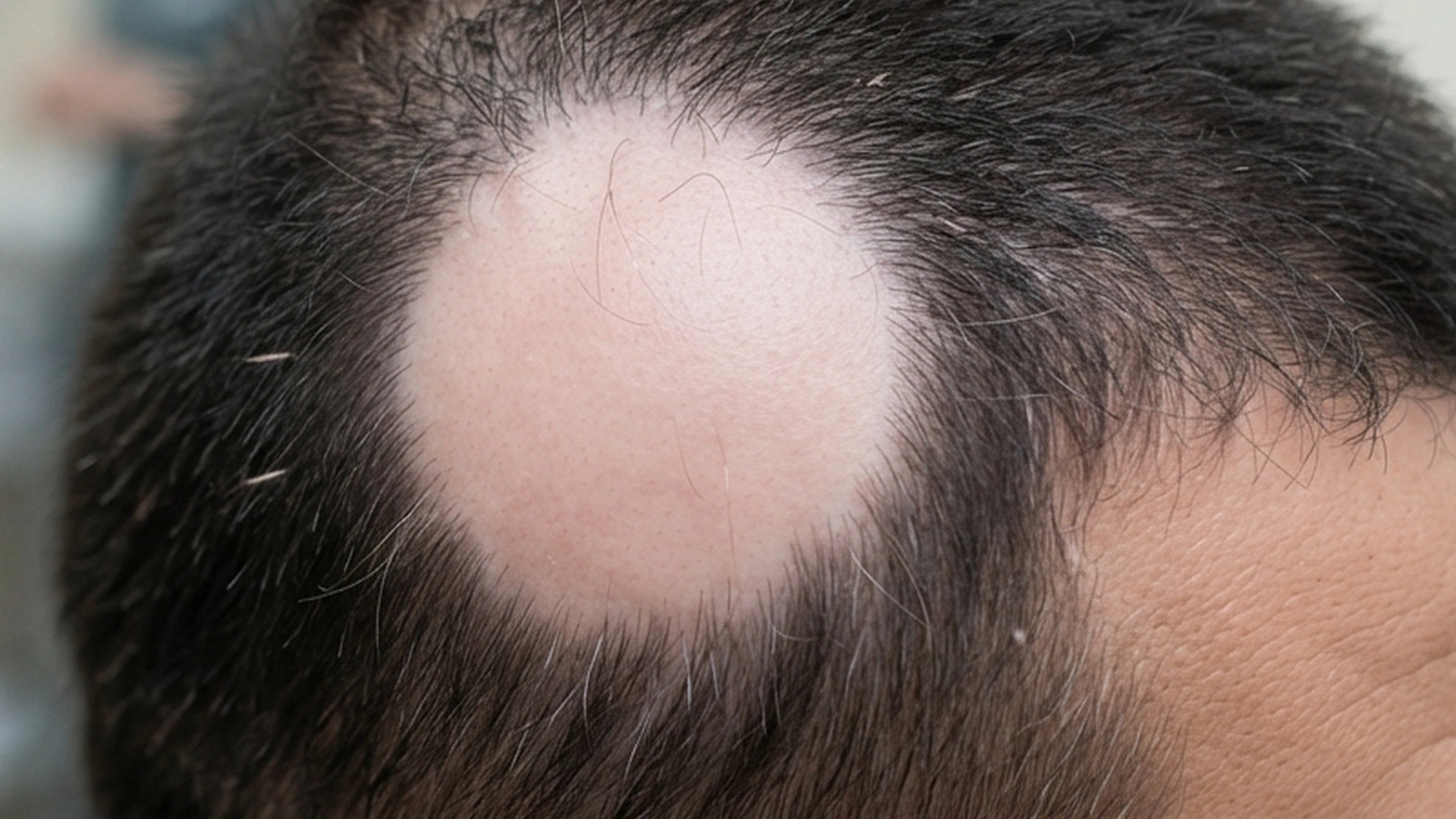
Alopecia Areata
Injections regrow hair in patches.
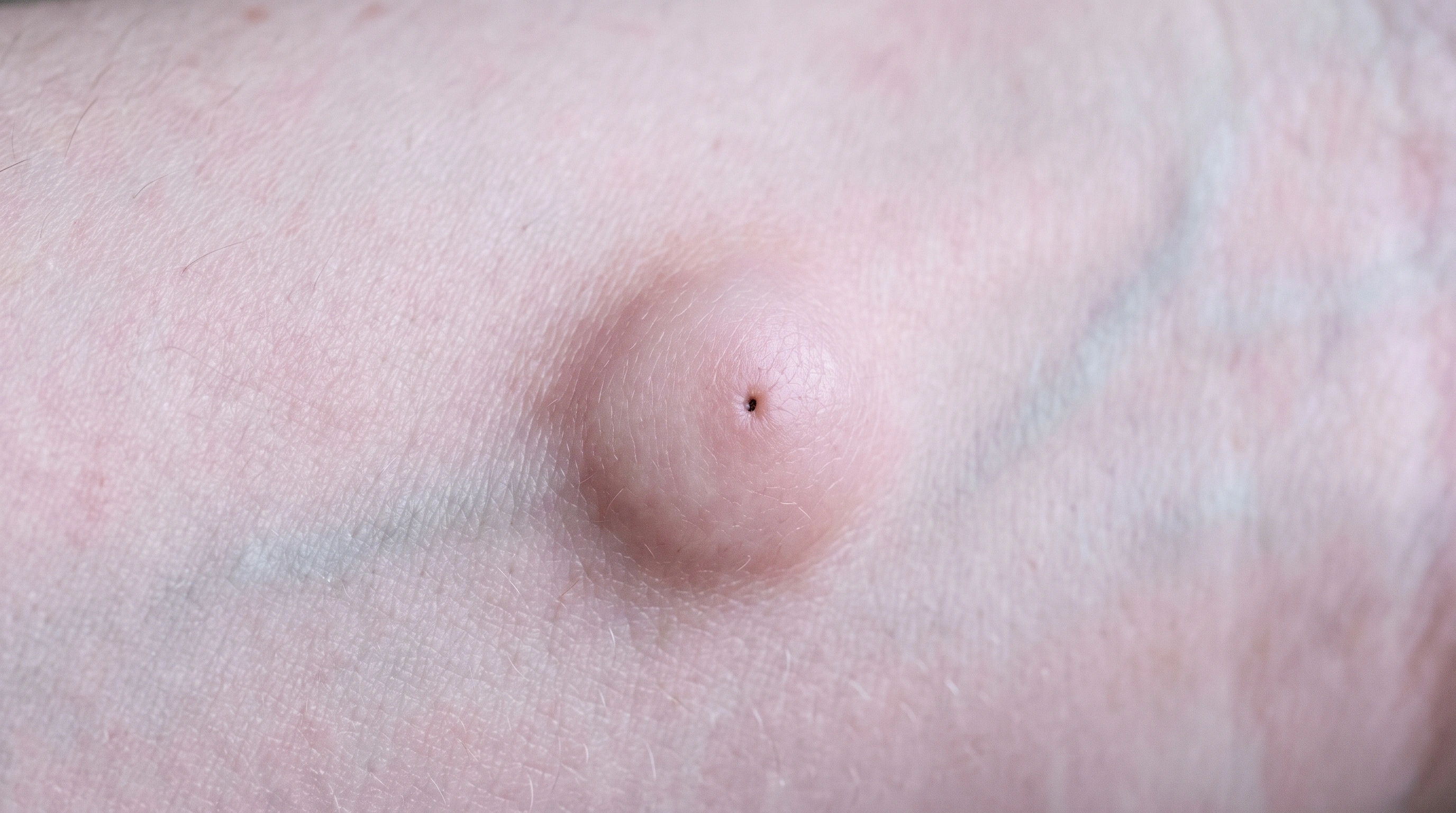
Epidermal Inclusion Cyst
Injections calm an inflamed cyst.

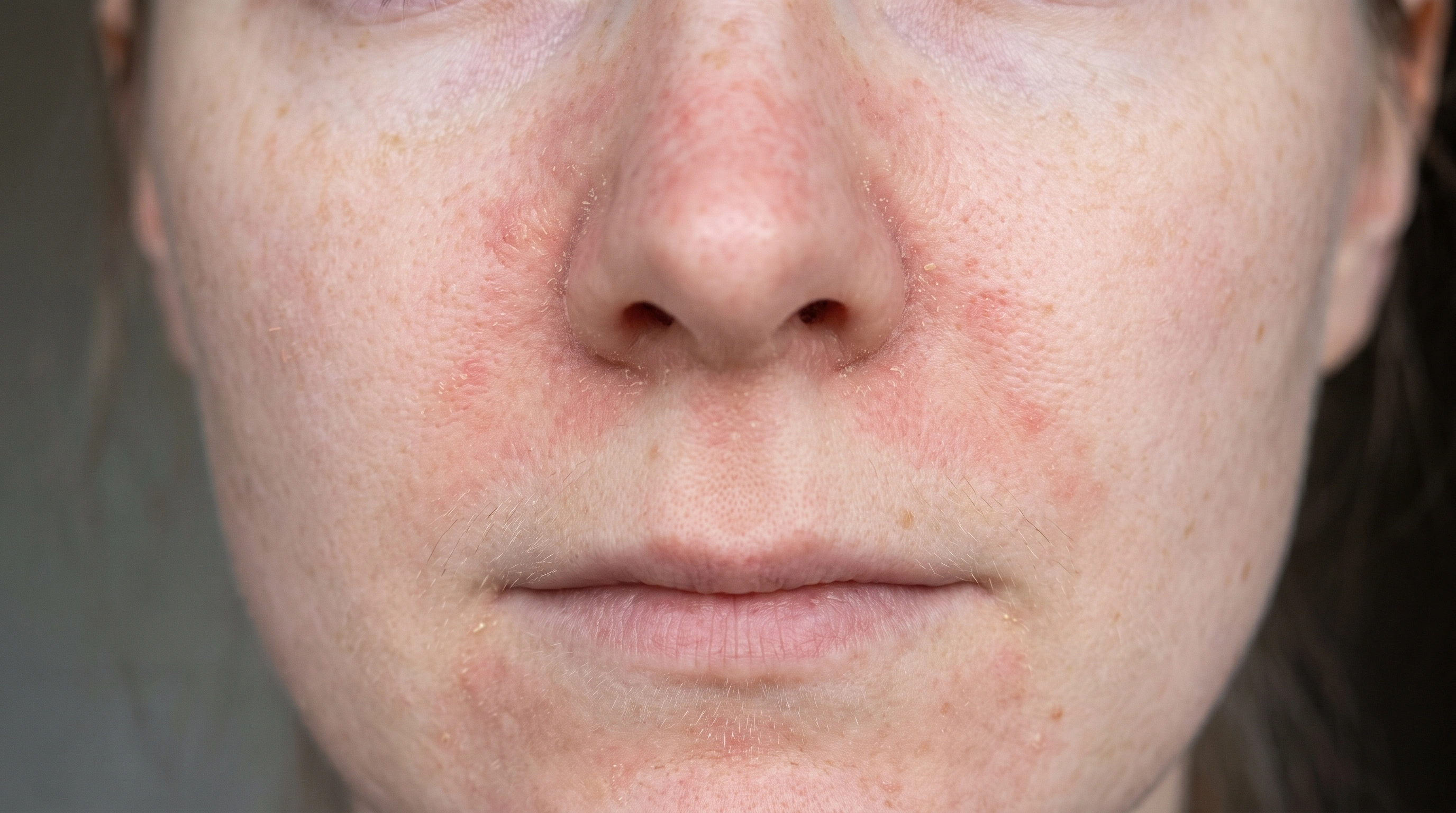
Rosacea
Steroids worsen rosacea.
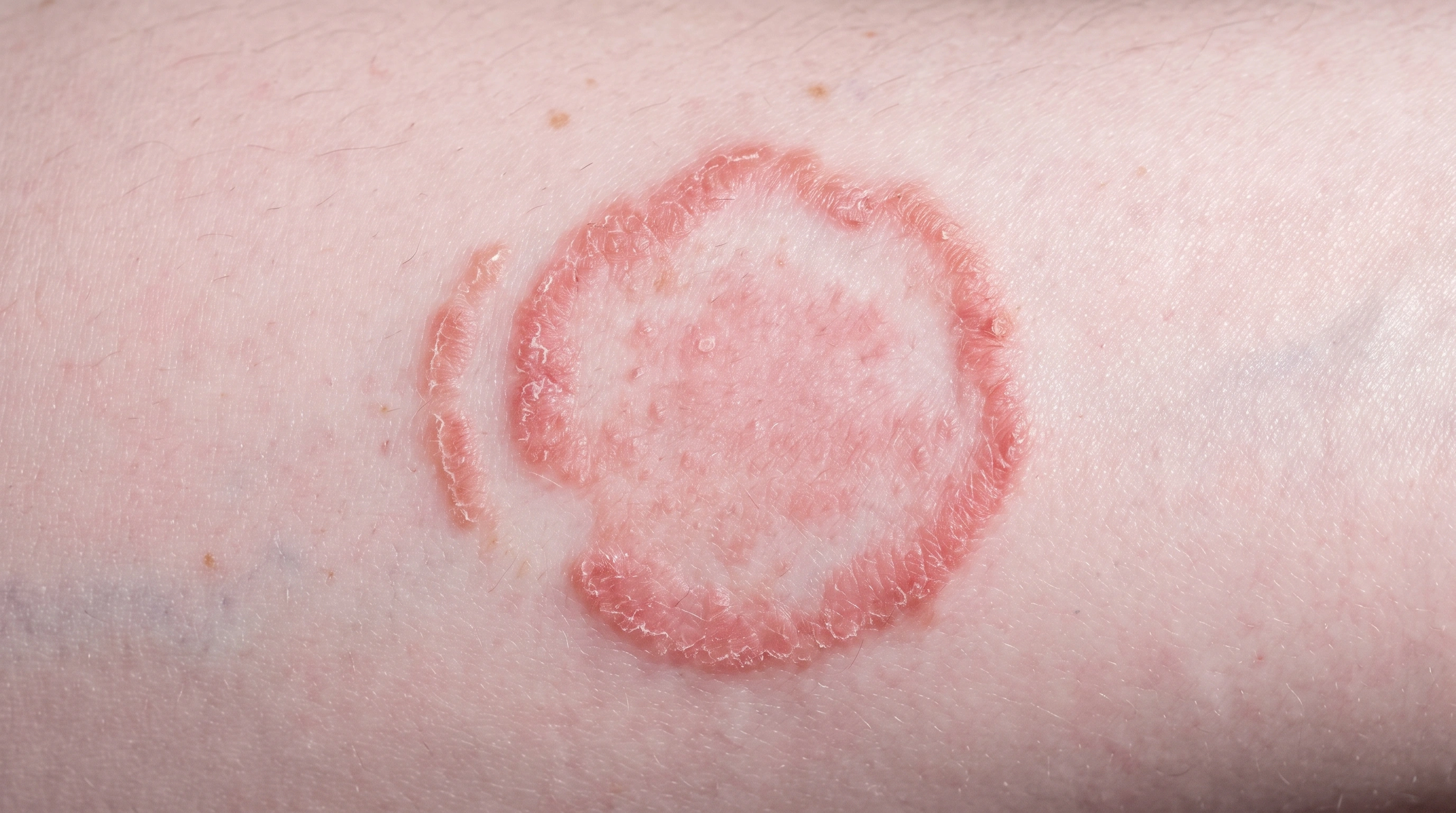
Ringworm
Steroids let fungus spread.
HOW IT WORKS
How Triamcinolone works
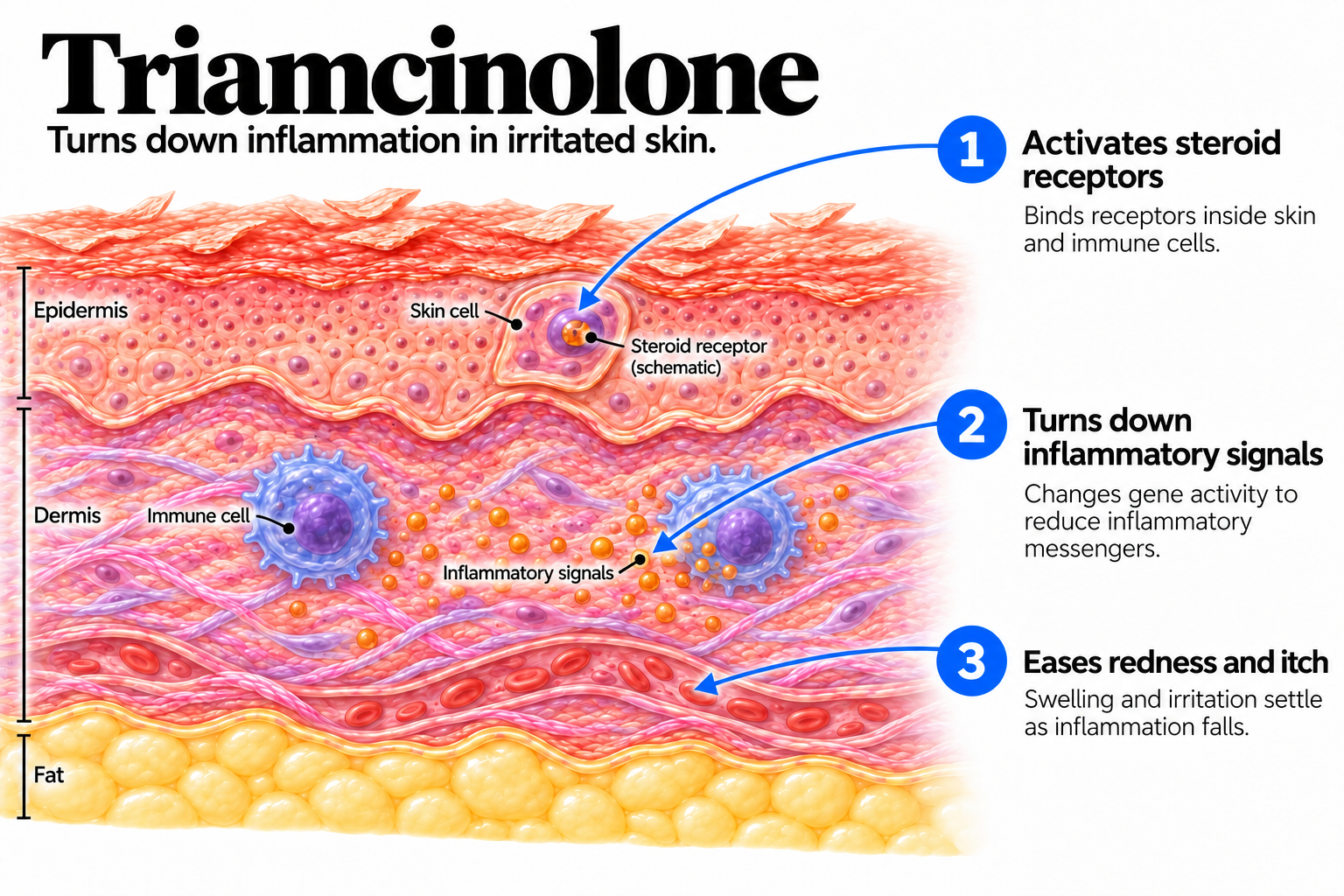
Diagram explanation and sources
Activates steroid receptors: Binds receptors inside skin and immune cells. Turns down inflammatory signals: Changes gene activity to reduce inflammatory messengers. Eases redness and itch: Swelling and irritation settle as inflammation falls.
Simplified glucocorticoid receptor-mediated effects in steroid-responsive skin inflammation. Full effects also involve other pathways. No claim of antimicrobial action or cure; formulation and potency affect clinical use.
Strengths
Triamcinolone strengths
Topical triamcinolone examples include 0.025%, 0.1% and 0.5%. Potency and absorption depend on the vehicle and body area. Injectable triamcinolone is a separate office treatment measured in mg/mL, not a higher step on this topical scale.
0.025%
0.1%
0.5%
A labeled cream concentration. Frequency and treatment area follow the prescription.
Commonly supplied in cream and other bases; the percentage alone does not identify steroid potency.
A labeled cream concentration for selected steroid-responsive conditions. Higher strength increases the need to consider site and duration.
Forms
Triamcinolone forms
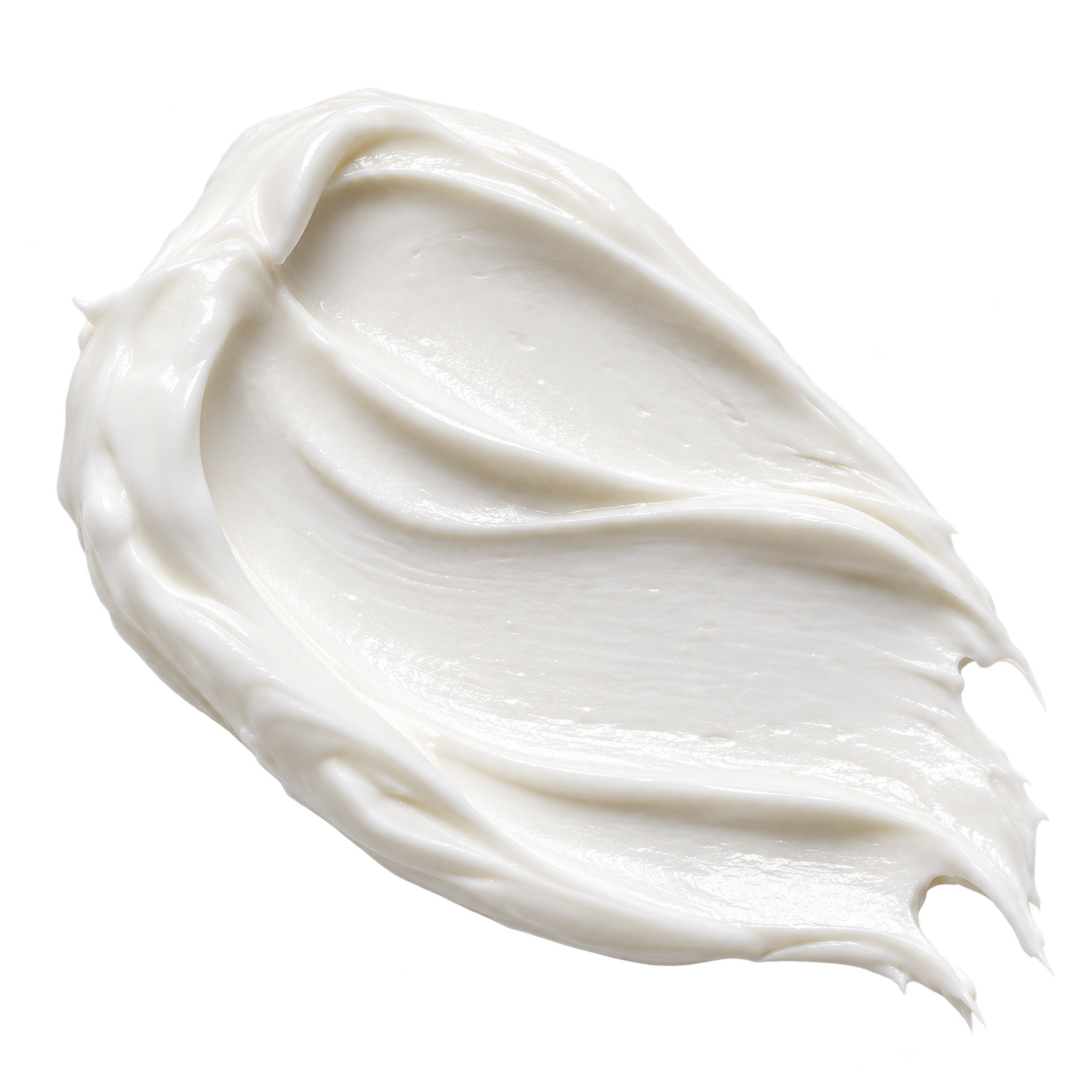
Cream
Richer and more moisturizing; often suits dry skin. The full formula still affects comfort.

Ointment
A greasy, protective base that helps hold moisture in. Often comfortable on very dry skin, but can feel heavy or sticky.
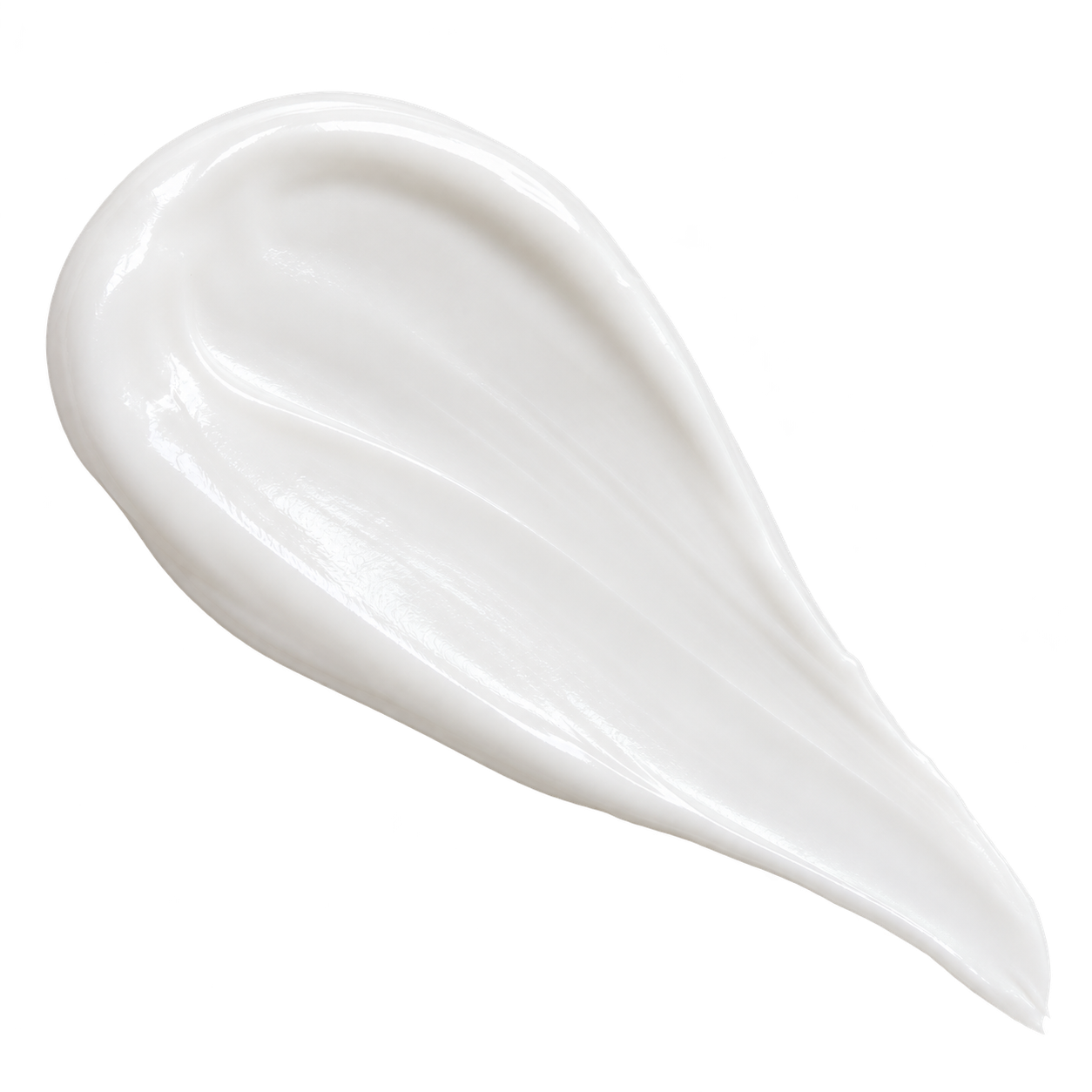
Lotion
Thinner than a cream and easy to spread over larger or hair-bearing areas. May feel less rich on dry skin.
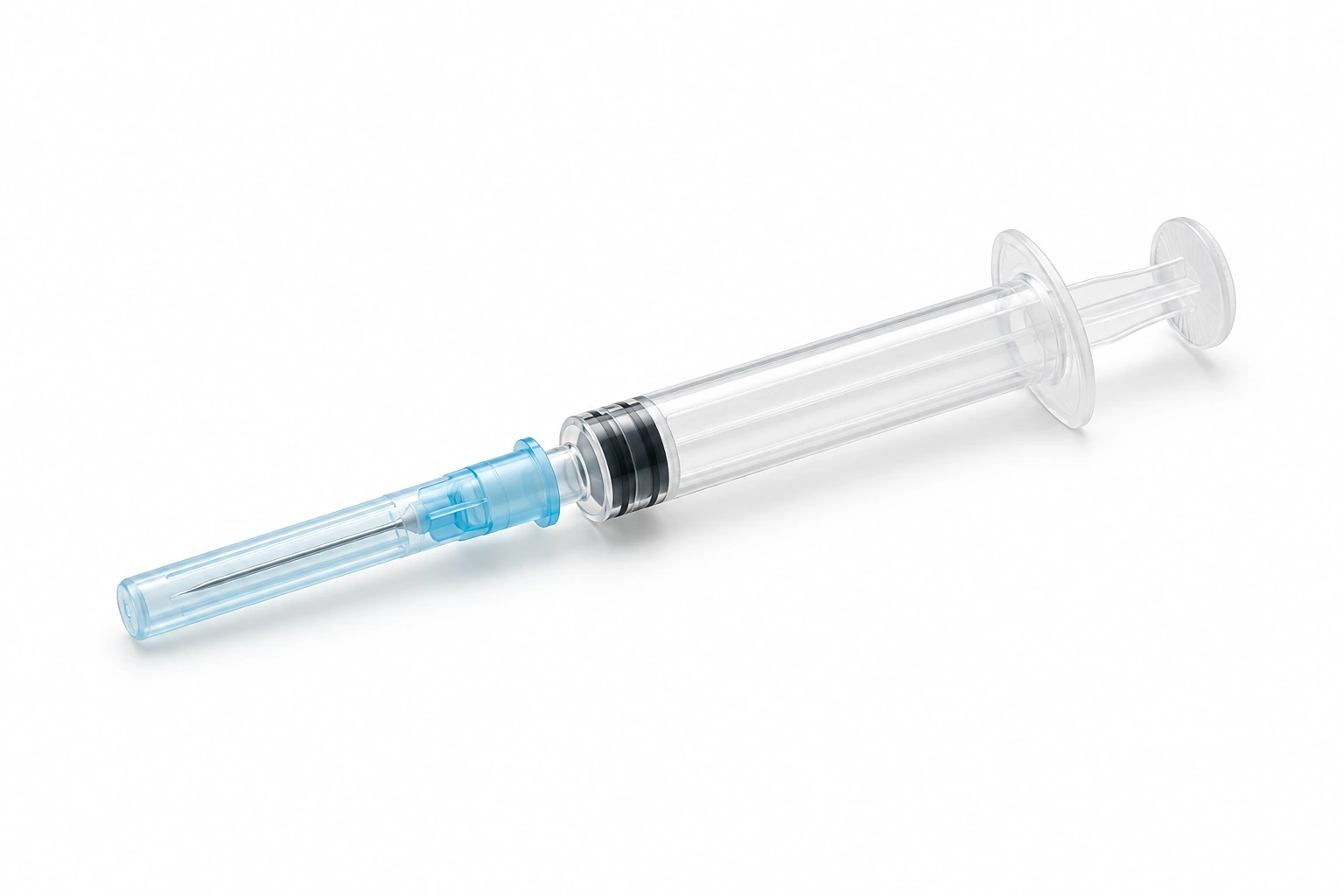
Injection
A liquid delivered through a needle by the prescribed route. Device design and handling vary.
How to use it
Your treatment, step by step.
How to apply it
- 01
When to Apply
Twice a day, on affected skin only, on trunk and limbs. A thin film is enough — one fingertip unit, the amount along the last joint of an index finger, covers about two adult palms. Moisturizer goes on separately, and continues after the steroid stops.
- 02
How to Start
Twice daily from day one, until the rash is flat rather than merely calmer — usually one to two weeks. Two to four weeks is the outer limit before review. Not on the face, eyelids, armpits or groin unless a clinician has told you to and for how long.
- 03
If It Irritates
Stinging usually comes from the base on cracked skin or the alcohol in a spray, and an ointment settles it. Itch and redness that worsen over a week can mean an allergy to the steroid or a preservative — a different product, not more of this one.
- 04
If It Is Not Working
Two weeks of proper twice-daily use is a fair test; more weeks rarely help. The usual reasons are a wrong diagnosis, a fungal rash the steroid is feeding, an untreated infection, or skin thick enough to need a stronger steroid or an ointment.
Monitoring & follow-up
No blood tests for a standard course in a healthy adult. Monitoring is a skin check — did the rash clear, has the skin thinned or gone shiny, have stretch marks or small blood vessels appeared, and how much of the tube is going each week.
Children and anyone treating large areas need closer attention. Enough steroid absorbed over enough time can suppress the body's own cortisol, and children reach that point on smaller amounts because they have more skin for their size.
This is not a drug to stay on continuously. For a recurring condition, use short courses for flares with emollients doing the daily work, or an agreed schedule such as two set days a week for a stubborn area. That should be a deliberate decision, not a prescription that keeps refilling.
What to expect
How things change over time.
Applying it
A thin layer on affected skin. Mid-strength — stronger than hydrocortisone, milder than clobetasol.
Itch first
Itching and soreness ease before the rash changes appearance.
Clearing
Redness fades, weeping stops and thickened areas soften. Most simple eczema flares are largely settled here; contact dermatitis clears once the trigger is gone.
Judge it here
Psoriasis plaques flatten and scale lifts here. Lichen planus and other stubborn itchy rashes are slower, often needing an ointment or the 0.5% strength. Leathery skin from long scratching takes longest.
Marks stay behind
Brown or gray patches where the rash was are pigment change from the inflammation, not scars. They fade over weeks to months.
- First few minutes
- Days 1 to 3
- Days 3 to 10
- Weeks 2 to 4
- After stopping
When you stop
After a normal two to four week course, triamcinolone is stopped outright. No taper, no withdrawal from that kind of use.
Rashes that come back are usually the underlying condition returning. Eczema and psoriasis are ongoing, and a steroid clears the flare, not the disease. Psoriasis in particular can rebound more inflamed after a strong steroid stops abruptly, which is why it needs a broader plan.
Topical steroid withdrawal is different and much less common. It follows months or years of near-daily use, usually on the face or genital skin — burning, stinging and bright redness that spreads past where the cream went and flares hard on stopping. Short, correct courses are not how people get there. If you have used a mid-potency steroid daily for many months, plan stopping with a clinician.
What it Pairs with
Triamcinolone Acetonide + your routine
| Product or situation | With Triamcinolone Acetonide | What to know |
|---|---|---|
| Moisturizer | Can pair | Moisturizer goes on separately, and continues after the steroid stops. |
| Face, eyelids, armpits, groin and breasts | Avoid | These absorb far more and thin fastest. Mid-potency steroids belong on trunk and limbs. |
| Covering it unless you were told to | Avoid | Plastic wrap, a tight dressing or a diaper all count. Occlusion multiplies absorption and turns this into a strong steroid. |
| Using it on a rash nobody has diagnosed | Avoid | On ringworm or a yeast rash it clears the redness while the infection spreads. |
| Reusing an old jar on a new problem | Avoid | Large jars outlive the rash they were prescribed for — the most common way triamcinolone ends up where it should not be. |
| Daily use for months without review | Avoid | The changes that matter build with continuous use, not with short courses. |
| Acne, rosacea and perioral dermatitis | Avoid | All three improve briefly and then get worse, sometimes considerably. |
| If you are pregnant or breastfeeding | Use care | Ask the doctor managing your pregnancy before starting or continuing — how much and where. Keep it off the nipple area before a feed. |
| If you want to use it on thin skin | Use care | The face, eyelids, armpits and groin need a milder steroid or a non-steroid option. |
| If you are treating a child | Use care | Doses and durations differ, and diaper areas are occluded. |
| If the rash has not improved | Use care | After two weeks of correct use, question the diagnosis. |
| If the skin is weeping or crusted | Use care | Weeping, crusting, a golden-yellow color, or spreading warmth and pain suggests infection, which needs treating alongside it. |
| If the skin becomes thin or shiny | Use care | Thinning, shininess, easy bruising, stretch marks or fine blood vessels mean stop and get reviewed. |
| If pale patches appear on treated skin | Use care | Steroids can lighten skin, more visibly on deeper skin tones. It usually recovers slowly after stopping, but get it assessed. |
| If you have used it most days for months | Use care | Coming off needs a plan, not an abrupt stop. |
| If you get swelling, hives or wheezing | Use care | Any change in breathing is emergency care. |
Getting it and cost
Getting Triamcinolone Acetonide.
Cost & access
Triamcinolone is generic and among the least expensive prescription steroids. Large jars of cream or ointment are the cheapest way to treat widespread rashes, and most plans cover them.
What affects the cost
Sprays, aerosols and branded versions cost noticeably more. The dental paste for mouth ulcers is a separate product, priced separately. When cost is a problem, ask for a larger jar rather than several small tubes.
Alternatives
Other options to consider.
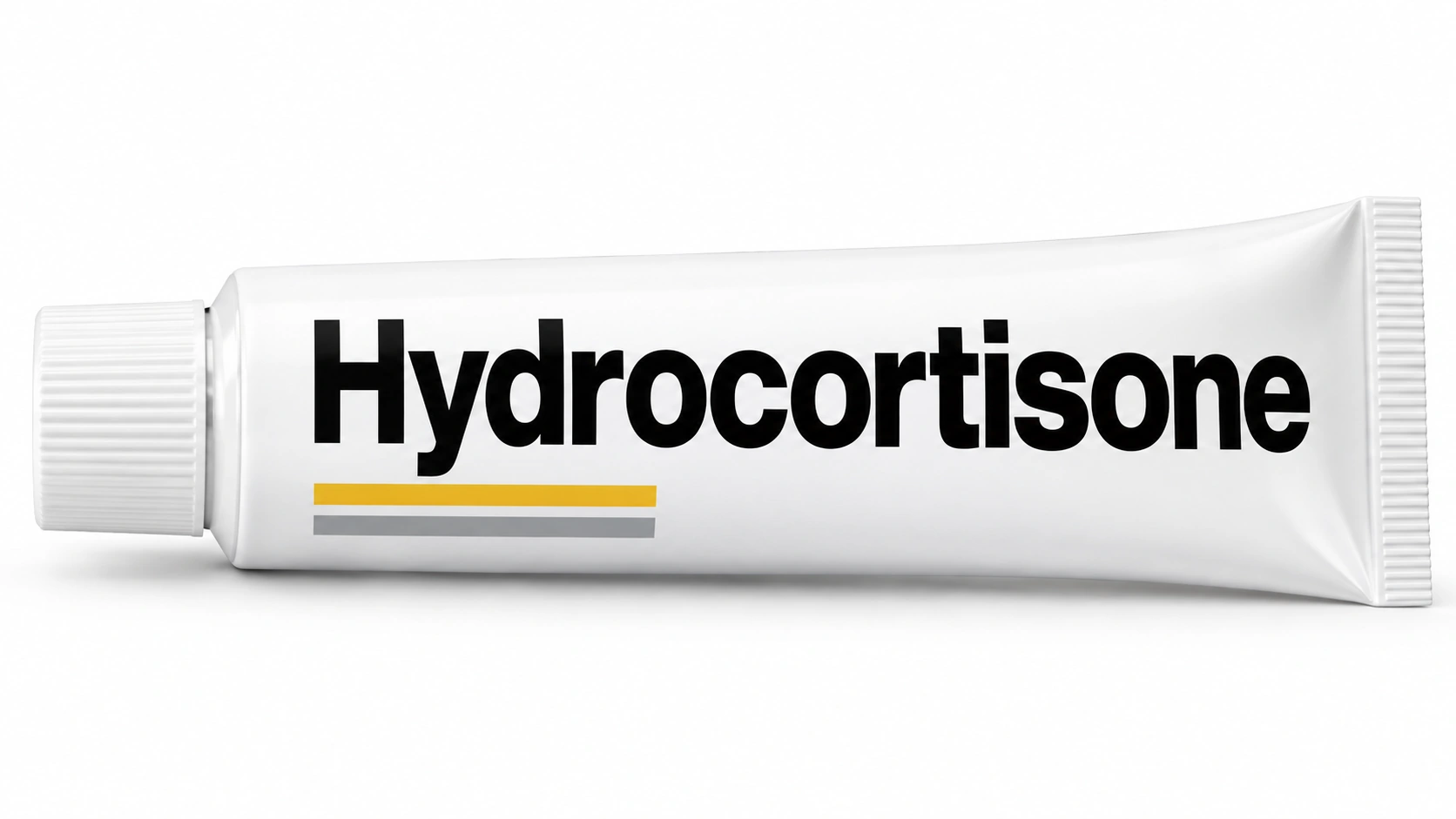
Hydrocortisone 1%
Much milder, available over the counter, and the right choice for the face, folds and small mild rashes. Often not enough for a body eczema flare.
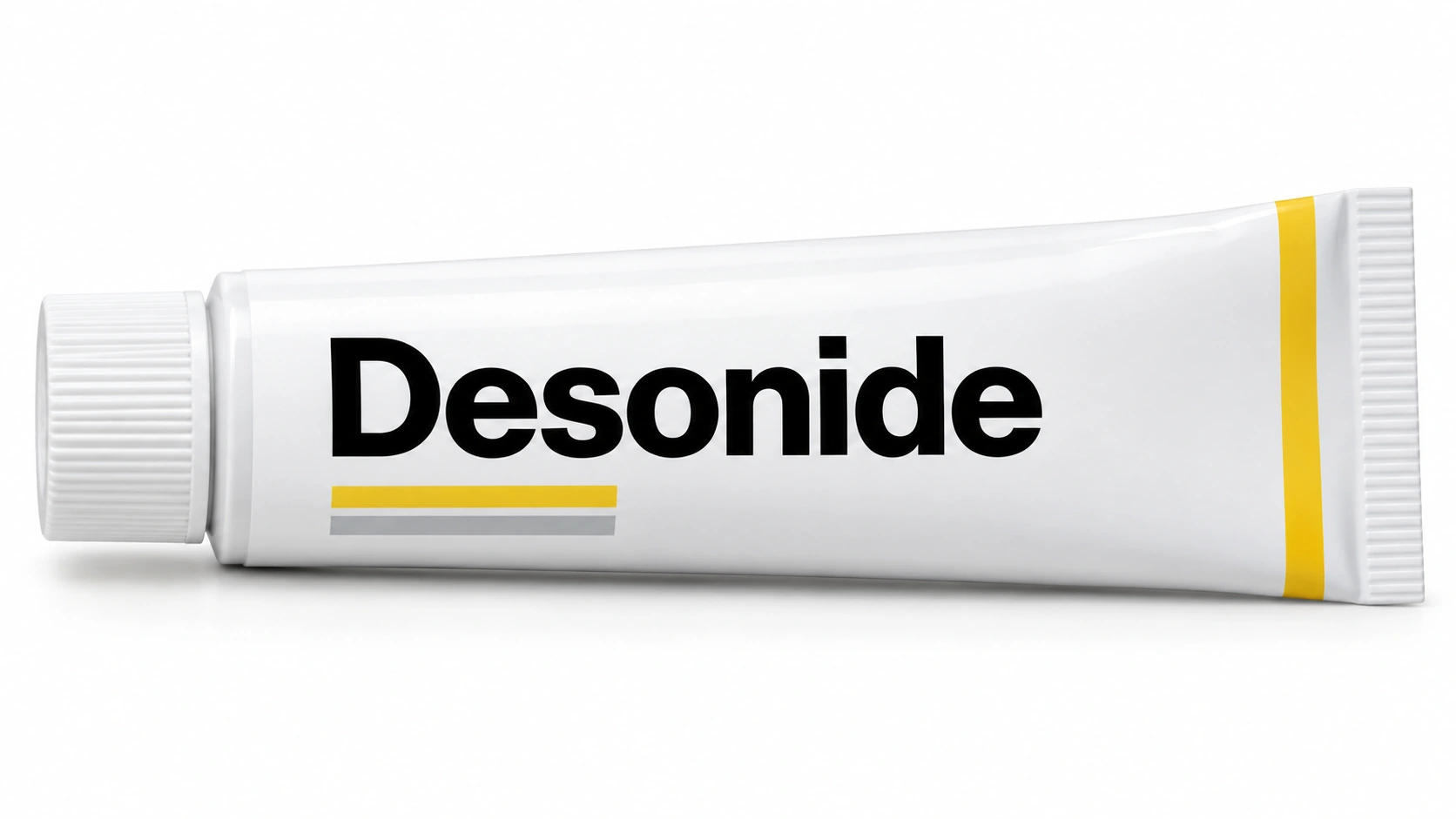
Desonide 0.05%
Low potency, prescription only, and the usual choice when the face or a child needs more than hydrocortisone. Weaker than triamcinolone on body skin.

Clobetasol 0.05%
Far stronger, for thick plaques and short courses only. It carries the thinning risks that triamcinolone carries, but faster.
Tacrolimus and pimecrolimus
No thinning, which makes them the better long-term option for eyelids, face and folds. They sting for the first week or two and cost more.
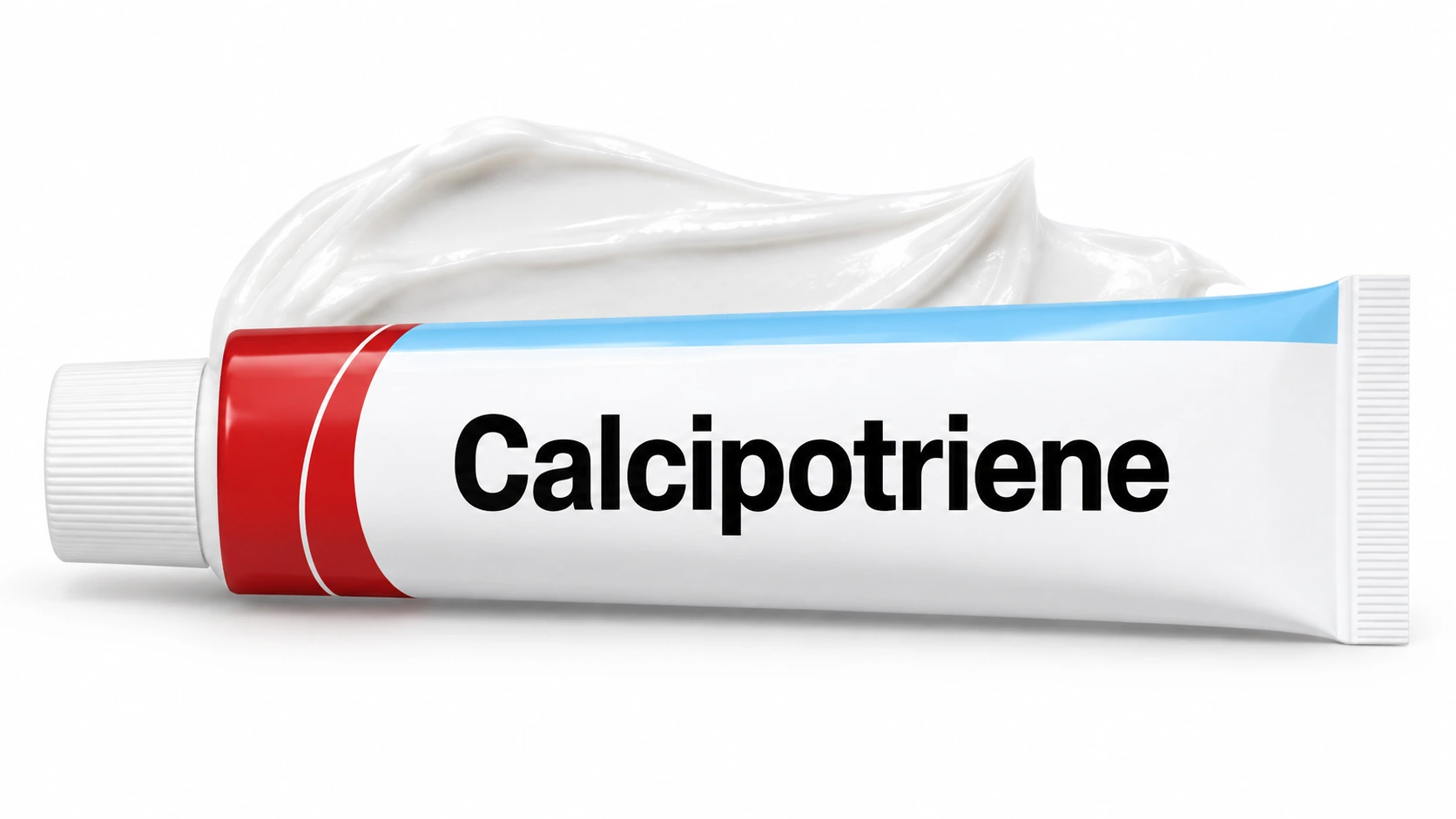
Vitamin D analogs such as calcipotriene
Slower than a steroid but suited to longer use, and often combined with one.
Emollients
They do not clear a flare and they reduce how many flares happen and how much steroid is needed. Partners, not alternatives.
Questions
Questions you might be asking.
Is triamcinolone strong?
Mid-strength. Several steps above hydrocortisone, several below clobetasol. Usually the right level to start at for body skin, and too much for the face.
Can I use it on my face?
Generally no, unless a clinician has said so and for how long. Facial skin is thin and absorbs well — weeks of it there cause thinning, visible vessels and bumps around the mouth.
How long can I use it?
Two to four weeks at a stretch for most body rashes, then a review. Longer should be a deliberate plan, such as fixed days each week.
Will it thin my skin?
It can, with continuous use, especially on thin skin and in folds. A two-week course on an arm or leg is not what causes it. Early thinning usually recovers over months. Stretch marks do not.
Is the ointment stronger than the cream?
Effectively yes, at the same percentage. It holds moisture in and drives more drug in, which is why it suits dry, thickened rashes.
Is it the same as a Kenalog shot?
Same drug, different route and dose. An injection into a joint, keloid or bald patch is a separate treatment.