Acne
Clears face and body acne.
Aklief: A newer prescription retinoid cream for acne. Its real advantage is that it was tested and approved for the chest and back, not only the face. Hydroquinone 4%: The prescription strength of the best-studied pigment cream. It works, but it is used in courses of a few months with breaks in between, because the problems come from long unbroken use rather than from the strength.
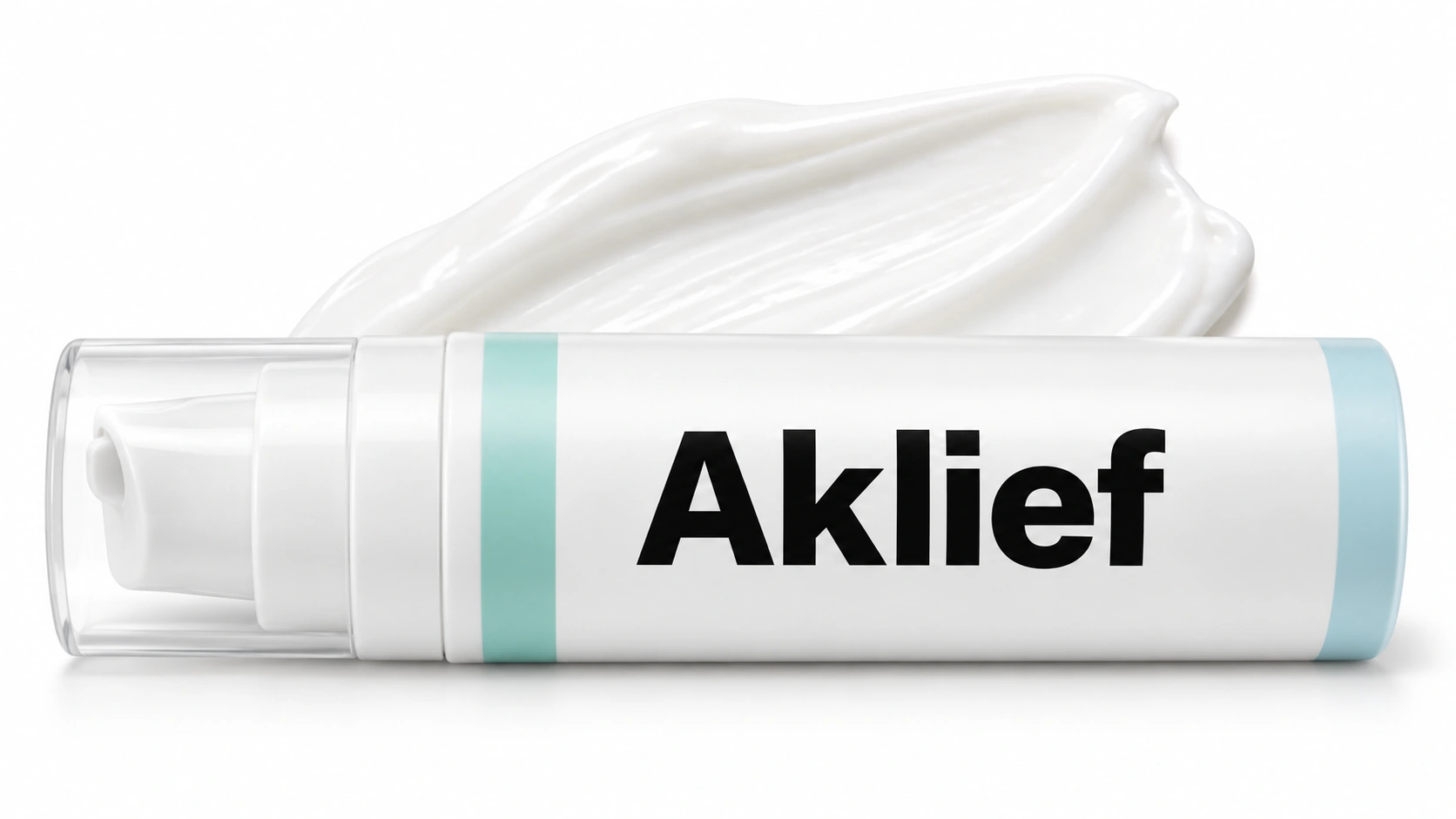
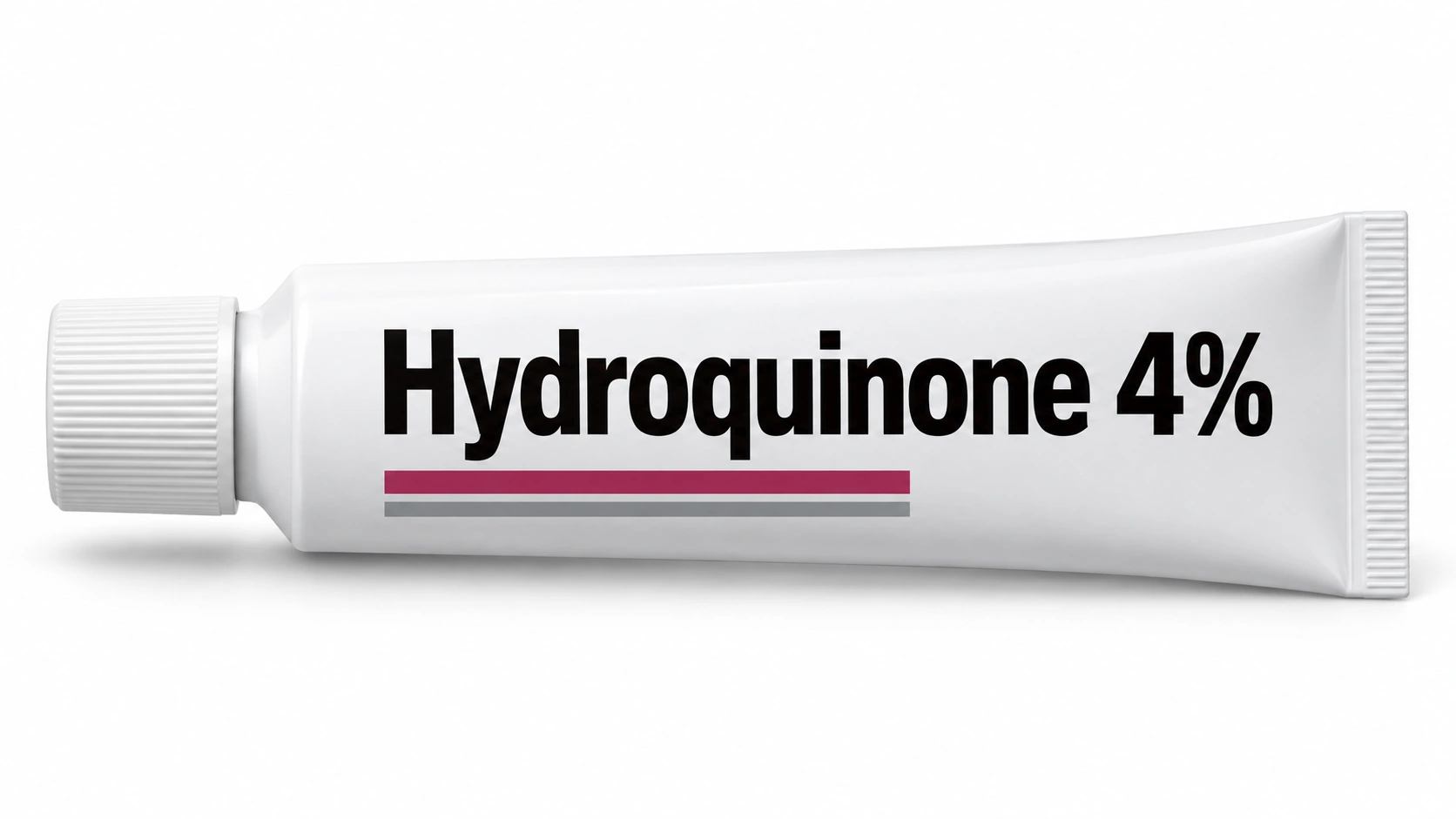
Choose for acne on the chest and back as well as the face — it is the retinoid tested specifically there.
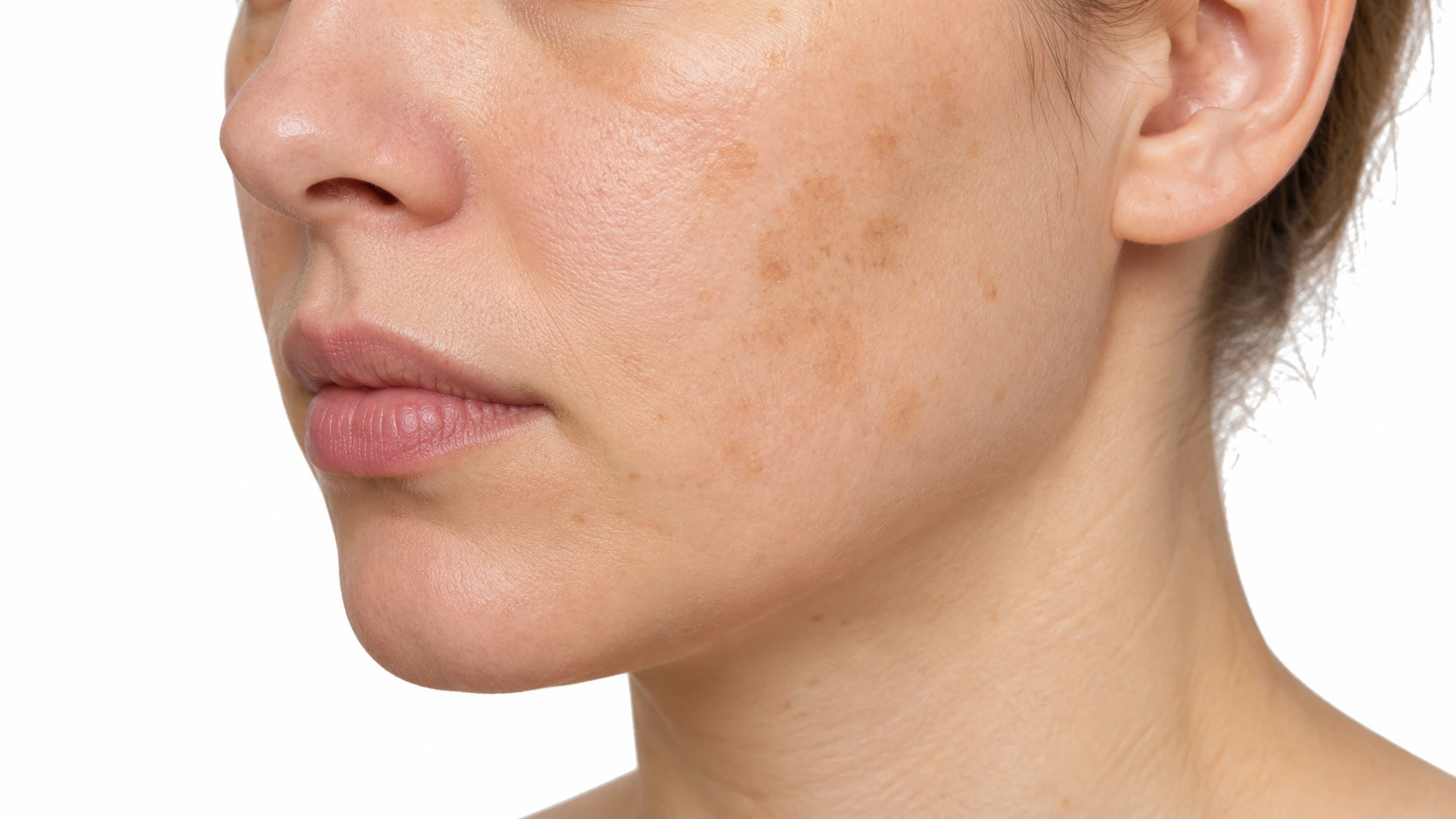
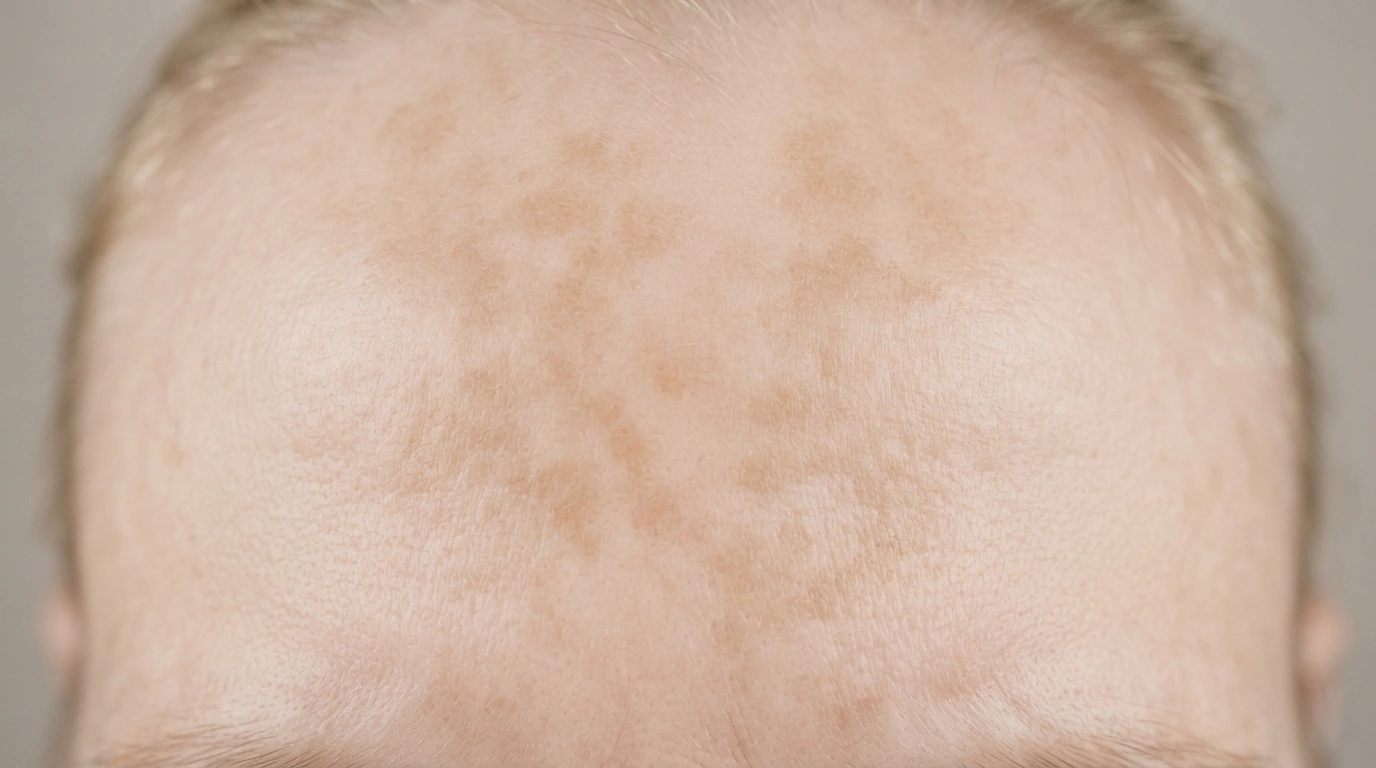
Choose for melasma or stubborn dark marks as a time-limited course of the best-studied pigment cream — with daily sunscreen.
Can you take them together?
Retinoids help hydroquinone work and are often paired for dark spots, but together they can irritate. Start slowly, use daily sunscreen, and limit hydroquinone to the course your doctor sets.
Compare uses by strength of evidence. Evidence level describes confidence in a benefit, not its size.
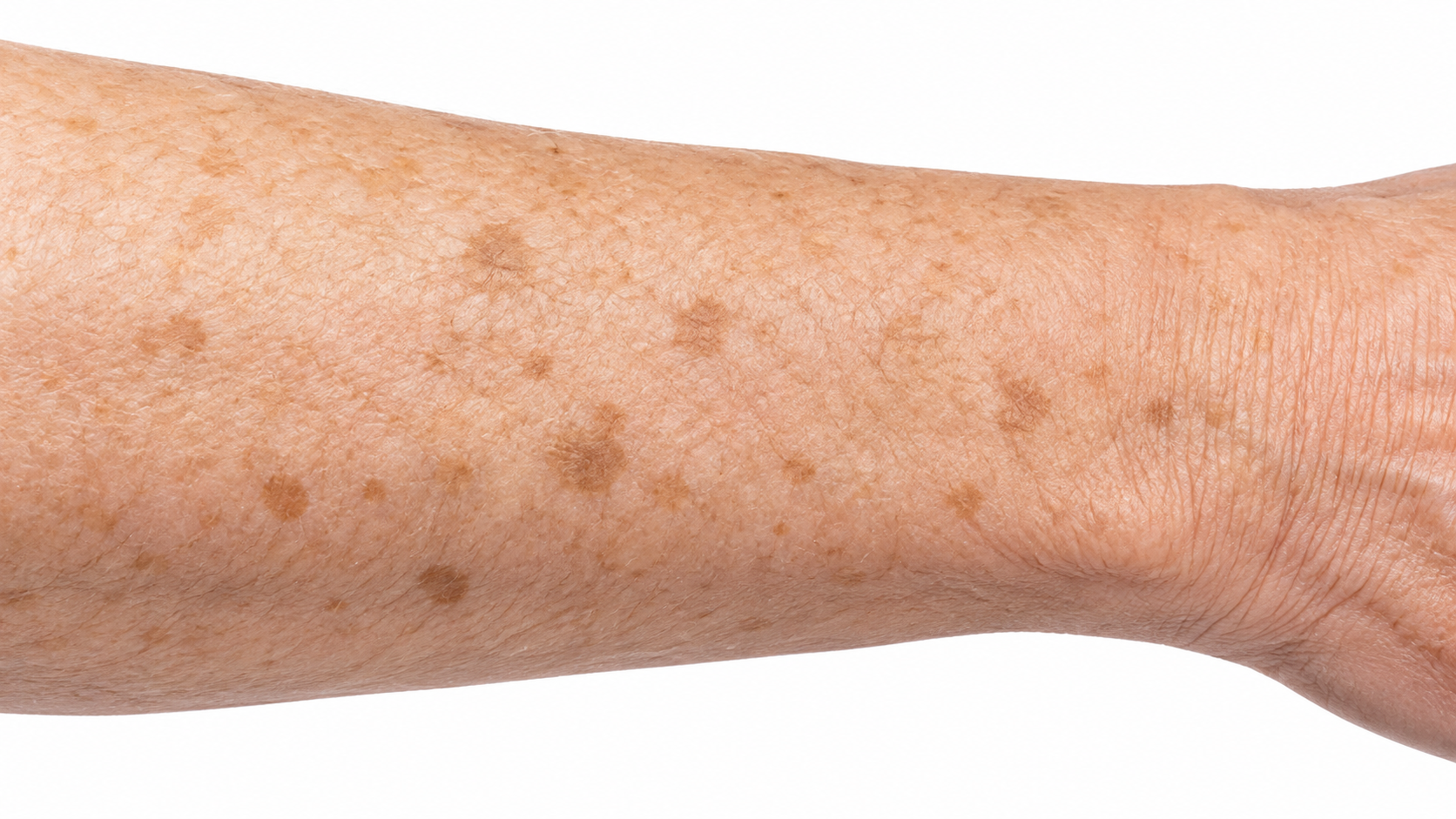



Activates RAR-gamma: Targets a retinoid receptor that regulates skin-cell genes. Helps prevent clogged pores: Changes cell maturation and buildup inside follicles. Helps calm inflamed acne: Acts on processes involved in skin inflammation.
Trifarotene is an RAR agonist with particular activity at RAR-gamma, affecting differentiation and inflammatory gene processes. The exact clinical acne mechanism is not known.

Inhibits tyrosinase: Interferes with an enzyme used to make melanin. Reduces new pigment: Melanocytes produce less new melanin. Lets dark patches fade: Existing pigment clears as skin renews.
Hydroquinone inhibits tyrosine oxidation and other melanocyte metabolic processes. The diagram summarizes reduced pigment production and gradual clearance, not destruction of pigment cells or a permanent cure.
When to Apply: At night on clean dry skin. A thin layer over the whole area — one pump for the face, two for the chest, two for the back. Not on single spots.
How to Start: Every other night, or two to three nights a week, for two to four weeks, then nightly once the irritation settles.
If It Irritates: Drop back a night or two a week, or moisturize first. Trifarotene is the most irritating retinoid early on, and this is the stretch most people quit in.
If It’s Not Working: One strength, so nothing to increase. Give it twelve weeks, then ask your doctor about adding or switching.
When to Apply: At night, on clean dry skin, a thin layer on the dark patches only, not the whole face. Sunscreen every morning is part of the treatment; a tinted mineral sunscreen also covers visible light, which matters in melasma.
How to Start: Every other night for the first week or two, then nightly if tolerated. Treat three to four months, break two to three months, and hold the result with something gentler such as azelaic acid, a retinoid, niacinamide or tranexamic acid, before another course if needed.
If It Irritates: Mild redness, stinging and dryness early on are common. Buffer with moisturizer underneath, or drop to every third night. Stop and ask if you get a spreading itchy rash, which can be an allergy, or if the area becomes inflamed, since inflammation darkens skin prone to pigment.
If It’s Not Working: Three months of steady use with daily sunscreen is a fair test. A stronger cream is not the answer. Check the sunscreen, then ask about tranexamic acid tablets or procedures. Melasma driven by heat, hormones and light often needs more than a cream.
No blood tests. Monitoring is a review at about twelve weeks to judge response and tolerance.
Nothing accumulates. What drifts is tolerance, and it usually improves rather than worsens. Once you are stable a yearly review is enough, and the recurring hassle is insurance renewal, not safety.
No blood tests. Monitoring here means looking at the skin.
The check that matters comes at three to four months, at the end of a course: has the pigment lightened, and is there any new discoloration.
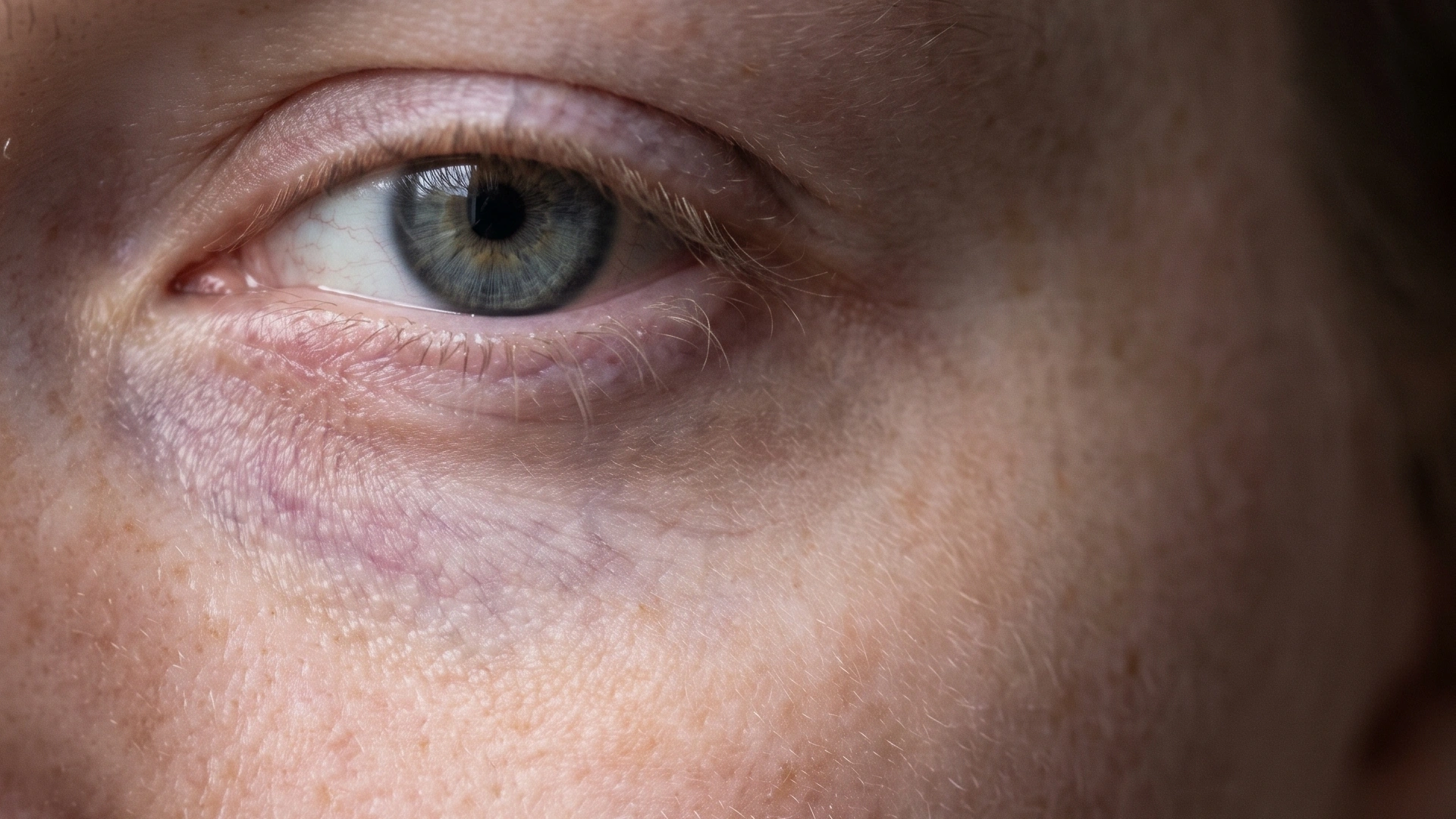
The thing being watched for is exogenous ochronosis, a blue-black, gray or sooty darkening in the treated area, sometimes with tiny gritty bumps. It is uncommon, reported most often after long unbroken use, at higher strengths, and in deeper skin tones. Any darkening during treatment should be shown to a doctor, not treated with more cream.
With a triple combination cream, the steroid is the other reason for an end date. Steroids thin facial skin over time and can leave redness and small visible blood vessels.
Approximate windows, not promises.
Weeks 1 to 2Dryness, redness and stinging, often worse on the chest and back than the face.
Weeks 1 to 2Adjusting: Mild redness, stinging and dryness. No lightening yet.
Weeks 2 to 6The irritation peaks then eases. Acne may briefly look worse.
After 12 weeksFewer new spots and fewer blackheads. If nothing has changed after twelve weeks of nightly use, switch.
First few minutesApplying it: A thin layer on the dark patches only, at night. Mild stinging is common at first.
Weeks 4 to 8Working: The patches lighten, usually unevenly and at the edges first. Brown marks from spots or injury clear fastest.
Weeks 12 to 16Judge it here: The fair point to assess a course, and your sunscreen habit as much as the cream. Melasma lightens, but it returns without sun protection.
After the courseHolding: Two to three months off with a gentler agent holding the result, then decide about another course.
Sorted by what to do about them.
Brand only, no generic, and one of the more expensive topical acne treatments. Prior authorization is common, and insurers usually want a generic retinoid tried first. Manufacturer savings programs exist and change often.
Generic 4% hydroquinone cream is usually inexpensive. Triple combination creams cost more, and compounded formulas are the most expensive and are rarely covered, since compounded products usually sit outside insurance formularies.
Because pigment treatment is often classed as cosmetic, coverage is inconsistent even for the plain cream and varies a lot between plans.
The cost is ongoing rather than one-off. Daily sunscreen and the gentler cream used between courses are part of the plan.
For the face, no strong evidence. For the chest and back, it is the retinoid with the label and the data.
Yes, but reach matters. A long-handled applicator helps; missing the middle of the back is the usual reason it seems not to work.
Because generic retinoids exist, and most plans want one tried first.
It helps. One press per area, and more does not work faster.
There is no over-the-counter version in the United States any more. Until 2020, 2% could be sold without one. Four percent is the usual prescription strength, and Dermapedia covers hydroquinone as an ingredient separately.
Courses of three to four months, with a break of two to three months between. Continuous use over years causes the problems, more than the strength.
A blue-black, gray or sooty darkening of the treated skin, sometimes with tiny gritty bumps, from long-term use. Uncommon, hard to treat, and reported most after long unbroken courses at higher strengths. It is why courses have end dates.
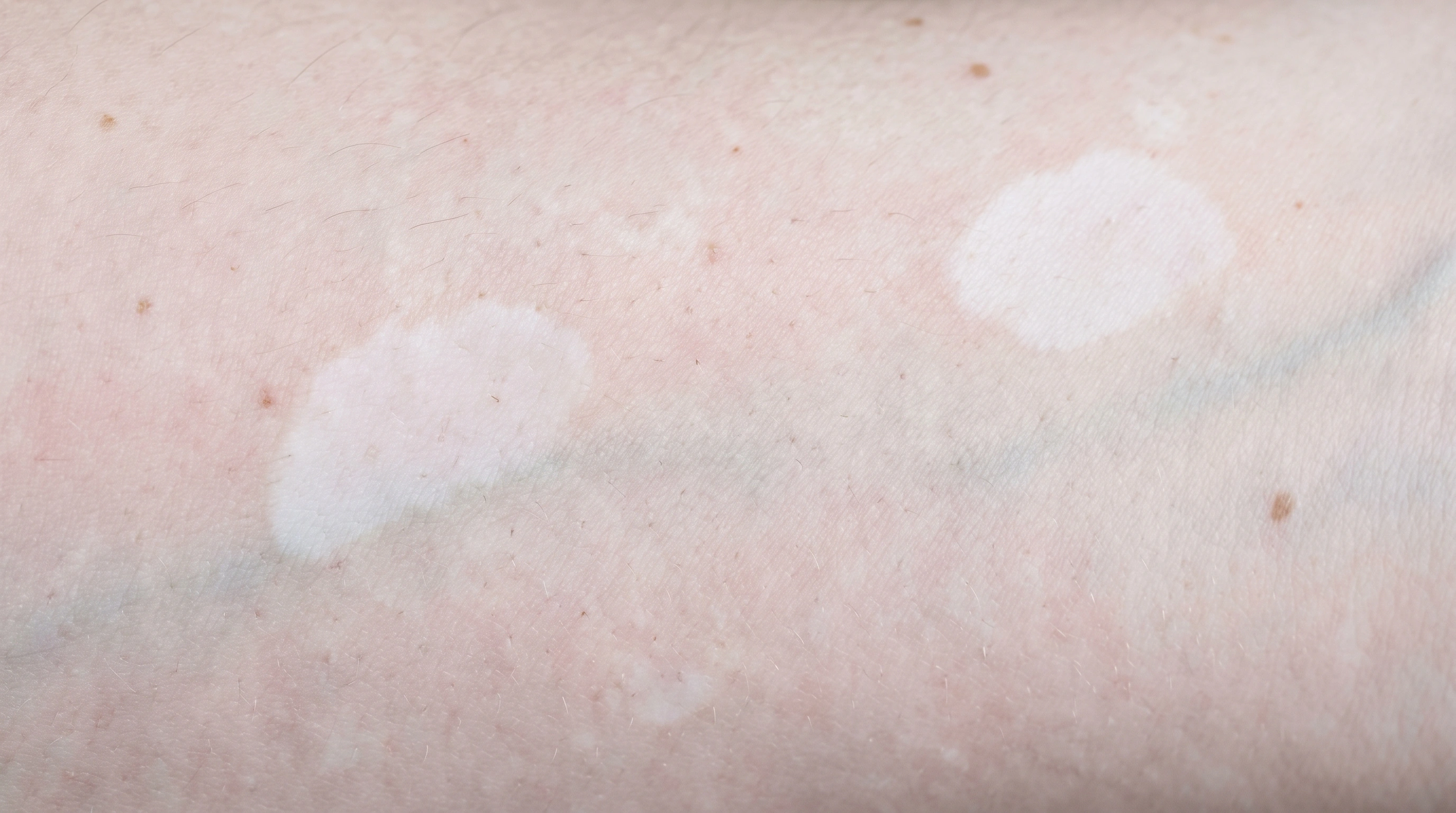
Melasma usually does, because hydroquinone suppresses pigment production rather than removing the cells that make it. Marks left by acne often stay faded. Sun protection and a gentler maintenance cream hold the result.
Yes. Ultraviolet and visible light drive the pigment the cream is suppressing. Tinted mineral sunscreen also blocks some visible light, which matters in melasma.
It is used on all skin tones, and much of the melasma evidence comes from people with deeper skin tones. Two cautions: ochronosis is reported more often in deeper skin tones, and irritation can leave a new dark mark. Short courses and a doctor watching the skin handle that.