Acne
Reduces inflamed breakouts in large trials.
Aczone: An anti-inflammatory gel for red, tender acne. It is not a retinoid and not a standard antibiotic, so it suits skin that cannot tolerate either. Winlevi: The first cream that blocks hormones in the skin itself. It is the only topical treatment that works on the hormonal driver of acne, and it can be used by men and women.
Choose for red, tender acne when skin can't tolerate a retinoid or you want to avoid a standard antibiotic.
Choose for acne with a hormonal driver when you want a cream rather than a pill — the only topical that targets it.
Can you take them together?
They work on different causes of acne and can be used together. Winlevi targets hormones in the skin; Aczone calms inflamed spots.
Compare uses by strength of evidence. Evidence level describes confidence in a benefit, not its size.

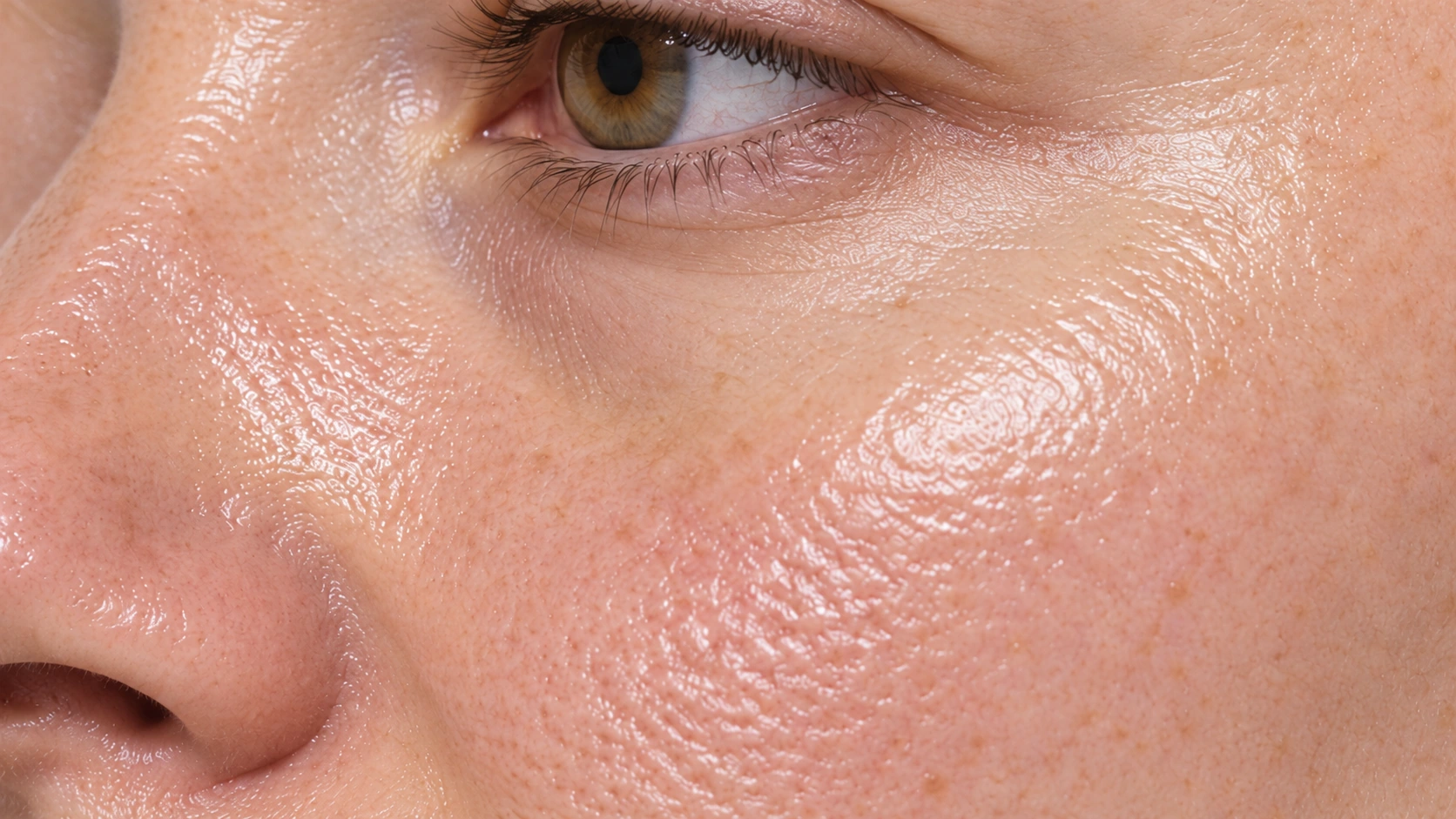
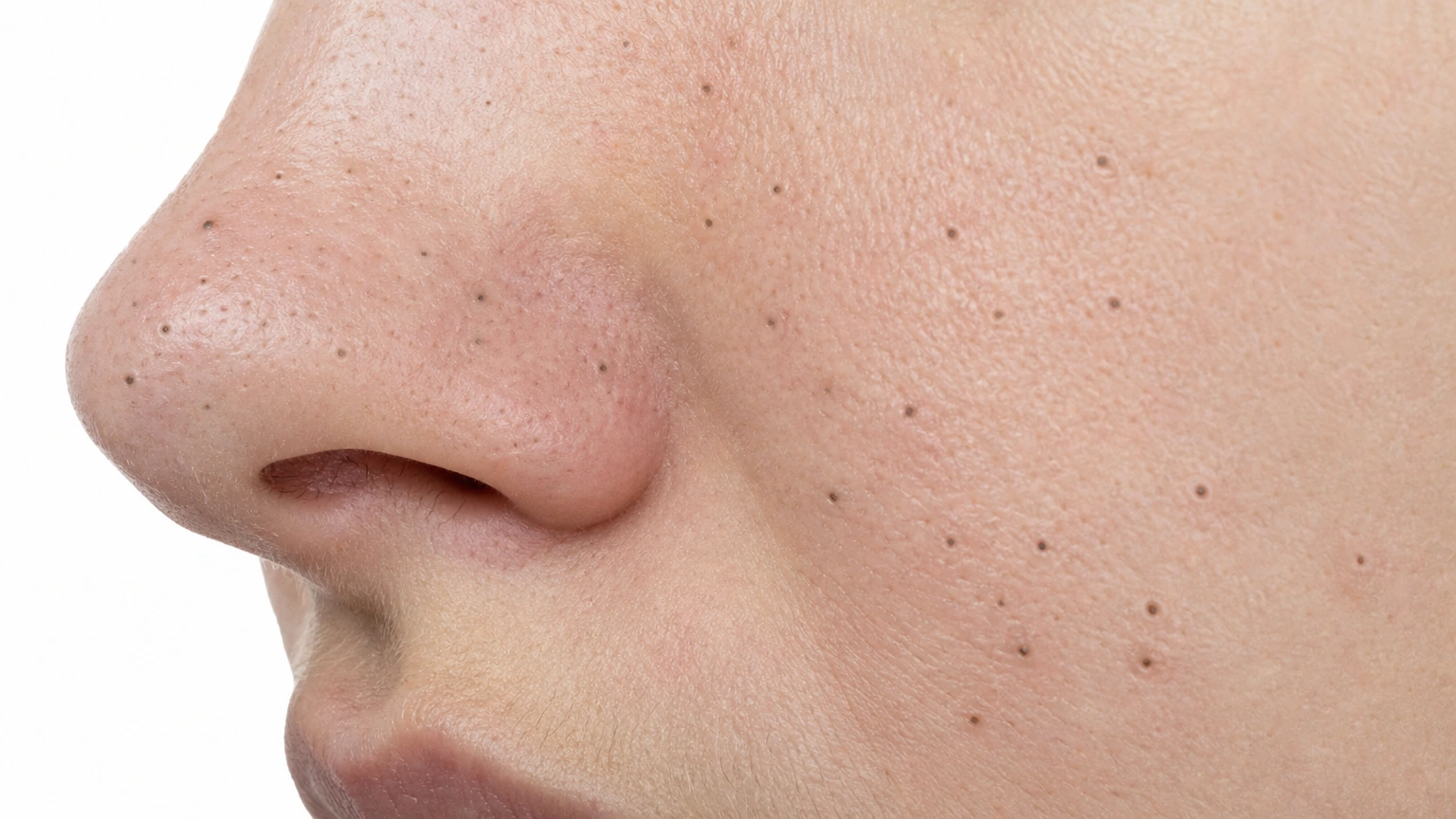
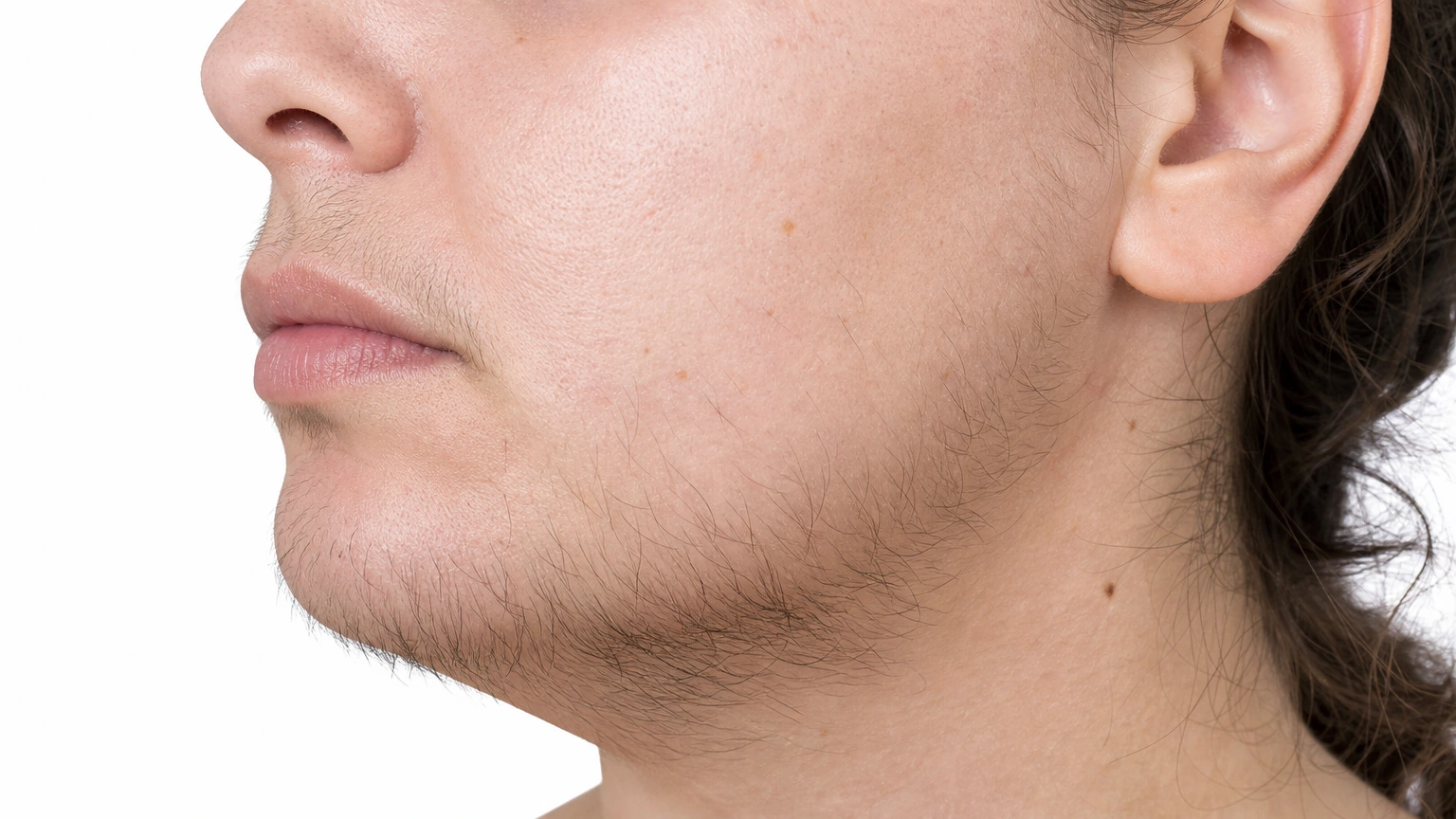
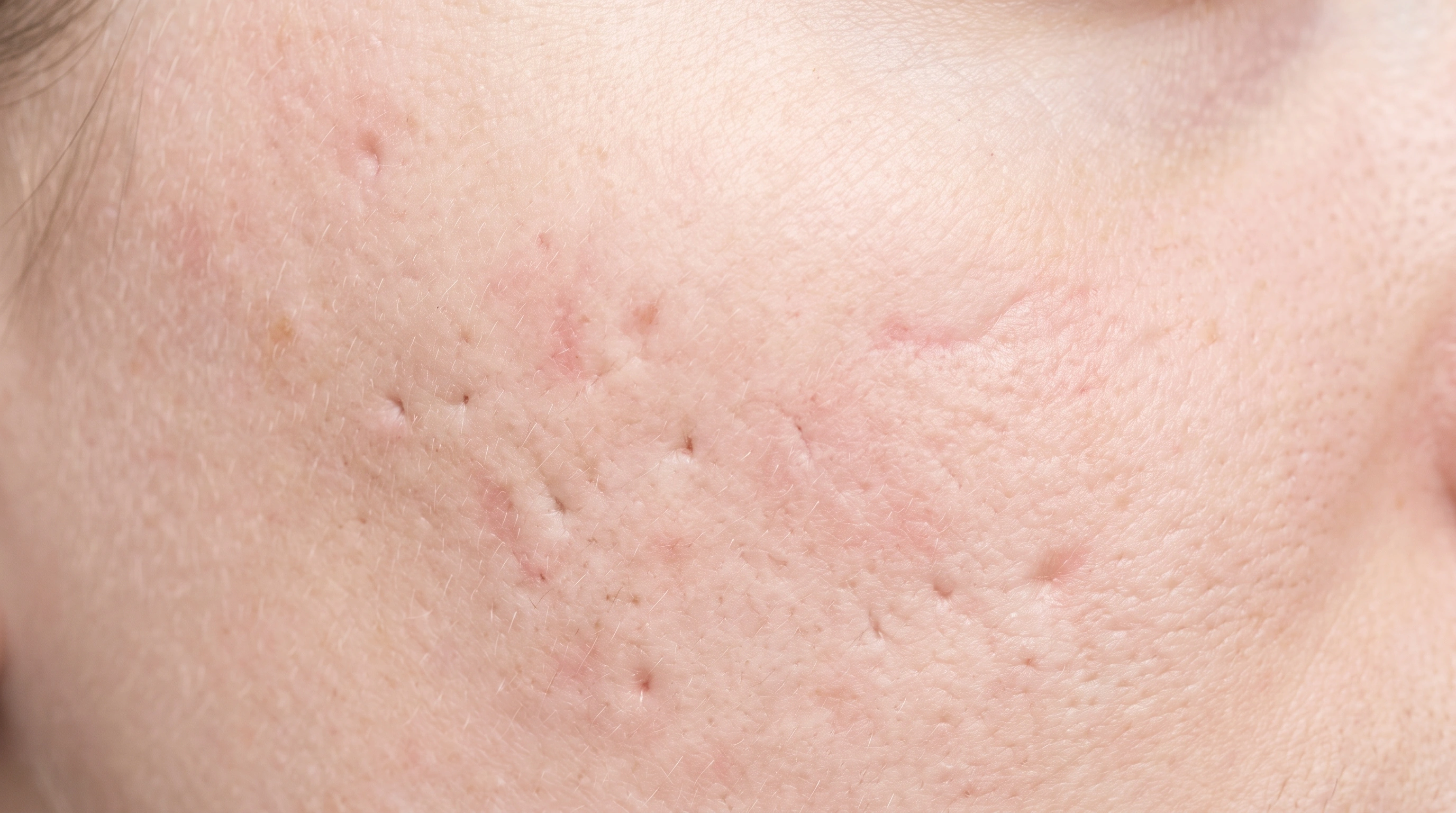
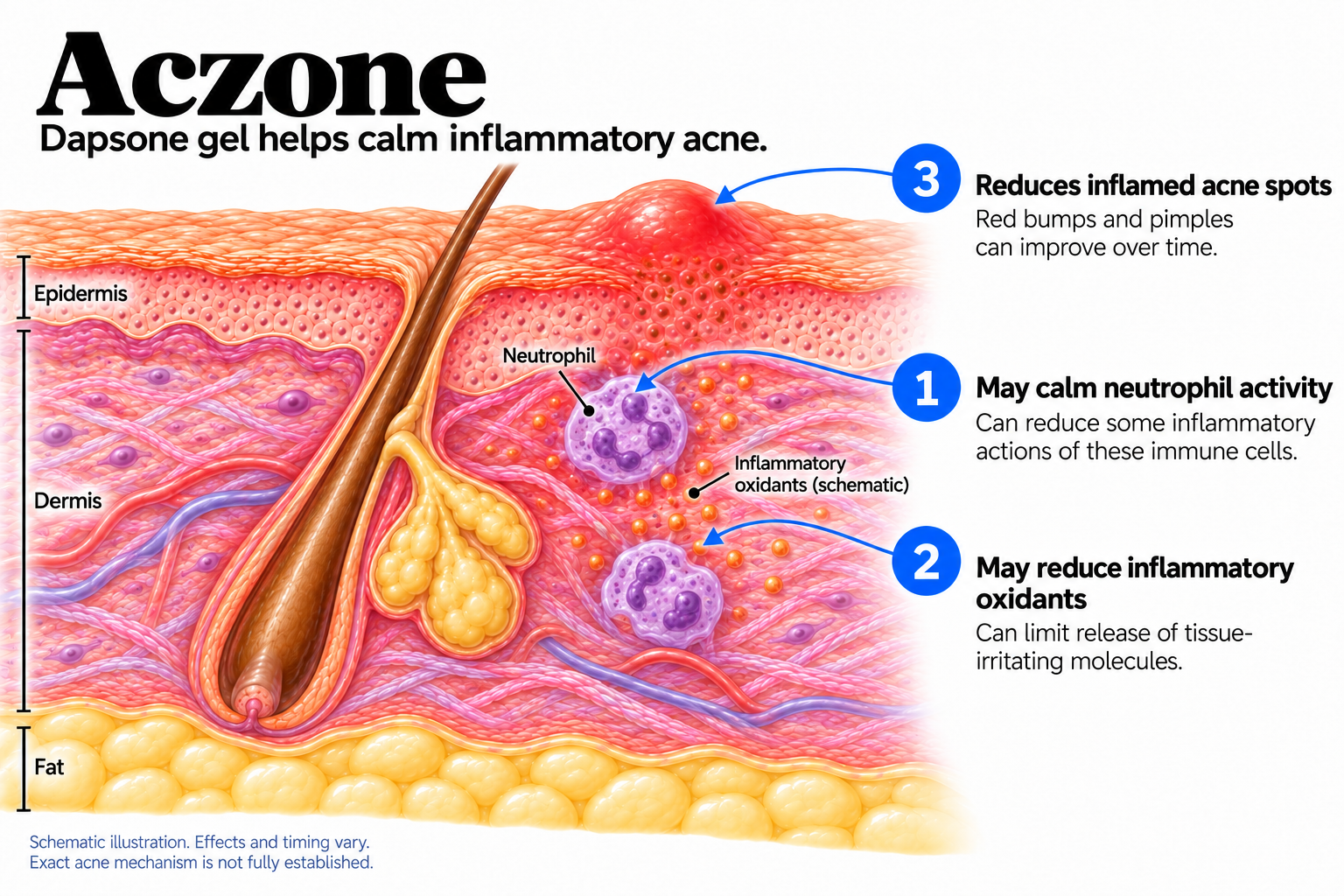
May calm neutrophil activity: Can reduce some inflammatory actions of these immune cells. May reduce inflammatory oxidants: Can limit release of tissue-irritating molecules. Reduces inflamed acne spots: Red bumps and pimples can improve over time.
The acne mechanism is unknown. Neutrophil and oxidant explanations are proposed based on experimental studies, not established as the cause of topical clinical benefit.

Blocks androgen receptors: Limits hormone signaling inside skin cells. May reduce oil and inflammatory signals: These effects have been seen in laboratory sebocytes. Helps reduce acne lesions: Both clogged and inflamed spots can improve.
Androgen receptor inhibition is established. Reduced lipid and cytokine production were demonstrated in human sebocytes in vitro; their clinical contribution is not fully established. The label states the complete acne mechanism is unknown.
When to Apply: Clean dry skin, whole affected area. The 7.5% gel once a day, the 5% gel twice, usually in the morning so the night is free for a retinoid.
How to Start: Full strength from day one. It dries clear and sits well under makeup and sunscreen.
If It Irritates: Uncommon — usually mild dryness a moisturizer settles. With benzoyl peroxide at the same moment it can turn skin temporarily orange-brown, which is harmless and avoided by using the two at different times of day.
If It’s Not Working: Give it twelve weeks. There is no step up in strength, so the next move is adding or changing a drug.
When to Apply: Twice a day, morning and night, on clean dry skin. A fingertip of cream over the whole area. Sunscreen or moisturizer goes on top once it dries.
How to Start: Twice daily from day one — and twice daily is the part people quietly drop.
If It Irritates: Mild dryness or redness early on is usually the base, not the drug, and moisturizer underneath settles it.
If It’s Not Working: One strength, so nothing to increase. Give it twelve weeks, then ask about adding another treatment.
No routine blood tests for the gel. Unlike dapsone tablets, you do not need G6PD testing first, because so little is absorbed.
You can stay on this for years, and nothing accumulates. Review is clinical, at about twelve weeks and then yearly.
No routine blood tests in a healthy person. Monitoring is a review at about twelve weeks.
The exception is kidney or adrenal problems, or drugs that raise potassium — then a doctor may check it. People can stay on it long term; nothing accumulates, because it breaks down quickly after absorption. The recurring issue is cost and coverage, not safety.
Approximate windows, not promises.
Weeks 1 to 4Red, tender spots calm down. Blackheads and whiteheads look unchanged.
Weeks 1 to 4Little visible change, maybe mild dryness.
Weeks 4 to 8Fewer new inflamed spots.
Weeks 4 to 8Oiliness often drops before spot counts.
After 12 weeksIf inflamed acne has not improved, move on. Judge it on red spots only — it was never going to fix clogs.
After 12 weeksJudge it here. Trials measured their main result here, and many kept improving past it.
Sorted by what to do about them.
Generic dapsone gel comes in both strengths and costs far less than it used to, though still more than generic clindamycin or benzoyl peroxide. Some plans want prior authorization, usually after a retinoid.
Brand only, no generic. Among the most expensive topical acne treatments, with inconsistent coverage. Prior authorization is common, and plans usually want a retinoid and benzoyl peroxide first. Savings cards exist and change often.
Benzoyl peroxide and dapsone applied together can leave a temporary orange-brown tint on skin and light-colored facial hair. It washes off and is harmless. Use them hours apart.
Not for the gel. That belongs to dapsone tablets, where far more of the drug reaches the bloodstream.
No. It works on inflammation. Blackheads need a retinoid.
No. It is a sulfone with anti-inflammatory action, which is why resistance is not the same concern.
Yes. It is inactivated quickly after absorption, so it skips the breast tenderness and libido changes of oral anti-androgens.
Usually not. It is milder, for people who cannot take spironolactone or want to avoid a tablet and blood tests.
Not for routine use. Potassium may be checked with kidney disease or drugs that raise it.
Yes, a common combination. Clascoterone in the morning, retinoid at night.