Acne
Reduces inflamed breakouts in large trials.
Aczone: An anti-inflammatory gel for red, tender acne. It is not a retinoid and not a standard antibiotic, so it suits skin that cannot tolerate either. Rhofade: A once-daily cream that narrows facial blood vessels to reduce rosacea redness for most of a day. Like brimonidine it treats color only, and the effect ends when it wears off.
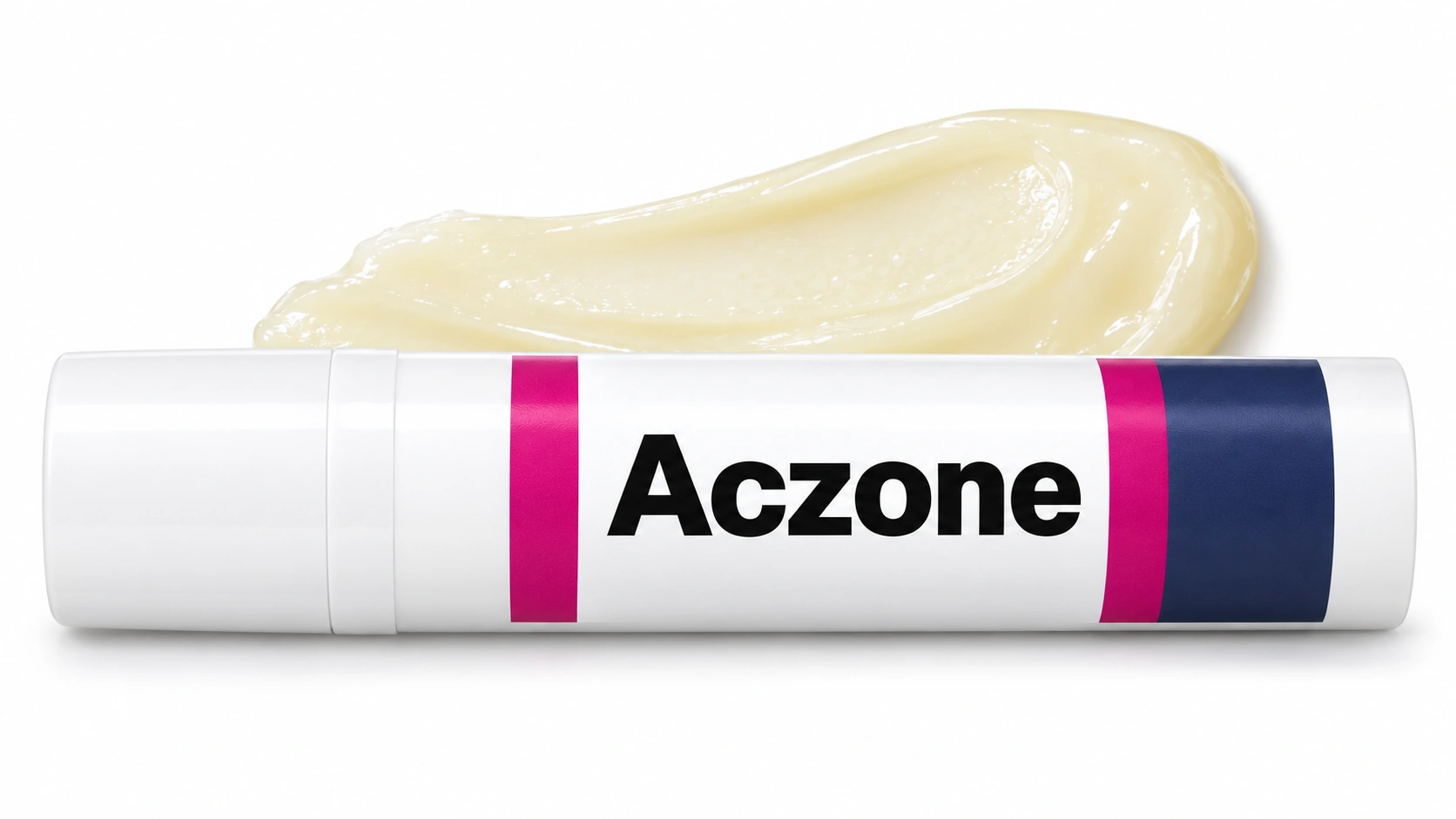
Choose for red, tender acne when skin can't tolerate a retinoid or you want to avoid a standard antibiotic.
Choose to fade rosacea redness for most of the day — it treats color only, not bumps.
Can you take them together?
They treat different problems and do not interact. Aczone helps acne spots; Rhofade reduces persistent facial redness.
Compare uses by strength of evidence. Evidence level describes confidence in a benefit, not its size.

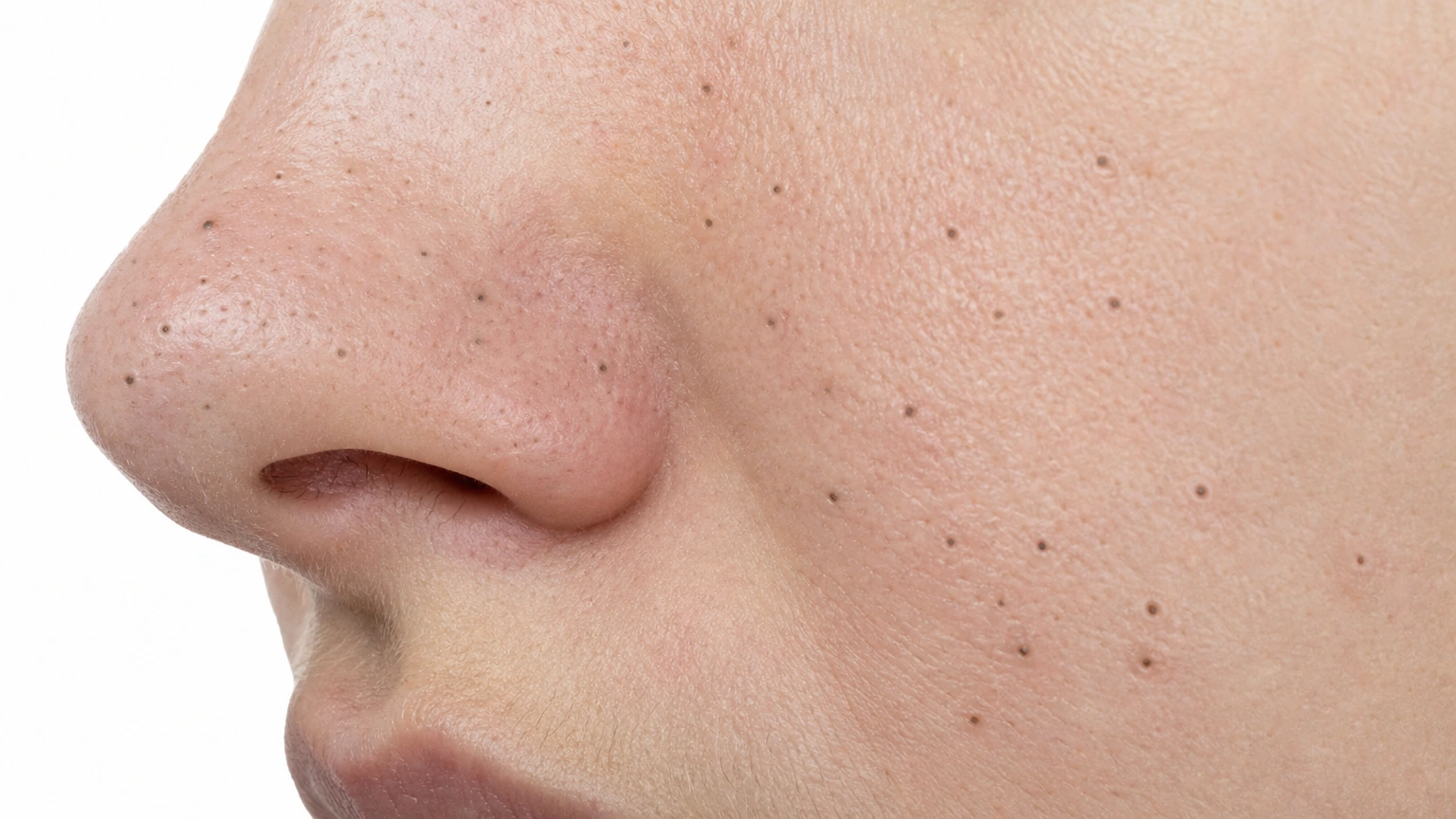

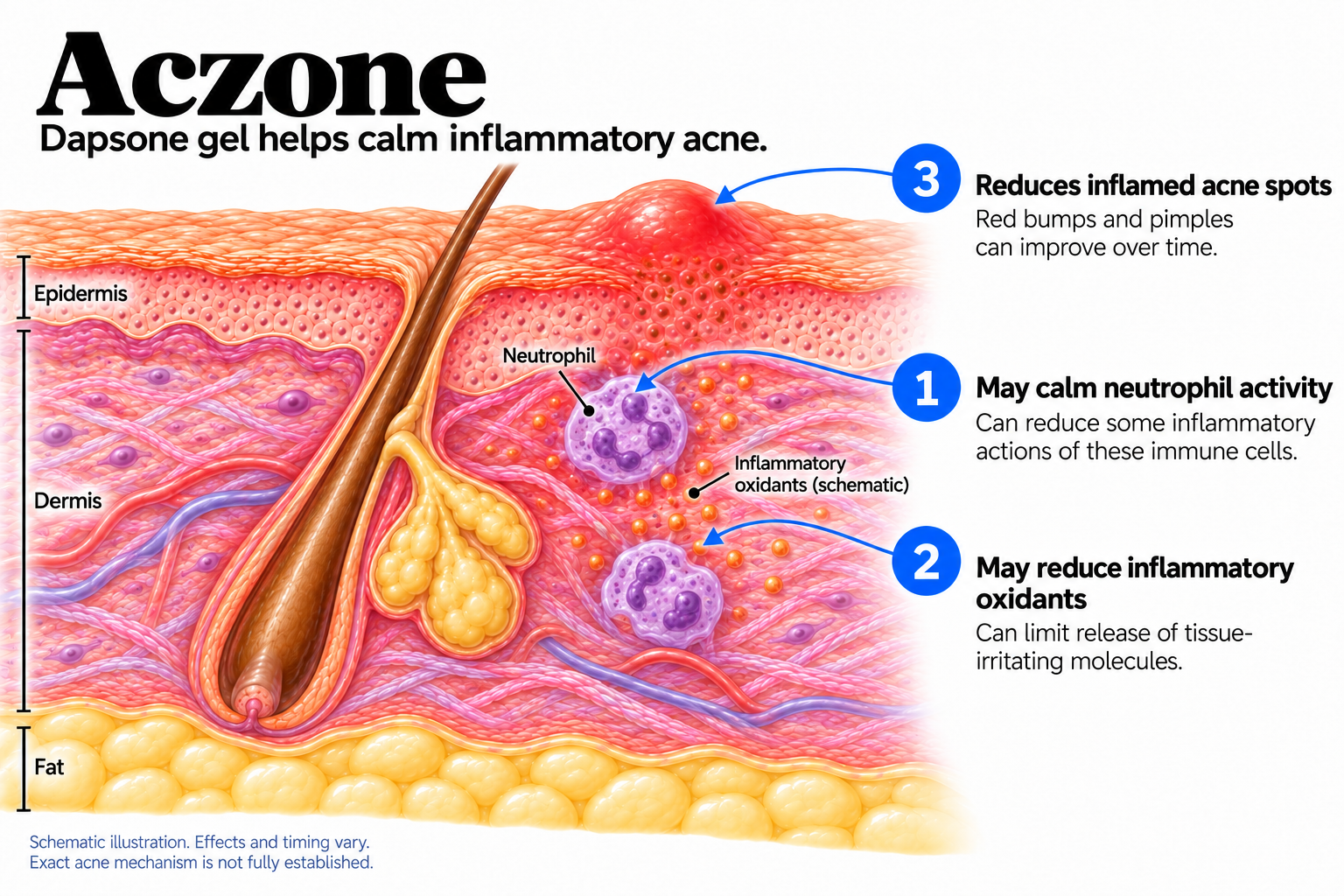
May calm neutrophil activity: Can reduce some inflammatory actions of these immune cells. May reduce inflammatory oxidants: Can limit release of tissue-irritating molecules. Reduces inflamed acne spots: Red bumps and pimples can improve over time.
The acne mechanism is unknown. Neutrophil and oxidant explanations are proposed based on experimental studies, not established as the cause of topical clinical benefit.

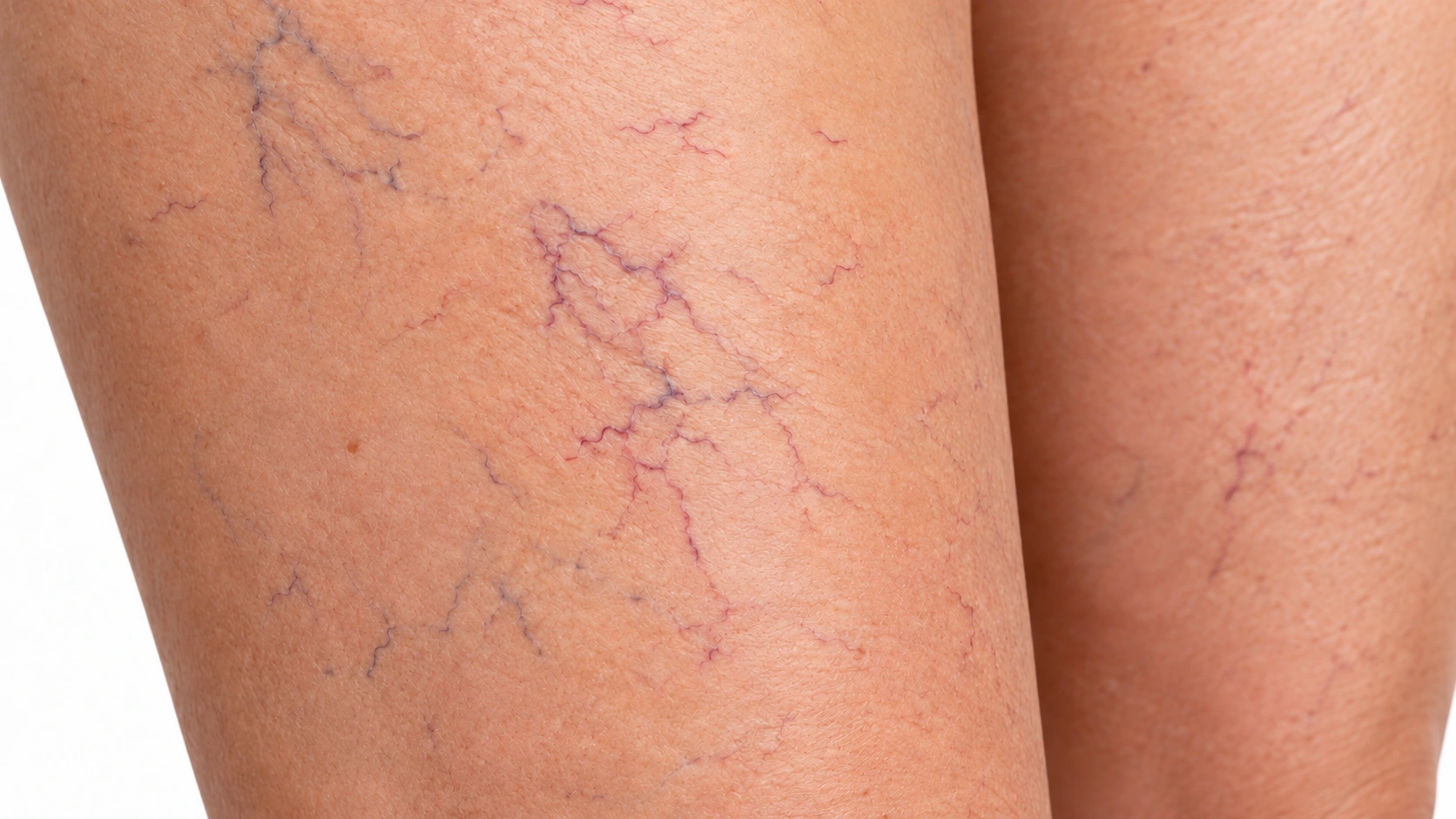
Activates vessel receptors: Stimulates alpha-1A receptors in skin blood vessels. Narrows blood vessels: Vessel walls contract and reduce local blood flow. Reduces visible redness: The effect is temporary and wears off.
Oxymetazoline is an alpha-1A agonist and vasoconstrictor. This is temporary control of persistent facial erythema, not vessel destruction or cure.
When to Apply: Clean dry skin, whole affected area. The 7.5% gel once a day, the 5% gel twice, usually in the morning so the night is free for a retinoid.
How to Start: Full strength from day one. It dries clear and sits well under makeup and sunscreen.
If It Irritates: Uncommon — usually mild dryness a moisturizer settles. With benzoyl peroxide at the same moment it can turn skin temporarily orange-brown, which is harmless and avoided by using the two at different times of day.
If It’s Not Working: Give it twelve weeks. There is no step up in strength, so the next move is adding or changing a drug.
When to Apply: Once a day on clean dry skin, usually morning so the effect covers the day. A pea-sized amount spread thinly over forehead, nose, chin and both cheeks. Wash your hands afterwards. Sunscreen and makeup go on once it has dried.
How to Start: Test one small area for a few days first. A small amount, never more than once a day. There is no build-up schedule and no benefit to using more.
If It Irritates: Mild stinging, dryness or itching early on usually settles. If redness gets worse rather than better, or worsens as the cream wears off, stop and call your doctor.
If It's Not Working: Nothing to increase — there is one strength. If a few weeks of daily use has not helped, the options are brimonidine gel, which works through a different receptor, or laser and light treatment for the vessels themselves.
No routine blood tests for the gel. Unlike dapsone tablets, you do not need G6PD testing first, because so little is absorbed.
You can stay on this for years, and nothing accumulates. Review is clinical, at about twelve weeks and then yearly.
No routine blood tests. Monitoring is visual — does the redness reduce, does it worsen, does your skin tolerate the cream.
A small amount is absorbed, so the class effects — lower blood pressure, a slow heart rate, dizziness — are theoretically possible. They are rare on intact skin, but they are why heart problems, low blood pressure, circulatory disease and certain psychiatric medicines are worth raising first.
Review a few weeks in, and the only question is whether the result justifies continuing.
Approximate windows, not promises.
Weeks 1 to 4Red, tender spots calm down. Blackheads and whiteheads look unchanged.
Weeks 1 to 4Watching: A few people find redness or flushing gets worse instead of better, as it wears off or over the first weeks. Stop and review.
Weeks 4 to 8Fewer new inflamed spots.
After 12 weeksIf inflamed acne has not improved, move on. Judge it on red spots only — it was never going to fix clogs.
First hourStarting: Redness begins to fade. Mild tingling or dryness is common.
Hours 3 to 8Peak: Least red through most of the working day.
Around 12 hoursWearing off: Color returns, usually to where it started.
OngoingNo build-up: No accumulation. Month three looks like day one.
Sorted by what to do about them.
Generic dapsone gel comes in both strengths and costs far less than it used to, though still more than generic clindamycin or benzoyl peroxide. Some plans want prior authorization, usually after a retinoid.
Brand priced, and coverage is inconsistent because insurers often treat facial redness as cosmetic. Prior authorization is common.
A pump lasts a while if you stick to the pea-sized rule. Manufacturer savings offers exist and change often.
Where cost rules it out, price generic brimonidine gel where available, green-tinted makeup, and — if you want a lasting change rather than a daily one — laser or light treatment.
Benzoyl peroxide and dapsone applied together can leave a temporary orange-brown tint on skin and light-colored facial hair. It washes off and is harmless. Use them hours apart.
Not for the gel. That belongs to dapsone tablets, where far more of the drug reaches the bloodstream.
No. It works on inflammation. Blackheads need a retinoid.
No. It is a sulfone with anti-inflammatory action, which is why resistance is not the same concern.
Both narrow facial vessels, through different receptors. Brimonidine works faster and wears off sooner; oxymetazoline covers more of a working day and rebound redness is reported less often. Neither treats the condition.
No. Different concentration, different base, different intended surface. It is not a cheaper version of this medicine.
No. Blood vessels only. Bumps need their own treatment, and the two are often used together.
Not reliably. It reduces fixed background redness. Flushing is a faster, different response, and some people report more of it on this cream.
A single application shows the same day. Give it a few weeks to judge whether it is worth continuing.
Yes, once it has dried. Keep the daily sunscreen either way — sun is a common rosacea trigger.