Adapalene
ListedHelps prevent new comedones; improvement is gradual. Avoid retinoids during pregnancy.
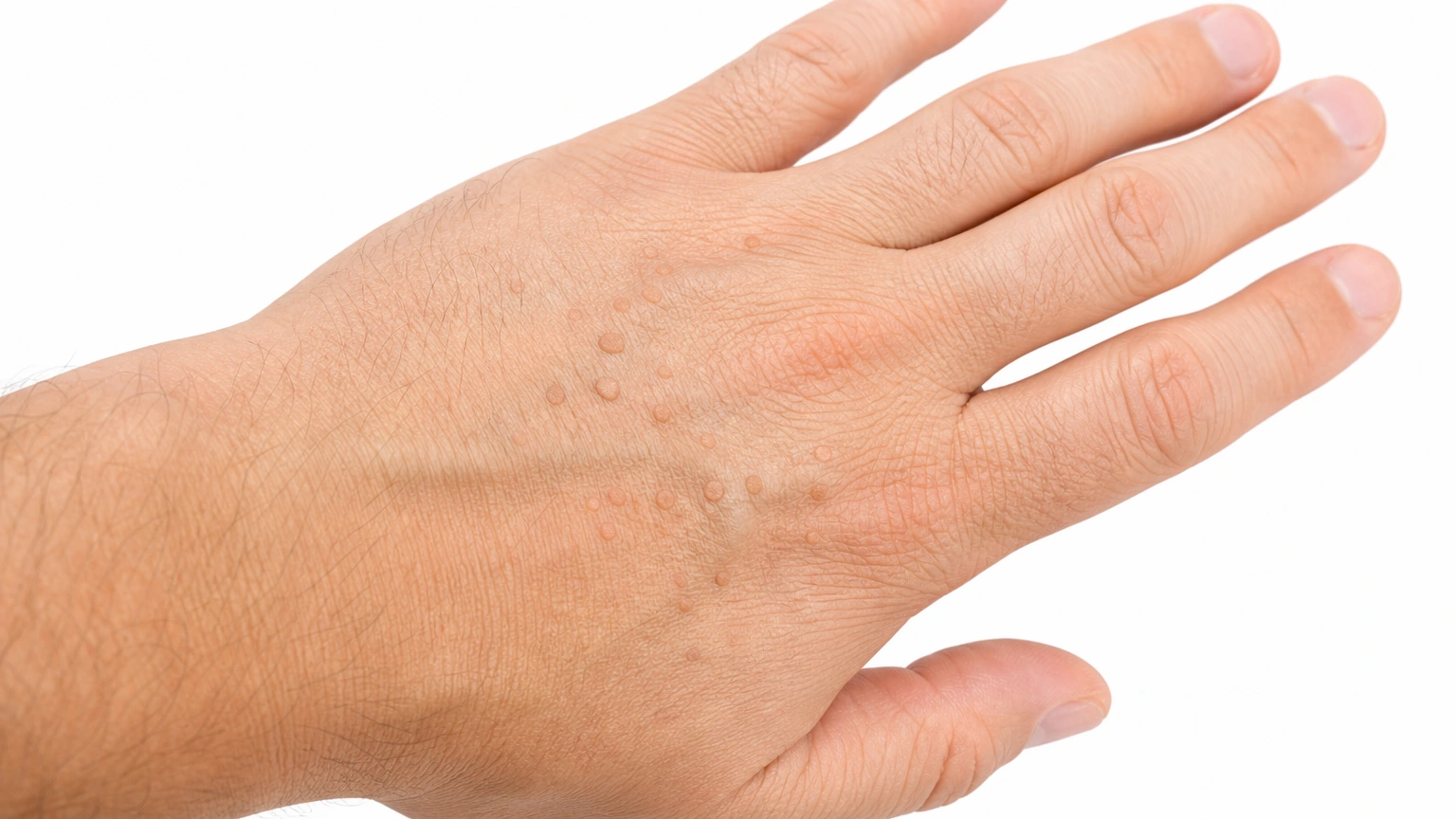
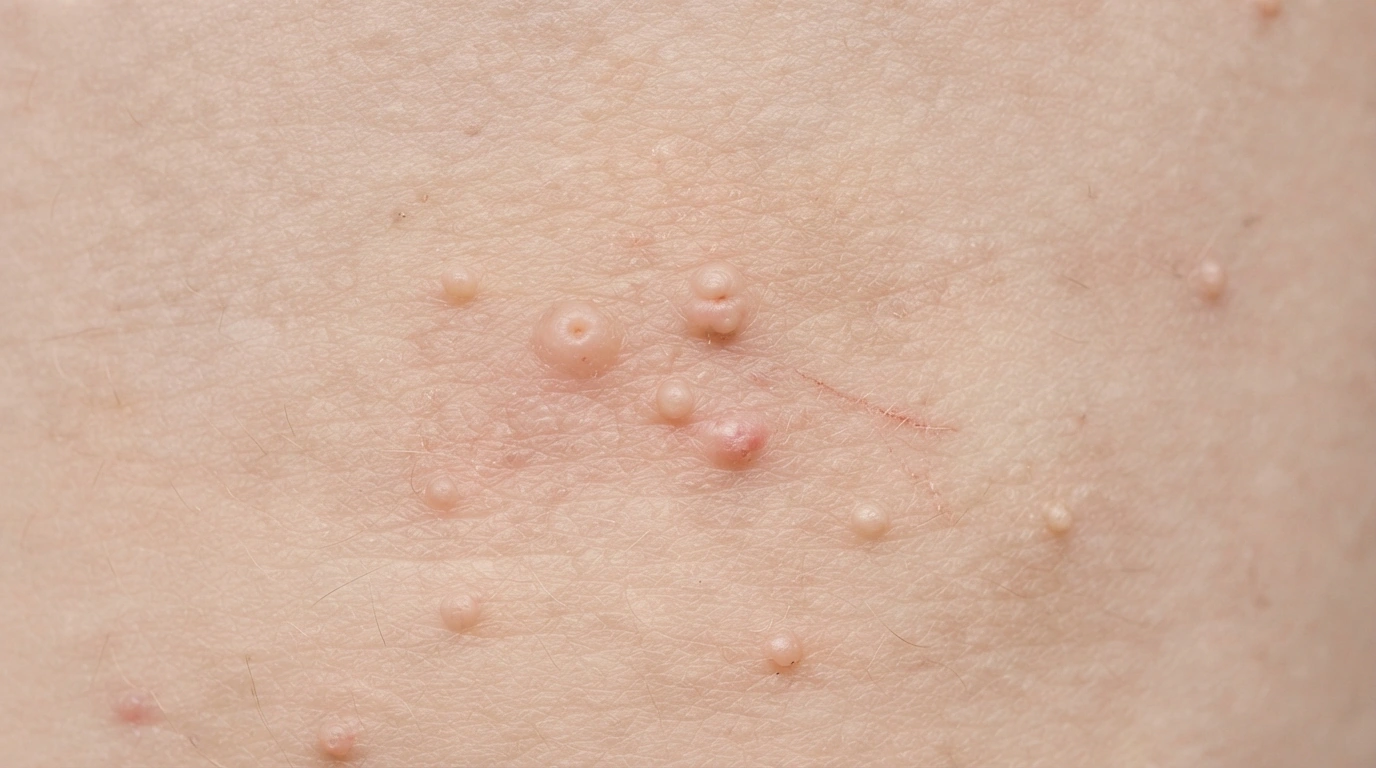
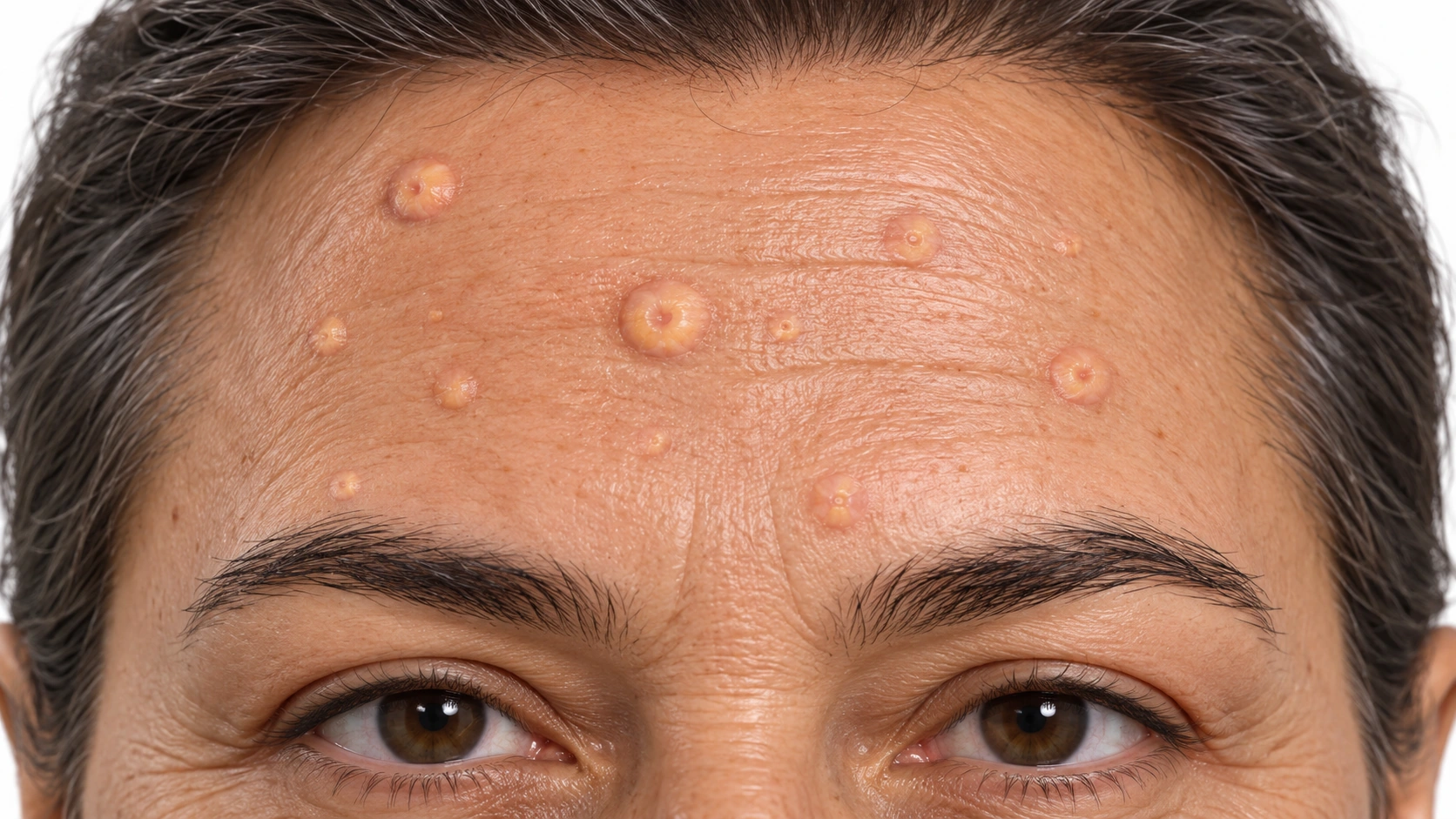
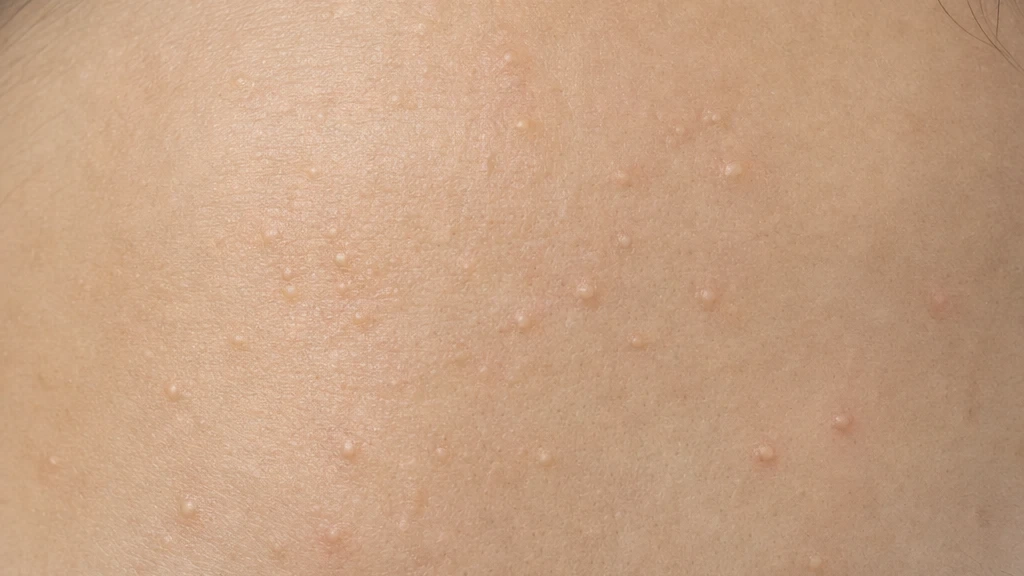
Closed comedones: small blocked follicles covered by skin. Milia are tiny, firm white bumps that sit just under the surface of the skin, most often around the eyes. Each one is a small pocket of trapped keratin with no opening, which is why squeezing does nothing and why a professional can remove one in seconds.

The same eight facts on every condition comparison.
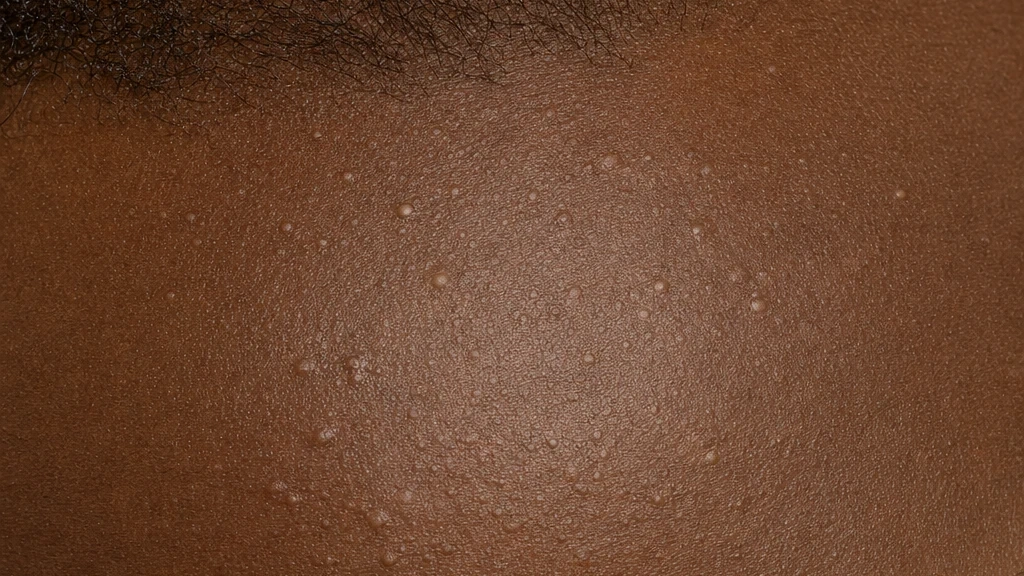
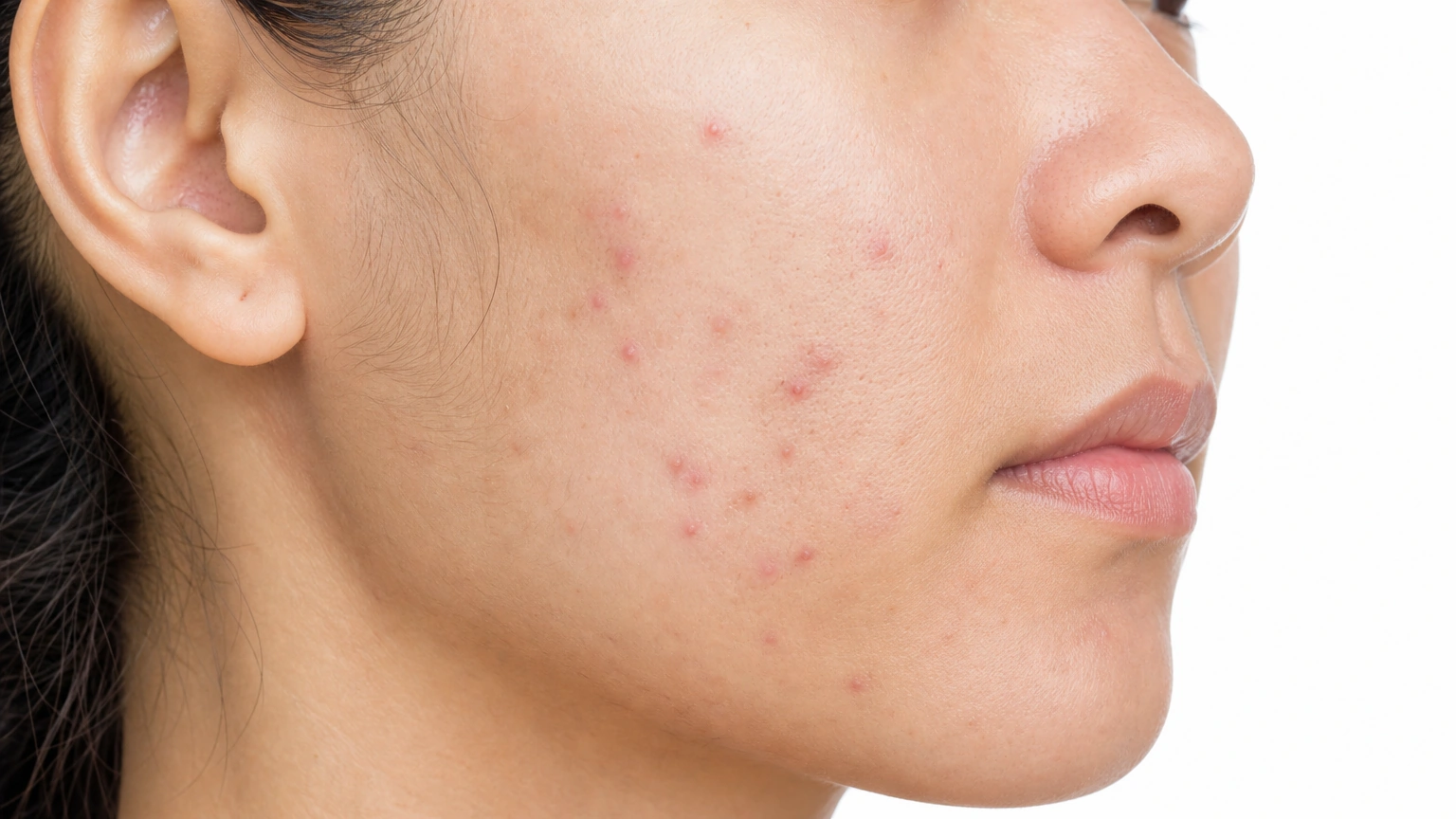
Whiteheads Tiny skin-colored and whitish bumps create a subtly uneven surface.

Primary milia Form on their own, often around the eyes.
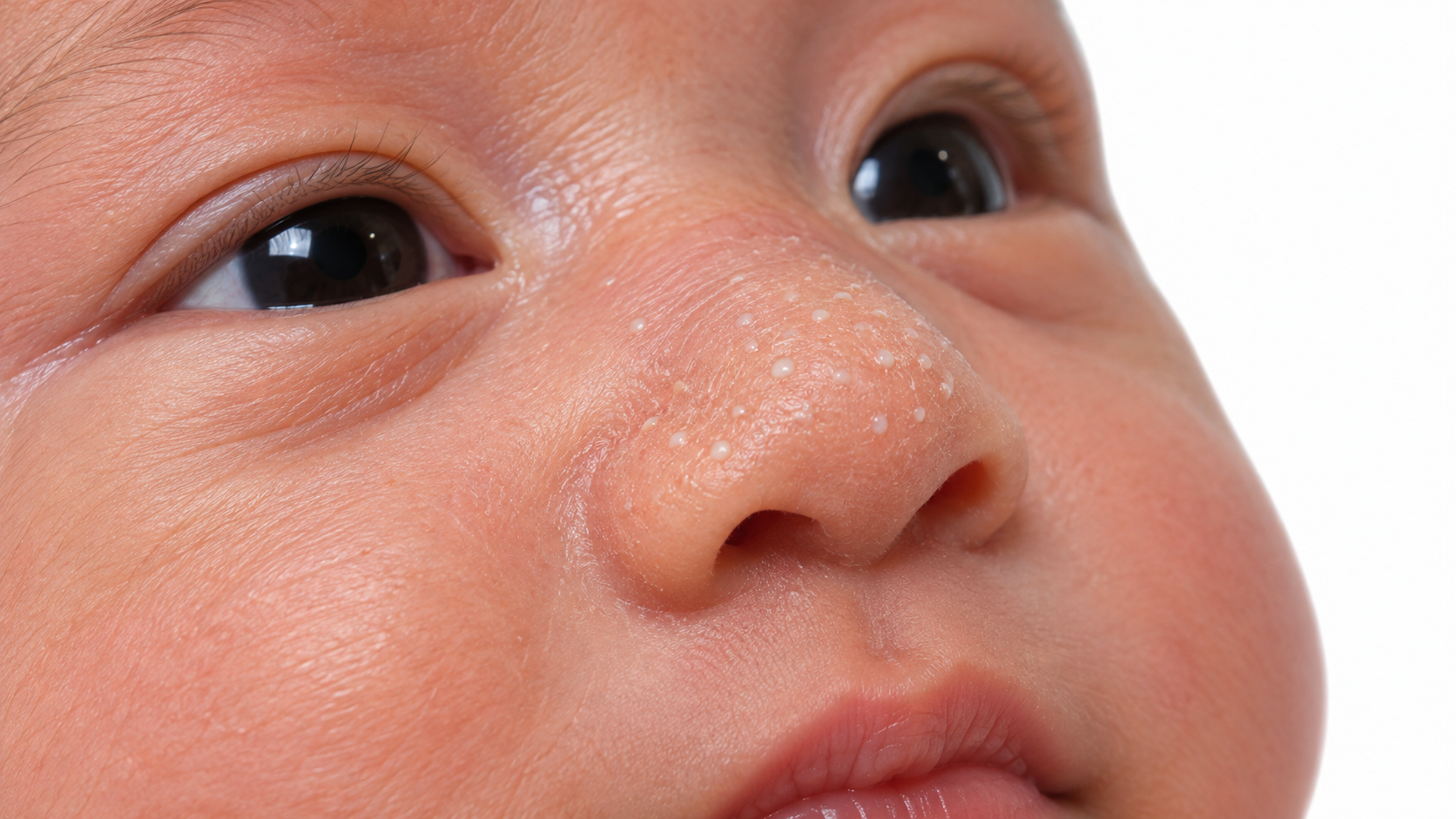
Newborn milia Tiny white bumps cluster across the nose and cheeks.
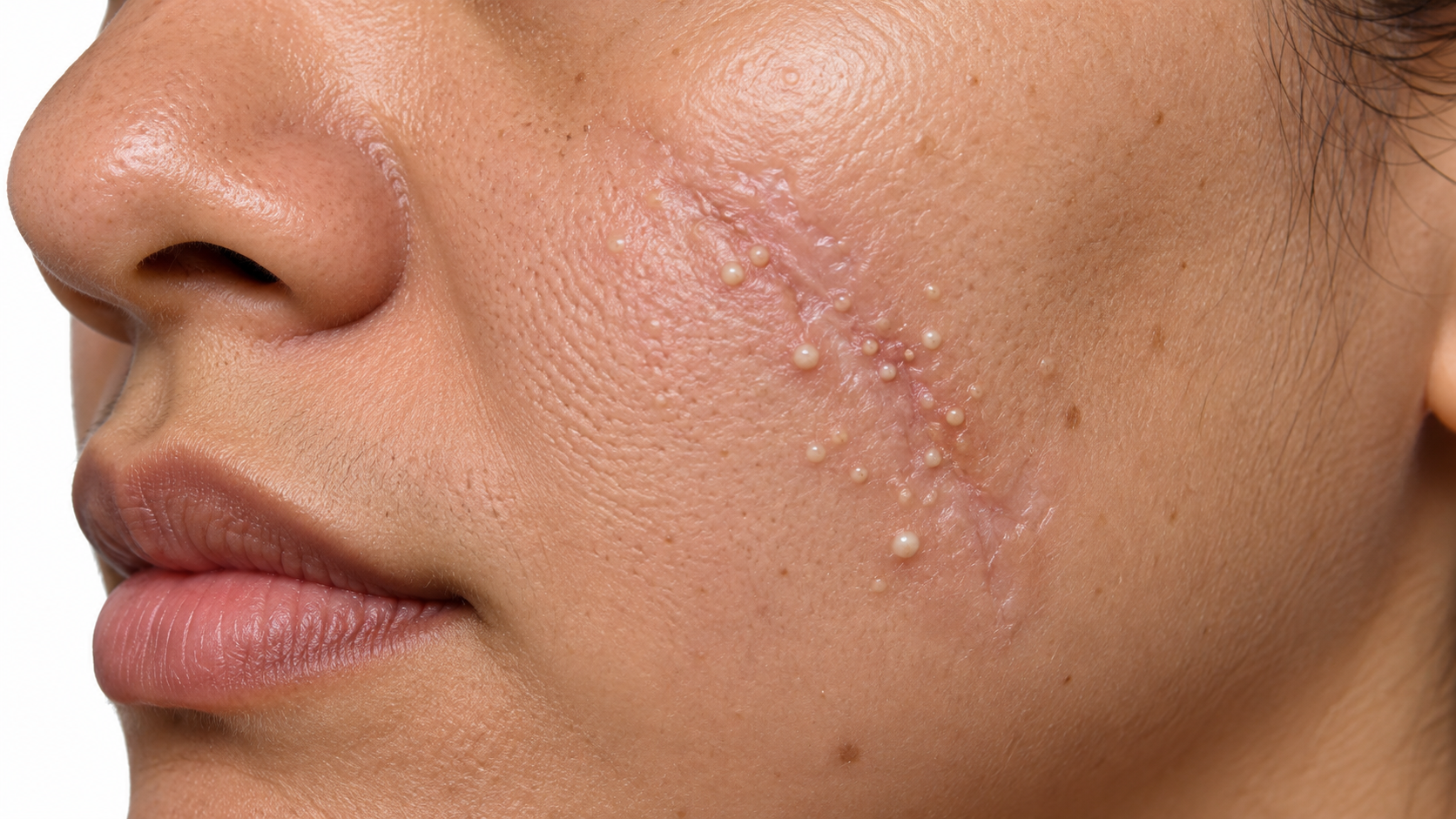
Secondary milia Form after burns, blisters or heavy creams.
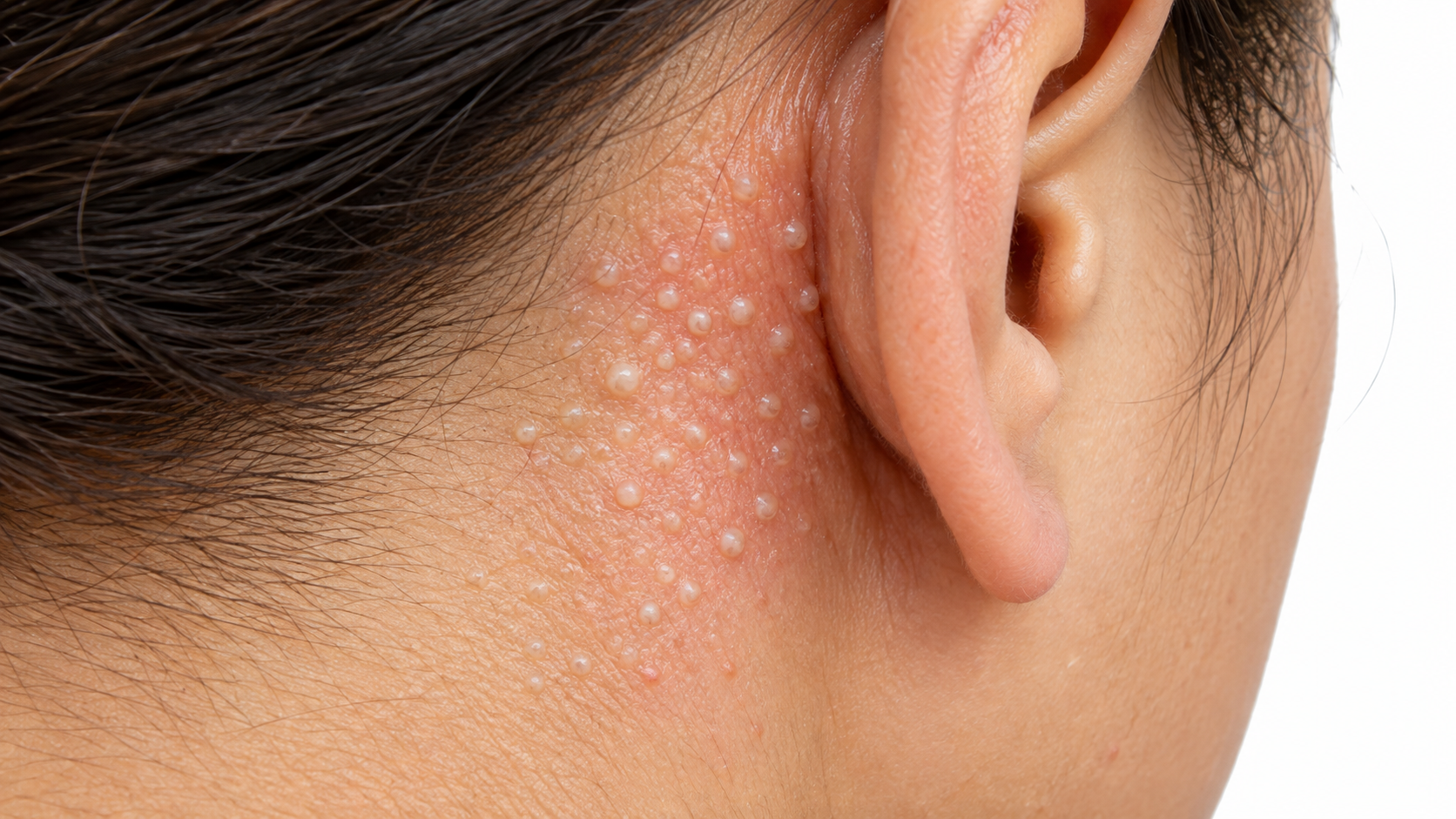
Milia en plaque Many milia on a raised patch; rare.
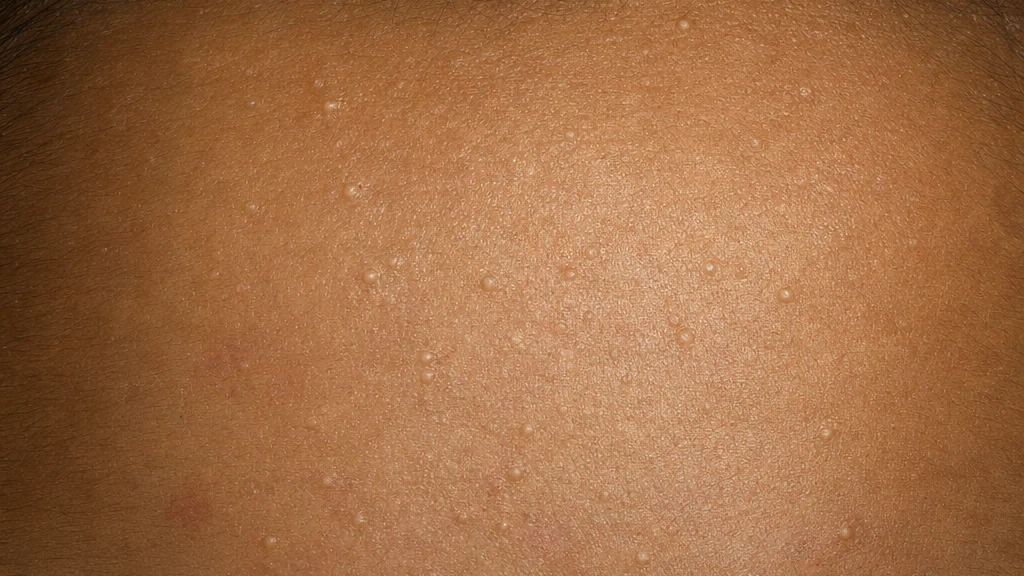
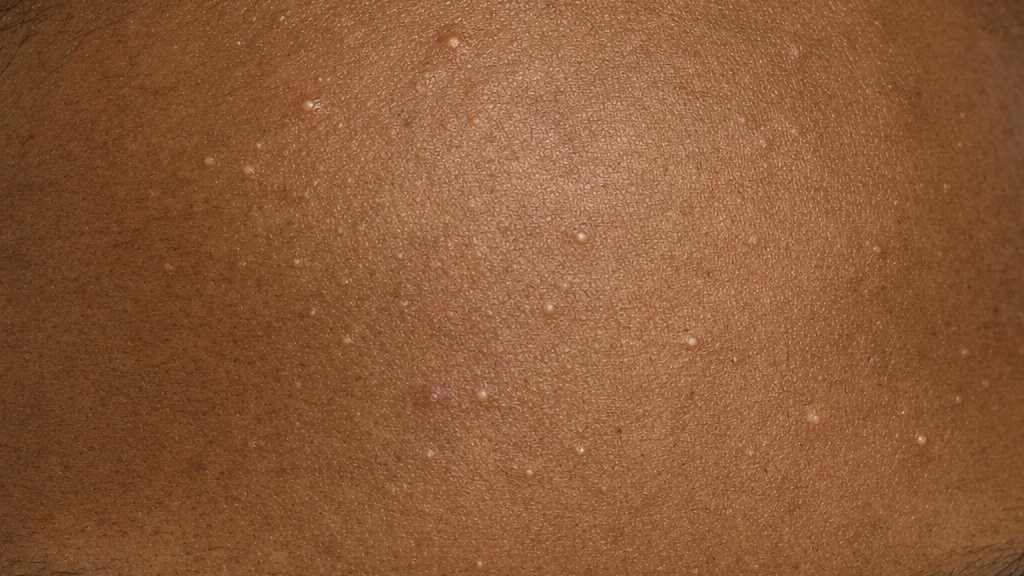
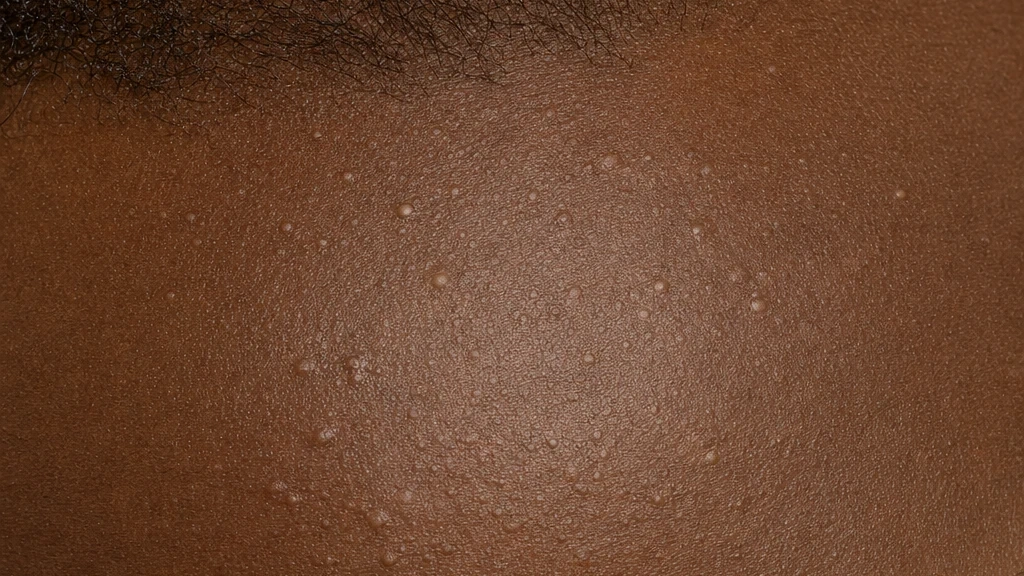
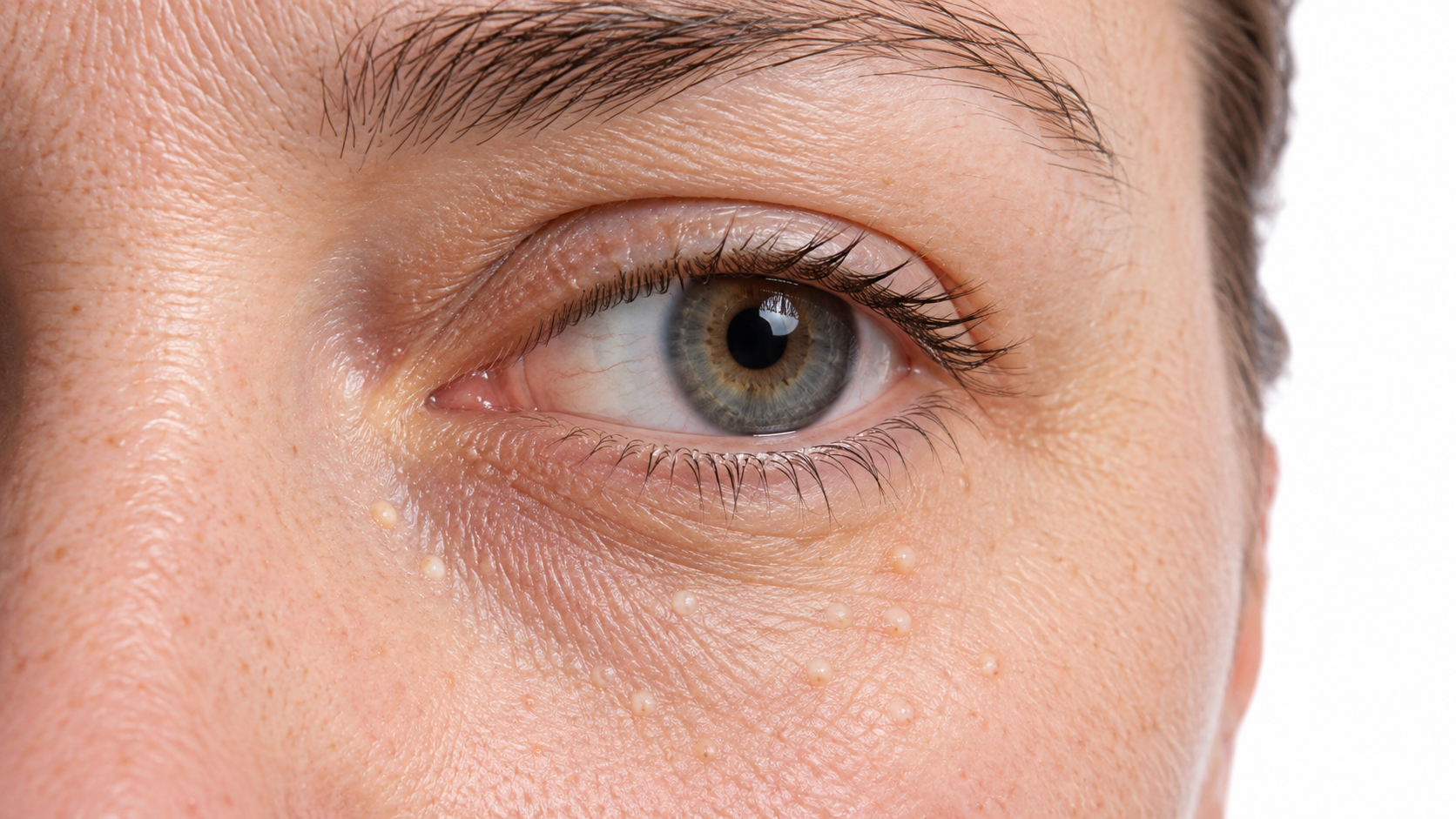
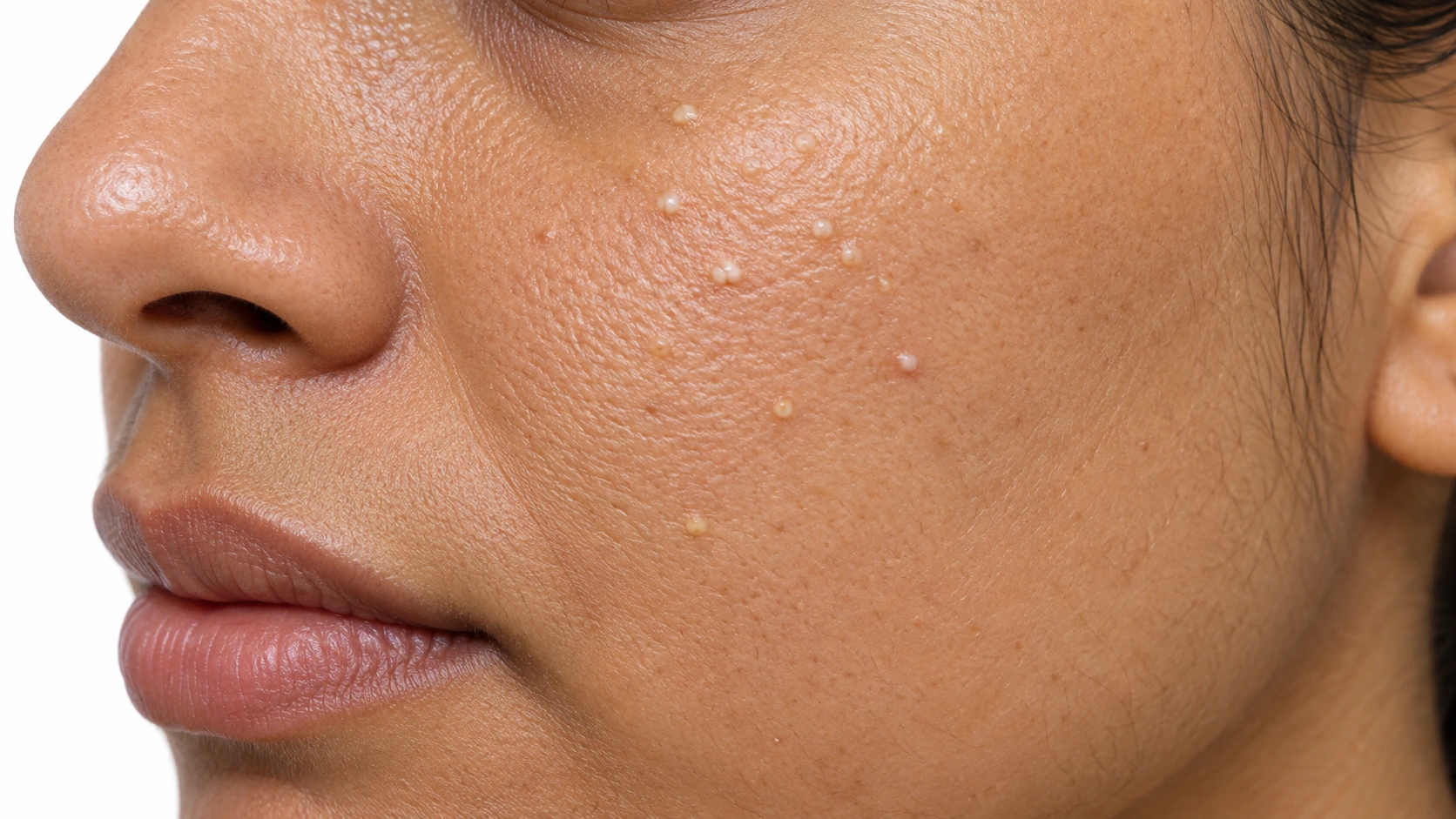
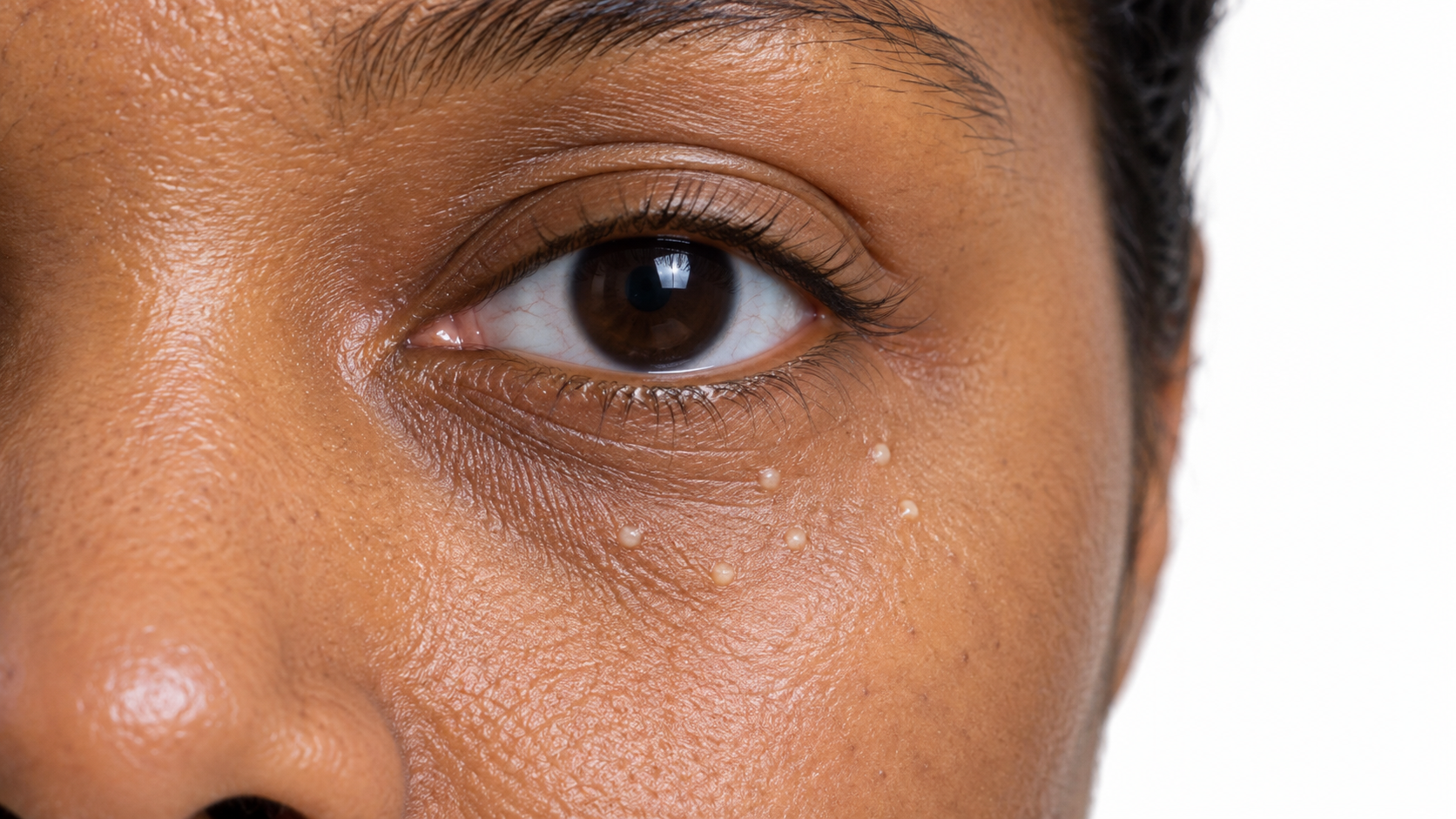
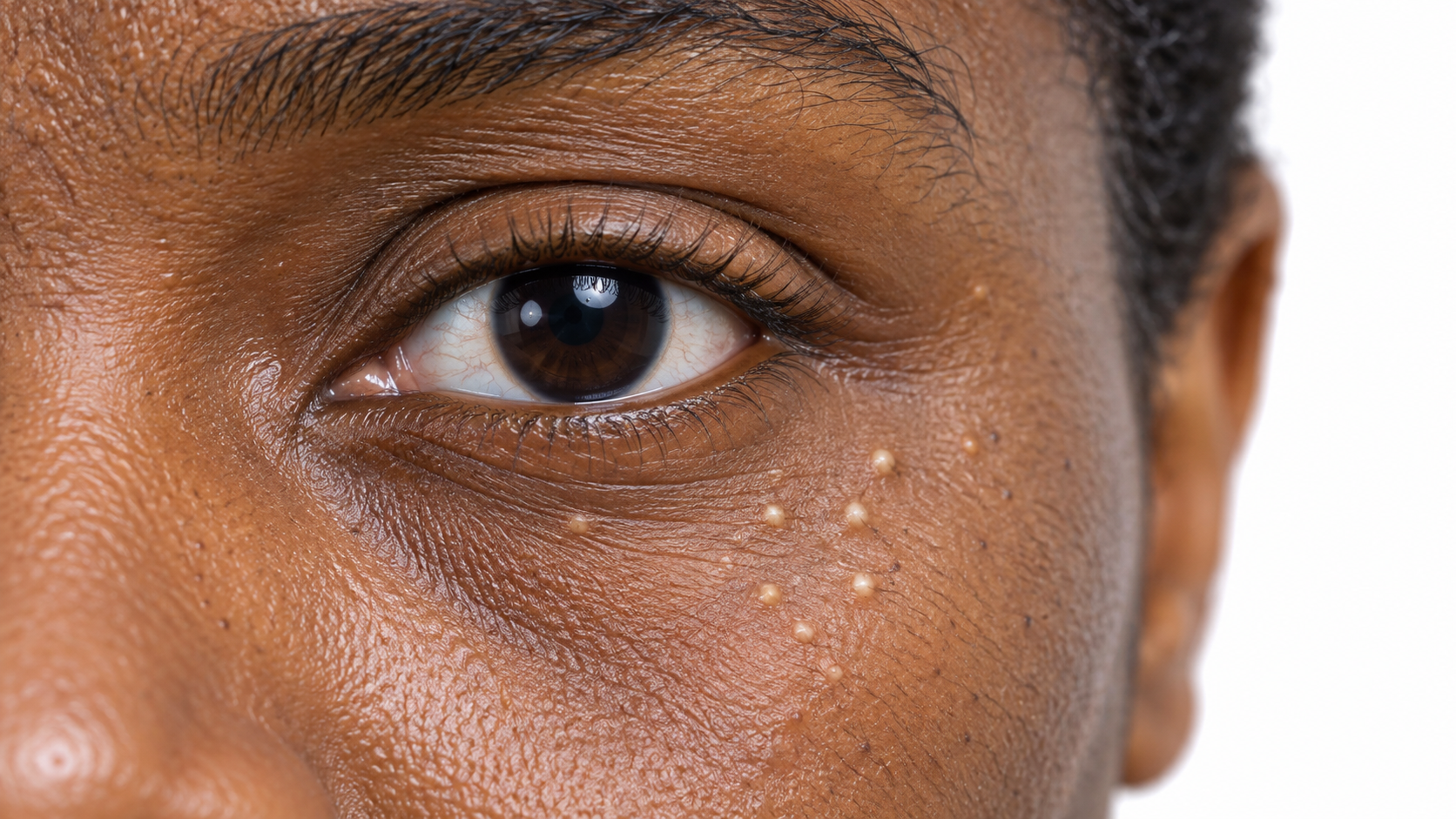

Oil and shed skin cells block a follicle beneath a closed surface opening. The trapped material creates a small pale bump called a closed comedone.
Milia are tiny cysts that trap keratin, a normal skin protein, just beneath the surface. The enclosed keratin makes a firm pale bump rather than an inflamed acne spot.
Whiteheads. Often begins around puberty; adult acne can persist or start later.
Milia. Can occur at any age and are especially common in newborns.
Oil and shed skin cells block hair follicles; inflammation can develop around them.
Milia form when keratin, a skin protein, gets trapped in a tiny pocket just under the surface. They can appear on their own or after skin damage.
Evidence labels come from each condition’s own treatment list.
Helps prevent new comedones; improvement is gradual. Avoid retinoids during pregnancy.
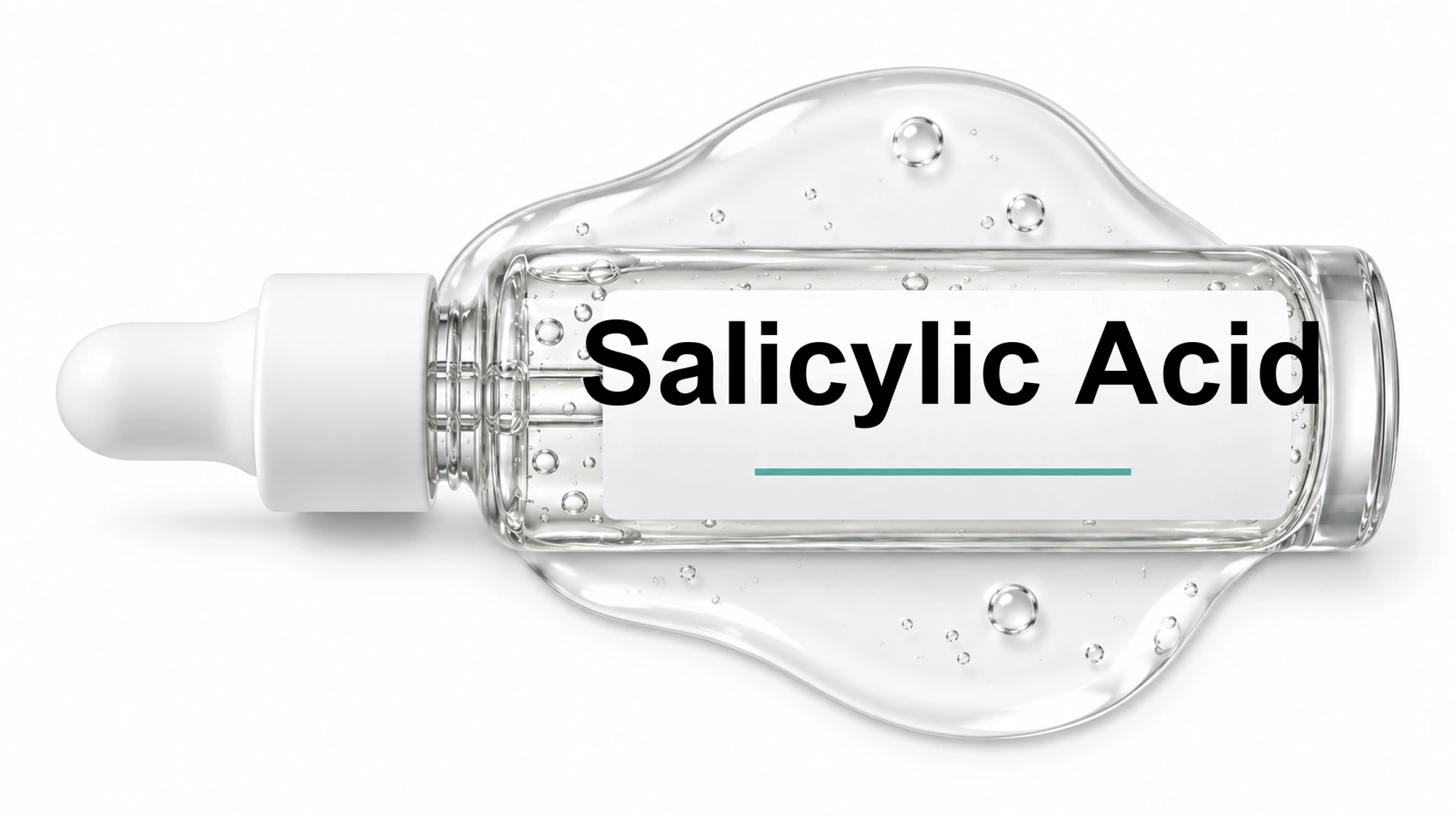
Can help clear surface plugs; stop if it causes persistent irritation.
The over-the-counter retinoid, used at night. It speeds up how the duct lining sheds, which over two to three months lowers how many new milia form. It will not open or empty the ones you already have, because nothing applied to intact skin can reach a sealed sac. Start a few nights a week, and keep it off the eyelids themselves. Ask your doctor about it if you are pregnant or trying to become pregnant.
A gentle leave-on exfoliant that helps keep small ducts clear, which is prevention rather than treatment. It does nothing to a milium that has already sealed over. Low strength, a few times a week, and not on eyelid skin, which is thin and irritates easily.
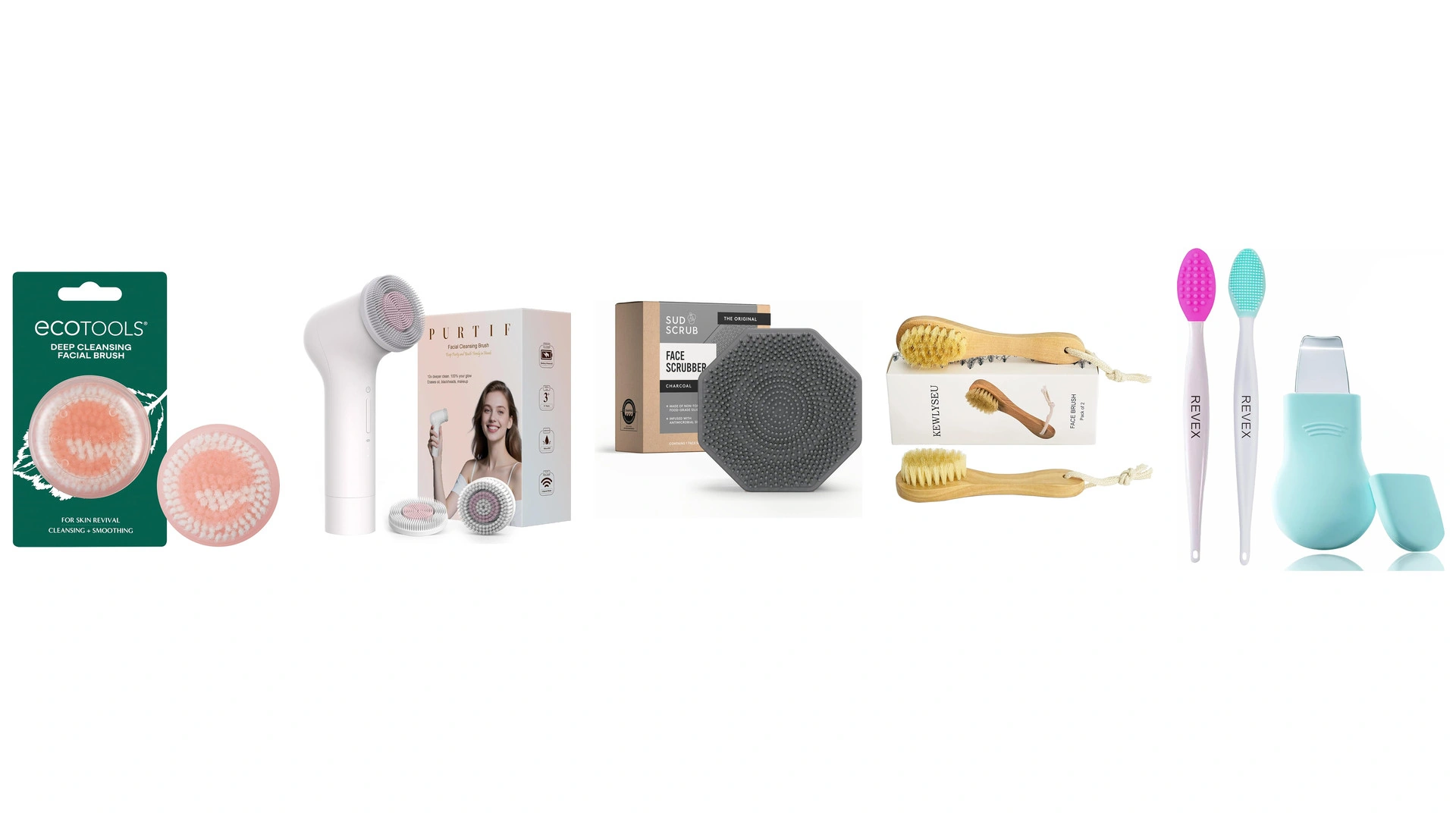
These are what most people try first, and they cannot work. A scrub abrades the surface, and the sac sits under an intact surface. A pore strip needs an opening to grip, and a milium has none. What scrubbing does achieve is irritation, which is not neutral here, because repeated injury to one area can seal off new ducts.

Thick eye creams and balms get blamed for milia constantly. The evidence is weak and plenty of people get milia while using nothing at all, so this is not a reliable fix and it will not clear the bumps already there. If you keep getting them in the exact spot where a heavy product sits, switching to something lighter costs nothing and is worth trying.
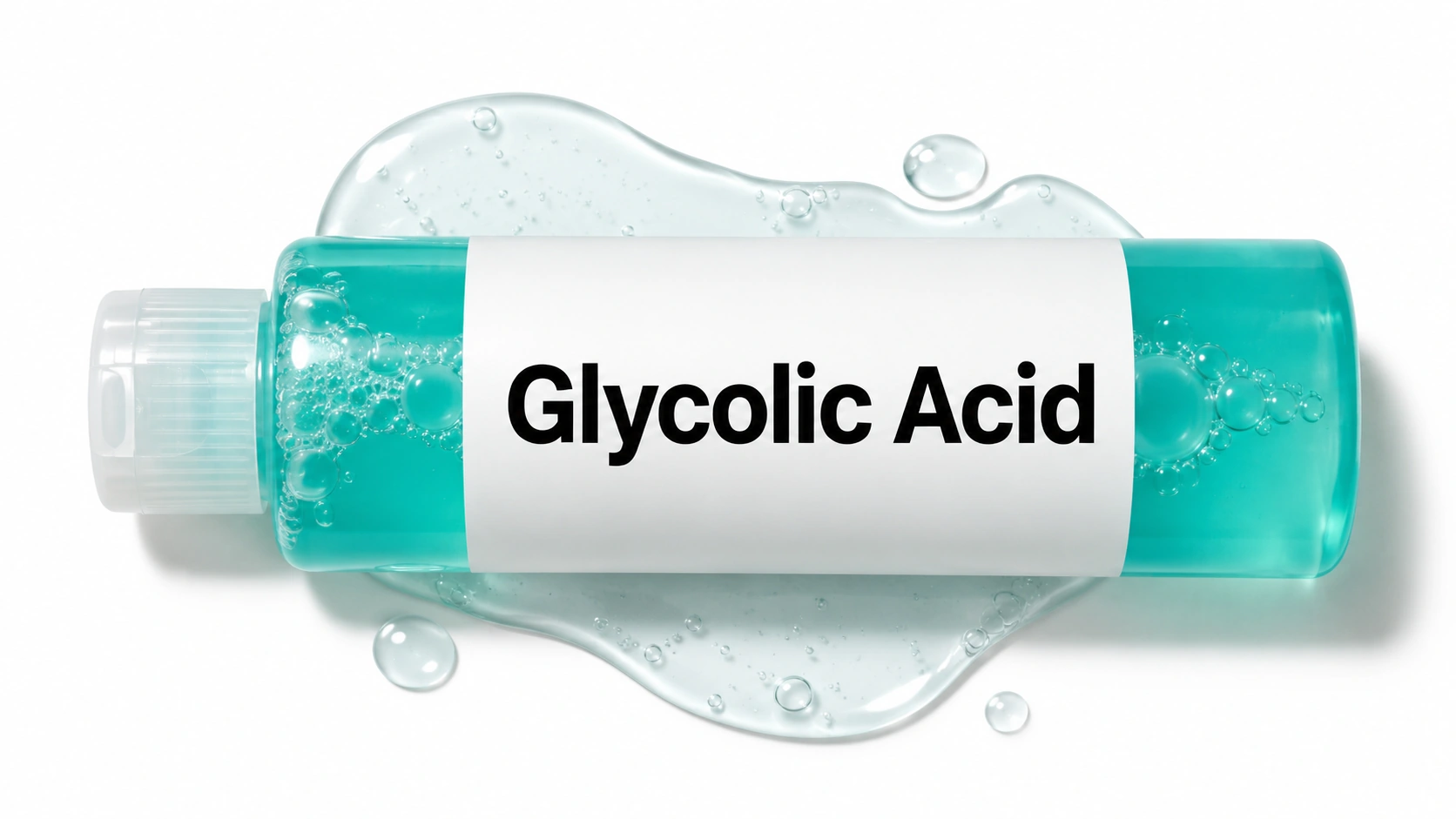
Keeps the surface layer shedding evenly, on the same prevention logic as salicylic acid. Low strength only. Strong glycolic peels are the opposite of helpful here — deep peeling is one of the recognized causes of milia in the first place.
The prescription-strength version of the same idea as adapalene, used at night when there are many milia or they keep coming back. Over two to three months it reduces how many new ones form. It does not clear the existing bumps, and it is used carefully near the eyes. Ask your doctor about it if you are pregnant or trying to become pregnant.
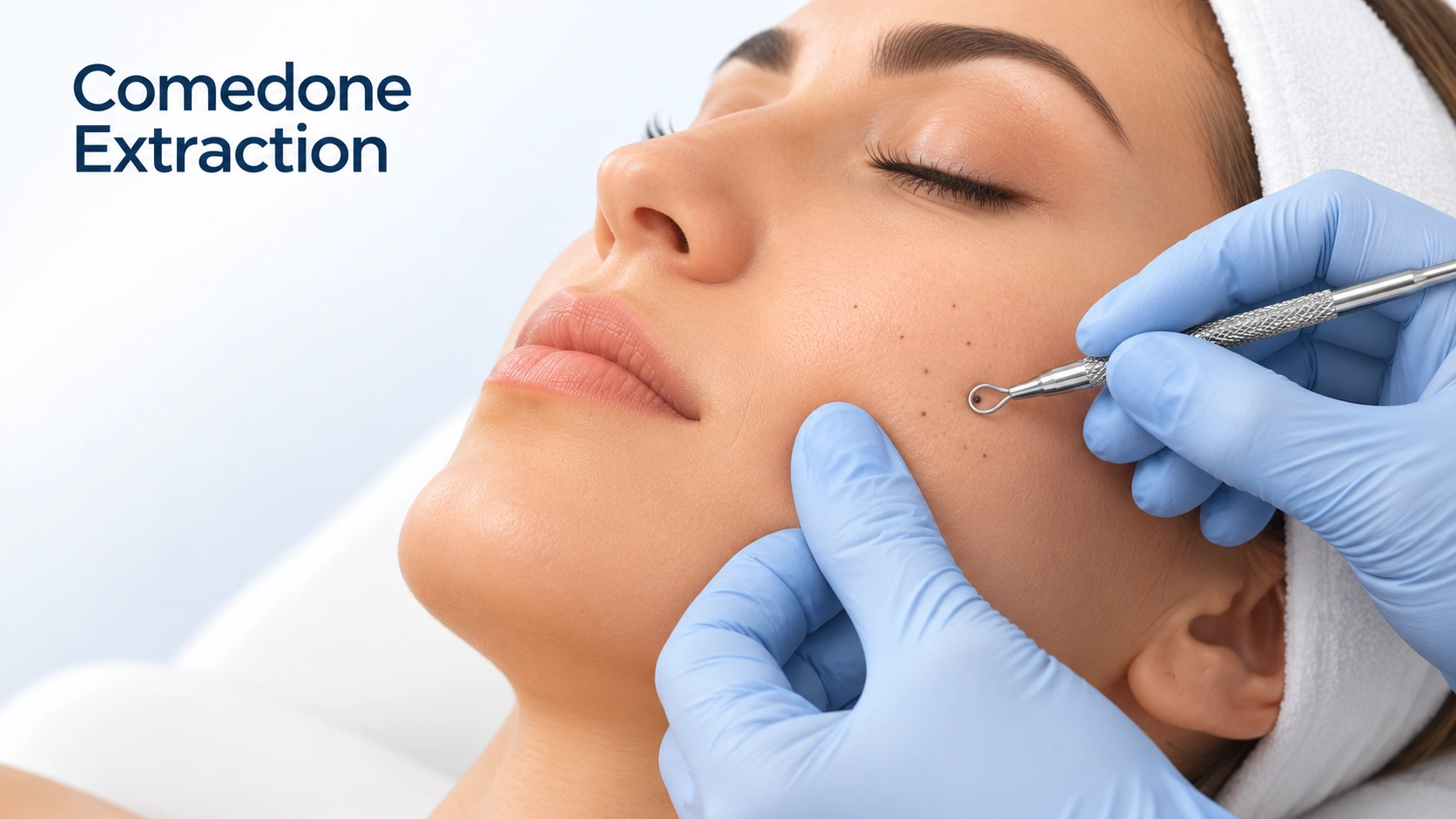
The definitive treatment, and the only thing that actually empties a milium. The roof is nicked with a sterile blade or needle and light pressure lifts the keratin pearl out whole, in about ten seconds a bump. The one that is removed does not come back in that spot. Done once, properly, it heals in a few days; repeated digging at the same place is what leaves marks.

A fine heated needle used to destroy the sac, usually kept for milia that are numerous, very small, or sitting somewhere awkward for a blade. It works. It is also more likely than a simple nick to leave a small mark, so it is not the first choice for one or two bumps on an eyelid.
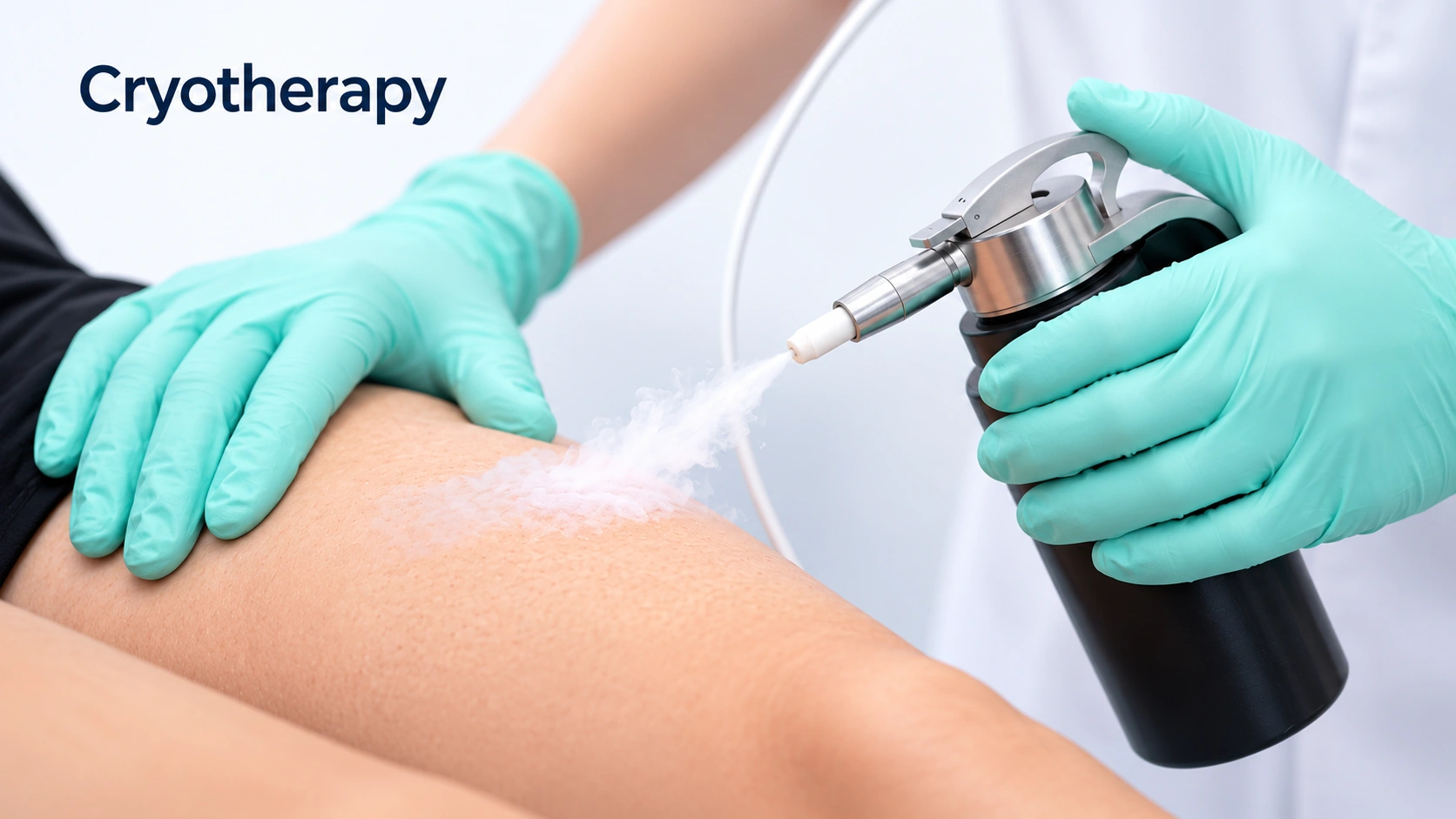
Freezing is sometimes offered for milia. It is less precise than extraction, more uncomfortable, and on deeper skin tones it carries a real risk of leaving a pale or dark mark where the bump was. There is little reason to choose it over opening the sac and lifting the contents out.
Whiteheads can improve as blocked pores clear, but new ones may form. Consistent acne care helps prevent recurrence; picking can add inflammation and lasting marks.
The course depends almost entirely on age: in a newborn the bumps clear themselves, and in an adult they sit still. Milia that follow an injury or procedure appear one to two months after the skin healed and often clear over several months, though they can be extracted sooner.
Closed comedones can coexist with inflamed acne; they differ from firm keratin cysts called milia.
Gone from that spot for good
An emptied milium does not return there. New ones can form nearby — a new bump, not a recurrence.
Arrange care for painful deep lumps, scarring, or acne that persists despite a consistent treatment plan.
Ask a clinician about persistent or troublesome bumps, especially near the eyes. Avoid trying to pierce or extract them yourself.
Closed comedones: small blocked follicles covered by skin.
Use a gentle cleanser, non-comedogenic moisturizer and sunscreen. Do not squeeze or scrub spots.
Arrange care for painful deep lumps, scarring, or acne that persists despite a consistent treatment plan.
Because there is no pore. A milium is a sealed sac of keratin under intact skin, so nothing has a route out. Pressure sends the contents sideways into the tissue, which is how bruising and dark marks happen. Open the roof first and it comes out.
You can reduce how many new ones form, with a retinoid at night over two to three months. You cannot reliably remove the ones you have, and please do not try with a needle - eyelid skin is thin, the aim is difficult, and the usual result is a mark that outlasts the bump.
A brief scratch rather than real pain; most people need no anesthetic. One small nick and light pressure heals in a few days without a scar. Repeated digging at the same spot is what leaves marks.
The one removed does not return. New ones can form elsewhere, especially if you are prone to them or something is triggering them — a blistering condition, a resurfacing procedure, steroid cream. That is a new bump, not a recurrence.
Nothing. Newborn milia are common and clear within a few weeks as the ducts finish maturing. No creams, no rubbing, no special washing. If they are still there after a couple of months, or the baby has widespread bumps with fragile or blistering skin, have them looked at.
Yes. Milia are a recognized consequence of laser resurfacing, dermabrasion and deep peels, usually a month or two after the skin heals. They often settle over several months, and can be extracted any time if they bother you.
Sources