Whiteheads vs Acne Pustules

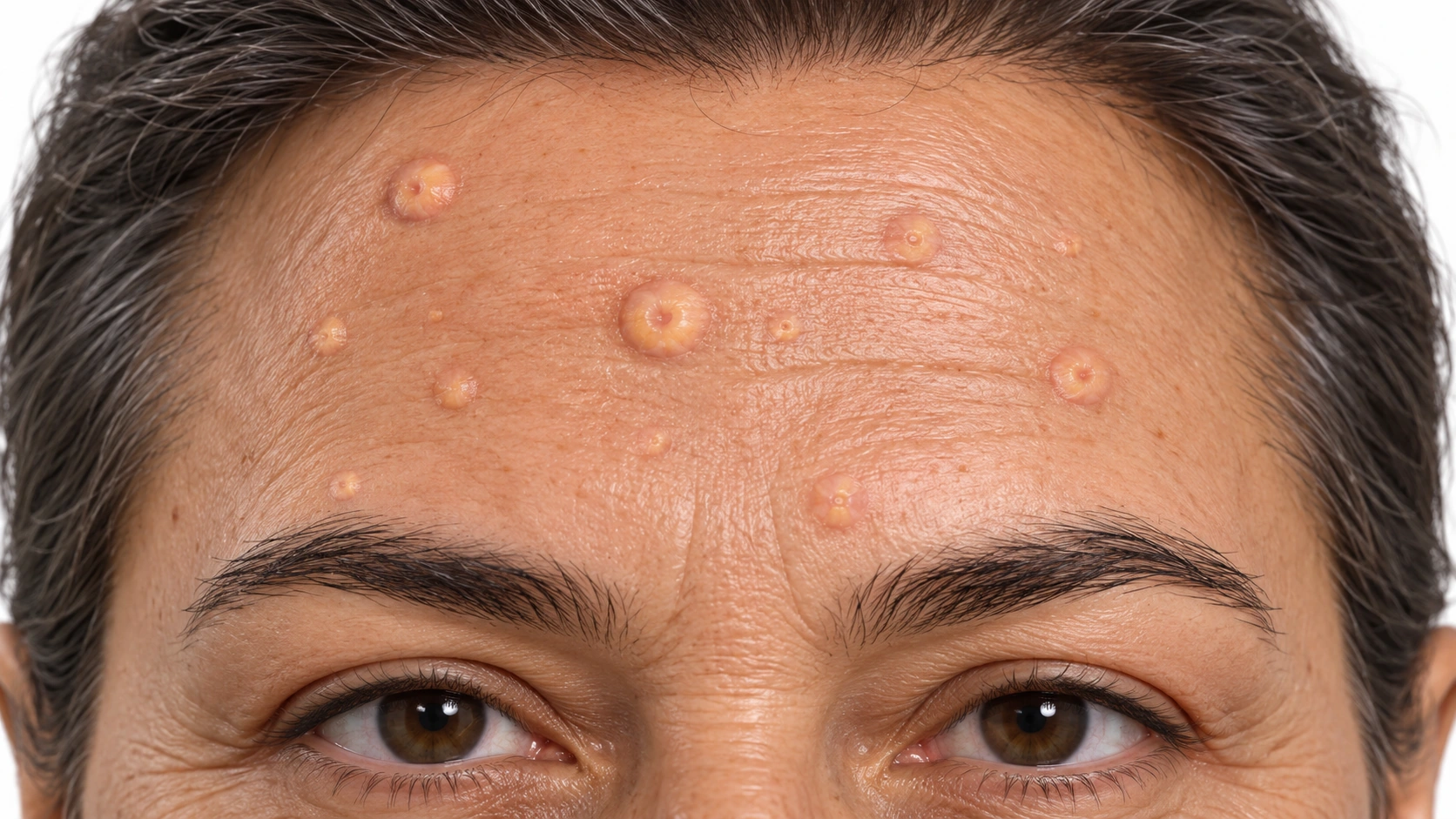
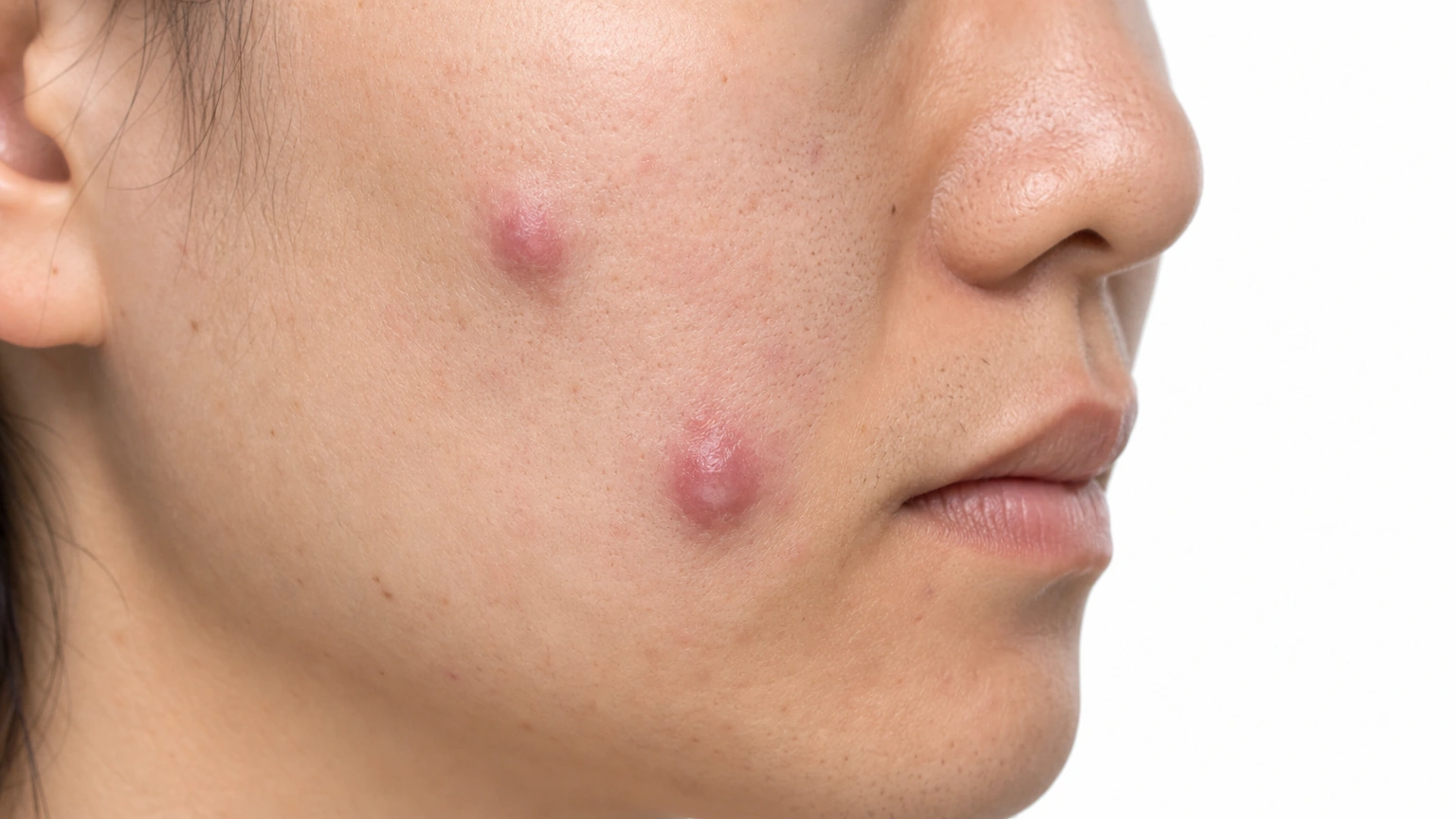
Closed comedones: small blocked follicles covered by skin. Inflamed acne bumps with a visible white or yellow pus-filled tip.
Research updated 2026-10-23
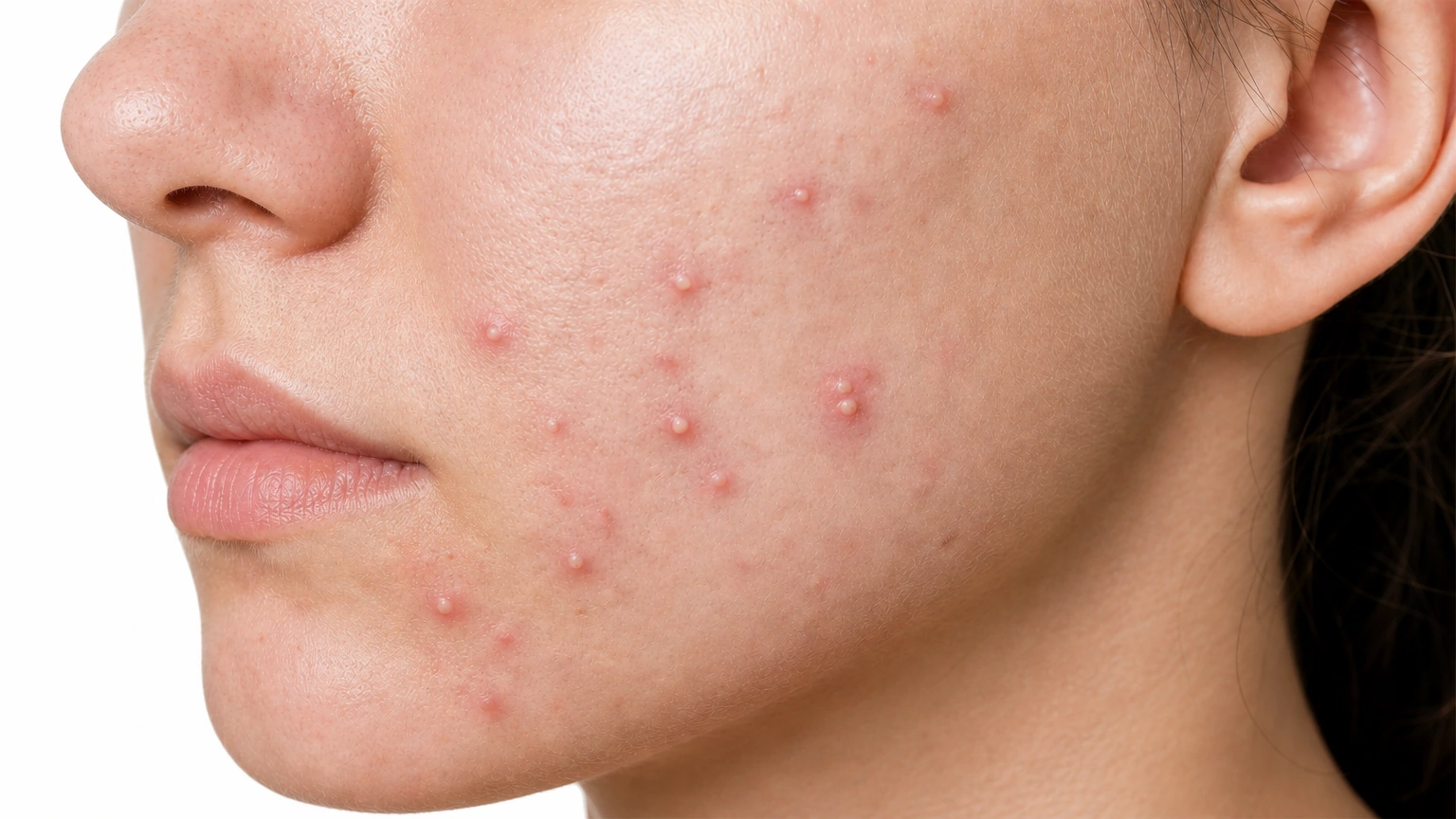
whiteheads on light skin.AI-generated educational illustration: Adult cheek with several small red follicular bumps topped by tiny white pustules; no deep cysts.

Key differences

The same eight facts on every condition comparison.
Usual age
12 to 25
Teens and adults
Where
Forehead, chin, nose
Face, chest, back
Main sign
Small skin-coloured closed bumps
Red bumps with a white tip
Itch or pain
Neither
Can be tender
Contagious
No
No
Long term
Improve with treatment
Comes and goes
Scars
Rarely
Can leave marks
Who gets it
Teens; adults with acne
People with acne

What is it?

Whiteheads
Acne Pustules
What is it?
  • What it is
    Closed comedones: small blocked follicles covered by skin.
  • What it is
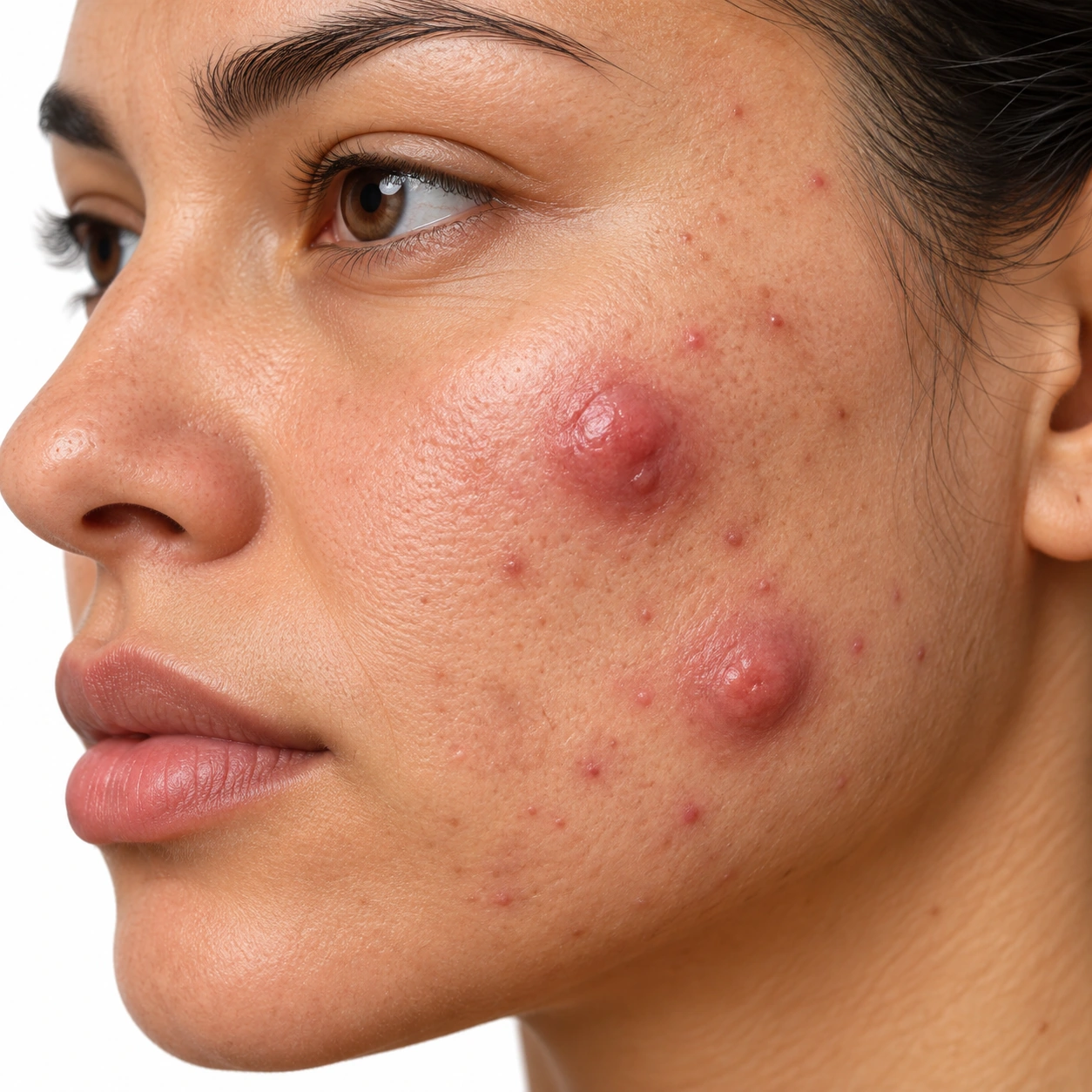
    Inflamed acne bumps with a visible white or yellow pus-filled tip.

What it looks like

Whiteheads

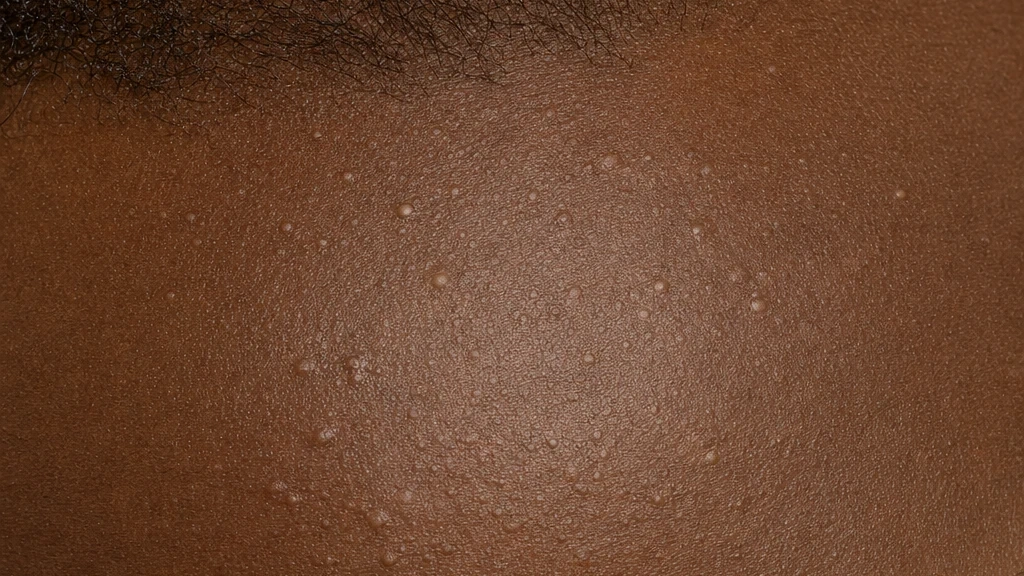
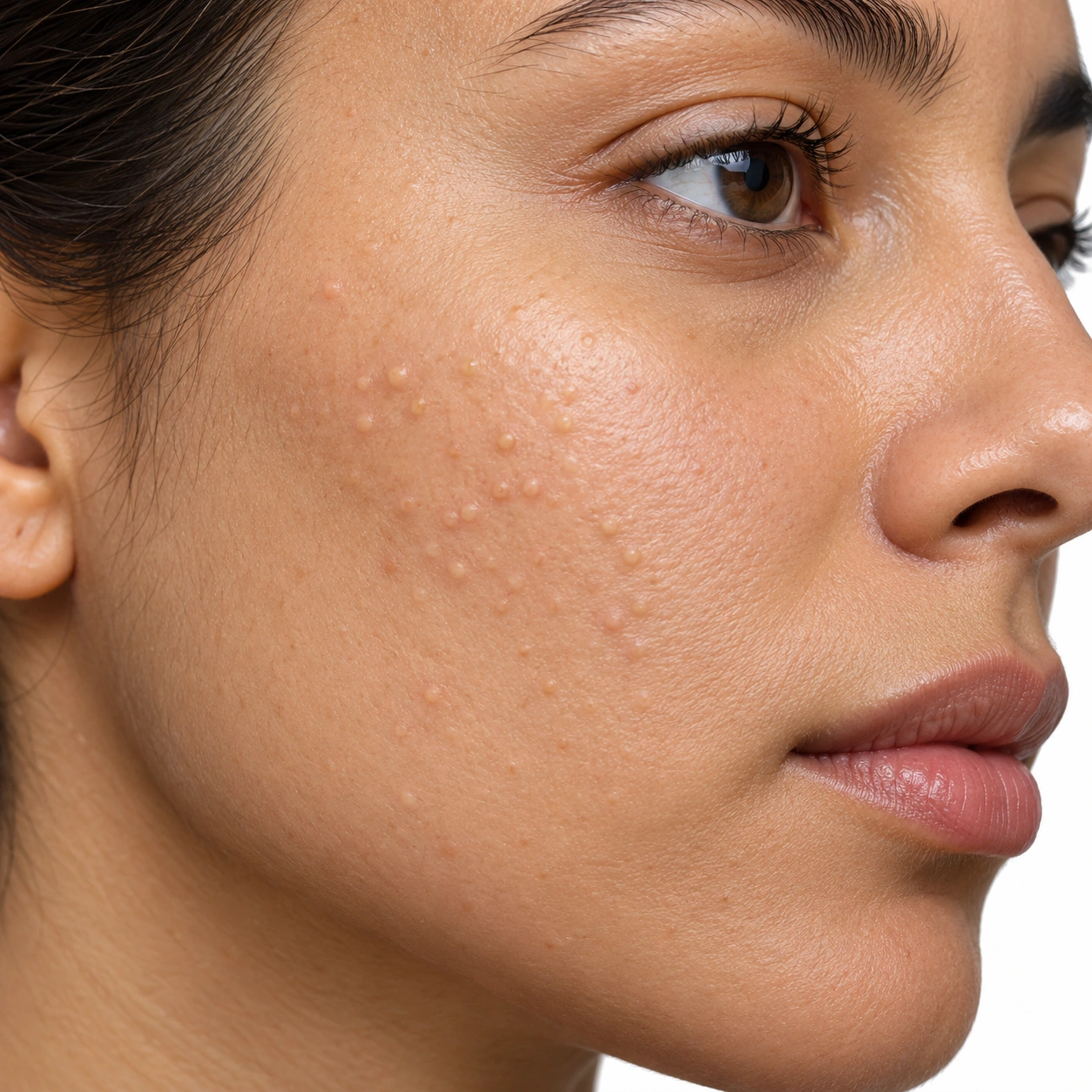
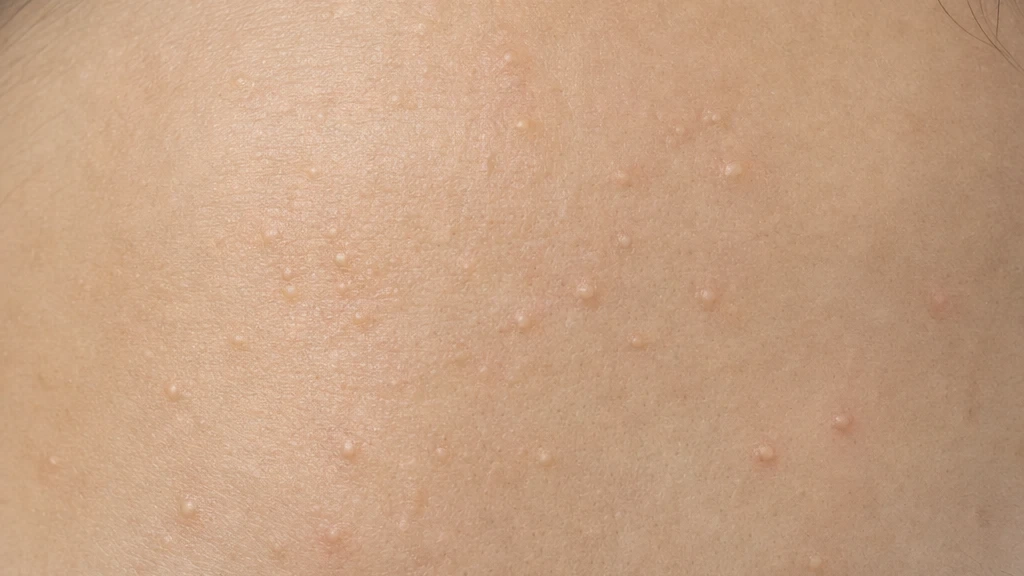
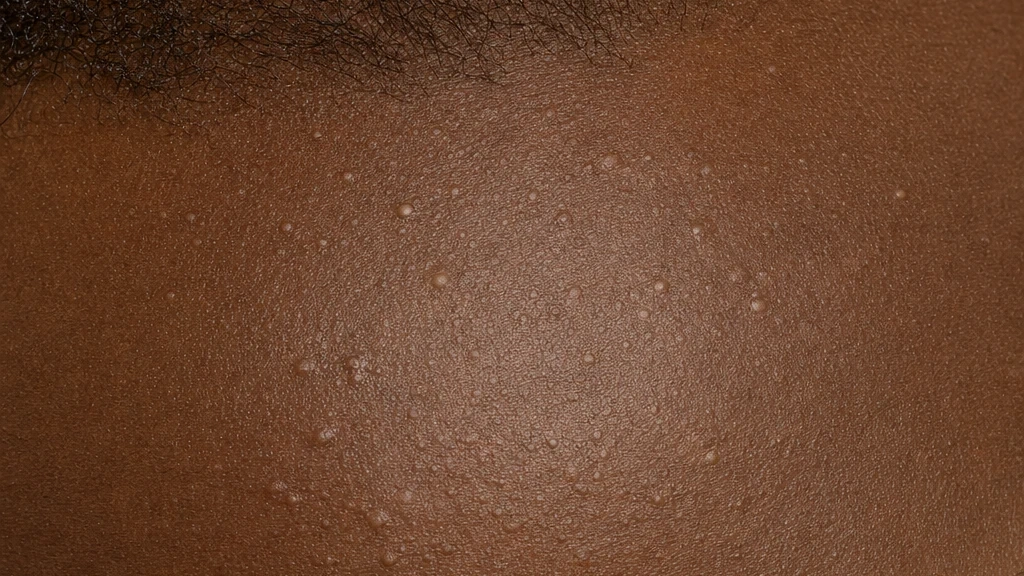
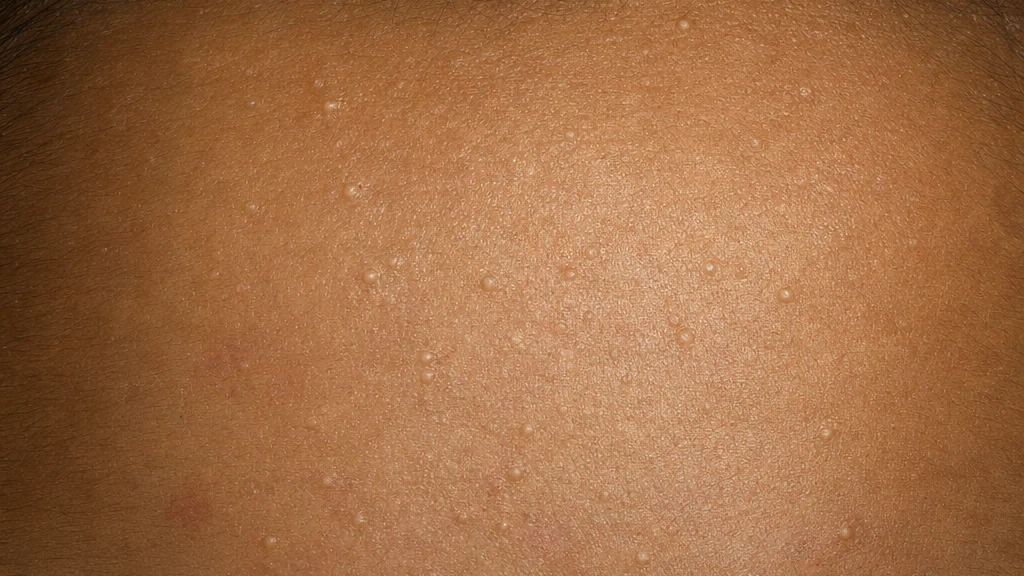
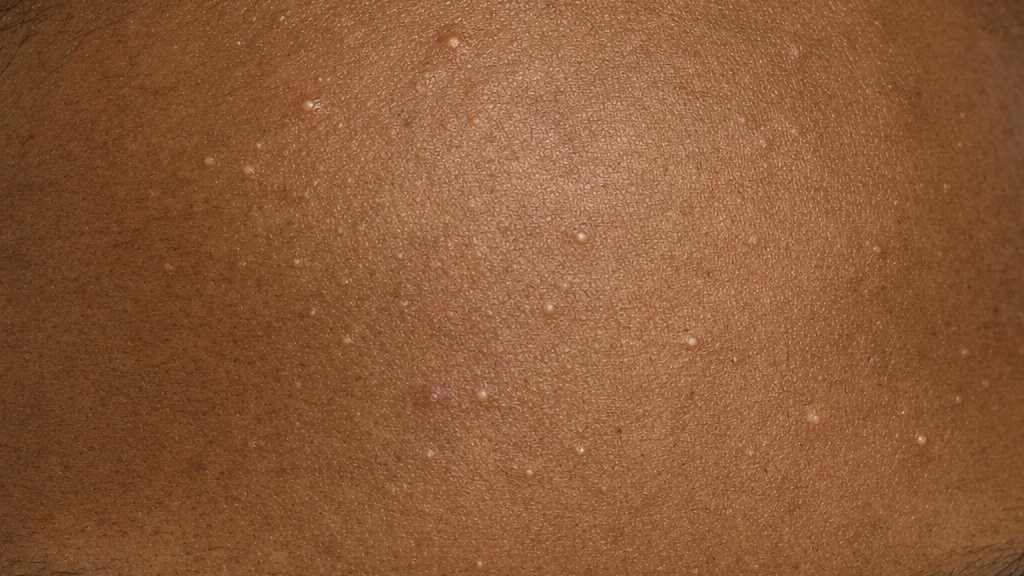
A cheek with many tiny pale raised bumps and little surrounding redness.

Whiteheads Tiny skin-colored and whitish bumps create a subtly uneven surface.

Acne Pustules

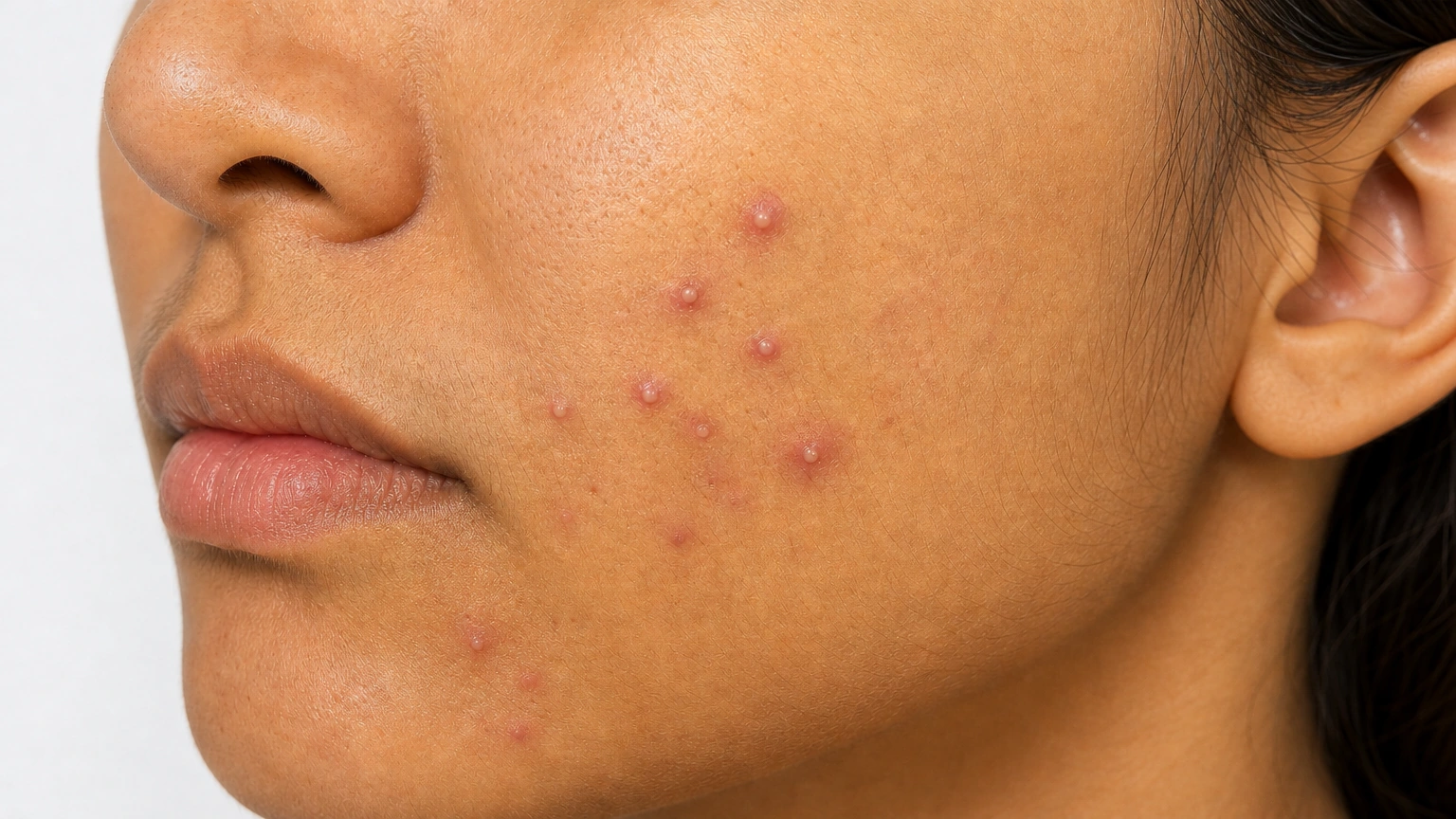
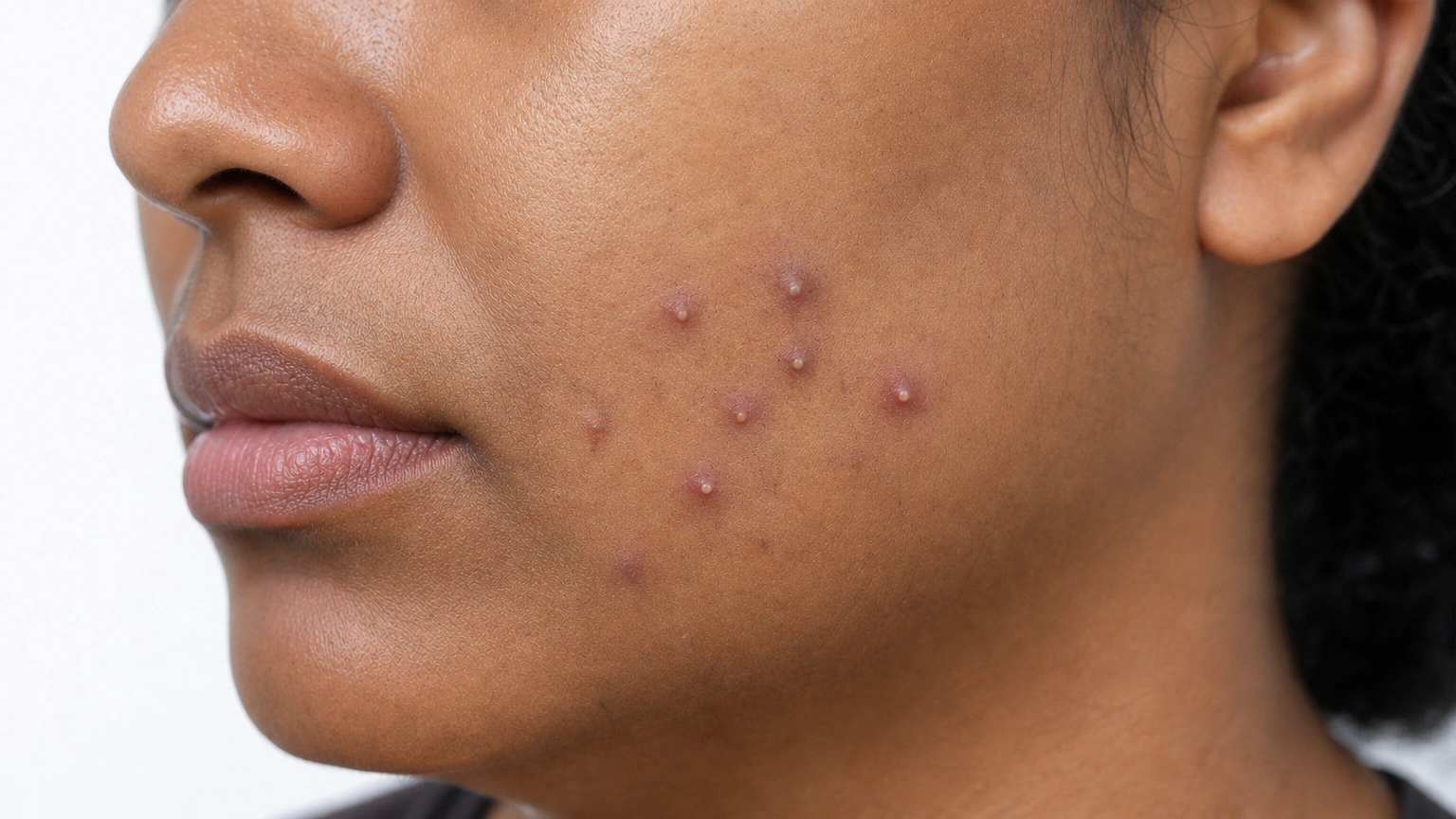
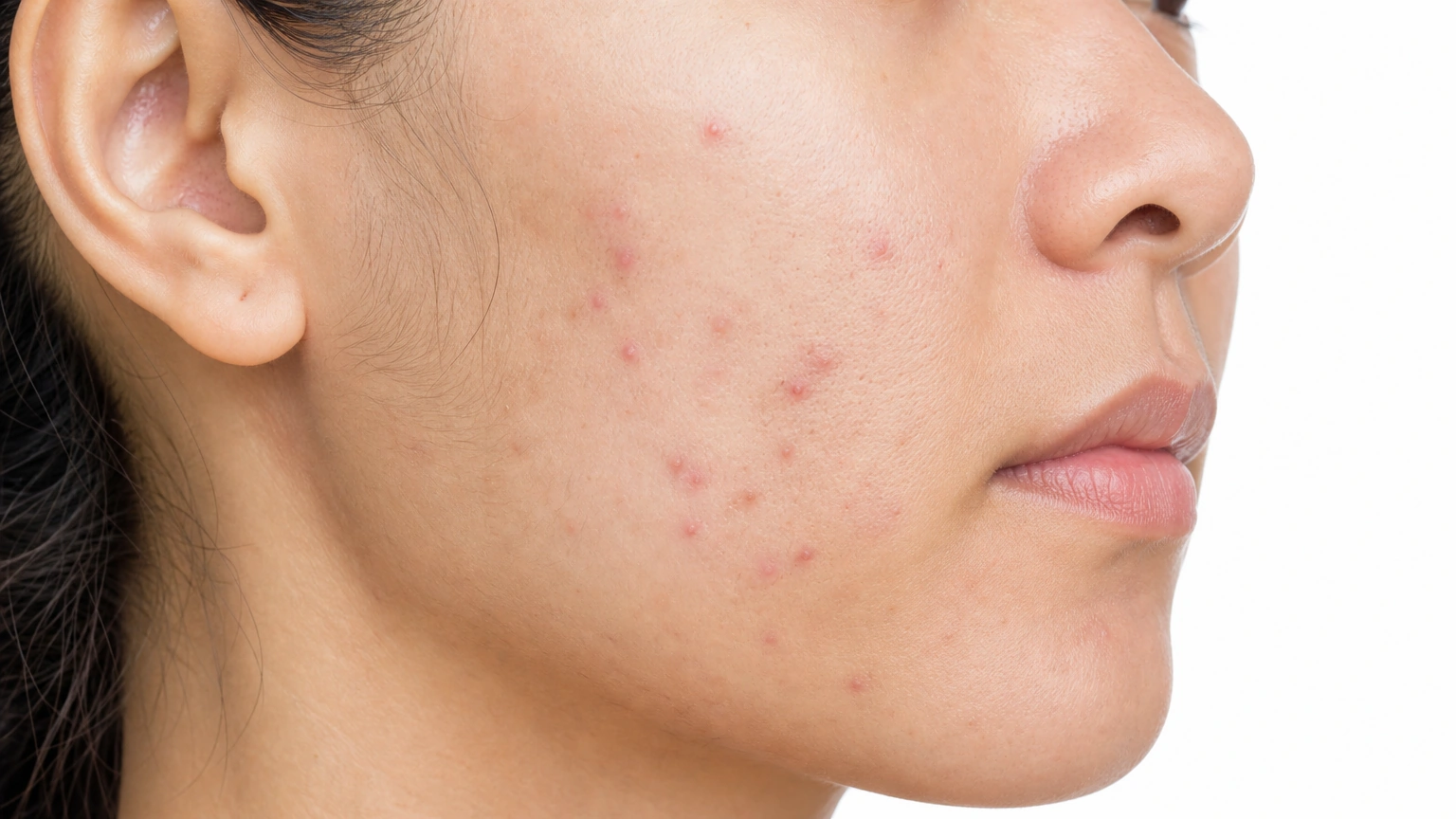
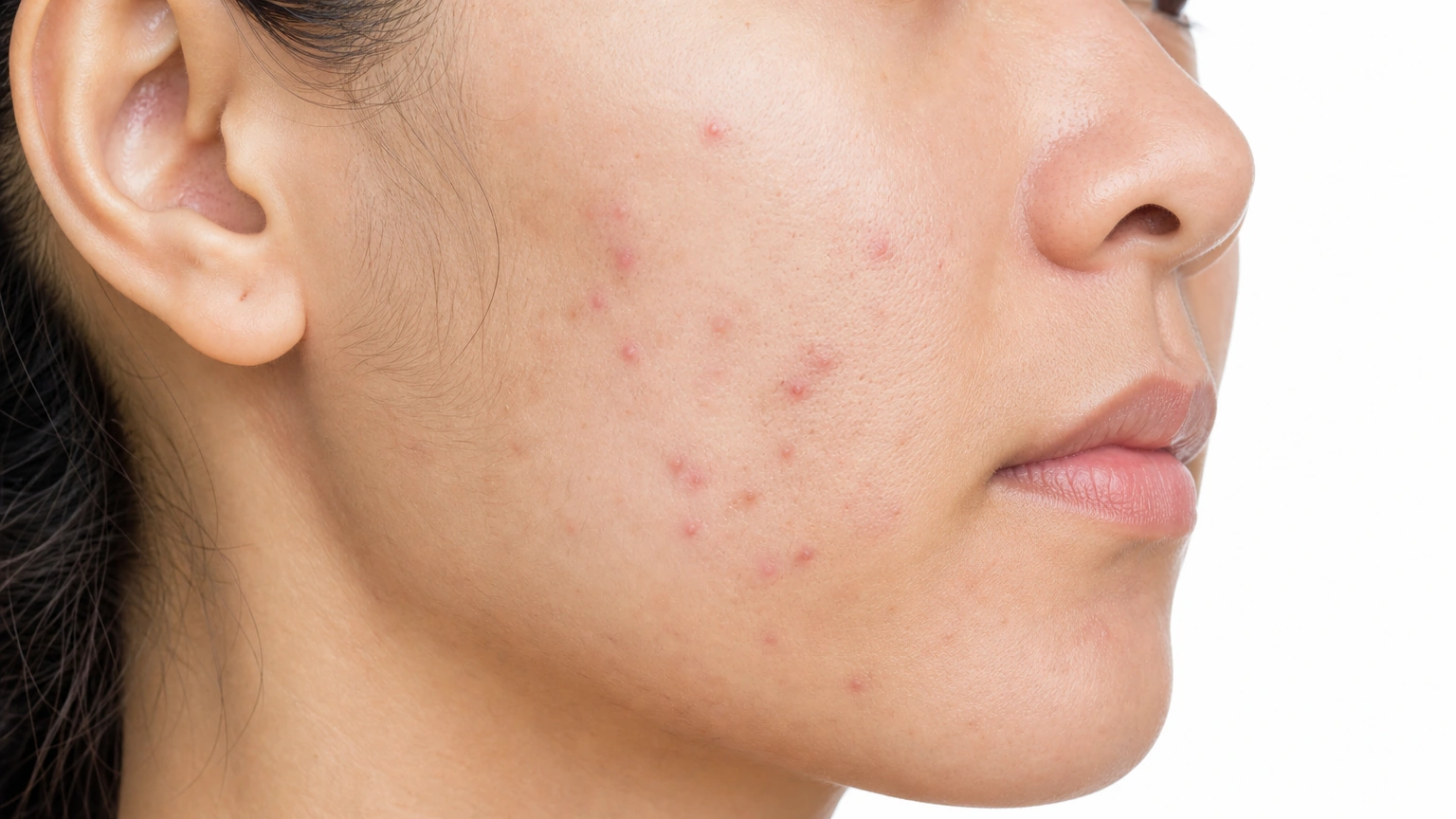
Several small pink pimples with pale centers on a cheek and chin.

Acne Pustules Raised pimples with white or yellow centers stand out against the surrounding redness.
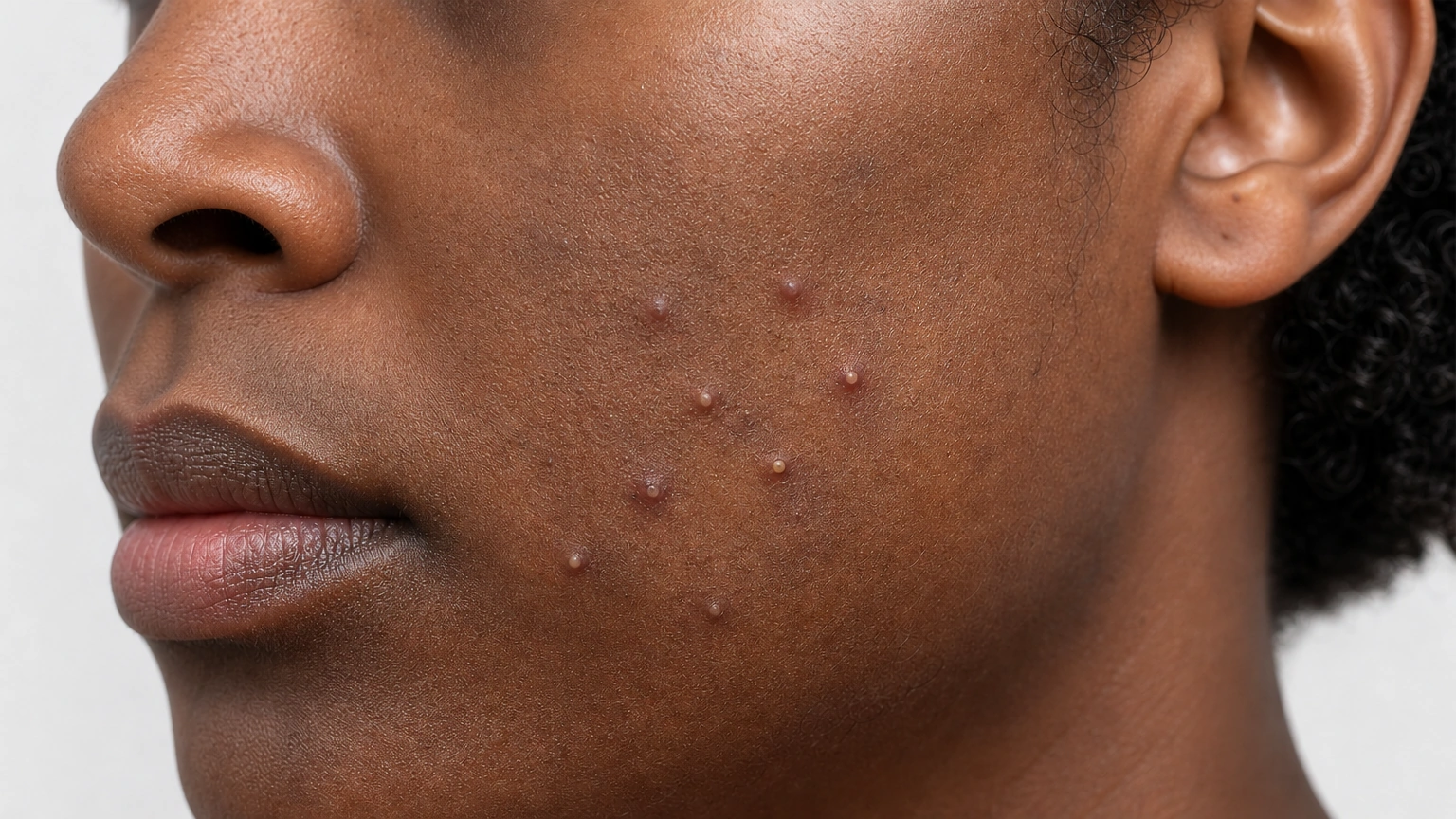
Skin tones
whiteheads on light skin.
whiteheads on medium skin.
whiteheads on brown skin.
whiteheads on deep skin.
cheek with small inflamed bumps and white or pale-yellow centers on light skin, in a three-quarter view of the cheek.
cheek with small inflamed bumps and white or pale-yellow centers on medium skin, in a three-quarter view of the cheek.
cheek with small inflamed bumps and white or pale-yellow centers on brown skin, in a three-quarter view of the cheek.
cheek with small inflamed bumps and white or pale-yellow centers on deep skin, in a three-quarter view of the cheek.
In the skin

Oil and shed skin cells block a follicle beneath a closed surface opening. The trapped material creates a small pale bump called a closed comedone.

Oil and shed skin cells block a hair follicle, and inflammation develops around it. A collection of inflammatory cells near the surface produces the pus-filled center of a pustule.

When it usually starts

010203040506070+

Whiteheads. Often begins around puberty; adult acne can persist or start later.

Acne Pustules. Often begins around puberty; adult acne can persist or start later.

Causes and triggers

Causes

Oil and shed skin cells block hair follicles; inflammation can develop around them.

Oil and shed skin cells block hair follicles; inflammation can develop around them.

Risk factors
Puberty, Family tendency, Oily or pore-clogging products
Trigger
● Whiteheads
● Acne Pustules
Pore-clogging products
Can contribute
Can contribute
Friction
Can contribute
Can contribute

Daily Care

Whiteheads
Acne Pustules
Daily care

Habits that help

  • Wash gently, up to twice daily and after sweating
    Use lukewarm water, a mild cleanser and your fingertips; pat dry.
  • Choose non-comedogenic moisturizer and sunscreen
    Moisturizer helps you tolerate treatment; use broad-spectrum SPF 30 or higher on exposed skin.
  • Remove makeup gently before bed
    Choose products labeled non-comedogenic or oil-free and keep makeup tools clean.
  • Keep the routine simple and consistent
    Give the agreed treatment time to work instead of changing products every few days.

Avoid

  • Avoid: Picking, squeezing or home extraction
    Manipulating spots increases inflammation, infection risk and lasting marks or scars.
  • Avoid: Scrubs and several irritating actives at once
    Burning, peeling and raw skin are reasons to simplify the routine and review how treatment is being used.

Treatment differences

Evidence labels come from each condition’s own treatment list.

Treatment
● Whiteheads
● Acne Pustules
Over-the-counter
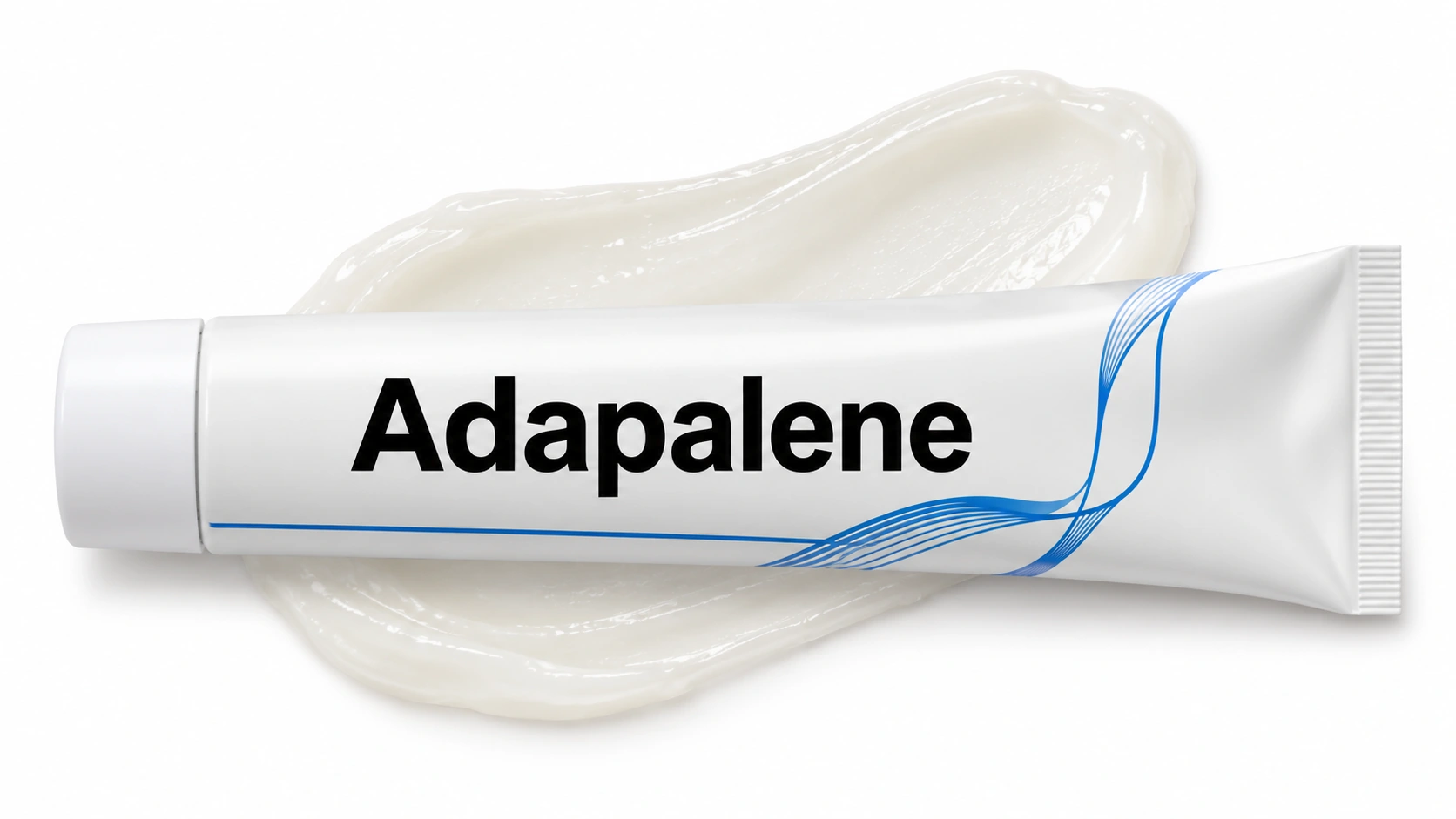
Five adapalene gel 0.1% tubes and boxes lined up on white, including Differin, Effaclar, PanOxyl and Neutrogena

Adapalene

Listed

Helps prevent new comedones; improvement is gradual. Avoid retinoids during pregnancy.
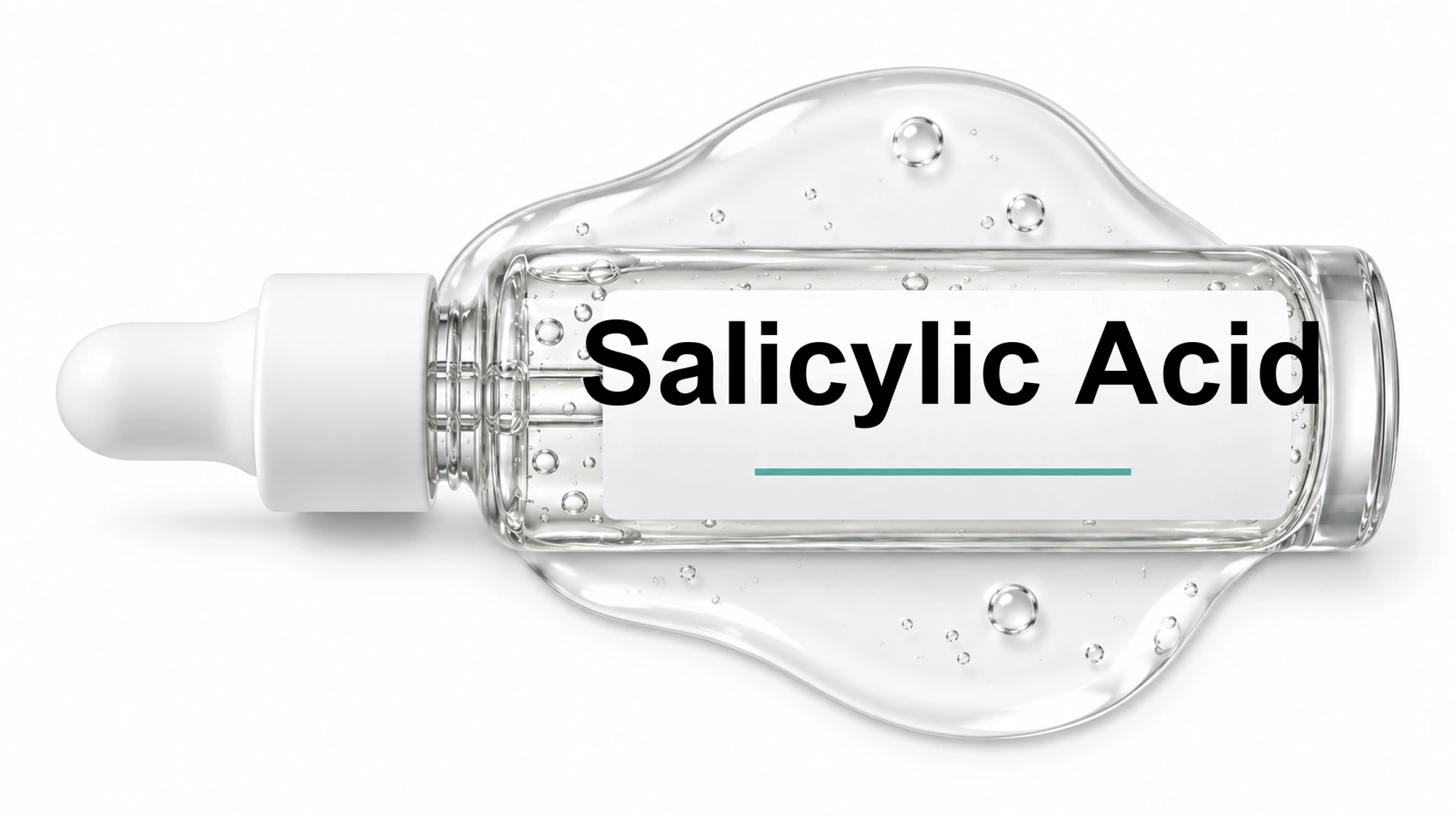
Paula's Choice 2% BHA exfoliant, La Roche-Posay Effaclar cleanser and a CeraVe psoriasis cream pump

Salicylic Acid

Listed

Can help clear surface plugs; stop if it causes persistent irritation.

Five adapalene gel 0.1% tubes and boxes lined up on white, including Differin, Effaclar, PanOxyl and Neutrogena

Adapalene

Listed

Helps prevent blocked pores; introduce gradually and avoid retinoids during pregnancy.
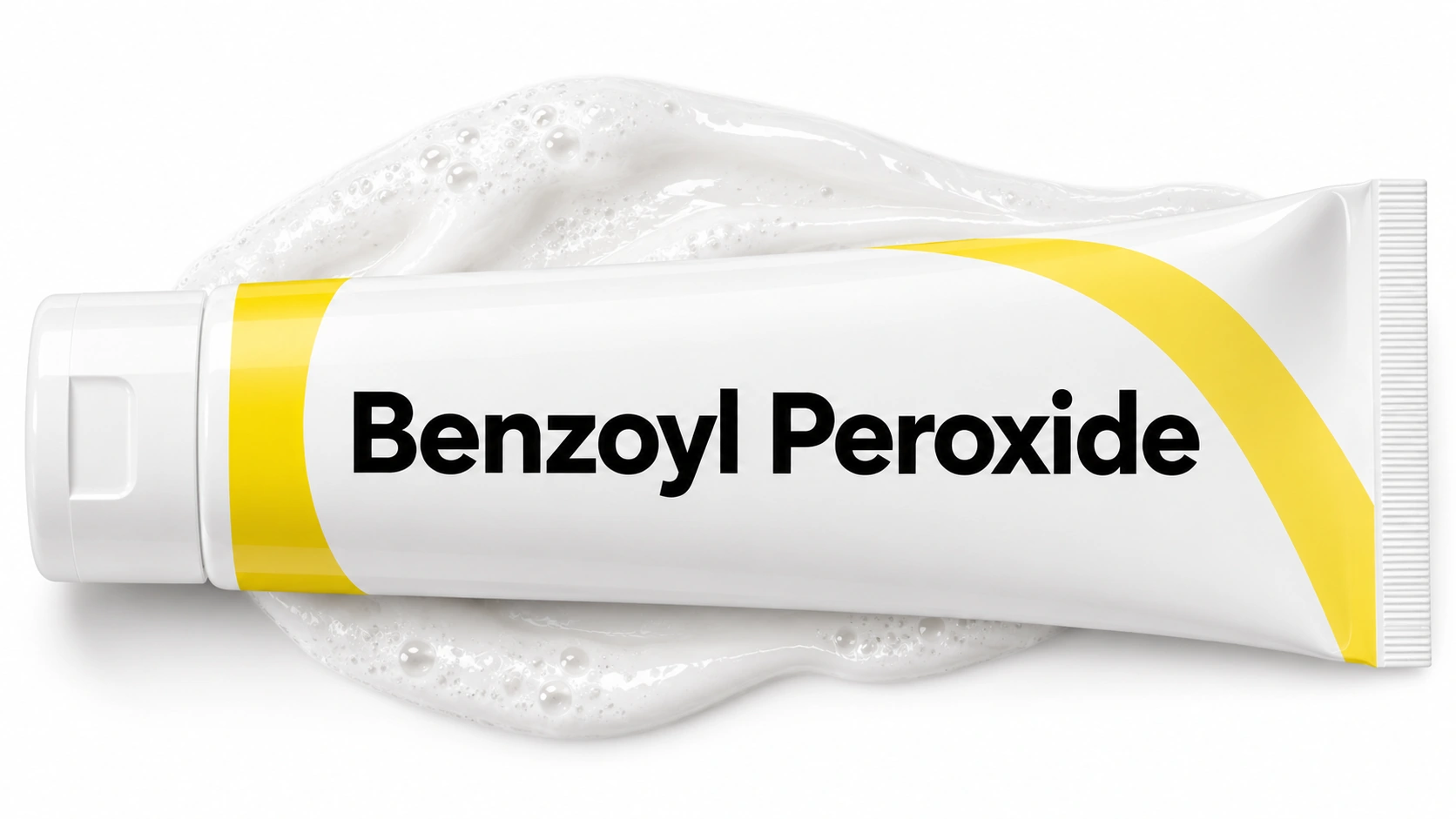
Three acne wash tubes on white: Differin Deep Cleanser, CeraVe Acne Foaming Cream Cleanser and PanOxyl

Benzoyl Peroxide

Listed

Reduces inflammatory acne; can irritate skin and bleach fabric.

Outlook

Long term

Whiteheads can improve as blocked pores clear, but new ones may form. Consistent acne care helps prevent recurrence; picking can add inflammation and lasting marks.

Individual pustules settle, but new spots can keep appearing while acne remains active. Consistent treatment helps reduce new breakouts; squeezing raises the risk of lasting marks and scars.

Complications

Possible complications

Closed comedones can coexist with inflamed acne; they differ from firm keratin cysts called milia.

Inflamed acne can leave dark marks or permanent scars and affect confidence.

When to get help

When to get help

Arrange care for painful deep lumps, scarring, or acne that persists despite a consistent treatment plan.

Arrange care for painful deep lumps, scarring, or acne that persists despite a consistent treatment plan.

Common questions

Whiteheads:What is Whiteheads?

Closed comedones: small blocked follicles covered by skin.

Whiteheads:What can I do day to day?

Use a gentle cleanser, non-comedogenic moisturizer and sunscreen. Do not squeeze or scrub spots.

Whiteheads:When should I get medical advice?

Arrange care for painful deep lumps, scarring, or acne that persists despite a consistent treatment plan.

Acne Pustules:What is Acne Pustules?

Inflamed acne bumps with a visible white or yellow pus-filled tip.

Acne Pustules:What can I do day to day?

Use a gentle cleanser, non-comedogenic moisturizer and sunscreen. Do not squeeze or scrub spots.

Acne Pustules:When should I get medical advice?

Arrange care for painful deep lumps, scarring, or acne that persists despite a consistent treatment plan.

Sources
Sources and further reading

  1. Comedonal acne
  2. Acne vulgaris
Dermapedia on YouTube