Sun Spots vs Moles

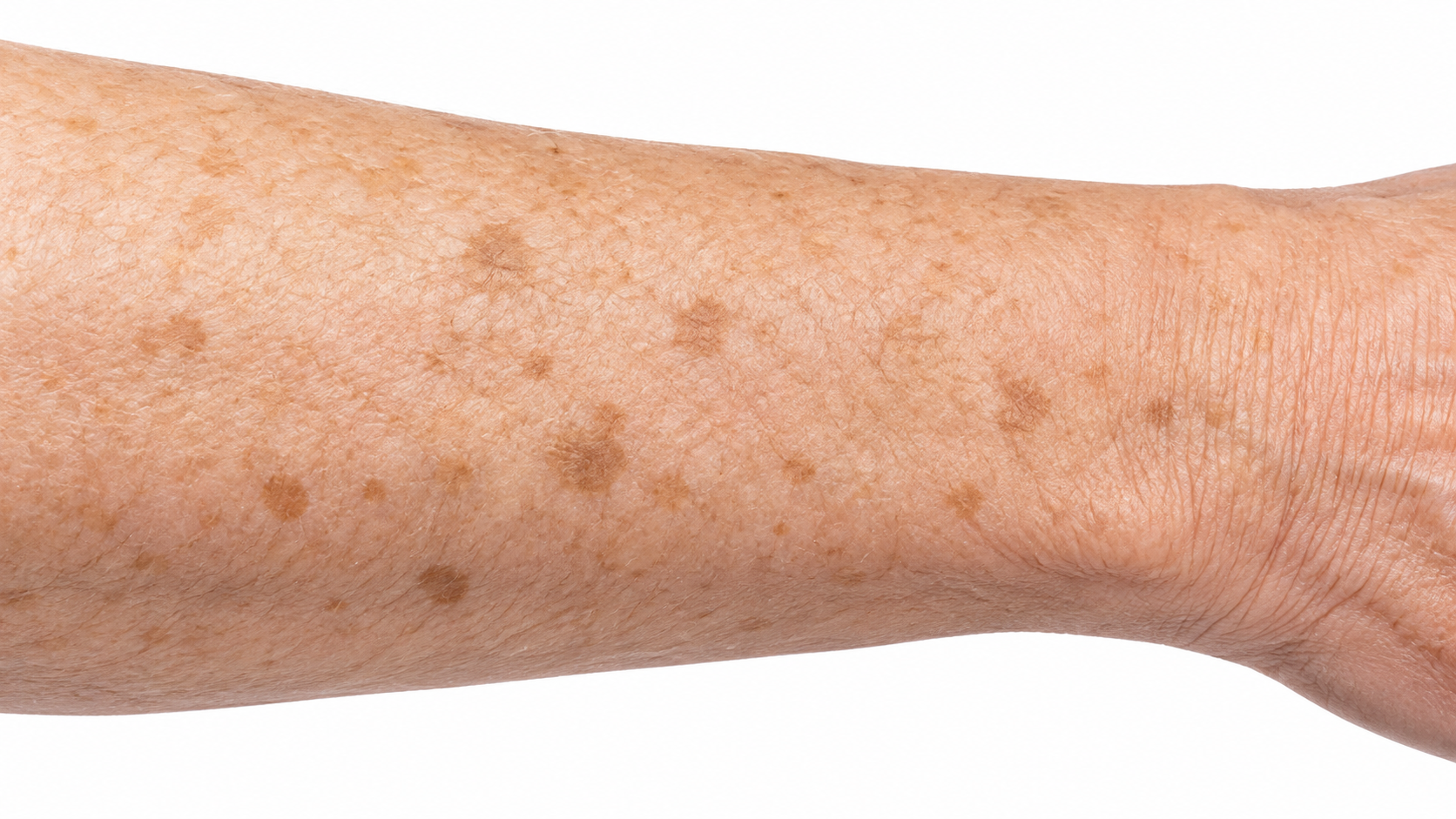
Sun spots are flat brown patches that build up on the skin the sun reaches most, such as the face, the backs of the hands and the chest. They are harmless, but they are a record of past sun exposure. Moles are ordinary clusters of pigment cells in the skin, and almost all of them stay harmless for a whole lifetime. What matters is not how many you have, but whether one of them is changing - because a changing mole is the earliest sign of melanoma, and the earliest melanoma is the one that is easiest to cure.

Reviewed by Dr. Schwarz, Board-Certified Dermatologist · Research updated 2026-10-23
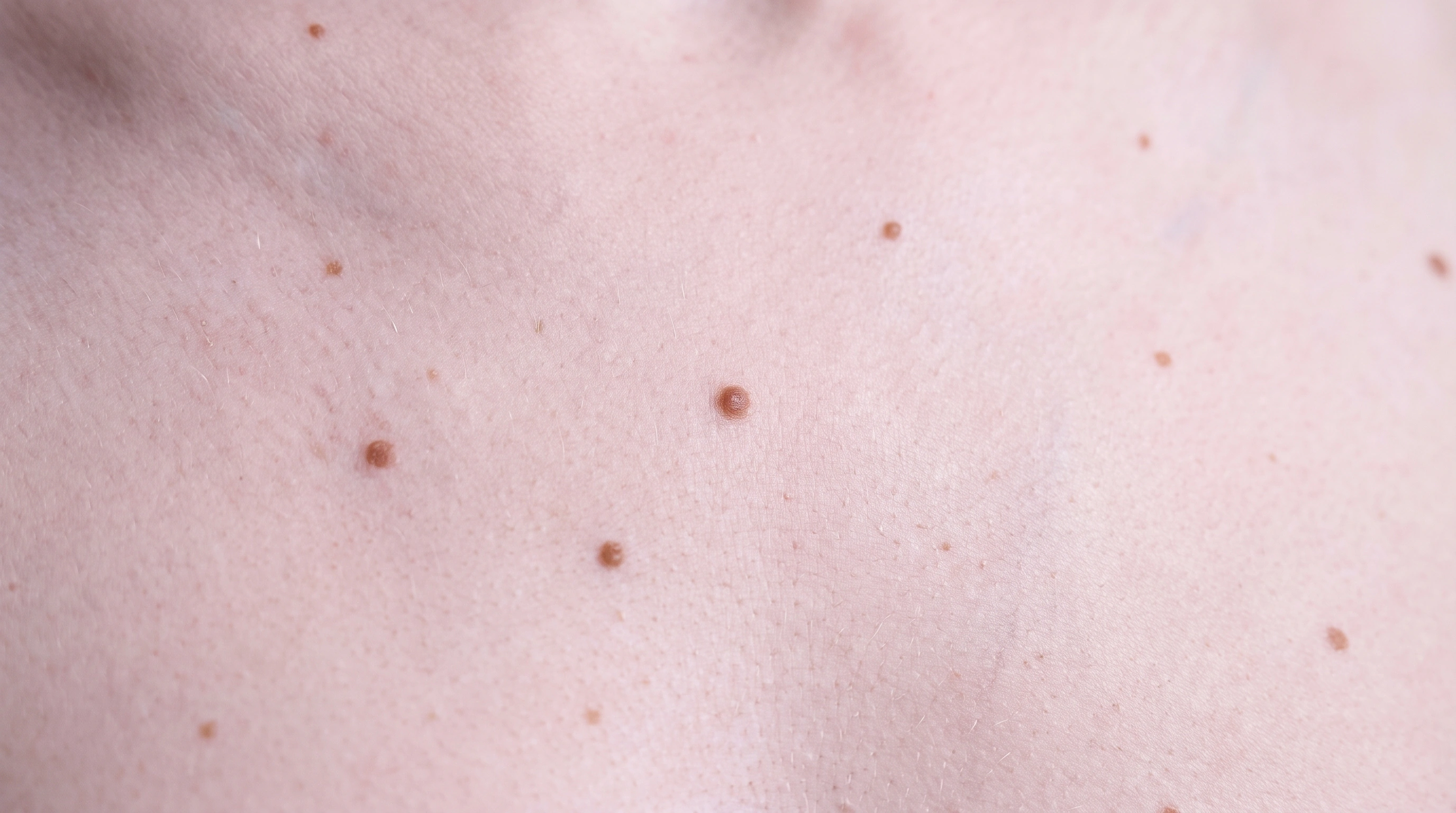
AI-generated educational illustration of Sun Spots: 1. Sun Spots Header — Light Skin; Lighter skin. Not a clinical photograph.Several small tan to mid-brown moles on the shoulder and upper arm of an adult with light skin, each evenly colored with smooth edges, with one larger mole among them.

Key differences

The same eight facts on every condition comparison.

Usual age
40 and over
Childhood and teens
Where
Face, hands, chest, forearms
Anywhere
Main sign
Flat even brown patches
Even brown spots or bumps
Itch or pain
Neither
No
Contagious
No
No
Long term
Stay; more appear
Harmless; watch for change
Scars
No
No
Who gets it
Fair skin, sun exposure
Everyone; more in fair skin

What is it?

Sun Spots
Moles
What is it?

It is a flat area of pigment.
A solar lentigo is a defined patch of increased pigmentation linked to ultraviolet exposure.

It appears on sun-exposed skin.
Spots often develop on the face, hands, forearms and shoulders.

"Liver spot" is a misnomer.
The common name does not mean the liver is involved.

Diagnosis comes first.
Atypical spots can resemble melanoma in situ, so uncertain lesions are examined before any cosmetic treatment.

They are clusters of pigment cells.
Moles are usually benign collections of melanocytes.

They vary in appearance.
They can be flat or raised, skin-colored or pigmented.

They appear at different times.
Some are present at birth; others appear later.

New or changing moles need a check.
A stable familiar mole differs from an evolving lesion.

What it looks like

Sun Spots

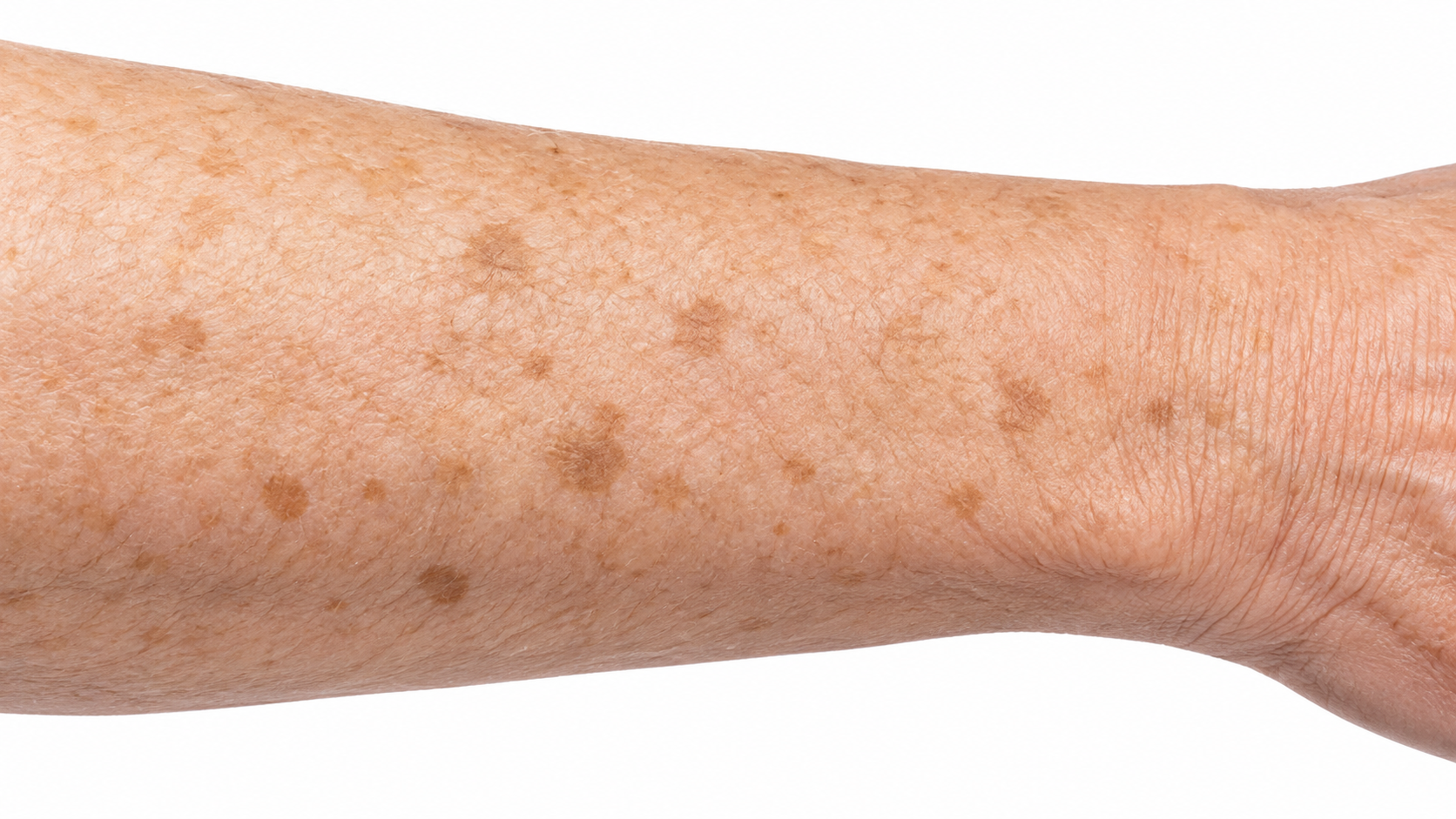
Sun Spots: Flat brown spots.

Flat brown spots Even tan to brown color.

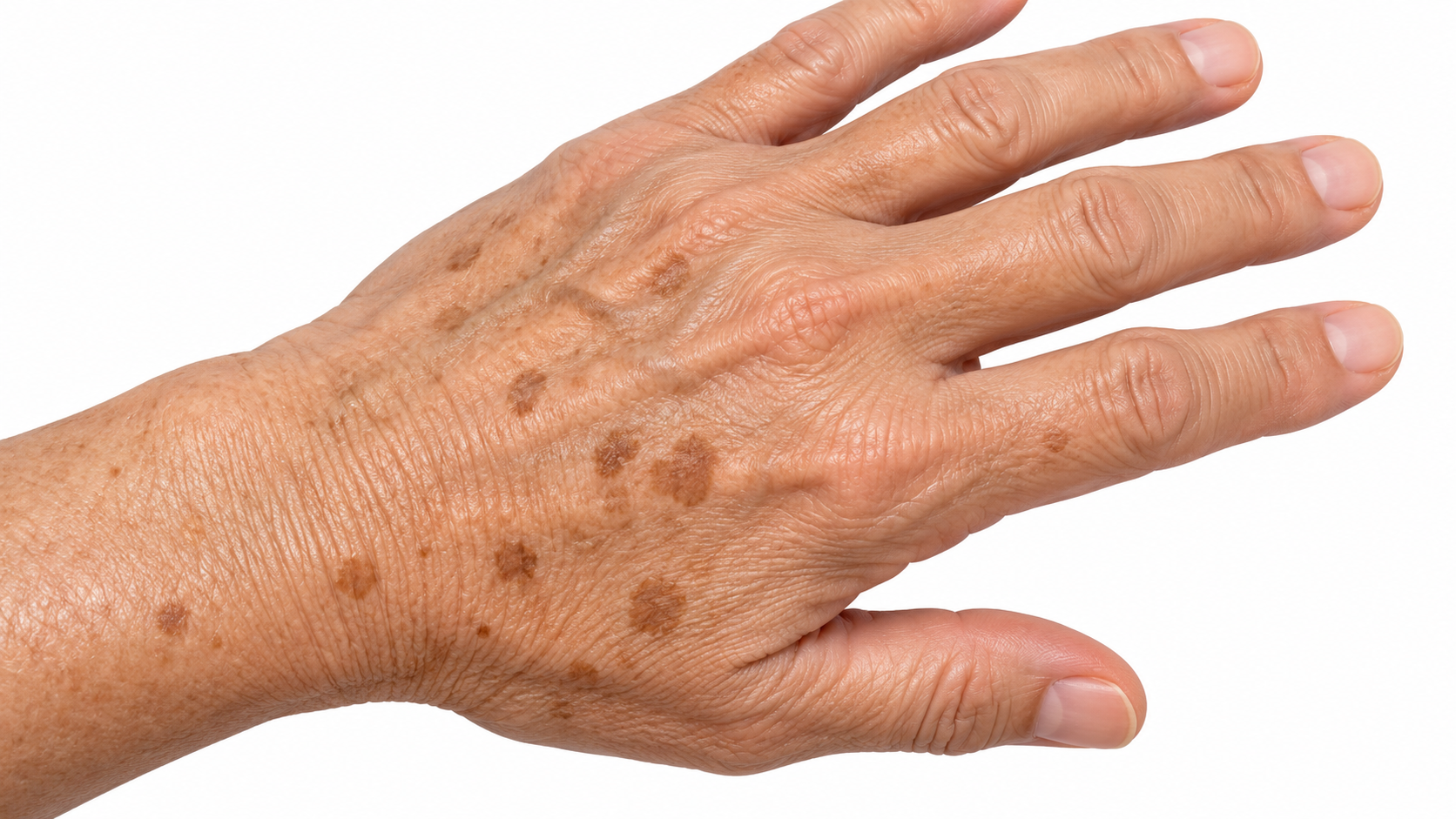
Sun Spots: Backs of the hands.

Backs of the hands One of the most common sites.

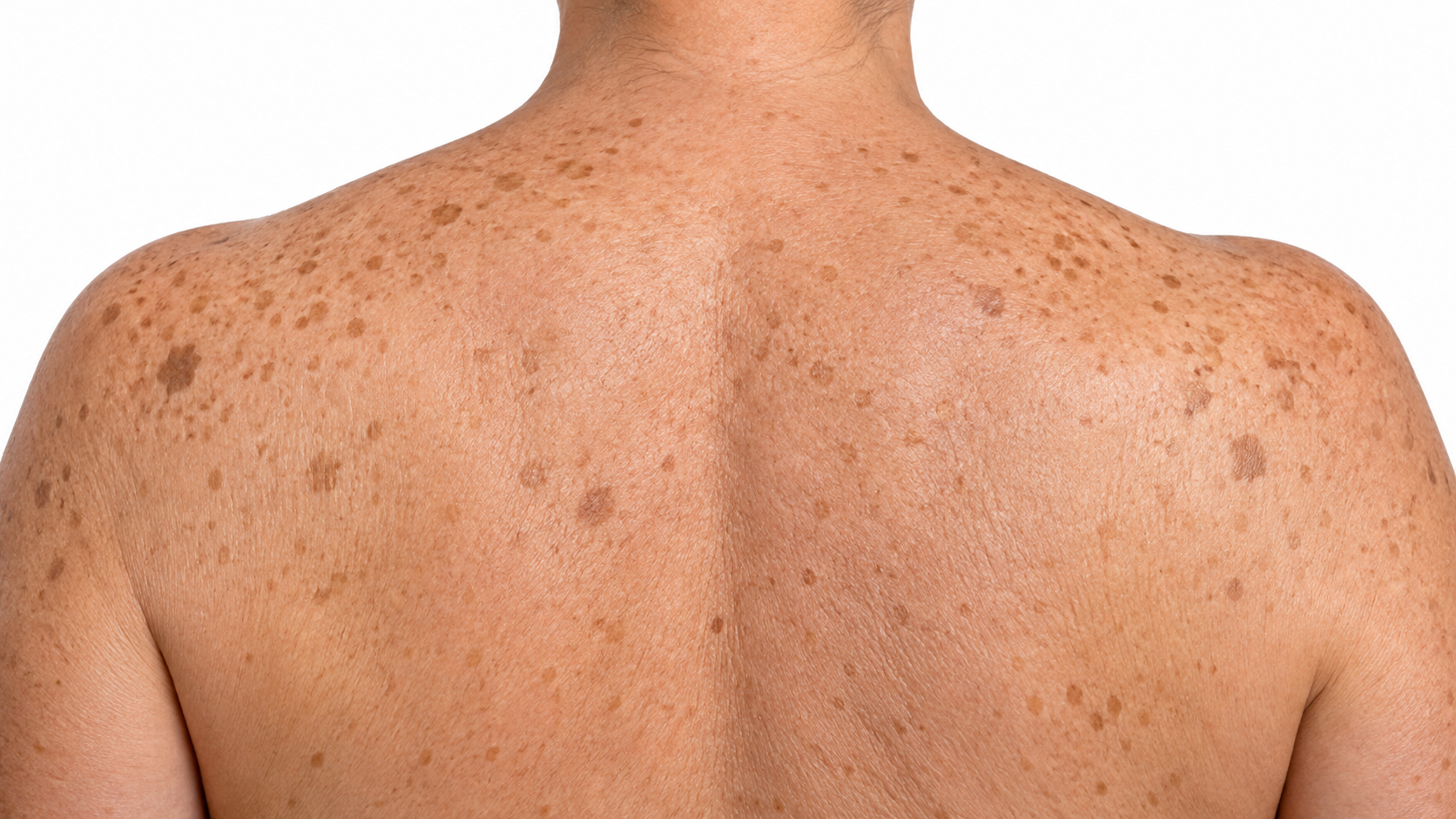
Sun Spots: Shoulders.

Shoulders Clusters after years of sun.

Moles

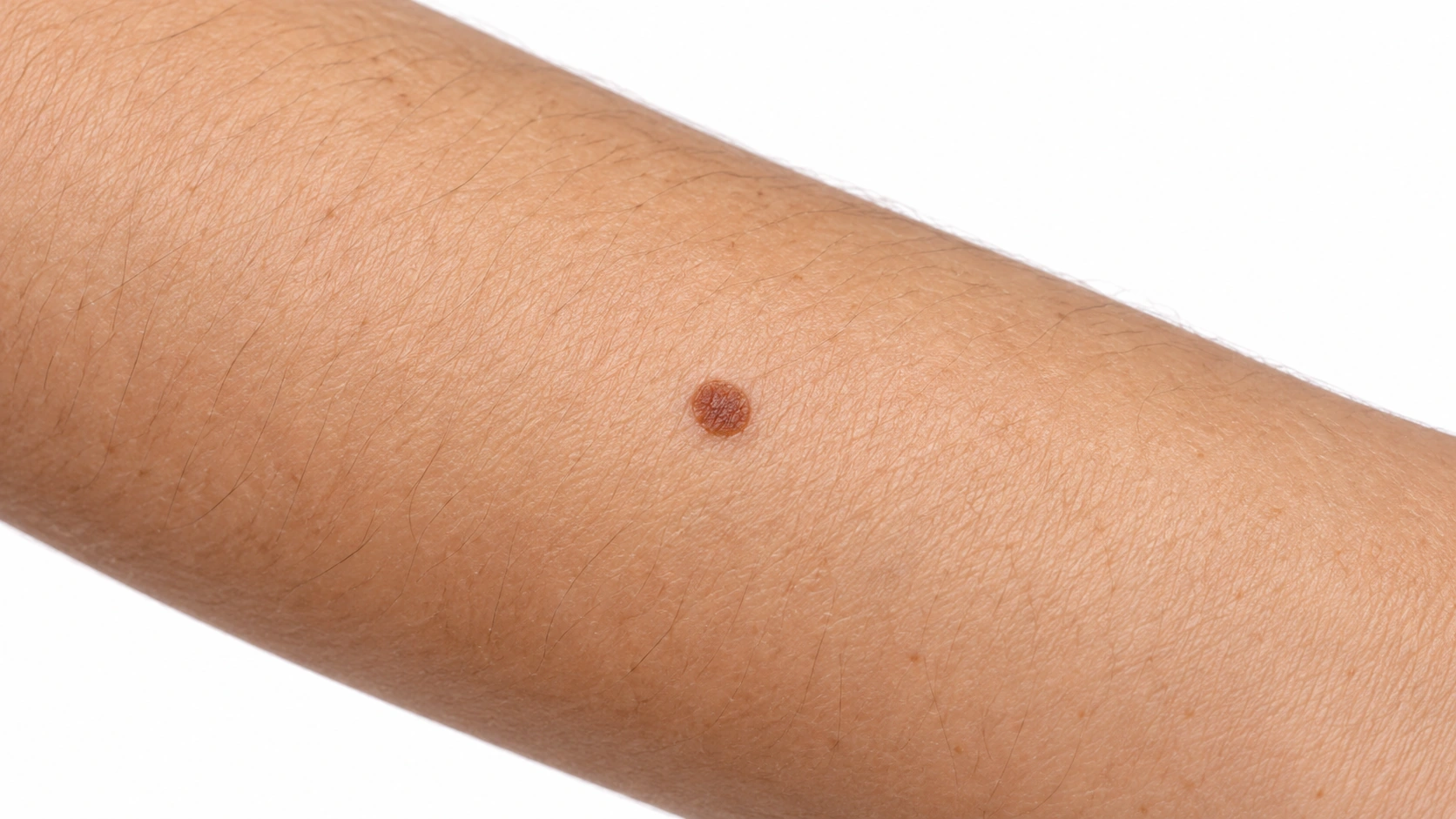
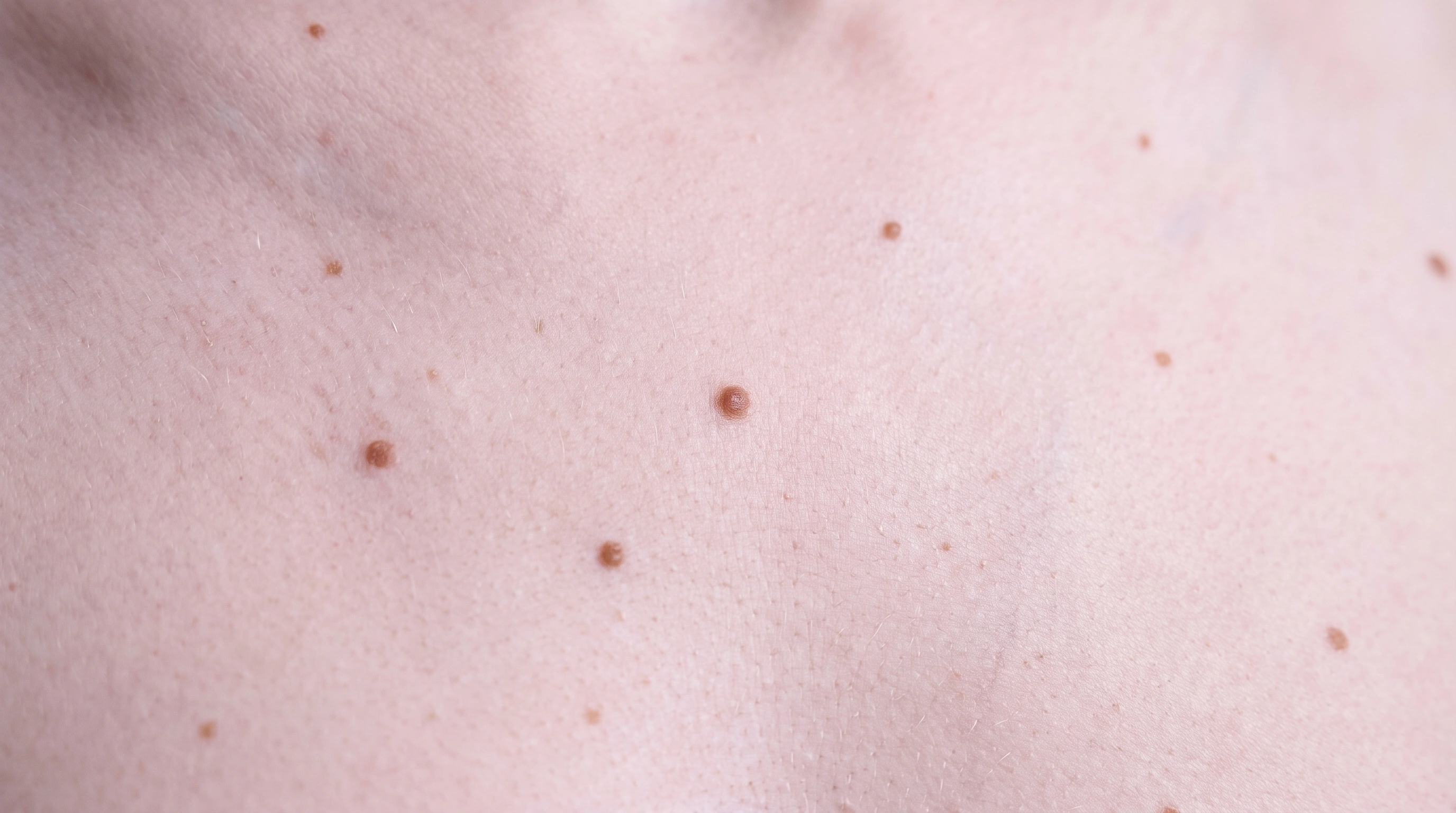
Common brown mole on the arm.

Common mole Small, round, even color.

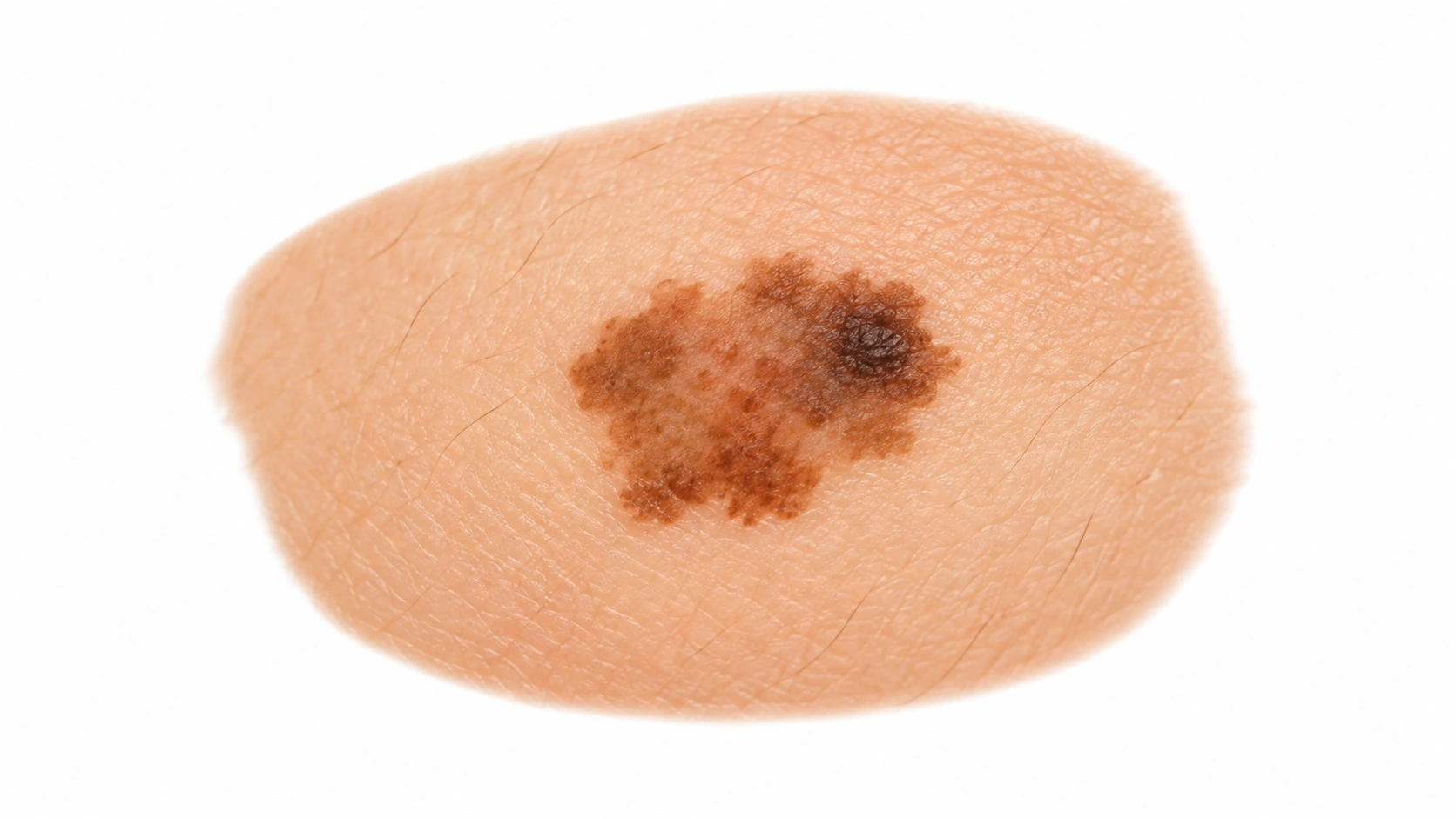
Representative image of irregular pigmented spot. It illustrates a visible feature or experience and is not a diagnostic reference.

Atypical mole Larger, uneven border or color.

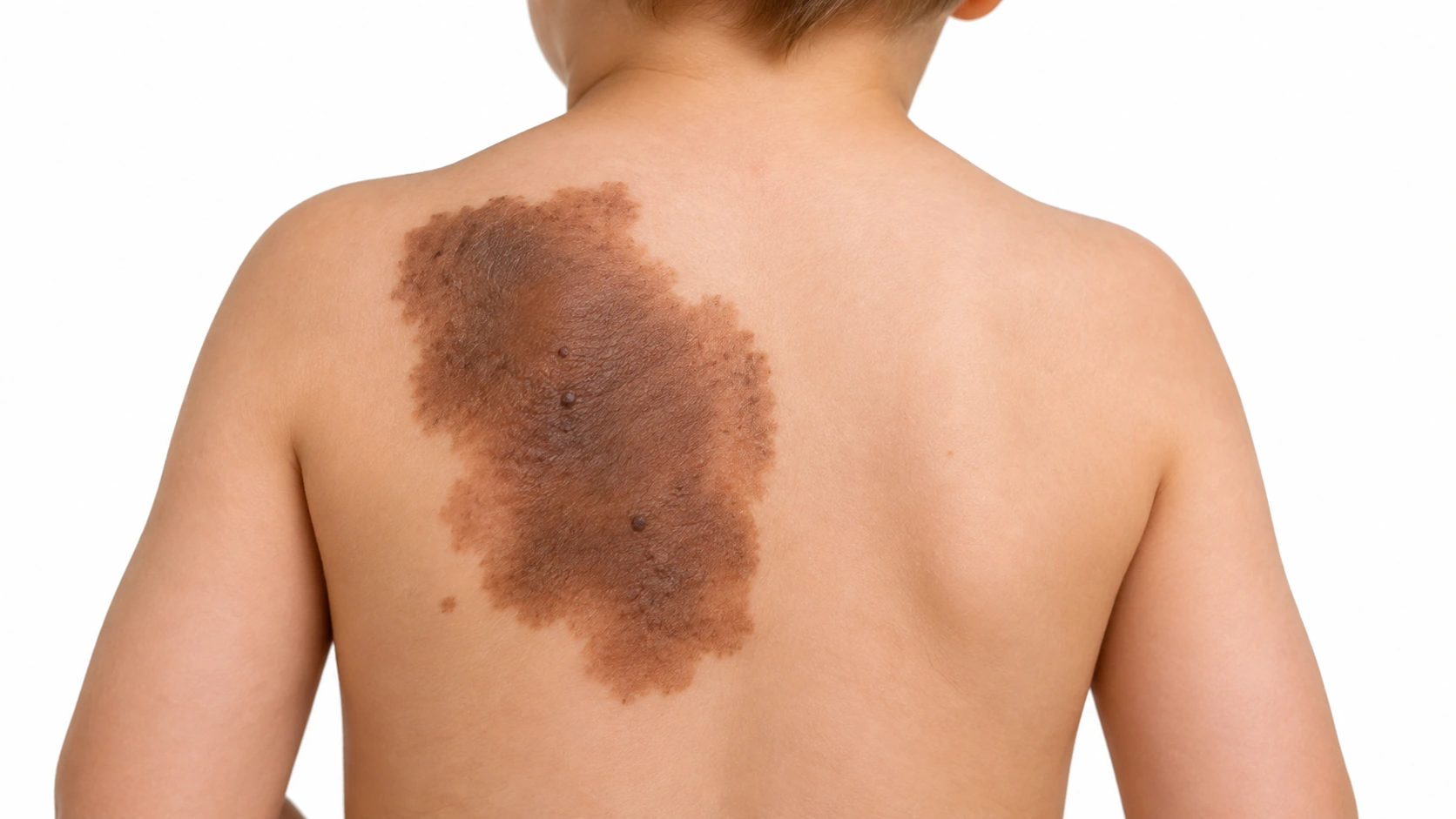
Large congenital mole on a child's back.

Congenital mole Present from birth.

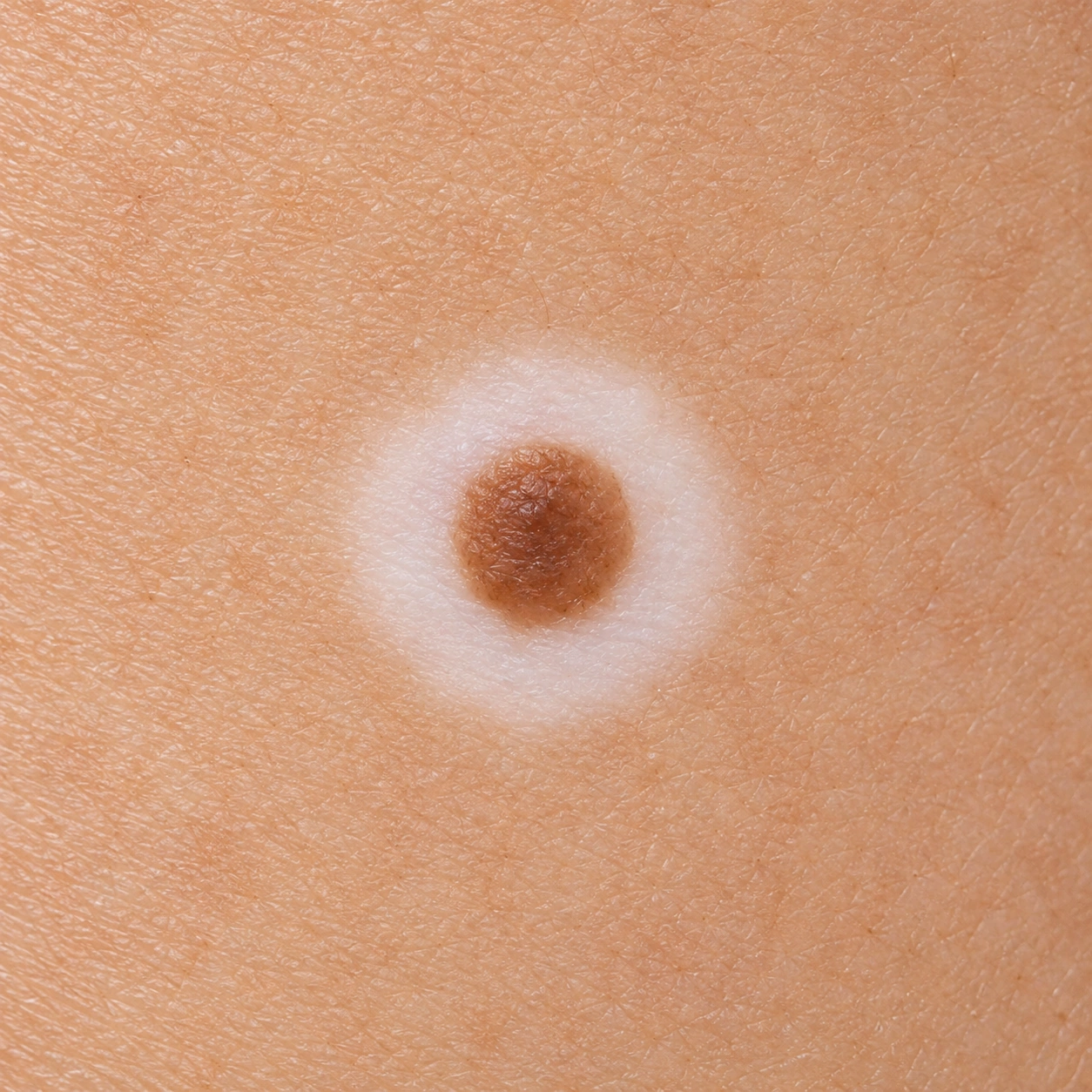
Generated image: Mole surrounded by a white ring of skin. Not a patient photograph.

Halo nevus Generated illustration. Mole surrounded by a pale ring.

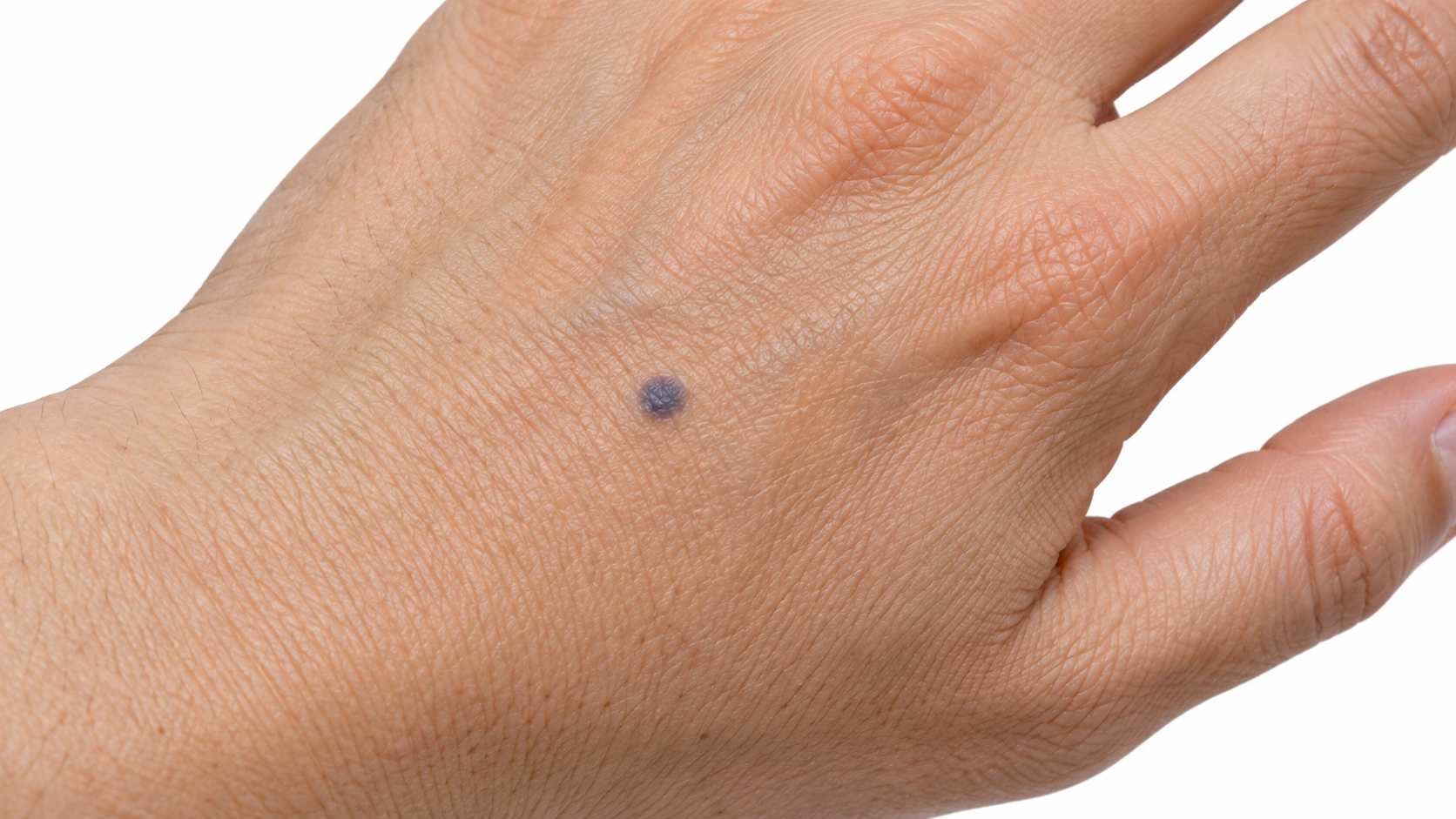
Small blue-gray mole on the hand.

Blue nevus Small blue-gray mole.

Skin tones
Sun Spots: 1. Sun Spots Header — Light Skin; Lighter skin.
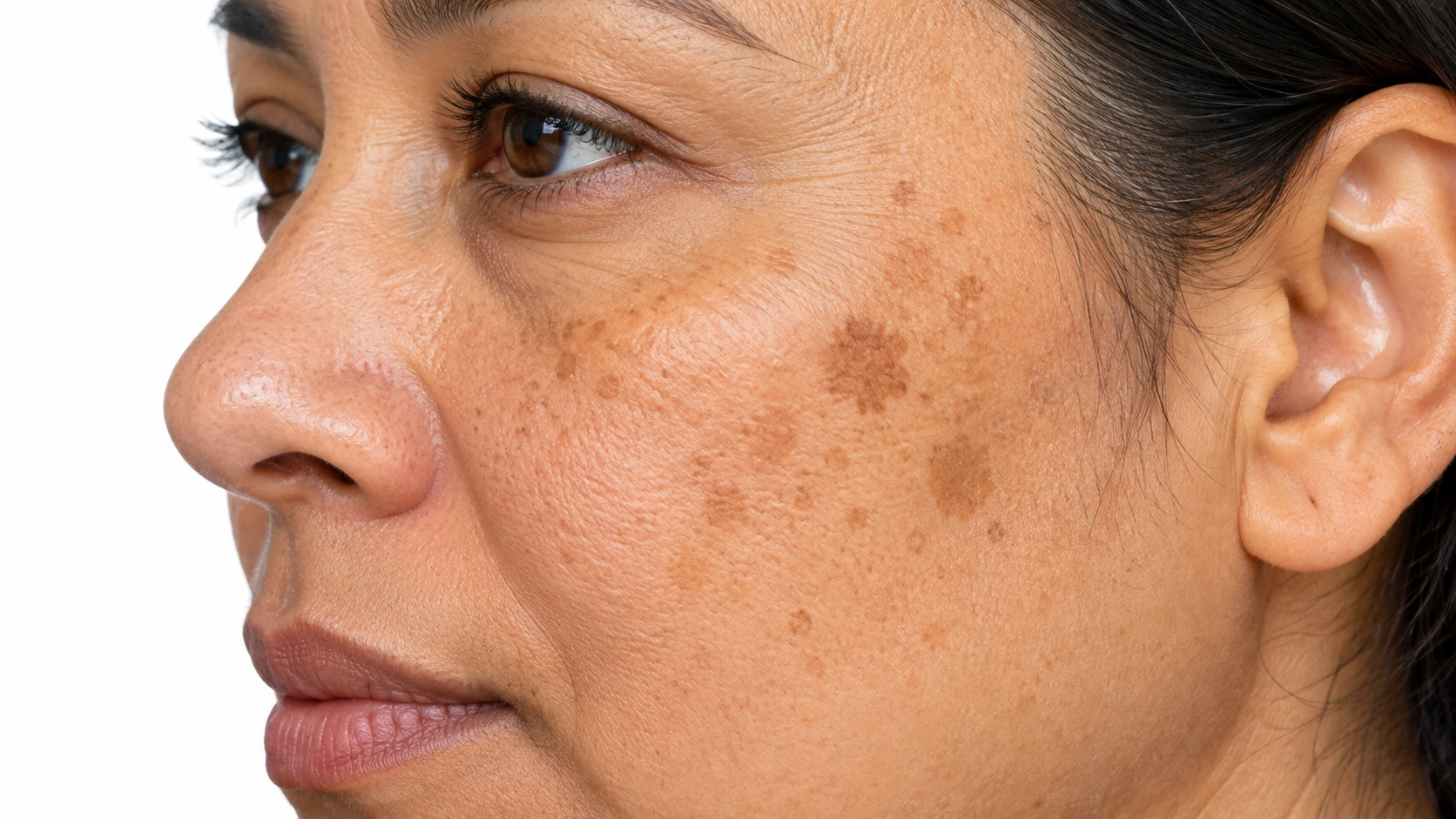
Sun Spots: 2. Sun Spots Header — Medium Skin; Medium skin.
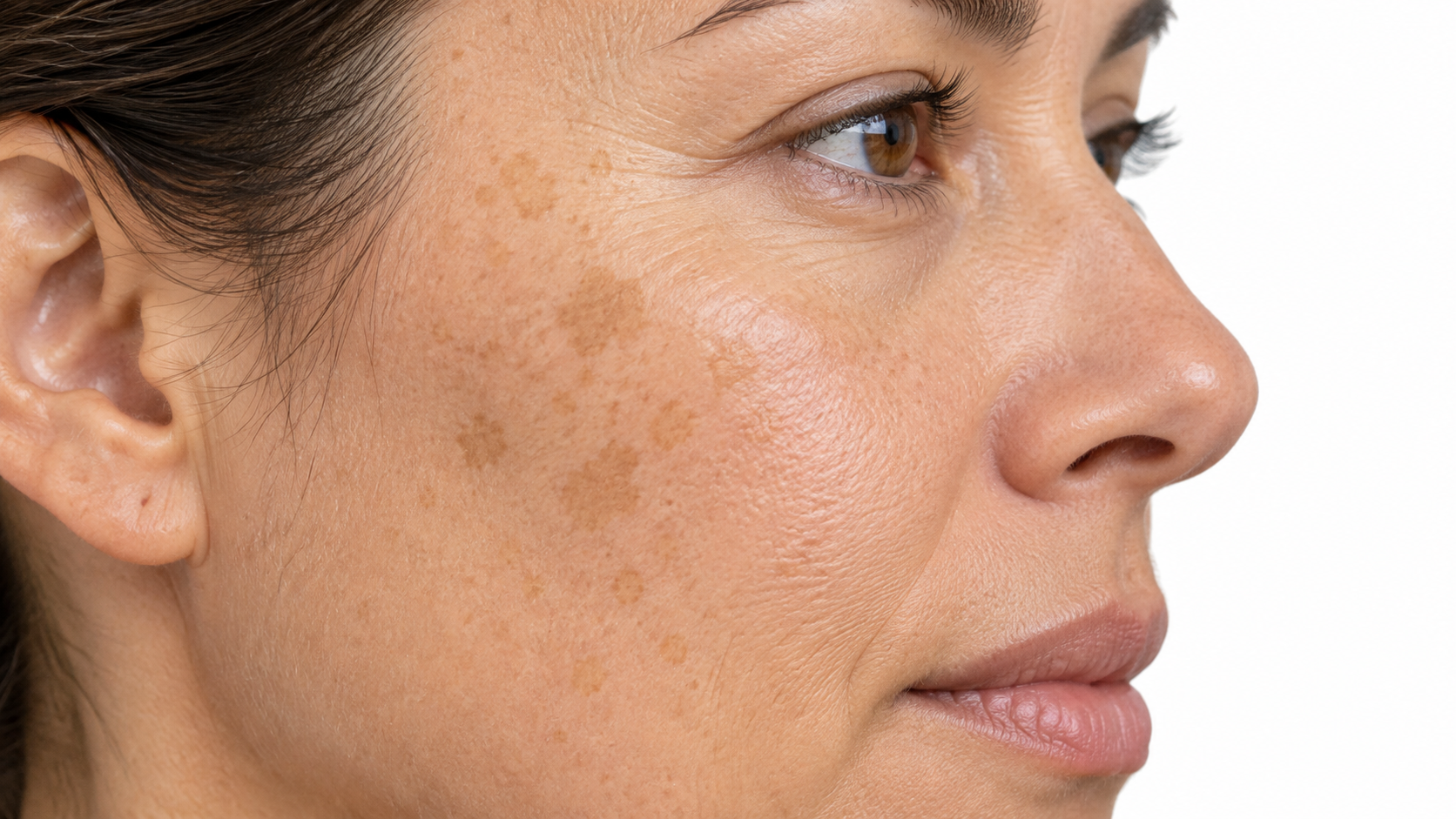
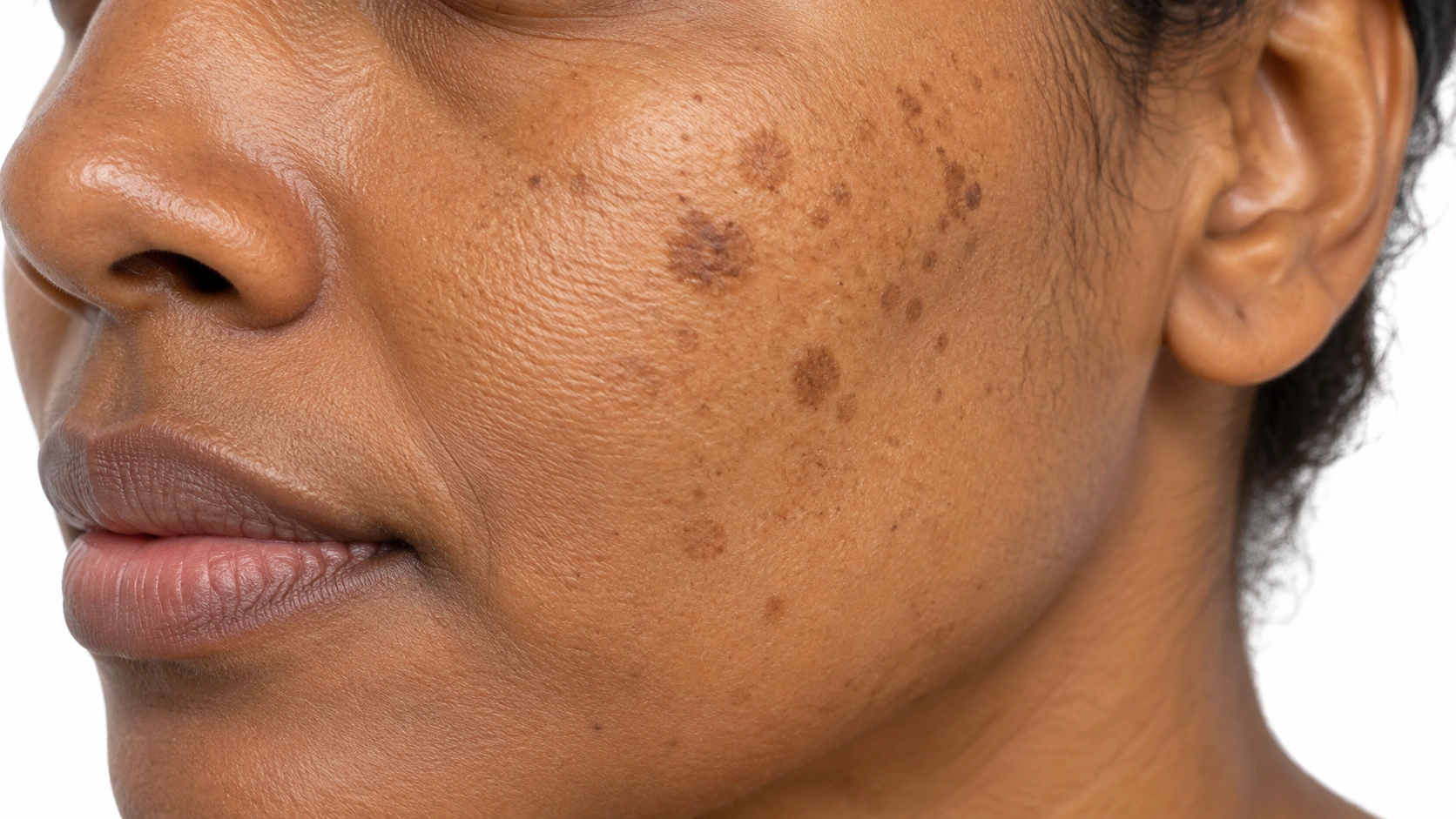
discrete flat brown sun spots on a brown-skinned cheek.
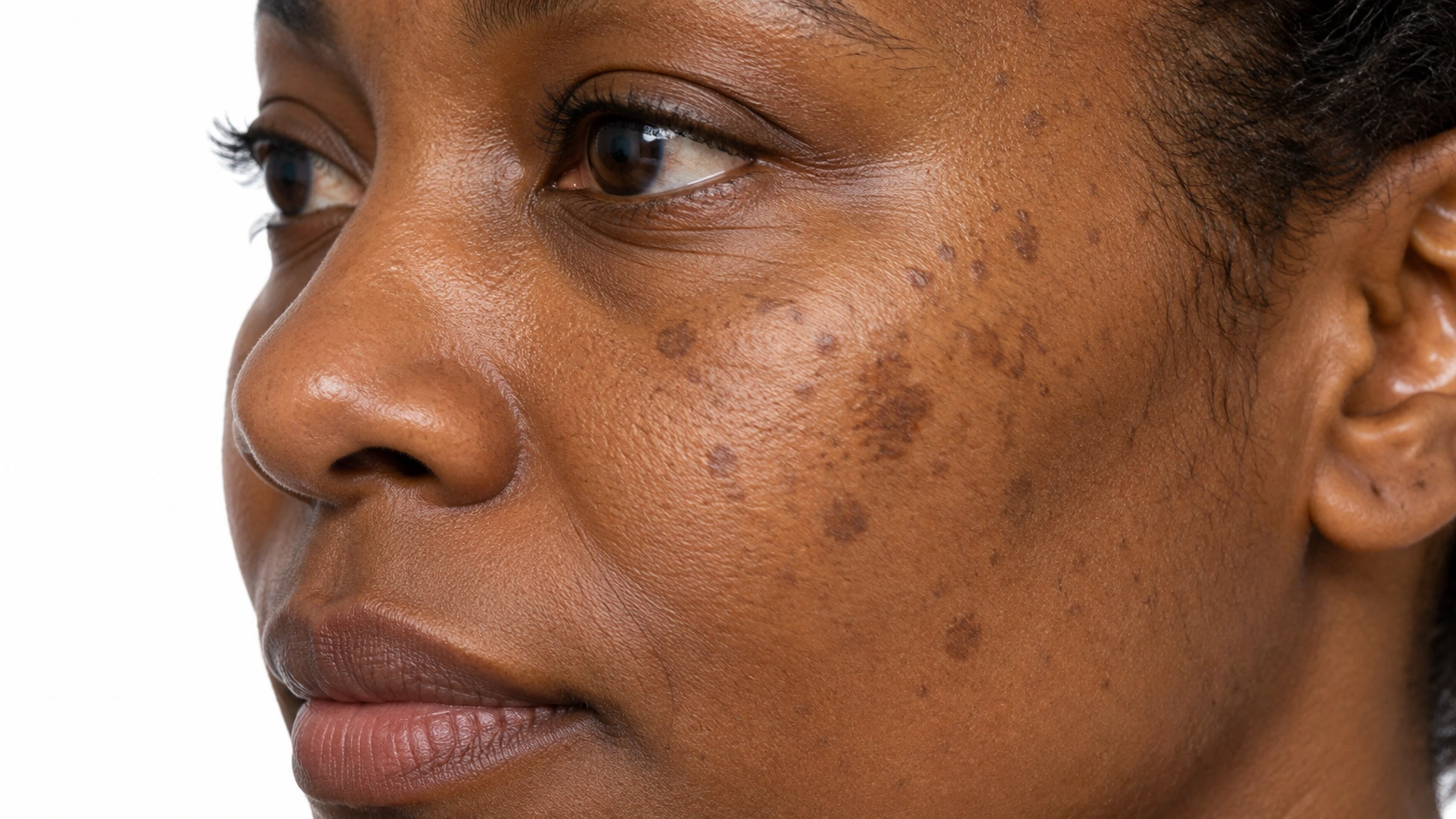
discrete flat dark-brown sun spots on a deep brown cheek.
Several small tan to mid-brown moles on the shoulder and upper arm of an adult with light skin, each evenly colored with smooth edges, with one larger mole among them.
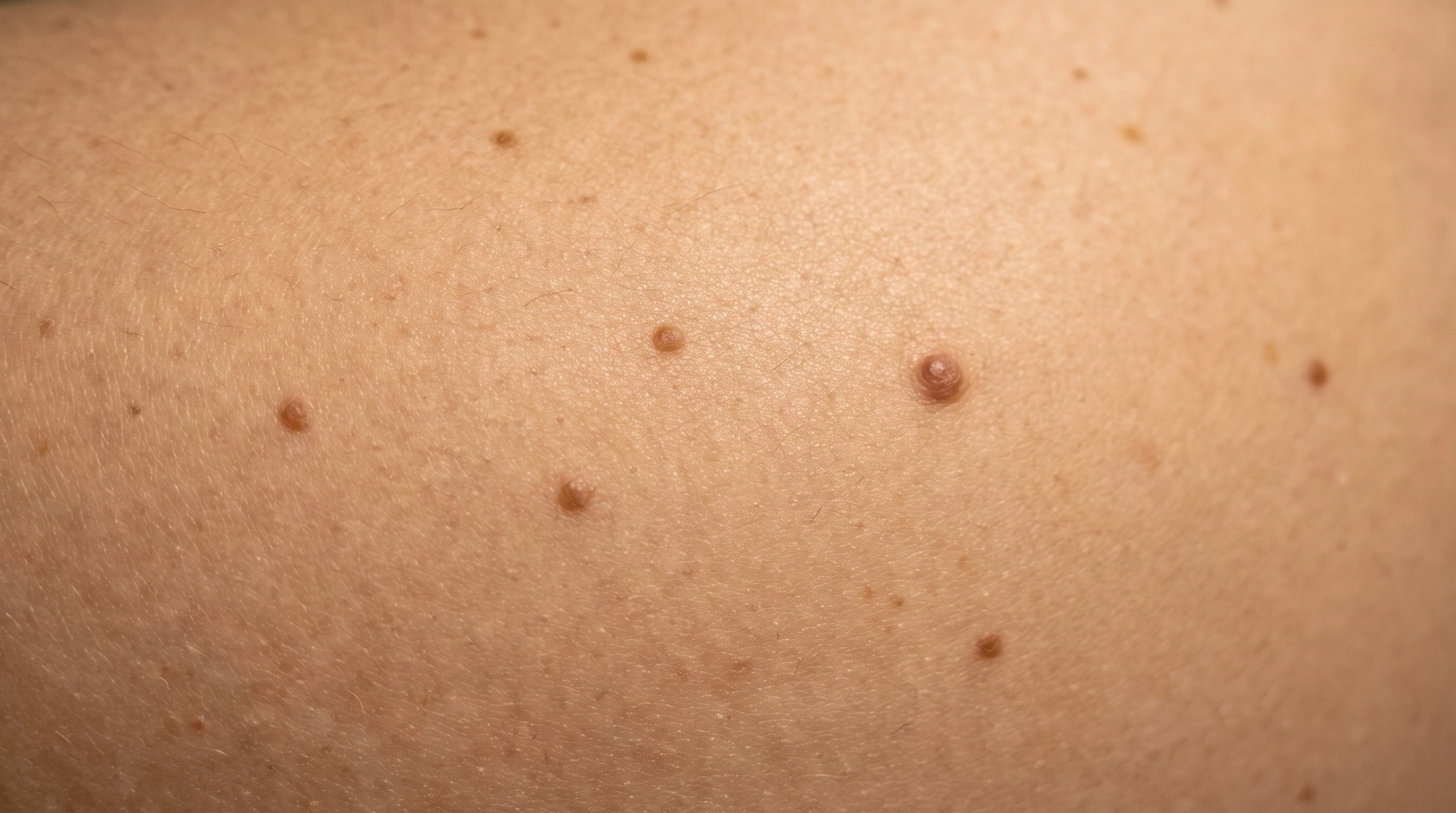
Several mid to dark brown moles on the shoulder and upper arm of an adult with medium olive-toned skin, with one larger mole that is uneven in shape.
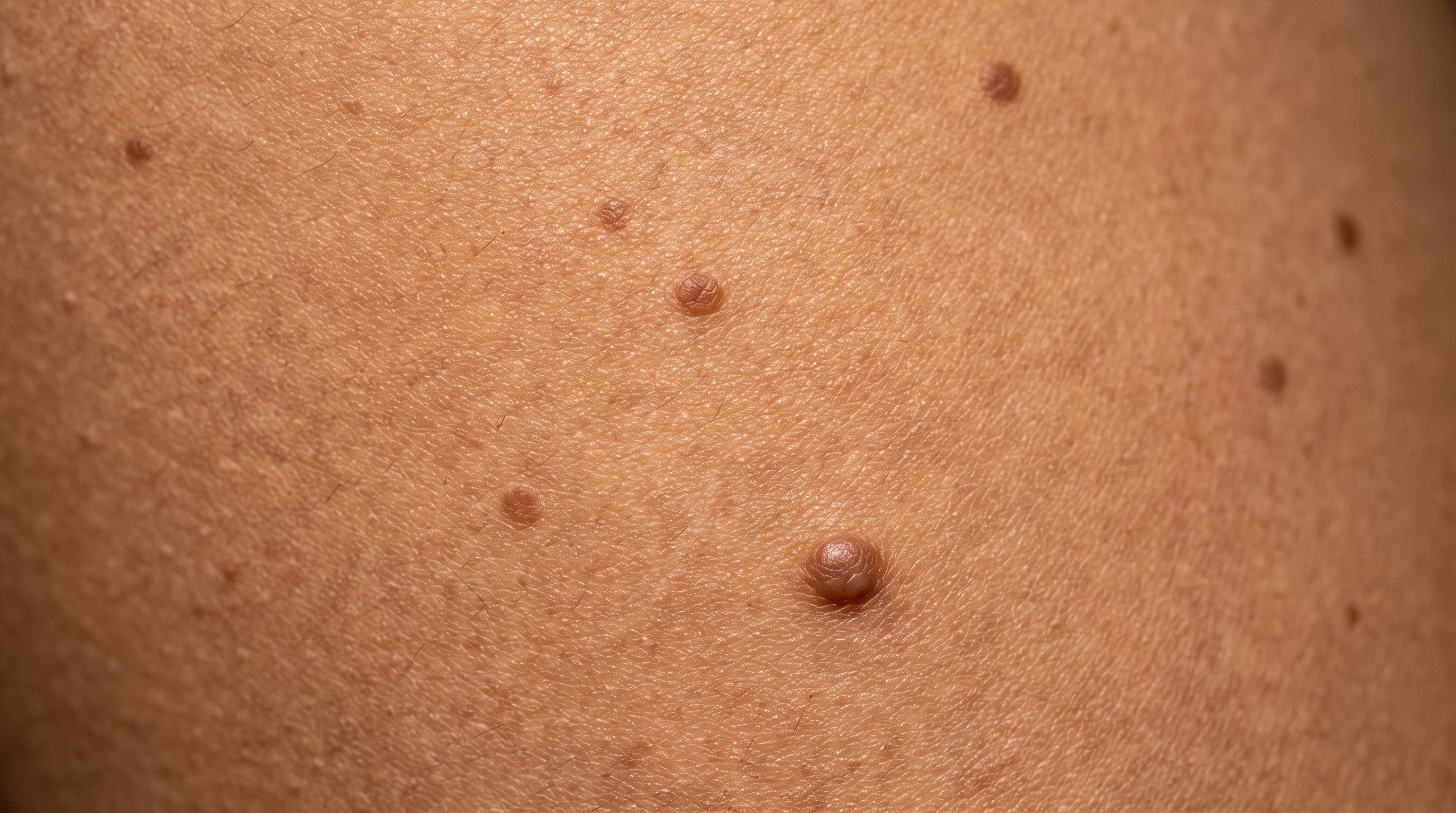
Several dark brown to near-black moles on the shoulder and upper arm of an adult with brown skin, each small, evenly colored and smooth-edged, on even-toned surrounding skin.
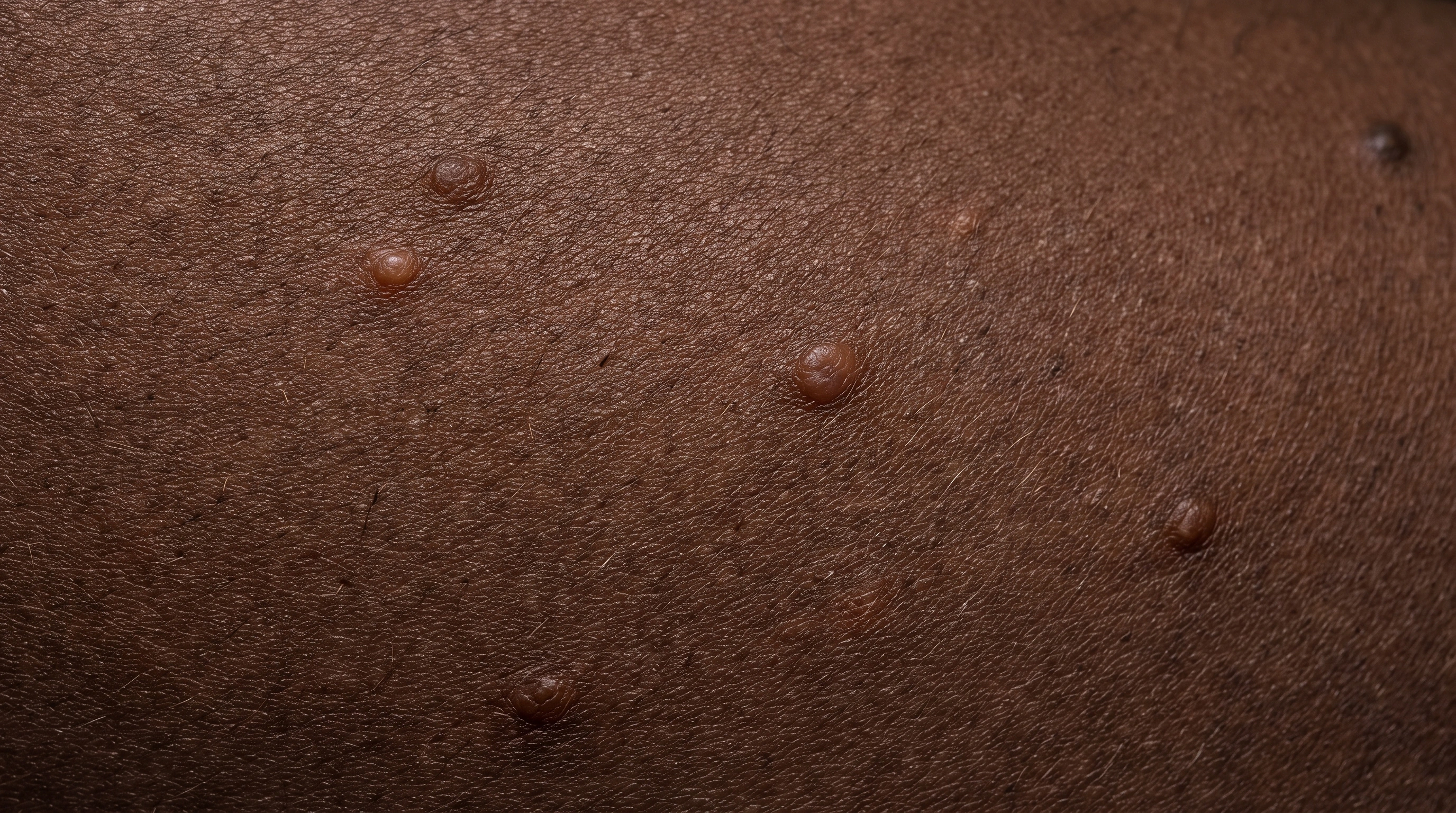
Several dark brown to near-black moles on the shoulder and upper arm of an adult with deep brown skin, each small, evenly colored and smooth-edged.
Diagram
Sun Spots mechanism diagram. Sun exposure leaves lasting changes: Repeated ultraviolet exposure affects pigment cells. More pigment gathers locally: Melanin increases in a small area. A flat brown spot appears: The patch stays level with surrounding skin.
Moles mechanism diagram. A spot or bump is visible: Many moles are flat, while others are raised. Pigment cells cluster: Nevus cells form small organized nests. Some nests sit in the dermis: Different mole types have different arrangements.
In the skin

Repeated ultraviolet exposure changes pigment activity in a small area of skin. Extra melanin produces a persistent flat brown spot, rather than a raised growth.

Moles form when benign pigment cells cluster into small nests. The location and arrangement of these cells help explain why some moles are flat and others are raised.

Where it shows up

Sun-exposed face, hands and forearms
Any skin site

When it usually starts

010203040506070+

Sun Spots. Usually become more noticeable in adult life after cumulative sun exposure.

Moles. Most ordinary moles appear during childhood and adolescence; new or changing adult lesions deserve attention.

Causes and triggers

Causes

Sun spots form when years of ultraviolet light make pigment cells produce extra melanin in one place. They build up slowly over decades.

Moles form when pigment cells grow in a cluster instead of spreading through the skin. Most appear in childhood and early adulthood.

Family tendency

Fair skin that burns easily and a family history of sun spots make them more likely.

The number of moles you have is largely inherited.

Risk factors
Age over 40, Fair skin, Outdoor work or hobbies, Tanning beds
Fair skin, Family history of many moles, Childhood sunburns
Trigger
● Sun Spots
● Moles
Unprotected sun exposure
Well established
Not listed
Tanning beds
Well established
Not listed
Sunburns
Strong link
Not listed
Sun exposure in childhood
Not listed
Strong link
Pregnancy
Not listed
Possible

Daily Care

Sun Spots
Moles
Daily care

Habits that help

  • Daily broad-spectrum sunscreen
    SPF 30 or higher, hands and chest included, reapplied on days outside.
  • Shade, sleeves and a wide-brimmed hat
    Add shade and protective clothing to your daily sun protection.
  • Have spots checked before treating them
    Removing a spot that needed a biopsy is the one bad outcome here.
  • Ask about sun precautions for photosensitizing medicines; do not stop them yourself
    Ask your prescriber rather than stopping anything yourself.

Avoid

  • Avoid: Sun on unprotected skin
    Daily incidental exposure adds up to more than holidays do.
  • Avoid: Tanning beds
    A concentrated dose of the wavelengths that cause sun spots.
  • Avoid: Forgetting the hands, chest, ears and neck
    Where the most noticeable spots turn up later.
  • Avoid: Sunscreen applied too thinly
    Real-world protection is far below the number on the bottle.
  • Avoid: Window glass
    Protect exposed skin near sunny windows; ordinary glass lets UVA through.
  • Avoid: Believing a base tan protects you
    A tan is damage, and it protects very little.
  • Avoid: Picking or scratching a treated spot
    A reliable way to swap it for a longer-lasting dark mark.
  • Avoid: Freezing kits sold for warts
    Do not use wart-freezing kits on pigmented spots; they can scar unexamined skin.

Habits that help

  • Learn the ABCDE signs
    Asymmetry, Border, Color, Diameter, Evolving — the one that matters most.
  • Learn the ugly duckling sign
    The mole that does not belong in the family.
  • Check your own skin about once a month
    Include back, scalp, soles, palms and nails.
  • Take photographs
    Comparison over months beats memory.
  • Use sunscreen daily on exposed skin
    Broad spectrum, SPF 30 or higher, reapplied outdoors.
  • Use shade, clothing and hats
    A long-sleeved shirt outperforms any bottle.
  • Never use a tanning bed
    No protective base tan, no safe dose.
  • Protect children from burning
    Risk is largely set before adulthood.
  • Discuss skin surveillance if your immune system is weakened
    Immune-suppressing treatment raises skin cancer risk.

Avoid

  • Avoid: Sunburn
    Raises mole count and damages the cells inside.
  • Avoid: Tanning beds
    A concentrated dose of the damaging wavelengths.
  • Avoid: Intense occasional sun
    Holiday exposure matters more than steady daily sun.
  • Avoid: Skipping sunscreen in cloud and winter
    Ultraviolet passes cloud and reflects off snow.
  • Avoid: Assuming a painless mole is fine
    Pain and itch are late signs.
  • Avoid: Only checking the parts you can see easily
    Scalp, back, buttocks, soles and nails all count.
  • Avoid: Relying on a phone app
    A reassuring result is no reason to cancel.
  • Avoid: Being told once that a mole is fine
    A mole examined five years ago was fine five years ago.
  • Avoid: A mole-checking phone app
    Use photos to track changes; never delay an examination because an app gives reassurance.
  • Avoid: Mole removal creams and kits
    Do not burn, freeze or dissolve moles at home; the tissue may need examination.
  • Avoid: Waiting to see if a change settles down
    Three months of waiting is three months of growth.
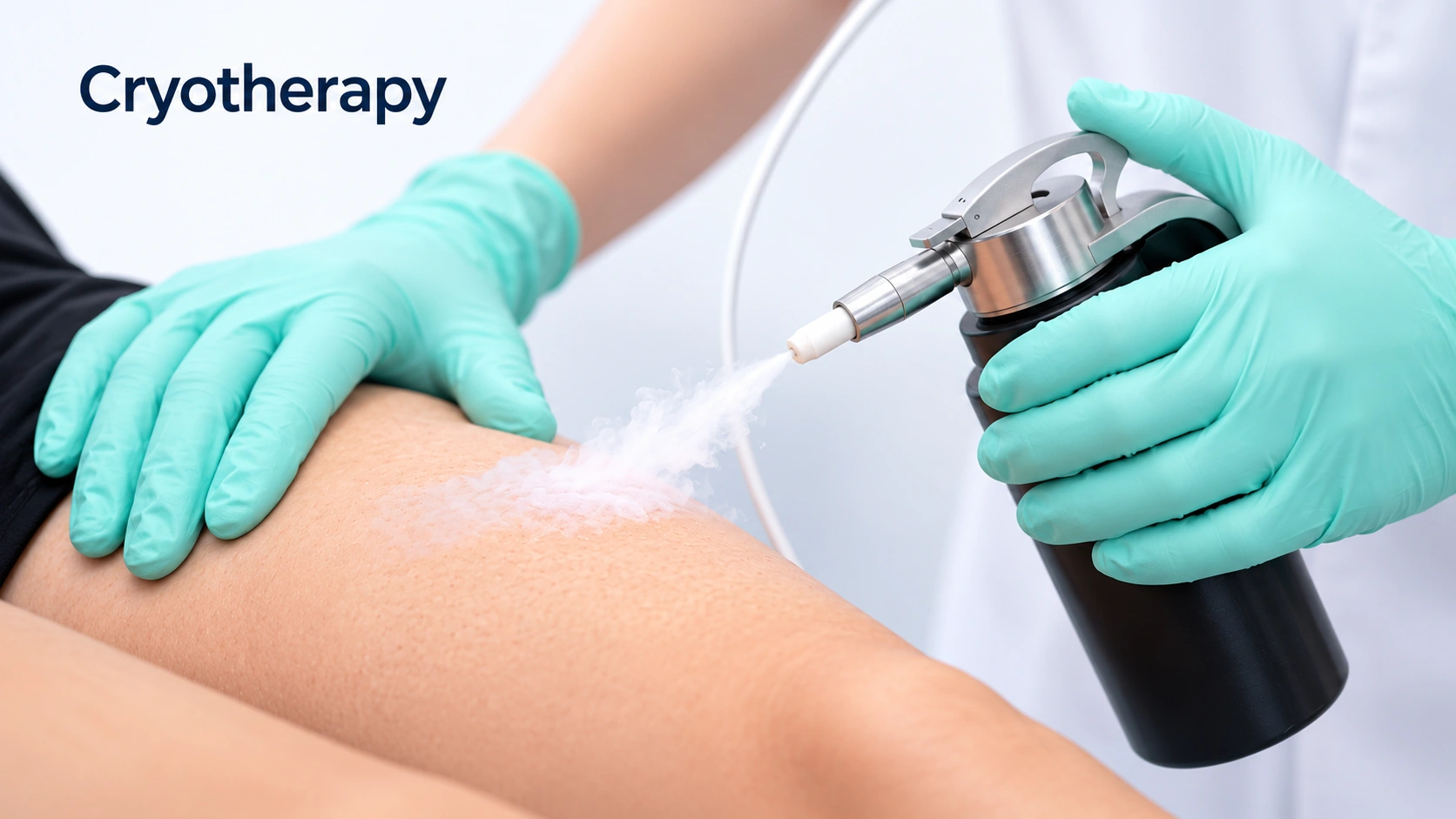
  • Avoid: Cryotherapy
    Freezing is excellent for several other skin growths and is the wrong tool for a mole. It destroys the tissue, so nothing can be examined, and it commonly leaves the deeper pigment cells behind along with a pale mark. Lasering or burning a mole off has the same two problems. If a mole is worth removing, it is worth removing in a way that can be checked.

Treatment differences

Evidence labels come from each condition’s own treatment list.

Treatment
● Sun Spots
● Moles
Over-the-counter
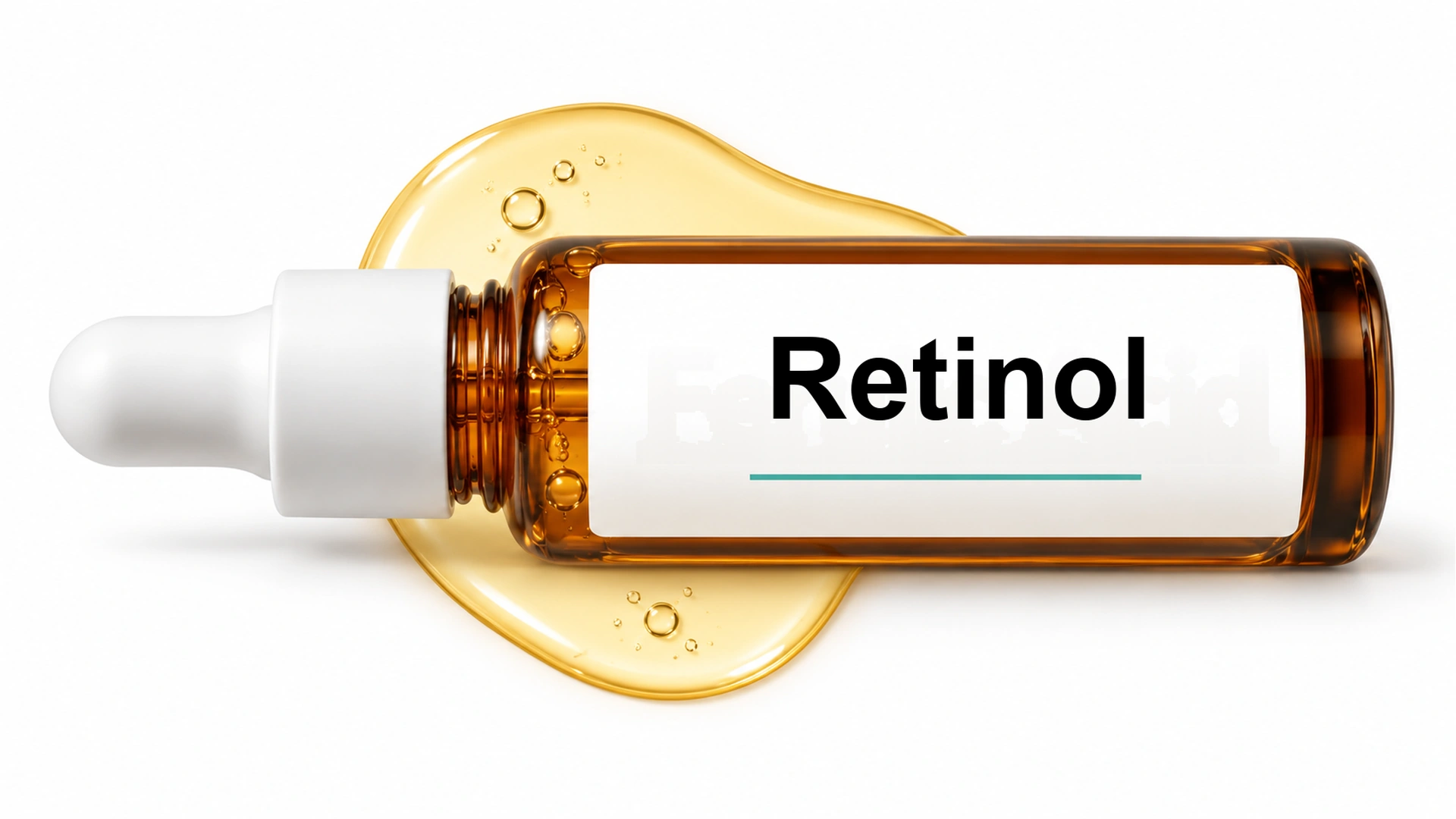
Six retinol products lined up, including SkinCeuticals Retinol 0.5, Murad, CeraVe, First Aid Beauty, RoC and Replenix

Retinol

Limited evidence

Speeds up how quickly pigmented surface cells are shed, so spots lighten gradually from the top down. It is the over-the-counter option with the best evidence in sun spots, and it improves the surrounding sun-damaged skin at the same time. Start two or three nights a week to avoid irritation, and expect three to six months before the difference is obvious.

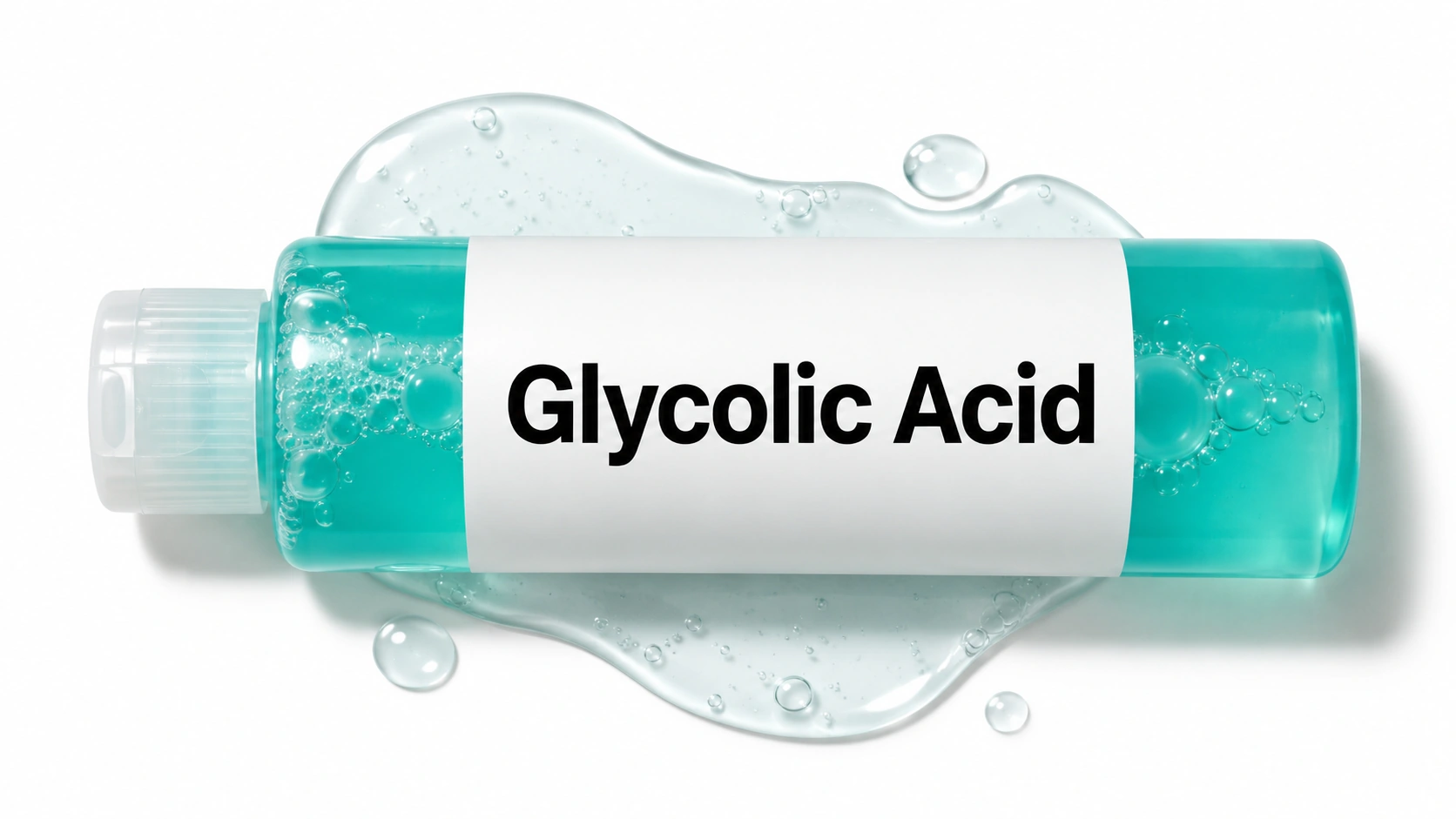
Four glycolic acid toner and liquid bottles lined up on white, one with its box

Glycolic Acid

Limited evidence

Loosens the pigmented cells at the surface so they shed sooner, which lifts a little color out of a spot over months. It works better as the thing that helps a lightening cream get in than as a treatment on its own. Used too often it leaves skin irritated and more sun-sensitive, which on this page is exactly the wrong direction.

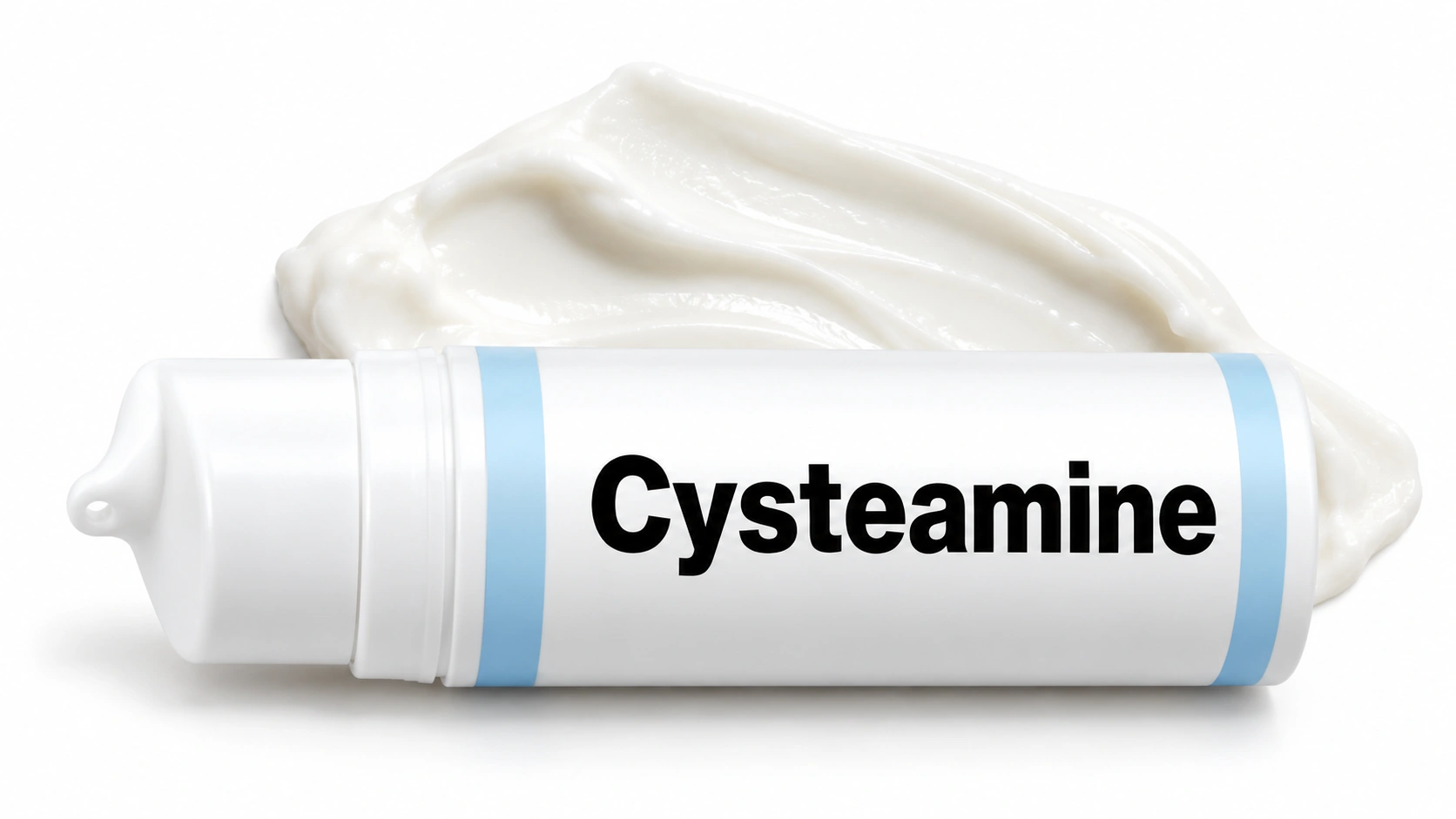
Four cysteamine products: a Senté tube, an Omic+ cream and box, a 5% cysteamine serum dropper and a Cyspera bottle

Cysteamine

Limited evidence

Applied to dry skin, left for about fifteen minutes and washed off rather than left on overnight. It suits people who want a lightening step without hydroquinone, or something to hold a result between courses of it. Most of the trial evidence is in melasma rather than sun spots, and the smell is the usual reason people stop.

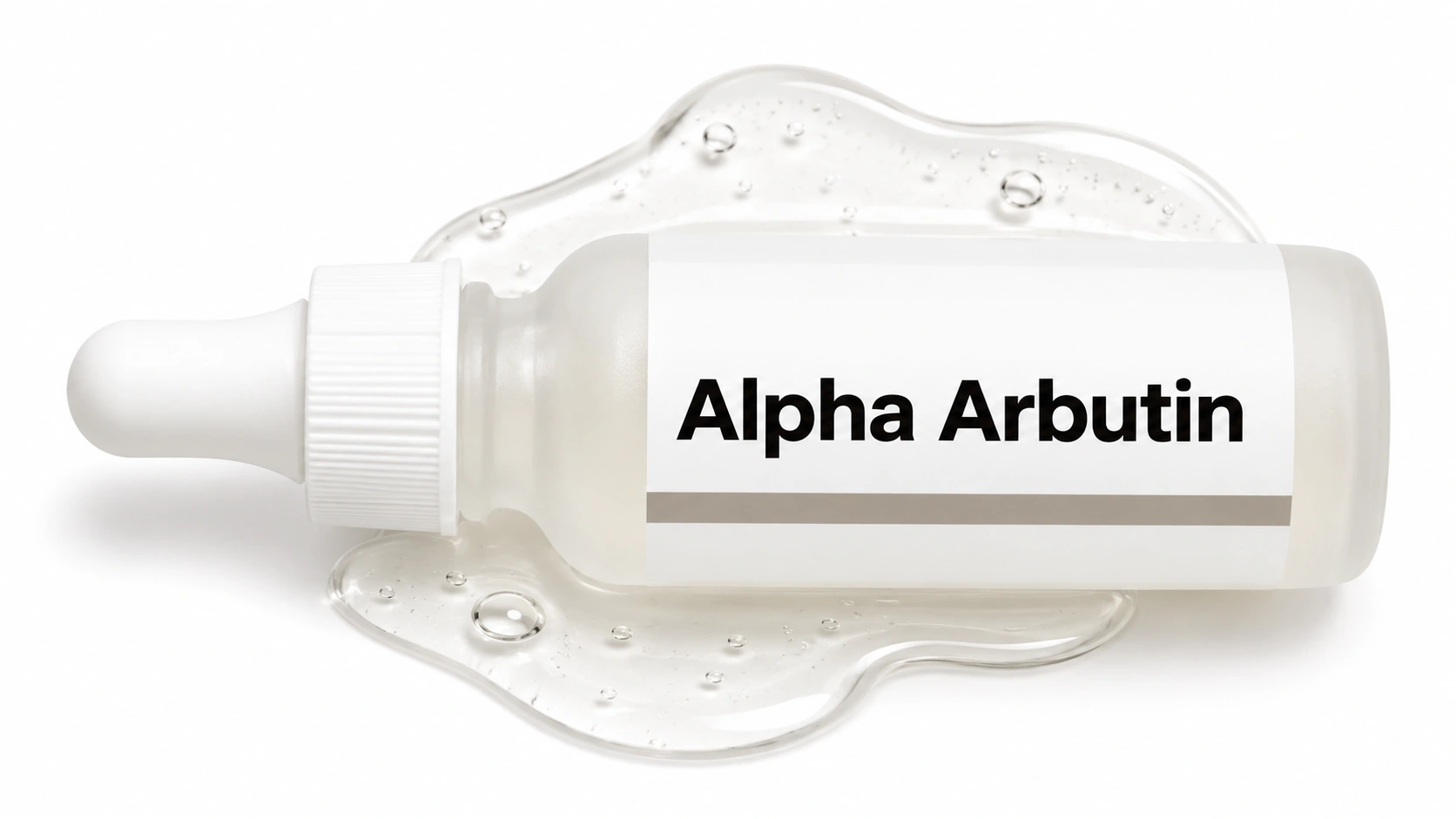
Four alpha arbutin products lined up on white: three dropper serums and a pink cream tube

Alpha Arbutin

Limited evidence

A gentler relative of hydroquinone that releases a small amount of it slowly in the skin. It is a reasonable long-term option on a spot you are lightening slowly, and it does not sting, which matters because irritation on a sun spot can leave a darker mark. The effect is mild and takes months.

Vitamin C

Limited evidence

Lightens surface pigment modestly and adds a little to what sunscreen is doing during the day. It is easy to keep using for years, which is its real advantage here, since sun spots are a long game. On its own it will not clear an established spot.

Six niacinamide products on white, including The Ordinary 10% + Zinc 1%, Paula's Choice Booster and EltaMD UV Clear

Niacinamide

Limited evidence

Slows the handover of pigment from pigment cells to the skin cells above them, so a spot fades a little rather than disappears. Its strength is that it is well tolerated and does not sting, so it sits comfortably alongside a retinol without making the skin sore. Modest on its own.

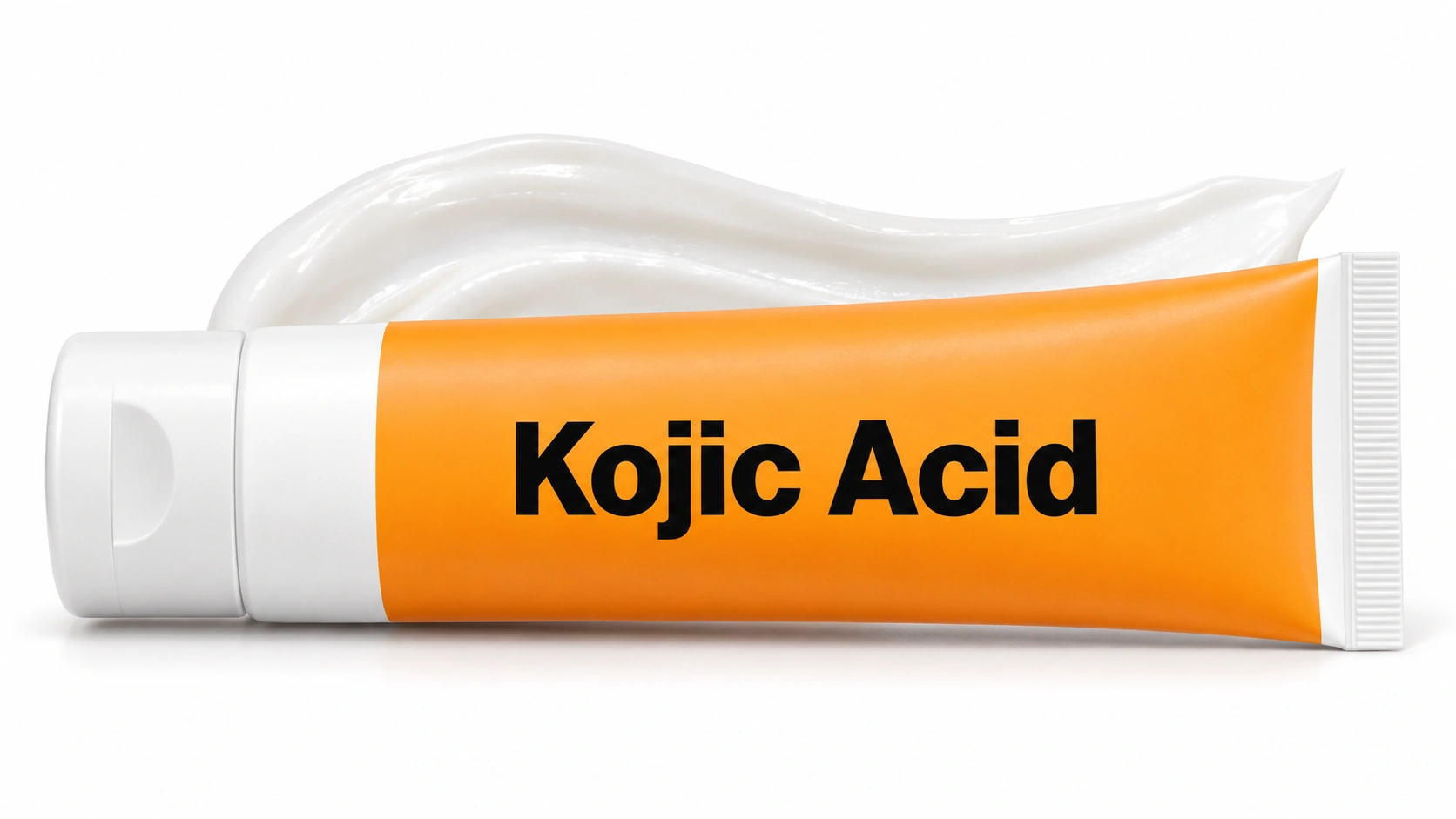
Five kojic acid products on white, including a turmeric serum, Medicube capsule cream, Admire My Skin and Seoul Ceuticals

Kojic Acid

Limited evidence

Blocks the same pigment-making enzyme hydroquinone does, more weakly. It is nearly always sold combined with other lightening ingredients, and the studies behind it are studies of those combinations. It stings some people, and irritation on a sun spot is not a neutral event, particularly on medium and deeper skin tones.

None listed
Prescription topicals
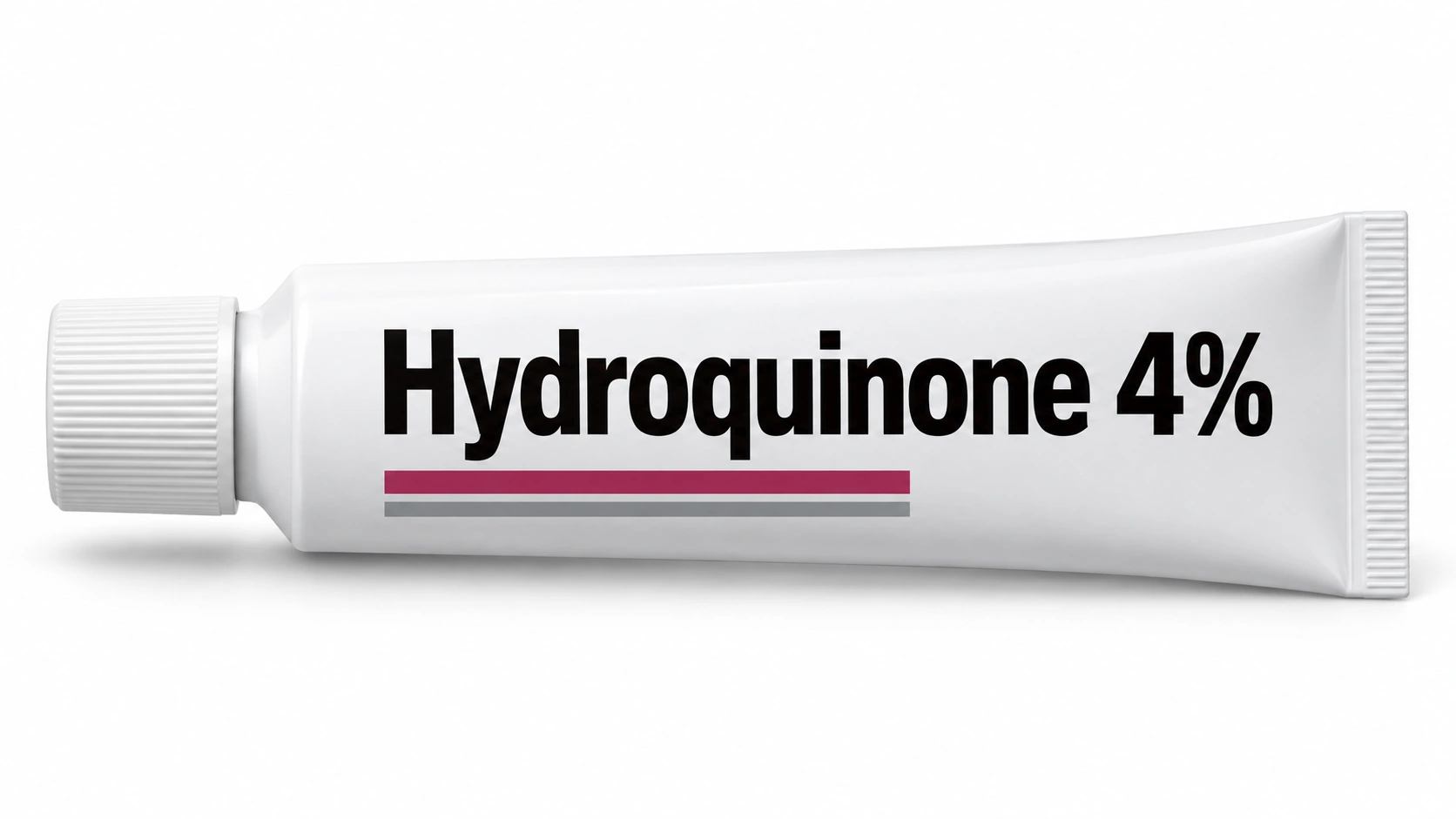
Hydroquinone 4% — Header Image

Hydroquinone 4%

Moderate evidence

The strongest cream for lightening a sun spot, applied thinly to the spot itself rather than the skin around it. It is used in a defined course of about three to four months with a break afterwards, not indefinitely, and it works best combined with a retinoid. It is slower than a single session of freezing or laser, and it is the option to prefer when treatment risk on deeper skin tones is the concern.

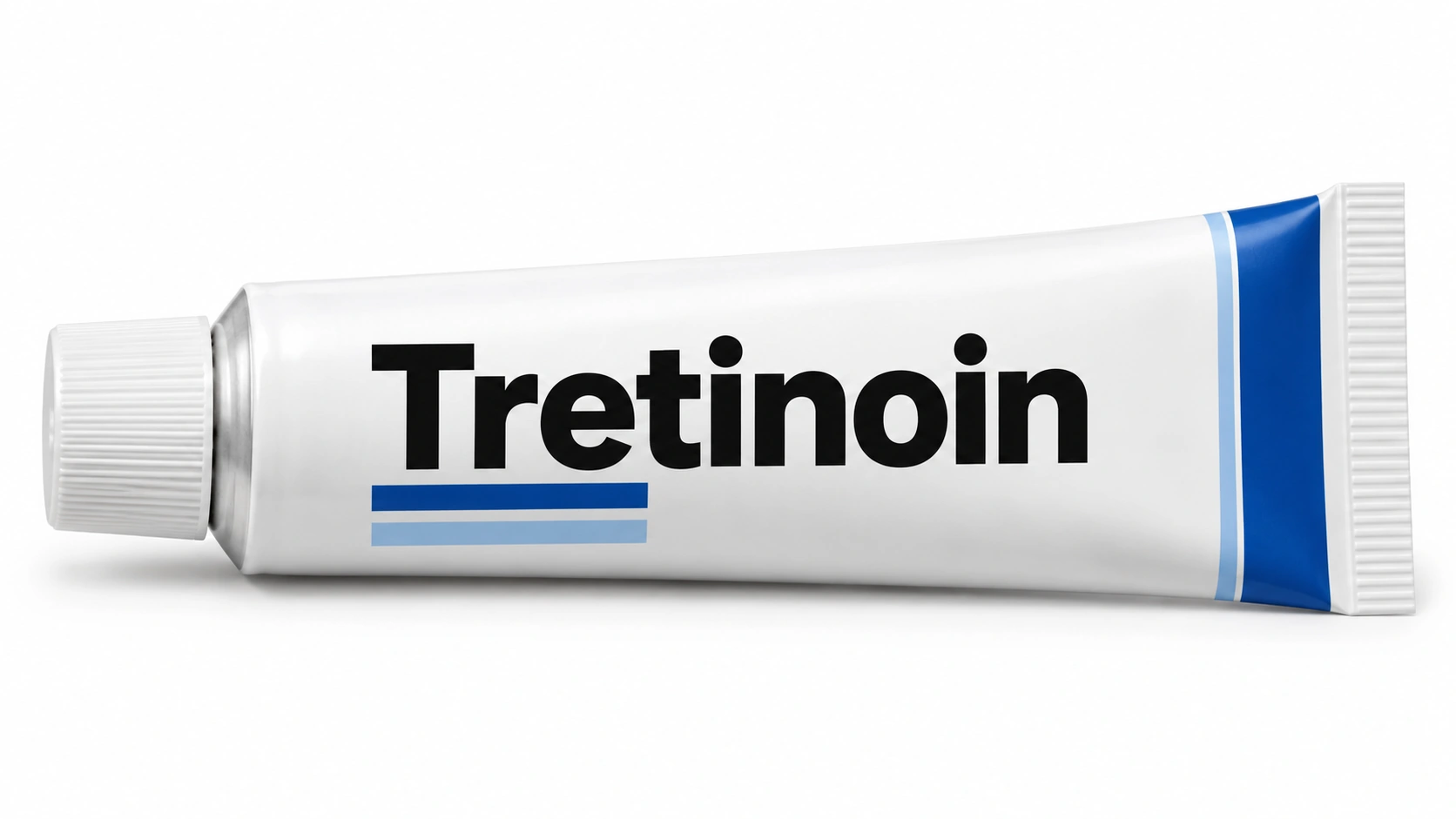
Tretinoin — Header Image

Tretinoin

Moderate evidence

The prescription retinoid, and the one with real trial evidence in sun spots specifically. It lightens spots over about six to ten months and improves the sun-damaged skin around them at the same time. Expect dryness and flaking early on, and use it at night with daily sunscreen, since it leaves skin more sun-sensitive. Ask your doctor about it if you are pregnant or trying to become pregnant.

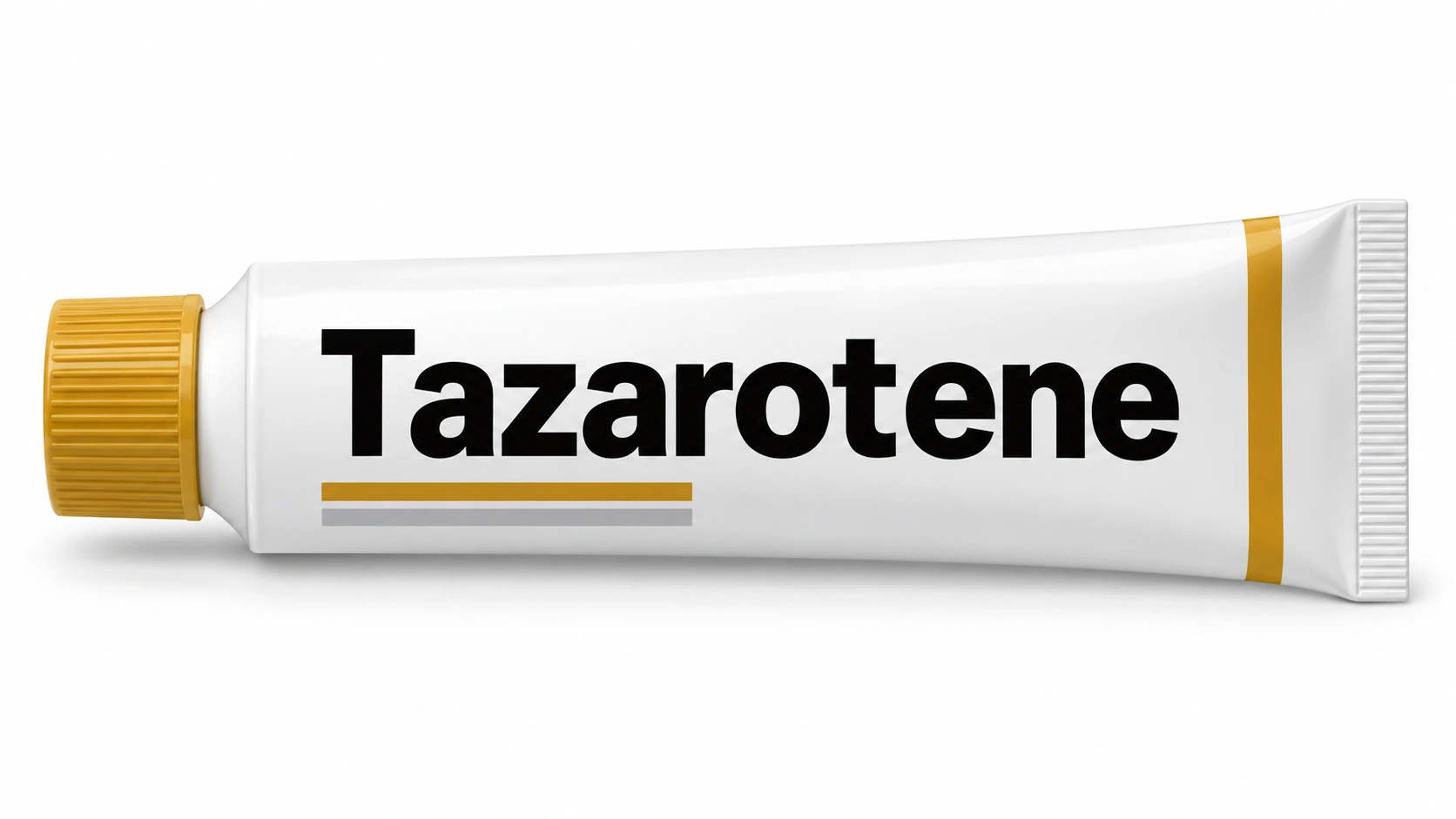
Tazarotene — Header Image

Tazarotene

Moderate evidence

A stronger retinoid with good trial results in sun spots, used when tretinoin has not done enough. It works the same way, a little faster, and irritates more, so it is often started a few nights a week. Ask your doctor about it if you are pregnant or trying to become pregnant.

None listed
Procedures
Editorial illustration for Cryotherapy, based on the entry’s treatment or equipment reference.

Cryotherapy

Moderate evidence

A few seconds of liquid nitrogen on each spot, done in the room, no anesthetic needed. The spot darkens, crusts and lifts off over one to two weeks. It suits a small number of spots rather than a whole hand, and its known cost is a permanent pale mark where too many pigment cells were destroyed, which is a bigger risk on medium and deeper skin tones.

IPL

Moderate evidence

IPL. The best option when there are many spots across a whole area such as the face, chest or the backs of the hands. Usually one to three sessions, with the spots darkening and flaking off over one to two weeks after each. It is aimed at contrast between spot and skin, so it works best on lighter tones and is used cautiously or not at all on deep skin.

Editorial illustration for Q-Switched Laser Tattoo Removal, based on the entry’s treatment or equipment reference.

Q-Switched Laser Tattoo Removal

Moderate evidence

The same pigment-shattering laser used for tattoo ink is used at low energy on individual sun spots, and it clears them reliably in one or two sessions. It is more precise than intense pulsed light and better for a few stubborn spots rather than a whole area. Settings have to be matched to the skin tone, since too much energy leaves a pale or a dark mark behind.

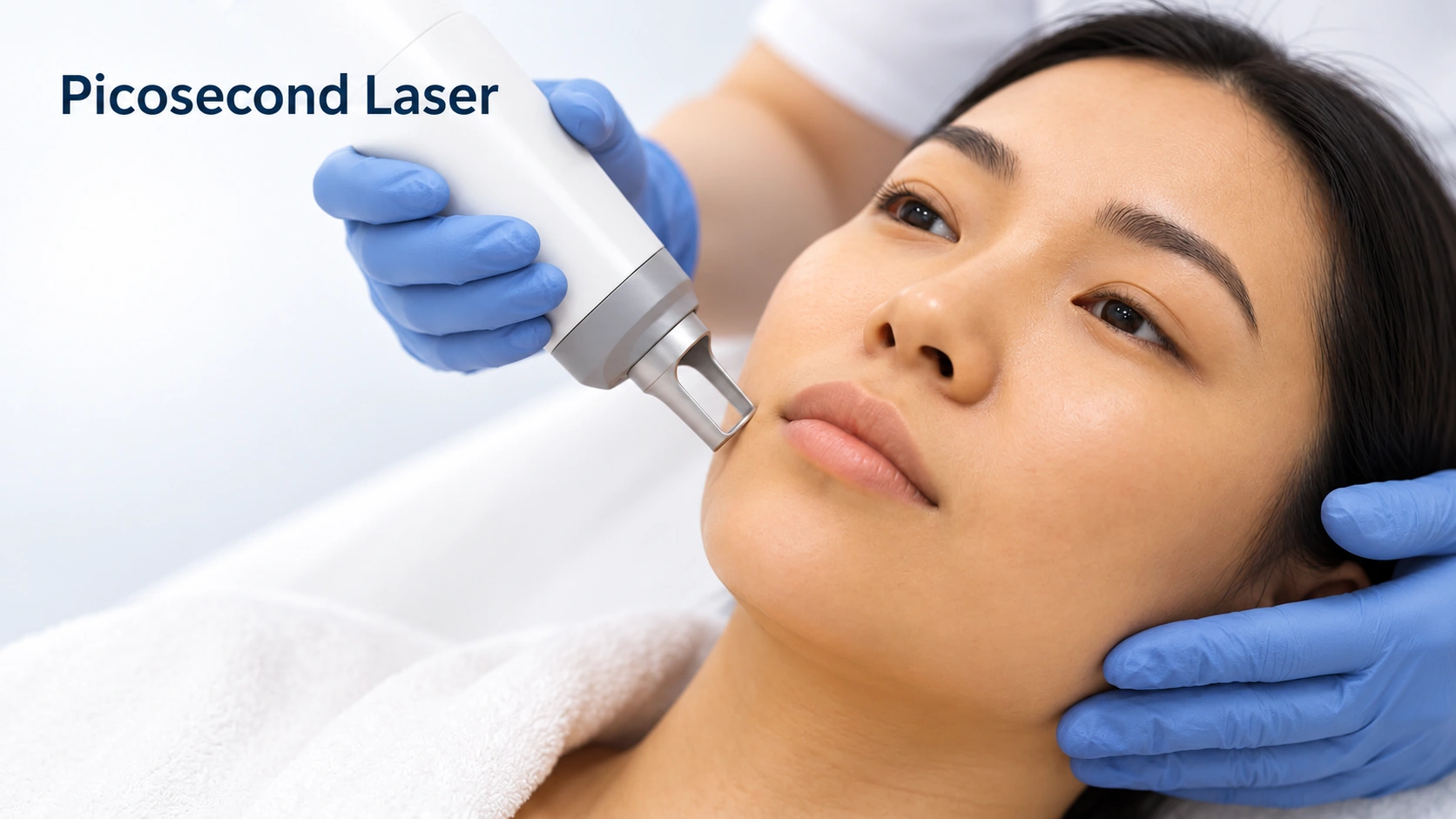
Editorial illustration for Picosecond Laser, based on the entry’s treatment or equipment reference.

Picosecond Laser

Moderate evidence

Delivers its energy in much shorter pulses, which breaks up pigment with less heat spilling into the skin around it. That lower heat is the reason it is often chosen for medium and deeper skin tones, where a darker mark afterwards is the main worry. It costs more than the older lasers and the results in sun spots are broadly similar.

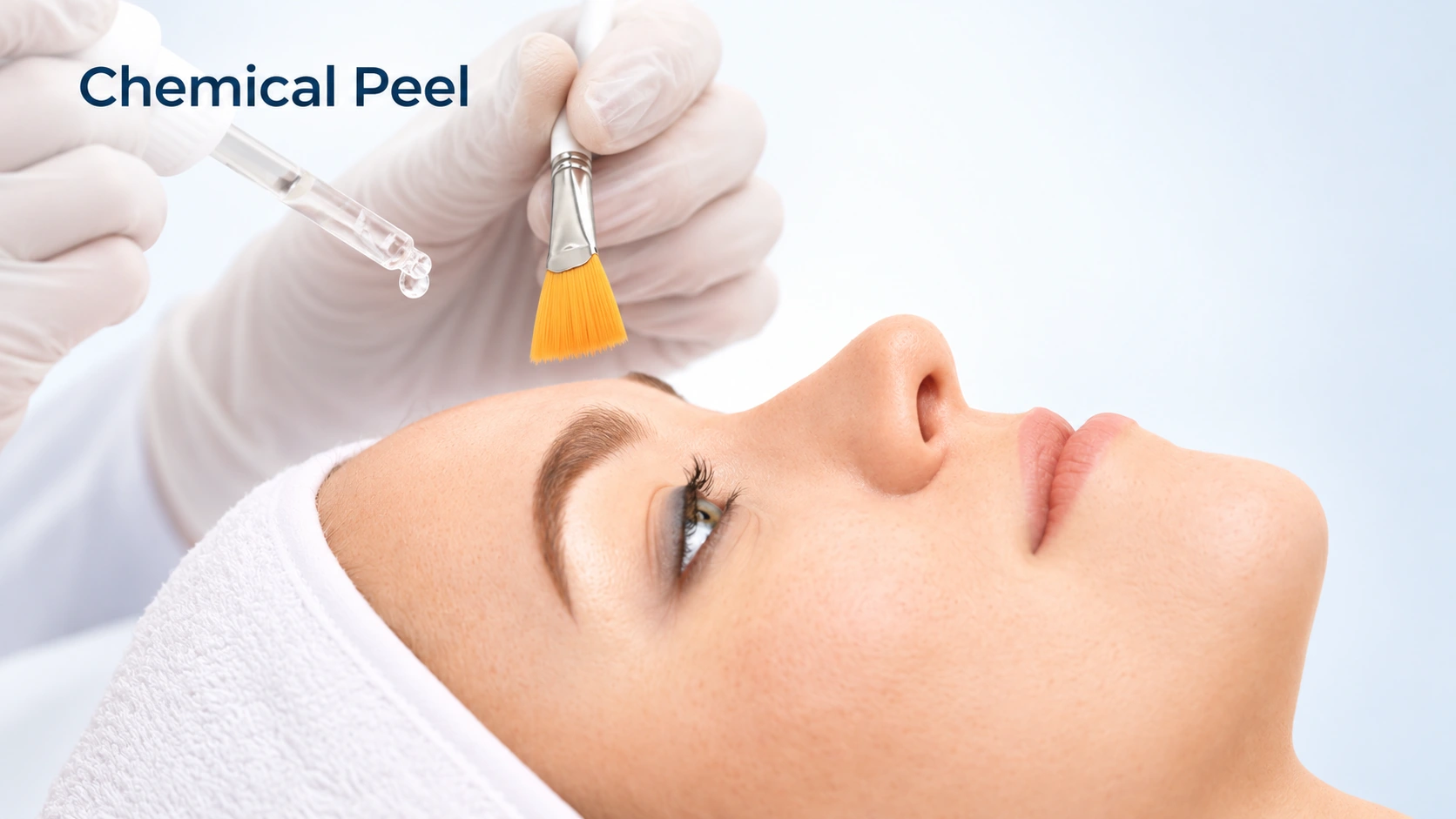
Editorial illustration for Chemical Peel, based on the entry’s treatment or equipment reference.

Chemical Peel

Limited evidence

Lightens spots across a whole area rather than one at a time, which suits the backs of the hands, the forearms and the chest where spots are scattered widely. Usually a course rather than a single treatment, and the result is a general evening out rather than each spot disappearing. Depth matters: a peel strong enough to leave the skin raw can leave a darker mark instead.

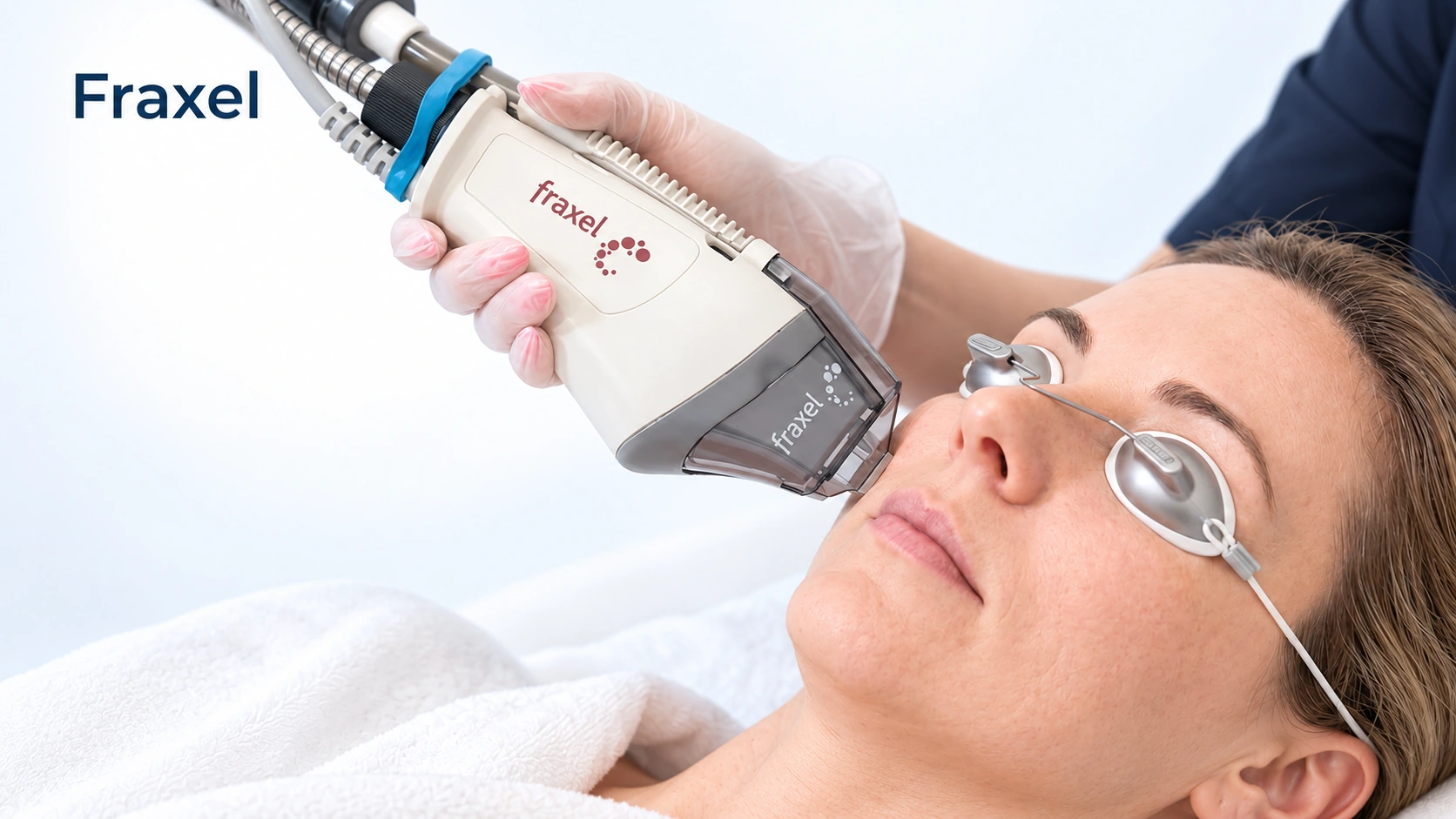
Editorial illustration for Fraxel, based on the entry’s treatment or equipment reference.

Fraxel

Limited evidence

Fraxel. Treats the sun-damaged skin as a whole rather than targeting individual spots, so it improves texture and fine lines alongside the pigment. That makes it a reasonable choice when the spots are only part of what is bothering you. For clearing spots alone it is slower, dearer and less precise than freezing or a pigment laser.

Editorial illustration for Microdermabrasion, based on the entry’s treatment or equipment reference.

Microdermabrasion

Limited evidence

Polishes off the very top layer of skin, which makes it briefly smoother and brighter. The pigment in a sun spot is held in ridges below that layer, so it is not reached. It is often sold as a treatment for spots and it is not one, and repeated sessions can irritate skin enough to leave marks of their own.

Editorial illustration for Surgical Excision, based on the entry’s treatment or equipment reference.

Surgical Excision

Strong evidence

The standard for any mole that is genuinely in doubt: the whole mole is cut out under local anesthetic with a narrow margin of normal skin and sent for examination under a microscope. Taking all of it matters, because the pathologist has to see the full depth and the edges. It leaves a line scar, and results come back in a week or two.

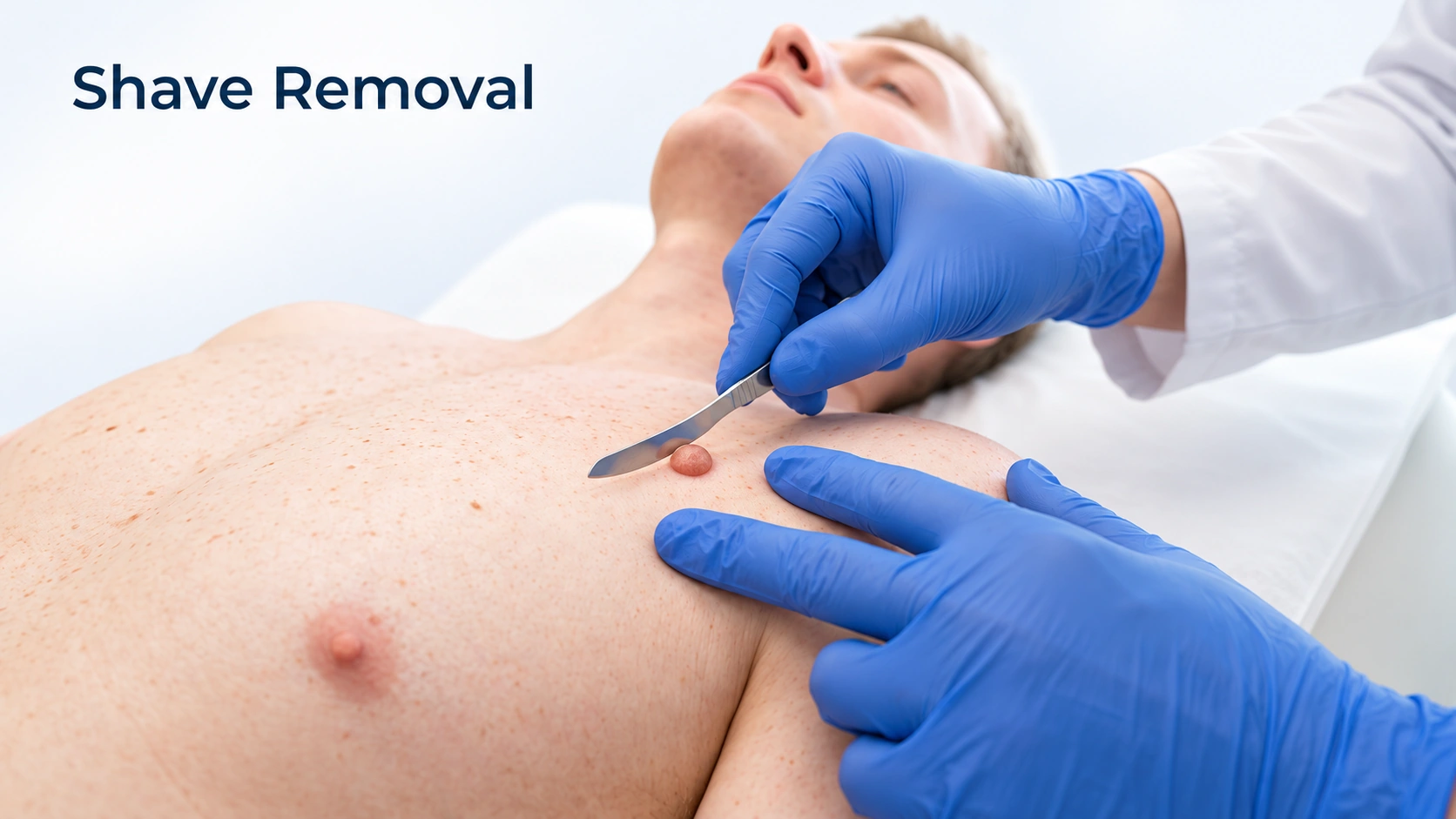
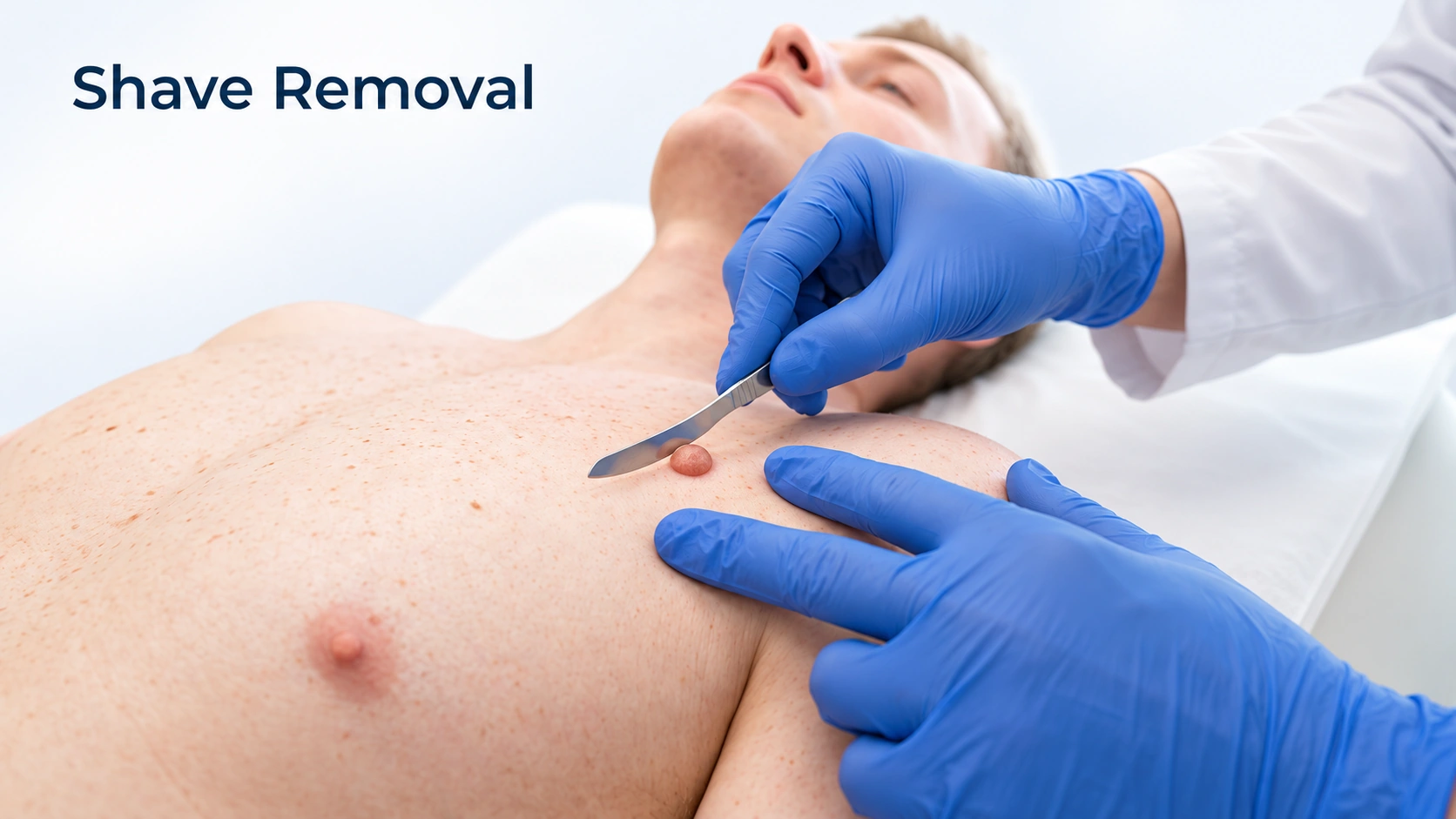
Editorial illustration for Shave Removal, based on the entry’s treatment or equipment reference.

Shave Removal

Moderate evidence

A raised mole that catches on a razor or a collar can be shaved off flush with the skin under local anesthetic, leaving a flat pale mark rather than a line scar. It is a reasonable choice for a mole that is not suspicious, and the tissue still goes to the laboratory. Two honest limits: pigment left at the base can grow back, and a shave through a melanoma cuts across it rather than under it.

Editorial illustration for Punch Biopsy, based on the entry’s treatment or equipment reference.

Punch Biopsy

Listed

A small circular blade removes a small mole whole, down through the full thickness of the skin, and it is closed with a stitch or two. It suits moles smaller than the punch. Used to take a sample from part of a larger suspicious mole it can under-read the depth, so for those an excision is the better choice.

Outlook

Long term

Sun spots usually persist and can increase with further ultraviolet exposure. They do not themselves become skin cancer, but sun-damaged skin can develop other lesions. A changing, rough or otherwise unusual spot needs assessment before cosmetic treatment.

Most moles remain harmless, but their appearance can change over a lifetime. A changing mole, a new unusual pigmented spot or one that looks different from the others needs examination. Monitoring should follow the person's individual risk.

Complications

Possible complications

Solar lentigines are benign, but they mark ultraviolet exposure and may coexist with other sun-damaged lesions. A changing or irregular spot needs assessment rather than an assumed age-spot diagnosis.

Most moles are benign. Having many or atypical moles can mark increased melanoma risk, and a changing lesion should be examined rather than assumed to be an ordinary mole.

When to get help

When to get help

Have a new, changing, unevenly colored or bleeding spot checked before using a fading treatment.

Arrange prompt assessment for an evolving, unusual or bleeding mole. Comparing a spot with your other moles is useful, but photographs cannot confirm a diagnosis.

Common questions

Sun Spots:Are sun spots dangerous?

The spots are harmless and do not turn into cancer. What they indicate matters - that much sun exposure makes other changes more likely, so watch and protect those areas.

Sun Spots:How do I tell a sun spot from something serious?

The reassuring pattern is flat, one even color, a clear edge, stable over time, similar to its neighbors. The pattern that needs a check is changing, growing, more than one color, a ragged or blurred edge, itching, bleeding, or a spot unlike the rest. Being unsure is a reason to have it looked at, not to worry.

Sun Spots:What is the fastest way to get rid of them?

In-office treatment. Freezing works for a few spots; laser or intense pulsed light for many, usually over one to three sessions. Expect them to darken and flake off over one to two weeks. Creams work far more slowly.

Sun Spots:Will they come back after treatment?

The individual spot usually does not return. New ones keep appearing on sun-exposed skin unless the sun protection changes, which is why people who treat spots and change nothing else are back within a few years.

Sun Spots:Do sunscreen and creams help spots I already have?

Sunscreen does not remove them, but it stops them darkening and slows new ones. Retinoids, vitamin C, niacinamide and short courses of hydroquinone lighten existing spots over three to six months, more gently than a procedure.

Sun Spots:I have deeper skin - is freezing a good option for me?

The one to be most cautious about. Freezing can destroy the pigment cells and leave a permanent pale mark, more noticeable on deeper skin tones and harder to correct than the original spot. Topical treatment first, conservative settings, a test spot, and a provider who treats deeper skin tones regularly is the safer path.

Moles:How do I tell a normal mole from a dangerous one?

Use two checks together. ABCDE covers asymmetry, an uneven border, more than one color, a diameter above about 6 millimeters, and - most important - evolving, meaning changing. The ugly duckling check asks whether the mole looks like your others. A spot that fails either, or passes both but keeps changing, should be examined in person.

Moles:Is it normal to get new moles as an adult?

New moles keep appearing through the teens and twenties and become uncommon after about 40. Many new pigmented spots in older adults turn out to be seborrheic keratoses or sun spots. That is a reason to have a new spot identified, not to assume it is one of those.

Moles:Can I have a mole removed just because I do not like it?

Yes, and it is a reasonable request. What matters is how it is done — cut out under local anesthetic and sent to a laboratory. Lasering, freezing or burning leaves nothing to examine, so ask for the version that gets checked.

Moles:Does having a lot of moles mean I will get melanoma?

No. Your risk is higher than average and regular checks are worth doing, but most people with a high mole count never develop melanoma. The response is a schedule of skin exams, not worry.

Moles:Can melanoma appear where there was no mole?

Yes — most melanomas arise on skin that had no mole before. That is why a new spot that grows, or a sore that will not heal, deserves the same attention as a changing mole.

Moles:My mole changed during pregnancy. Is that expected?

Moles commonly darken slightly in pregnancy, and skin stretching over a growing abdomen or breasts can change a mole's shape. Melanoma does occur in pregnancy, though. A mole that changes in shape, border or color should be looked at while you are pregnant, not after.
Sources

Sources and further reading

  1. DermNet
  2. DermNet
Dermapedia on YouTube