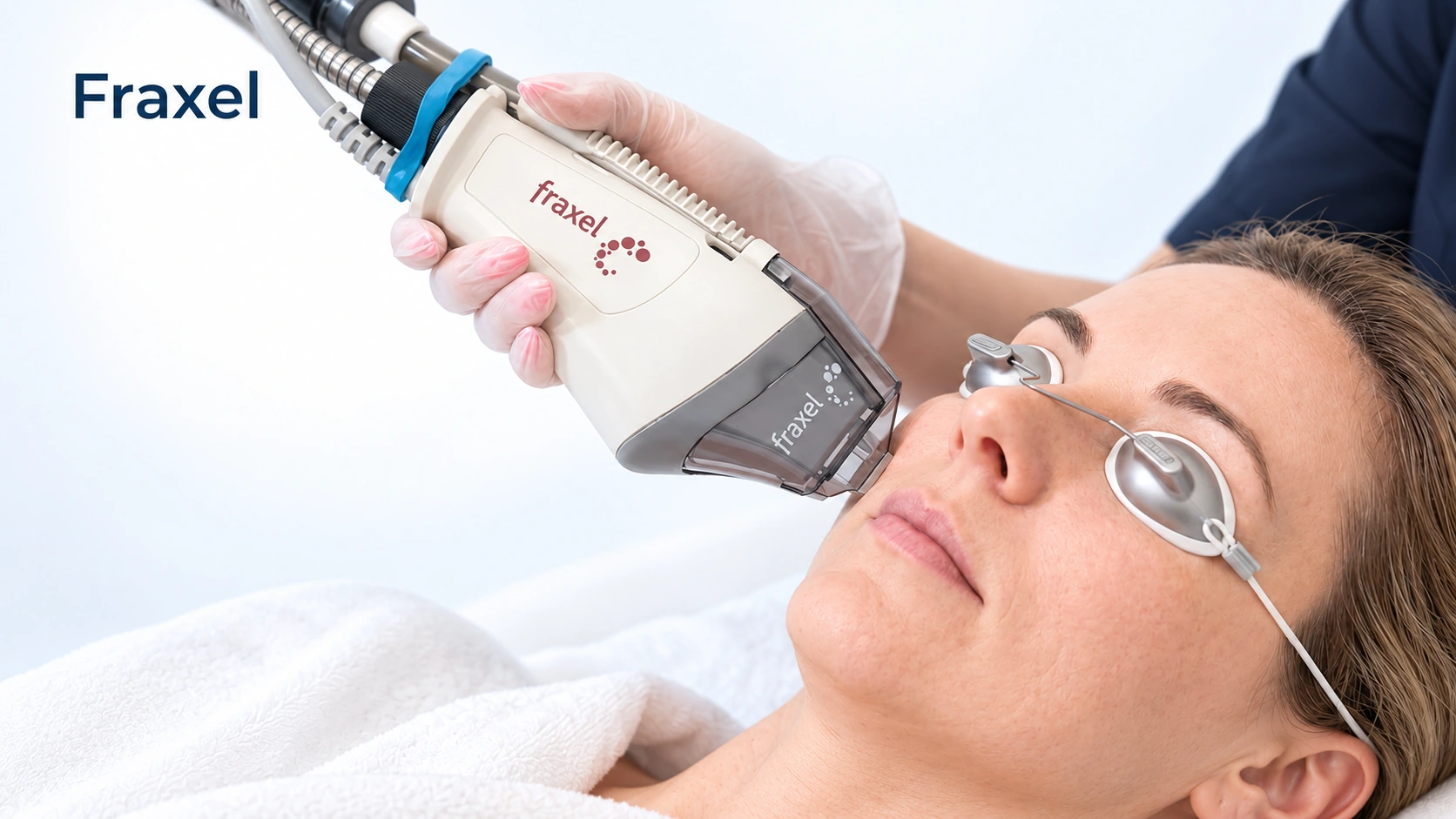
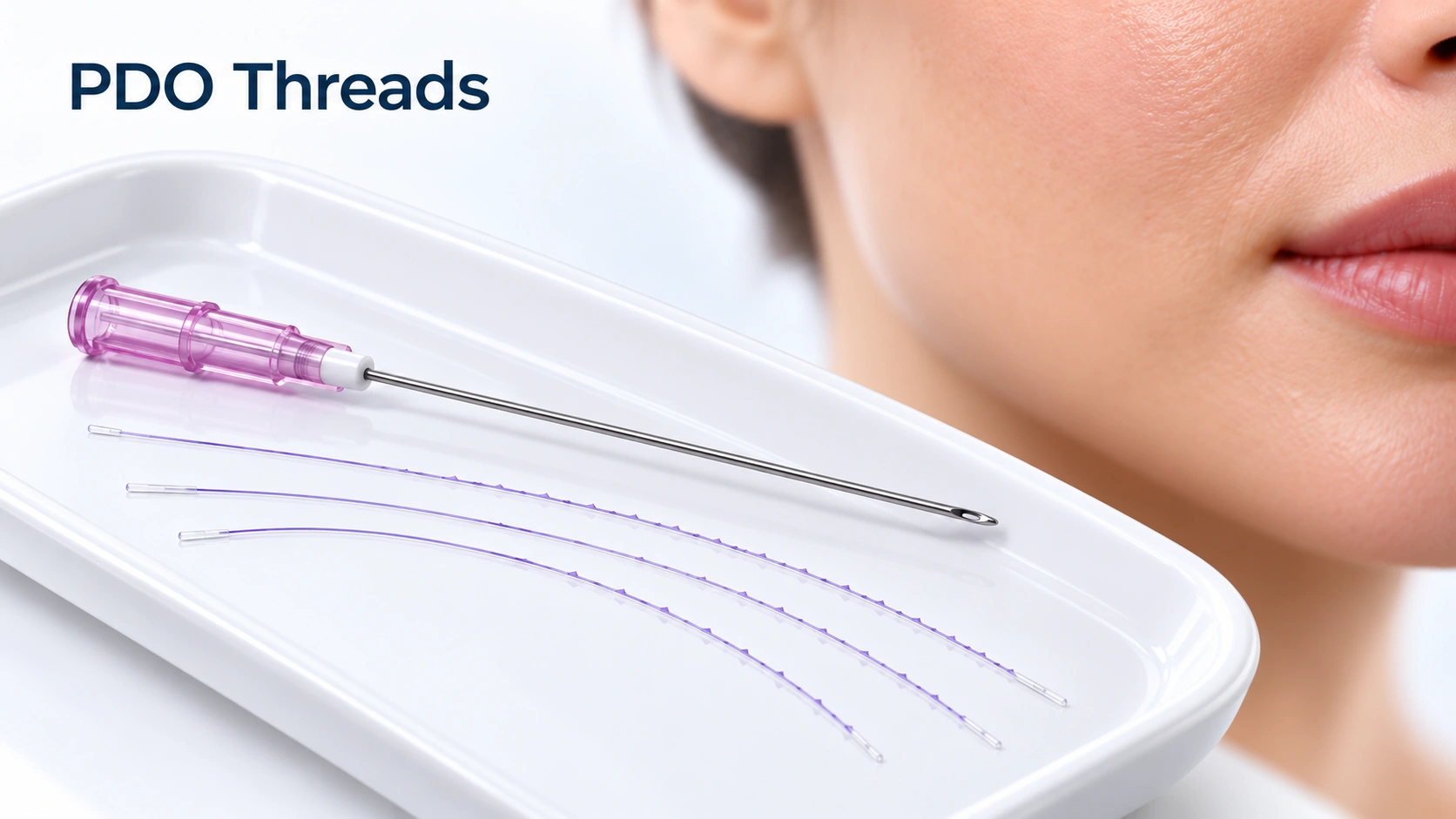
It combines needles and energy.
Radiofrequency energy is delivered into or beneath the skin.
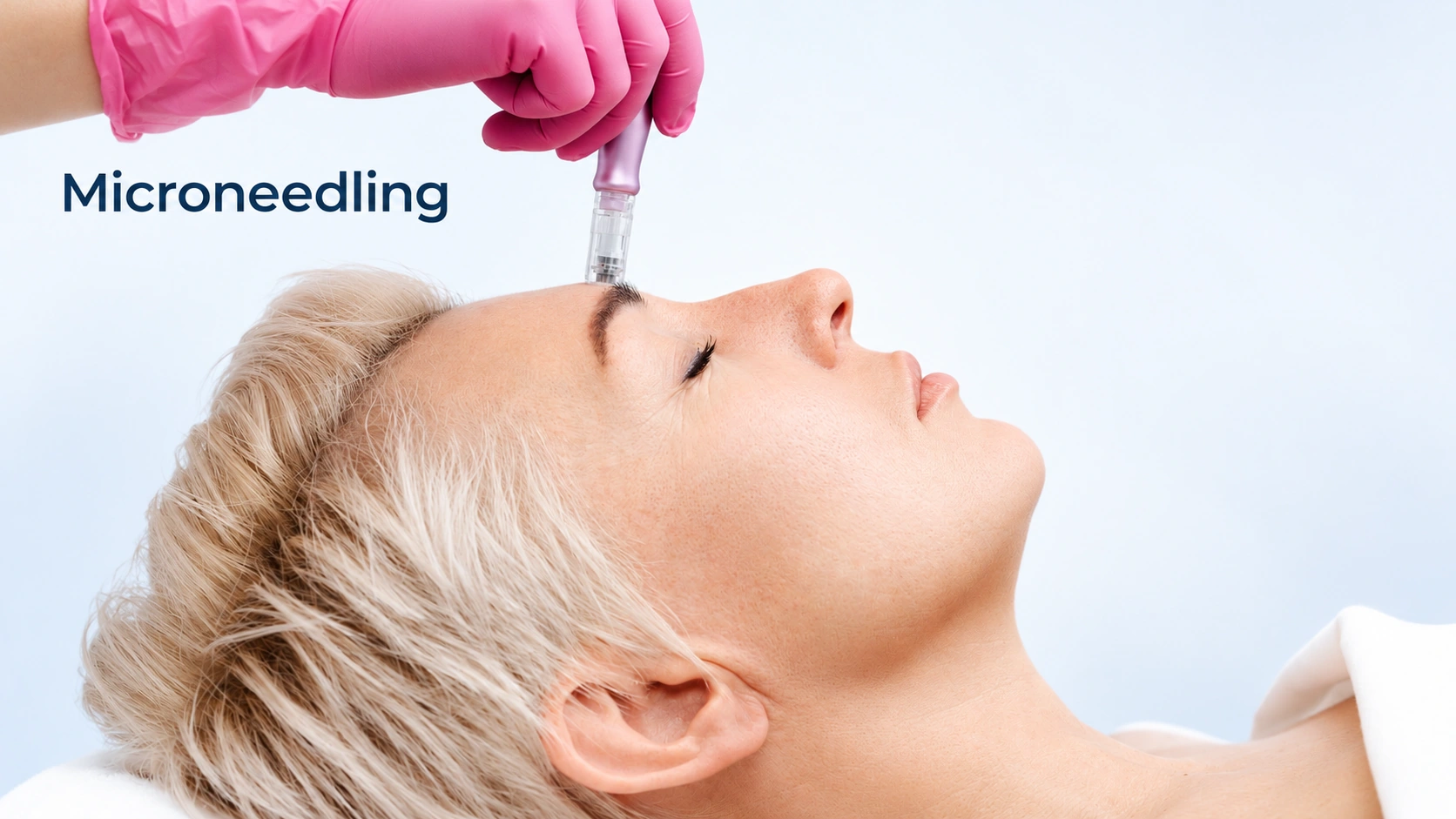
RF Microneedling: Microneedling with heat added. Insulated needles carry radiofrequency energy to a set depth in the skin, so the healing response comes from both the puncture and the heat. It is used for indented acne scars, texture, and mild sagging.
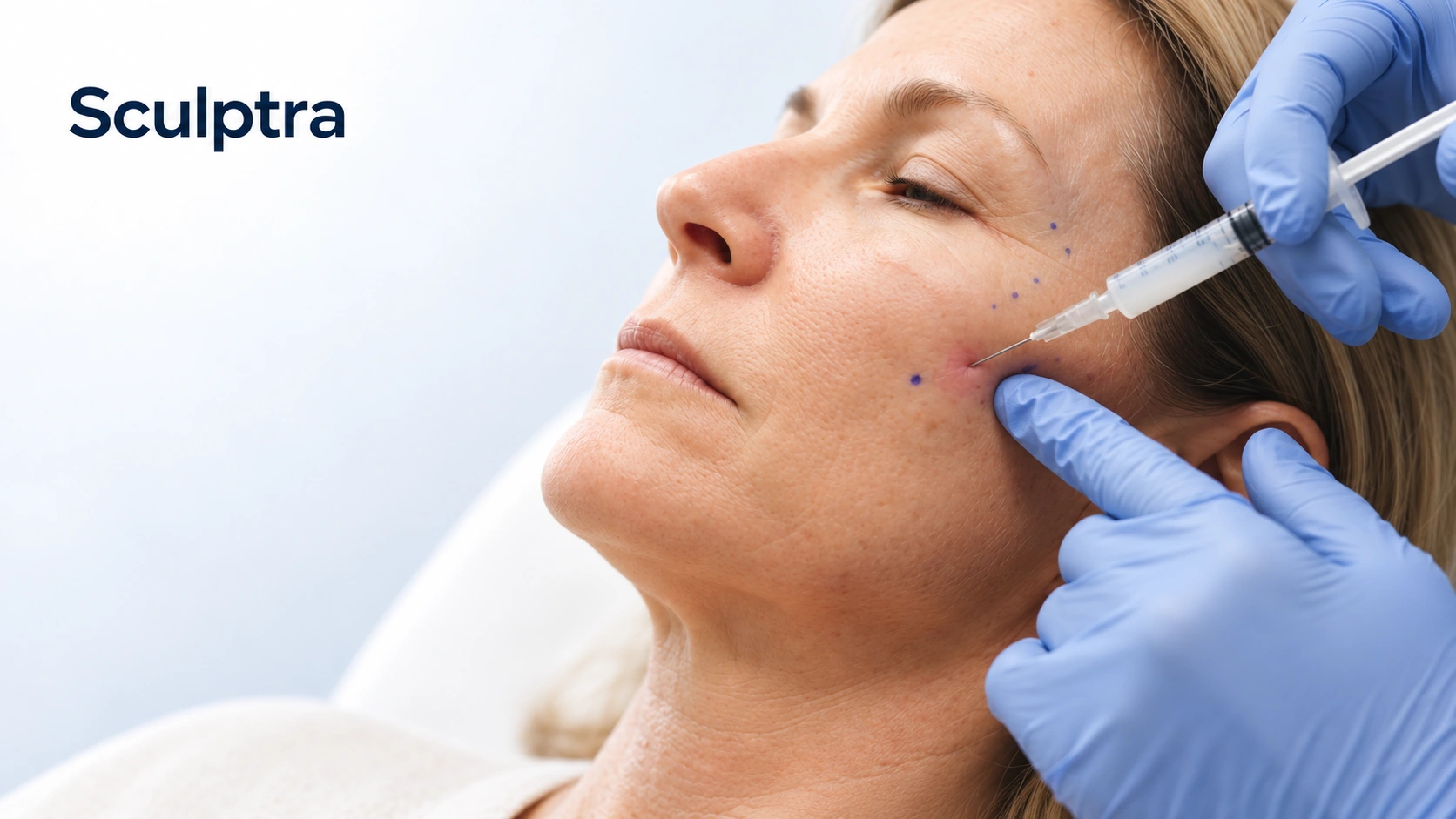
Sculptra: An injectable that does not fill a line directly. It prompts the skin to build its own collagen over several months, so the change is slow, broad, and needs a course of sessions.
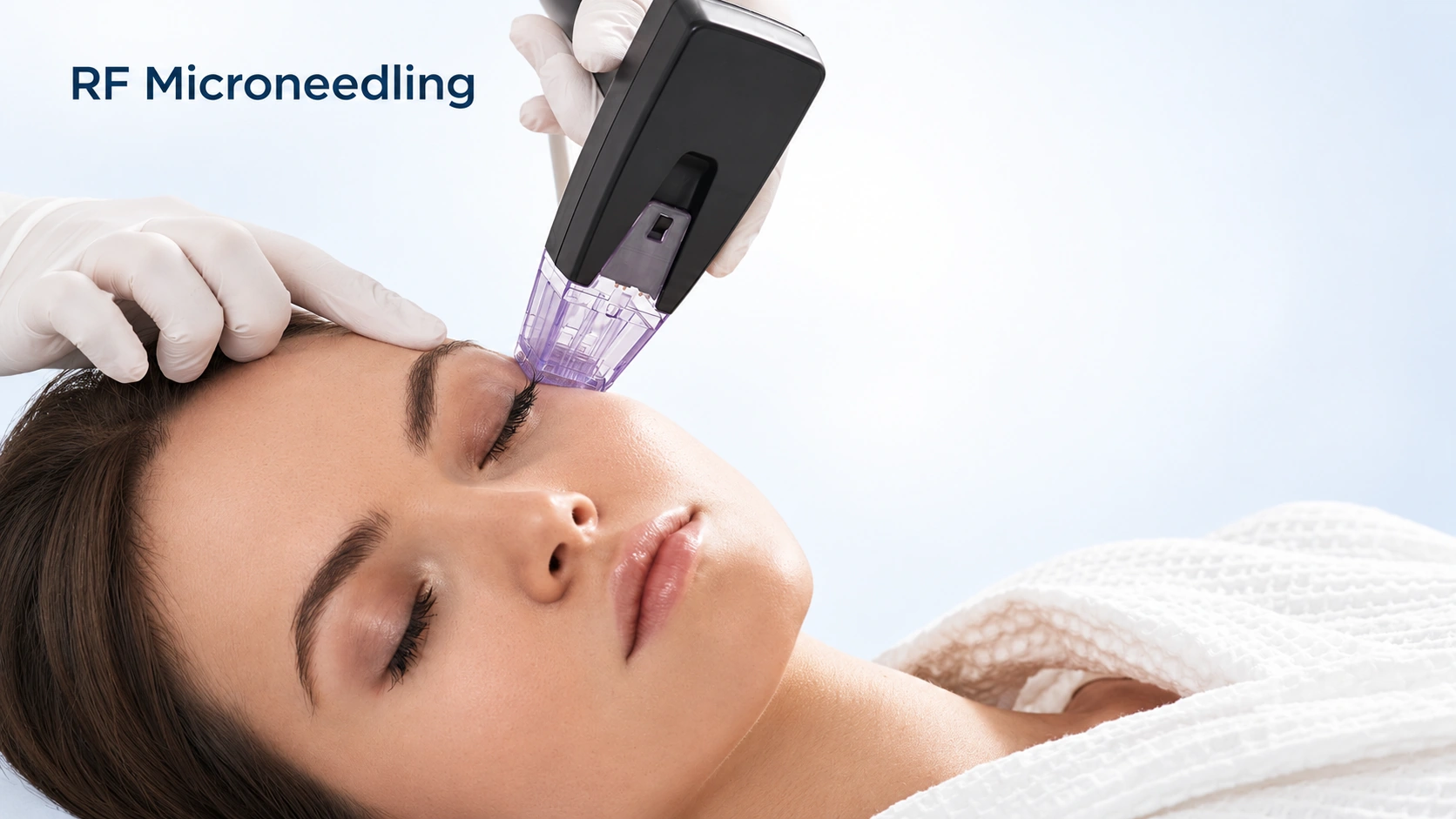
Choose for acne scars and texture with some tightening, with a lower pigment risk than resurfacing lasers.
Choose for gradual, natural-looking volume over the whole face that lasts years — not for quick or precise filling.
Can you have both?
They work on different layers: Sculptra rebuilds volume, RF microneedling tightens the surface. Do RF first, or wait several weeks after Sculptra.
Radiofrequency energy is delivered into or beneath the skin.
It differs from conventional microneedling and home rollers.
The FDA has noted burns, scarring, fat loss and nerve damage.
These should be discussed before consenting.
Sculptra is injectable poly-L-lactic acid.
It produces a slow tissue response rather than instant volume.
Unlike hyaluronic acid fillers, it is not easily reversed.
Anatomy and previous fillers should be discussed.

Improves rolling and boxcar scars.
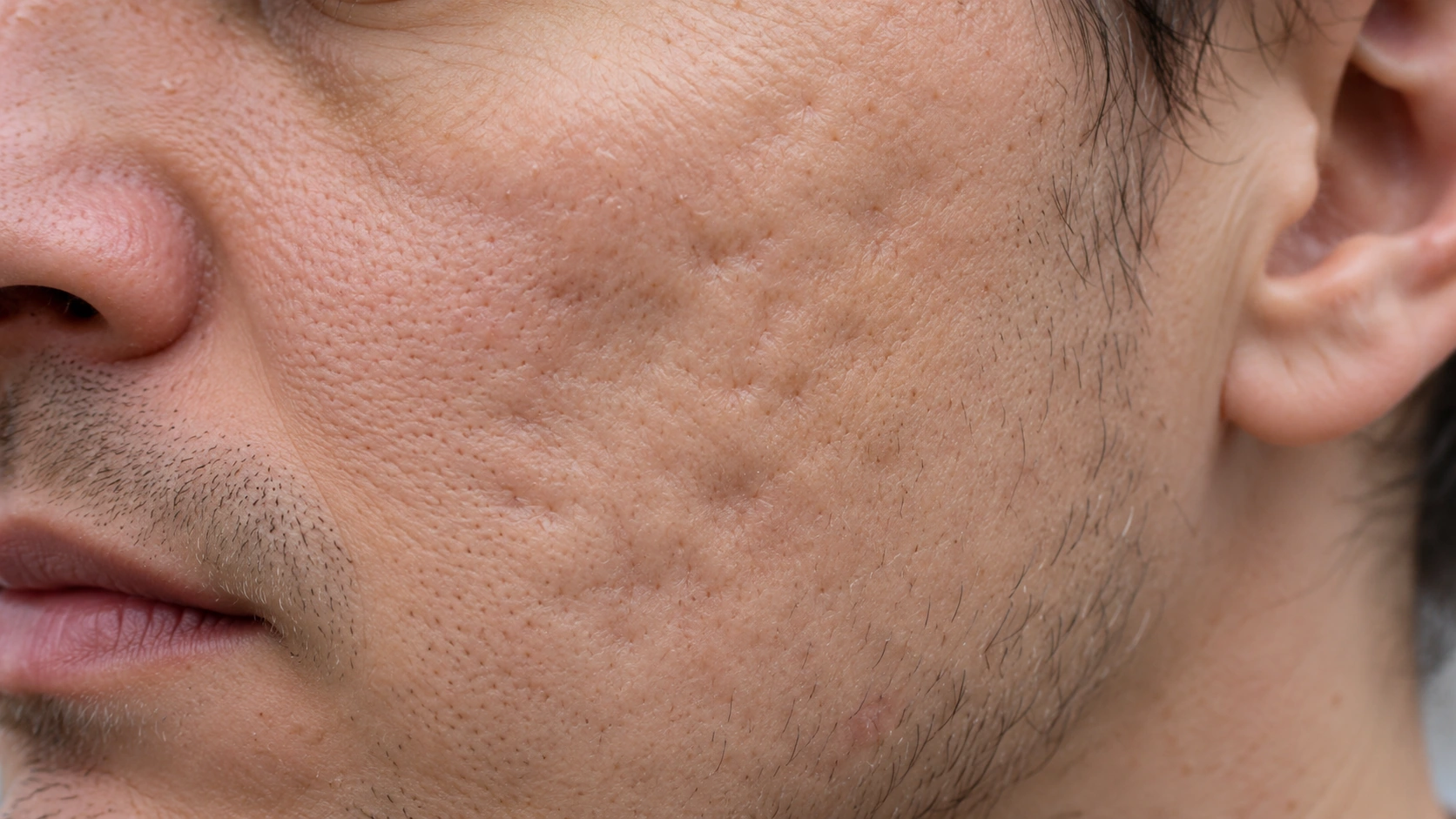
Heat remodels soft dips.
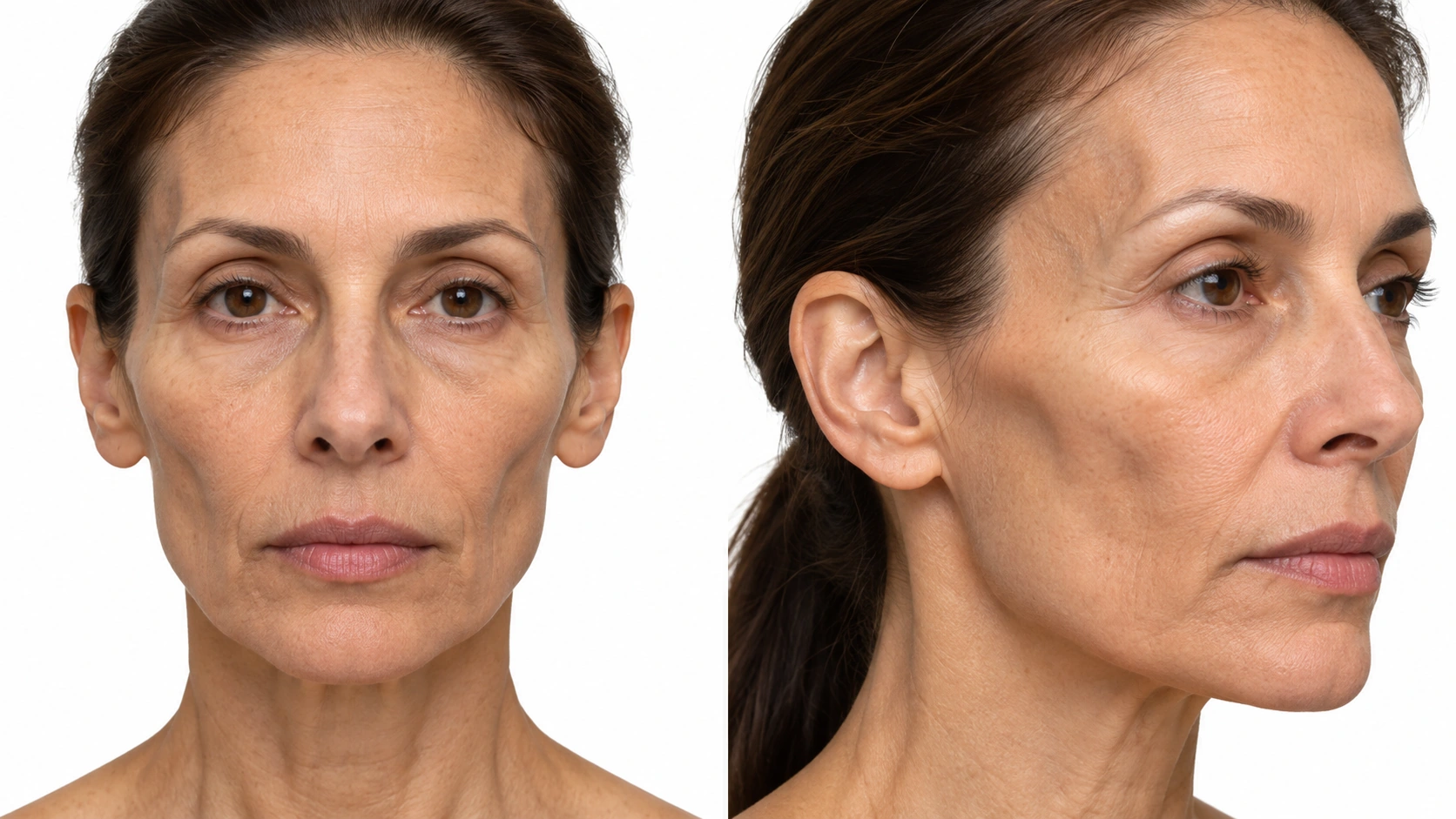
Gradual, long-lasting fullness.
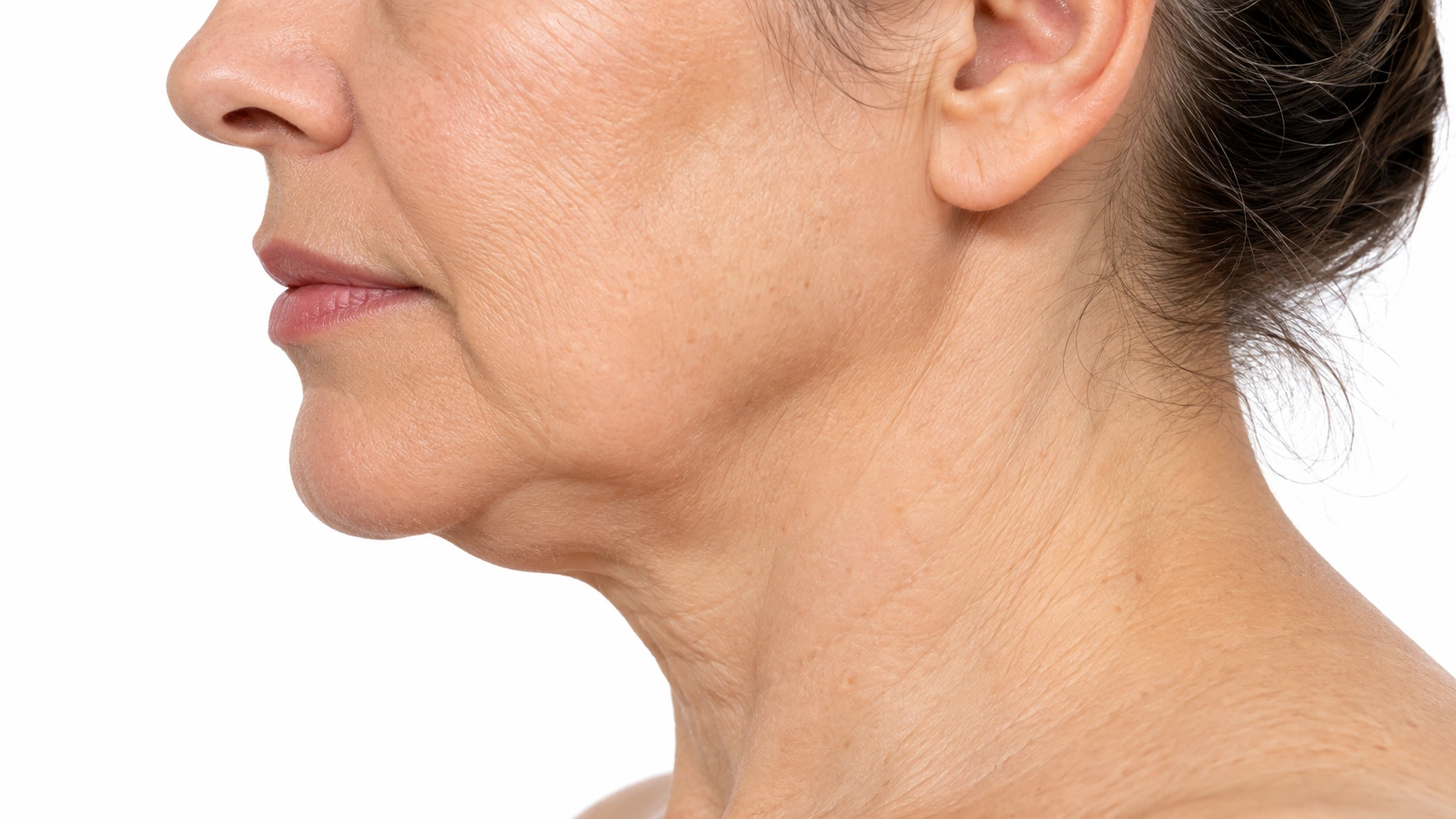
Mild tightening.
Improves firmness.
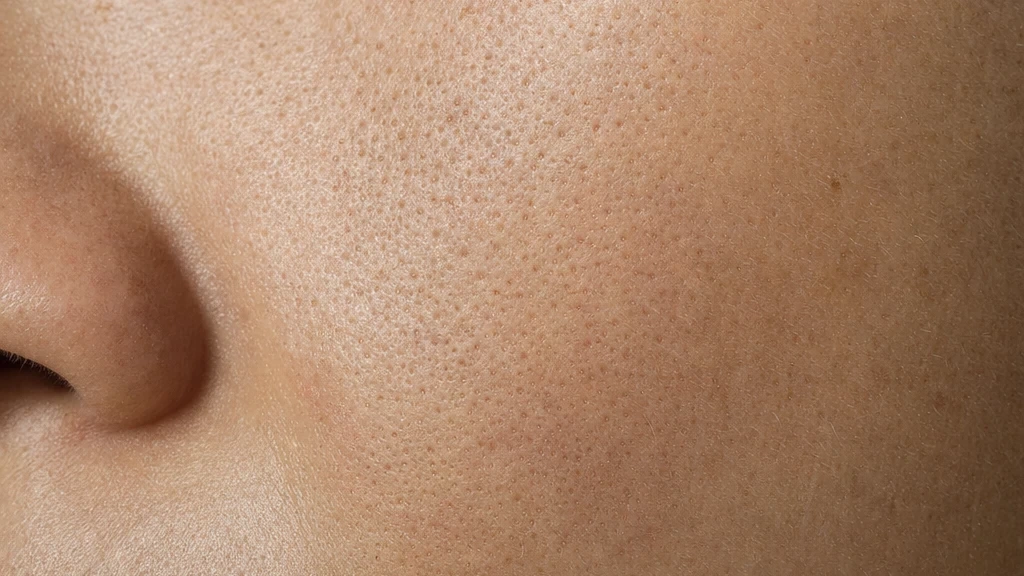
May shrink pores.
May lift soft scars.
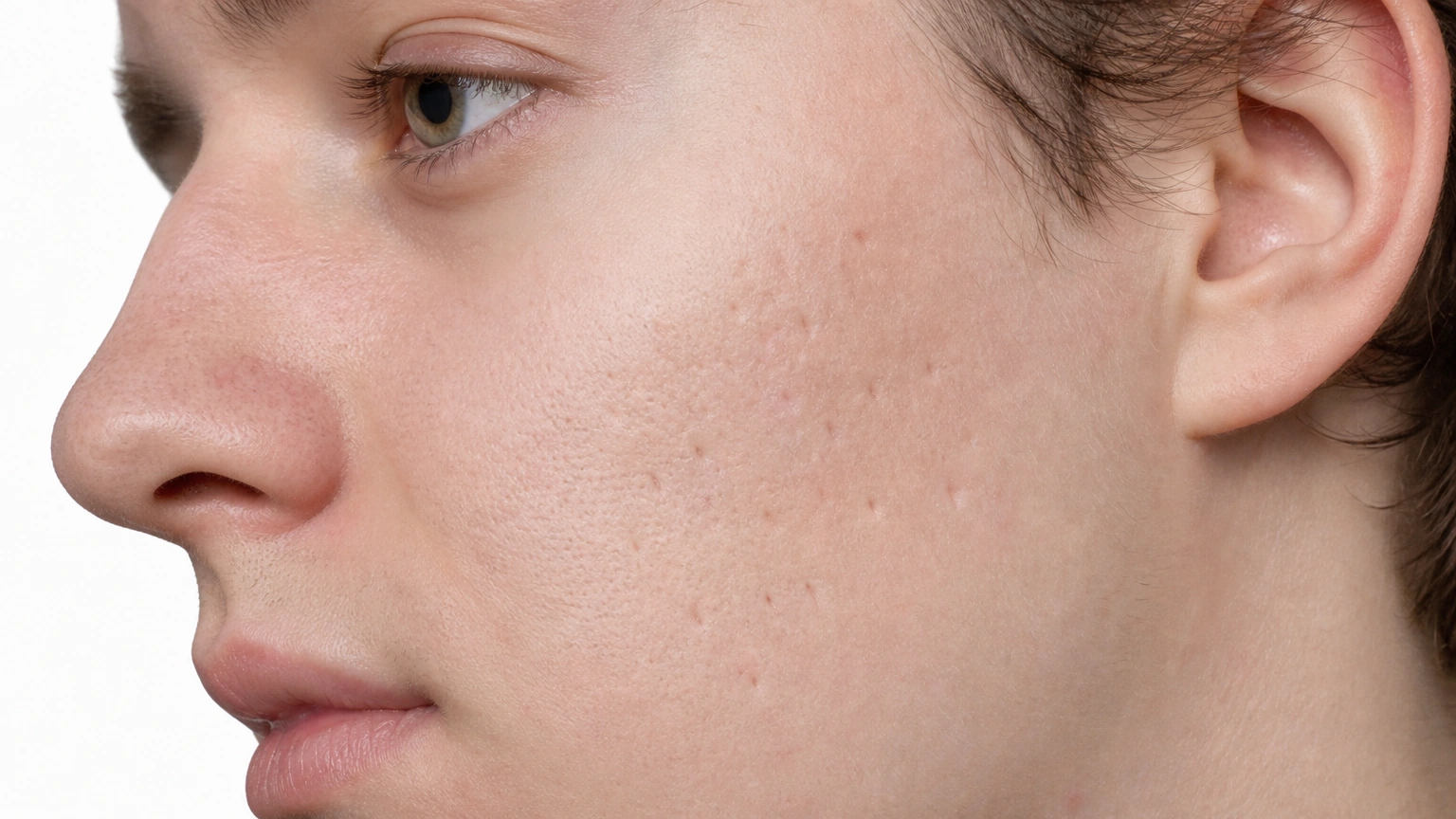
Needs TCA CROSS or punch excision.
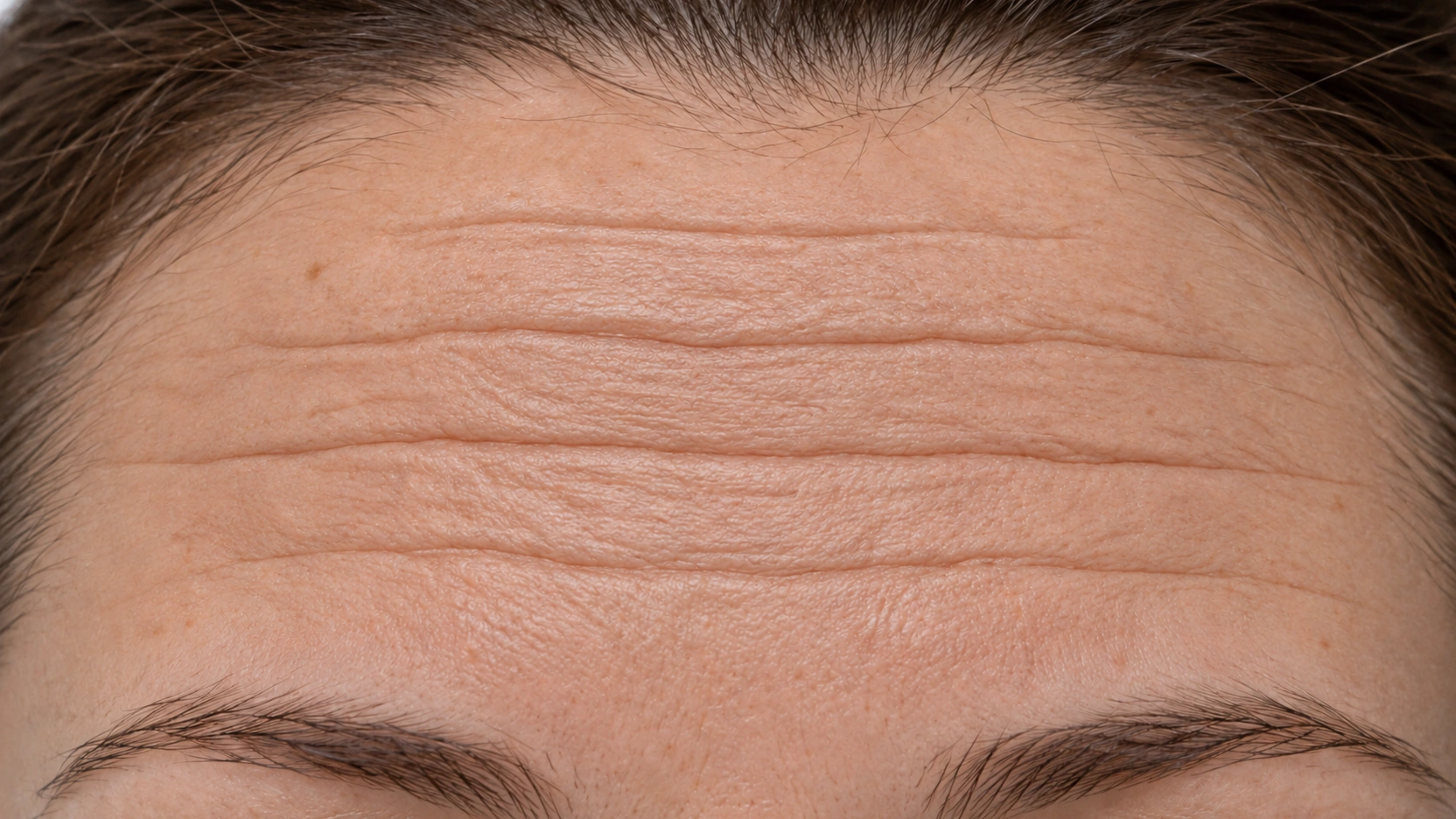
Modest change on deep folds.

Fine lines respond better to other treatments.
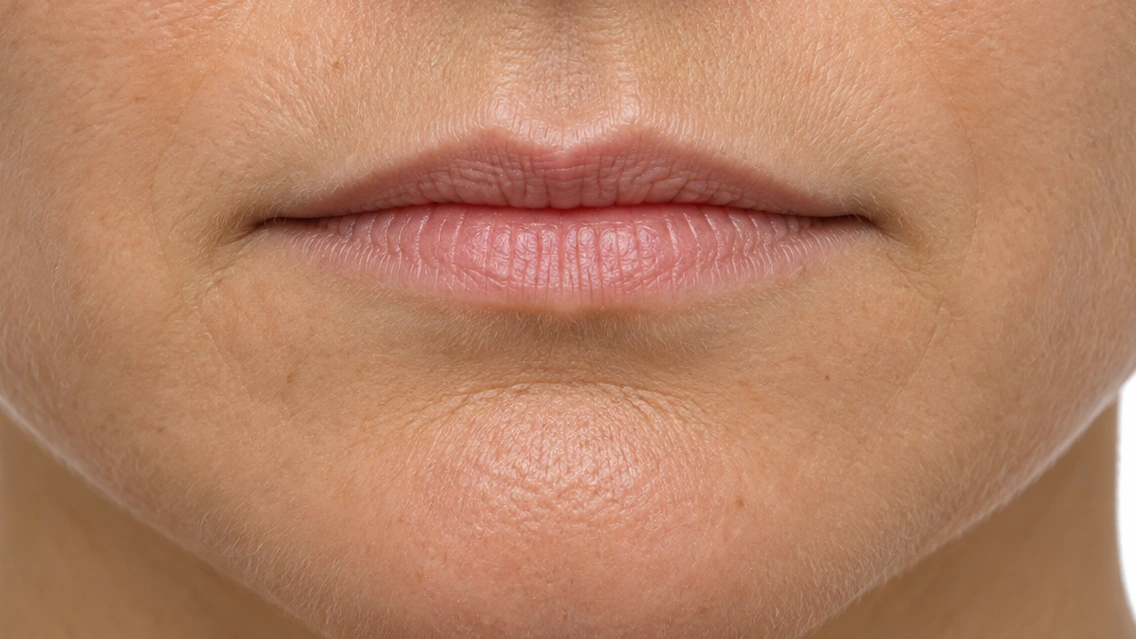
Not used in the lips.
Face and neck; depths and coverage depend on the treatment plan.
Facial volume loss; the highlighted cheeks show the general treatment area.
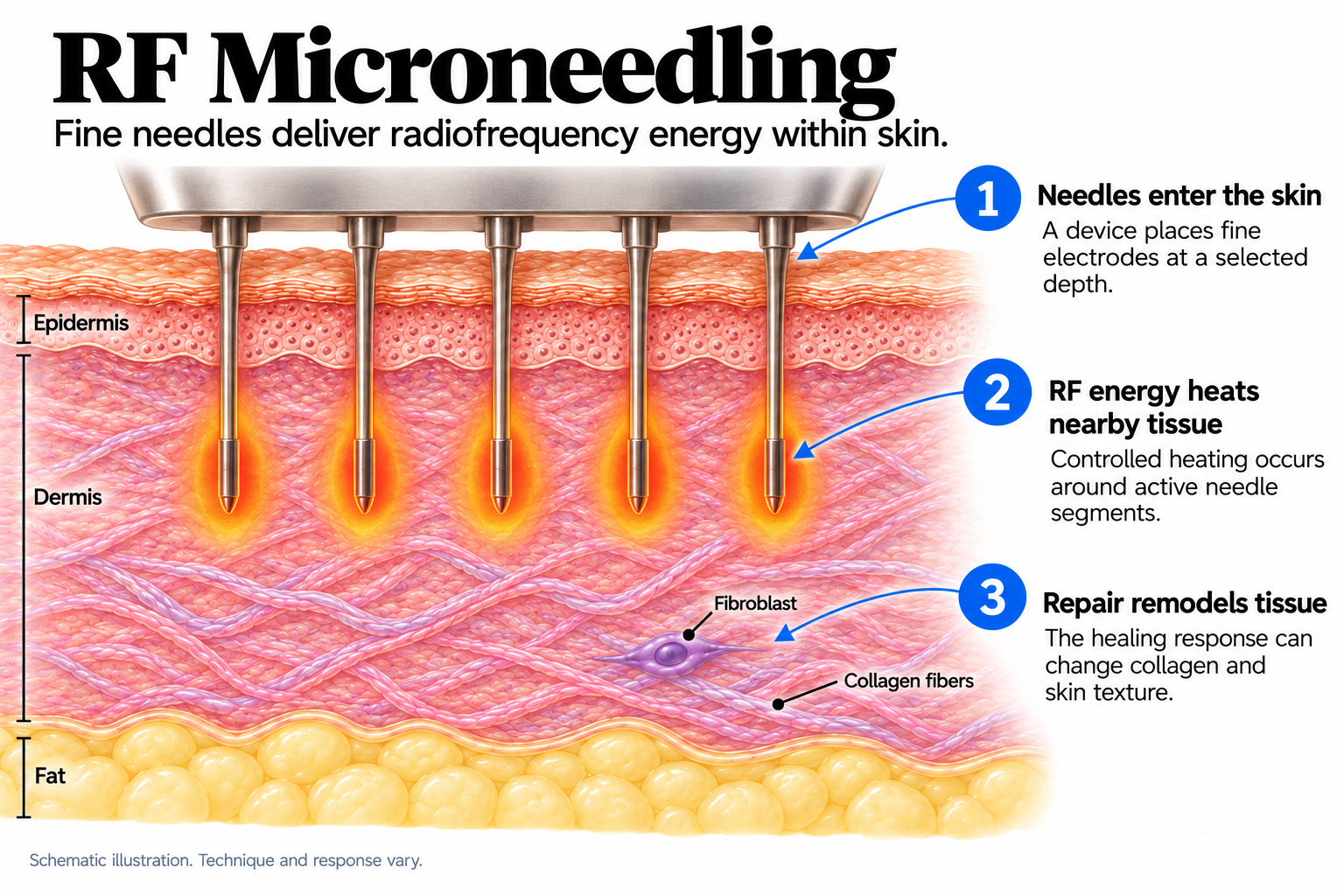

Needles enter the skin: A device places fine electrodes at a selected depth. RF energy heats nearby tissue: Controlled heating occurs around active needle segments. Repair remodels tissue: The healing response can change collagen and skin texture.
Schematic illustration. Technique and response vary. This explains a mechanism and does not specify treatment settings.
PLLA particles are placed: A clinician injects a prepared suspension into selected tissue. A local tissue response develops: The particles stimulate processes involved in collagen formation. Support changes gradually: Collagen buildup can improve selected volume loss and wrinkles.
Schematic illustration. Technique and response vary. This explains a mechanism and does not specify treatment settings.
Pigment cream and sun: Do not arrive tanned or sunburned.
Pigment cream and sun: On deeper skin tones, many providers prescribe a pigment-blocking cream for two to four weeks first.
Before you book: Timing: Not within two weeks of an event.
2 weeks either side: Dental work and shots: Many providers ask for two weeks either side of dental work or a vaccination — both can stir up a delayed reaction around injected material.
Actives and hair removal: Stop retinoids, benzoyl peroxide and exfoliating acids about 5 days before.
Actives and hair removal: No waxing or hair removal creams on the area.
A few days before: Bruising and alcohol: Fish oil, vitamin E and ibuprofen make bruising more likely and are usually stopped a few days ahead, if your doctor agrees.
Clean face: Clean face, no makeup.
Clean face: If injected anesthetic is planned, expect a long appointment and a ride home if anything sedating is used.
Clean skin: No makeup.
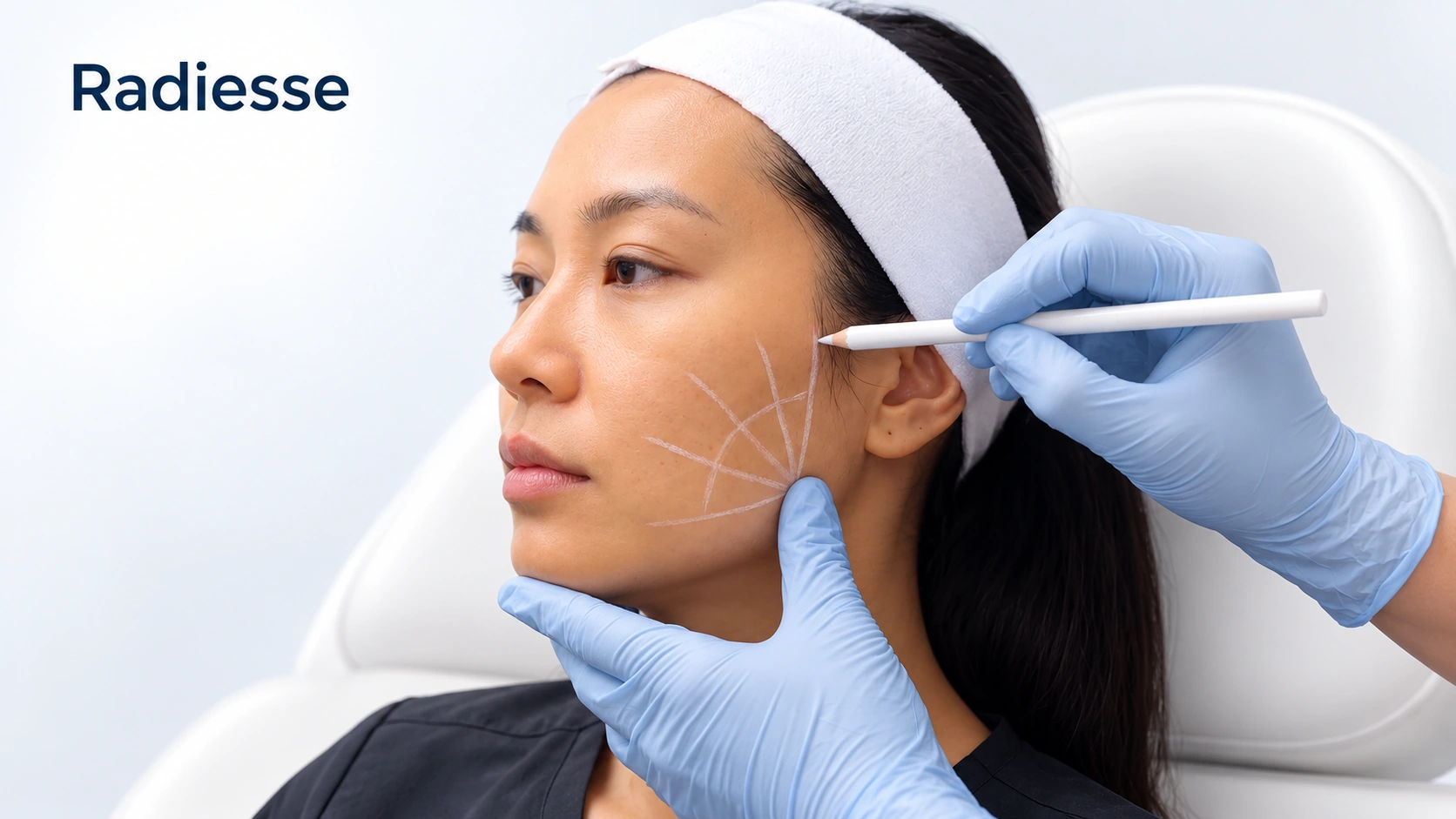
Skin is examined and photographed, and the provider maps depths for each area — shallower around the eyes and forehead, deeper over scarred cheeks and the jaw.
Your face is assessed sitting up, photographed and marked.
The handpiece is pressed on the skin and fired one stamp at a time in a grid, not glided.
A full face takes 20 to 45 minutes, often with passes at several depths. With cream alone the sting is sharp, worst on the forehead and jaw; with injected anesthetic it is mostly pressure and heat.
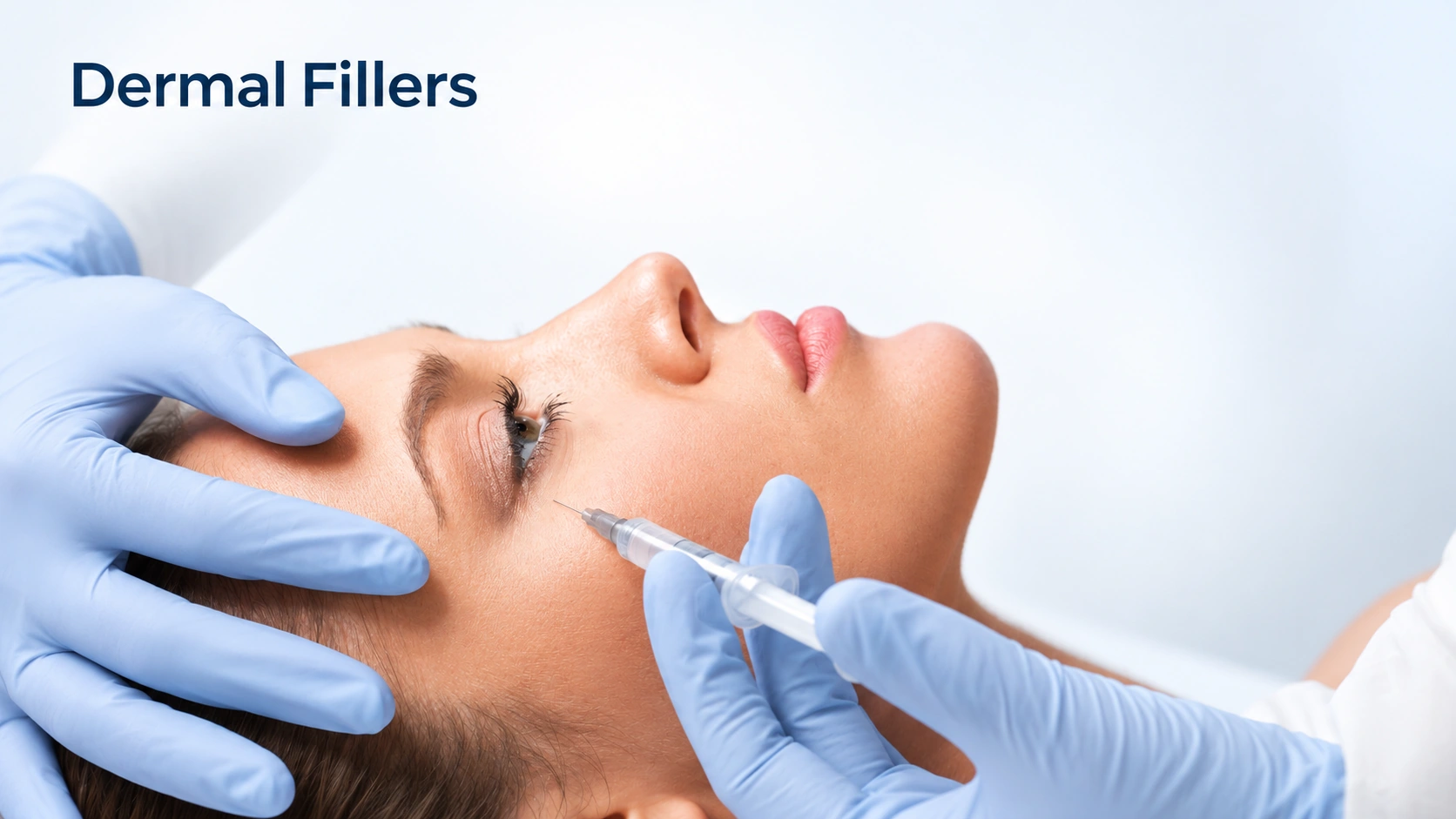
Injected through a needle or a blunt cannula in fanned passes across the area, not single deposits, and massaged firmly as they go to spread it evenly.
A face takes 20 to 40 minutes. You feel stinging and pressure with the odd sharper moment; numbing cream handles it.
Red, hot and swollen, with a visible grid of small dots.
Swollen, sometimes noticeably, with small red marks at the entry points and possible bruising.
Days 1 to 2: Swelling is worst the first morning, especially around the eyes and jaw, enough to change how your face looks.
Days 1 to 3: Bruises at needle sites, tenderness, and swelling that still makes your face look fuller than it will be.
Days 3 to 10: Swelling drops, redness fades to pink, and the skin feels sandpapery with the grid faintly visible.
Days 3 to 14: The fluid drains and your face looks as it did before.
Weeks 3 to 6: Nothing visible while collagen is laid down.
Months 1 to 6: Firmness and texture keep changing after the visible healing.
1–3 months, improving to 6
2–3 months, building
Years for scars
2 years or more
In the US, a full-face session generally runs about $700 to $1,500, and a package of three commonly falls between $2,000 and $4,000.
In the US a vial usually runs about $800 to $1,200, and a face session commonly uses one or two vials.
Insurance does not cover it, since it is classed as cosmetic.
Insurance does not cover cosmetic use.
Morpheus8 is one brand of radiofrequency microneedling device. Profound, Vivace, Genius, Secret RF, Scarlet and Sylfirm X do the same job. Needle insulation, depth, energy and the operator determine the outcome.
Partly, and over a course. Rolling and boxcar scars become shallower across about three sessions. Icepick scars respond poorly. Expect improvement, not clearance.
Modestly, if the laxity is mild and early. It firms rather than lifts. Skin that visibly hangs will not respond, and a surgical consultation is the more honest next step.
More than plain microneedling. Numbing cream alone leaves a sharp hot sting, so many providers add injected anesthetic or nerve blocks at deeper settings. With those it is mostly pressure and heat.
Generally safer than ablative lasers, since melanin does not absorb the energy. Dark marks are still possible from the heat, sometimes in the grid pattern, and they fade over months. Ask about insulated needles and conservative starting settings.
Yes, and it is the risk worth understanding. Deep, high-energy settings in a thin face can shrink the fat under the skin, leaving a hollow that does not reliably return. Conservative settings built up over sessions, and a provider who takes the question seriously, are the protection.
Not for weeks. The fullness on the day is water and it is gone within about two weeks. Real change starts around six to twelve weeks and is judged three to six months after the last session. Take a photo before you start.
Not in the usual sense. A filler is the volume itself and works the day it is injected. Sculptra sets off a repair response and largely disappears, and the volume you end up with is collagen your own skin made.
No. Hyaluronidase only dissolves hyaluronic acid fillers. For an uneven result the options are waiting, massage, and sometimes steroid injections or minor surgery for a lump. That is the main reason to be selective about who injects it.
Small collections of collagen around the product, usually where it was placed too shallow or spread unevenly. They can appear months later. Many settle on their own; others are treated in the clinic. Even placement and massage are how the risk is lowered.
It depends how much support has been lost, not on age. A face session commonly uses one or two vials, over two to four sessions. A provider who quotes a number before looking at your face is guessing.
It fades gradually over one to two years and your face returns to the path it was already on. No collapse, no rebound, and no evidence you end up worse than if you had not had it.