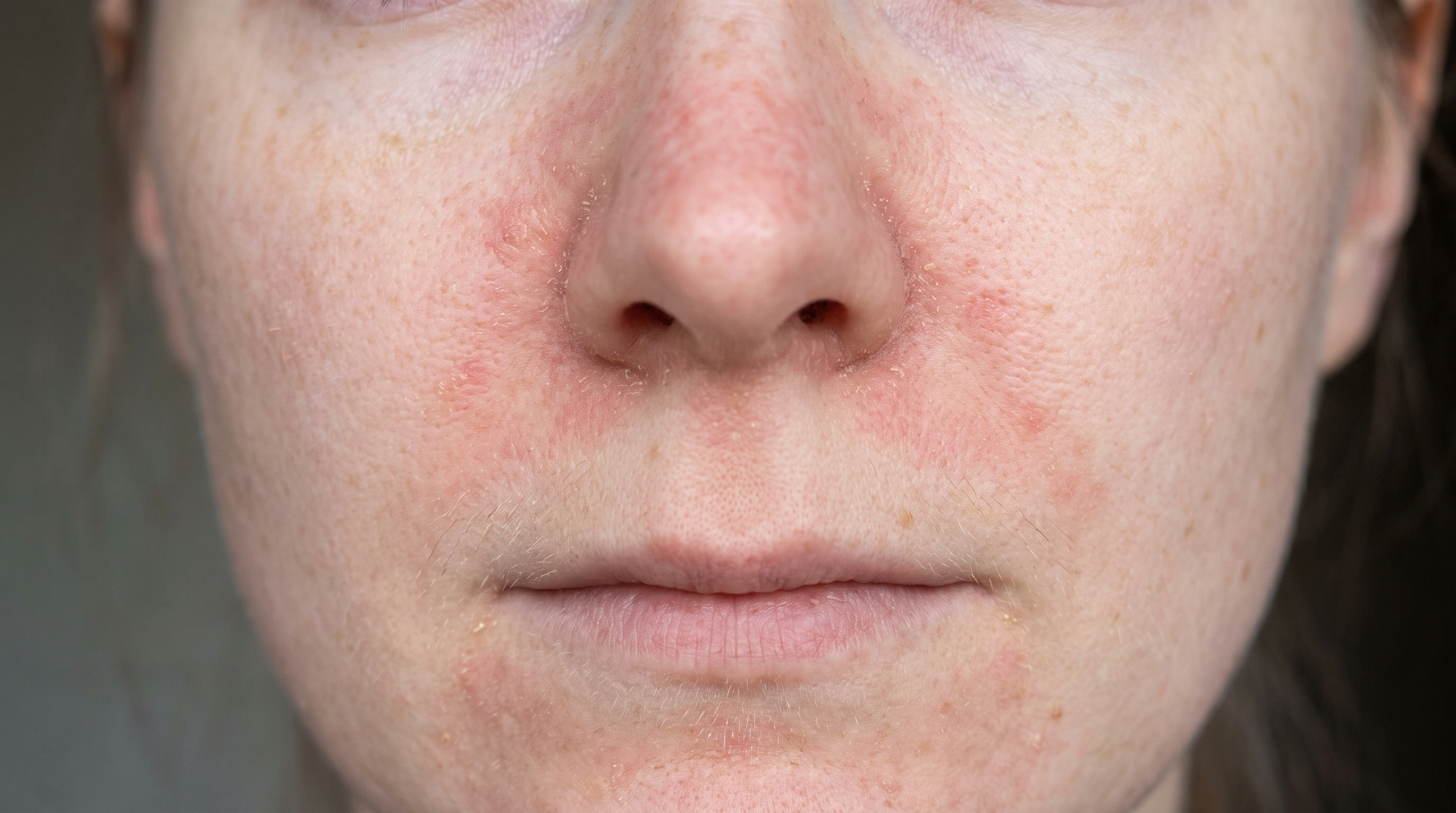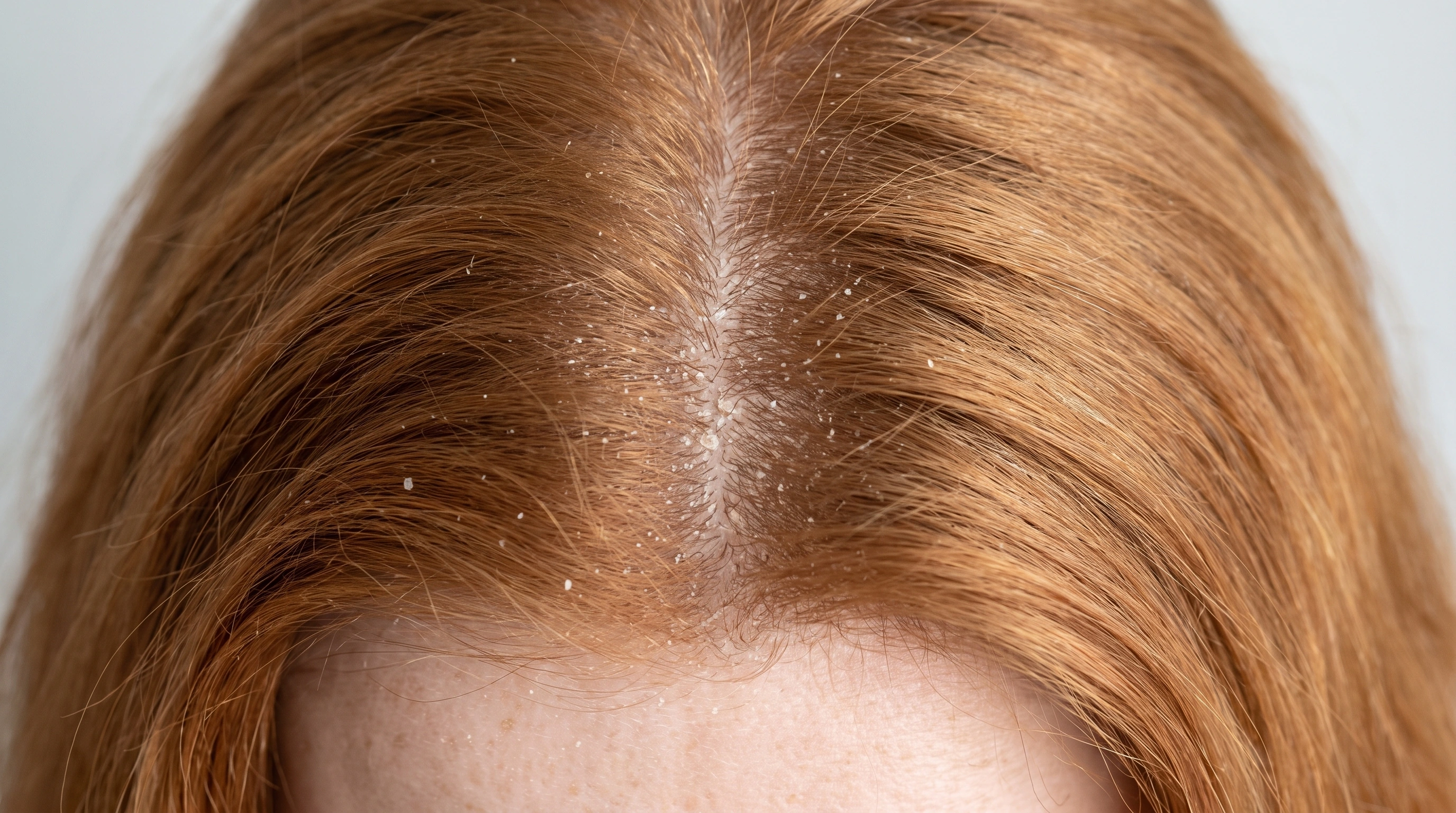
Dandruff
A placebo-controlled trial supports reduced dandruff and itch.
Pyrithione Zinc: Helps control dandruff and scalp flaking associated with seborrheic dermatitis. Selenium Sulfide: Controls dandruff and is used in labelled treatments for tinea versicolor.
Choose for dandruff and scalp flaking; use a labelled medicated shampoo.
Choose for dandruff or a diagnosed yeast-related condition; follow the specific label.
Can you use both?
Both are dandruff shampoos. Many people rotate them rather than using both at once.
Compare uses by strength of evidence. Evidence level describes confidence in a benefit, not its size.
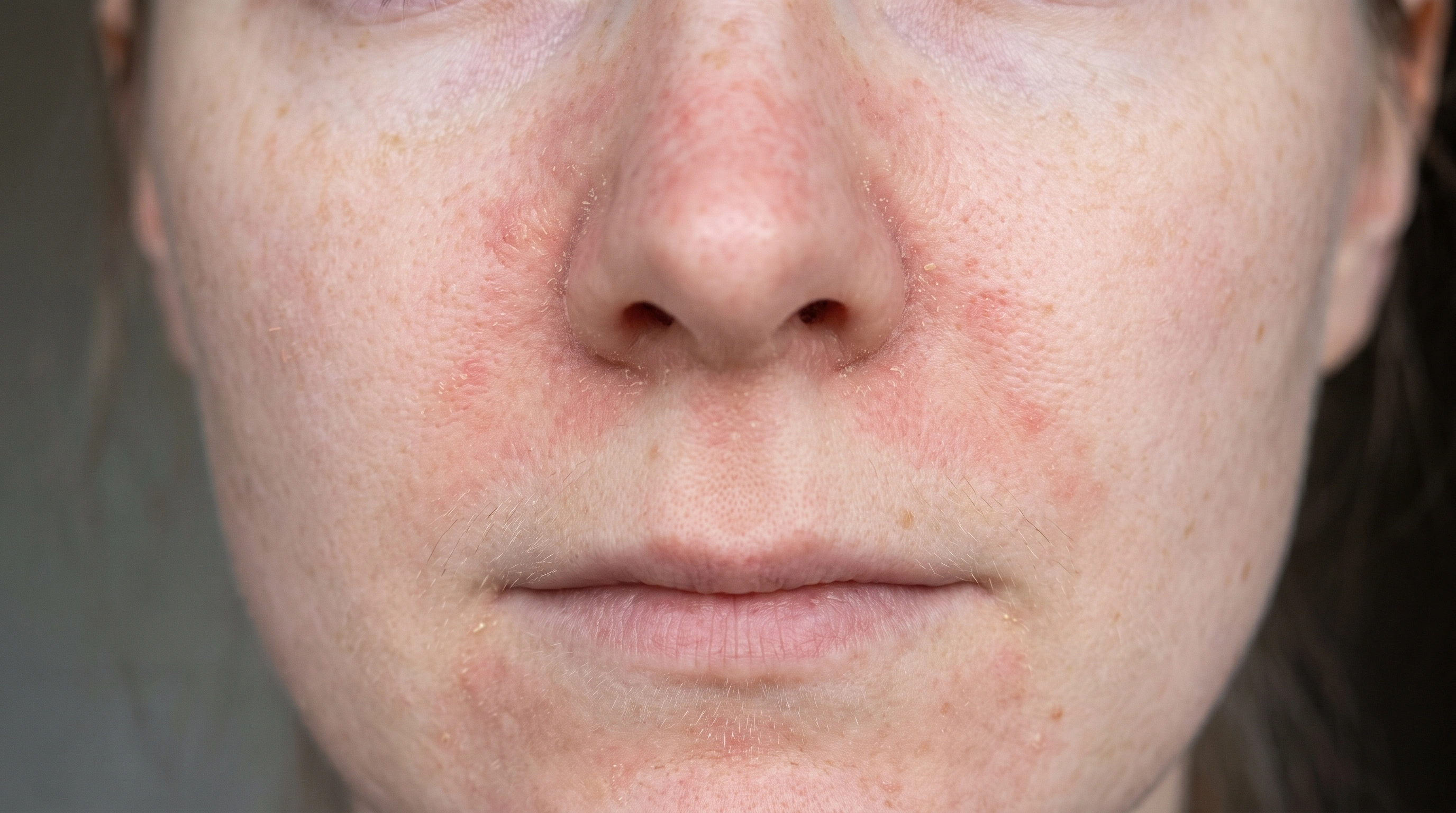
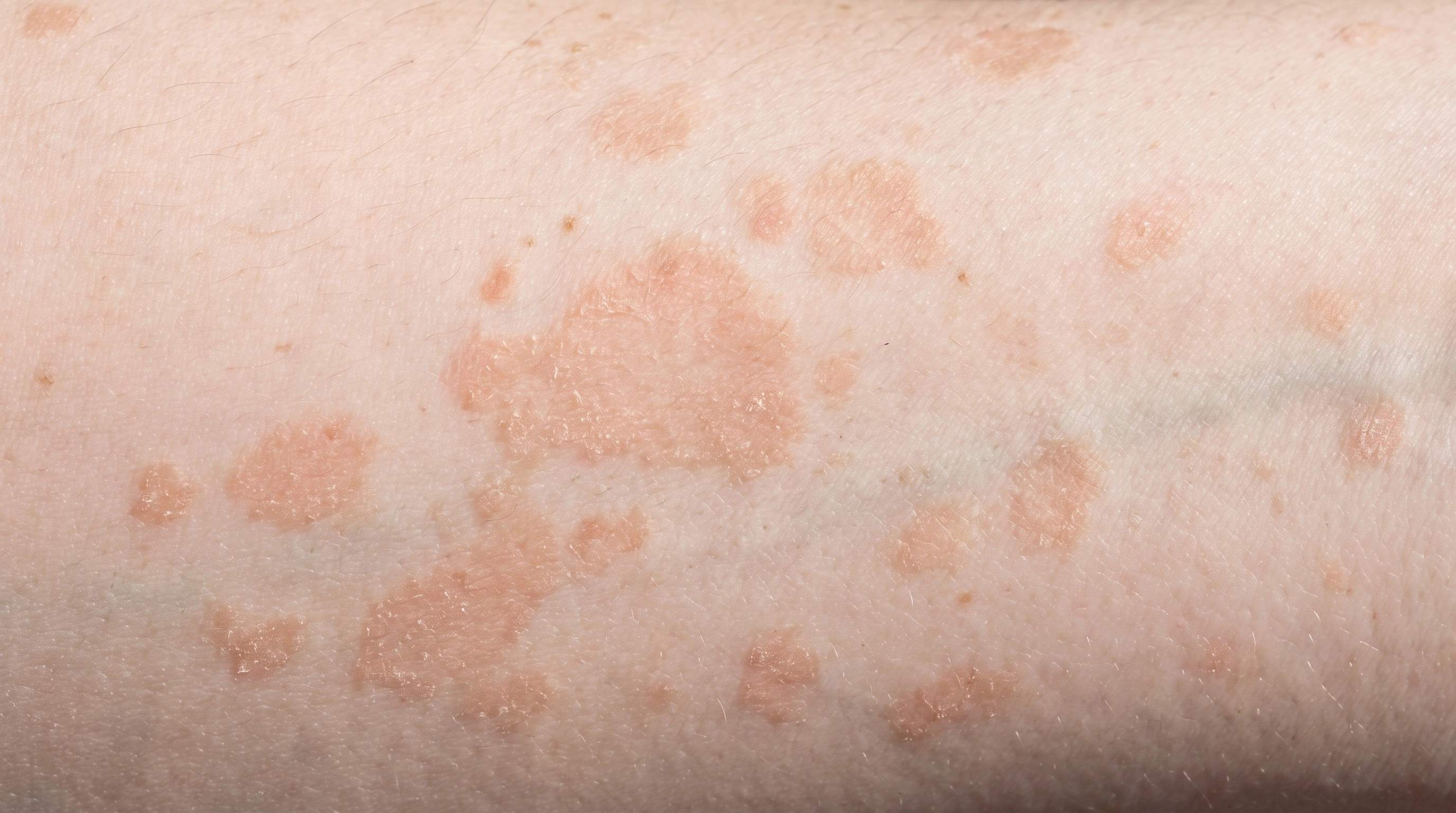
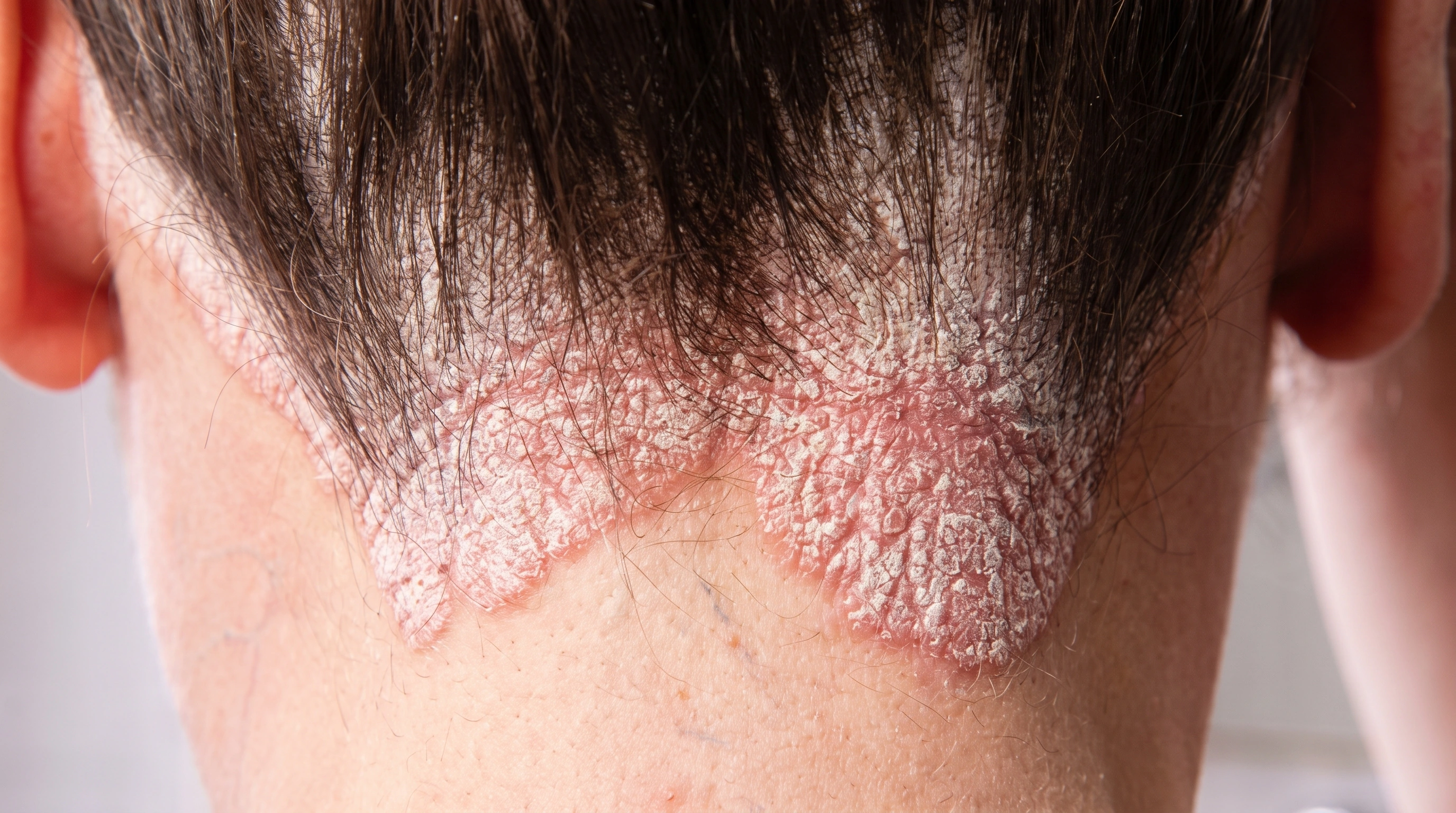
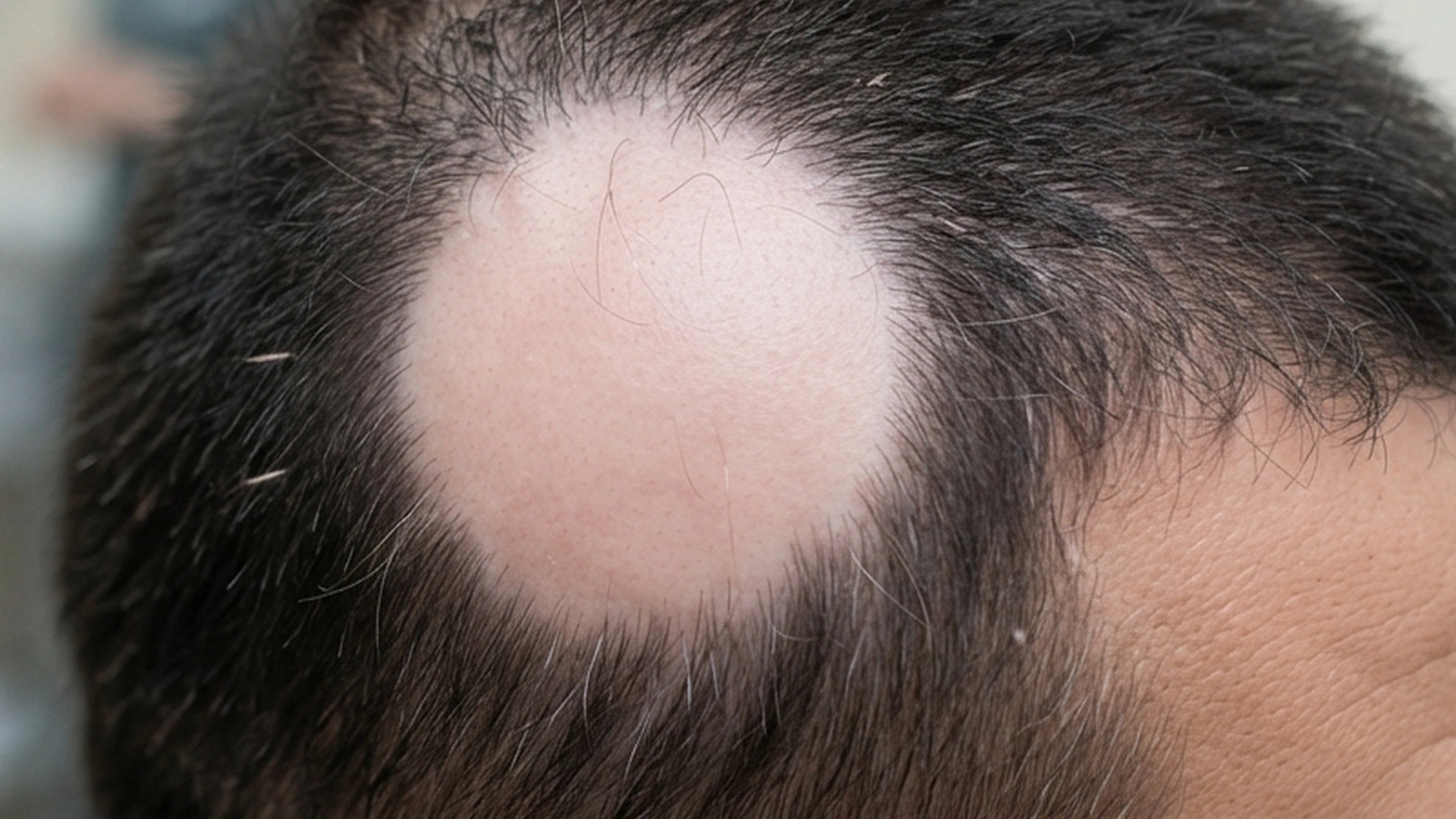

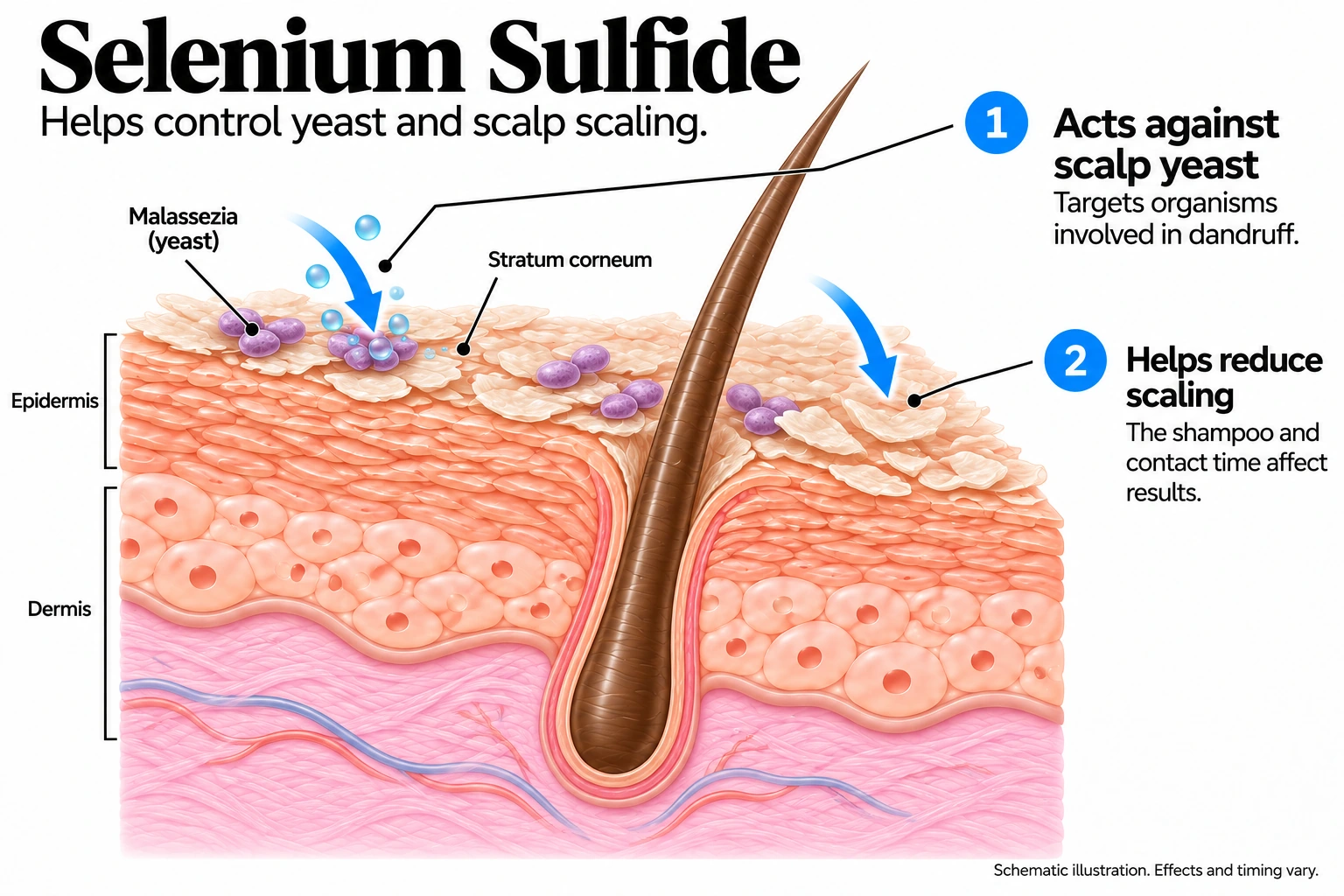
Reaches the scalp surface: The shampoo deposits its active ingredient on the scalp. Acts against yeast: Helps control Malassezia associated with dandruff.
Schematic illustration; not a measurement of skin penetration. Effects vary with ingredient identity and formulation.
Built from where each one usually sits in a routine. Introduce one at a time.
Zinc pyrithione has different labeled rinse-off and leave-on ranges in the U.S. It is prohibited in EU cosmetics, so availability and permitted uses depend on location.
0.1–0.25%
0.3–2%
U.S. leave-on range
A monograph range for specified leave-on dandruff or seborrheic-dermatitis products; follow the actual label.
U.S. rinse-off dandruff range
A shampoo range for brief contact followed by rinsing. The seborrheic-dermatitis rinse-off category has different conditions.
Choosing a strength: Choose a product labeled for your scalp condition and country. Do not use a rinse-off shampoo as a leave-on serum.
Higher strengths: A higher percentage does not compensate for unsuitable contact time or a wrong diagnosis.
Formula matters: Particle delivery, the shampoo base and use directions matter alongside concentration. Check the active ingredient, not just the anti-dandruff branding.
Selenium sulfide products include 1% dandruff shampoo and stronger medicated formulations such as 2.25% shampoo and 2.5% lotion or suspension. Their indications and contact instructions differ.
1%
2.25%
2.5%
OTC dandruff shampoo
A U.S. monograph concentration for dandruff shampoo. Use and rinse as the label directs.
Other medicated shampoo
A labeled medicated formulation with its own indication and instructions; not simply an interchangeable mid-strength option.
Prescription lotion or suspension
Used for conditions including scalp seborrheic dermatitis and tinea versicolor, according to the product’s label.
Choosing a strength: Match the formulation to the diagnosis and body area. Scalp dandruff and tinea versicolor require different instructions.
Higher strengths: Do not treat a higher percentage as permission for longer contact or use on irritated skin.
Formula matters: Suspension, lotion and shampoo bases differ. Thorough rinsing and the stated application schedule are part of the treatment.
Approximate windows, not promises.
First few weeksDandruff may begin to improve during the first few weeks.
First few weeksDandruff may begin to improve during the first few weeks.
4–8 weeksReassess control; persistent or worsening scale needs diagnosis.
4–8 weeksReassess control; persistent or worsening scale needs diagnosis.
8–12 weeksSome conditions need maintenance as directed on the label.
8–12 weeksSome conditions need maintenance as directed on the label.
3–6 monthsRecurrence does not mean every scalp rash is yeast-related.
3–6 monthsRecurrence does not mean every scalp rash is yeast-related.
6–12 monthsLong-term plans depend on the diagnosis and the specific product.
6–12 monthsLong-term plans depend on the diagnosis and the specific product.
May sting or dry the scalp; rinse well and avoid the eyes.
May irritate and can affect hair colour or jewellery; rinse thoroughly.
Stop for persistent burning, swelling, blistering or a new rash. Seek urgent care for breathing difficulty or a severe allergic reaction.
Stop for persistent burning, swelling, blistering or a new rash. Seek urgent care for breathing difficulty or a severe allergic reaction.
Choose a simple formula and test a small area first. Individual tolerance matters more than an ingredient’s reputation for being gentle.
Choose a simple formula and test a small area first. Individual tolerance matters more than an ingredient’s reputation for being gentle.
Do not use a cosmetic product as a substitute for diagnosis of an unexplained, changing or persistent skin problem.
Do not use a cosmetic product as a substitute for diagnosis of an unexplained, changing or persistent skin problem.
Very little is absorbed from a rinse-off shampoo, but ask the doctor managing your pregnancy, since they know your full picture.
Data are limited; ask before using, especially over large areas of skin.
On the skin. The finished product delivers pyrithione zinc in a particular vehicle.
Entering skin. This number describes the zinc-pyrithione complex, not shampoo particle size. Scalp deposition and the finished formula matter more than a simple Dalton threshold.
Conversion. No activation step is established as necessary for its intended topical role.
Skin response. Acts against scalp yeasts involved in dandruff; the shampoo and its contact time affect results.
Additional effects. Proposed pathways do not establish a measured depth of delivery or clinical benefit beyond the studies cited.
On the skin. The finished product delivers selenium sulfide in a particular vehicle.
Entering skin. Variable composition; no single molecular mass. Its action in labelled washes does not require deep skin penetration.
Conversion. No activation step is established as necessary for its intended topical role.
Skin response. Reduces organisms involved in dandruff and tinea versicolor and affects scalp scaling.
Additional effects. Proposed pathways do not establish a measured depth of delivery or clinical benefit beyond the studies cited.
Choose for dandruff and scalp flaking; use a labelled medicated shampoo.
A 331-person trial compared two active shampoos for four weeks. Zinc pyrithione improved dandruff, but ketoconazole performed better; this does not establish treatment of other scalp disorders.
Choose for dandruff or a diagnosed yeast-related condition; follow the specific label.
Controlled trials support 2.5% products for dandruff and tinea versicolor. They do not establish treatment of psoriasis or hair loss, and lighter or darker patches can persist after yeast control.
Sources