Antibiotics when indicated
ListedSpreading infection, systemic illness or individual risk factors may require antibiotics alongside source control.
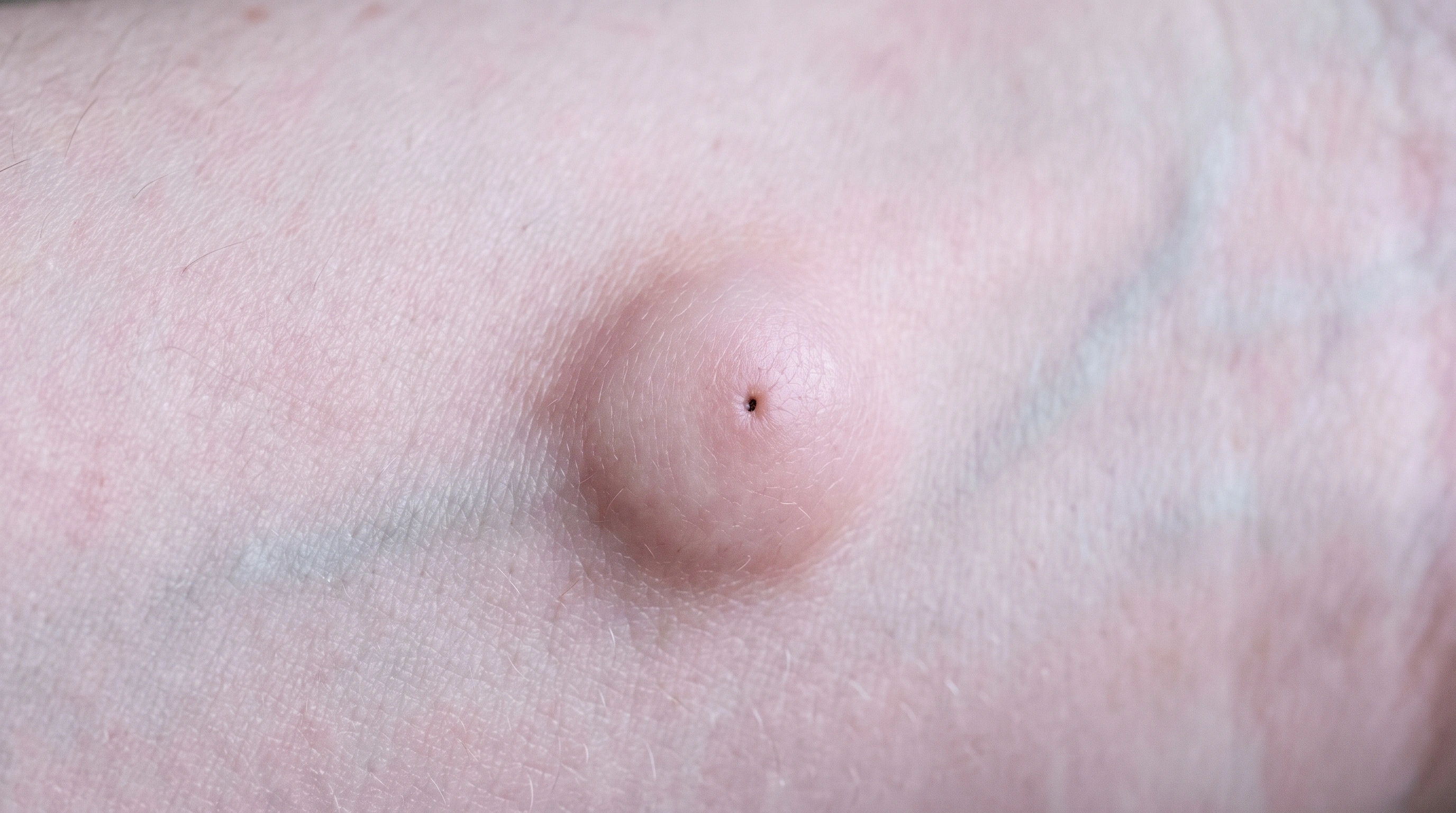
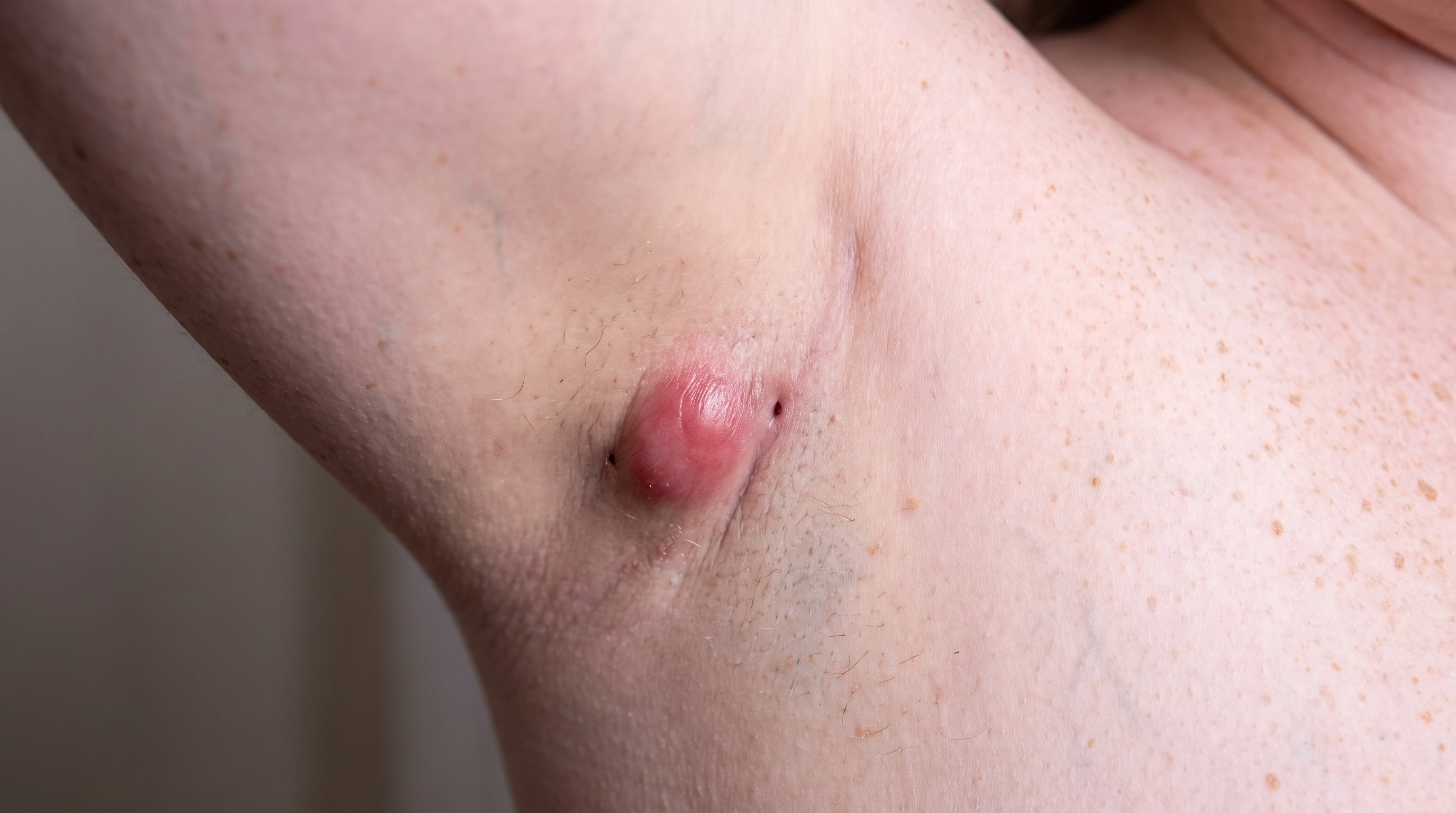
Pilonidal disease involves hair-containing pits or tracts near the top of the buttock cleft. Deep bacterial infection of a hair follicle producing a tender lump.
The same eight facts on every condition comparison.
Clinical illustration needed
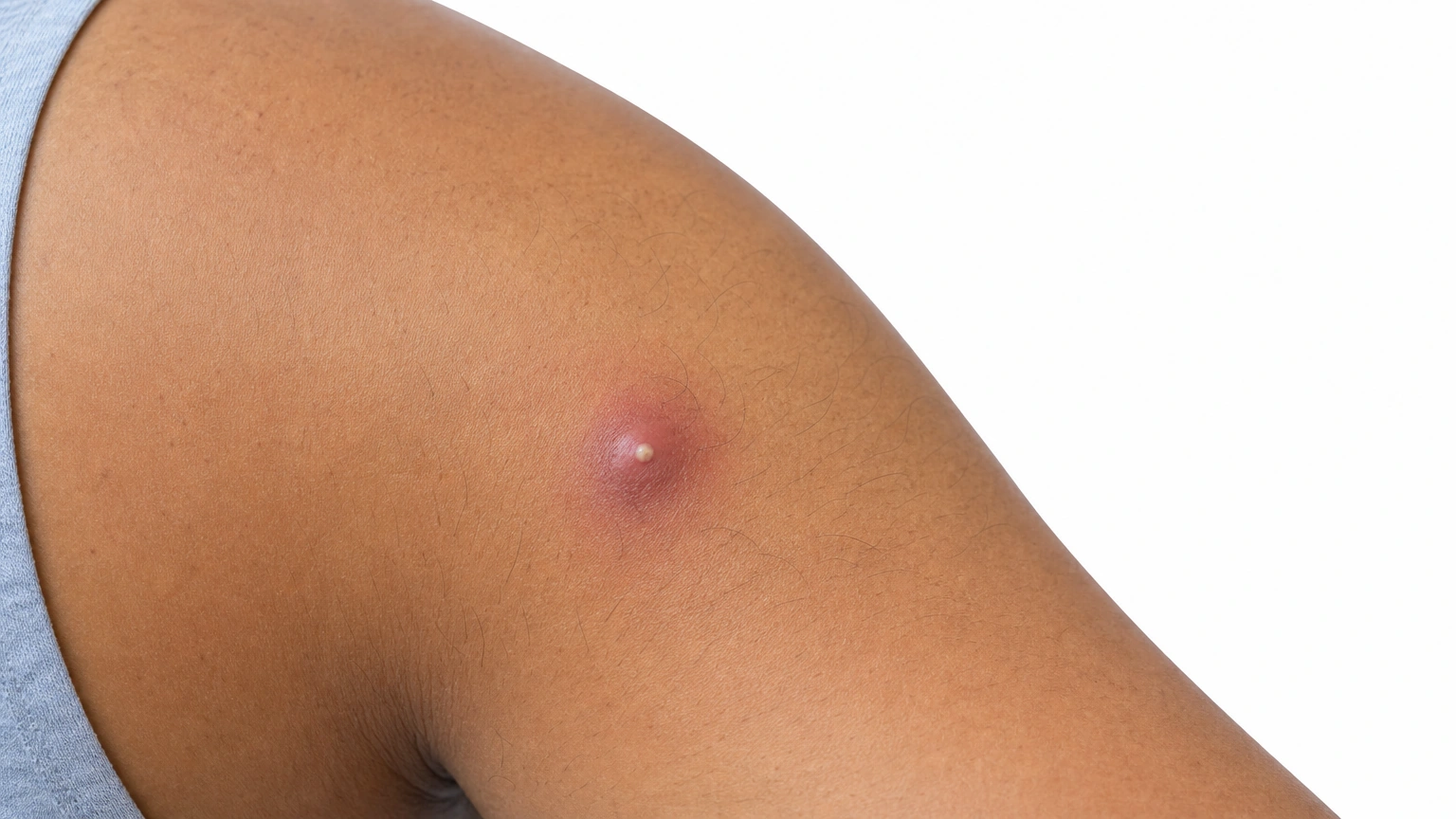
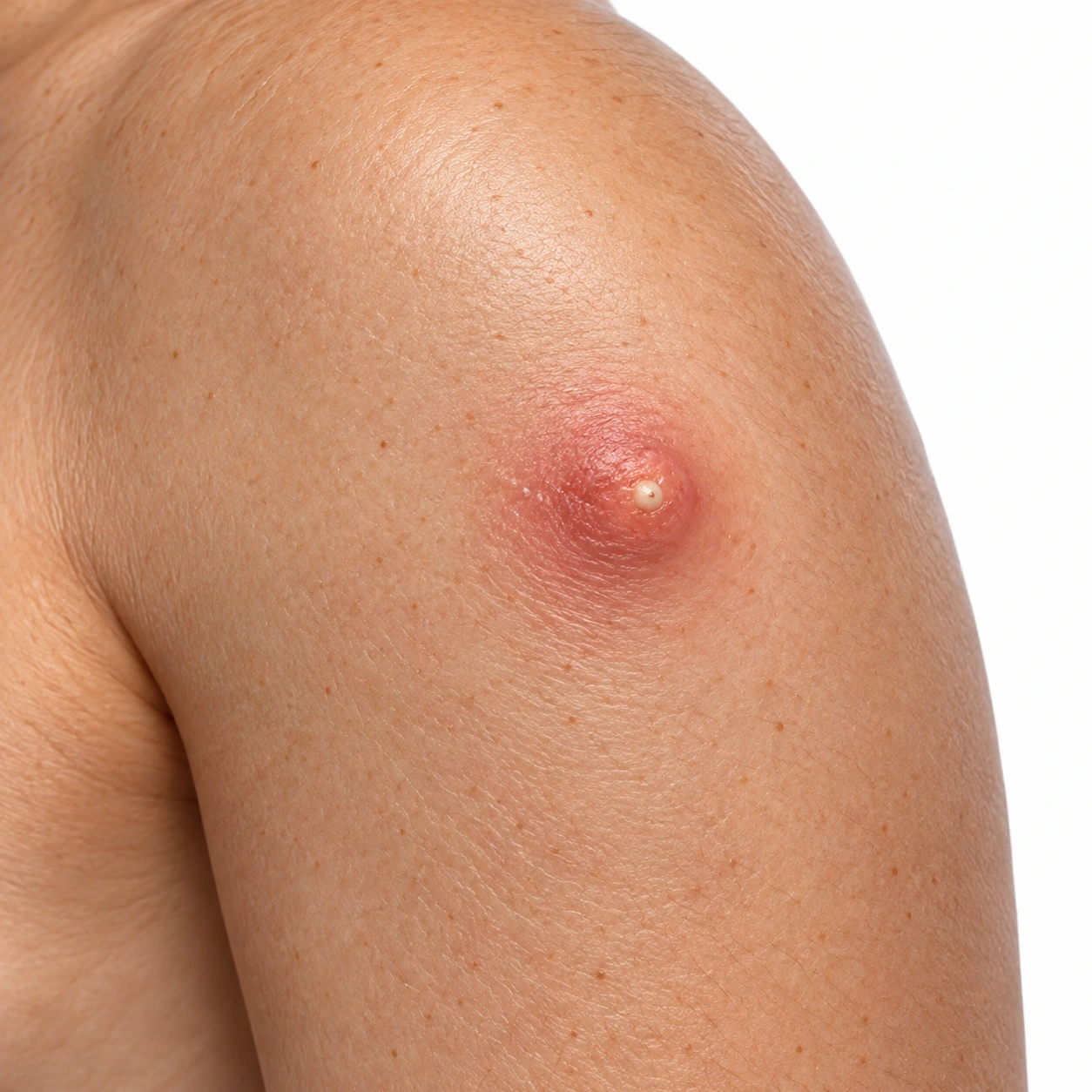
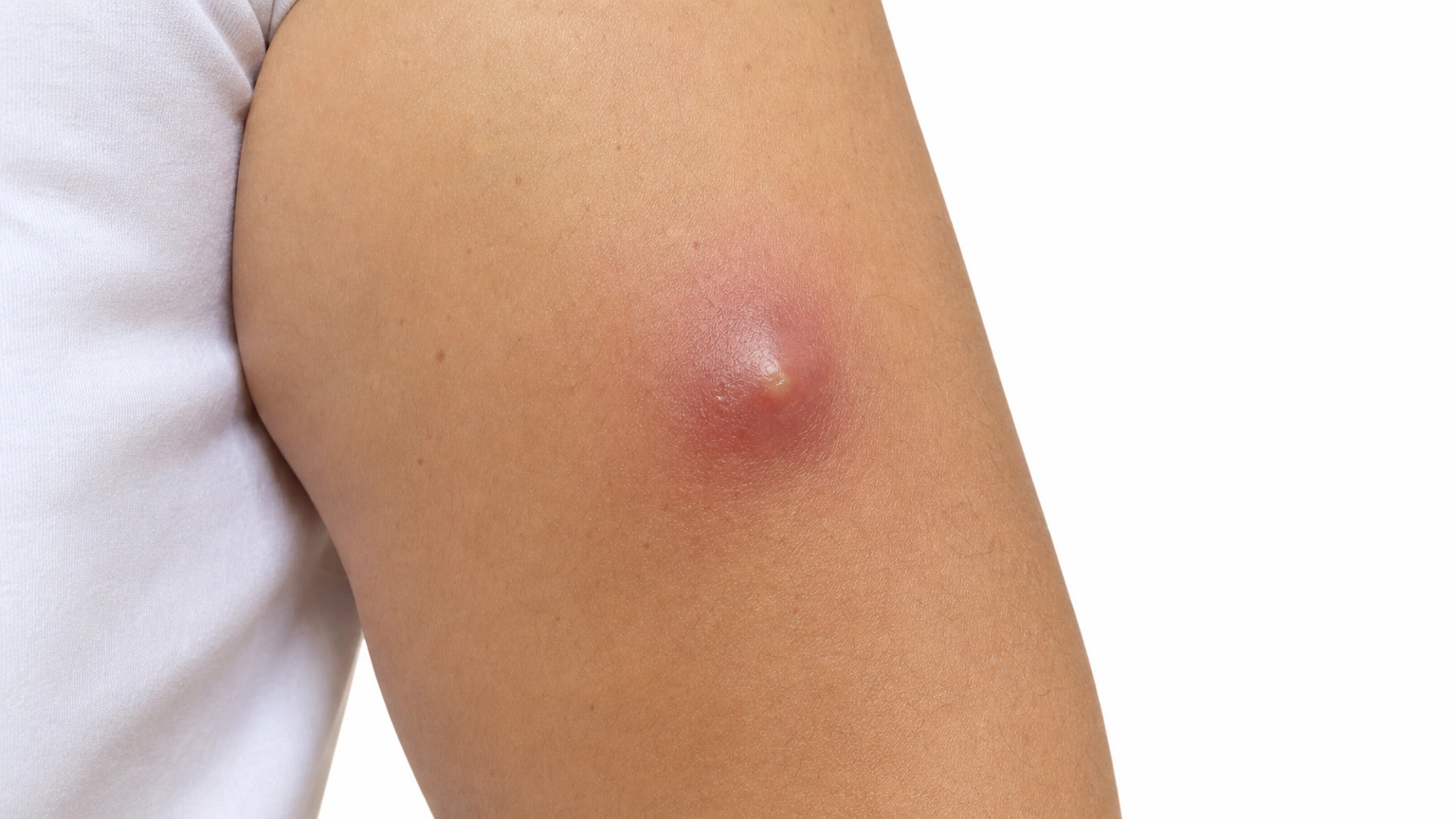
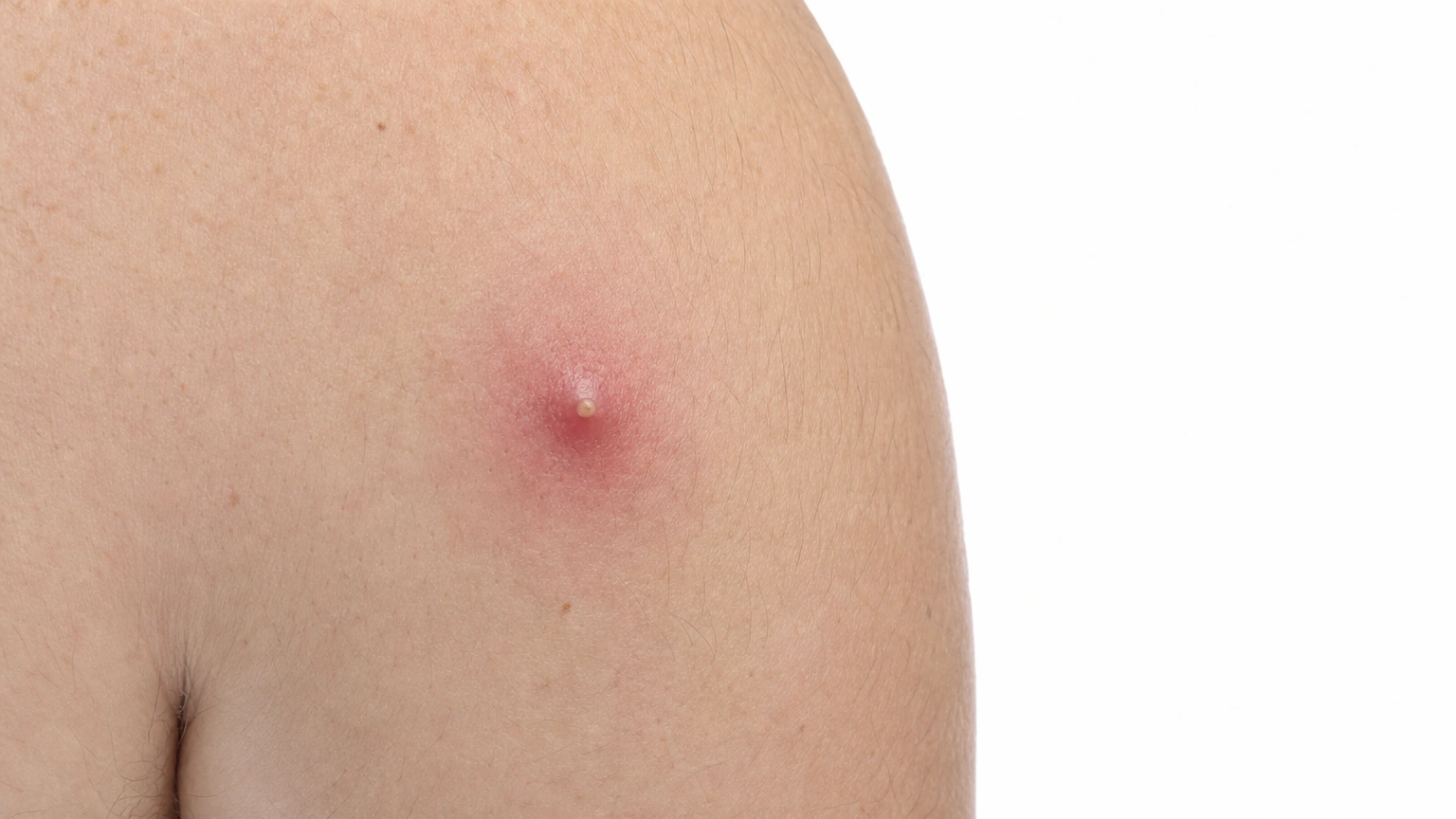
Boils A rounded red swelling stands out on the shoulder.
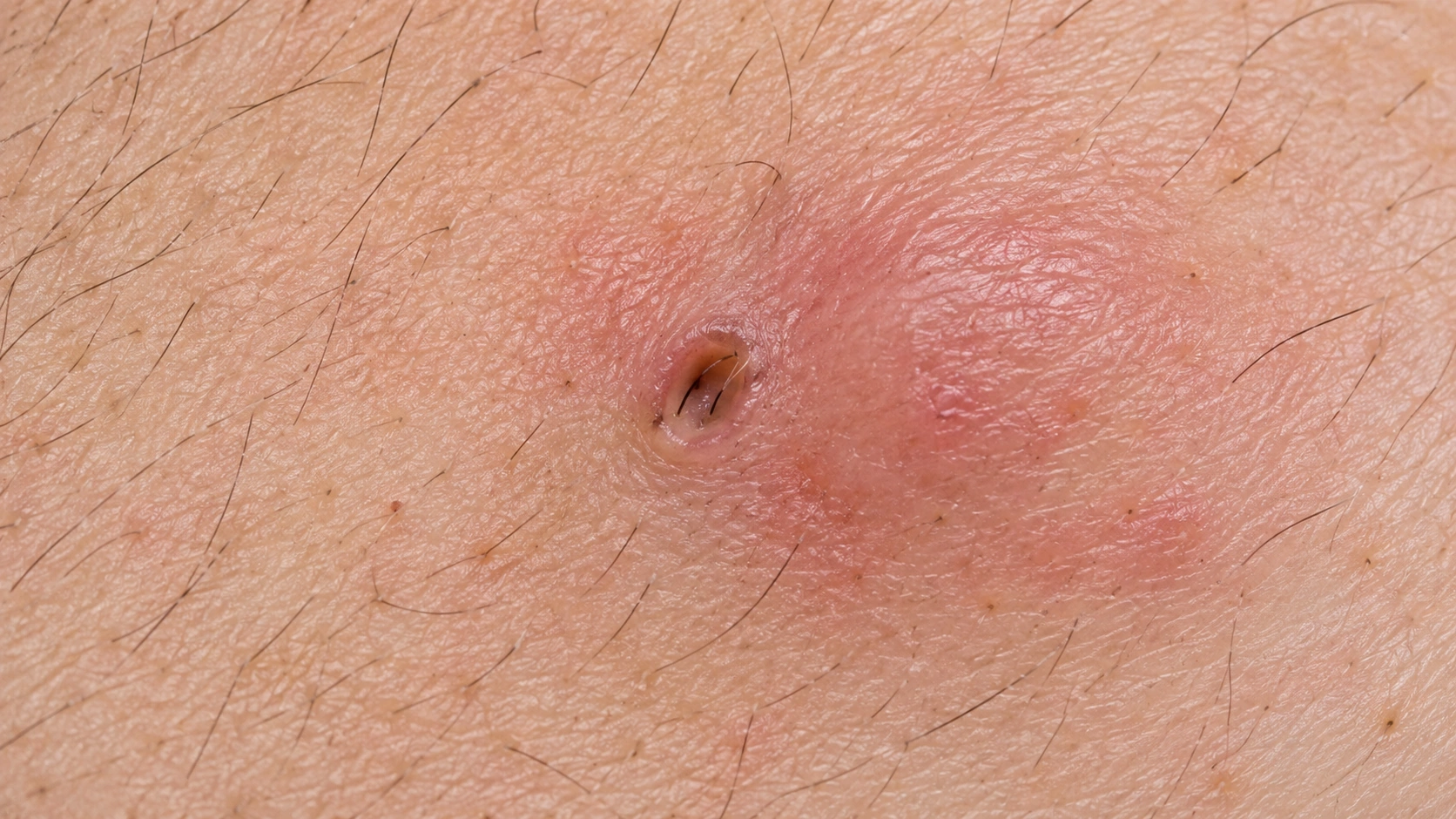
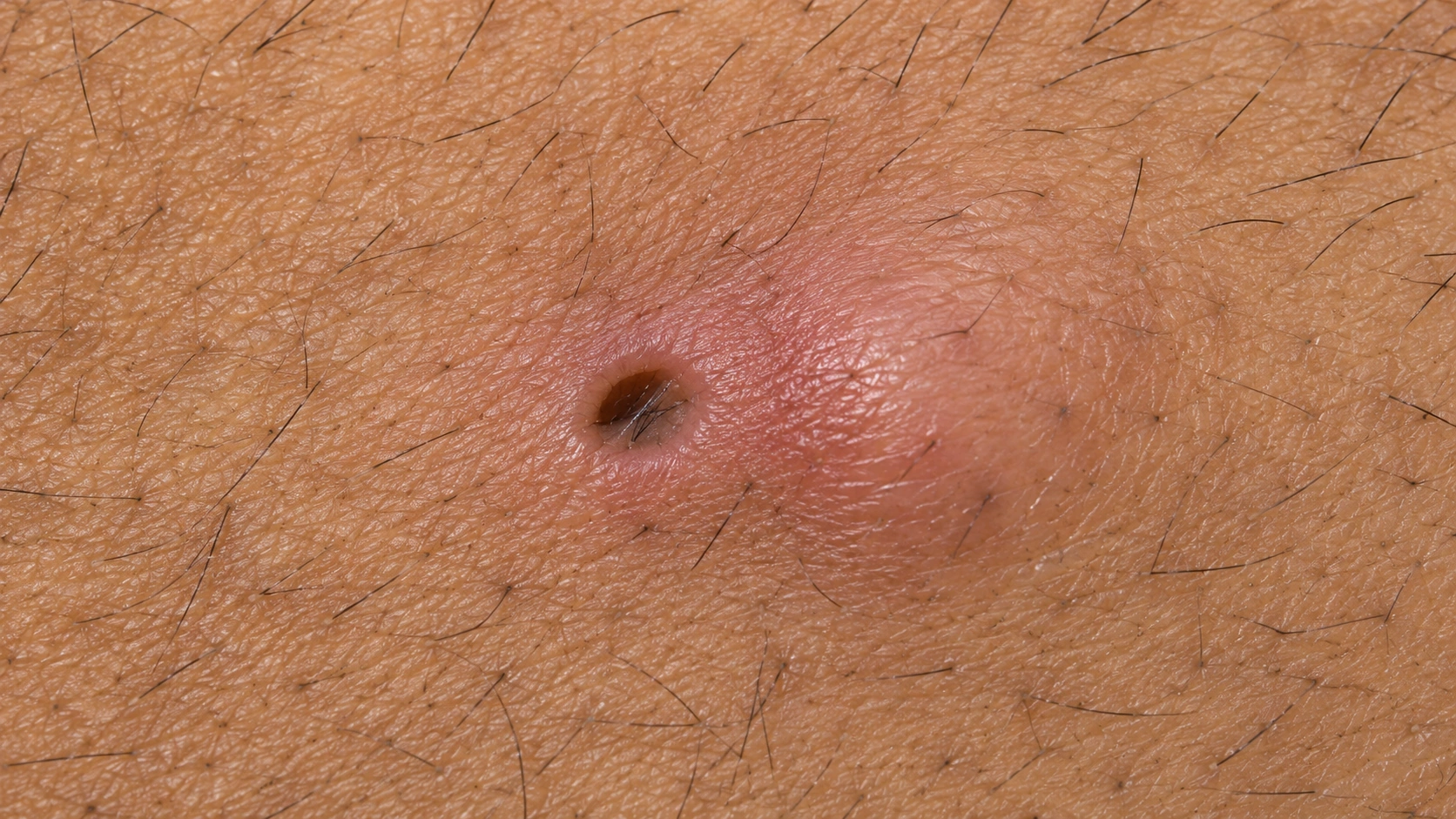
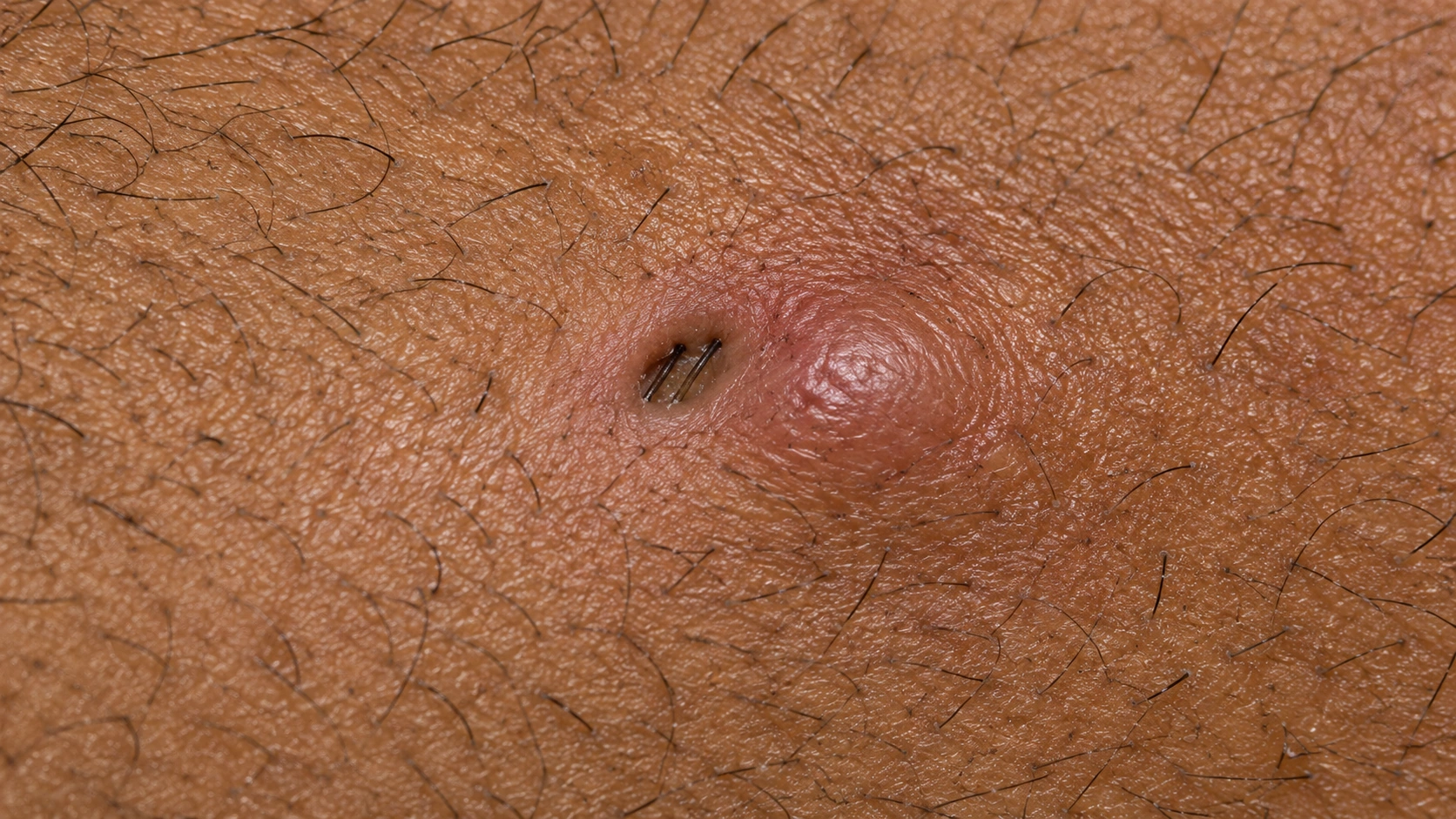
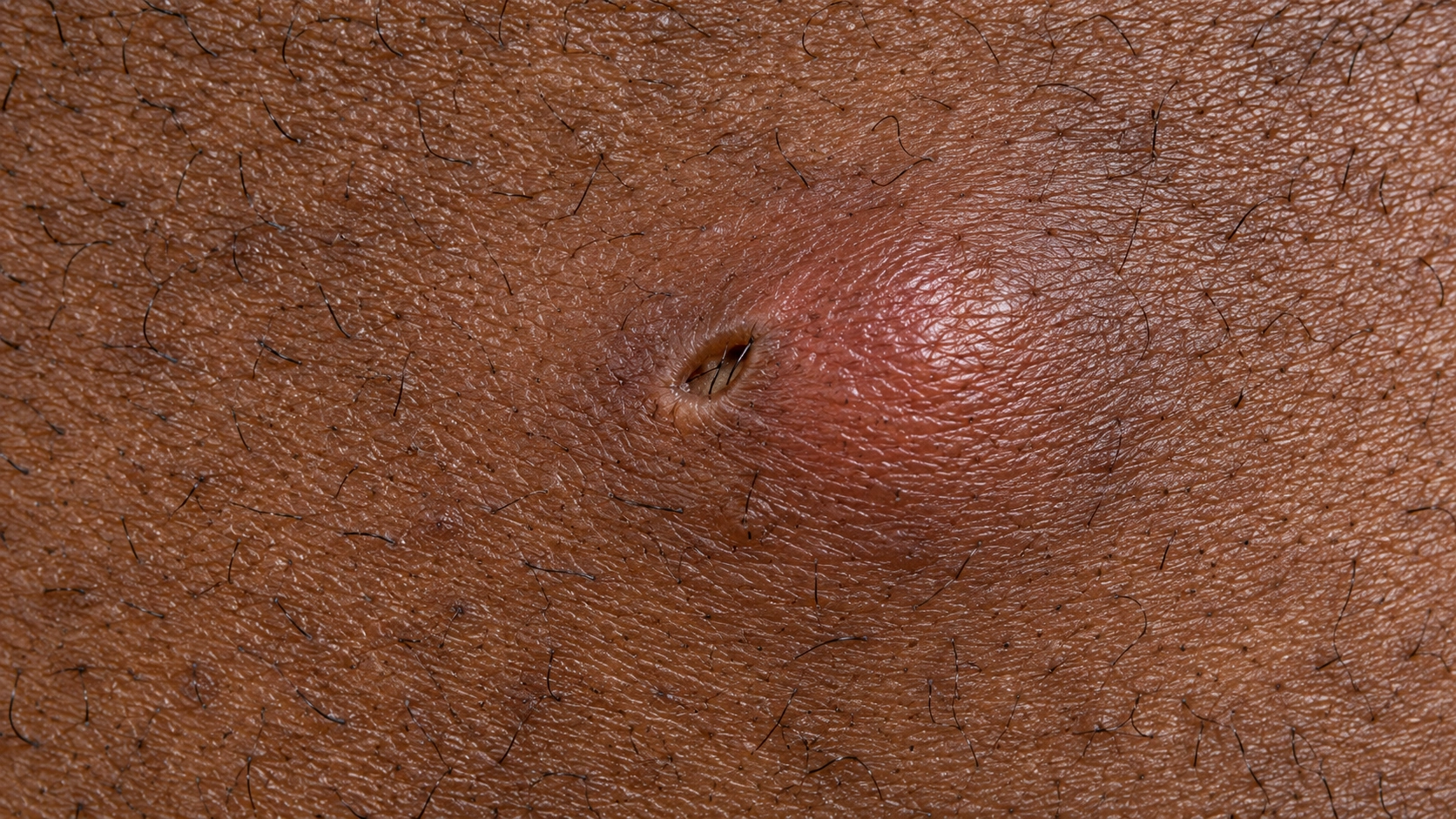
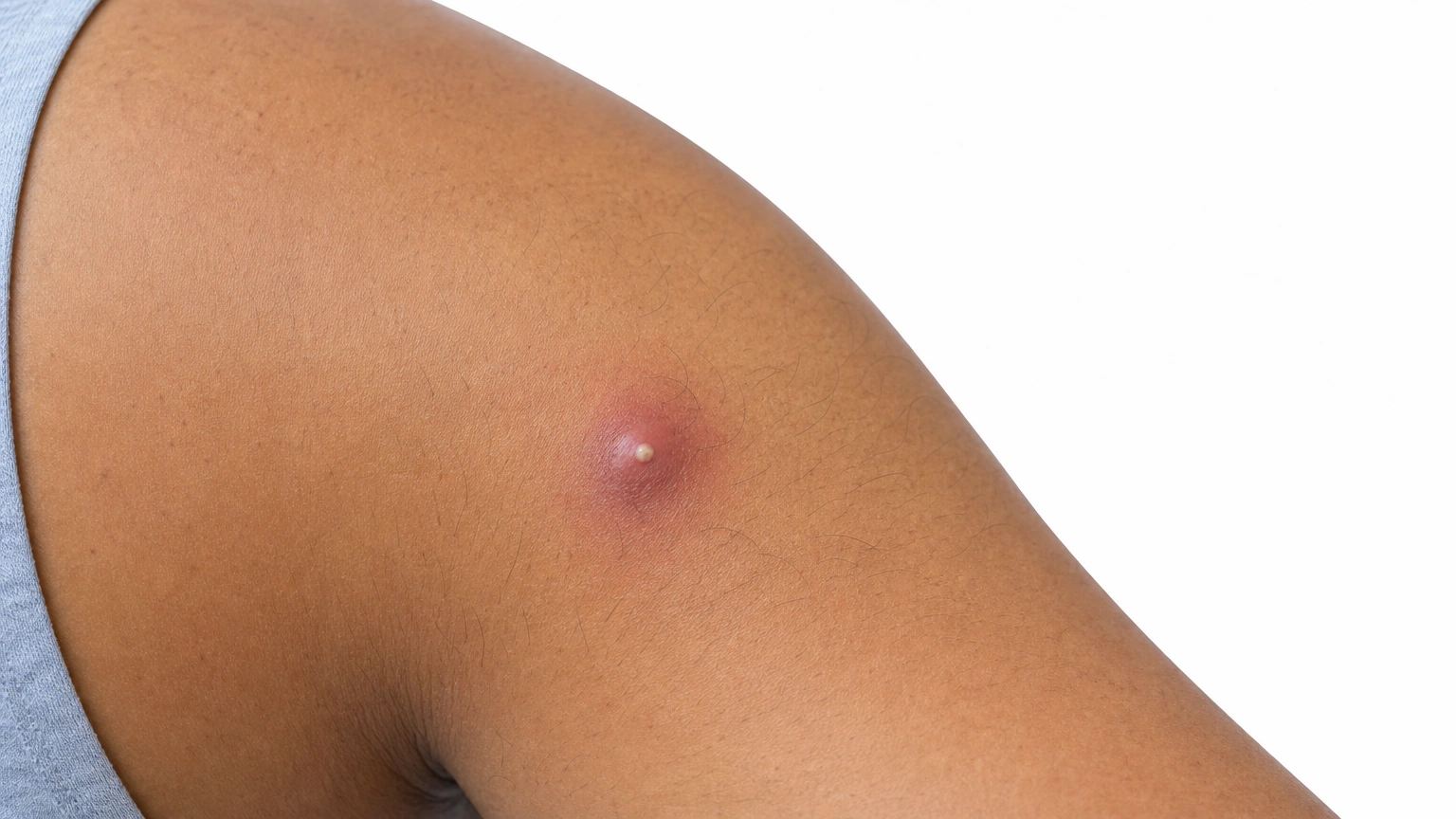
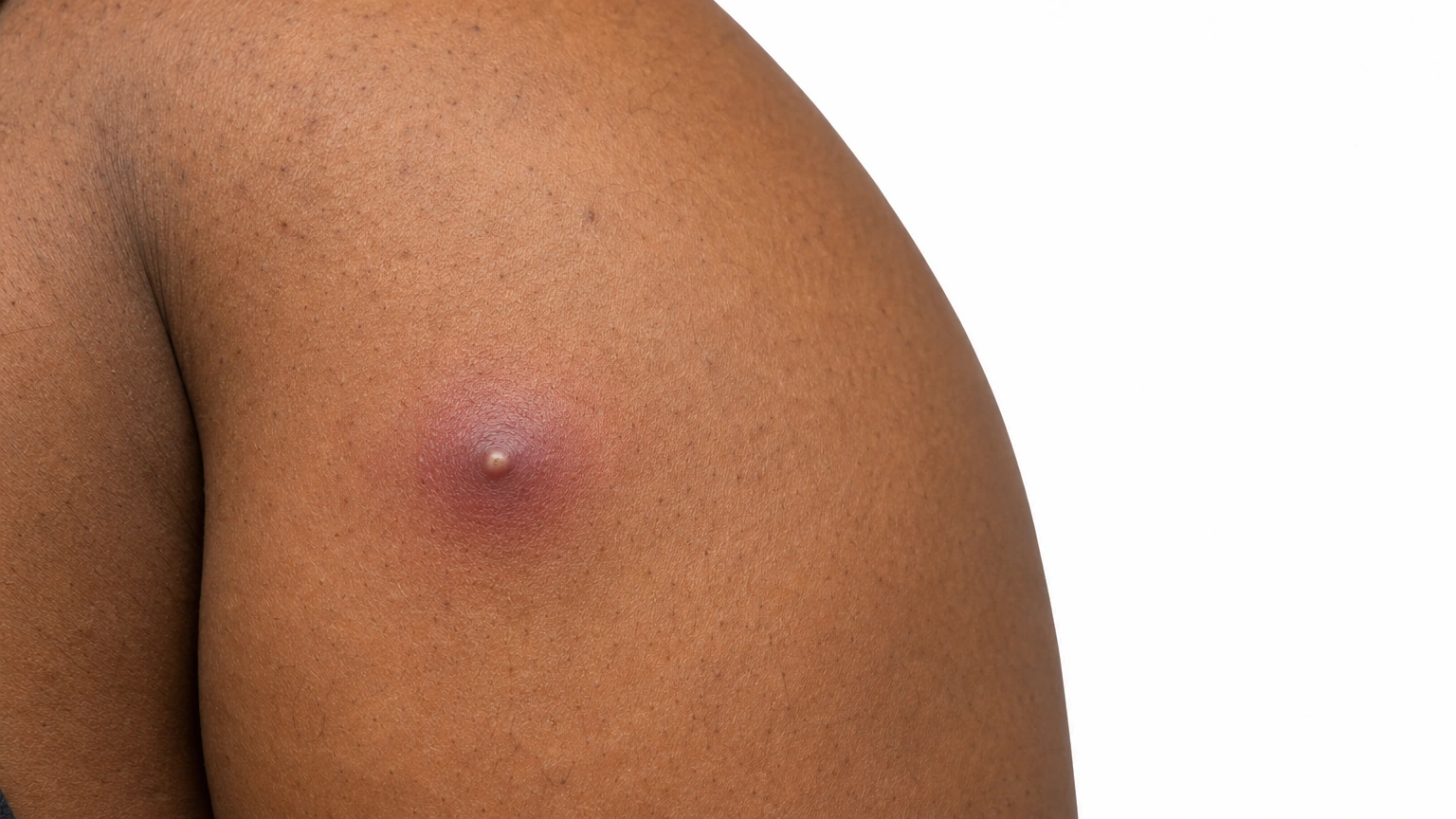
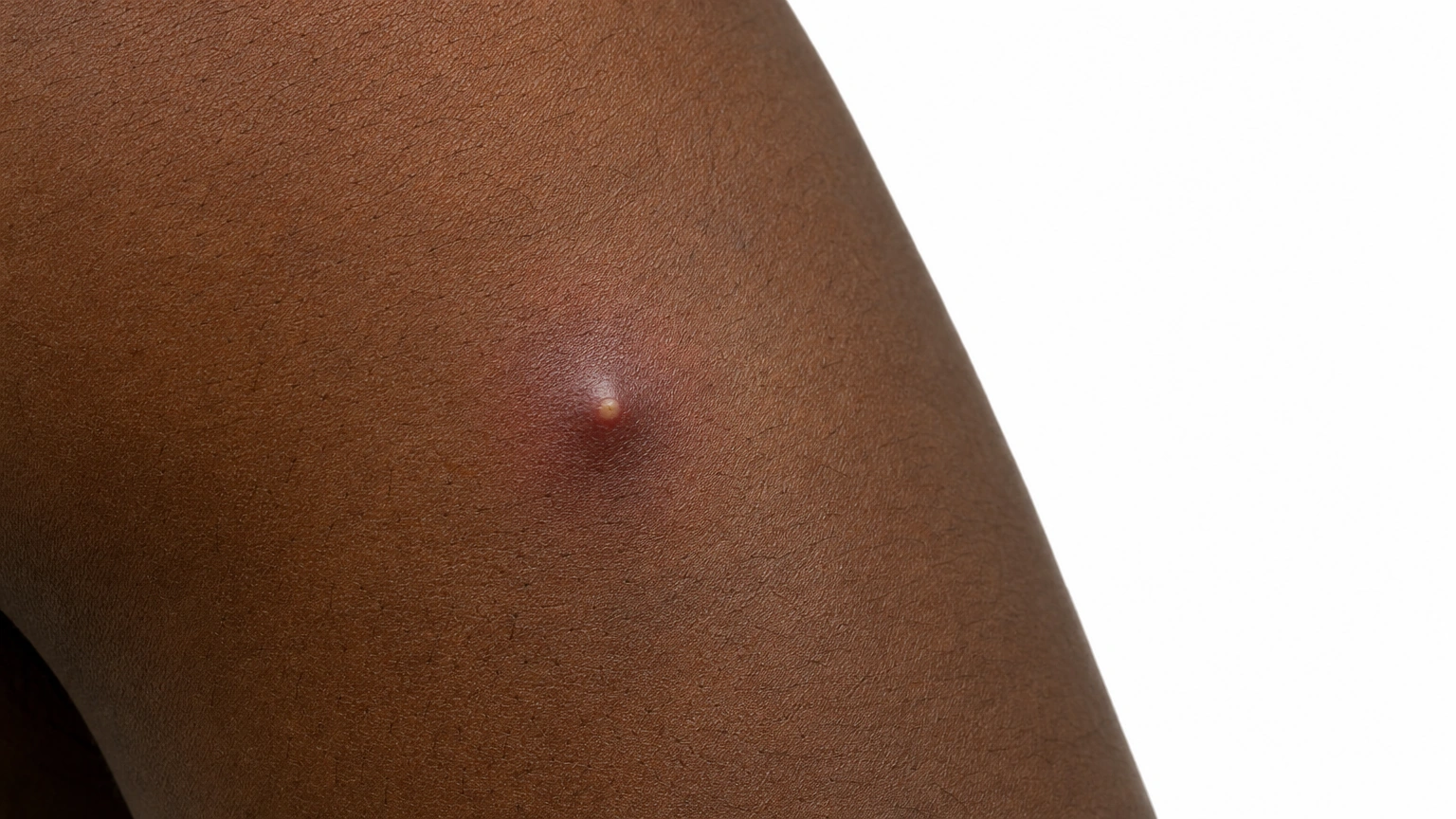
Loose hairs penetrate susceptible skin in the cleft between the buttocks. The resulting foreign-body reaction can form an inflamed cavity or sinus tract.
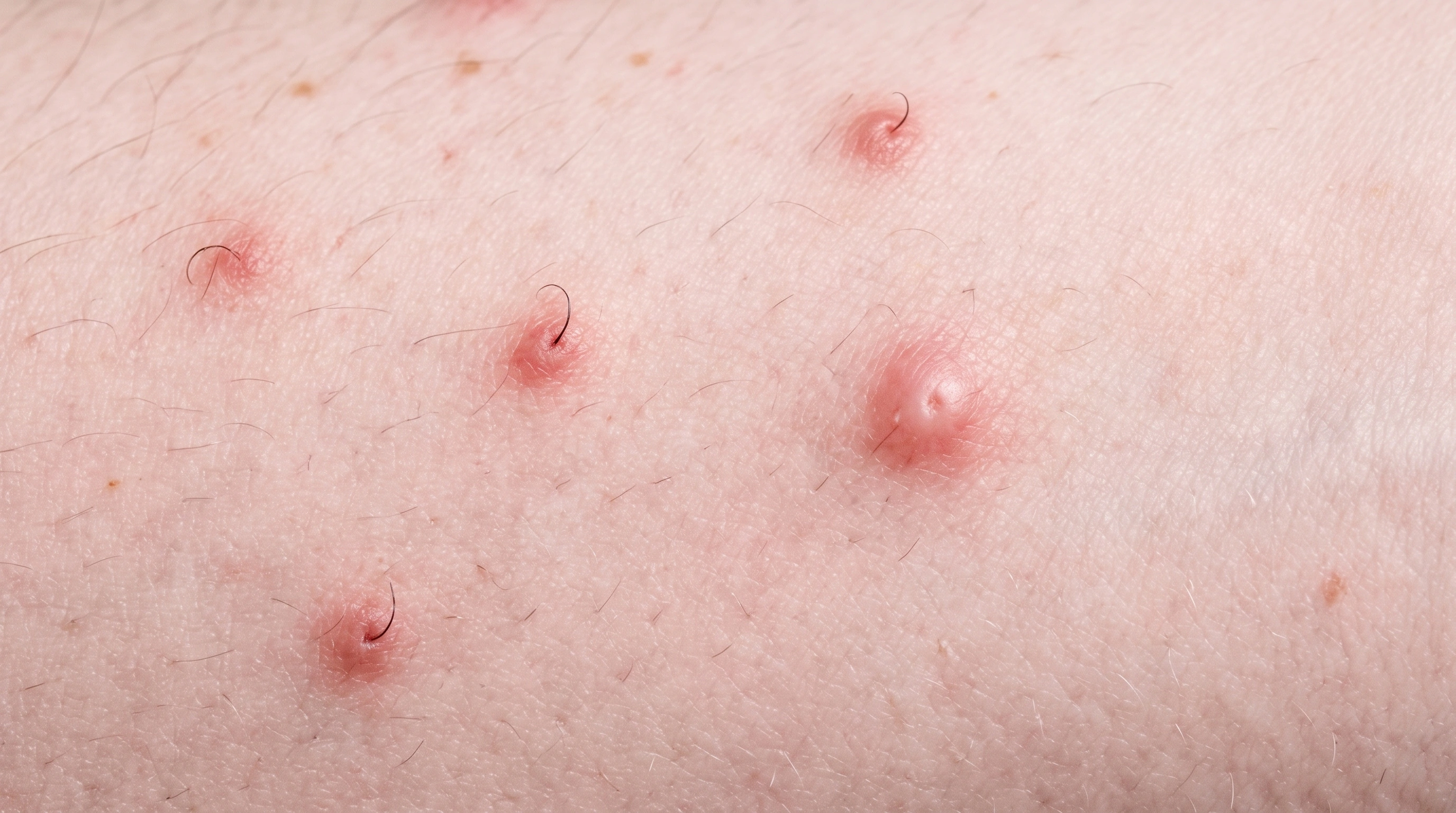
Bacteria, commonly Staphylococcus aureus, infect a hair follicle and nearby tissue. A deeper collection of pus forms as the immune system responds.
Pilonidal Cyst. Most common after puberty in adolescents and young adults.
Boils. Can occur at any age.
Loose hairs penetrate susceptible skin and drive inflammation in the cleft.
Usually staphylococcal bacteria infect a follicle and nearby tissue.
Evidence labels come from each condition’s own treatment list.
Spreading infection, systemic illness or individual risk factors may require antibiotics alongside source control.
An acutely painful pilonidal abscess usually needs prompt surgical assessment.
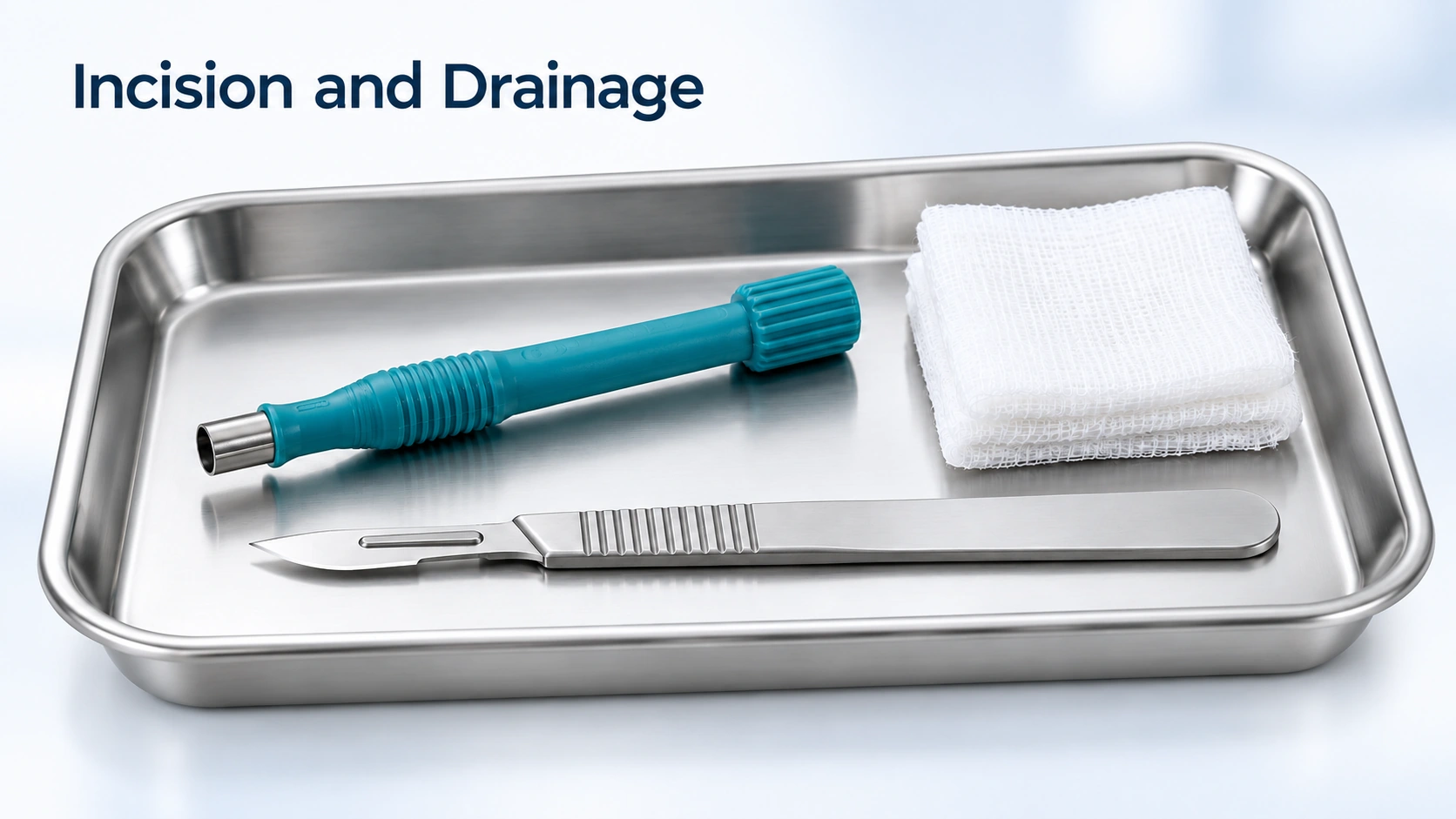
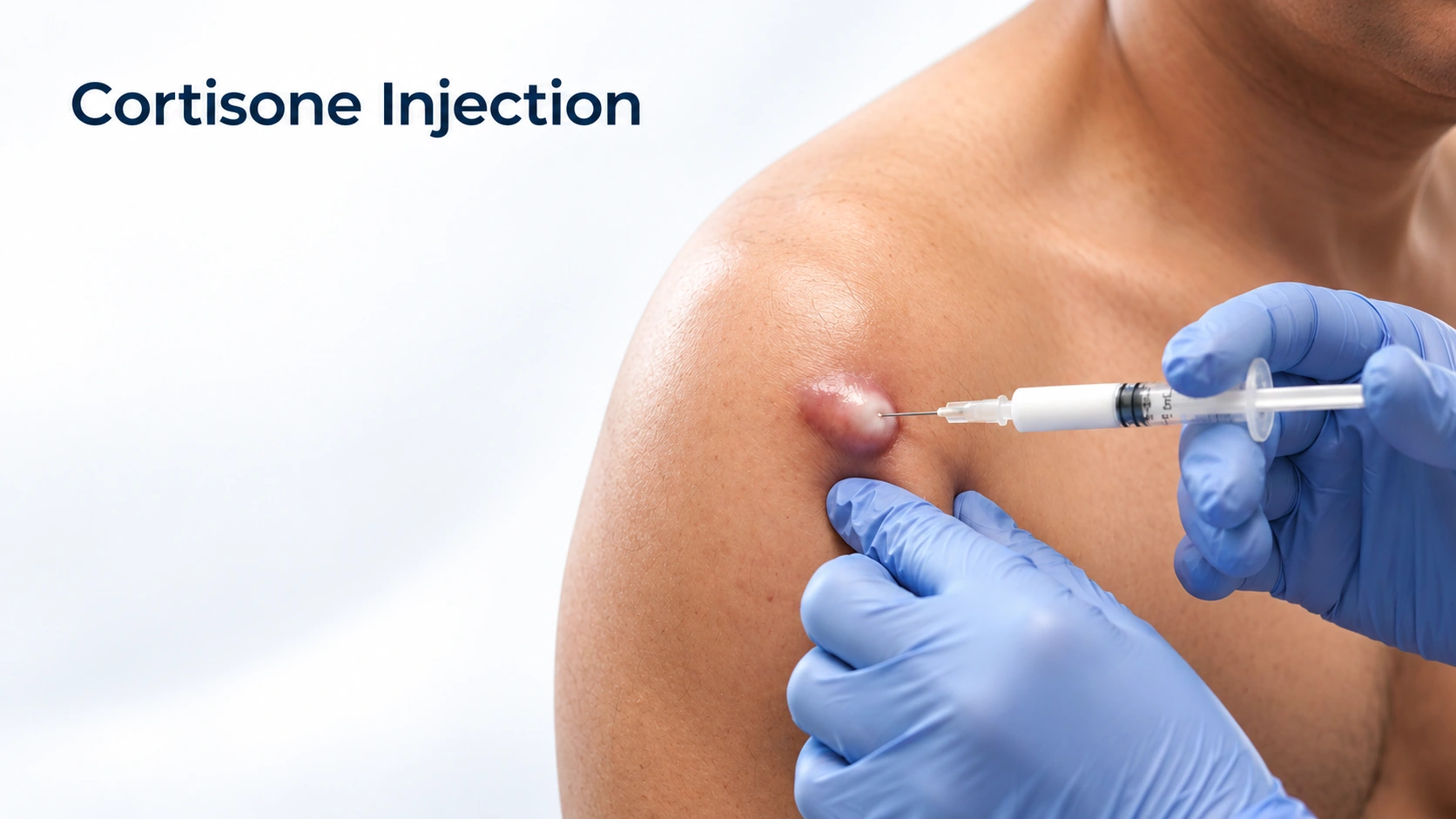
A clinician may need to drain a collection of pus; do not lance it at home.
A painful abscess can improve after drainage, but underlying pits or tracts may remain. Persistent or recurrent disease needs a longer-term plan, sometimes including surgery.
A boil can heal after it drains, but deeper or worsening infections may need professional treatment. Repeated boils warrant assessment for contributing factors rather than repeated squeezing or self-drainage.
Abscesses and recurrent draining tracts can develop.
Infection can spread to nearby skin or cause systemic illness.
A painful swelling, fever or spreading inflammation needs prompt assessment.
Seek prompt care for a painful pus collection; fever, spreading swelling or feeling unwell increases urgency.
Pilonidal disease involves hair-containing pits or tracts near the top of the buttock cleft.
Keep the cleft clean and dry; discuss a suitable hair-management plan with a clinician.
A painful swelling, fever or spreading inflammation needs prompt assessment.
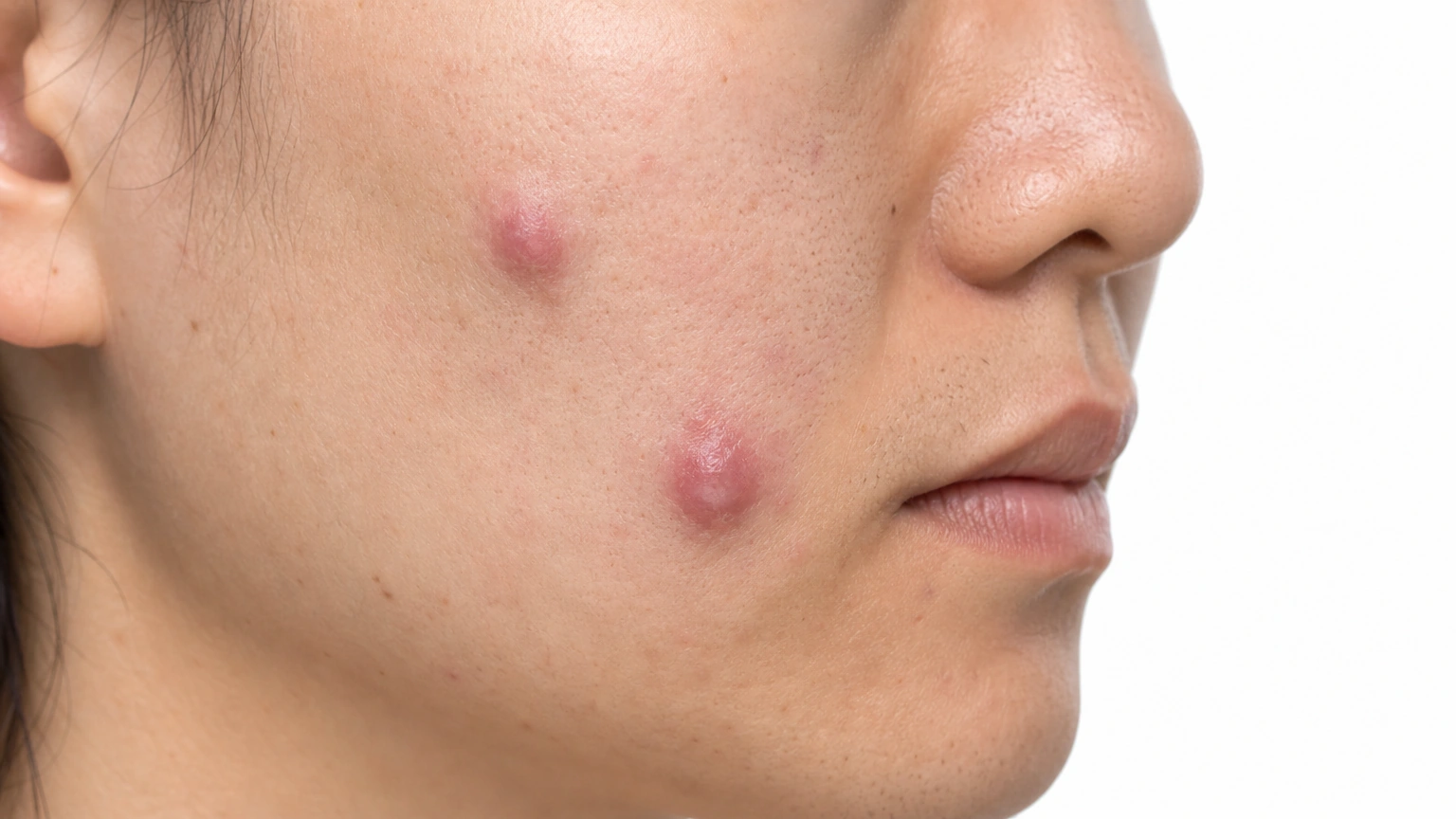
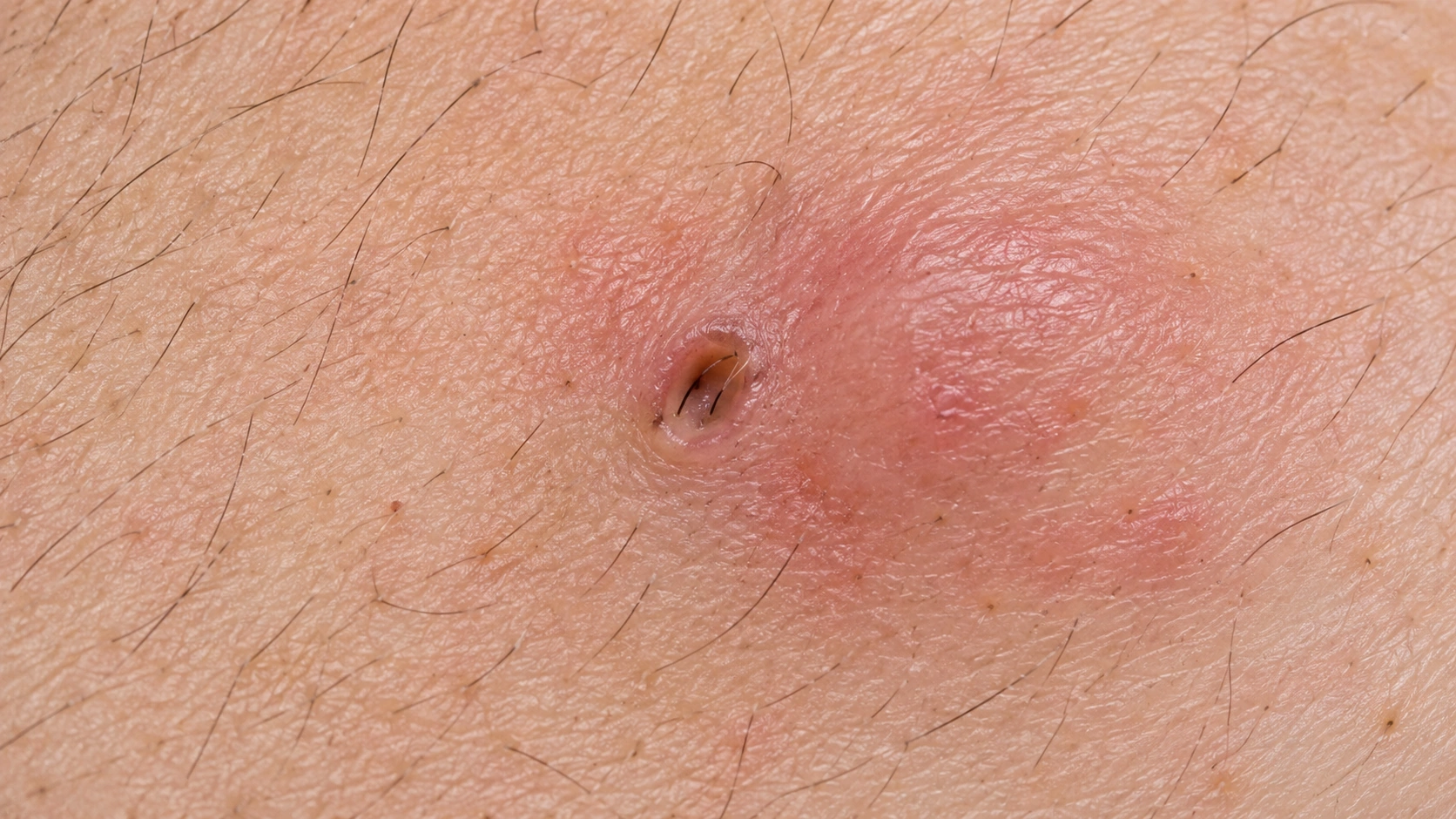
Deep bacterial infection of a hair follicle producing a tender lump.
Keep the area clean and covered. Do not squeeze or lance it; do not share towels.
Seek prompt care for a painful pus collection; fever, spreading swelling or feeling unwell increases urgency.
Sources