Acne Nodules vs Boils

Deep, firm and often painful inflammatory acne lumps. Deep bacterial infection of a hair follicle producing a tender lump.
Research updated 2026-10-23
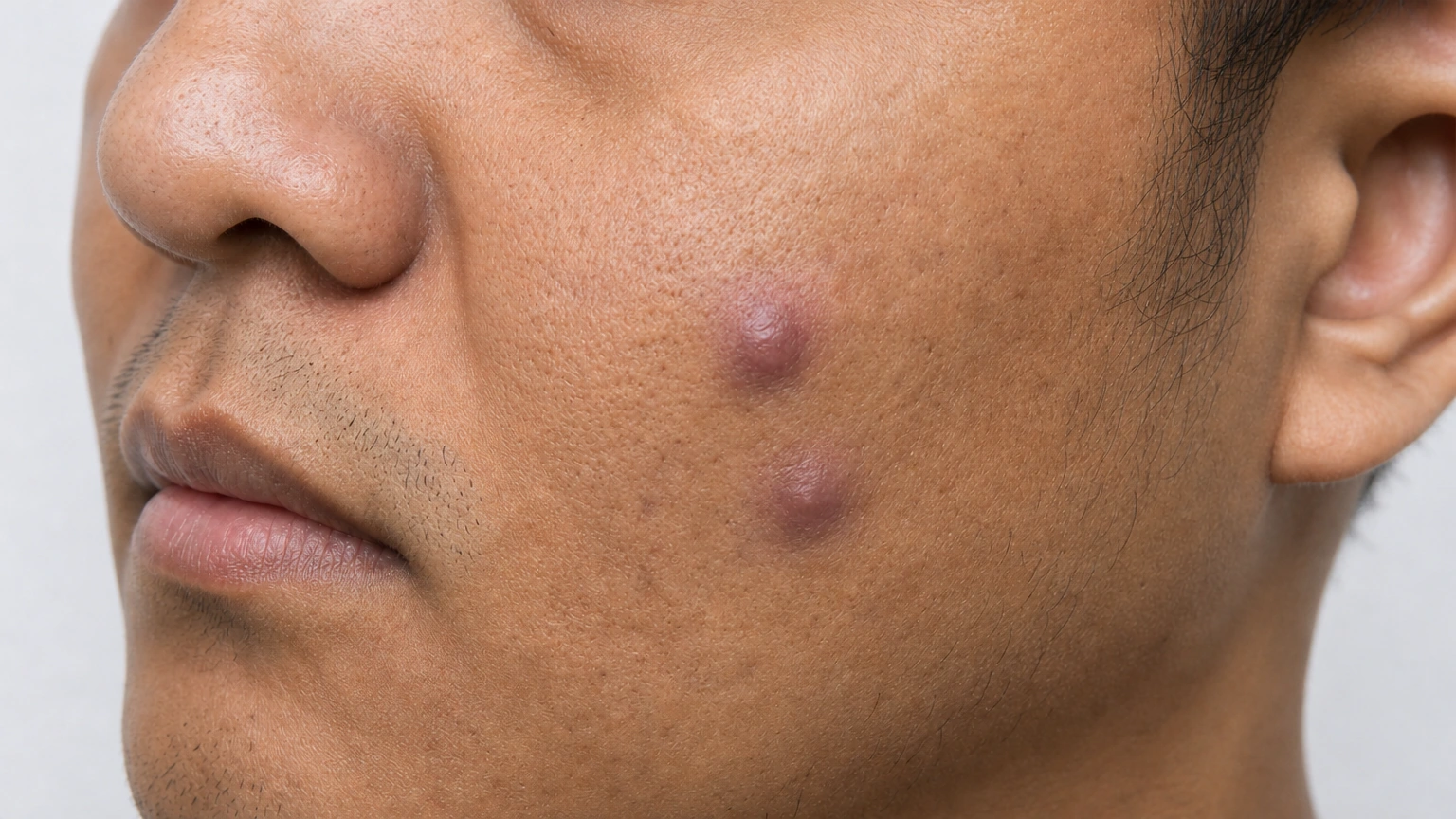
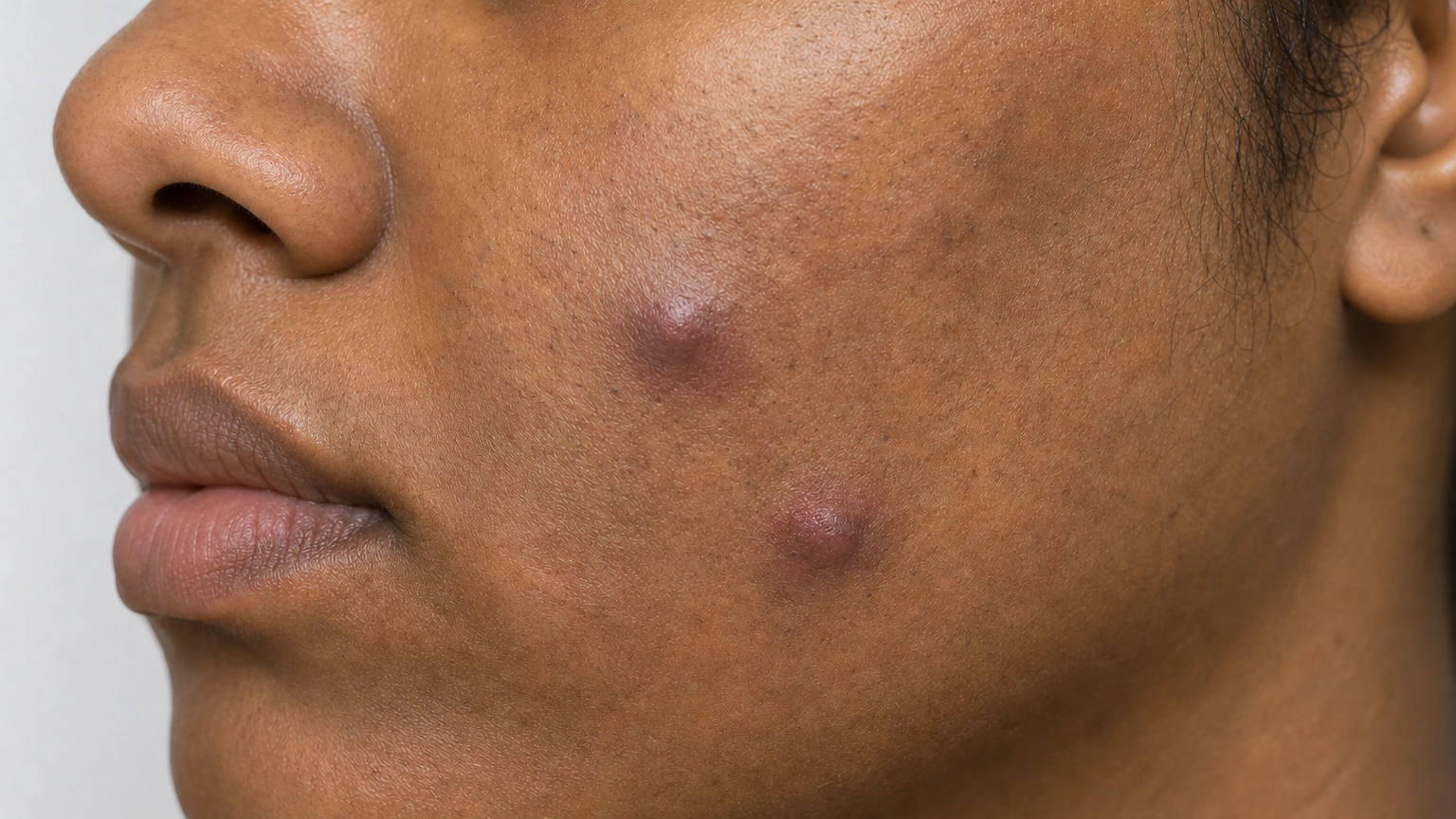
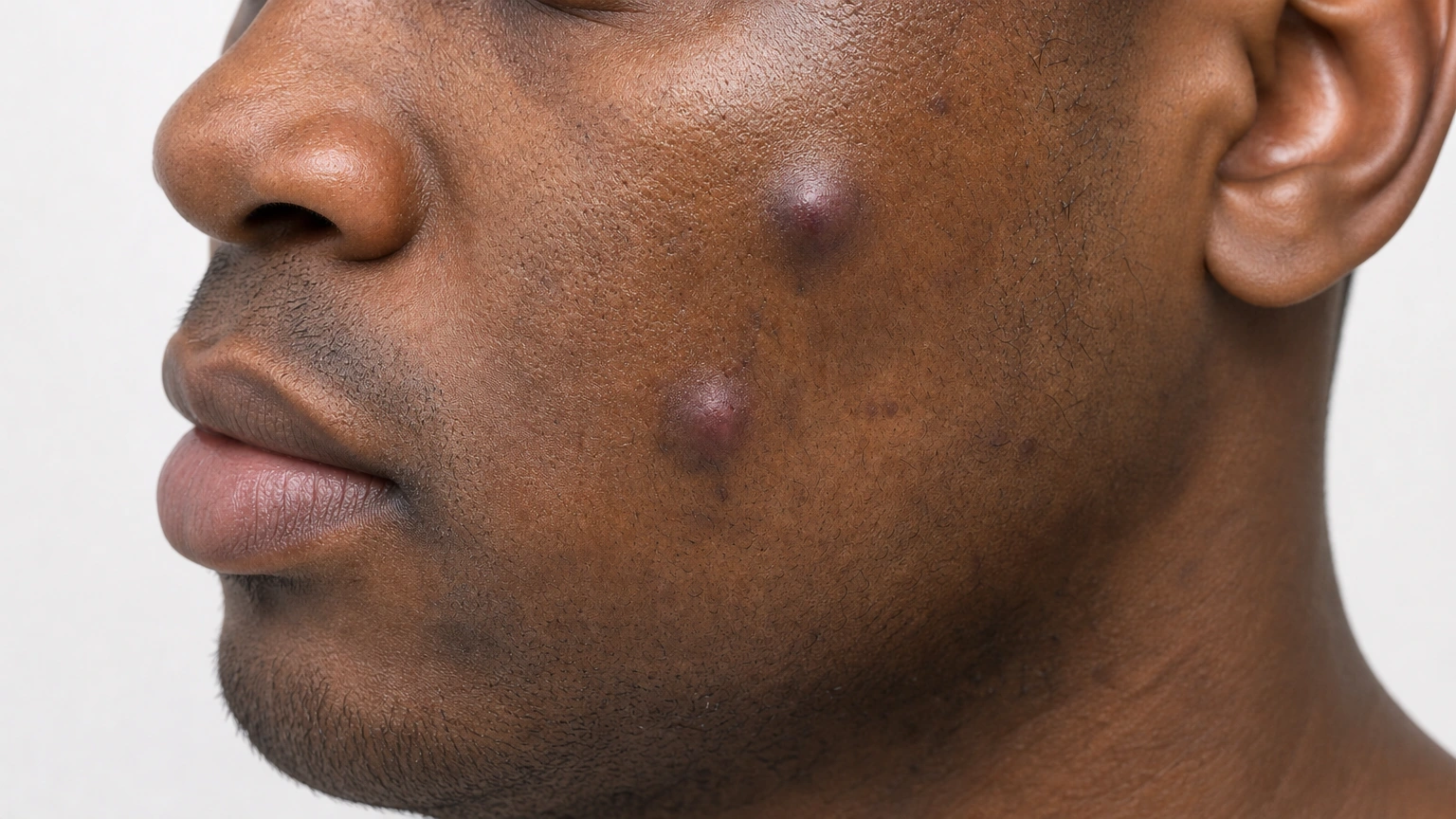
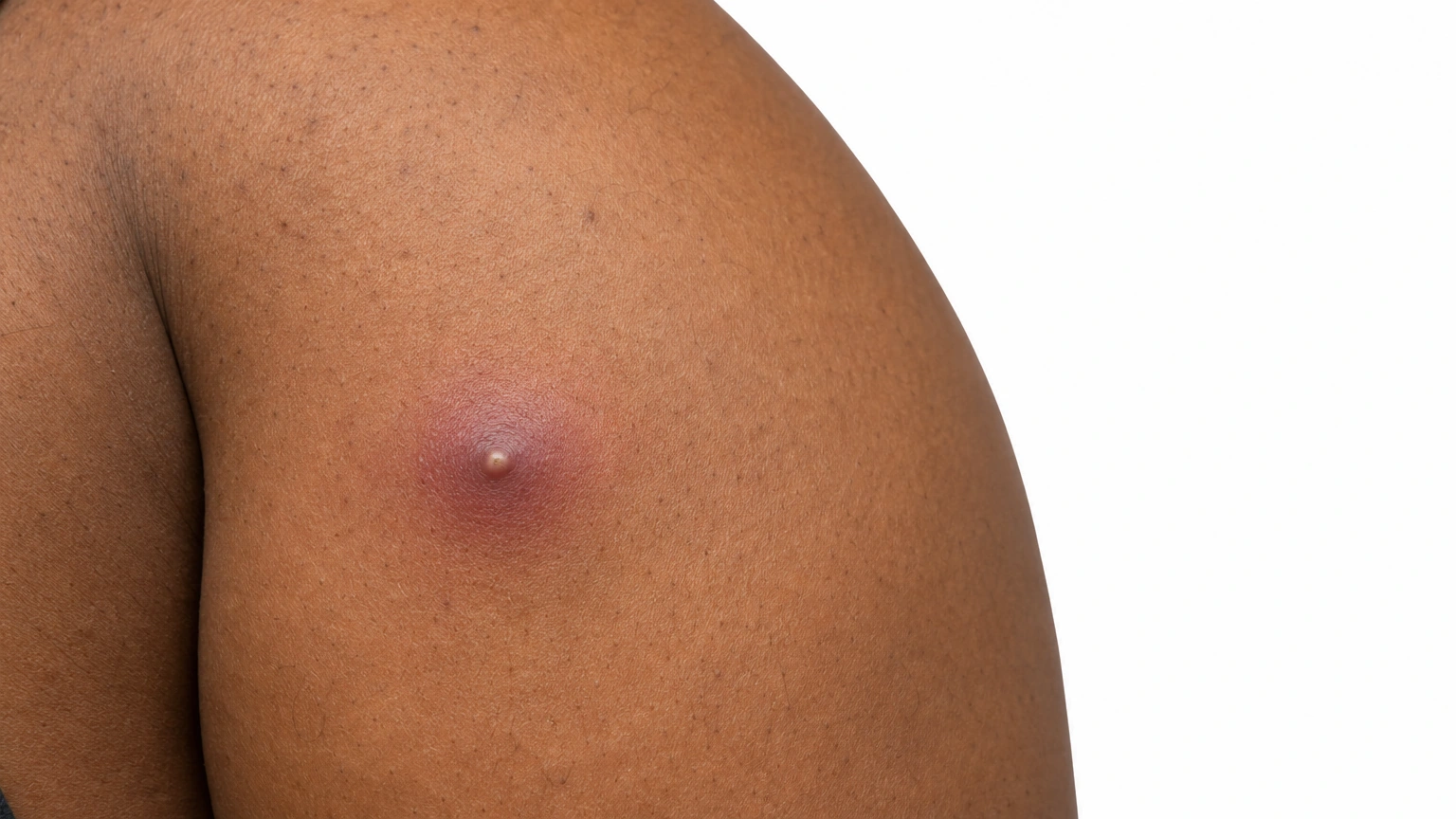
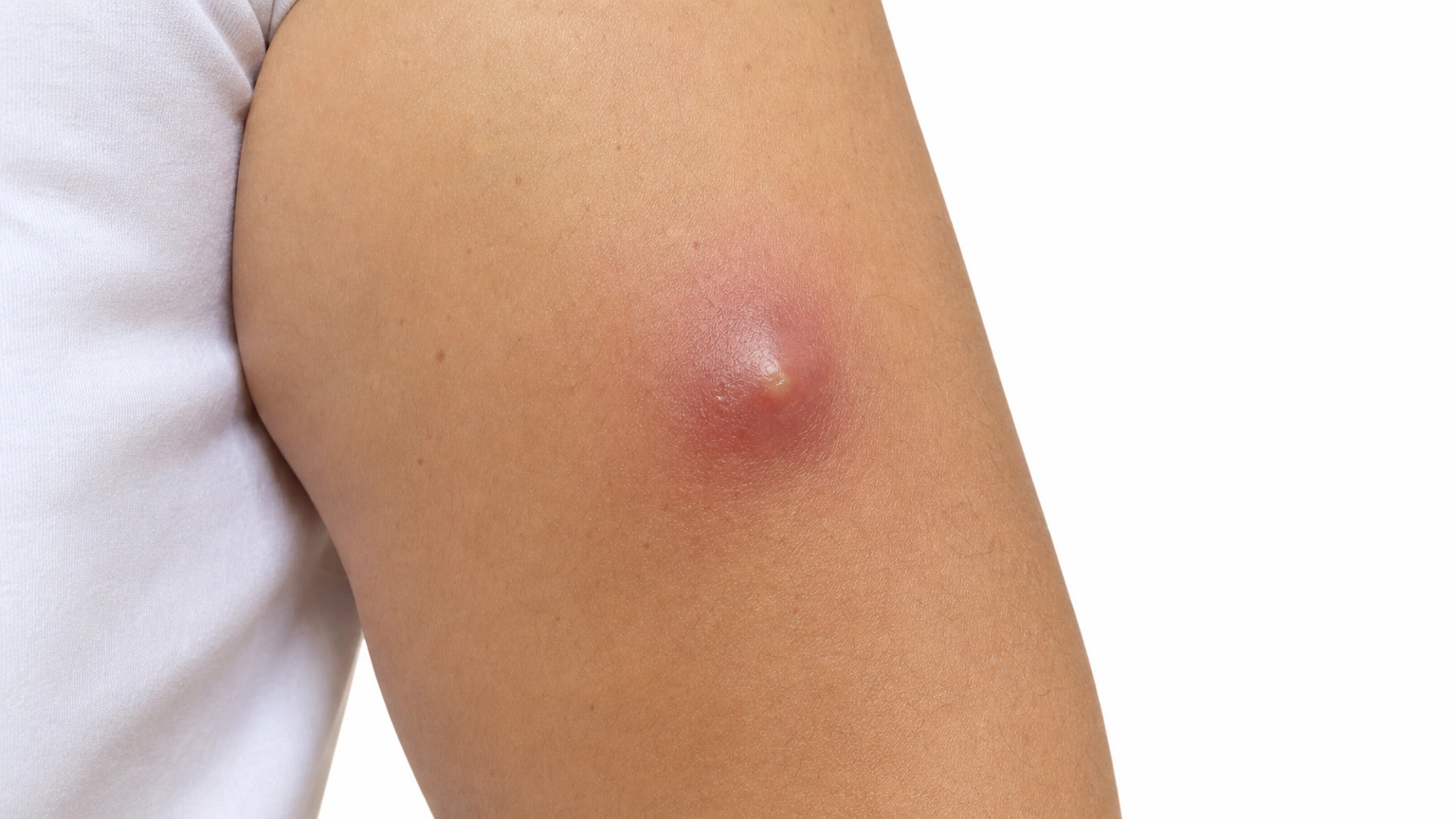
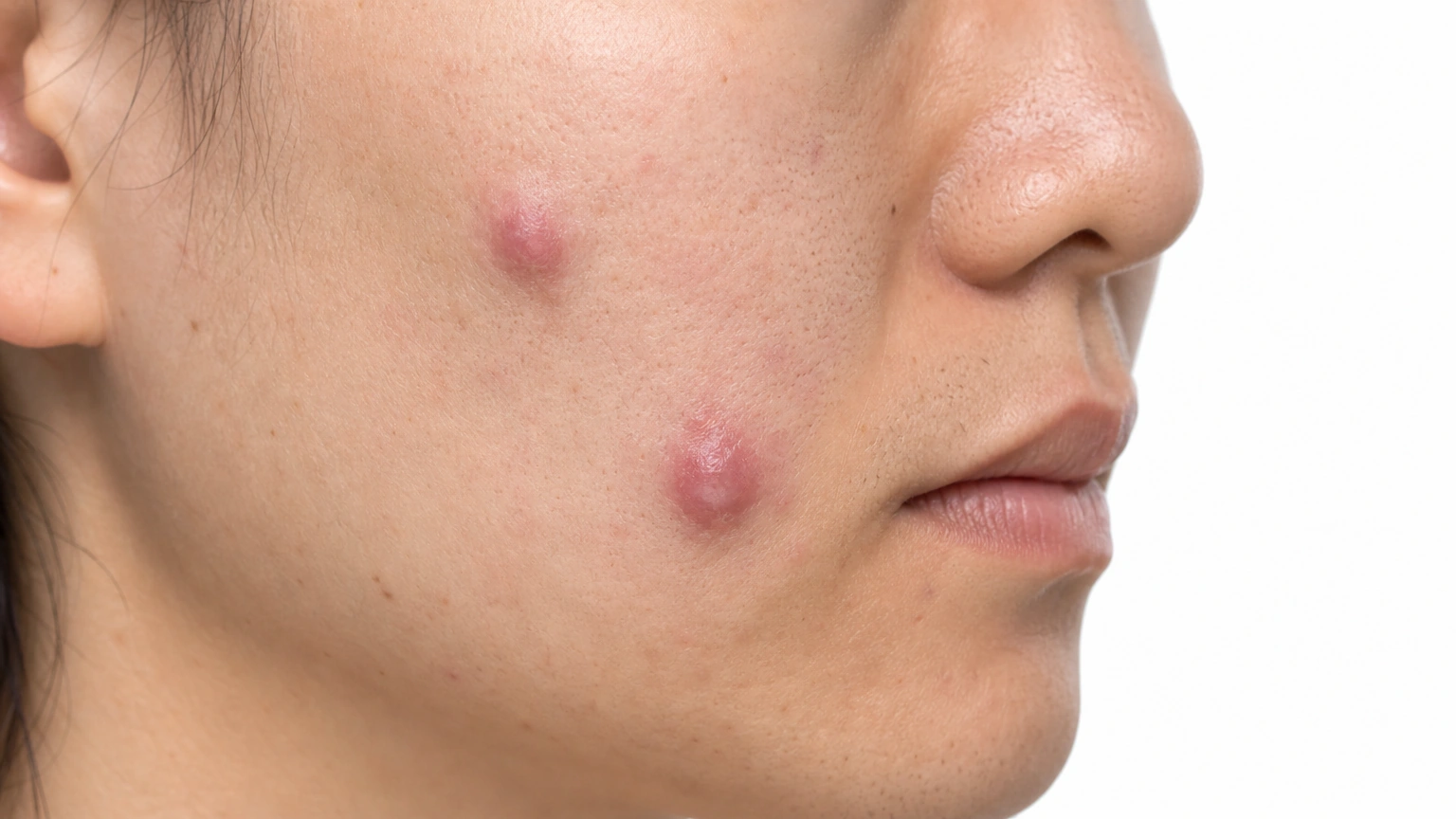
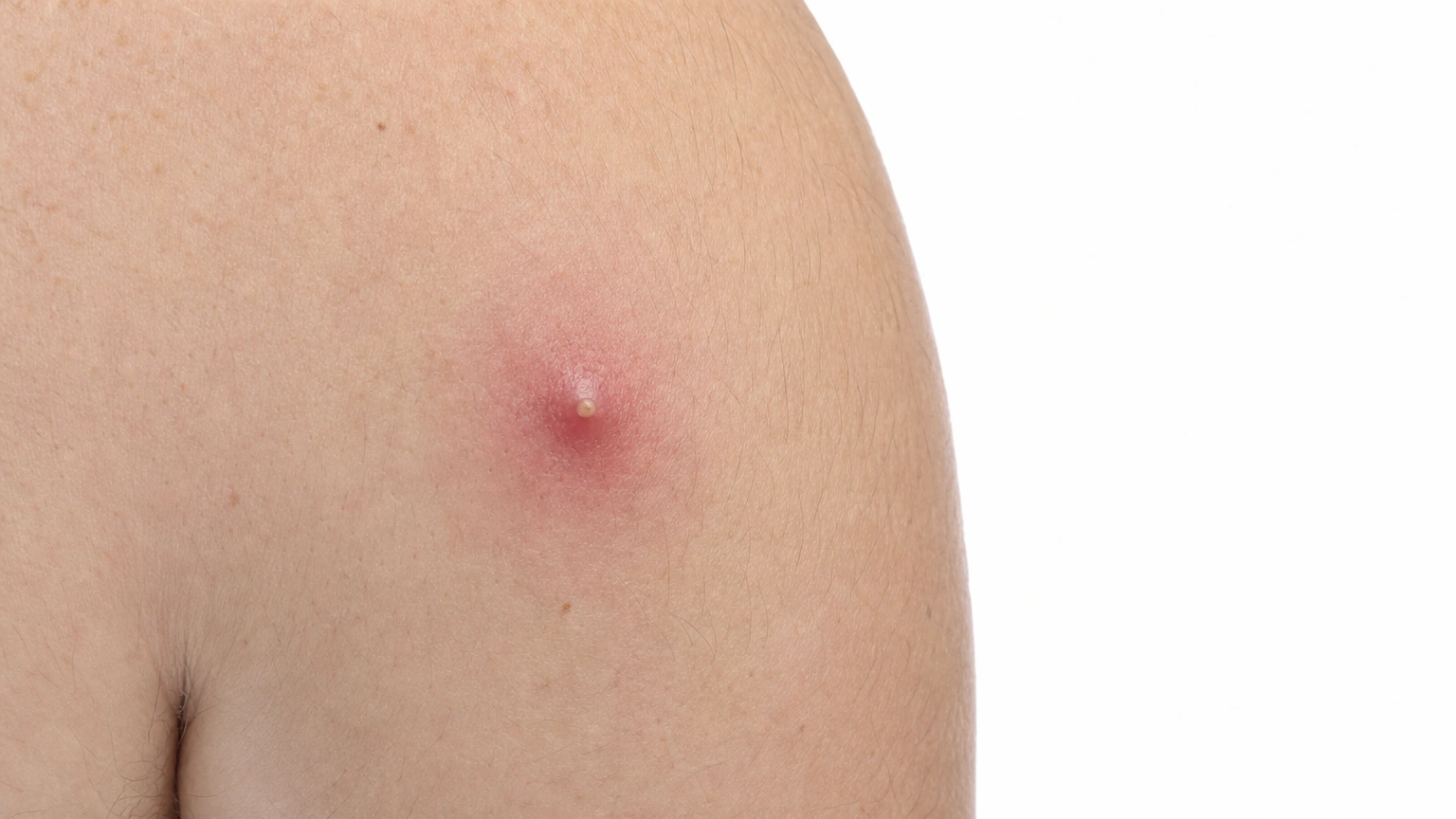
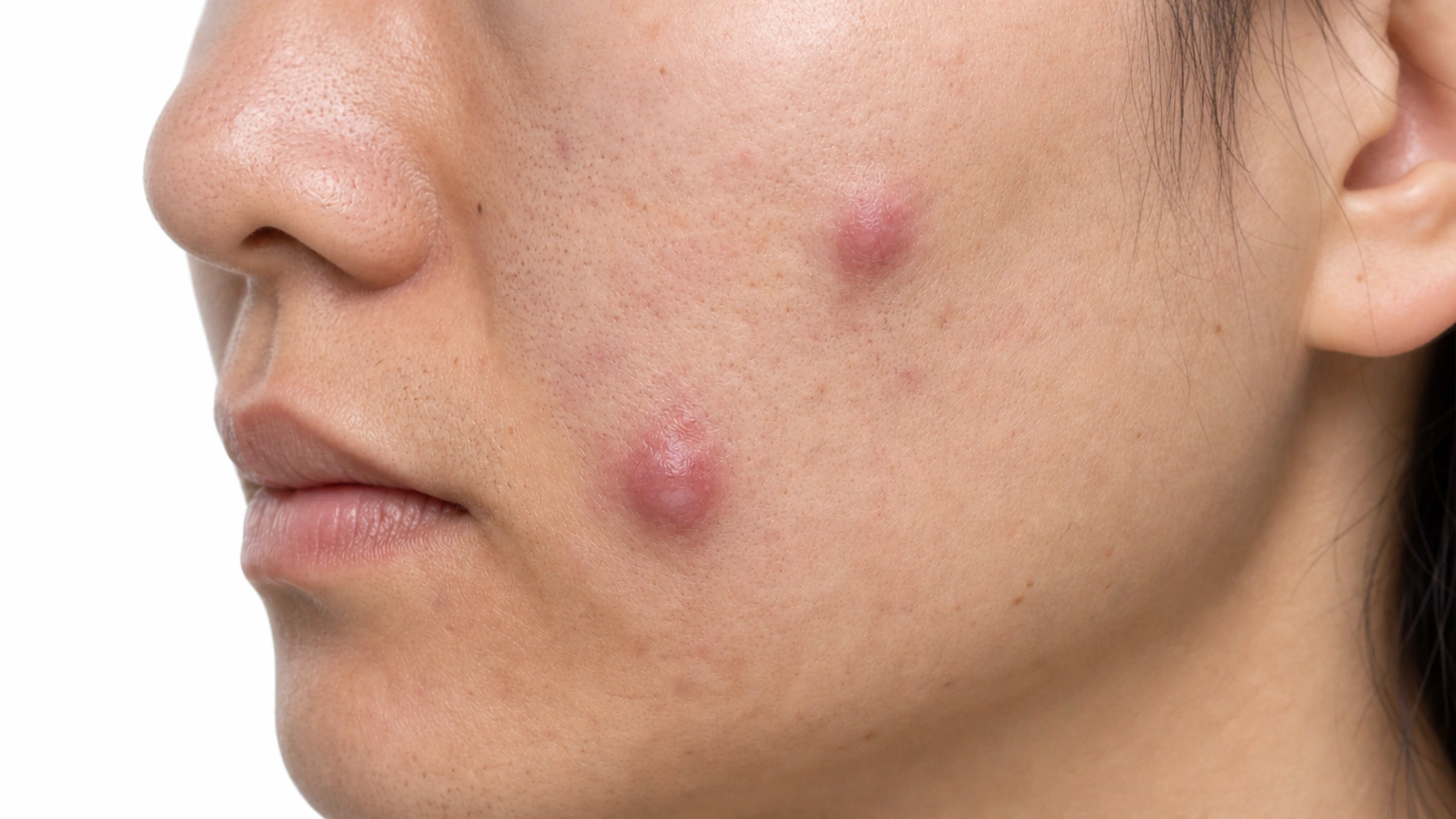
AI-generated educational illustration: Adult cheek with two firm deep swollen red acne nodules beneath intact skin; no fluid-filled blisters or open wounds.Educational illustration of one localized swollen follicular bump with a small pale pustular center on an upper arm on light skin.

Key differences

The same eight facts on every condition comparison.
Usual age
Teens and adults
Any age
Where
Face, chest, back
Hair-bearing, rubbed skin
Main sign
Deep, firm acne lumps
A tender red lump that comes to a head
Itch or pain
Painful
Painful
Contagious
No
The bacteria can spread
Long term
Needs treatment; can recur
Drains and heals; can recur
Scars
Often scars
Can leave a small scar
Who gets it
People with severe acne
Anyone; staph carriers

What is it?

Acne Nodules
Boils
What is it?
  • What it is
    Deep, firm and often painful inflammatory acne lumps.
  • What it is
    Deep bacterial infection of a hair follicle producing a tender lump.

What it looks like

Acne Nodules

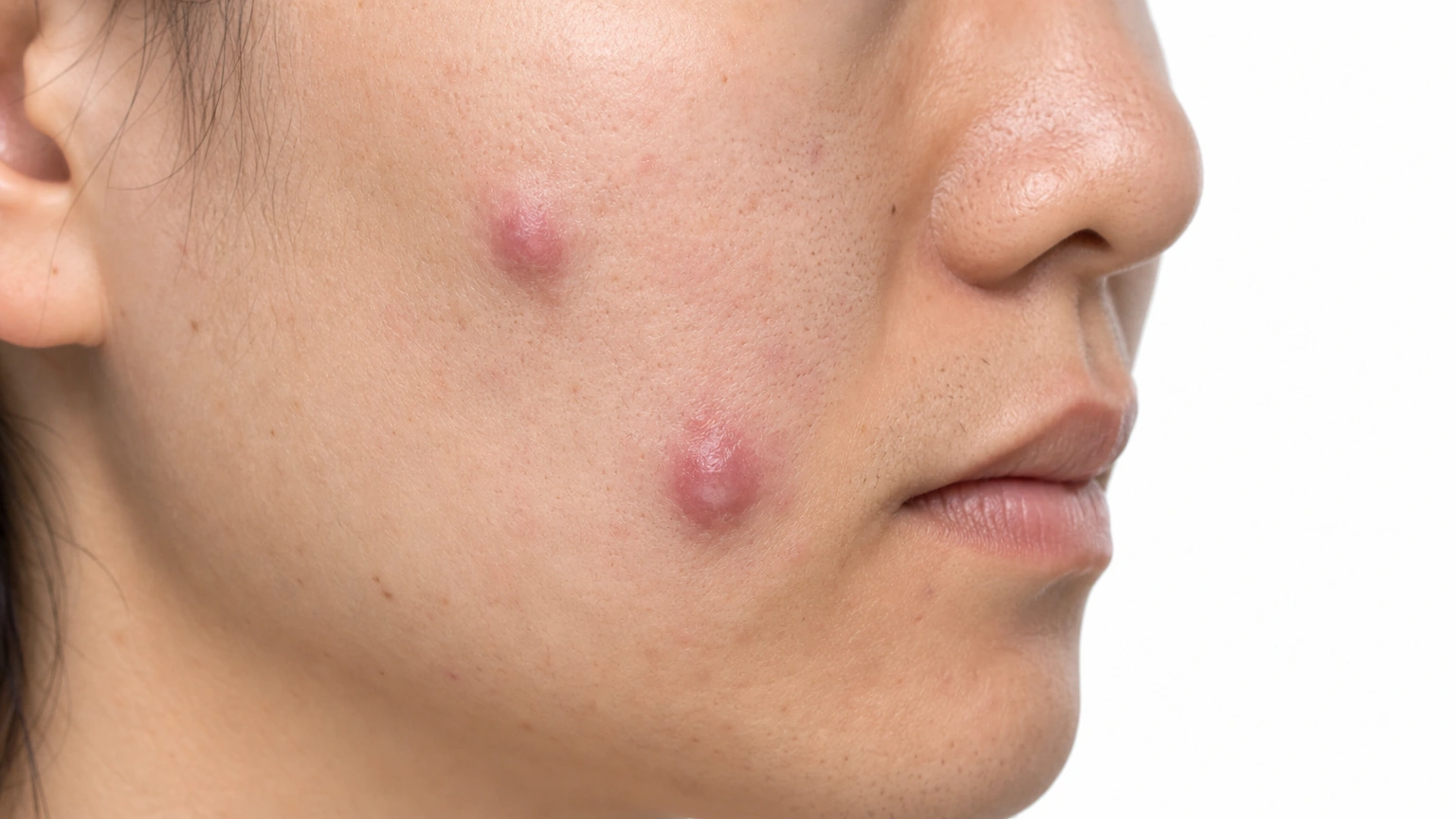
A cheek with three large rounded red-purple bumps.

Acne Nodules Several prominent red bumps rise above the surrounding cheek skin.
Boils

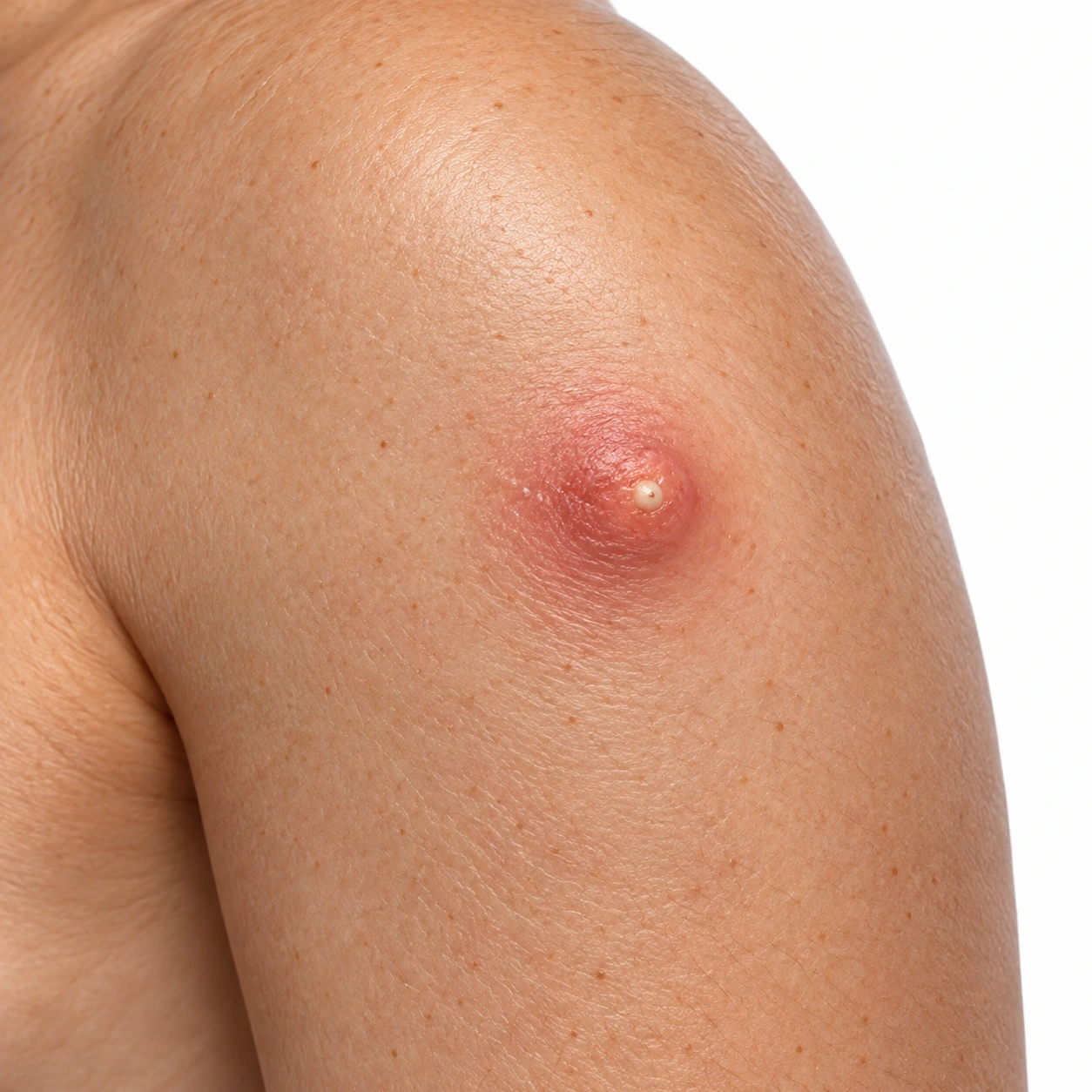
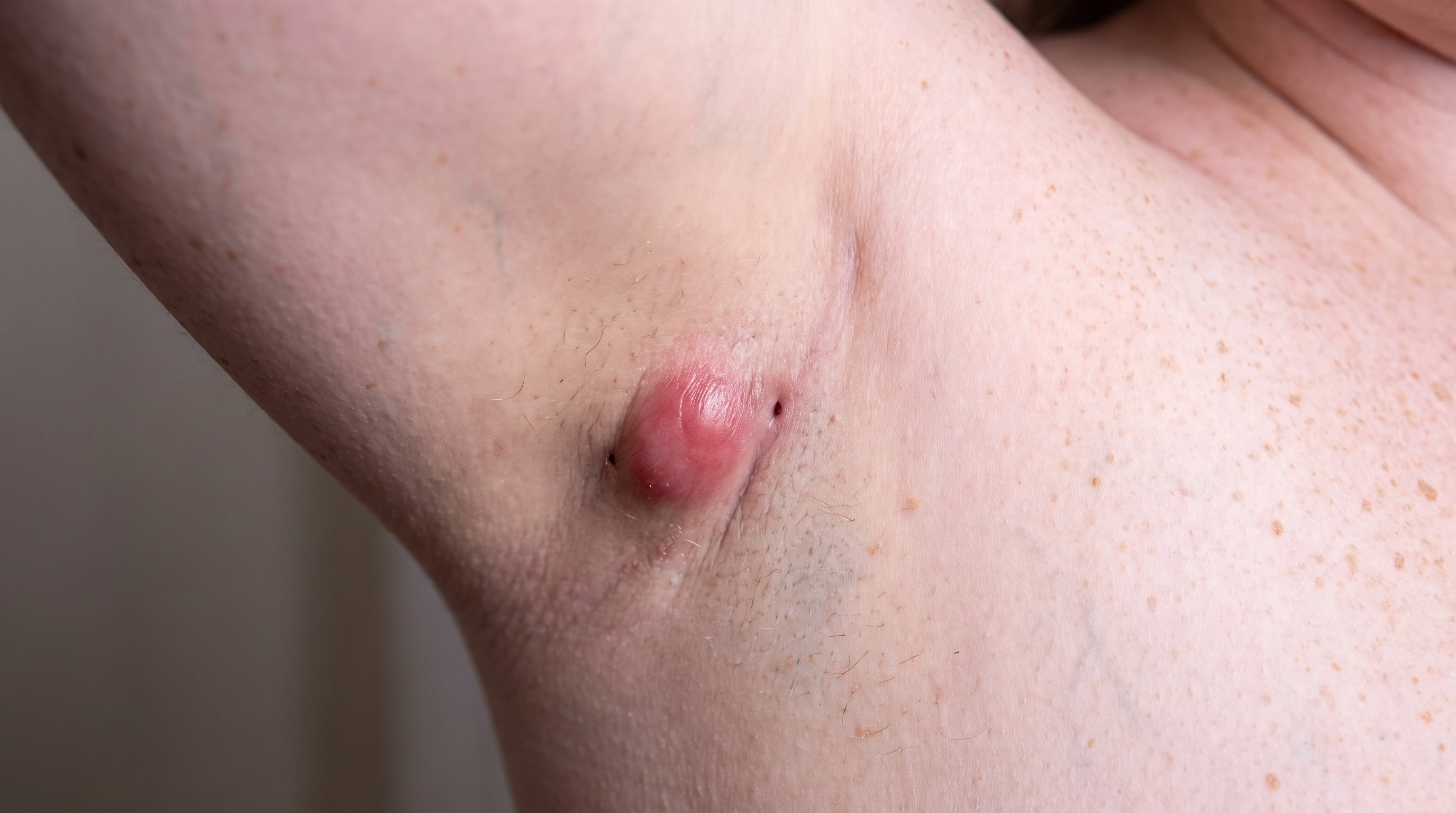
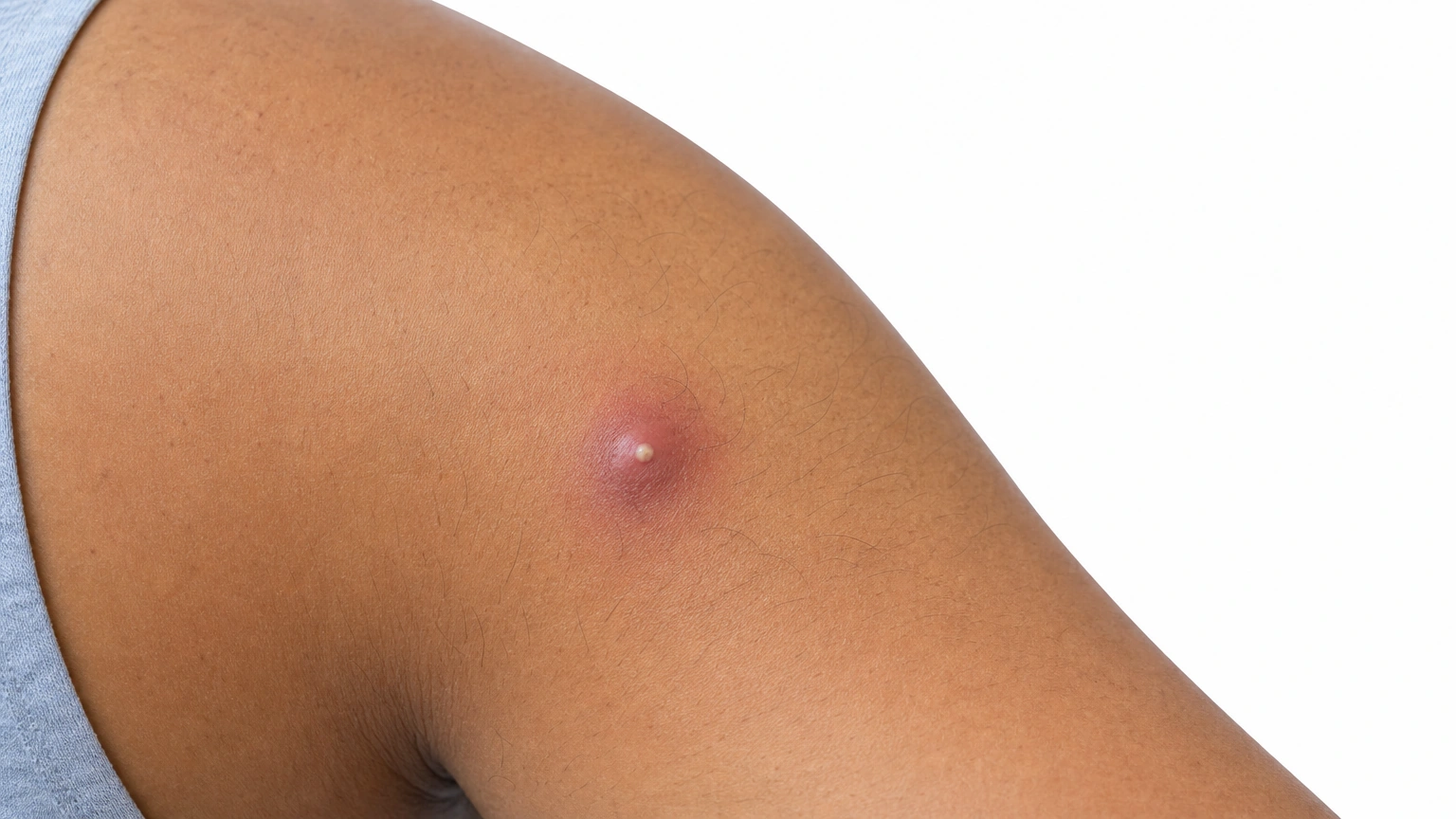
A shoulder with a raised red bump and a small yellow-white center.

Boils A rounded red swelling stands out on the shoulder.
Skin tones
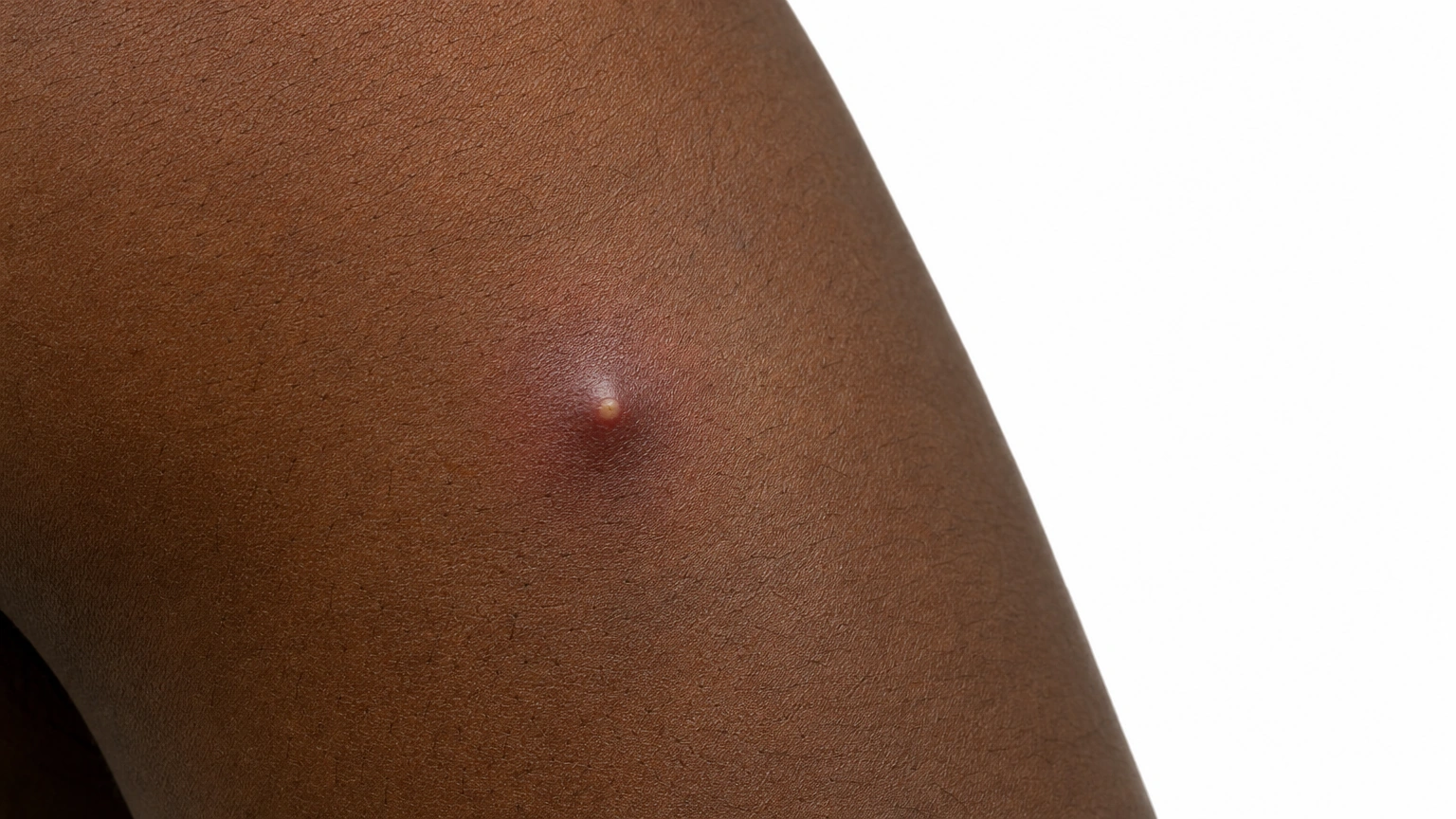
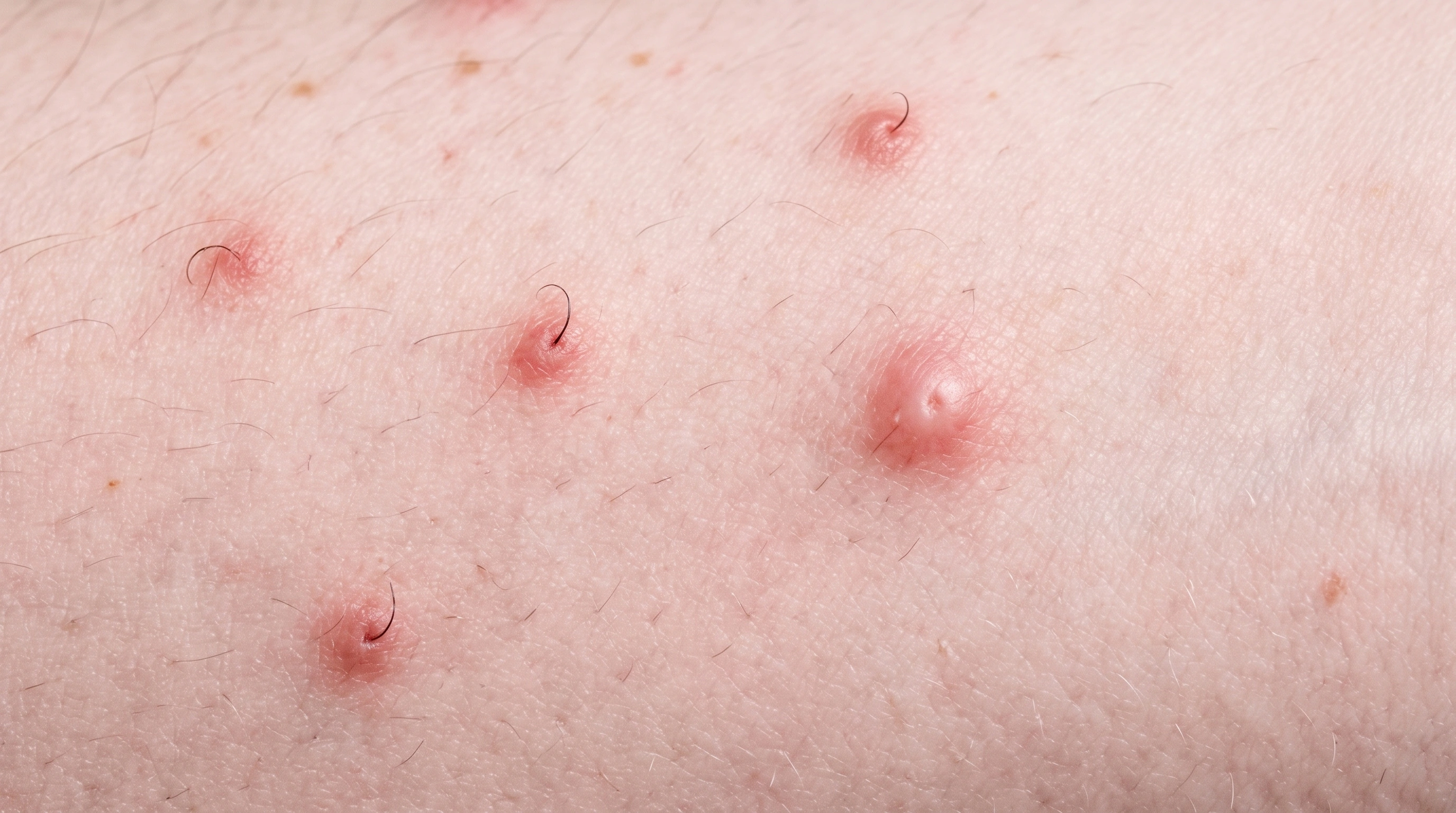
cheek with two raised deep acne lumps beneath intact skin on light skin, in a three-quarter view of the cheek.
cheek with two raised deep acne lumps beneath intact skin on medium skin, in a three-quarter view of the cheek.
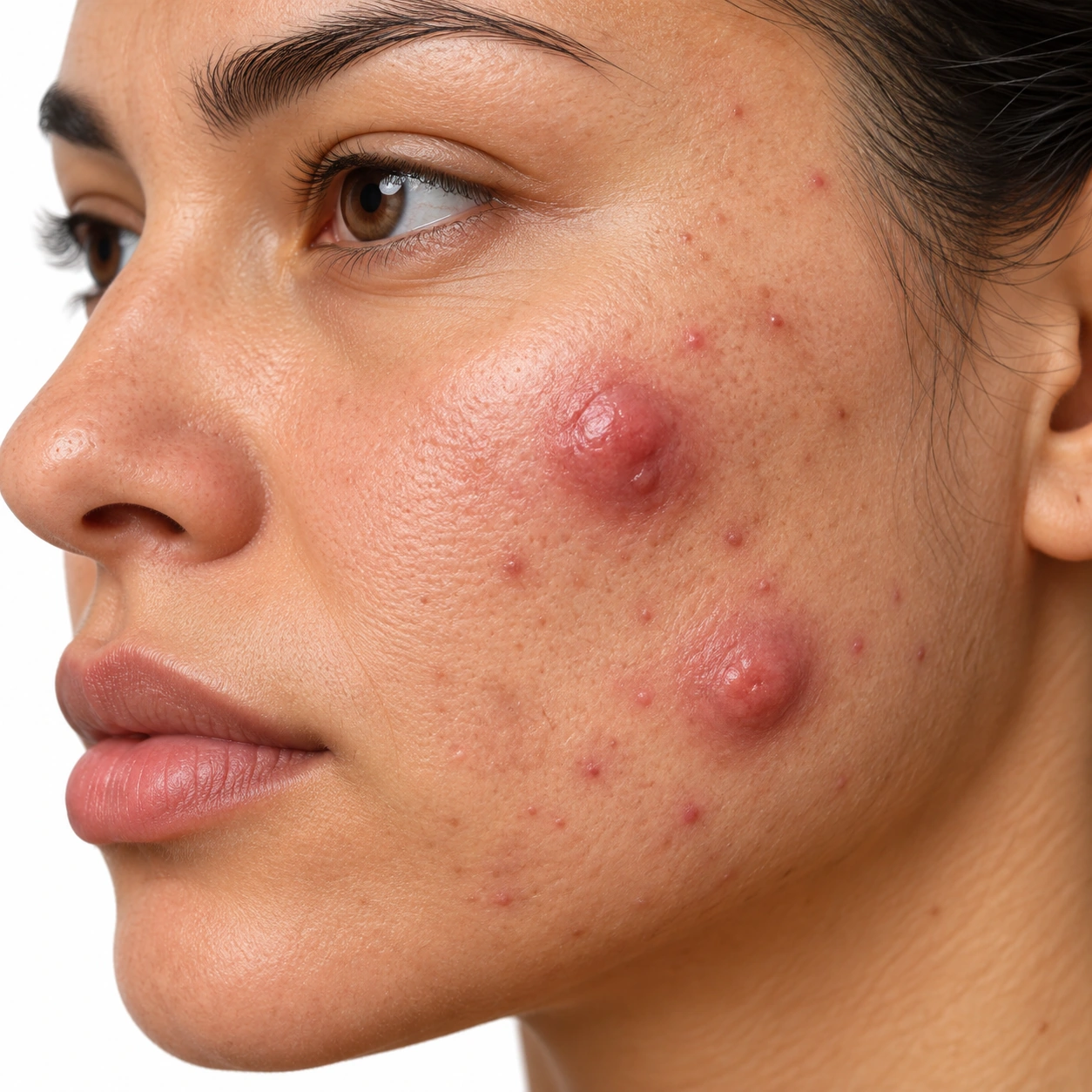
cheek with two raised deep acne lumps beneath intact skin on brown skin, in a three-quarter view of the cheek.
cheek with two raised deep acne lumps beneath intact skin on deep skin, in a three-quarter view of the cheek.
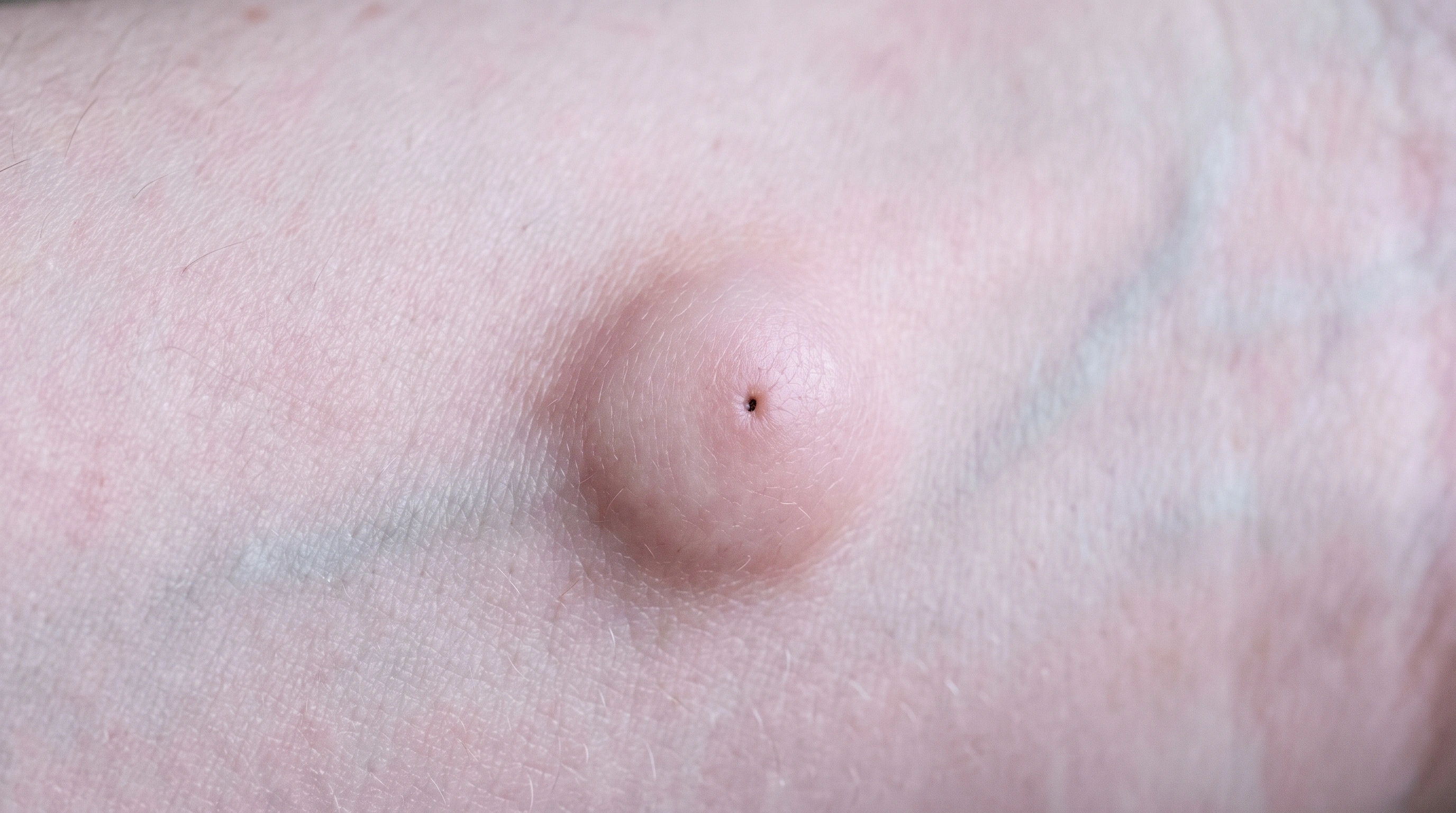
Educational illustration of one localized swollen follicular bump with a small pale pustular center on an upper arm on light skin.
Educational illustration of one localized swollen follicular bump with a small pale pustular center on an upper arm on medium skin.
Educational illustration of one localized swollen follicular bump with a small pale pustular center on an upper arm on brown skin.
Educational illustration of one localized swollen follicular bump with a small pale pustular center on an upper arm on deep skin.
In the skin

Deep inflammation develops around a blocked follicle and extends into nearby tissue. This creates a firm, tender lump rather than a small superficial spot.

Bacteria, commonly Staphylococcus aureus, infect a hair follicle and nearby tissue. A deeper collection of pus forms as the immune system responds.

When it usually starts

010203040506070+

Acne Nodules. Often begins around puberty; adult acne can persist or start later.

Boils. Can occur at any age.

Causes and triggers

Causes

Oil and shed skin cells block hair follicles; inflammation can develop around them.

Usually staphylococcal bacteria infect a follicle and nearby tissue.

Risk factors
Puberty, Family tendency, Oily or pore-clogging products
Skin breaks, Bacterial colonisation, Diabetes or immune suppression
Trigger
● Acne Nodules
● Boils
Pore-clogging products
Can contribute
Not listed
Friction
Can contribute
Can contribute
Skin injury
Not listed
Can contribute

Daily Care

Acne Nodules
Boils
Daily care

Habits that help

  • Wash gently, up to twice daily and after sweating
    Use lukewarm water, a mild cleanser and your fingertips; pat dry.
  • Choose non-comedogenic moisturizer and sunscreen
    Moisturizer helps you tolerate treatment; use broad-spectrum SPF 30 or higher on exposed skin.
  • Remove makeup gently before bed
    Choose products labeled non-comedogenic or oil-free and keep makeup tools clean.
  • Keep the routine simple and consistent
    Give the agreed treatment time to work instead of changing products every few days.
  • Arrange care early for deep, painful or scarring acne
    Cleansing and spot squeezing cannot resolve a deep lesion safely; timely treatment can limit scarring.

Avoid

  • Avoid: Picking, squeezing or home extraction
    Manipulating spots increases inflammation, infection risk and lasting marks or scars.
  • Avoid: Scrubs and several irritating actives at once
    Burning, peeling and raw skin are reasons to simplify the routine and review how treatment is being used.

Habits that help

  • Keep the area gently clean and cover any drainage
    Use a clean non-stick dressing and replace it when wet, dirty or as instructed.
  • Wash hands before and after dressing changes
    Dispose of used dressings safely and clean surfaces contaminated by drainage.
  • Keep towels, washcloths and razors for your own use
    Launder items that touch the affected area and let them dry fully.
  • Reduce pressure and rubbing over the lump
    Choose loose clothing and avoid shaving across inflamed skin.
  • Use a comfortably warm clean compress for a small boil
    Hold it on for 10–15 minutes several times daily; avoid hot temperatures and never force drainage.

Avoid

  • Avoid: Squeezing, lancing or piercing the lump at home
    This can spread infection; a collection of pus may need professional drainage.
  • Avoid: Delaying assessment for spreading redness, fever or worsening pain
    Home care does not replace drainage or antibiotics when they are needed.

Treatment differences

Evidence labels come from each condition’s own treatment list.

Treatment
● Acne Nodules
● Boils
Prescription pills

Isotretinoin

Listed

A dermatologist may recommend this for severe or scarring acne. It requires monitoring and strict pregnancy prevention.

Antibiotics when indicated

Listed

Spreading infection, systemic illness or individual risk factors may require antibiotics alongside source control.

Injections

Corticosteroid injection

Listed

A clinician can treat selected painful nodules; this is not a routine treatment for every spot.
None listed
Procedures
None listed
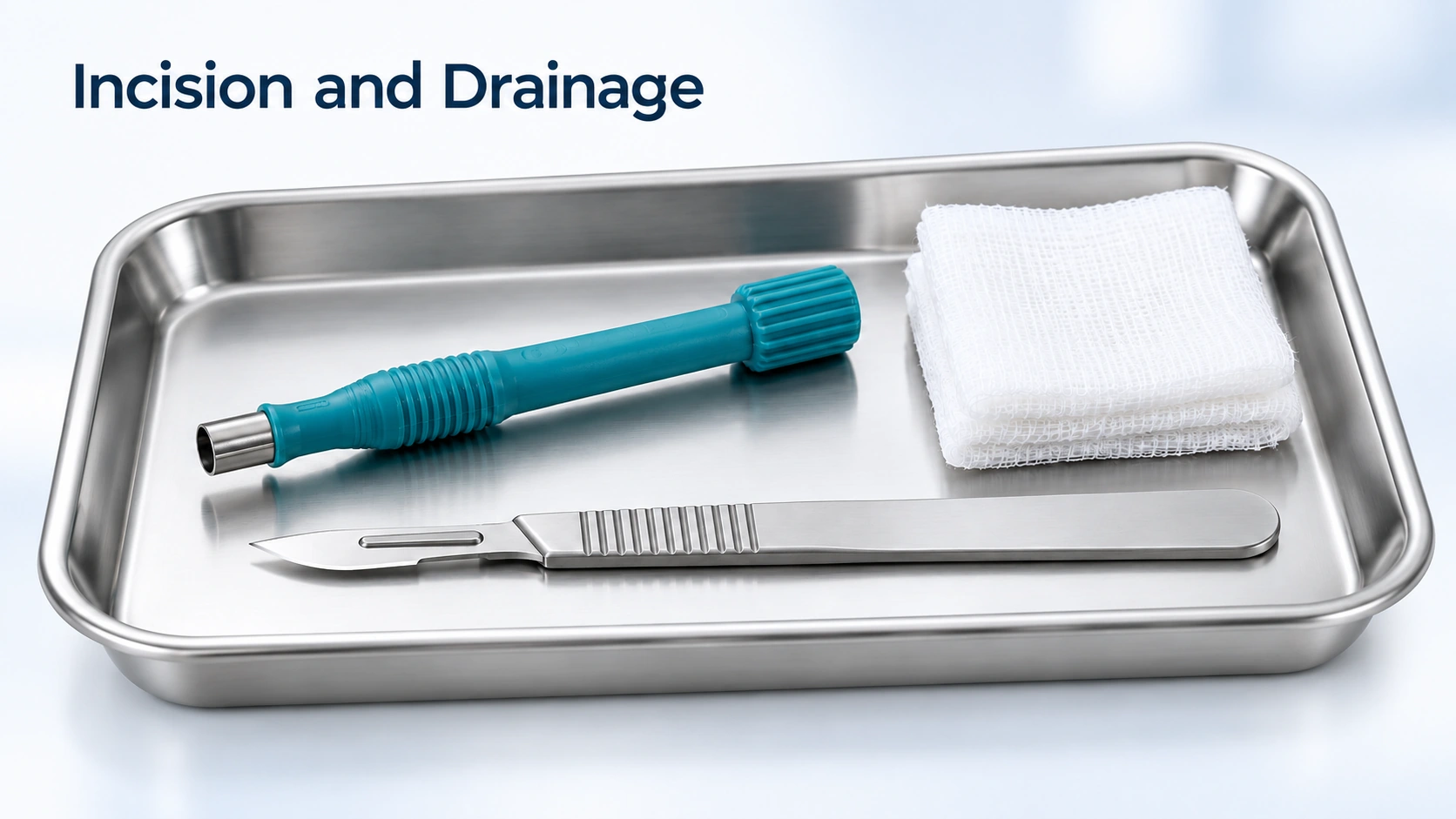
Editorial illustration for Incision and Drainage, based on the entry’s treatment or equipment reference.

Incision and drainage

Listed

A clinician may need to drain a collection of pus; do not lance it at home.

Outlook

Long term

Deep acne lumps can last longer than surface spots and have a greater risk of scarring. Early treatment helps limit further damage; repeated nodules usually need a clinician-led plan.

A boil can heal after it drains, but deeper or worsening infections may need professional treatment. Repeated boils warrant assessment for contributing factors rather than repeated squeezing or self-drainage.

Complications

Possible complications

Inflamed acne can leave dark marks or permanent scars and affect confidence.

Infection can spread to nearby skin or cause systemic illness.

When to get help

When to get help

Arrange care for painful deep lumps, scarring, or acne that persists despite a consistent treatment plan.

Seek prompt care for a painful pus collection; fever, spreading swelling or feeling unwell increases urgency.

Common questions

Acne Nodules:What is Acne Nodules?

Deep, firm and often painful inflammatory acne lumps.

Acne Nodules:What can I do day to day?

Use a gentle cleanser, non-comedogenic moisturizer and sunscreen. Do not squeeze or scrub spots.

Acne Nodules:When should I get medical advice?

Arrange care for painful deep lumps, scarring, or acne that persists despite a consistent treatment plan.

Boils:What is Boils?

Deep bacterial infection of a hair follicle producing a tender lump.

Boils:What can I do day to day?

Keep the area clean and covered. Do not squeeze or lance it; do not share towels.

Boils:When should I get medical advice?

Seek prompt care for a painful pus collection; fever, spreading swelling or feeling unwell increases urgency.

Sources
Sources and further reading

  1. Acne vulgaris
  2. Boil
Dermapedia on YouTube