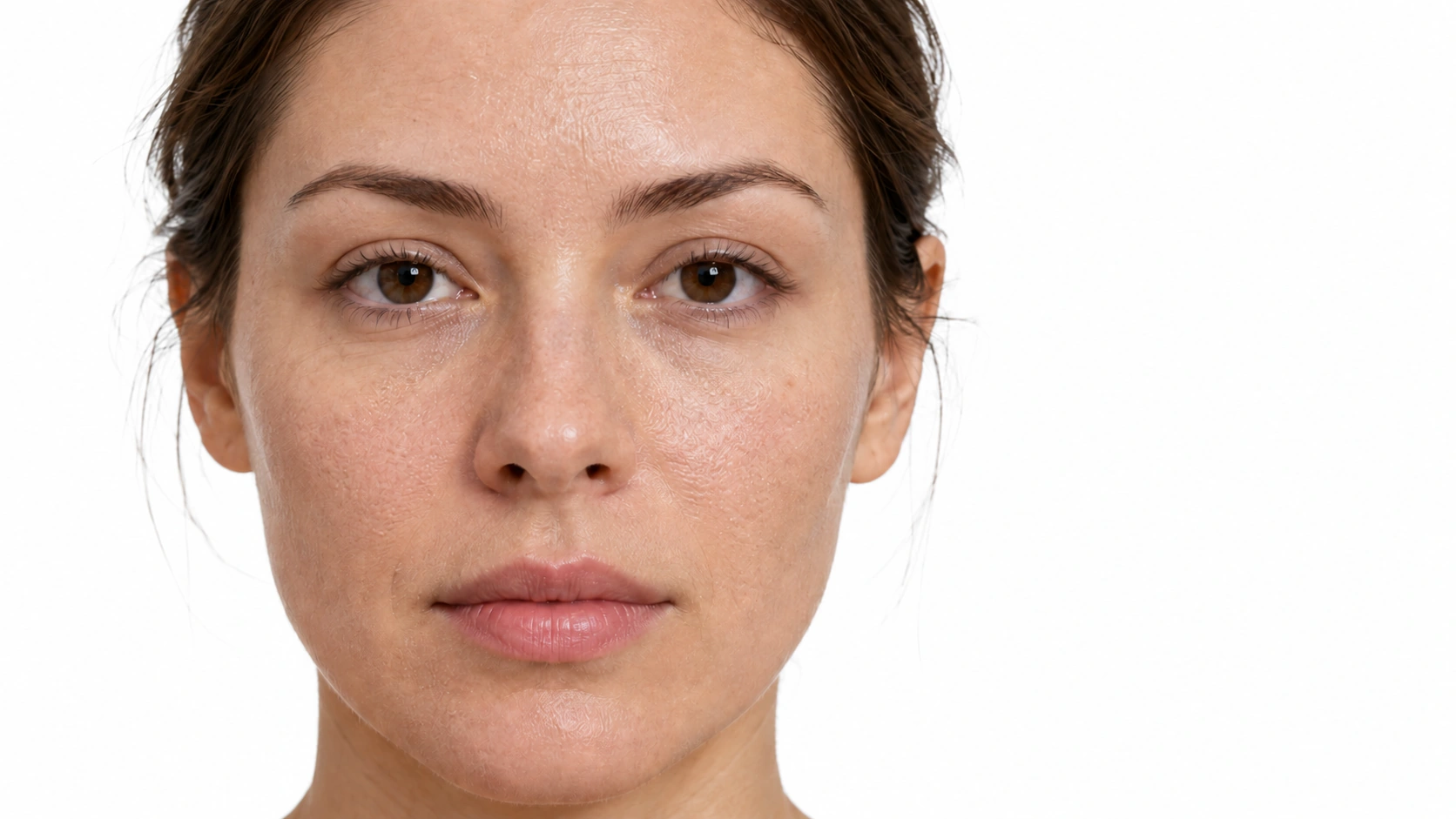
Dull Skin
A controlled cream trial supports modest improvement in photodamaged texture.
Lactic Acid: Exfoliates rough skin and contributes to hydration in suitable formulas. Squalane: Softens dry skin and adds slip to moisturizers or facial oils.
Choose for rough, dry texture; sensitive areas may sting.
Choose for lightweight-feeling emollience if it suits your skin.
Can you use both?
Squalane softens and seals after lactic acid.
Compare uses by strength of evidence. Evidence level describes confidence in a benefit, not its size.

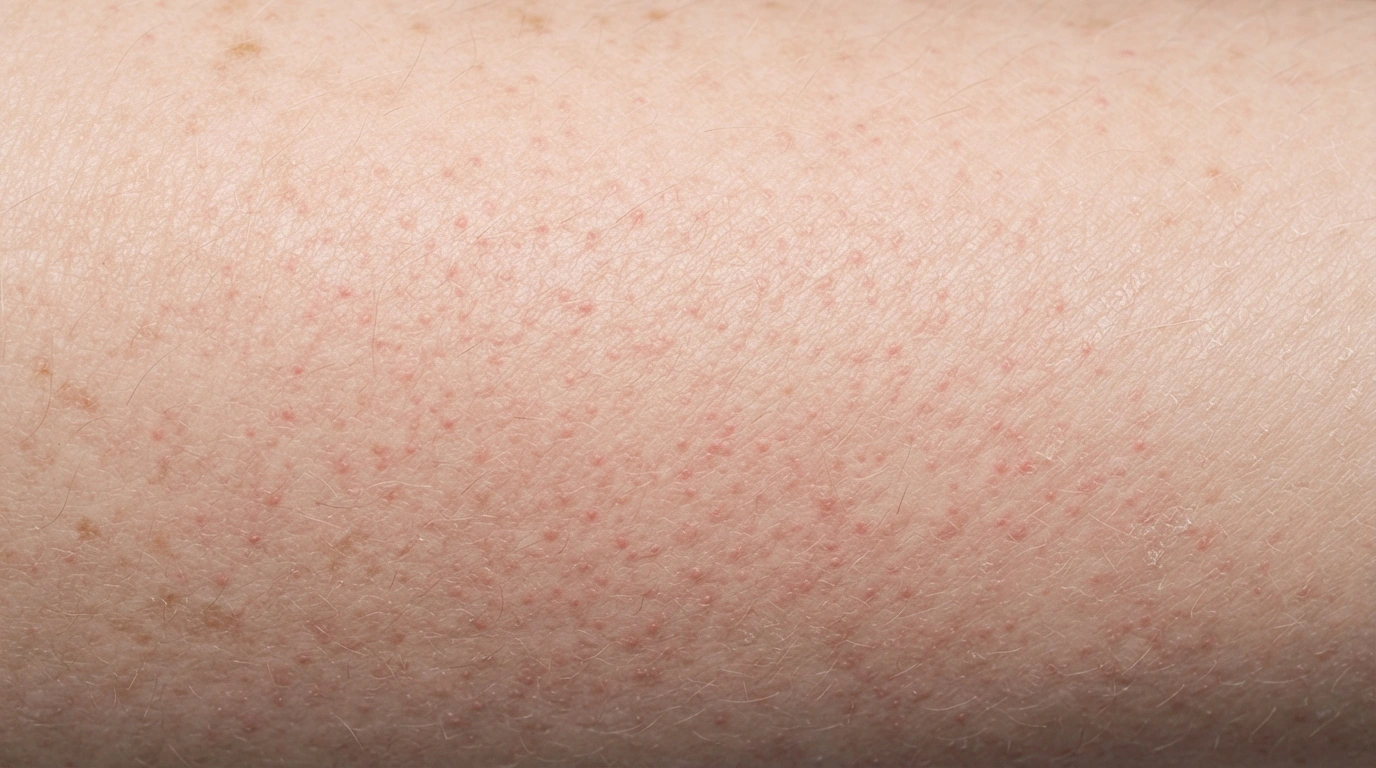
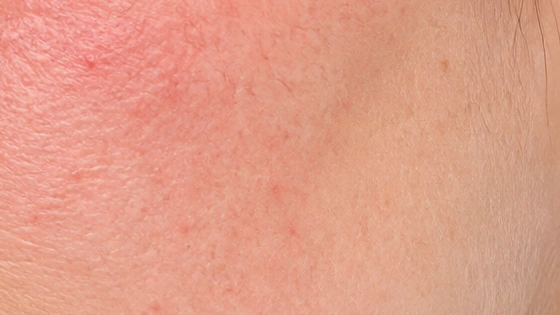
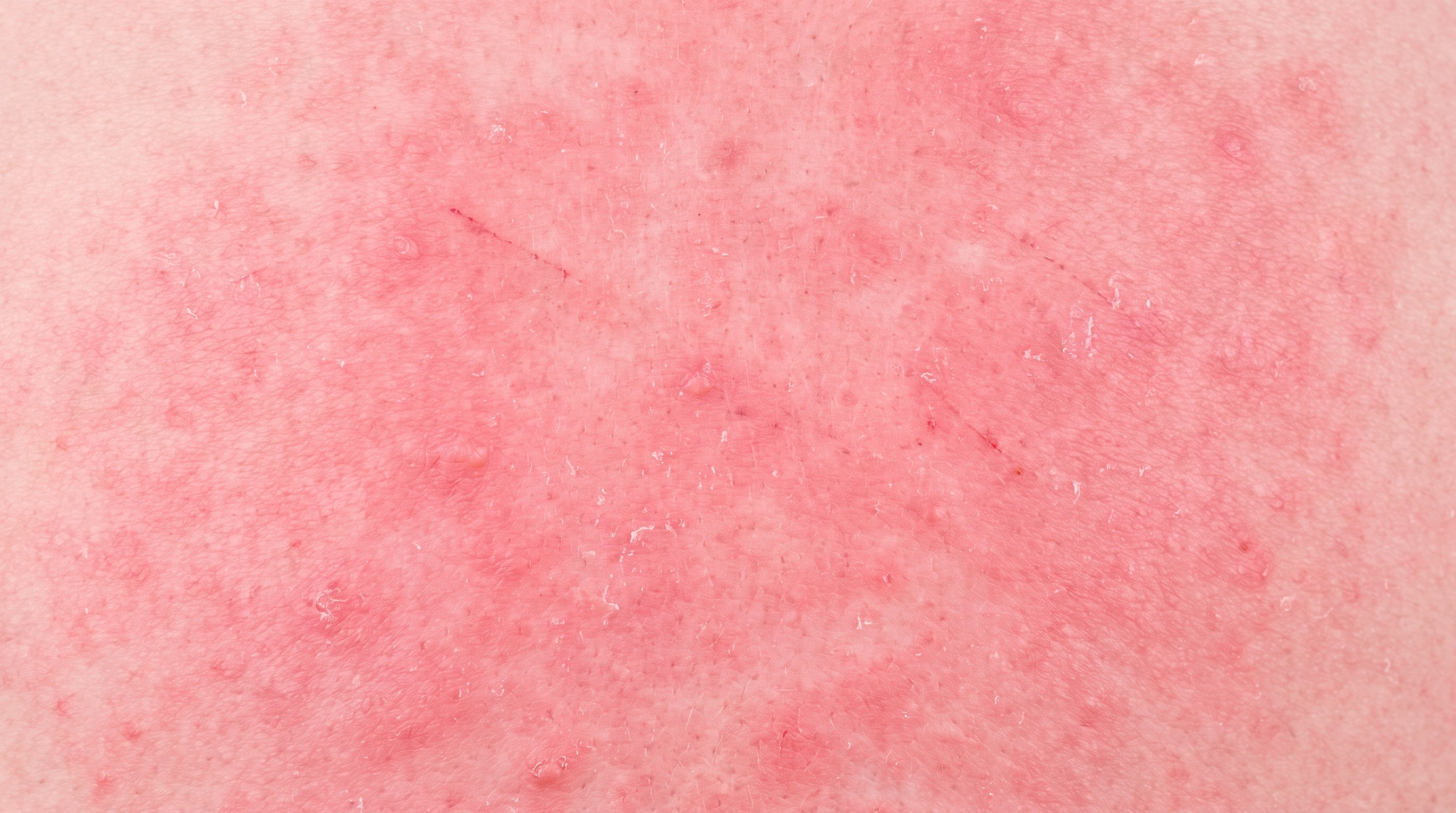




Loosens outer skin cells: An acidic formula promotes surface shedding. Contributes to hydration: Lactate is part of the skin's water-binding environment.
Schematic illustration; not a measurement of skin penetration. Effects vary with ingredient identity and formulation.
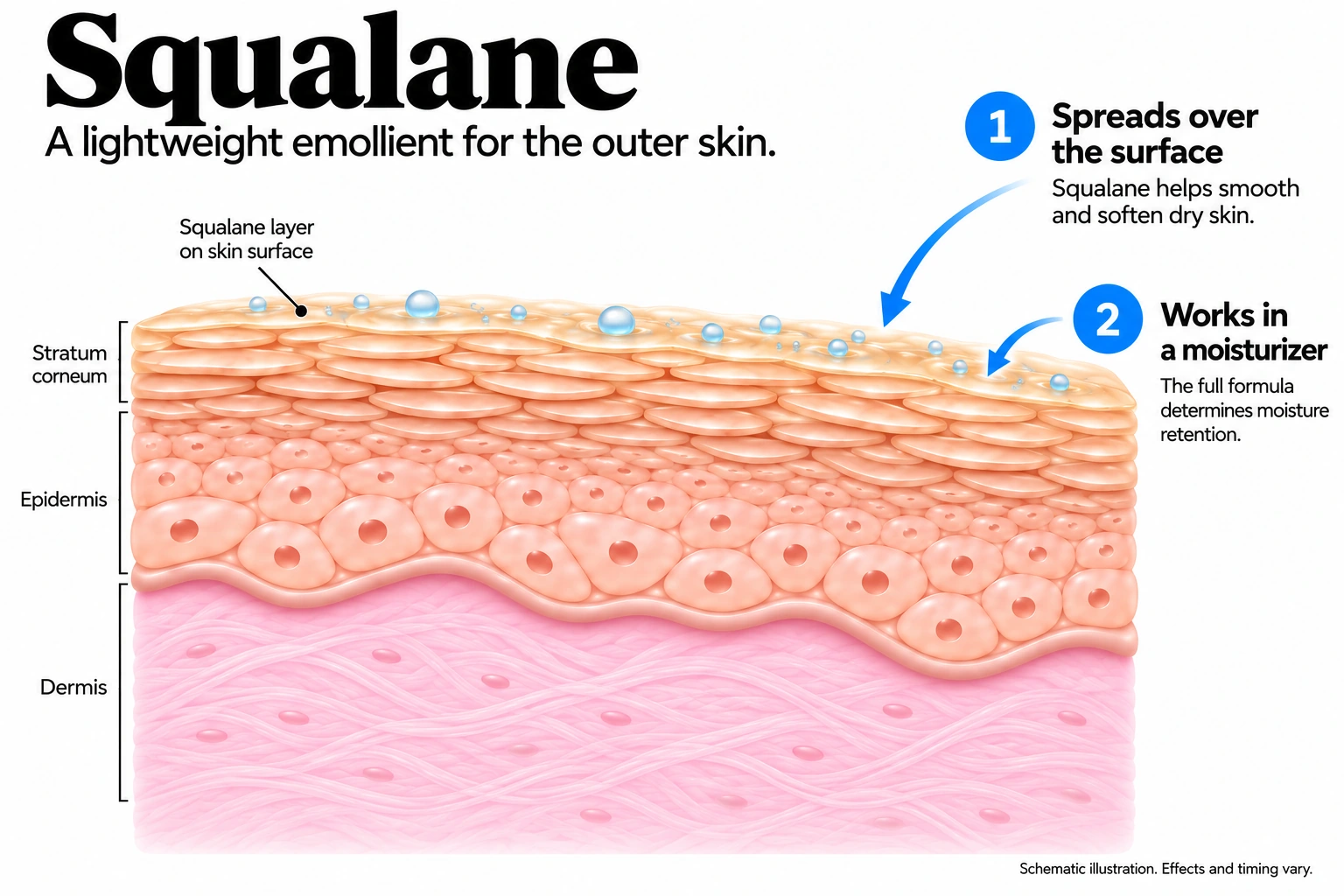
Spreads over the surface: Squalane helps smooth and soften dry skin. Works in a moisturizer: The full formula determines moisture retention.
Schematic illustration; not a measurement of skin penetration. Effects vary with ingredient identity and formulation.
Built from where each one usually sits in a routine. Introduce one at a time.
Lower-strength lactic acid skincare differs from concentrated office peels. Research includes 5–12% leave-on formulas and specialist peel formulations as high as 85–92%.
5–12%
85–92%
Studied leave-on formulas
Studied for texture and signs of skin aging. Body lotions and facial products can have different directions and tolerance.
Specialist peel formulations
Used in small clinician-applied studies. These are research examples, not a home-use range or a routine starting strength.
Choosing a strength: Choose a labeled facial or body product for the area being treated. Professional peel concentrations are a separate category.
Higher strengths: Concentrated lactic acid can cause chemical burns and pigmentation changes. A study of a professional peel does not establish safe home use.
Formula matters: The product’s acidity and buffering matter alongside its percentage. Ammonium lactate lotions are not equivalent to unbuffered acid peels.
Squalane is an emollient used in oils and creams; there is no established best percentage for skin repair or wrinkles. It should not be confused with squalene.
Choosing a strength: Choose the texture and complete formula for your skin. A squalane-containing cream and a plain oil offer different combinations of ingredients.
Higher strengths: A more concentrated oil is not established as a more effective anti-aging treatment.
Formula matters: Results from a combination containing squalane cannot be attributed to squalane alone. The other active ingredients and moisturizer base matter.
Approximate windows, not promises.
First few weeksAssess tolerance and texture; immediate softness can come from the base formula.
First few weeksSkin may feel softer soon after use; relief depends on the formula.
4–8 weeksSubtle changes may appear in some tested products; evidence varies.
4–8 weeksJudge hydration, comfort and whether dryness is recurring.
8–12 weeksCompare photographs in the same lighting and reassess benefit.
8–12 weeksPersistent cracking, itch or a rash needs reassessment.
3–6 monthsPhotoaging trials often need several months; expect modest rather than dramatic change.
3–6 monthsContinue if comfortable; hydration usually requires ongoing use.
6–12 monthsLong-term evidence is limited for many cosmetic actives; continue only if useful.
6–12 monthsMoisturizing does not establish reversal of structural ageing or scars.
Can sting cracked skin and aggravate eczema or rosacea flares.
May feel oily or cause bumps in some formulas; stop for a rash.
Stop for persistent burning, swelling, blistering or a new rash. Seek urgent care for breathing difficulty or a severe allergic reaction.
Stop for persistent burning, swelling, blistering or a new rash. Seek urgent care for breathing difficulty or a severe allergic reaction.
Choose a simple formula and test a small area first. Avoid actively inflamed or broken skin unless the product is specifically directed for it.
Choose a simple formula and test a small area first. Individual tolerance matters more than an ingredient’s reputation for being gentle.
Do not use a cosmetic product as a substitute for diagnosis of an unexplained, changing or persistent skin problem.
Do not use a cosmetic product as a substitute for diagnosis of an unexplained, changing or persistent skin problem.
Very little is absorbed, but that decision belongs with the doctor managing your pregnancy.
Squalane is generally considered acceptable in pregnancy.
On the skin. The finished product delivers lactic acid in a particular vehicle.
Entering skin. Below the 500 Da guideline; delivery still depends on the formula, solubility, stability and skin condition. Size does not prove effectiveness or penetration depth.
Conversion. No activation step is established as necessary for its intended topical role.
Skin response. Helps loosen surface cells; lactic acid/lactate also contributes to the skin’s water-binding environment.
Additional effects. Proposed pathways do not establish a measured depth of delivery or clinical benefit beyond the studies cited.
On the skin. The finished product delivers squalane in a particular vehicle.
Entering skin. Below 500 Da in this molecular form. Its useful surface action does not require deep delivery; the formula and skin condition matter.
Conversion. No activation step is established as necessary for its intended topical role.
Skin response. Spreads over the outer skin as an emollient; softening does not require reaching deep tissue.
Additional effects. Proposed pathways do not establish a measured depth of delivery or clinical benefit beyond the studies cited.
Choose for rough, dry texture; sensitive areas may sting.
An older 22-week controlled study supports modest photoaging improvement from 8% cream. It does not establish every body-lotion claim or superiority over glycolic acid.
Choose for lightweight-feeling emollience if it suits your skin.
A reviewed wrinkle study used squalane as the vehicle for fullerene. It cannot be cited as proof that squalane itself reverses wrinkles; standalone controlled evidence is limited.
Sources