Lactic Acid
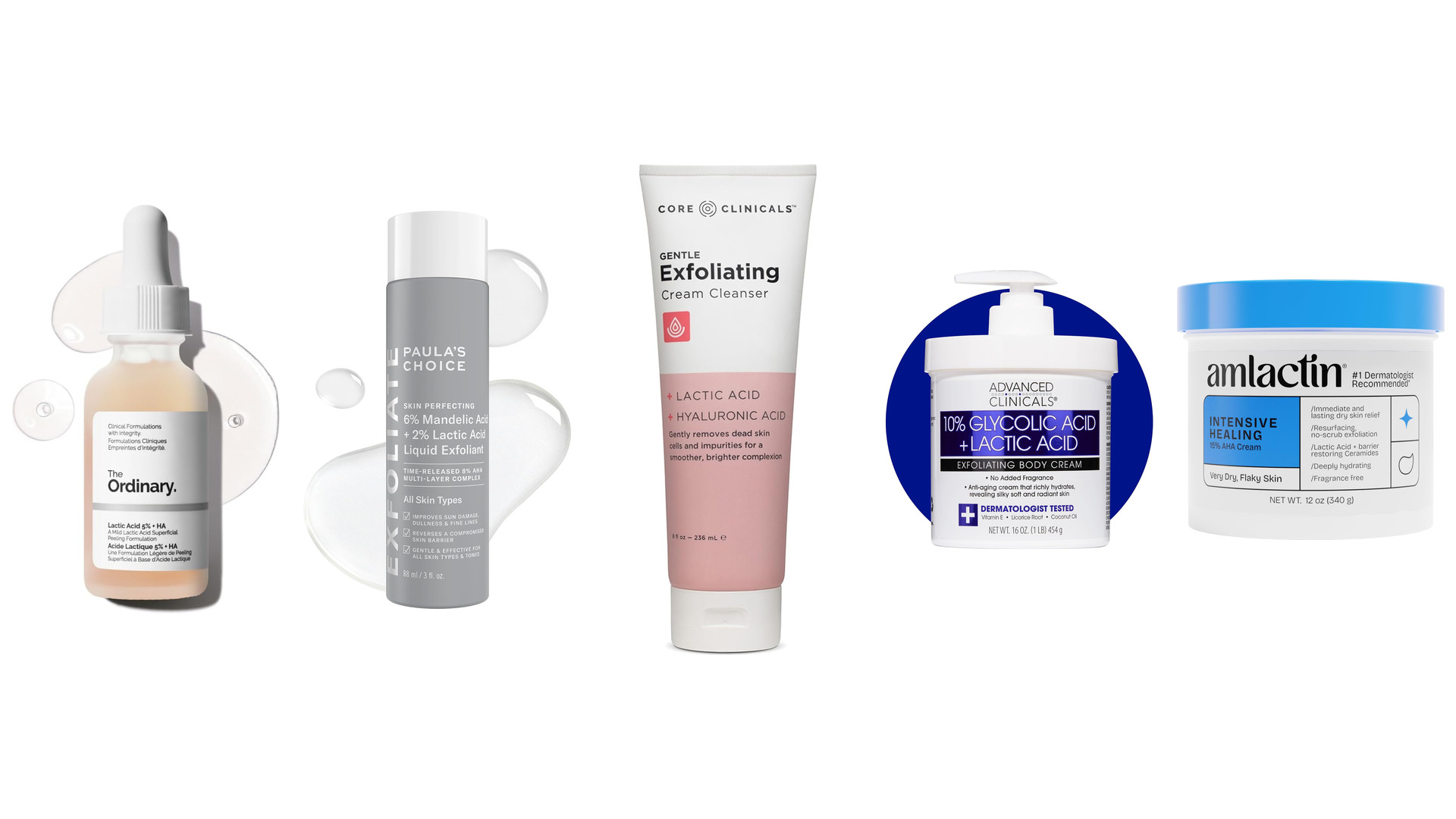
Salicylic acid is better for clogged pores, blackheads and oily skin. It dissolves in oil, so it gets down inside the pore and clears it out. Lactic acid is better for dry, dull or sensitive skin. It works on the surface and holds water, so it exfoliates without stripping. The choice comes down to one question: is your problem inside the pores, or on top of the skin?
| The difference | Lactic Acid | Salicylic Acid |
|---|---|---|
| How long until it works | Two to four weeks | Four to six weeks |
| Cost | Inexpensive | Inexpensive |

Side by side
Lactic Acid
A few nights a week
A serum, toner or lotion left on the skin. Some people use it as a weekly mask instead.
Salicylic Acid
Daily or a few times a week
A cleanser, toner, serum or spot treatment. Leave-on versions do more than a wash that goes straight down the drain.
Lactic Acid
Softer, more hydrated skin
Less flaking, less dullness, and a slow fade of surface discolouration. Skin feels plumper rather than tighter.
Salicylic Acid
Clearer pores
Fewer blackheads and whiteheads, less congestion on the nose and chin, and less oily shine by the afternoon.
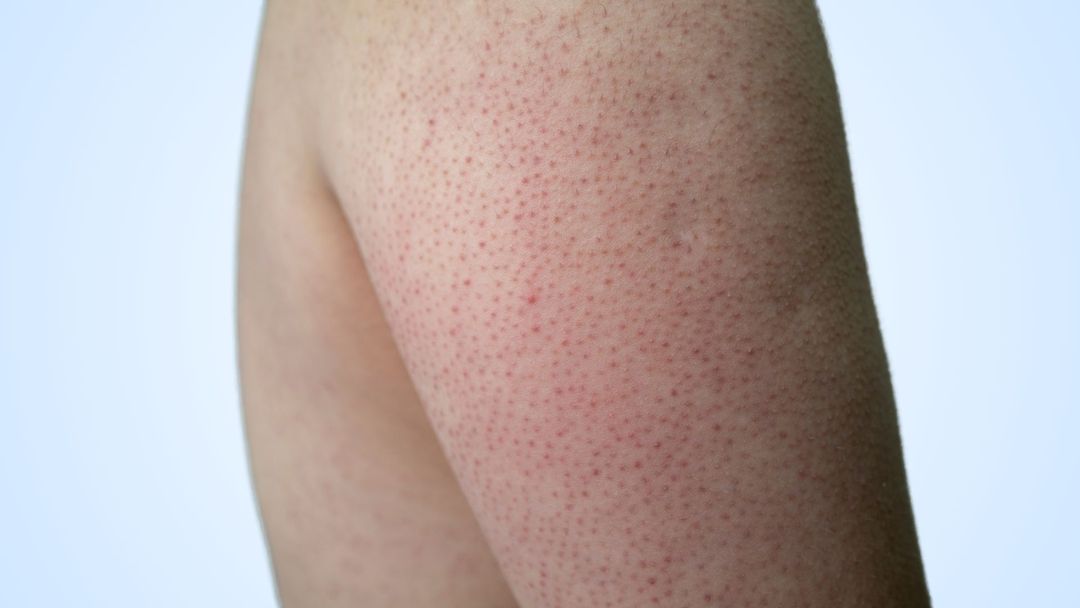
Ammonium lactate or lactic acid lotion at around 12 percent does the same two jobs as urea, slightly more gently, and it is often the easier one to keep using daily. Good first choice if urea stings. Like everything here, it manages the bumps rather than ending them.

Loosens stuck-together flakes chemically and draws water in at the same time, so it suits rough, bumpy dryness on the arms and legs. It is gentler than urea on large areas but stings more on cracks and on freshly shaved skin. Use it two or three times a week alongside a plain cream, not instead of one.
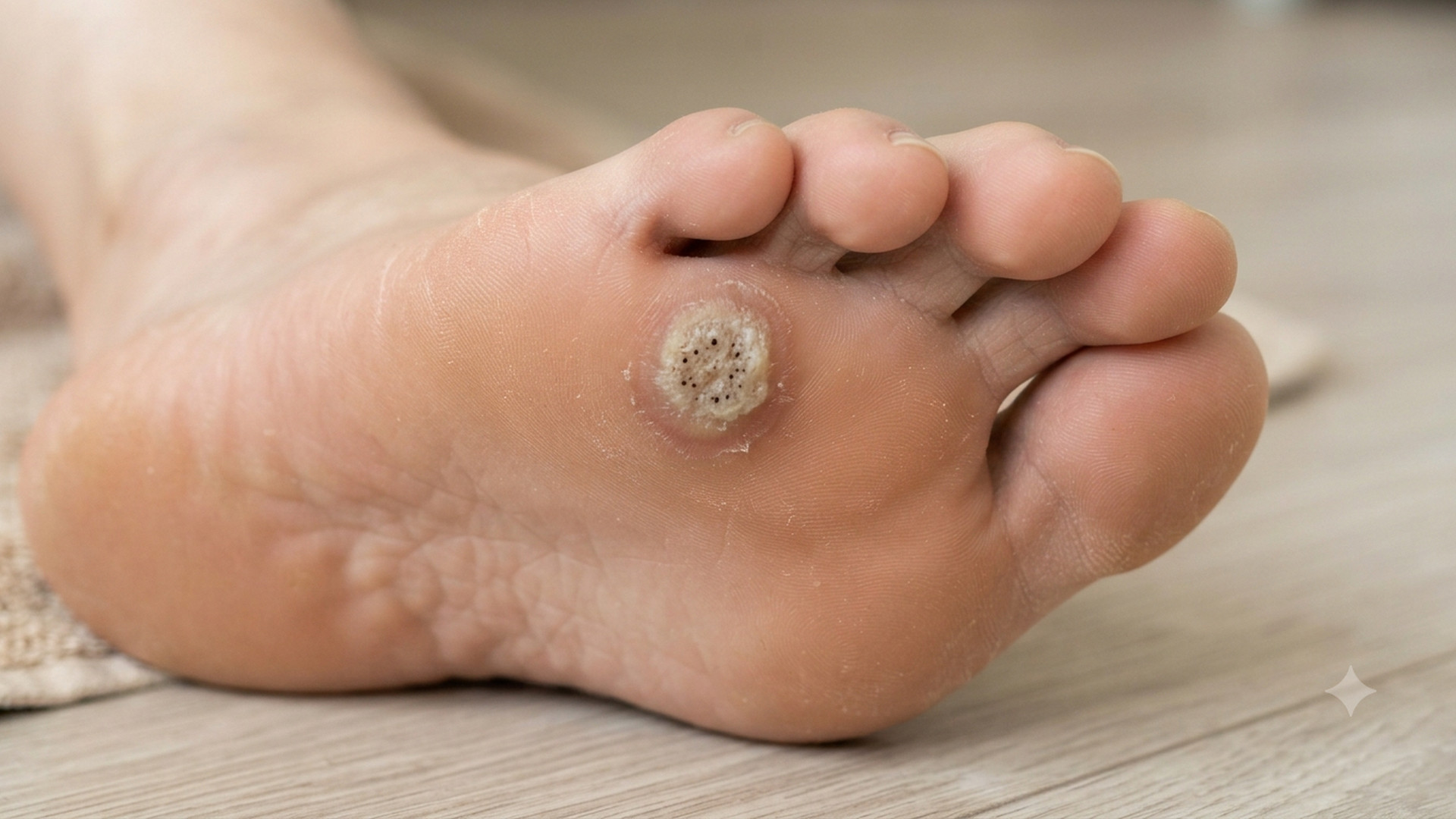
The best-evidenced treatment you can buy, and for the sole it is used at foot strength, far higher than the acne version. The order matters: soak the foot, file the surface, apply, cover. Applied to an unfiled callus it never reaches the infected skin, which is the usual reason it seems not to work. Twelve weeks of nightly use is a fair trial.
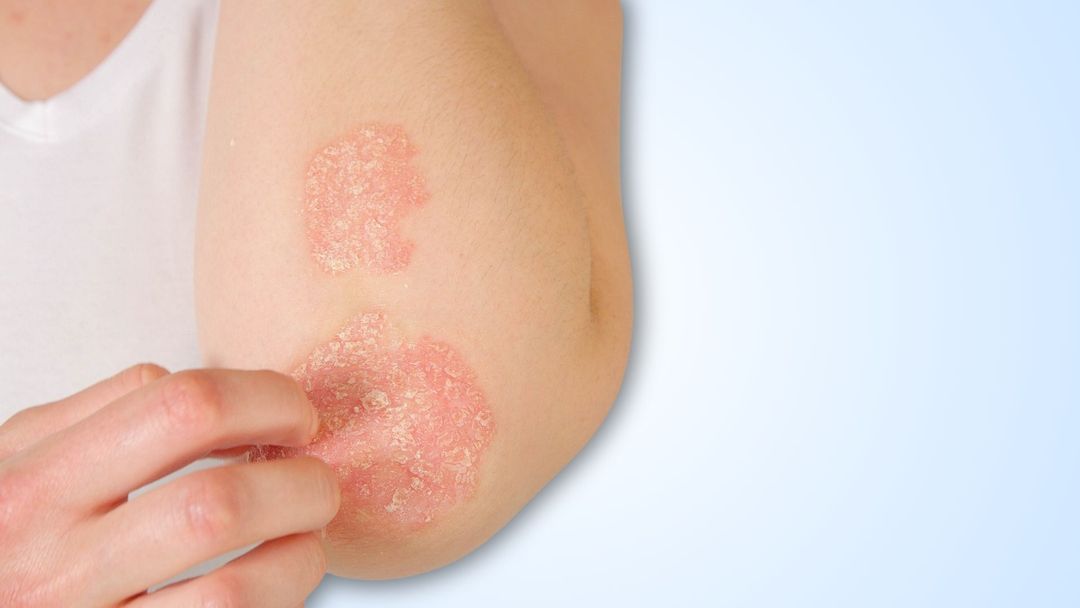
Lifts and dissolves the scale on top of a plaque. That matters because no medicated cream can reach the skin through a thick crust, so this is often the step that makes everything else work. It does nothing to the immune signal underneath, and on large areas it should not be used long term.
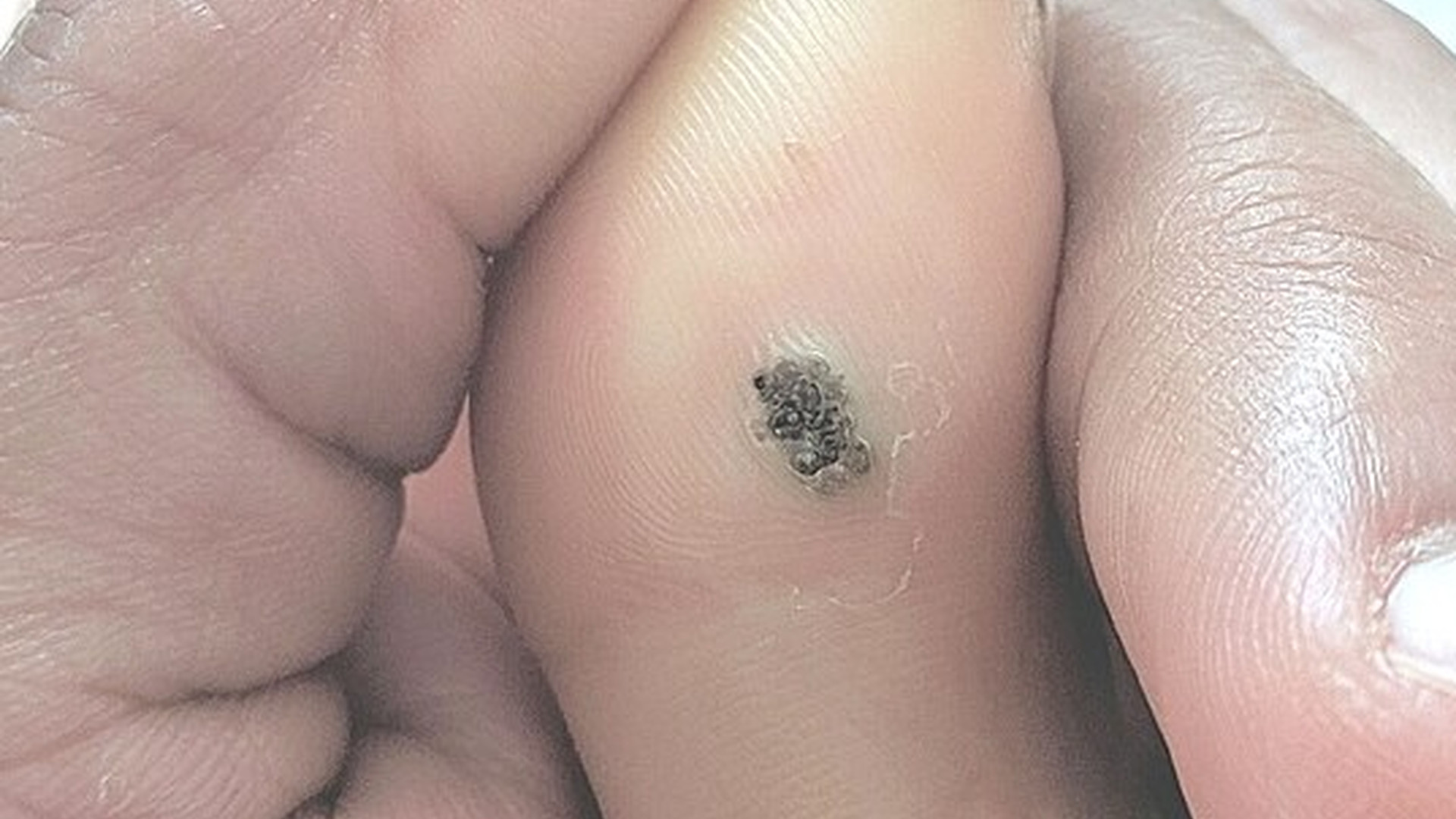
The first treatment for almost every ordinary hand or foot wart, and the one with the best evidence outside the clinic. It dissolves the infected thickened skin a layer at a time, so it only works if it goes on every single day. Soak the wart for five minutes, file the dead surface off, apply, and cover it. Twelve weeks is a fair trial; ten days is not.
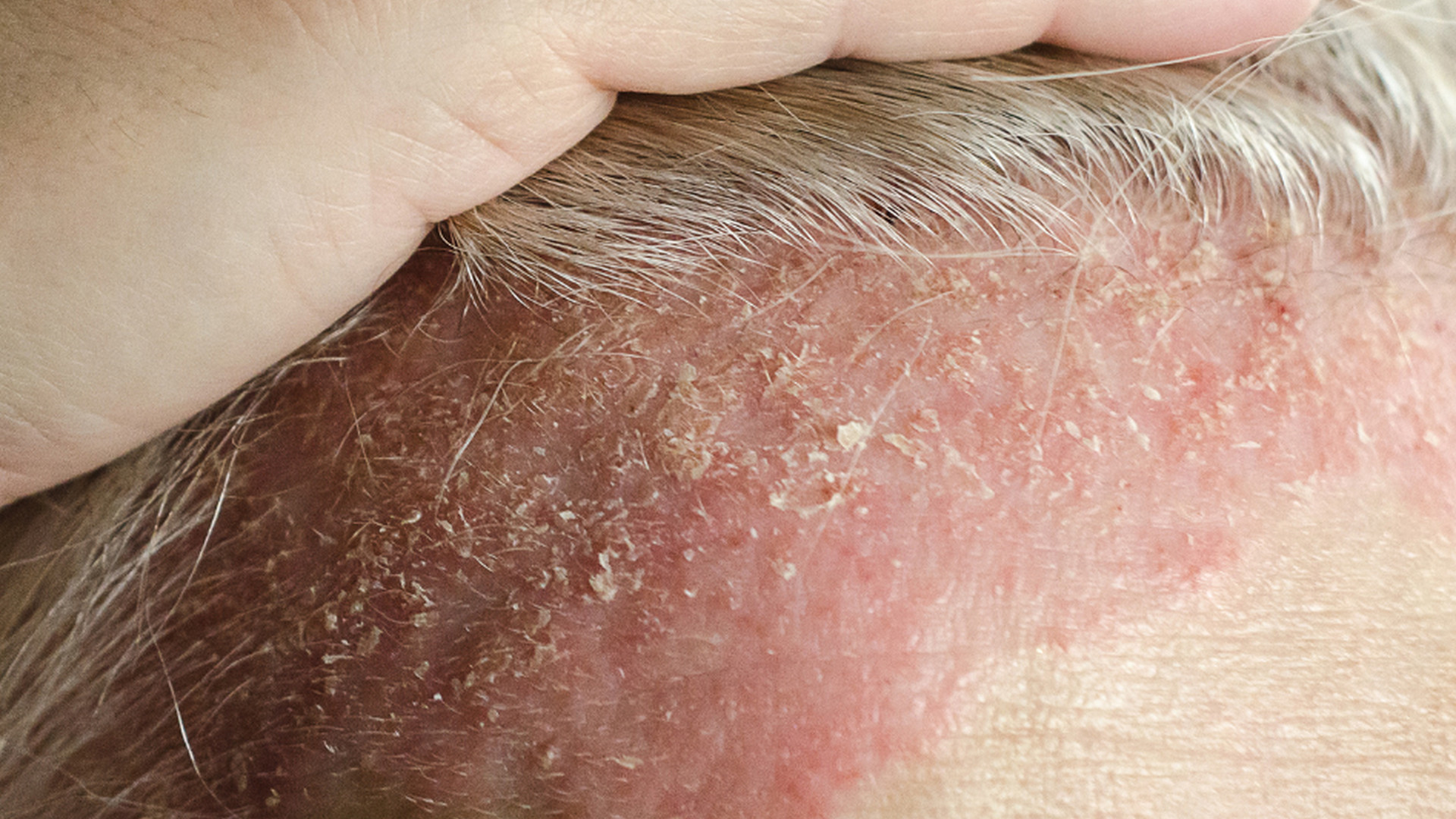
A descaler, not a treatment. It dissolves the bonds holding the plate of scale together so that medicine can reach the skin underneath, which is the step most people skip. Use it before the active treatment, not instead of it, and go easy on large areas because it can make hair brittle.
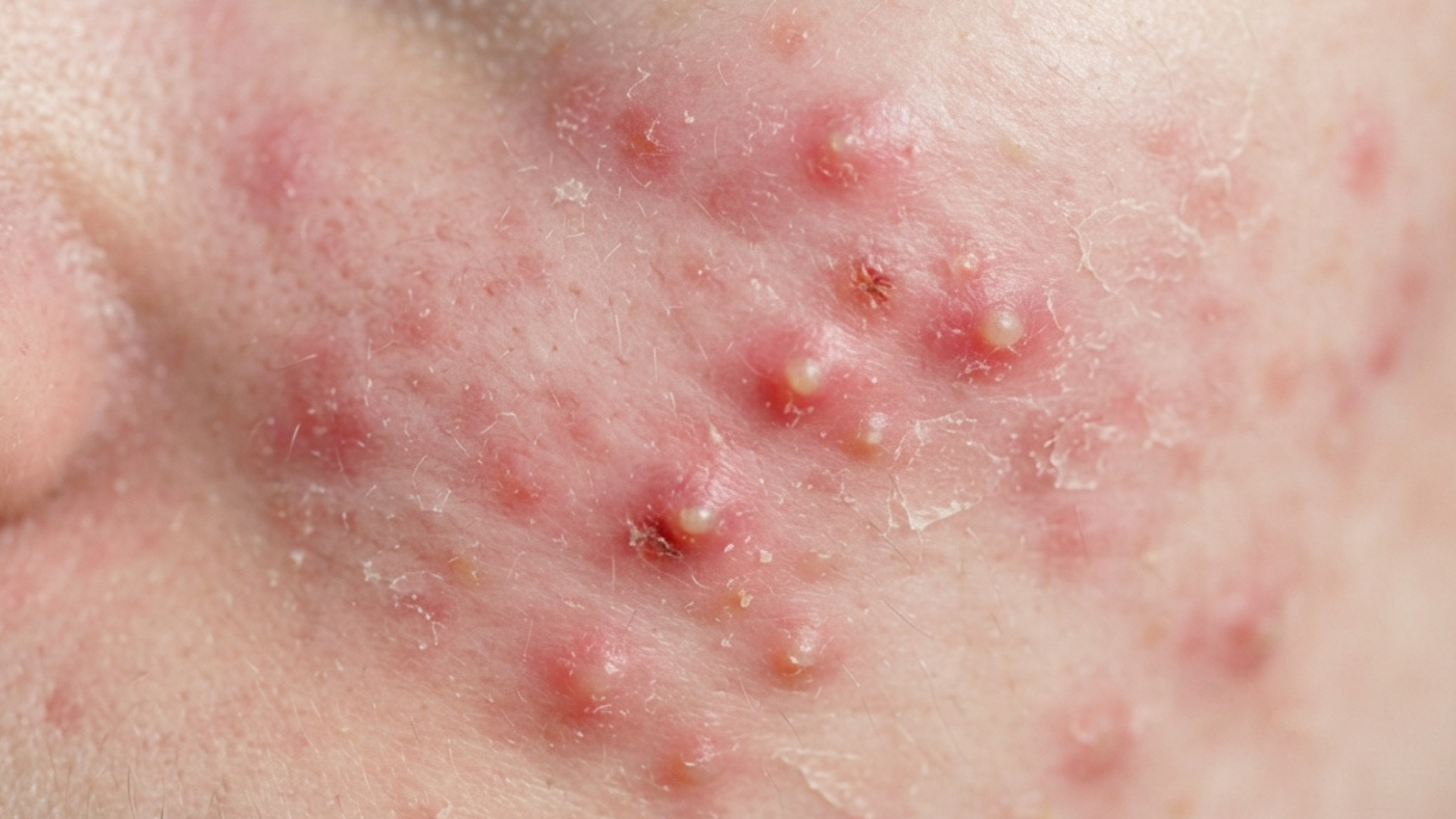
Gets inside the pore and loosens the plug, so it suits blackheads and whiteheads more than deep spots. Gentler than a retinoid, and weaker than one.
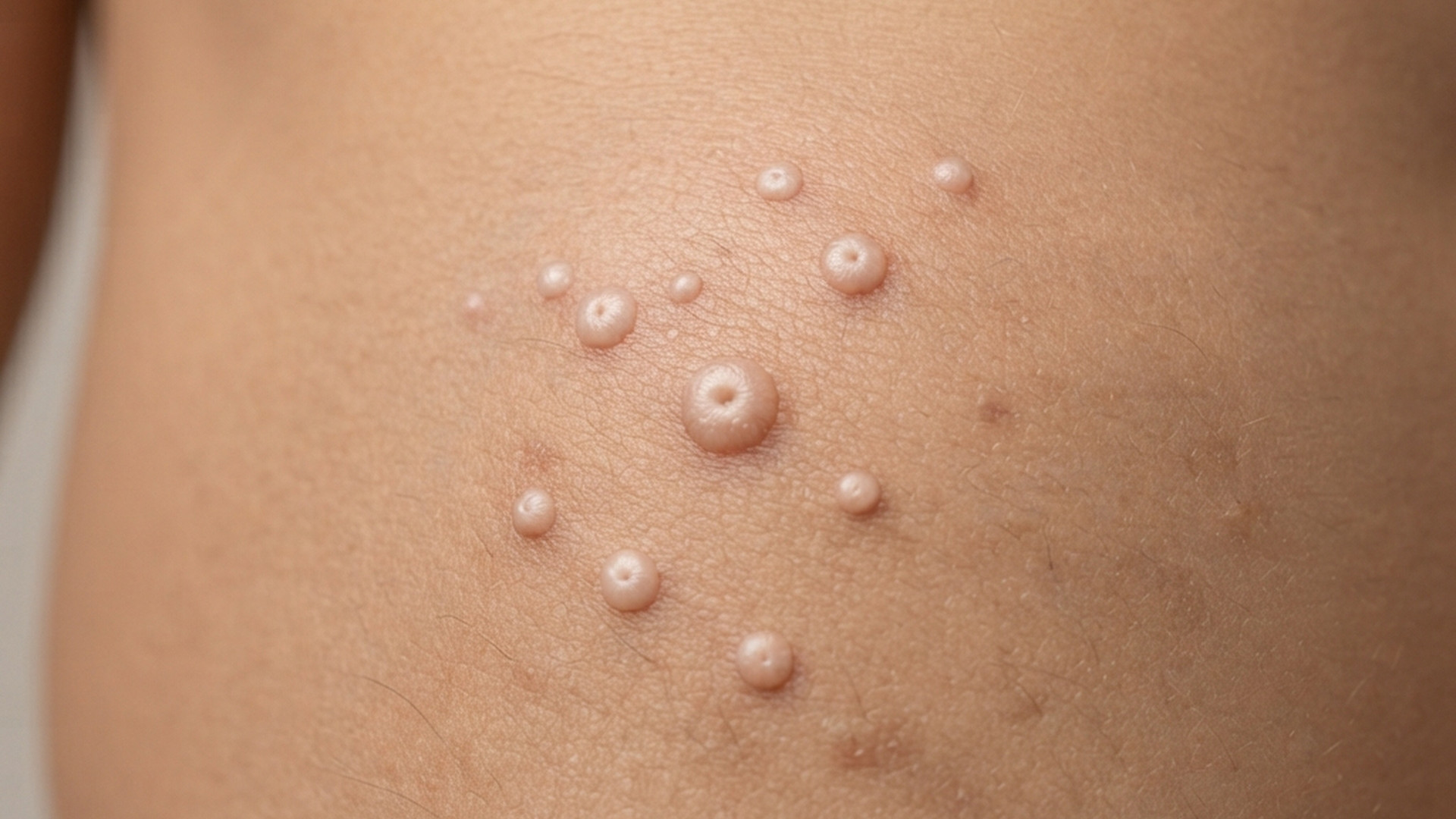
The wart products in the pharmacy are the wrong tool here. Molluscum is a poxvirus, not the wart virus, and the bumps are soft domes rather than thickened skin for an acid to dissolve. On thin skin, on a child, and on thirty bumps at once, it mostly buys irritation and dark marks. If a bump is going to be treated, the clinic options are more reliable and better controlled.
Oil-soluble, so it gets down inside the follicle and works on the plug from within rather than at the surface. Useful when the bumps are the main complaint and urea has not been enough. It is drying, so it needs pairing with a moisturizer, and it is not the one to reach for on a child's cheeks.

This one lifts scale rather than treating the cause. It is the right choice when the scale is thick and stuck down and other shampoos cannot reach the skin underneath. Use it first to clear the way, then follow with an anti-yeast shampoo — on its own it will not stop the dandruff coming back.

It works by clearing blocked pores, and this is not a blocked-pore condition, so it does not act on the yeast. Some people find a wash mildly helpful for the texture. It will not clear the bumps, and scrubs and brushes usually make an irritated chest and back angrier.
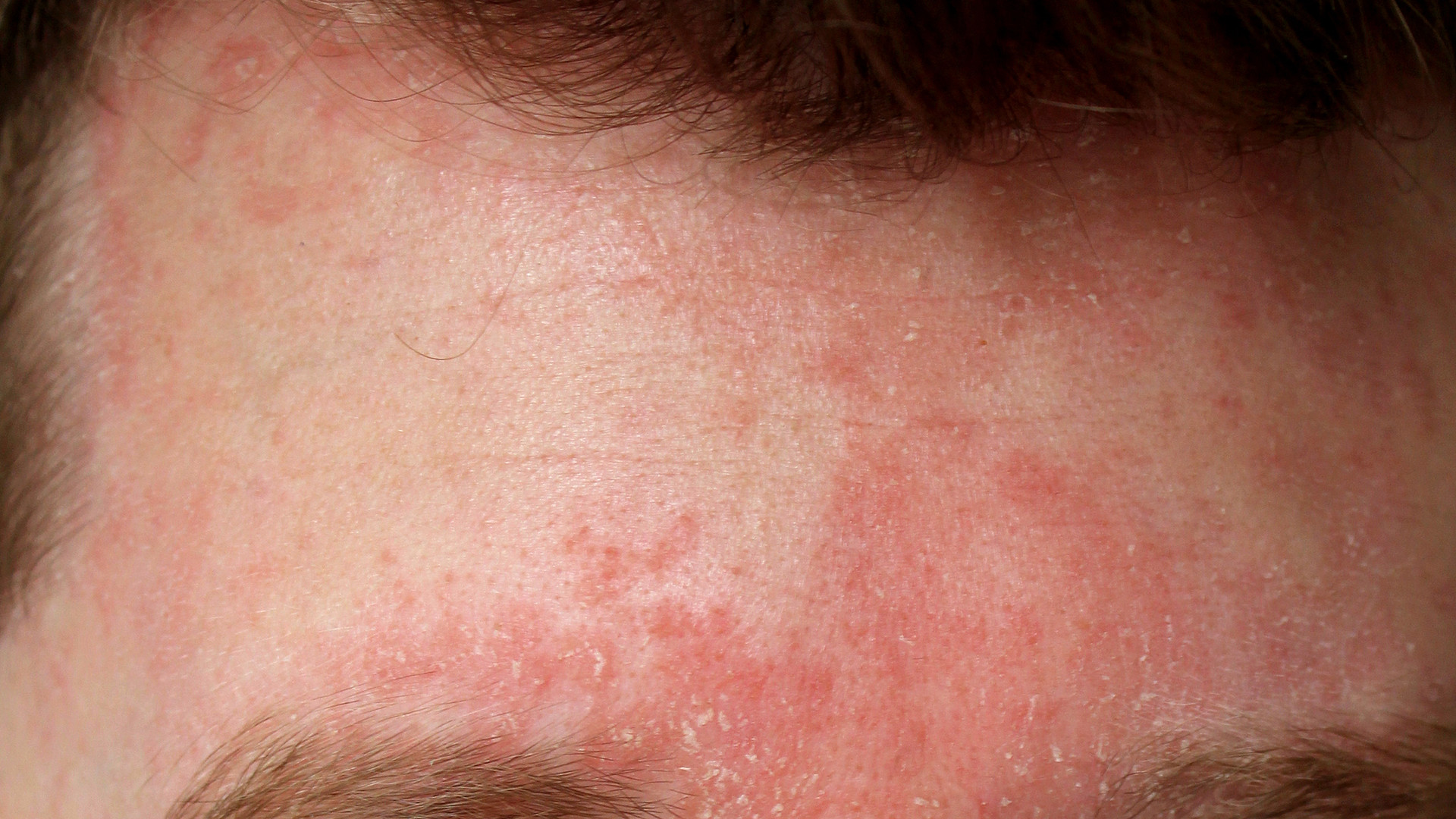
A descaler for a scalp that has built up a thick crust. It loosens the scale so the antifungal underneath can actually reach the skin. It does nothing to the yeast or the inflammation, and on an already stinging face it is more likely to irritate than to help.
Lactic Acid
It will not unclog pores
Lactic acid cannot get into oil, so blackheads mostly stay put. It also will not reduce oiliness.
Salicylic Acid
It will not hydrate
Salicylic acid has no moisturizing effect at all. Used too often on dry skin it makes tightness and flaking worse.

Strong evidence. Smaller molecule, faster on rough texture and dullness, and more likely to sting. Lactic acid is the more comfortable option and adds hydration.
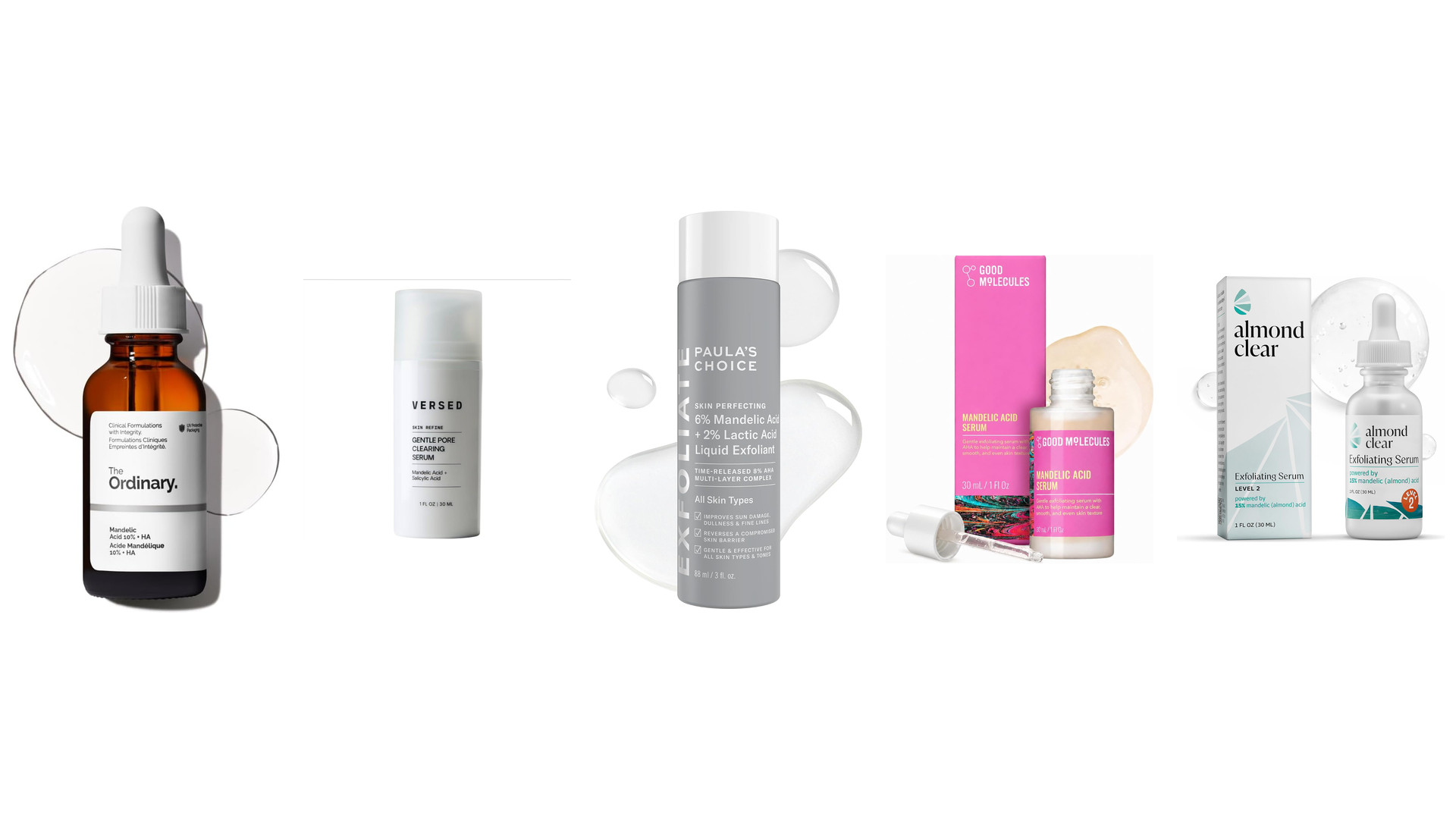
Limited evidence. Gentler again and mildly antibacterial, which suits acne-prone skin. It is slower and much less studied.
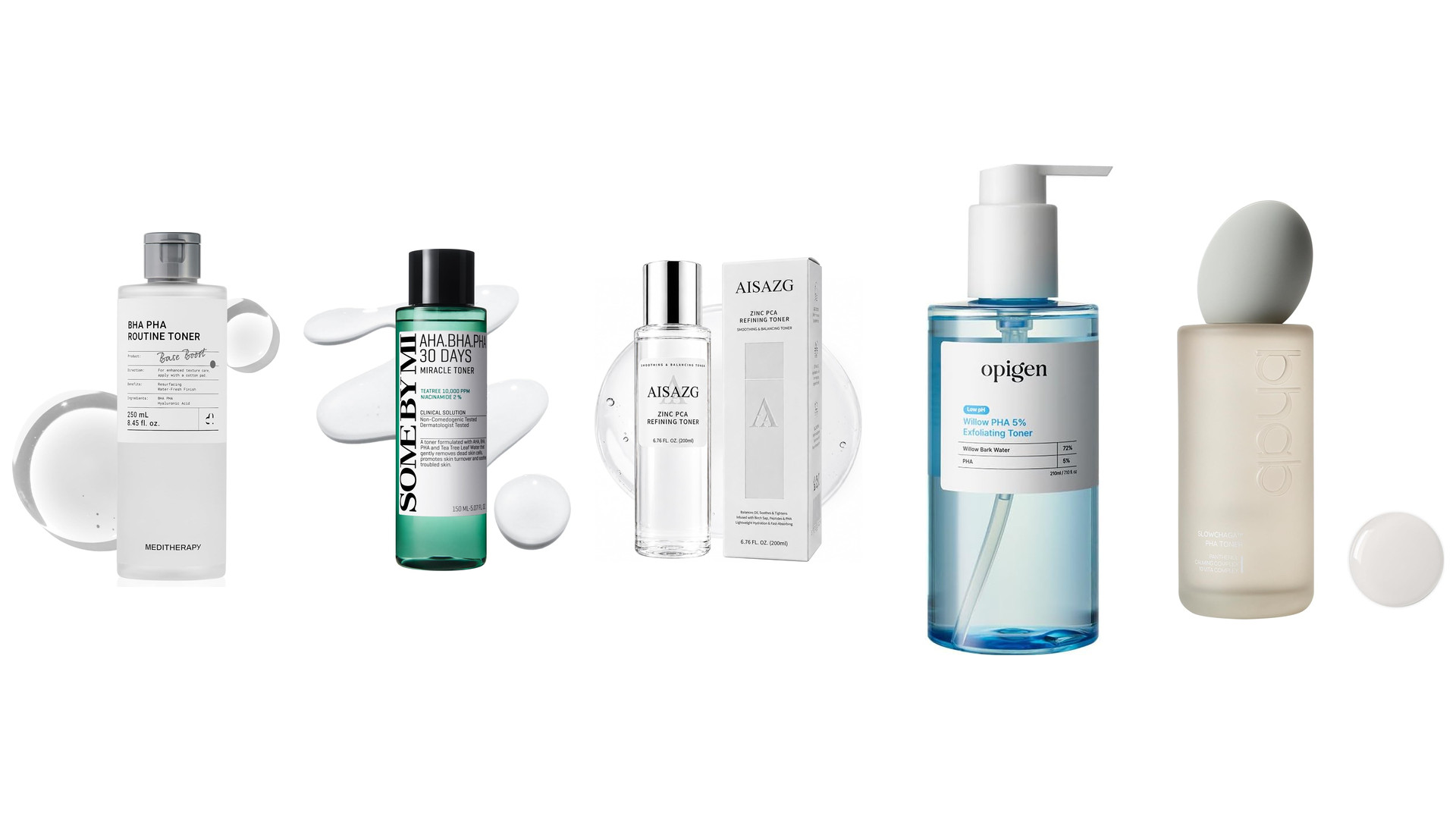
Limited evidence. The mildest option, also hydrating, and they have not been shown to increase sun sensitivity. They do less.
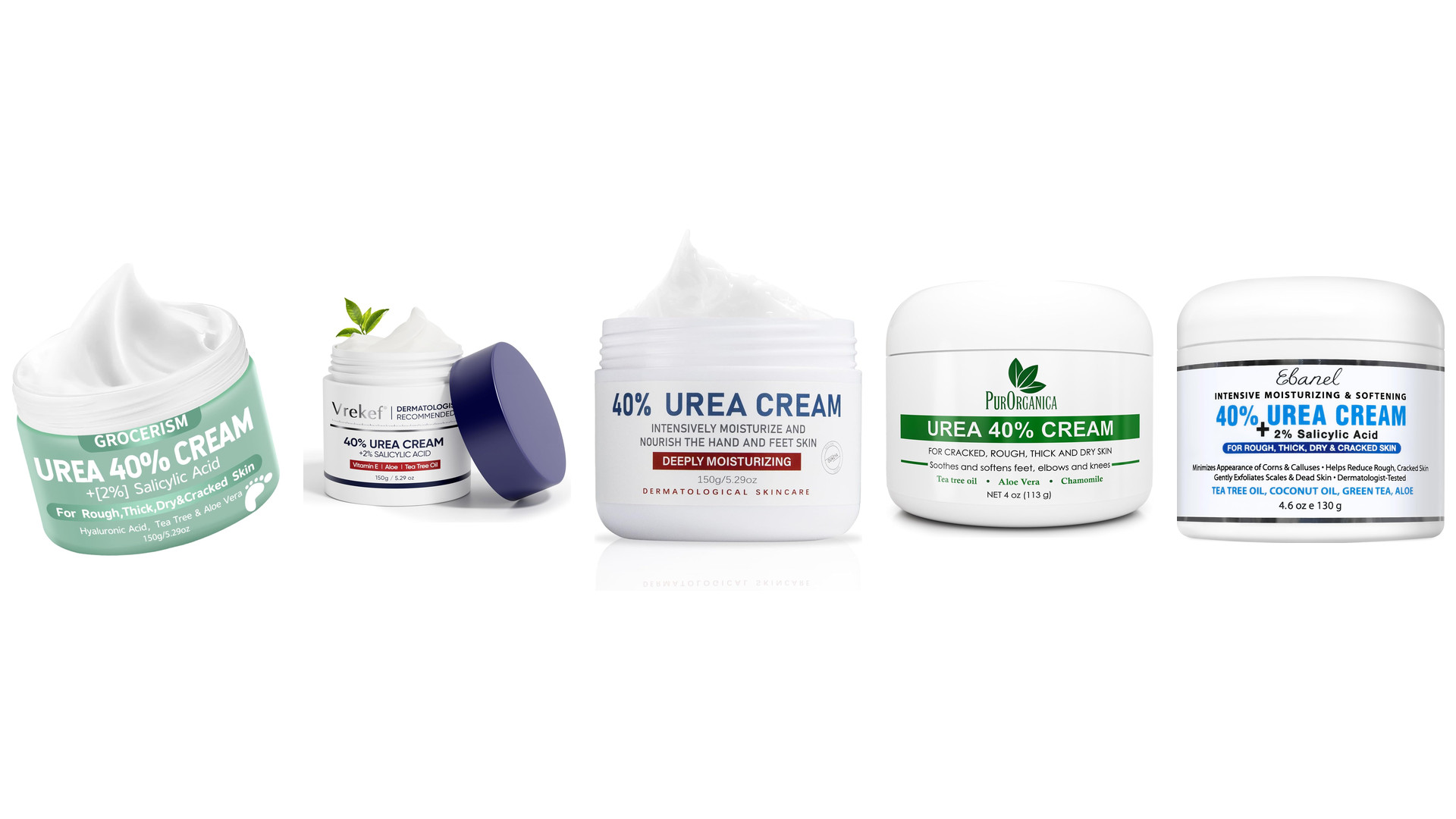
Strong evidence. Another option for very dry and scaly skin, and often combined with lactic acid in the same product. Urea softens thickened skin without being an acid.
Strong evidence. Works inside the pore, so it is the better choice for blackheads and acne, and a poorer choice for dryness.

One effect, not several. It clears the dead cells blocking the pore and does little about oil, bacteria or inflammation.
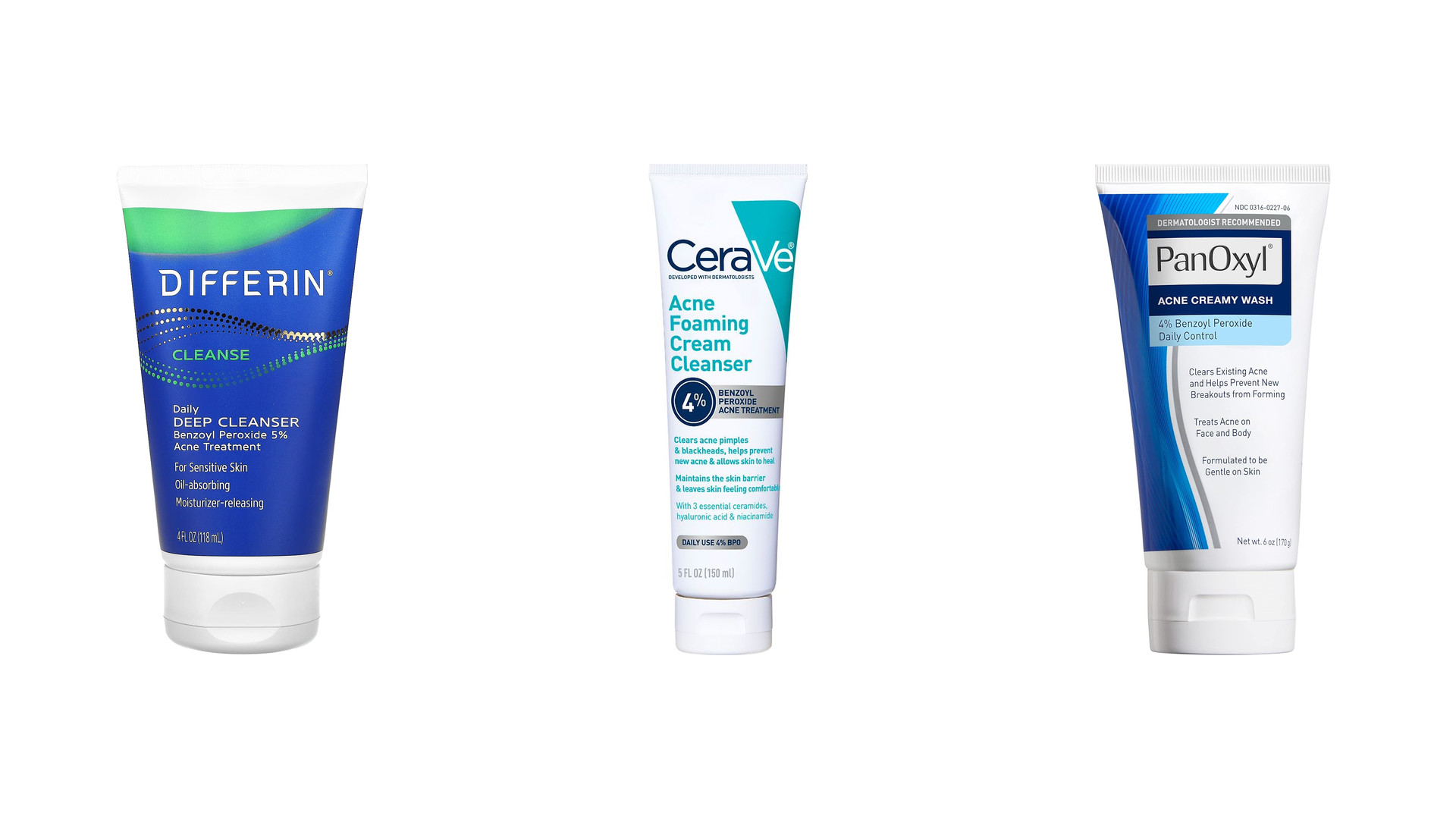
Strong evidence. Better on red, painful spots because it kills the bacteria. Salicylic acid is better on blackheads and does not bleach fabric.
Moderate evidence. Works on the surface rather than inside the pore, so it suits dull or uneven skin more than clogged pores.

Strong evidence. Stronger and longer-lasting on blackheads, but more irritating for the first few weeks.
Lactic Acid
Two to four weeks
Softness comes quickly. Discolouration takes a few months of steady use.
Salicylic Acid
Four to six weeks
Blackheads clear gradually. Deeper congestion takes longer than the surface does.
Lactic Acid
As long as you keep using it
Salicylic Acid
As long as you keep using it
Lactic Acid
Sun sensitivity and stinging
Like all AHAs it makes skin more sensitive to sun, so sunscreen matters. It can sting on freshly washed skin.
Salicylic Acid
Dryness and flaking
Overuse is the common mistake. Tight, peeling, irritated skin makes acne look worse, not better.
Lactic Acid
Inexpensive
Widely available in drugstore serums and lotions. Clinic peels cost more.
Salicylic Acid
Inexpensive
One of the cheapest effective acne ingredients in the aisle. Clinic peels cost more.
Lactic Acid
The drugstore version is the real thing
Over-the-counter lactic acid is the same acid a clinic uses, at a lower strength and a higher pH. It works more slowly and with no peeling. A clinic peel is the same molecule turned up.
Salicylic Acid
Also the same thing, weaker
Drugstore salicylic acid genuinely reaches the pore — that part does not depend on strength. A clinic salicylic peel goes further and can lift stubborn congestion the home version leaves behind.
Usually 5% to 10% in a light base. The gentlest of the AHA serums.

Swept on after cleansing. Low strength, easy to build up slowly.
10% to 12% in a moisturizing base. Where lactic acid does its best work.
Partly neutralized, so it is milder. Made for daily use on rough skin.

Higher strength left on for minutes, then rinsed. Not for broken or sore skin.
Stays on all night at 0.5% to 2%. The pick for blackheads that keep coming back.
On the skin under a minute, so mild. Good for oily skin or a first try.

Pre-soaked and easy to sweep over the chest, back and shoulders where a serum is awkward.
Buffered in a moisturizing base, so it exfoliates without stripping.
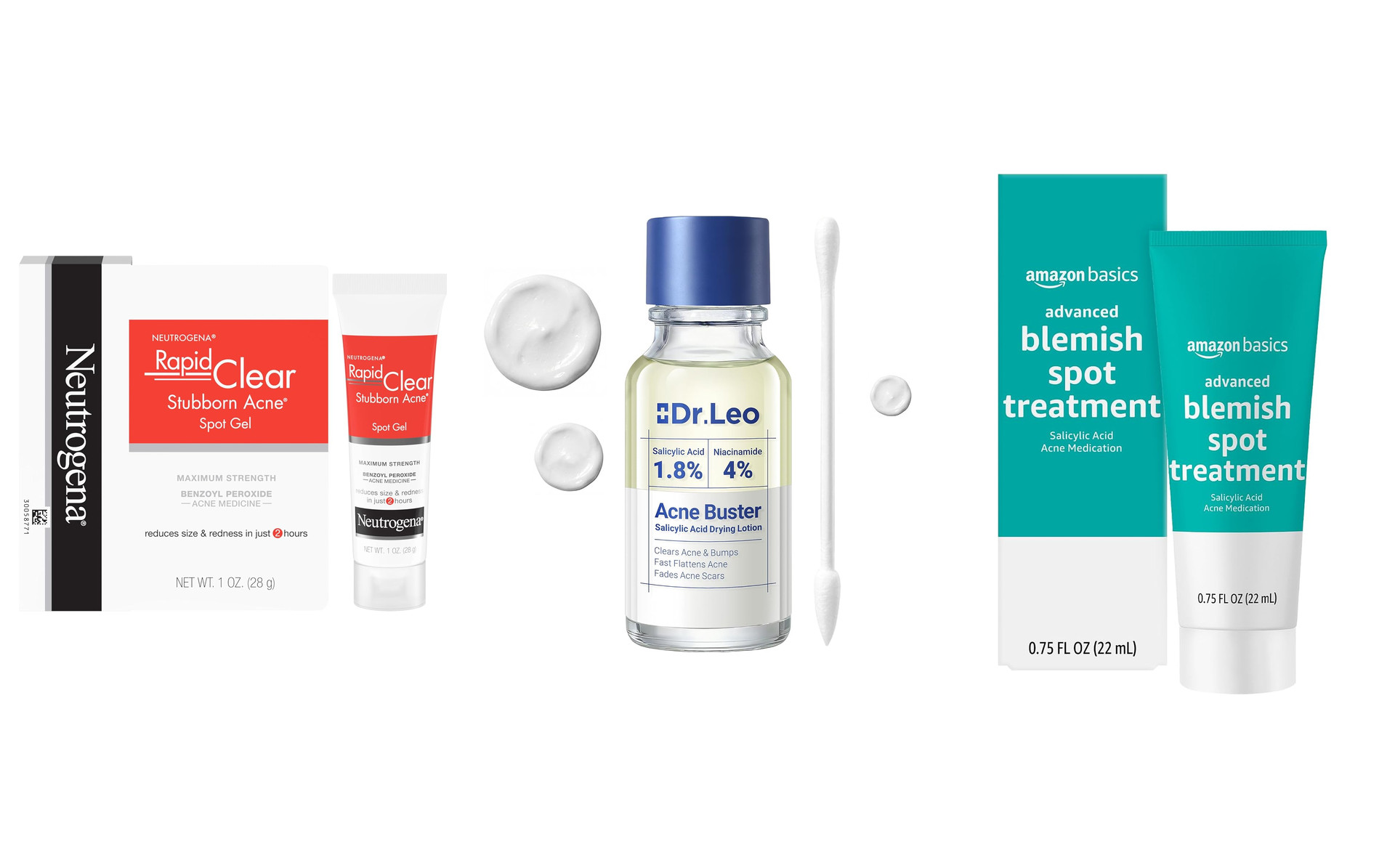
Thick and higher strength, dabbed on. Not for spreading over the whole face.
Lactic Acid
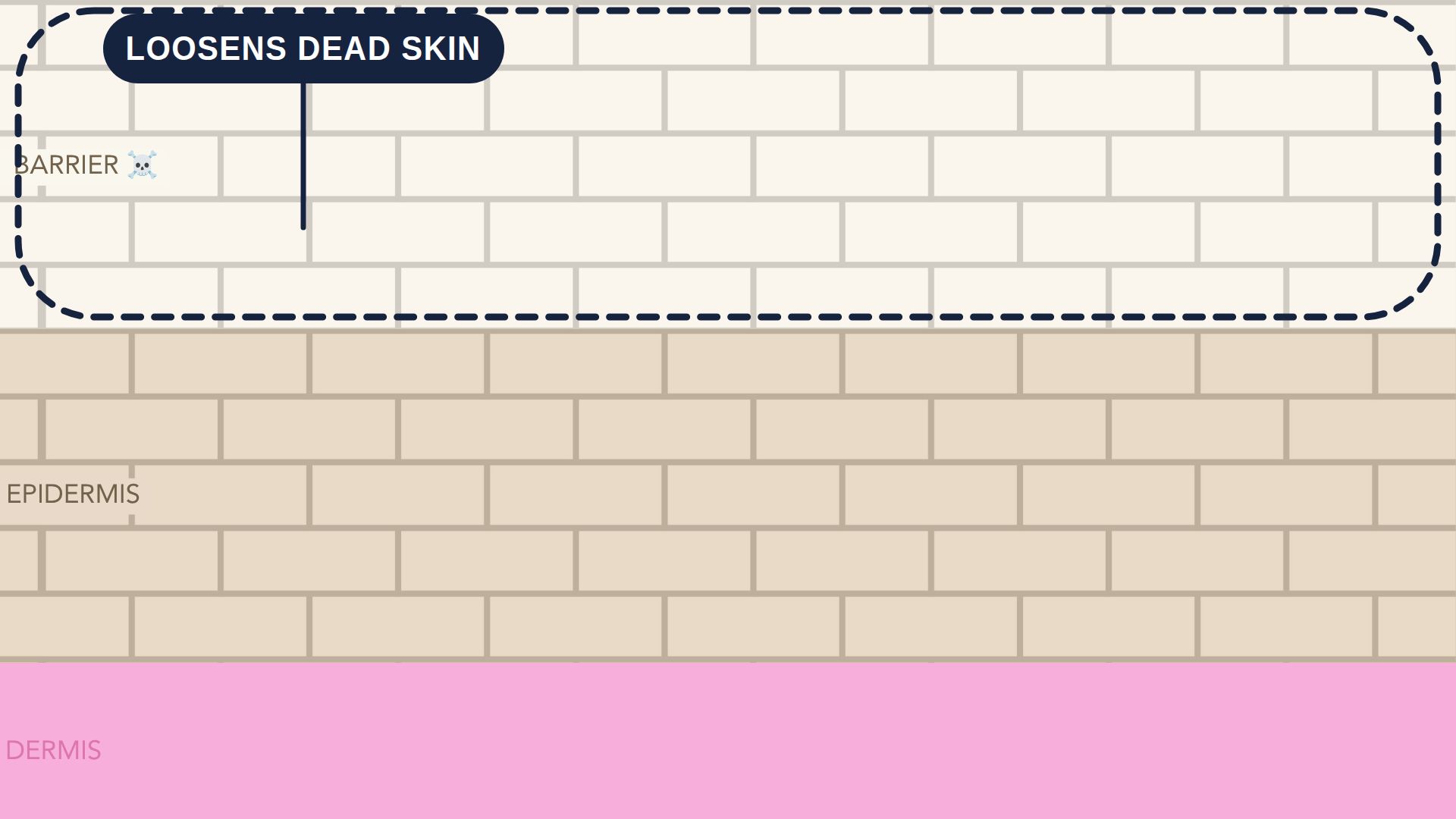
Lactic acid is water-soluble, so it stays on the surface. It loosens the bonds between dead cells on top of the skin. That smooths texture and brightens, but it never reaches the blockage.
This is also why lactic acid feels kinder. It is one of the larger alpha hydroxy acids, so it moves through the skin more slowly than glycolic acid does. Slower usually means less sting.
Salicylic Acid
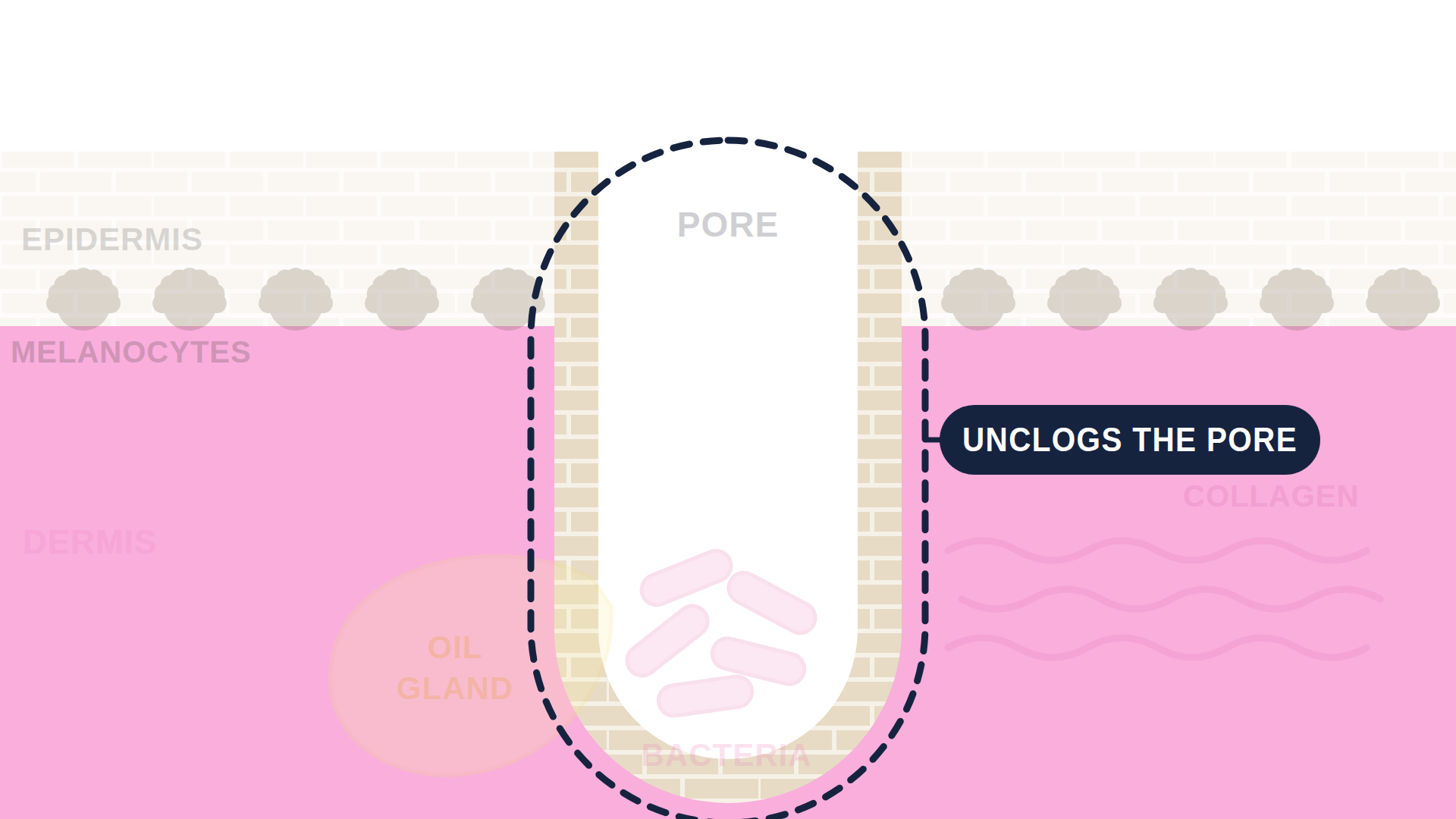
Salicylic acid is oil-soluble, so it travels into the pore. Pores are lined with oil. An ingredient that mixes with oil can get inside and loosen the plug. That is the whole reason it dominates the acne aisle.
Lactic Acid
Choose lactic acid for dry, dull or easily irritated skin. It exfoliates and draws water into the skin at the same time, which is unusual for an acid.
Salicylic Acid
Choose salicylic acid for oily, congested or acne-prone skin. Blackheads, whiteheads and an oily T-zone are its territory. It also helps with bumpy skin on the back and chest.
Lactic Acid
Common questions
Salicylic acid. It dissolves in oil, so it gets inside the pore and clears the blockage. Lactic acid stays on the surface and cannot reach it.
Yes, but not all over on the same night for most people. A common approach is salicylic acid on the oily areas and lactic acid on the drier ones, or alternating nights.
For dry and sensitive skin, usually yes. Lactic acid also draws water into the skin, so it exfoliates without the tight, stripped feeling.
Not much. Blackheads are plugs of oil and dead skin inside the pore, and lactic acid does not mix with oil.
Two or three nights a week is a sensible start. Visible flaking means you are using too much, too often.
Yes with lactic acid, which increases sun sensitivity. Sunscreen is worth wearing with salicylic acid too, since irritated skin marks more easily.