Adapalene vs Lactic Acid

Adapalene: Prevents clogged pores and treats inflammatory and non-inflammatory acne. Lactic Acid: Exfoliates rough skin and contributes to hydration in suitable formulas.
Research updated 2026-10-25
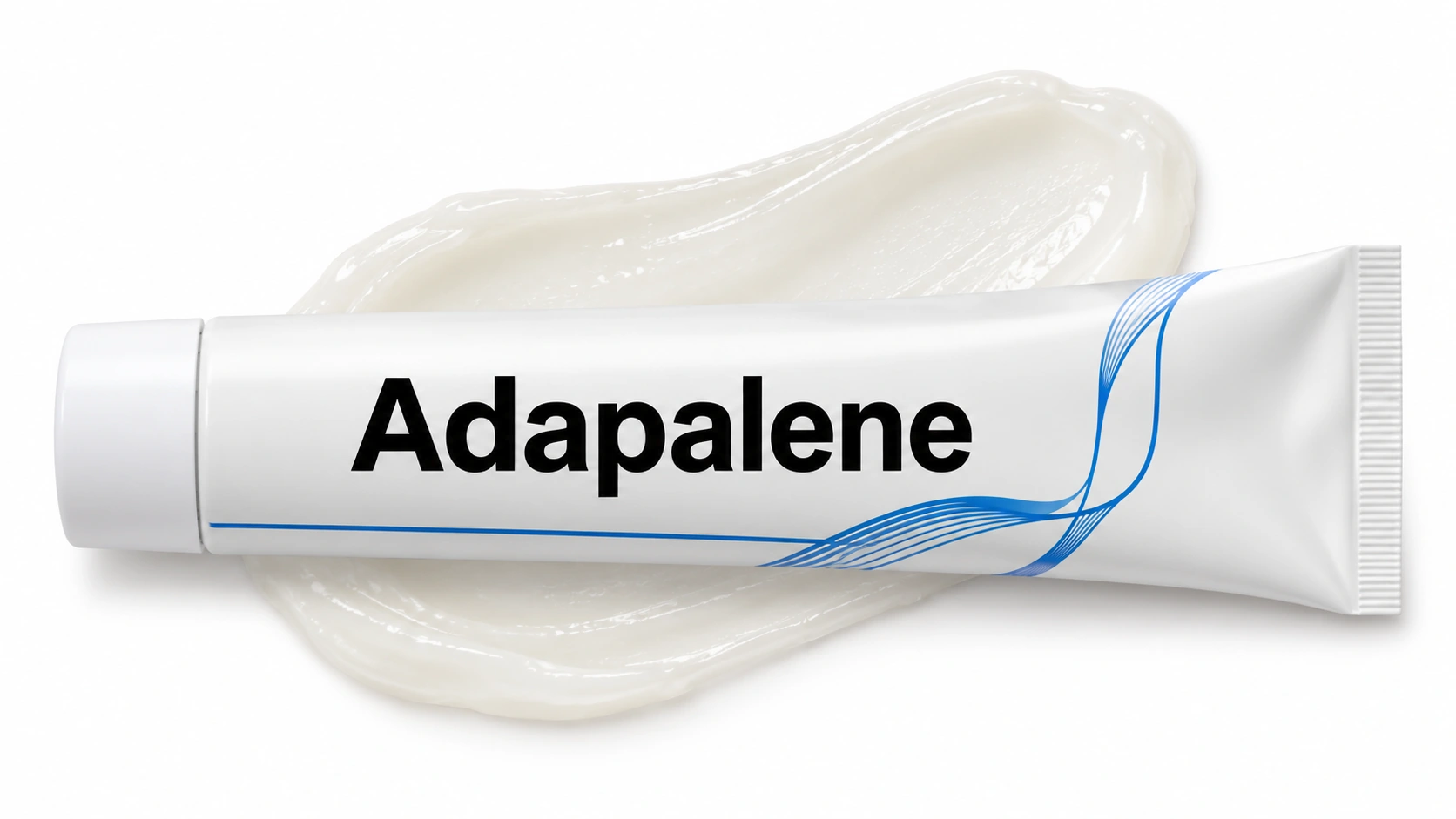
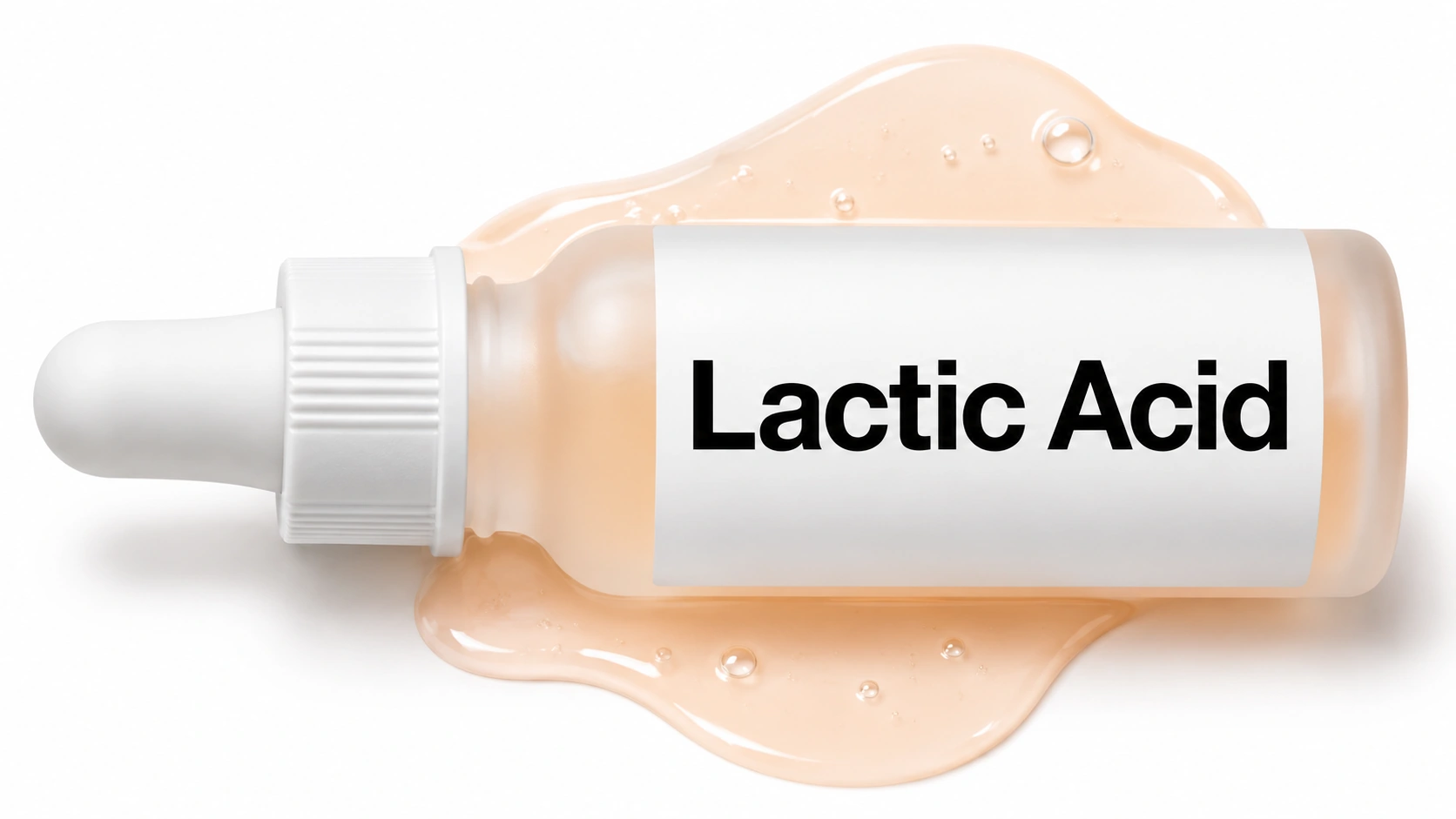
Five adapalene gel 0.1% tubes and boxes lined up on white, including Differin, Effaclar, PanOxyl and NeutrogenaFive lactic acid serums lined up on white, from The Ordinary, Glytone, Paula's Choice and Prequel

Which one is right for you?

Choose Adapalene if…

Choose for clogged pores and ongoing acne prevention; introduce gradually.

  • Blackheads, whiteheads and pimples
  • You want an over-the-counter retinoid
  • You can introduce it slowly at night

Choose Lactic Acid if…

Choose for rough, dry texture; sensitive areas may sting.

  • Dry, rough skin
  • Keratosis pilaris bumps
  • You want a gentler AHA than glycolic
Use care together

Can you use both?

Lactic acid is gentler than glycolic, but both exfoliate. Alternate nights rather than layering with adapalene.

At a glance

● Adapalene
● Lactic Acid
Type
Topical retinoid acne medicine
Alpha hydroxy acid (AHA)
What it does
Prevents clogged pores and treats inflammatory and non-inflammatory acne.
Exfoliates rough skin and contributes to hydration in suitable formulas.
Best for
Acne; Post-Inflammatory Hyperpigmentation
Dull Skin; Dry Skin; Keratosis Pilaris
Studied concentrations
0.1% is available without prescription in the US; 0.3% is prescription.
8% L-lactic acid cream in a controlled photoaging study; body lotions vary.
When to use
At night; introduce gradually according to the product label.
Start on a few evenings weekly; increase only if comfortable.
Time to results
Assess over roughly 3 months; photoaging can take longer
Often 8–12 weeks in small cosmetic studies; results may be subtle
Irritation
Dryness, stinging and peeling can occur, especially early in use.
Can sting cracked skin and aggravate eczema or rosacea flares.
Sensitive skin
Choose a simple formula and test a small area first. Avoid actively inflamed or broken skin unless the product is specifically directed for it.
Available
0.1% OTC and 0.3% prescription in the US; follow age restrictions.
Cosmetic or OTC products; some high-strength procedures are separate treatments.

What it helps

Compare uses by strength of evidence. Evidence level describes confidence in a benefit, not its size.
Evidence level
Adapalene
Lactic Acid
Strong evidenceMost established uses
Inflamed acne on light skin. The spots sit in a patch of pink, and the ring of redness around each one is easy to see. A few have a yellow-white head, and the skin between them is dry and flaking.

Acne

A guideline-supported treatment for comedones and inflammatory lesions.
—
Moderate evidenceSome supportive research
—
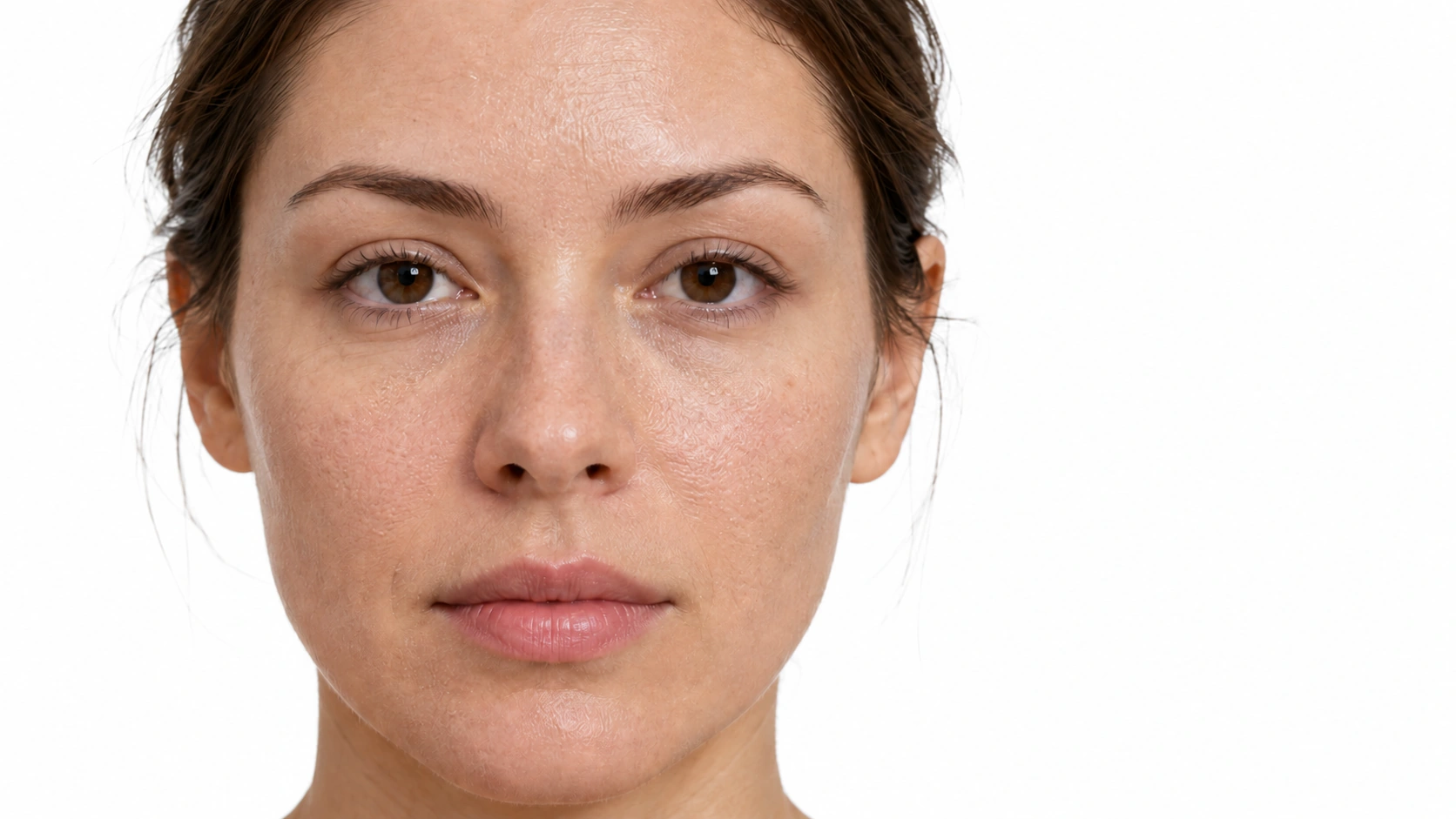
Dull Skin on light skin.

Dull Skin

A controlled cream trial supports modest improvement in photodamaged texture.
Limited evidenceEarly or small studies
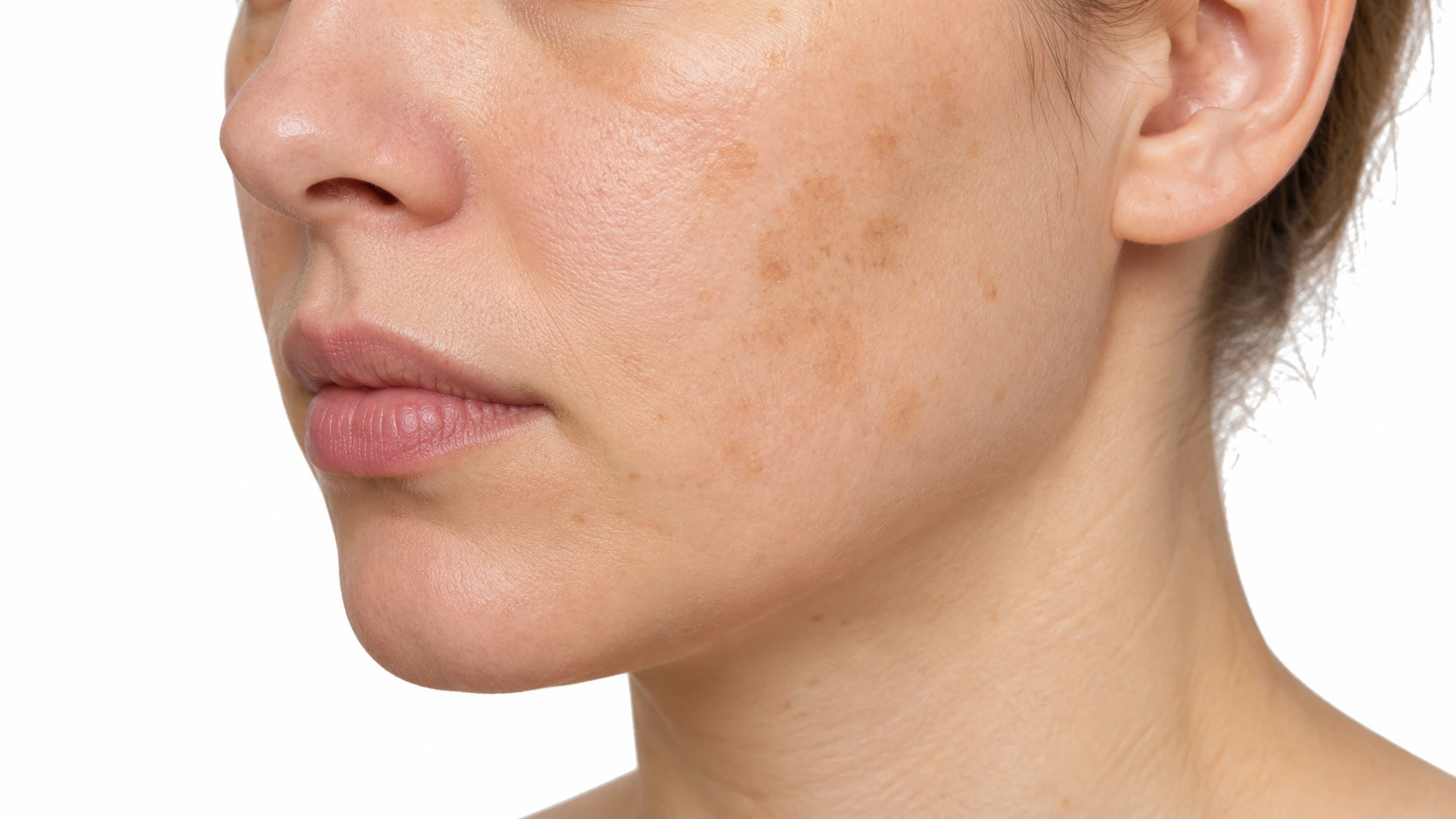
Flat light-brown residual marks on a fair cheek.

Post-Inflammatory Hyperpigmentation

Controlling acne may reduce new marks; established pigment can need additional care.
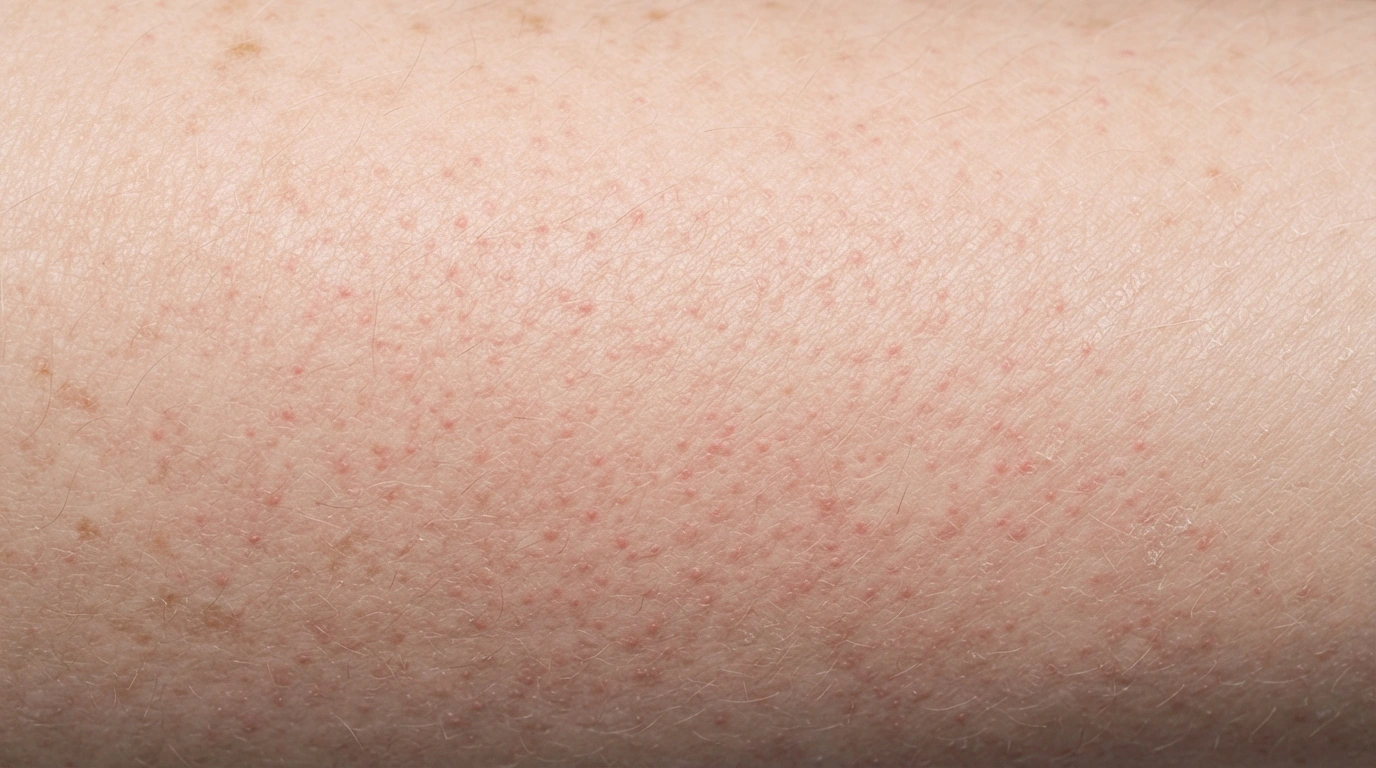
The back of an upper arm on light skin, covered in small rough bumps at every hair opening. Each bump sits in a faint pink ring, so the arm looks evenly speckled and slightly red.

Keratosis Pilaris

Keratolytic body lotions may soften rough bumps; responses vary.
The front of one shin on pale skin. The surface is pink with fine white flaking and a few shallow cracks, and the skin around it is even in tone.

Dry Skin

Suitable acid/lactate formulas may soften dry, rough skin.
Insufficient evidence
The back of an upper arm on light skin, covered in small rough bumps at every hair opening. Each bump sits in a faint pink ring, so the arm looks evenly speckled and slightly red.

Keratosis Pilaris

The reviewed sources do not establish this ingredient as a treatment for this concern.
Redness and fine superficial vessels across a light-skinned cheek and nose.

Rosacea

The reviewed sources do not establish this ingredient as a treatment for this concern.
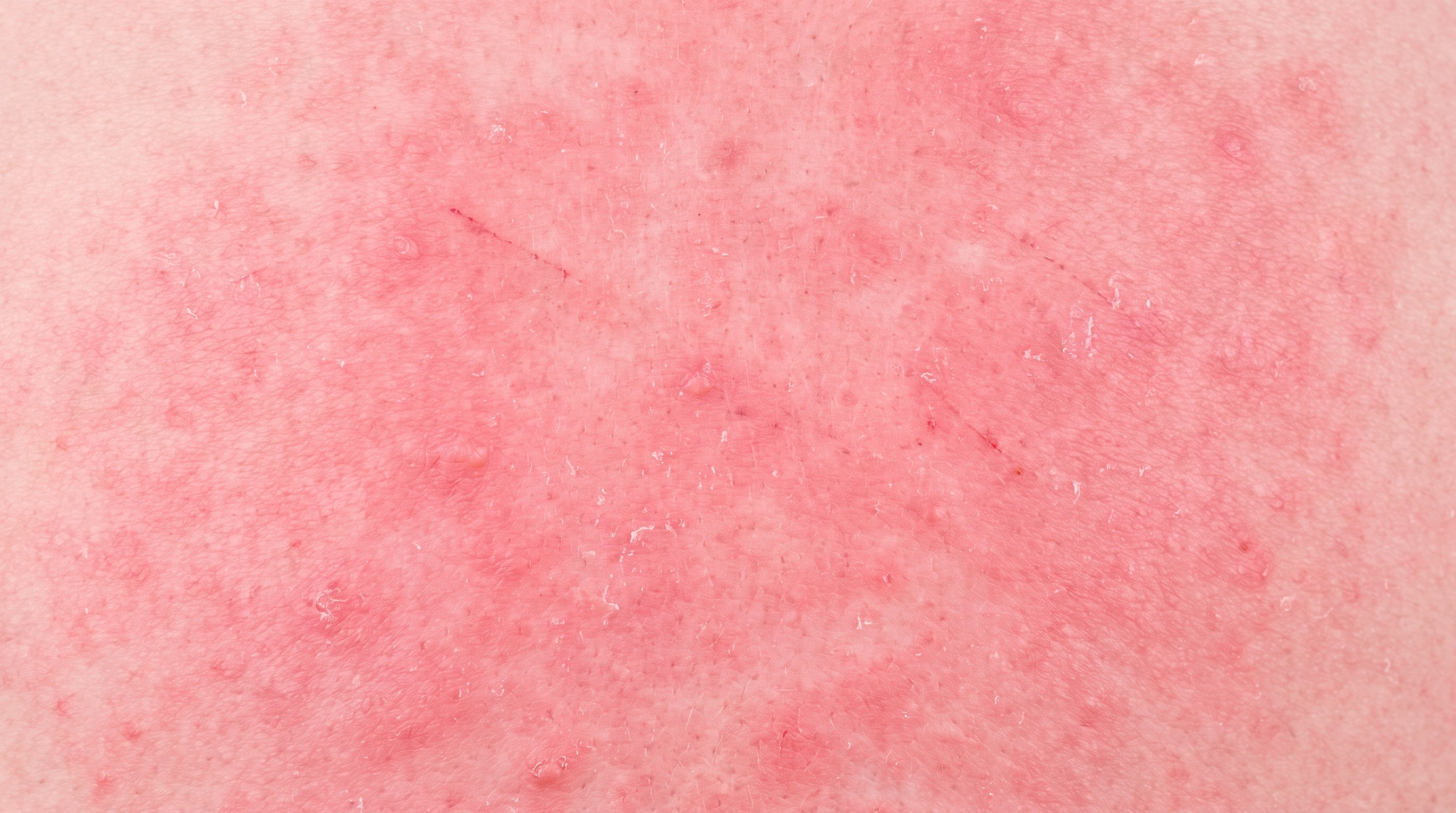
Extreme close-up of light skin in an active eczema flare, too close to tell which part of the body it is. Blotchy pink-red inflammation covers the whole frame with no clear edge, with small raised bumps, fine dry scale and a few fresh scratch marks.

Eczema

The reviewed sources do not establish this ingredient as a treatment for this concern.
How it works

Adapalene

Adapalene mechanism diagram. Binds retinoid receptors: Adapalene works without conversion to retinoic acid. Helps keep follicles clear: Regulates cell shedding and inflammatory pathways.
Open full-size diagram
Diagram explanation and sources

Binds retinoid receptors: Adapalene works without conversion to retinoic acid. Helps keep follicles clear: Regulates cell shedding and inflammatory pathways.

Schematic illustration; not a measurement of skin penetration. Effects vary with ingredient identity and formulation.

Source 1 · Source 2 · Source 3

Lactic Acid

Lactic Acid mechanism diagram. Loosens outer skin cells: An acidic formula promotes surface shedding. Contributes to hydration: Lactate is part of the skin's water-binding environment.
Open full-size diagram
Diagram explanation and sources

Loosens outer skin cells: An acidic formula promotes surface shedding. Contributes to hydration: Lactate is part of the skin's water-binding environment.

Schematic illustration; not a measurement of skin penetration. Effects vary with ingredient identity and formulation.

Source 1 · Source 2

Using both in one routine

Built from where each one usually sits in a routine. Introduce one at a time.

Morning
Step 1
Cleanser
Step 2
Moisturizer
Step 3
Sunscreen
Night
Step 1
Cleanser
Step 2
AdapaleneNight
Step 3
Lactic AcidNight

Strengths and forms

Concentrations

Adapalene is a medicine, not a cosmetic retinol. U.S. acne formulations include 0.1% and 0.3%; the higher strength is prescription.

0.1%

0.3%

OTC acne gel

A labeled acne treatment in the U.S. Improvement takes time; using extra product does not speed the result.

Prescription acne gel

A higher-strength formulation with comparative trial evidence. A clinician can weigh benefit against irritation.

Choosing a strength: Choose the medicine and vehicle for acne severity and tolerance. Adapalene percentages are not equivalent to retinol or retinaldehyde percentages.

Higher strengths: Dryness, peeling and irritation can occur. Do not step up strength or combine several retinoids just because improvement is slow.

Formula matters: Products combining adapalene with benzoyl peroxide have additional active ingredients and different labeling; read the whole product name.

Lower-strength lactic acid skincare differs from concentrated office peels. Research includes 5–12% leave-on formulas and specialist peel formulations as high as 85–92%.

5–12%

85–92%

Studied leave-on formulas

Studied for texture and signs of skin aging. Body lotions and facial products can have different directions and tolerance.

Specialist peel formulations

Used in small clinician-applied studies. These are research examples, not a home-use range or a routine starting strength.

Choosing a strength: Choose a labeled facial or body product for the area being treated. Professional peel concentrations are a separate category.

Higher strengths: Concentrated lactic acid can cause chemical burns and pigmentation changes. A study of a professional peel does not establish safe home use.

Formula matters: The product’s acidity and buffering matter alongside its percentage. Ammonium lactate lotions are not equivalent to unbuffered acid peels.

Forms
Gel · Cream · Combination gel
Serum · Body lotion · Peel

When you’ll see results

Approximate windows, not promises.

● Adapalene
● Lactic Acid
First few weeks

First few weeksDryness or irritation may occur; worsening is not required for benefit.

First few weeksAssess tolerance and texture; immediate softness can come from the base formula.

4–8 weeks

4–8 weeksFewer new lesions may become noticeable.

4–8 weeksSubtle changes may appear in some tested products; evidence varies.

8–12 weeks

8–12 weeksReassess acne control after a consistent course.

8–12 weeksCompare photographs in the same lighting and reassess benefit.

3–6 months

3–6 monthsMaintenance may help if the treatment works and remains comfortable.

3–6 monthsPhotoaging trials often need several months; expect modest rather than dramatic change.

6–12 months

6–12 monthsContinue only if appropriate; scarring or persistent acne warrants reassessment.

6–12 monthsLong-term evidence is limited for many cosmetic actives; continue only if useful.

Safety and sensitive skin

Common reactions

Dryness, stinging and peeling can occur, especially early in use.

Can sting cracked skin and aggravate eczema or rosacea flares.

When to stop

Stop for persistent burning, swelling, blistering or a new rash. Seek urgent care for breathing difficulty or a severe allergic reaction.

Stop for persistent burning, swelling, blistering or a new rash. Seek urgent care for breathing difficulty or a severe allergic reaction.

Sensitive or inflamed skin

Choose a simple formula and test a small area first. Avoid actively inflamed or broken skin unless the product is specifically directed for it.

Choose a simple formula and test a small area first. Avoid actively inflamed or broken skin unless the product is specifically directed for it.

Important limits

Follow the age and use restrictions on the label; OTC adapalene 0.1% is labelled for ages 12 and older in the US.

Do not use a cosmetic product as a substitute for diagnosis of an unexplained, changing or persistent skin problem.

Pregnancy

Retinoids are avoided in pregnancy and while trying to conceive.

Very little is absorbed, but that decision belongs with the doctor managing your pregnancy.

How it works

In the skin

On the skin. The finished product delivers adapalene in a particular vehicle.

Entering skin. Below the 500 Da guideline; delivery still depends on the formula, solubility, stability and skin condition. Size does not prove effectiveness or penetration depth.

Conversion. Binds retinoid receptors directly; it does not need conversion into retinoic acid.

Skin response. Binds retinoid receptors directly, regulating follicular cell shedding and inflammatory pathways.

Additional effects. Proposed pathways do not establish a measured depth of delivery or clinical benefit beyond the studies cited.

On the skin. The finished product delivers lactic acid in a particular vehicle.

Entering skin. Below the 500 Da guideline; delivery still depends on the formula, solubility, stability and skin condition. Size does not prove effectiveness or penetration depth.

Conversion. No activation step is established as necessary for its intended topical role.

Skin response. Helps loosen surface cells; lactic acid/lactate also contributes to the skin’s water-binding environment.

Additional effects. Proposed pathways do not establish a measured depth of delivery or clinical benefit beyond the studies cited.

Getting in
Below the 500 Da guideline; delivery still depends on the formula, solubility, stability and skin condition. Size does not prove effectiveness or penetration depth.
Molecule size
Adapalene · 412 Da
Lactic Acid · 90 Da
Smaller than 500 Da passes the outer skin more easily. Size isn’t an effectiveness score.
500 Da guideline

Product examples

Adapalene
  • La Roche-Posay Effaclar Adapalene Gel 0.1% Topical Retinoid For Acne
Lactic Acid
  • MediCube Red Acne Body Peeling Shot
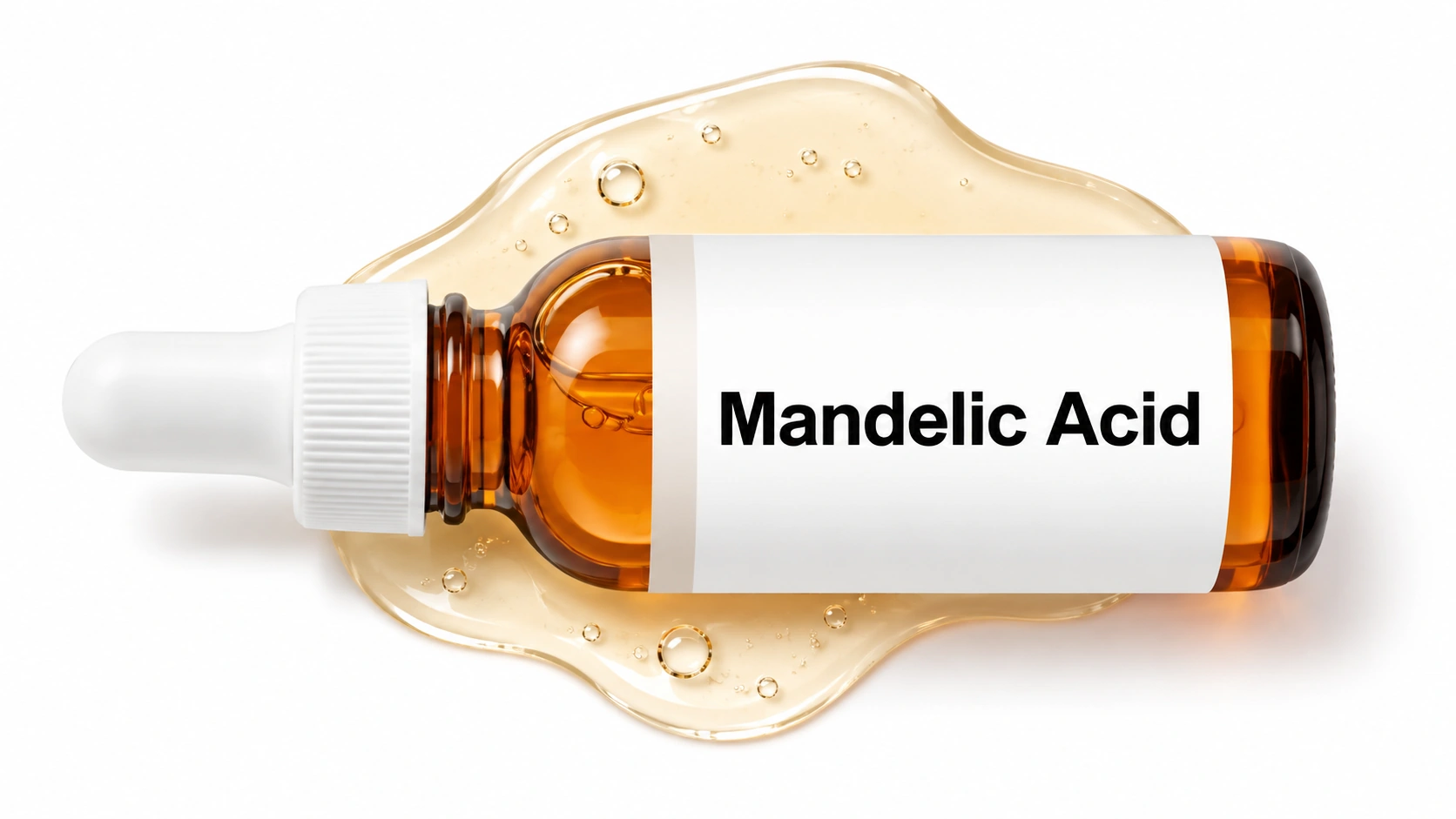
  • Paula's Choice Skin Perfecting 6% Mandelic Acid + 2% Lactic Acid

Common questions

Adapalene:What should I choose adapalene for?

Choose for clogged pores and ongoing acne prevention; introduce gradually.

Adapalene:How strong is the evidence?

Guidelines and controlled acne trials support adapalene. Evidence for acne medicines should not be transferred automatically to retinol, and irritation does not indicate greater benefit.

Lactic Acid:What should I choose lactic acid for?

Choose for rough, dry texture; sensitive areas may sting.

Lactic Acid:How strong is the evidence?

An older 22-week controlled study supports modest photoaging improvement from 8% cream. It does not establish every body-lotion claim or superiority over glycolic acid.

Sources
Sources and further reading

  1. Adapalene-benzoyl peroxide, a fixed-dose combination for the treatment of acne vulgaris: results of a multicenter, randomized double-blind, controlled study. (2007)
  2. Guidelines of care for the management of acne vulgaris. (2024)
  3. FDA adapalene 0.1% label
  4. Topical 8% glycolic acid and 8% L-lactic acid creams for the treatment of photodamaged skin. A double-blind vehicle-controlled clinical trial. (1996)
  5. FDA alpha-hydroxy acid sun-sensitivity guidance
  6. Phase III comparison of 0.1% and 0.3% adapalene
  7. Clinical study of 5% and 12% lactic acid
  8. Dermatologist-applied 85% lactic acid peel study
  9. Study of 92% lactic acid peels for melasma
  10. FDA: professional supervision for chemical peels
Dermapedia on YouTube