Seborrheic Dermatitis
Reduces scale and redness.
Ketoconazole: An antifungal cream and shampoo used for dandruff, seborrheic dermatitis, tinea versicolor and ringworm. The tablet form is no longer used for skin infections because of liver risk. Protopic: A non-steroid ointment for eczema, used where steroids are hardest to keep using: the face, the eyelids, and skin folds. It carries a boxed warning that twenty years of follow-up have not supported.
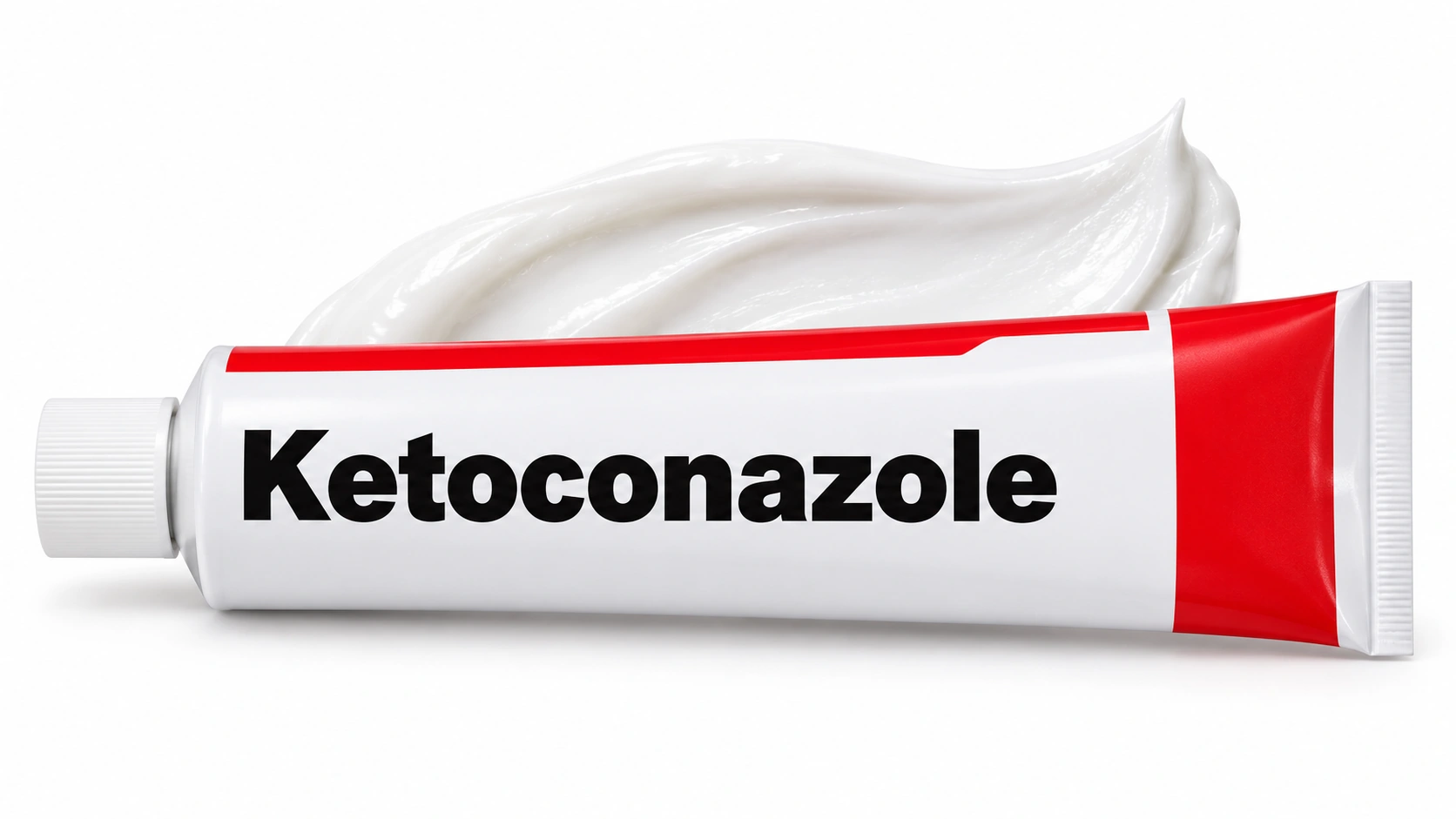
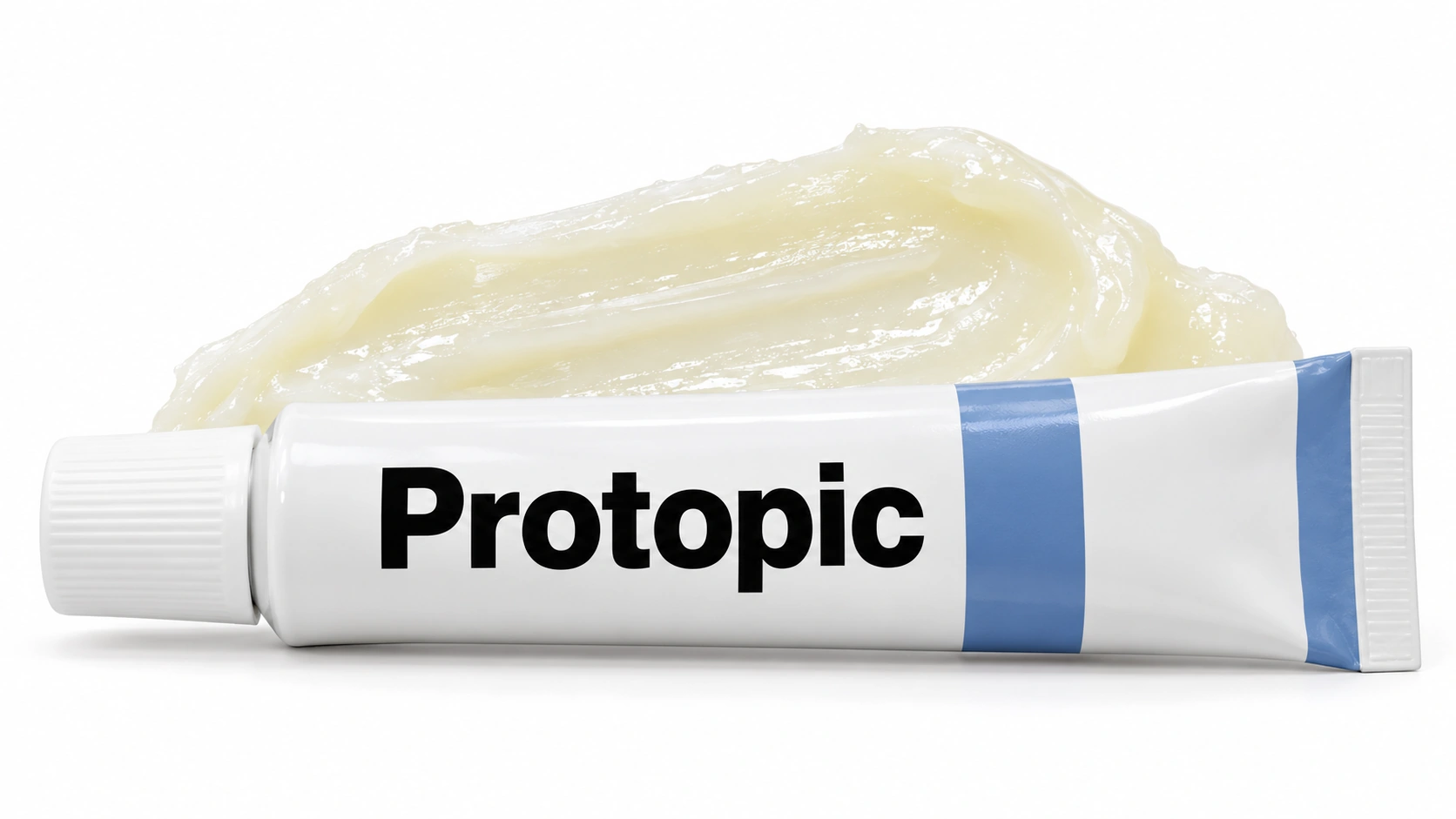
Choose for flaky scalp, facial seborrheic dermatitis or tinea versicolor — a cheap shampoo or cream that controls the yeast.
Choose for eczema where steroids are hardest to keep using — face, eyelids, folds — or to prevent flares twice a week.
Can you take them together?
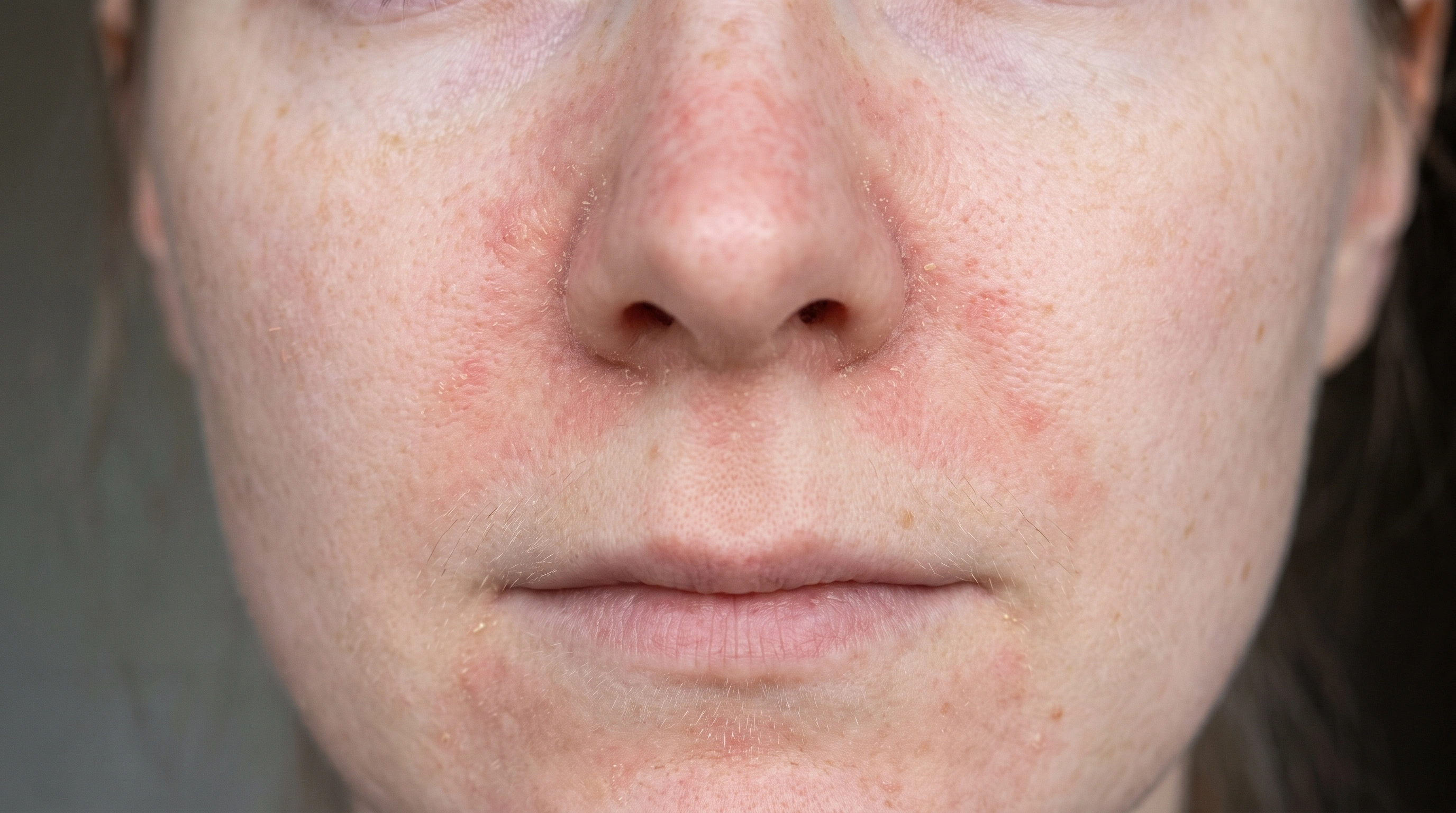
A useful pairing for facial seborrheic dermatitis: ketoconazole treats the yeast and Protopic calms redness without a steroid.
Compare uses by strength of evidence. Evidence level describes confidence in a benefit, not its size.
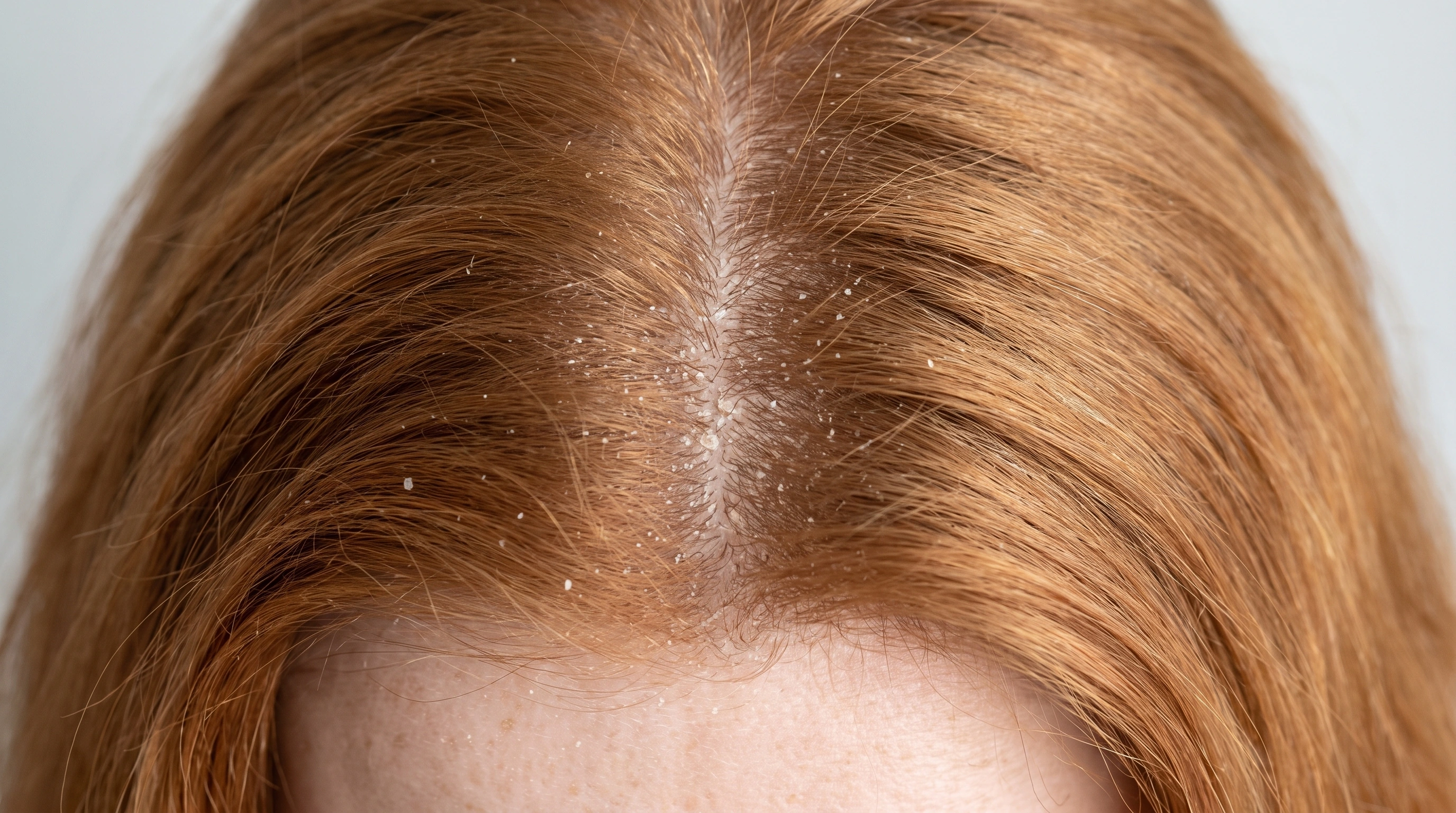

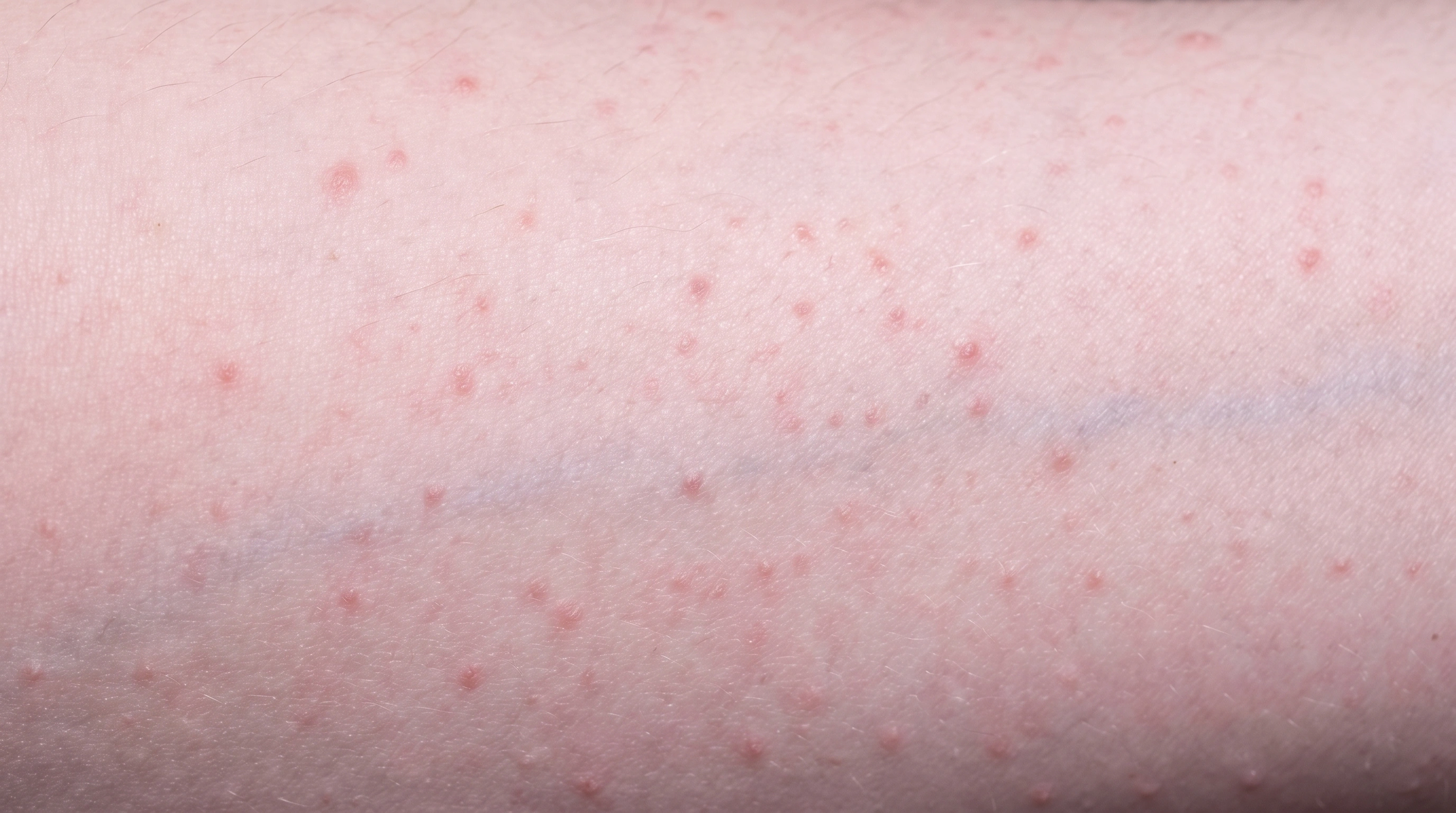
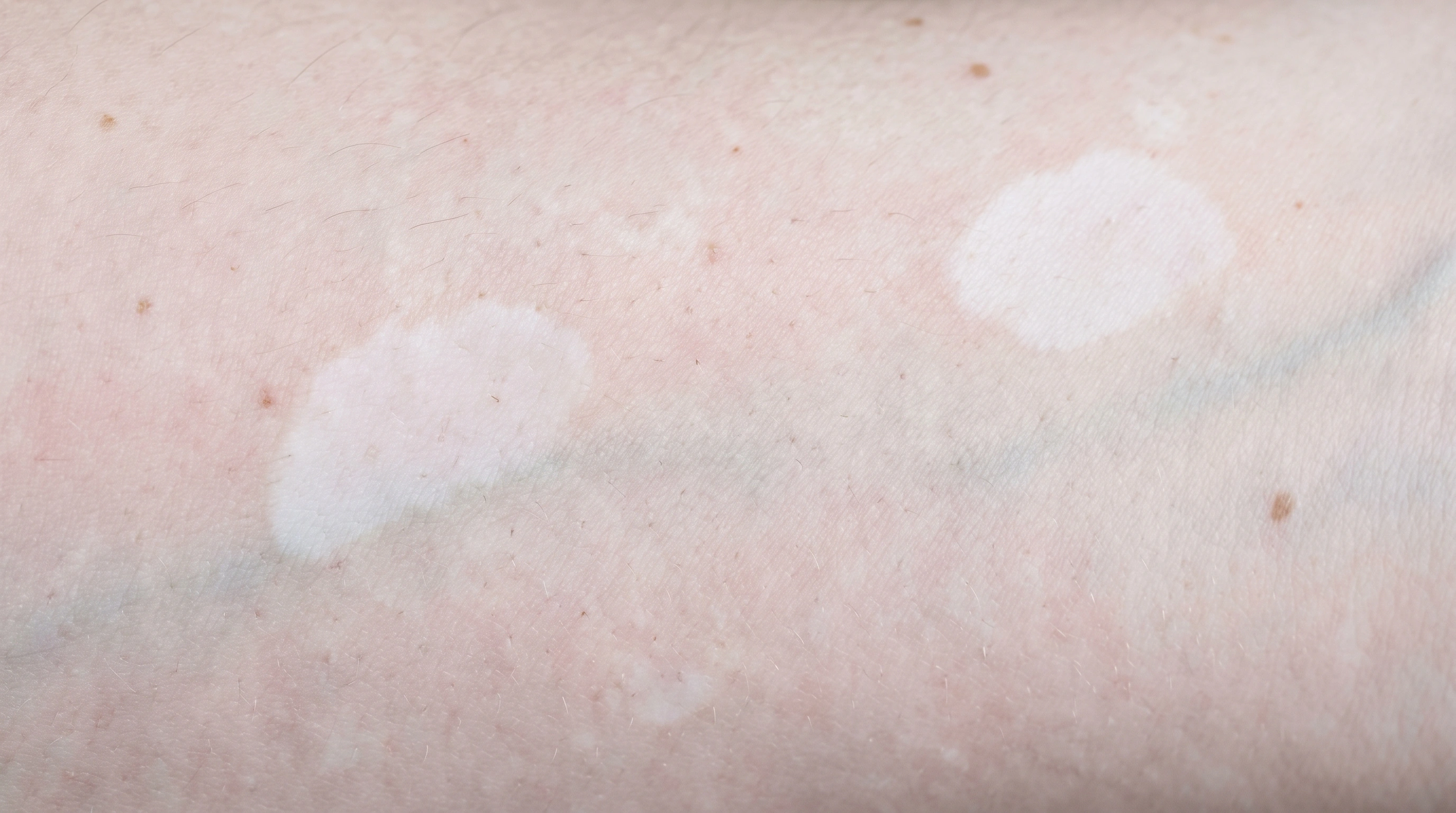
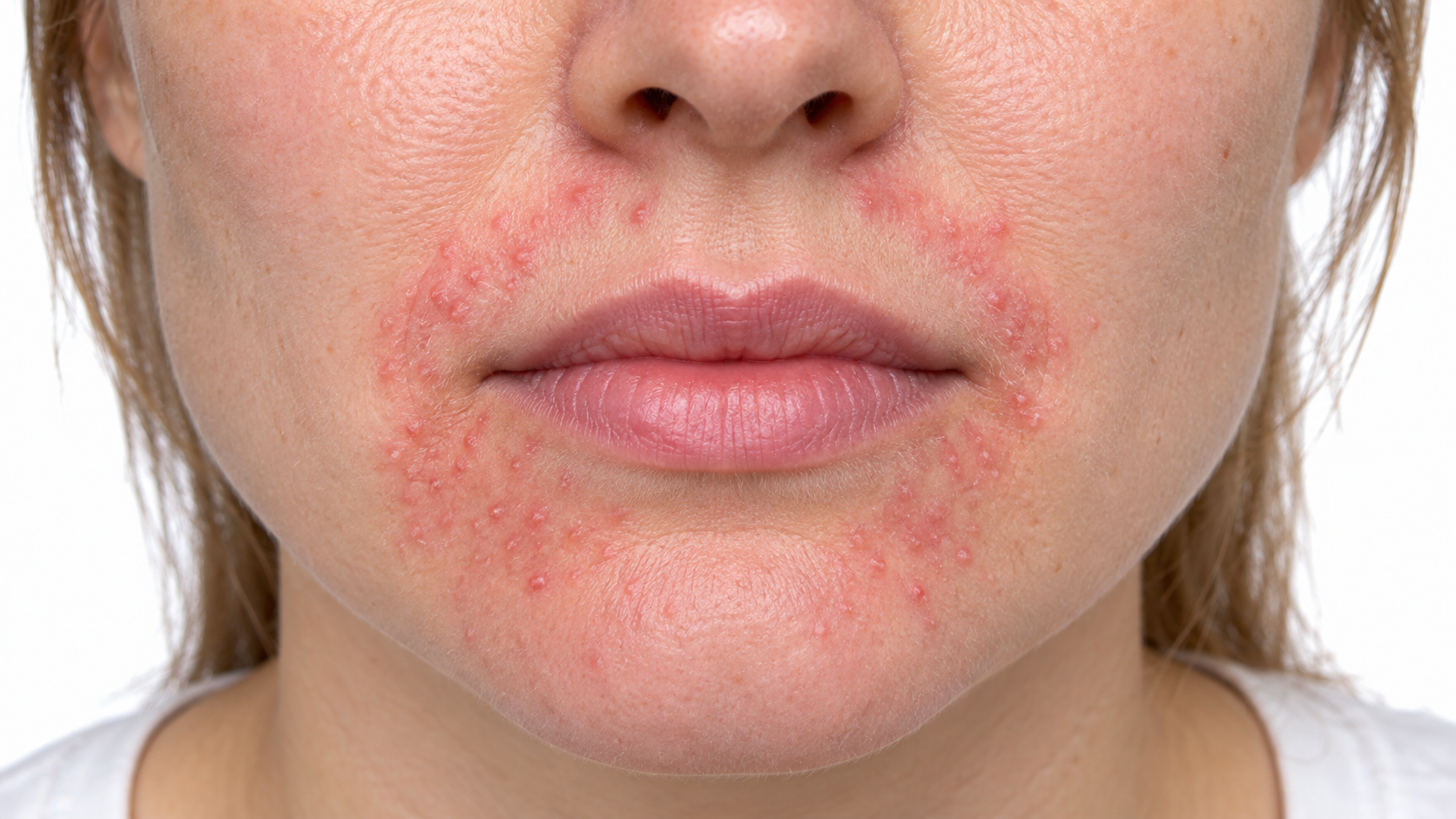



Limits ergosterol production: Reduces a building block of fungal cell membranes. Disrupts fungal membranes: Fungi have more difficulty maintaining normal cells. Reduces susceptible fungi: Fungal and yeast-related skin problems can improve.
Topical ketoconazole impairs fungal ergosterol synthesis. The contribution of Malassezia reduction to seborrheic dermatitis benefit is proposed rather than fully established. Species and resistance matter.
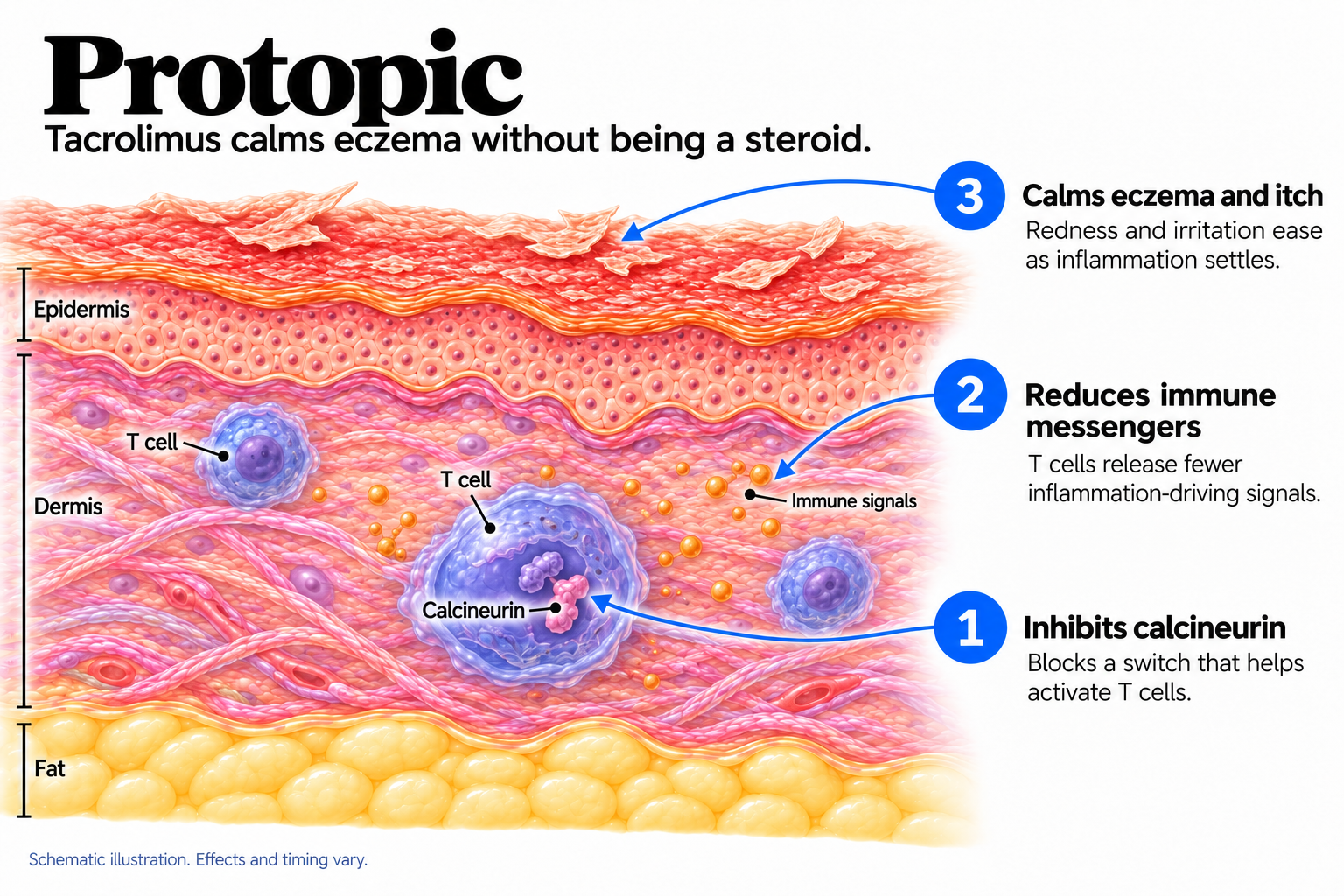
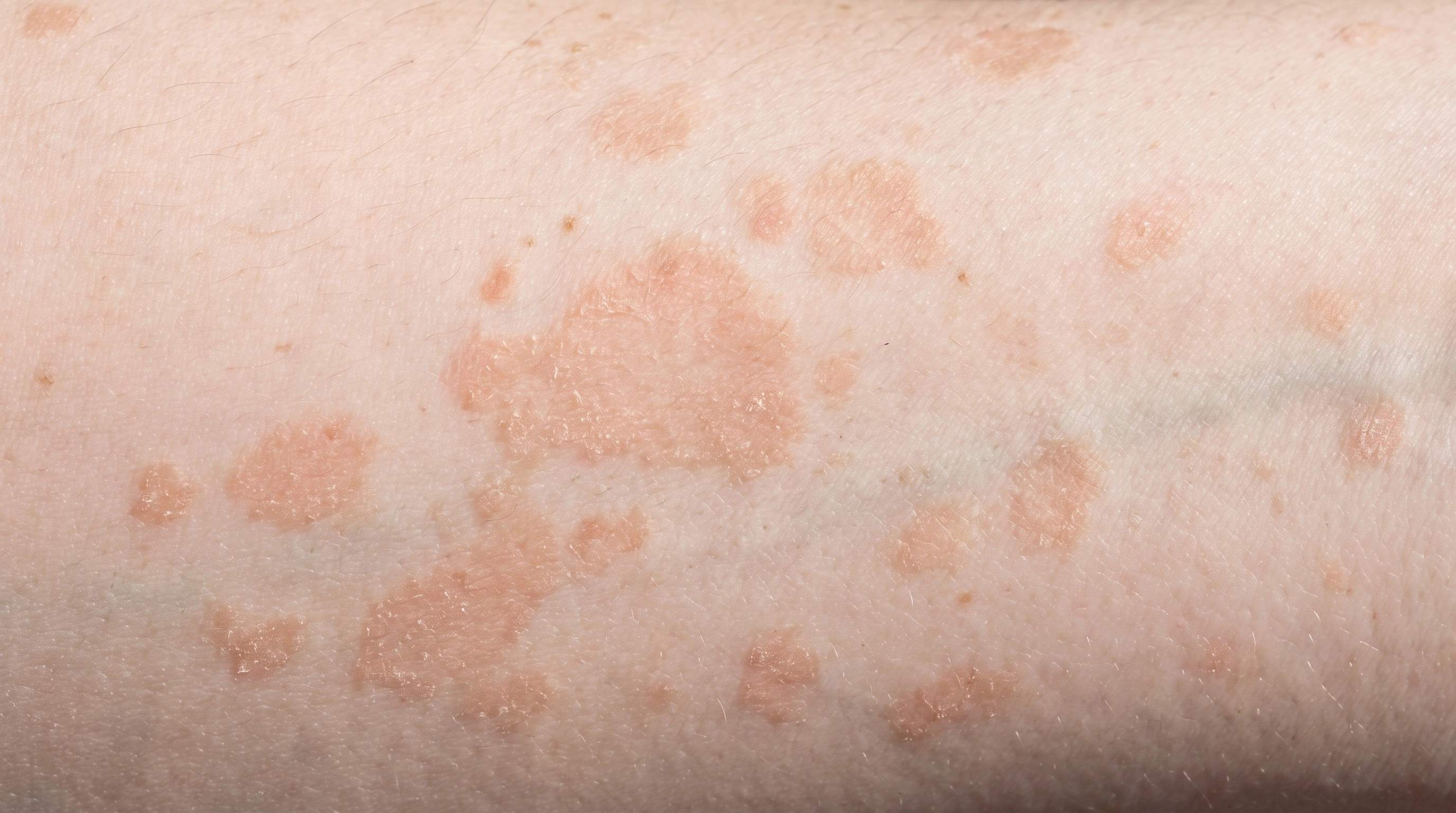
Inhibits calcineurin: Blocks a switch that helps activate T cells. Reduces immune messengers: T cells release fewer inflammation-driving signals. Calms eczema and itch: Redness and irritation ease as inflammation settles.
The drug binds FKBP-12 and inhibits calcineurin, reducing T-cell cytokine transcription; the complete atopic-dermatitis mechanism is not known. It also has other cellular effects.
When to Apply: For the shampoo, twice a week on wet hair. Lather it in, leave it on the scalp three to five minutes, then rinse. Contact time is what works, not volume. For the cream, a thin layer once or twice a day over the area and a little past its edge.
How to Start: Twice-weekly shampoo, or daily cream, for the first two to four weeks. Tinea versicolor is often treated with the shampoo as a body wash, left on five minutes, daily for a few days or weekly for a few weeks. Athlete's foot needs longer, often about six weeks.
If It Irritates: Mild stinging, dryness or an itchy scalp early on usually settles. Rinsing more thoroughly, dropping to once a week, or switching from gel or foam to cream generally fixes it. A rash that worsens each time you use it may be an allergy, and needs a look.
If It's Not Working: Give it two full weeks used correctly, with the contact time. If the scalp is no better, the reasons are usually rinsing too soon, a different diagnosis such as psoriasis, or a fungus that needs a tablet. Rotating with selenium sulfide, zinc pyrithione or ciclopirox often helps.
When to Apply: A thin layer twice a day to the affected skin, rubbed in gently. It goes on the rash, not over clear skin. Keep moisturizer a couple of hours apart — layering one straight onto the other has not been studied.
How to Start: Twice a day until the patch clears, usually one to three weeks, then stop. Many people then move to maintenance — twice a week on the places that always flare, even when they look normal. That is well supported and makes flares less frequent.
If It Irritates: Burning or stinging for fifteen to thirty minutes after applying is very common in the first days and is not an allergy. It settles within about a week. Keeping the tube in the fridge, applying to dry rather than damp skin, and skipping alcohol early on all help.
If It's Not Working: Check it is going on twice a day — two to three weeks is a fair trial. Then the options are the higher strength if you are an adult on 0.03%, a short steroid course to break the flare, or a look at whether infection or a contact allergy is driving the rash.
No blood tests and no routine monitoring for the cream, shampoo, gel or foam. Absorption through intact skin is minimal, and the serious risks belong to the tablet.
People use this for years. Seborrheic dermatitis and dandruff are long-term conditions, and continuing at a lower frequency is the normal plan, not a sign something has gone wrong.
The exception to watch for is an allergic contact reaction, a rash that worsens each time it is used. Uncommon, but it happens, and it is a reason to stop and have it looked at rather than to use it more often.
Oral ketoconazole is the version that needs liver blood tests, heart tracings and interaction checks. It is not used for skin infections.
No blood tests are needed. Blood levels are usually undetectable with the ointment and fall further as the barrier repairs — the opposite of the oral form used after transplants. Monitoring is a check at two to three weeks on whether the rash responded, then a plan for maintenance.
The boxed warning is the part to understand. It says long-term safety is not established, that rare cases of lymphoma and skin cancer were reported in people who used these drugs, and that continuous long-term use should be avoided. It was added in 2006, based mainly on animal studies using very high doses by mouth or injection, plus scattered case reports.
What has happened since matters. Large cohort studies, and a registry that followed treated children for a decade, have not found the rise in lymphoma the warning describes. Guidelines in the United States and Europe still recommend these drugs, including on the face and eyelids and as twice-weekly maintenance. The concern was theoretical, more than twenty years of use has not borne it out, and how long to continue is still a decision to make with a doctor.
Day-to-day monitoring is simple: keep skin checks routine, use sun protection on treated areas, and pause during a skin infection.
Approximate windows, not promises.
First washUsing it: Lather, leave it on a few minutes, then rinse. Twice a week on the scalp.
Days 1 to 7Itch settles: Itching and greasiness ease first, often within the first few washes.
Days 1 to 7Adjusting: Burning is at its worst now. Itch often improves in the same week, which is what gets most people through.
Weeks 1 to 2Flaking drops: Scale on the scalp or sides of the nose drops substantially, so judge it here. Tinea versicolor clears in the same window.
Weeks 2 to 4Skin infections clear: Ringworm, jock itch and yeast in folds clear here. Treat a little beyond the visible edge, since the fungus extends past it, and keep the fold dry.
Around 6 weeksAthlete's foot: The soles are thick and slow, so this takes longer.
Beyond 4 weeksMaintenance: For dandruff and seborrheic dermatitis, move to once a week or every other week rather than stopping. This is control, not a cure.
First few minutesApplying it: A thin layer twice a day. Burning or stinging for a short while afterward is common and worst in the first week.
Weeks 1 to 3Working: Redness and thickening settle and the burning has usually stopped. Most people reach their best result here.
MaintenanceKeeping flares apart: Once clear, twice-weekly use on the trouble spots lengthens the gaps between flares. Licensed, not an improvisation.
Sorted by what to do about them.
The 1% shampoo is over the counter and inexpensive, and store-brand versions work the same for less.
The 2% shampoo and cream are generic and among the cheaper prescriptions in dermatology.
The 2% gel and foam cost much more, and insurance often requires trying the cream or shampoo first. They are worth the difference mainly for hairy areas where cream is impractical.
Selenium sulfide and zinc pyrithione shampoos are cheaper alternatives with reasonable evidence, and rotating between them keeps costs down.
Both strengths come as generics, which brought the price down a long way, though it still costs more than a generic steroid ointment. Prices vary widely between pharmacies and discount cards sometimes beat insurance, so check more than one.
Prior authorization is still common, usually asking that a topical steroid was tried first. Tube size is the practical variable: twice-daily use means a small tube treating a child's face lasts far longer than the same tube on two hands.
Three to five minutes before rinsing. Rinsing straight away is the most common reason people think it failed.
Twice a week while it is active, then once a week or every other week to keep it quiet.
No. It has been looked at for a small possible benefit in pattern hair loss, not as a cause.
The cream, yes, for seborrheic dermatitis on the sides of the nose, eyebrows and hairline. Keep it away from the eyes.
Tinea versicolor leaves uneven color behind after the fungus is gone. It fades over weeks to months, and looks more obvious once the surrounding skin tans.
No. Oral ketoconazole had its skin and nail uses withdrawn because of serious liver injury and drug interactions. If a tablet is needed, terbinafine, fluconazole or itraconazole is used.
Yes, and it is printed on the label — long-term safety is not established, and rare cases were reported. Studies following large groups for years have not found the increased risk. A caution, not a demonstrated harm.
It acts on nerve endings in inflamed skin as well as on immune cells. Burning is worst in the first few days and gone within a week as the rash heals.
Yes — eyelid eczema is one of the main reasons it gets prescribed. Keep it off the eye itself and the lid margin.
Alcohol flushing is a known effect while using it. Harmless, and it stops when the treatment does.
The label asks for the shortest suitable use and for breaks. Twice-weekly maintenance on trouble spots is licensed and widely used. Make that decision with a doctor rather than leaving a prescription running.
No. Blood levels are usually undetectable with the ointment. The tablets are a different treatment entirely.