It is broad-spectrum light.
IPL uses filtered pulses across a range of wavelengths, not a laser.
IPL: A broad-spectrum flashlamp, not a laser, used mainly for brown sun spots and facial redness. It is effective for those two problems on lighter skin, and it is not safe on deeper skin tones.
Q-Switched Laser Tattoo Removal: A laser that breaks tattoo ink into fragments small enough for the body to carry away. It takes far more sessions than most people expect, black ink clears most reliably, and complete clearance is not guaranteed.
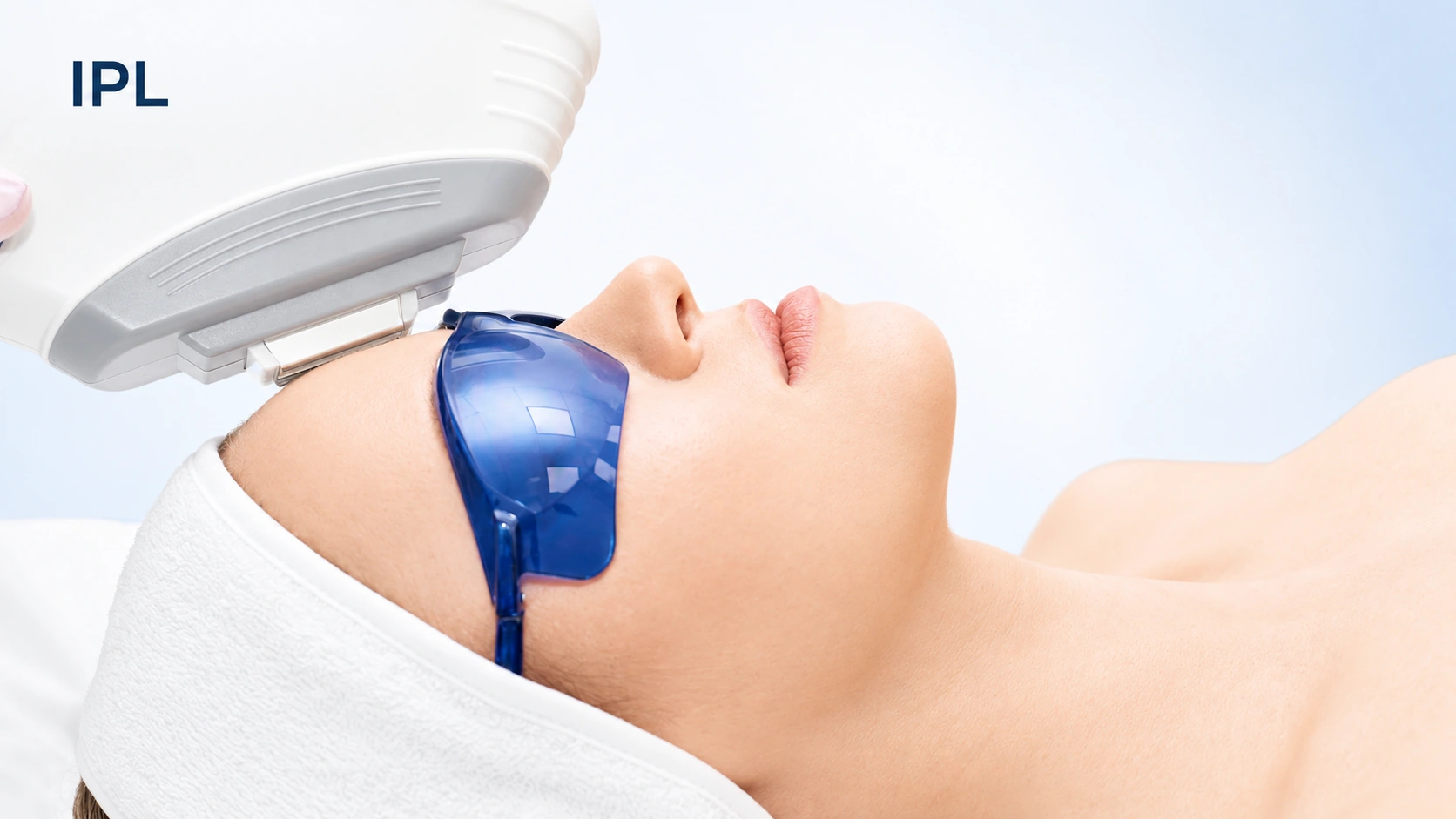

Choose for sun spots and facial redness on lighter skin — it is not safe on deeper skin tones.
Choose for tattoo removal, especially black ink — it takes more sessions than most expect and full clearance isn't guaranteed.
Can you have both?
They treat different things. IPL is not suited to tattoo removal; Q-switched laser is the standard.
IPL uses filtered pulses across a range of wavelengths, not a laser.
It treats redness, benign pigmentation and unwanted hair.
A brown spot should be assessed before fading.
Tanning, darker skin and medicines raise the risk of burns or pigment change.
Very short laser pulses fragment tattoo pigment.
Several treatments are usually needed.
Some inks respond poorly.
Cosmetic and white inks may need a test treatment.

Reduces redness and vessels.
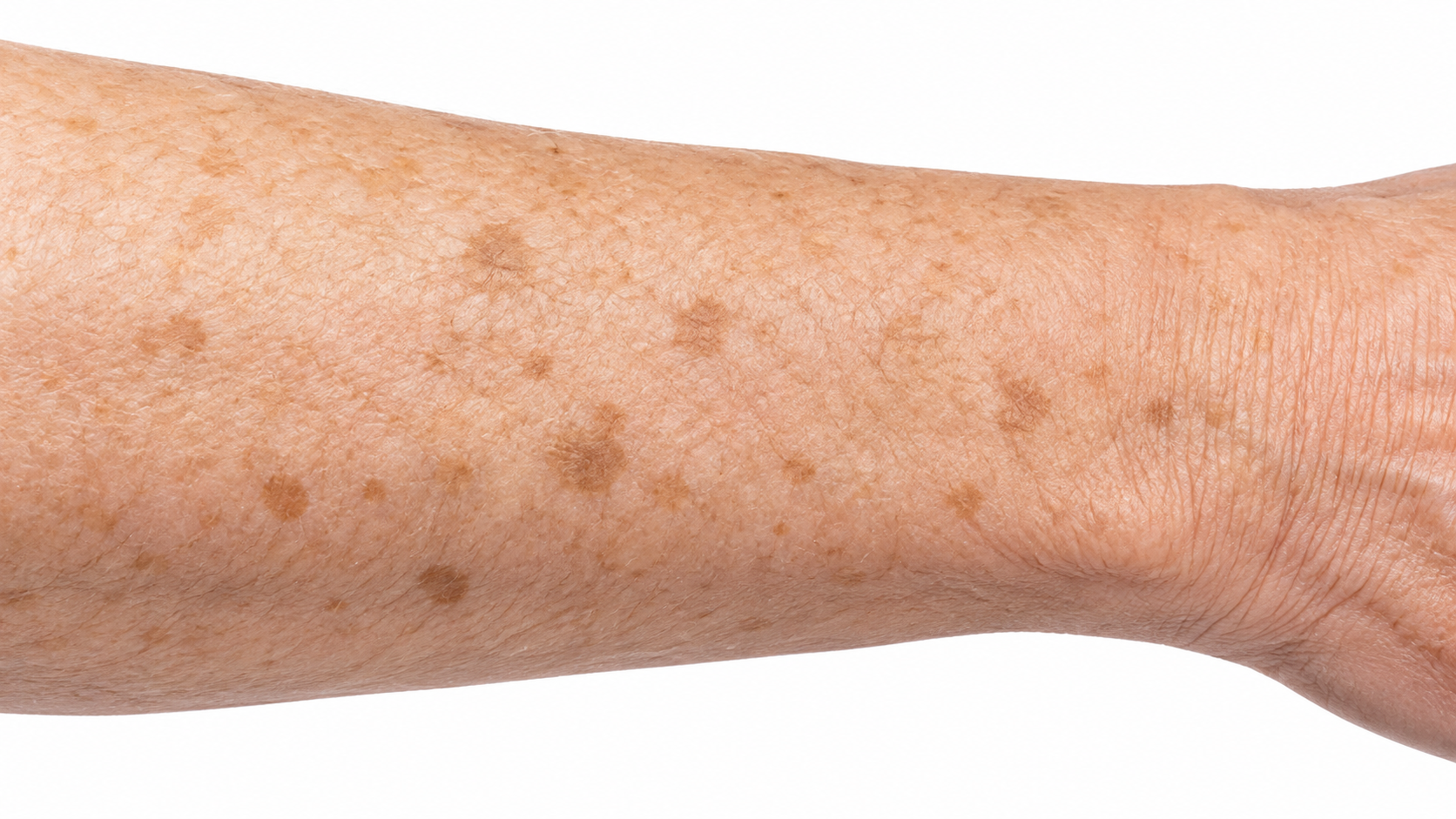
Darkens spots that then flake off.
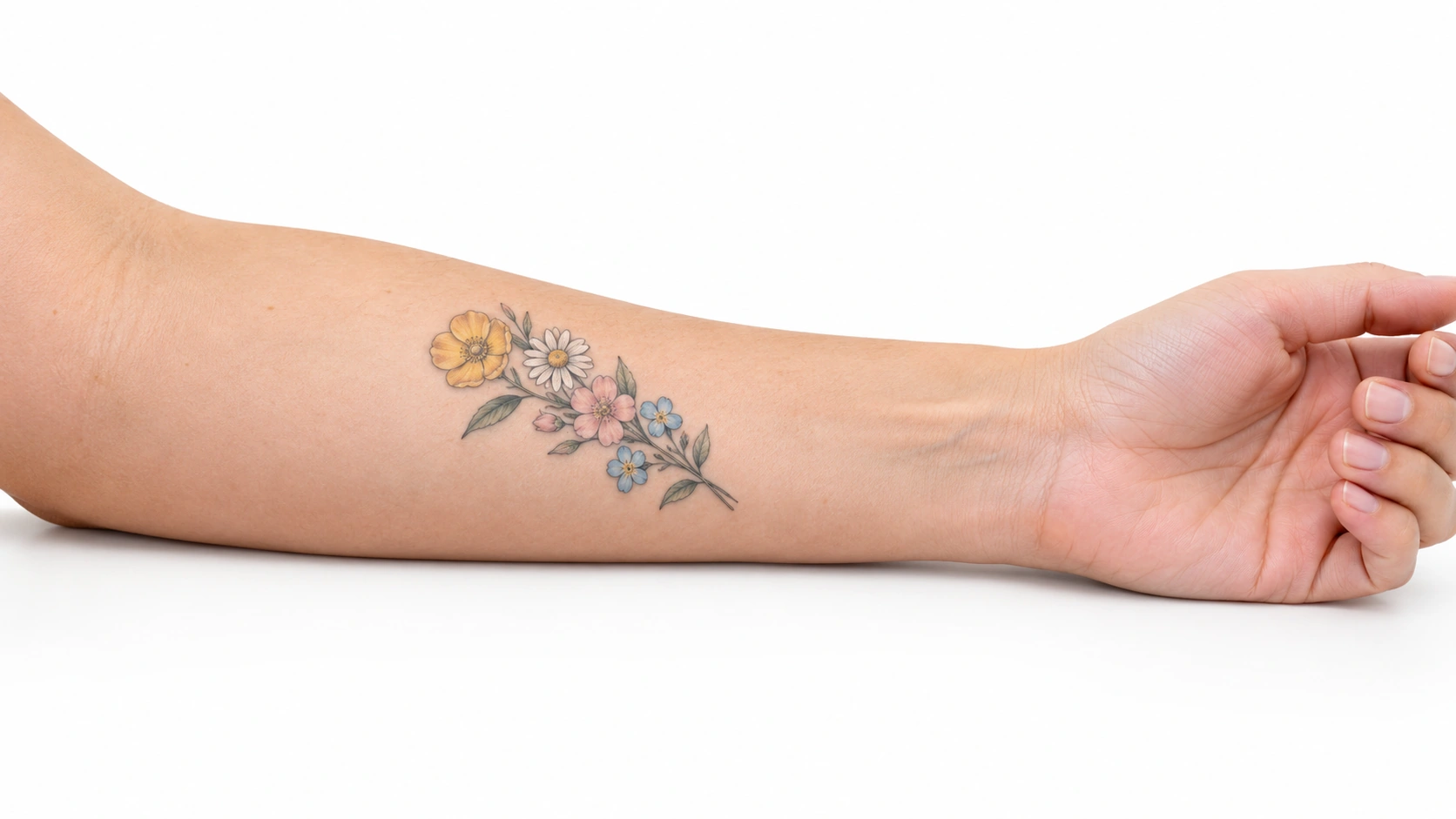
Fades ink over many sessions.
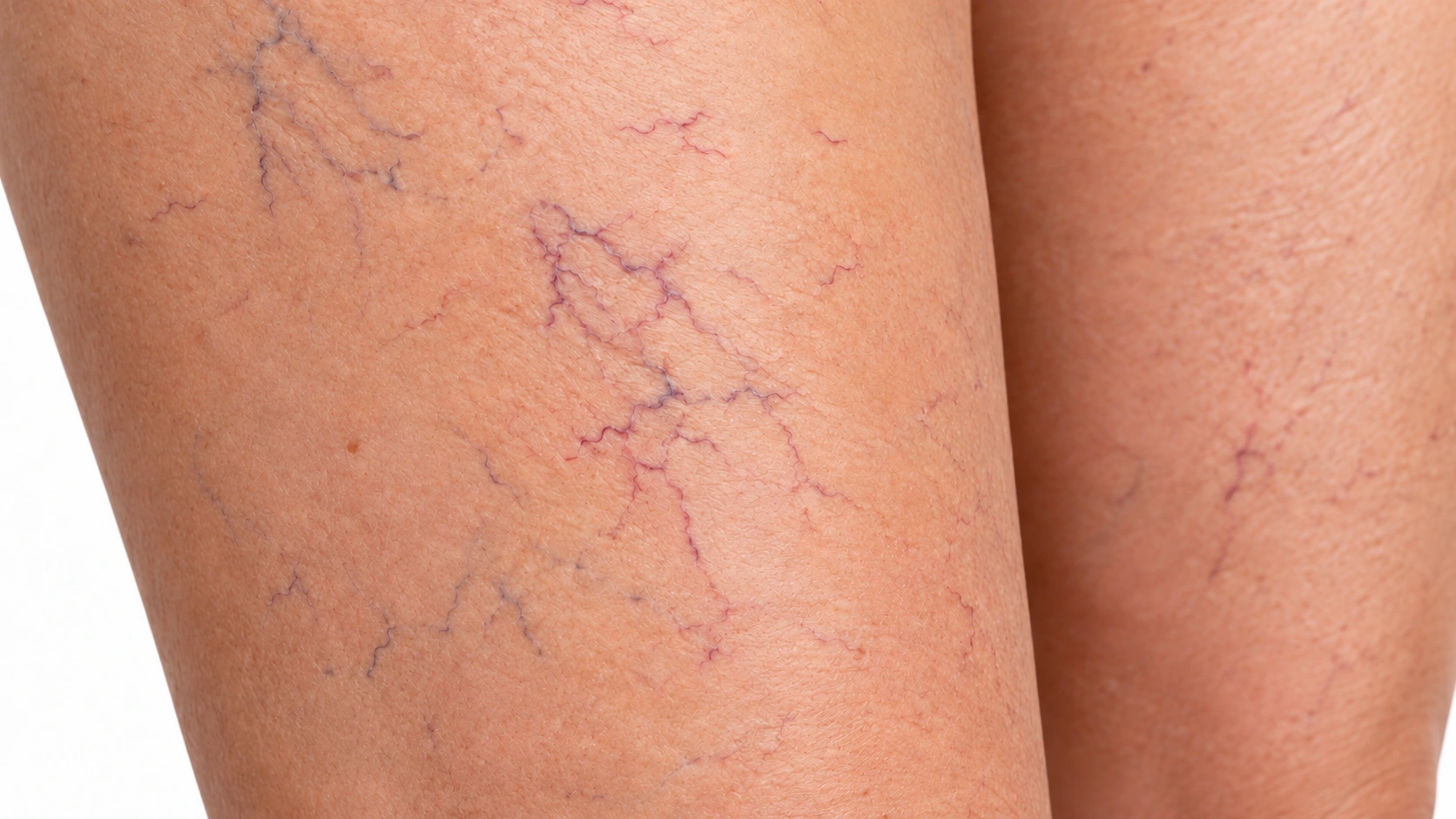
Clears small facial vessels.
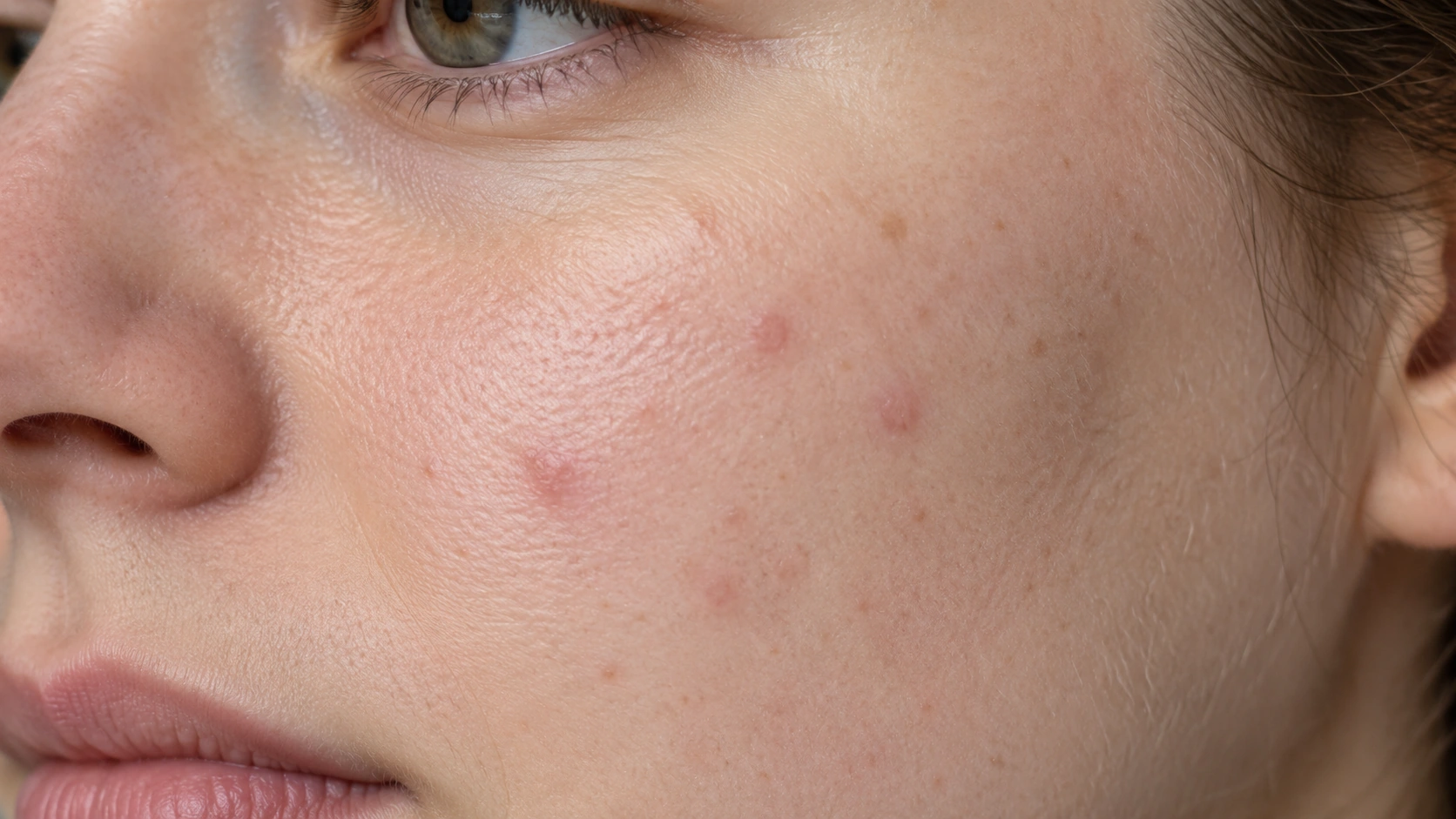
Fades red marks.
Clears spots.

Doesn't change texture.
Doesn't change texture.

Patches often rebound darker.
Pigment can rebound.
Face, neck, chest and hands.
The tattoo or diagnosed pigment spot determines the treatment site; location varies.
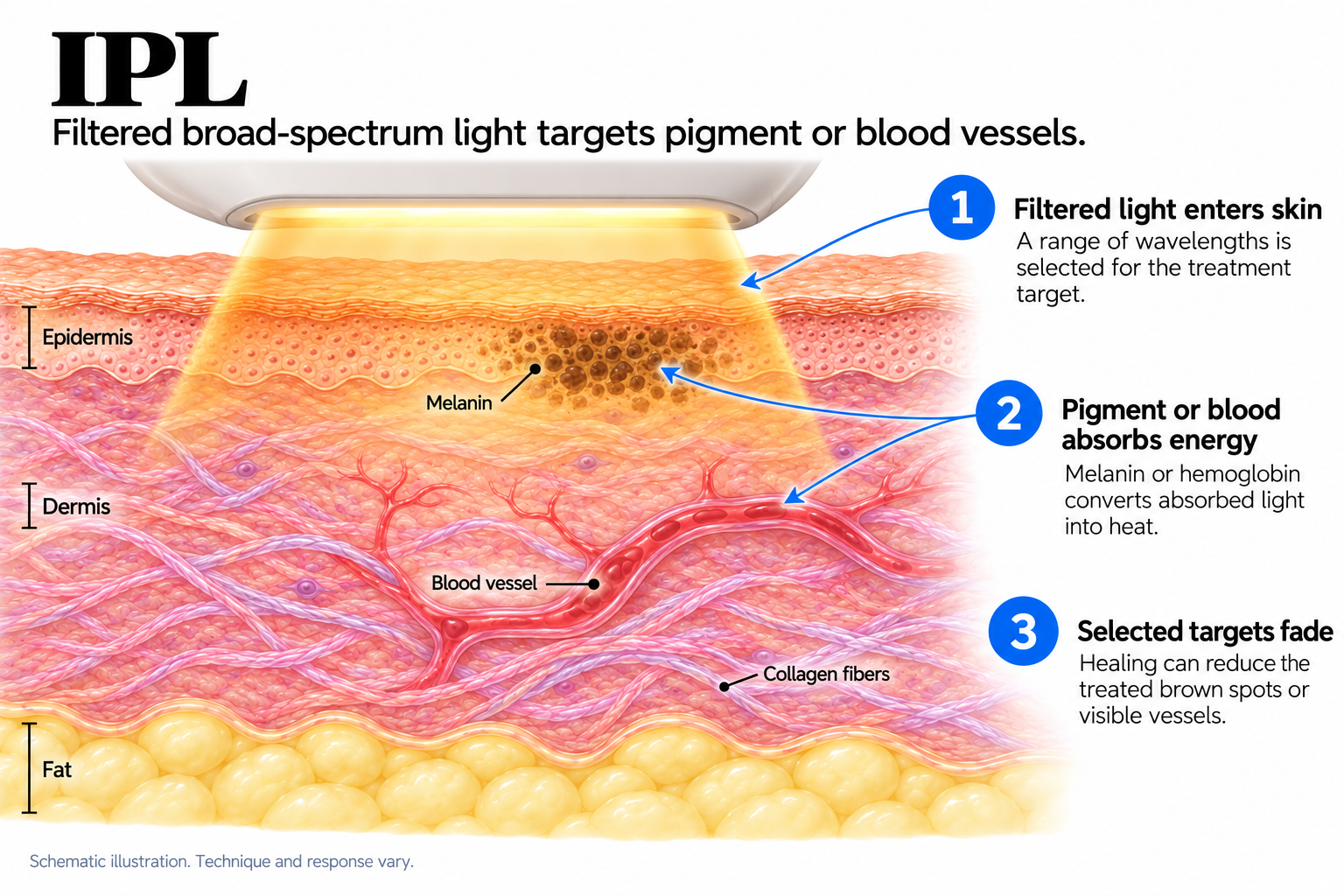

Filtered light enters skin: A range of wavelengths is selected for the treatment target. Pigment or blood absorbs energy: Melanin or hemoglobin converts absorbed light into heat. Selected targets fade: Healing can reduce the treated brown spots or visible vessels.
Schematic illustration. Technique and response vary. This explains a mechanism and does not specify treatment settings.
Short pulses reach the ink: The wavelength is selected for the ink and skin. Pigment particles fragment: Rapid energy delivery breaks some ink into smaller pieces. Clearance happens gradually: The body clears some fragments between treatment sessions.
Schematic illustration. Technique and response vary. This explains a mechanism and does not specify treatment settings.
4 weeks before: Sun and tanning: No sun, sunbeds or self-tanner.
2 weeks before: Hair removal: No waxing, threading or hair removal cream.
4 weeks before: Sun and tanning: Keep the area out of the sun and stop self-tanner.
Before you book: Your plans: Expect a week of healing.
3 to 5 days before: Actives and clean skin: Stop retinoids and exfoliating acids.
The day before: Shaving: Shave the area.
30 to 60 min before: Numbing: Numbing cream goes on 30 to 60 minutes before, so arrive early or apply it at home if told to.
Skin tone: A good provider will ask, and will decline if IPL is wrong for your skin.
Skin tone: Be direct about your skin tone and how easily you tan.
Skin is cleaned and examined, and the provider checks your skin tone and recent sun.
The tattoo is examined and photographed, and the colors and depth of the ink assessed.
Opaque goggles go over your eyes and stay on; that is not optional.
The handpiece is pressed on the skin and fired in overlapping shots. You see a bright flash through closed eyelids. Each pulse feels like a hot rubber band snap, hottest over brown spots and hair, and stops as it ends. A full face takes about 20 minutes.
The laser moves across the tattoo pulse by pulse, with a loud snap each time.
The ink turns white at once — frosting, from gas released in the skin — and fades within about 20 minutes. A small tattoo takes a few minutes; a large one is split across sessions. It is sharper than getting the tattoo but much quicker, like hot fat spitting.
Skin looks pink and feels warm, like mild sunburn.
Red, raised and swollen, sometimes with pinpoint bleeding.
Days 1 to 2: Redness fades.
Days 1 to 3: Blisters, sometimes large, are expected rather than a sign something went wrong.
Days 3 to 14: Treated spots darken into fine brown flecks like coffee grounds, then flake away, leaving more even skin.
Days 4 to 14: Crusts form and lift on their own.
Weeks 2 to 6: Vessels and background redness clear gradually, and keep improving over later sessions.
Weeks 2 to 8: The fading happens now, as immune cells clear the broken ink.
1–2 weeks per session
Visible fading after 2–3 sessions
Months to years; new spots with sun
Removed ink is gone
In the US a full-face session usually runs about $300 to $600.
In the US, tattoo removal is priced per session by the size of the area, commonly from about one hundred dollars for something very small to several hundred for a larger piece.
Insurance does not cover cosmetic pigment or redness treatment.
Packages lower the price per session, but the number of sessions needed cannot be known in advance, so paying upfront for a fixed number carries risk.
No. Broadband light is absorbed by all the pigment in its path, including the pigment that gives skin its color. On deeper skin tones that means burns and light or dark patches, and pale patches can be permanent. For pigment, ask about prescription creams and superficial peels. For hair, a 1064 nm Nd:YAG laser.
No. The skin tone chart supplied with home devices exists because the technology injures skin with more pigment, and most are labeled unsuitable for deeper skin tones and tanned skin. Many refuse to fire. The risk is the same as a clinic device, with nobody present to spot a problem early.
Usually not, and it commonly makes melasma worse: better for a few weeks, then darker and wider. If you have brown patches on the cheeks, forehead or upper lip, get a diagnosis before any light-based treatment.
That is what is meant to happen. Treated sun spots darken into fine brown flecks over the first few days, then flake off over one to two weeks. Do not scrub or pick.
Usually three to five for the face, three to four weeks apart, then maintenance once or twice a year. Brown spots improve faster than redness. Hair reduction takes six to ten or more.
No. IPL works on color: brown pigment and red vessels. Wrinkles, texture, pores and indented scars need a fractional laser or microneedling.
A professional tattoo commonly needs eight to twelve or more, six to eight weeks apart — a year or two overall. Amateur tattoos often clear in four to six. Ink color, density, skin tone and location change the number, and no one can give an exact figure at the start.
Sometimes, but it cannot be promised. Heavy fading is the realistic goal; some tattoos leave a faint shadow, usually because of yellow, white or pastel ink.
Each pulse is sharper, but the session is much shorter — most people describe hot fat spitting on the skin. Numbing cream or injected anesthetic makes it manageable.
Yellow, white and pastel shades, because they absorb the available wavelengths poorly. Green and light blue need a specific laser not every clinic owns. Black and dark blue clear most reliably.
Yes, with the right wavelength and settings. The 1064 nm beam is used most because melanin absorbs it least. Expect a test spot, lower energy, longer gaps, and more caution with colored ink.
Flesh-tone, white and cosmetic inks contain iron and titanium compounds the laser can change chemically, turning them gray or black instantly. That is why a test spot in a hidden area comes first for eyebrow, lip liner and areola tattoos. Further sessions sometimes clear the darkened ink and sometimes do not.