Inflamed Epidermal Cyst vs Infected Epidermal Cyst

An epidermoid cyst can become inflamed when its wall ruptures, without necessarily being infected. An epidermoid cyst complicated by bacterial infection.
Research updated 2026-10-23
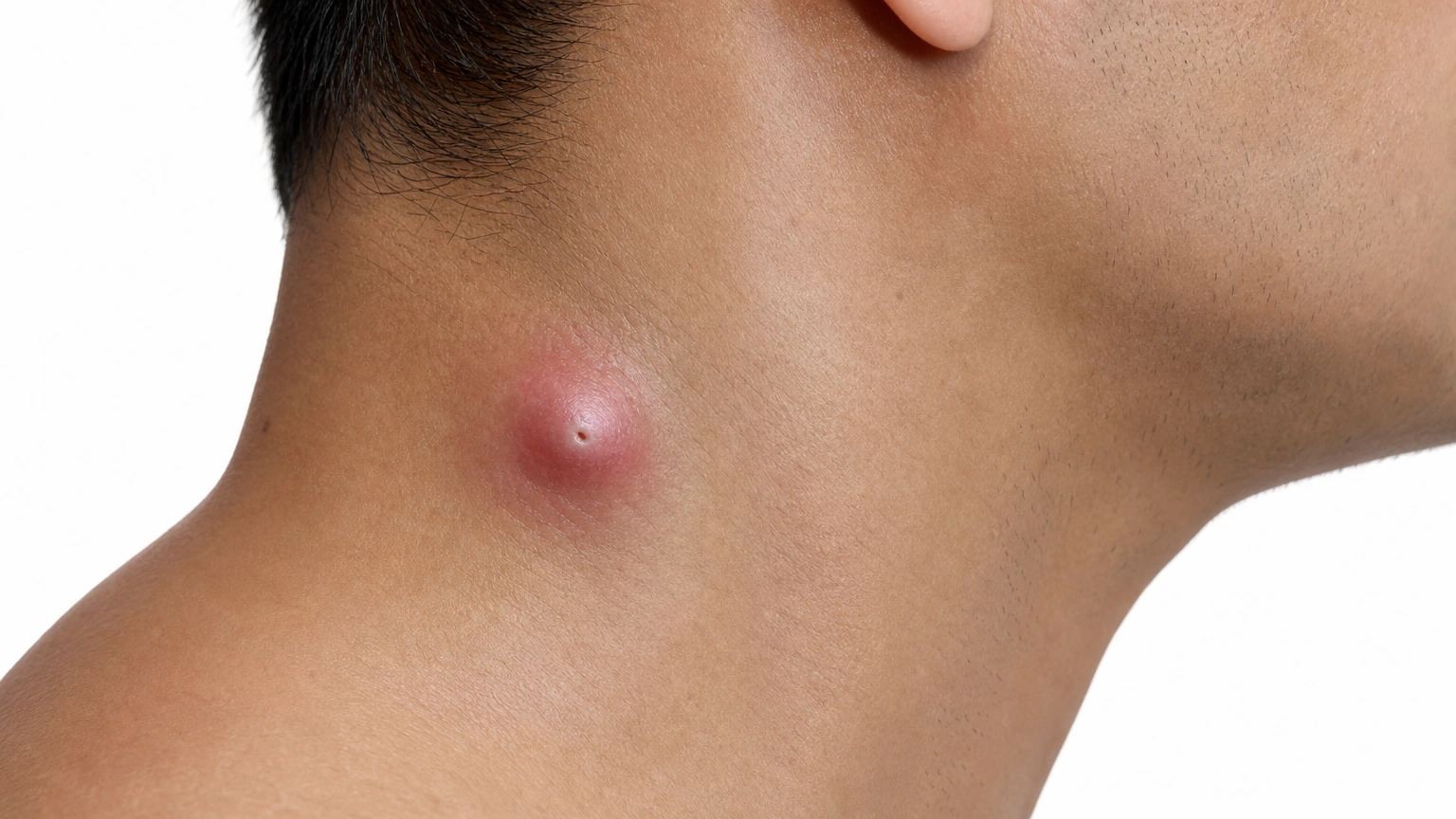
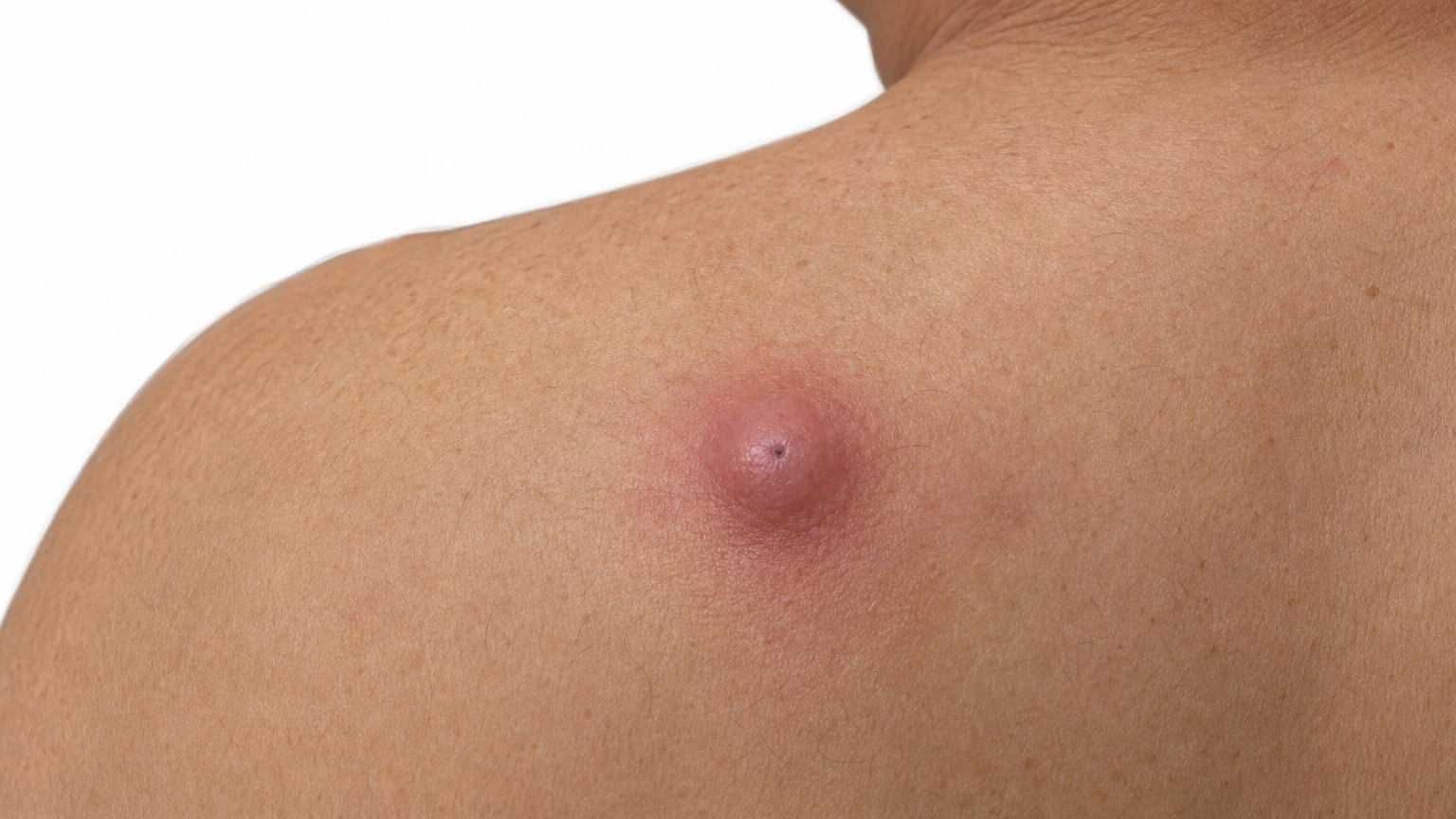
AI-generated educational illustration: Adult side of neck with one localized pink-red subcutaneous dome with a tiny central pore, intact skin.AI-generated educational illustration: Small localized red swollen epidermoid cyst on adult upper back with central punctum, intact skin, no draining wound.

Key differences

The same eight facts on every condition comparison.

Usual age
Adults
Adults
Where
Face, neck, trunk
Face, trunk
Main sign
A cyst that suddenly becomes red and sore
Hot, red, swollen cyst with pus
Itch or pain
Painful
Painful
Contagious
No
No
Long term
Settles; removal once calm
Needs drainage; removal later
Scars
Can scar
Can scar
Who gets it
People with an existing cyst

What is it?

Inflamed Epidermal Cyst
Infected Epidermal Cyst
What is it?
  • What it is
    An epidermoid cyst can become inflamed when its wall ruptures, without necessarily being infected.
  • What it is
    An epidermoid cyst complicated by bacterial infection.

What it looks like

Inflamed Epidermal Cyst

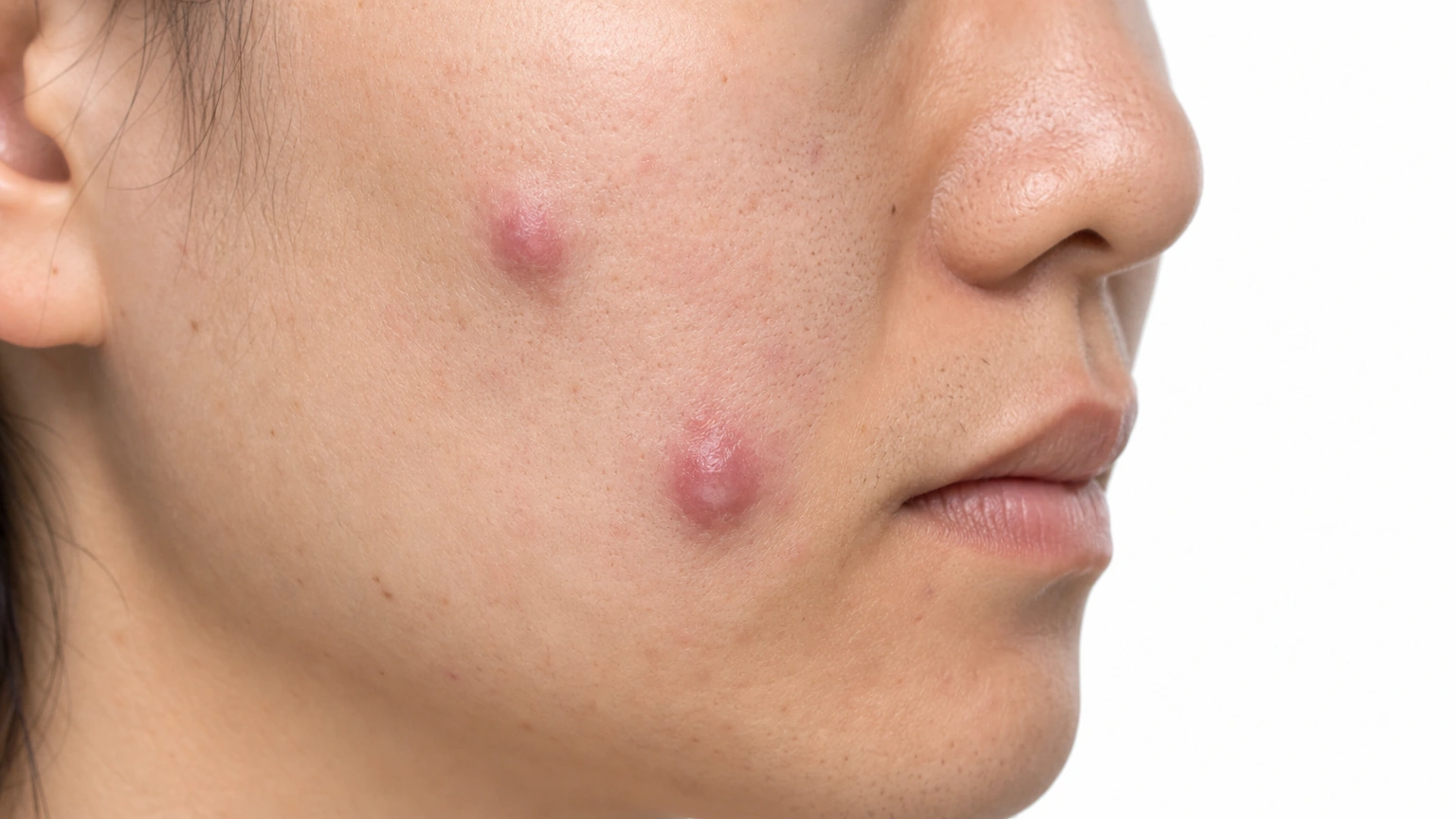
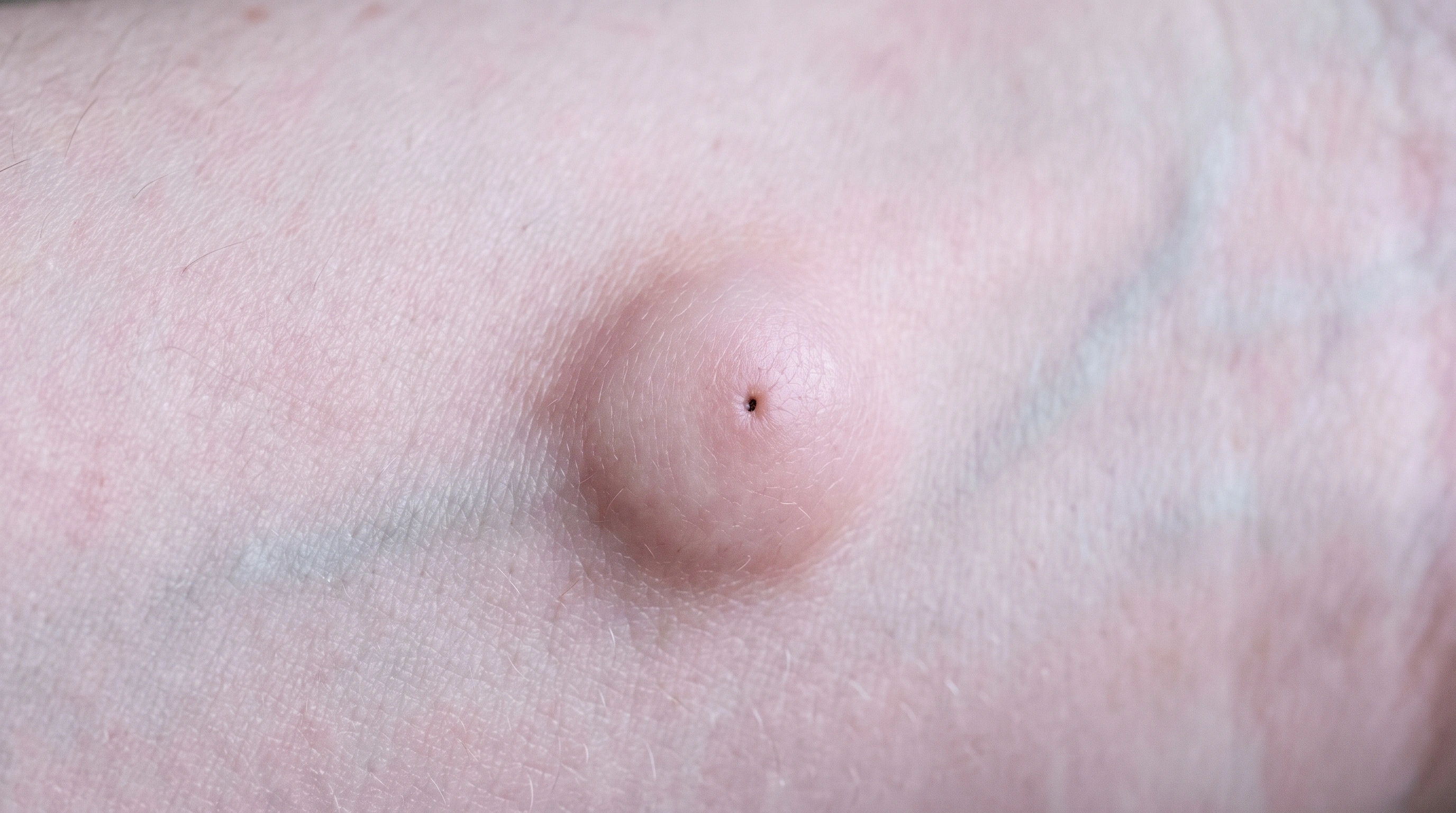
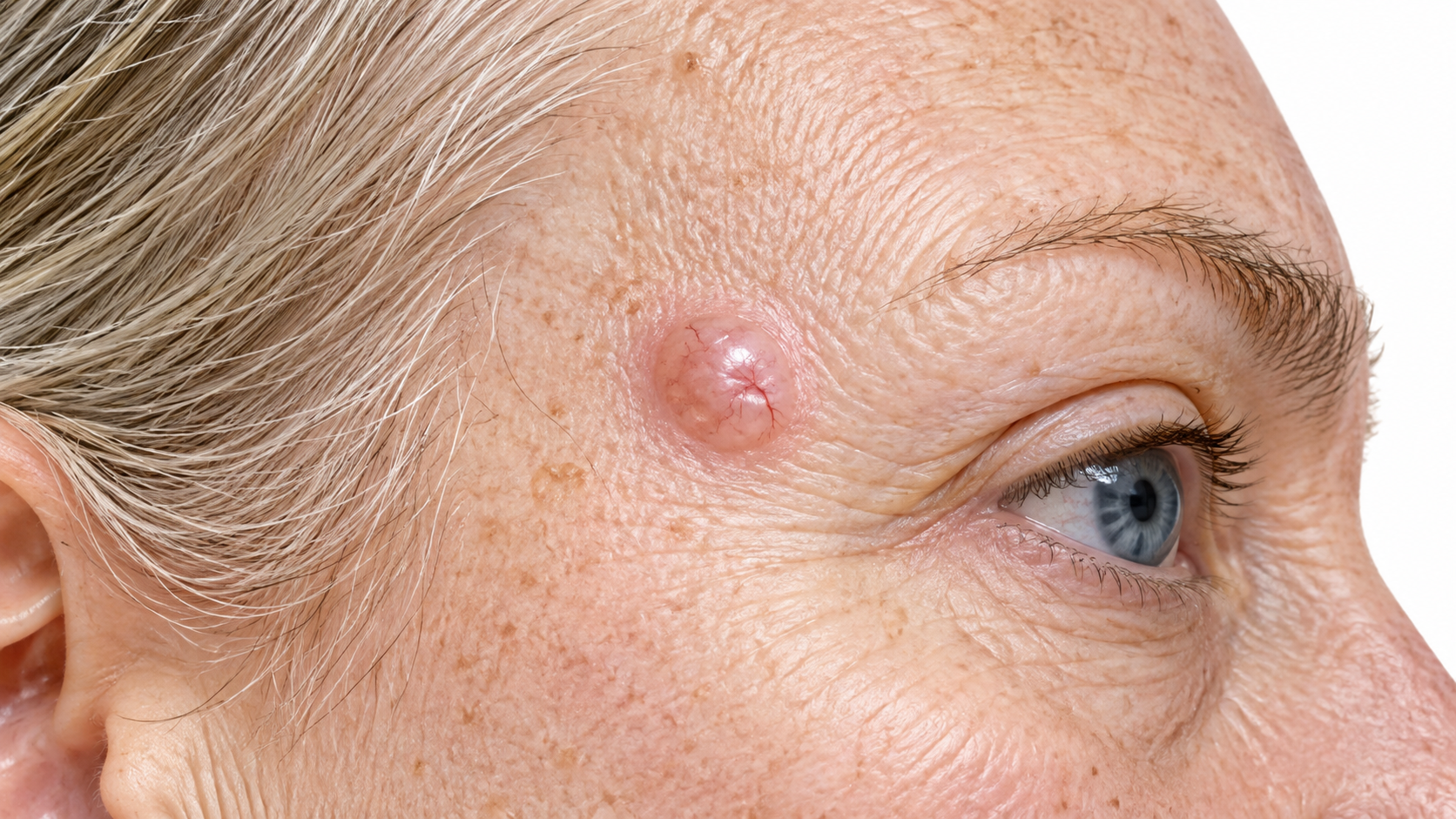
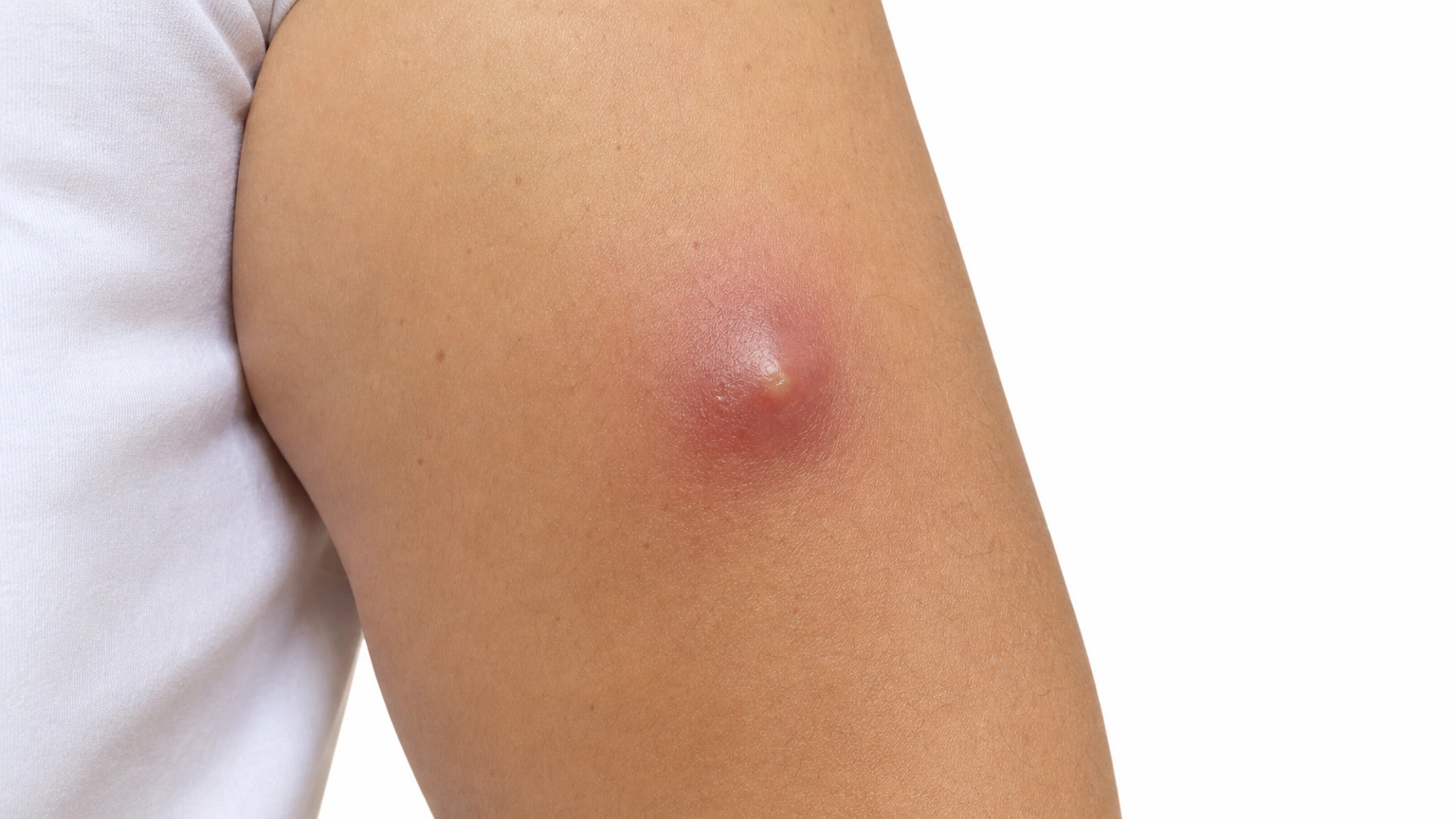
The side of a neck with a rounded red bump and a tiny central opening.

Inflamed Epidermal Cyst A small central opening is visible at the top of the raised bump.
Infected Epidermal Cyst

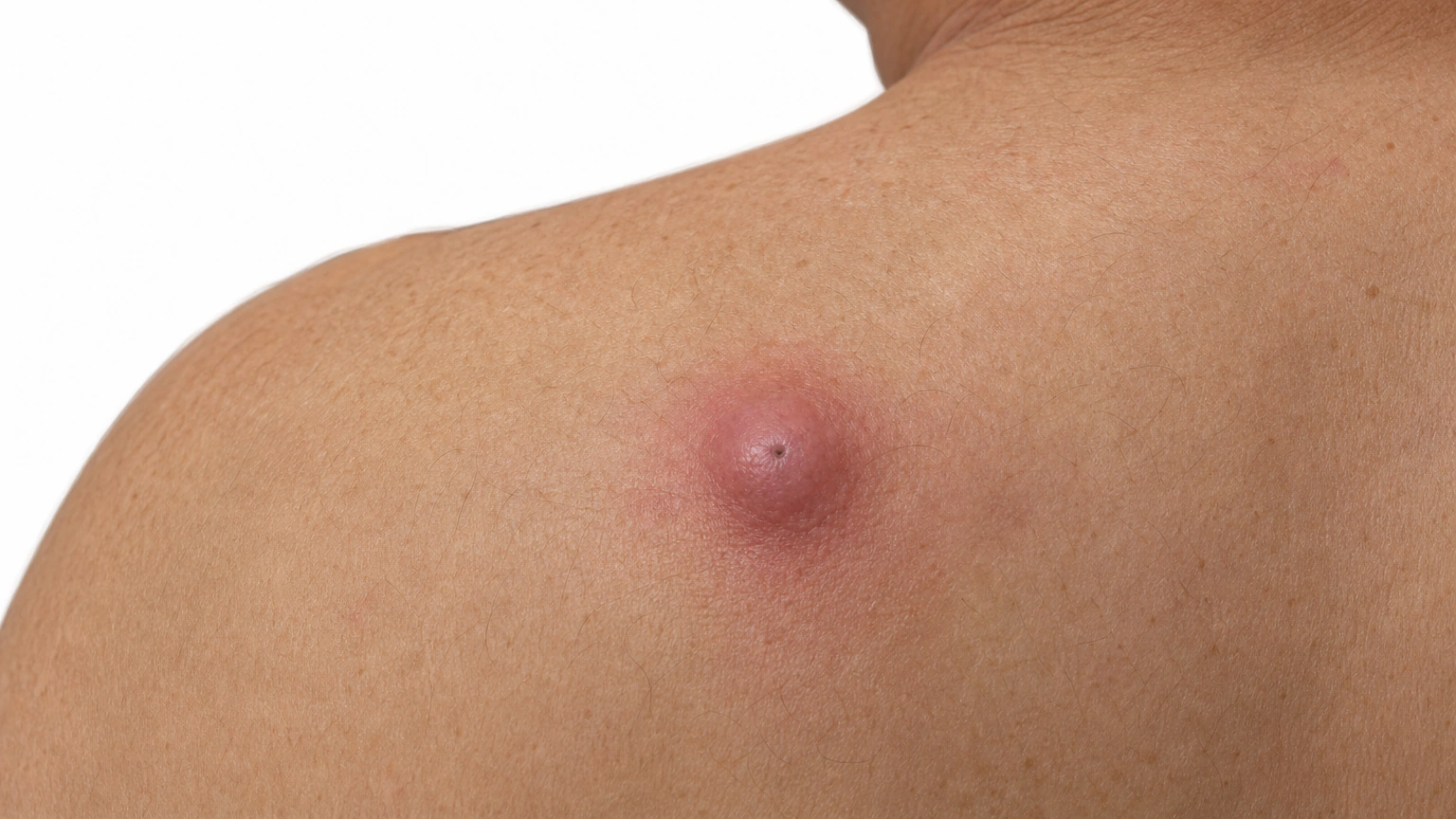
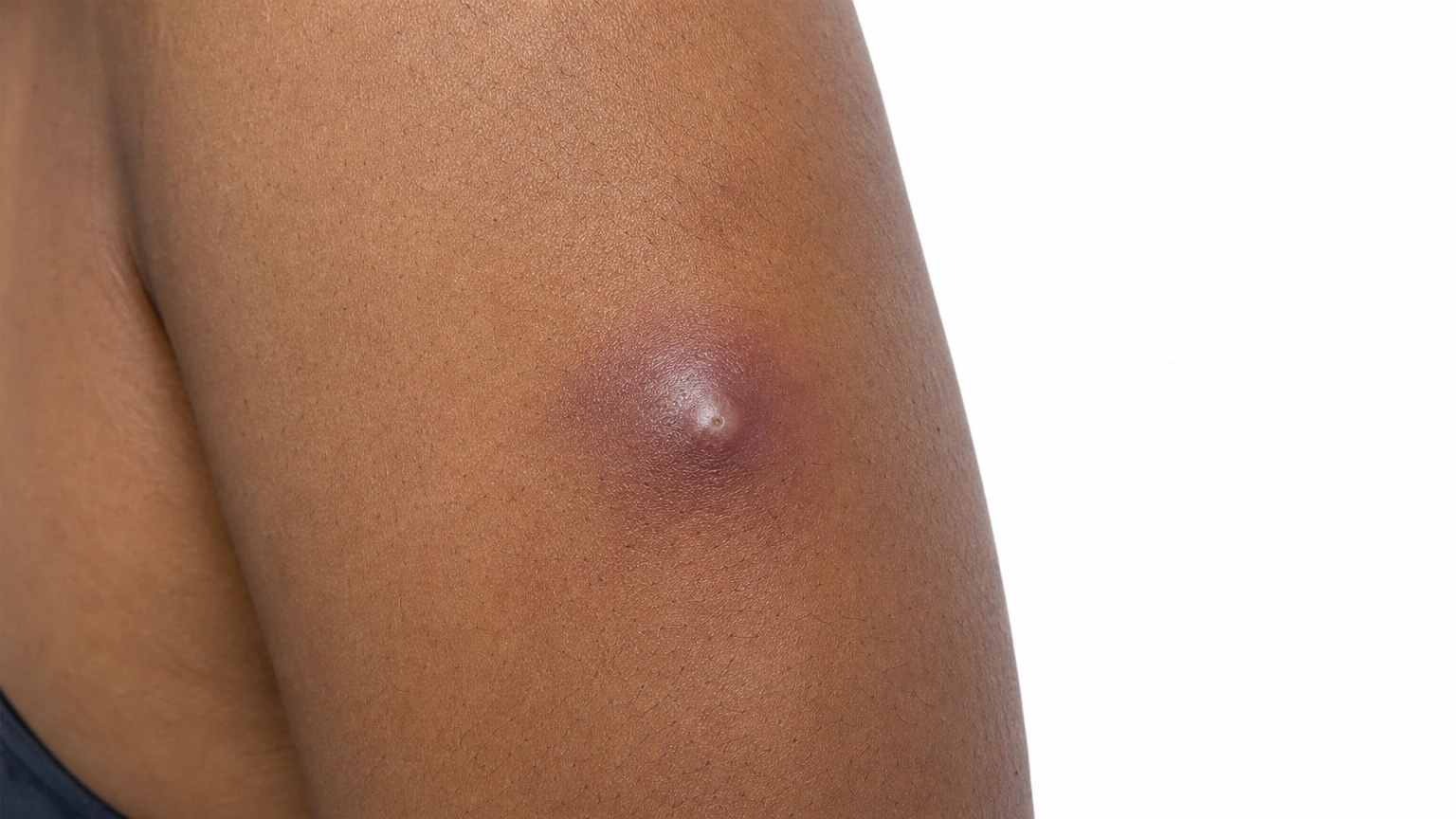
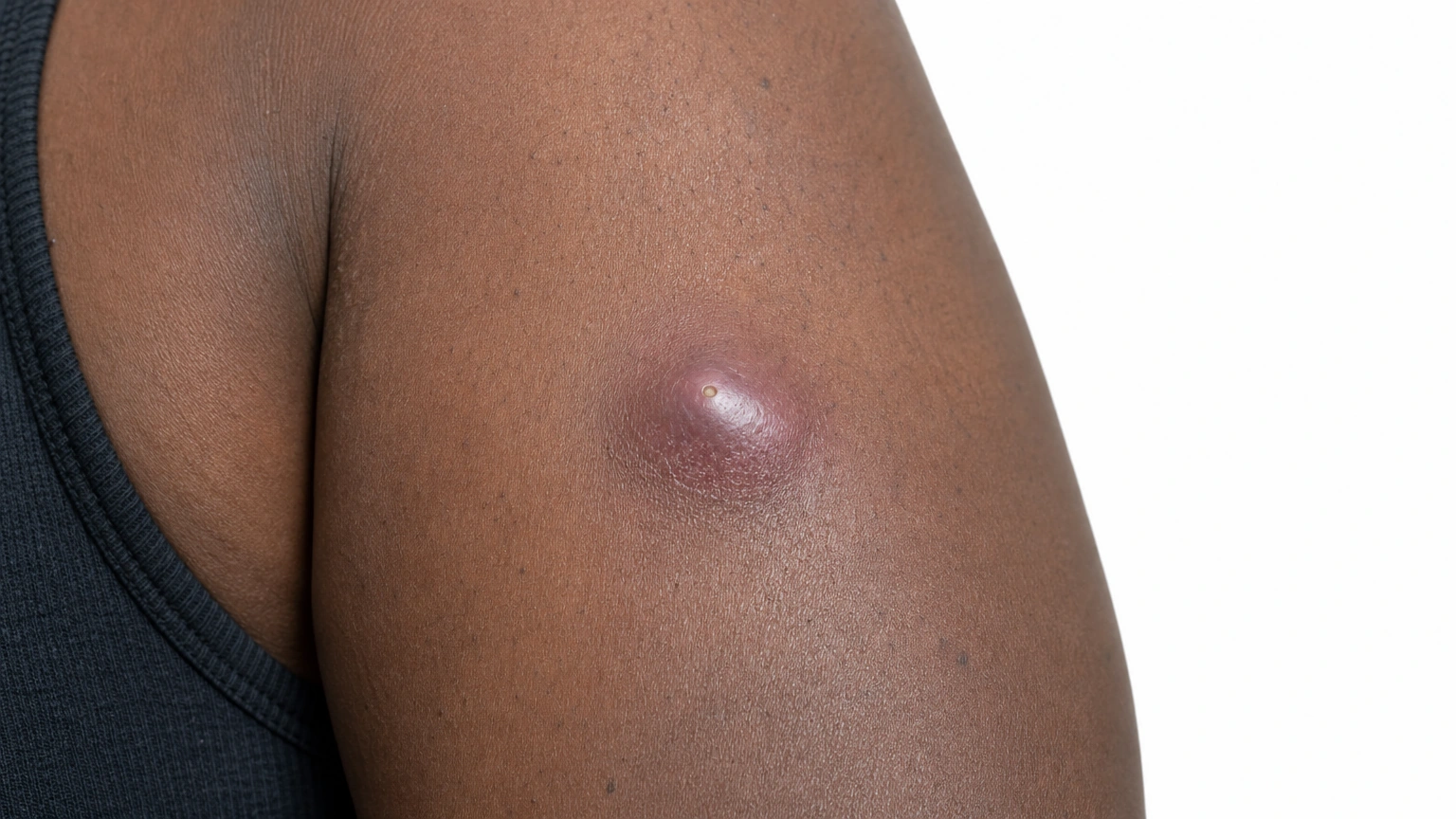
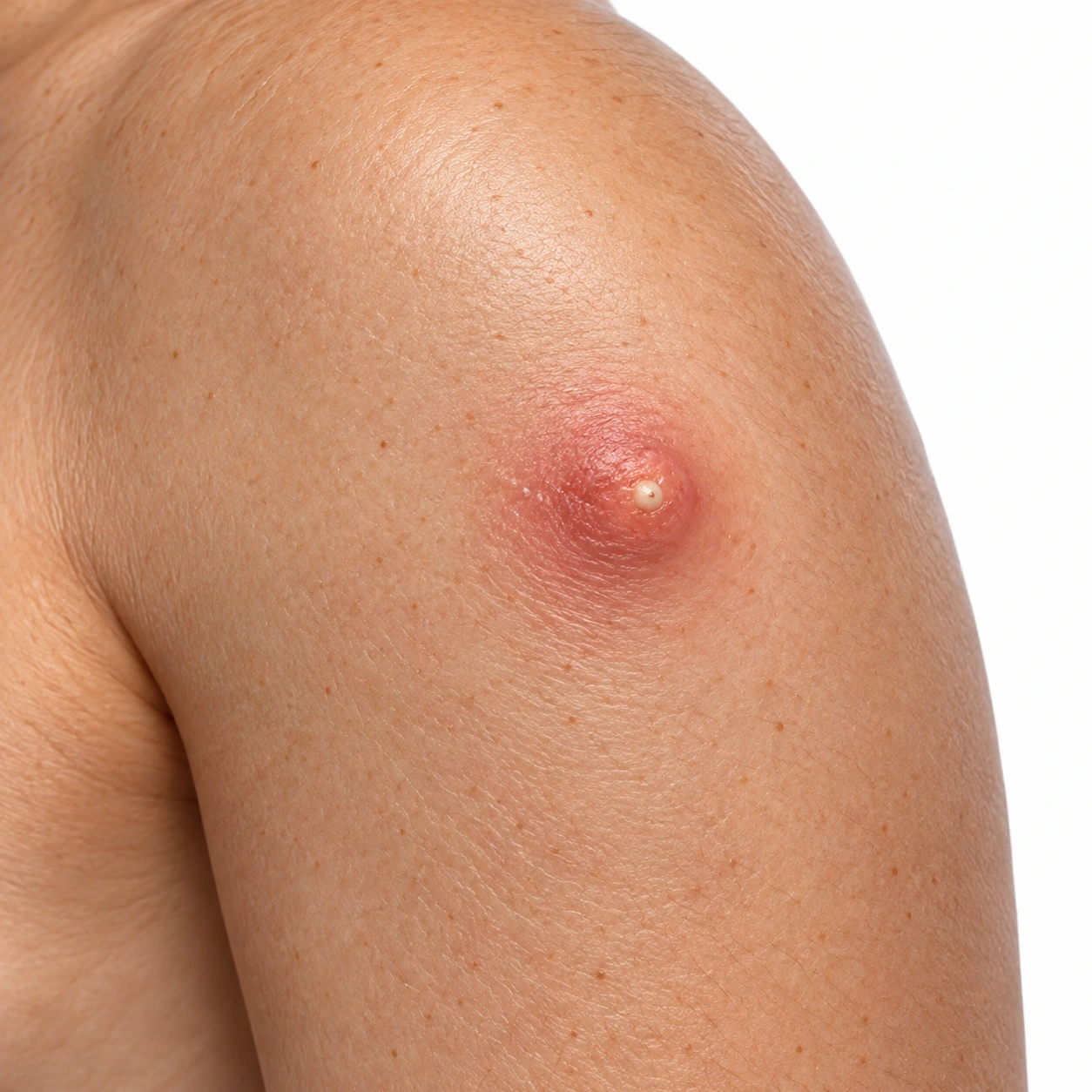
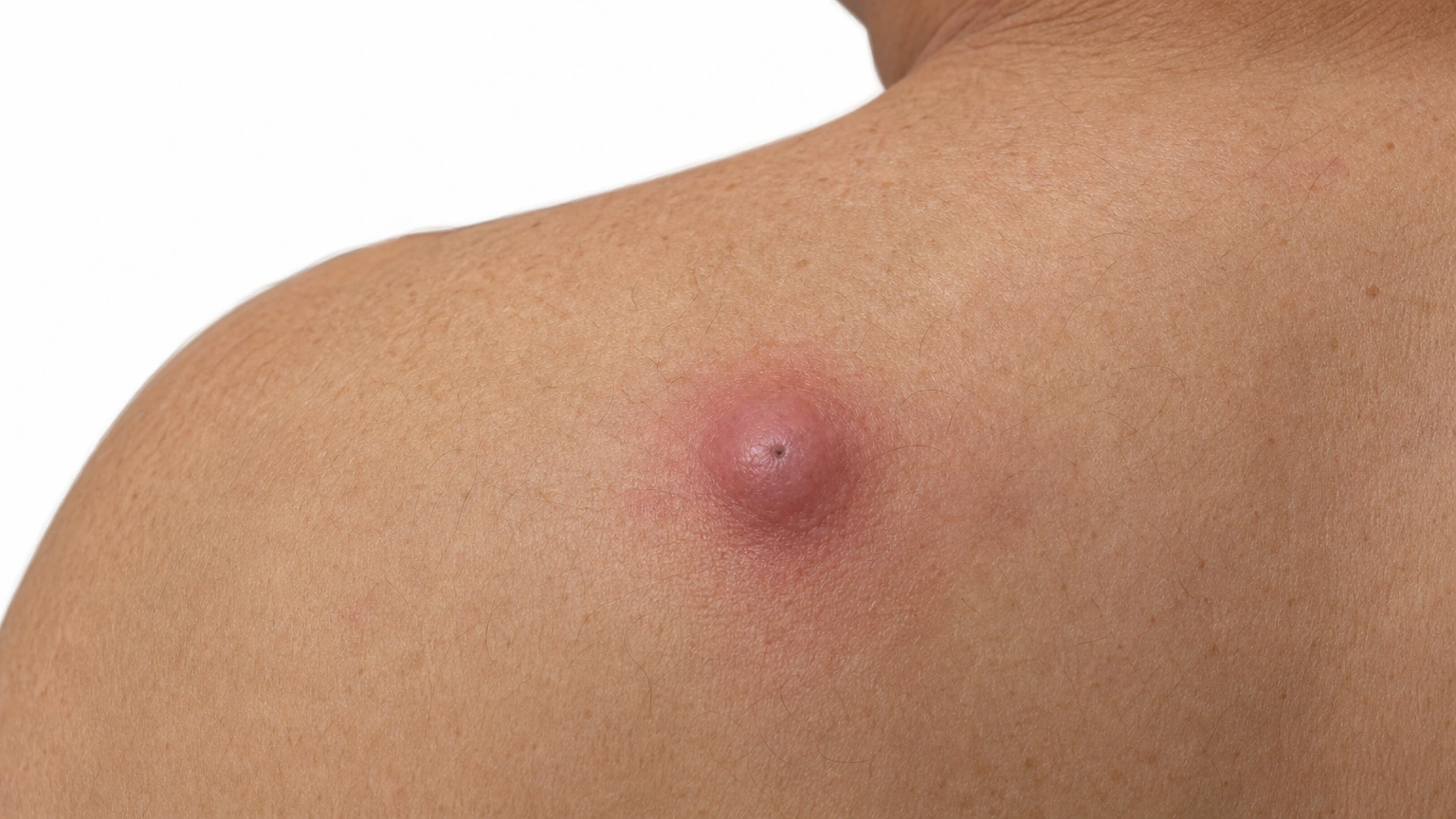
An upper back with one rounded red-purple bump and a pale central opening.

Infected Epidermal Cyst A red-purple mound rises from the upper back with a small opening at its center.
Skin tones
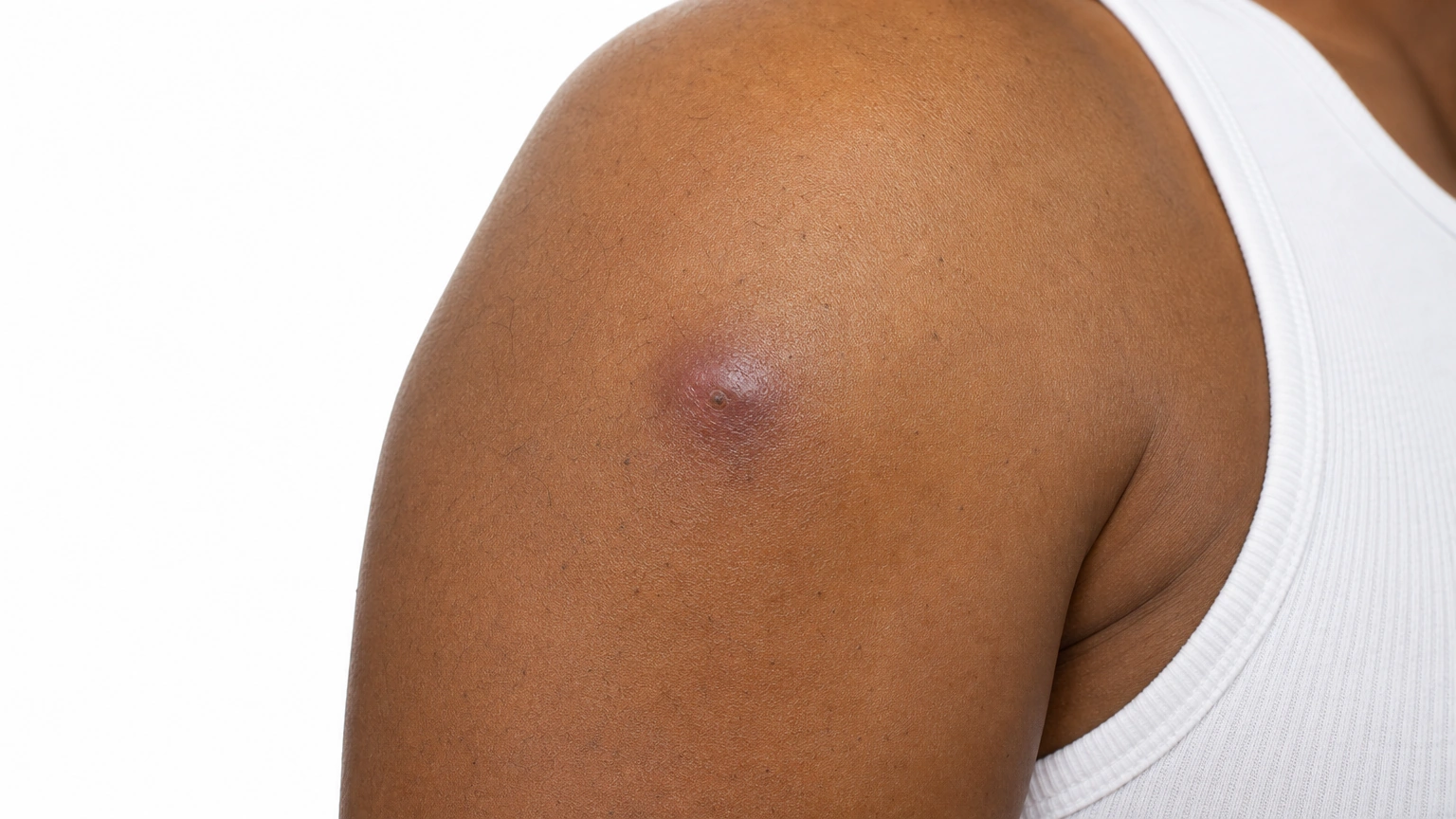
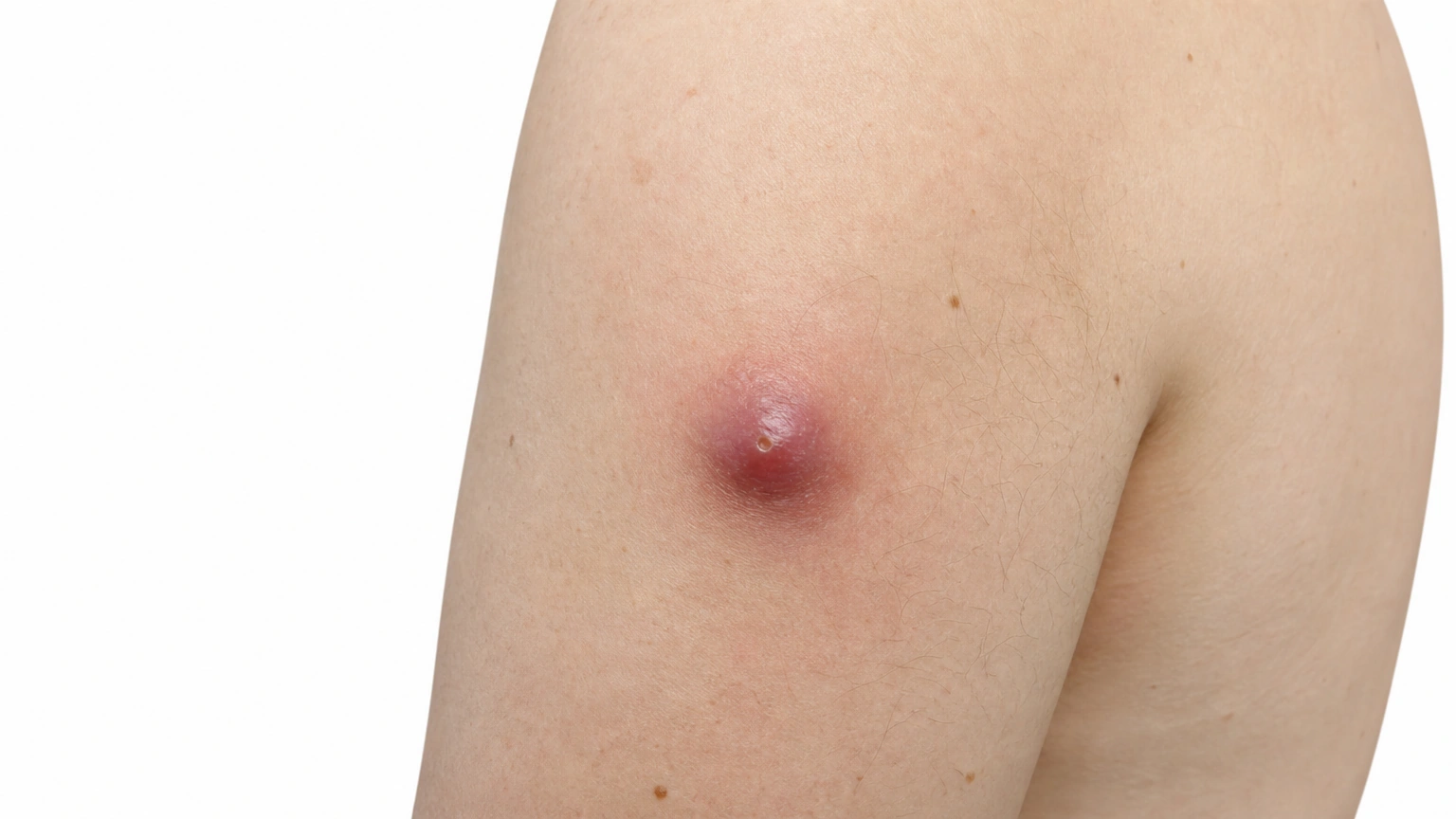
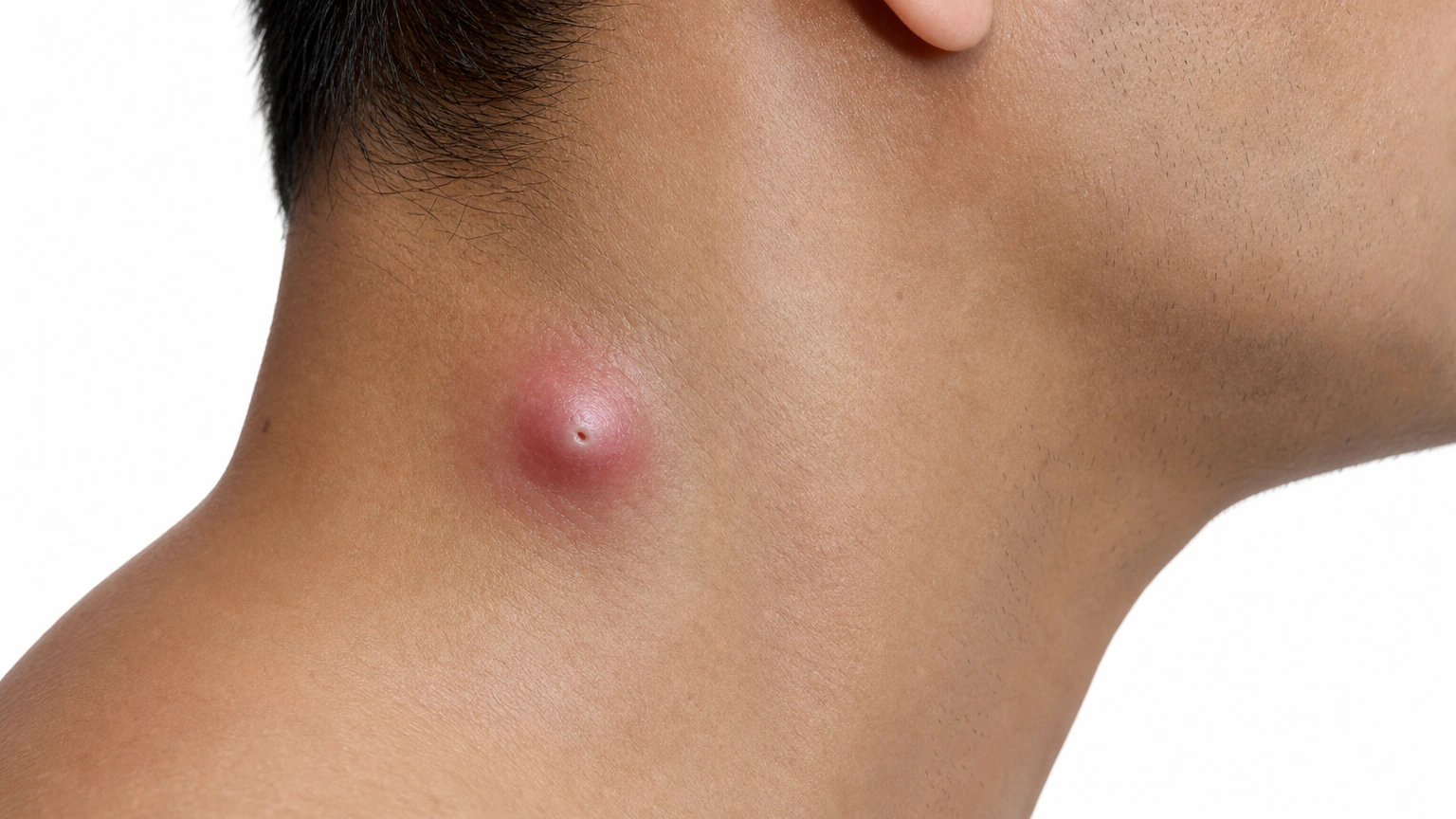
Inflamed Epidermal Cyst on light skin.
Adult side of neck with one localized pink-red subcutaneous dome with a tiny central pore, intact skin.
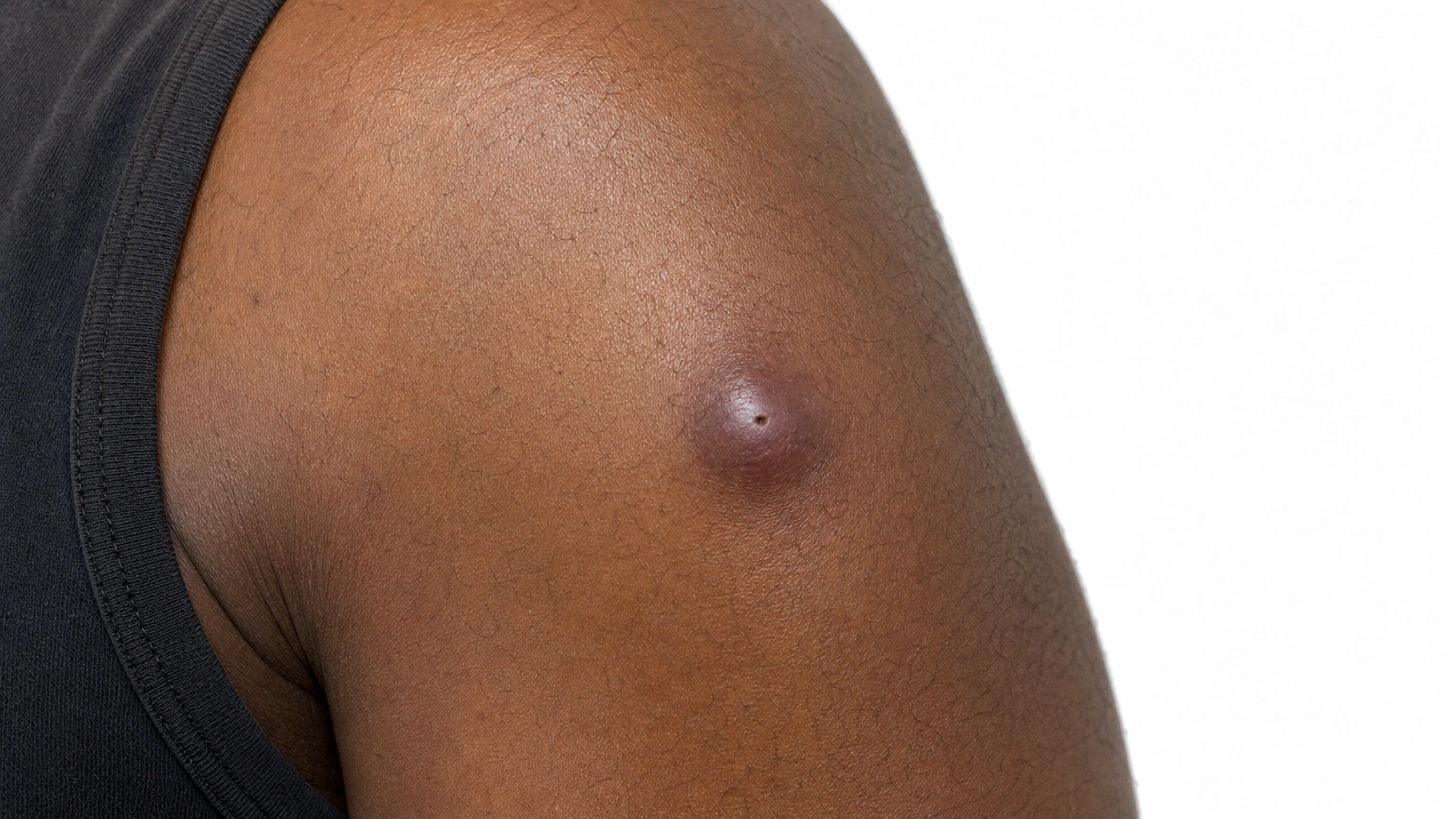
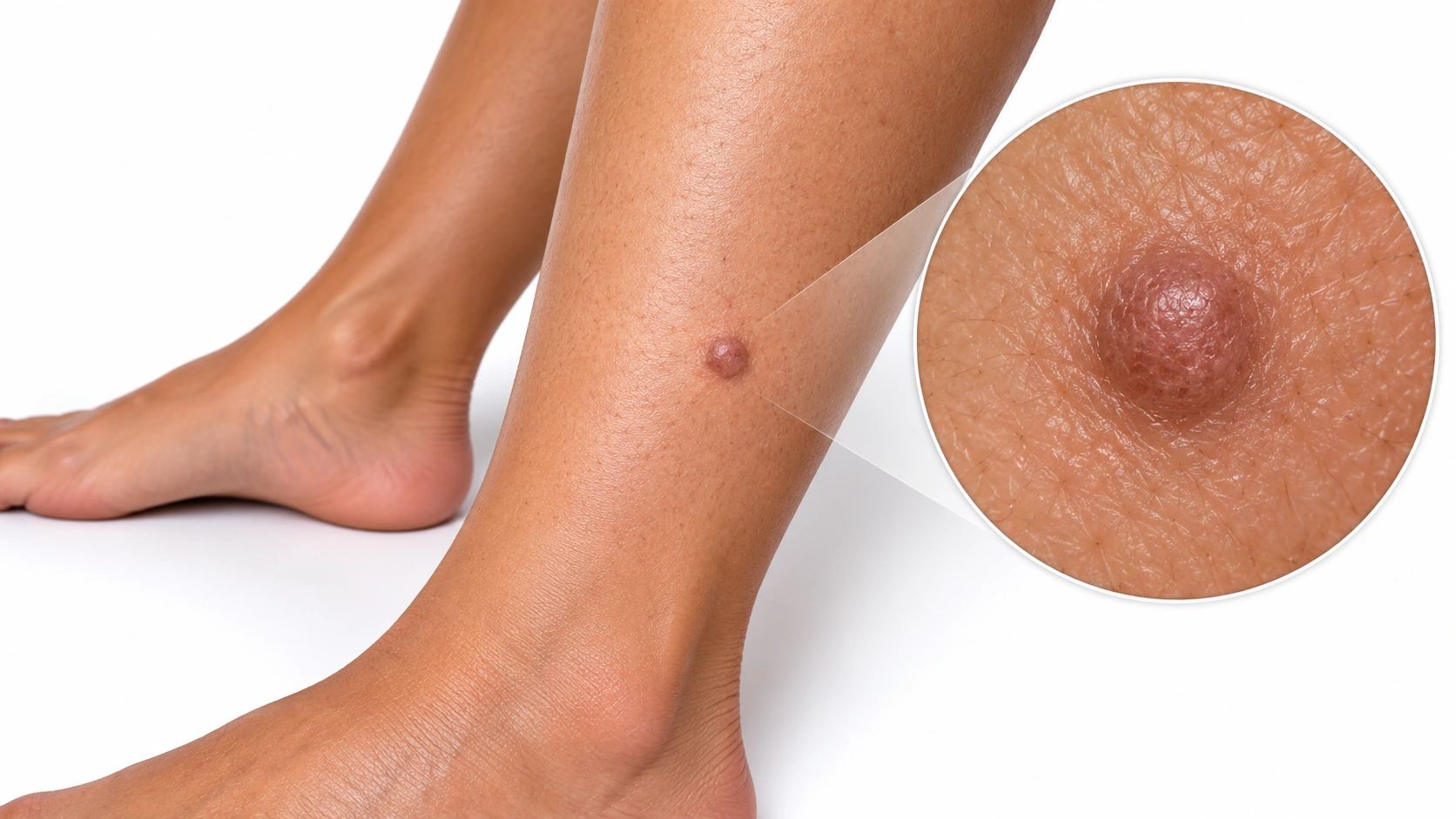
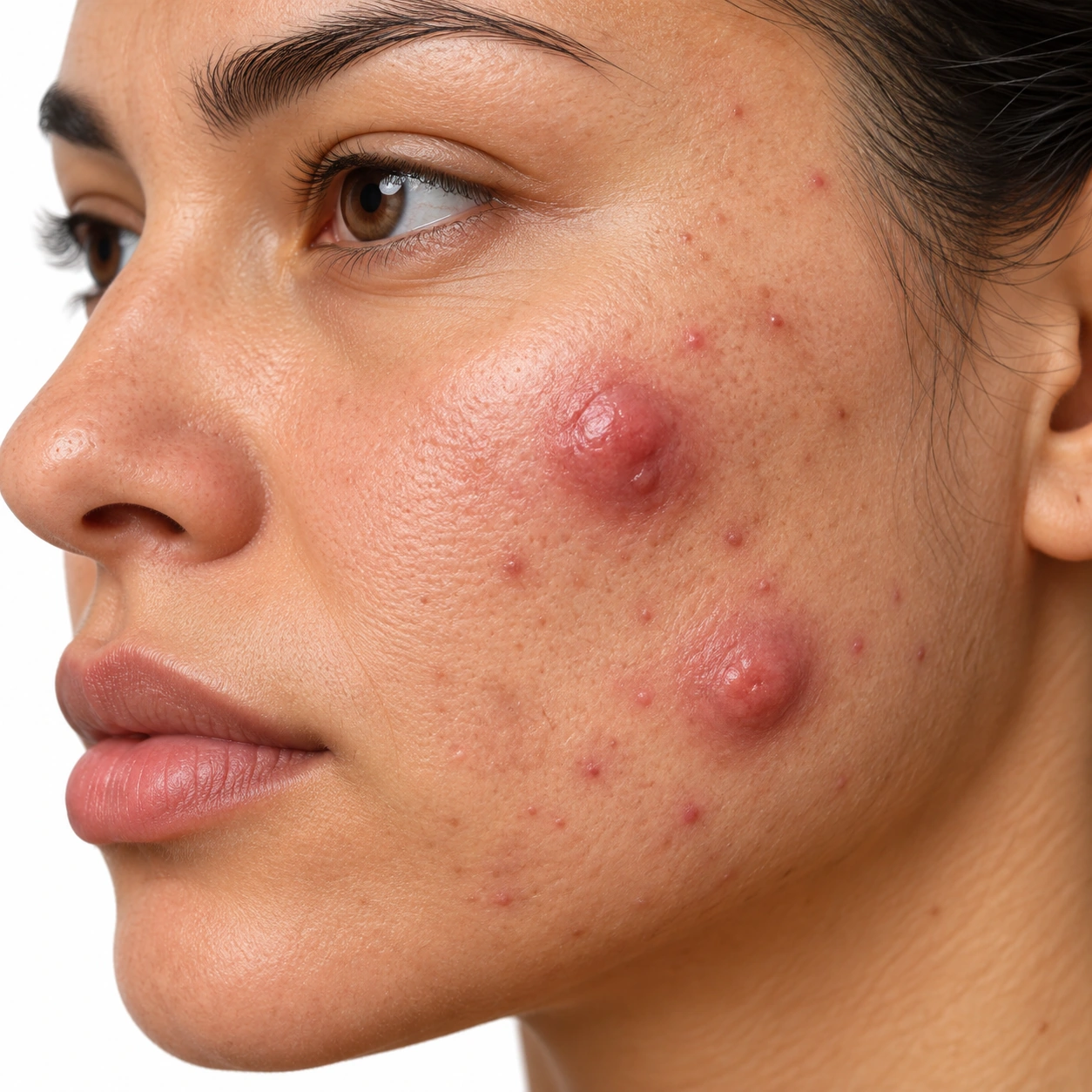
Inflamed Epidermal Cyst on brown skin.
Inflamed Epidermal Cyst on deep skin.
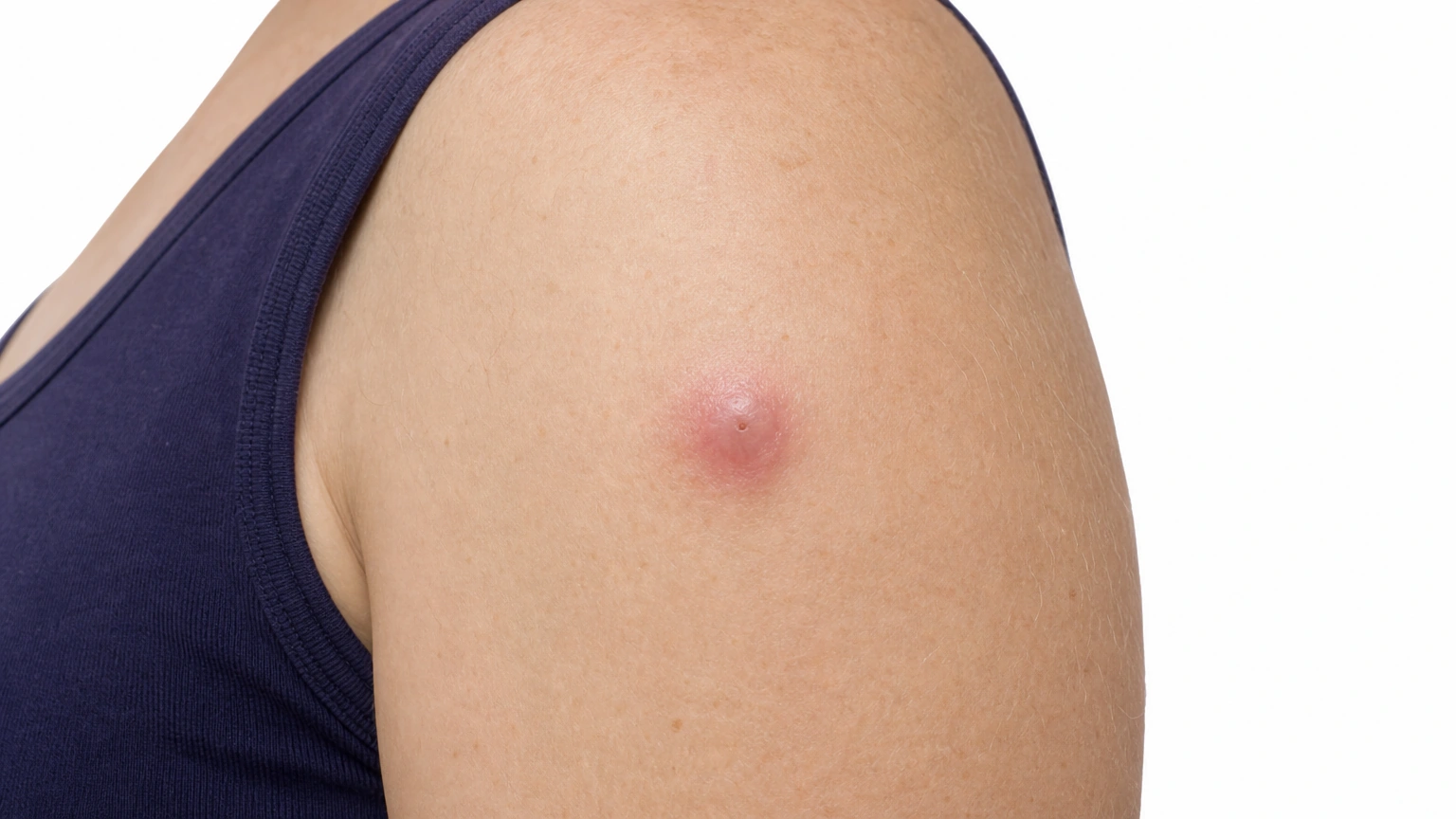
Infected Epidermal Cyst on light skin.
Small localized red swollen epidermoid cyst on adult upper back with central punctum, intact skin, no draining wound.
Infected Epidermal Cyst on brown skin.
Infected Epidermal Cyst on deep skin.
In the skin

A cyst lining ruptures and releases keratin into surrounding skin. The body's reaction can cause marked inflammation even without bacterial infection.

Bacteria infect a keratin-filled cyst and provoke inflammation in surrounding tissue. A cyst can also become inflamed after sterile rupture, which can look similar without bacterial infection.

When it usually starts

010203040506070+

Inflamed Epidermal Cyst. Usually follows a previously formed cyst.

Infected Epidermal Cyst. Can occur at any age.

Causes and triggers

Causes

Keratin escapes into surrounding skin and provokes inflammation.

Bacteria infect a keratin-filled cyst; sterile rupture can look similar and needs distinguishing.

Risk factors
Existing epidermoid cyst, Cyst rupture
Skin breaks, Bacterial colonisation, Diabetes or immune suppression
Trigger
● Inflamed Epidermal Cyst
● Infected Epidermal Cyst
Squeezing or local trauma
Can contribute
Not listed
Skin injury
Not listed
Can contribute
Friction
Not listed
Can contribute

Daily Care

Inflamed Epidermal Cyst
Infected Epidermal Cyst
Daily care

Habits that help

  • Keep the area gently clean and cover any drainage
    Use a clean non-stick dressing and replace it when wet, dirty or as instructed.
  • Wash hands before and after dressing changes
    Dispose of used dressings safely and clean surfaces contaminated by drainage.
  • Keep towels, washcloths and razors for your own use
    Launder items that touch the affected area and let them dry fully.
  • Reduce pressure and rubbing over the lump
    Choose loose clothing and avoid shaving across inflamed skin.
  • Have persistent inflammation checked rather than assuming infection
    A ruptured cyst can inflame without bacteria; antibiotics are not automatically needed.
  • Discuss inflammation assessment
    A clinician distinguishes sterile rupture from infection and may offer a local procedure or anti-inflammatory treatment.

Avoid

  • Avoid: Squeezing, lancing or piercing the lump at home
    This can spread infection; a collection of pus may need professional drainage.
  • Avoid: Delaying assessment for spreading redness, fever or worsening pain
    Home care does not replace drainage or antibiotics when they are needed.

Habits that help

  • Keep the area gently clean and cover any drainage
    Use a clean non-stick dressing and replace it when wet, dirty or as instructed.
  • Wash hands before and after dressing changes
    Dispose of used dressings safely and clean surfaces contaminated by drainage.
  • Keep towels, washcloths and razors for your own use
    Launder items that touch the affected area and let them dry fully.
  • Reduce pressure and rubbing over the lump
    Choose loose clothing and avoid shaving across inflamed skin.
  • Follow the clinician’s plan for infection and any drainage
    Emptying the contents at home does not remove the cyst lining and can worsen the problem.
  • Discuss drainage assessment
    An infected cyst may need drainage; inflammation alone does not prove bacterial infection.

Avoid

  • Avoid: Squeezing, lancing or piercing the lump at home
    This can spread infection; a collection of pus may need professional drainage.
  • Avoid: Delaying assessment for spreading redness, fever or worsening pain
    Home care does not replace drainage or antibiotics when they are needed.

Treatment differences

Evidence labels come from each condition’s own treatment list.

Treatment
● Inflamed Epidermal Cyst
● Infected Epidermal Cyst
Prescription pills
None listed

Antibiotics when indicated

Listed

Use depends on clinical infection and surrounding or systemic features; later complete cyst removal may prevent recurrence.

Procedures

Cyst excision after settling

Listed

Removing the intact cyst wall is more definitive than emptying the contents; timing matters.

None listed

Outlook

Long term

Inflammation may settle, but the underlying cyst can remain and flare again. Redness does not always mean infection; removal may be considered after inflammation has calmed.

Appropriate drainage and, when indicated, antibiotics can settle an infected cyst. The cyst can return if its lining remains; complete removal may be considered once acute inflammation has settled.

Complications

Possible complications

Inflammation may recur unless the cyst wall is removed; infection can coexist.

Infection can spread to nearby skin or cause systemic illness.

When to get help

When to get help

Fever, rapidly spreading warmth or increasing pain needs prompt assessment for infection.

Seek prompt care for a painful pus collection; fever, spreading swelling or feeling unwell increases urgency.

Common questions

Inflamed Epidermal Cyst:What is Inflamed Epidermal Cyst?

An epidermoid cyst can become inflamed when its wall ruptures, without necessarily being infected.

Inflamed Epidermal Cyst:What can I do day to day?

Do not squeeze. Keep the area protected and arrange assessment if painful.

Inflamed Epidermal Cyst:When should I get medical advice?

Fever, rapidly spreading warmth or increasing pain needs prompt assessment for infection.

Infected Epidermal Cyst:What is Infected Epidermal Cyst?

An epidermoid cyst complicated by bacterial infection.

Infected Epidermal Cyst:What can I do day to day?

Keep the area clean and covered. Do not squeeze or lance it; do not share towels.

Infected Epidermal Cyst:When should I get medical advice?

Seek prompt care for a painful pus collection; fever, spreading swelling or feeling unwell increases urgency.

Sources
Sources and further reading

  1. Epidermoid cyst
  2. Epidermoid cyst
Dermapedia on YouTube