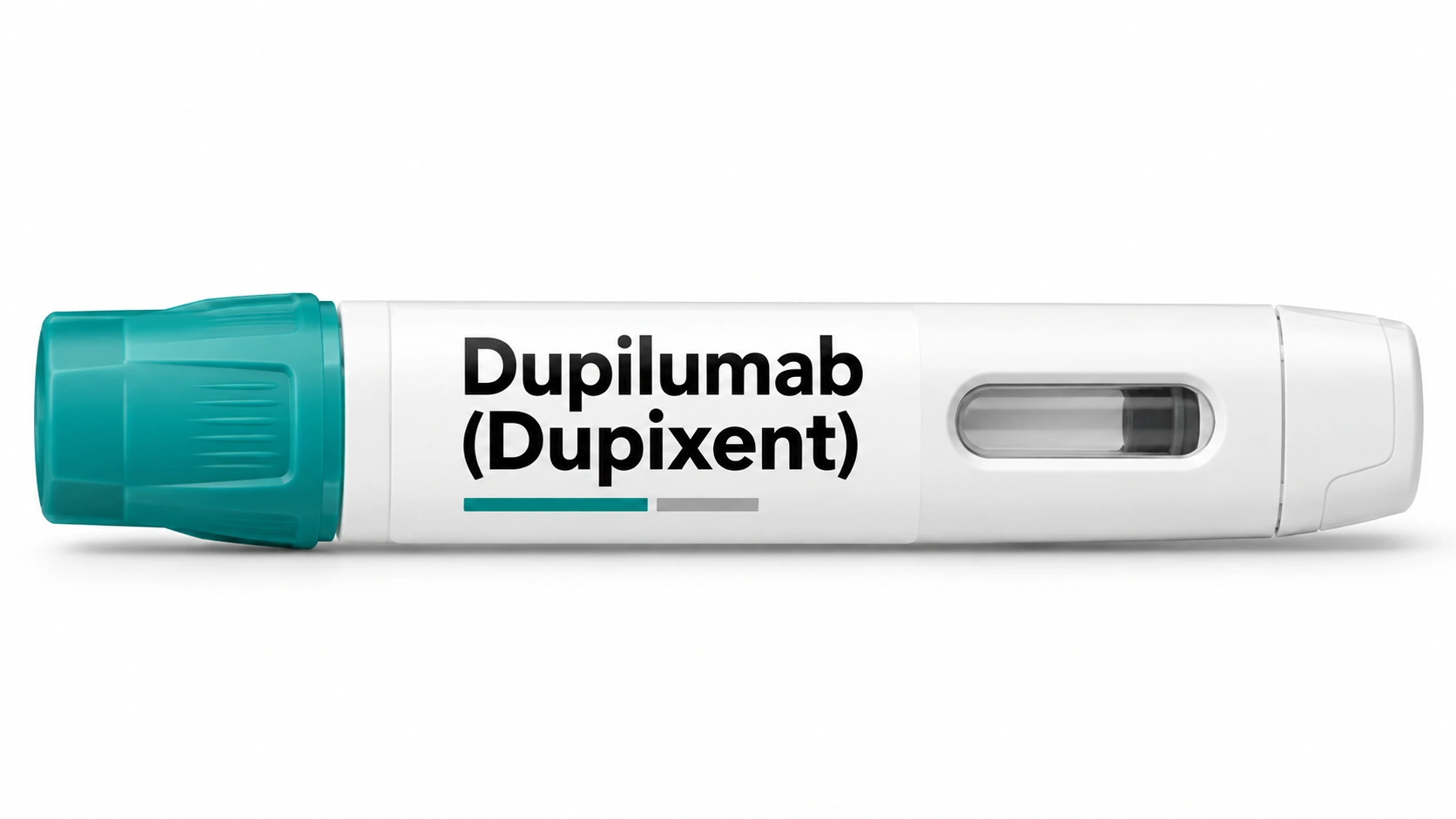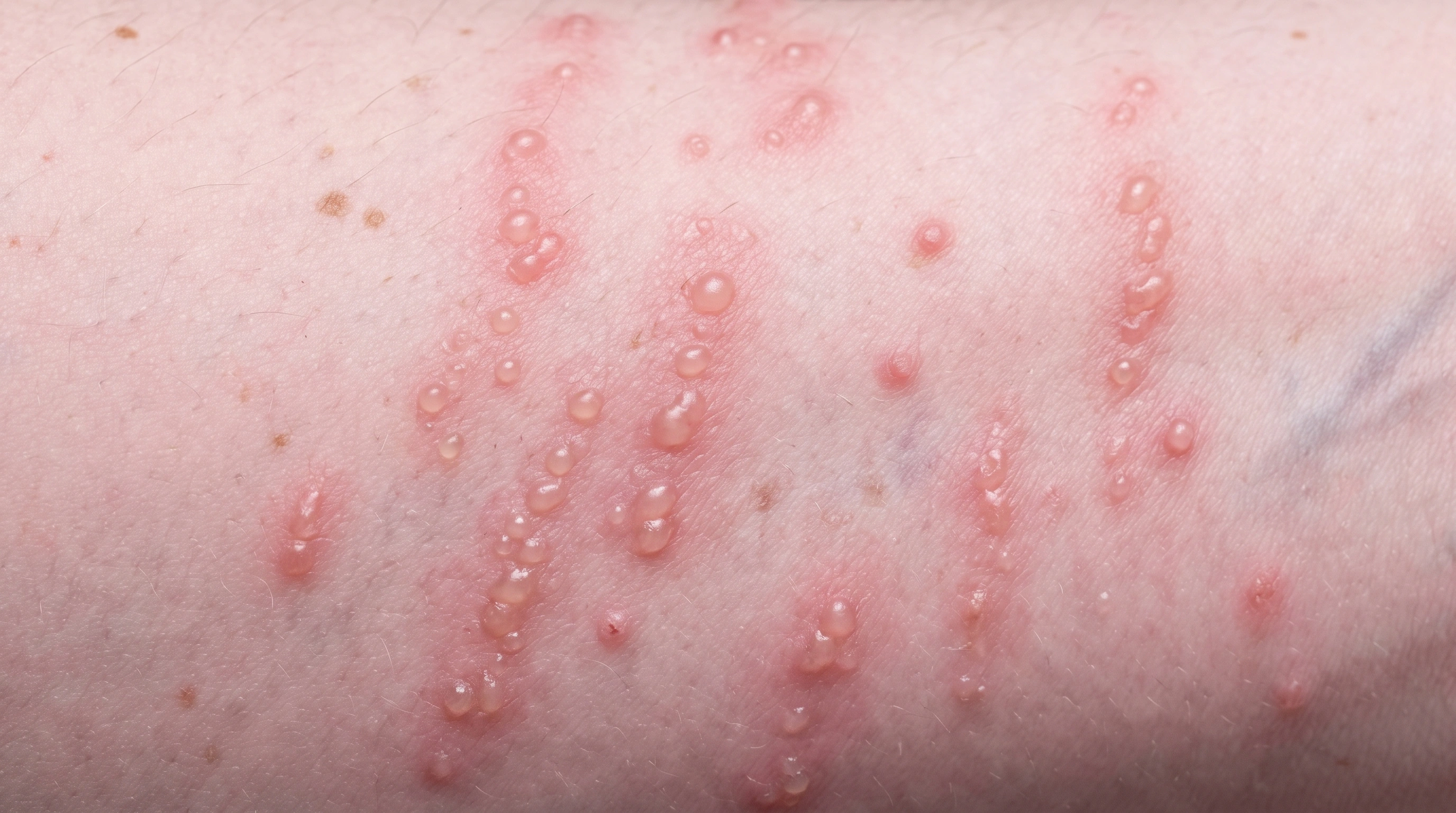
Contact Dermatitis
Clears severe poison ivy reactions.
Hydrocortisone: The mildest topical steroid, and the only one sold without a prescription. It is the usual starting point for the face, for skin folds and for young children. Prednisone: A steroid tablet that calms severe skin inflammation within a day or two. Dermatologists use it in short, planned courses, because most skin disease flares again when it stops.
Choose as the first step for mild rashes on the face, folds or young children — the only steroid sold without a prescription.
Choose for a short rescue course in severe inflammation like poison ivy — not for ongoing eczema or psoriasis.
Can you take them together?
Hydrocortisone cream can be used during a short prednisone course. Prednisone is only a brief rescue; flares often return when it stops.
Compare uses by strength of evidence. Evidence level describes confidence in a benefit, not its size.

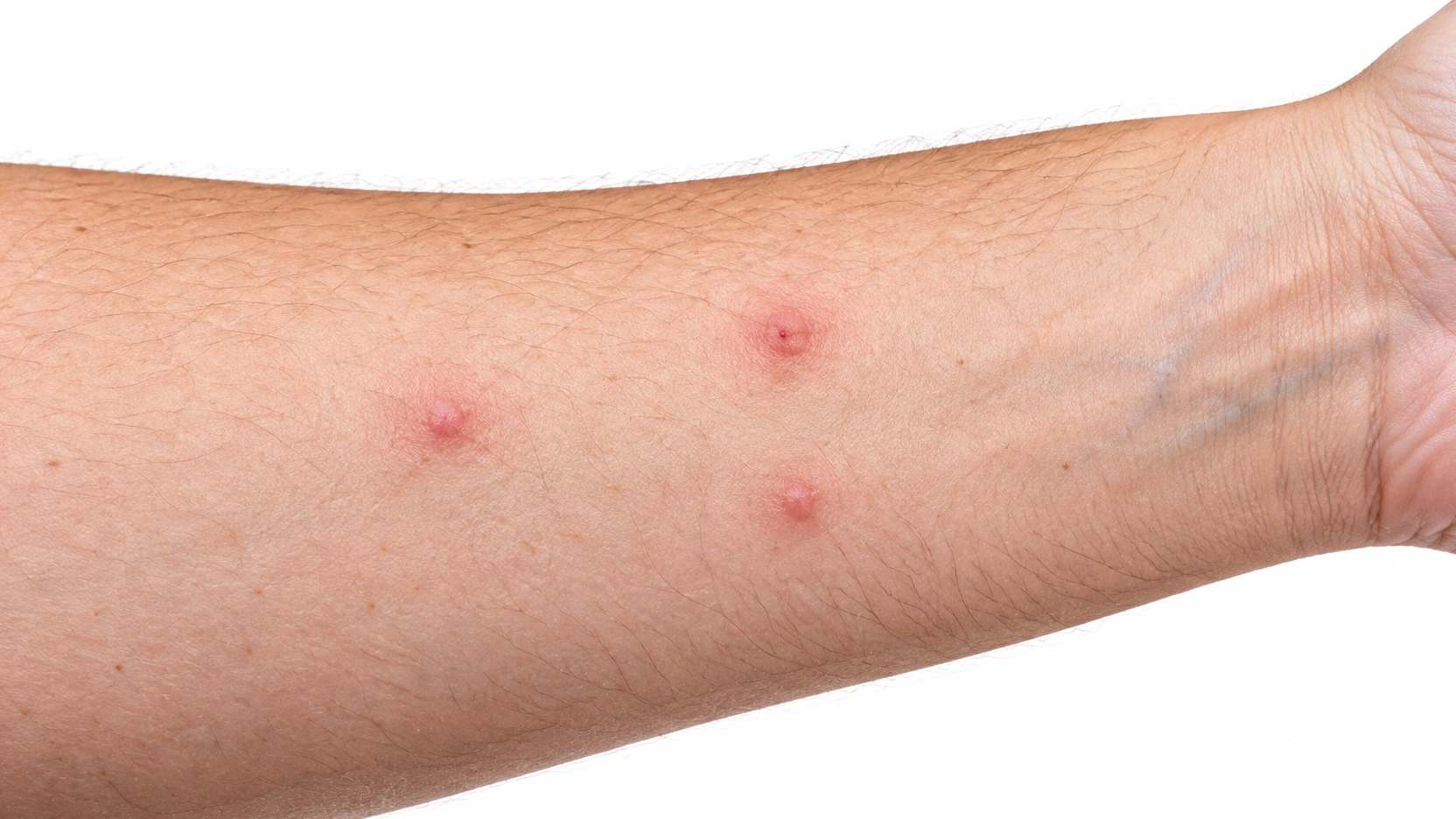

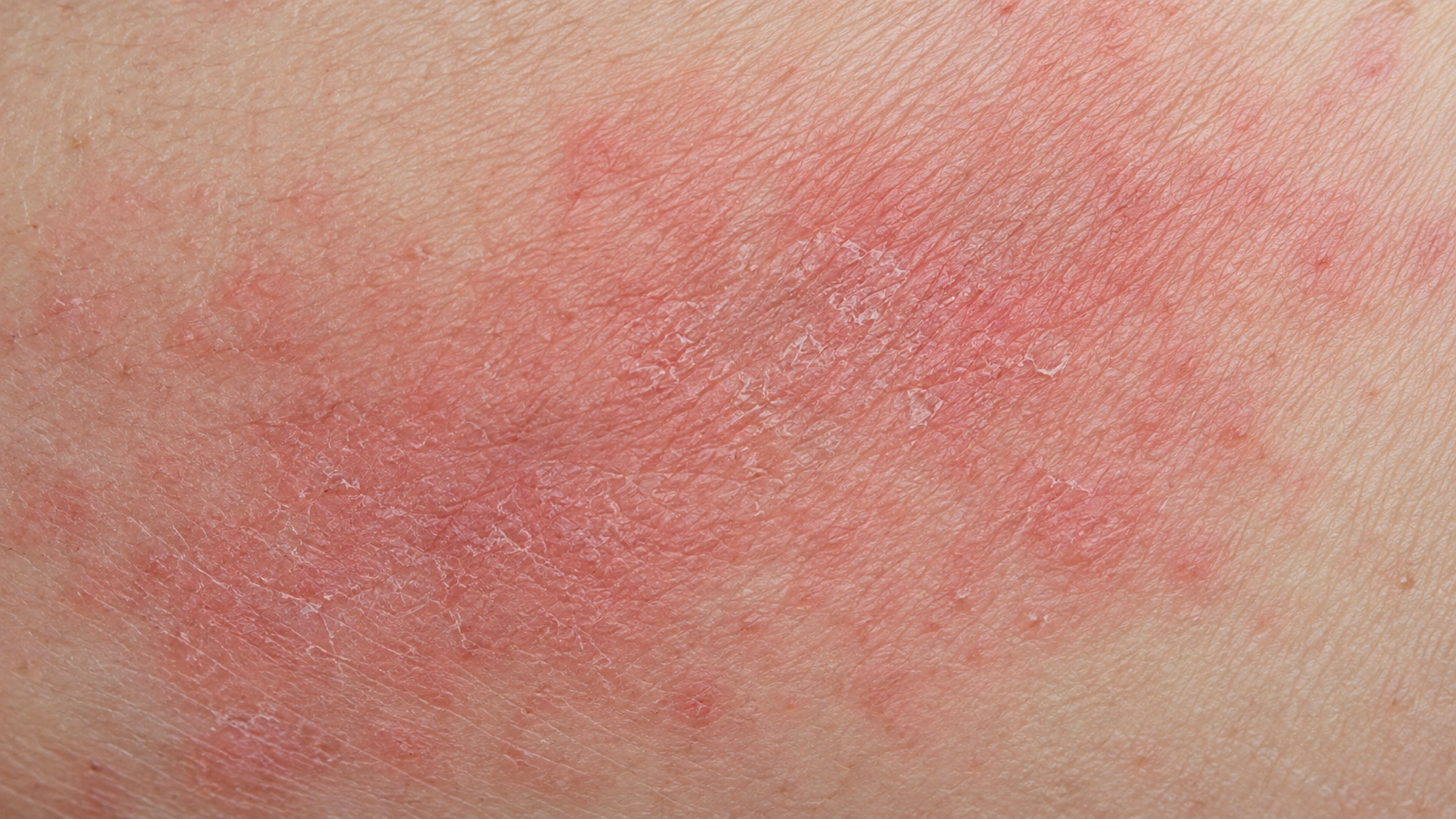


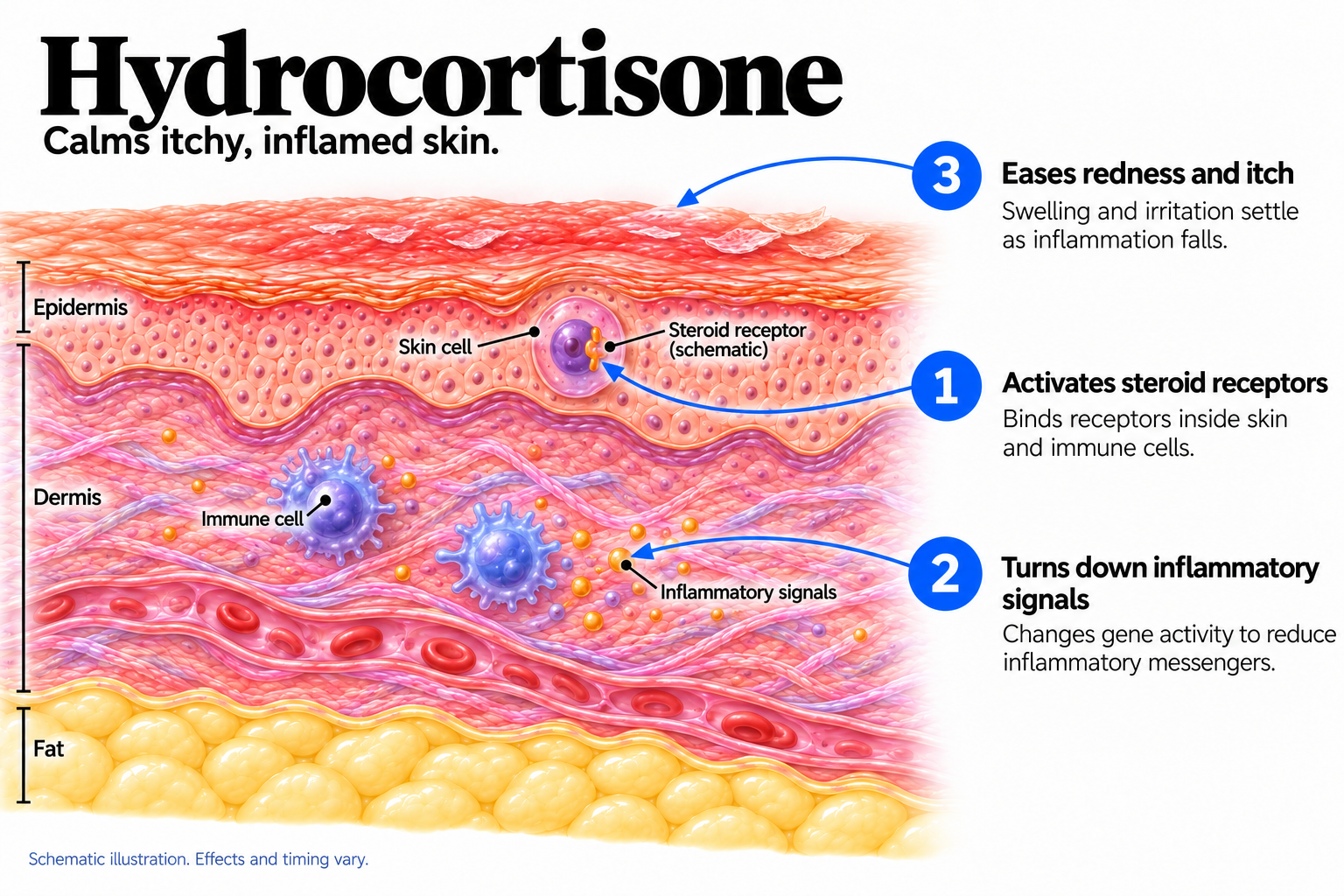
Activates steroid receptors: Binds receptors inside skin and immune cells. Turns down inflammatory signals: Changes gene activity to reduce inflammatory messengers. Eases redness and itch: Swelling and irritation settle as inflammation falls.
Simplified glucocorticoid receptor-mediated effects in steroid-responsive skin inflammation. Full effects also involve other pathways. No claim of antimicrobial action or cure; formulation and potency affect clinical use.

Becomes active prednisolone: The body converts prednisone into its active form. Activates steroid receptors: Binds receptors inside immune and other cells. Turns down inflammatory signals: Changes gene activity to reduce inflammation.
Prednisone is converted to active prednisolone and acts through glucocorticoid receptors with multiple genomic and non-genomic effects. Diagram explains selected mechanisms, not tapering, suitability, or dosing.
When to Apply: Twice a day, on the rash only, on clean dry skin. A thin film that makes the skin look shiny is enough. One fingertip unit, the amount along the last joint of an adult index finger, covers about two adult palms. Moisturizer can go on a few minutes before or after.
How to Start: Twice daily from day one, until the rash is flat rather than merely better. Usually three to seven days. Two weeks is the outer limit for one stretch without seeing a clinician, less on the face.
If It Irritates: Stinging on application is usually the base, not the steroid, and is more likely on broken skin or from an alcohol-containing gel or spray. An ointment often settles it. Itch or redness that worsens over days can mean an allergy to something in the product, which does happen with steroids.
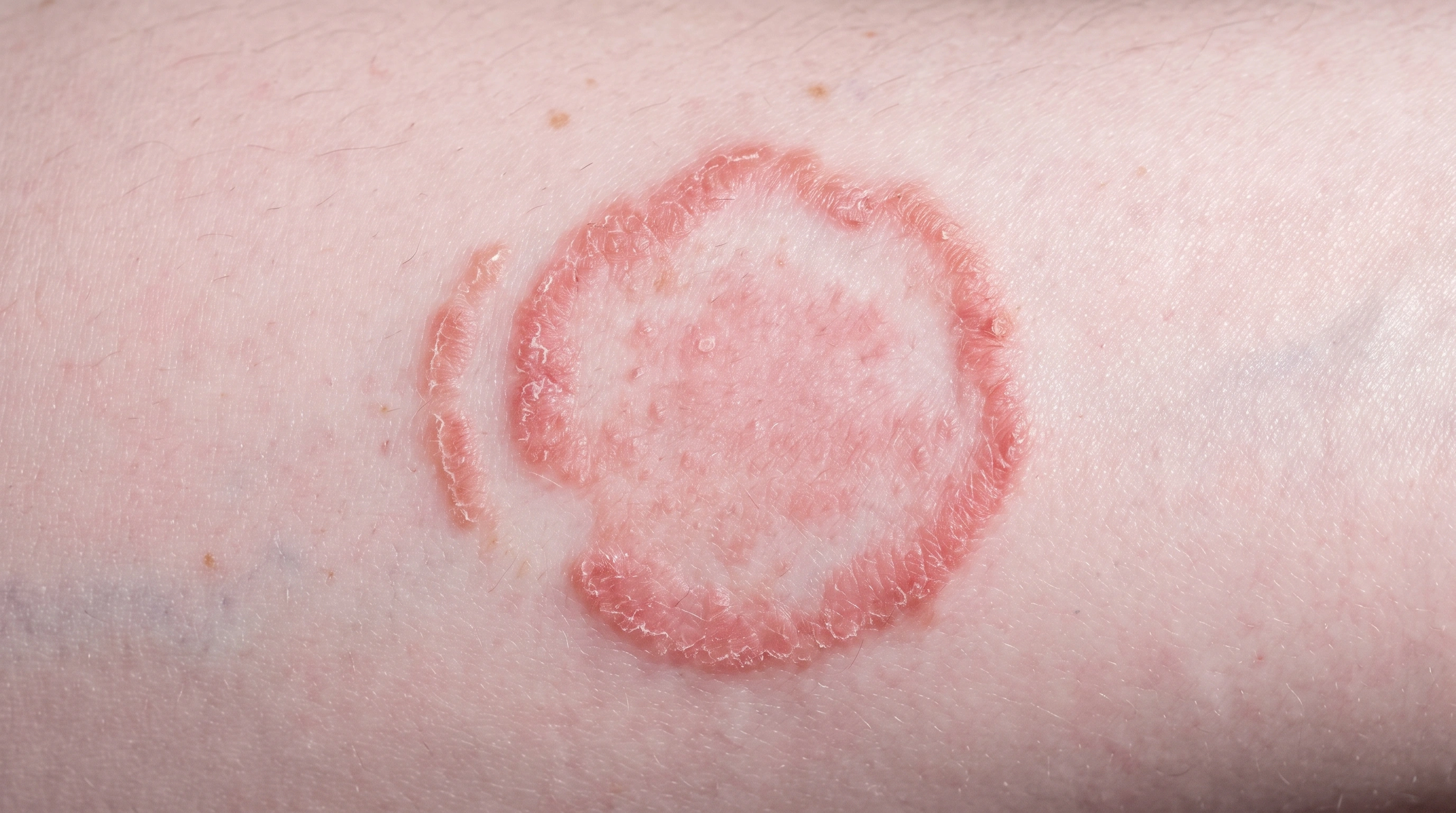
If It Is Not Working: Stop after about a week and reassess. A rash that does not respond to hydrocortisone is often not eczema. Ringworm, a yeast rash in a fold and psoriasis all look plausible and all need something different.
The dose is set by the severity of the flare and by body weight, not a standard tablet count, with an end date written in from the start.
Starting dose: For a severe rash, commonly 0.5 to 1 mg per kilogram per day as a single morning dose. Milder problems need much less.
Going up: Rarely in dermatology. If a rash has not responded in a few days, the next step is a different treatment, not a higher dose.
Usual dose: The starting dose held a few days to a week, then stepped down.
Total course: For severe allergic contact dermatitis such as poison ivy, around two to three weeks with a taper — shorter courses are a common cause of rebound. Blistering disease can need months, but that is specialist care with a plan to come off, alongside a second drug that lets the steroid dose fall.
No blood tests are needed for ordinary short courses in a healthy adult. Monitoring means looking at the skin: did the rash clear, has the skin gone thin or shiny, have small blood vessels appeared, are stretch marks forming in the folds.
Children absorb proportionally more because they have more skin surface for their size, so a doctor watches how much is used and over how large an area. Anyone applying a steroid to large areas most days for months should be under review rather than repeating over-the-counter purchases.
Hydrocortisone is not a drug to stay on continuously. Where a condition needs ongoing control, the plan is short bursts for flares, emollients doing the daily work, or a switch to a treatment designed for maintenance.
For a short course in a healthy person, no routine blood tests are needed. What gets watched is blood sugar in anyone with diabetes or borderline sugars, blood pressure, weight, sleep and signs of infection.
On a longer course — more than about three months, or repeated courses — monitoring becomes real: blood pressure and blood sugar, weight, a bone density scan with calcium and vitamin D, an eye check for cataracts and raised eye pressure, and a plan for protecting the stomach and bones. Usually shared care, not a dermatologist alone.
Prednisone is not a drug to stay on for skin disease. Almost every serious side effect is dose multiplied by time, so the monitoring plan and the exit plan are one conversation.
Once a day in the morning, with food or milk. Morning matters — it matches your own cortisol rhythm and is the best thing you can do about steroid insomnia. Food reduces stomach upset; take it with a full glass of water. Split doses are used in some conditions, only when a doctor asks.
Take it as soon as you remember on the same day. If you do not remember until the next day, take only that day's dose — never two together. On a longer course, if you have missed more than a day, call the prescriber rather than restarting yourself; stopping suddenly is what causes trouble.
Approximate windows, not promises.
First few minutesApplying it: A thin layer on the affected skin. The mildest steroid strength, which is why it is sold over the counter.
Days 1 to 2Itch first: Itching and stinging ease before the rash looks different, the earliest sign it is working. Insect bites and minor irritation settle in a day or two, and that is the whole course.
Days 3 to 7Clearing: Redness fades and the skin flattens. A mild eczema flare settles here; cracked skin takes longer than skin that was only red. Weeping or crusting should be settling, not spreading.
Weeks 1 to 2Judge it here: A mild rash should be gone or nearly gone. Contact dermatitis clears steadily once the trigger is gone.
Weeks 2 to 4Mild seborrheic dermatitis: Redness and flaking around the nose and brows improve.
After stoppingMarks stay behind: Brown or gray patches where the rash was are pigment change, not scarring. They fade over weeks to months.
After stoppingWatch for rebound: Usually within a few days to two weeks, which is why a longer-term treatment starts at the same time. After a longer course, weeks of tiredness while the adrenal glands restart is normal.
First 24 to 48 hoursStarting: Itch and swelling ease first; severe hives respond faster to this than to anything else, with antihistamines alongside. Early side effects arrive in the same window — poor sleep, big appetite, restlessness, flushed face, indigestion.
Days 2 to 7Working: The rash flattens and fades. Poison ivy and contact dermatitis settle here, and a severe eczema flare clears fast. Fluid retention and facial puffiness may appear, blood sugar rises in those prone to it, blood pressure can go up.
Days to 2 weeksBlistering disease: New blisters usually stop forming. Healing takes longer, and a steroid-sparing drug is started early so the dose can come down.
Weeks 2 to 3Stepping down: Run the course out rather than stopping early — stopping early brings the rash back. Side effects step down with the dose, and sleep and appetite settle within days of finishing.
Only with long coursesThe long-term risks: Bone thinning, cataracts, thigh muscle weakness, easy bruising, thin skin, hip pain from reduced blood supply to the bone. Reasons to keep courses short, not to refuse a short one.
Sorted by what to do about them.
Hydrocortisone is cheap. Store-brand 1% cream is the same drug at the same strength as the branded tube, usually for much less. Anti-itch versions with added ingredients cost more without treating the inflammation any better.
Prescription 2.5% is generic and also cheap, though the visit costs more than the tube. Ointments and creams are the cheapest vehicles. Foams and sprays cost more.
Generic prednisone is among the cheapest prescription drugs, stocked everywhere. Cost is almost never the reason it is or is not used.
The delayed-release brand costs far more with no clear advantage in skin disease. The liquid costs more and is kept for children and anyone who cannot swallow.
About a week at a time on the body for an over-the-counter tube, less on the face. A rash that needs it longer than two weeks is a reason to be seen, not to buy more.
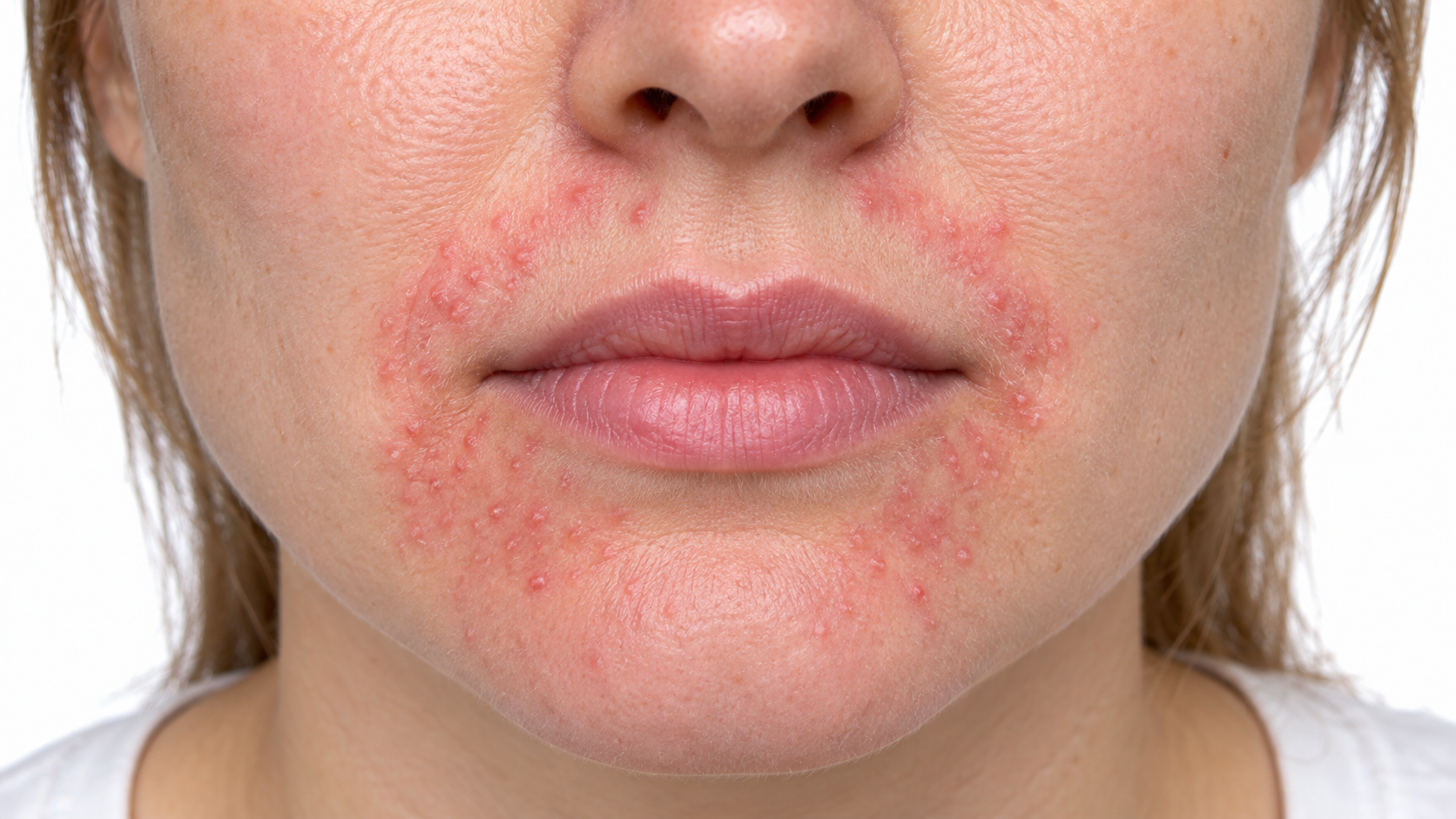
For a few days, yes, and it is the mildest option there. Facial skin is thin and absorbs well, so weeks of daily use causes thinning, redness and small bumps around the mouth.
No. It is the bottom of the potency ladder. If a week of it has not worked, question the diagnosis.
A short course on the body will not. Thinning comes from stronger steroids over long periods, especially on the face, eyelids, groin and armpits. Early changes usually recover over months. Stretch marks are permanent.
It can. Pale patches on treated skin show up more on deeper skin tones, and usually fade slowly after stopping. Untreated inflammation also leaves light and dark marks, so avoiding treatment is not a way around it.
Not on its own. A steroid makes ringworm and yeast harder to recognize while they keep spreading. Diaper areas are covered, so absorption is higher, worth having a child's rash there looked at.
Usually within 24 to 48 hours for itch and swelling. If a rash has not moved after several days, revisit the diagnosis or treatment.
Your adrenal glands slow down and need time to restart, and many skin conditions flare hard if it is dropped suddenly.
Often — particularly eczema, hives and psoriasis. Expected, and why a longer-term treatment is usually started at the same time.
Side effects are dose multiplied by time — bone loss, cataracts, blood sugar, blood pressure, infection risk all build with the months. Safer long-term treatments exist for every condition it is used for.
Both are common and dose-related and settle within days of stopping. Morning dosing helps a lot with sleep.
An occasional drink is not dangerous, but alcohol adds to the stomach irritation, poor sleep and the effect on blood sugar.