Eczema
Reduces itch quickly.
Hydrocortisone: The mildest topical steroid, and the only one sold without a prescription. It is the usual starting point for the face, for skin folds and for young children. Opzelura: The first cream approved to bring color back to vitiligo, and a fast non-steroid option for eczema. It carries a boxed warning borrowed from the tablet versions of the same drug class, and a limit on how much skin you can treat.
Choose as the first step for mild rashes on the face, folds or young children — the only steroid sold without a prescription.
Choose to bring color back to vitiligo, especially on the face, or for a fast non-steroid eczema option — if cost can be managed.
Can you take them together?
They can share an eczema plan on different days or areas. Do not layer them on the same spot.
Compare uses by strength of evidence. Evidence level describes confidence in a benefit, not its size.
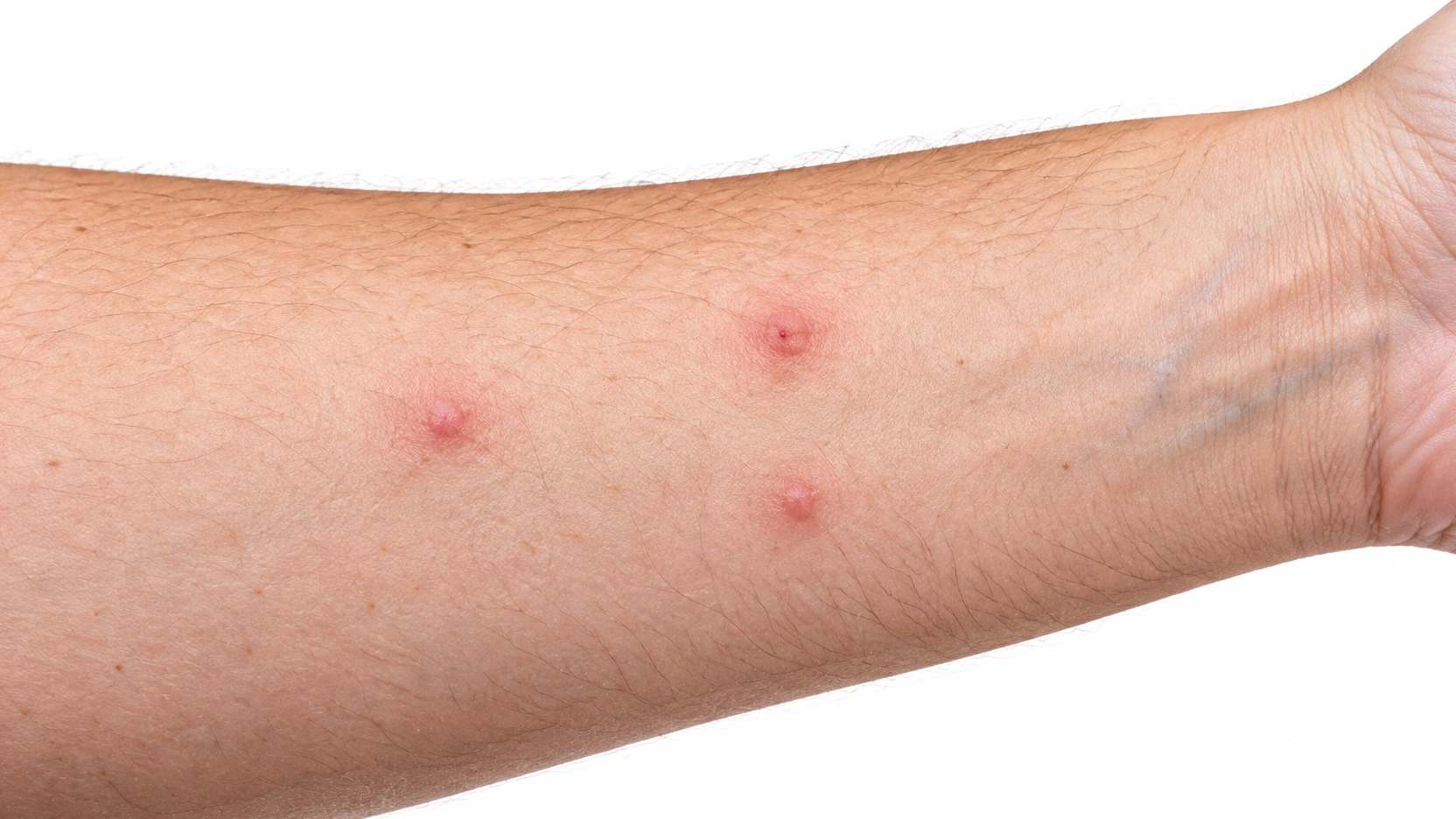
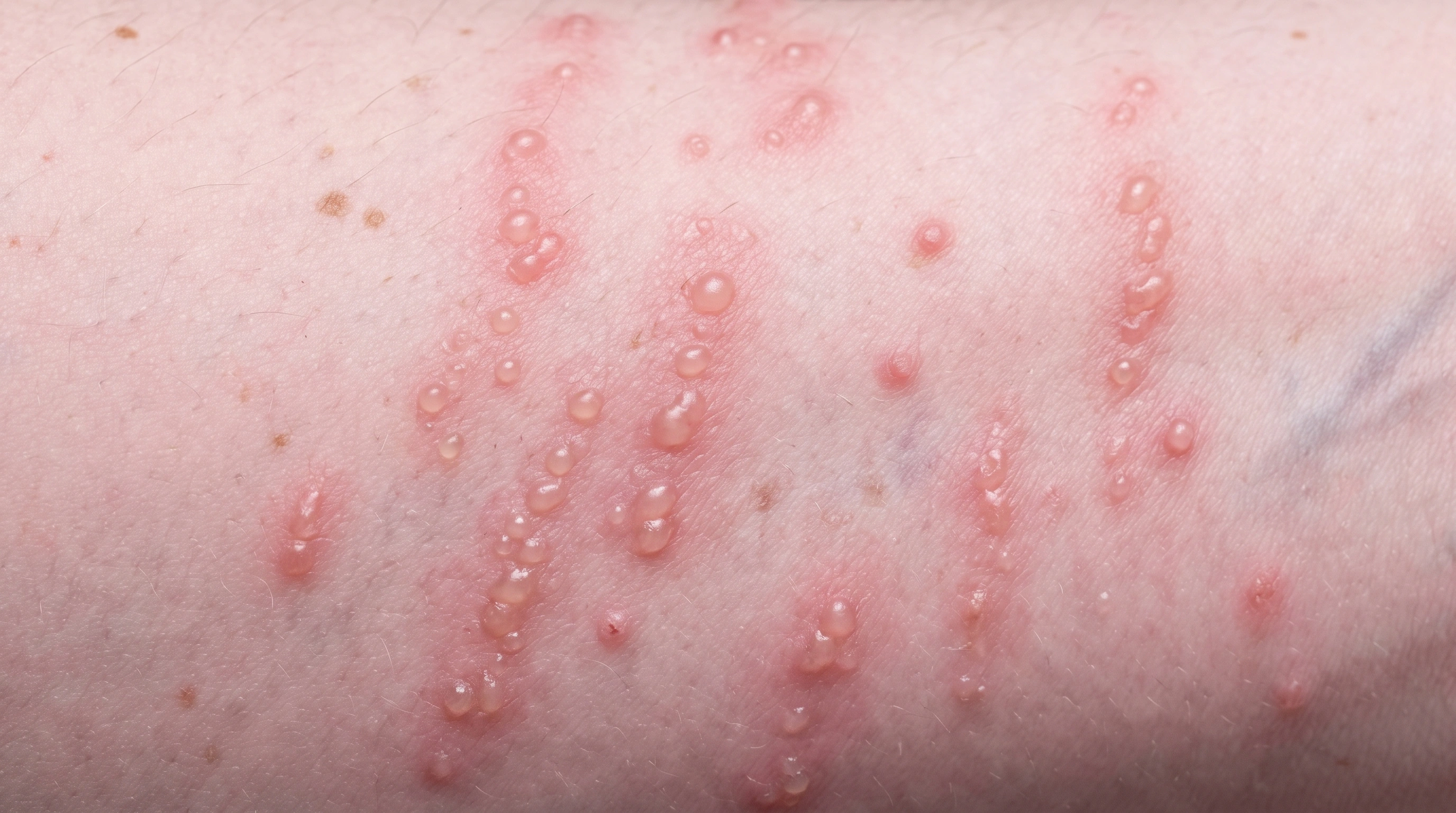
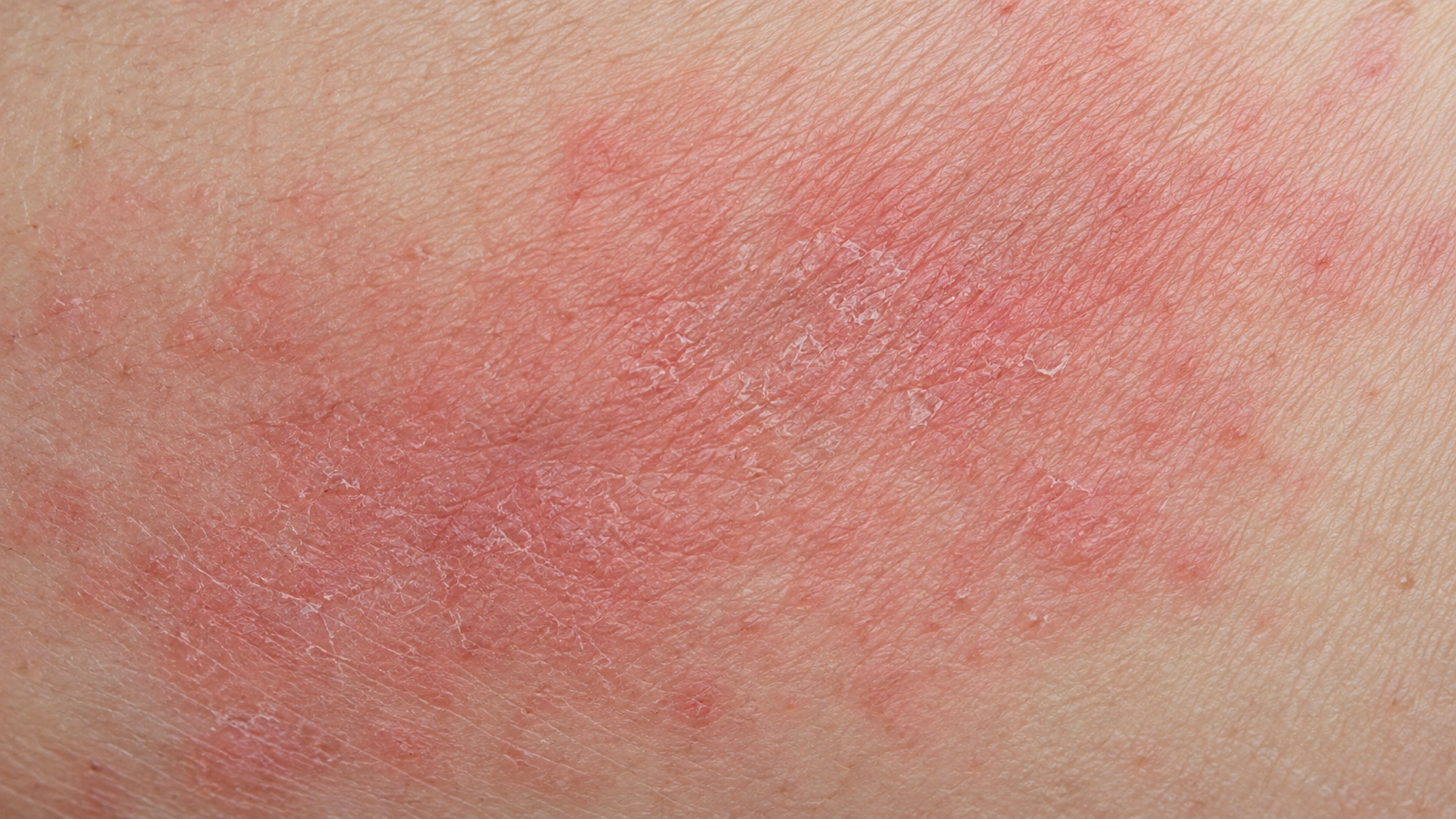

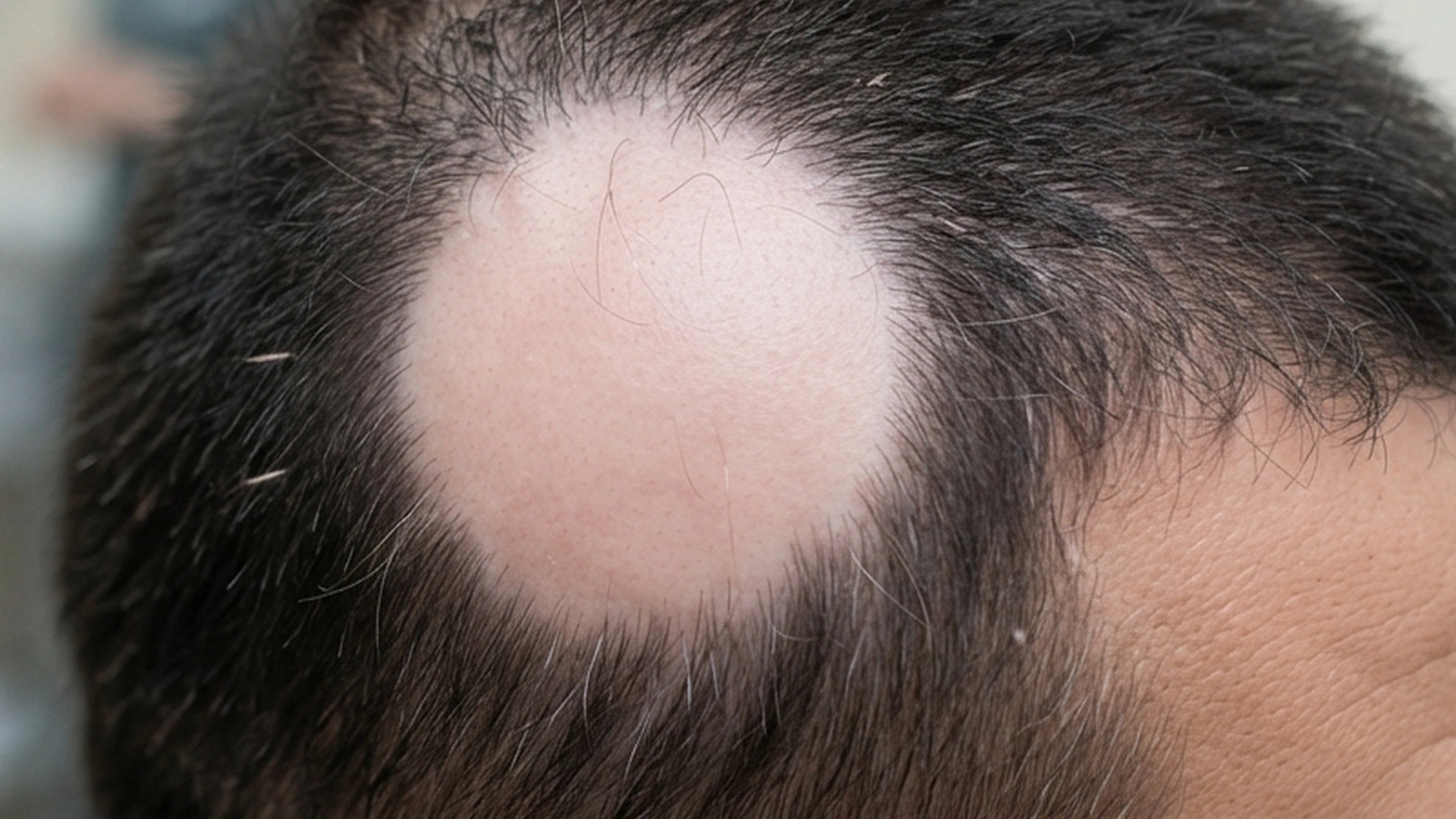
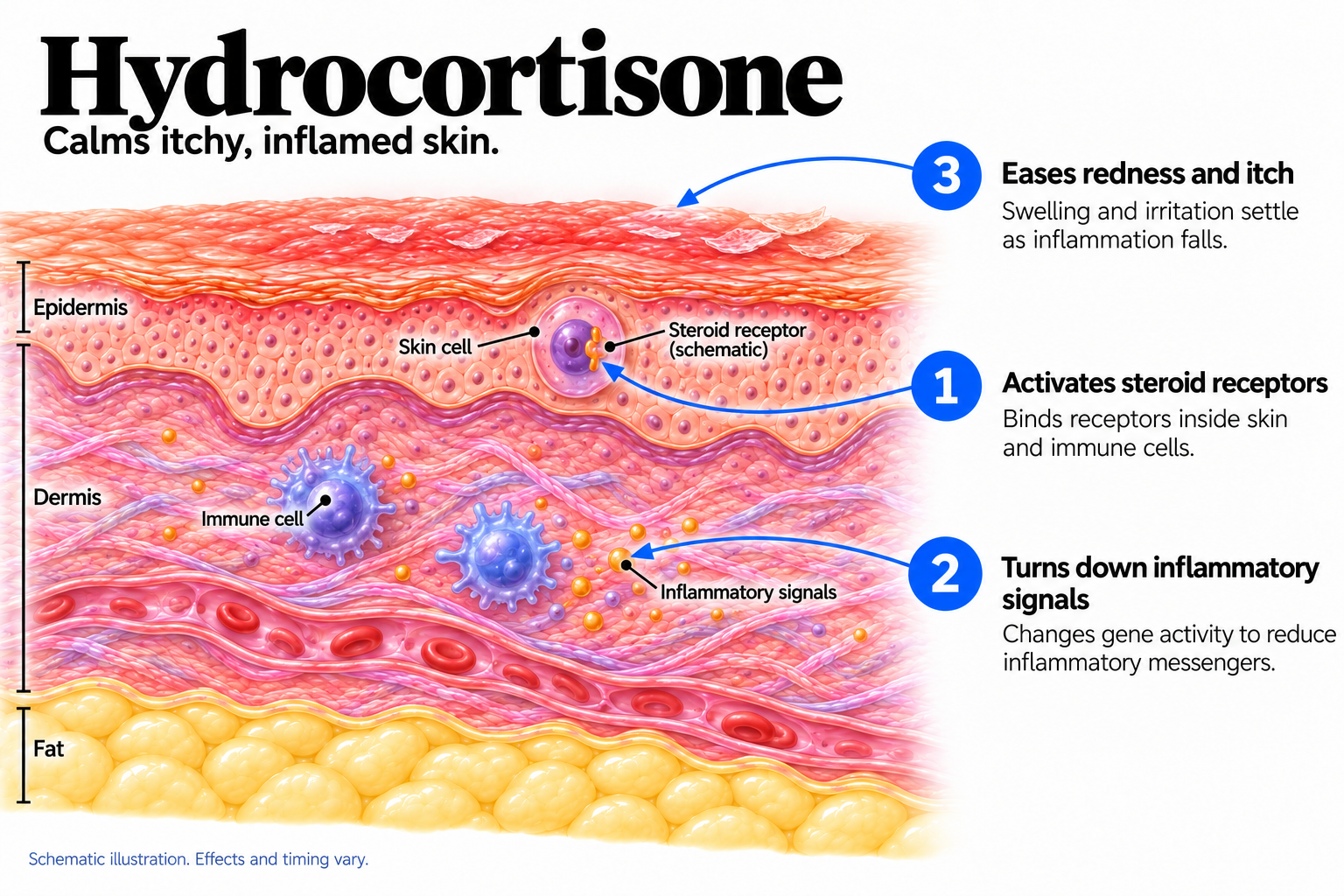
Activates steroid receptors: Binds receptors inside skin and immune cells. Turns down inflammatory signals: Changes gene activity to reduce inflammatory messengers. Eases redness and itch: Swelling and irritation settle as inflammation falls.
Simplified glucocorticoid receptor-mediated effects in steroid-responsive skin inflammation. Full effects also involve other pathways. No claim of antimicrobial action or cure; formulation and potency affect clinical use.

Blocks JAK1 and JAK2: Interrupts enzymes that relay inflammatory messages. Calms eczema and itch: Less inflammatory signaling helps irritated skin settle. Helps pigment return: In vitiligo, skin color can recover gradually.
JAK1/JAK2 inhibition is established; the relevance of individual JAK enzymes to therapeutic effectiveness is not fully known. Eczema improvement and vitiligo repigmentation are distinct outcomes, not guaranteed or immediate.
When to Apply: Twice a day, on the rash only, on clean dry skin. A thin film that makes the skin look shiny is enough. One fingertip unit, the amount along the last joint of an adult index finger, covers about two adult palms. Moisturizer can go on a few minutes before or after.
How to Start: Twice daily from day one, until the rash is flat rather than merely better. Usually three to seven days. Two weeks is the outer limit for one stretch without seeing a clinician, less on the face.
If It Irritates: Stinging on application is usually the base, not the steroid, and is more likely on broken skin or from an alcohol-containing gel or spray. An ointment often settles it. Itch or redness that worsens over days can mean an allergy to something in the product, which does happen with steroids.
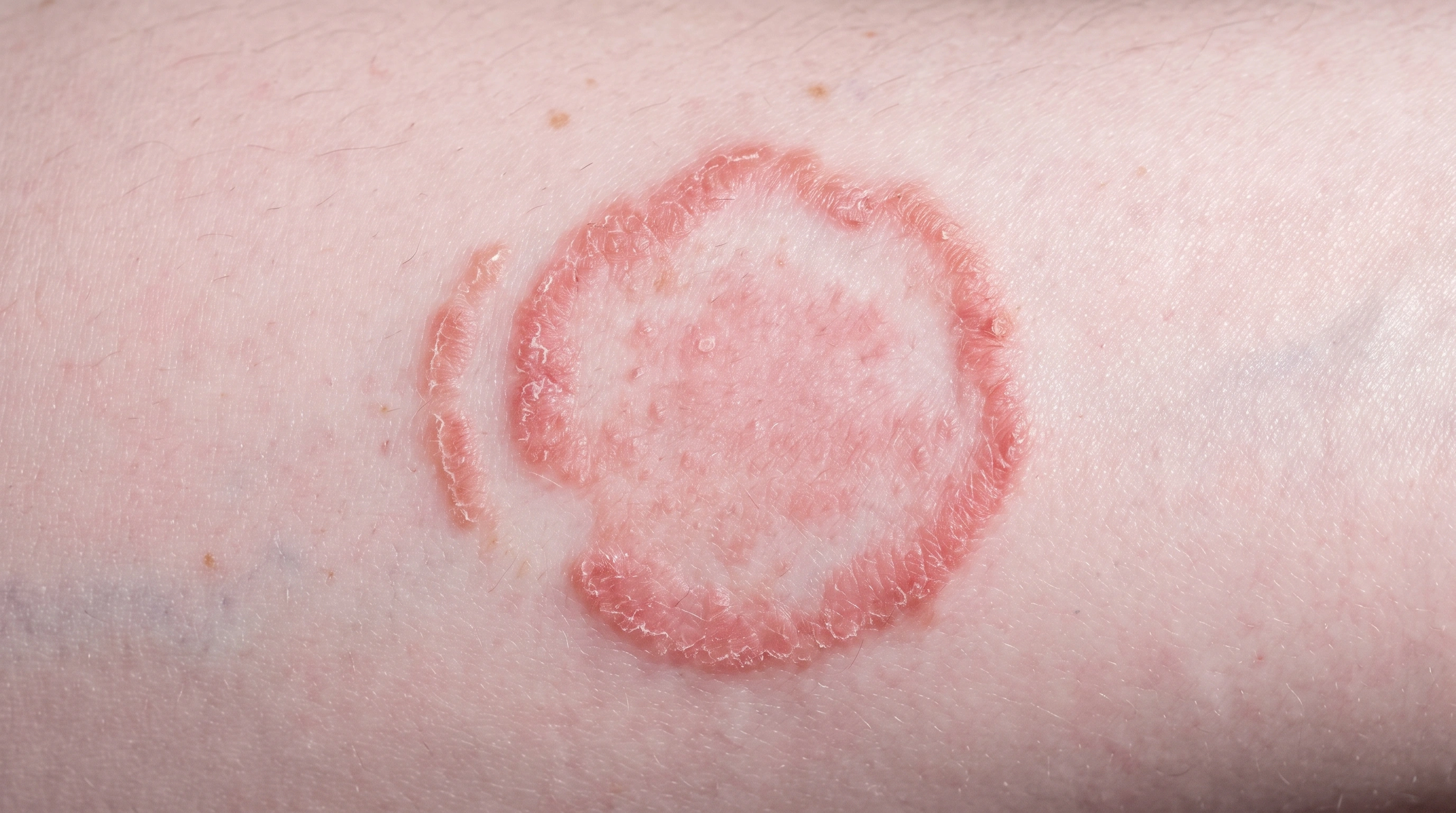
If It Is Not Working: Stop after about a week and reassess. A rash that does not respond to hydrocortisone is often not eczema. Ringworm, a yeast rash in a fold and psoriasis all look plausible and all need something different.
When to Apply: A thin layer twice a day, roughly twelve hours apart, on affected skin only. Wash your hands afterwards unless your hands are being treated. Two limits are on the label, not suggestions: no more than 20% of your body surface at a time, and no more than 60 grams a week, or 100 grams over two weeks. One palm is about 1% of your body surface.
How to Start: Twice daily from day one. For eczema, keep going until the skin is clear, then stop — the label calls it short-term, on-and-off treatment. For vitiligo it is the opposite: use it steadily. Stopping early is the usual reason it appears not to work.
If It Irritates: Redness, itch or a mild sting where you apply it is the usual early complaint and it settles. Acne or small bumps at the site is the other common one, most often on the face in vitiligo treatment, and it is treatable rather than a reason to stop. Moisturizing afterwards helps both.
If It's Not Working: For eczema, reassess at 8 weeks; if the skin is not clear, the label says stop and reconsider. For vitiligo, do not judge before 24 weeks. Repigmentation is slow, it starts on the face, and hands and feet may show very little for a long time. No change by about six months is when your doctor will usually add narrowband UVB light treatment.
No blood tests are needed for ordinary short courses in a healthy adult. Monitoring means looking at the skin: did the rash clear, has the skin gone thin or shiny, have small blood vessels appeared, are stretch marks forming in the folds.
Children absorb proportionally more because they have more skin surface for their size, so a doctor watches how much is used and over how large an area. Anyone applying a steroid to large areas most days for months should be under review rather than repeating over-the-counter purchases.
Hydrocortisone is not a drug to stay on continuously. Where a condition needs ongoing control, the plan is short bursts for flares, emollients doing the daily work, or a switch to a treatment designed for maintenance.
For most healthy people using it within the label limits, no routine blood tests are needed. Blood levels from the cream are very low, and the trials did not find the blood count or cholesterol changes the tablet causes.
Your doctor monitors the label's safety concerns by asking rather than testing. Expect questions about blood clots, heart attack or stroke, smoking, cancer, tuberculosis exposure, hepatitis, and whether anything else you take suppresses your immune system. This cream is not meant to be combined with other JAK inhibitors, biologics or strong immunosuppressants.
They will check the response on schedule — 8 weeks for eczema, 24 weeks and then longer for vitiligo — and ask about infections, unexplained fever, night sweats, weight loss, chest pain, breathlessness and leg swelling. Some doctors check blood counts and cholesterol at baseline in people with other risk factors.
Skin checks matter for a different reason — unpigmented skin burns easily, so an annual look at the skin is sensible regardless.
Approximate windows, not promises.
First few minutesApplying it: A thin layer on the affected skin. The mildest steroid strength, which is why it is sold over the counter.
First few minutesApplying it: A thin layer twice a day. Mild stinging or redness where you apply it is the usual side effect.
Days 1 to 2Itch first: Itching and stinging ease before the rash looks different, the earliest sign it is working. Insect bites and minor irritation settle in a day or two, and that is the whole course.
Days 3 to 7Clearing: Redness fades and the skin flattens. A mild eczema flare settles here; cracked skin takes longer than skin that was only red. Weeping or crusting should be settling, not spreading.
Weeks 1 to 2Judge it here: A mild rash should be gone or nearly gone. Contact dermatitis clears steadily once the trigger is gone.
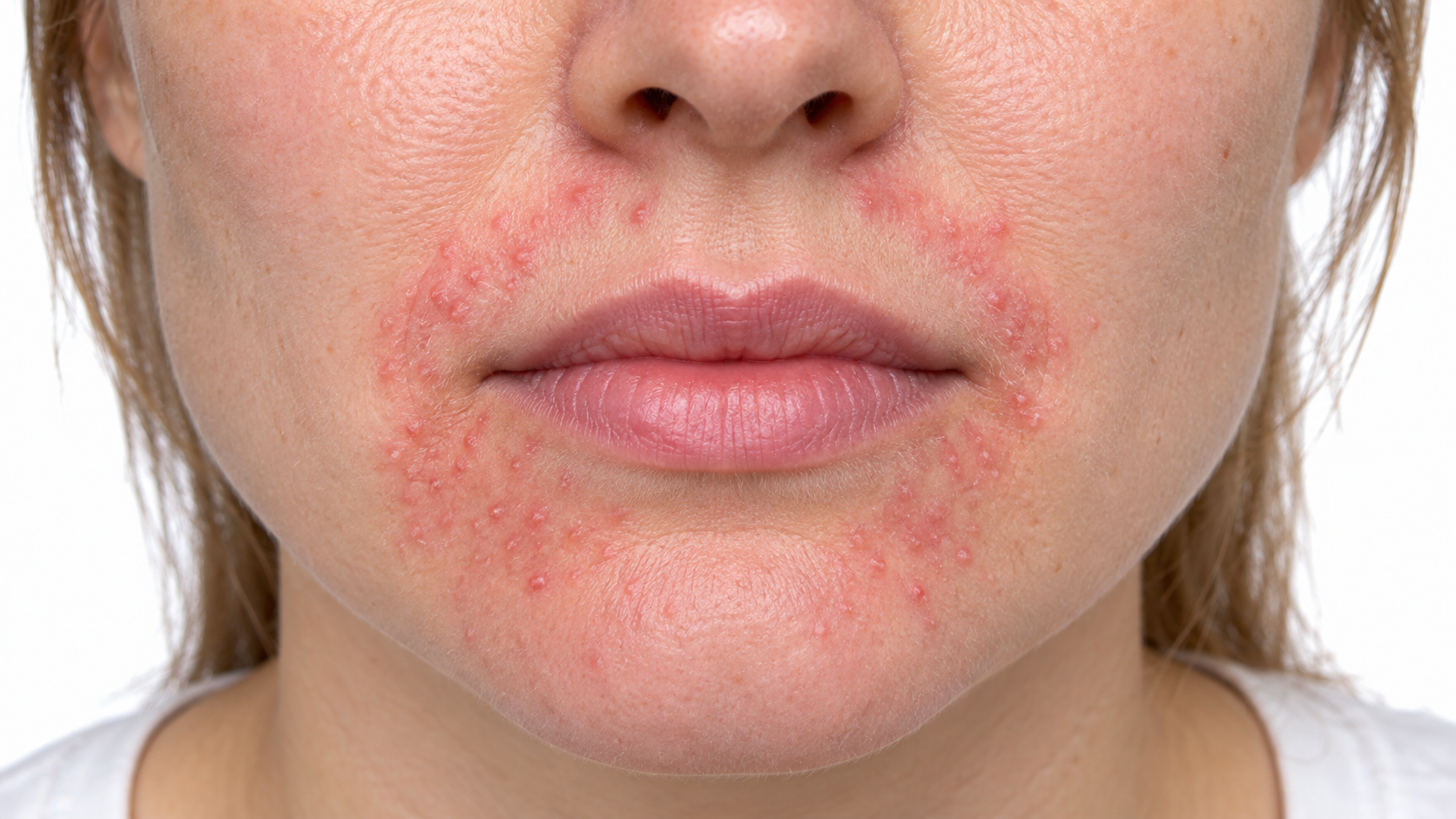
Weeks 2 to 4Mild seborrheic dermatitis: Redness and flaking around the nose and brows improve.
Weeks 2 to 4Working, eczema: Redness fades and the rash flattens. Most of the eczema improvement happens here.
After stoppingMarks stay behind: Brown or gray patches where the rash was are pigment change, not scarring. They fade over weeks to months.
Days 1 to 7Adjusting: For eczema, itch often improves within the first few days, sometimes the first day — among the quickest of any topical. For vitiligo, nothing visible yet.
Weeks 4 to 8Judge it here, eczema: Week 8 is the fair point. If the skin is not clear, the label says stop and reconsider.
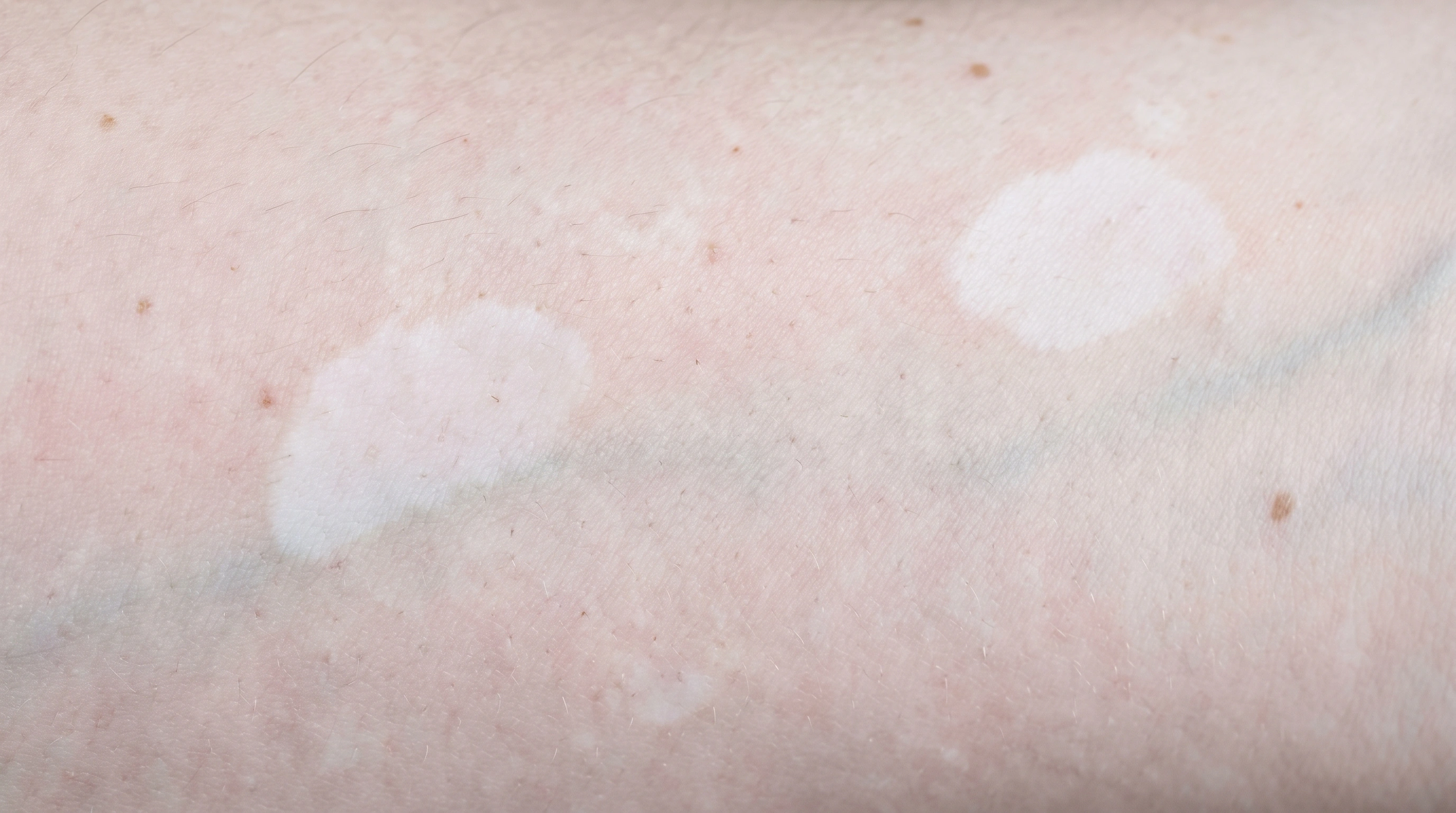
Weeks 8 to 24Working, vitiligo: The first sign is small pigmented dots inside a patch, often around hairs, which spread and join up. The face and neck move first, and around a third of people reach 75 percent repigmentation of the face by about six months.
Months 6 to 12 and beyondContinuing, vitiligo: By about a year roughly half reach that 75 percent mark on the face. The trunk and limbs are slower, and skin with hair does better, because surviving pigment cells live in hair follicles. Where vitiligo is still spreading, the cream helps hold the line.
ThroughoutWatch for: Acne or small bumps at the site. Report any fever, unusual infection, chest pain, breathlessness or swollen painful leg.
Sorted by what to do about them.
Hydrocortisone is cheap. Store-brand 1% cream is the same drug at the same strength as the branded tube, usually for much less. Anti-itch versions with added ingredients cost more without treating the inflammation any better.
Prescription 2.5% is generic and also cheap, though the visit costs more than the tube. Ointments and creams are the cheapest vehicles. Foams and sprays cost more.
Cost is the honest sticking point. Ruxolitinib cream is brand only with no generic, and a 60-gram tube lists at a few thousand dollars. Since a tube is one week's maximum, sustained use is expensive at list price.
Almost nobody pays that, but almost everybody has to work for coverage. A prior authorization is standard. For eczema, plans typically want a topical steroid and often a calcineurin inhibitor tried first. For vitiligo, coverage has been harder because some plans treat it as cosmetic — a letter from your dermatologist explaining that vitiligo is an autoimmune disease with real medical and psychological effects is usually what turns that around. Denials are frequently overturned on appeal.
The manufacturer runs a copay program that can cut the cost a lot with commercial insurance, plus patient assistance for people who qualify. Terms change often. People on government insurance are usually not eligible for copay cards, which is a real gap.
One practical point: the drug is priced by the tube, so treating only the areas that need it is a cost decision as well as a safety rule.
About a week at a time on the body for an over-the-counter tube, less on the face. A rash that needs it longer than two weeks is a reason to be seen, not to buy more.
For a few days, yes, and it is the mildest option there. Facial skin is thin and absorbs well, so weeks of daily use causes thinning, redness and small bumps around the mouth.
No. It is the bottom of the potency ladder. If a week of it has not worked, question the diagnosis.
A short course on the body will not. Thinning comes from stronger steroids over long periods, especially on the face, eyelids, groin and armpits. Early changes usually recover over months. Stretch marks are permanent.
It can. Pale patches on treated skin show up more on deeper skin tones, and usually fade slowly after stopping. Untreated inflammation also leaves light and dark marks, so avoiding treatment is not a way around it.
Not on its own. A steroid makes ringworm and yeast harder to recognize while they keep spreading. Diaper areas are covered, so absorption is higher, worth having a child's rash there looked at.
Most people see the first small pigmented dots between two and six months, usually on the face and often around hairs. Twenty-four weeks is the earliest fair point to judge, and results keep improving past a year.
Regulators applied it to the whole drug class after a large safety study of a JAK tablet in older people with rheumatoid arthritis and heart risk factors found more heart events, clots, infections and cancers. The cream's own trials did not show those events, and blood levels from a cream within the limits are a small fraction of a tablet dose.
That limit and the 60 grams a week cap keep the amount reaching your bloodstream low. It is why the safety picture for the cream differs from the tablet.
Pigment that has returned usually stays, but the immune attack can restart and patches can begin losing color again. Most people continue treatment or reduce it gradually rather than stopping outright.
Acne at the application site is a recognized side effect, most often on the face during vitiligo treatment. It is treatable and not a reason to stop.
Less well, and more slowly. Areas with few hair follicles have fewer surviving pigment cells to repopulate the skin. The face is where this cream does its best work.
A common combination, often more effective than either alone, but plan it with your dermatologist rather than starting on your own.