Hyaluronic Acid vs Vitamin E

Hyaluronic Acid: Hydrates the outer skin and can temporarily soften the appearance of fine lines. Vitamin E: Adds antioxidant and emollient functions to skincare; it is not a proven scar treatment.
Research updated 2026-10-25
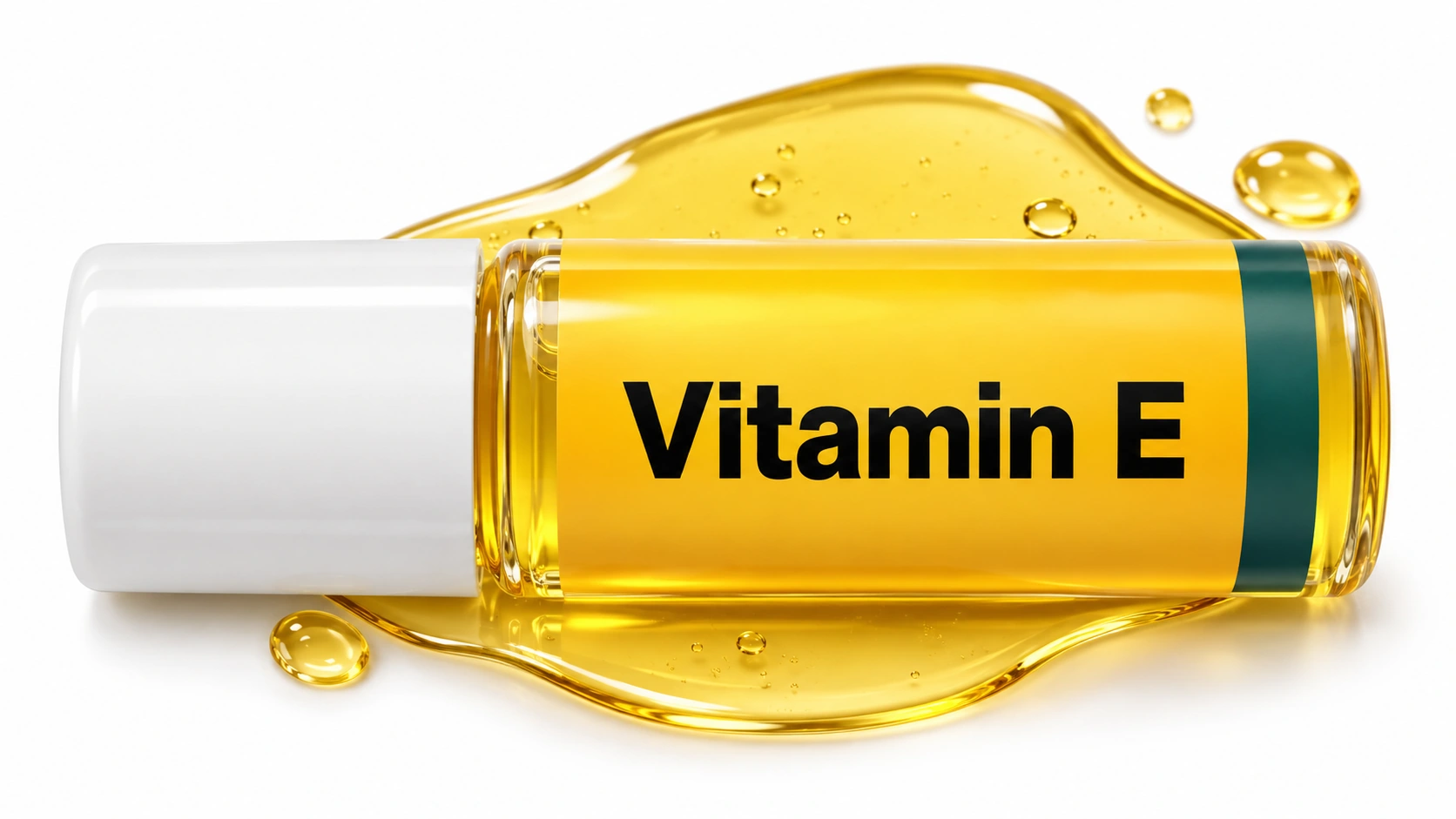
Five hyaluronic acid serums lined up on white, pump bottles and dropper bottles with their boxesFour vitamin E oil bottles lined up on white, two amber dropper bottles and two clear yellow oils

Which one is right for you?

Choose Hyaluronic Acid if…

Choose for hydration and temporary plumping; a serum does not act like injected filler.

  • Dehydrated or tight skin
  • You want lightweight hydration
  • Layering under moisturizer

Choose Vitamin E if…

Choose for formula preference, rather than expecting scars to disappear.

  • Dry skin
  • Paired with vitamin C
  • Not on fresh surgical wounds
Fine together

Can you use both?

A gentle pairing that layers easily.

At a glance

● Hyaluronic Acid
● Vitamin E
Type
Humectant polymer
Fat-soluble antioxidant family
What it does
Hydrates the outer skin and can temporarily soften the appearance of fine lines.
Adds antioxidant and emollient functions to skincare; it is not a proven scar treatment.
Best for
Dry Skin; Wrinkles and Fine Lines
Dry Skin
Studied concentrations
0.1% formulas with 50–2000 kDa polymers in the cited trial.
1% alpha-tocopherol in the cited C/E/ferulic combination study.
When to use
Morning or night, as directed by the finished product.
Time to results
Comfort may improve quickly; reassess persistent dryness
Often 8–12 weeks in small cosmetic studies; results may be subtle
Irritation
Usually comfortable; stop for stinging or a rash from the finished formula.
Can cause contact dermatitis; avoid applying capsule contents to healing surgical wounds.
Sensitive skin
Choose a simple formula and test a small area first. Individual tolerance matters more than an ingredient’s reputation for being gentle.
Available
Cosmetic or OTC products; some high-strength procedures are separate treatments.

What it helps

Compare uses by strength of evidence. Evidence level describes confidence in a benefit, not its size.

Evidence level
Hyaluronic Acid
Vitamin E
Moderate evidenceSome supportive research
The front of one shin on pale skin. The surface is pink with fine white flaking and a few shallow cracks, and the skin around it is even in tone.

Dry Skin

A controlled study found improved hydration with several molecular-weight formulas.
—
Limited evidenceEarly or small studies
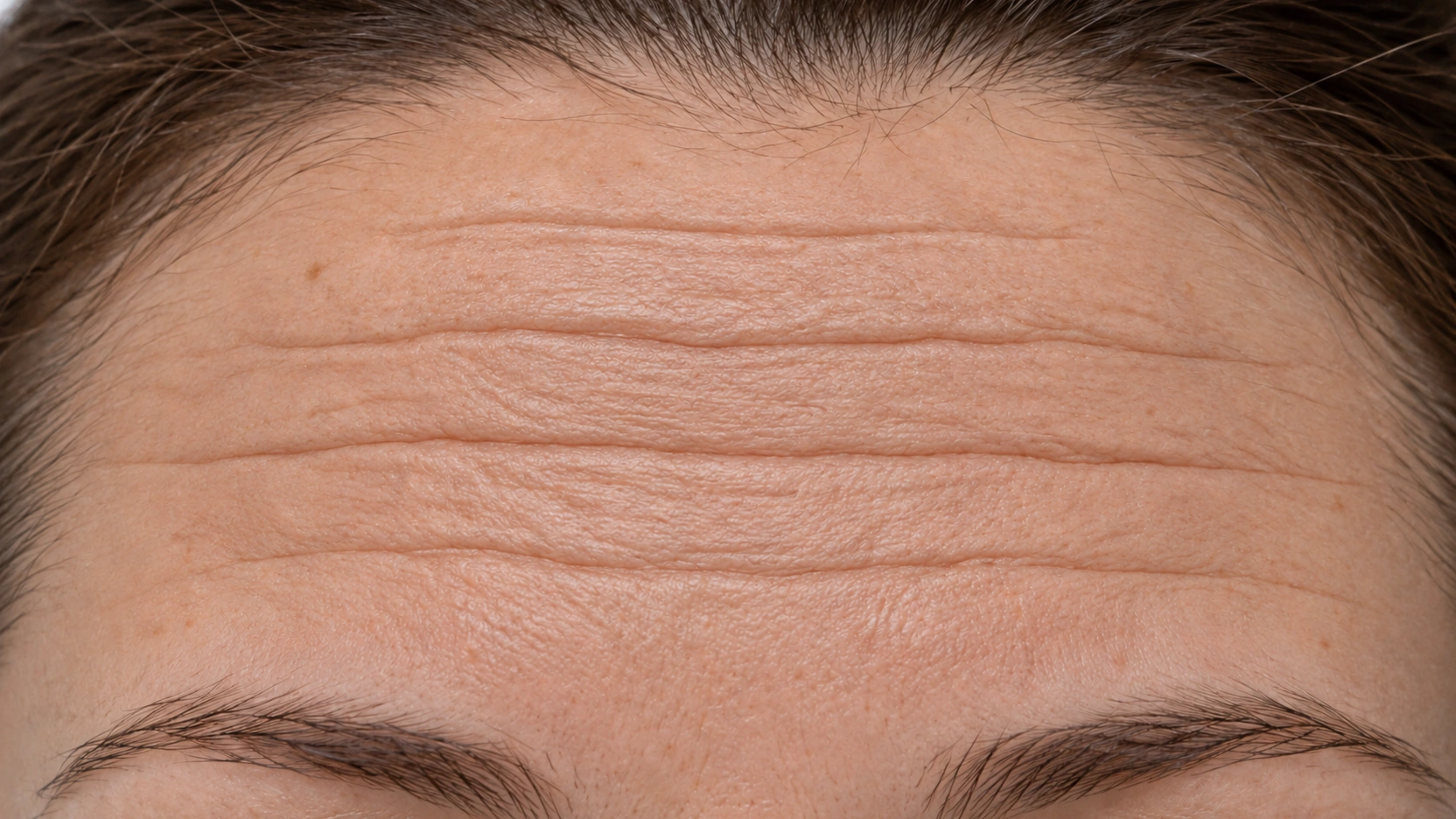
A relaxed forehead with faint shallow horizontal fine lines.

Wrinkles and Fine Lines

Some tested creams reduced measured fine-line depth over 60 days.
The front of one shin on pale skin. The surface is pink with fine white flaking and a few shallow cracks, and the skin around it is even in tone.

Dry Skin

Can contribute to an emollient formula; independent clinical benefit is less clear.
Insufficient evidence
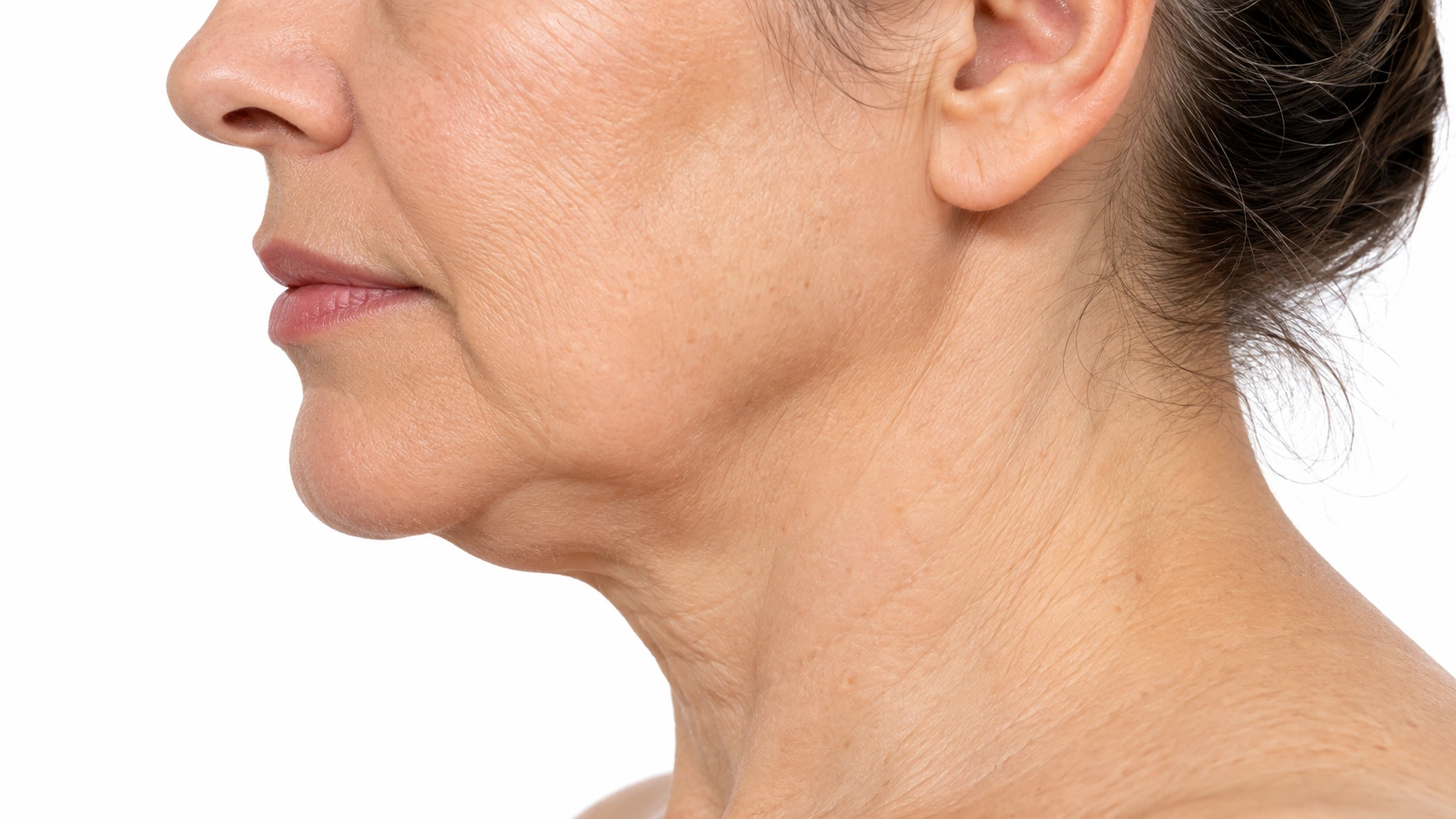
A relaxed forehead with pronounced deep horizontal furrows.

Deep Wrinkles

Topical hydration is not equivalent to correction with an injected filler.
Inflamed acne on light skin. The spots sit in a patch of pink, and the ring of redness around each one is easy to see. A few have a yellow-white head, and the skin between them is dry and flaking.

Acne

The reviewed sources do not establish this ingredient as a treatment for this concern.
Sagging Skin on light skin.

Sagging Skin

The reviewed sources do not establish this ingredient as a treatment for this concern.
A relaxed forehead with faint shallow horizontal fine lines.

Wrinkles and Fine Lines

The cited studies do not establish wrinkle correction from vitamin E alone.
Inflamed acne on light skin. The spots sit in a patch of pink, and the ring of redness around each one is easy to see. A few have a yellow-white head, and the skin between them is dry and flaking.

Acne

The reviewed sources do not establish this ingredient as a treatment for this concern.
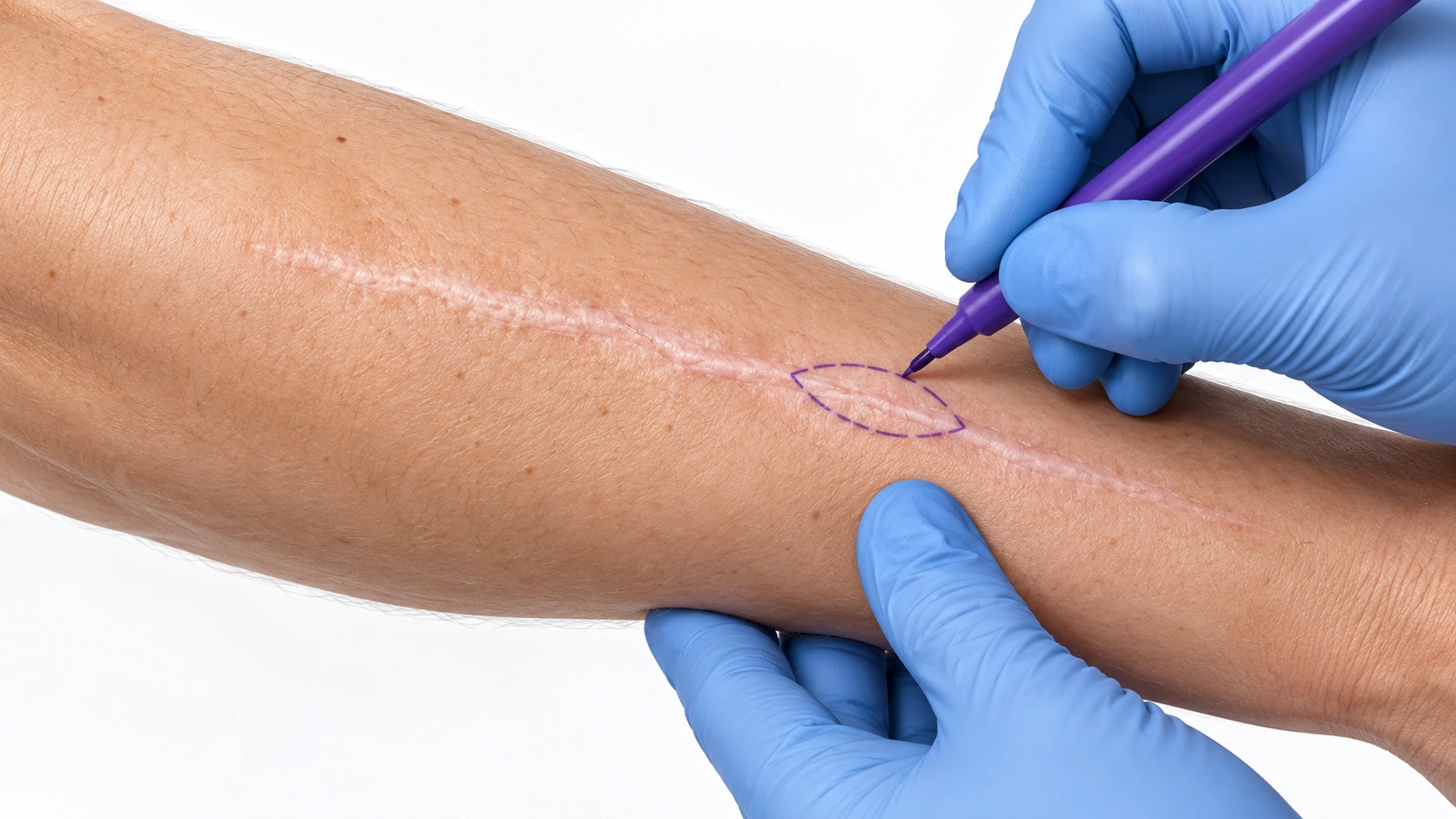
Scars on light skin.

Scars

A controlled surgical-scar study found no improvement and reported dermatitis.
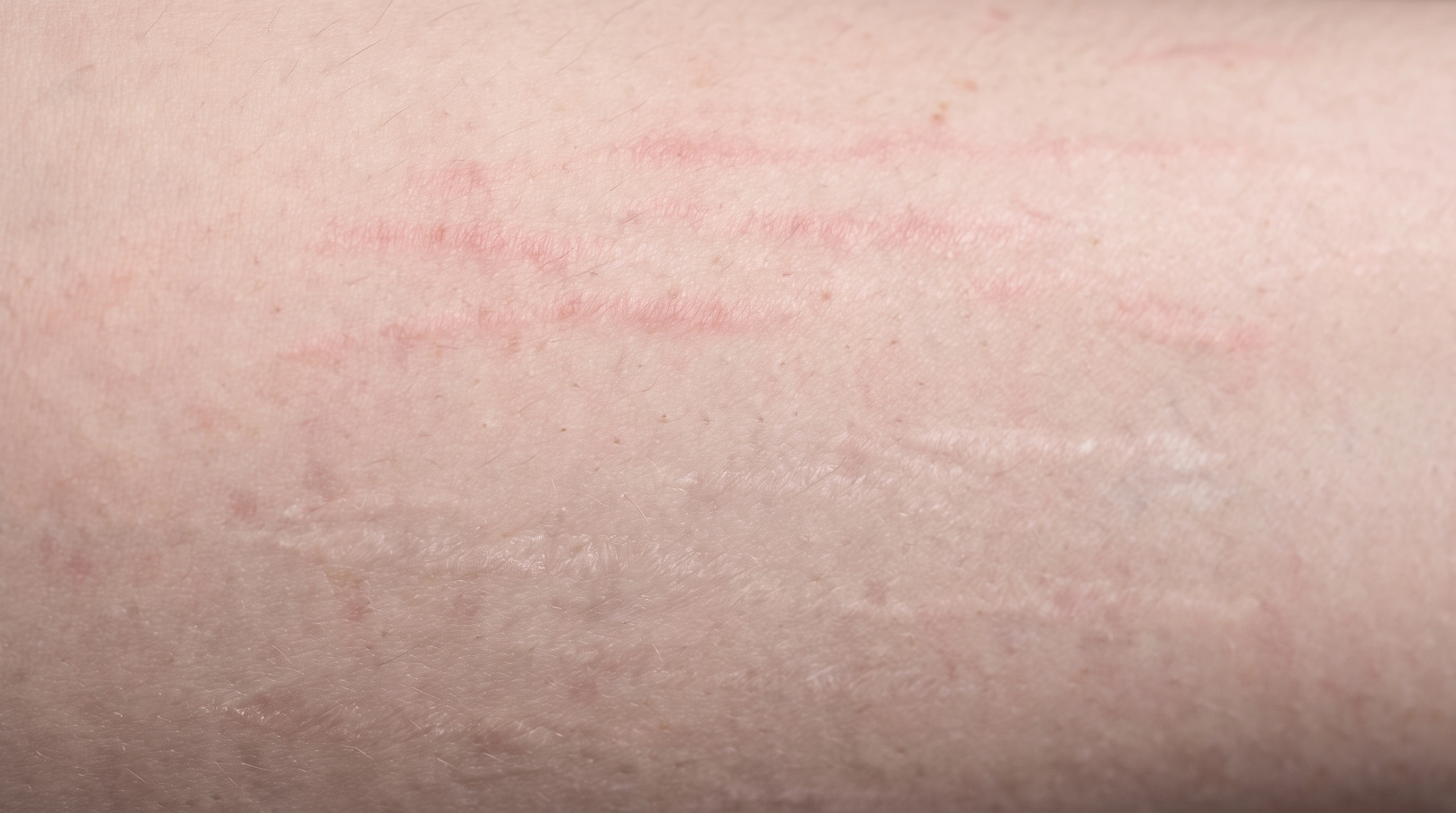
Two areas of fair skin side by side on a hip. New pink-red bands sit above, and older flat silvery-white bands below, with only a small difference in color between the pale marks and the skin around them.

Stretch Marks

The reviewed sources do not establish this ingredient as a treatment for this concern.
How it works

Hyaluronic Acid

Hyaluronic Acid mechanism diagram. Binds water: Hyaluronic acid acts as a humectant. Formula and size matter: Different molecular weights behave differently.
Open full-size diagram
Diagram explanation and sources

Binds water: Hyaluronic acid acts as a humectant. Formula and size matter: Different molecular weights behave differently.

Schematic illustration; not a measurement of skin penetration. Effects vary with ingredient identity and formulation.

Source 1 · Source 2

Vitamin E

Vitamin E mechanism diagram. Acts in lipid environments: Tocopherol can interrupt lipid oxidation. Depends on the formula: It is often studied with other antioxidants.
Open full-size diagram
Diagram explanation and sources

Acts in lipid environments: Tocopherol can interrupt lipid oxidation. Depends on the formula: It is often studied with other antioxidants.

Schematic illustration; not a measurement of skin penetration. Effects vary with ingredient identity and formulation.

Source 1 · Source 2

Using both in one routine

Built from where each one usually sits in a routine. Introduce one at a time.

Morning
Step 1
Cleanser
Step 2
Hyaluronic AcidMorning or night
Step 3
Vitamin EMorning or night
Step 4
Sunscreen
Night
Step 1
Cleanser
Step 2
Hyaluronic AcidMorning or night
Step 3
Vitamin EMorning or night

Strengths and forms

Concentrations

A controlled study tested 0.1% hyaluronic acid creams with different molecular weights. A large percentage or a claim of many molecular sizes is not a validated ranking of hydration.

0.1%

Studied topical cream

Tested in several molecular-weight formulations for hydration and elasticity. This is an example, not a universal minimum or maximum.

Choosing a strength: Choose a serum or moisturizer that feels comfortable and works with the rest of your routine.

Higher strengths: More hyaluronic acid is not established as better hydration. Sticky or irritating products do not become better choices because the number is larger.

Formula matters: A percentage may refer to a diluted ingredient complex rather than pure hyaluronic acid. Injectable fillers are a separate medical product category.

There is no established best vitamin E percentage for scars or aging skin. A human antioxidant study used 1% alpha-tocopherol in a vitamin C/ferulic acid combination.

1%

Studied antioxidant combination

Alpha-tocopherol used with other antioxidants. This does not establish an ideal stand-alone vitamin E concentration.

Choosing a strength: Choose for the finished moisturizer or antioxidant formula. Alpha-tocopherol and tocopheryl acetate are not identical ingredients.

Higher strengths: Concentrated vitamin E is not a proven better scar treatment. A small surgical-scar study found no cosmetic advantage and reported contact reactions.

Formula matters: The vitamin E form, oil base and companion ingredients matter. An oral capsule emptied onto skin is not equivalent to a tested topical formulation.

Forms
Serum · Moisturizer · Filler
Vitamin C serum · Cream · Oil

When you’ll see results

Approximate windows, not promises.

● Hyaluronic Acid
● Vitamin E
First few weeks

First few weeksSkin may feel softer soon after use; relief depends on the formula.

First few weeksAssess tolerance and texture; immediate softness can come from the base formula.

4–8 weeks

4–8 weeksJudge hydration, comfort and whether dryness is recurring.

4–8 weeksSubtle changes may appear in some tested products; evidence varies.

8–12 weeks

8–12 weeksPersistent cracking, itch or a rash needs reassessment.

8–12 weeksCompare photographs in the same lighting and reassess benefit.

3–6 months

3–6 monthsContinue if comfortable; hydration usually requires ongoing use.

3–6 monthsPhotoaging trials often need several months; expect modest rather than dramatic change.

6–12 months

6–12 monthsMoisturizing does not establish reversal of structural ageing or scars.

6–12 monthsLong-term evidence is limited for many cosmetic actives; continue only if useful.

Safety and sensitive skin

Common reactions

Usually comfortable; stop for stinging or a rash from the finished formula.

Can cause contact dermatitis; avoid applying capsule contents to healing surgical wounds.

When to stop

Stop for persistent burning, swelling, blistering or a new rash. Seek urgent care for breathing difficulty or a severe allergic reaction.

Stop for persistent burning, swelling, blistering or a new rash. Seek urgent care for breathing difficulty or a severe allergic reaction.

Sensitive or inflamed skin

Choose a simple formula and test a small area first. Individual tolerance matters more than an ingredient’s reputation for being gentle.

Choose a simple formula and test a small area first. Individual tolerance matters more than an ingredient’s reputation for being gentle.

Important limits

Do not use a cosmetic product as a substitute for diagnosis of an unexplained, changing or persistent skin problem.

Do not use a cosmetic product as a substitute for diagnosis of an unexplained, changing or persistent skin problem.

Pregnancy

Hyaluronic acid skincare is generally considered acceptable in pregnancy.

There is no good evidence that it prevents them. Stretch marks form deeper than a cream reaches. Ask the doctor managing your pregnancy before starting anything new.

How it works

In the skin

On the skin. The finished product delivers hyaluronic acid in a particular vehicle.

Entering skin. No single molecular mass. Polymer size and formulation affect delivery; hydration can occur at the surface.

Conversion. No activation step is established as necessary for its intended topical role.

Skin response. Binds water; molecular-weight distribution and formula influence where it remains and how it feels.

Additional effects. Proposed pathways do not establish a measured depth of delivery or clinical benefit beyond the studies cited.

On the skin. The finished product delivers vitamin e in a particular vehicle.

Entering skin. Below the 500 Da guideline; delivery still depends on the formula, solubility, stability and skin condition. Size does not prove effectiveness or penetration depth.

Conversion. No activation step is established as necessary for its intended topical role.

Skin response. Tocopherols help limit lipid oxidation; a moisturizer or antioxidant combination has effects beyond vitamin E alone.

Additional effects. Proposed pathways do not establish a measured depth of delivery or clinical benefit beyond the studies cited.

Getting in
No single molecular mass. Polymer size and formulation affect delivery; hydration can occur at the surface.
Below the 500 Da guideline; delivery still depends on the formula, solubility, stability and skin condition. Size does not prove effectiveness or penetration depth.

Product examples

Hyaluronic Acid
  • Laneige Water Bank Blue Hyaluronic Cream Moisturizer — A solid ceramide-and-squalane cream sold on a hyaluronic acid claim that means far less than it sounds. Also perfumed.
  • Naturium Quadruple Hyaluronic Acid Serum 5%
Vitamin E
  • COSRX The Retinol 0.1 Cream

Common questions

Hyaluronic Acid:What should I choose hyaluronic acid for?

Choose for hydration and temporary plumping; a serum does not act like injected filler.

Hyaluronic Acid:How strong is the evidence?

A 76-woman controlled study supports hydration from specific HA creams, with wrinkle changes in lower-weight groups. Polymer size varies widely; a repeating unit or a single molecular mass would be misleading.

Vitamin E:What should I choose vitamin e for?

Choose for formula preference, rather than expecting scars to disappear.

Vitamin E:How strong is the evidence?

A small controlled scar study found no cosmetic benefit and frequent dermatitis. A separate UV study tested vitamins C and E with ferulic acid, so its results cannot be assigned to vitamin E alone.

Sources
Sources and further reading

  1. Efficacy of cream-based novel formulations of hyaluronic acid of different molecular weights in anti-wrinkle treatment. (2011)
  2. Human skin penetration of hyaluronic acid of different molecular weights as probed by Raman spectroscopy. (2016)
  3. The effects of topical vitamin E on the cosmetic appearance of scars. (1999)
  4. A topical antioxidant solution containing vitamins C and E stabilized by ferulic acid provides protection for human skin against damage caused by ultraviolet irradiation. (2008)
Dermapedia on YouTube