Azelaic Acid
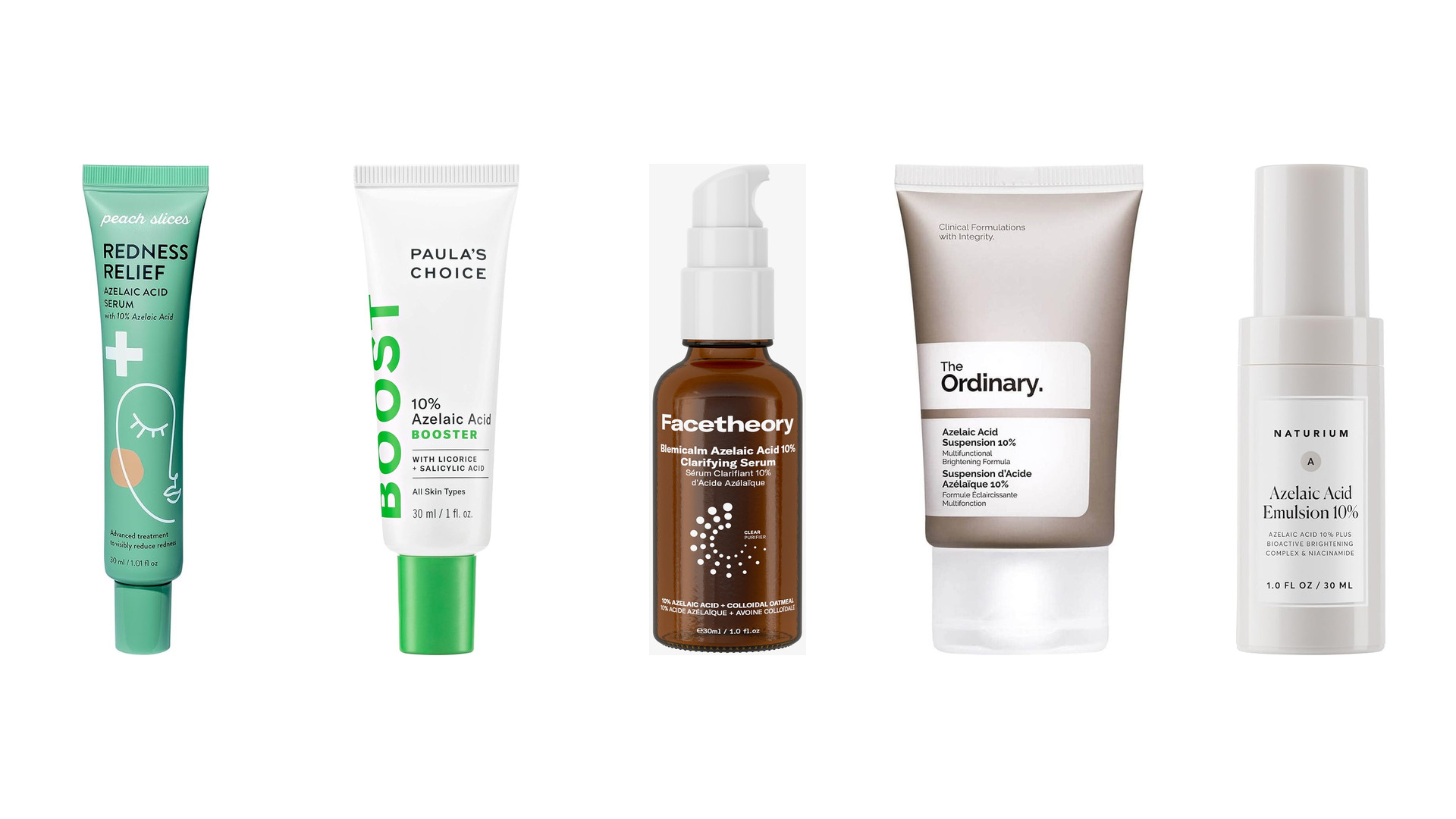
Azelaic acid is a treatment. It works on acne, rosacea and dark marks, and it changes how the skin behaves. Hyaluronic acid is a moisturizing ingredient. It pulls water into the surface of the skin and holds it there, and it treats nothing. They share a word and almost nothing else, so most people end up using both rather than choosing.
| The difference | Azelaic Acid | Hyaluronic Acid |
|---|---|---|
| How long until it works | About 8 to 12 weeks | The same day |
| Cost | Cheap over the counter, more by prescription | Inexpensive |
Side by side
Azelaic Acid
Thin layer, once or twice a day
A cream, gel or foam spread over the whole area, then moisturizer and sunscreen on top.
Hyaluronic Acid
On damp skin, then seal it
A serum or lotion applied to slightly damp skin, followed by a moisturizer. On its own in dry air it can leave skin feeling tighter.
Azelaic Acid
Fewer spots, less redness, fewer marks
Calmer skin, fewer inflamed pimples, and brown marks from old spots fading over months.
Hyaluronic Acid
Plumper, more comfortable skin
Fine dryness lines soften, tightness eases, and skin looks smoother straight away. The change is in comfort and appearance, not in the condition.
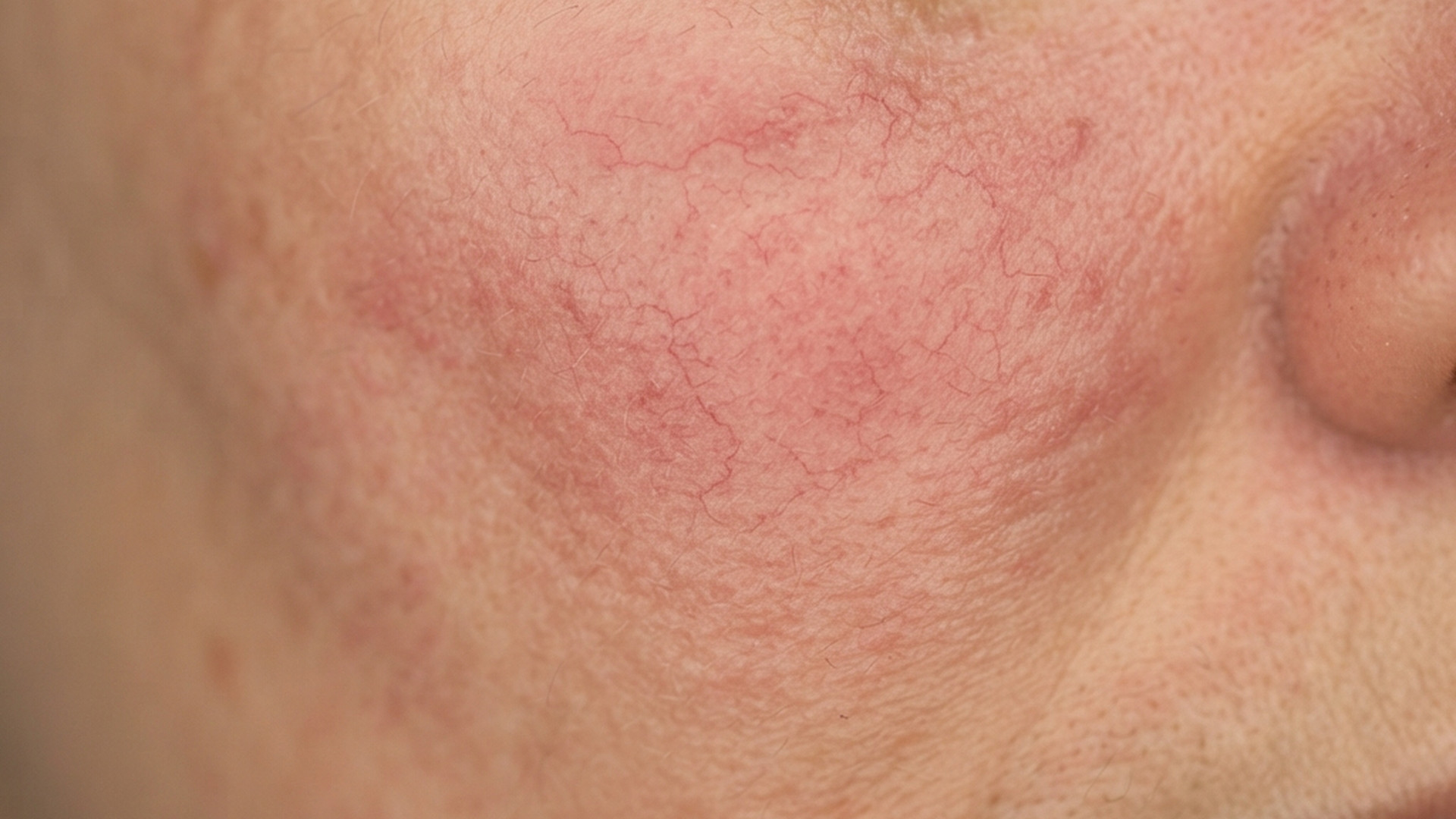
The one over-the-counter active with real evidence behind it in rosacea. At 10 percent it reduces the bumps and some of the redness, and it is better tolerated by reactive skin than acids or retinoids. Start every other night over moisturizer. The 15 percent prescription gel works better if this is not enough.

The best all-rounder here, because it calms inflammation and quietens overactive pigment cells at the same time, which means it treats the marks and the acne producing them. It is gentle enough to use for the many months this takes, and it suits deeper skin tones well. Expect slow, steady lightening rather than a quick change.
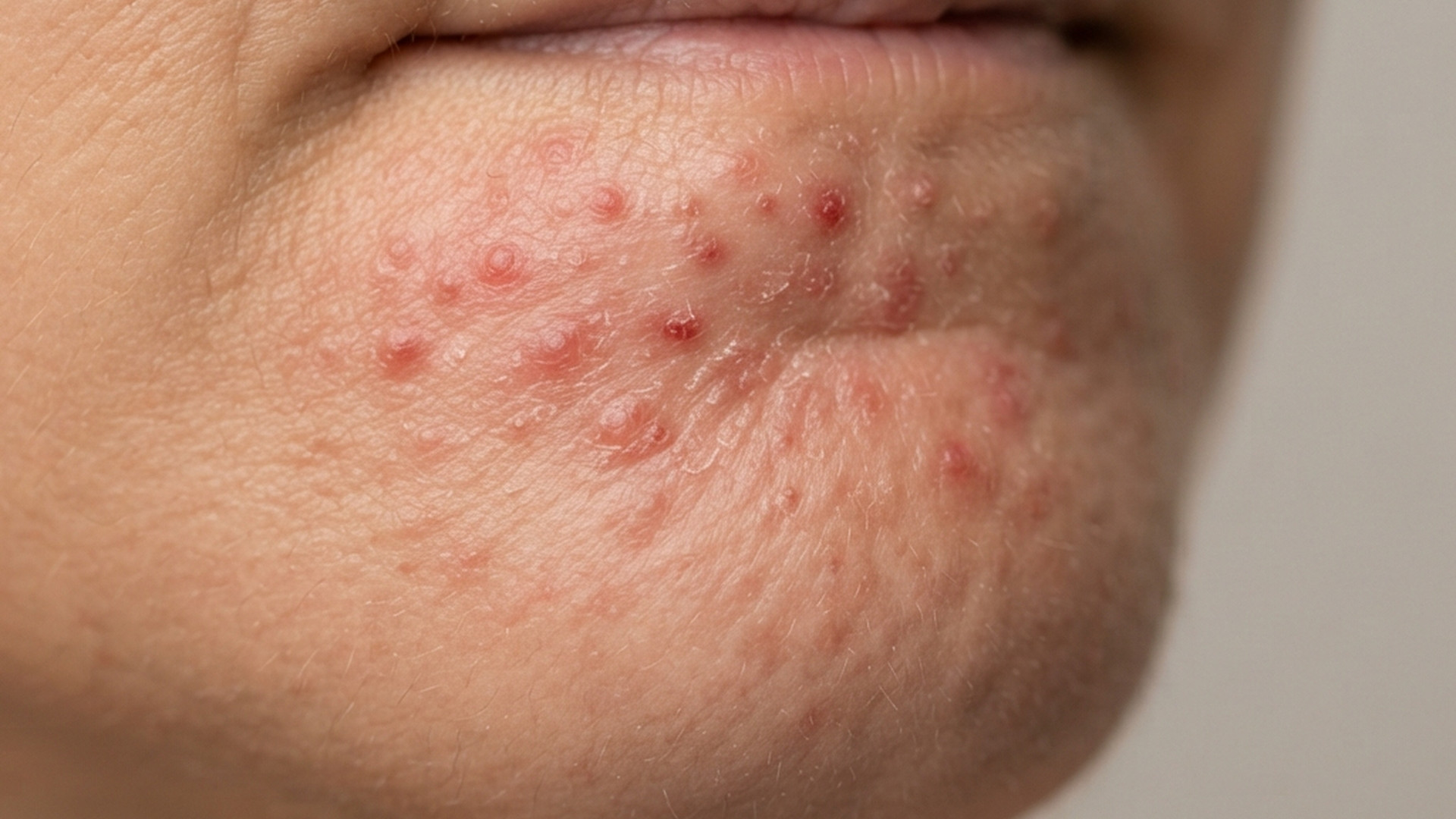
The one over-the-counter active worth using here. At 10 percent it calms the bumps and, unusually, also helps the dark marks the rash leaves behind. It is slower than the prescription version and it can sting on skin that is already burning, so start every other night.

Calms overactive pigment cells without bleaching the normal skin around them, which is why it can be used for months at a time instead of in short courses. That makes it one of the better options for holding a result after a course of hydroquinone. The over-the-counter strength works slowly, and the prescription strength works better.
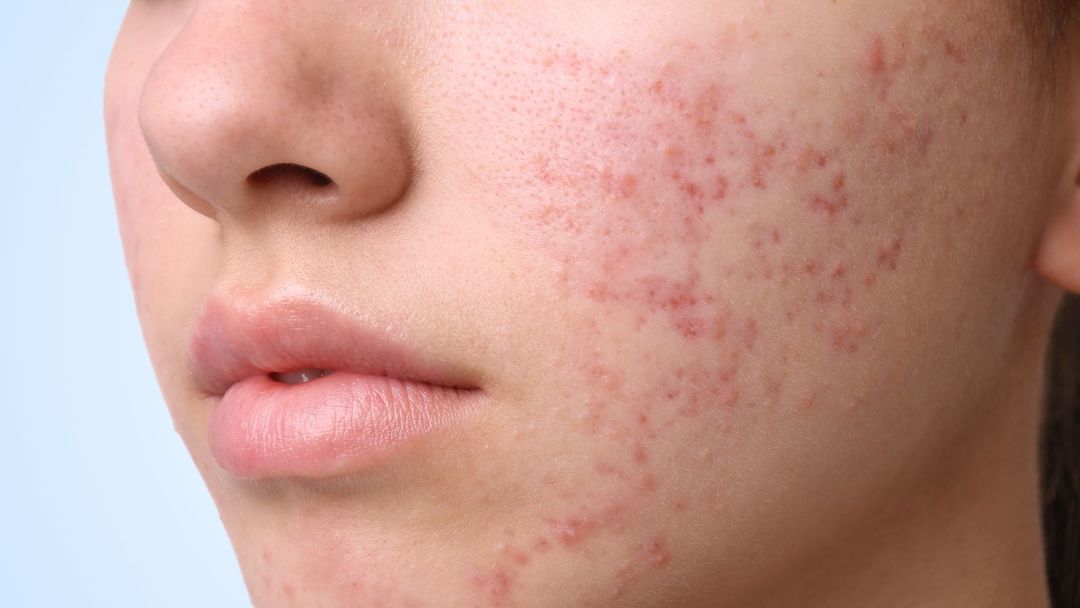
One of the few over-the-counter ingredients that acts on redness rather than pigment, calming inflammation while also treating the acne behind it. It is gentle enough to use twice a day for the many months this takes. Expect it to take the heat out of the marks gradually rather than clear them.
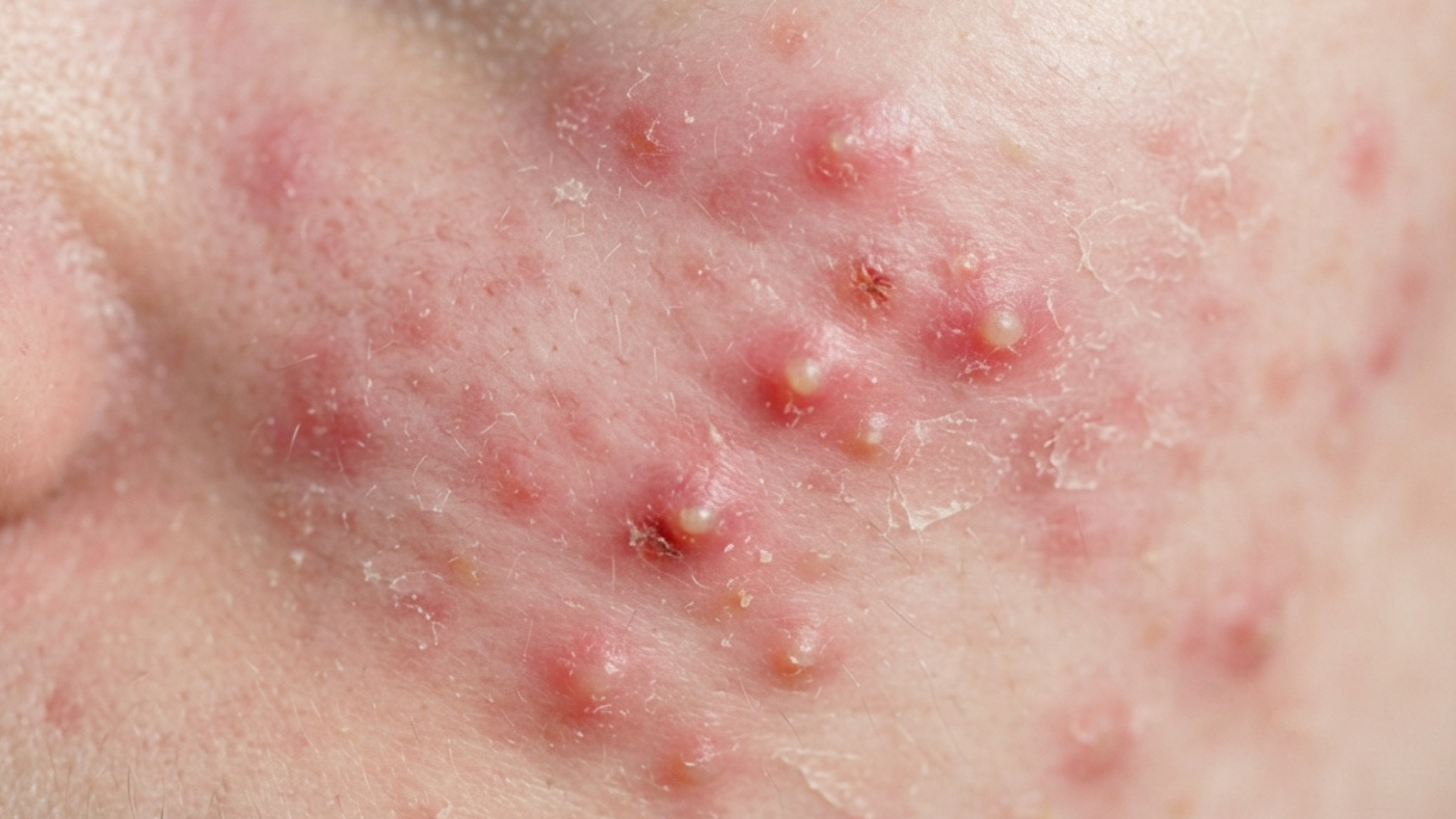
Works on the spot and the mark it leaves at the same time, which makes it useful on deeper skin tones. It is also one of the few acne treatments considered safe in pregnancy.

A gentler alternative to hydroquinone for brown circles, and one that can be used long-term without a break. It suits deeper skin tones well because it does not carry the risk of the blue-gray darkening that comes with continuous hydroquinone. It works slowly, and it only ever works on pigment.

Holds a great deal of water, which makes skin look plumper straight away, but it seals nothing. In dry indoor air or a cold winter it can pull water up out of the deeper skin and let it evaporate, leaving the surface tighter than before. It is only useful here applied to damp skin with a cream over the top.
Azelaic Acid
It will not hydrate
Azelaic acid has no moisturizing effect. Used alone it can leave dry skin feeling tight.
Hyaluronic Acid
It will not treat anything
Hyaluronic acid does not clear acne, fade dark marks, reduce redness or build collagen. It holds water.

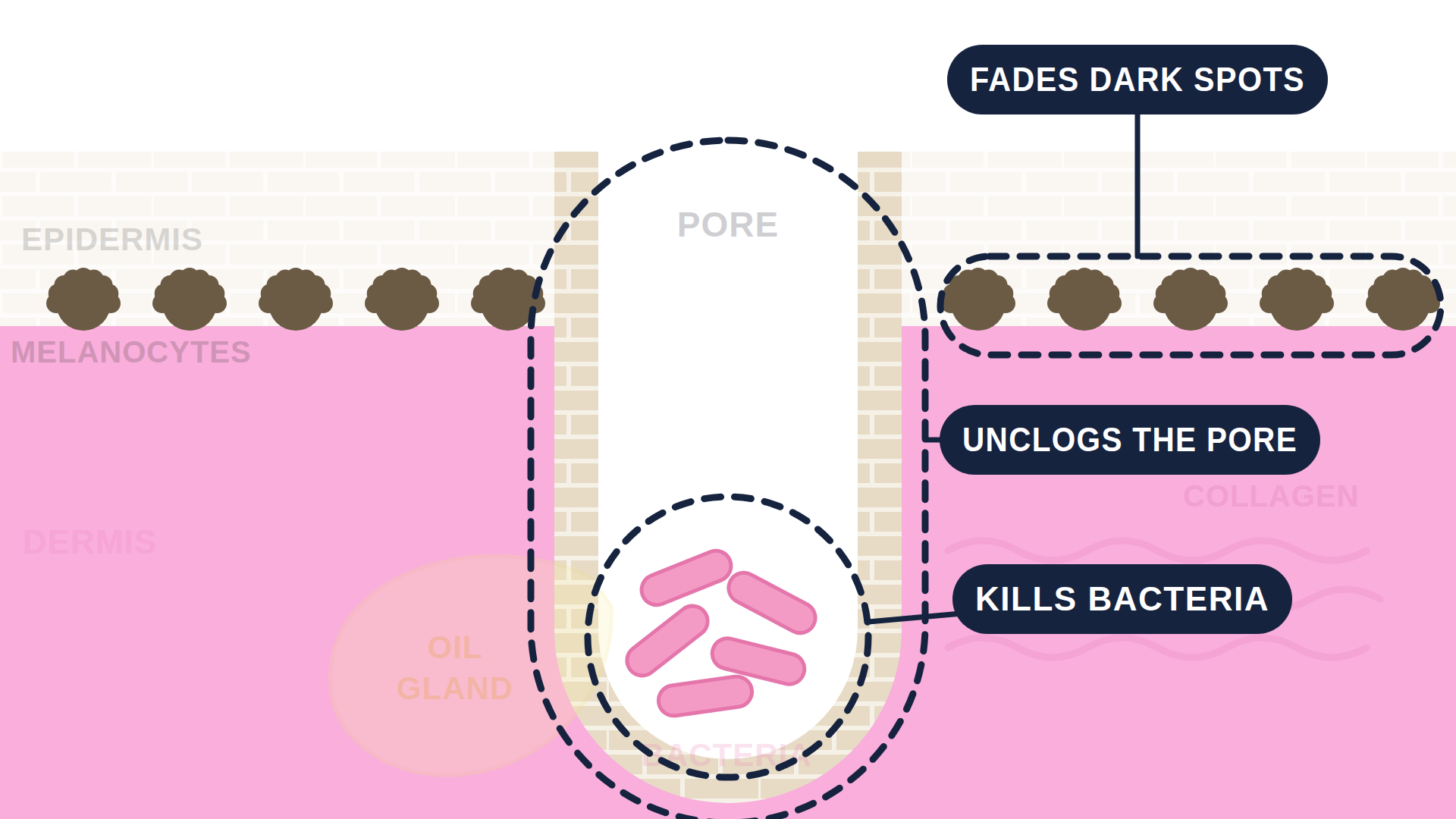
It clears the blockage and kills the bacterium, which is why it is useful when a retinoid alone is not enough.
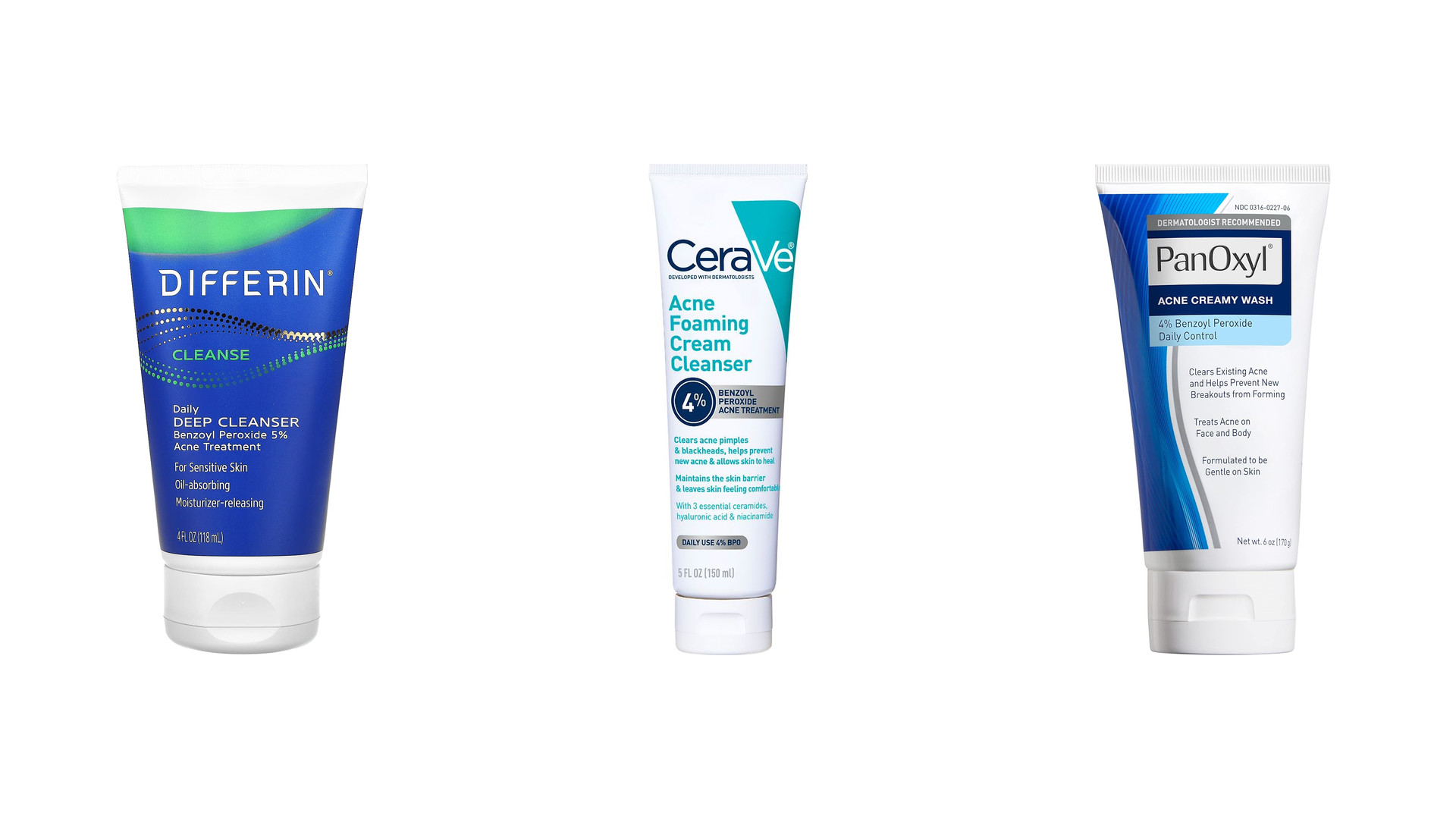
Strong evidence. Faster on inflamed spots. Azelaic acid is gentler and also treats the dark marks acne leaves behind.
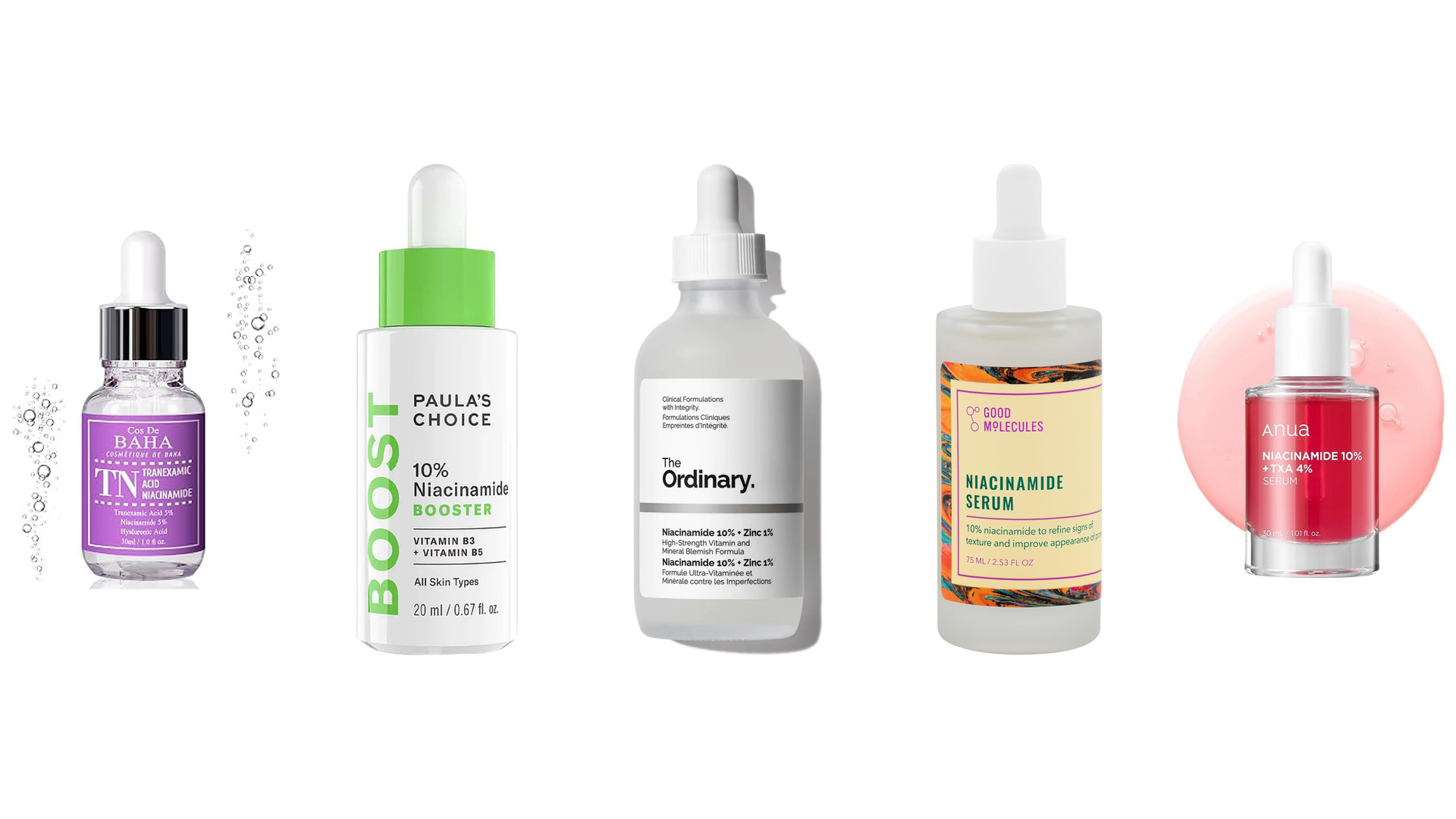
Limited evidence. Much milder and easier to tolerate, but it does far less on active acne.

Strong evidence, and the comparison most people never make. It is a humectant that works the same way, costs far less, and holds up better in dry air. Hyaluronic acid feels more elegant on the skin.
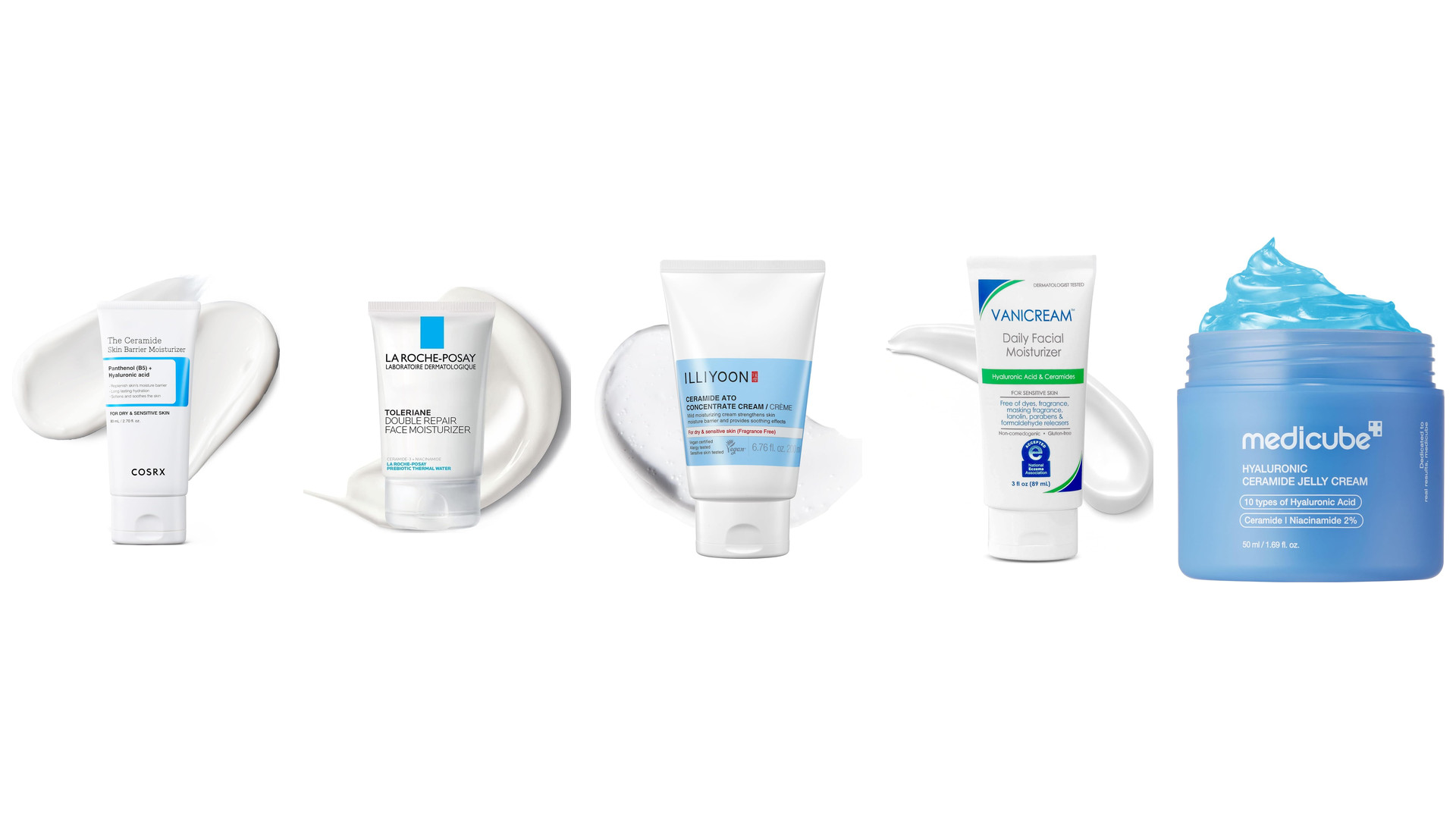
Strong evidence for barrier repair. They do the job hyaluronic acid cannot, by replacing the fats that hold water in. The two are complementary rather than competing.
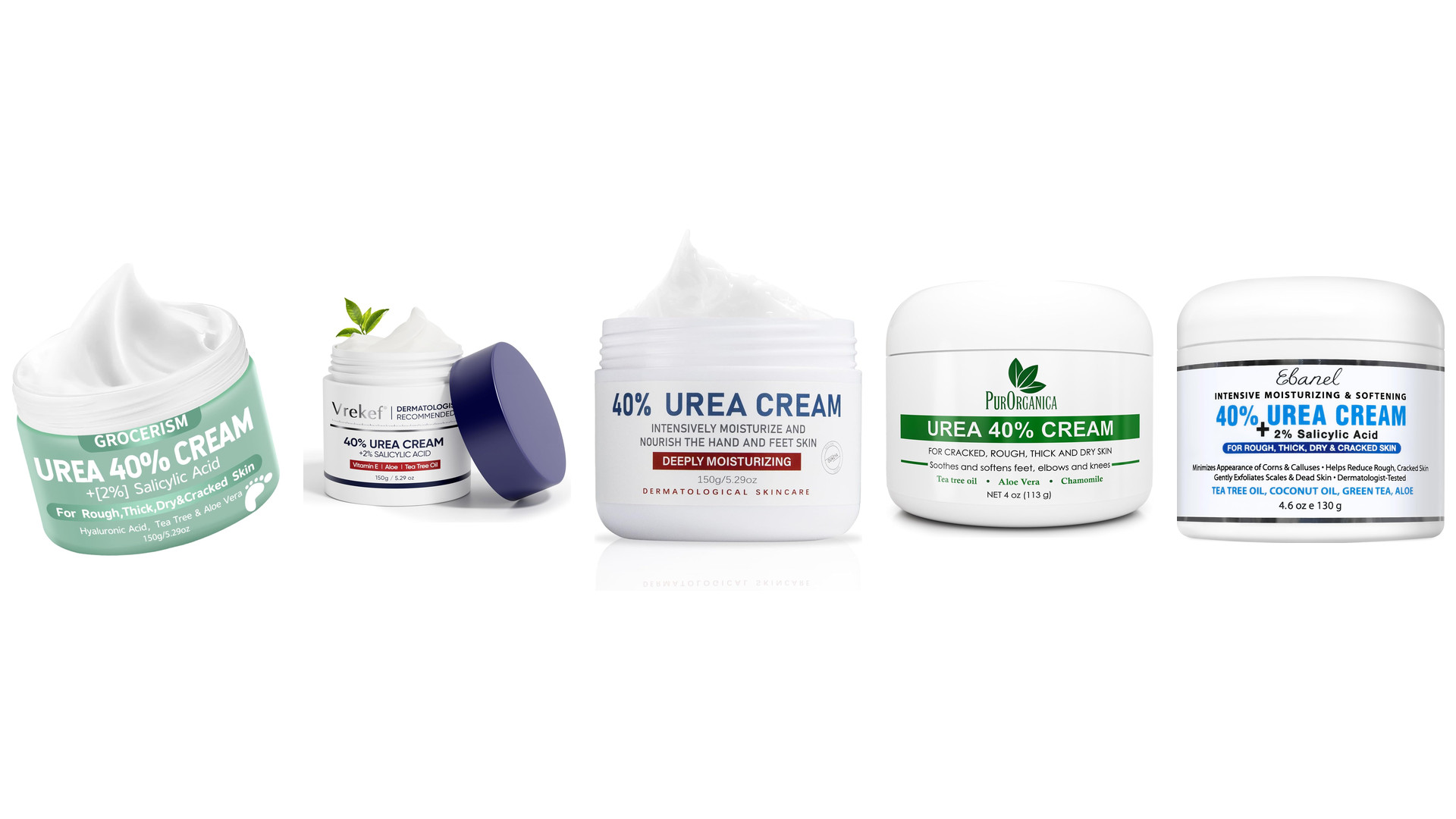
Strong evidence. Hydrates, and at higher concentrations softens rough, scaly skin. More useful for very dry skin, and it can sting on broken skin.
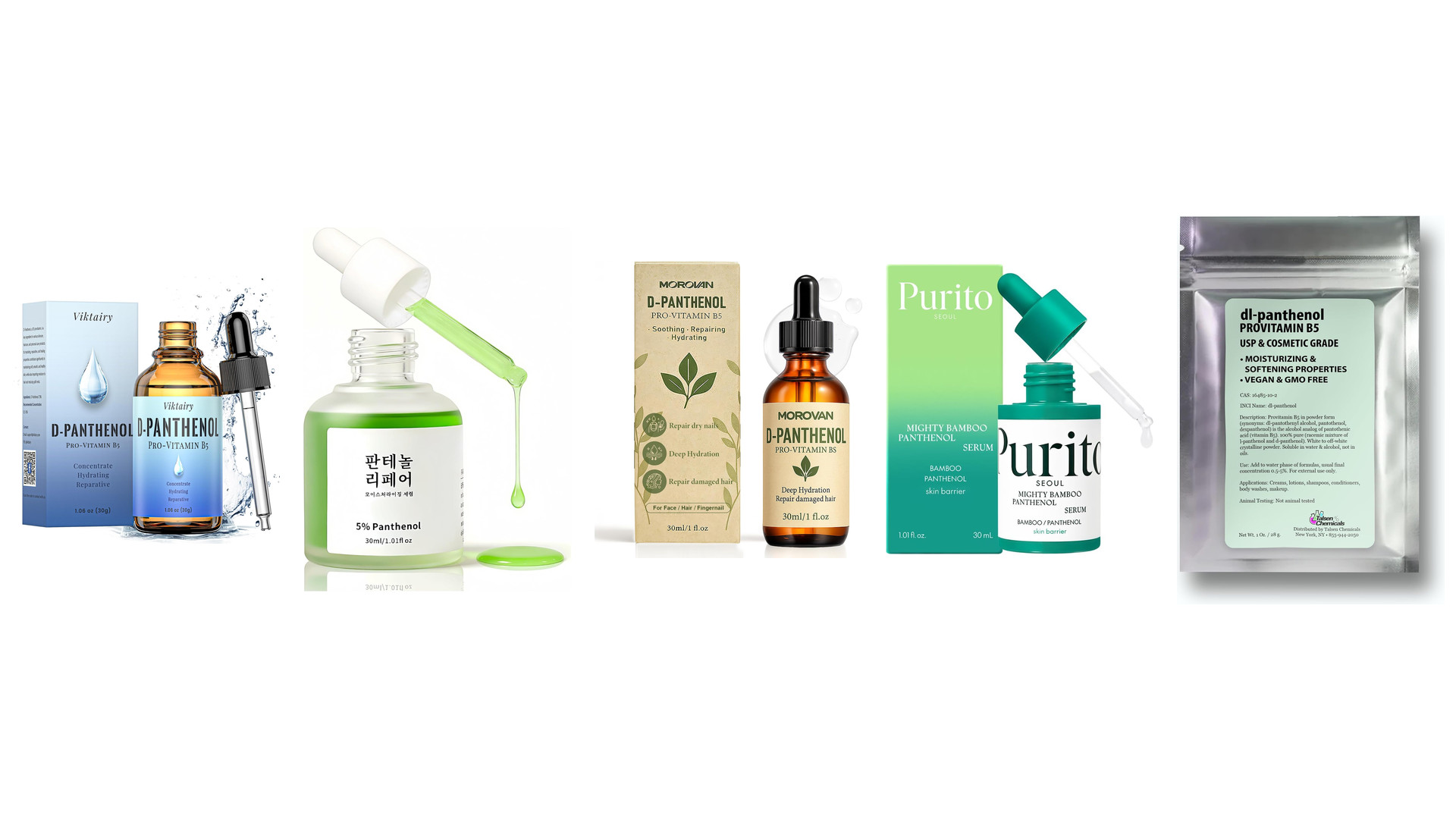
Moderate evidence. Soothing and hydrating, and widely used alongside hyaluronic acid rather than instead of it.
Azelaic Acid
About 8 to 12 weeks
Spots improve first. Pigment takes longer, because you are waiting for marked skin to be replaced.
Hyaluronic Acid
The same day
Hydration is immediate. It is also short-lived, which is why it is reapplied daily.
Azelaic Acid
As long as you keep using it
Redness and spots drift back over a few months after stopping.
Hyaluronic Acid
Hours
Water leaves the skin steadily. A moisturizer over the top slows that down.
Azelaic Acid
Tingling and dryness early on
A mild sting or itch in the first couple of weeks is common and usually settles. Some gels feel gritty.
Hyaluronic Acid
Almost none
It is one of the best-tolerated ingredients in skincare. In very dry air it can draw water out of the skin instead of in, which is why a moisturizer on top matters.
Azelaic Acid
Cheap over the counter, more by prescription
The prescription strength costs more and may be covered by insurance for acne or rosacea.
Hyaluronic Acid
Inexpensive
It is in a large share of drugstore moisturizers and serums already.
Azelaic Acid
Two real strengths
The over-the-counter azelaic acid is the same ingredient, weaker, and it works more slowly. The prescription version is what is used for rosacea and stubborn pigment.
Hyaluronic Acid
Drugstore is the real thing
The serum on the shelf is the same molecule a clinic uses. The injected version is a different product entirely — a filler placed under the skin to add volume, which a serum cannot do.
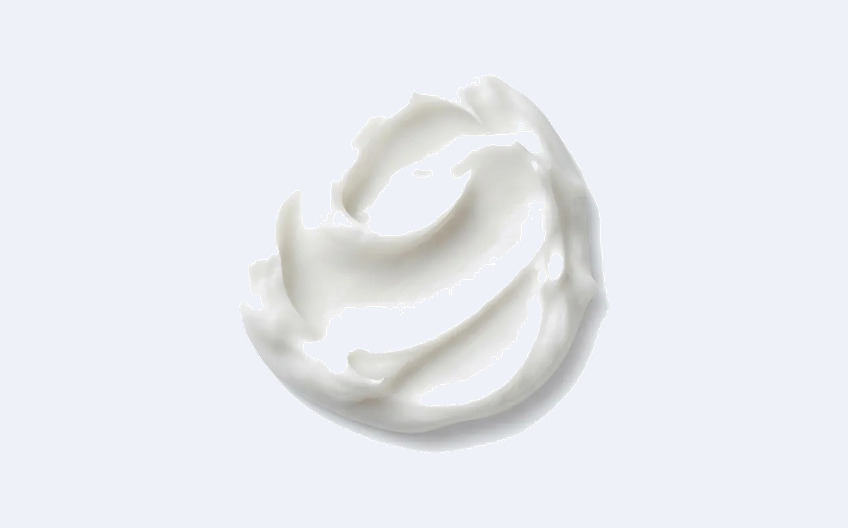
The original and the best-studied. Rich, and it can feel gritty going on.

Lighter and less greasy than the cream. The usual pick for rosacea and oily skin.

Spreads easily and disappears fast. Kind to skin that hates being rubbed.
A thick cream-gel that feels slightly oily. Grips well, and can pill under makeup.
A lower strength in a lighter base, often mixed with niacinamide.
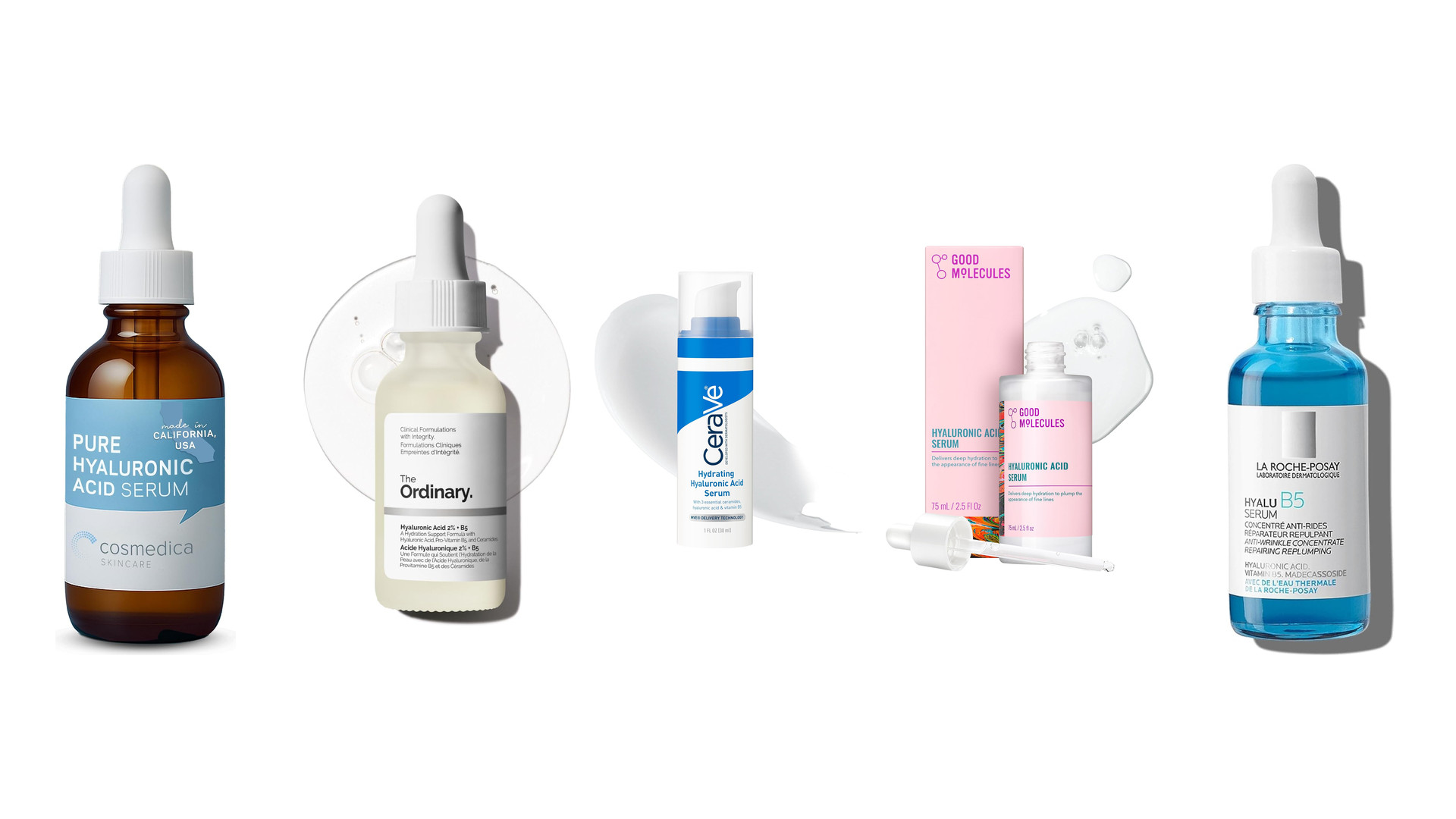
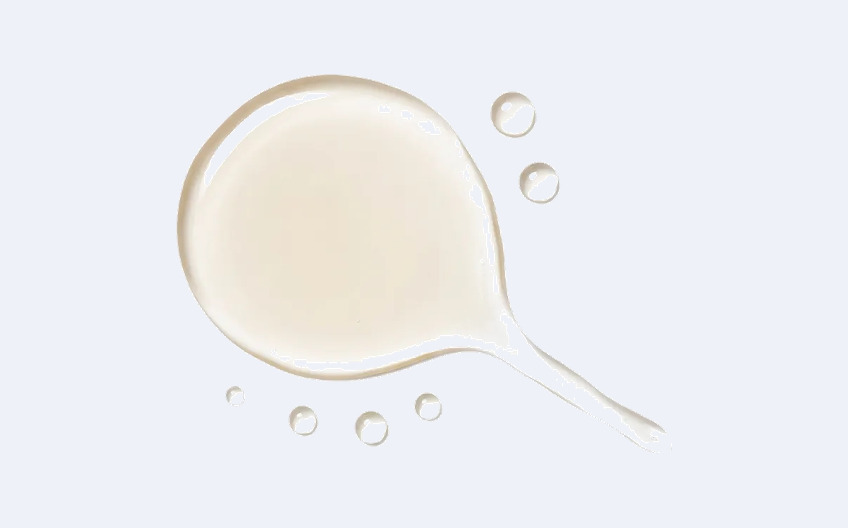
A few drops on damp skin, then moisturizer on top. Absorbs in seconds.
Hyaluronic acid plus the oils that hold it in. Does more than a serum alone.

Very watery, patted on. Wets the skin and adds humectant in one step.
Cool and weightless, with no oils at all. Enough hydration without a heavy finish.
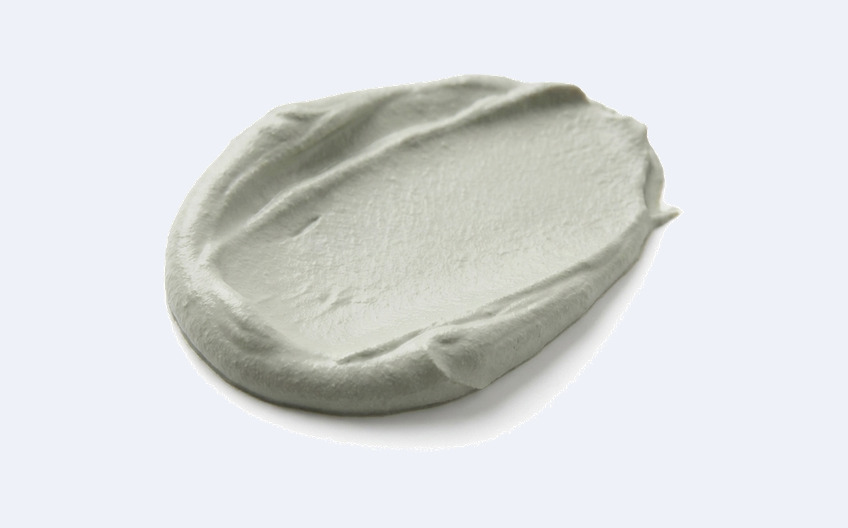
Twenty minutes under a soaked layer. A pleasant top-up, not a routine.
Azelaic Acid
Azelaic acid asks the skin to change. It reduces inflammation, slows the pigment cells that are working too hard, and helps clear the pore. Those are treatment effects, and they take weeks.
Hyaluronic Acid
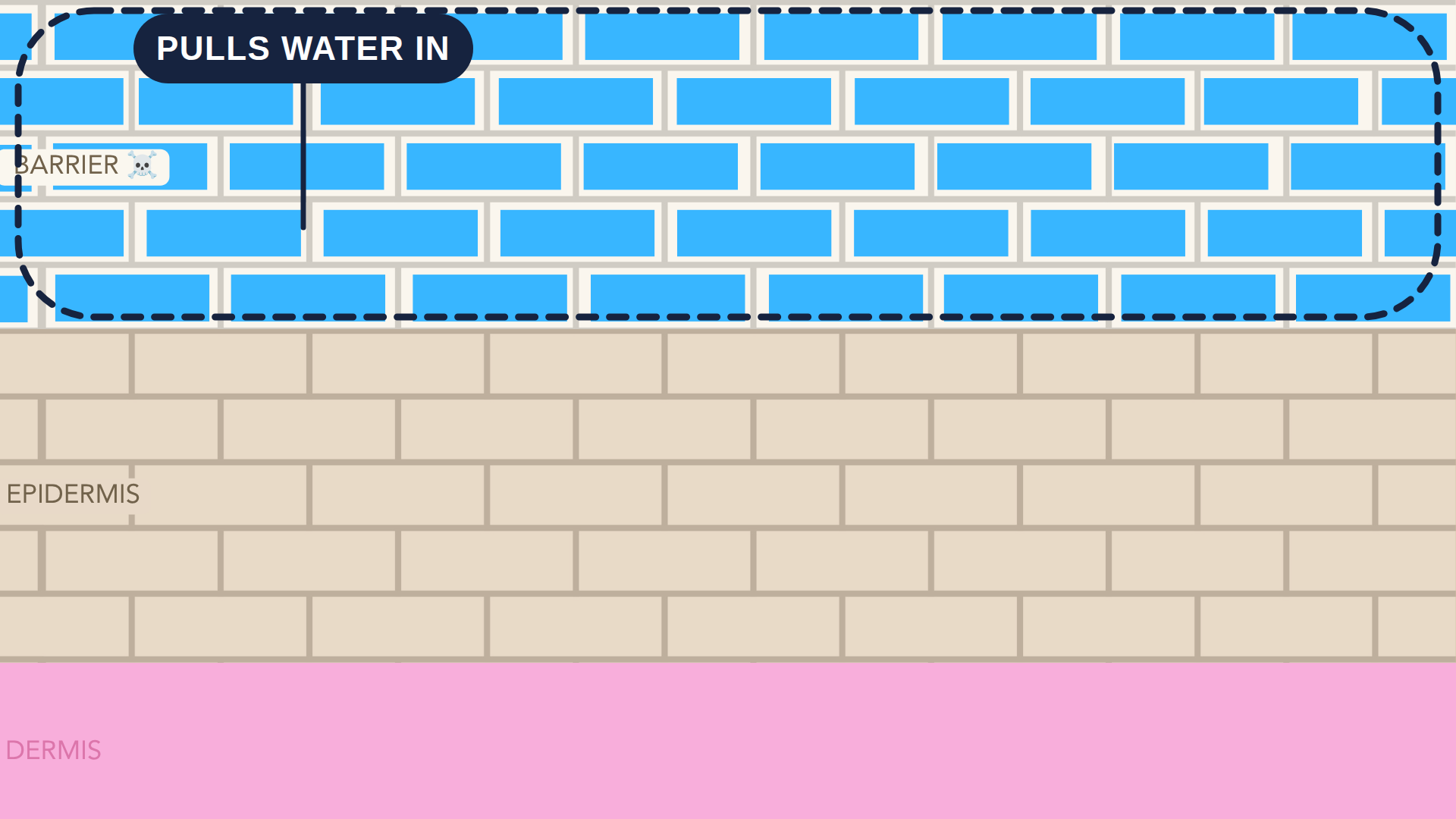
Hyaluronic acid asks nothing of the skin. It is a humectant, a molecule that binds water. It sits in the surface layers and holds moisture there for a few hours.
Azelaic Acid
Choose azelaic acid if the problem is spots, redness or brown marks. Those need an active ingredient, and hyaluronic acid will not touch them.
Hyaluronic Acid
Choose hyaluronic acid if the problem is tightness, flaking or dullness from dryness. Those need water and a moisturizer, and an active will make them worse.
Hyaluronic Acid
Common questions
Yes. There is no interaction, and the pairing is useful because hyaluronic acid offsets the dryness azelaic acid can cause early on.
Hyaluronic acid on damp skin first, then azelaic acid, then moisturizer. Some people prefer azelaic acid on clean skin first — either works.
No. It holds water in the skin. It does not clear pores, reduce inflammation or fade marks.
They are not on the same scale. Azelaic acid is an active treatment with a prescription version. Hyaluronic acid is a moisturizing ingredient with no treatment effect.
In dry air a humectant can pull water out of the deeper skin instead of drawing it in. Apply it to damp skin and seal it with a moisturizer.
If you have acne, rosacea or dark marks, azelaic acid is the one doing the work. Hyaluronic acid is optional comfort — though it makes the first weeks of azelaic acid easier.