Ferulic Acid
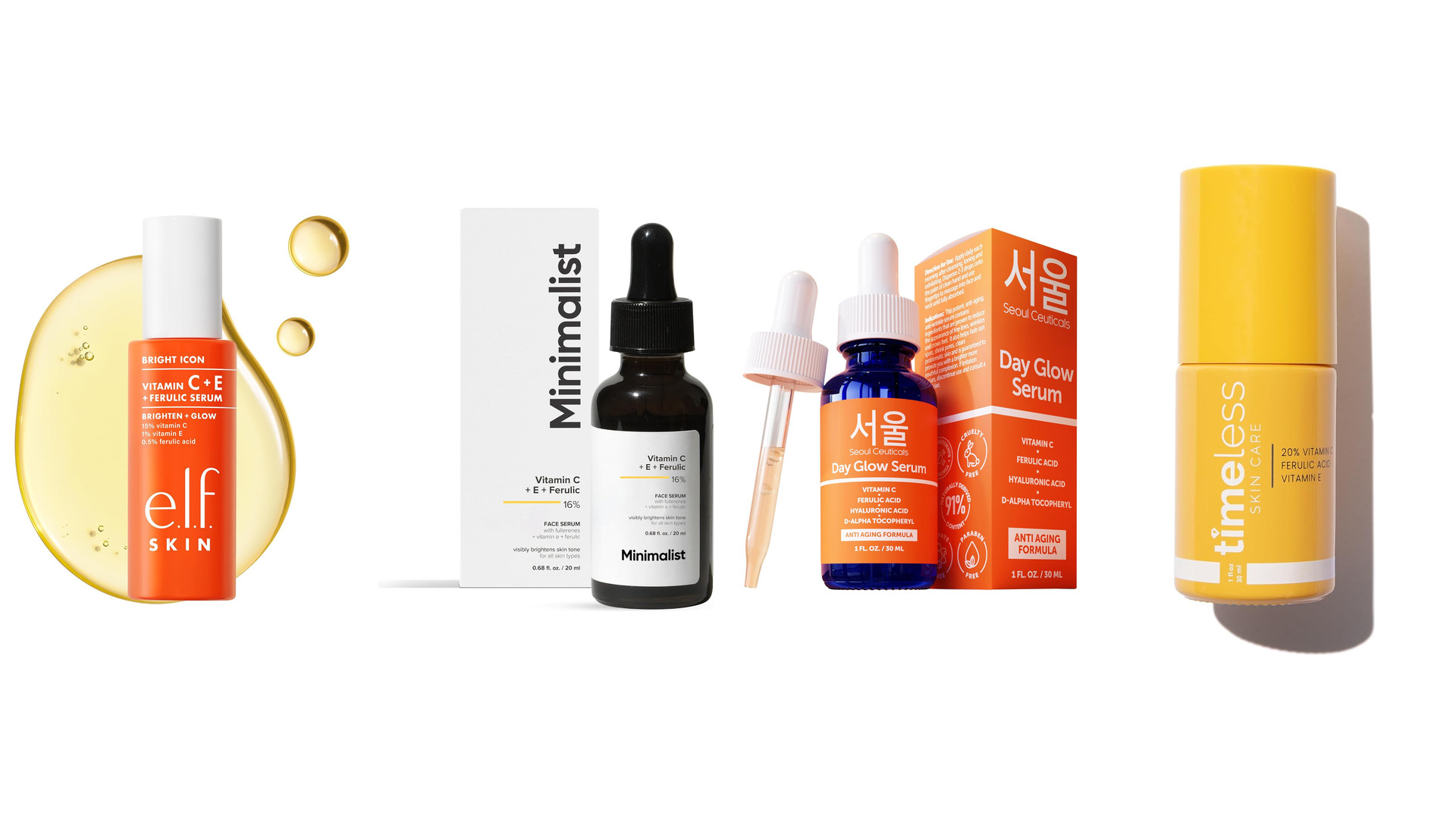
Ferulic acid is an antioxidant you wear in the morning. It mops up the damage sunlight and pollution do to skin, and it is almost always sold inside a vitamin C serum, which it keeps from going off. Hyaluronic acid holds water in the skin. One protects and the other hydrates, so they are not alternatives and most routines end up with both.
| The difference | Ferulic Acid | Hyaluronic Acid |
|---|---|---|
| What it does | Blocks damage before it happens | Holds water at the surface |
| What it is best at | Protecting, not repairing | Dull, dehydrated skin |
| What it feels like | Thin, and it can sting slightly | Light and slightly tacky |
| Cost | The vitamin C serums are pricey | Inexpensive |
Side by side
Ferulic Acid
Blocks damage before it happens
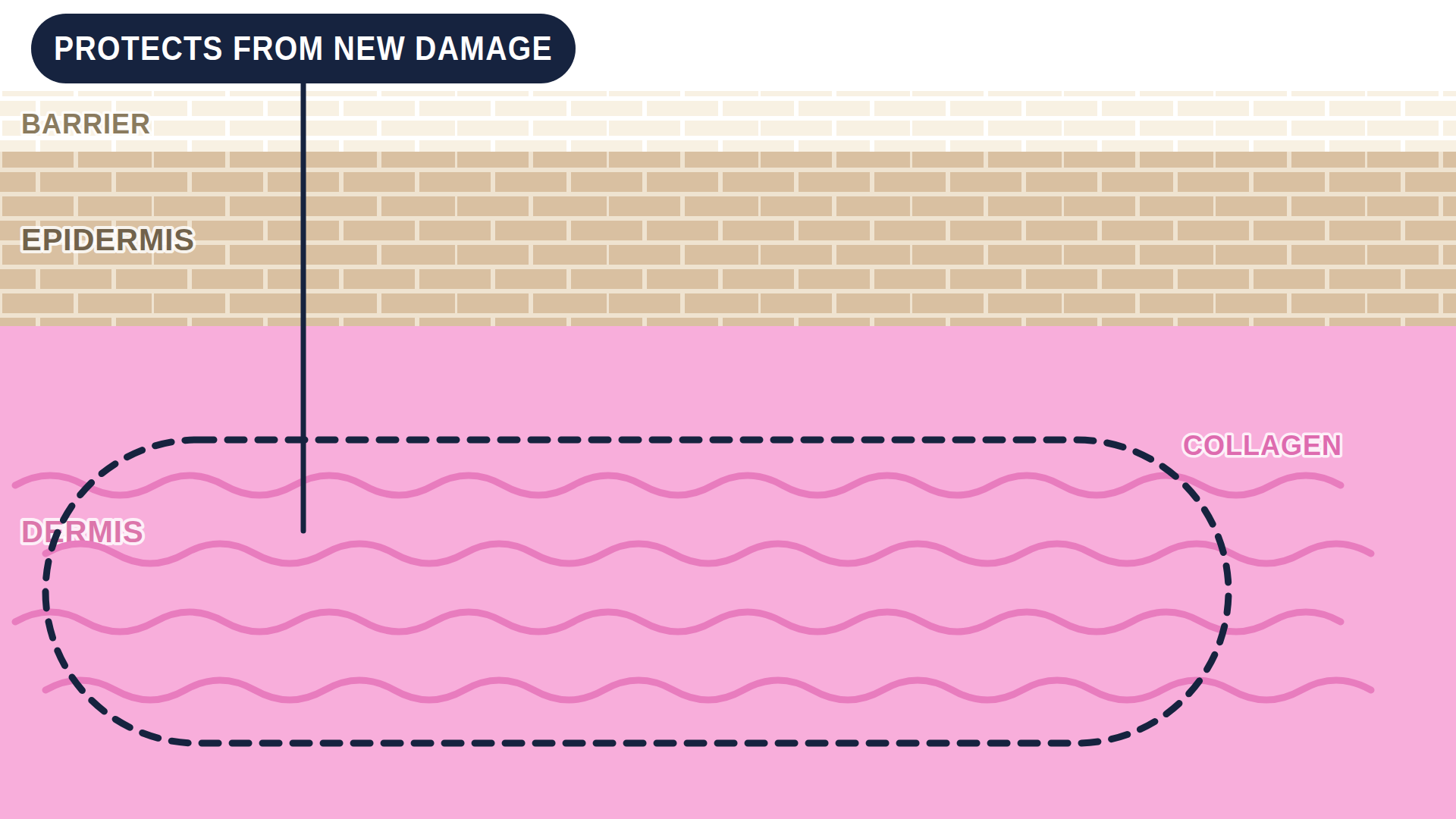
It neutralises free radicals, the unstable molecules that sunlight and pollution create in skin. It also stops vitamin C breaking down in the bottle.
Hyaluronic Acid
Holds water at the surface
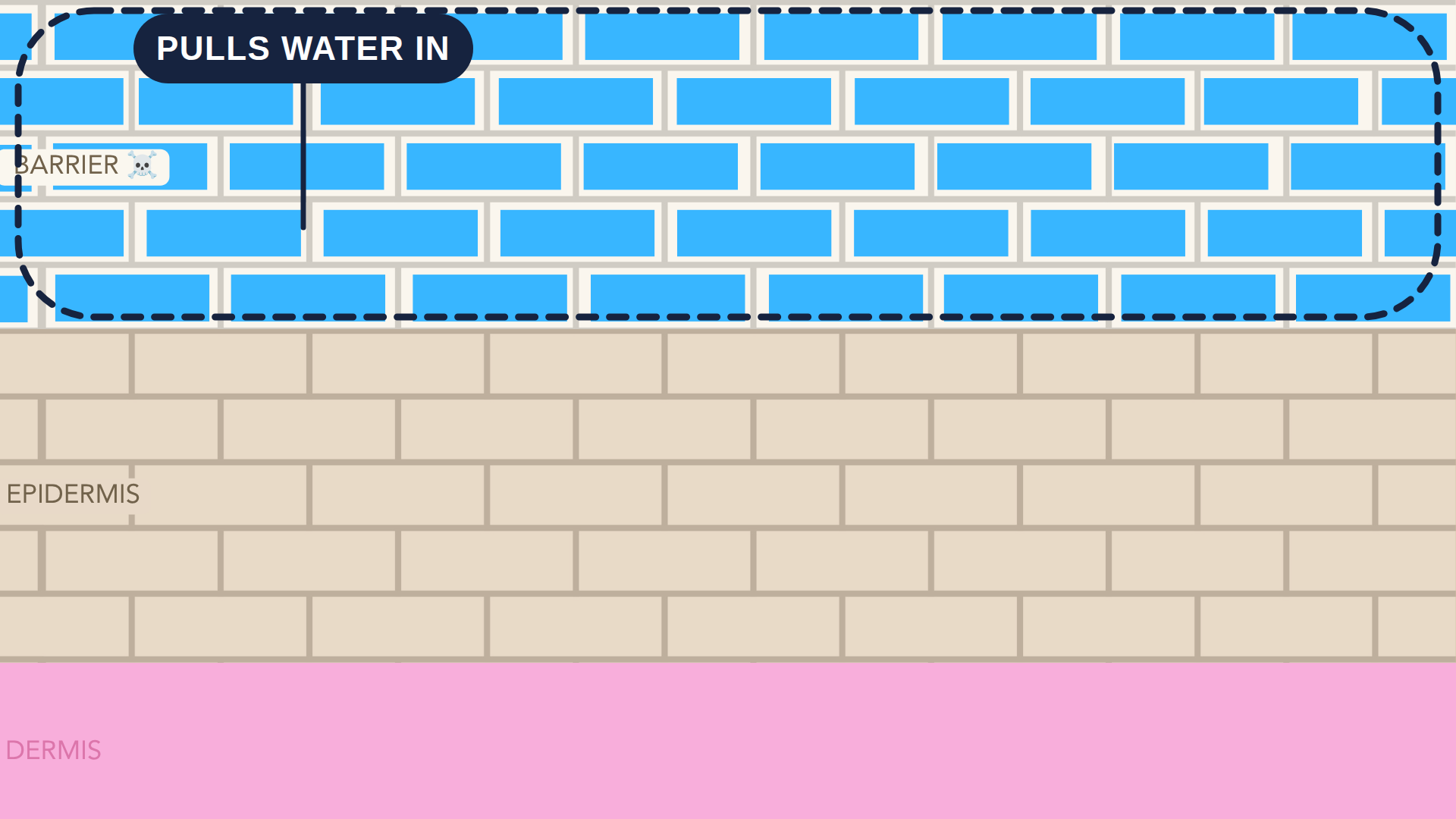
It is a humectant, meaning it binds water and keeps it in the outer layers of skin.
Ferulic Acid
Protecting, not repairing
It works best on damage that has not happened yet. It is a morning ingredient, worn under sunscreen.
Hyaluronic Acid
Dull, dehydrated skin
Skin that feels papery and looks flat. The change shows up within minutes.

Holds a great deal of water, which makes skin look plumper straight away, but it seals nothing. In dry indoor air or a cold winter it can pull water up out of the deeper skin and let it evaporate, leaving the surface tighter than before. It is only useful here applied to damp skin with a cream over the top.
Ferulic Acid
It will not hydrate
Ferulic acid has no moisturizing effect. On its own the serum can feel drying.
Hyaluronic Acid
It will not protect anything
Hyaluronic acid does nothing about sun damage, pigment or free radicals. It holds water.
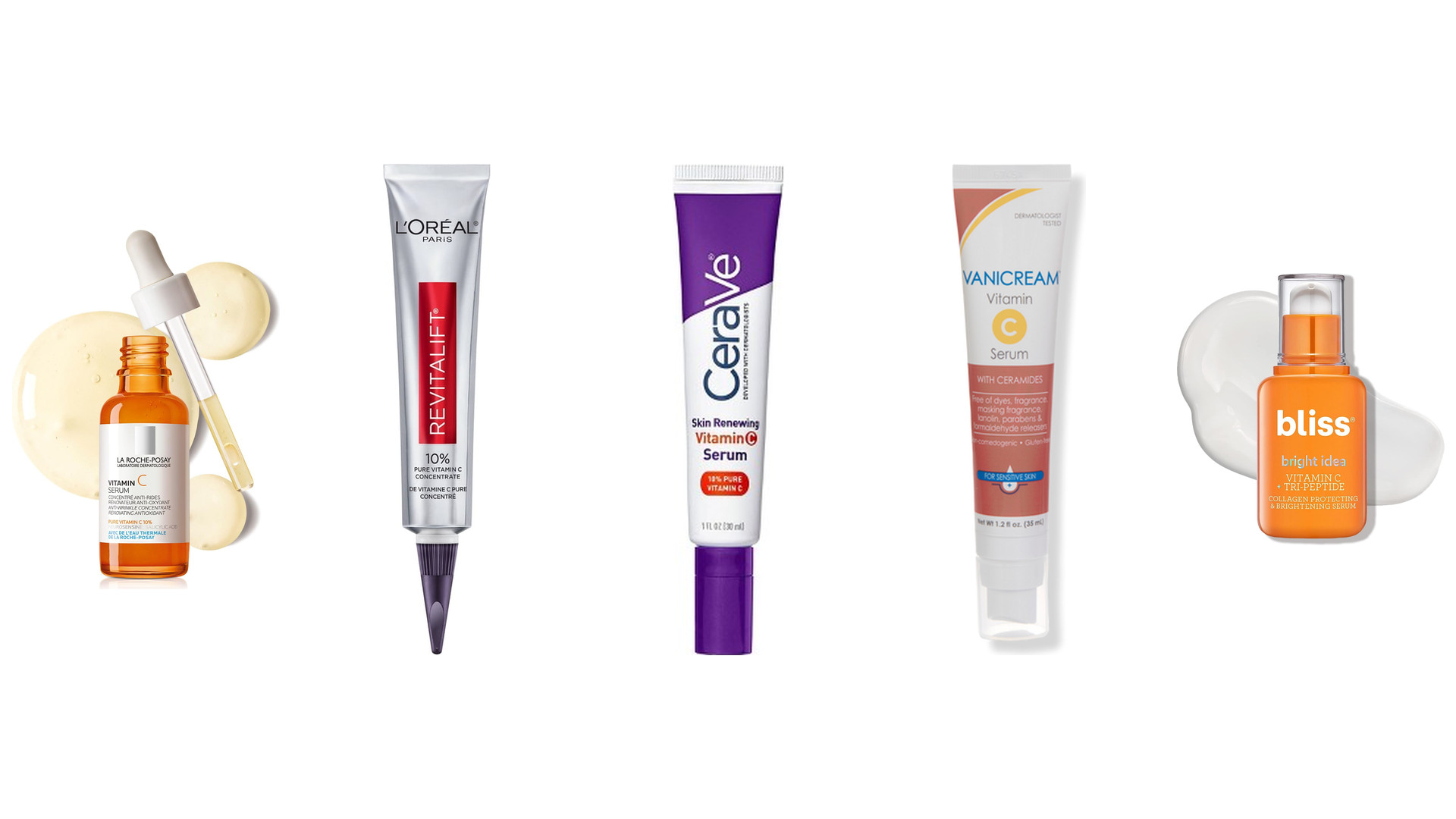
Strong evidence. The active ingredient in these serums and the one responsible for the visible results. Ferulic acid exists to keep it working.
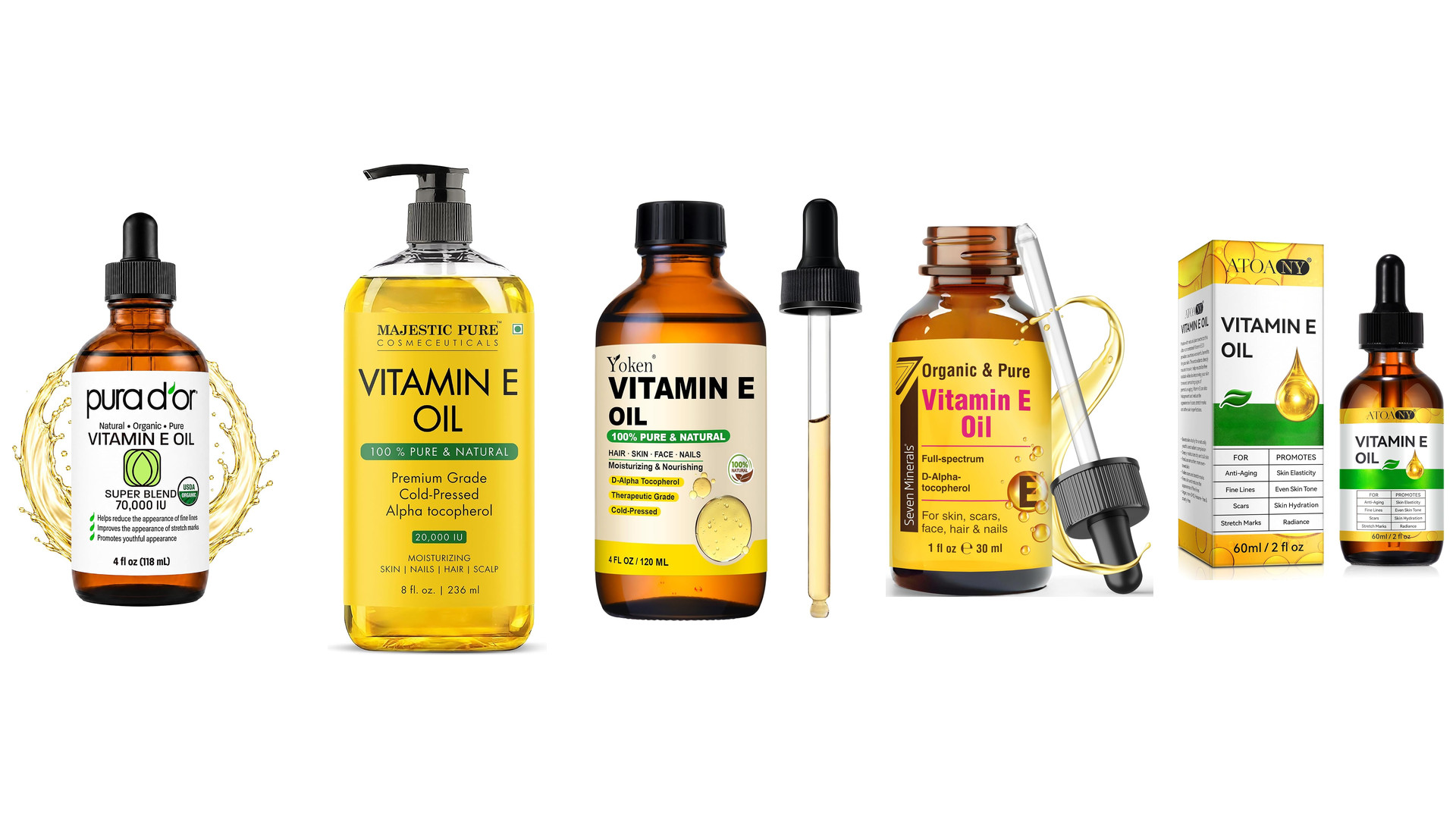
Moderate evidence in combination. Covers the fatty parts of the skin that vitamin C does not reach. The three together are better studied than any pair.
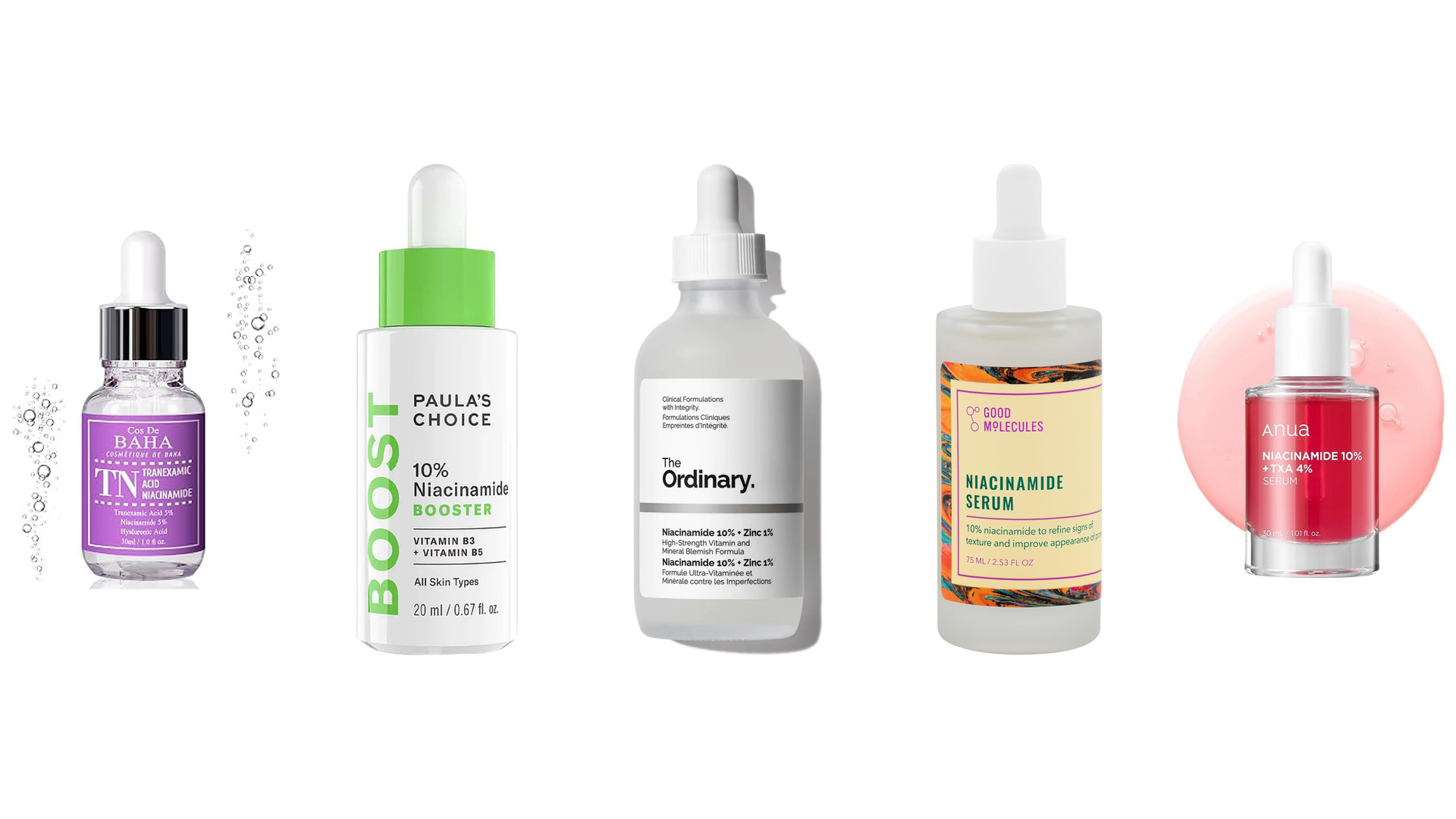
Moderate evidence. Better tolerated, water-soluble, and with more support for redness, oil and barrier repair. It does a different job rather than a competing one.

Strong evidence, and the comparison most people never make. It is a humectant that works the same way, costs far less, and holds up better in dry air. Hyaluronic acid feels more elegant on the skin.
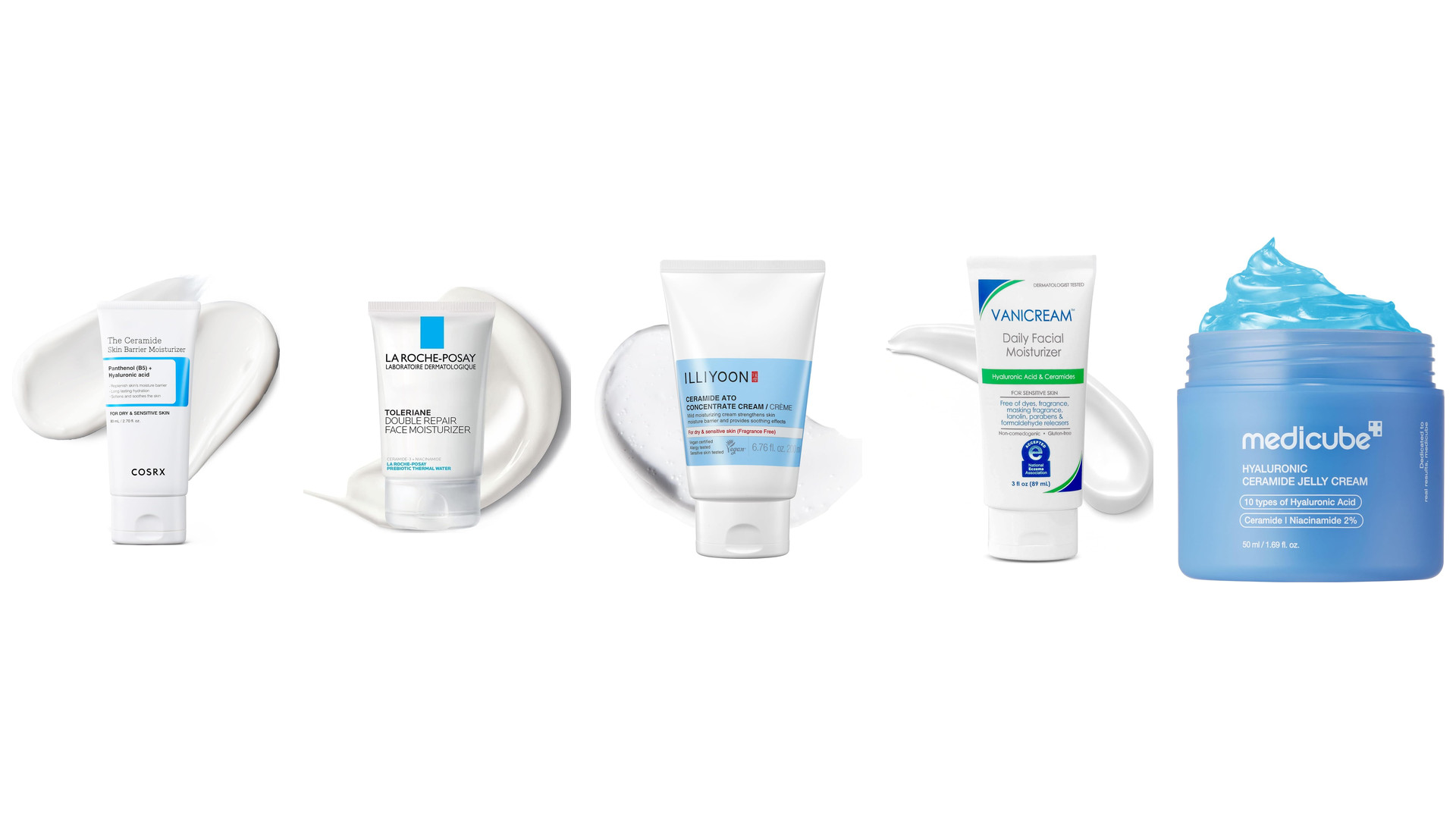
Strong evidence for barrier repair. They do the job hyaluronic acid cannot, by replacing the fats that hold water in. The two are complementary rather than competing.
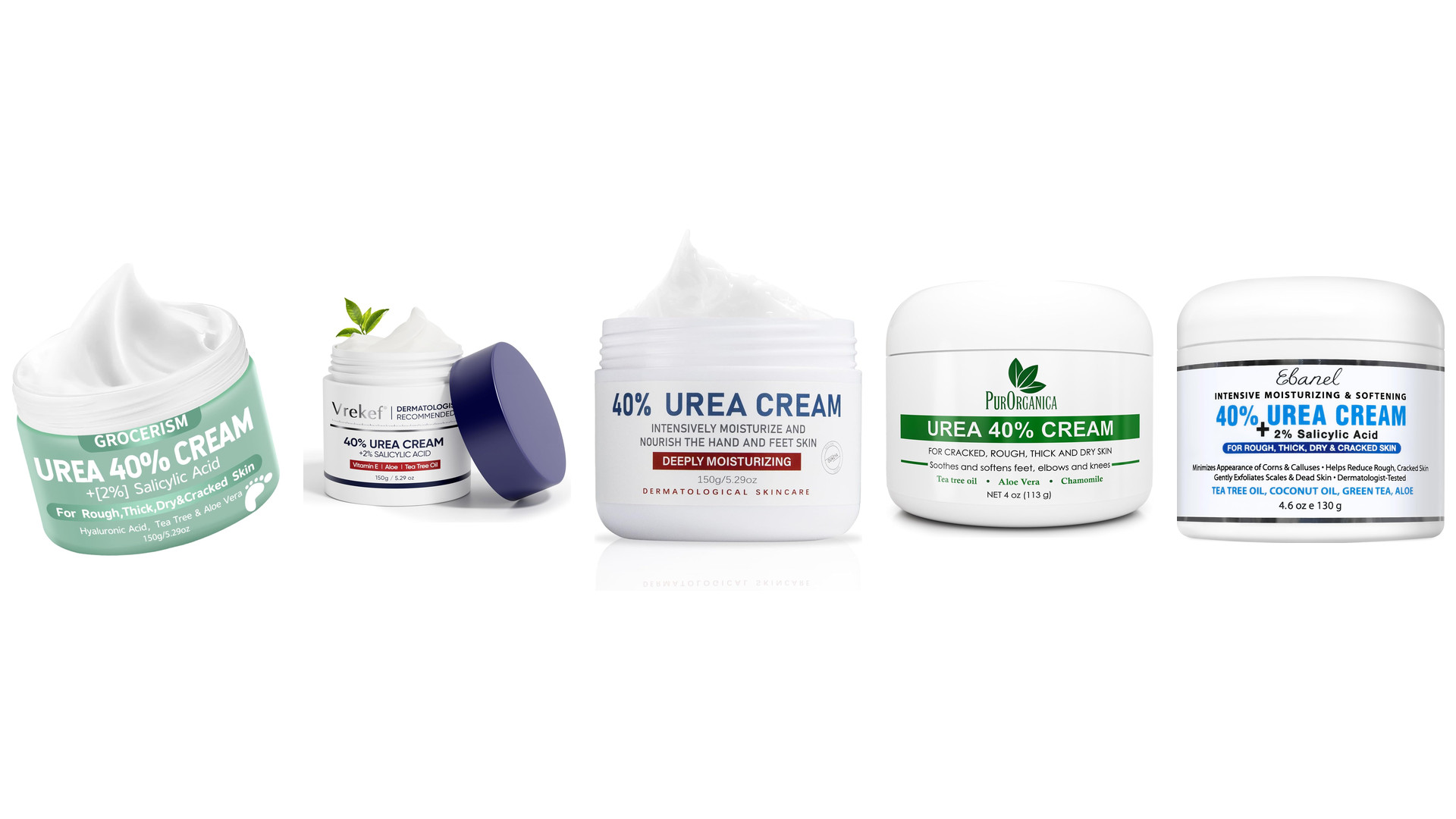
Strong evidence. Hydrates, and at higher concentrations softens rough, scaly skin. More useful for very dry skin, and it can sting on broken skin.
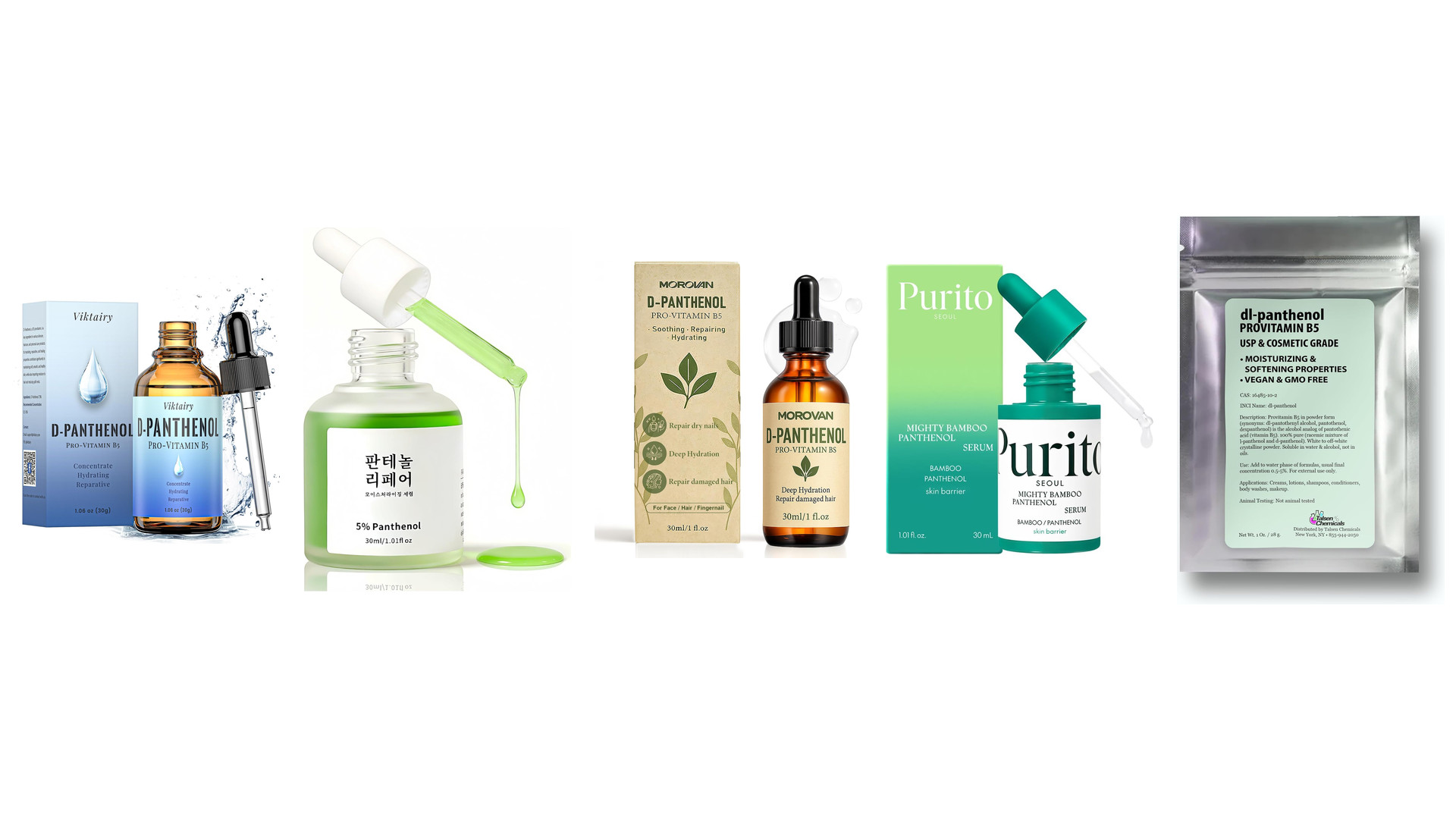
Moderate evidence. Soothing and hydrating, and widely used alongside hyaluronic acid rather than instead of it.
Ferulic Acid
You may never see one
Prevention is invisible by nature. Over years the point is what did not appear.
Hyaluronic Acid
The same day
Hydration is immediate, and it is short-lived, which is why it is reapplied daily.
Ferulic Acid
It is the stabiliser in the bottle
Vitamin C degrades quickly. Adding ferulic acid and vitamin E holds it together, and in lab testing that trio protected skin from sun damage far better than vitamin C alone.
Hyaluronic Acid
It is sold alone constantly
It is the most common single-ingredient serum on the shelf, and it also appears inside almost every moisturizer.
Ferulic Acid
Thin, and it can sting slightly
Vitamin C serums with ferulic acid often smell faintly of hot dogs as they age. That smell means the vitamin C is oxidising.
Hyaluronic Acid
Light and slightly tacky
It disappears in seconds under a moisturizer.
Ferulic Acid
It goes off
The serum turns yellow, then brown. Once it is dark it has lost most of its power, whatever the date on the box says.
Hyaluronic Acid
Almost none
One of the best-tolerated ingredients in skincare. In very dry air it can pull water out of the skin rather than in, so a moisturizer over it matters.
Ferulic Acid
The vitamin C serums are pricey
Ferulic acid itself is cheap. The formulas it comes in are among the more expensive things in a routine.
Hyaluronic Acid
Inexpensive
It is already in a large share of drugstore moisturizers and serums.
Ferulic Acid
Drugstore versions are real, if fresh
The ingredient is the same at any price. What you are paying for is a formula that stays stable and opaque packaging that keeps light out.
Hyaluronic Acid
Drugstore is the real thing
The serum on the shelf is the same molecule a clinic uses. The injected version is a filler placed under the skin to add volume, which no serum can do.
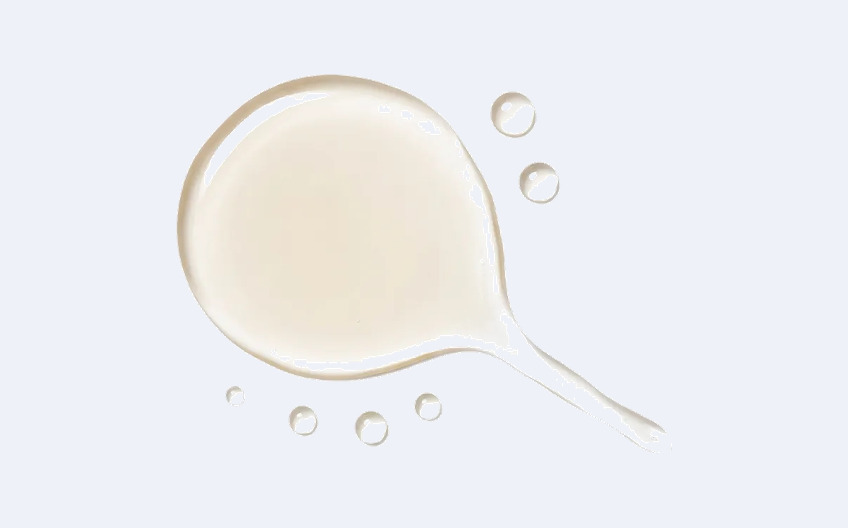
Ferulic acid with vitamin C and vitamin E, in a thin morning serum.
Ferulic acid on its own. Little to judge it by.
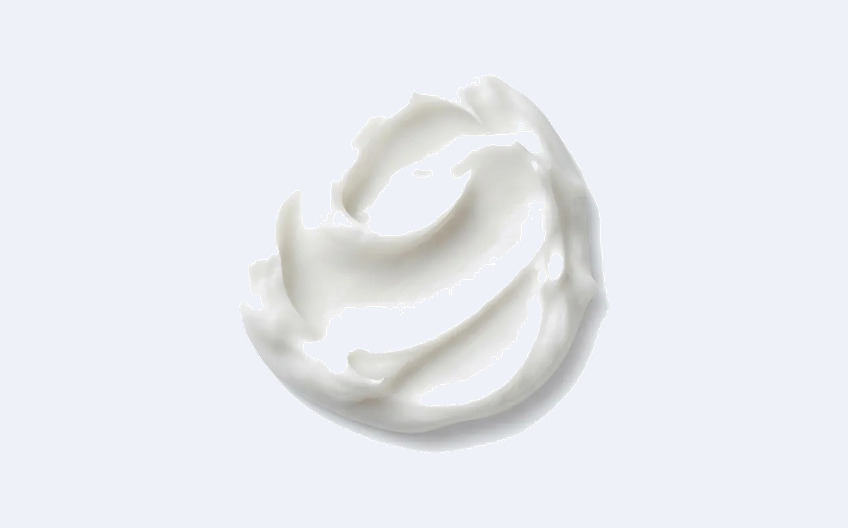
Added to help the filters hold up through the day. Not a reason to choose a bottle.
Partway down the list of a cream, protecting the formula as much as your skin.
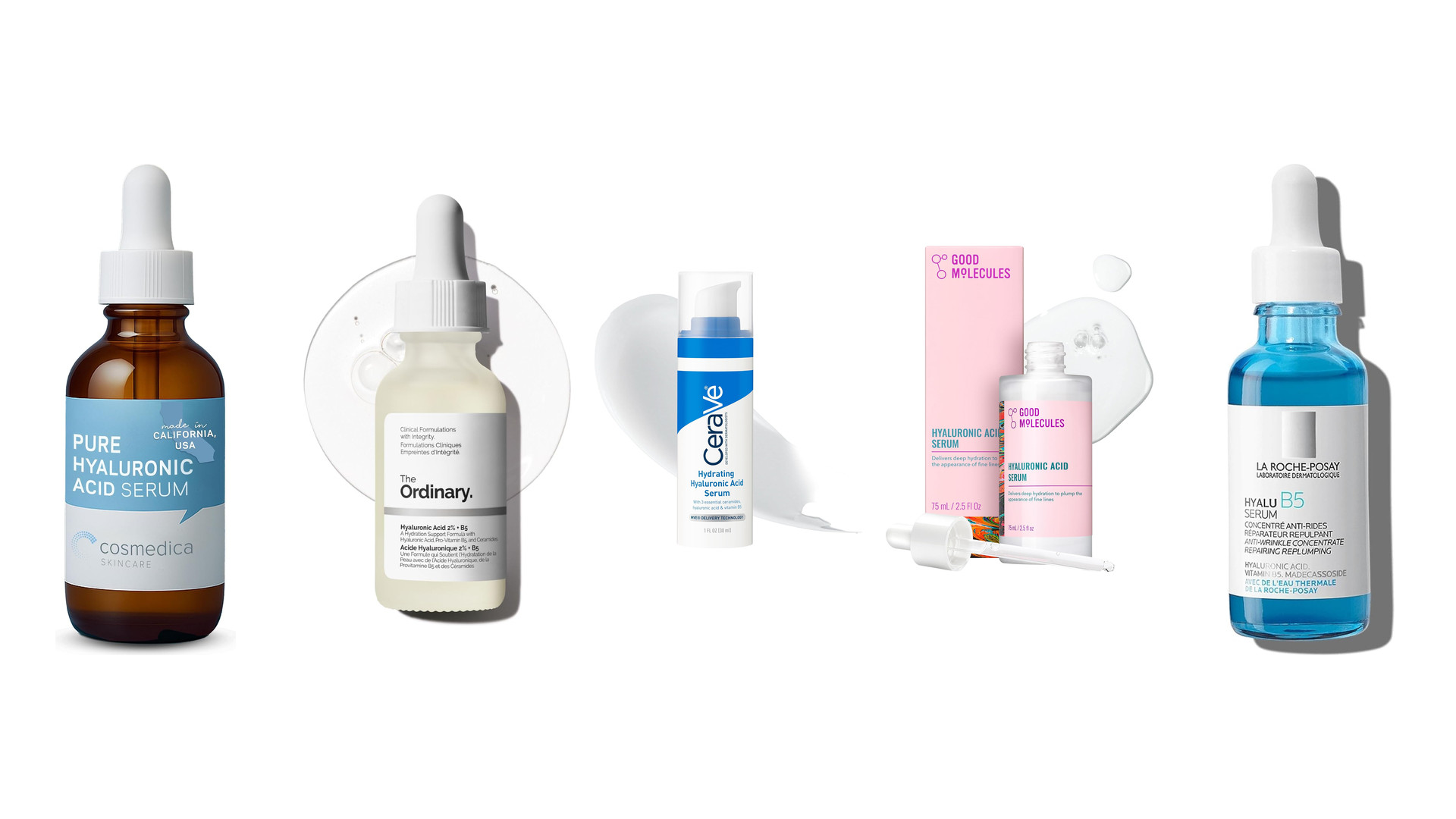
A few drops on damp skin, then moisturizer on top. Absorbs in seconds.
Hyaluronic acid plus the oils that hold it in. Does more than a serum alone.

Very watery, patted on. Wets the skin and adds humectant in one step.

Cool and weightless, with no oils at all. Enough hydration without a heavy finish.
Twenty minutes under a soaked layer. A pleasant top-up, not a routine.
Ferulic Acid
Hyaluronic Acid
Ferulic Acid
Ferulic acid is a shield. It sits in the skin and takes the hit from free radicals so your own cells do not. That is protection, and protection has no visible payoff on any given day.
Hyaluronic Acid
Hyaluronic acid is a sponge. It binds water and holds it near the surface, and the result is visible within minutes.
Ferulic Acid
Choose ferulic acid, in a vitamin C serum, if you want to slow visible ageing. It is a long game, and it is the closest thing to a preventive step in skincare after sunscreen.
Hyaluronic Acid
Choose hyaluronic acid if your skin looks dull and feels tight. That is dehydration, and it responds within days.
Hyaluronic Acid
Common questions
Yes. They do completely different jobs, so there is no conflict. Antioxidant serum first, then hyaluronic acid, then moisturizer and sunscreen.
Neither, because they are not alternatives. Ferulic acid protects skin from sun and pollution damage, while hyaluronic acid holds water in it.
No. It has no moisturizing effect at all, and the vitamin C serums it comes in can feel drying on their own.
Because it keeps vitamin C from breaking down, and the combination protects skin from sunlight better than vitamin C by itself.
Morning. It works by soaking up damage from sunlight and pollution during the day, so it belongs under your sunscreen.
Look at the colour. A fresh serum is clear or pale straw. Once it has turned yellow-brown, most of the vitamin C in it has oxidised.
Yes. Judge the complete formula, including fragrance and other active ingredients, rather than the ingredient name alone. Try a new product on a small area first, and stop using it if it causes a reaction.