Azelaic Acid
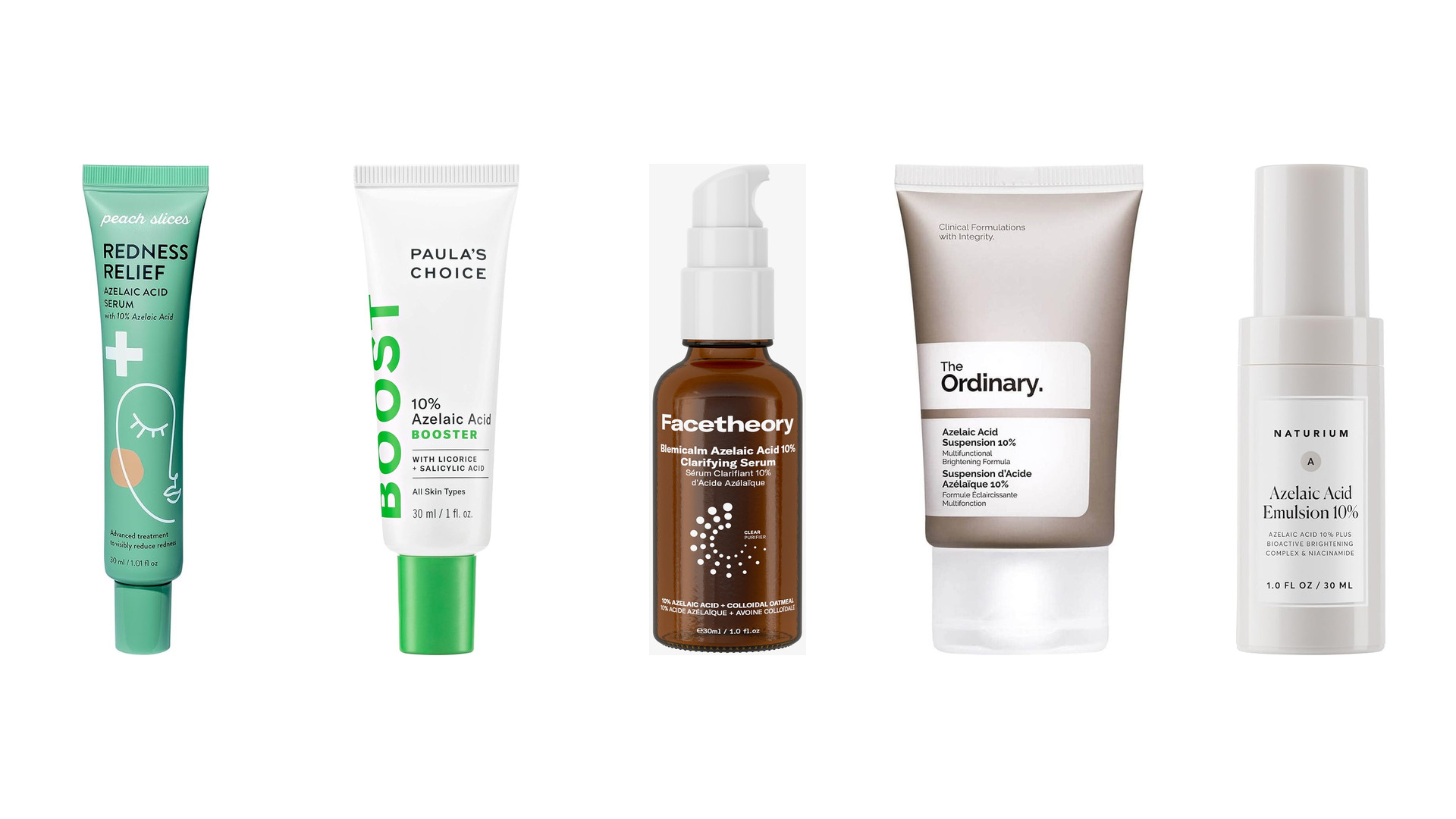
Azelaic acid is better for redness, dark marks and acne at the same time. It calms inflammation and slows pigment as it is being made, and it suits sensitive skin. Glycolic acid is better for rough texture and dullness. It lifts dead cells off the surface so skin looks smoother and brighter. They are not rivals — dermatologists often use one in the morning and the other at night.
| The difference | Azelaic Acid | Glycolic Acid |
|---|---|---|
| How long until it works | About 8 to 12 weeks | Two to four weeks for texture |
| Cost | Cheap over the counter, more by prescription | Inexpensive at home, more in clinic |

Side by side
Azelaic Acid
Thin layer, once or twice a day
A cream, gel or foam you smooth over the whole area, not just on spots. It layers under moisturizer and sunscreen.
Glycolic Acid
A few nights a week
A toner, serum or pad, usually at night. Some people use a stronger peel in a clinic every few weeks instead.
Azelaic Acid
Calmer skin and fewer dark marks
Less redness, fewer inflamed spots, and brown marks left by old spots fading. It is a steady, quiet change.
Glycolic Acid
Smoother, brighter skin
Softer texture, less dull surface, smaller-looking pores, and a gradual fade of surface discolouration.
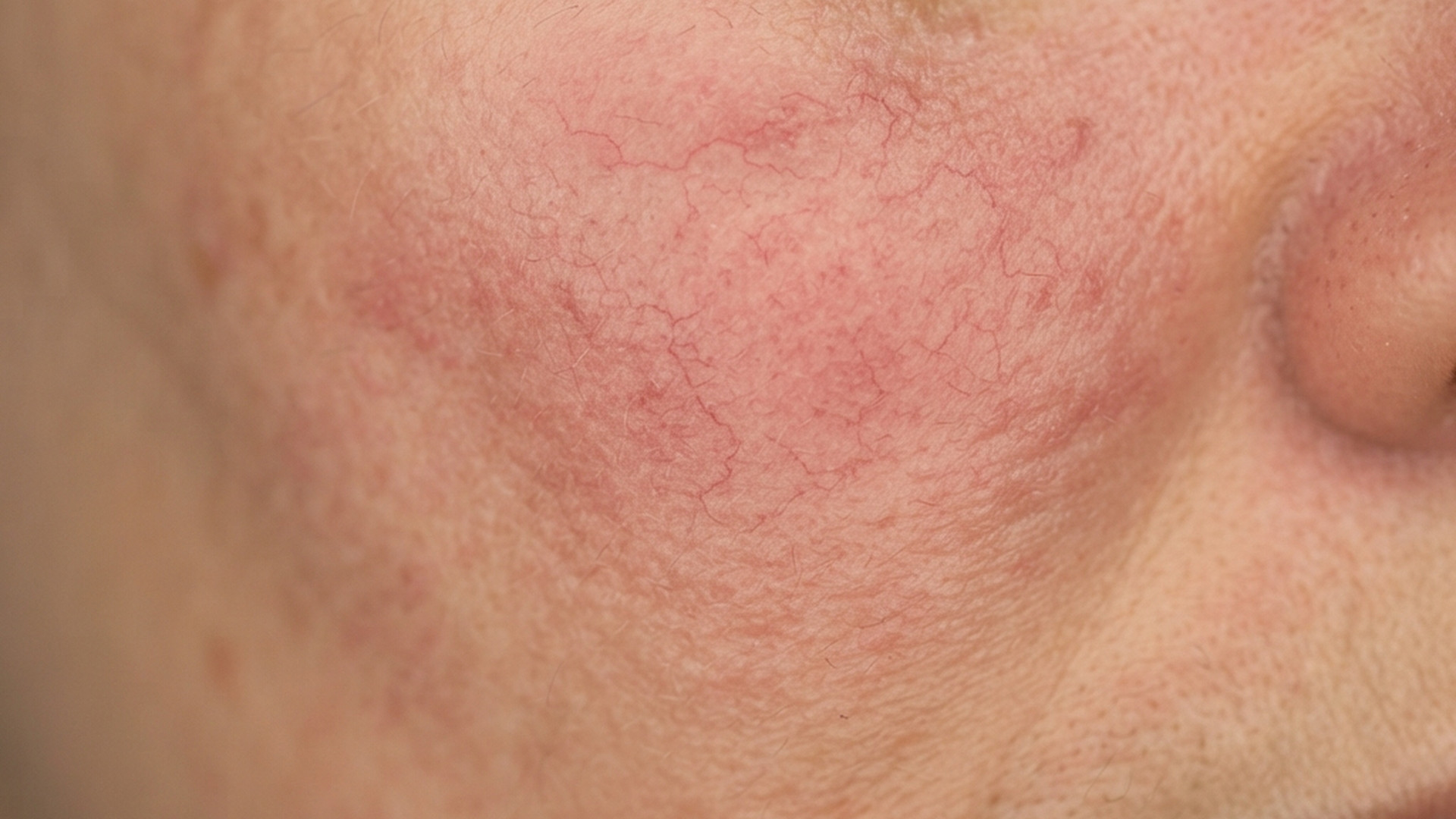
The one over-the-counter active with real evidence behind it in rosacea. At 10 percent it reduces the bumps and some of the redness, and it is better tolerated by reactive skin than acids or retinoids. Start every other night over moisturizer. The 15 percent prescription gel works better if this is not enough.

The best all-rounder here, because it calms inflammation and quietens overactive pigment cells at the same time, which means it treats the marks and the acne producing them. It is gentle enough to use for the many months this takes, and it suits deeper skin tones well. Expect slow, steady lightening rather than a quick change.
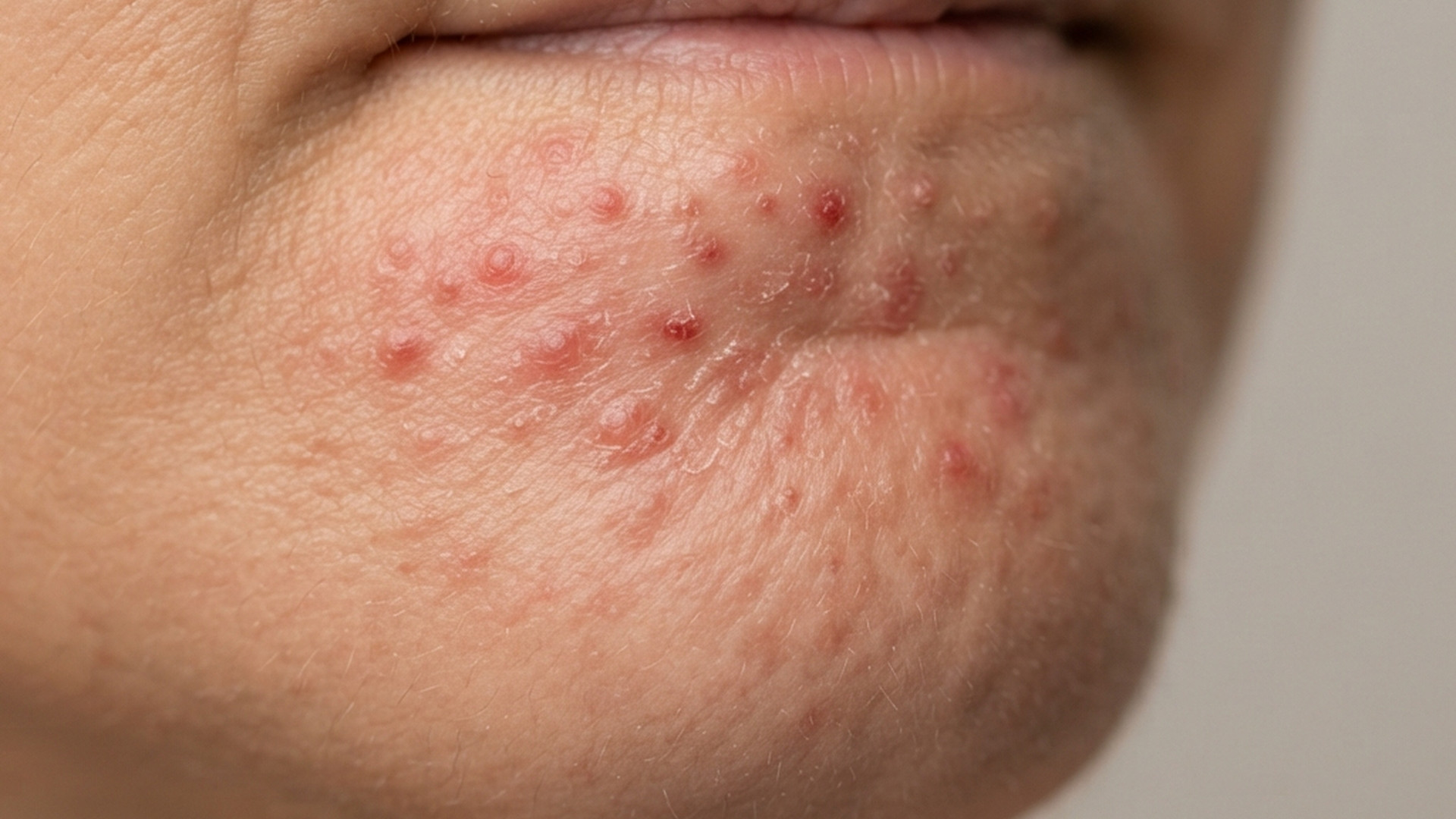
The one over-the-counter active worth using here. At 10 percent it calms the bumps and, unusually, also helps the dark marks the rash leaves behind. It is slower than the prescription version and it can sting on skin that is already burning, so start every other night.

Calms overactive pigment cells without bleaching the normal skin around them, which is why it can be used for months at a time instead of in short courses. That makes it one of the better options for holding a result after a course of hydroquinone. The over-the-counter strength works slowly, and the prescription strength works better.
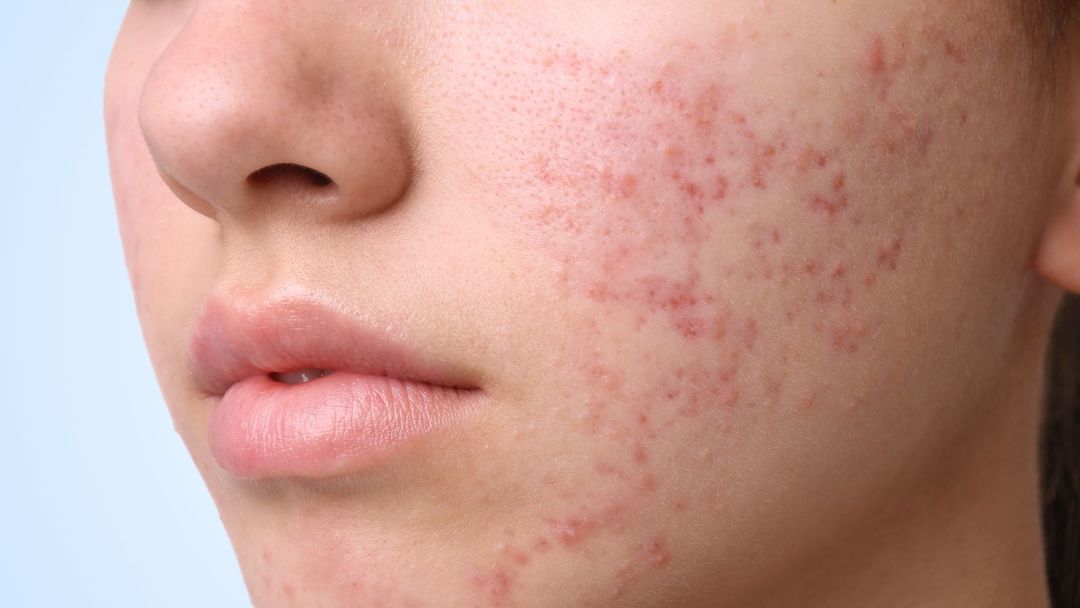
One of the few over-the-counter ingredients that acts on redness rather than pigment, calming inflammation while also treating the acne behind it. It is gentle enough to use twice a day for the many months this takes. Expect it to take the heat out of the marks gradually rather than clear them.
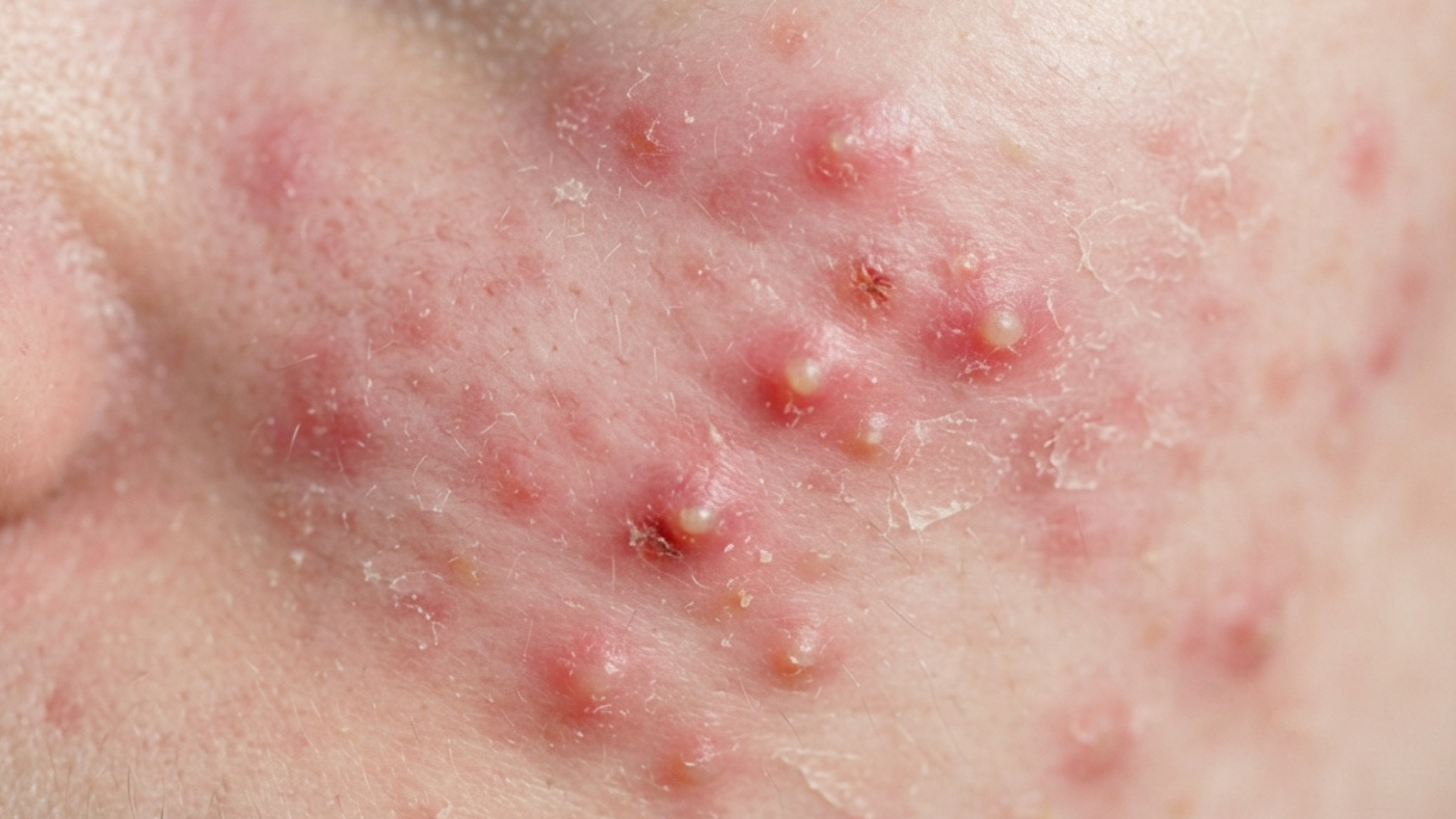
Works on the spot and the mark it leaves at the same time, which makes it useful on deeper skin tones. It is also one of the few acne treatments considered safe in pregnancy.

A gentler alternative to hydroquinone for brown circles, and one that can be used long-term without a break. It suits deeper skin tones well because it does not carry the risk of the blue-gray darkening that comes with continuous hydroquinone. It works slowly, and it only ever works on pigment.

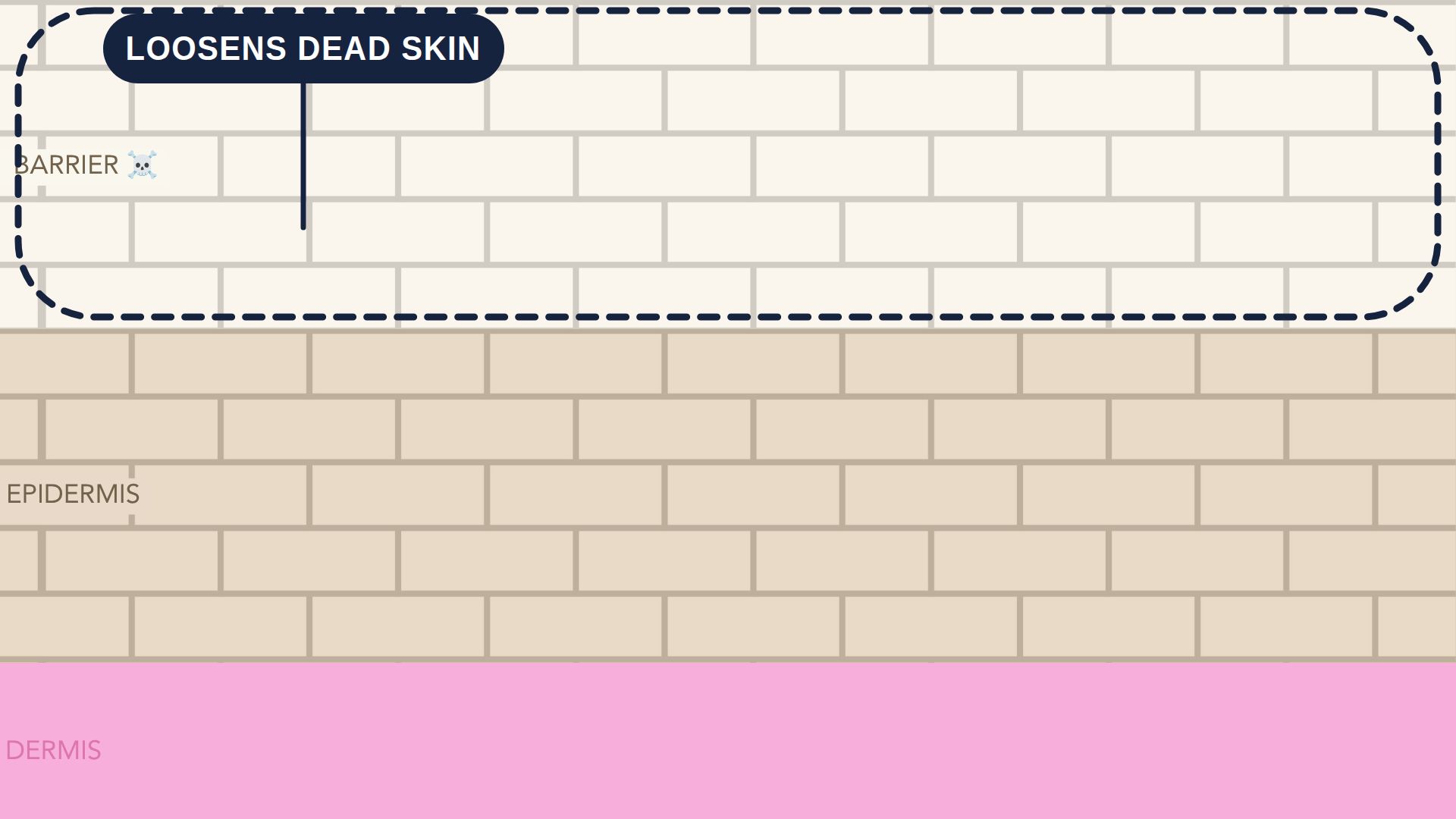
Loosens the pigmented cells at the surface so they shed sooner, which lifts a little color out of a spot over months. It works better as the thing that helps a lightening cream get in than as a treatment on its own. Used too often it leaves skin irritated and more sun-sensitive, which on this page is exactly the wrong direction.
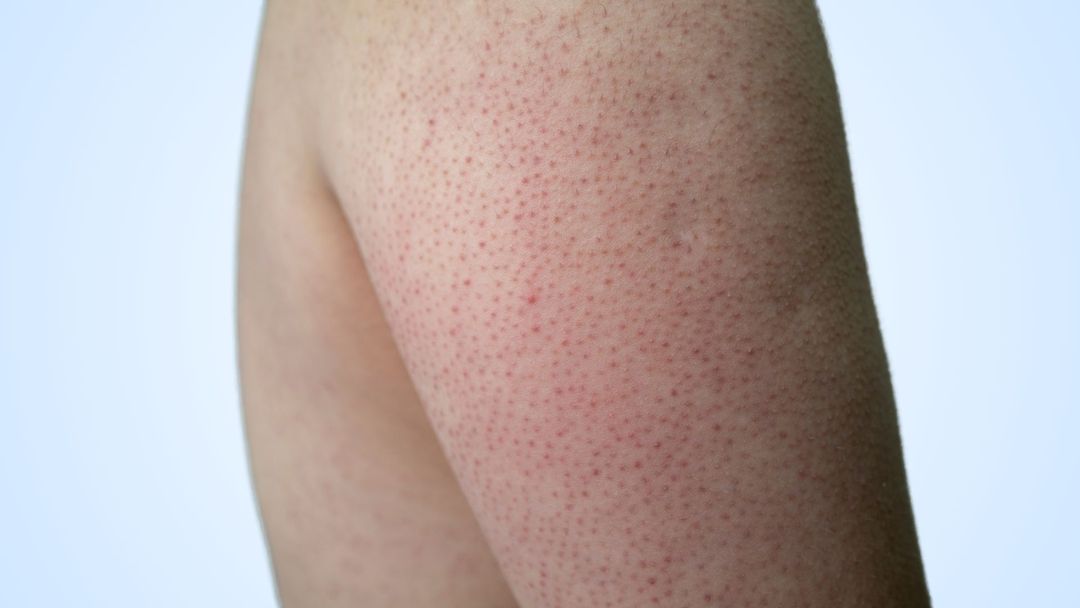
Loosens the dead cells stuck at the surface, which smooths the skin around the bumps. It is the most likely of the acids to sting and to leave the skin pink, so it suits the arms and thighs better than the cheeks. On deeper skin tones, build up slowly, because irritation is what leaves the dark marks.

Regular low-strength use smooths surface texture and softens fine lines, and it helps the dull, uneven look that goes with them. It reaches the outer layers only, so deeper creases and folds are untouched. Used on the same nights as a retinoid it usually causes more irritation than either is worth, so alternate them.
Loosens the pigmented cells at the surface so they shed sooner, which helps brown marks more than gray ones. A low-strength product two or three nights a week is plenty. Stacking it with a retinoid on the same night is the classic way people end up red and peeling, which adds inflammation and slows everything down.
Azelaic Acid
It will not exfoliate
It does not smooth rough texture the way an acid does, and it does very little for fine lines.
Glycolic Acid
It will not calm redness
Glycolic acid does not treat rosacea or inflammation. On reactive skin it can make redness worse.

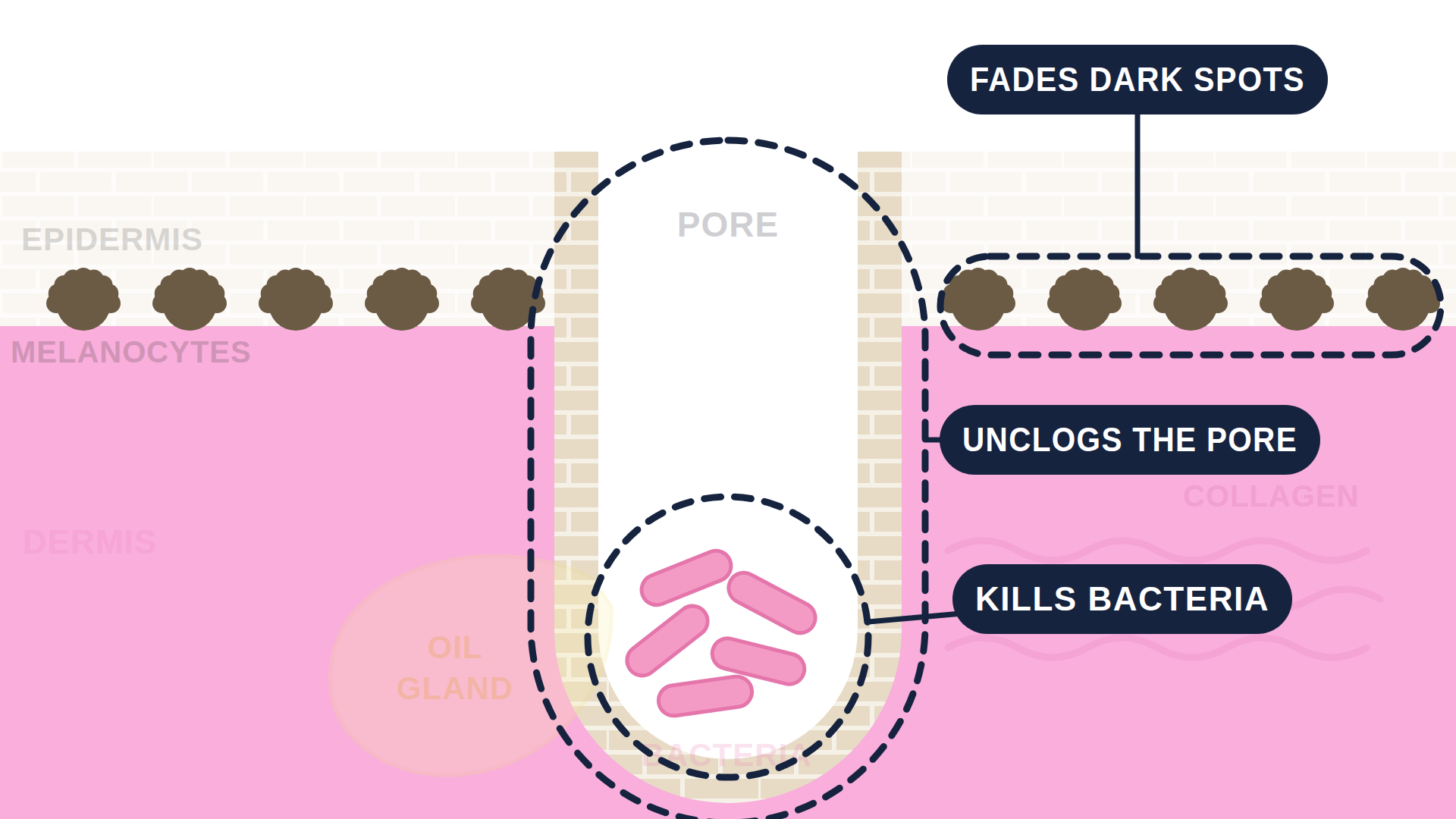
It clears the blockage and kills the bacterium, which is why it is useful when a retinoid alone is not enough.
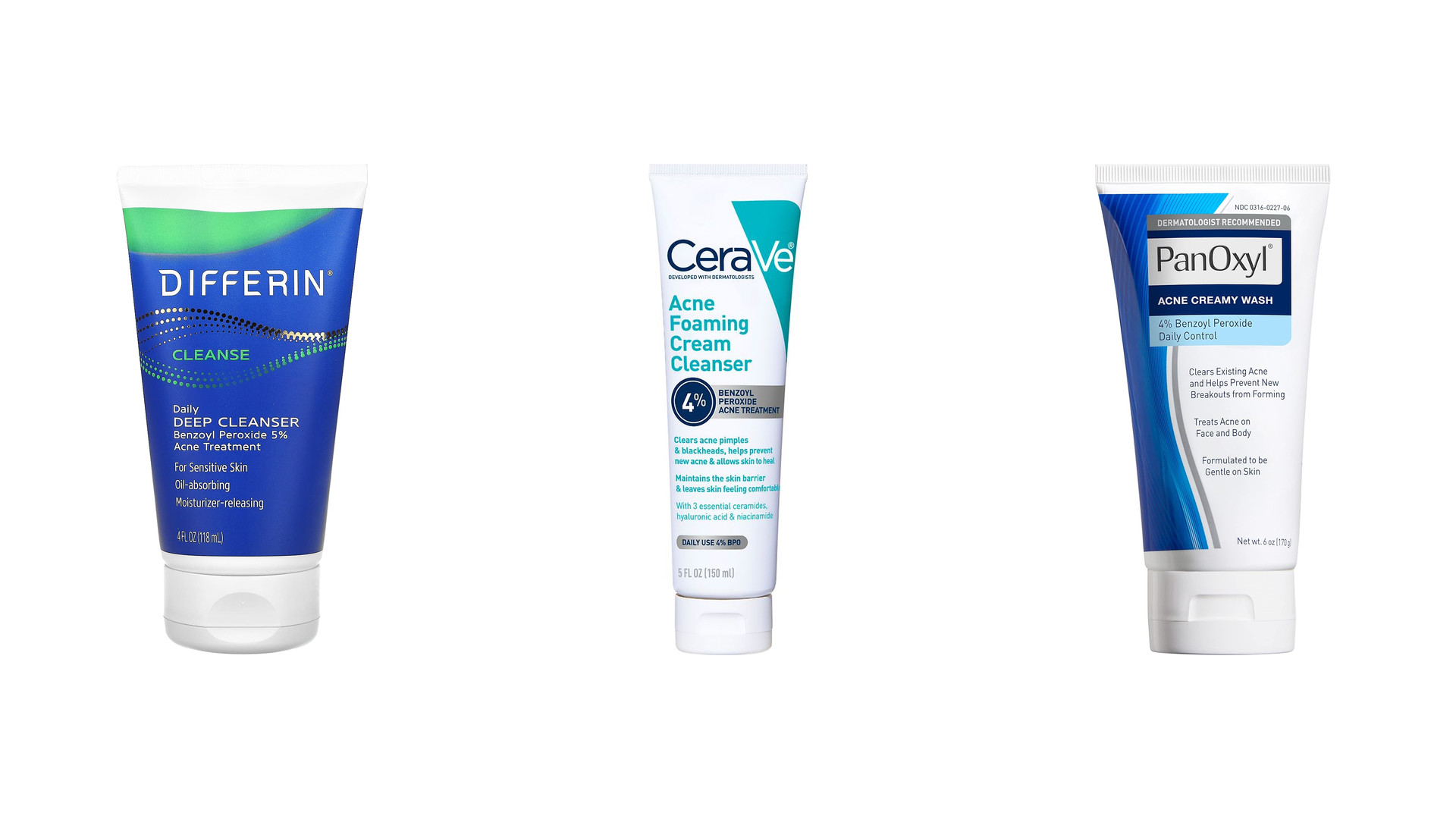
Strong evidence. Faster on inflamed spots. Azelaic acid is gentler and also treats the dark marks acne leaves behind.
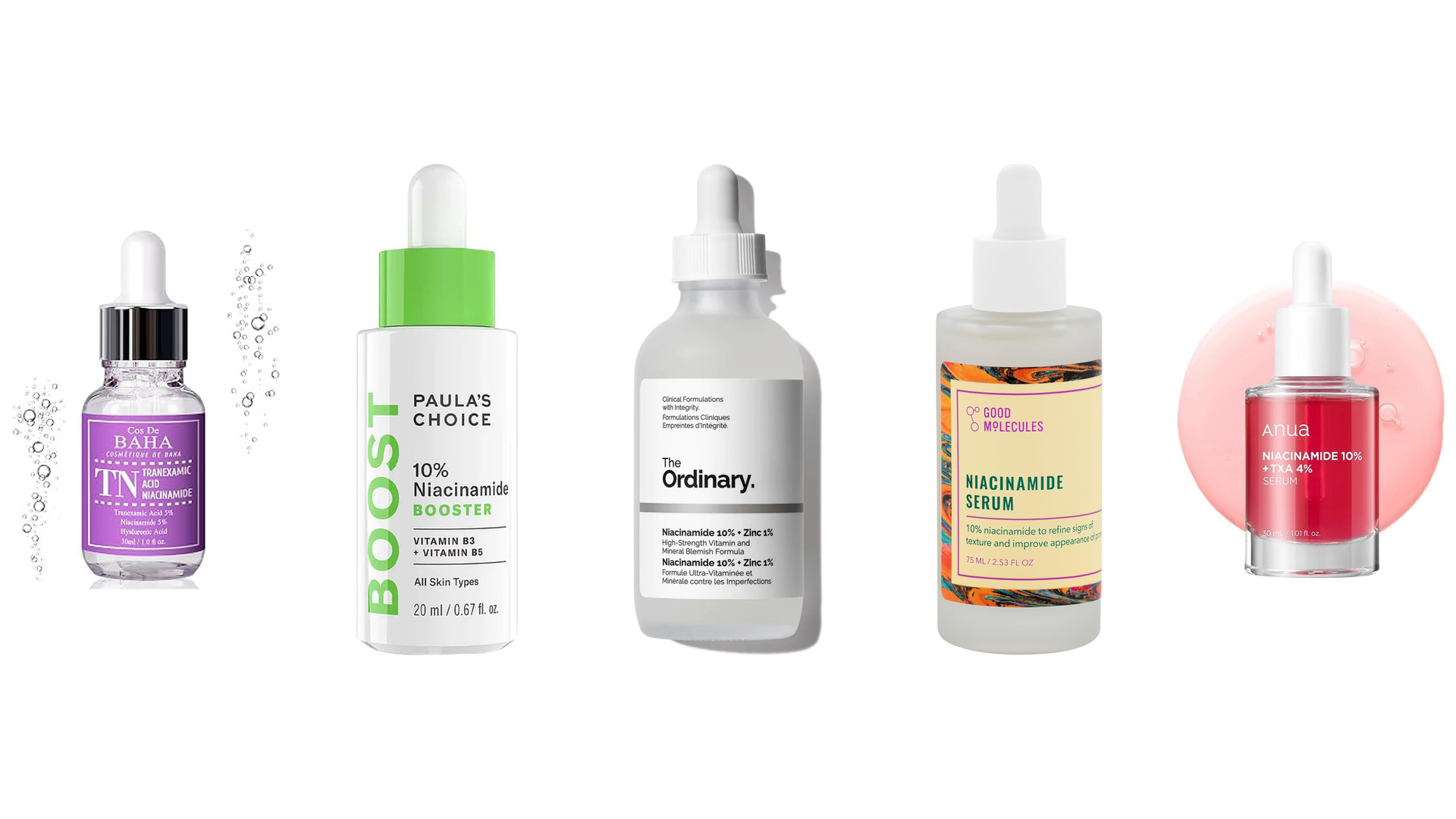
Limited evidence. Much milder and easier to tolerate, but it does far less on active acne.
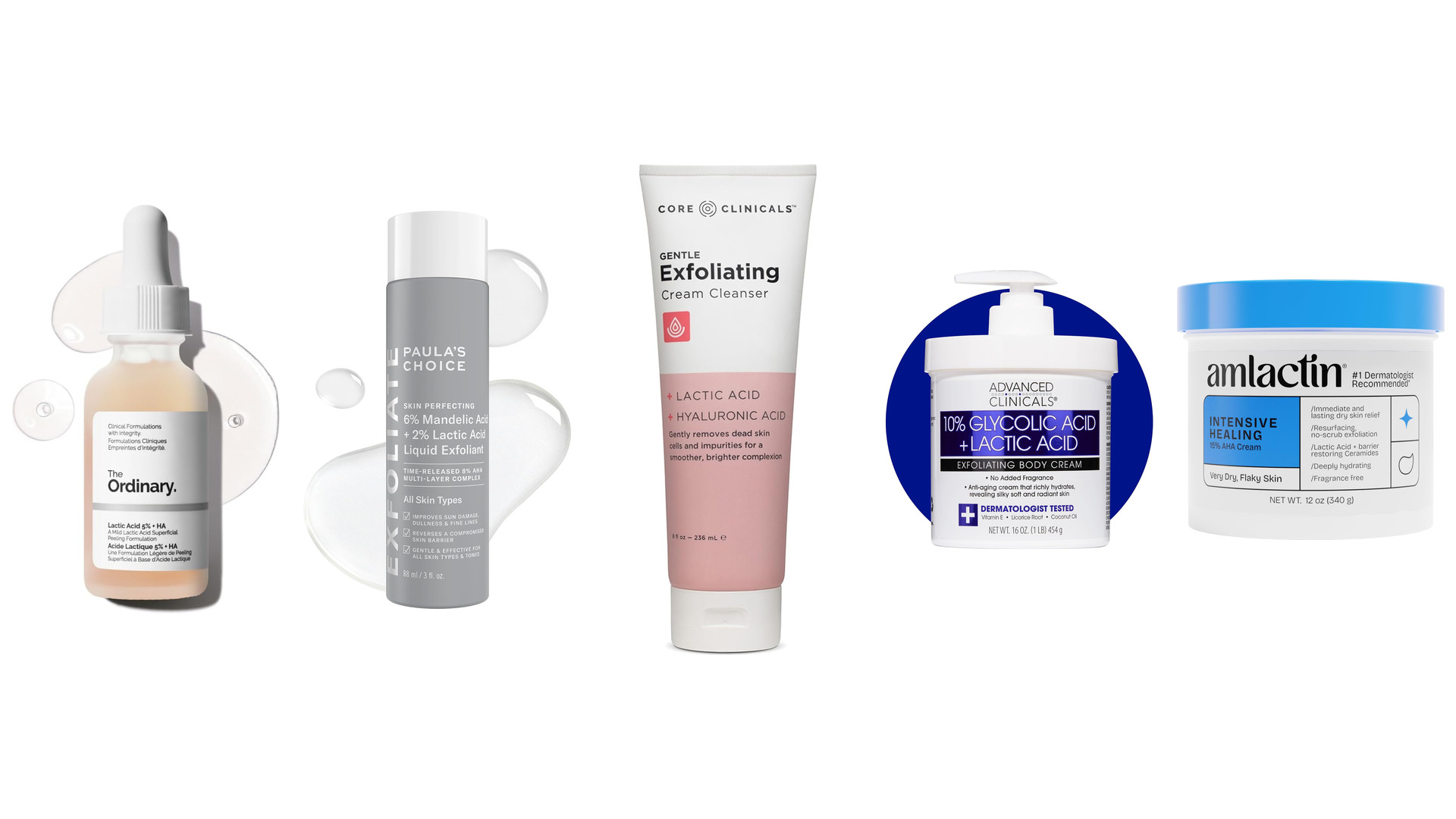
Strong evidence. A larger molecule, so it works more slowly and stings less, and it holds water in the skin while it exfoliates. Glycolic acid acts faster on rough texture.
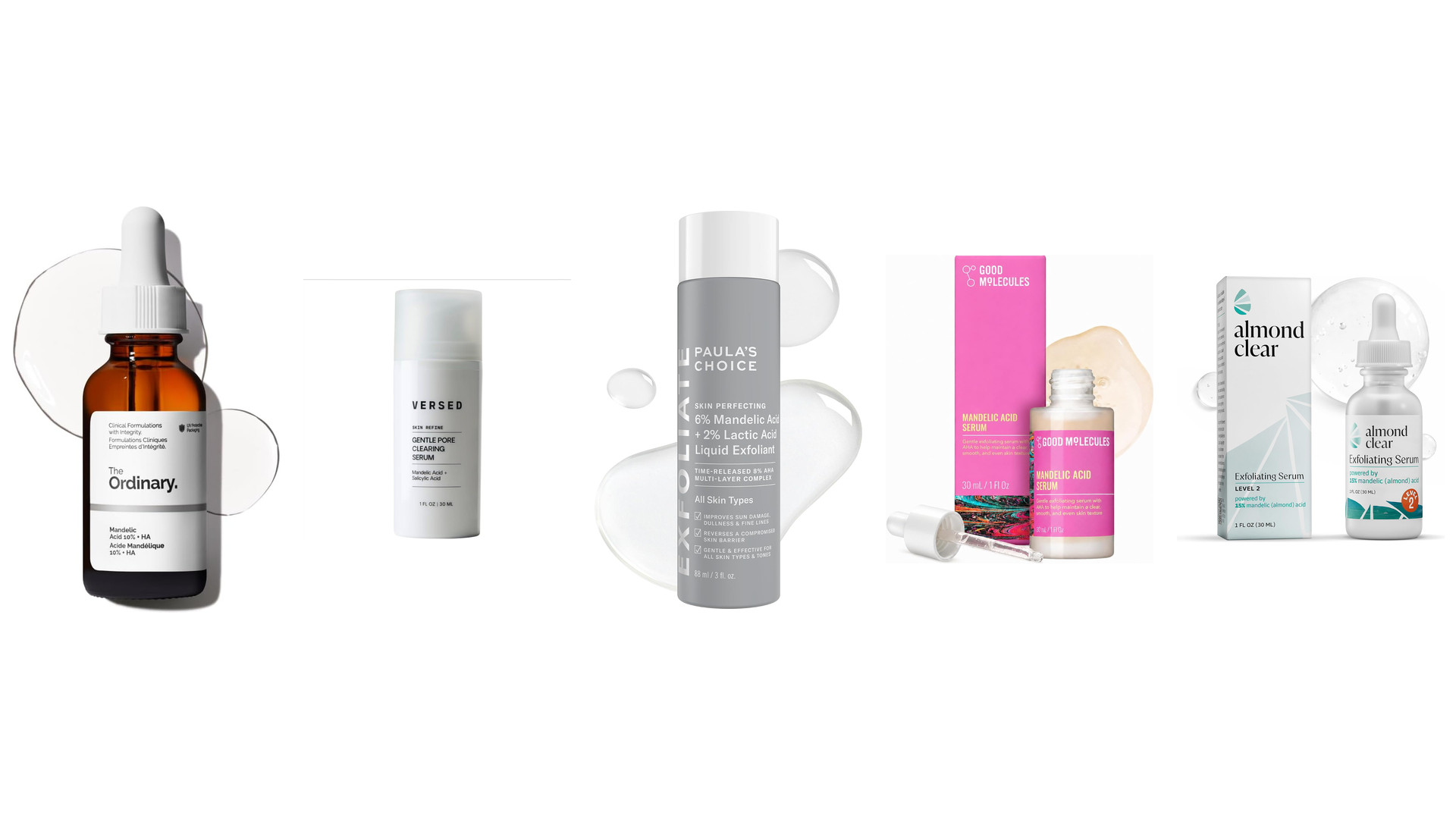
Limited evidence. The gentlest of the common AHAs and less likely to irritate skin into making dark marks. It is slower, and much less studied.
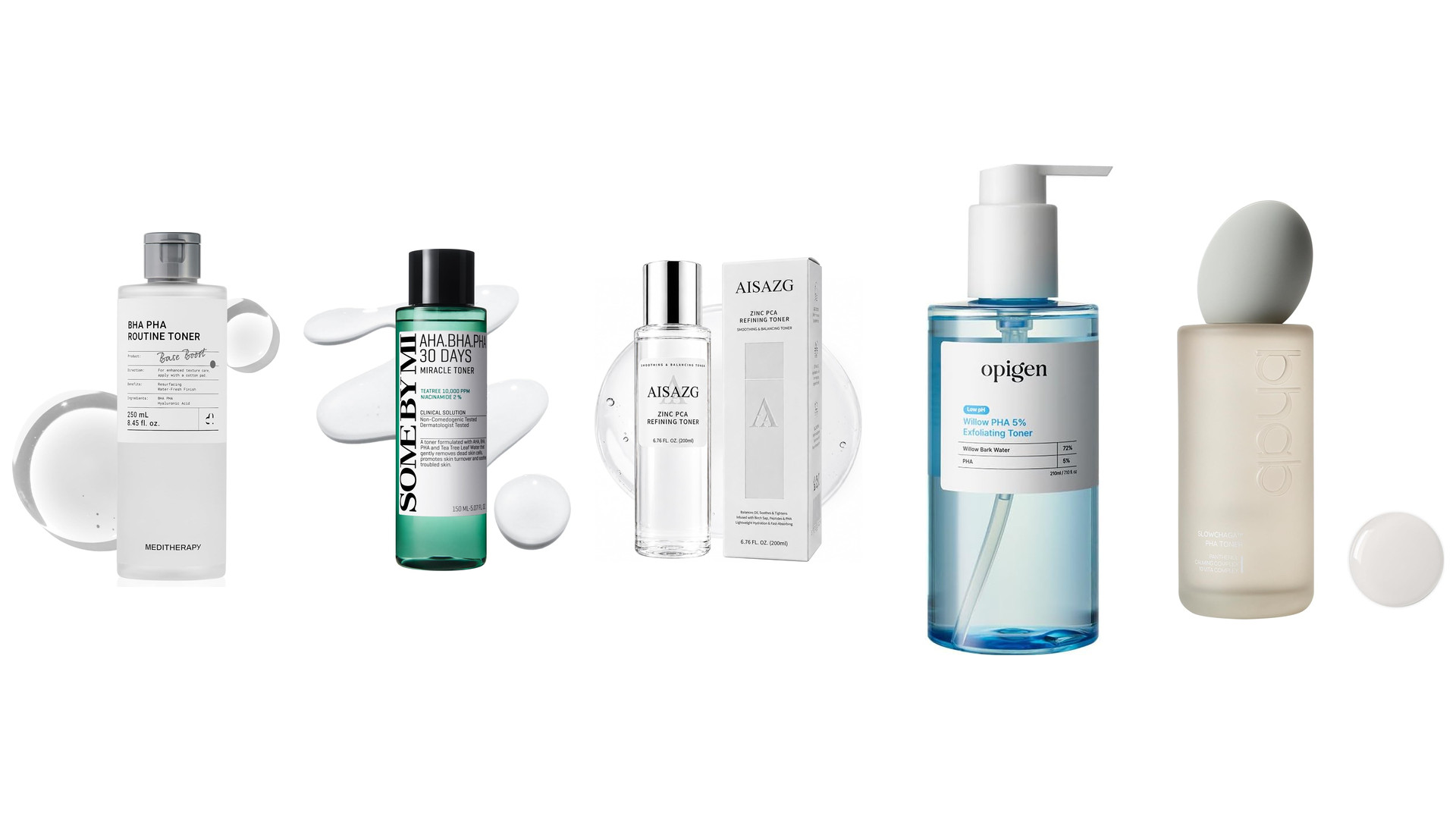
Limited evidence. Considerably gentler, hydrating, and they have not been shown to increase sun sensitivity. They also do less, more slowly.

Strong evidence. Oil-soluble, so it works inside the pore, which makes it a better fit for blackheads and acne. Glycolic acid does more for surface tone and texture.
Azelaic Acid
About 8 to 12 weeks
Spots improve first. Pigment takes longer, because you are waiting for marked skin to be replaced.
Glycolic Acid
Two to four weeks for texture
Brightness comes early. Discolouration takes months.
Azelaic Acid
As long as you keep using it
Stopping lets the redness and spots drift back over a few months.
Glycolic Acid
As long as you keep using it
Skin returns to its usual turnover once you stop.
Azelaic Acid
Tingling and dryness early on
A mild stinging or itching in the first couple of weeks is common and usually settles. Some gels feel gritty.
Glycolic Acid
Stinging and sun sensitivity
It can sting on application, and it makes skin more sensitive to sun. Daily sunscreen is not optional with an AHA.
Azelaic Acid
Cheap over the counter, more by prescription
Drugstore versions are inexpensive. The prescription strength costs more and may be covered by insurance for acne or rosacea.
Glycolic Acid
Inexpensive at home, more in clinic
Drugstore serums and toners are cheap. A course of in-clinic peels costs considerably more.
Azelaic Acid
A milder version of the same thing
The over-the-counter azelaic acid is genuinely the same ingredient at a lower strength. It works, just more slowly. The prescription version is the one used for rosacea and stubborn pigment.
Glycolic Acid
Also the same thing, weaker
Drugstore glycolic acid works at the surface. A clinic peel is the same acid, stronger and buffered differently, so it reaches deeper and works faster — with a few days of flaking as the trade.
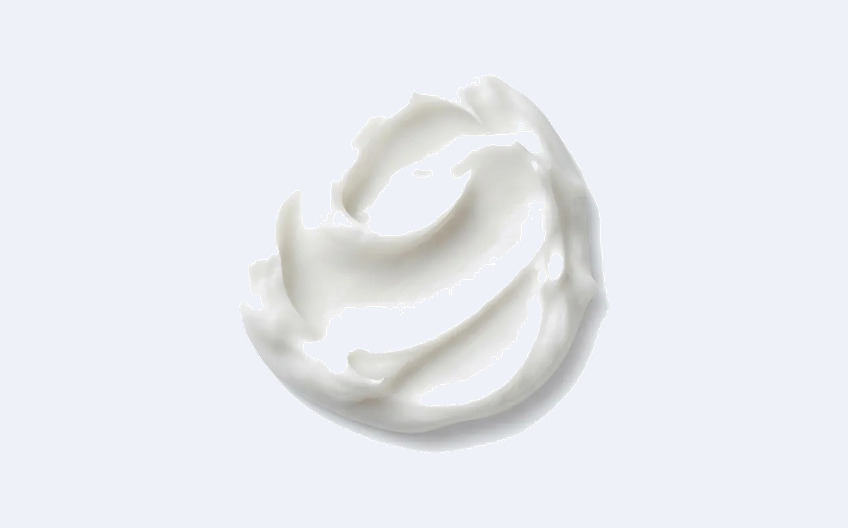
The original and the best-studied. Rich, and it can feel gritty going on.

Lighter and less greasy than the cream. The usual pick for rosacea and oily skin.

Spreads easily and disappears fast. Kind to skin that hates being rubbed.
A thick cream-gel that feels slightly oily. Grips well, and can pill under makeup.
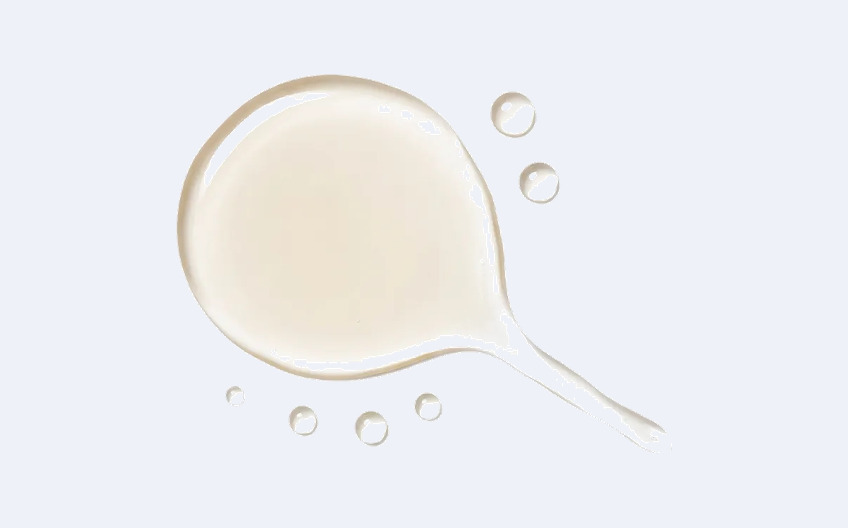
A lower strength in a lighter base, often mixed with niacinamide.

Swept on with a cotton pad after cleansing. Usually 5% to 10%, and easy to control.
Thicker, stays put, and the format for the higher percentages. The most likely to sting.

Pre-soaked and quick to sweep over areas a dropper cannot reach.
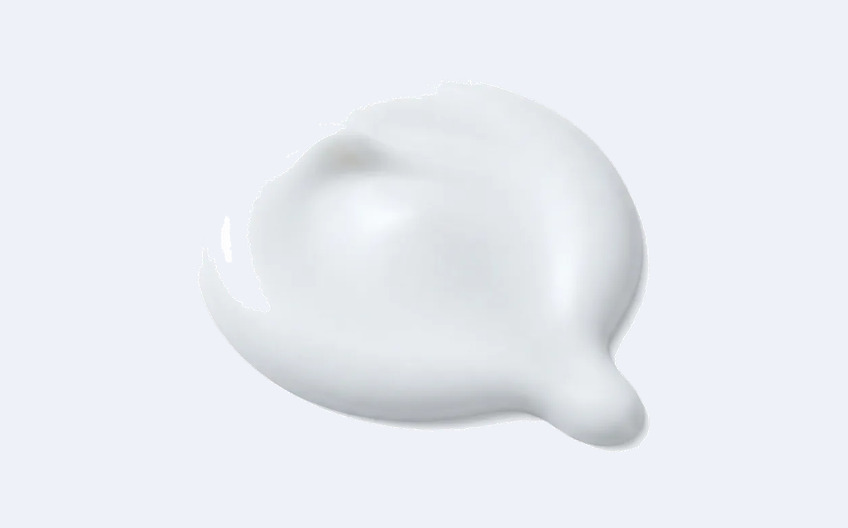
Higher strengths in a moisturizing base. Skin below the neck takes far more than the face.

Left on for minutes, then rinsed. The lowest-commitment way to try a strong percentage.
Azelaic Acid
Pick azelaic acid if your skin is red, reactive or marked. Rosacea, flushing, post-acne brown marks and active spots all respond to it. It is one of very few ingredients that treats acne and pigment at once without making skin fragile.
Glycolic Acid
Pick glycolic acid if your skin is dull, rough or congested. Bumpy texture, blackheads, and a general lack of glow are what it does best.
Azelaic Acid
Azelaic acid is the safer starting point on sensitive skin. It does not thin the surface or increase sun sensitivity, and it is the standard choice when redness is part of the picture.
Glycolic Acid
Glycolic acid asks more of the skin barrier. It works by loosening the bonds between surface cells, which is exactly why it can sting and why it needs sunscreen alongside it.
Azelaic Acid
Azelaic acid is usually the first choice here. It targets overactive pigment cells and leaves normal pigment alone, so it is unlikely to over-lighten the surrounding skin.
Glycolic Acid
Glycolic acid can help, but it carries more risk. Irritation itself can trigger more pigment on deeper skin tones, so a low-and-slow approach matters, and a strong peel is a decision for a clinician rather than a shopping cart.
Common questions
Yes, and many people do. The usual approach is alternate nights, or glycolic acid at night and azelaic acid in the morning, so the skin is not irritated twice in one go.
Azelaic acid, in most cases. It acts on overactive pigment cells and leaves normal pigment alone, which makes it a safer choice on deeper skin tones.
Glycolic acid. It loosens dead cells at the surface, so skin feels smoother and looks brighter within a few weeks.
No. That is one of its advantages. Glycolic acid does increase sun sensitivity, so daily sunscreen matters more when you use it.
Glycolic acid improves texture in two to four weeks. Azelaic acid usually takes eight to twelve weeks, and pigment is the slowest part for both.
It is stronger, so it works faster and is the version used for rosacea and stubborn pigment. The drugstore version is the same ingredient and still works, just more slowly.