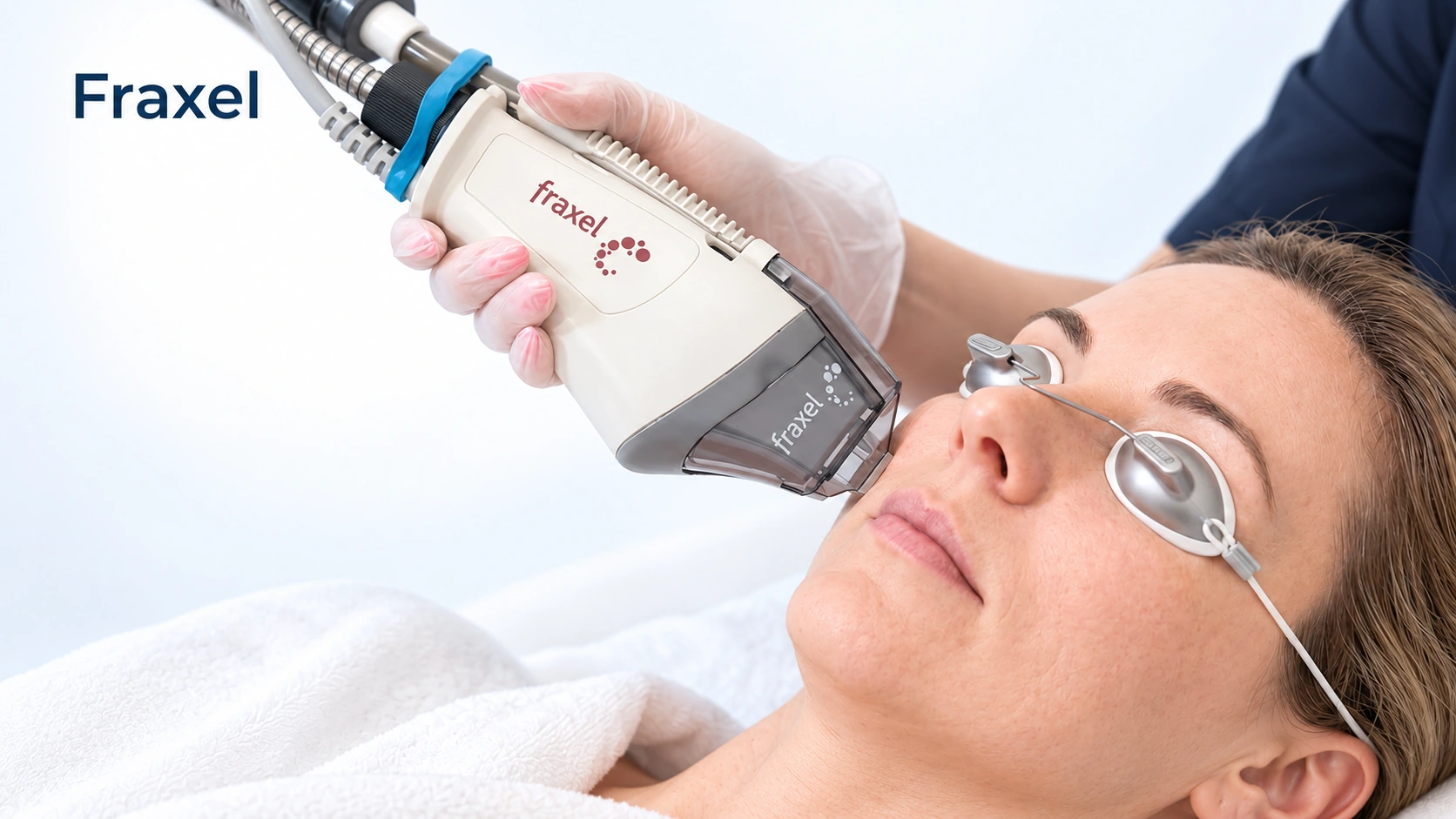
It is a supervised peel.
A glycolic acid peel is an alpha-hydroxy acid exfoliation.
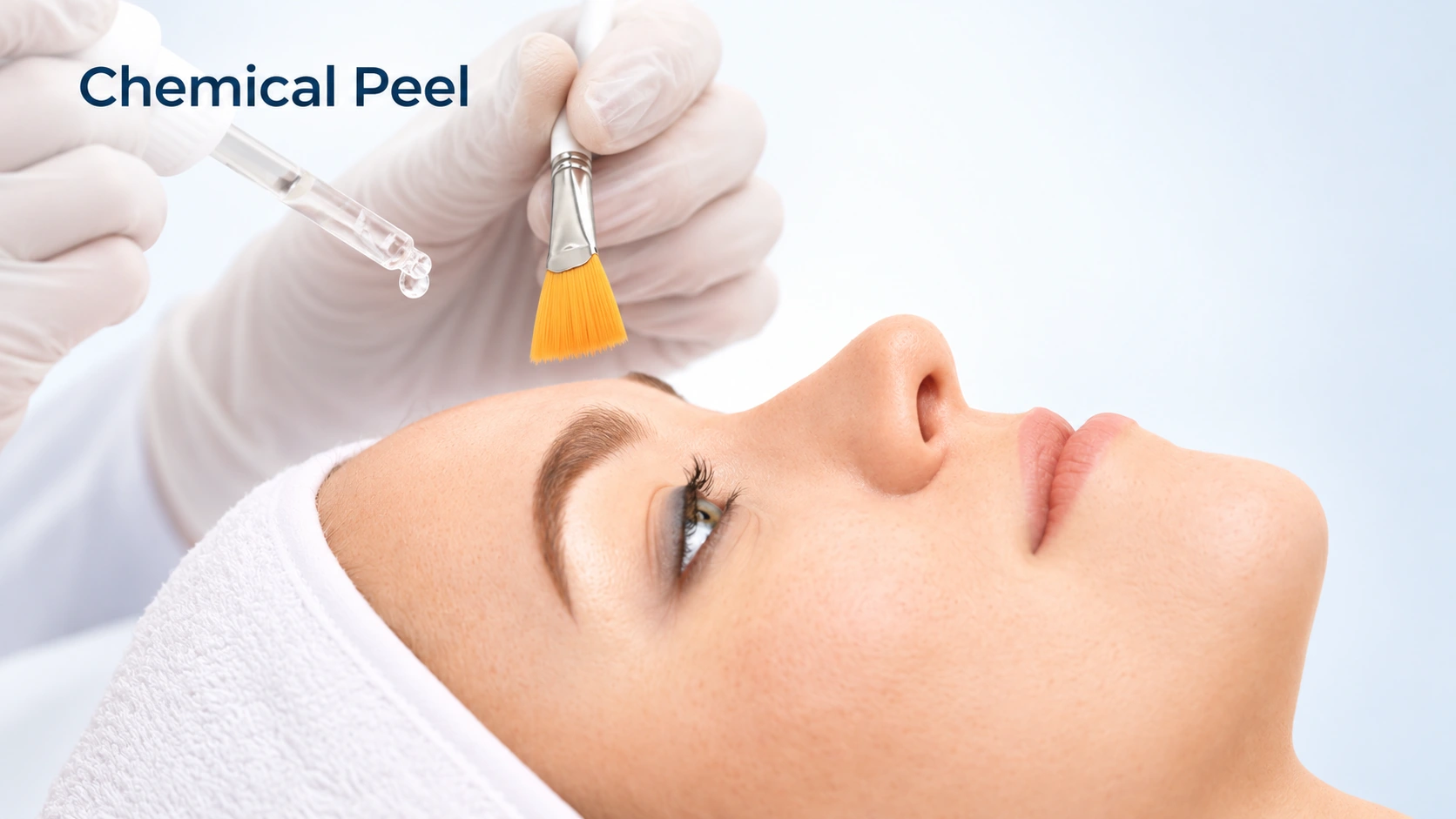
Glycolic Acid Peel: A chemical peel that uses glycolic acid, the smallest of the fruit acids. It brightens dull skin, softens rough texture and fades flat brown marks. It works on the surface only, and it has to be neutralized on time.
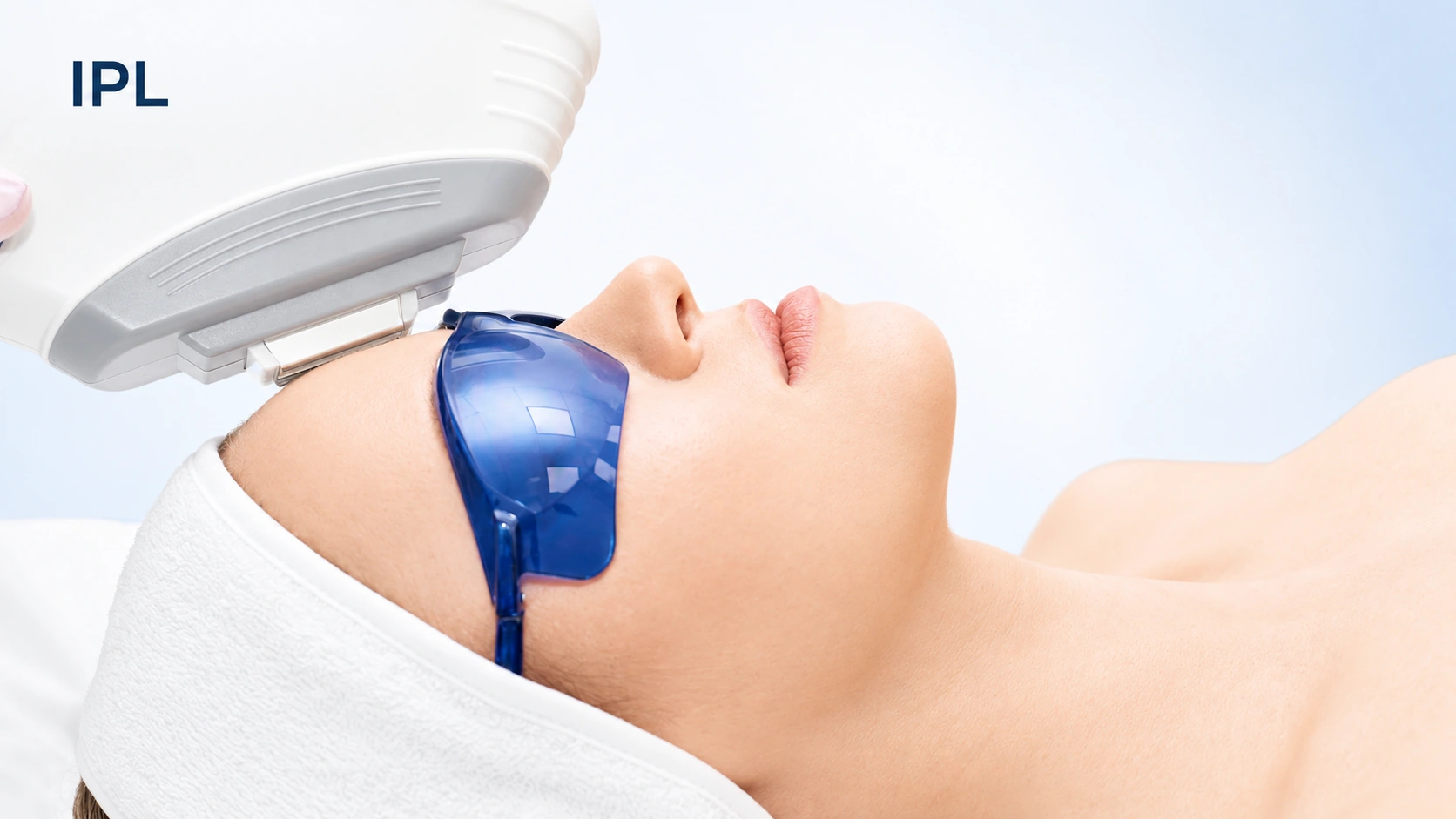
IPL: A broad-spectrum flashlamp, not a laser, used mainly for brown sun spots and facial redness. It is effective for those two problems on lighter skin, and it is not safe on deeper skin tones.
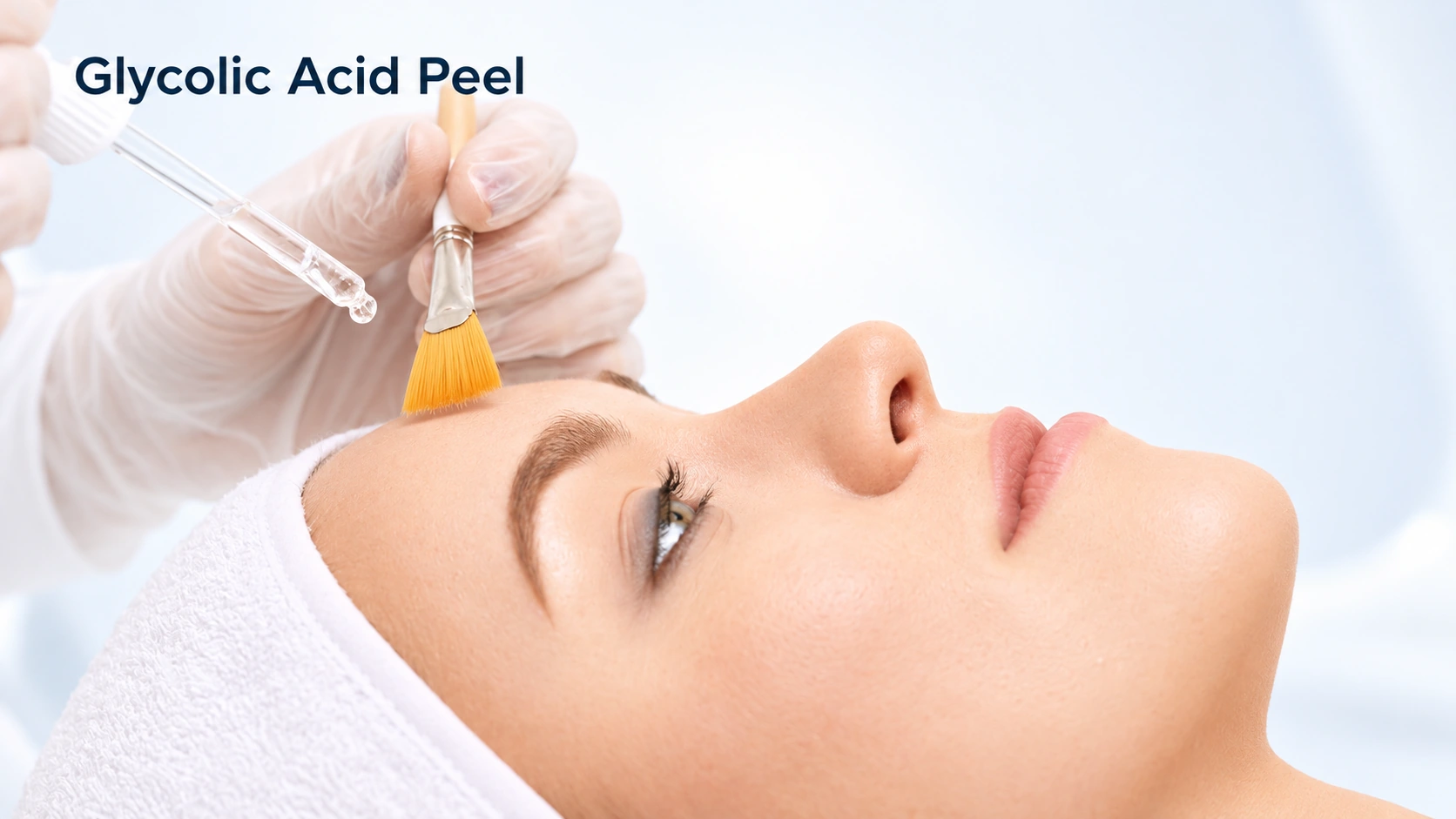
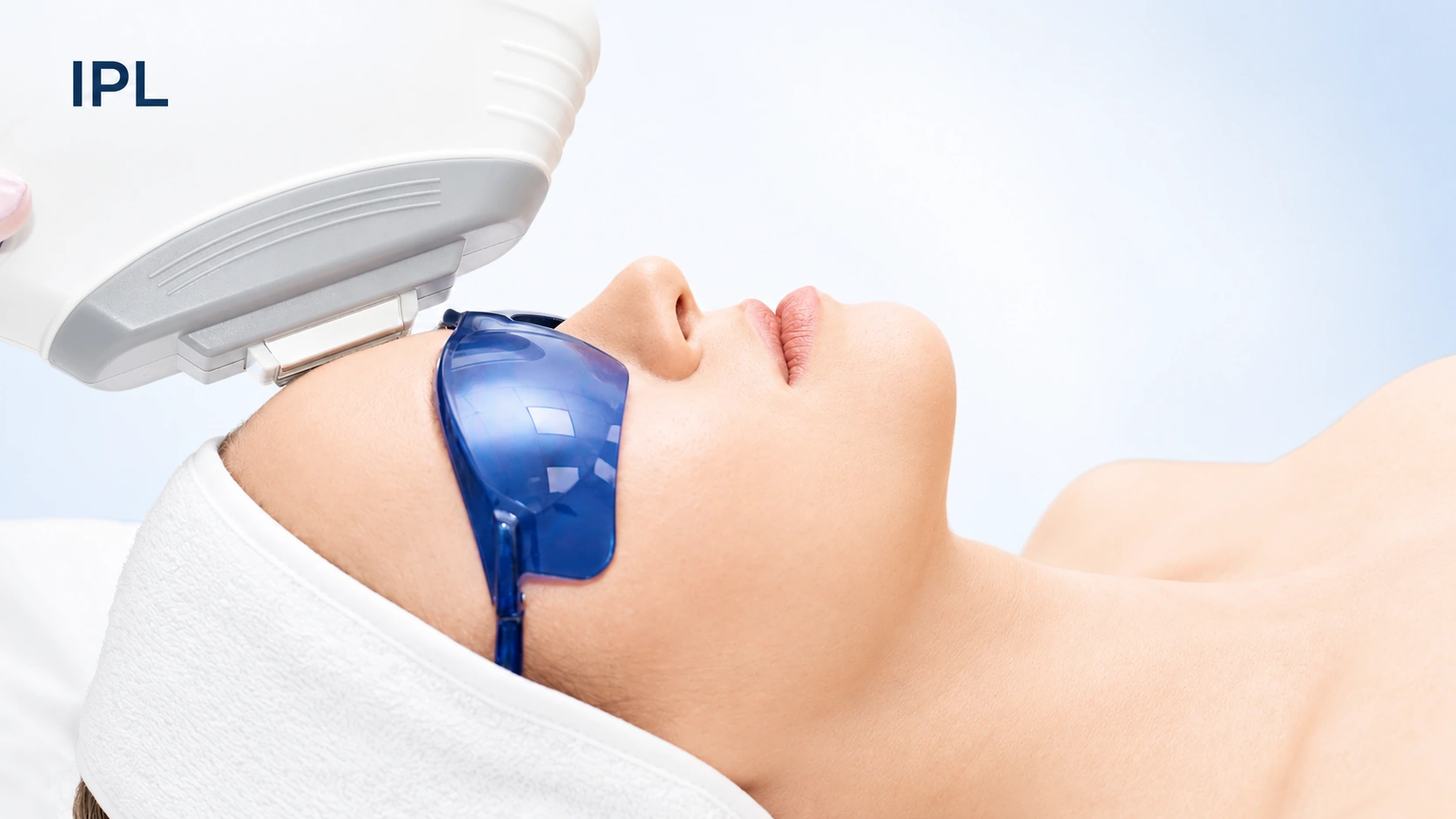
Choose to brighten dull skin and fade flat brown marks with little or no downtime.
Choose for sun spots and facial redness on lighter skin — it is not safe on deeper skin tones.
Can you have both?
They can share a plan for tone: IPL for redness and spots, peels for texture. Space them about 2 weeks apart.
A glycolic acid peel is an alpha-hydroxy acid exfoliation.
Acidity, contact time and technique matter.
The FDA warns against unsupervised strong peels.
Irritation, recent procedures, herpes and pigment risk are reviewed.
IPL uses filtered pulses across a range of wavelengths, not a laser.
It treats redness, benign pigmentation and unwanted hair.
A brown spot should be assessed before fading.
Tanning, darker skin and medicines raise the risk of burns or pigment change.
Brightens quickly.

Reduces redness and vessels.
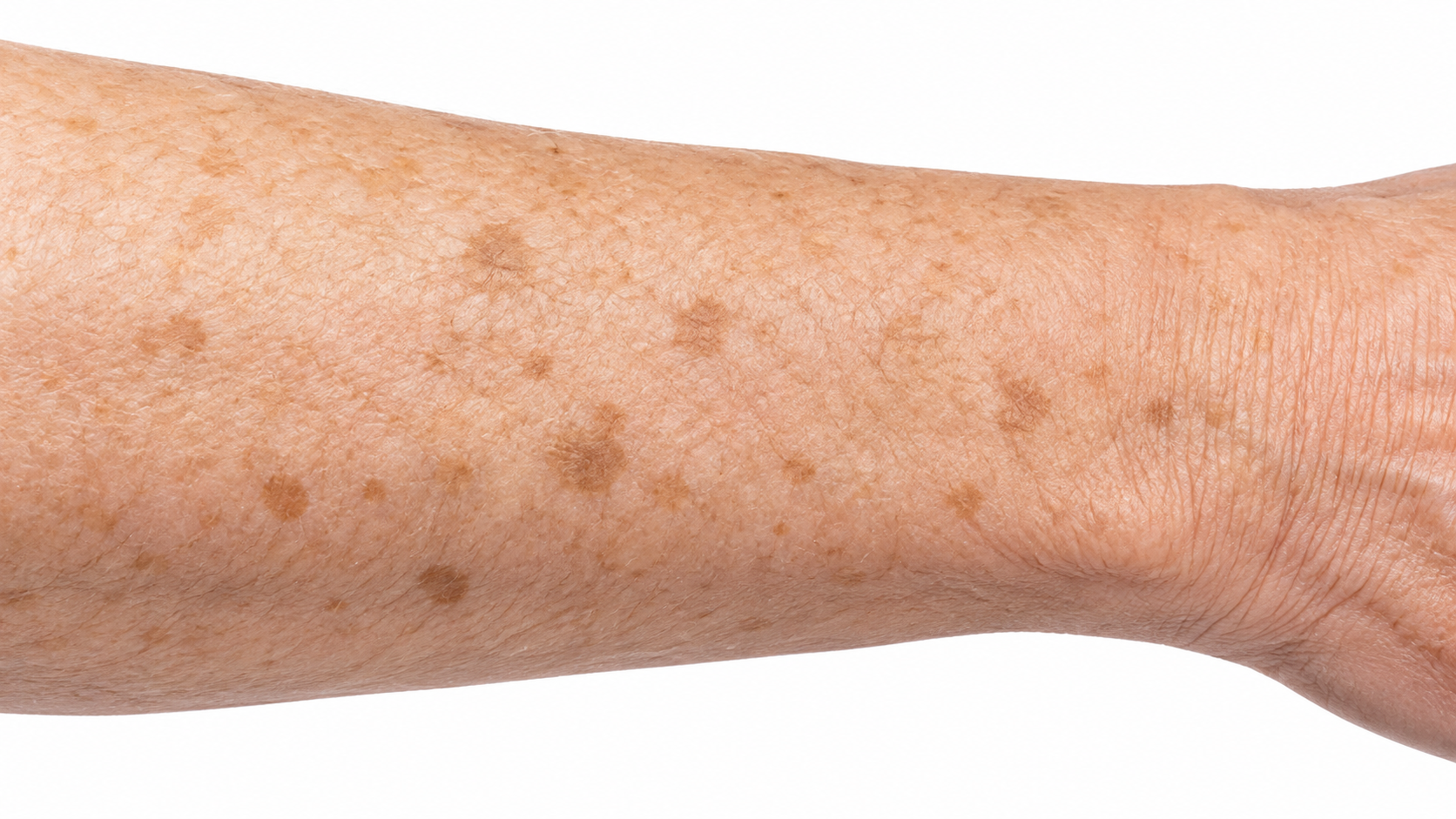
Darkens spots that then flake off.

Helps alongside lightening creams.

Clears clogged pores.
Fades spots with a series.
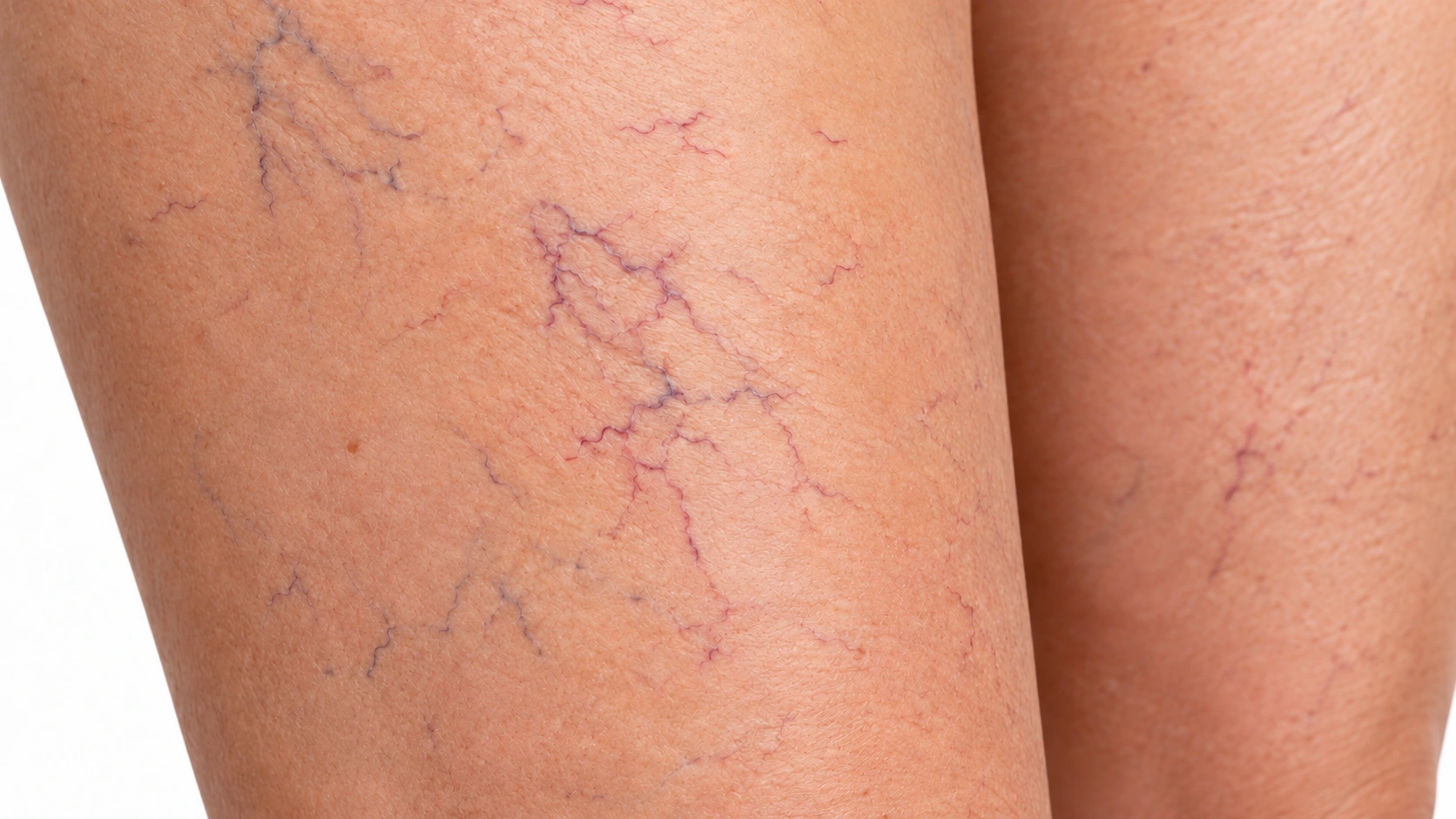
Clears small facial vessels.
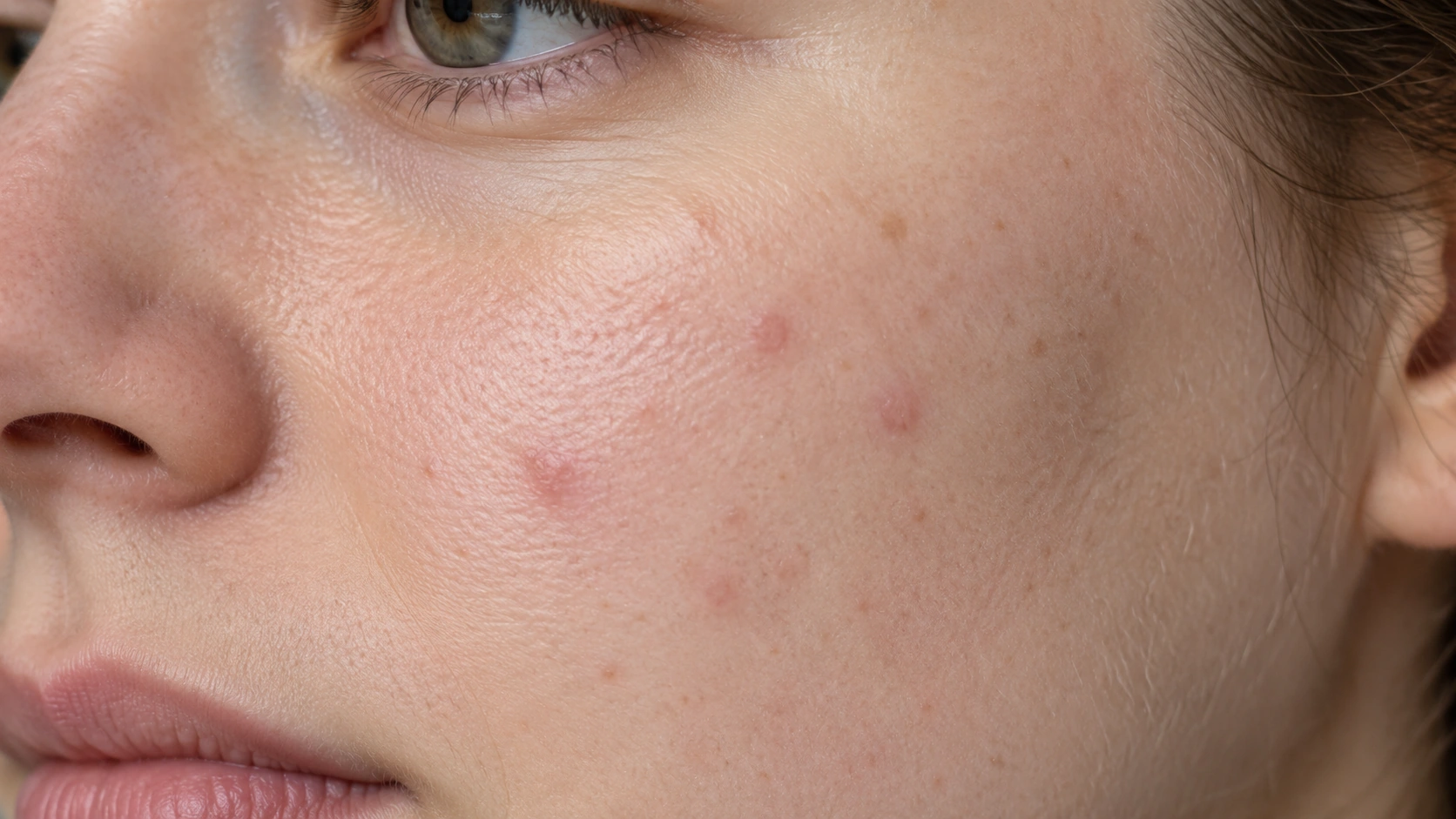
Fades red marks.
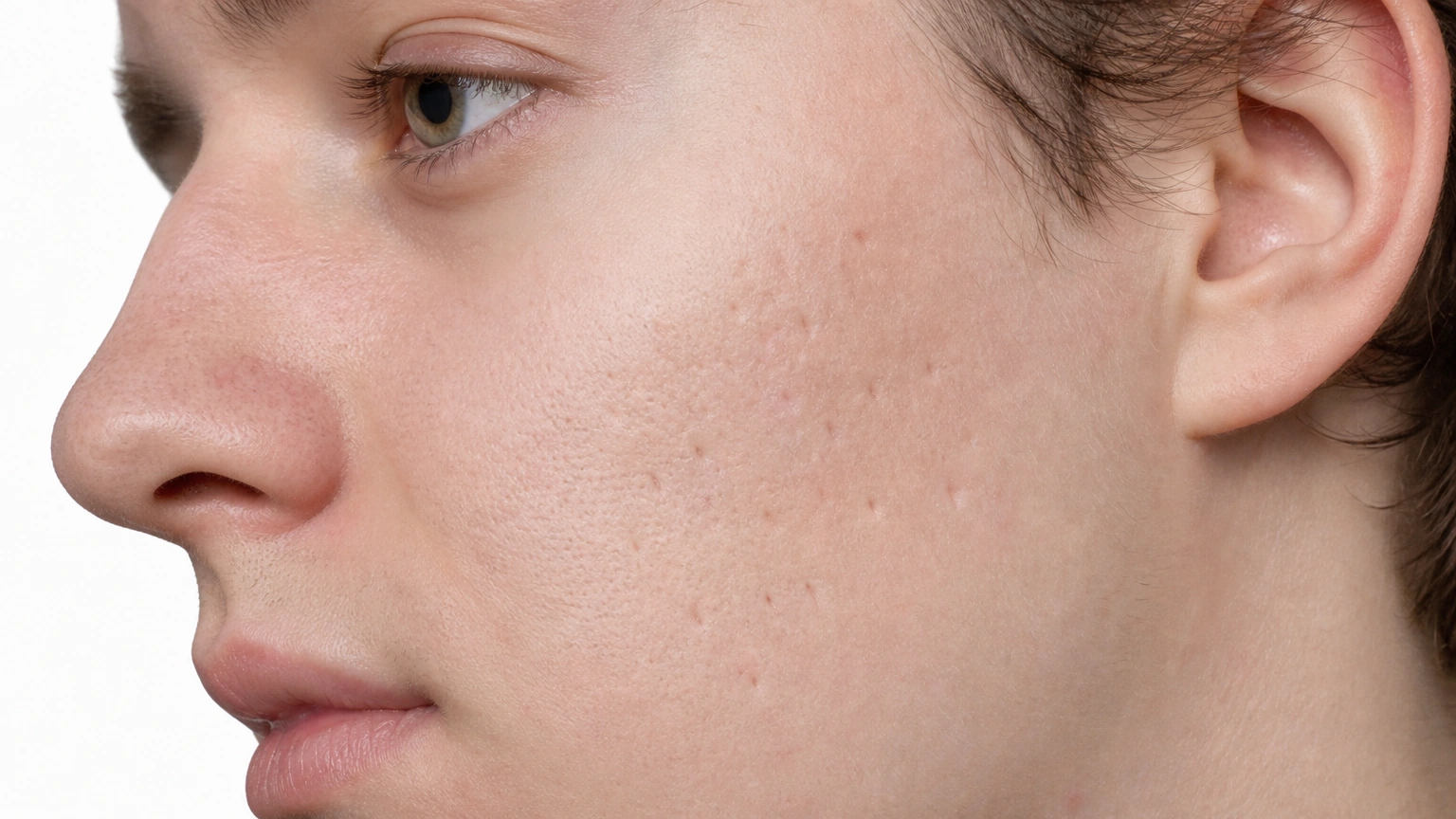
Too superficial.

Doesn't change texture.
Stings and triggers flushing.
Patches often rebound darker.
Face; the selected area depends on the concern and treatment plan.
Face, neck, chest and hands.

The peel is applied: A clinician selects the formulation for the skin and goal. Outer cells loosen: Glycolic acid reduces cohesion in the superficial skin layers. The surface renews: Controlled exfoliation can improve selected superficial concerns.
Schematic illustration. Technique and response vary. This explains a mechanism and does not specify treatment settings.
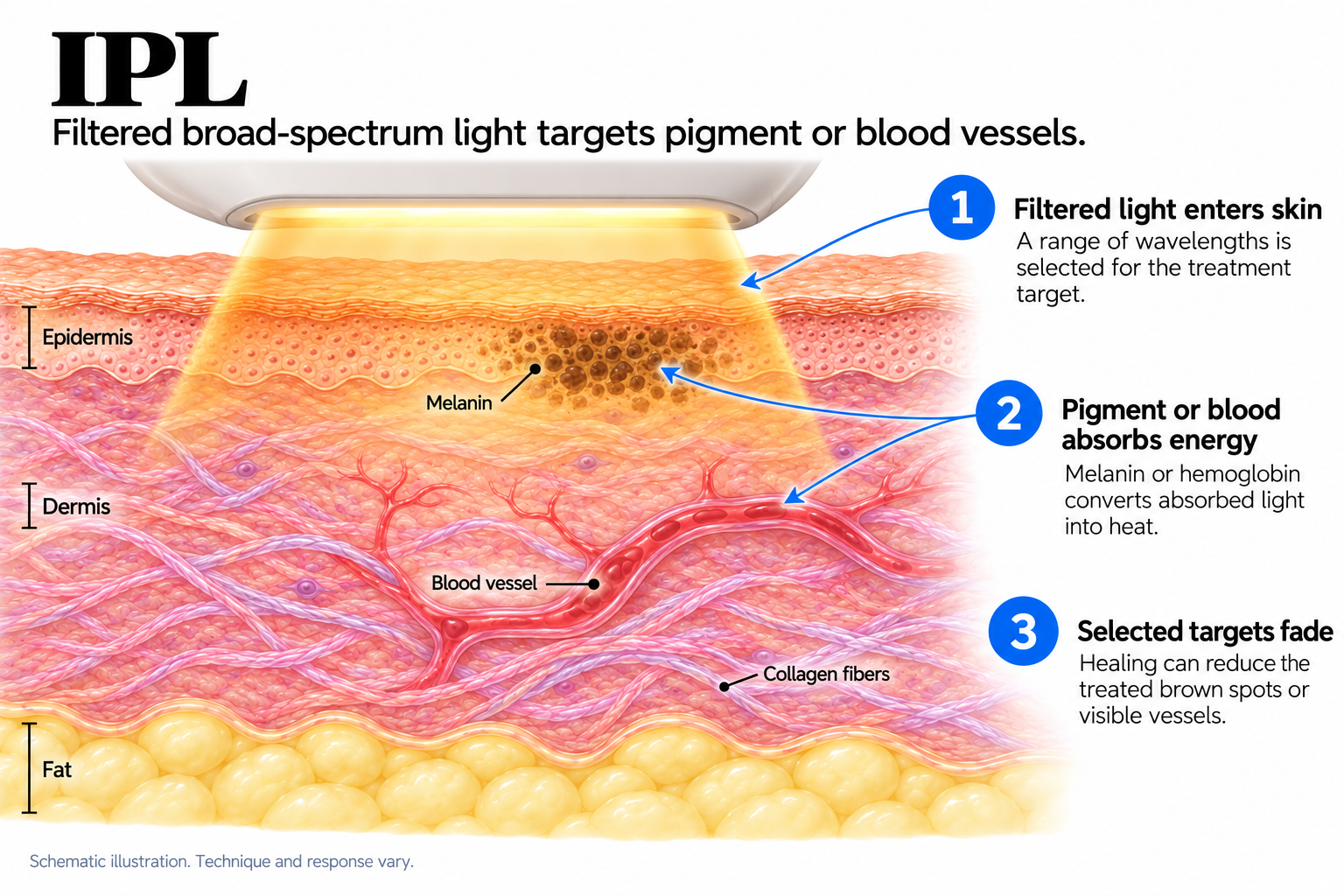
Filtered light enters skin: A range of wavelengths is selected for the treatment target. Pigment or blood absorbs energy: Melanin or hemoglobin converts absorbed light into heat. Selected targets fade: Healing can reduce the treated brown spots or visible vessels.
Schematic illustration. Technique and response vary. This explains a mechanism and does not specify treatment settings.
2 weeks before: Sun and tanning: No tanning or sunburn for 2 weeks beforehand, and sunscreen daily.
Pigment cream: On deeper skin tones, and in anyone who marks easily, many providers pre-treat for 2 to 4 weeks with a pigment-blocking cream to lower the chance of dark patches.
Before you book: Events: Do not book a first peel in the days before an event.
4 weeks before: Sun and tanning: No sun, sunbeds or self-tanner.
2 weeks before: Hair removal: No waxing, threading or hair removal cream.
Actives and hair removal: Stop retinoids (tretinoin, adapalene, retinol), benzoyl peroxide and exfoliating acids 3 to 5 days before.
Actives and hair removal: Stop waxing, threading and hair removal creams on the area for a week.
3 to 5 days before: Actives and clean skin: Stop retinoids and exfoliating acids.
Skin is checked and usually photographed, and you confirm what you stopped using.
Skin tone: A good provider will ask, and will decline if IPL is wrong for your skin.
Skin tone: Be direct about your skin tone and how easily you tan.
Skin is cleaned and examined, and the provider checks your skin tone and recent sun.
Skin is cleaned and degreased, eyes and lips protected, and the acid brushed on in a set order.
The provider watches for even pinkness, then neutralizes or floods the skin with water. It takes about 20 to 30 minutes. The sting is hot and prickly, climbs over 2 to 5 minutes, then stops seconds after neutralizing. Say so if it turns to burning, which is the signal to stop early.
Opaque goggles go over your eyes and stay on; that is not optional.
The handpiece is pressed on the skin and fired in overlapping shots. You see a bright flash through closed eyelids. Each pulse feels like a hot rubber band snap, hottest over brown spots and hair, and stops as it ends. A full face takes about 20 minutes.
Pink, tight skin, a bit like mild windburn.
Skin looks pink and feels warm, like mild sunburn.
Day 1 to 3: Skin feels dry and rough and can look slightly darker before it sheds.
Days 1 to 2: Redness fades.
Day 3 to 5: Flaking finishes and skin looks brighter underneath.
Days 3 to 14: Treated spots darken into fine brown flecks like coffee grounds, then flake away, leaving more even skin.
Week 1 to 2: A few spots in the first week or two as clogged pores clear are common, and settle on their own.
Weeks 2 to 6: Vessels and background redness clear gradually, and keep improving over later sessions.
Within days
1–2 weeks per session
Weeks to months with skincare
Months to years; new spots with sun
In the US a superficial glycolic peel usually runs about $100 to $250 a session, depending on the city, a medical office versus a spa, and whether it is bundled with a facial.
In the US a full-face session usually runs about $300 to $600.
Insurance does not cover peels done for brightness, texture or post-acne marks.
Insurance does not cover cosmetic pigment or redness treatment.
Glycolic is water-soluble and works on the surface, so it suits dullness, rough texture and brown marks. Salicylic is oil-soluble and gets inside the pore, so it suits blackheads and whiteheads. Some providers blend the two.
Glycolic keeps working until it is stopped, either with a basic solution or by flooding the skin with water. The provider watches a timer and the skin at the same time. Peels left on too long are how burns happen.
Not on its own. The pH and the contact time matter as much as the number. A well-judged 30% peel can do more than a careless 70% one.
Often only lightly, and sometimes not at all. Fine flaking for a day or two is usual, and no flaking does not mean it failed.
4 to 6 peels, 2 to 4 weeks apart, then maintenance every couple of months. One peel gives roughly a week of brightness.
Yes, and skin on a retinoid usually peels more evenly. Stop it about 3 to 5 days before and restart once flaking has finished.
No. Broadband light is absorbed by all the pigment in its path, including the pigment that gives skin its color. On deeper skin tones that means burns and light or dark patches, and pale patches can be permanent. For pigment, ask about prescription creams and superficial peels. For hair, a 1064 nm Nd:YAG laser.
No. The skin tone chart supplied with home devices exists because the technology injures skin with more pigment, and most are labeled unsuitable for deeper skin tones and tanned skin. Many refuse to fire. The risk is the same as a clinic device, with nobody present to spot a problem early.
Usually not, and it commonly makes melasma worse: better for a few weeks, then darker and wider. If you have brown patches on the cheeks, forehead or upper lip, get a diagnosis before any light-based treatment.
That is what is meant to happen. Treated sun spots darken into fine brown flecks over the first few days, then flake off over one to two weeks. Do not scrub or pick.
Usually three to five for the face, three to four weeks apart, then maintenance once or twice a year. Brown spots improve faster than redness. Hair reduction takes six to ten or more.
No. IPL works on color: brown pigment and red vessels. Wrinkles, texture, pores and indented scars need a fractional laser or microneedling.