It is a supervised peel.
A glycolic acid peel is an alpha-hydroxy acid exfoliation.
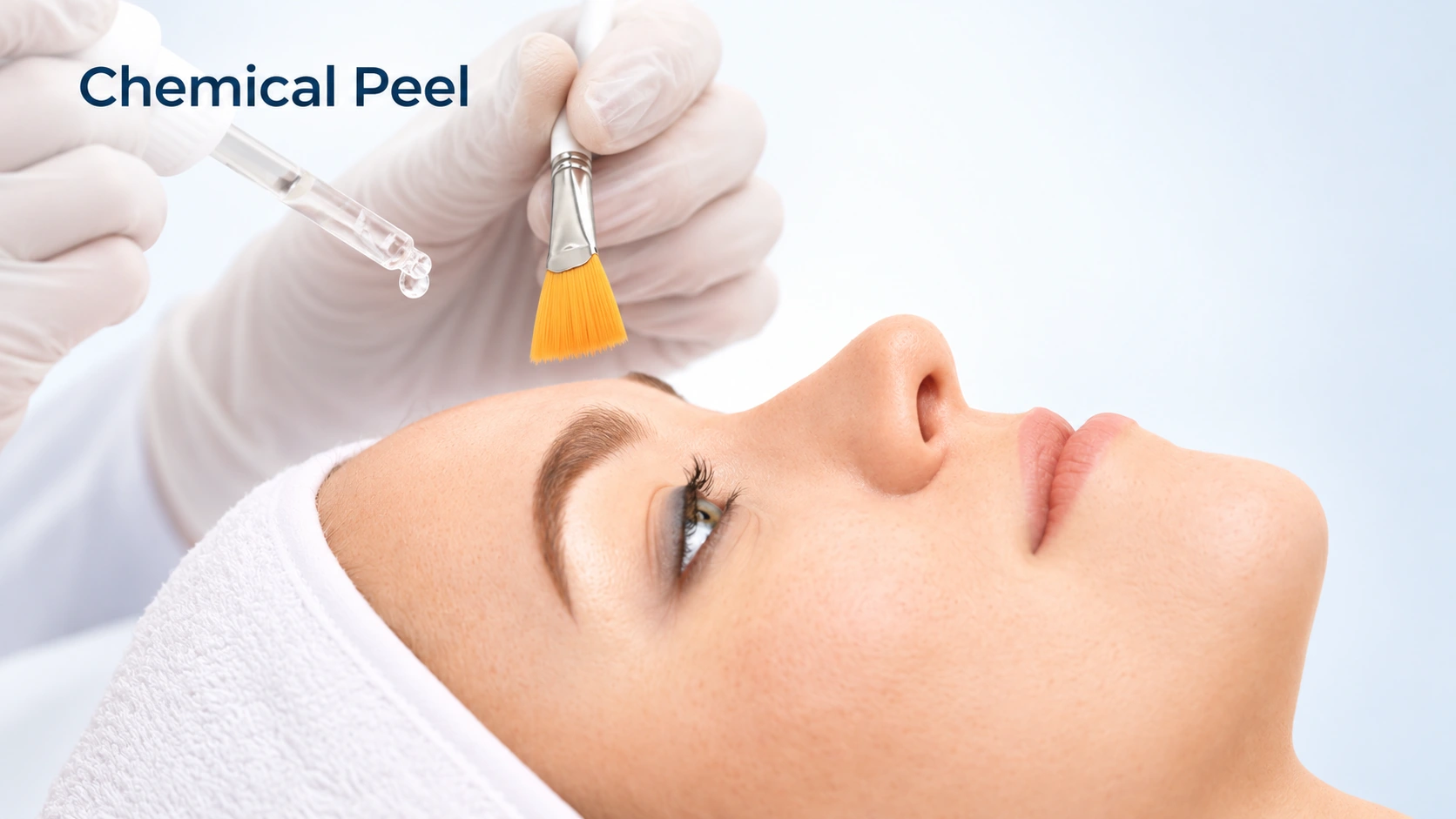
Glycolic Acid Peel: A chemical peel that uses glycolic acid, the smallest of the fruit acids. It brightens dull skin, softens rough texture and fades flat brown marks. It works on the surface only, and it has to be neutralized on time.
Hydrafacial: A branded machine facial that cleans, lightly exfoliates and applies serums using suction, in one 30 to 45 minute session. It is comfortable, low risk and leaves skin looking fresh for a few days. It is not a peel and not a laser.
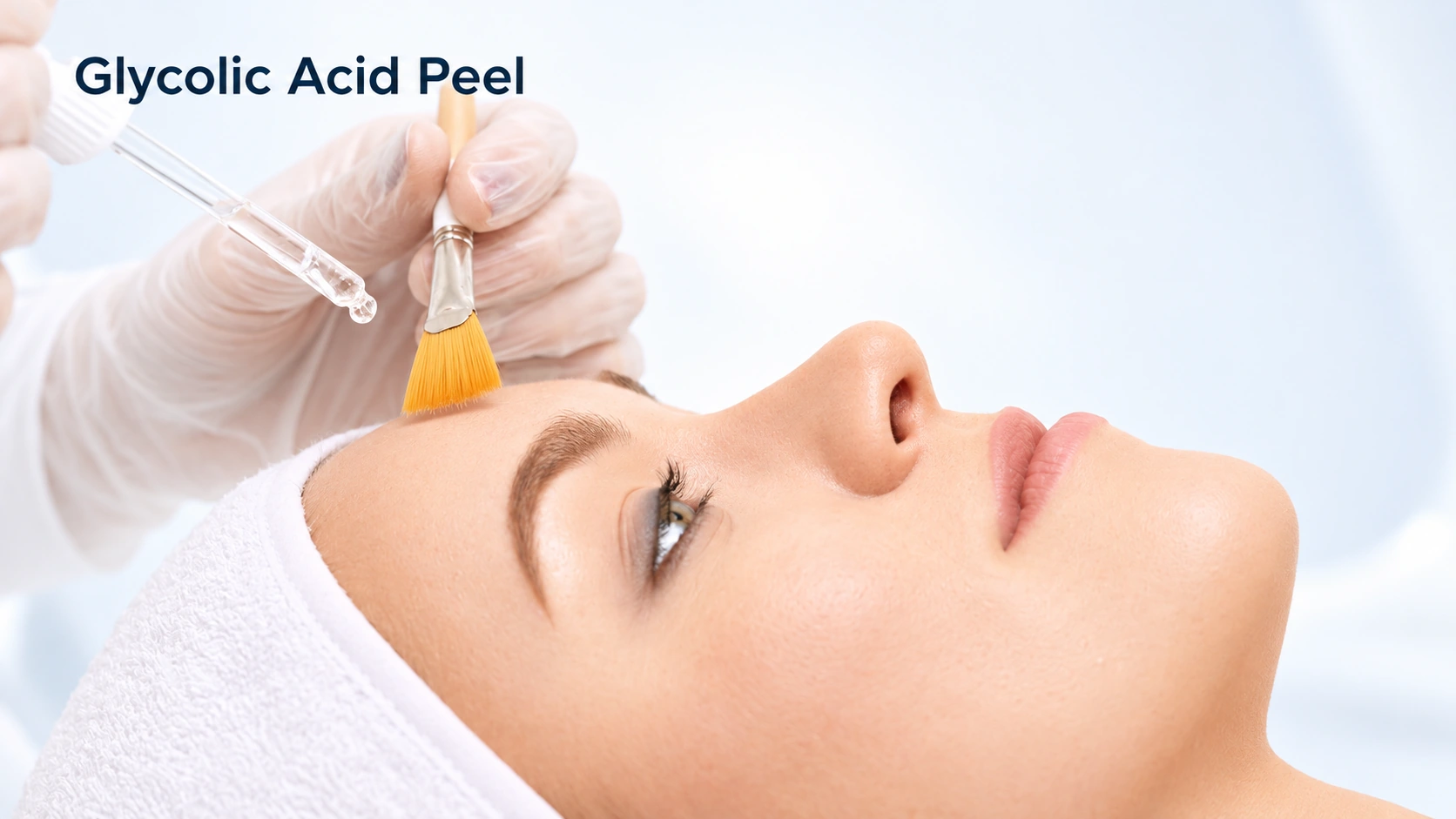

Choose to brighten dull skin and fade flat brown marks with little or no downtime.
Choose for a comfortable refresh before an event — not a treatment for scars, pigment or acne.
Can you have both?
A Hydrafacial often includes a mild acid step. A stronger glycolic peel is best done on a different day.
A glycolic acid peel is an alpha-hydroxy acid exfoliation.
Acidity, contact time and technique matter.
The FDA warns against unsupervised strong peels.
Irritation, recent procedures, herpes and pigment risk are reviewed.
HydraFacial combines cleansing, exfoliation and suction-assisted fluid delivery.
It does not diagnose acne, growths or rashes.
Sensitive skin and active inflammation should be mentioned.
Claims about internal organs are unsupported.
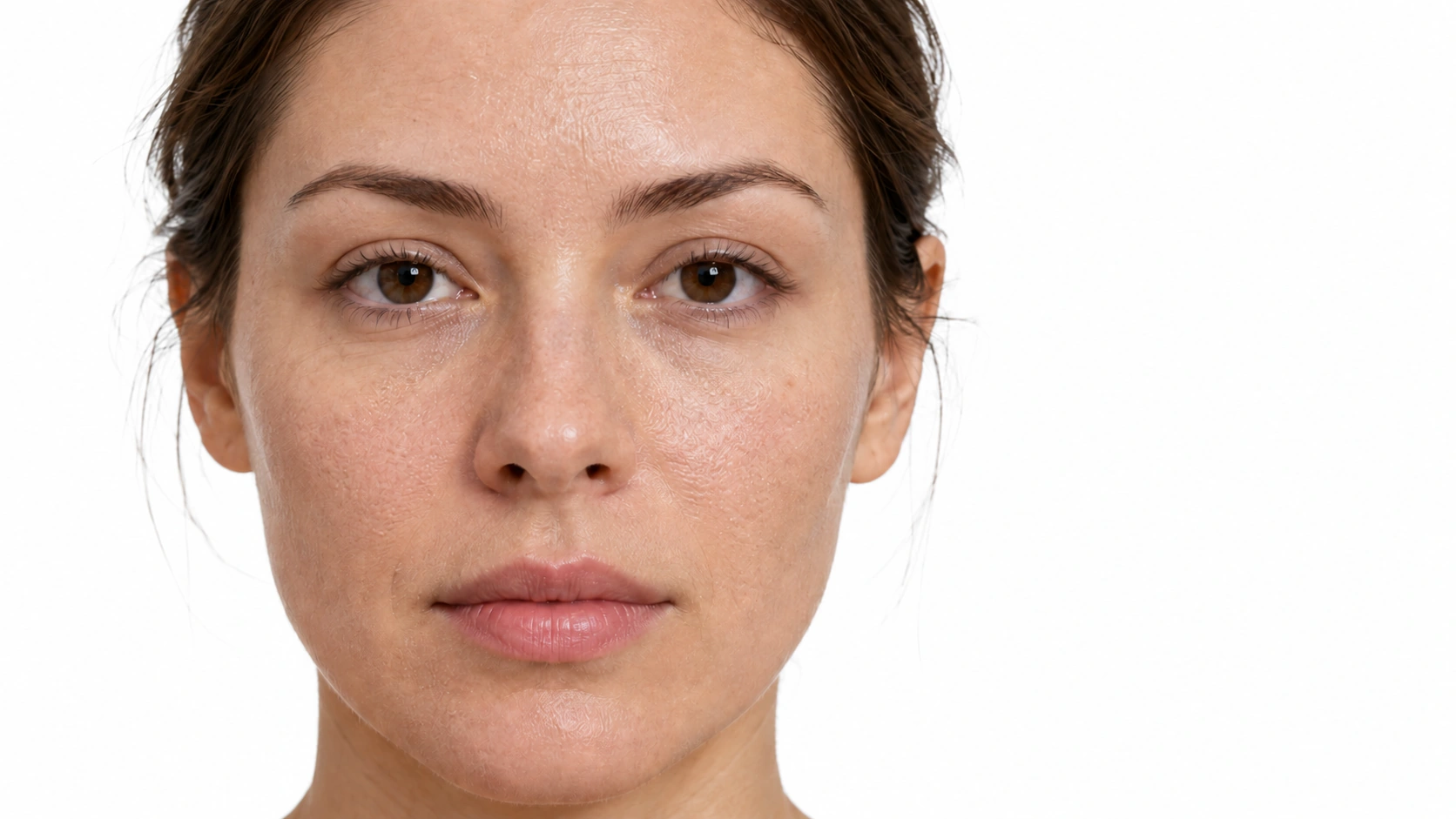
Brightens quickly.

Helps alongside lightening creams.

Clears clogged pores.
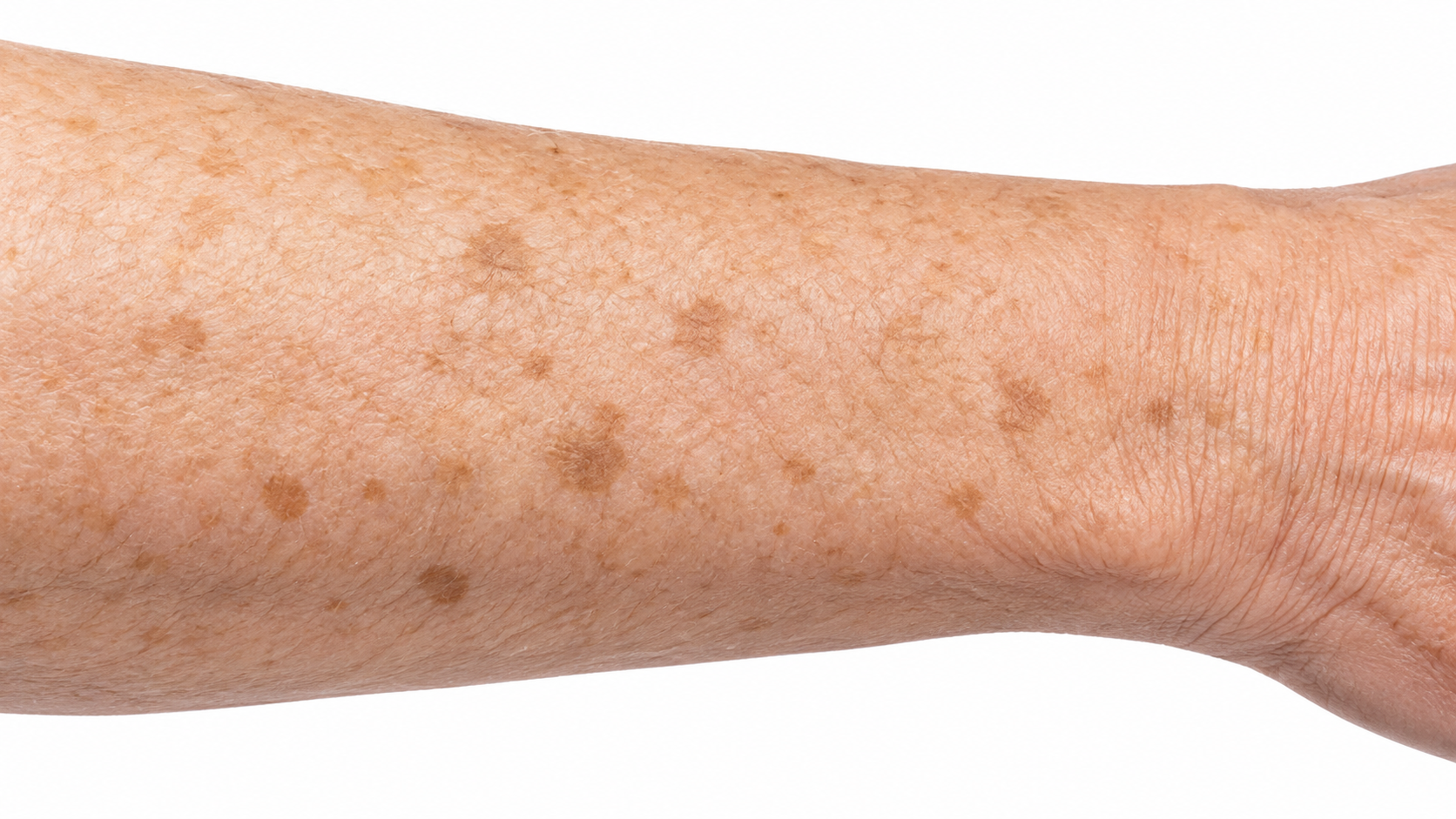
Fades spots with a series.
Brightens for an event.
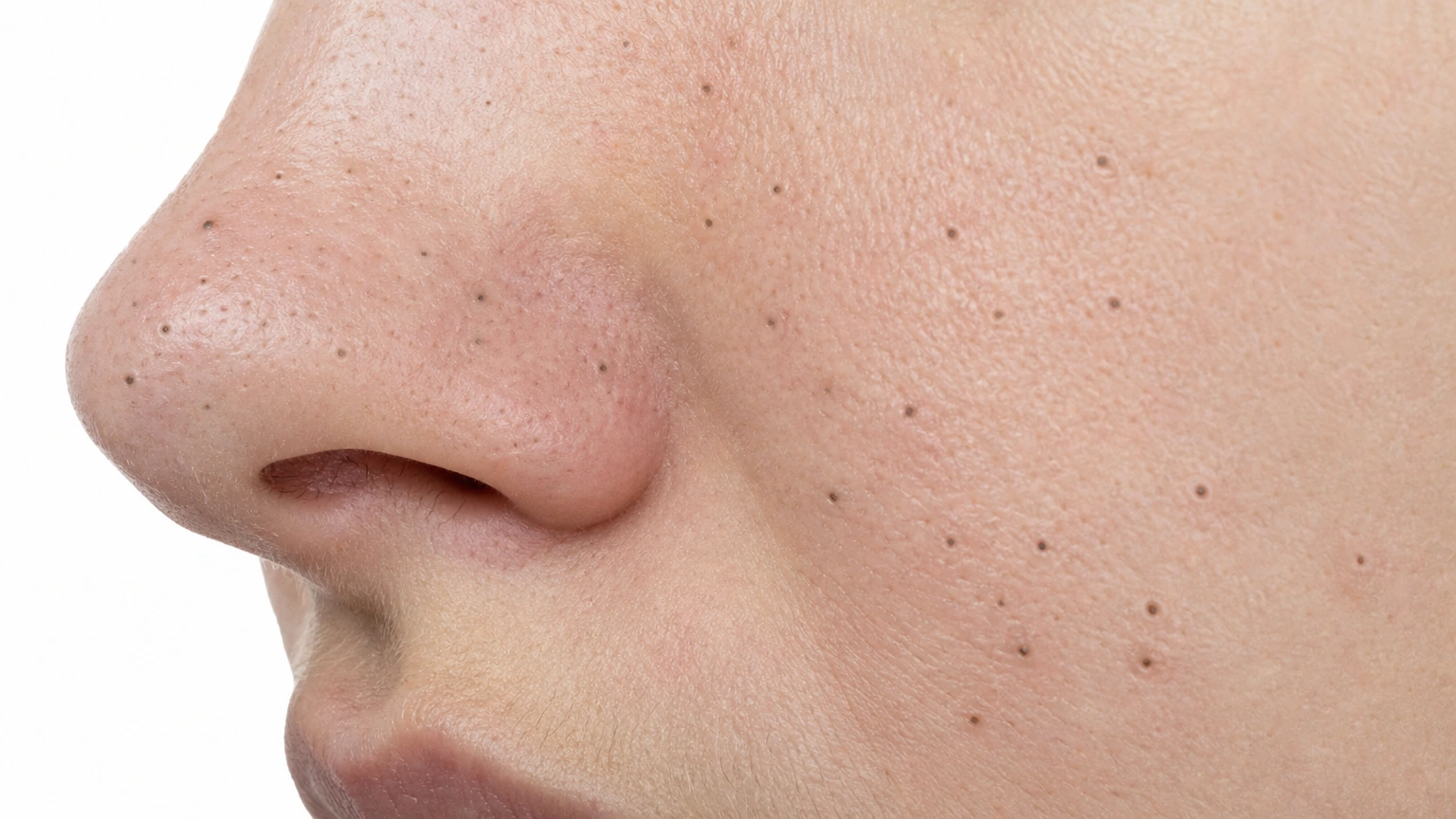
Suction clears surface clogs.
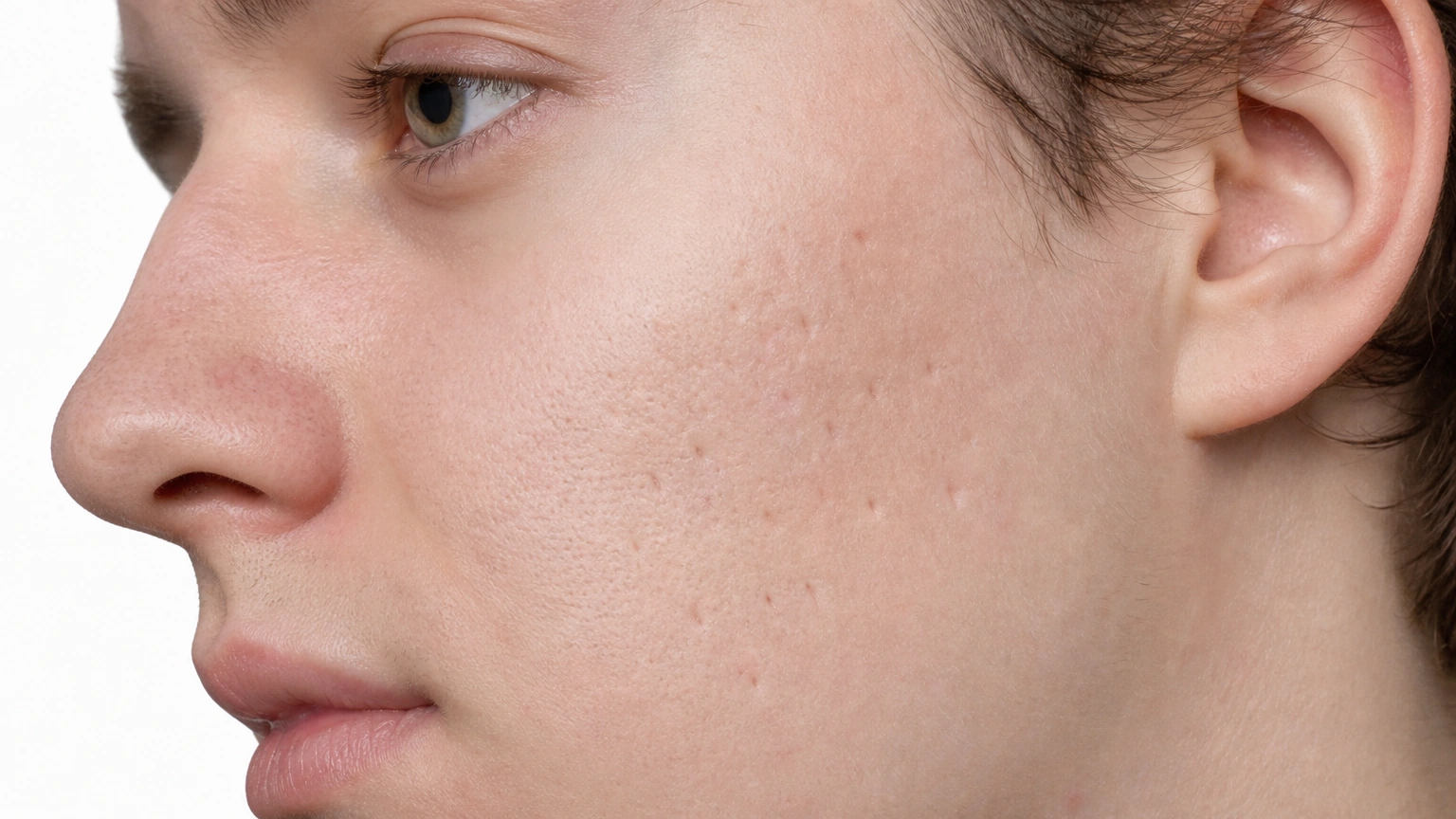
Too superficial.

Doesn't change scars.
Doesn't fade pigment.

Stings and triggers flushing.
Suction and actives can trigger flushing.
Face; the selected area depends on the concern and treatment plan.
Face; the selected area depends on the concern and treatment plan.

The peel is applied: A clinician selects the formulation for the skin and goal. Outer cells loosen: Glycolic acid reduces cohesion in the superficial skin layers. The surface renews: Controlled exfoliation can improve selected superficial concerns.
Schematic illustration. Technique and response vary. This explains a mechanism and does not specify treatment settings.
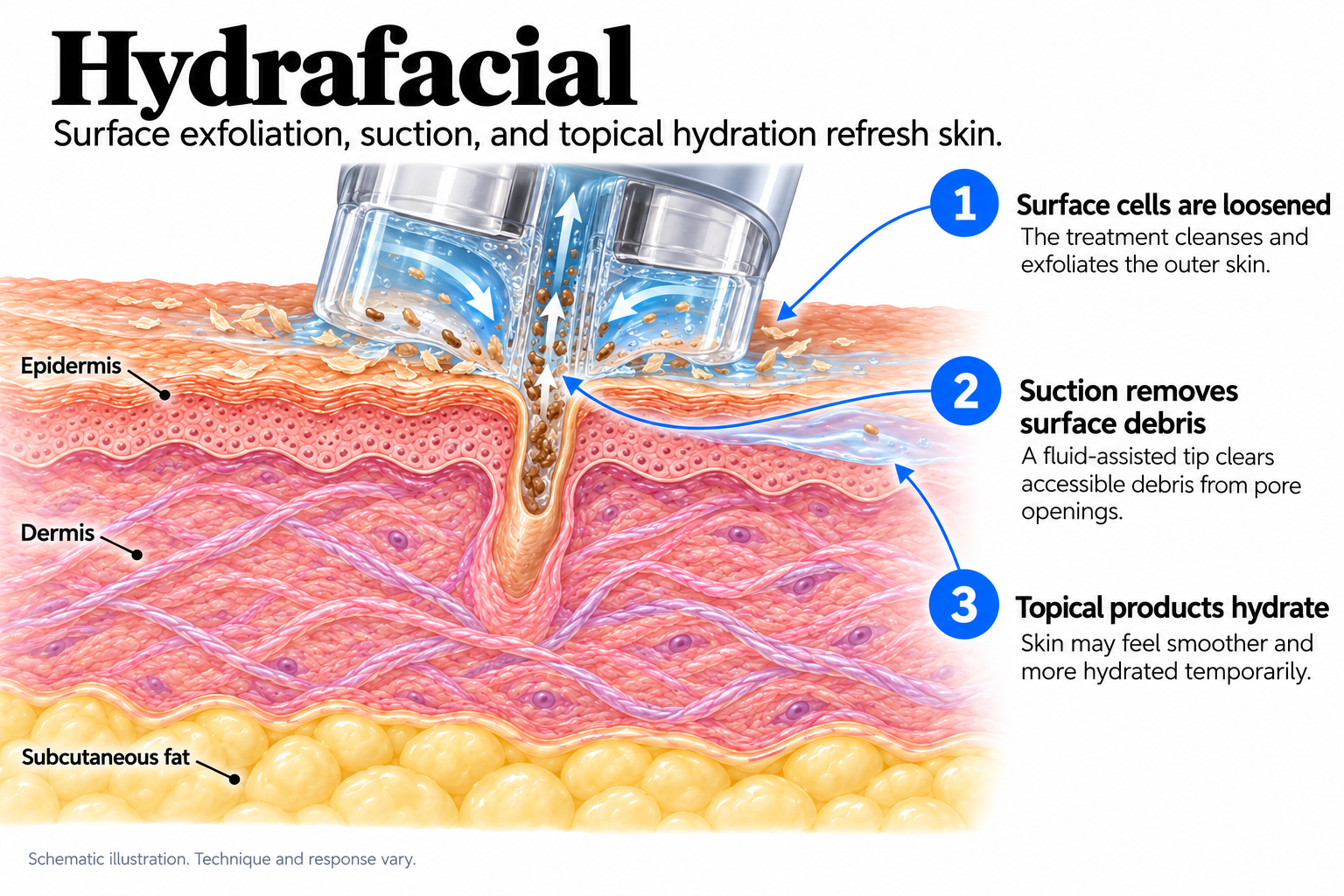
Surface cells are loosened: The treatment cleanses and exfoliates the outer skin. Suction removes surface debris: A fluid-assisted tip clears accessible debris from pore openings. Topical products hydrate: Skin may feel smoother and more hydrated temporarily.
Schematic illustration. Technique and response vary. This explains a mechanism and does not specify treatment settings.
2 weeks before: Sun and tanning: No tanning or sunburn for 2 weeks beforehand, and sunscreen daily.
Pigment cream: On deeper skin tones, and in anyone who marks easily, many providers pre-treat for 2 to 4 weeks with a pigment-blocking cream to lower the chance of dark patches.
Before you book: Events: Do not book a first peel in the days before an event.
Before you book: Timing: Book 2 to 3 days before an event, not the same day.
Actives and hair removal: Stop retinoids (tretinoin, adapalene, retinol), benzoyl peroxide and exfoliating acids 3 to 5 days before.
Actives and hair removal: Stop waxing, threading and hair removal creams on the area for a week.
2 to 3 days before: Actives: Stop retinoids and exfoliating acids so skin is not sensitized.
A few days before: Hair removal: No waxing or threading on the area for a few days either side.
Skin and makeup: Come without makeup if easy, and mention any flare, since the acid step or extraction may be skipped.
Skin is checked and usually photographed, and you confirm what you stopped using.
Makeup comes off and the skin is looked at.
Skin is cleaned and degreased, eyes and lips protected, and the acid brushed on in a set order.
The provider watches for even pinkness, then neutralizes or floods the skin with water. It takes about 20 to 30 minutes. The sting is hot and prickly, climbs over 2 to 5 minutes, then stops seconds after neutralizing. Say so if it turns to burning, which is the signal to stop early.
You lie back while the handpiece moves over the skin in sections — cleansing and exfoliation, a mild acid that may tingle, suction-assisted extraction that feels like a firm vacuum, then a serum.
Add-ons such as LED go last. It takes about 30 to 45 minutes and does not hurt. Most people feel a cool, scratchy tug. The nose is the least comfortable part.
Pink, tight skin, a bit like mild windburn.
Skin looks clean, damp and slightly flushed, and can stay pink for an hour or two.
Day 1 to 3: Skin feels dry and rough and can look slightly darker before it sheds.
Days 1 to 3: Skin looks its best — smoother, brighter, pores less obvious, and makeup sits well.
Day 3 to 5: Flaking finishes and skin looks brighter underneath.
Days 3 to 7: The surface effect fades.
Week 1 to 2: A few spots in the first week or two as clogged pores clear are common, and settle on their own.
Weeks 1 to 2: A few people get spots as loosened plugs work their way out.
Within days
Immediately
Weeks to months with skincare
3–7 days
In the US a superficial glycolic peel usually runs about $100 to $250 a session, depending on the city, a medical office versus a spa, and whether it is bundled with a facial.
In the US a session usually runs about $150 to $350, with add-on serums, LED and lymphatic drainage priced on top.
Insurance does not cover peels done for brightness, texture or post-acne marks.
Insurance does not cover it.
Glycolic is water-soluble and works on the surface, so it suits dullness, rough texture and brown marks. Salicylic is oil-soluble and gets inside the pore, so it suits blackheads and whiteheads. Some providers blend the two.
Glycolic keeps working until it is stopped, either with a basic solution or by flooding the skin with water. The provider watches a timer and the skin at the same time. Peels left on too long are how burns happen.
Not on its own. The pH and the contact time matter as much as the number. A well-judged 30% peel can do more than a careless 70% one.
Often only lightly, and sometimes not at all. Fine flaking for a day or two is usual, and no flaking does not mean it failed.
4 to 6 peels, 2 to 4 weeks apart, then maintenance every couple of months. One peel gives roughly a week of brightness.
Yes, and skin on a retinoid usually peels more evenly. Stop it about 3 to 5 days before and restart once flaking has finished.
No. There is a brief, mild acid step, but nothing stays on long enough to shed skin. A peel produces that shedding, which is why it has downtime and does more.
About 3 to 7 days for the fresh, smooth look. That is why clinics suggest monthly sessions.
It helps blackheads and clogged pores. It does not treat inflamed or cystic acne, and using it instead of acne treatment usually costs months.
Thin. A few small studies, several funded by the device maker, no strong independent trials. Skin does look better afterward, but claims beyond short-term freshness are not supported.
Before an event, or alongside a routine already doing the work, yes. As the main plan for acne, scars or pigment, the same money on peels, microneedling or a good home routine does more.
Yes, one of the better uses of it. Book 2 to 3 days ahead, not the same day, in case of brief pinkness or a spot surfacing.