It is an ablative laser.
It creates microscopic columns of injury in the skin.
Fractional CO2 Laser: An ablative laser that vaporizes thousands of microscopic columns of skin, leaving untouched skin between them to heal from. It is the most effective in-office treatment for indented acne scars, and the one with the most downtime and the highest pigment risk.
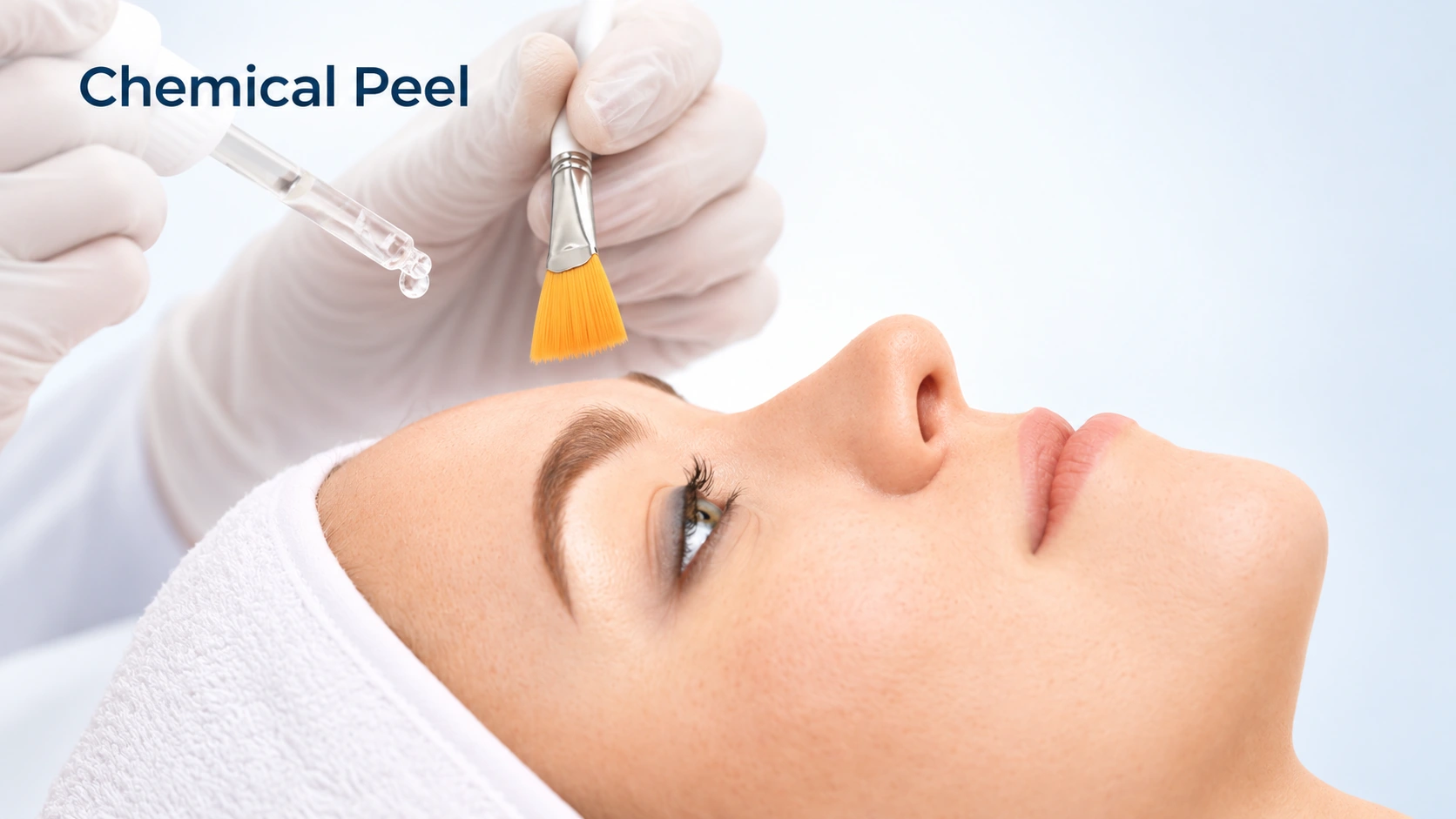
TCA Peel: A chemical peel using trichloroacetic acid. Depending on the strength it is either a light peel with a few days of flaking or a medium peel with a week of visible healing. It carries the highest pigment risk of the peels in common use.


Choose for the biggest single improvement in indented acne scars or deep sun damage, accepting the most downtime and pigment risk.
Choose for ice pick scars (as TCA CROSS) or stronger sun-damage peeling — the highest pigment risk of the common peels.
Can you have both?
Both resurface the skin. TCA CROSS is sometimes used for ice pick scars before or after CO2, spaced well apart.
It creates microscopic columns of injury in the skin.
Skin between the columns supports recovery.
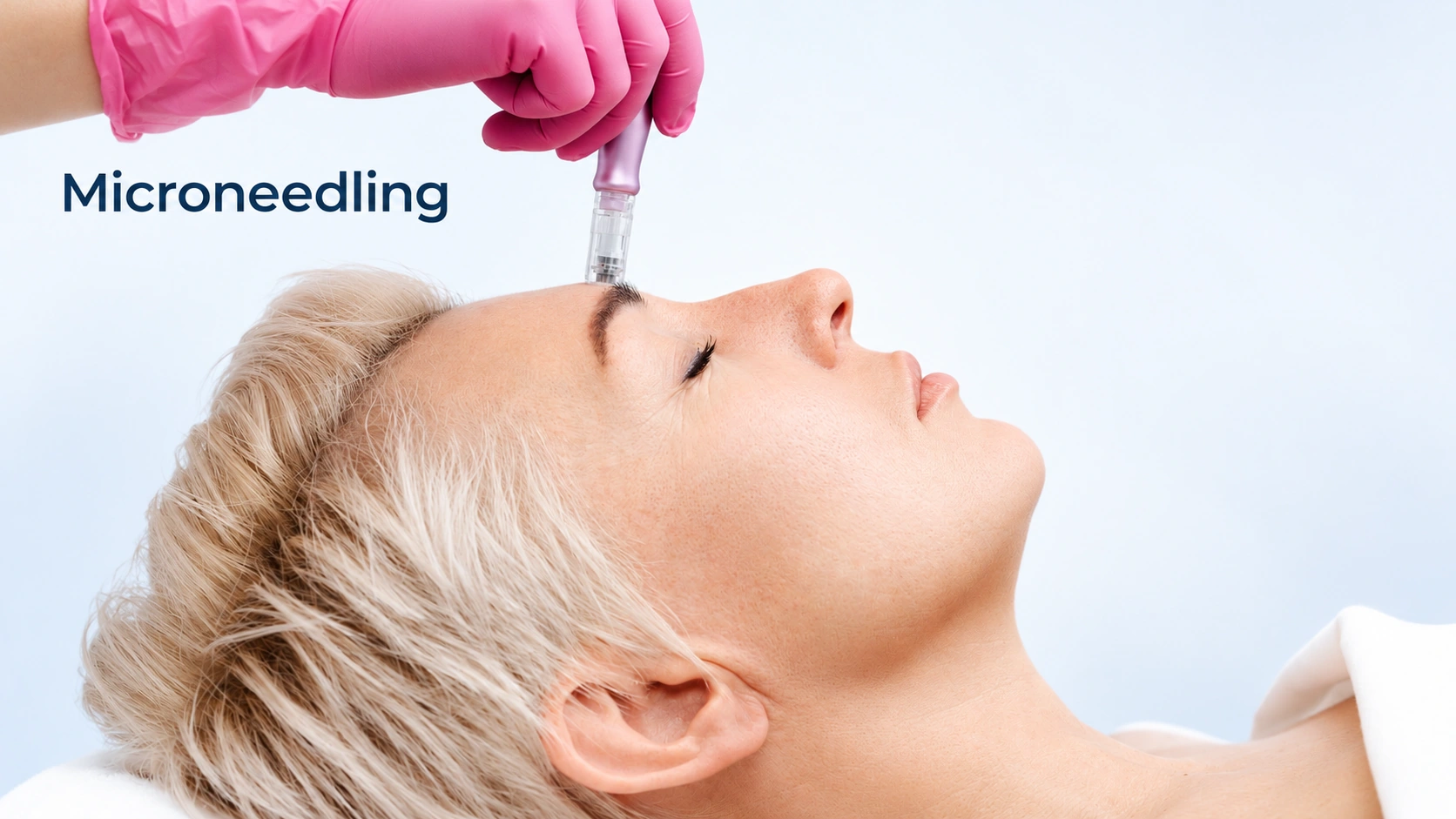
It is stronger than a facial but less than fully ablative resurfacing.
Pigment, keloid, herpes and isotretinoin history need assessment.
Trichloroacetic acid removes selected layers of skin.
Formulation, application and technique set the depth.
Online acid products should not be used to copy it.
Pigment-prone skin, herpes and scarring history need assessment.

Major improvement in many scar types.
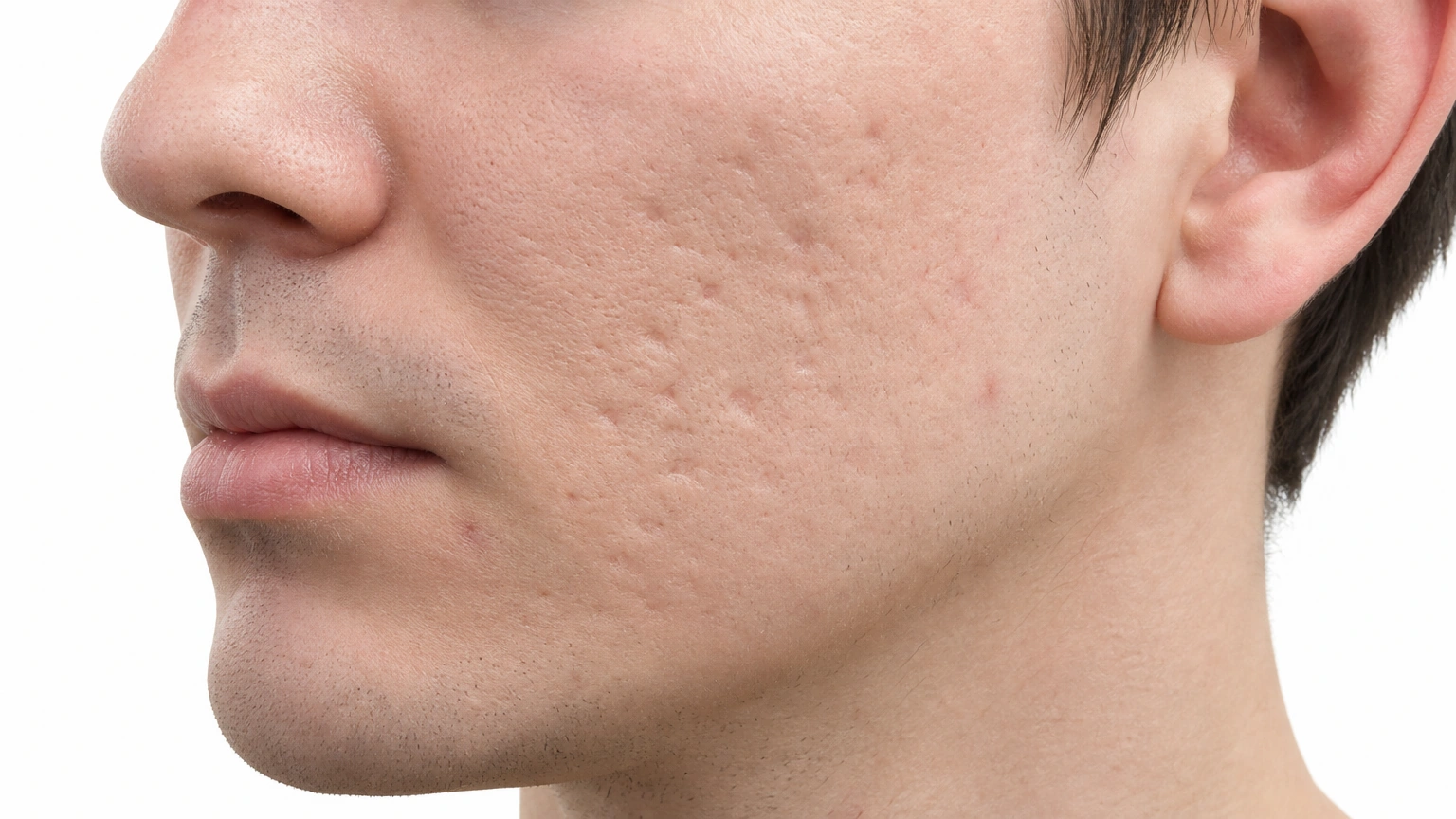
Smooths wide scars.

Tightens and smooths.
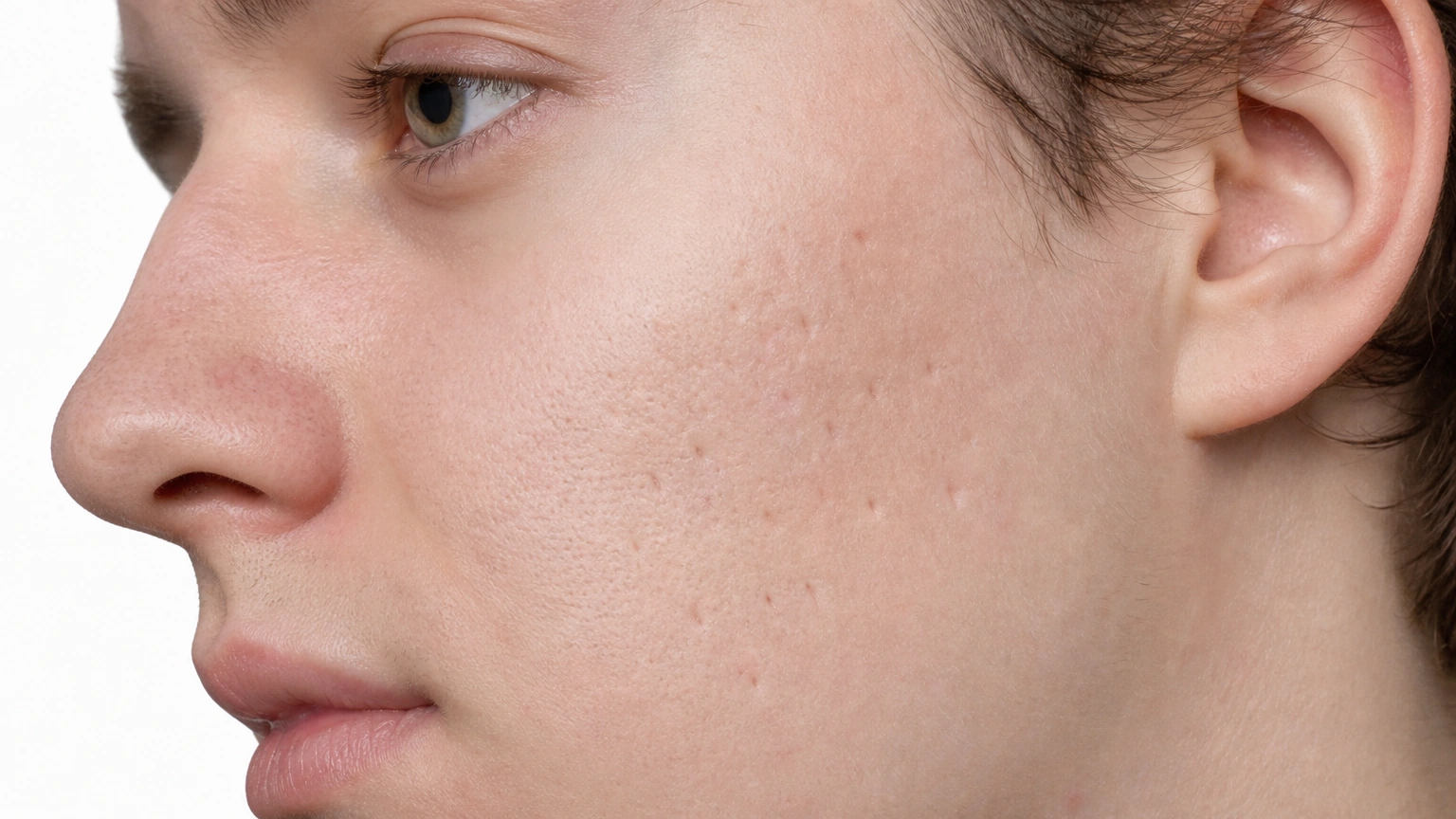
TCA CROSS raises deep pits.
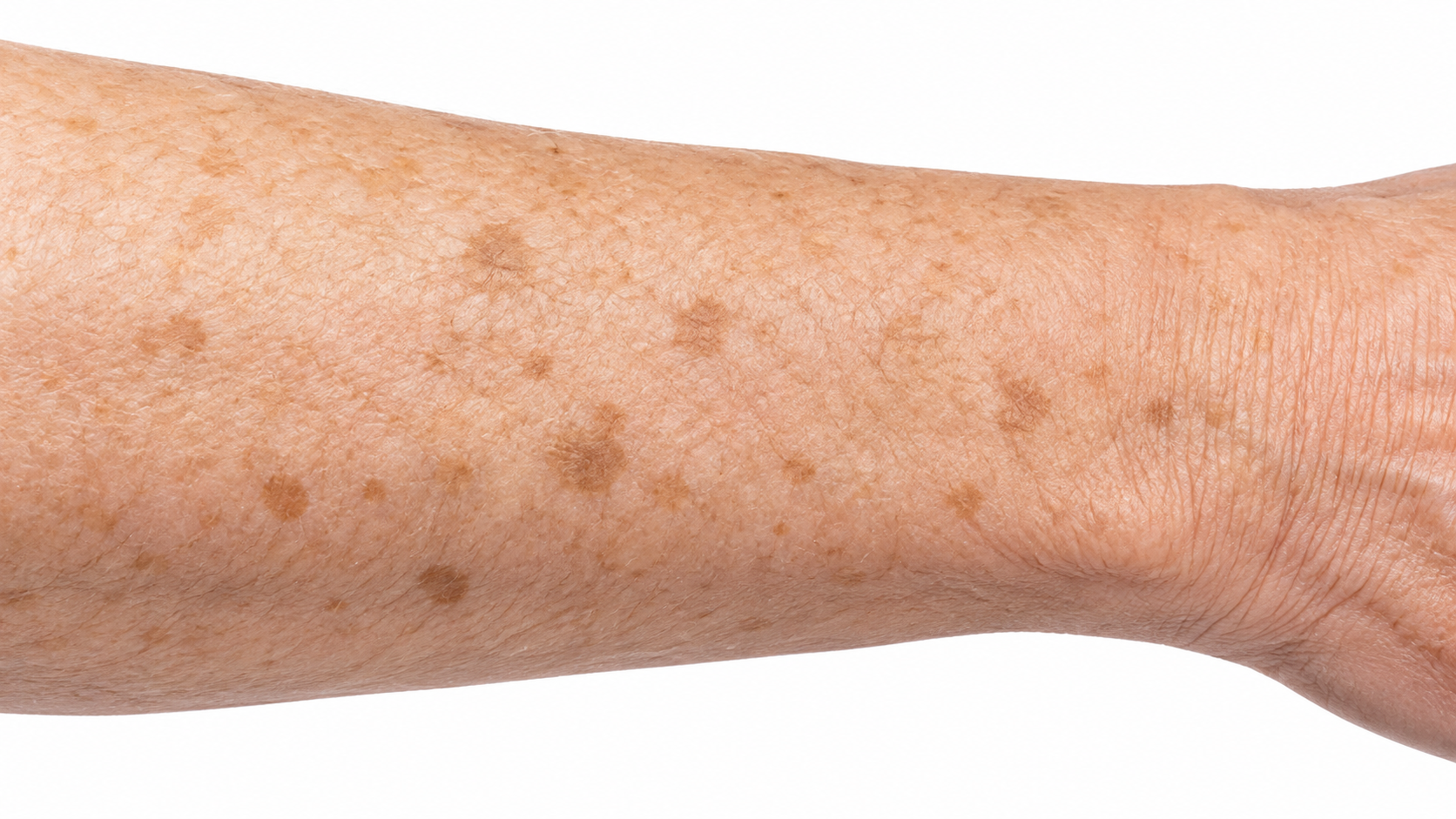
Clears sun damage.
Clears spots.
Medium peels smooth lines.
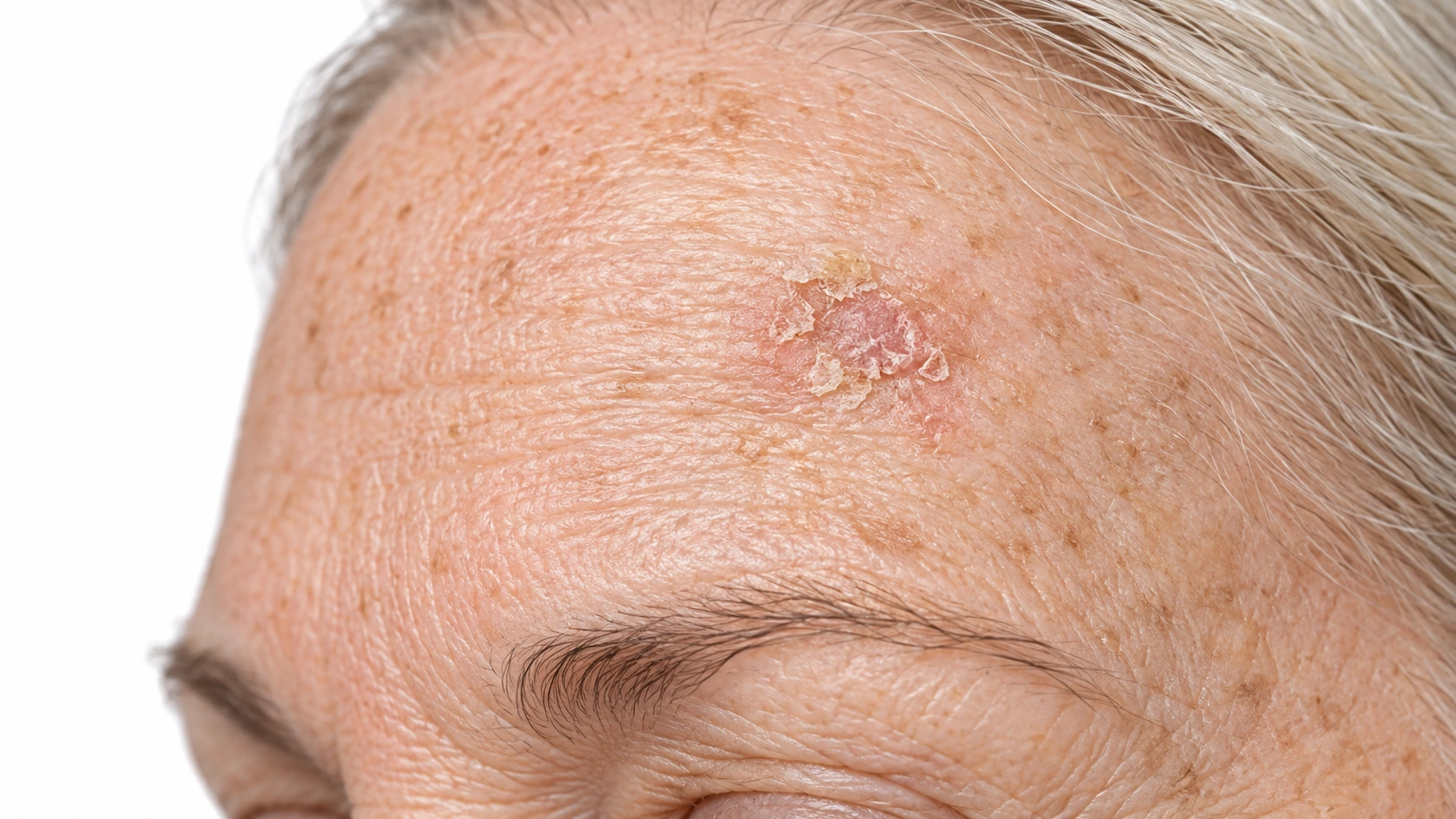
Removes sun damage.

High risk of darkening.

Can worsen redness.
Deep peels can darken patches.
Very irritating.
Face; the selected area depends on the concern and treatment plan.
Face; the selected area depends on the concern and treatment plan.


Creates tiny treatment channels: Laser energy absorbed by water removes narrow columns of tissue. Untreated skin supports healing: Skin between the channels helps the surface repair. Collagen remodels over time: Repair can improve selected scars, lines, and texture.
Schematic illustration. Technique and response vary. This explains a mechanism and does not specify treatment settings.
TCA is applied to selected skin: A clinician chooses the formulation and treatment plan. A controlled injury forms: The acid coagulates proteins in the treated layers. Skin heals and renews: The response depends on peel depth, technique, and skin.
Schematic illustration. Technique and response vary. This explains a mechanism and does not specify treatment settings.
Sun and pigment cream: No sun, and do not arrive tanned.
Sun and pigment cream: On deeper skin tones a pigment-blocking cream usually starts two to four weeks ahead.
Plan ahead: Time off and supplies: Book the time off, arrange a driver if sedation is planned, buy plain petrolatum and a gentle cleanser, and plan a week at home.
4 weeks before: Sun and pigment prep: No tanning or sunburn for a month, or the peel leaves blotchy pigment.
4 weeks before: Sun and pigment prep: On deeper skin tones and with melasma, providers pre-treat 2 to 4 weeks with a pigment-blocking cream.
2 weeks before: Actives and hair removal: Stop retinoids, benzoyl peroxide and exfoliating acids 5 to 7 days before.
2 weeks before: Actives and hair removal: Stop waxing, threading and hair removal creams for 2 weeks.
Actives and smoking: Stop retinoids, benzoyl peroxide and acids.
1 to 2 days before: Antiviral tablets: Antiviral tablets start a day or two before and continue for several days after, since an outbreak in healing skin can scar.
1 to 2 days before: Antiviral: Antiviral medicine starts a day or two before a medium peel, whether or not you get cold sores.
Skin is examined and photographed.
Skin is checked and photographed, and antiviral medicine started if it has not been.
The handpiece is passed or stamped over each zone.
Expect rapid clicking, a burning smell, and a smoke evacuator running. Heat builds fast and feels hot rather than sharp. A full face takes 30 to 60 minutes, genuinely painful without proper anesthesia. The burning carries on for an hour or two.
Skin is cleaned and degreased, eyes and lips protected.
The acid goes on with gauze or a brush, section by section, each area watched for frosting before the next layer. No neutralizing step; cool compresses follow. A light peel takes about 20 minutes, a medium 30 to 45. Medium TCA is genuinely uncomfortable, worst early.
Skin is deep red, hot, swollen and weeping clear fluid, with a fine grid pattern visible.
Frosting fades within about 15 to 30 minutes, leaving skin bright red and swollen.
Days 1 to 3: Swelling peaks on the first or second morning and can partly close the eyes.
Days 1 to 3: Skin turns brown or bronze and feels stiff and leathery.
Days 3 to 14: The skin turns bronze or grid-patterned brown, then flakes and sheets off, showing bright pink skin.
Days 3 to 10: Skin cracks and comes away in sheets, often starting at the mouth.
Week 3 to Month 12: Redness fades slowly, a month on light settings and three months or longer on aggressive ones.
Weeks 2 to 6: Pinkness settles over several weeks and takes makeup once skin is intact.
1–3 months, improving to 6
1–2 weeks after peeling
Years
Months to years
A full-face session in the US usually runs $1,000 to $3,000, varying by city, device, depth, and whether sedation or an operating room is involved.
In the US a light TCA peel runs about $150 to $300 a session and a medium peel about $400 to $900, more for a full face with sedation.
Insurance does not cover resurfacing for acne scars, which is classed as cosmetic.
Insurance does not cover peels for pigment, texture or scarring.
Five to ten days at home. Swelling and oozing days one to three, bronzing and sloughing days three to seven, and by day seven to ten the surface has closed and mineral makeup is usually allowed. Redness then fades over weeks to a few months.
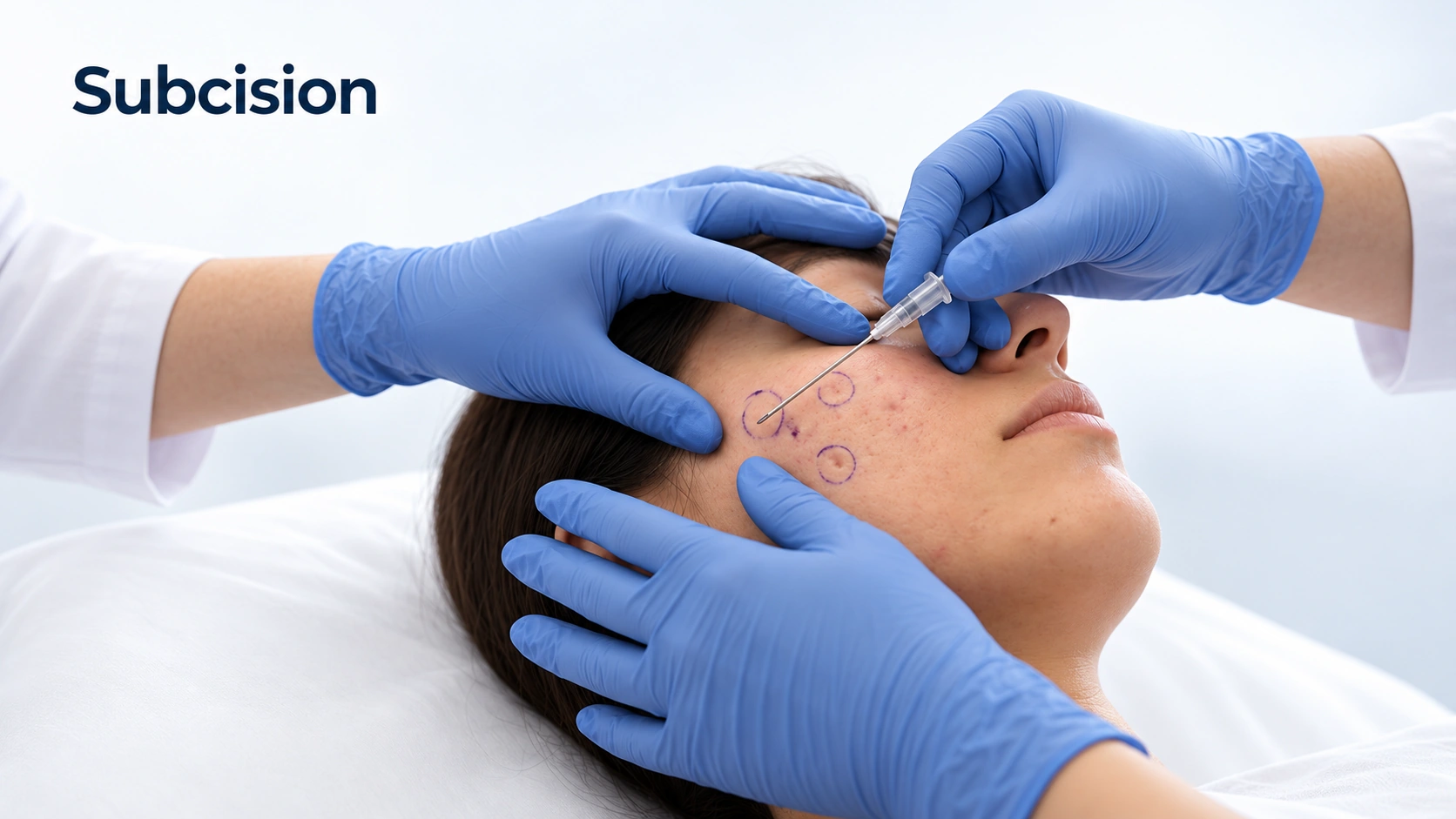
It improves them substantially, more than any other single treatment, but it does not remove them. Rolling and boxcar scars respond best, icepick scars least, and mixed scarring usually needs subcision or TCA CROSS too.
Experienced providers do it using lower density, longer intervals, and pigment creams before and after. Dark marks are common and fade over months. The rare risk of permanent pigment loss is why many people with deeper skin tones choose microneedling instead.
One to three, 6 to 12 weeks apart, judged six months after the last one.
Yes, without proper anesthesia. Numbing cream alone is not enough for a full face, so nerve blocks, injected anesthetic or oral sedation are standard, and burning continues for an hour or two afterward.
Only with months of margin. Skin looks worse before it looks better, and redness can last one to three months. Six months ahead is a reasonable minimum.
The white film that appears as TCA coagulates protein. It is the intended endpoint and how the provider judges depth. Patchy frost means a superficial peel; a solid white sheet means the upper dermis.
Same acid, different procedure. TCA CROSS places a high strength into the base of individual icepick scars and leaves the rest of the skin alone. A peel treats the whole area at much lower strength. If icepick scars are why you are going, ask for TCA CROSS by name.
About 3 to 5 days for a light peel, 7 to 10 for a medium one, plus several weeks of fading pinkness. Plan the week off before you book.
Light TCA and TCA CROSS are used on all skin tones. Medium-depth TCA across the face risks lasting dark or pale patches on deeper skin tones, so many providers choose a course of lighter peels instead.
TCA is used up as it reacts, so it stops on its own. Water rinses the surface but does not undo the reaction underneath. That is why it goes on in slow layers and is judged by frosting.
A face peel improves discoloration and texture but does not lift indented scars. Icepick scars may respond to TCA CROSS; rolling and boxcar scars usually need subcision, needling or laser.