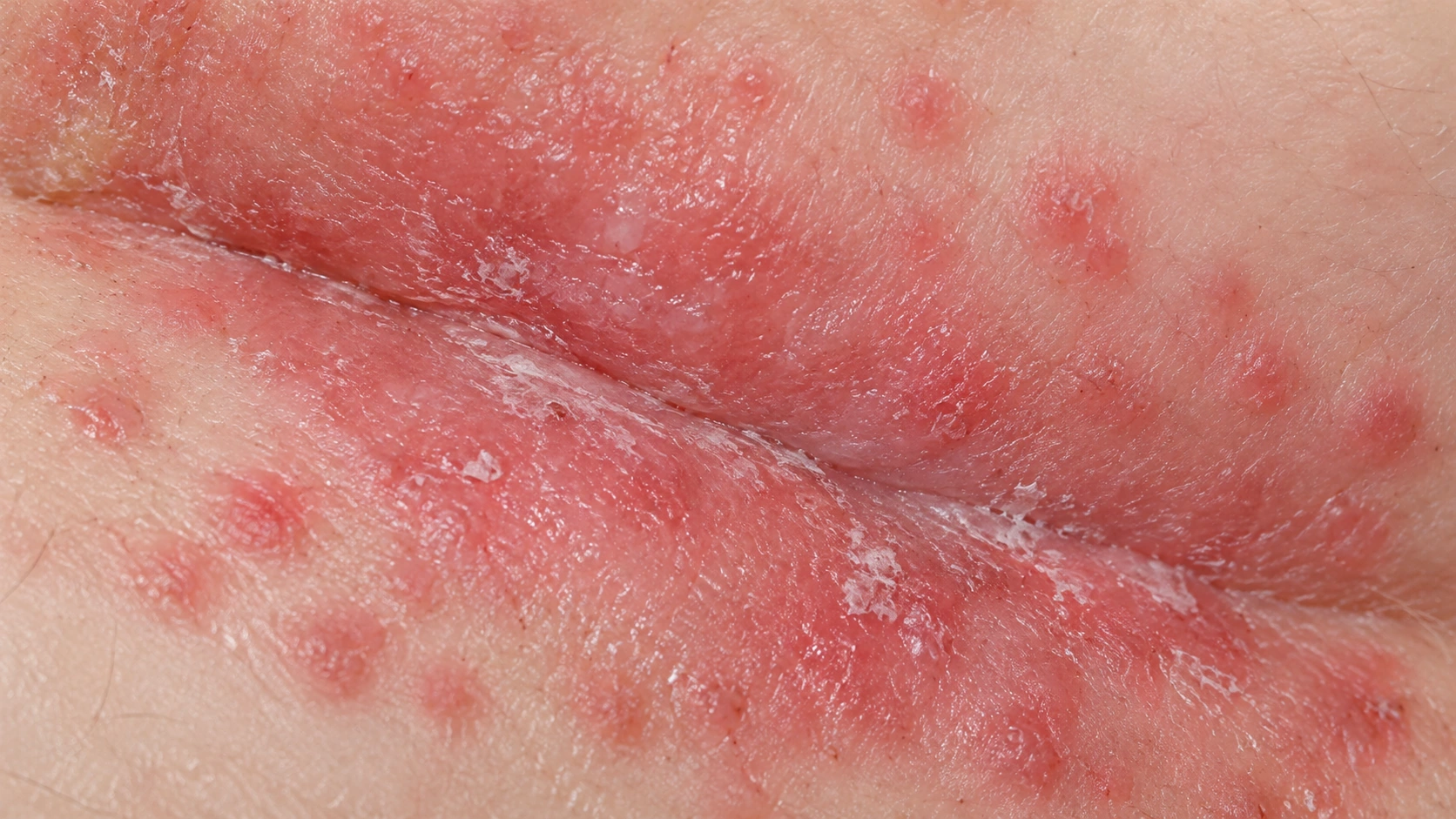
Vaginal Yeast Infection
A single dose clears most cases.
Fluconazole: An oral antifungal used mostly for yeast infections of the skin and mucous membranes. It is often a single dose or a weekly tablet, and it interacts with a long list of other medicines. Terbinafine: An oral antifungal tablet for stubborn fungal infections of the nails, scalp and skin. It is the first choice for nail fungus, and it needs a liver check before starting.
Choose for yeast infections or widespread fungal rashes too large for creams, often as a single or weekly dose.
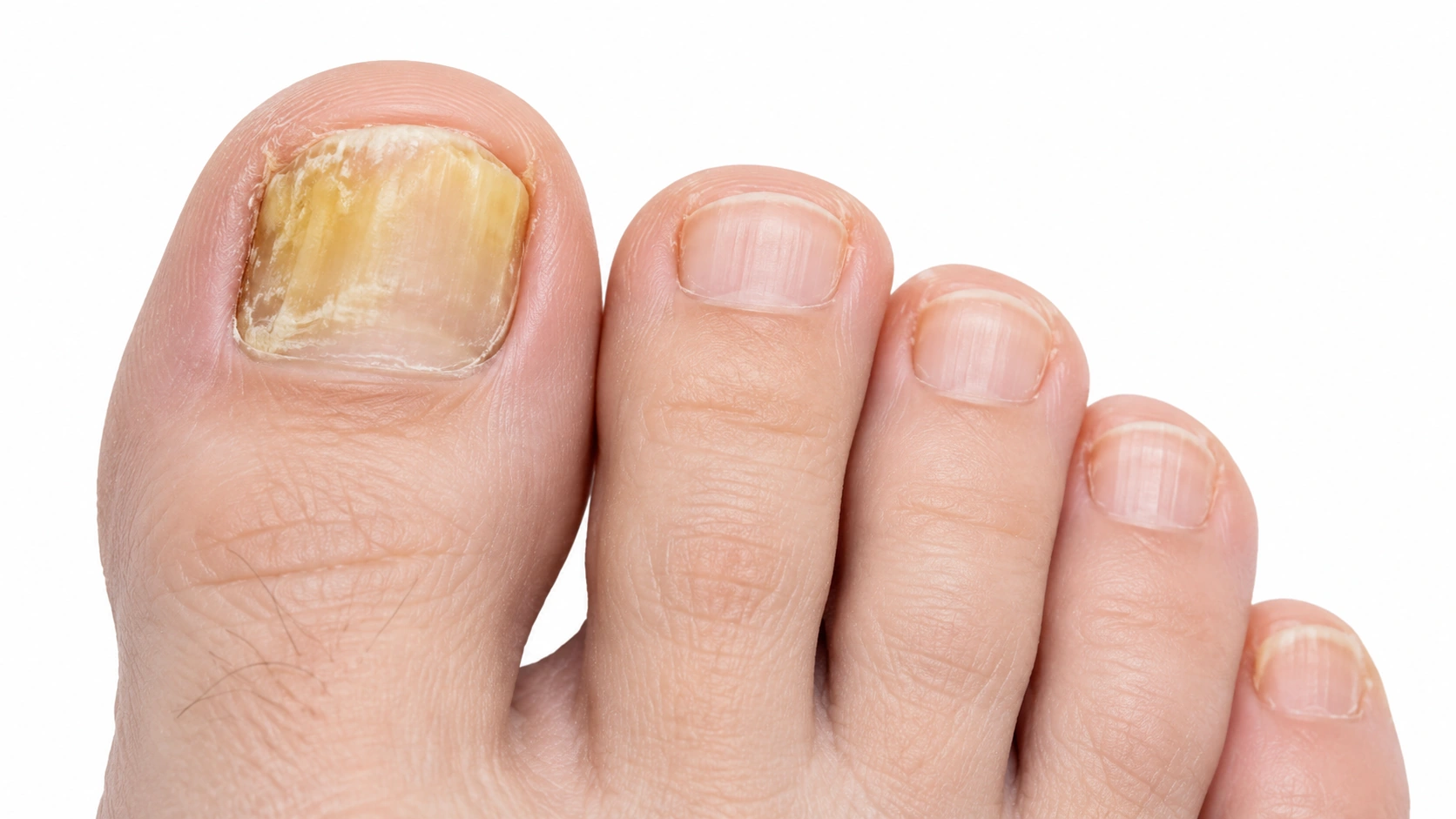
Choose as the first-choice tablet for toenail fungus — the most effective, after a liver check.
Can you take them together?
Both are antifungal tablets. Terbinafine is usually first for nail and skin fungus; fluconazole suits yeast infections. One is chosen, not both.
Compare uses by strength of evidence. Evidence level describes confidence in a benefit, not its size.
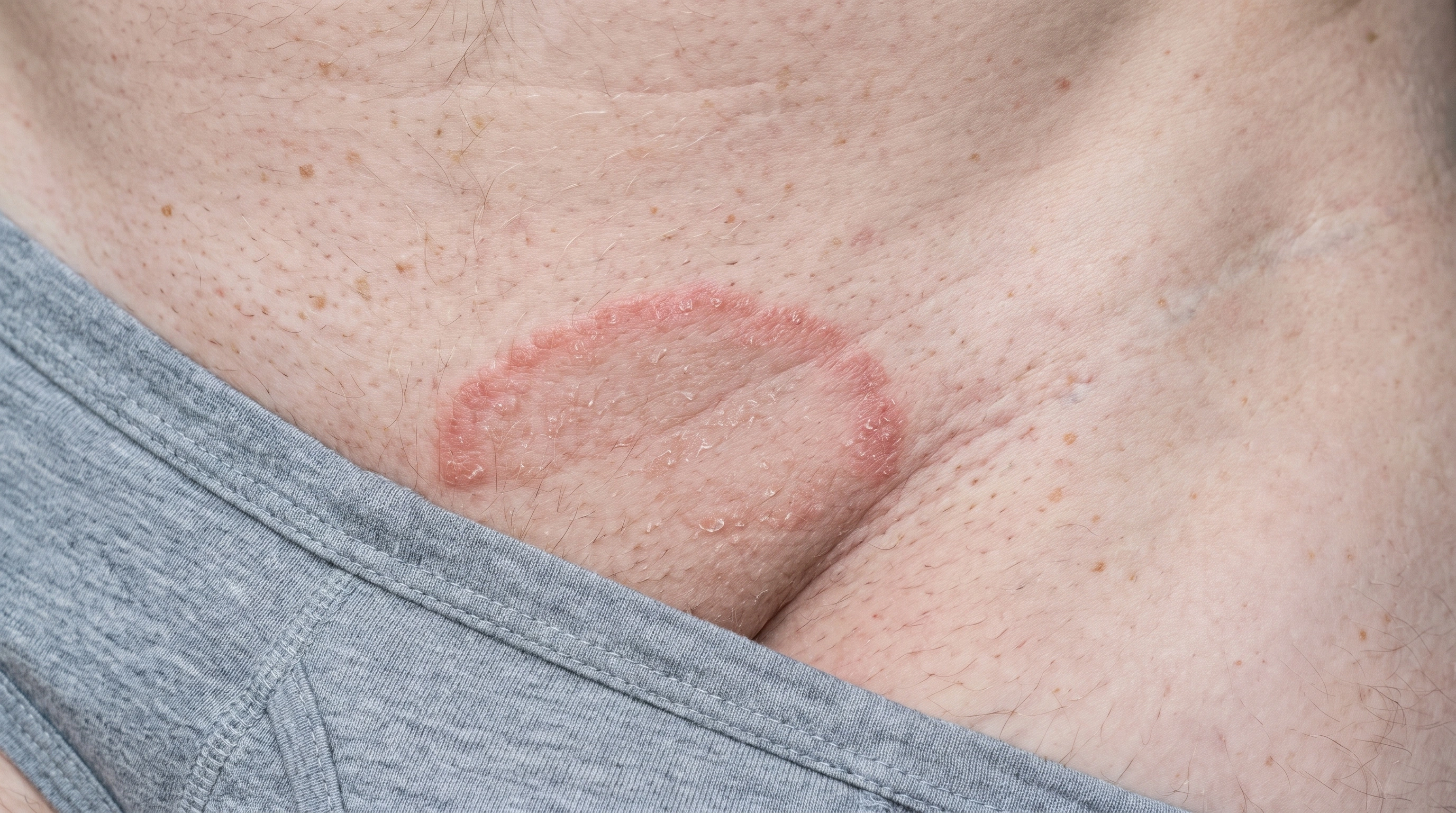
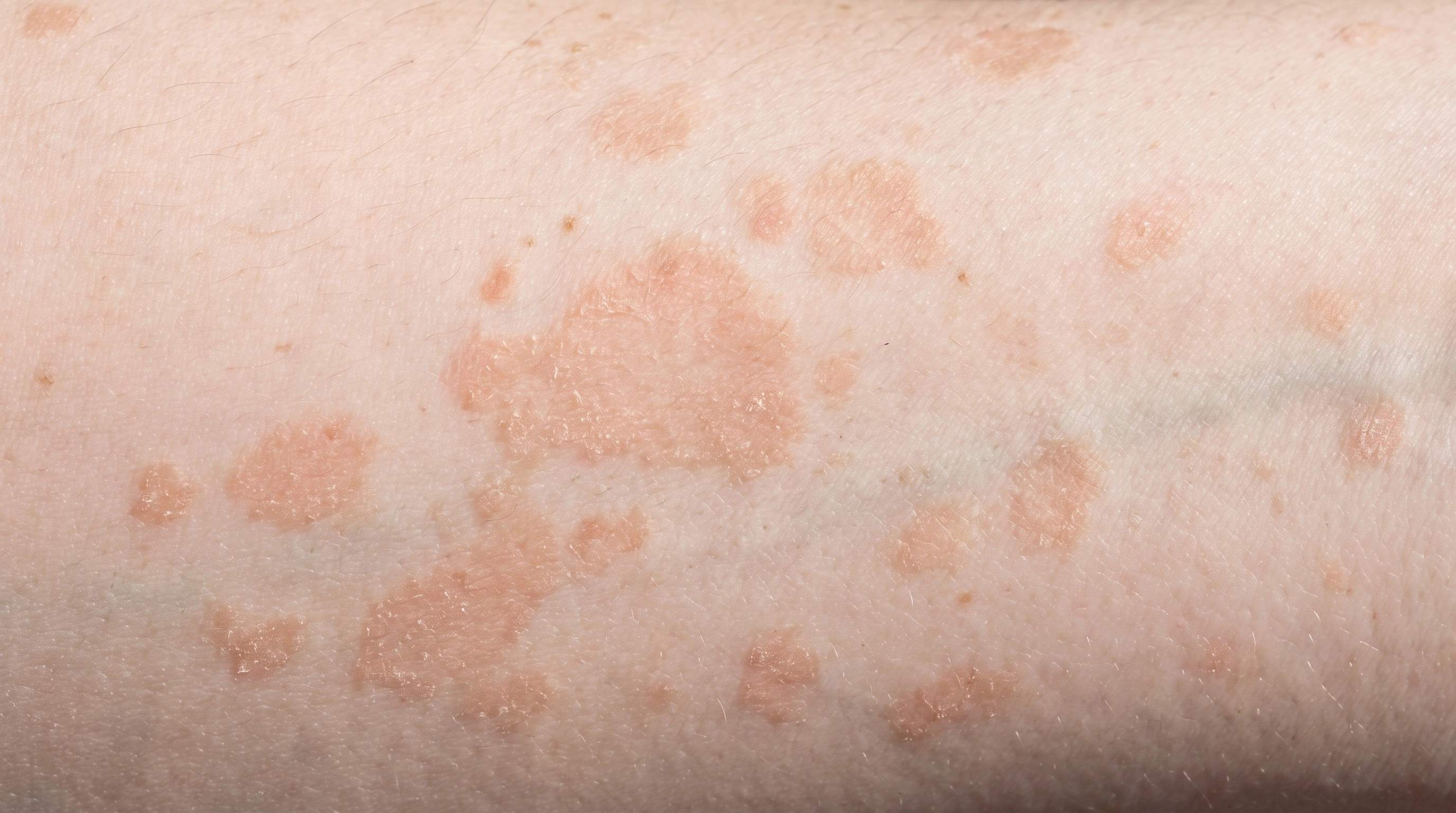
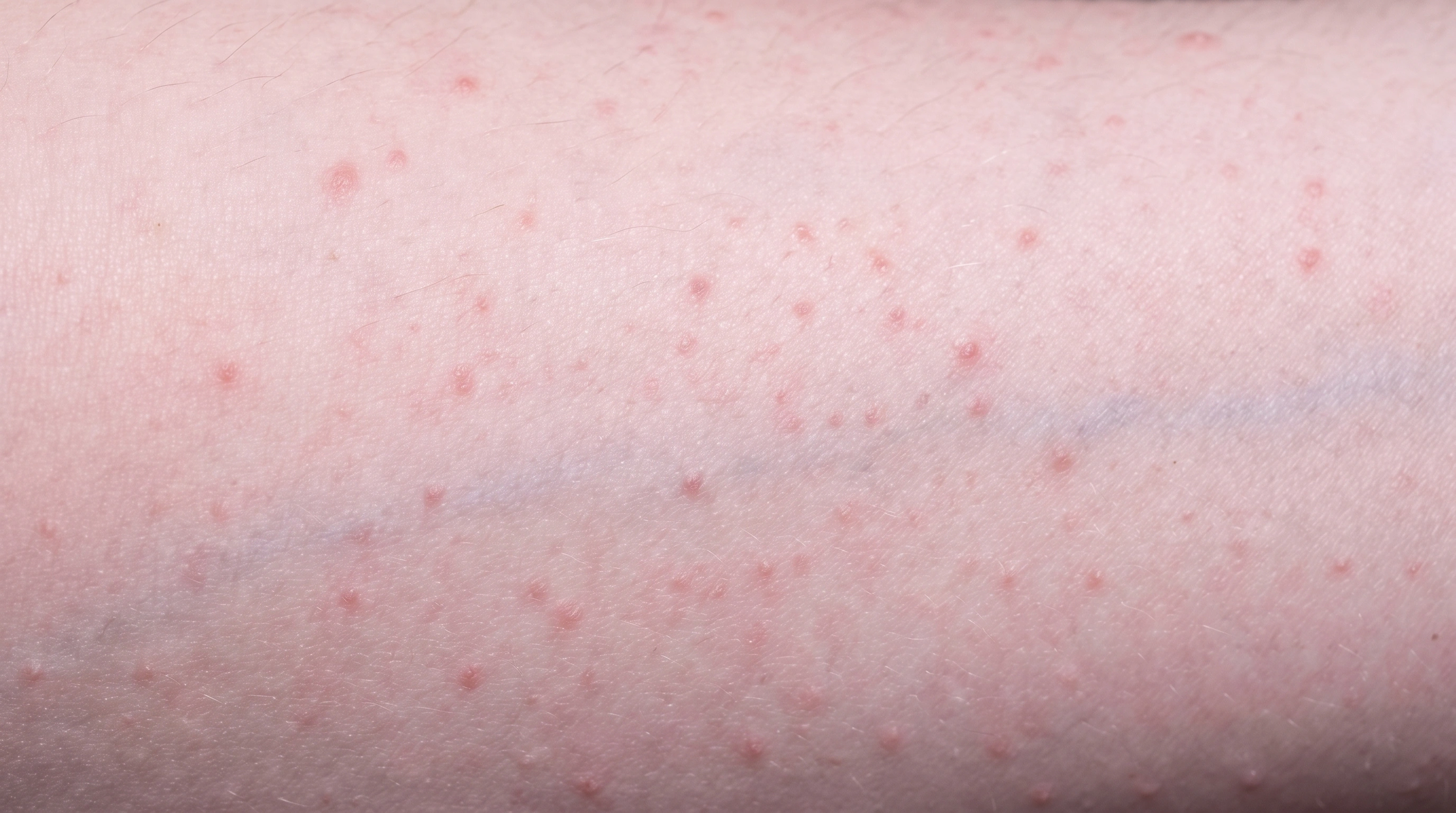



Blocks a fungal enzyme: Inhibits 14-alpha-demethylase. Reduces ergosterol: Fungal membranes lose a normal building block. Slows fungal growth: Susceptible yeasts have less ability to multiply.
Fluconazole inhibits fungal lanosterol 14-alpha-demethylase, disrupting sterol synthesis. Its activity is generally fungistatic; not all fungi or Candida species are susceptible.
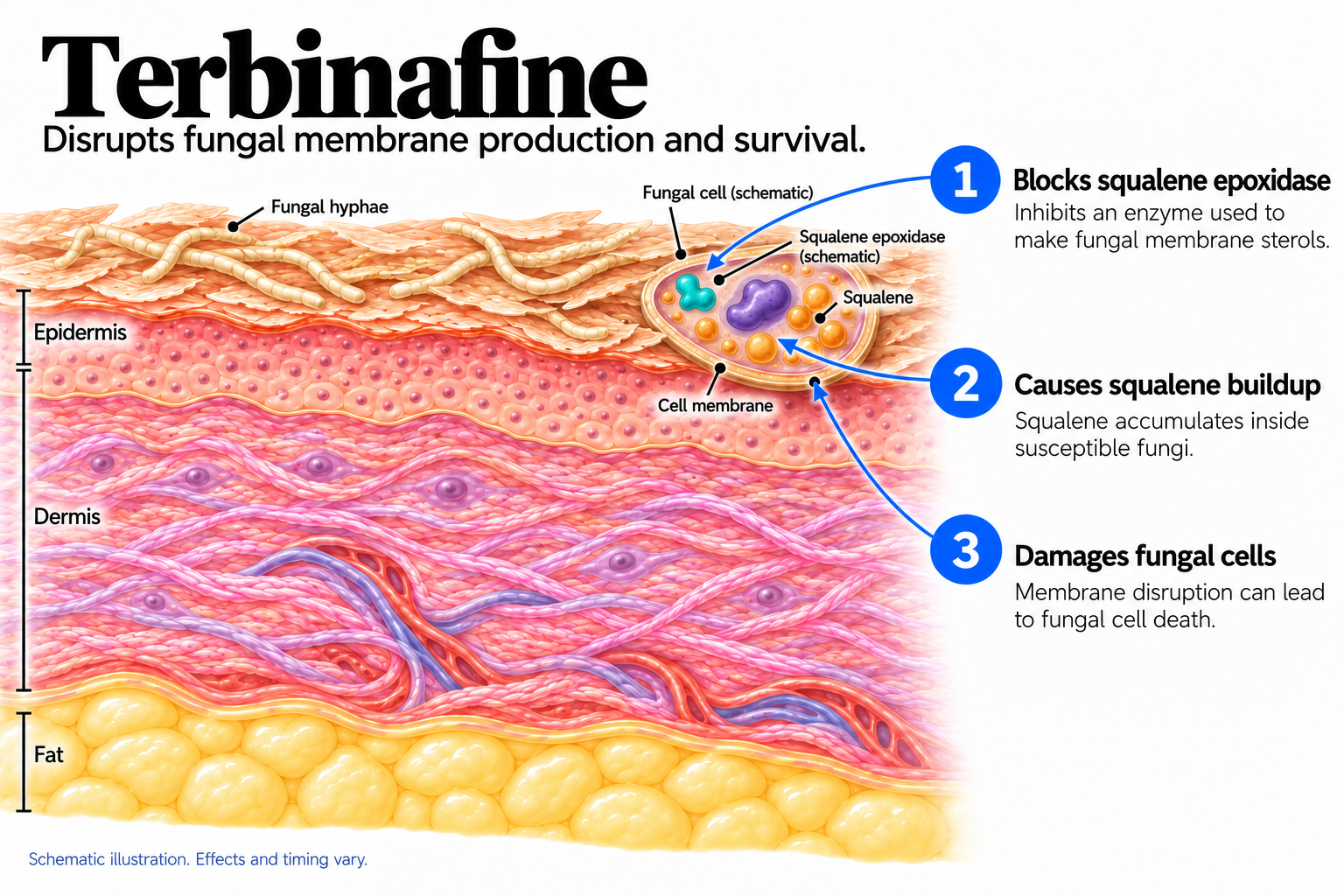
Blocks squalene epoxidase: Inhibits an enzyme used to make fungal membrane sterols. Causes squalene buildup: Squalene accumulates inside susceptible fungi. Damages fungal cells: Membrane disruption can lead to fungal cell death.
Squalene-epoxidase inhibition both reduces ergosterol synthesis and increases squalene accumulation. The latter is an important contributor to membrane permeability and fungal death. The image is a skin mechanism, not a nail-treatment timeline.
Dosing here is unusual: for several skin conditions it is a single tablet, or one tablet a week, rather than daily.
Starting dose: Depends what is being treated. Vaginal yeast is often one 150 mg tablet. Oral thrush is usually 200 mg on day one, then 100 mg daily. Skin and fold infections are commonly 150 mg once a week.
Going up: Not a ladder. If one dose has not settled vaginal yeast, a second about three days later is common. Persistent or widespread infections get a higher weekly dose or a longer course, not a bigger daily one.
Usual dose: 150 mg weekly for yeast or ringworm on the skin, typically 2 to 4 weeks. Thrush is treated for 7 to 14 days. Yeast folliculitis on the back and chest needs a few weeks of weekly dosing plus an antifungal wash.
Total course: One dose for simple vaginal yeast, one to two weeks for thrush, two to four weeks for skin, six months or more for nails, where it is off-label in the United States. Kidney problems lower the dose.
Dose is fixed for adults. What changes is the length of the course.
Starting dose: 250 mg once a day for adults. Children are dosed by weight using the granules. Liver blood tests are usually done before the first tablet.
Going up: No ladder. The dose stays the same throughout.
Usual dose: 250 mg once daily. Toenails about 12 weeks, fingernails about 6 weeks, widespread ringworm or jock itch 2 to 4 weeks, moccasin-type athlete's foot about 2 weeks. Scalp ringworm in children is usually 4 to 6 weeks.
Total course: For nails, that is the whole treatment. The nail keeps improving for months after the last tablet, because the drug is already in the keratin. A second course is only considered after judging the result at around a year.
With or without food, any time of day. Fluconazole absorbs almost completely either way, and antacids do not block it.
On a weekly tablet, pick a fixed day and set a reminder. Weekly medicines are the easiest to lose track of.
Mild nausea or a headache in the first day or two is common; a meal usually helps.
Once a day, at whatever time you will remember. Food does not matter, though it may reduce nausea. Pick a time you can repeat — for nails this is a daily tablet for three months, and missed days are why a course underperforms.
Alcohol is not a direct interaction, but the liver processes terbinafine, so avoid heavy drinking during a course.
On a daily course, take it when you remember unless the next dose is close, and never double up. On a weekly course, take the missed tablet as soon as you notice and carry on with your usual day. A single dose that made you sick straight away may not have been absorbed, so ask rather than repeating it.
Take it when you remember, unless the next one is nearly due. Never double up. An occasional missed day will not undo the course; missing whole weeks will.
A short course in a healthy person needs no blood tests. Longer courses, higher doses, or liver or kidney problems may prompt liver and kidney checks.
The interactions are what need watching. Fluconazole slows the liver enzymes that clear many common medicines, so those medicines build up. The main ones are warfarin, where the clotting test can climb; sulfonylurea diabetes tablets such as glipizide and glyburide, where blood sugar can drop too low; some statins, where muscle pain and rarely muscle damage follow; phenytoin; some sedatives; ciclosporin and tacrolimus after a transplant; and several drugs that affect the heart's rhythm.
That last group matters because fluconazole itself can lengthen the QT interval, part of the heart's rhythm. A few combinations are never used, and your prescriber checks before writing it.
Liver enzyme rises are usually mild and serious liver injury is rare, but yellowing skin or eyes, dark urine, or persistent nausea means stop and be seen — as does a spreading rash with blistering or mouth sores, the same day.
A liver blood test before starting is standard, and this drug is not used in active or chronic liver disease. Many doctors repeat liver tests at about four to six weeks on a nail course.
Serious liver injury is very rare but can be severe, which is the reason for testing. The warning signs are yellowing of the eyes or skin, dark urine, pale stools, persistent nausea, right-sided upper abdominal pain, or unusual tiredness. Any of those means stop the tablet and call your doctor the same day.
Terbinafine also blocks the liver enzyme CYP2D6, which matters for a specific set of medicines — tricyclic antidepressants, some SSRIs, some beta blockers, some heart-rhythm drugs and tamoxifen. Give a full medicine list before starting.
Rarer problems worth naming: lasting change or loss of taste and smell, a drop in blood cell counts, a lupus-like reaction, and severe skin reactions. A widespread rash, mouth ulcers, blistering or peeling means stop and get seen.
Approximate windows, not promises.
Hours 1 to 24Taking it: One tablet, with or without food. Nausea or headache, if they come, come now.
Days 1 to 3Vaginal yeast: Its most reliable use. Itch and soreness settle within a day or two. Infections that keep returning get a weekly tablet for months instead.
Week 1Oral thrush: White patches lift within the week, but finish the course. If thrush keeps coming back, the reason — an inhaled steroid, dentures, dry mouth, diabetes, a suppressed immune system — matters more than the tablet.
Weeks 2 to 4Skin folds and trunk: Redness and scaling fade on weekly dosing. Yeast folliculitis often clears here, after months of acne treatment did not. Both return if the skin stays damp.
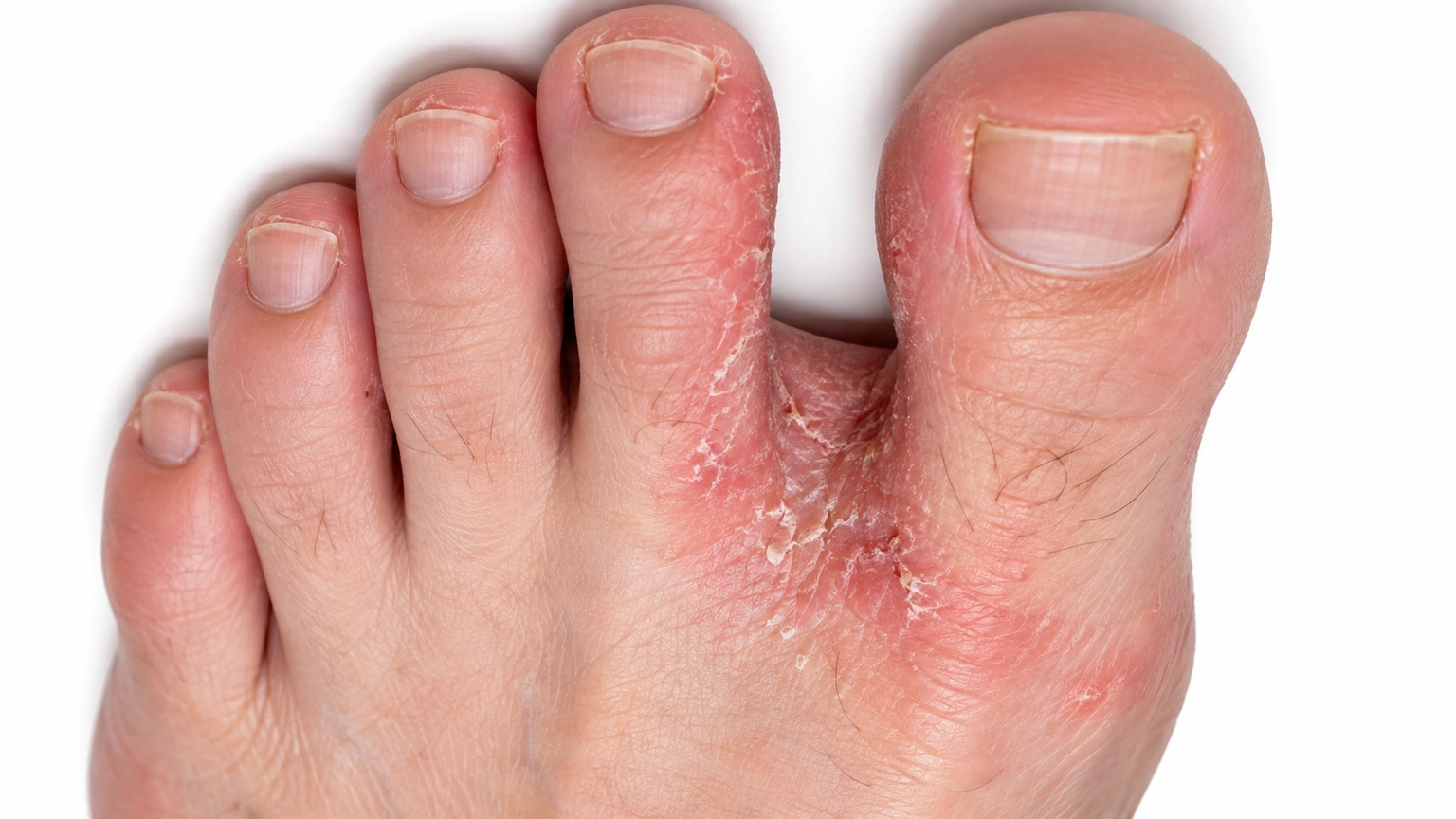
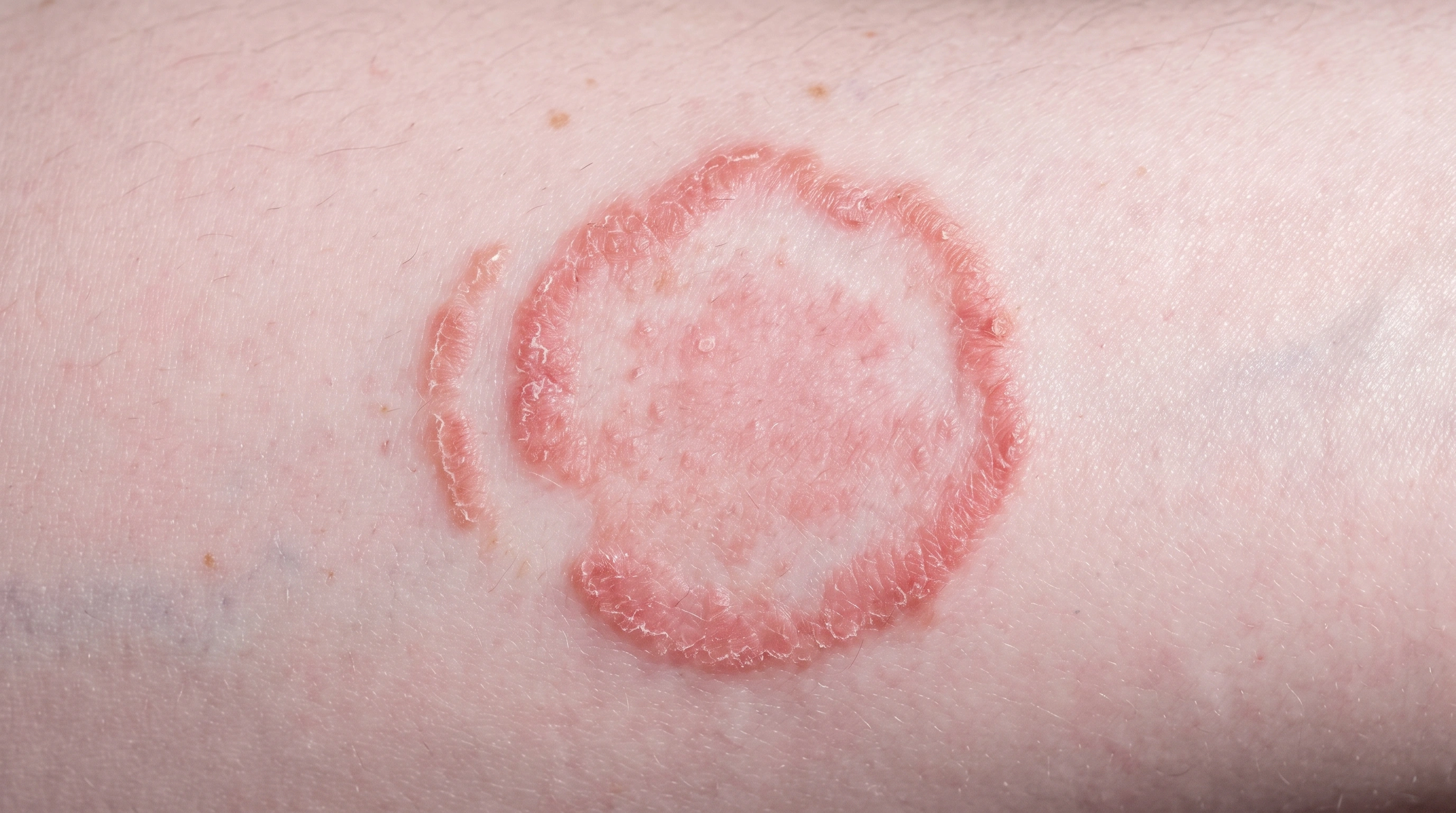
Weeks 2 to 4Skin clears: Ringworm, jock itch and athlete's foot clear in this range, fast and reliably. Scalp infection calms, with an antifungal shampoo alongside to reduce spread.
First doseTaking it: One tablet a day, with or without food. Stomach upset, mild nausea or headache shows up in the first fortnight and eases.
Weeks 4 to 12The nail course runs: Nails look exactly the same. Normal, not failure. A healthy band may show at the base near the end.
Months 3 to 6Growing out: Tablets finished, drug still in the nail. A clear line grows down from the cuticle as the damaged part moves to the tip.
Months 9 to 12Judge it here: A toenail takes this long to replace itself. Most people clear the fungus. Fingernails do better than toenails, younger nails better than older.
Sorted by what to do about them.
Generic fluconazole is cheap and stocked everywhere. The single 150 mg tablet is one of the cheapest prescriptions in dermatology, and in some countries it is sold without a prescription for vaginal yeast infection.
Longer courses stay cheap because the tablets are cheap. Off-label weekly use for nails runs many months, so the total adds up, and insurers may not cover it.
The liquid suspension for children costs more than tablets.
Generic terbinafine tablets are inexpensive and widely stocked. A twelve-week course is usually one of the cheaper parts of treating nail fungus.
The costs that catch people out are around it rather than in it: the lab clipping and the blood test before starting both carry their own charges, and some insurers will not cover nail treatment without a positive lab result.
The children's granules cost considerably more than tablets. Laser and cosmetic nail treatments are not covered and have far weaker evidence.
Itch and soreness usually ease within a day or two, and most simple cases clear with one dose.
Because it slows the liver enzymes that clear warfarin, some statins and some diabetes tablets. Interactions are the main safety issue.
No direct interaction. Avoid heavy drinking during a course, since the liver processes the drug.
Usually something keeps favoring it — antibiotics, hormonal changes, diabetes, an inhaled steroid, or a damp fold. Repeated single doses rarely settle that.
It can, but terbinafine works better on that family of fungi. Fluconazole is the yeast drug.
Ask the doctor managing your pregnancy. It is usually avoided, and creams are used instead.
Twelve weeks of tablets for toenails, but the nail needs nine to twelve months to grow out. Judge it at a year.
Yes, for a nail course. Serious liver injury is rare but serious, and a baseline test is what makes prescribing reasonable.
An occasional drink is not dangerous. Avoid heavy drinking, because the liver is clearing the drug.
Yes, and it should. Untreated fungus between the toes is the usual source of reinfection.
Because about half of thick, discolored nails are not fungal. Confirming it avoids months of an unnecessary tablet, and many insurers require it.
Yes. Recurrence over the years is common, especially without attention to shoes, socks and the skin between the toes.