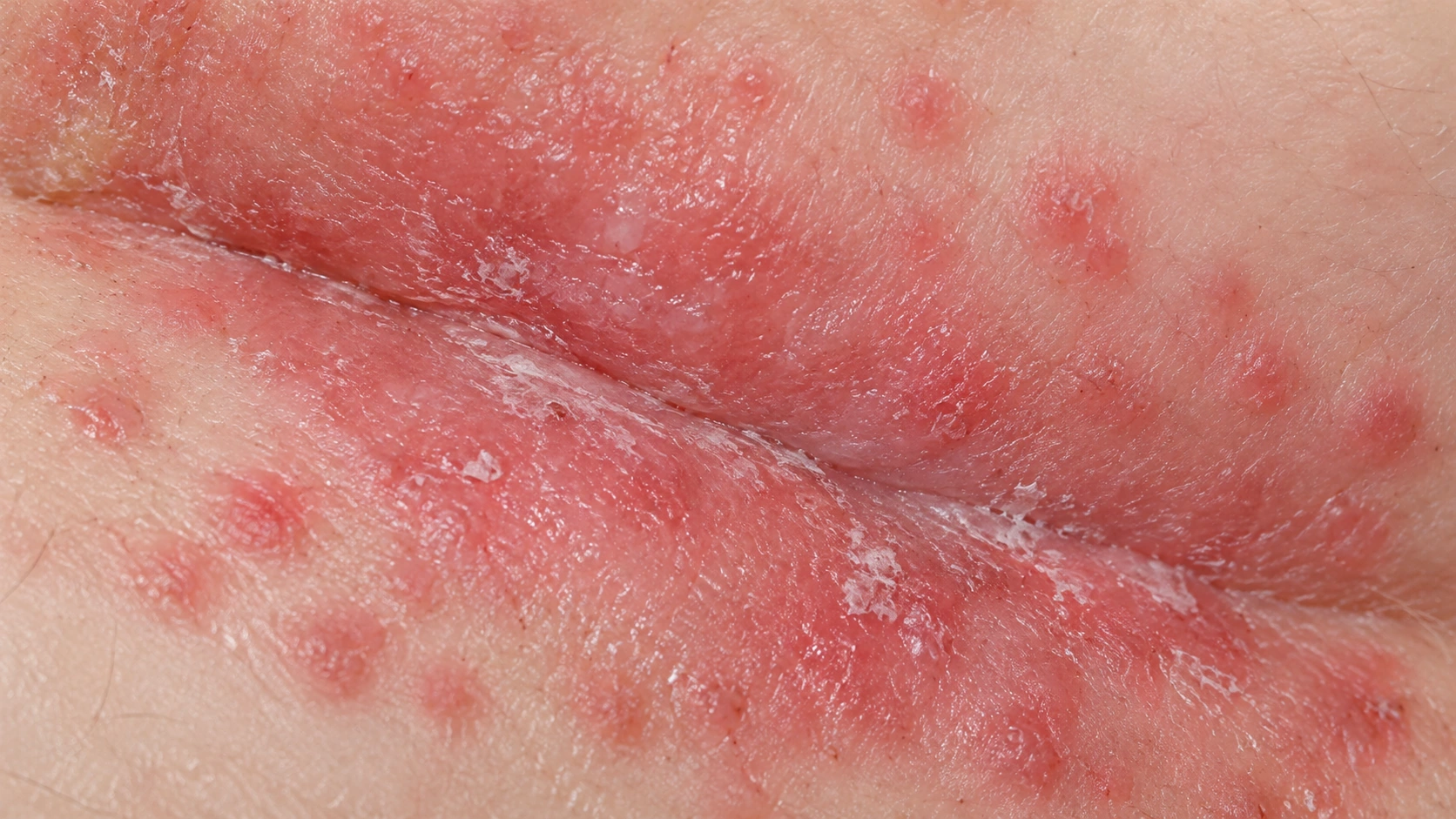
Vaginal Yeast Infection
A single dose clears most cases.
Fluconazole: An oral antifungal used mostly for yeast infections of the skin and mucous membranes. It is often a single dose or a weekly tablet, and it interacts with a long list of other medicines. Ketoconazole: An antifungal cream and shampoo used for dandruff, seborrheic dermatitis, tinea versicolor and ringworm. The tablet form is no longer used for skin infections because of liver risk.
Choose for yeast infections or widespread fungal rashes too large for creams, often as a single or weekly dose.
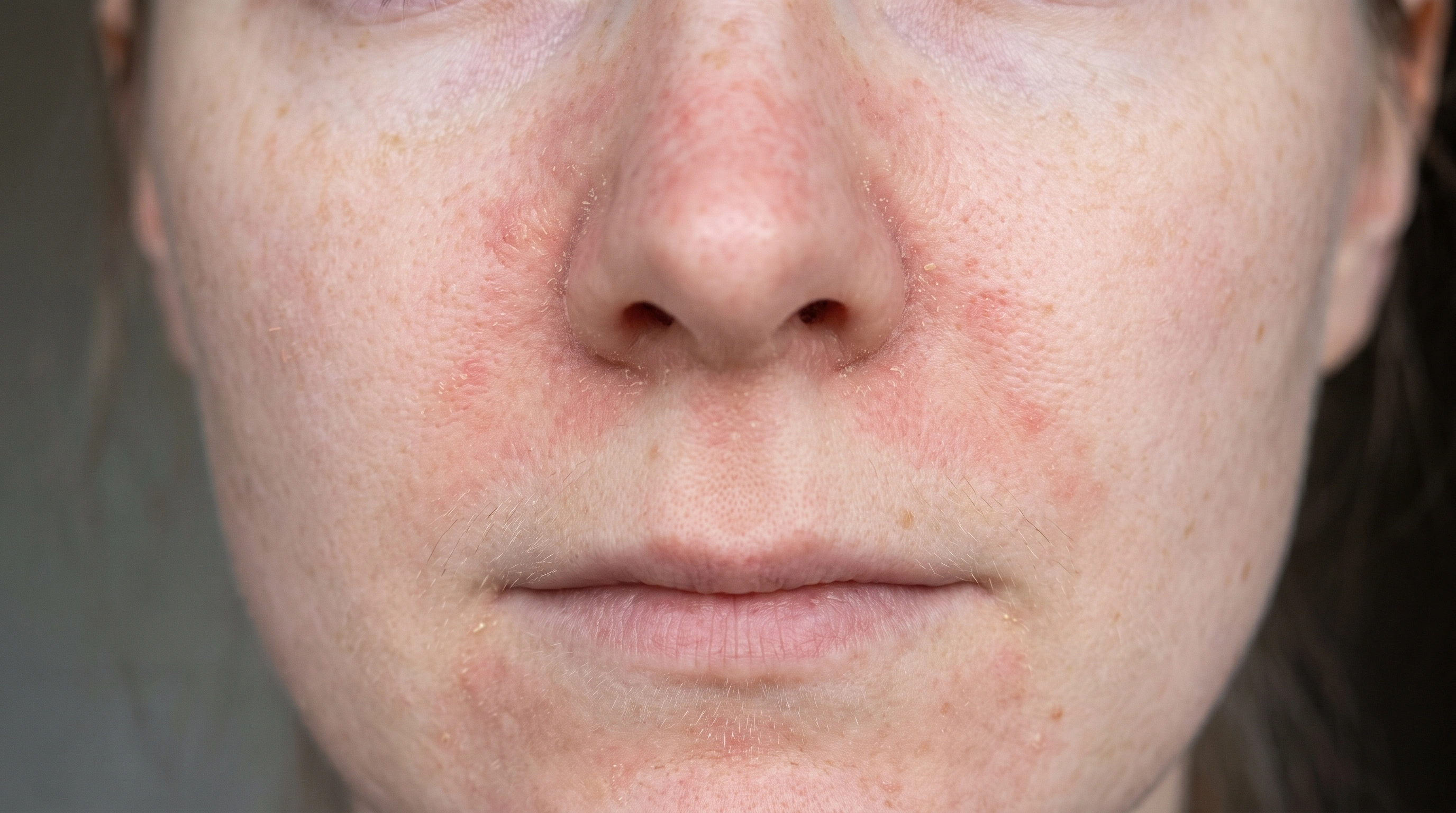
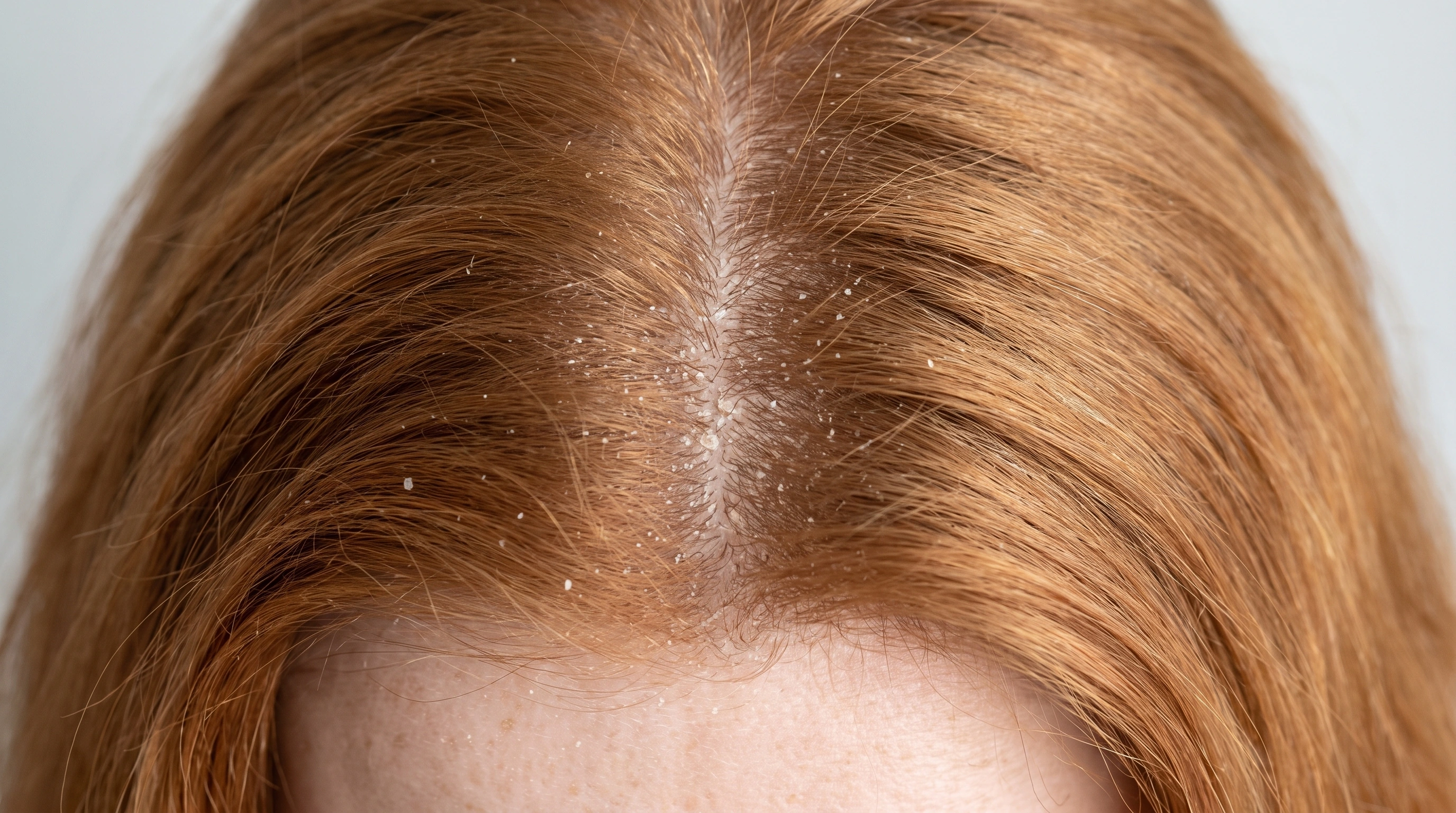
Choose for flaky scalp, facial seborrheic dermatitis or tinea versicolor — a cheap shampoo or cream that controls the yeast.
Can you take them together?
Fluconazole tablets and ketoconazole shampoo or cream are sometimes used together, for example for tinea versicolor or scalp yeast. Ketoconazole tablets are rarely used now.
Compare uses by strength of evidence. Evidence level describes confidence in a benefit, not its size.



Blocks a fungal enzyme: Inhibits 14-alpha-demethylase. Reduces ergosterol: Fungal membranes lose a normal building block. Slows fungal growth: Susceptible yeasts have less ability to multiply.
Fluconazole inhibits fungal lanosterol 14-alpha-demethylase, disrupting sterol synthesis. Its activity is generally fungistatic; not all fungi or Candida species are susceptible.

Limits ergosterol production: Reduces a building block of fungal cell membranes. Disrupts fungal membranes: Fungi have more difficulty maintaining normal cells. Reduces susceptible fungi: Fungal and yeast-related skin problems can improve.
Topical ketoconazole impairs fungal ergosterol synthesis. The contribution of Malassezia reduction to seborrheic dermatitis benefit is proposed rather than fully established. Species and resistance matter.
Dosing here is unusual: for several skin conditions it is a single tablet, or one tablet a week, rather than daily.
Starting dose: Depends what is being treated. Vaginal yeast is often one 150 mg tablet. Oral thrush is usually 200 mg on day one, then 100 mg daily. Skin and fold infections are commonly 150 mg once a week.
Going up: Not a ladder. If one dose has not settled vaginal yeast, a second about three days later is common. Persistent or widespread infections get a higher weekly dose or a longer course, not a bigger daily one.
Usual dose: 150 mg weekly for yeast or ringworm on the skin, typically 2 to 4 weeks. Thrush is treated for 7 to 14 days. Yeast folliculitis on the back and chest needs a few weeks of weekly dosing plus an antifungal wash.
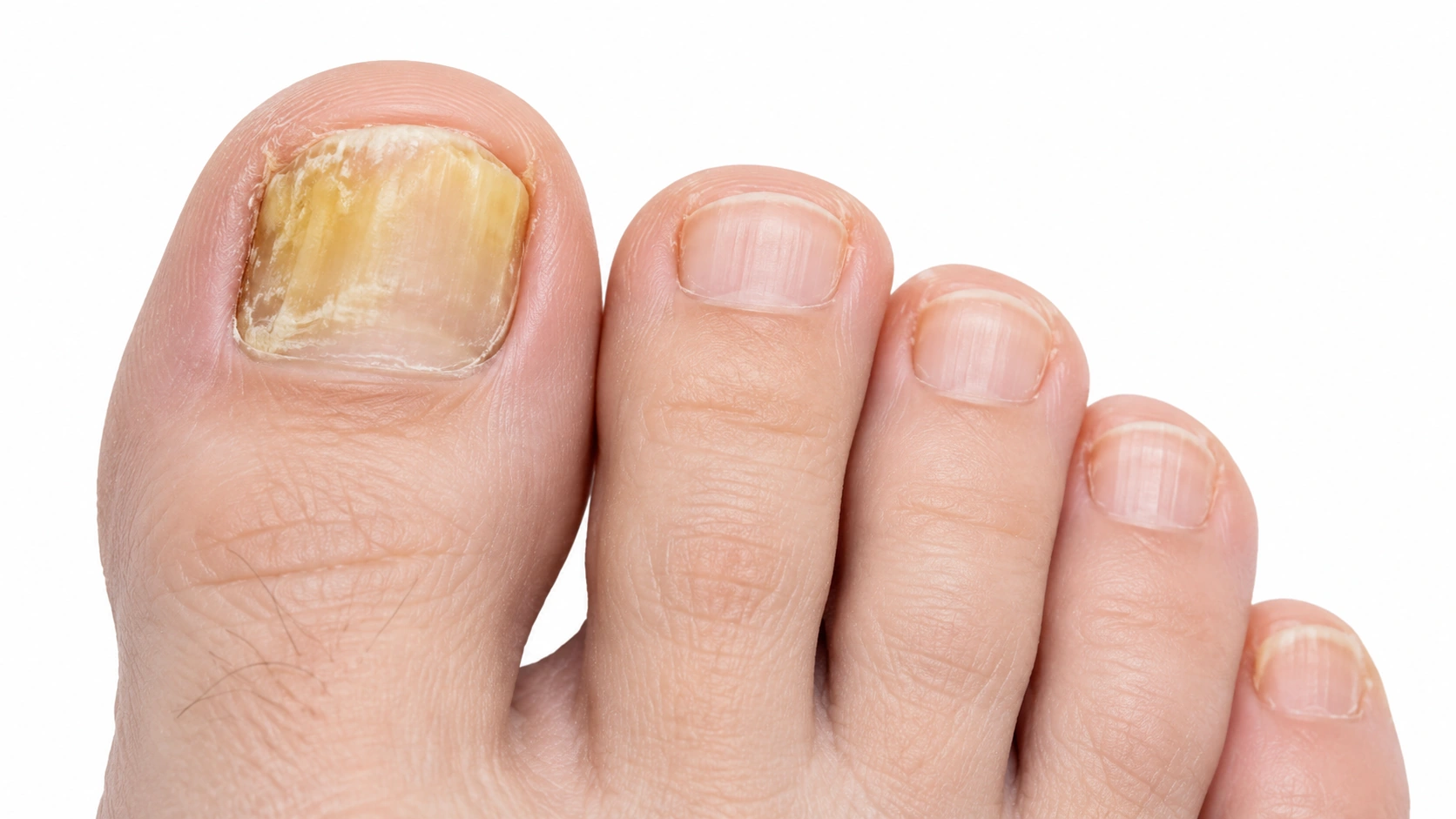
Total course: One dose for simple vaginal yeast, one to two weeks for thrush, two to four weeks for skin, six months or more for nails, where it is off-label in the United States. Kidney problems lower the dose.
When to Apply: For the shampoo, twice a week on wet hair. Lather it in, leave it on the scalp three to five minutes, then rinse. Contact time is what works, not volume. For the cream, a thin layer once or twice a day over the area and a little past its edge.
How to Start: Twice-weekly shampoo, or daily cream, for the first two to four weeks. Tinea versicolor is often treated with the shampoo as a body wash, left on five minutes, daily for a few days or weekly for a few weeks. Athlete's foot needs longer, often about six weeks.
If It Irritates: Mild stinging, dryness or an itchy scalp early on usually settles. Rinsing more thoroughly, dropping to once a week, or switching from gel or foam to cream generally fixes it. A rash that worsens each time you use it may be an allergy, and needs a look.
If It's Not Working: Give it two full weeks used correctly, with the contact time. If the scalp is no better, the reasons are usually rinsing too soon, a different diagnosis such as psoriasis, or a fungus that needs a tablet. Rotating with selenium sulfide, zinc pyrithione or ciclopirox often helps.
With or without food, any time of day. Fluconazole absorbs almost completely either way, and antacids do not block it.
On a weekly tablet, pick a fixed day and set a reminder. Weekly medicines are the easiest to lose track of.
Mild nausea or a headache in the first day or two is common; a meal usually helps.
On a daily course, take it when you remember unless the next dose is close, and never double up. On a weekly course, take the missed tablet as soon as you notice and carry on with your usual day. A single dose that made you sick straight away may not have been absorbed, so ask rather than repeating it.
A short course in a healthy person needs no blood tests. Longer courses, higher doses, or liver or kidney problems may prompt liver and kidney checks.
The interactions are what need watching. Fluconazole slows the liver enzymes that clear many common medicines, so those medicines build up. The main ones are warfarin, where the clotting test can climb; sulfonylurea diabetes tablets such as glipizide and glyburide, where blood sugar can drop too low; some statins, where muscle pain and rarely muscle damage follow; phenytoin; some sedatives; ciclosporin and tacrolimus after a transplant; and several drugs that affect the heart's rhythm.
That last group matters because fluconazole itself can lengthen the QT interval, part of the heart's rhythm. A few combinations are never used, and your prescriber checks before writing it.
Liver enzyme rises are usually mild and serious liver injury is rare, but yellowing skin or eyes, dark urine, or persistent nausea means stop and be seen — as does a spreading rash with blistering or mouth sores, the same day.
No blood tests and no routine monitoring for the cream, shampoo, gel or foam. Absorption through intact skin is minimal, and the serious risks belong to the tablet.
People use this for years. Seborrheic dermatitis and dandruff are long-term conditions, and continuing at a lower frequency is the normal plan, not a sign something has gone wrong.
The exception to watch for is an allergic contact reaction, a rash that worsens each time it is used. Uncommon, but it happens, and it is a reason to stop and have it looked at rather than to use it more often.
Oral ketoconazole is the version that needs liver blood tests, heart tracings and interaction checks. It is not used for skin infections.
Approximate windows, not promises.
Hours 1 to 24Taking it: One tablet, with or without food. Nausea or headache, if they come, come now.
Days 1 to 3Vaginal yeast: Its most reliable use. Itch and soreness settle within a day or two. Infections that keep returning get a weekly tablet for months instead.
Week 1Oral thrush: White patches lift within the week, but finish the course. If thrush keeps coming back, the reason — an inhaled steroid, dentures, dry mouth, diabetes, a suppressed immune system — matters more than the tablet.
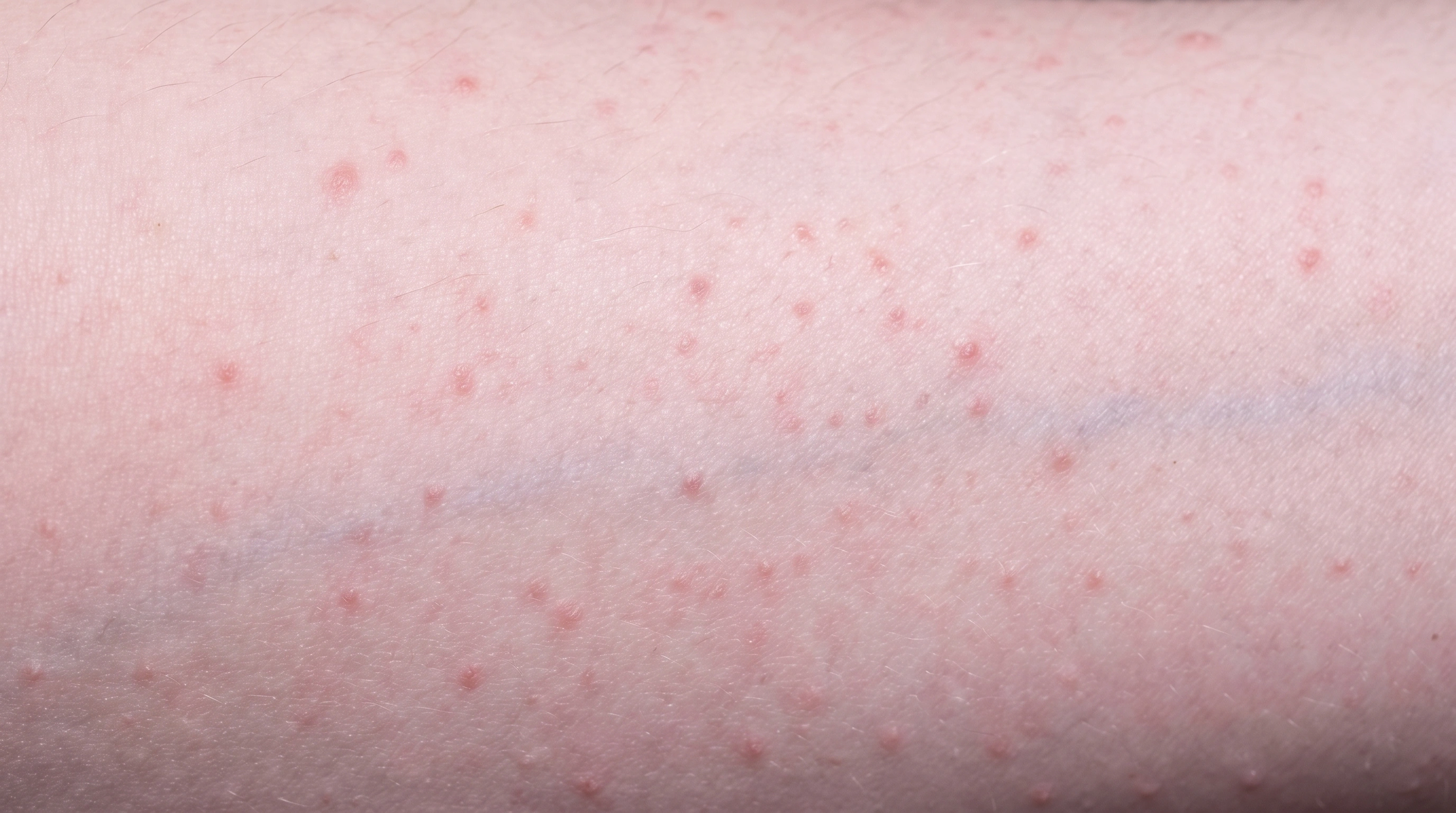
Weeks 2 to 4Skin folds and trunk: Redness and scaling fade on weekly dosing. Yeast folliculitis often clears here, after months of acne treatment did not. Both return if the skin stays damp.
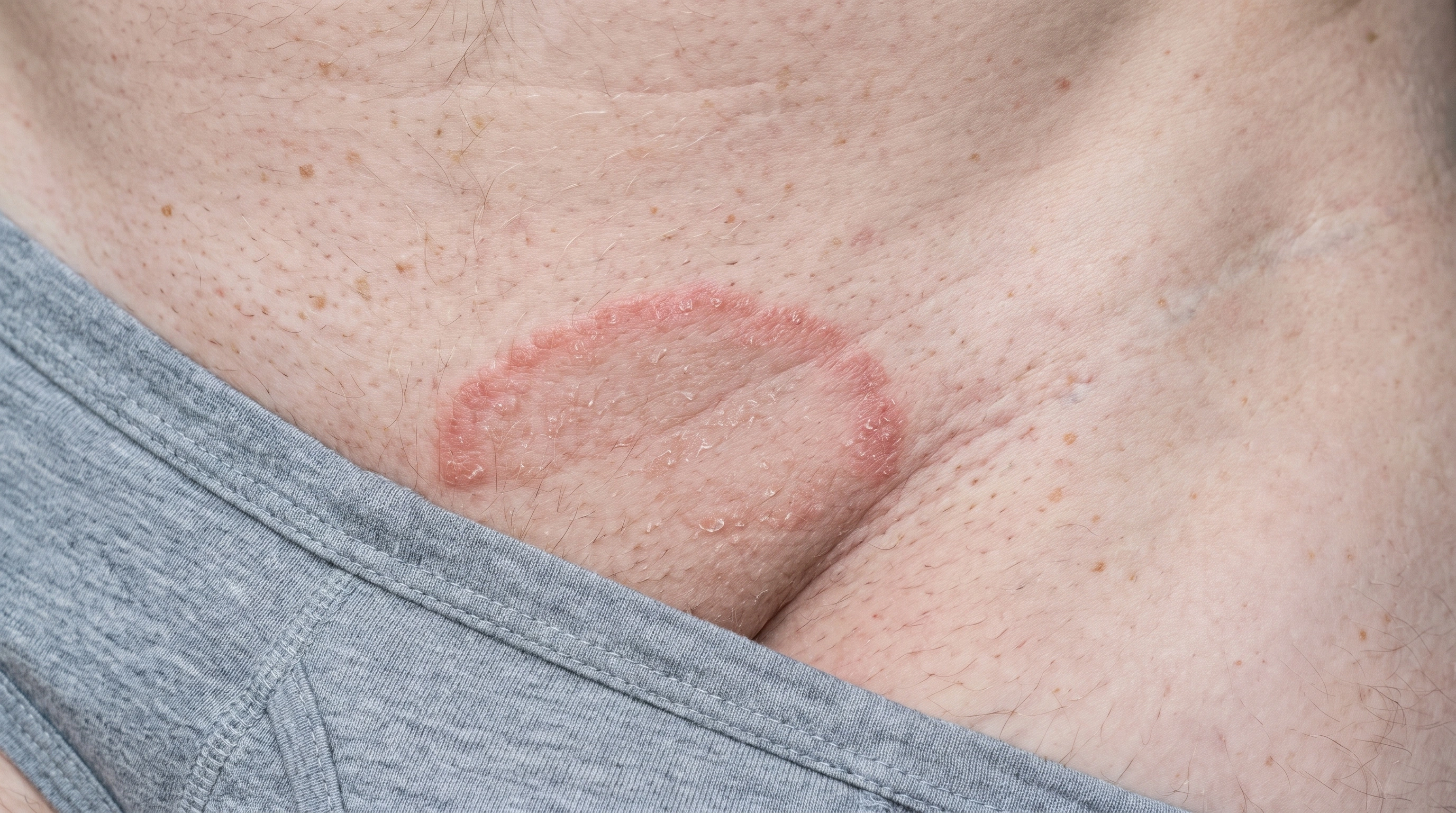
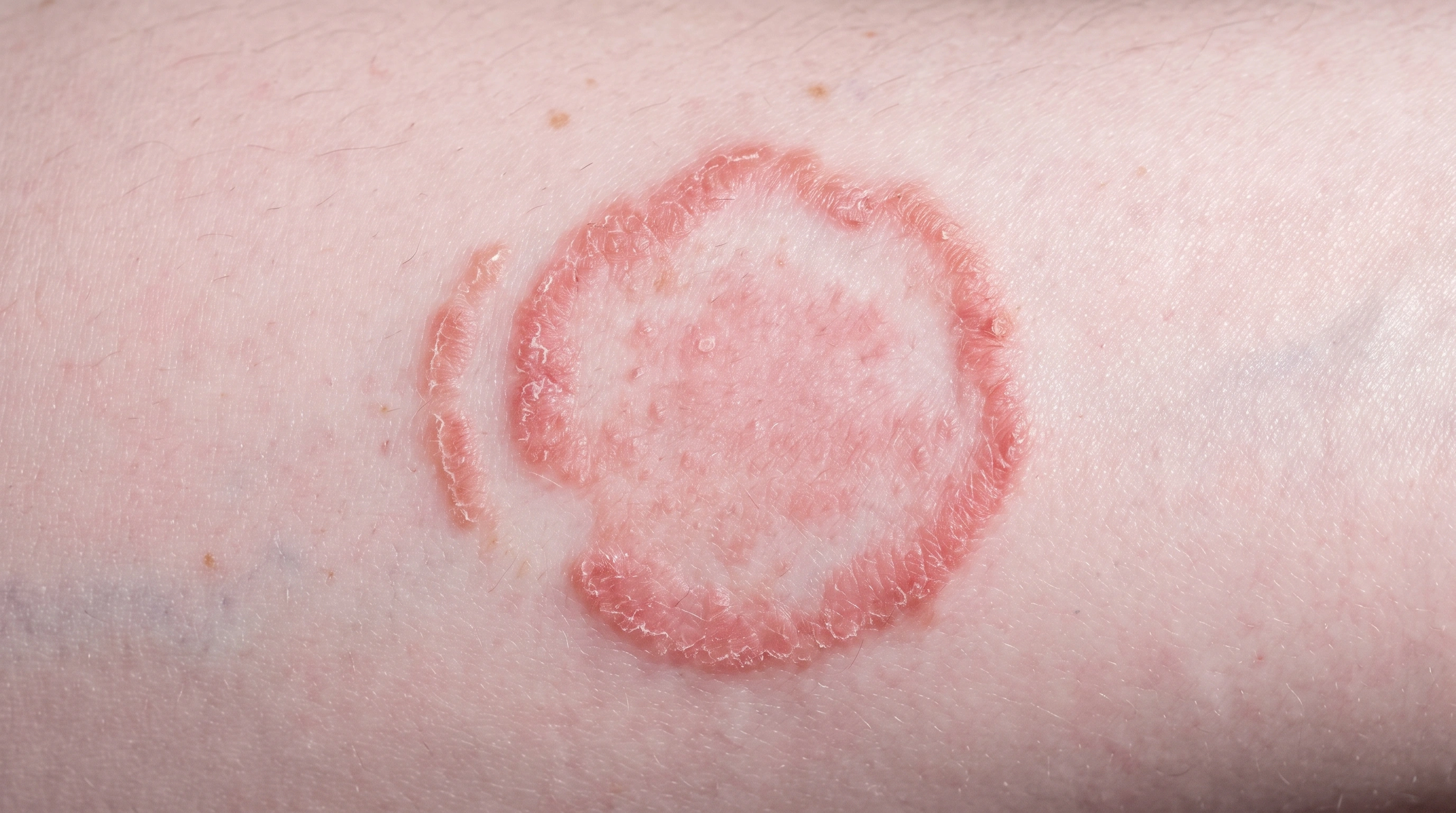
Weeks 2 to 4Skin infections clear: Ringworm, jock itch and yeast in folds clear here. Treat a little beyond the visible edge, since the fungus extends past it, and keep the fold dry.
First washUsing it: Lather, leave it on a few minutes, then rinse. Twice a week on the scalp.
Days 1 to 7Itch settles: Itching and greasiness ease first, often within the first few washes.
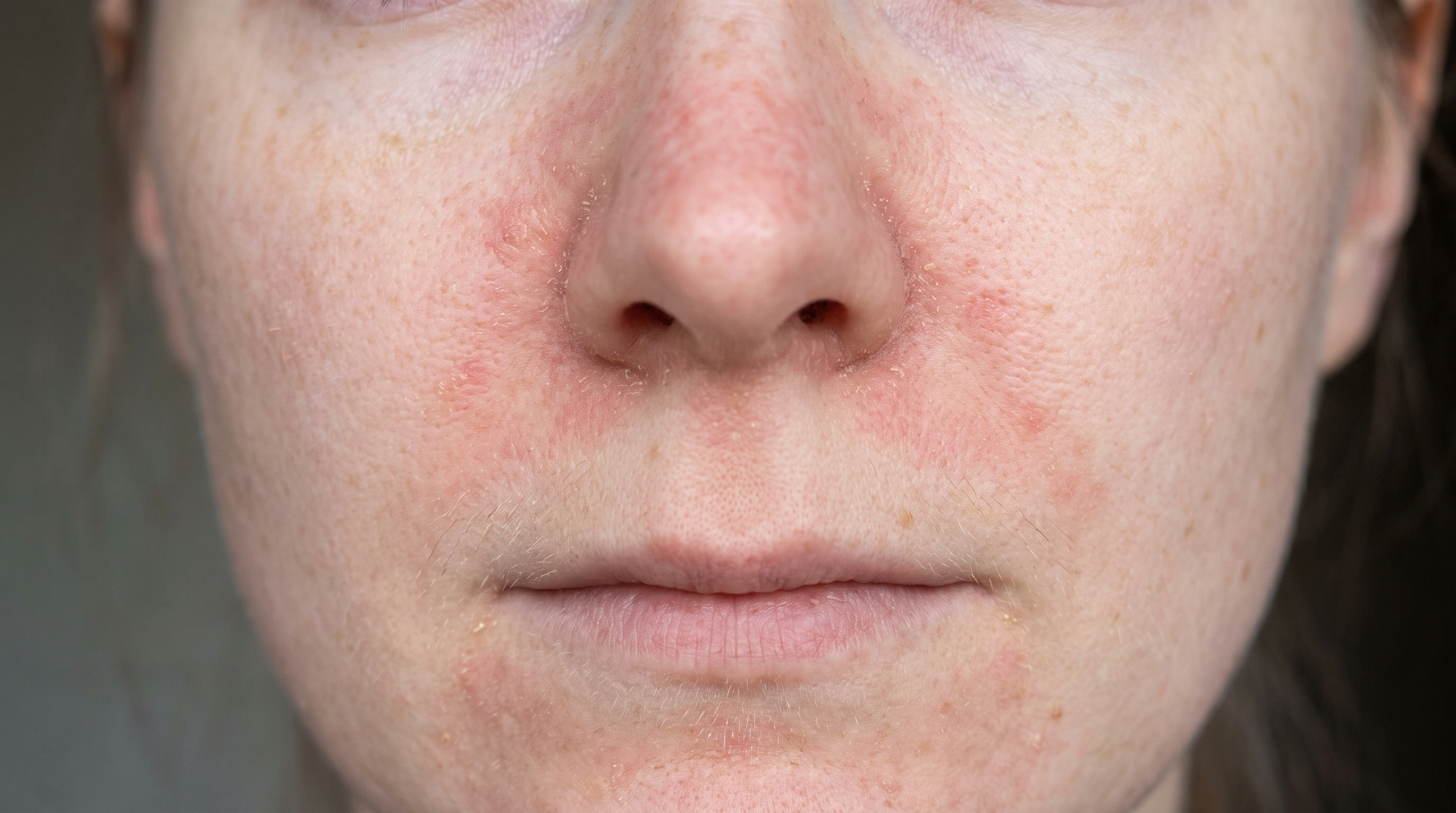
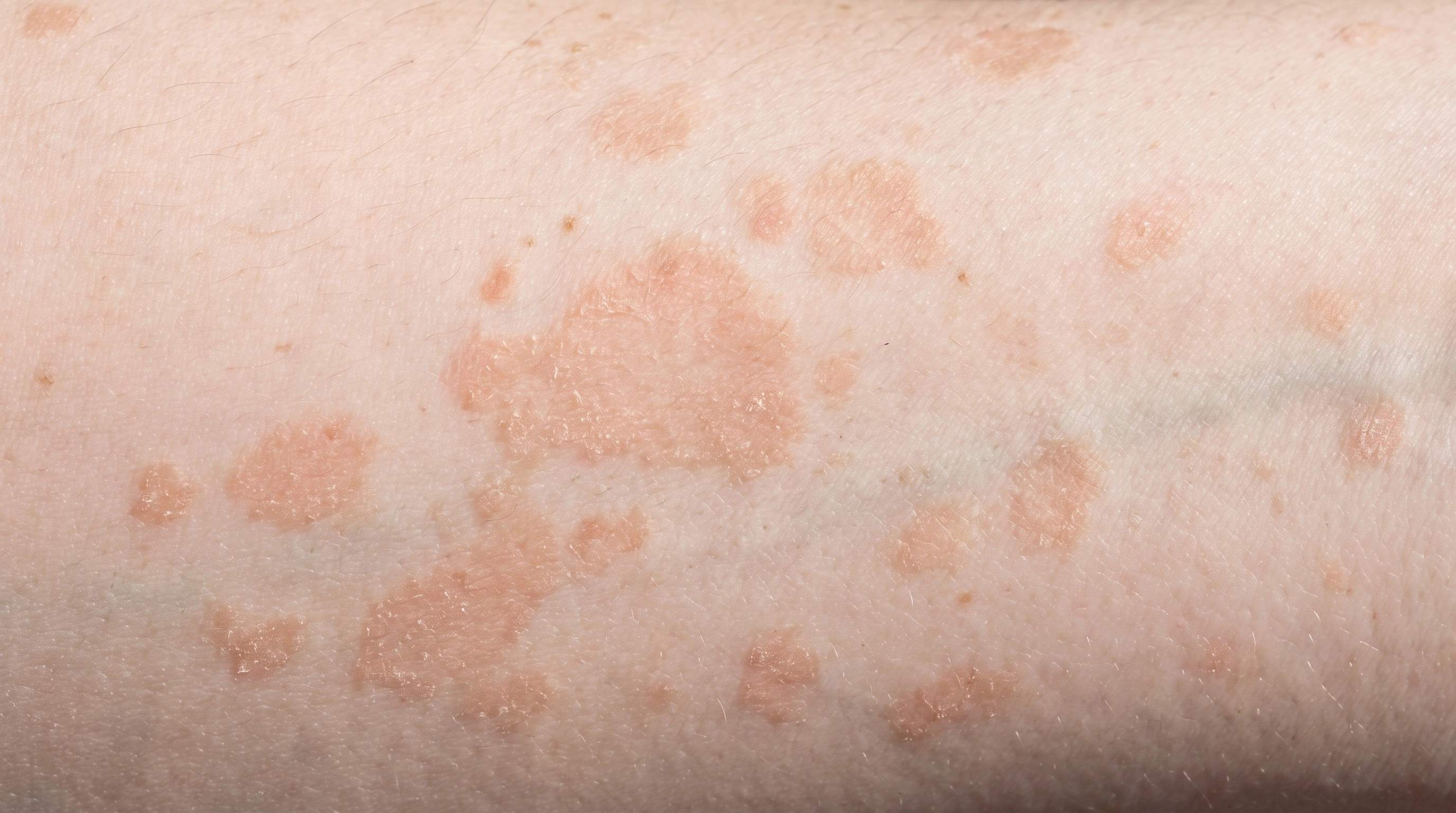
Weeks 1 to 2Flaking drops: Scale on the scalp or sides of the nose drops substantially, so judge it here. Tinea versicolor clears in the same window.
Around 6 weeksAthlete's foot: The soles are thick and slow, so this takes longer.
Beyond 4 weeksMaintenance: For dandruff and seborrheic dermatitis, move to once a week or every other week rather than stopping. This is control, not a cure.
Sorted by what to do about them.
Generic fluconazole is cheap and stocked everywhere. The single 150 mg tablet is one of the cheapest prescriptions in dermatology, and in some countries it is sold without a prescription for vaginal yeast infection.
Longer courses stay cheap because the tablets are cheap. Off-label weekly use for nails runs many months, so the total adds up, and insurers may not cover it.
The liquid suspension for children costs more than tablets.
The 1% shampoo is over the counter and inexpensive, and store-brand versions work the same for less.
The 2% shampoo and cream are generic and among the cheaper prescriptions in dermatology.
The 2% gel and foam cost much more, and insurance often requires trying the cream or shampoo first. They are worth the difference mainly for hairy areas where cream is impractical.
Selenium sulfide and zinc pyrithione shampoos are cheaper alternatives with reasonable evidence, and rotating between them keeps costs down.
Itch and soreness usually ease within a day or two, and most simple cases clear with one dose.
Because it slows the liver enzymes that clear warfarin, some statins and some diabetes tablets. Interactions are the main safety issue.
No direct interaction. Avoid heavy drinking during a course, since the liver processes the drug.
Usually something keeps favoring it — antibiotics, hormonal changes, diabetes, an inhaled steroid, or a damp fold. Repeated single doses rarely settle that.
It can, but terbinafine works better on that family of fungi. Fluconazole is the yeast drug.
Ask the doctor managing your pregnancy. It is usually avoided, and creams are used instead.
Three to five minutes before rinsing. Rinsing straight away is the most common reason people think it failed.
Twice a week while it is active, then once a week or every other week to keep it quiet.
No. It has been looked at for a small possible benefit in pattern hair loss, not as a cause.
The cream, yes, for seborrheic dermatitis on the sides of the nose, eyebrows and hairline. Keep it away from the eyes.
Tinea versicolor leaves uneven color behind after the fungus is gone. It fades over weeks to months, and looks more obvious once the surrounding skin tans.
No. Oral ketoconazole had its skin and nail uses withdrawn because of serious liver injury and drug interactions. If a tablet is needed, terbinafine, fluconazole or itraconazole is used.