Eczema
Treats mild to moderate flares.
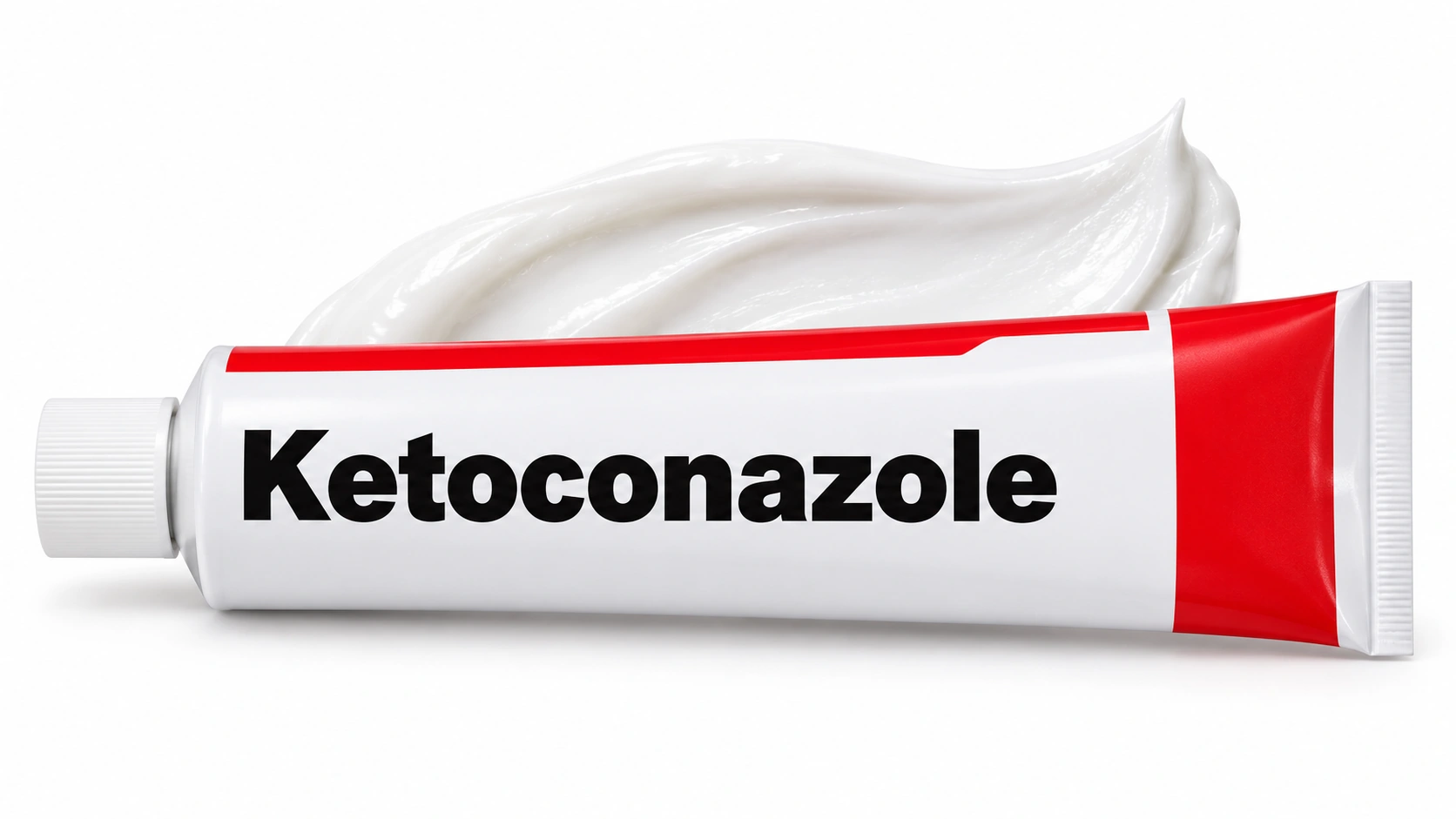
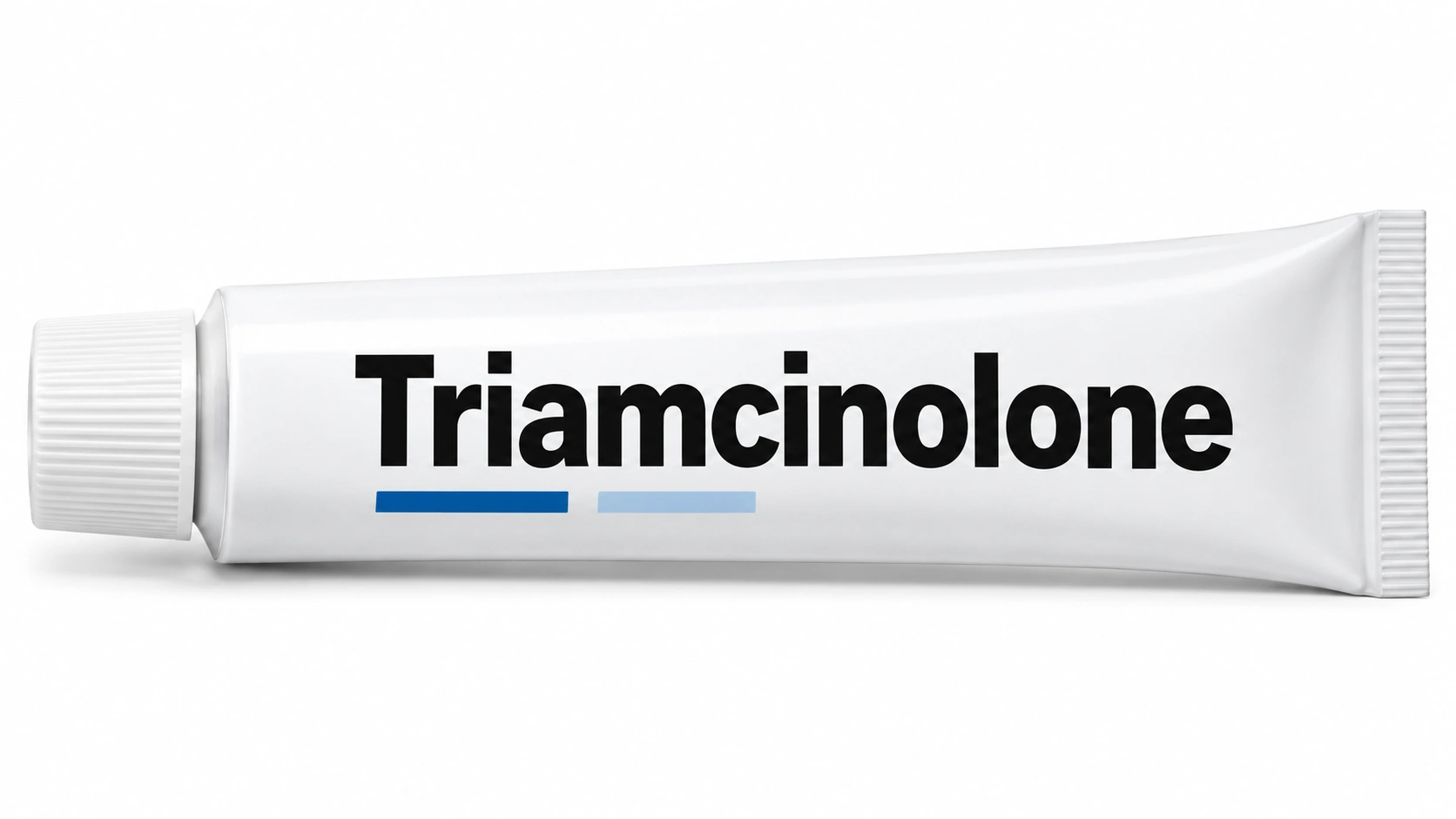
Elidel: A steroid-free anti-inflammatory cream for eczema. It calms the immune reaction in the skin without thinning it, which is why it is used on the face, eyelids and skin folds. Triamcinolone: The mid-strength topical steroid most rashes on the body get treated with. Cheap, effective, and not meant for the face, eyelids or skin folds.
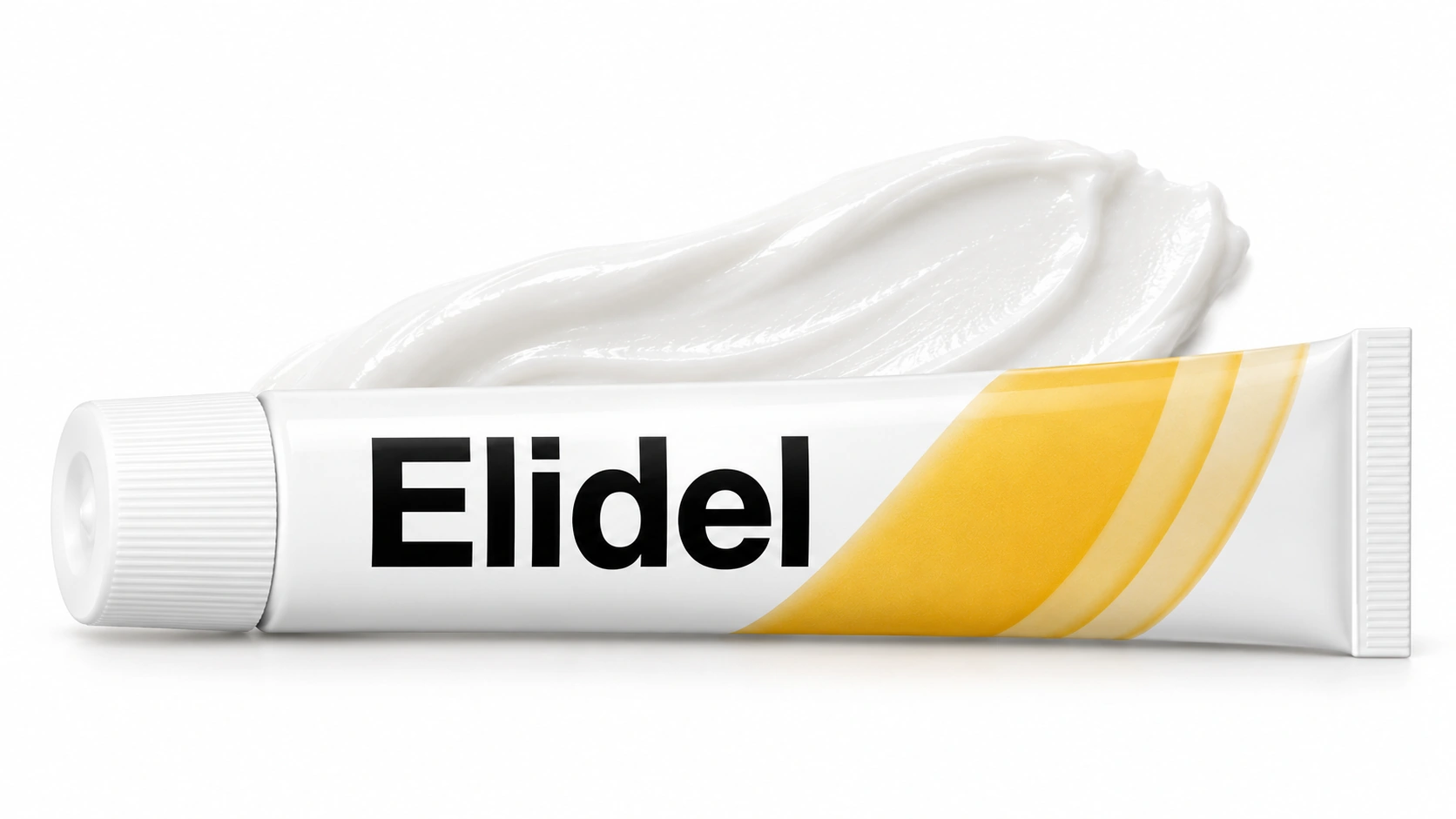
Choose for eczema on delicate skin — face, eyelids, folds — when you want to avoid steroid thinning.
Choose for most rashes on the body — cheap and effective, but not for the face, eyelids or folds.
Can you take them together?
A common pairing: triamcinolone for body flares, Elidel for the face and for maintenance between flares.
Compare uses by strength of evidence. Evidence level describes confidence in a benefit, not its size.
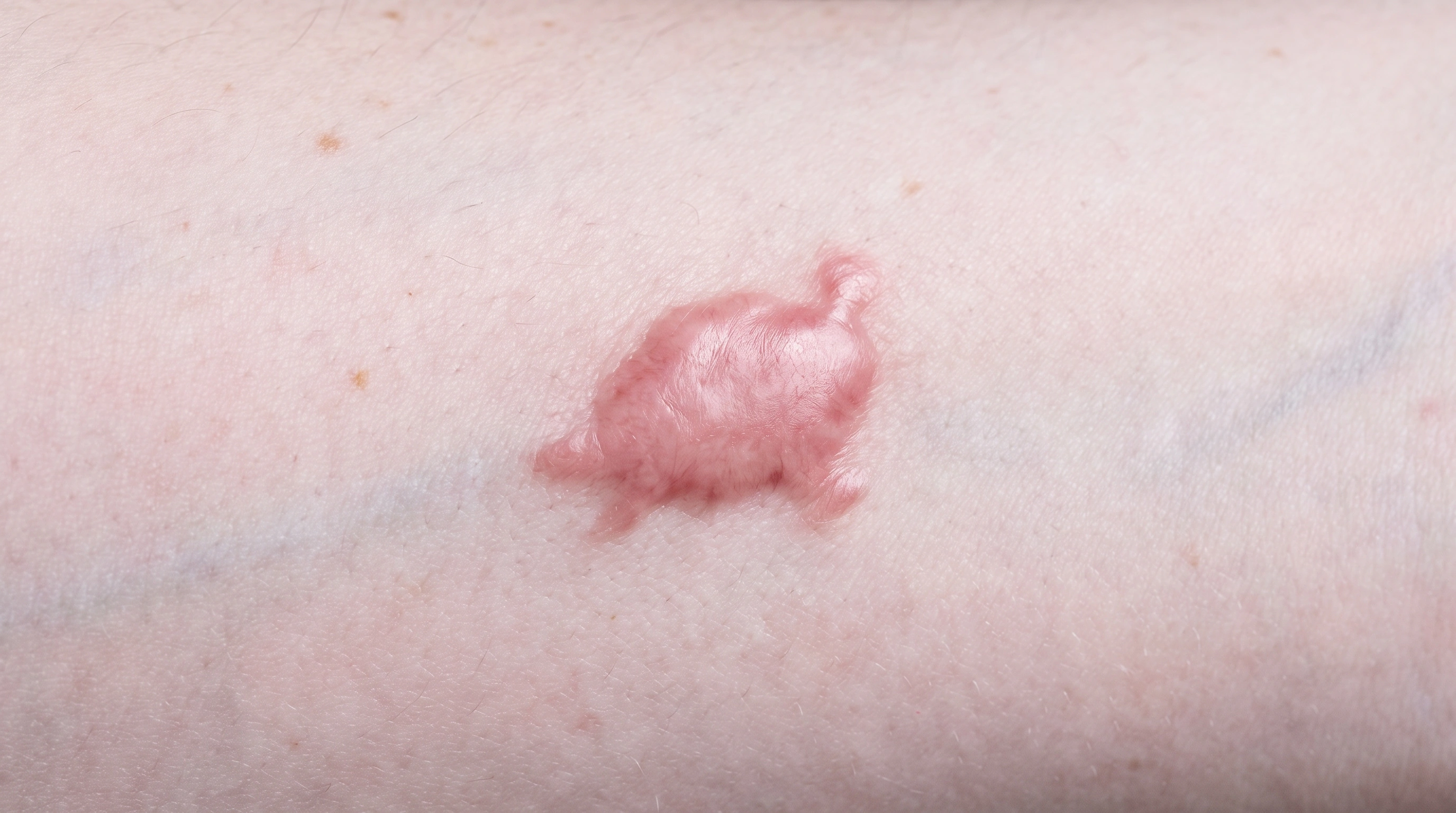
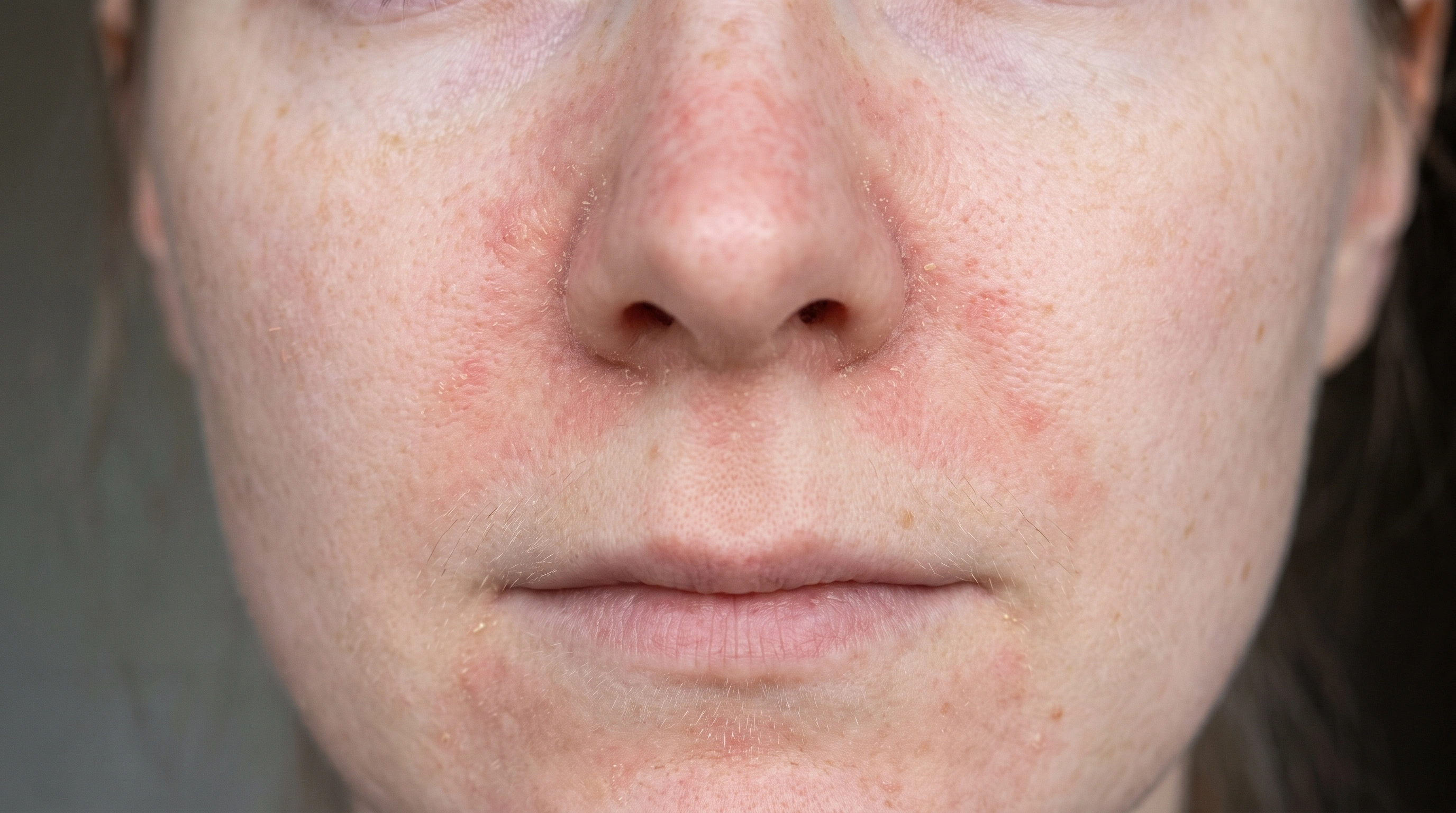

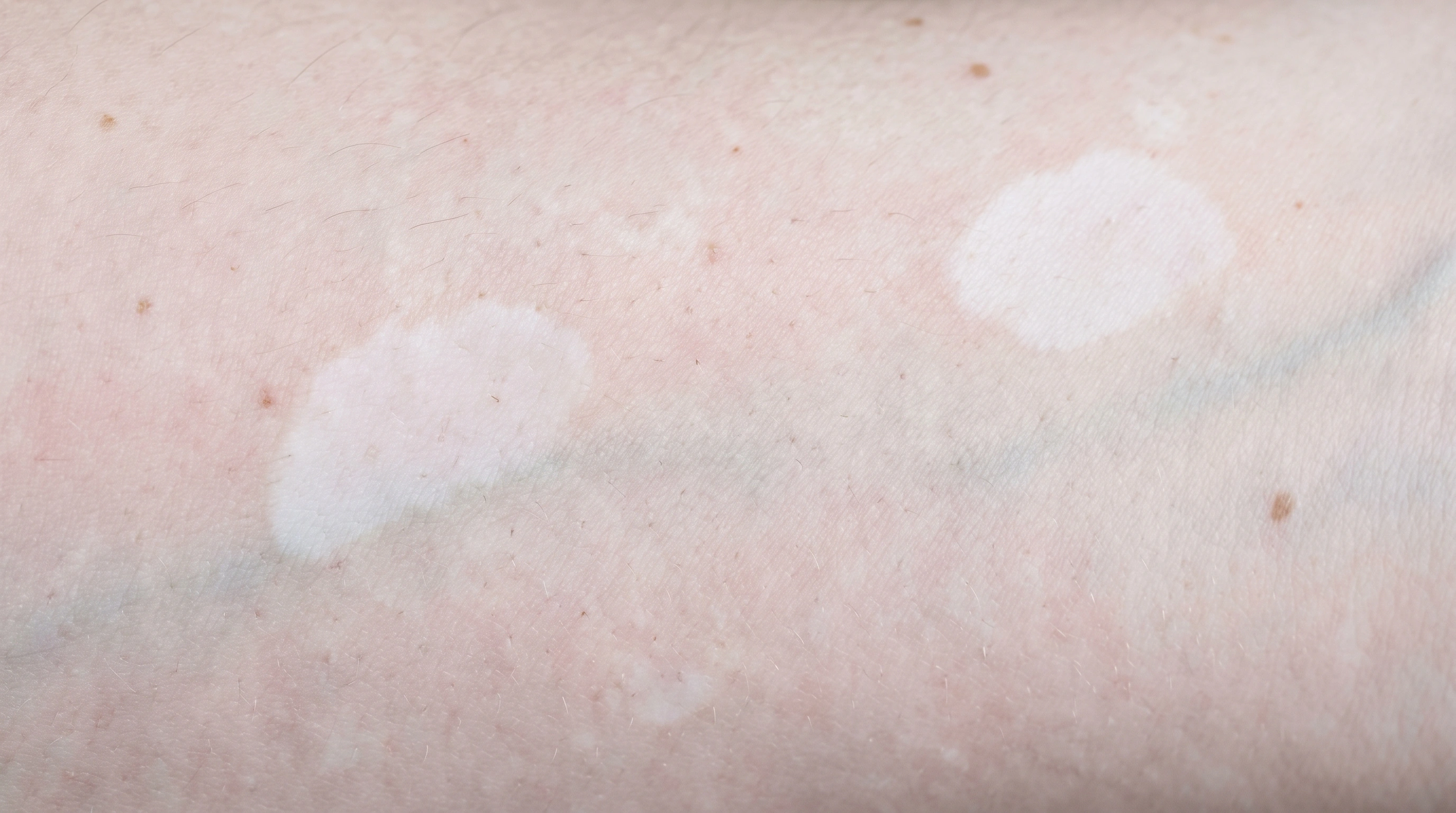


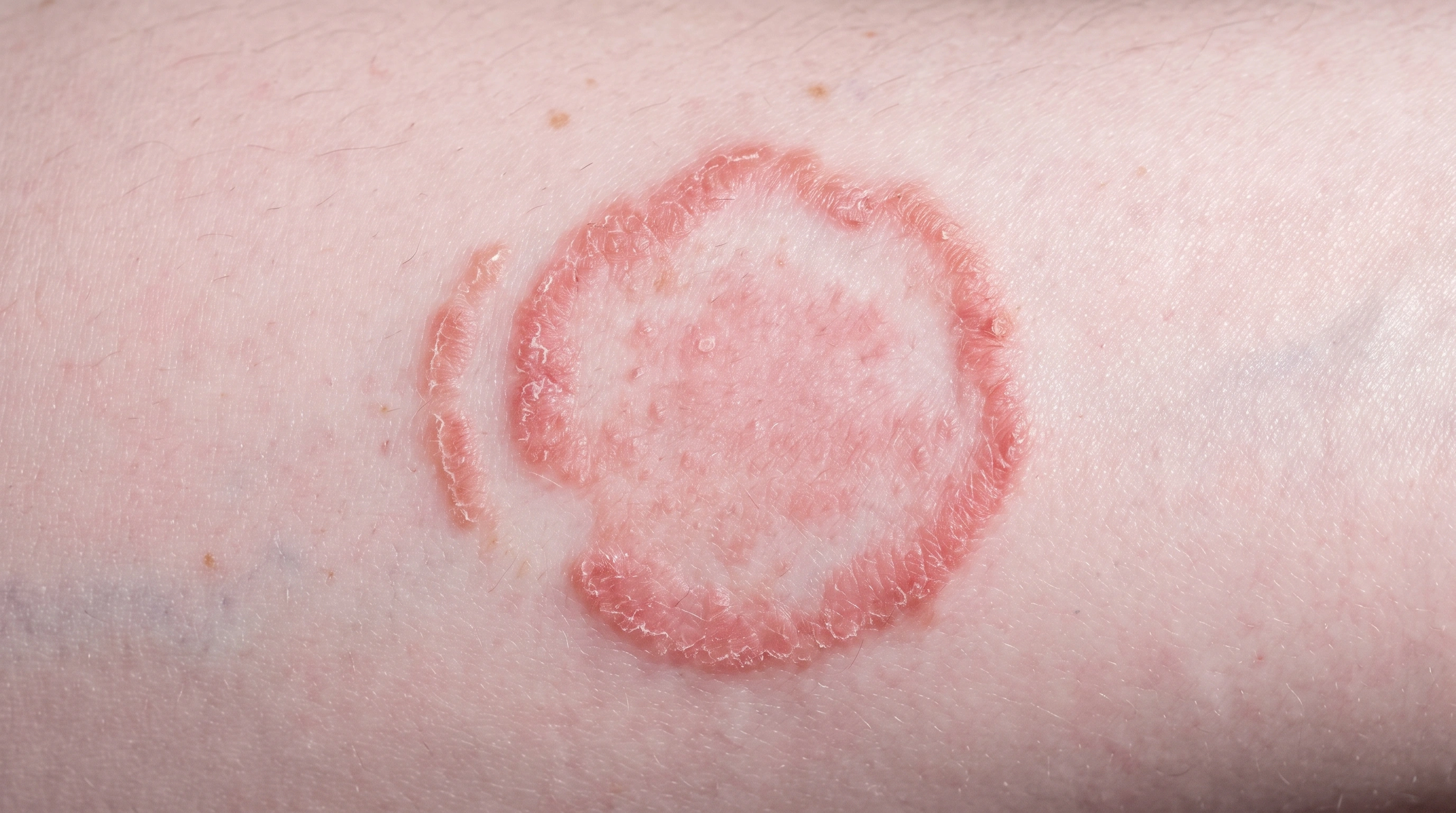

Inhibits calcineurin: Blocks a switch that helps activate T cells. Reduces immune messengers: T cells release fewer inflammation-driving signals. Calms eczema and itch: Redness and irritation ease as inflammation settles.
The drug binds FKBP-12 and inhibits calcineurin, reducing T-cell cytokine transcription; the complete atopic-dermatitis mechanism is not known. It also has other cellular effects.
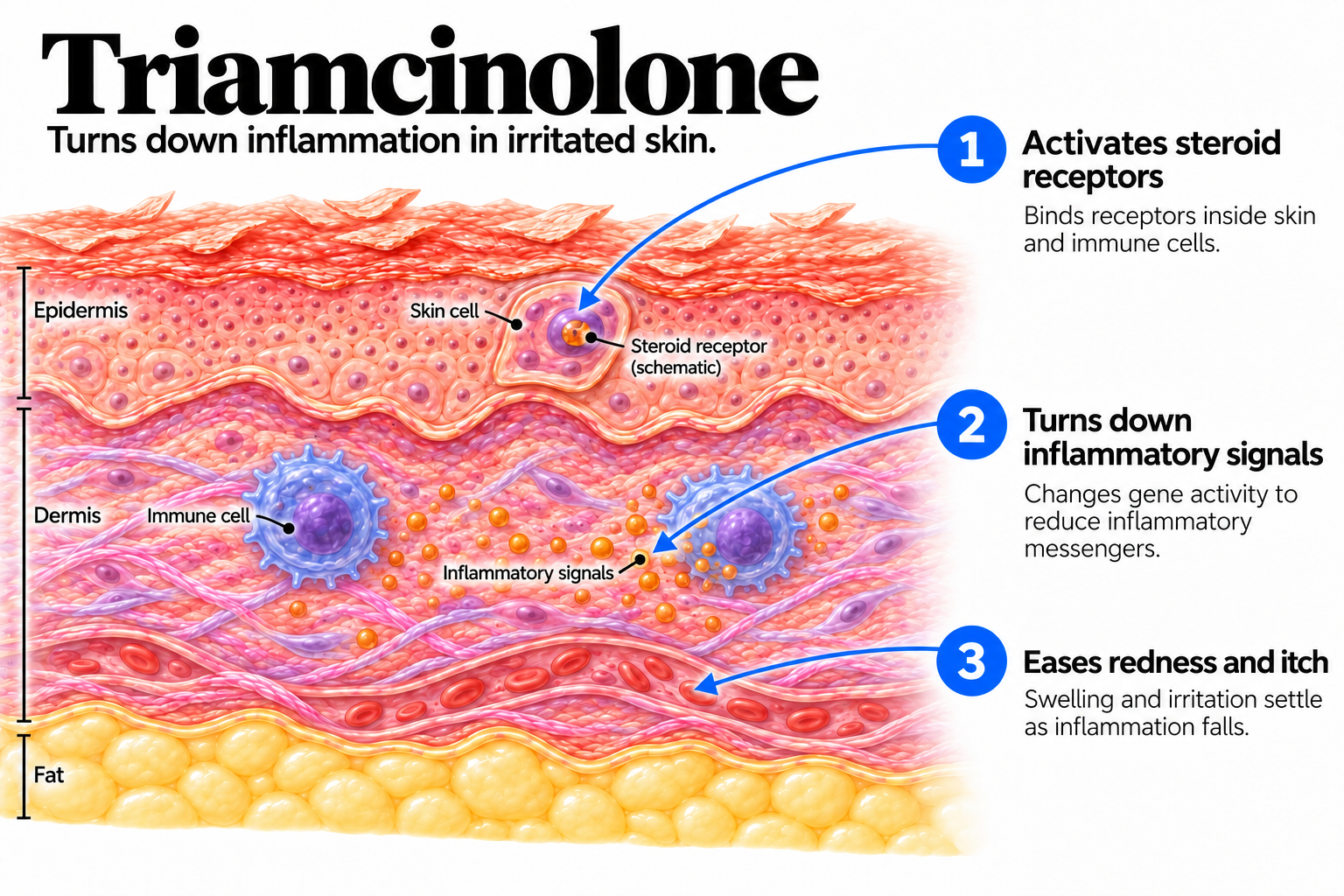
Activates steroid receptors: Binds receptors inside skin and immune cells. Turns down inflammatory signals: Changes gene activity to reduce inflammatory messengers. Eases redness and itch: Swelling and irritation settle as inflammation falls.
Simplified glucocorticoid receptor-mediated effects in steroid-responsive skin inflammation. Full effects also involve other pathways. No claim of antimicrobial action or cure; formulation and potency affect clinical use.
When to Apply: A thin layer twice a day on the affected skin. Rub it in until it disappears. Moisturizer can go on top or underneath.
How to Start: Twice daily as soon as a flare starts, and keep going until the skin is clear rather than merely better. Many people then move to two or three days a week on the spots that always come back, to head off the next flare. Discuss that with your doctor.
If It Irritates: Warmth, stinging or burning for the first few days is the commonest complaint. It happens because the skin is inflamed, not because you are allergic, and it usually stops within a week as the eczema settles. Keeping the cream in the fridge, moisturizing first, or starting once a day for a few days makes it easier.
If It's Not Working: Nothing to increase — there is one strength. Give it six weeks of consistent twice-daily use. If the skin is no better, the usual next steps are a short steroid course to reset it, a switch to tacrolimus ointment, or a newer non-steroid cream.
When to Apply: Twice a day, on affected skin only, on trunk and limbs. A thin film is enough — one fingertip unit, the amount along the last joint of an index finger, covers about two adult palms. Moisturizer goes on separately, and continues after the steroid stops.
How to Start: Twice daily from day one, until the rash is flat rather than merely calmer — usually one to two weeks. Two to four weeks is the outer limit before review. Not on the face, eyelids, armpits or groin unless a clinician has told you to and for how long.
If It Irritates: Stinging usually comes from the base on cracked skin or the alcohol in a spray, and an ointment settles it. Itch and redness that worsen over a week can mean an allergy to the steroid or a preservative — a different product, not more of this one.
If It Is Not Working: Two weeks of proper twice-daily use is a fair test; more weeks rarely help. The usual reasons are a wrong diagnosis, a fungal rash the steroid is feeding, an untreated infection, or skin thick enough to need a stronger steroid or an ointment.
No routine blood tests. Blood levels are very low or undetectable, and it does not affect the adrenal glands the way strong steroids do.
Monitoring is a conversation at six weeks, then longer intervals if you stay on it. Your doctor is checking whether the eczema is actually controlled, whether steroid rescue courses have been needed often enough to suggest a change of plan, and whether any patch of skin is behaving oddly rather than simply eczema.
Because of the boxed warning, most dermatologists look harder at any new or changing spot in long-term users rather than assuming it is part of the rash. Registry follow-up has not found the increase in skin cancer or lymphoma the warning anticipated, so this is ordinary caution, not surveillance for a known risk.
No blood tests for a standard course in a healthy adult. Monitoring is a skin check — did the rash clear, has the skin thinned or gone shiny, have stretch marks or small blood vessels appeared, and how much of the tube is going each week.
Children and anyone treating large areas need closer attention. Enough steroid absorbed over enough time can suppress the body's own cortisol, and children reach that point on smaller amounts because they have more skin for their size.
This is not a drug to stay on continuously. For a recurring condition, use short courses for flares with emollients doing the daily work, or an agreed schedule such as two set days a week for a stubborn area. That should be a deliberate decision, not a prescription that keeps refilling.
Approximate windows, not promises.
First few minutesApplying it: A thin layer twice a day. Warmth or stinging for a few minutes, strongest on the rawest skin.
First few minutesApplying it: A thin layer on affected skin. Mid-strength — stronger than hydrocortisone, milder than clobetasol.
Days 1 to 5Adjusting: The stinging is at its worst now and fades as the skin heals. Itch often eases while the rash looks the same.
Weeks 1 to 2Working: Redness fades, skin feels less tight. Night scratching drops off first.
Weeks 2 to 6Judge it here: The rash flattens and clears. The fair point to decide whether it is doing enough.
Face, eyelids and foldsIts strongest use: Thin skin is where steroids cause the most trouble, so a non-thinning option is worth losing some strength. Armpits, groin and under the breasts thin quickly too.
OngoingHolding: Once clear, many drop to two or three applications a week on the areas that always flare. No thinning means no time limit.
Days 1 to 3Itch first: Itching and soreness ease before the rash changes appearance.
Days 3 to 10Clearing: Redness fades, weeping stops and thickened areas soften. Most simple eczema flares are largely settled here; contact dermatitis clears once the trigger is gone.
Weeks 2 to 4Judge it here: Psoriasis plaques flatten and scale lifts here. Lichen planus and other stubborn itchy rashes are slower, often needing an ointment or the 0.5% strength. Leathery skin from long scratching takes longest.
After stoppingMarks stay behind: Brown or gray patches where the rash was are pigment change from the inflammation, not scars. They fade over weeks to months.
Sorted by what to do about them.
Cost has improved. Generic pimecrolimus cream brought the price down from one of the more expensive eczema treatments to something ordinary. Brand-name Elidel is still costly.
The usual obstacle is not price but step therapy. Because the label calls it second-line, many plans want to see that a topical steroid was tried and failed, or a reason a steroid should not be used, before covering it. A note from your doctor saying the eczema is on the eyelids or in the folds usually settles that.
Cash prices for the generic vary between pharmacies more than most drugs, so check a discount card price before assuming you cannot afford it. Tube size matters too — a large tube is often better value per gram, and eczema treatment runs longer than people expect.
Triamcinolone is generic and among the least expensive prescription steroids. Large jars of cream or ointment are the cheapest way to treat widespread rashes, and most plans cover them.
Sprays, aerosols and branded versions cost noticeably more. The dental paste for mouth ulcers is a separate product, priced separately. When cost is a problem, ask for a larger jar rather than several small tubes.
No. Different pathway, and it does not thin the skin — the whole reason it is used on eyelids, the face and skin folds.
Because at approval regulators noted that related medicines suppress immunity body-wide in transplant patients, that very high oral doses caused tumors in animals, and that a small number of cancer reports existed in users. The warning states that long-term safety is not established — a precaution, not a finding. Follow-up since has not shown an increased rate of skin cancer or lymphoma.
Because the skin underneath is inflamed. It is the commonest side effect, strongest in the first few days, and it settles as the eczema heals. Moisturizing first or chilling the tube helps.
No fixed limit. It does not thin skin, so it can run in repeated courses, or two or three times a week, for years with review.
Yes — eyelids are one of its main uses, one of the few anti-inflammatory options that can go there repeatedly without thinning skin or raising eye pressure.
No. Tacrolimus 0.1% ointment is more powerful for moderate eczema. Pimecrolimus is better tolerated and cosmetically easier, so it is often the one people keep using.
Mid-strength. Several steps above hydrocortisone, several below clobetasol. Usually the right level to start at for body skin, and too much for the face.
Generally no, unless a clinician has said so and for how long. Facial skin is thin and absorbs well — weeks of it there cause thinning, visible vessels and bumps around the mouth.
Two to four weeks at a stretch for most body rashes, then a review. Longer should be a deliberate plan, such as fixed days each week.
It can, with continuous use, especially on thin skin and in folds. A two-week course on an arm or leg is not what causes it. Early thinning usually recovers over months. Stretch marks do not.
Effectively yes, at the same percentage. It holds moisture in and drives more drug in, which is why it suits dry, thickened rashes.
Same drug, different route and dose. An injection into a joint, keloid or bald patch is a separate treatment.