Dry Skin
Surface protection helps limit moisture loss in skin-protectant products.
Dimethicone: Forms a protective film that helps reduce moisture loss and friction. Panthenol: Helps hydration and barrier comfort in tested dexpanthenol formulas.
Choose for a smooth protective moisturizer or barrier cream.
Choose for hydration and comfort, particularly in a simple moisturizer.
Can you use both?
Often found together in barrier and repair creams.
Compare uses by strength of evidence. Evidence level describes confidence in a benefit, not its size.
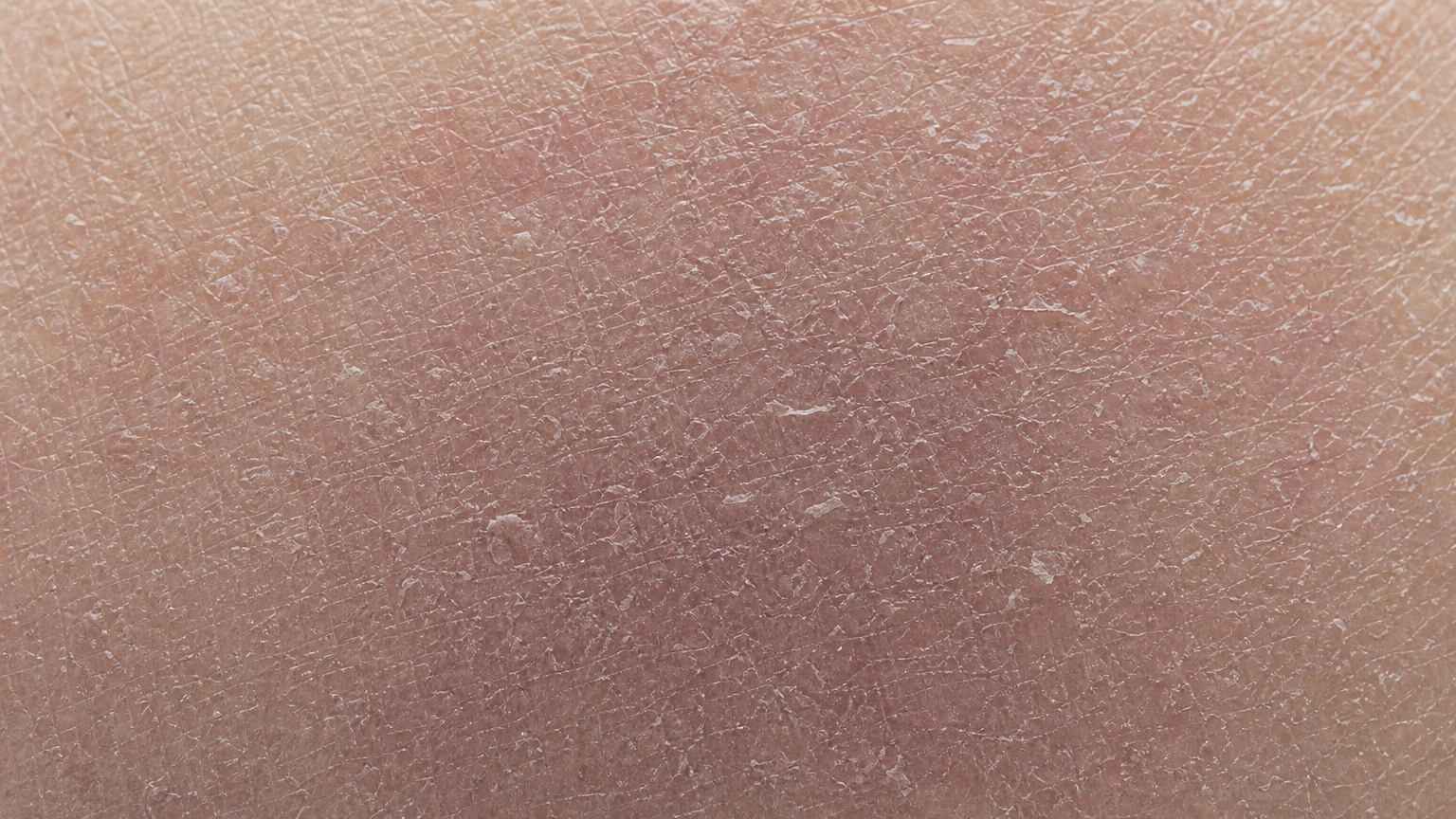
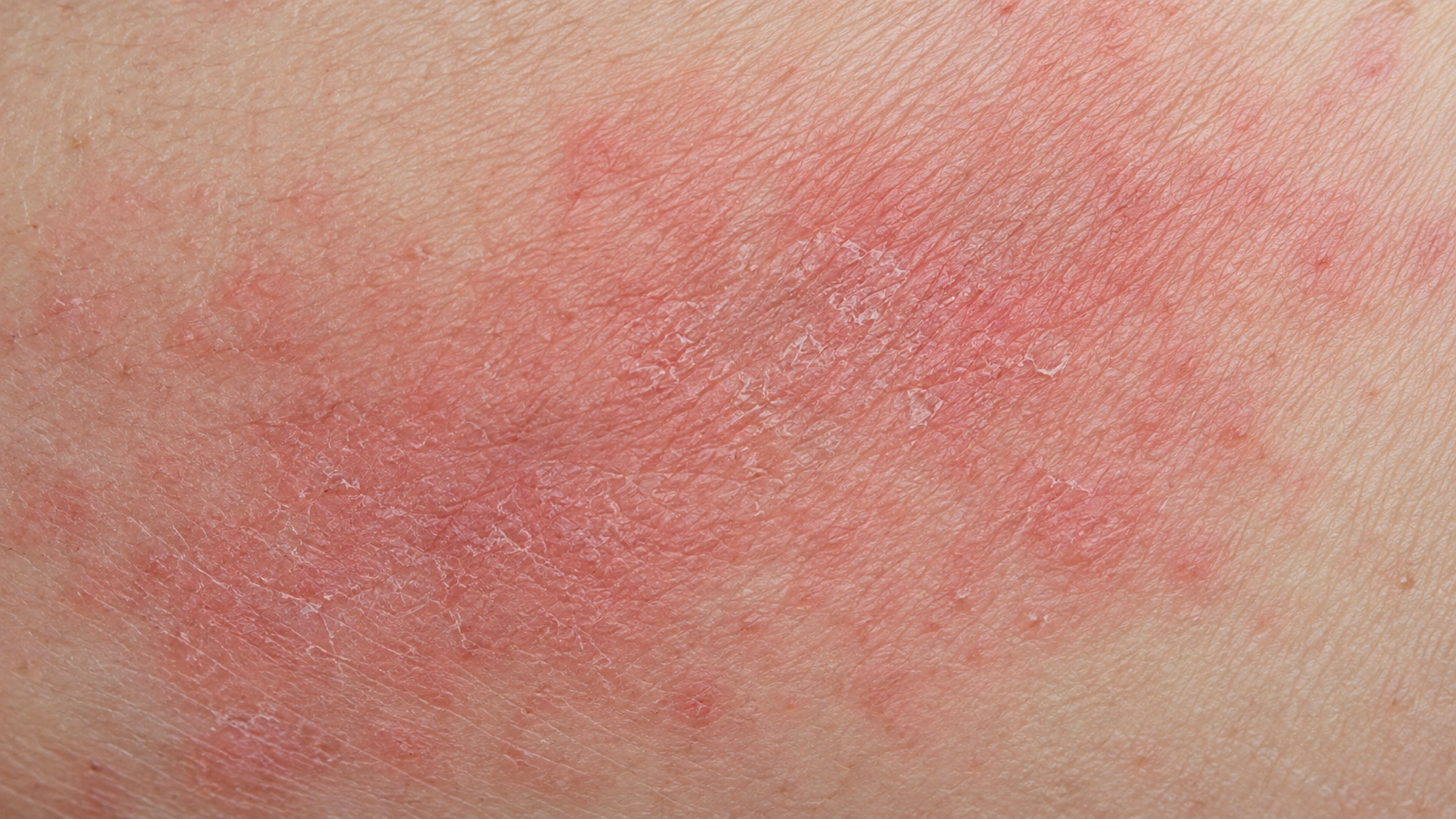
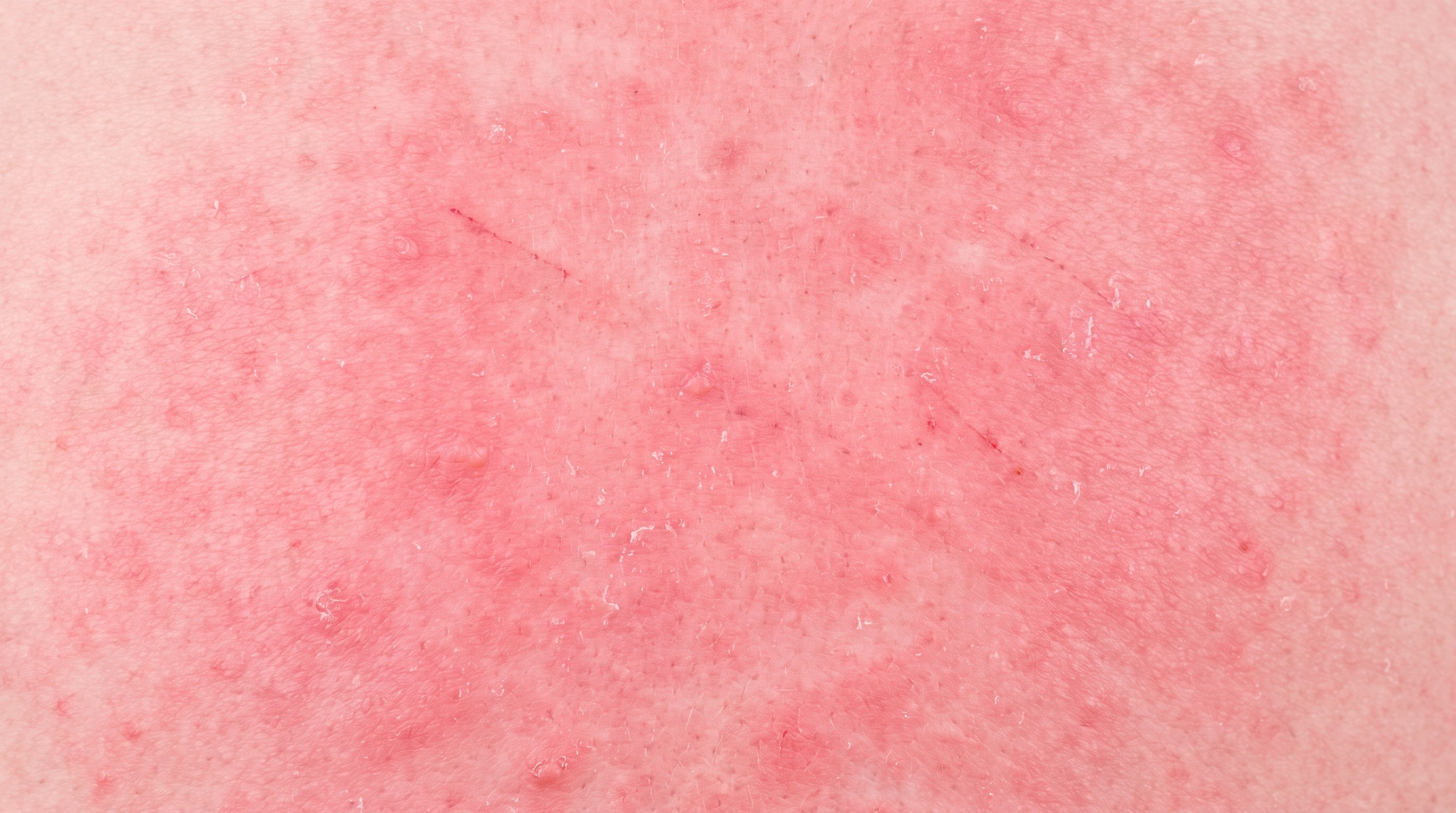


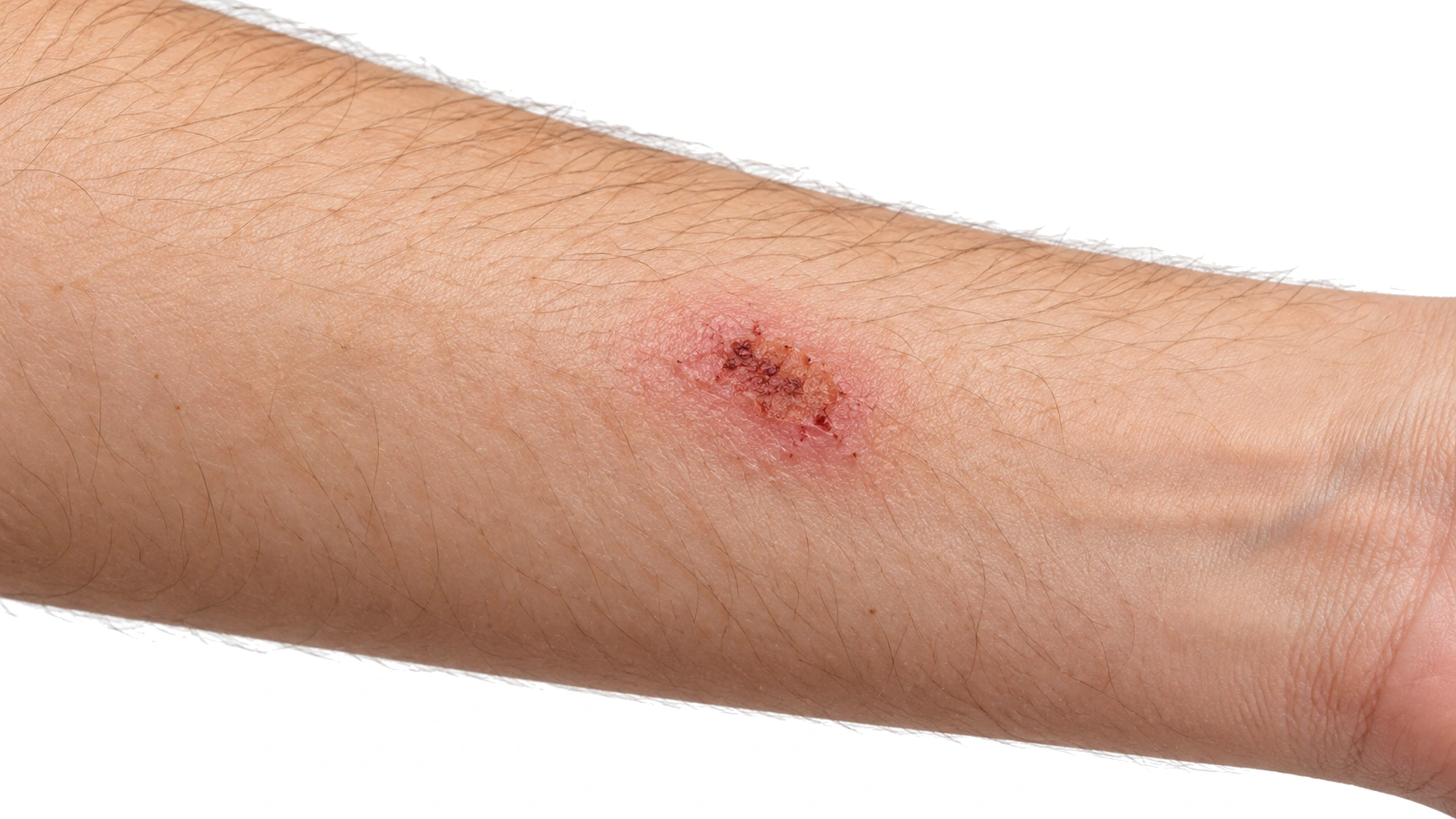

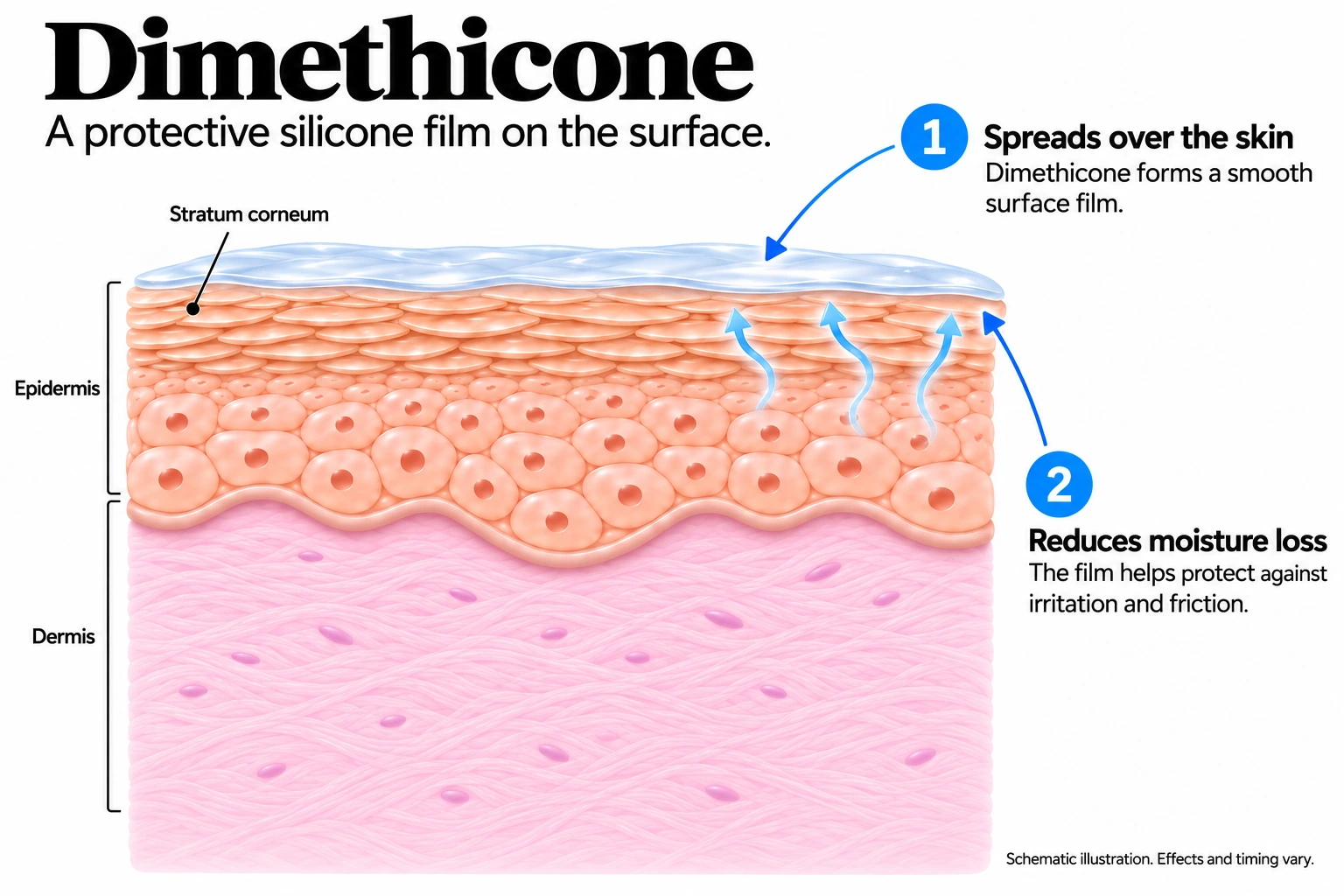
Spreads over the skin: Dimethicone forms a smooth surface film. Reduces moisture loss: The film helps protect against irritation and friction.
Schematic illustration; not a measurement of skin penetration. Effects vary with ingredient identity and formulation.

Binds water in outer skin: Panthenol acts as a humectant. Supports barrier function: Dexpanthenol formulas can aid recovery after irritation.
Schematic illustration; not a measurement of skin penetration. Effects vary with ingredient identity and formulation.
Built from where each one usually sits in a routine. Introduce one at a time.
U.S. skin-protectant products use 1–30% dimethicone. Cosmetic moisturizers and specialized lice treatments serve different purposes and should not be placed on one effectiveness ladder.
3%
1–30%
Studied barrier-care formula
A particular cleansing/barrier washcloth was studied for incontinence-associated dermatitis; it is not a universal ideal percentage.
U.S. skin-protectant range
Used in qualifying skin-protectant products. Choose the labeled purpose and texture, not the upper limit.
Choosing a strength: Look for a finished moisturizer or barrier product intended for the area you are treating.
Higher strengths: A very concentrated product is not automatically better for facial skin. Lice-treatment formulations are not substitutes for moisturizers.
Formula matters: Dimethicone’s viscosity and combination with other ingredients change its feel and function. The name alone does not describe the complete silicone blend.
Topical dexpanthenol research includes 2.5% finished products and 5% preparations. These are formulation examples, not a proven best strength for every moisturizer.
2.5%
5%
Studied finished products
Studied in particular wash and sun-care products; the full formula contributed to their performance.
Other studied preparations
Used in topical formulations. A larger percentage does not establish better everyday hydration or faster healing.
Choosing a strength: Choose a product intended for the skin area and purpose. Ordinary moisturizer and procedural aftercare need not use the same formula.
Higher strengths: There is no established benefit from chasing the highest percentage. Stop if the complete product causes a persistent rash or discomfort.
Formula matters: Panthenol and dexpanthenol labeling may describe different ingredient specifications. The vehicle and other moisturizing ingredients matter.
Approximate windows, not promises.
First few weeksSkin may feel softer soon after use; relief depends on the formula.
First few weeksSkin may feel softer soon after use; relief depends on the formula.
4–8 weeksJudge hydration, comfort and whether dryness is recurring.
4–8 weeksJudge hydration, comfort and whether dryness is recurring.
8–12 weeksPersistent cracking, itch or a rash needs reassessment.
8–12 weeksPersistent cracking, itch or a rash needs reassessment.
3–6 monthsContinue if comfortable; hydration usually requires ongoing use.
3–6 monthsContinue if comfortable; hydration usually requires ongoing use.
6–12 monthsMoisturizing does not establish reversal of structural ageing or scars.
6–12 monthsMoisturizing does not establish reversal of structural ageing or scars.
Usually comfortable; stop for a new rash and avoid inhaling spray products.
Usually comfortable; stop for a contact rash or persistent irritation.
Stop for persistent burning, swelling, blistering or a new rash. Seek urgent care for breathing difficulty or a severe allergic reaction.
Stop for persistent burning, swelling, blistering or a new rash. Seek urgent care for breathing difficulty or a severe allergic reaction.
Choose a simple formula and test a small area first. Individual tolerance matters more than an ingredient’s reputation for being gentle.
Choose a simple formula and test a small area first. Individual tolerance matters more than an ingredient’s reputation for being gentle.
Do not use a cosmetic product as a substitute for diagnosis of an unexplained, changing or persistent skin problem.
Do not use a cosmetic product as a substitute for diagnosis of an unexplained, changing or persistent skin problem.
It is not absorbed through the skin, which is why people ask. Even so, run anything you use past the doctor managing your pregnancy.
Panthenol skincare is generally considered acceptable in pregnancy.
On the skin. The finished product delivers dimethicone in a particular vehicle.
Entering skin. No single molecular mass. Polymer size and formulation affect delivery; hydration can occur at the surface.
Conversion. No activation step is established as necessary for its intended topical role.
Skin response. Spreads over the skin as a silicone film; its protective action is mainly at the surface.
Additional effects. Proposed pathways do not establish a measured depth of delivery or clinical benefit beyond the studies cited.
On the skin. The finished product delivers panthenol in a particular vehicle.
Entering skin. Below the 500 Da guideline; delivery still depends on the formula, solubility, stability and skin condition. Size does not prove effectiveness or penetration depth.
Conversion. Can be converted to pantothenic acid; the moisturizing formula also matters.
Skin response. Binds water and can be converted to pantothenic acid; barrier effects depend on the topical formula.
Additional effects. Proposed pathways do not establish a measured depth of delivery or clinical benefit beyond the studies cited.
Choose for a smooth protective moisturizer or barrier cream.
A randomized nursing-home trial tested an entire 3-in-1 cleansing regimen with 3% dimethicone, not isolated dimethicone. Lice treatments use specialized formulas and must not be replaced by moisturizer.
Choose for hydration and comfort, particularly in a simple moisturizer.
Small controlled studies support barrier measurements after seven days and after experimental irritation. They do not establish treatment of every wound, acne or pigment disorder.
Sources