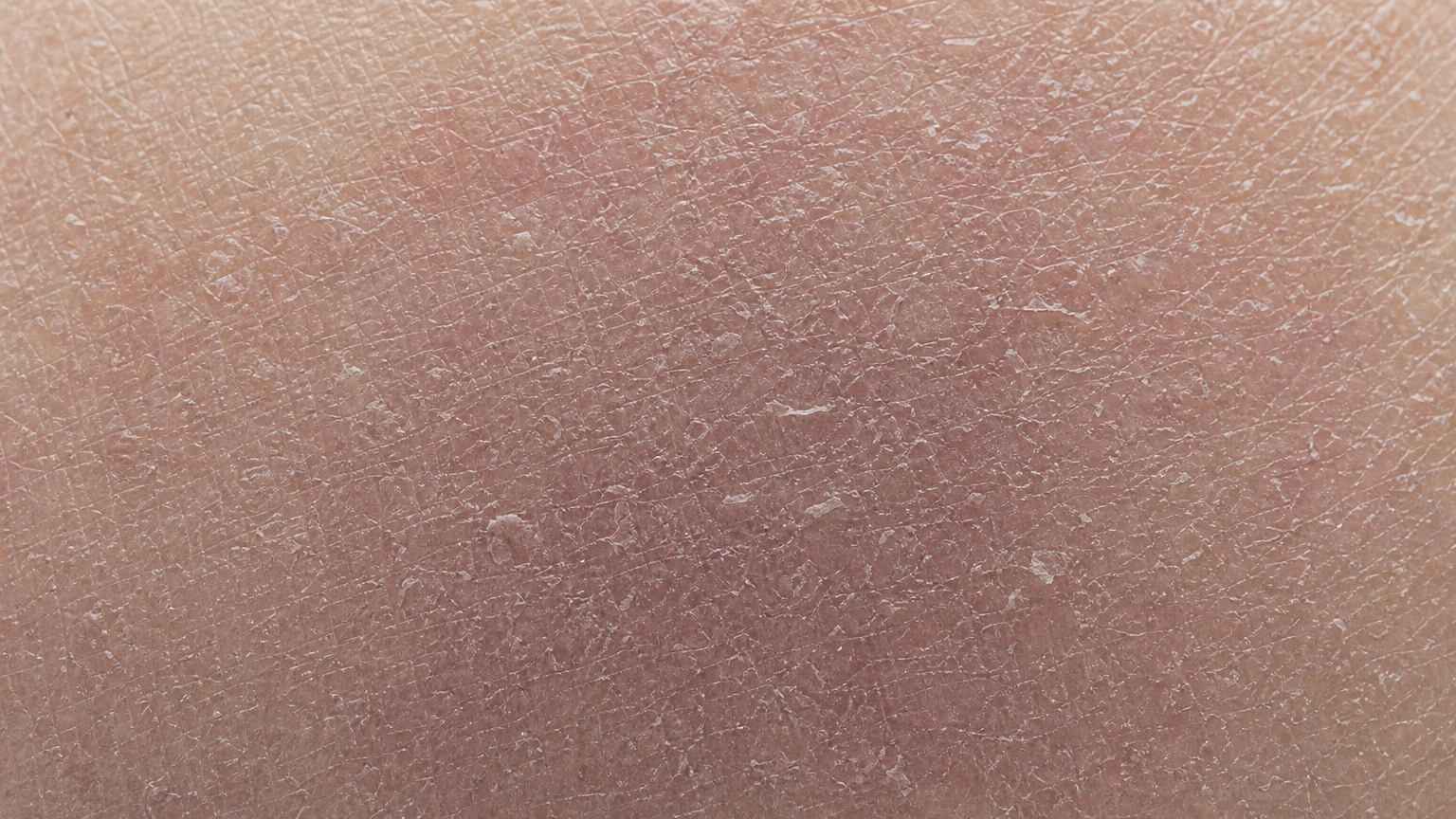
Barrier Support
Supports barrier lipids and helps reduce water loss in dry skin.
Niacinamide: Supports barrier function, uneven tone and oiliness. Panthenol: Helps hydration and barrier comfort in tested dexpanthenol formulas.

Choose for barrier support, uneven tone and oiliness; often the gentler starting point.
Choose for hydration and comfort, particularly in a simple moisturizer.
Can you use both?
Often found together in barrier-support serums.
Compare uses by strength of evidence. Evidence level describes confidence in a benefit, not its size.

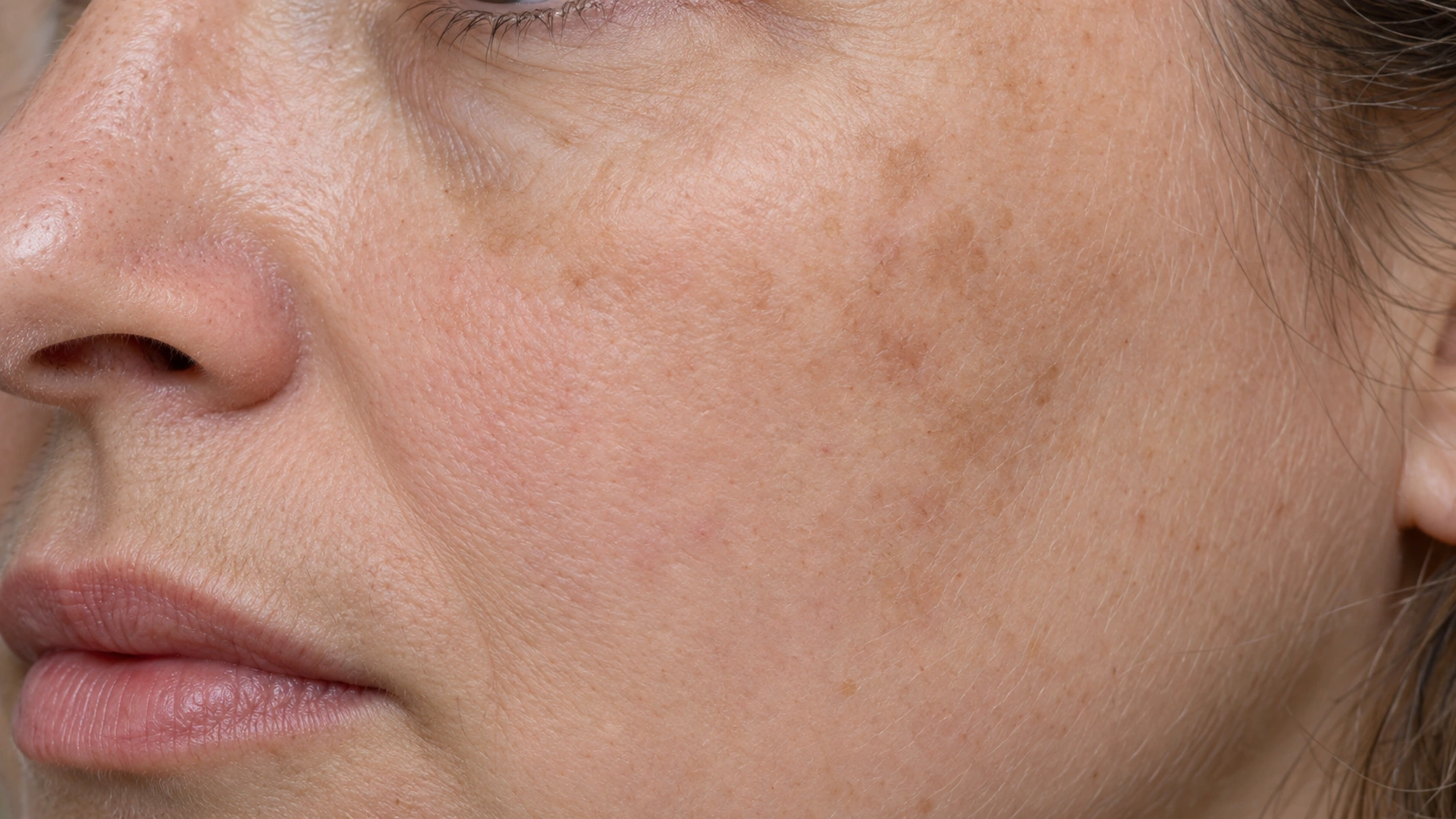
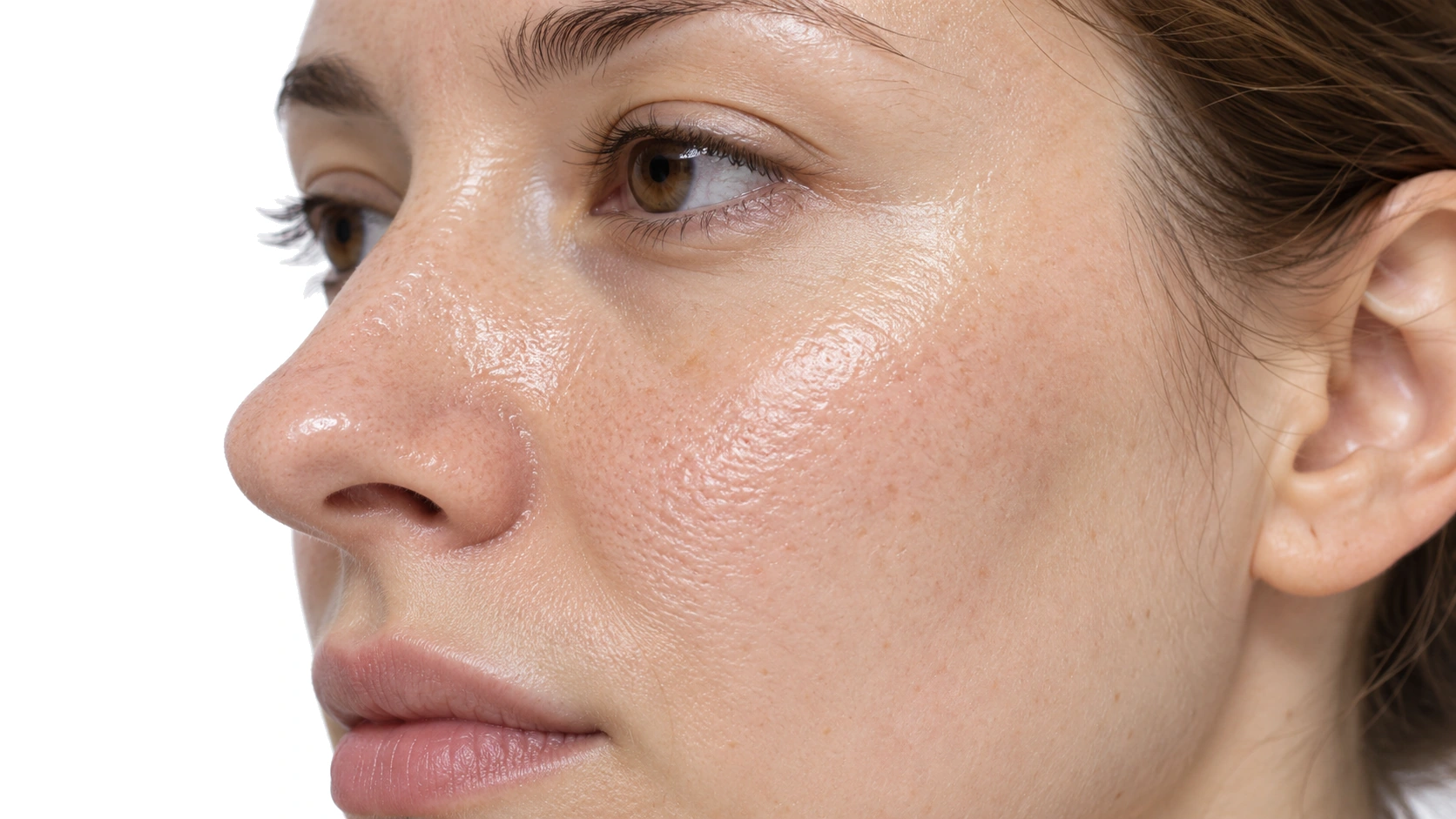




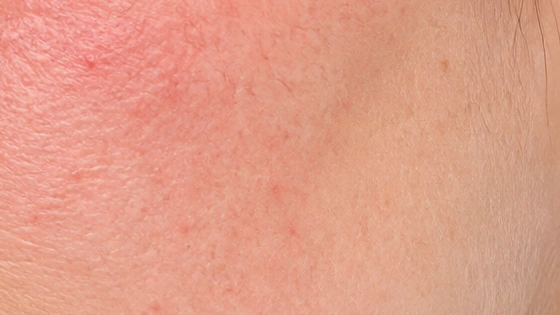
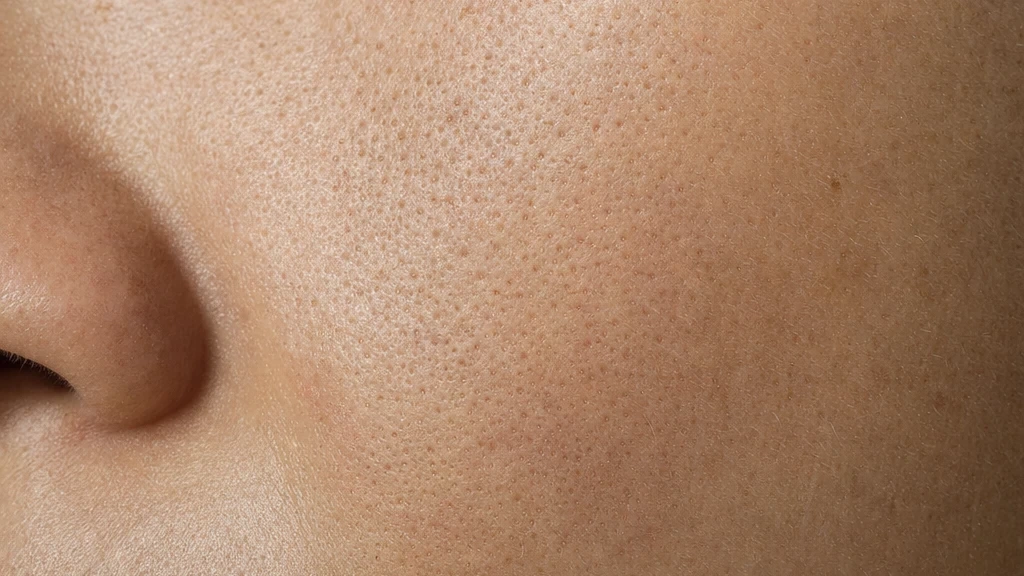
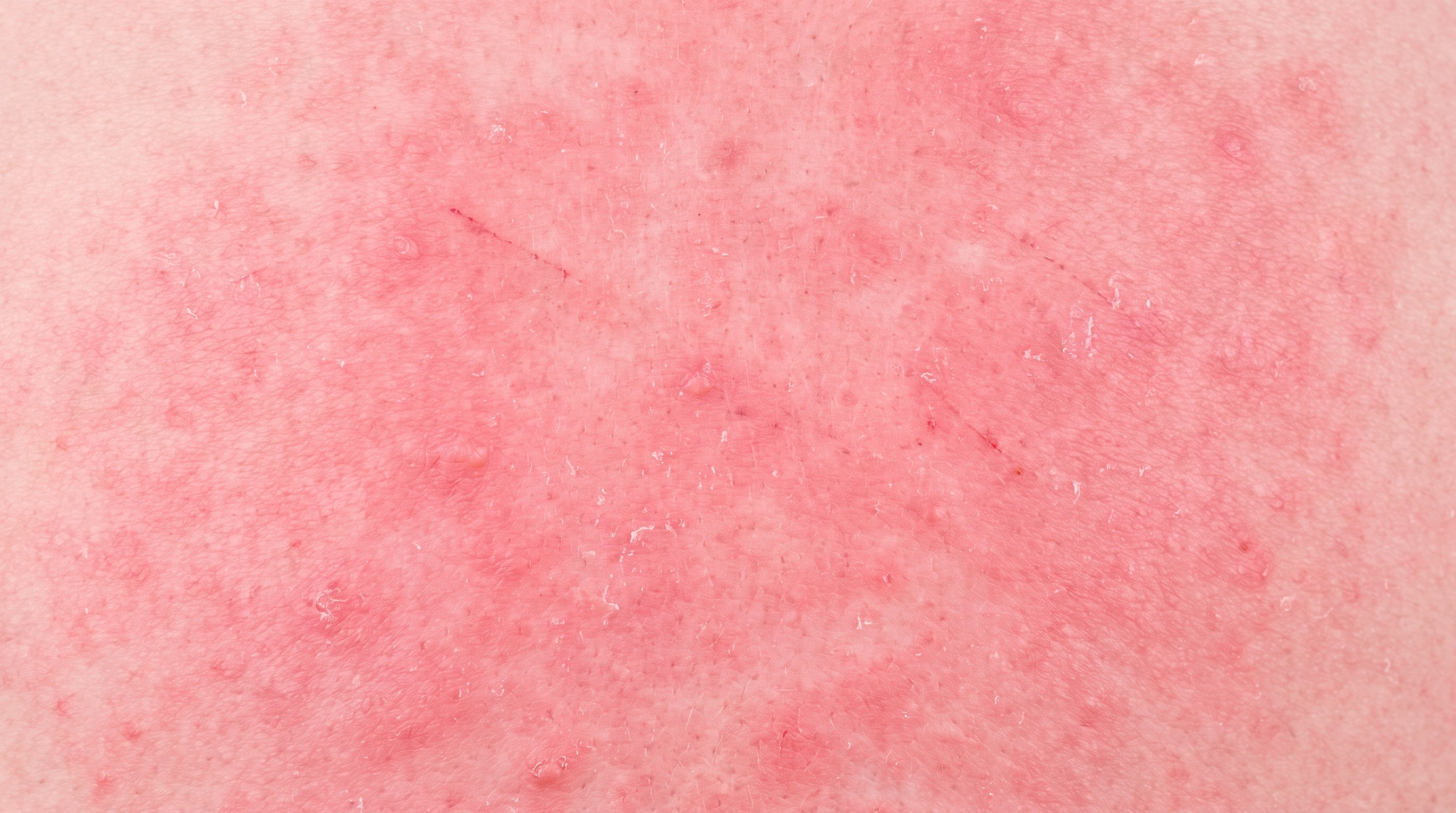

Supports the skin barrier: Helps skin make lipids that reduce water loss. Reduces pigment transfer: Less pigment reaches neighboring skin cells.
Schematic illustration; not a measurement of skin penetration. Effects vary with ingredient identity and formulation.

Binds water in outer skin: Panthenol acts as a humectant. Supports barrier function: Dexpanthenol formulas can aid recovery after irritation.
Schematic illustration; not a measurement of skin penetration. Effects vary with ingredient identity and formulation.
Built from where each one usually sits in a routine. Introduce one at a time.
Clinical studies commonly use 2–5% niacinamide for particular concerns. Higher marketed strengths are not a proven upgrade for everyone.
2%
4–5%
10%
Studied for facial oiliness
Controlled studies tested a finished formula for measures of facial oiliness; results do not mean every oily skin needs niacinamide.
Studied for tone and skin aging
Different trials studied pigmentation, melasma or fine lines. The concern and finished formula matter.
Higher marketed concentration
Available in skincare, but not established as universally more effective than the lower studied strengths.
Choosing a strength: A comfortable 2–5% product is a reasonable place to look when choosing for the studied concerns; evaluate the complete formula.
Higher strengths: Higher percentages may sting or irritate some skin. Do not keep increasing the concentration when the product causes discomfort.
Formula matters: Niacinamide is also included in moisturizers without a stated percentage. That does not mean the moisturizer cannot support skin comfort.
Topical dexpanthenol research includes 2.5% finished products and 5% preparations. These are formulation examples, not a proven best strength for every moisturizer.
2.5%
5%
Studied finished products
Studied in particular wash and sun-care products; the full formula contributed to their performance.
Other studied preparations
Used in topical formulations. A larger percentage does not establish better everyday hydration or faster healing.
Choosing a strength: Choose a product intended for the skin area and purpose. Ordinary moisturizer and procedural aftercare need not use the same formula.
Higher strengths: There is no established benefit from chasing the highest percentage. Stop if the complete product causes a persistent rash or discomfort.
Formula matters: Panthenol and dexpanthenol labeling may describe different ingredient specifications. The vehicle and other moisturizing ingredients matter.
Approximate windows, not promises.
First few weeksAssess comfort. Moisturizer benefits may appear before changes in tone or lines.
First few weeksSkin may feel softer soon after use; relief depends on the formula.
4–8 weeksOiliness or uneven pigmentation may begin to improve.
4–8 weeksJudge hydration, comfort and whether dryness is recurring.
8–12 weeksReassess tone and fine lines; expect modest changes.
8–12 weeksPersistent cracking, itch or a rash needs reassessment.
3–6 monthsContinue if it helps and remains comfortable.
3–6 monthsContinue if comfortable; hydration usually requires ongoing use.
6–12 monthsLong-term benefit is less well defined than short-term results.
6–12 monthsMoisturizing does not establish reversal of structural ageing or scars.
Stinging, redness, dryness or a rash can occur. Fragrance, preservatives and other ingredients may also contribute to a reaction.
Usually comfortable; stop for a contact rash or persistent irritation.
Stop for persistent burning, swelling or an itchy rash. Seek urgent help for trouble breathing or rapidly worsening facial swelling.
Stop for persistent burning, swelling, blistering or a new rash. Seek urgent care for breathing difficulty or a severe allergic reaction.
Choose a gentle formula and test a small area. Barrier-support claims do not mean every product suits rosacea or eczema.
Choose a simple formula and test a small area first. Individual tolerance matters more than an ingredient’s reputation for being gentle.
This topical ingredient is not a retinoid. Review the complete product with your clinician; do not assume every combination formula is suitable.
Niacinamide supports skincare; it does not replace diagnosis or established treatment of persistent acne, melasma or an inflamed rash.
Do not use a cosmetic product as a substitute for diagnosis of an unexplained, changing or persistent skin problem.
Panthenol skincare is generally considered acceptable in pregnancy.
On the skin. A water-soluble vitamin used in serums and moisturizers.
Entering skin. Human studies show delivery into the outer skin; uptake depends on the formula.
Conversion. Cells use niacinamide to help make NAD+, which supports energy and repair.
Skin response. Supports production of barrier lipids, including ceramides, and helps reduce water loss.
Additional effects. Reduces pigment transfer between skin cells in laboratory models.
On the skin. The finished product delivers panthenol in a particular vehicle.
Entering skin. Below the 500 Da guideline; delivery still depends on the formula, solubility, stability and skin condition. Size does not prove effectiveness or penetration depth.
Conversion. Can be converted to pantothenic acid; the moisturizing formula also matters.
Skin response. Binds water and can be converted to pantothenic acid; barrier effects depend on the topical formula.
Additional effects. Proposed pathways do not establish a measured depth of delivery or clinical benefit beyond the studies cited.
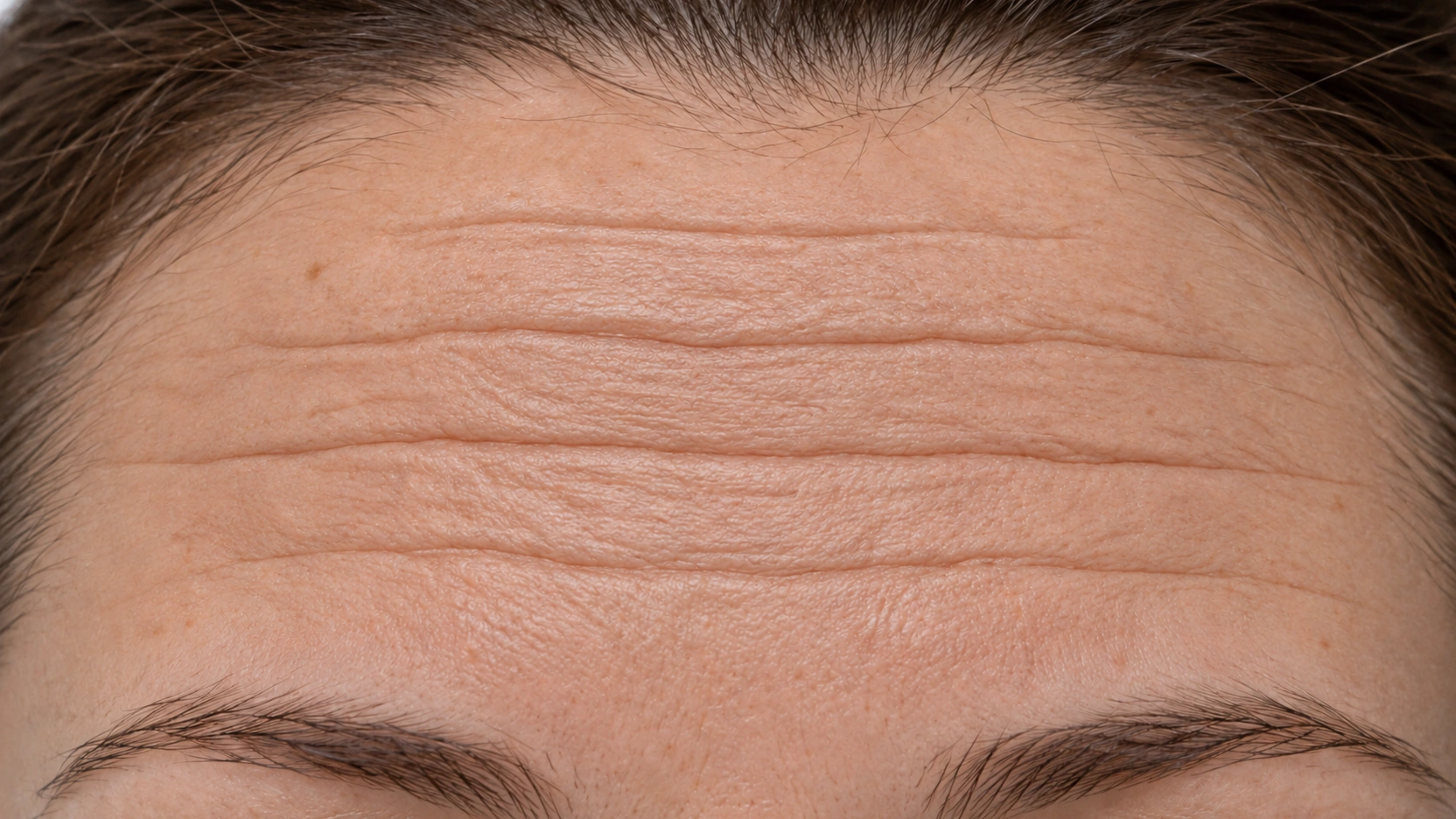
There is clinical evidence, including a small 12-week controlled trial of a 5% moisturizer. Expect modest improvement; it does not erase deep wrinkles.
Not necessarily. Many clinical studies used 2–5%, and a higher concentration is not proven to work better for every concern.
Small trials suggest benefit, but the evidence is limited. Persistent, painful or scarring acne needs an established acne treatment plan.
That has not been established. Less oil or a smoother appearance can make pores look less obvious without permanently changing their structure.
The concentration, other ingredients or your skin barrier may be responsible. Reduce use or stop if irritation persists; you do not need to push through it.
Choose for hydration and comfort, particularly in a simple moisturizer.
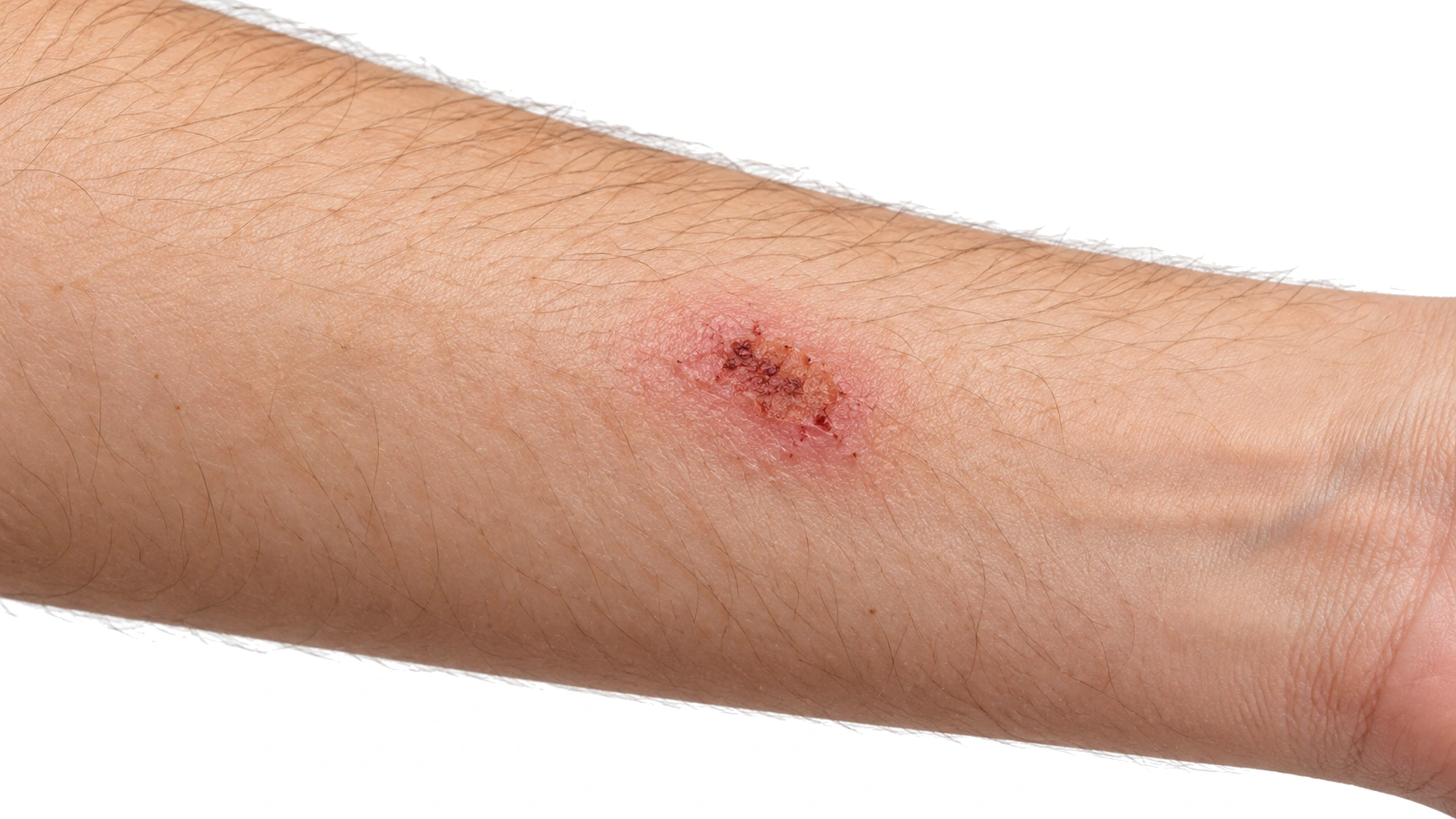
Small controlled studies support barrier measurements after seven days and after experimental irritation. They do not establish treatment of every wound, acne or pigment disorder.
Sources