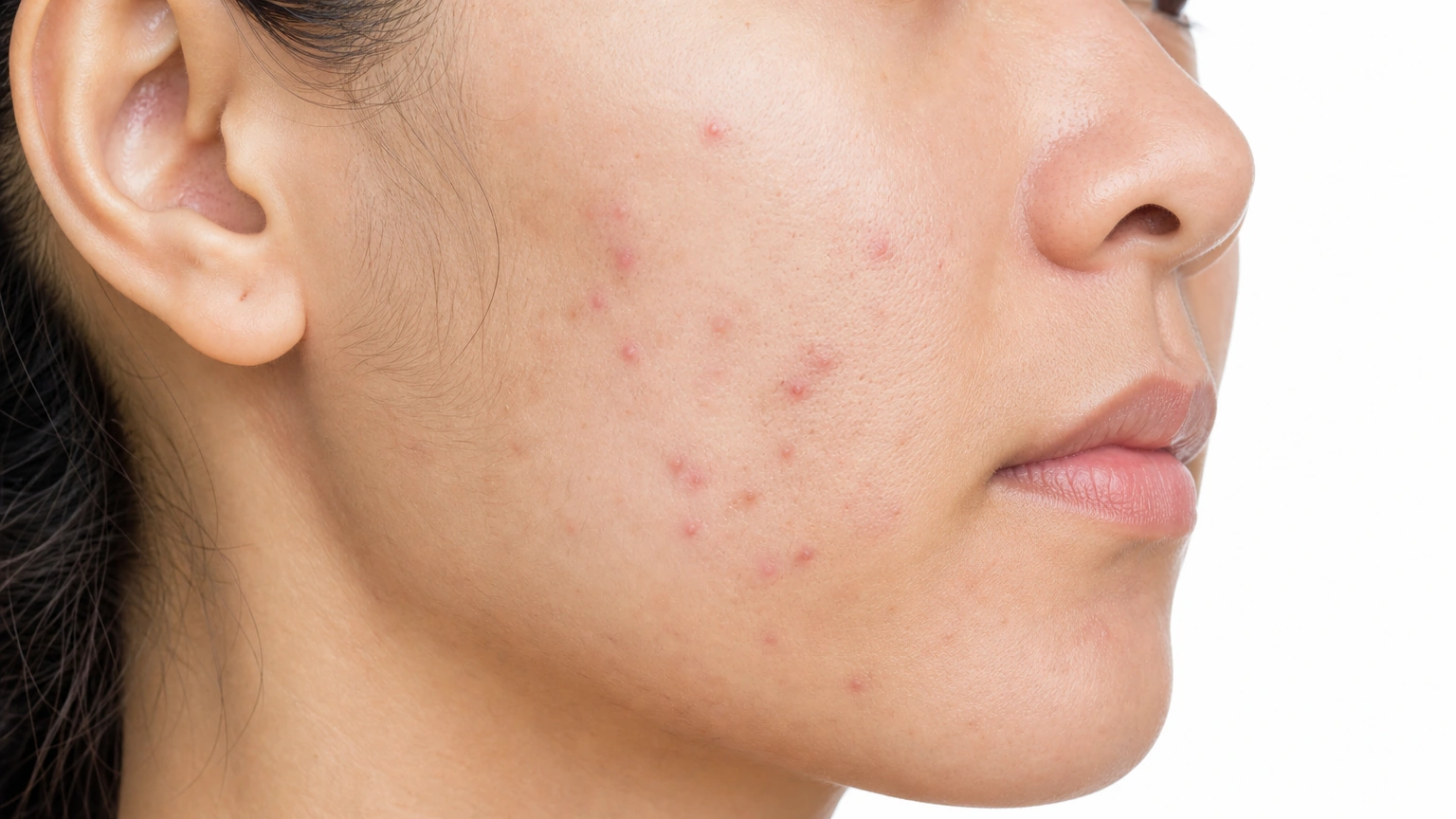
Comedonal Acne vs Sebaceous Filaments
Acne in which blackheads and whiteheads are the main lesions. Normal material lining oil-producing follicles, often visible as fine pale or grey dots.
Key differences
The same eight facts on every condition comparison.
What is it?
- What it is
Acne in which blackheads and whiteheads are the main lesions.
- What it is
Normal material lining oil-producing follicles, often visible as fine pale or grey dots.
What it looks like
Comedonal Acne
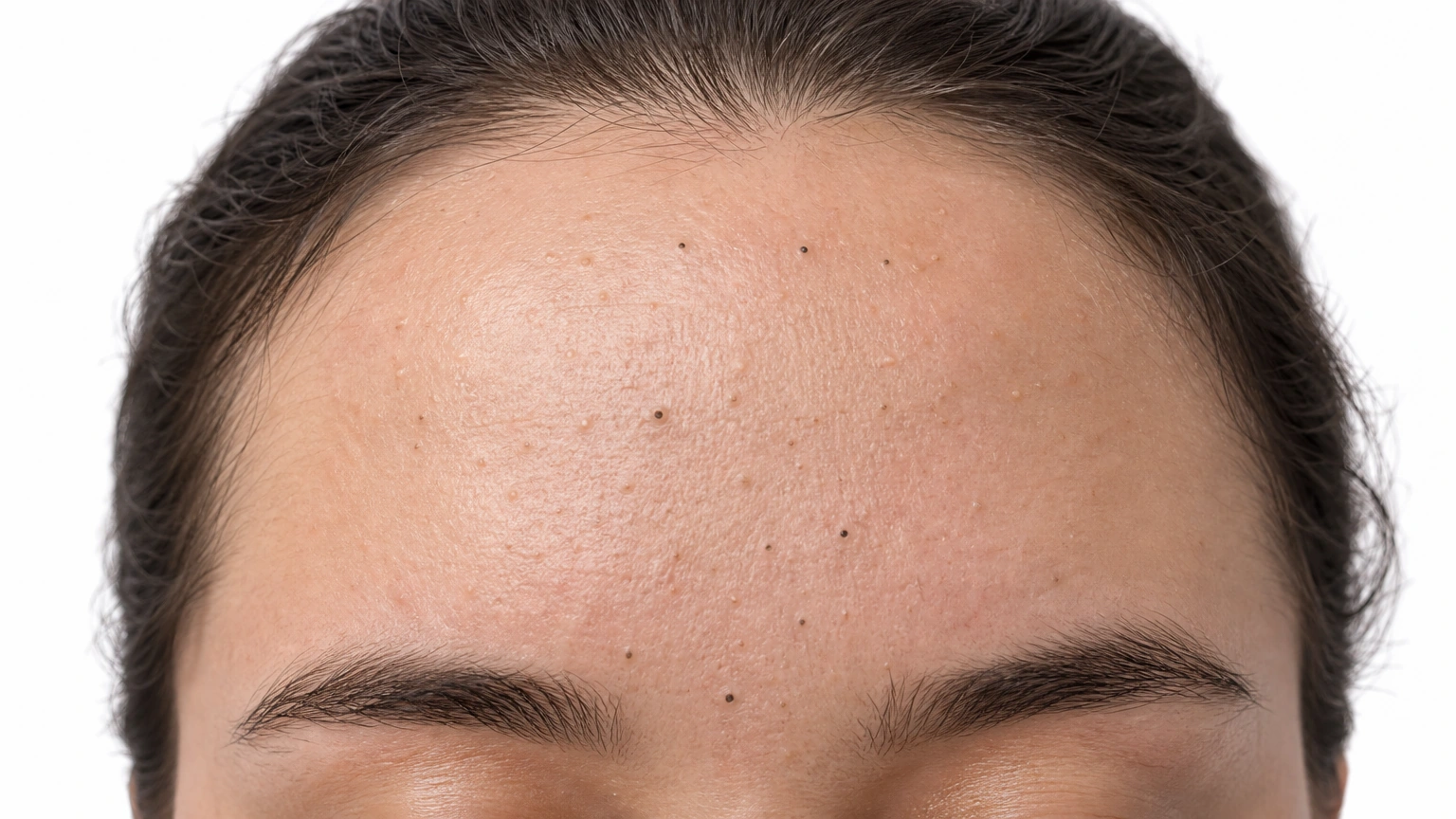
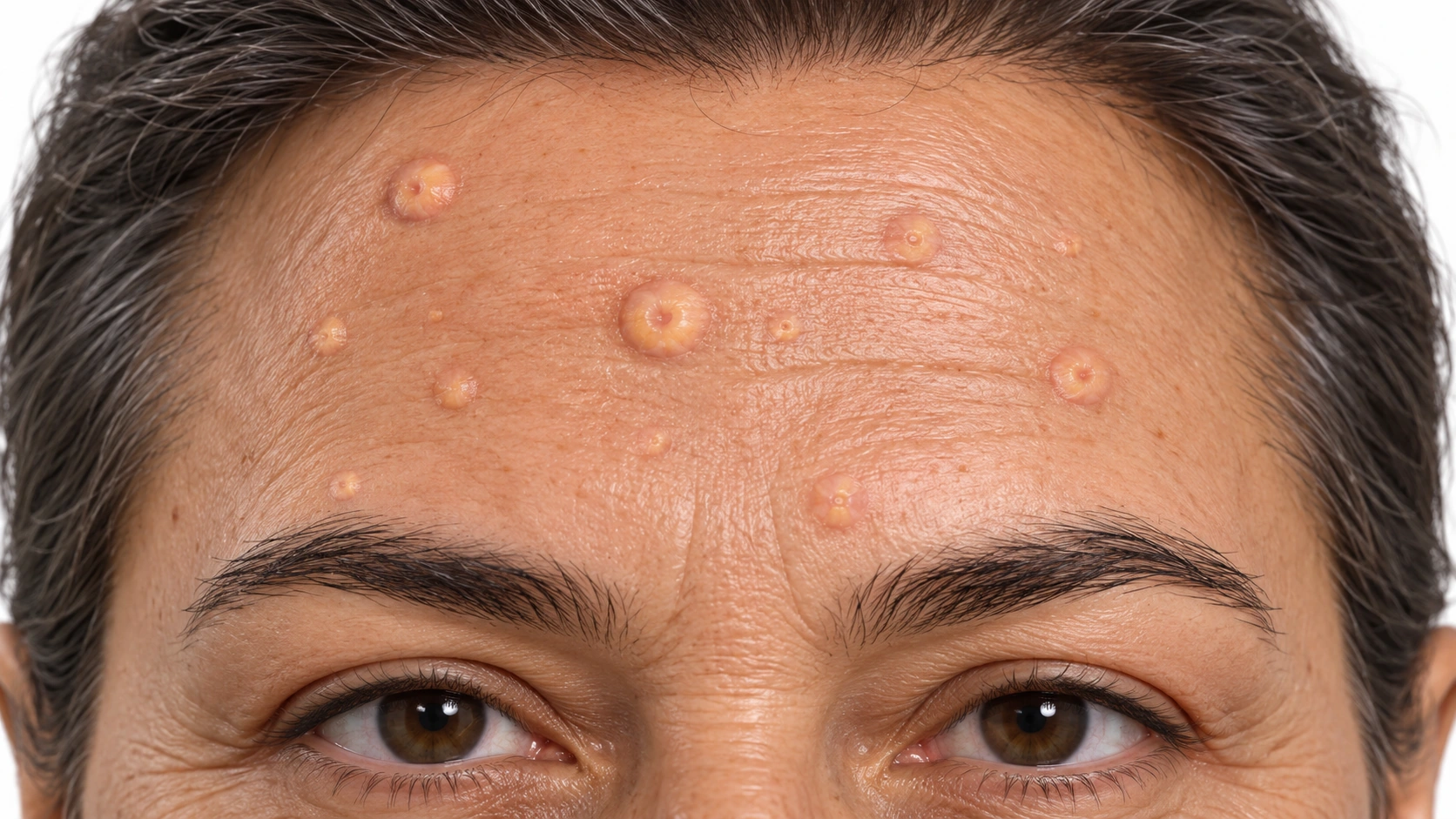
Comedonal Acne The forehead has a mixture of pale raised bumps and tiny dark dots.
Sebaceous Filaments
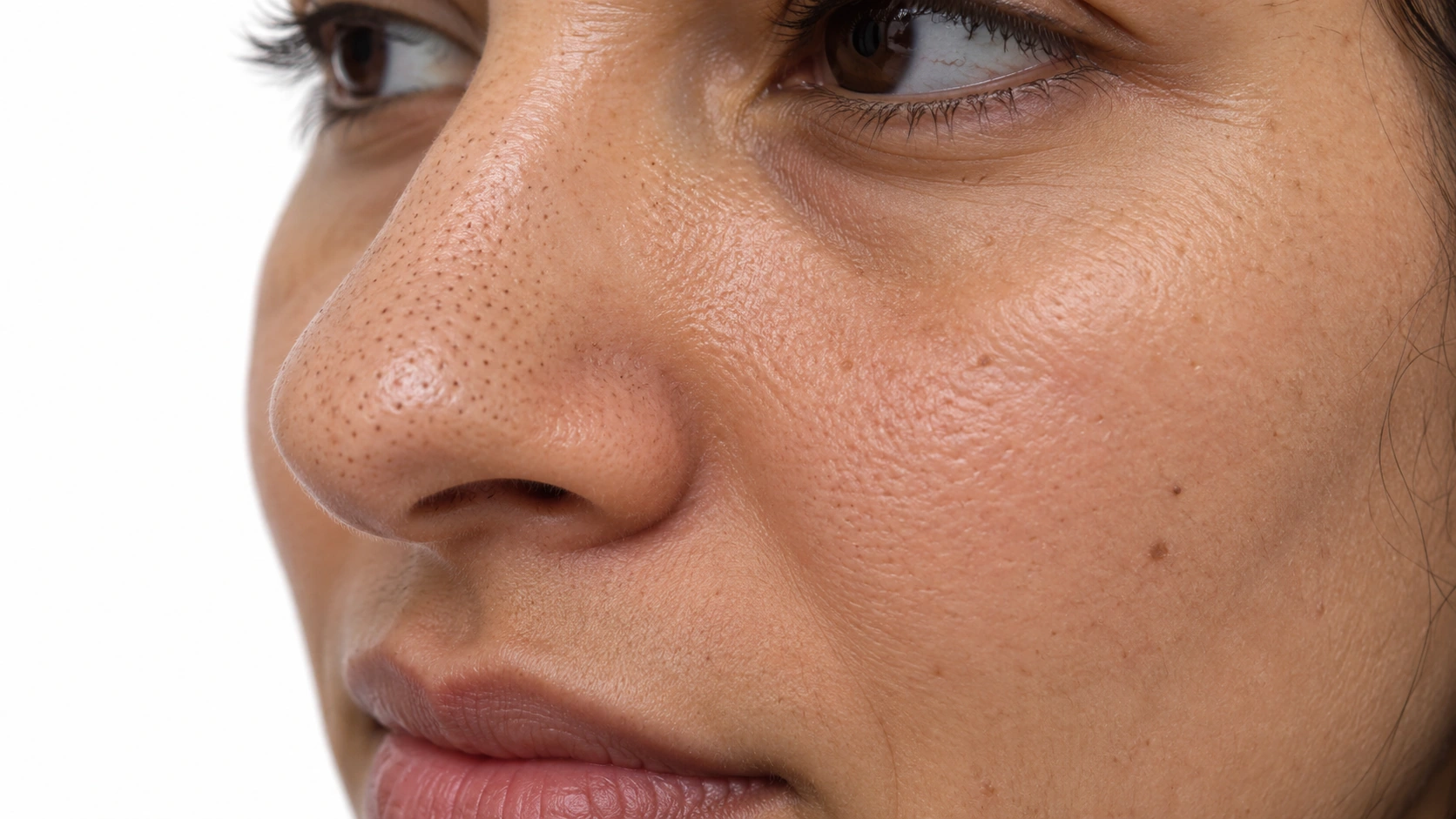
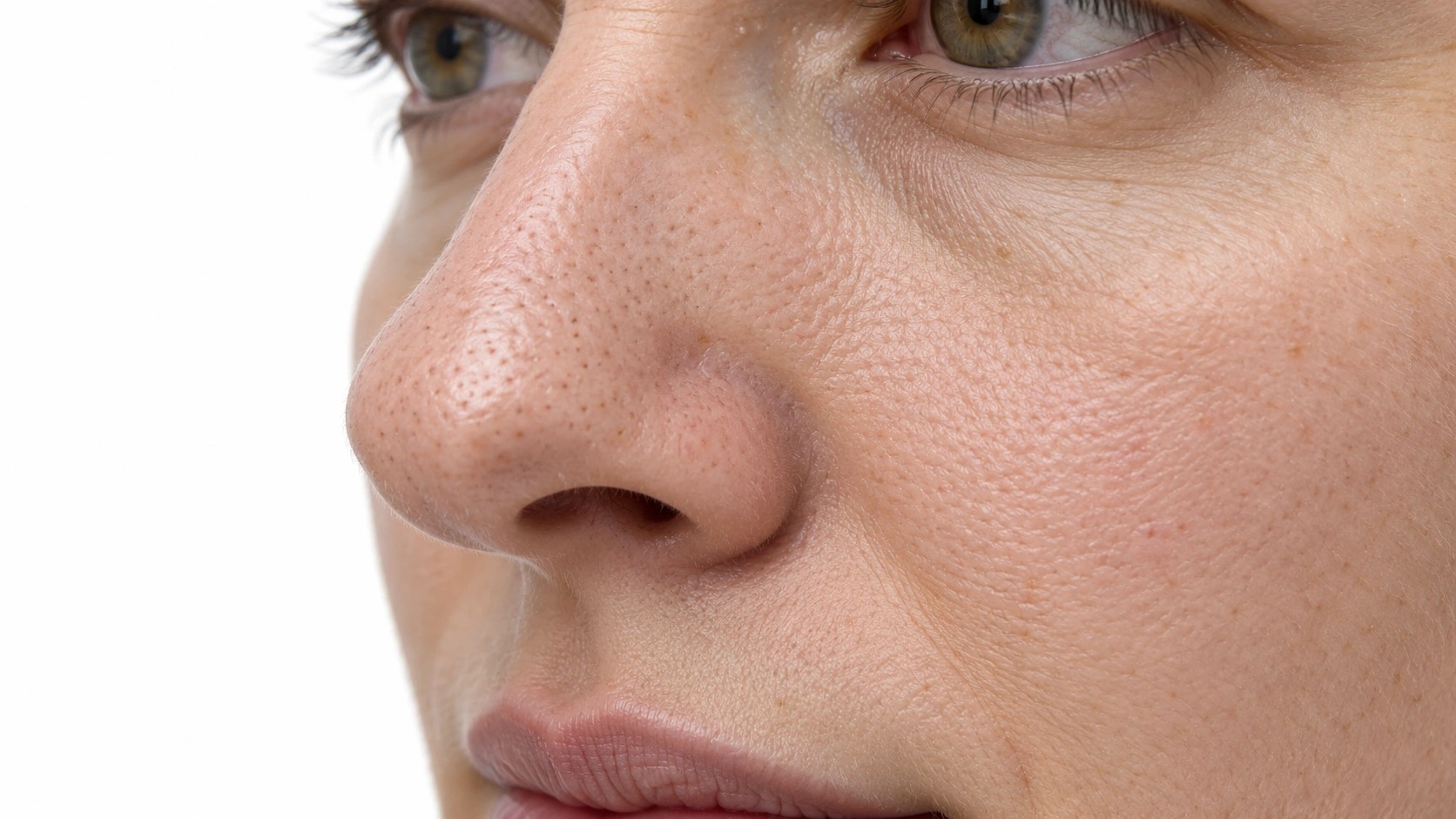
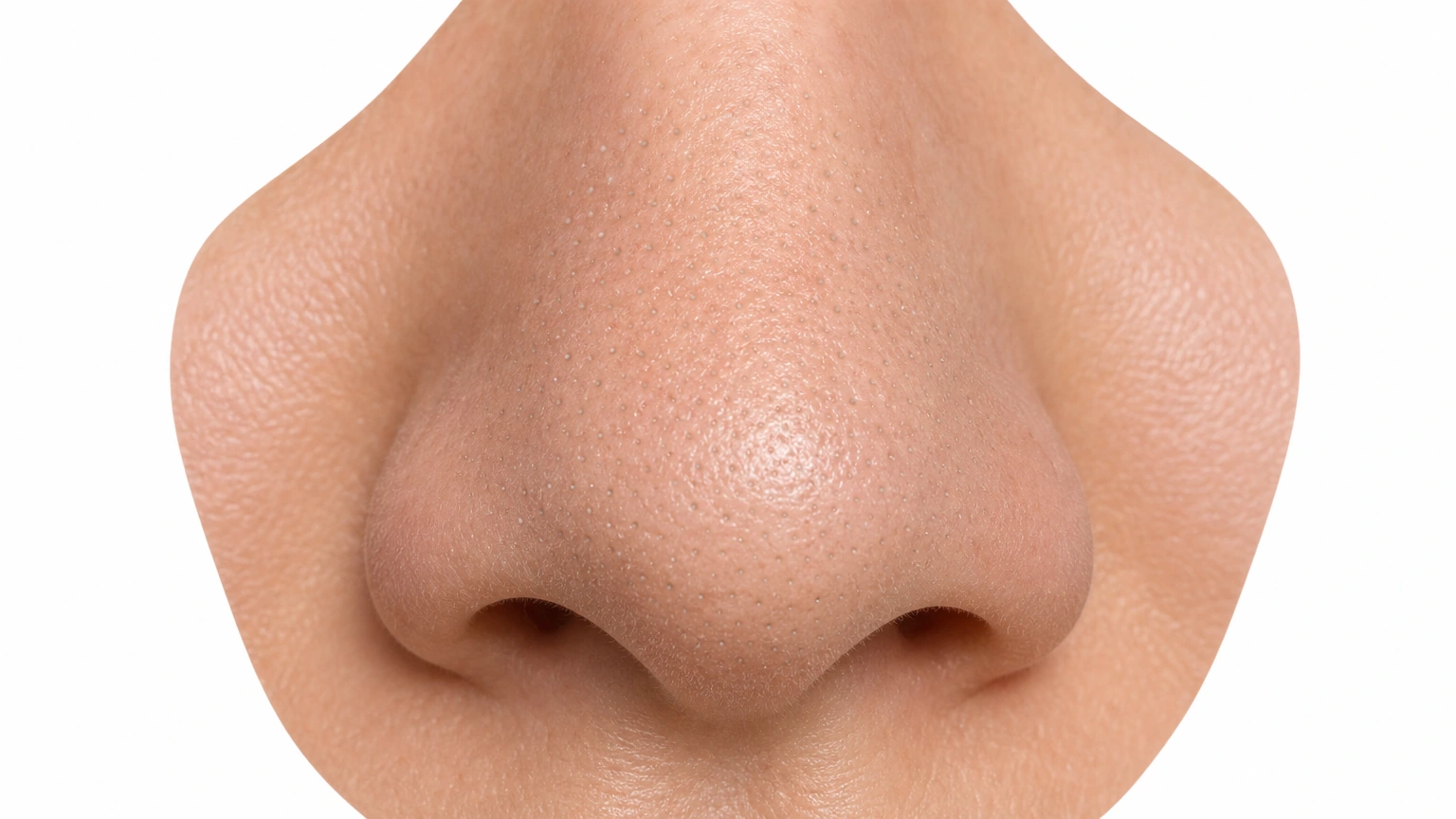
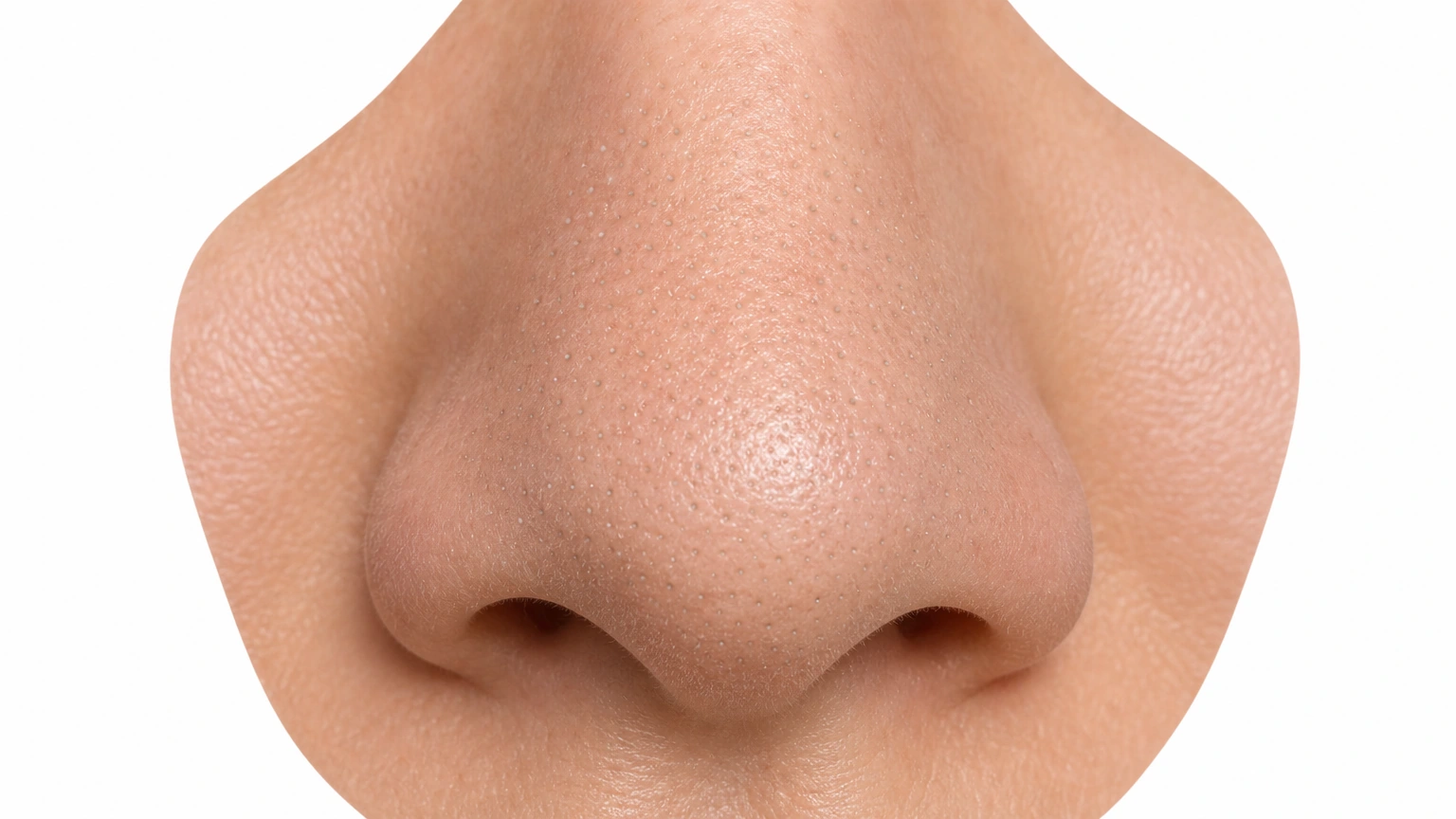
Sebaceous Filaments Small, closely spaced pore markings are visible on the nose.
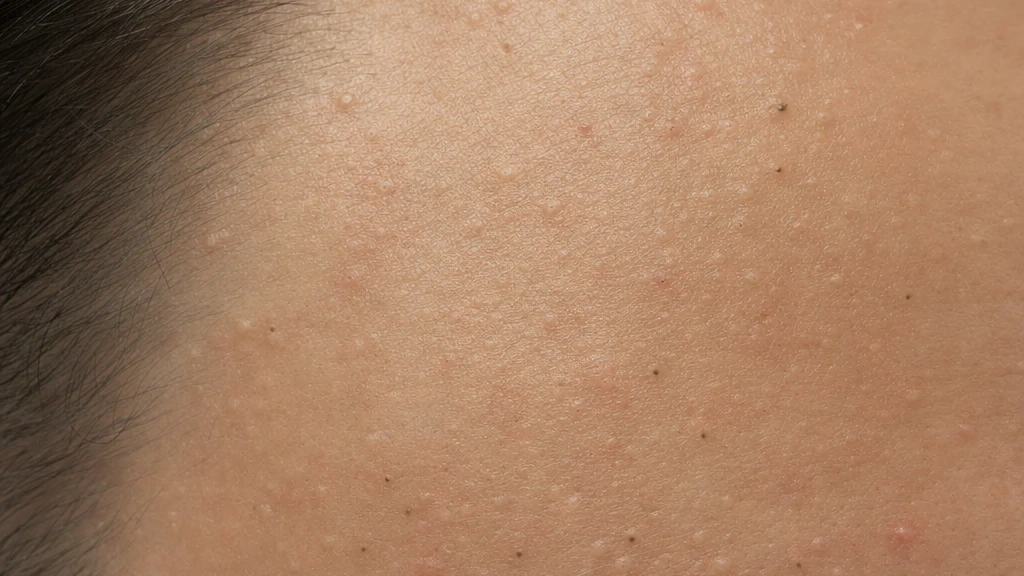
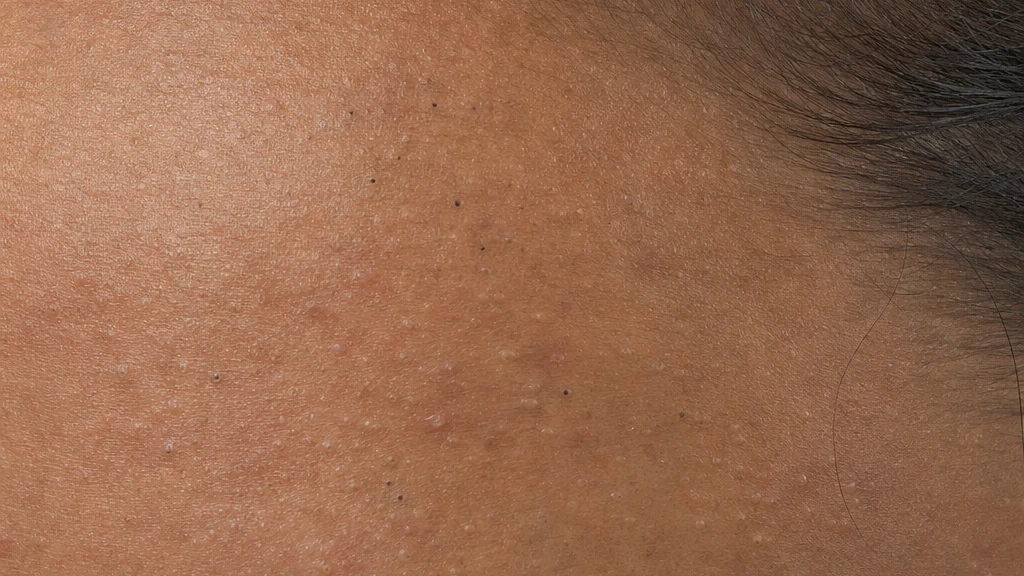
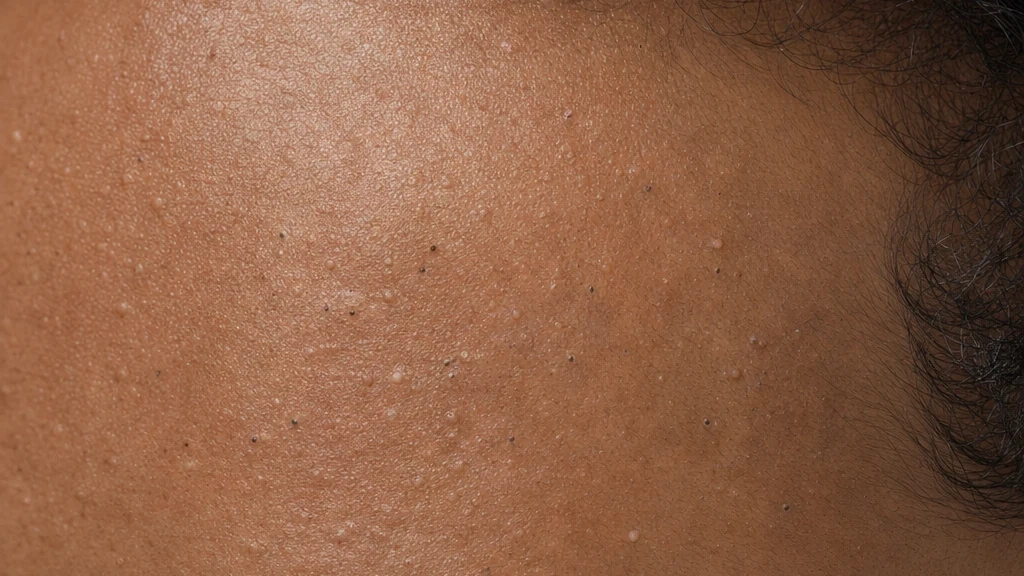
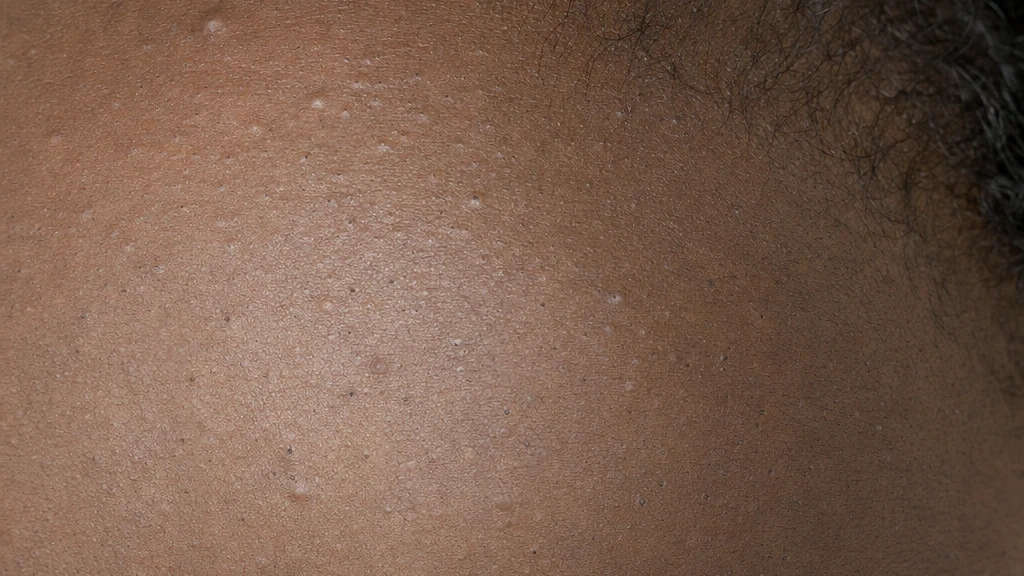
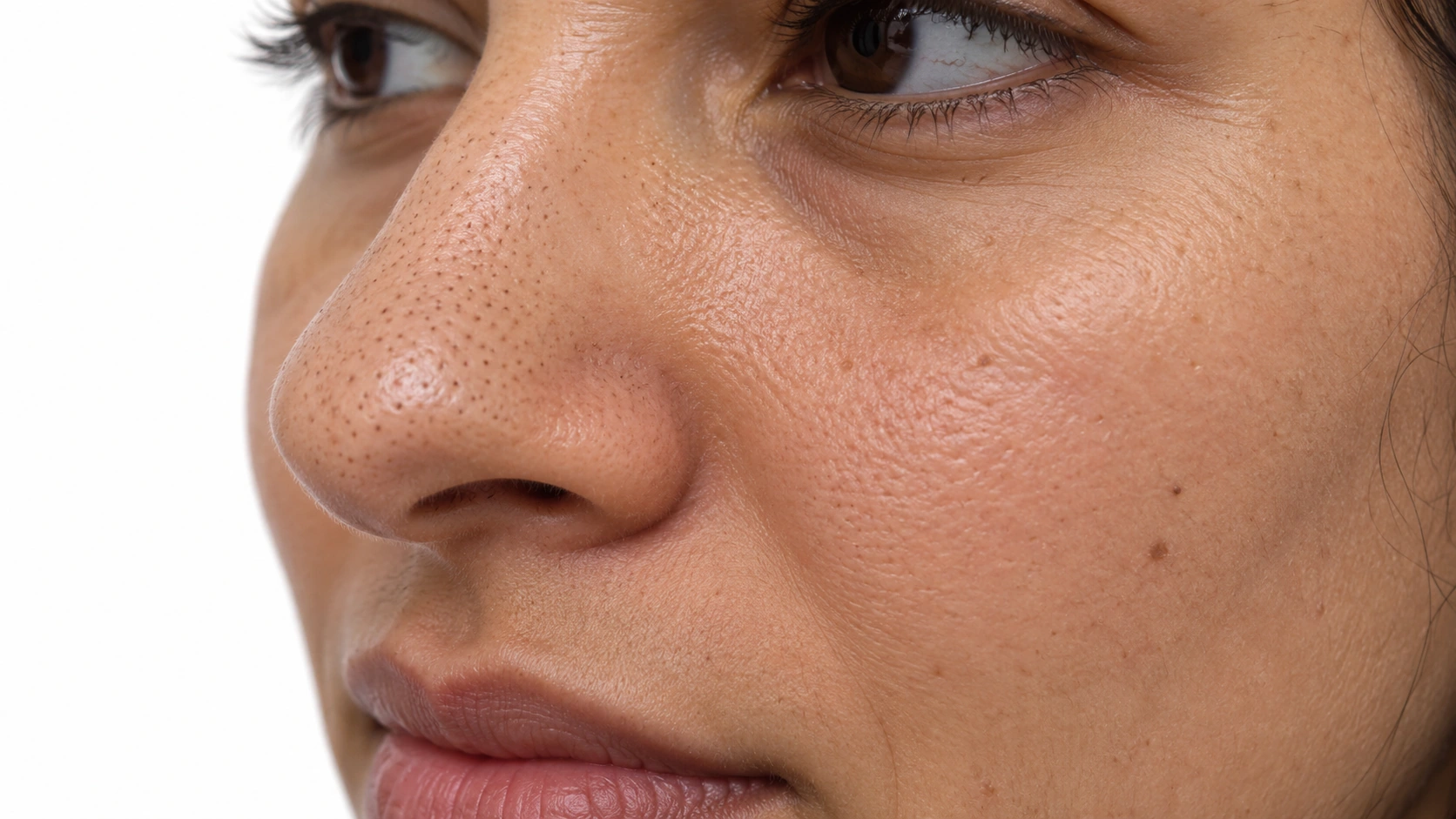
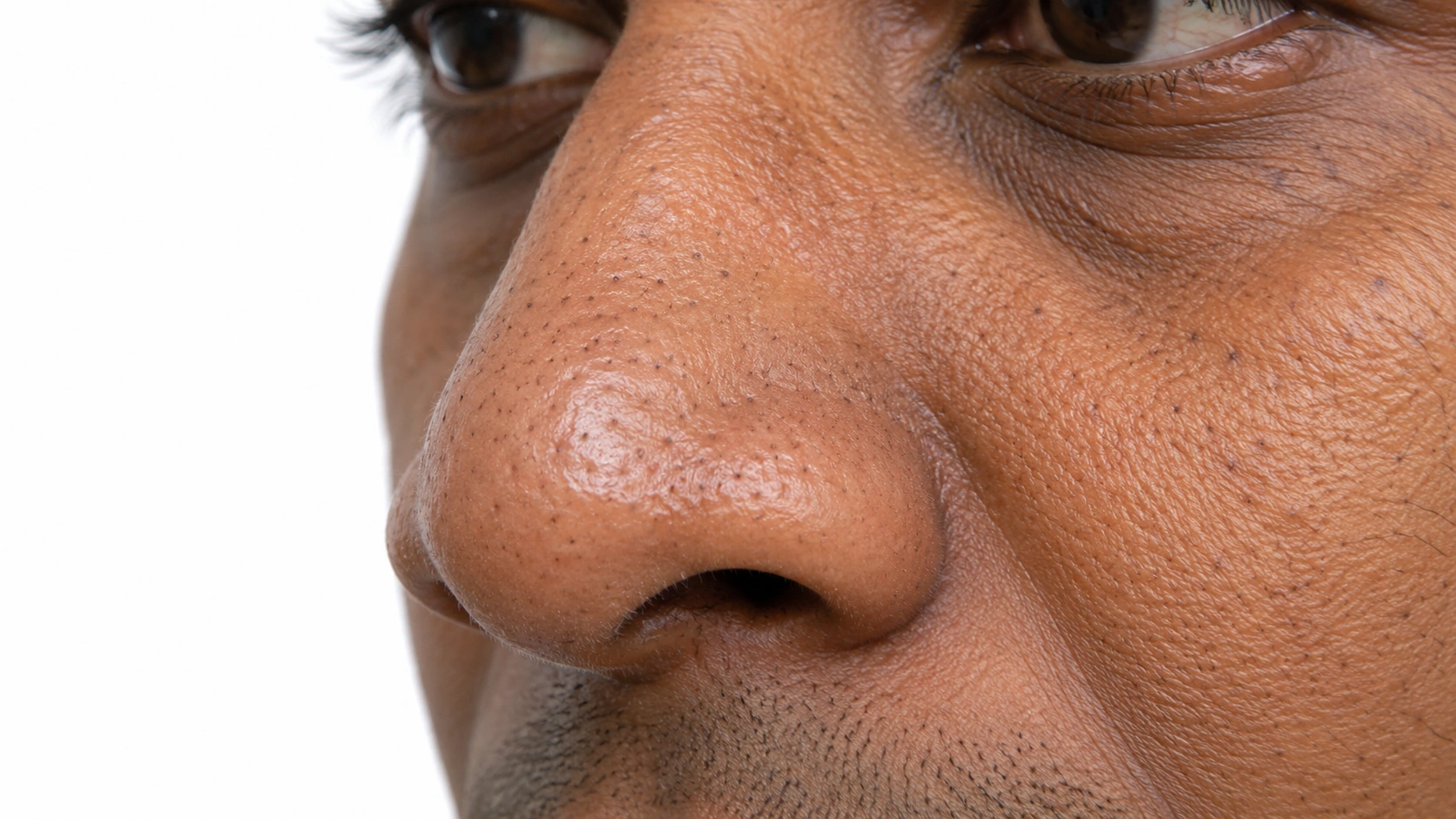
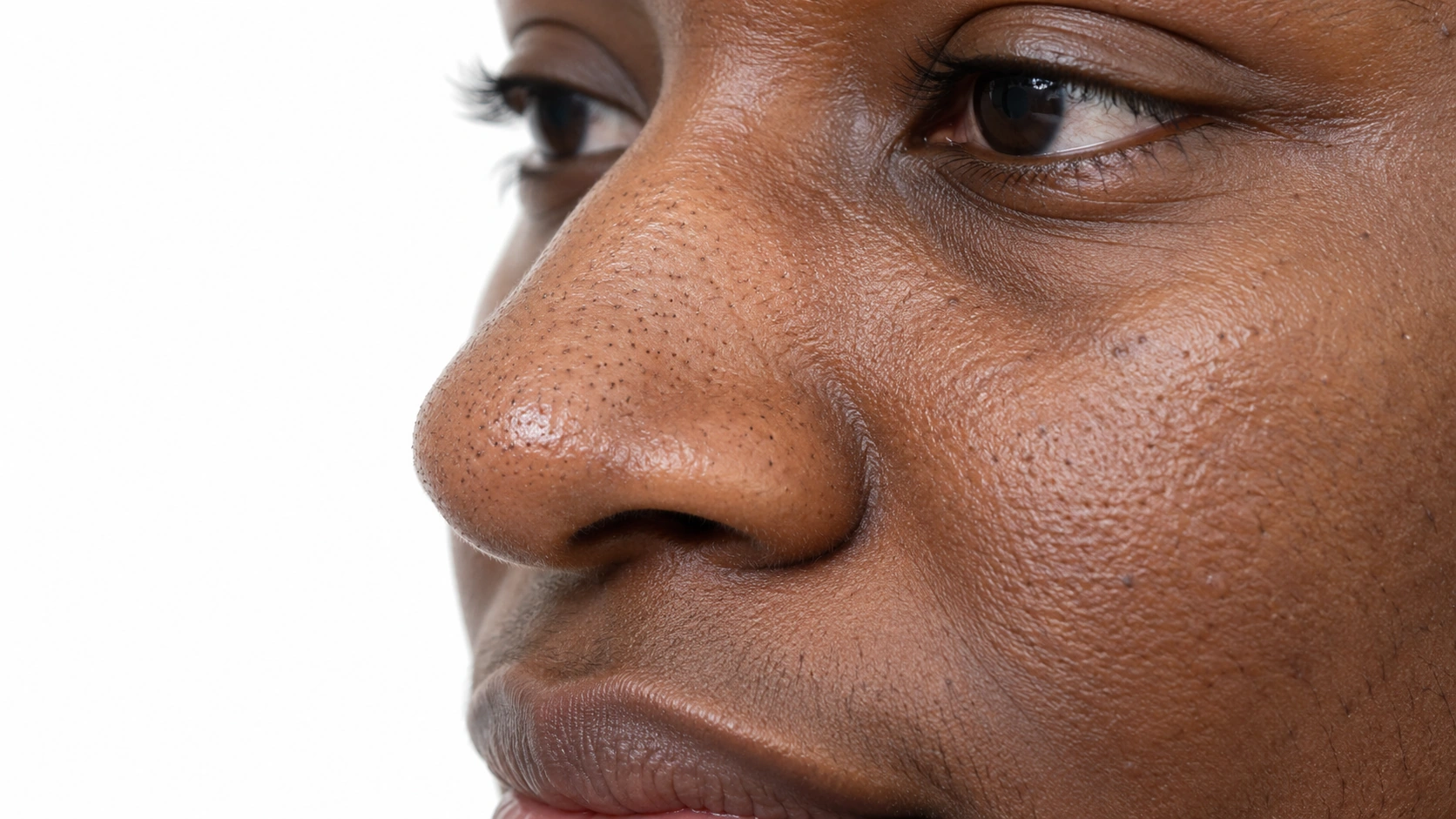
Oil and shed skin cells block hair follicles with relatively little visible inflammation. An open plug forms a blackhead, while a covered plug forms a whitehead.
Sebum and shed cells normally line the channels of hair follicles. These contents can become visible at the surface without forming a discrete acne plug.
When it usually starts
Comedonal Acne. Often begins around puberty; adult acne can persist or start later.
Sebaceous Filaments. Often becomes more apparent after puberty.
Causes and triggers
Oil and shed skin cells block hair follicles; inflammation can develop around them.
Sebum and shed cells within normal follicles become visible rather than forming a discrete acne lesion.
Daily Care
Habits that help
- Wash gently, up to twice daily and after sweating
Use lukewarm water, a mild cleanser and your fingertips; pat dry. - Choose non-comedogenic moisturizer and sunscreen
Moisturizer helps you tolerate treatment; use broad-spectrum SPF 30 or higher on exposed skin. - Remove makeup gently before bed
Choose products labeled non-comedogenic or oil-free and keep makeup tools clean. - Keep the routine simple and consistent
Give the agreed treatment time to work instead of changing products every few days.
Avoid
- Avoid: Picking, squeezing or home extraction
Manipulating spots increases inflammation, infection risk and lasting marks or scars. - Avoid: Scrubs and several irritating actives at once
Burning, peeling and raw skin are reasons to simplify the routine and review how treatment is being used.
Habits that help
- Cleanse gently up to twice daily and after sweating
Use a mild cleanser rather than washing until skin feels tight. - Use a light non-comedogenic moisturizer
Oily skin can still become dry or irritated from treatment. - Choose non-comedogenic broad-spectrum SPF 30 or higher
Protect exposed skin without adding a product that clogs pores. - Blot excess oil gently if needed
Press with blotting paper rather than rubbing or repeatedly washing. - Treat visible filaments as normal skin structures
They carry oil through the follicle and do not need to be removed completely.
Avoid
- Avoid: Repeated squeezing, pore vacuuming or harsh pore strips
Normal filaments refill; aggressive extraction can cause inflammation and marks. - Avoid: Alcohol-heavy toners and scrubs that sting
Drying the skin aggressively does not permanently close pores.
Treatment differences
No treatment is required for these normal oil-carrying structures. Gentle skin care may reduce their visibility; repeated extraction cannot prevent them from refilling.
Outlook
Blocked pores can improve with consistent treatment, but recurrence is common. Maintenance may be needed; increasing irritation does not make acne clear faster.
Sebaceous filaments are normal structures and refill after extraction. Their visibility can be managed, but permanently removing them is neither realistic nor necessary.
Complications
Inflamed acne can leave dark marks or permanent scars and affect confidence.
Oiliness and visible pores can coexist with acne, but are not themselves proof of disease.
When to get help
Arrange care for painful deep lumps, scarring, or acne that persists despite a consistent treatment plan.
Seek advice for painful acne or a new isolated lesion rather than treating it as a normal pore.
Common questions
Comedonal Acne:What is Comedonal Acne?
Acne in which blackheads and whiteheads are the main lesions.
Comedonal Acne:What can I do day to day?
Use a gentle cleanser, non-comedogenic moisturizer and sunscreen. Do not squeeze or scrub spots.
Comedonal Acne:When should I get medical advice?
Arrange care for painful deep lumps, scarring, or acne that persists despite a consistent treatment plan.
Sebaceous Filaments:What is Sebaceous Filaments?
Normal material lining oil-producing follicles, often visible as fine pale or grey dots.
Sebaceous Filaments:What can I do day to day?
Clean gently, avoid squeezing and use non-comedogenic moisturizer and sunscreen.
Sebaceous Filaments:When should I get medical advice?
Seek advice for painful acne or a new isolated lesion rather than treating it as a normal pore.
Sources
Sources and further reading
Keep exploring.
Comedonal Acne vs Sebaceous Hyperplasia

Blackheads vs Sebaceous Filaments
Comedonal Acne vs Fungal Acne
Comedonal Acne vs Inflammatory Acne

Comedonal Acne vs Milia
Enlarged Pores vs Sebaceous Filaments

Acne
Acne Nodules vs Acne Cysts
Acne Nodules vs Boils
Acne Nodules vs Epidermal Inclusion Cyst
Acne Nodules vs Ingrown Hairs