Cellulitis vs Insect Bites
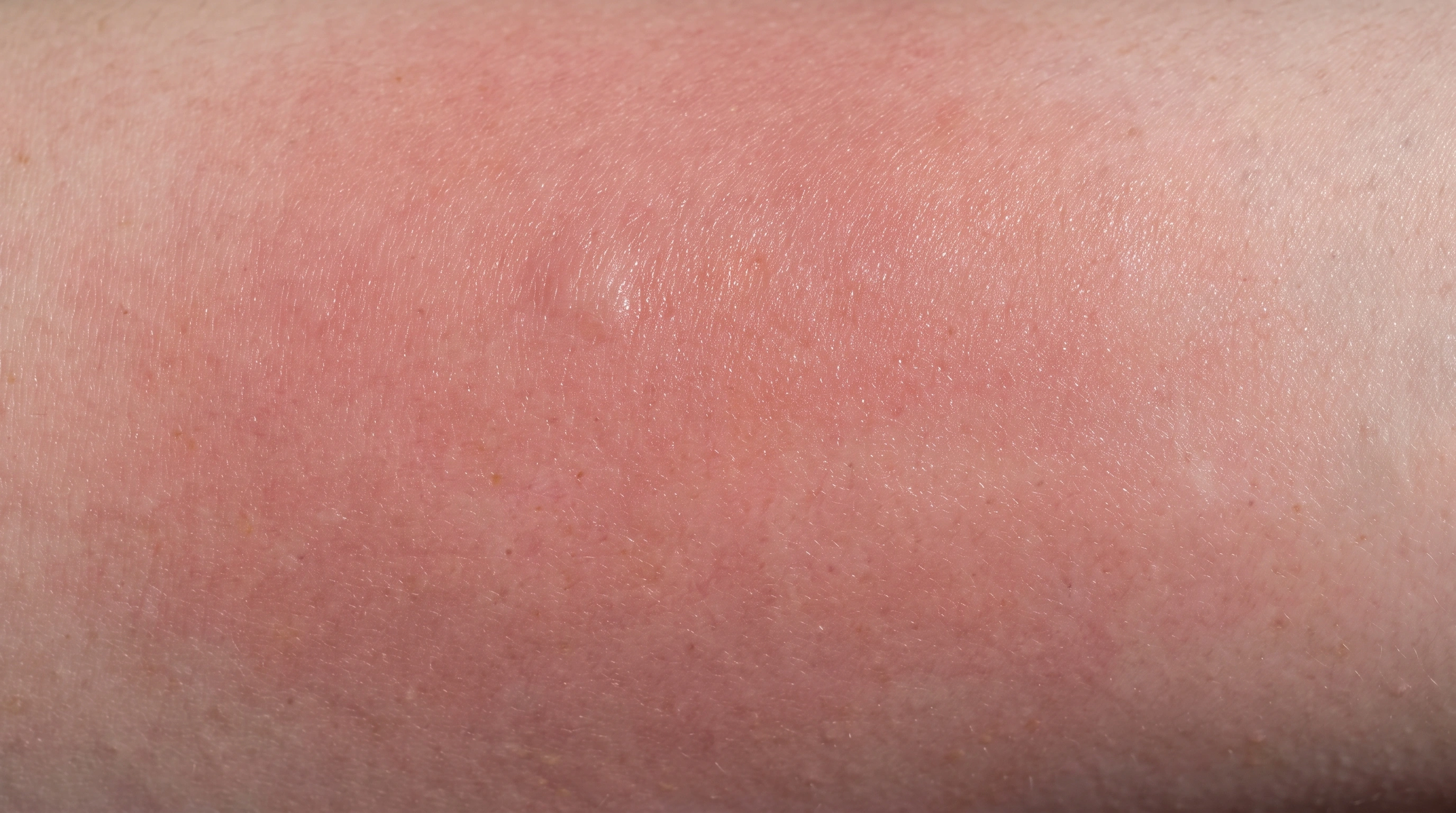
Cellulitis is a bacterial infection of the deeper layers of the skin and the fat underneath. The area becomes swollen, warm, tender and discolored, and it spreads. It needs antibiotics, and some presentations need care the same day. Itchy inflammatory bumps caused by bites from various insects.
Key differences
The same eight facts on every condition comparison.
What is it?
- It is a bacterial skin infection.
Bacteria enter through a crack or wound, sometimes too small to notice. - It affects deeper skin layers.
Inflammation in the dermis and fat causes warmth, tenderness and swelling. - Lookalikes are common.
Dermatitis and venous inflammation can appear similar. - Diagnosis is mainly clinical.
Tests are used selectively; a swollen leg may also need a clot check.
- What it is
Itchy inflammatory bumps caused by bites from various insects.
What it looks like
Cellulitis
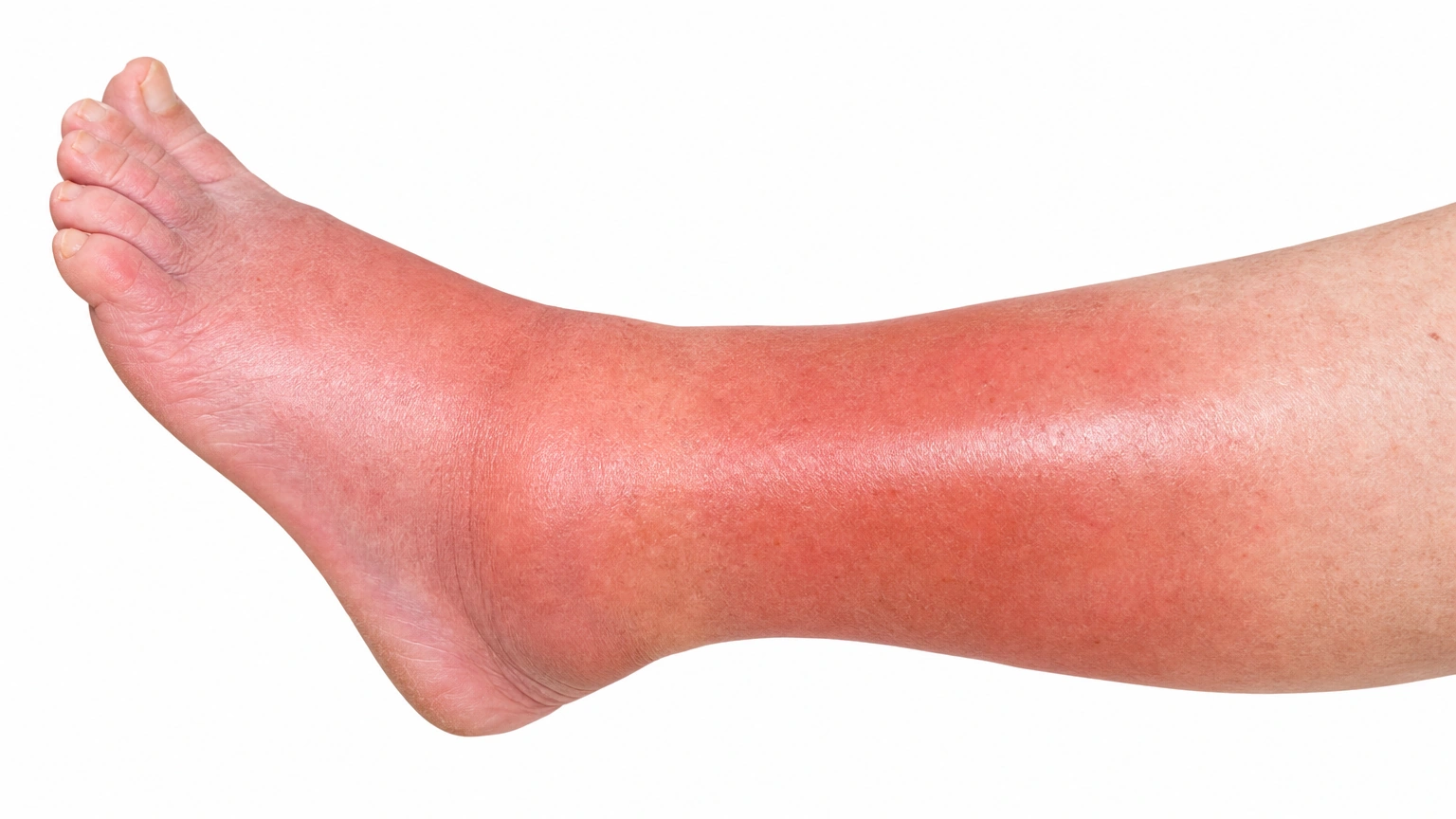
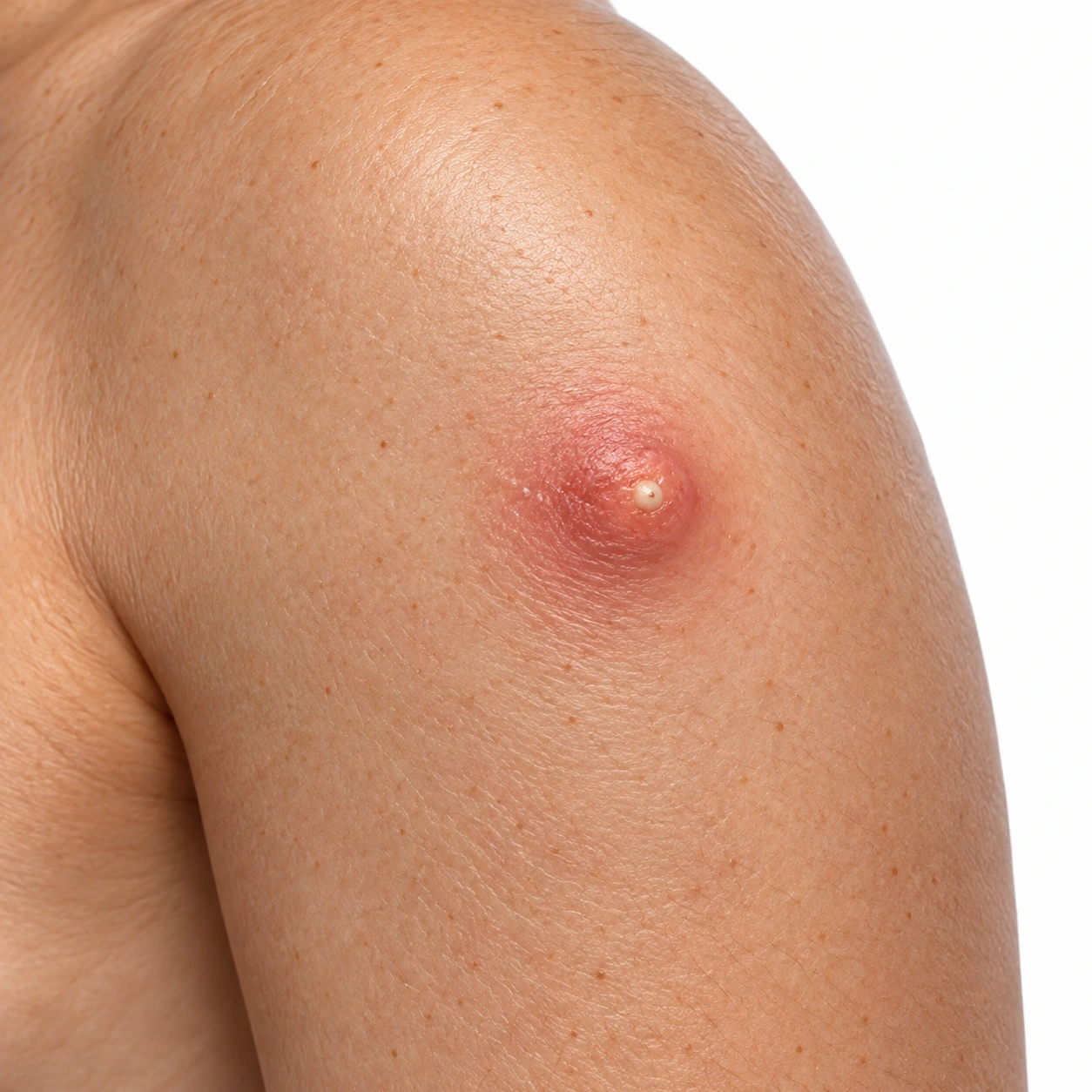
Swollen leg Warm, tender, one-sided swelling.
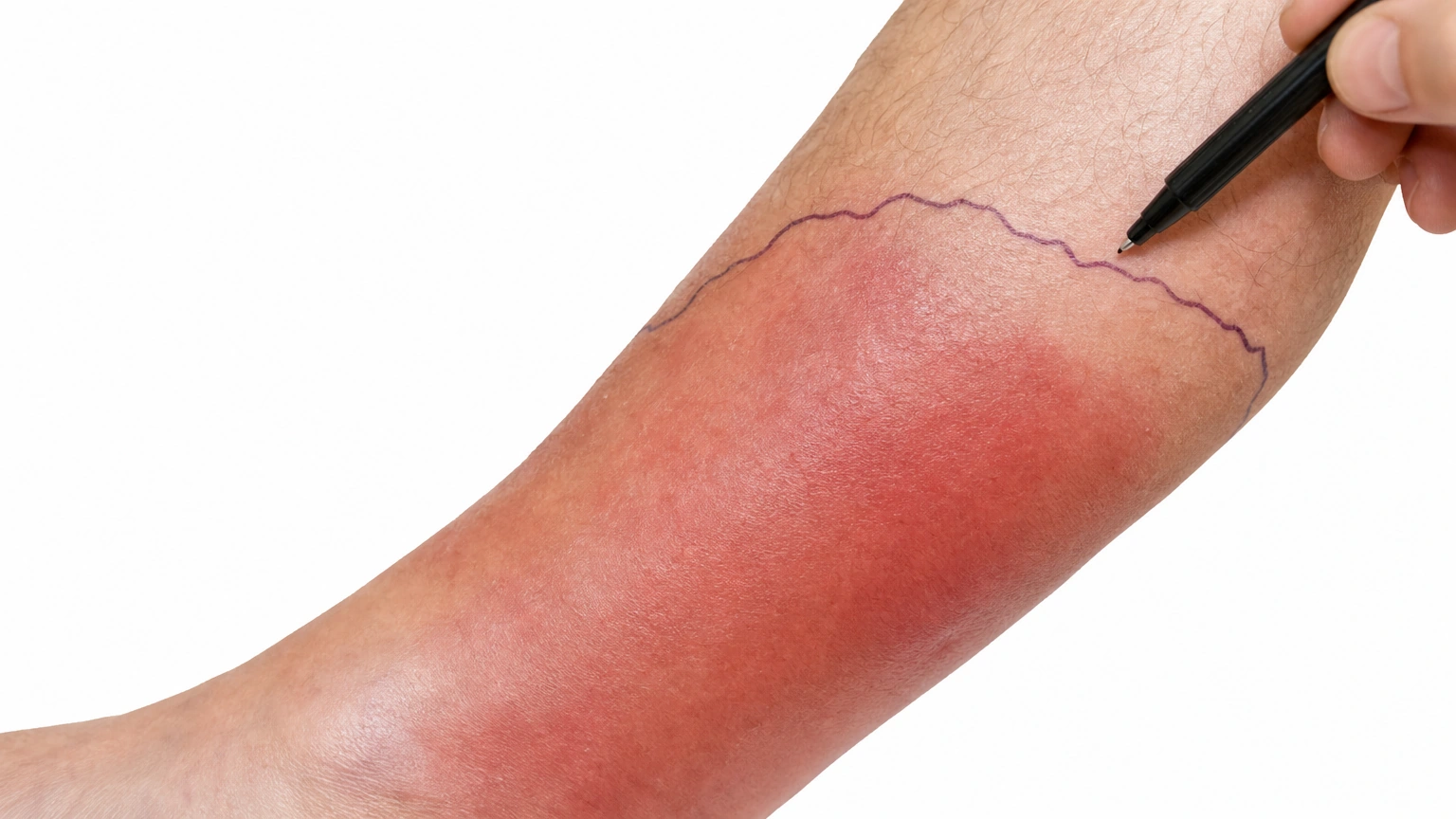
Spreading area Enlarges over hours to days.
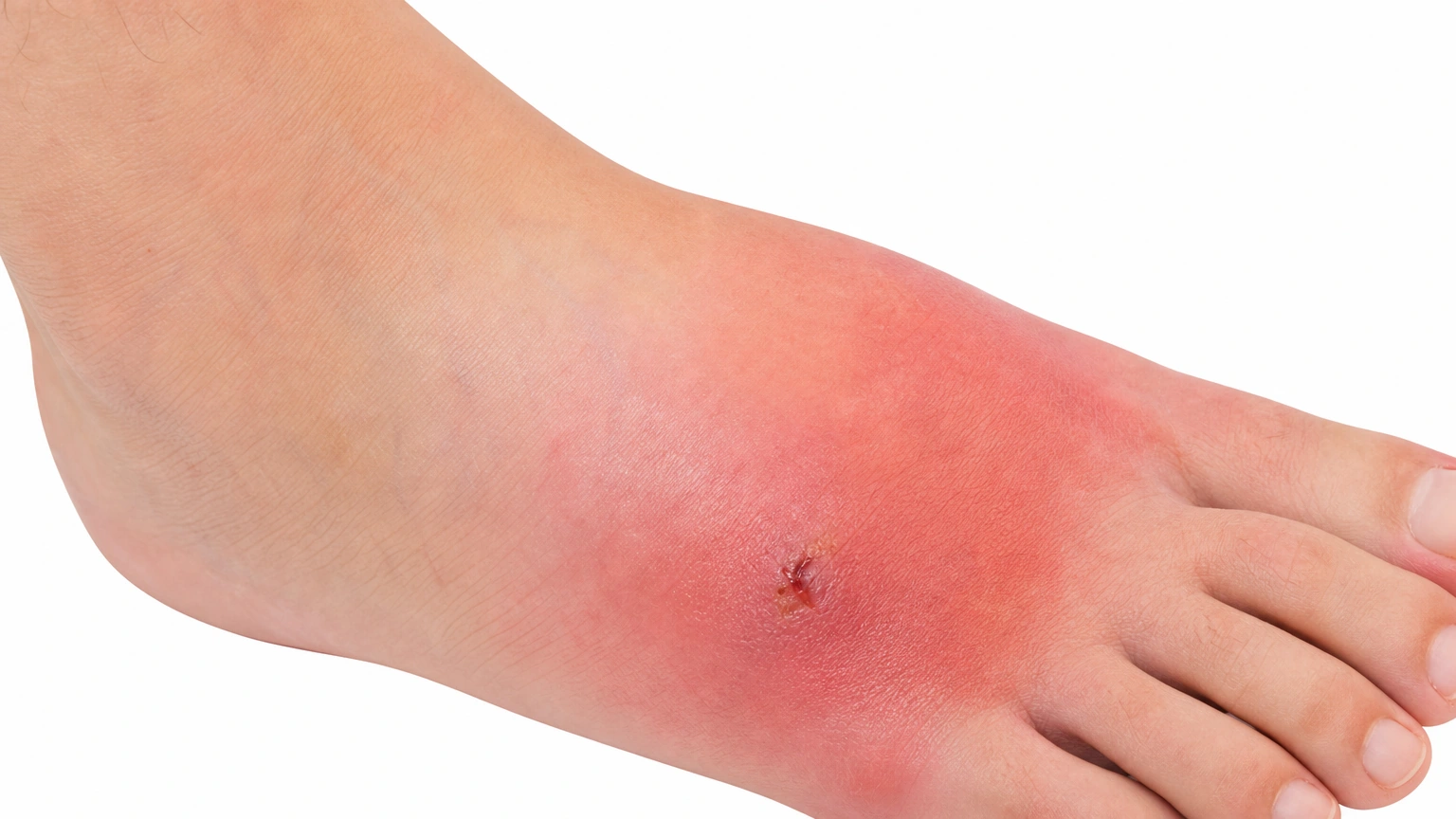
Entry point Often a cut or cracked skin.
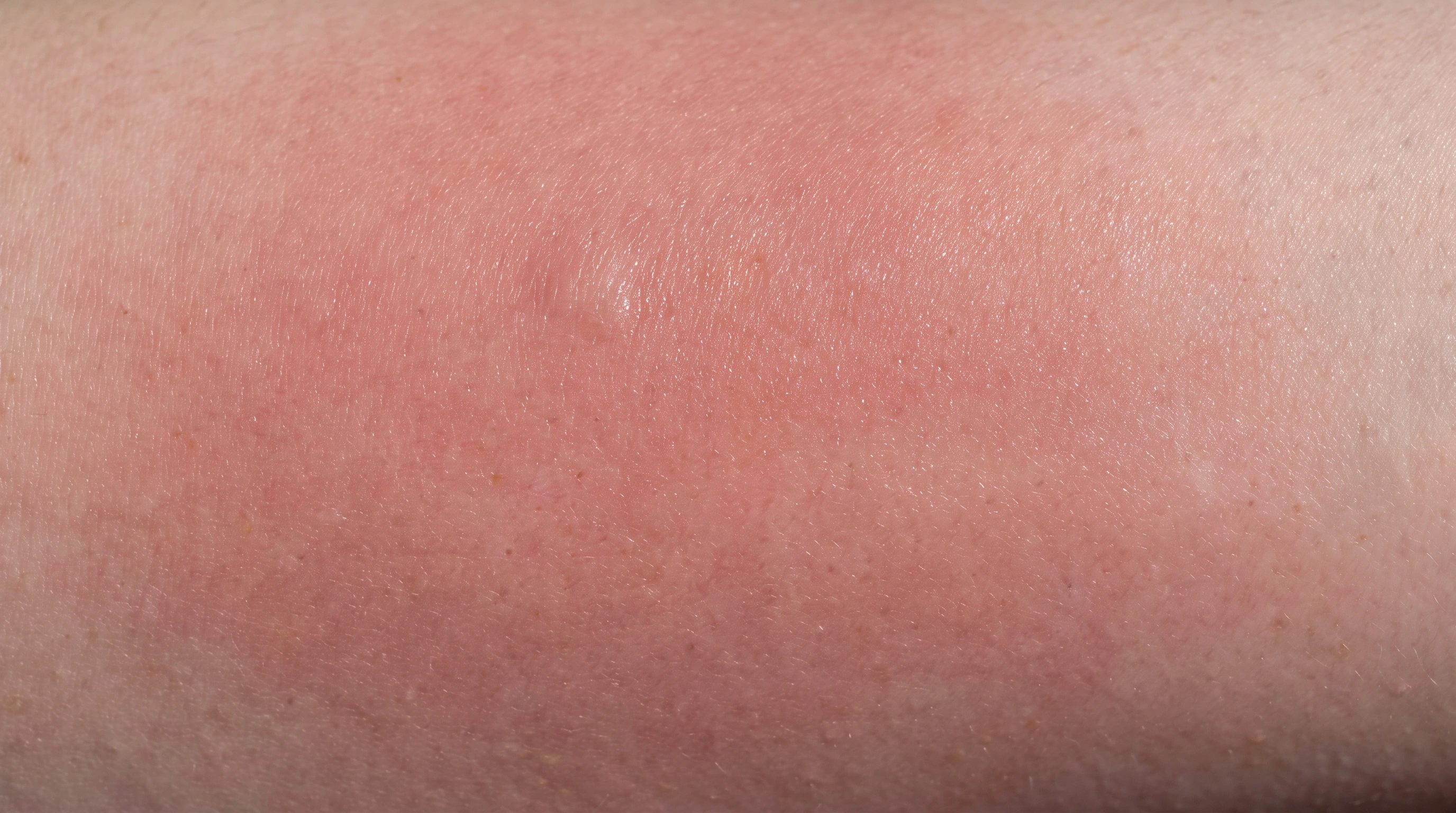
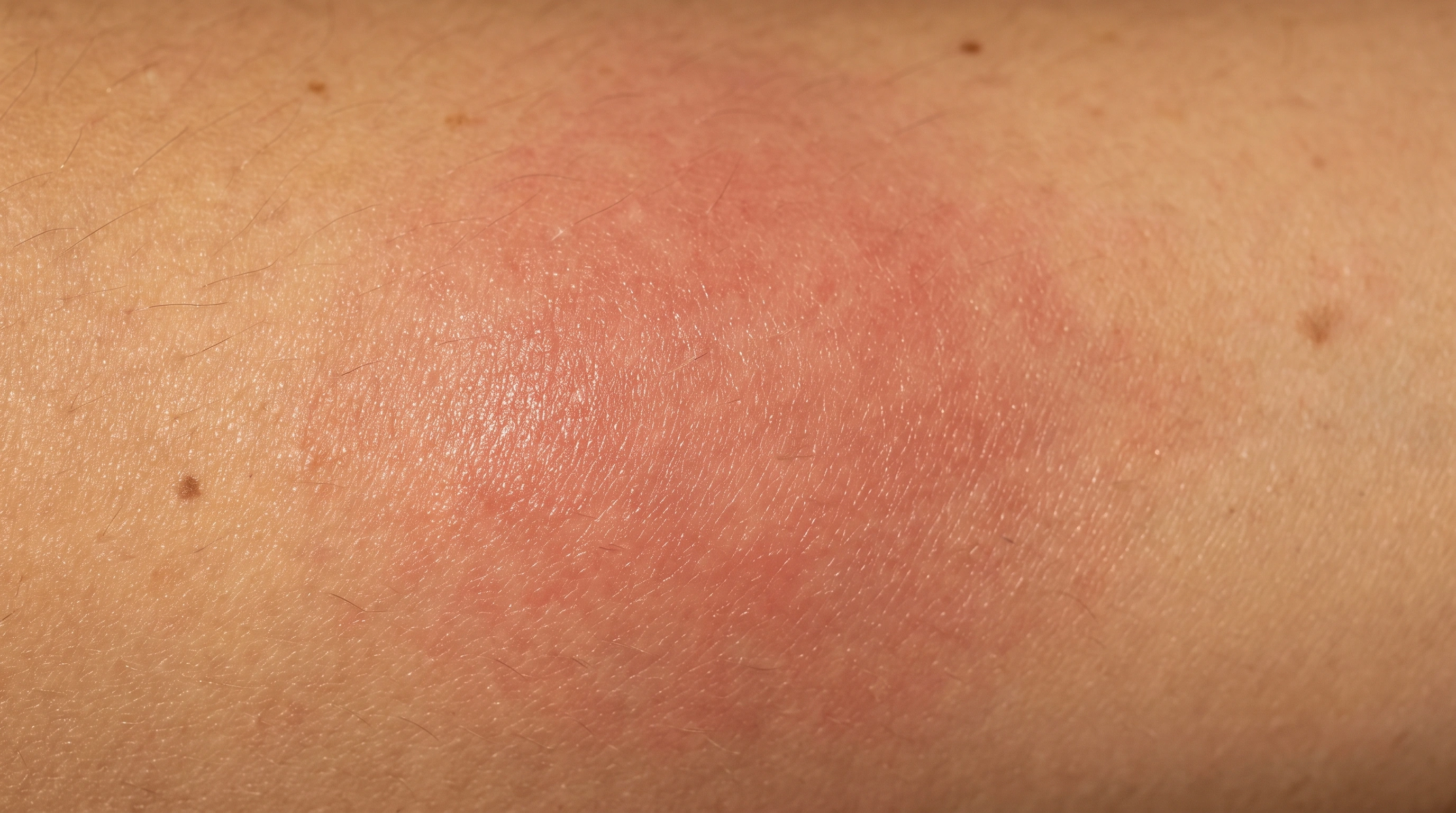
Insect Bites
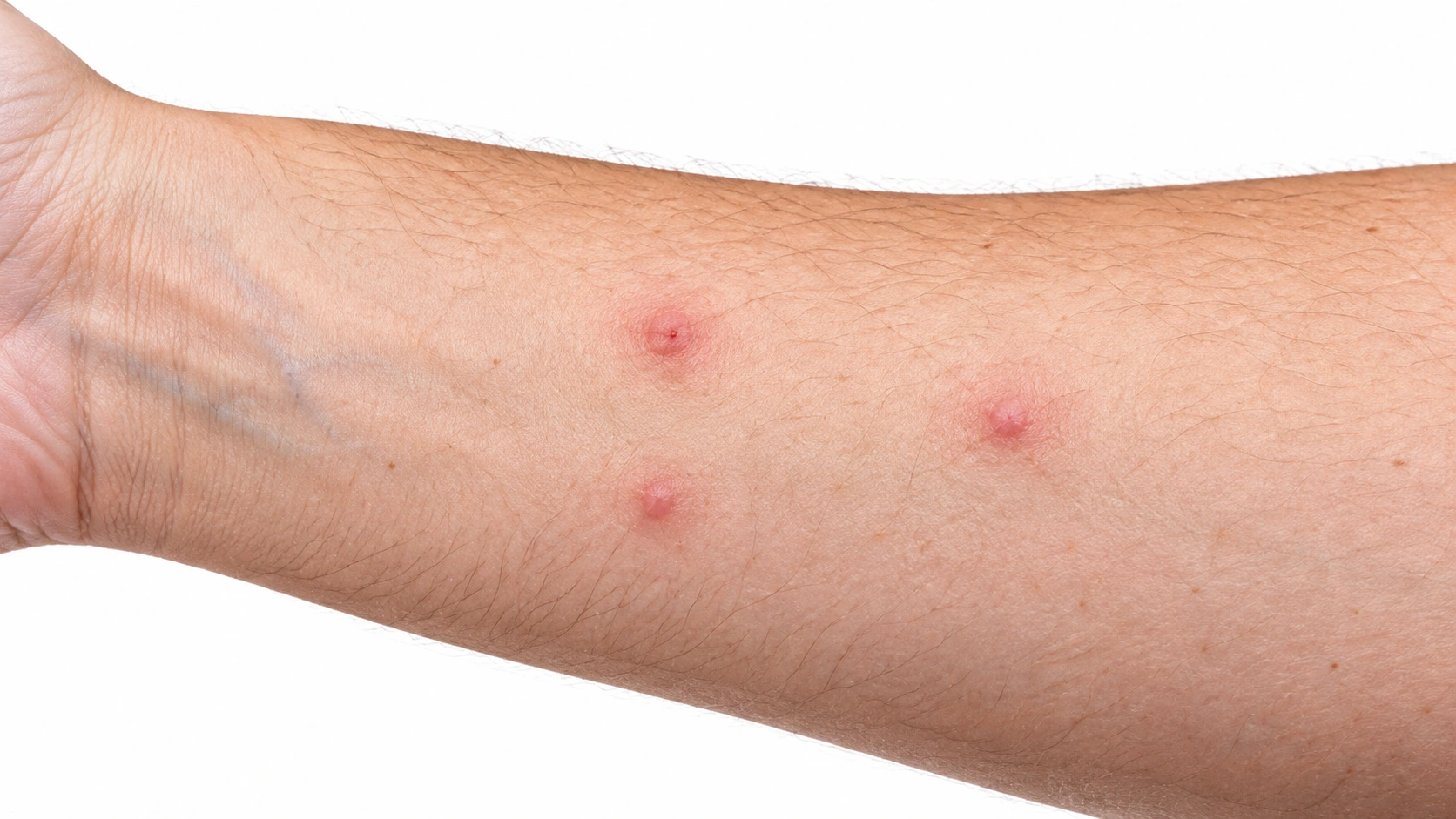
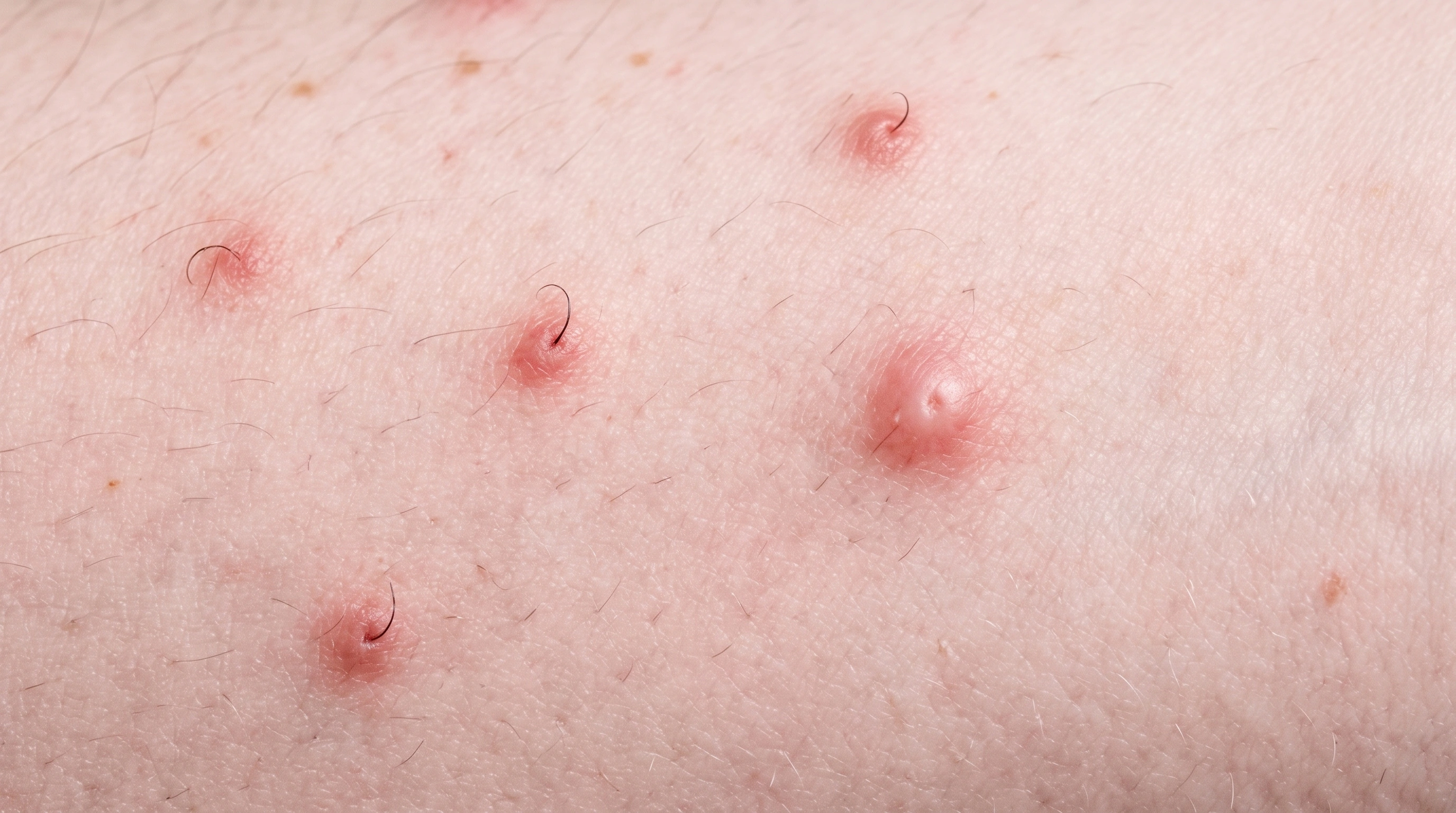
Insect Bites Three separate red bumps stand out on the forearm.
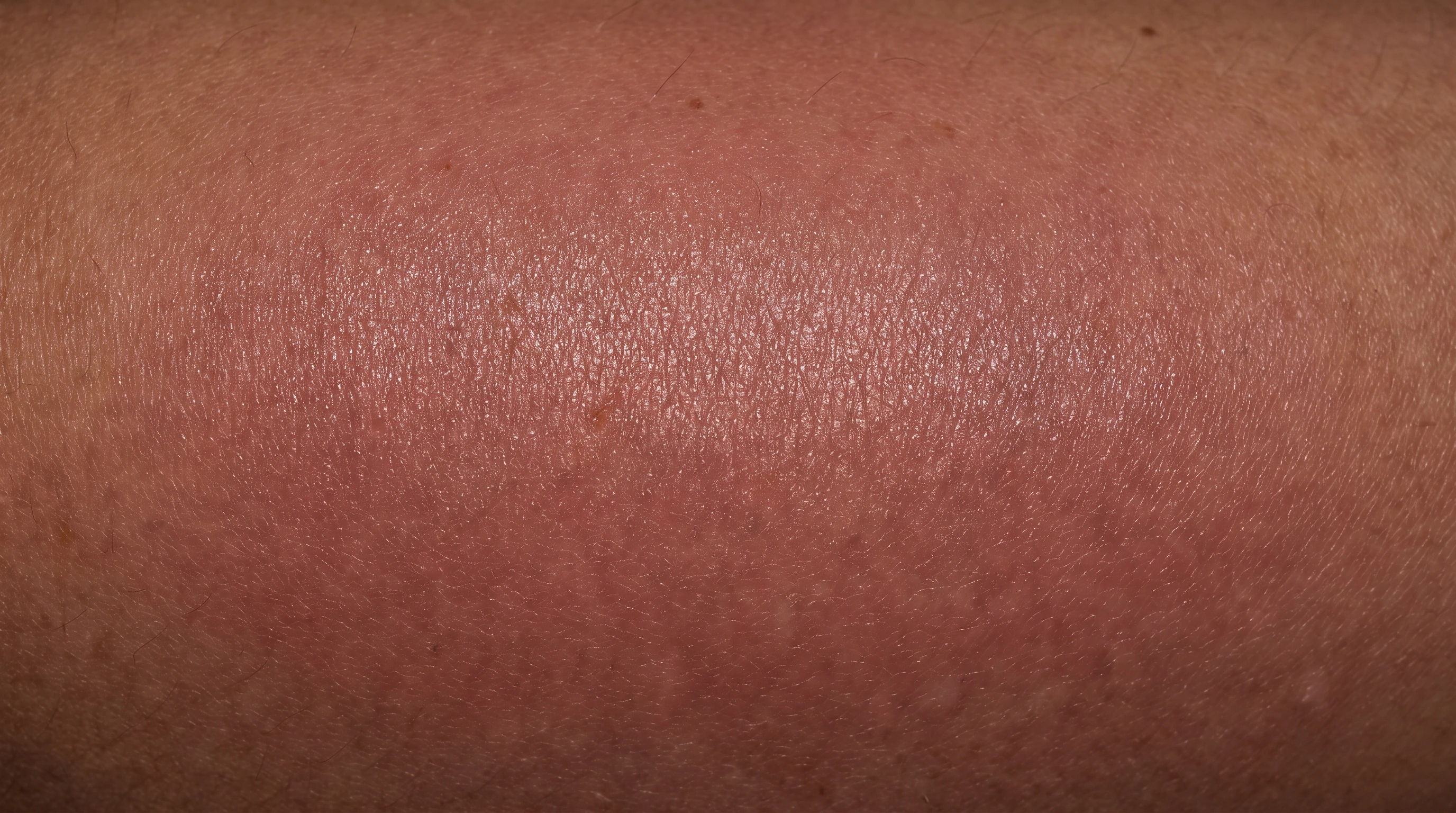
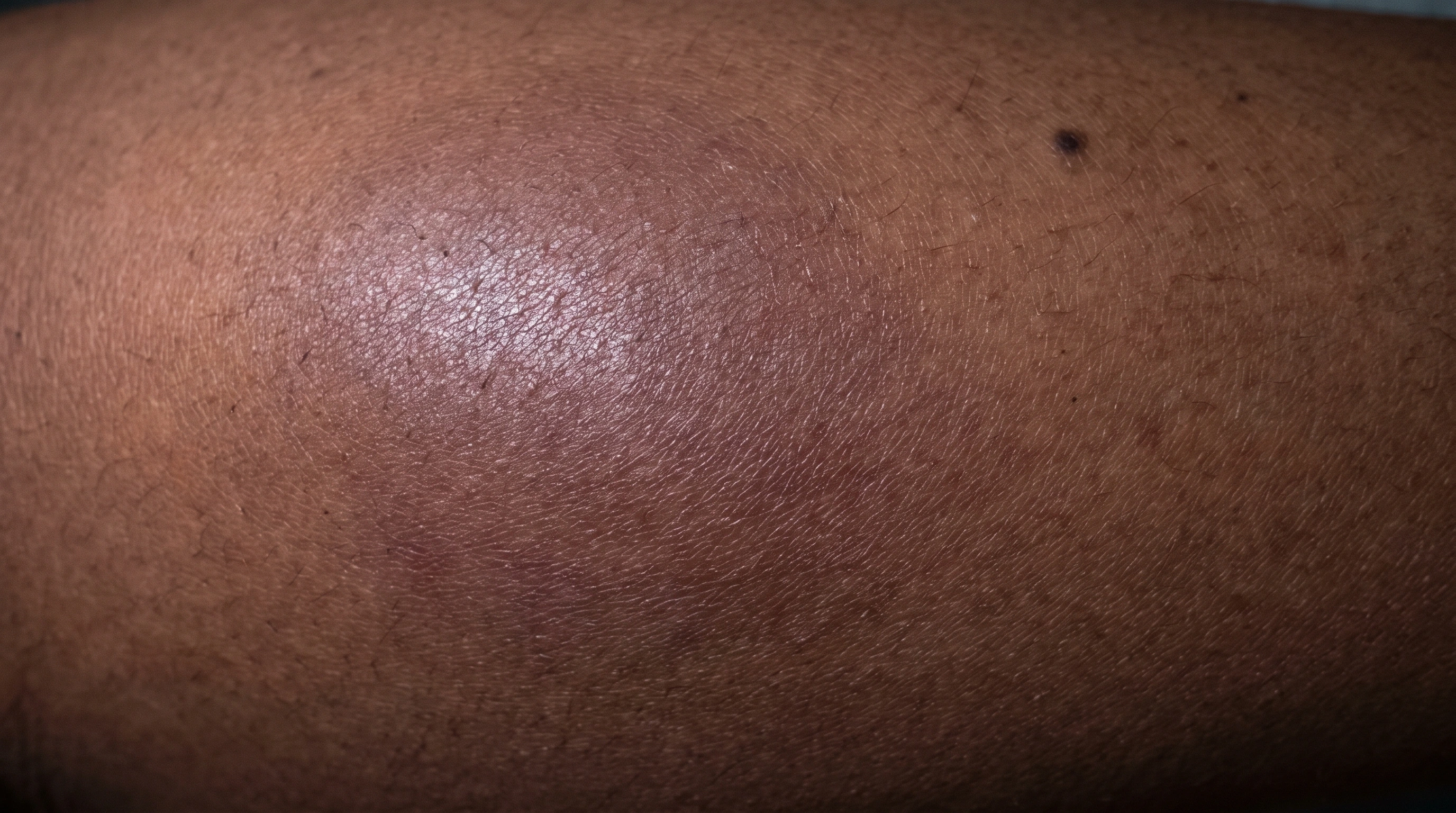
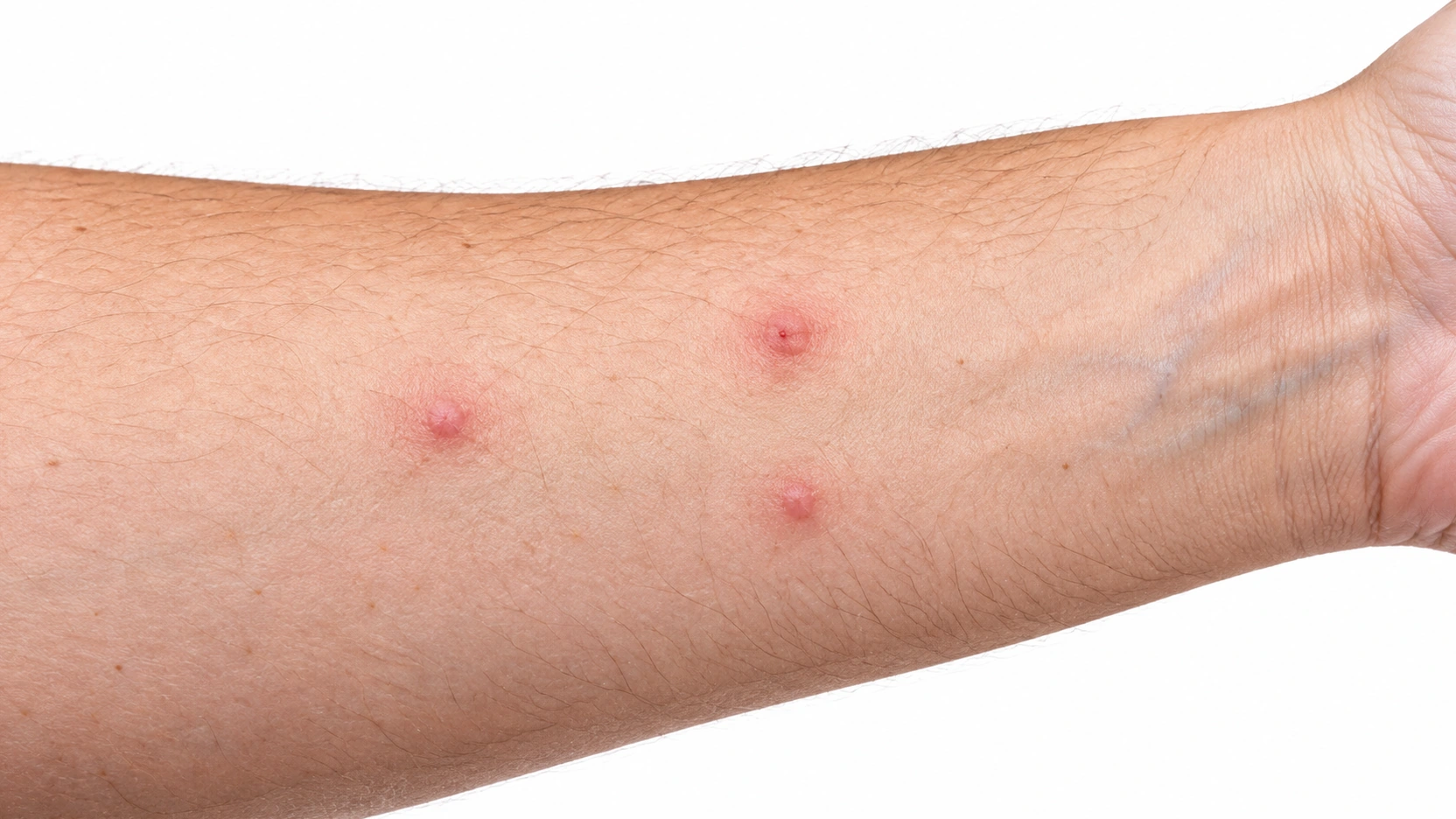
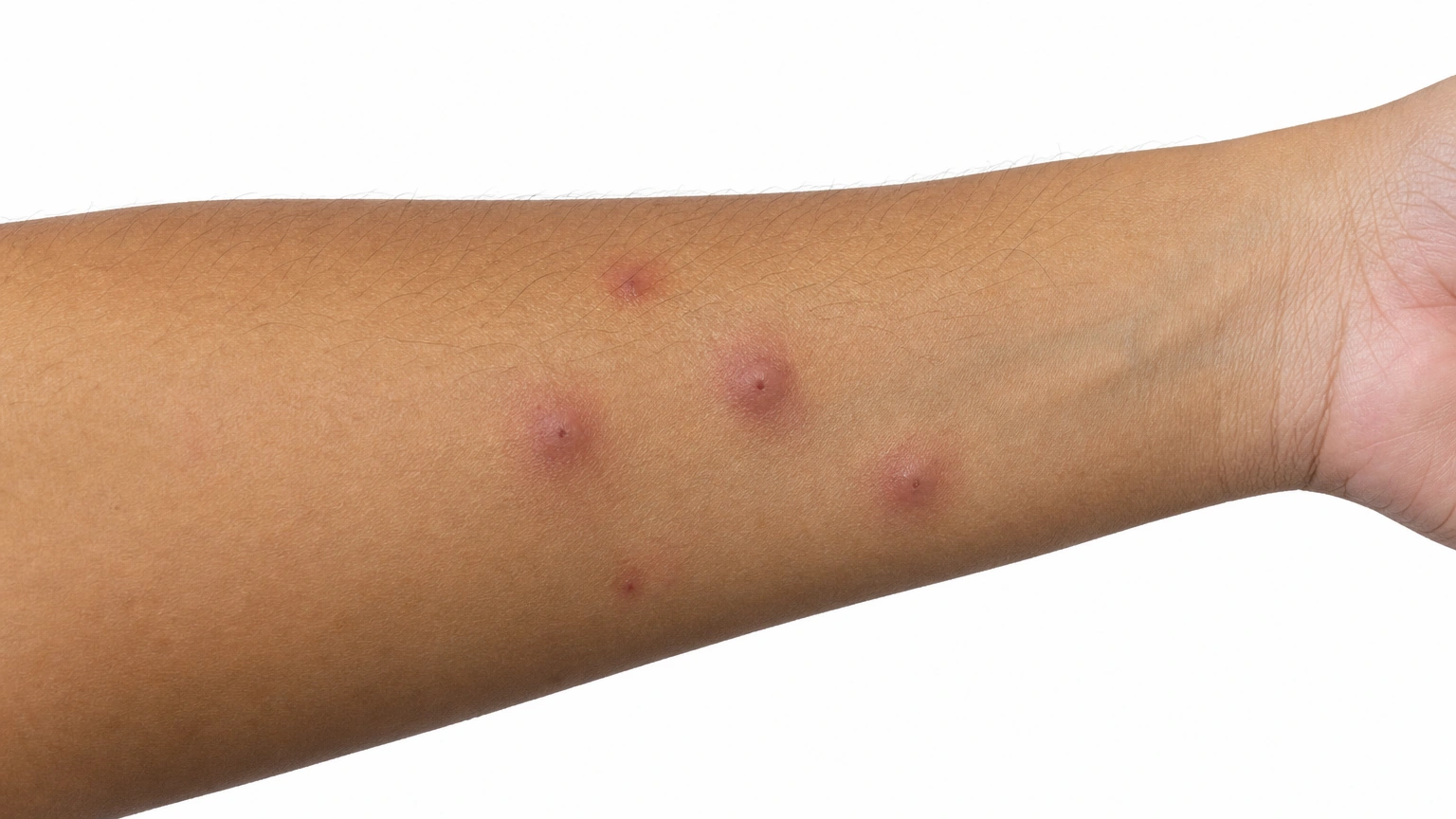
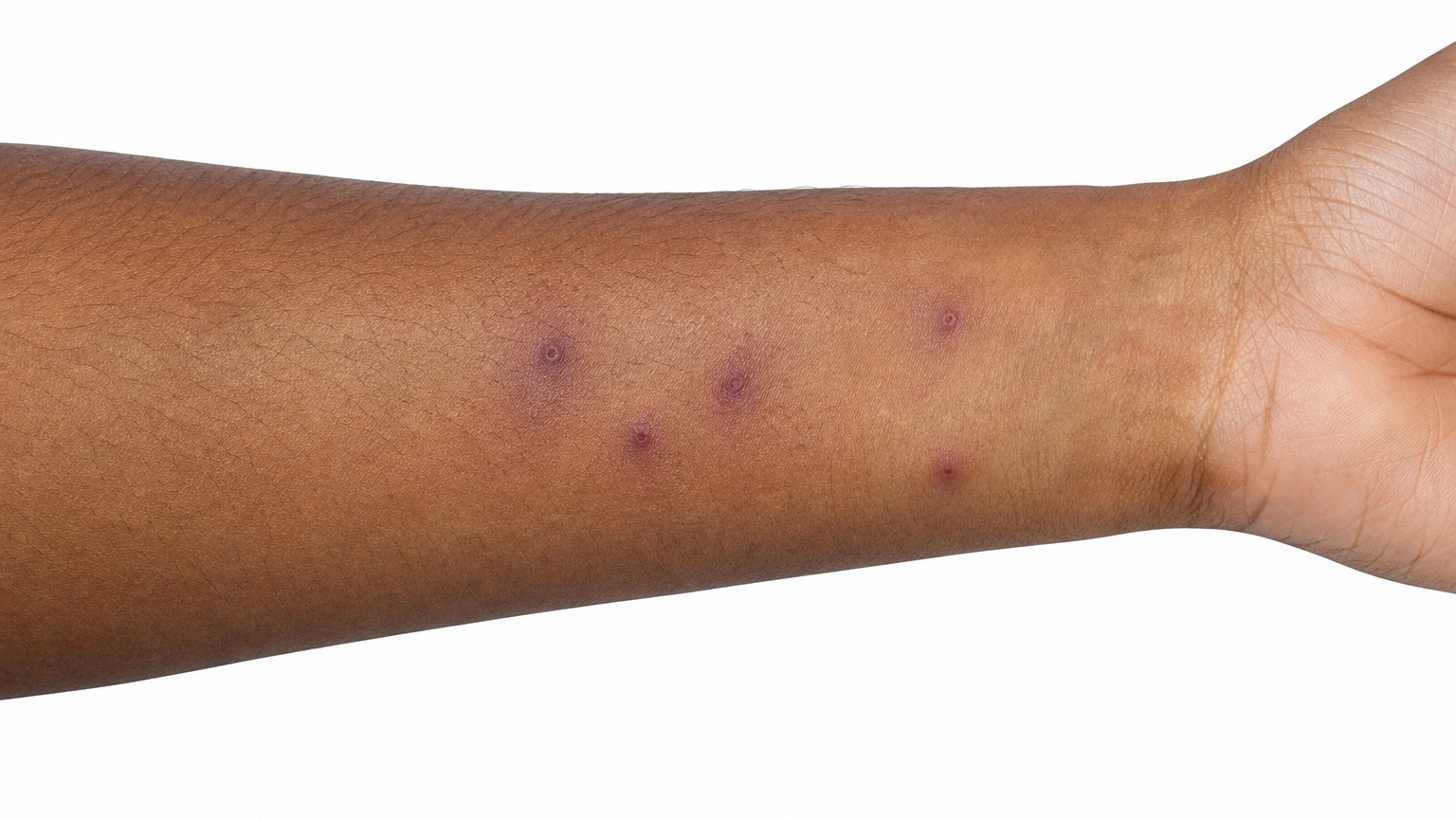
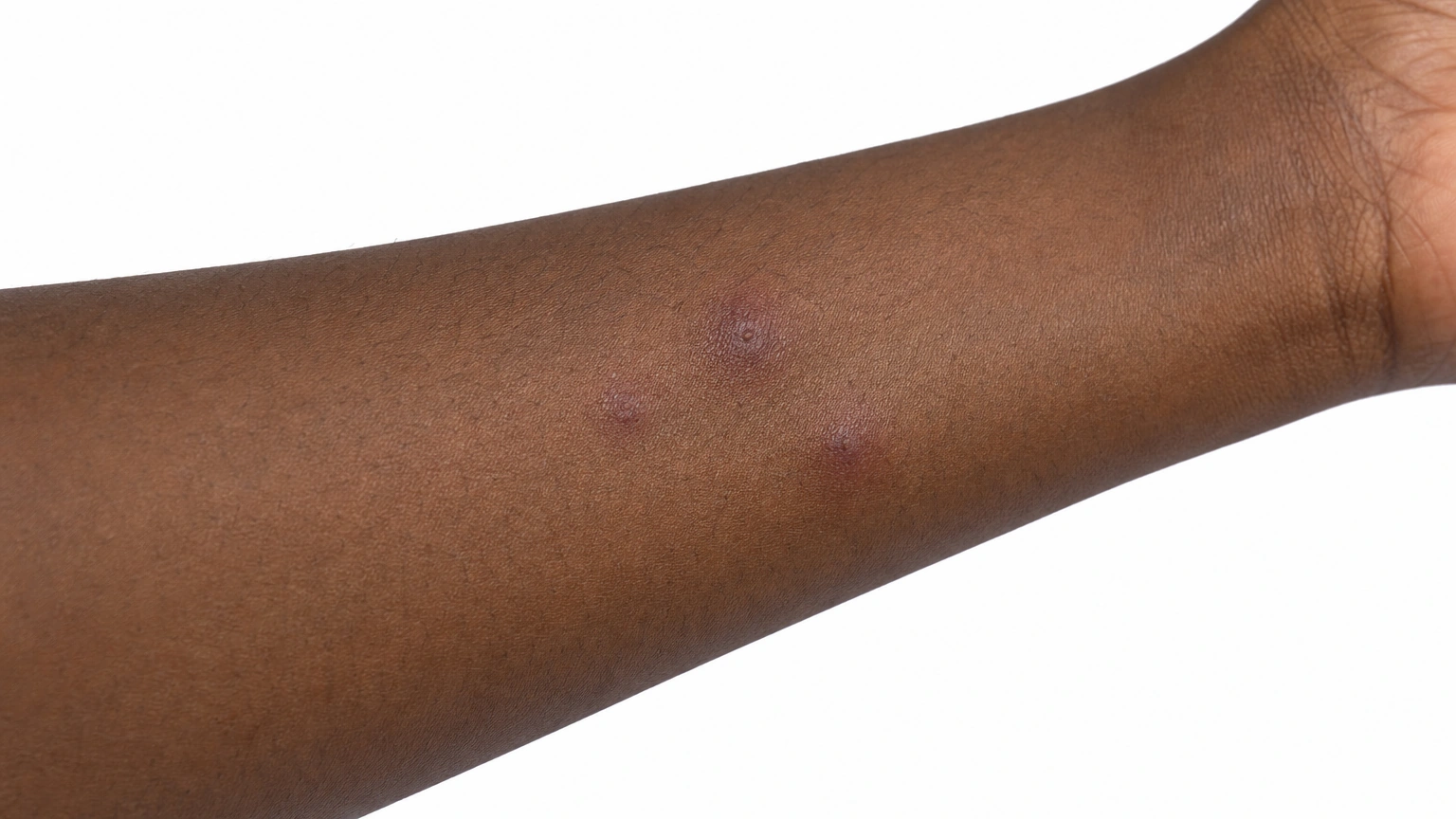
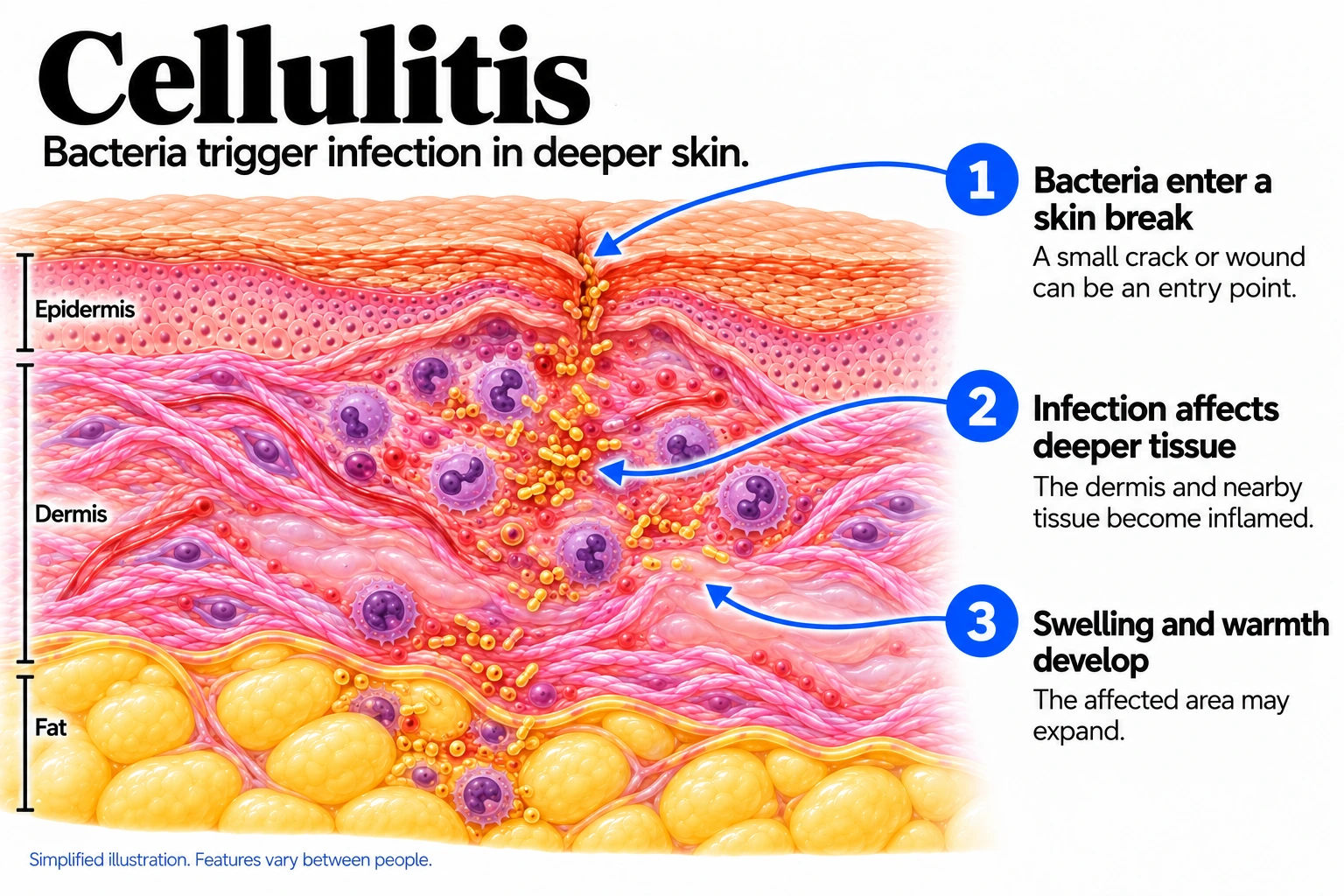
Bacteria enter through a break in the barrier and infect deeper skin and nearby tissue. The inflammatory response causes warmth, swelling, tenderness and an area that may expand.
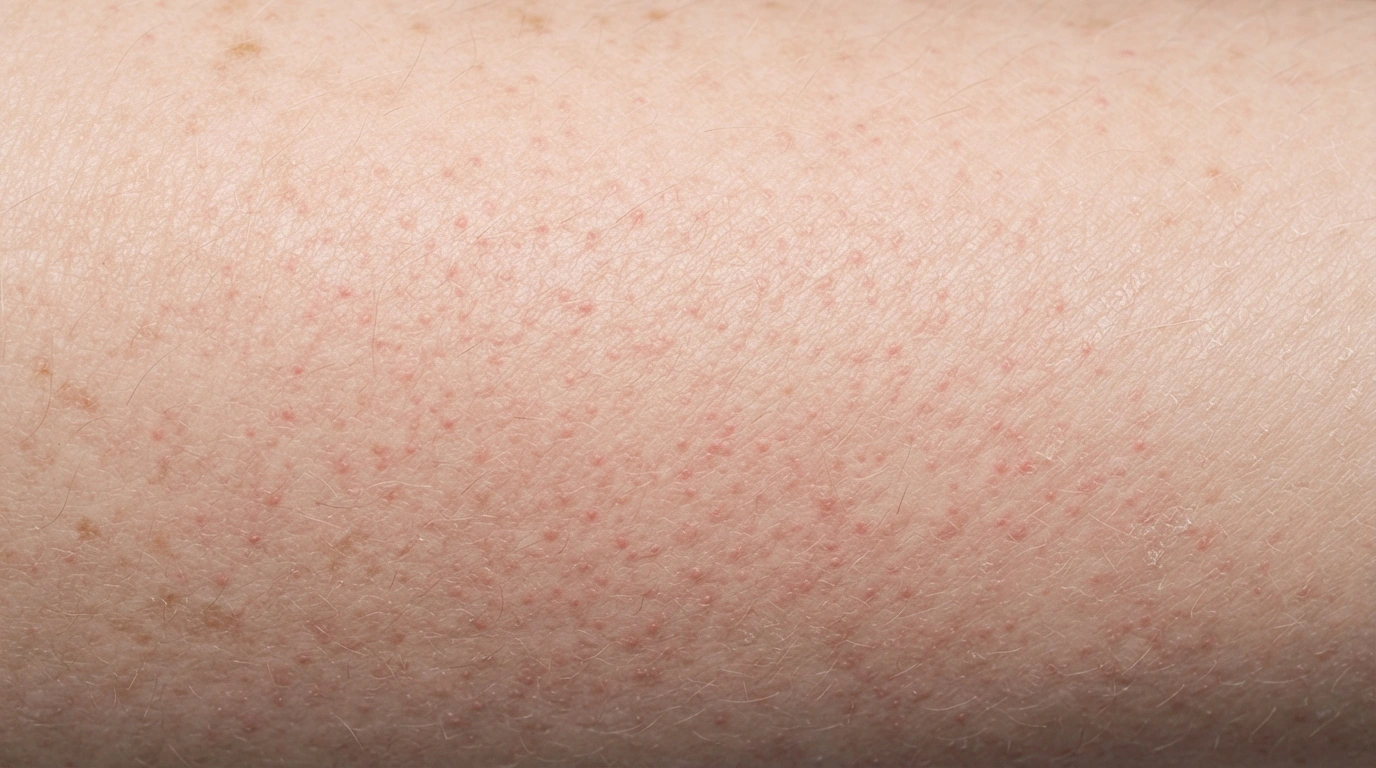
The skin's immune response to feeding, saliva or other insect substances produces inflammation. Swelling and itch can look similar after different insects, so the skin reaction alone may not identify the cause.
When it usually starts
Cellulitis. Can develop at any age when bacteria enter deeper skin, often through a break in the barrier.
Insect Bites. Can affect any age after exposure.
Causes and triggers
Cellulitis is a bacterial infection, usually from strep or staph, that gets into the deeper skin through a break.
An inflammatory reaction to arthropod feeding or saliva produces itchy lesions.
Daily Care
Habits that help
- Elevate the limb, properly and often
Raise the affected limb to ease swelling alongside prescribed treatment. - Mark the edge with a pen and the time
Track spreading redness; seek reassessment if it expands or you feel worse. - Clean and cover breaks in the skin
Get bites and punctures assessed. - Check your feet daily
With diabetes or reduced sensation. - Treat athlete's foot and keep treating it
Closes the main entry point. - Ask when to resume prescribed compression after acute cellulitis improves
Compression helps some people prevent recurrent cellulitis after recovery. Do not put stockings over an acutely painful inflamed leg without the treating clinician’s advice.
Avoid
- Avoid: Leaving the leg down all day
Elevation is treatment. - Avoid: Unnoticed cuts and cracks on the feet
Easy to miss with numb feet. - Avoid: Scratching eczema, psoriasis or bites
Every scratch is an entry point. - Avoid: Untreated athlete's foot
The commonest entry point. - Avoid: Delaying treatment
It expands over hours. - Avoid: Using steroid cream instead of assessment for suspected cellulitis
Steroid creams do not treat infection. - Avoid: Leg swelling that is never addressed
Why episodes repeat. - Avoid: Leg ulcers and chronic wounds
A continuously open barrier. - Avoid: Assuming both legs at once is cellulitis
Usually stasis dermatitis. - Avoid: Steroid creams
A steroid cream calms the look of inflamed skin without touching the infection underneath, so it can quieten the appearance while the infection carries on spreading. Cellulitis is mistaken for a rash often enough that this is worth saying plainly. If a leg is hot, swollen, tender and growing, it needs assessing, not a steroid.
Habits that help
- Wash bites gently and keep the skin clean
Use soap and water without scrubbing open areas. - Use a cool clean compress for itch and swelling
Keep the skin cool and avoid ice directly on the surface. - Keep nails short and protect scratched areas
A clean dressing can reduce further rubbing over broken skin. - Reduce repeat exposure to the biting insect
Protective clothing and an appropriate repellent may help, depending on the insect and setting. - Seek urgent help for a severe allergic reaction or systemic illness
Breathing trouble, faintness or swelling of the mouth needs emergency care; fever after travel needs assessment. - Age-appropriate itch treatment
A pharmacist can advise a short suitable topical steroid or antihistamine; infection needs separate assessment.
Avoid
- Avoid: Scratching, squeezing or cutting bites
These can cause infection and longer-lasting marks. - Avoid: Applying household insecticides to the skin
Use only products intended for human skin and follow the label.
Treatment differences
Cooling and suitable age-appropriate itch relief may help uncomplicated bites. Severe allergy, infection or systemic illness needs separate care; do not apply household insecticides to skin.
Outlook
Cellulitis needs prompt antibiotic treatment. Symptoms should begin improving within two to three days, although skin changes can take longer to settle. Worsening symptoms or failure to improve needs reassessment; swelling and repeat episodes can occur.
Most uncomplicated reactions fade over days, though some persist longer or leave temporary marks. New bites continue if exposure remains; severe allergy, infection or illness after travel needs separate assessment.
Complications
- An abscess underneath
- Swelling and repeat episodes
- Sepsis
More details
An abscess underneath
A pocket of pus can form inside the infected area, most often when Staphylococcus aureus is involved or there was a boil or wound to begin with. It shows up as a tender lump that feels boggy or fluid-filled, and it is a common reason antibiotics alone are not working at 48 hours. Pus has to be drained as well as treated, so this is a reason to go back rather than wait.
Swelling and repeat episodes
Each episode damages the lymph channels that drain the limb, so the limb swells more afterwards, and a limb that swells is more likely to be infected again. A previous episode is the strongest predictor of the next one. Compression, daily moisturizer and treating athlete's foot break the loop better than any antibiotic does.
Sepsis
The infection can reach the bloodstream and affect the whole body. The signs are a high fever with shaking chills, confusion or new drowsiness, a racing heart, fast breathing, feeling faint, or passing very little urine. It is uncommon but it is time-critical, so it is an emergency department problem rather than a next-day appointment.
Scratching can cause infection; some exposures carry disease risks depending on geography.
When to get help
Suspected cellulitis needs prompt medical assessment. Rapid spread, severe pain, fever, confusion or infection near the eye warrants urgent care.
Breathing trouble or faintness needs emergency care. Seek assessment for fever, spreading pain or an expanding rash.
Common questions
Cellulitis:Is cellulitis contagious?
No. The bacteria already live on normal skin, and the infection is in your own deeper tissue. You cannot pass it on, and there is no need to isolate from family. Keep any open, draining wound covered - ordinary wound care.
Cellulitis:Why does it look worse after I started antibiotics?
Common in the first 24 to 48 hours. Dying bacteria release material that briefly intensifies the immune reaction, so the area can look more inflamed while you improve. Watch how you feel, whether the fever settles, and whether the marked edge stops. If it is still spreading at 48 hours, go back.
Cellulitis:How long will it take to go away?
You should feel better within one to two days, and a typical antibiotic course runs about 5 to 7 days. The skin takes one to two weeks to settle, and peeling is normal. Some swelling and a darker or lighter mark can persist for weeks to months, especially on deeper skin tones.
Cellulitis:Do I need to be in hospital?
Most cellulitis is treated with tablets at home. Antibiotics into a vein are used when it is severe or spreading fast, with a high fever or signs of sepsis, when the face or around the eye is involved, when tablets have failed, or with diabetes, poor circulation or a weakened immune system.
Cellulitis:Why does it keep coming back?
Usually because the limb still swells and the entry point was never closed. Long-term leg swelling, untreated athlete's foot, and lymph drainage damaged by a previous episode all make the next one more likely. Compression, moisturizing and treating the foot fungus do more than any antibiotic. If it keeps happening, ask about long-term preventive antibiotics.
Cellulitis:Is this the same as cellulite?
No, and the similar names cause a lot of confusion. Cellulite is dimpled normal fat beneath the skin, a cosmetic matter. Cellulitis is a bacterial infection of the deeper skin that needs antibiotics and sometimes urgent care.
Insect Bites:What is Insect Bites?
Itchy inflammatory bumps caused by bites from various insects.
Insect Bites:What can I do day to day?
Use cool compresses, avoid scratching and address the insect source.
Insect Bites:When should I get medical advice?
Breathing trouble or faintness needs emergency care. Seek assessment for fever, spreading pain or an expanding rash.
Sources
Sources and further reading
Keep exploring.
Cellulitis
Contact Dermatitis vs Cellulitis
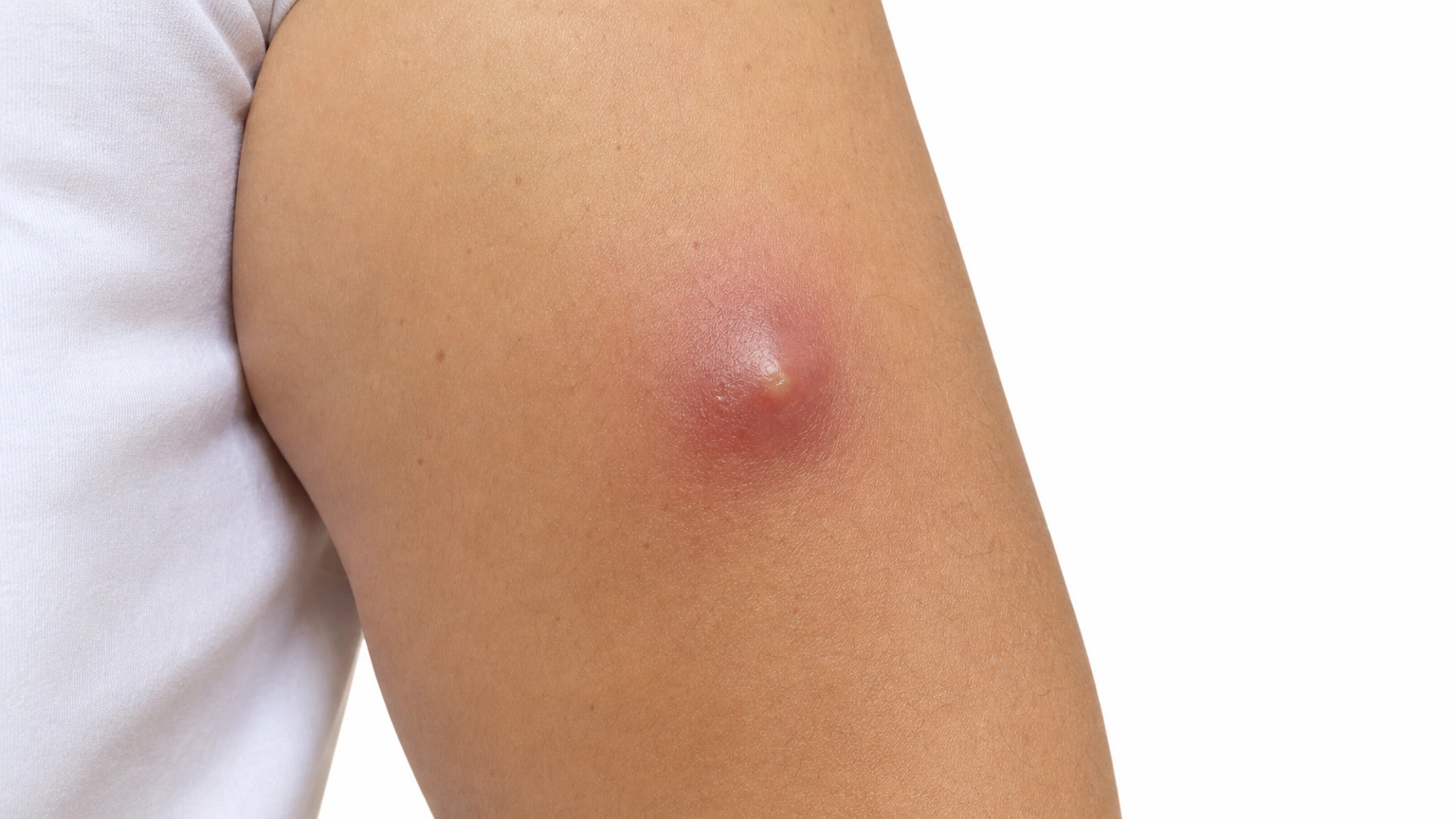
Abscess vs Cellulitis
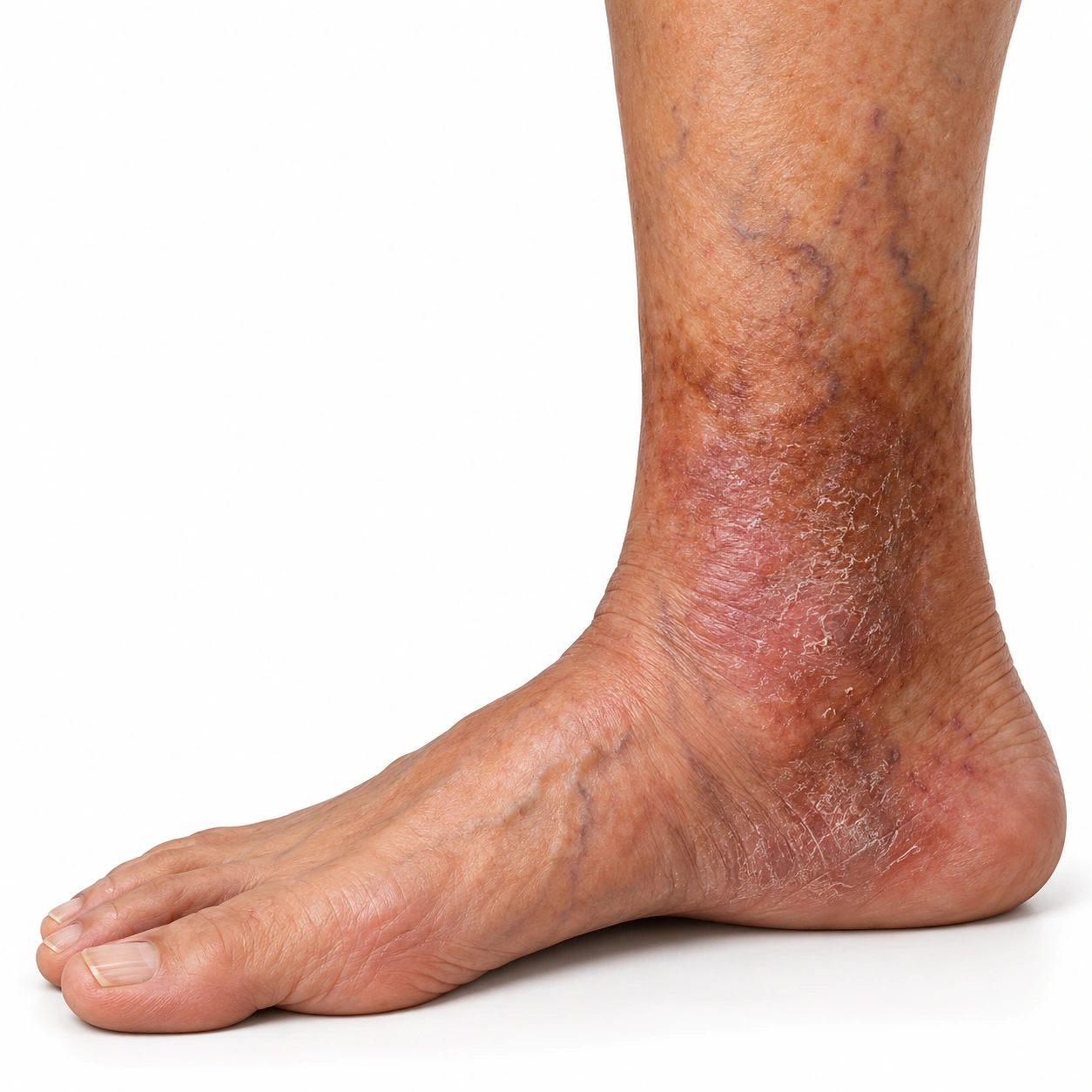
Stasis Dermatitis vs Cellulitis

Eczema

Psoriasis
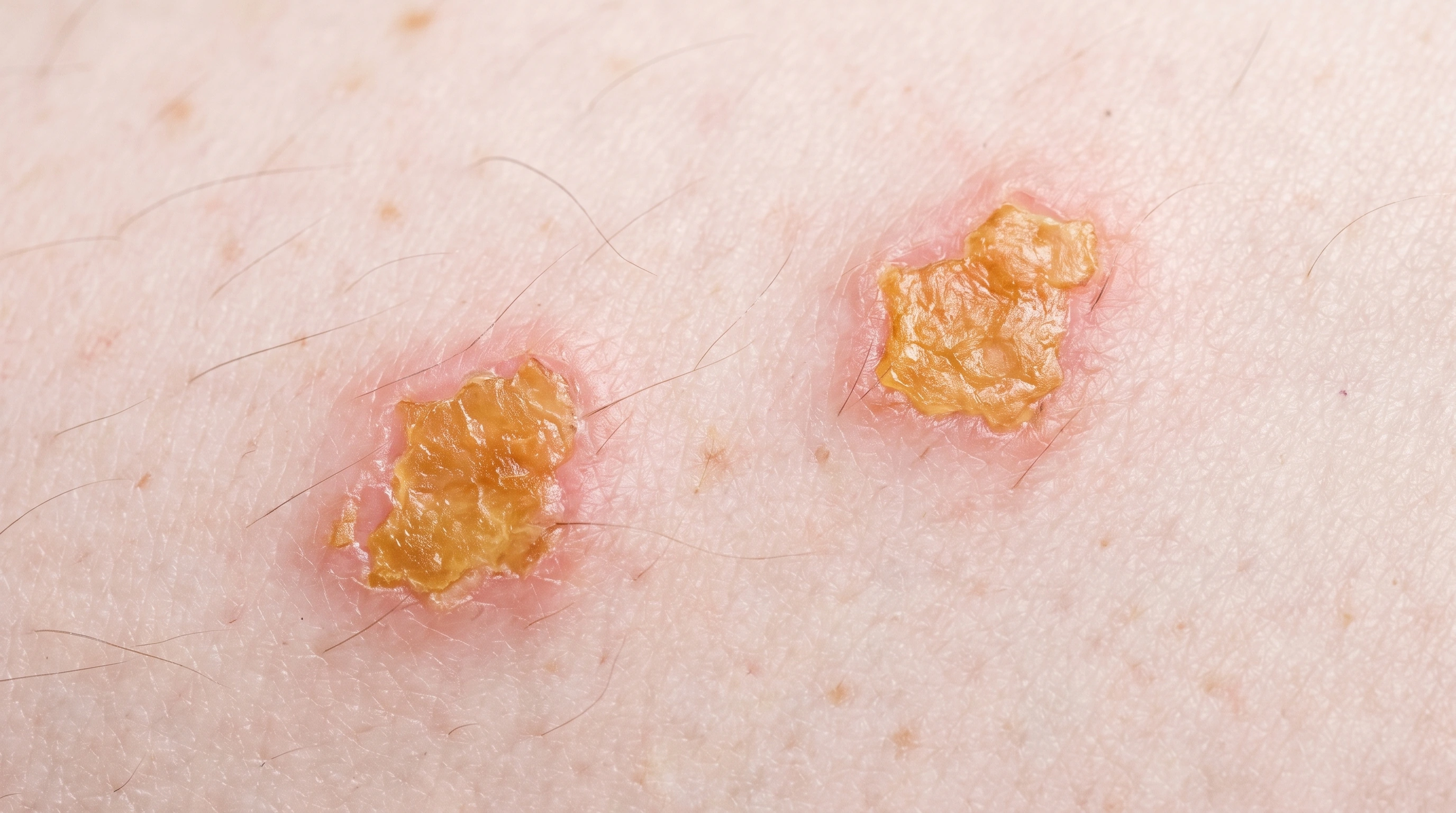
Impetigo vs Contact Dermatitis


Acne vs Folliculitis
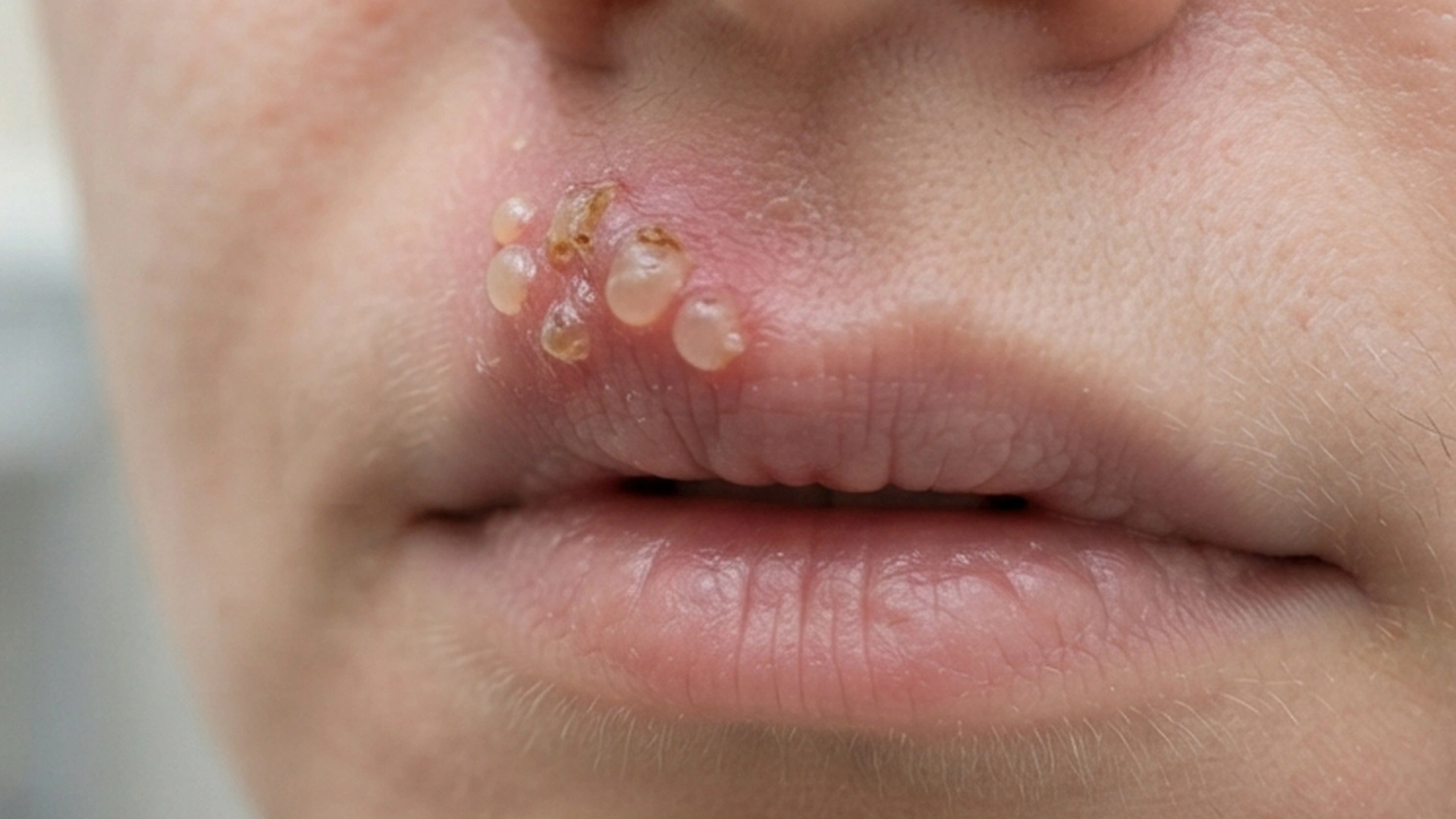
Cold Sores vs Impetigo
Folliculitis vs Boils
Folliculitis vs Ingrown Hairs