Cold Sores vs Impetigo

Cold sores are small clusters of blisters on or around the lip, caused by the herpes simplex virus. The virus stays in the body for life, but episodes get shorter when treatment starts early, and for most people they become less frequent over the years. Impetigo is a common bacterial skin infection that sits in the top layer of the skin. It shows up as sores that break open and dry into a golden-yellow crust. It is very contagious, mostly affects children, and clears quickly once it is treated.

Reviewed by Dr. Schwarz, Board-Certified Dermatologist · Research updated 2026-10-23
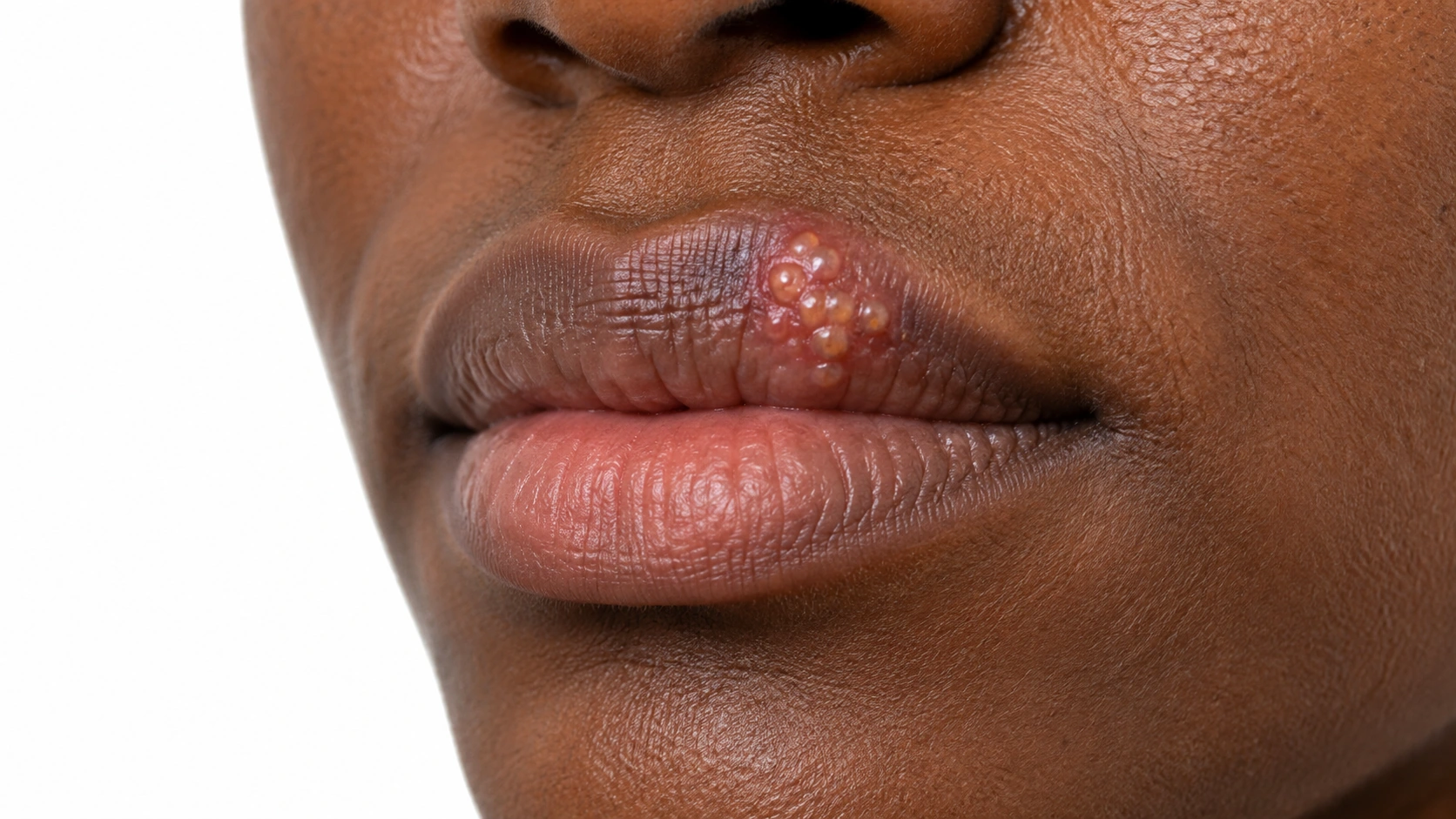
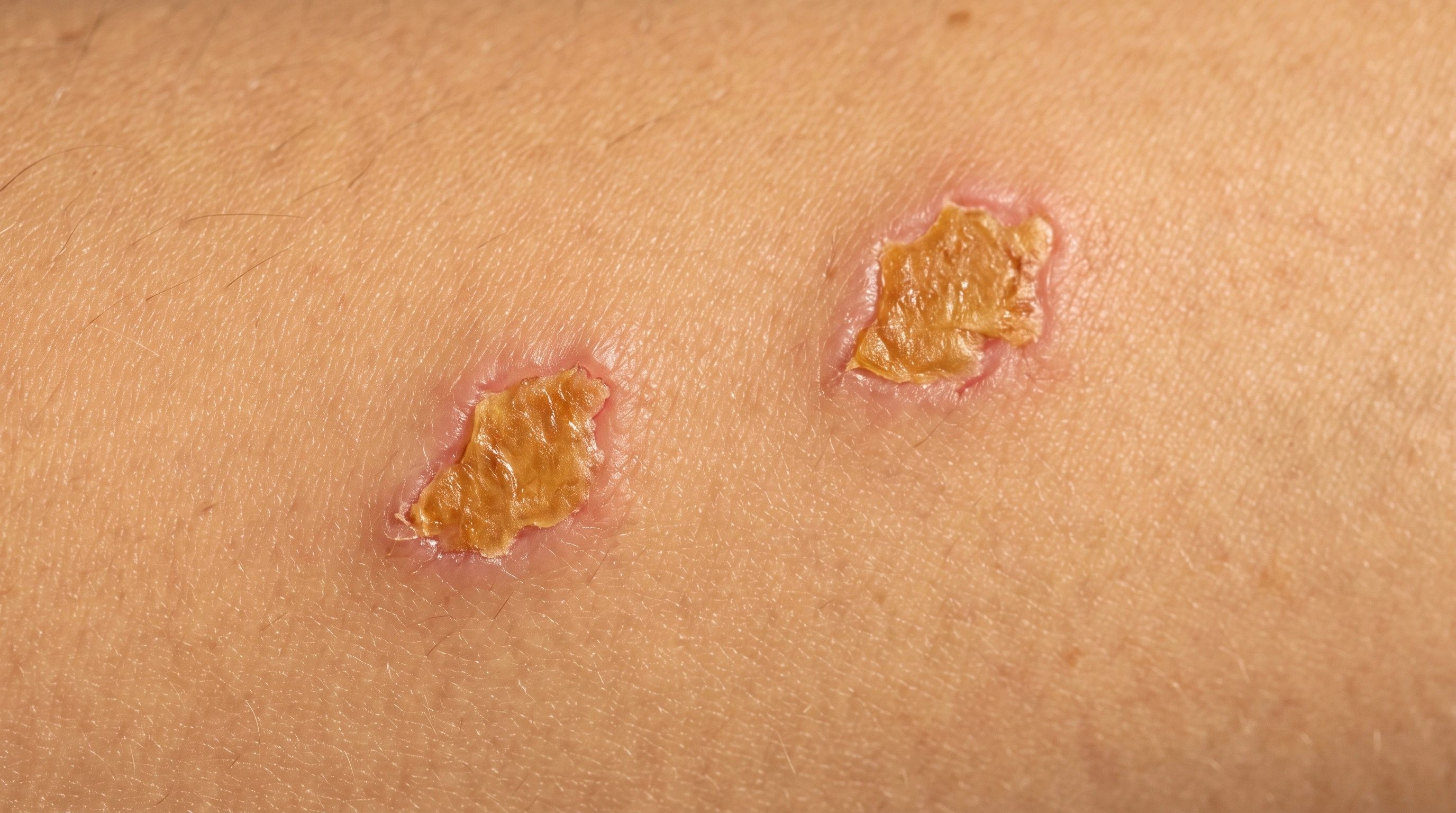
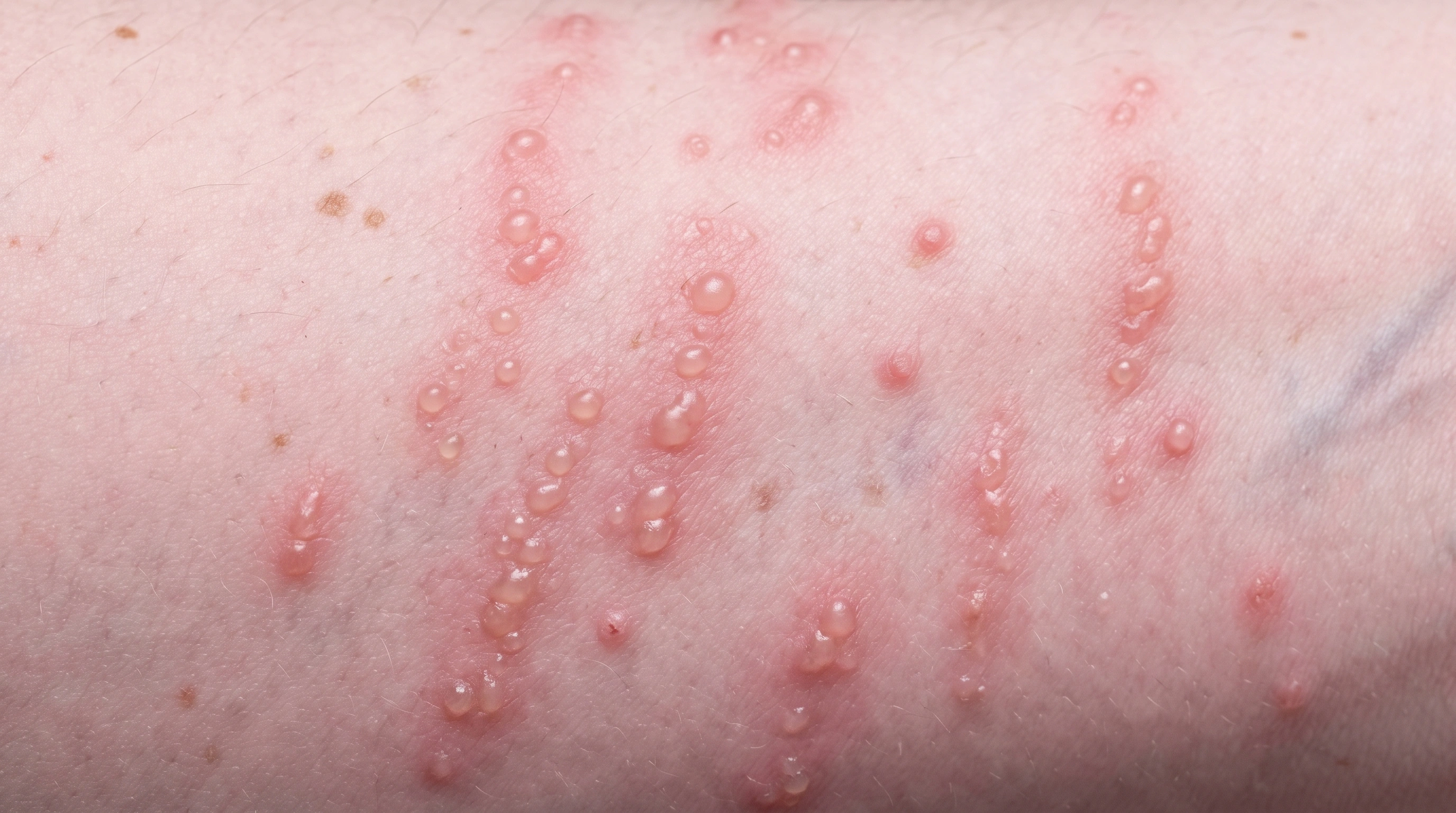
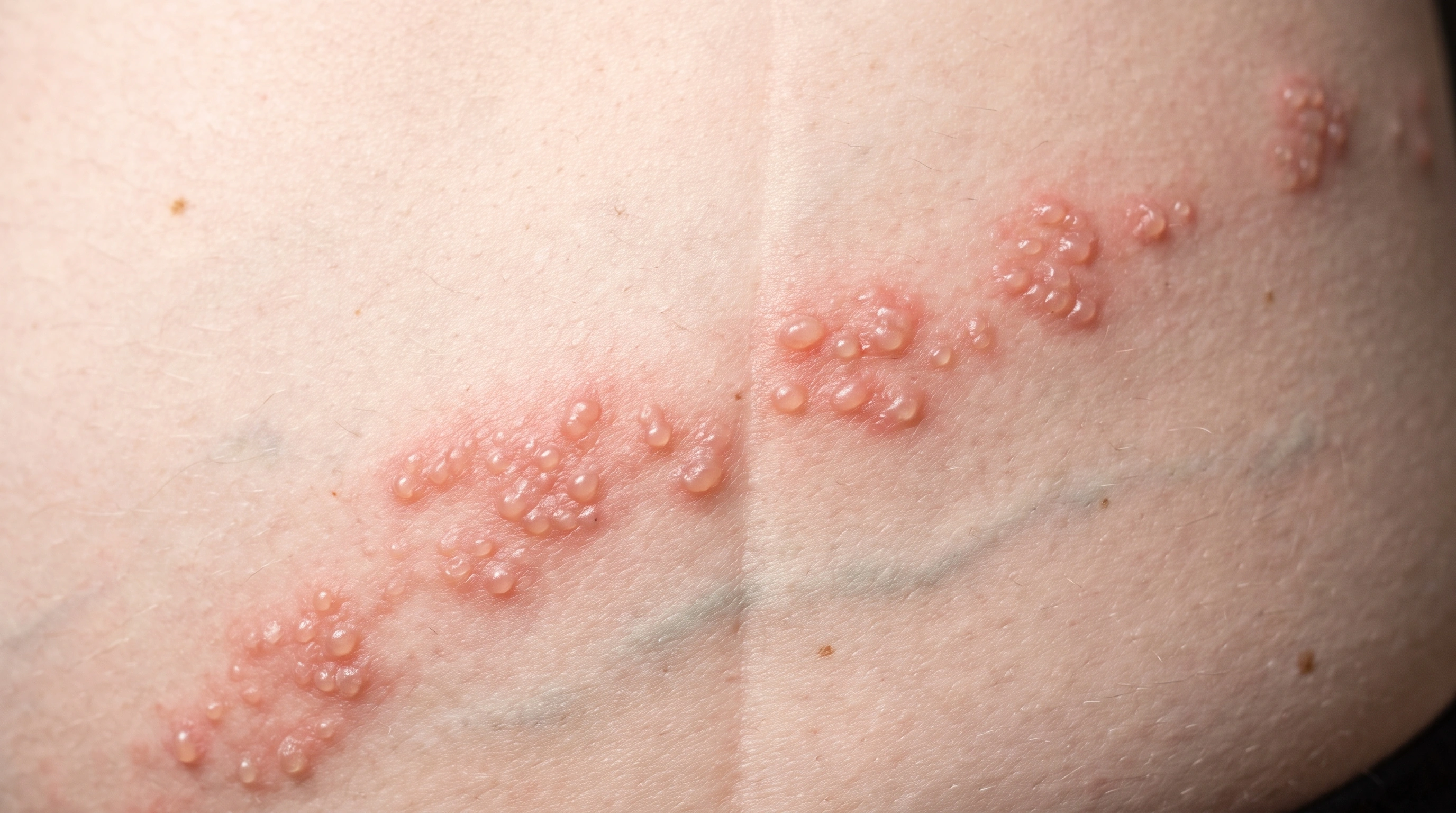
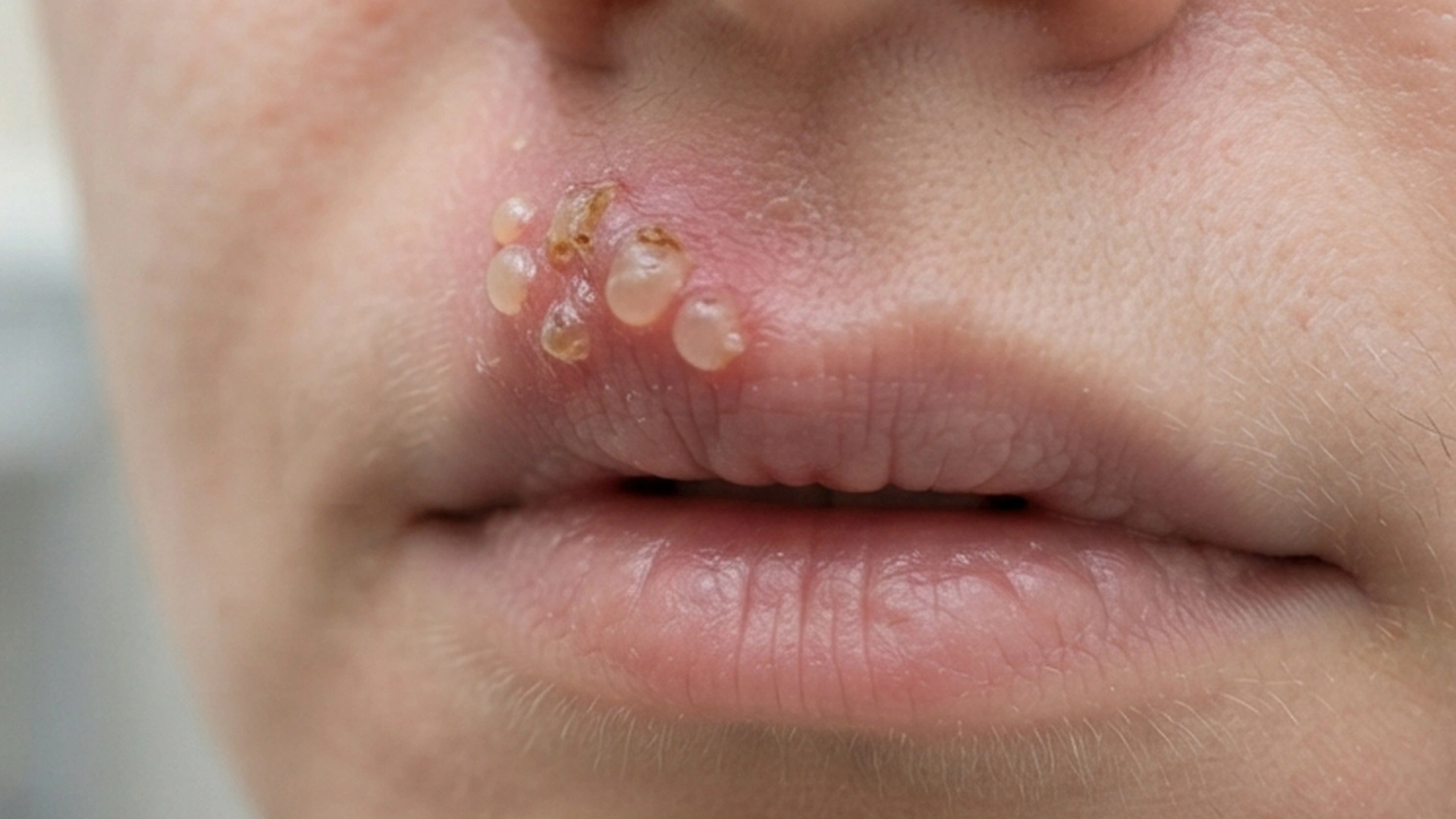
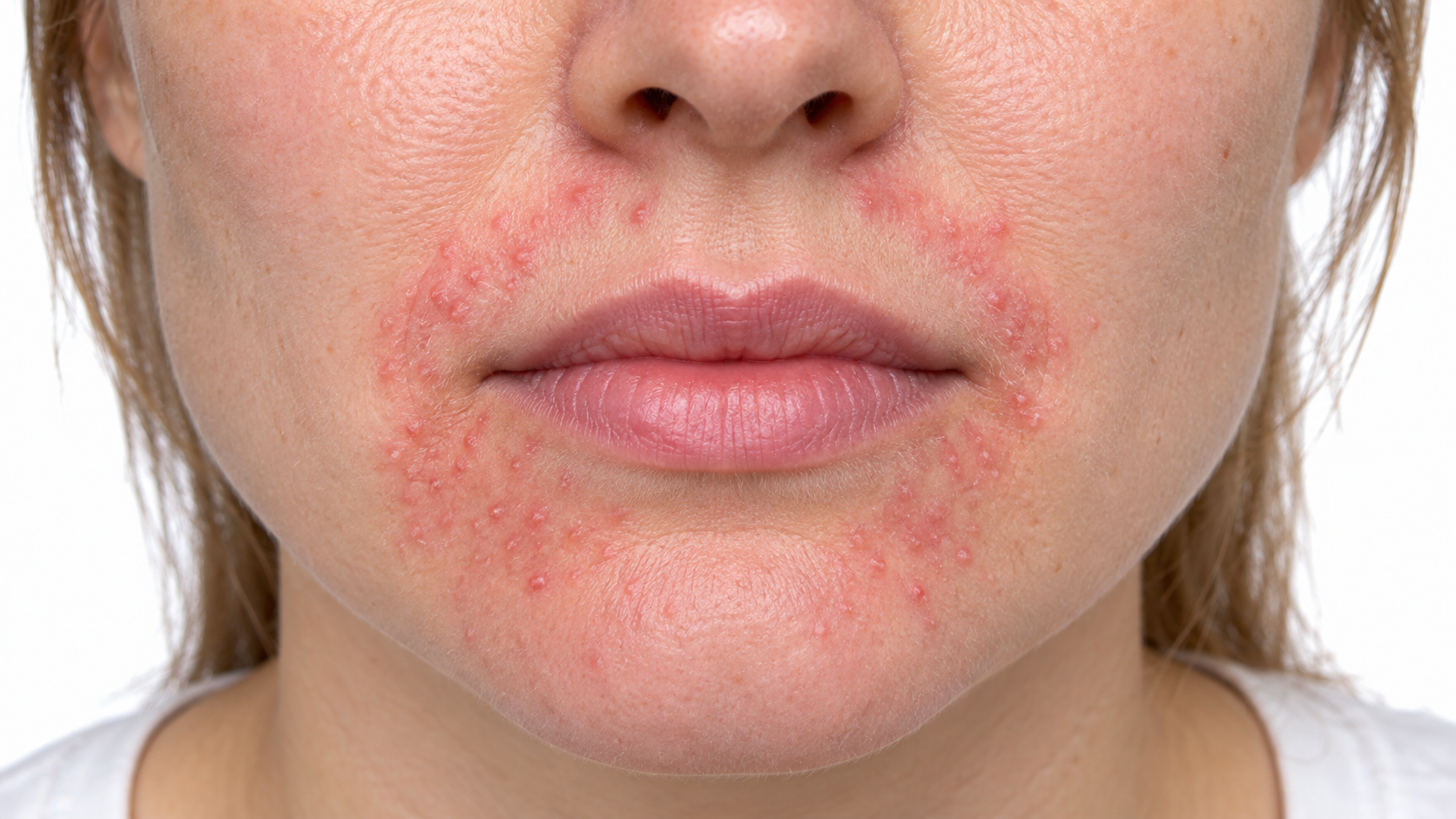
Small grouped blisters at the lip margin on light skin.Honey-colored crusted sores on light skin.

Key differences

The same eight facts on every condition comparison.

Usual age
First catch often in childhood
Young children
Where
Lip border
Around nose and mouth; arms, legs
Main sign
Tingling, then a cluster of blisters
Sores with a golden-yellow crust
Itch or pain
Tingling and sore
Mildly itchy
Contagious
Yes, until crusted
Yes, very
Long term
Lifelong virus; recurs
Clears in a week with treatment
Scars
Rarely
Rarely
Who gets it
Most adults carry the virus
Children; broken or eczema skin

What is it?

Cold Sores
Impetigo
What is it?

They are caused by herpes simplex.
The virus stays latent for life after the first exposure.

They recur in the same place.
Reactivation produces small blisters near the lip border.

A first infection can differ.
It may cause painful mouth and gum inflammation with fever.

Unusual sores need review.
A persistent ulcer should be reassessed, not treated repeatedly.

It is a bacterial skin infection.
Staphylococcus aureus and group A streptococci are the usual causes.

It has two forms.
Nonbullous impetigo forms crusts; bullous impetigo forms blisters.

Bacteria enter broken skin.
Eczema, scratches and bites are common entry points.

Testing is selective.
Swabs help with recurrent, resistant or unusual cases.

What it looks like

Cold Sores

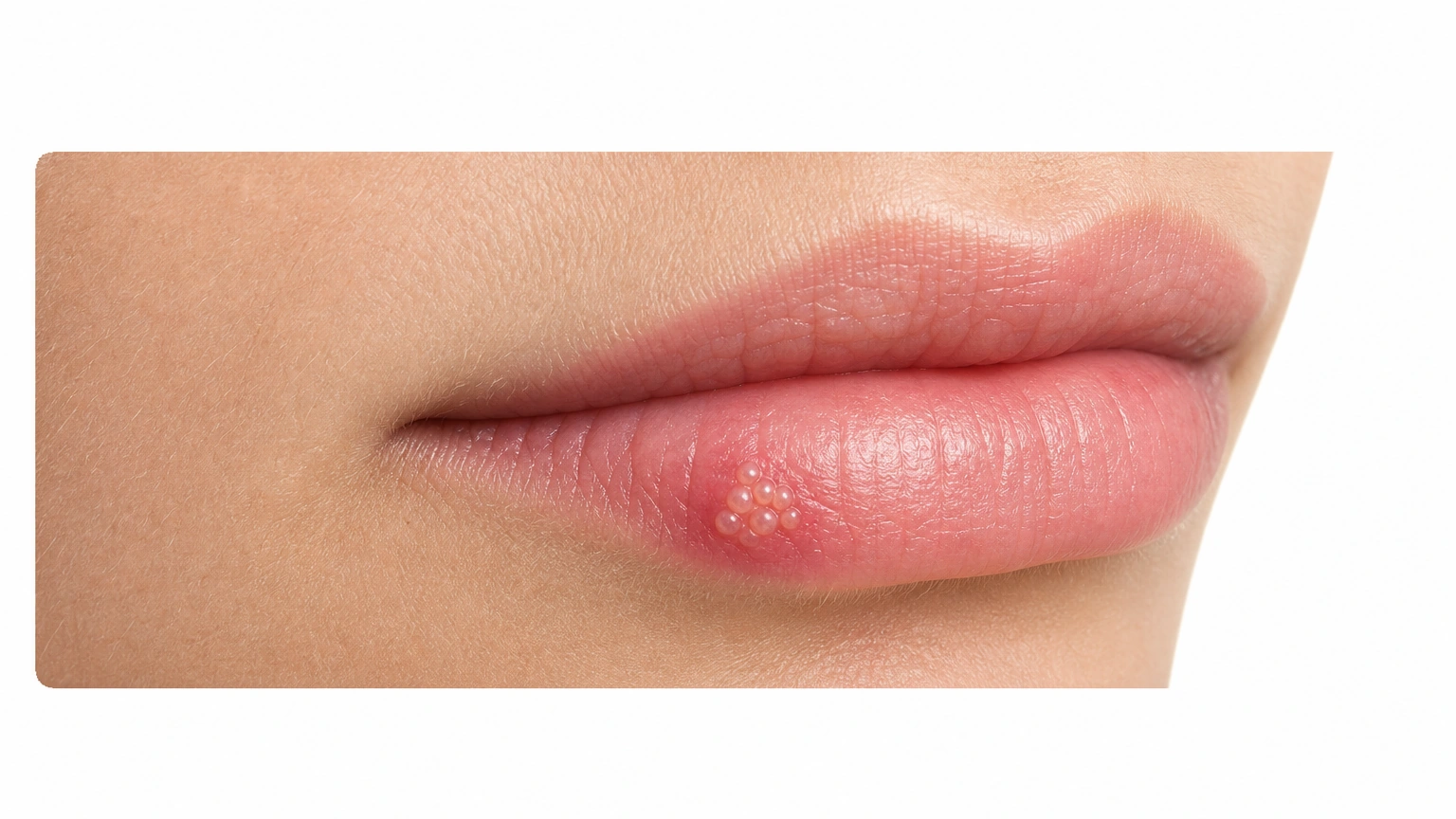
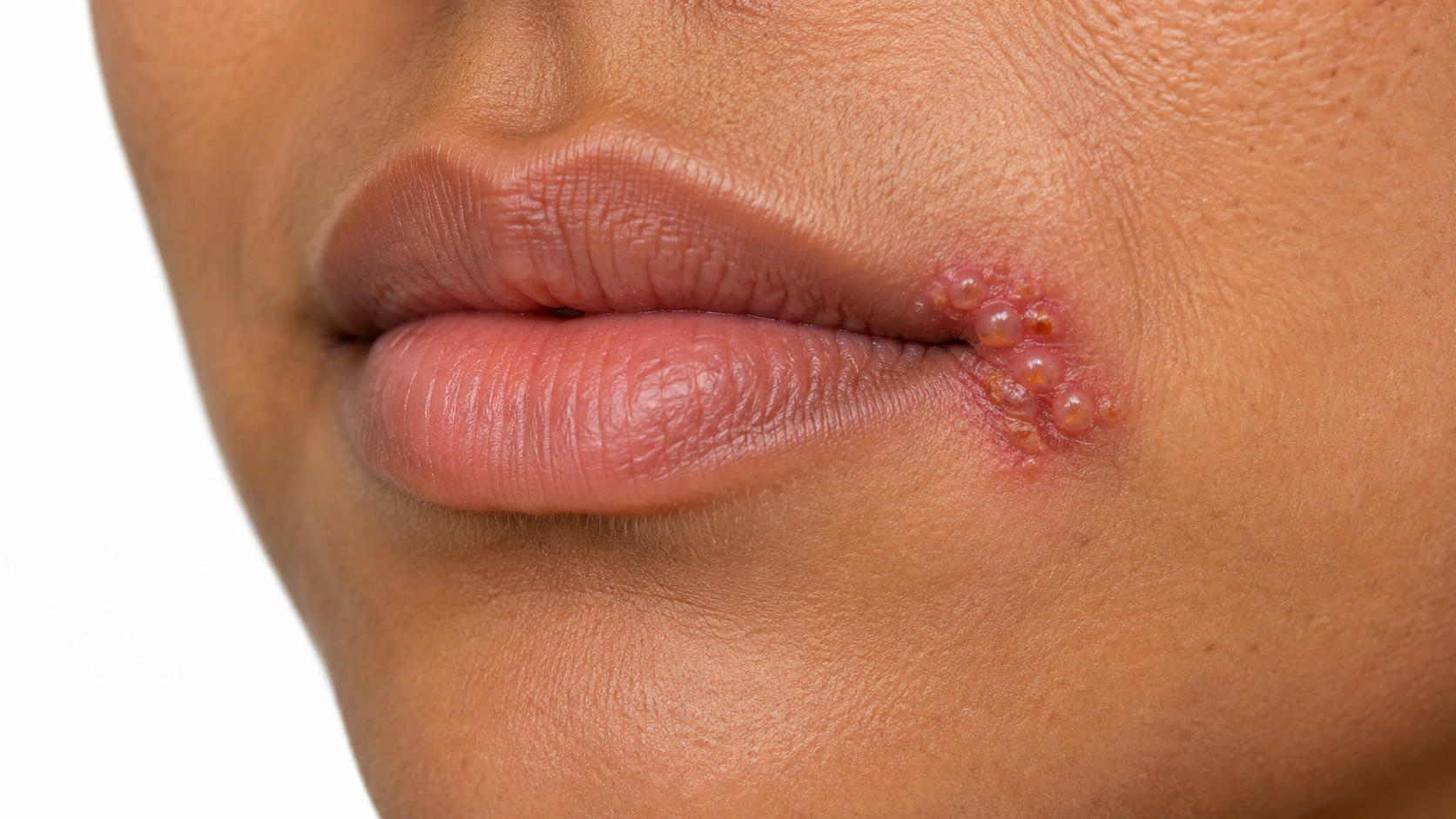
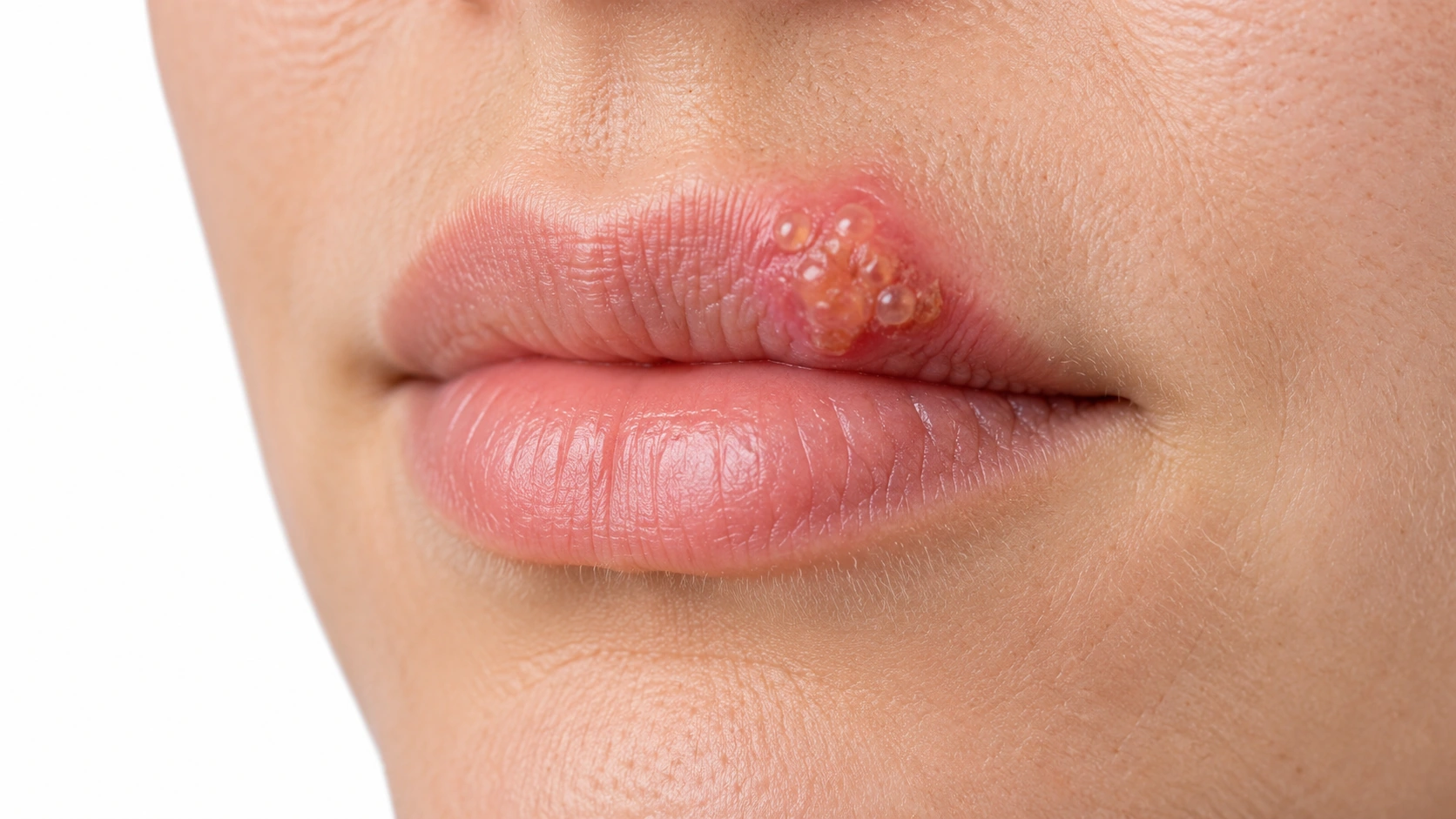
A small cluster of clear vesicles at the lower lip border, representing the blister stage of a cold sore.

Blister cluster Small blisters on the lip edge.

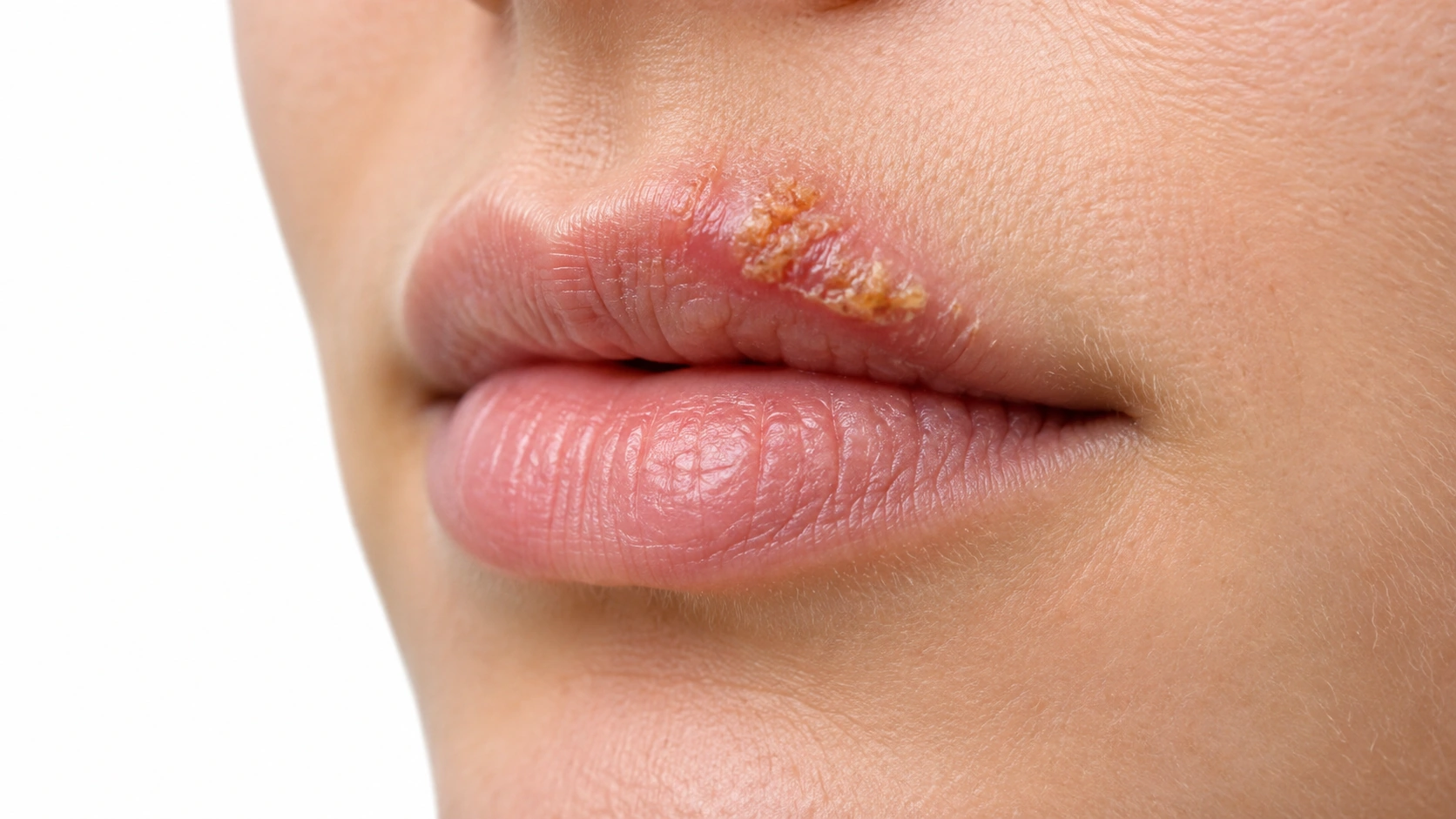
Crusted cold sore on the lip.

Crusting Yellow crust as it heals.

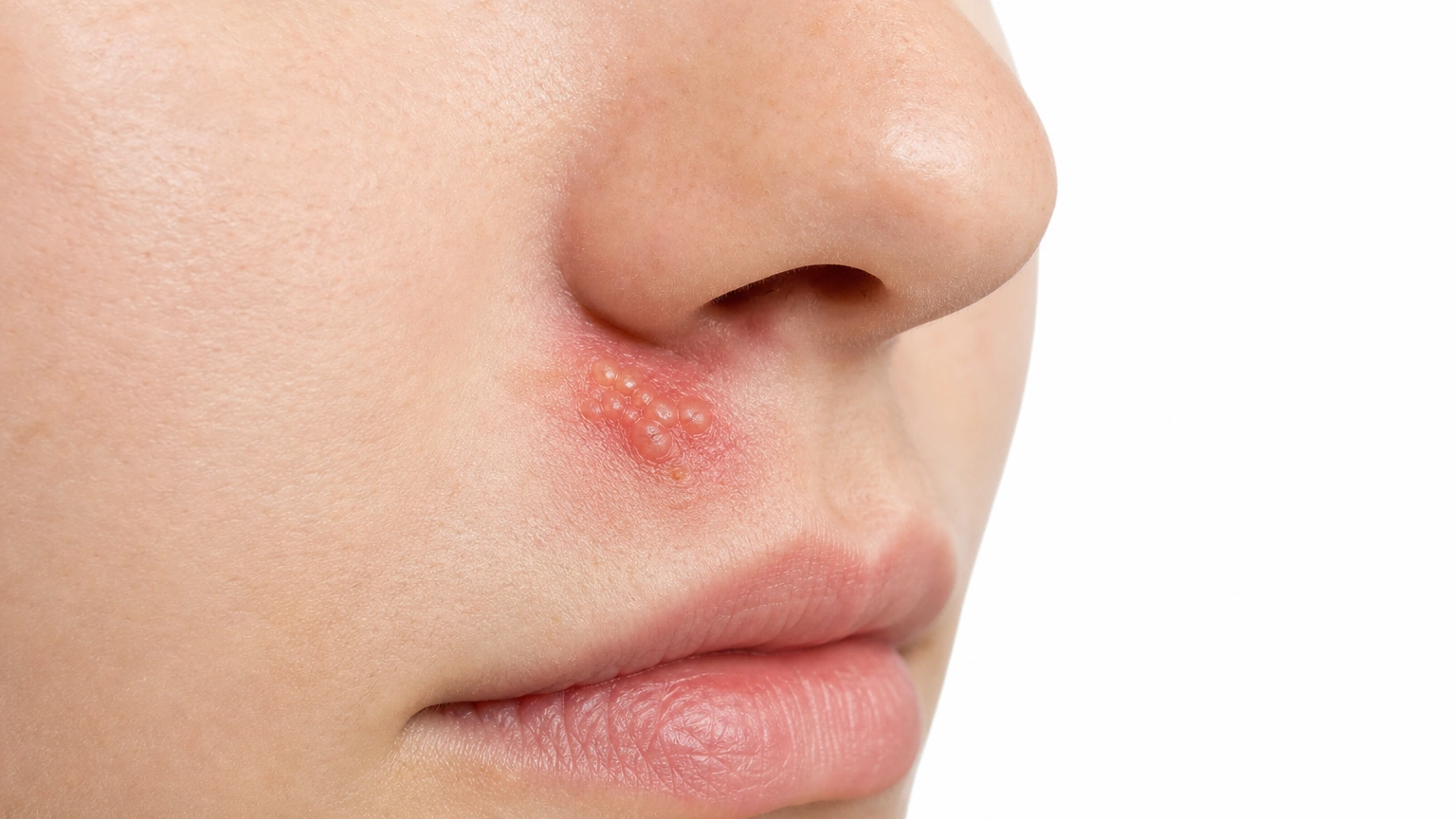
A small cluster of clear vesicles on a red patch beside the nostril, representing a cold sore.

Near the nose Can appear around the nostrils.

Impetigo

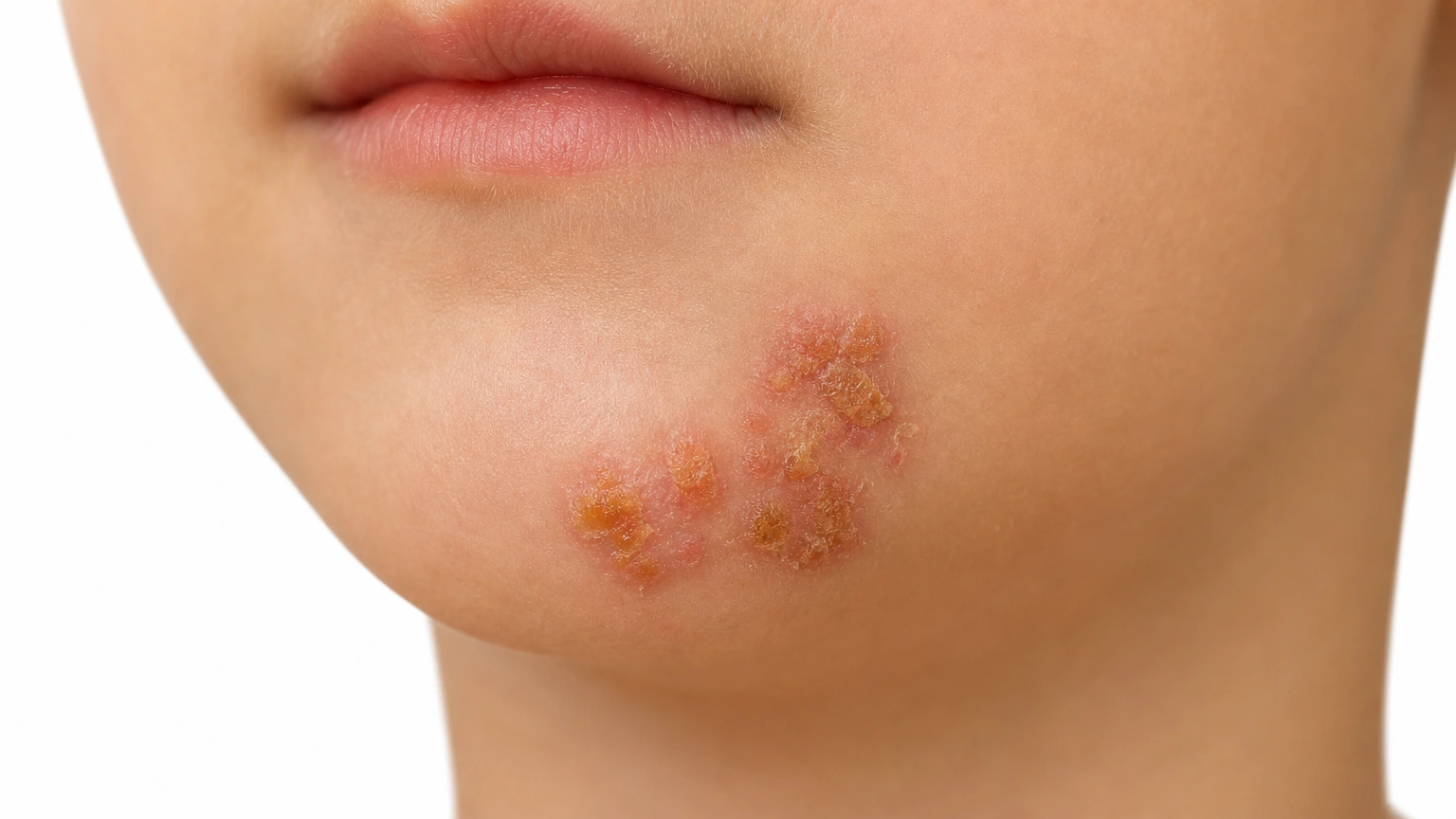
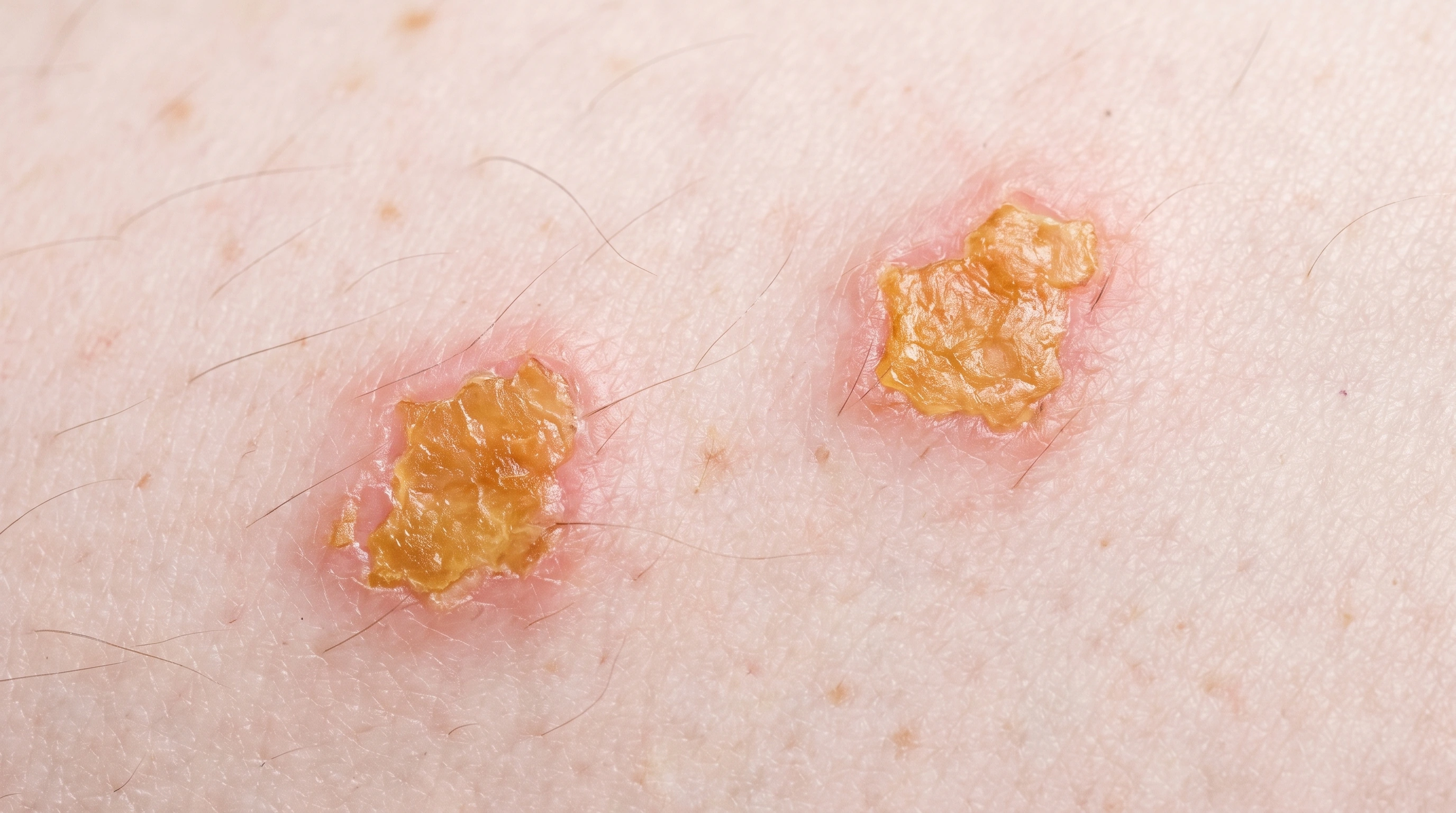
Honey-colored crusted sores on the chin, representing non-bullous impetigo.

Non-bullous impetigo Sores with honey-colored crusts; most common.

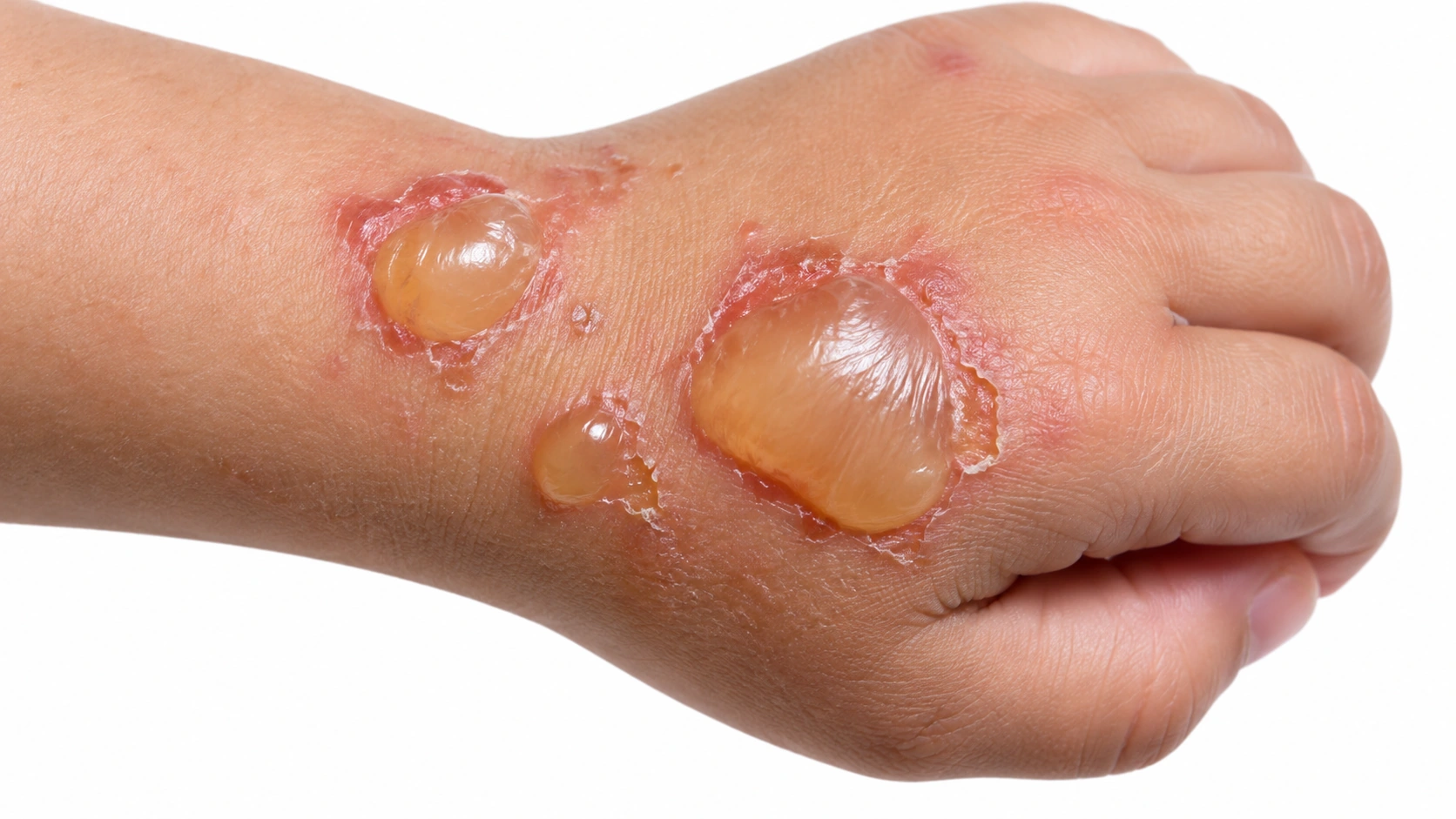
Large blisters of bullous impetigo.

Bullous impetigo Larger fluid-filled blisters.

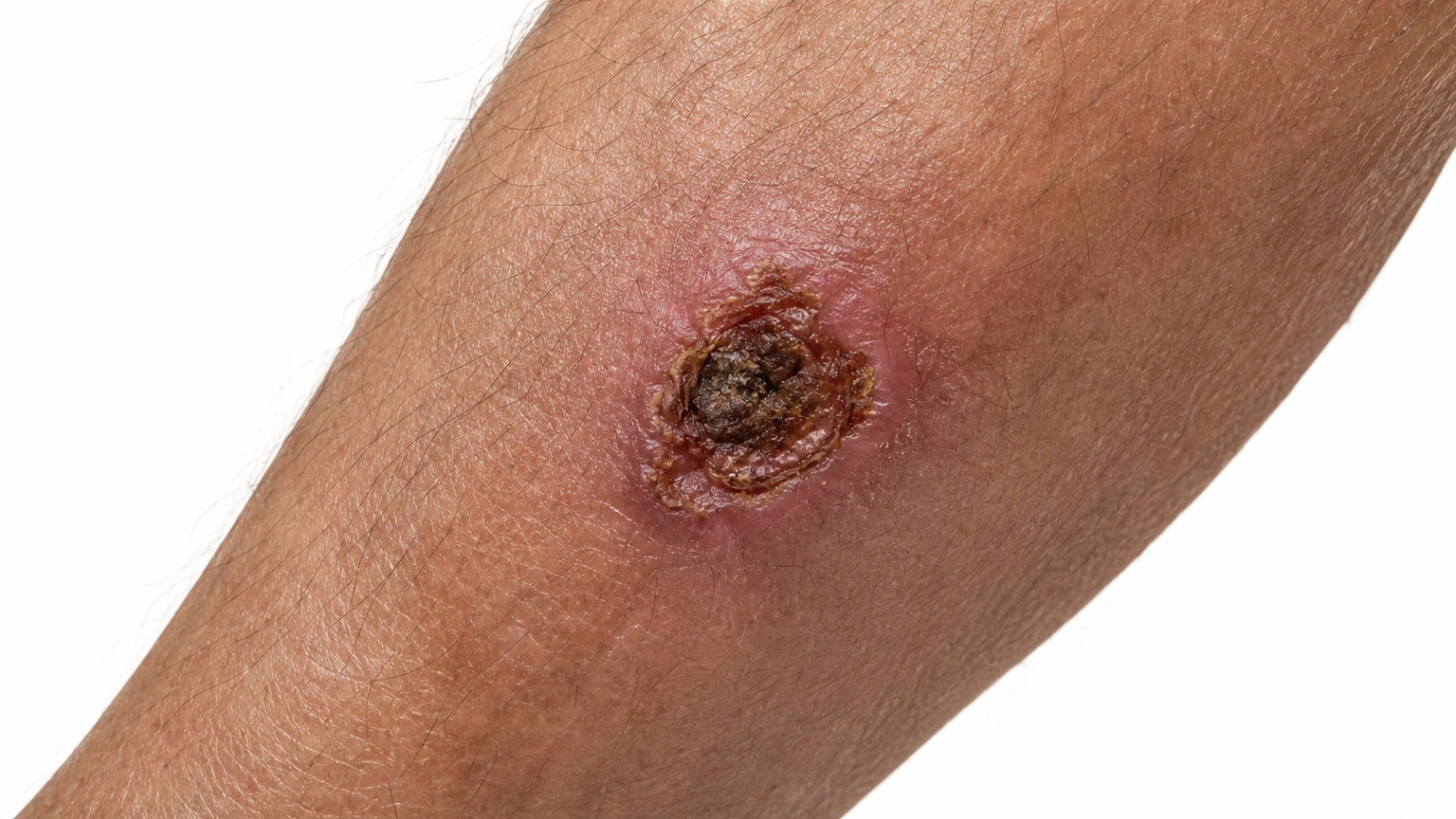
A deep crusted sore with a narrow red rim on the leg, representing ecthyma.

Ecthyma Deeper, punched-out ulcers.

Skin tones
Small grouped blisters at the lip margin on light skin.
Grouped small blisters beside the lip on medium skin.
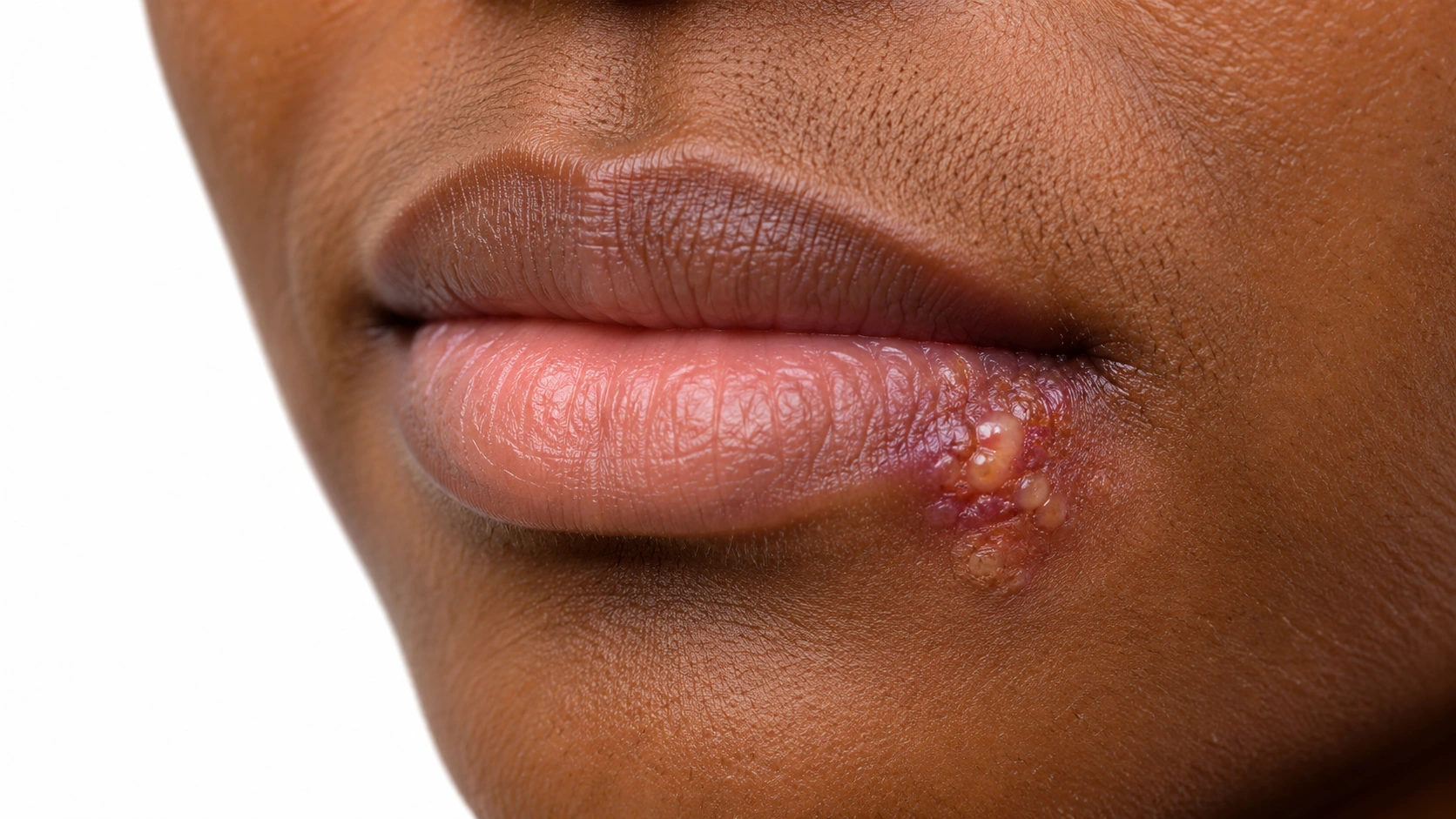
a small grouped blister and crust at the lip margin on brown skin.
grouped small lip-margin blisters on deep brown skin.
Honey-colored crusted sores on light skin.
Honey-colored crusted sores on medium skin.
Honey-colored crusted sores on brown skin.
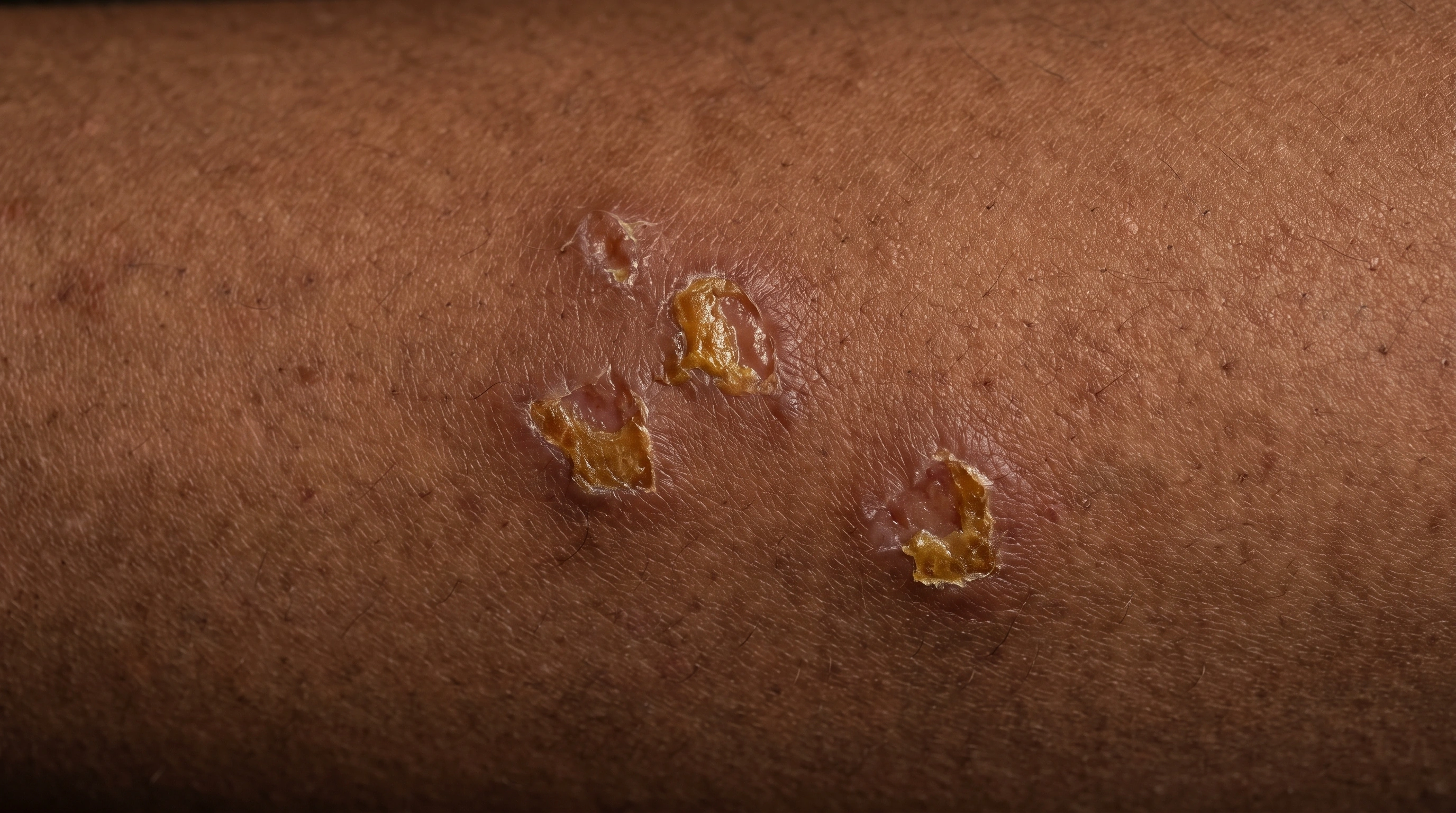
Honey-colored crusted sores on deep brown skin.
Diagram
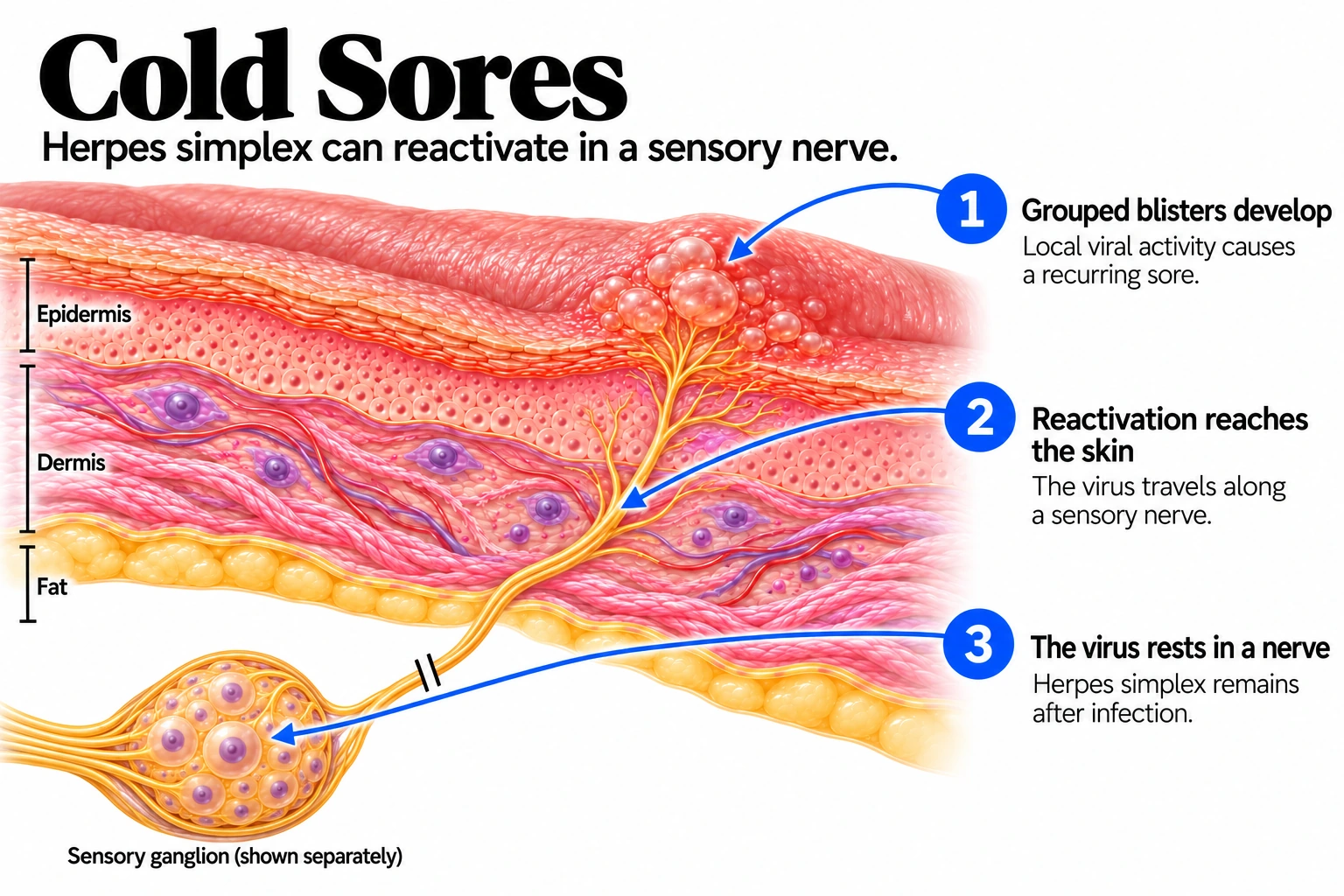
Cold Sores mechanism diagram. Grouped blisters develop: Local viral activity causes a recurring sore. Reactivation reaches the skin: The virus travels along a sensory nerve. The virus rests in a nerve: Herpes simplex remains after infection.
Impetigo mechanism diagram. Dried fluid forms a crust: Honey-colored crust is a common clue. Bacteria reach damaged skin: Staph or strep can enter small breaks. A shallow blister or sore develops: The infection involves the skin surface.
In the skin

Herpes simplex virus remains in sensory nerves after the initial infection. Reactivation brings the virus back to nearby skin, where local viral activity can produce grouped blisters.

Bacteria infect the superficial skin, often after a small break in the barrier. Shallow sores or blisters can release fluid that dries into a honey-colored crust.

Where it shows up

Lip border and nearby skin
Around the nose or mouth and on exposed limbs

When it usually starts

010203040506070+

Cold Sores. The first infection often occurs early in life; recurrent episodes can occur at any age afterward.

Impetigo. Most common in young children, although any age can be affected.

Causes and triggers

Causes

Cold sores are caused by the herpes simplex virus. After the first infection, the virus stays in nerves and can reactivate.

Impetigo is a skin infection caused by staph or strep bacteria entering through small breaks in the skin.

Risk factors
Past infection, Weakened immunity
Children aged 2 to 5, Eczema, Hot, humid weather, Contact sports
How it spreads
  • Kissing — Well established
  • Sharing cups, razors and lip balm — Strong link
  • Touching sores — Well established
  • Scratching — Well established
  • Cuts, bites and scrapes — Strong link
  • Shared towels and clothing — Strong link
Trigger
● Cold Sores
● Impetigo
Sun exposure
Well established
Not listed
Fever or colds
Well established
Not listed
Stress
Strong link
Not listed
Periods
Possible
Not listed

Daily Care

Cold Sores
Impetigo
Daily care

Habits that help

  • A lip balm with SPF, used daily
    Prevention if your episodes follow sun.
  • Leave the crust alone
    Picking slows healing.
  • Plain petrolatum ointment over the sore
    Keeps the crust from splitting.
  • Hand washing and not sharing
    Worth it around newborns and anyone with eczema.
  • Cool compresses
    Use a cool, damp cloth for temporary comfort; it does not shorten the episode.
  • Start an agreed cold-sore antiviral plan at the first warning symptoms
    Tablets in the warning stage shorten the episode.
  • Docosanol cream, over the counter
    Shortens an episode modestly.
  • Daily suppressive antiviral treatment
    For six or more episodes a year.
  • Use the agreed early-treatment plan rather than waiting for a full cold-sore blister
    An agreed antiviral plan may work best at the warning stage. Later symptoms can still need review and treatment.

Avoid

  • Avoid: Strong sun on the lips
    The most predictable trigger.
  • Avoid: Being run down
    Fever, flu or a heavy cold keeps the immune system busy.
  • Avoid: Stress and short sleep
    Both make reactivation more likely.
  • Avoid: Picking the crust
    Restarts healing and leaves a longer mark.
  • Avoid: Touching the sore and then your eye
    Herpes simplex in the eye does real damage.
  • Avoid: Sharing during an episode
    Lip balm, drinks, utensils, towels.
  • Avoid: Kissing while a sore is open
    Especially near a newborn or anyone with eczema.
  • Avoid: Injury to the lip
    Dental work, waxing, fillers, laser.
  • Avoid: Letting the area dry out and crack
    A split crust heals slower.
  • Avoid: Steroid cream on its own
    A steroid cream calms the redness and swelling, which looks like improvement, while leaving the virus free to spread further. It also changes the appearance enough to make the sore hard to recognize later. There is a combination cream that pairs a steroid with an antiviral, but a steroid alone on a cold sore is a step backwards.

Habits that help

  • Soaking off the crusts gently
    The ointment reaches the sore.
  • Wash gently with soap and water
    Twice a day, clean cloth.
  • Short fingernails and clean hands
    Limits the spread.
  • Cover the sores loosely
    A light non-stick dressing.
  • Own towel, flannel and bedding
    One each, washed hot.
  • Keep away from school and sport
    Until about 24 hours of treatment.
  • Treat the underlying skin problem
    This prevents the next one.

Avoid

  • Avoid: Scratching
    Opens fresh breaks, carries bacteria on.
  • Avoid: Picking off the crusts
    Reopens the sore, loads the fingers.
  • Avoid: Sharing towels, bedding and clothing
    The main household route.
  • Avoid: Warm, humid conditions and heavy sweating
    Soften the skin; bacteria establish easily.
  • Avoid: Leaving weeping sores uncovered
    They load every surface.
  • Avoid: Untreated or undertreated eczema
    Scratched skin is the entry point.
  • Avoid: Close contact before treatment starts
    Nursery, school and sport spread it fast.
  • Avoid: Scabies, head lice or insect bites
    Untreated, they keep breaking skin.
  • Avoid: Steroid cream on its own
    A steroid cream calms redness and itch but does nothing to bacteria, so used alone on impetigo it lets the infection carry on. This matters most where impetigo has landed on a patch of eczema and the steroid is already in the house. In that situation both problems are treated, with the antibiotic doing the work on the infection.

Treatment differences

Evidence labels come from each condition’s own treatment list.

Treatment
● Cold Sores
● Impetigo
Filter by type
All types
Impetigo type

Select one or more.

Over-the-counter
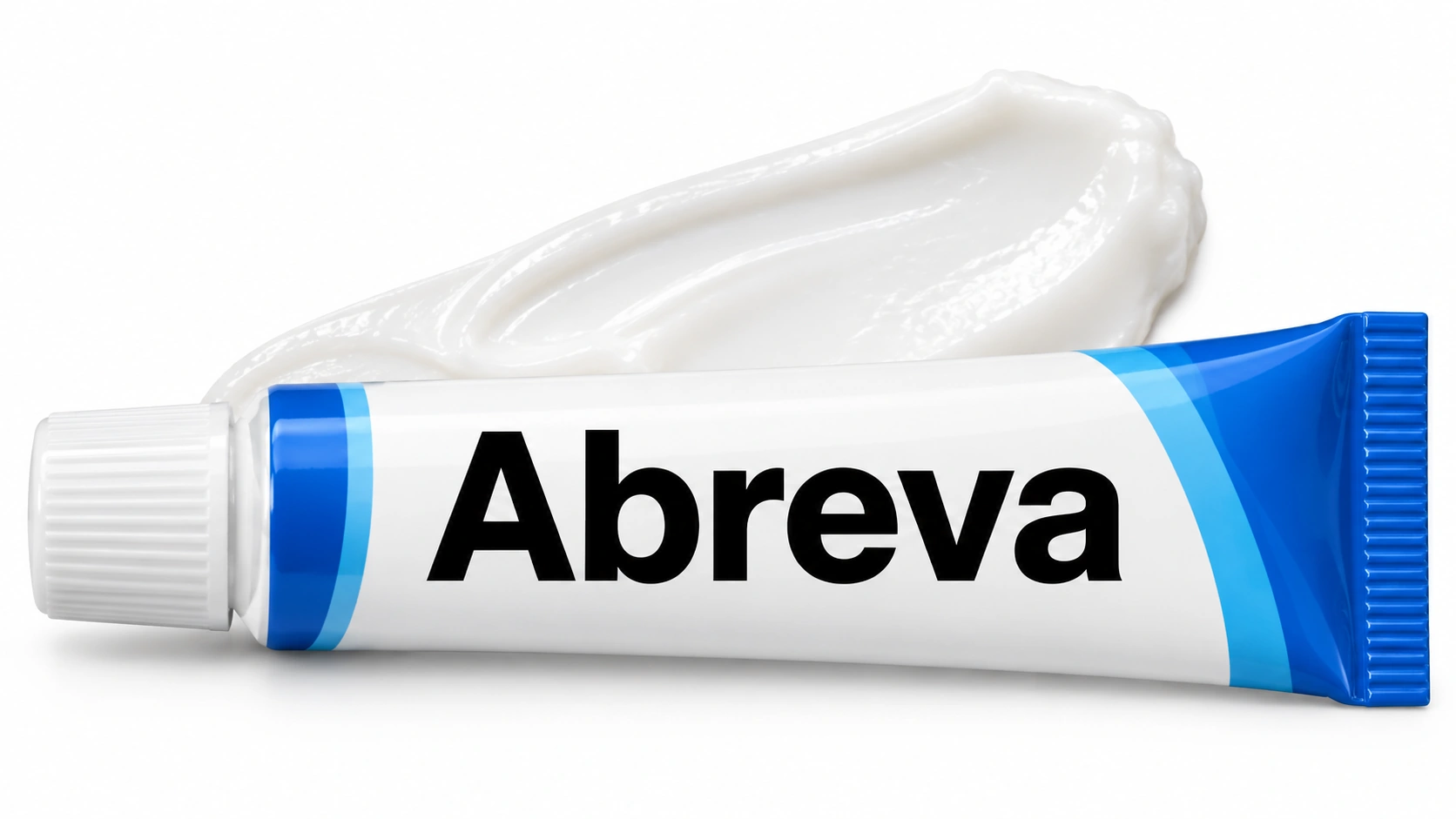
Abreva.

Abreva

Moderate evidence

The only over-the-counter cream shown to shorten an episode, and only by about half a day. It has to go on at the first tingle and be reapplied five times a day. It is a reasonable thing to keep in a bag, but antiviral tablets started at the same moment do considerably more.

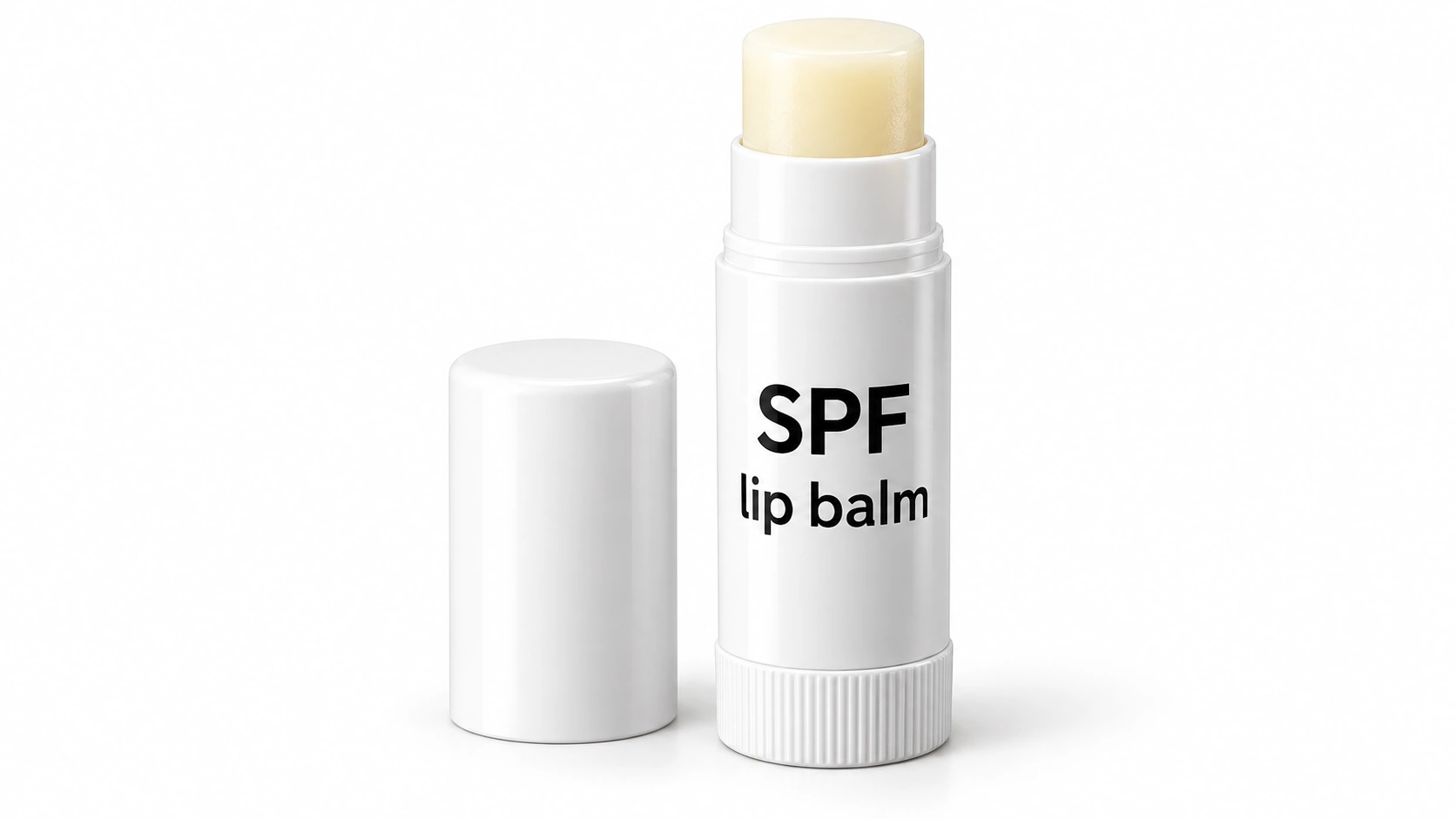
Existing illustration of Lip balm with SPF.

Lip balm with SPF

Moderate evidence

Strong sun on the lips is one of the most reliable triggers there is, so for anyone whose episodes follow skiing, a beach holiday or long days outdoors, a daily SPF lip balm is genuine prevention rather than lip care. Use it every day rather than only when an episode is due, and keep using it while the mark left behind fades, since sun makes that darker and slower.

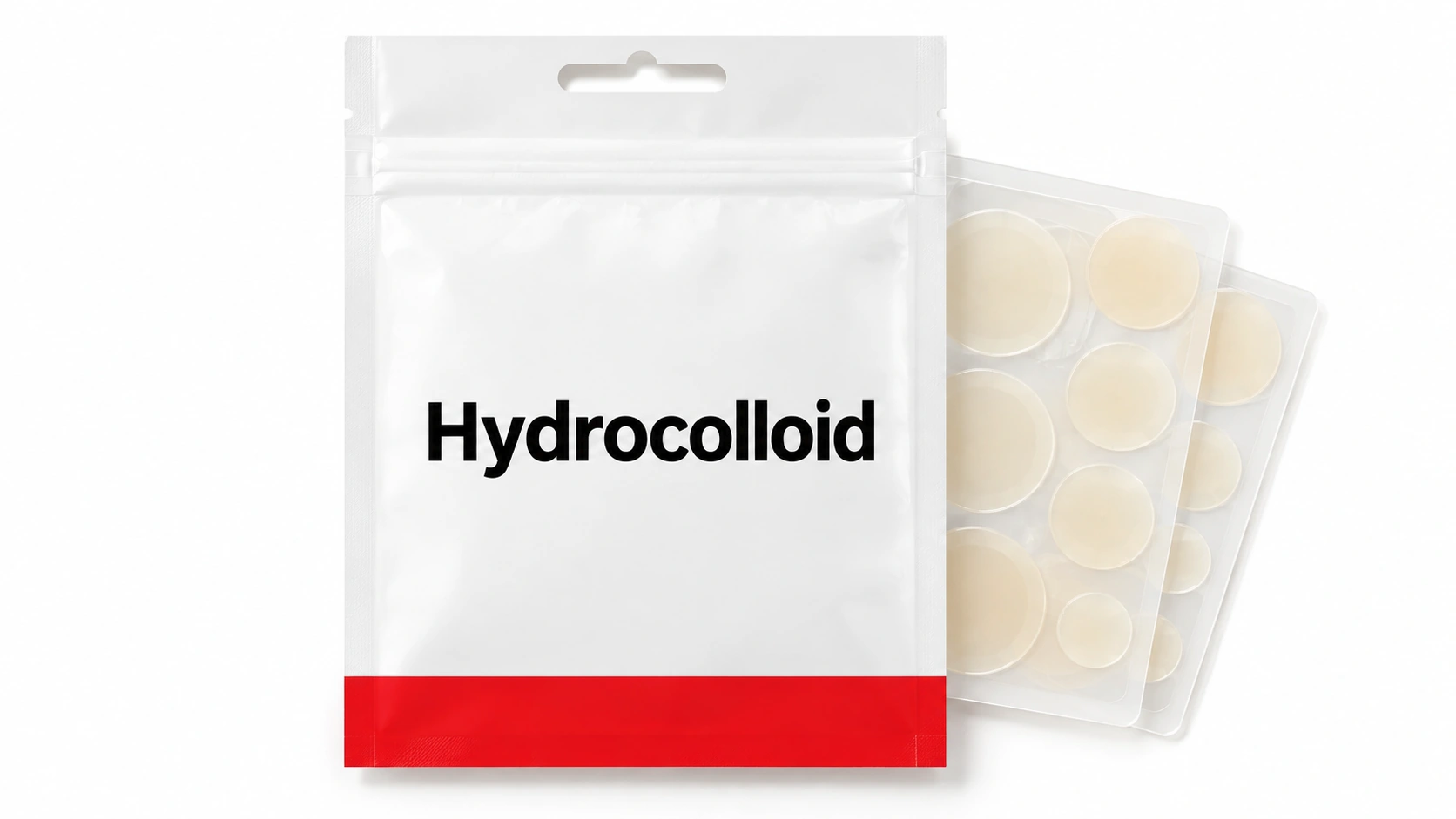
Hydrocolloid cold sore patches.

Hydrocolloid cold sore patches

Limited evidence

A thin gel patch worn over the sore. It keeps the area moist so the crust splits less, it stops fingers reaching the sore, and it contains the fluid that spreads the virus. It does not shorten the episode itself, and it is easier to use once the blisters have opened than at the tingle stage.

Illustration: Generic oral tablet bottle and tablets.

Lysine supplements

Limited evidence

A popular supplement for preventing episodes, but the studies behind it are small, old and inconsistent. It is not dangerous and some people are convinced by it. It is not a substitute for an antiviral, and it is not something to rely on if your episodes are frequent.

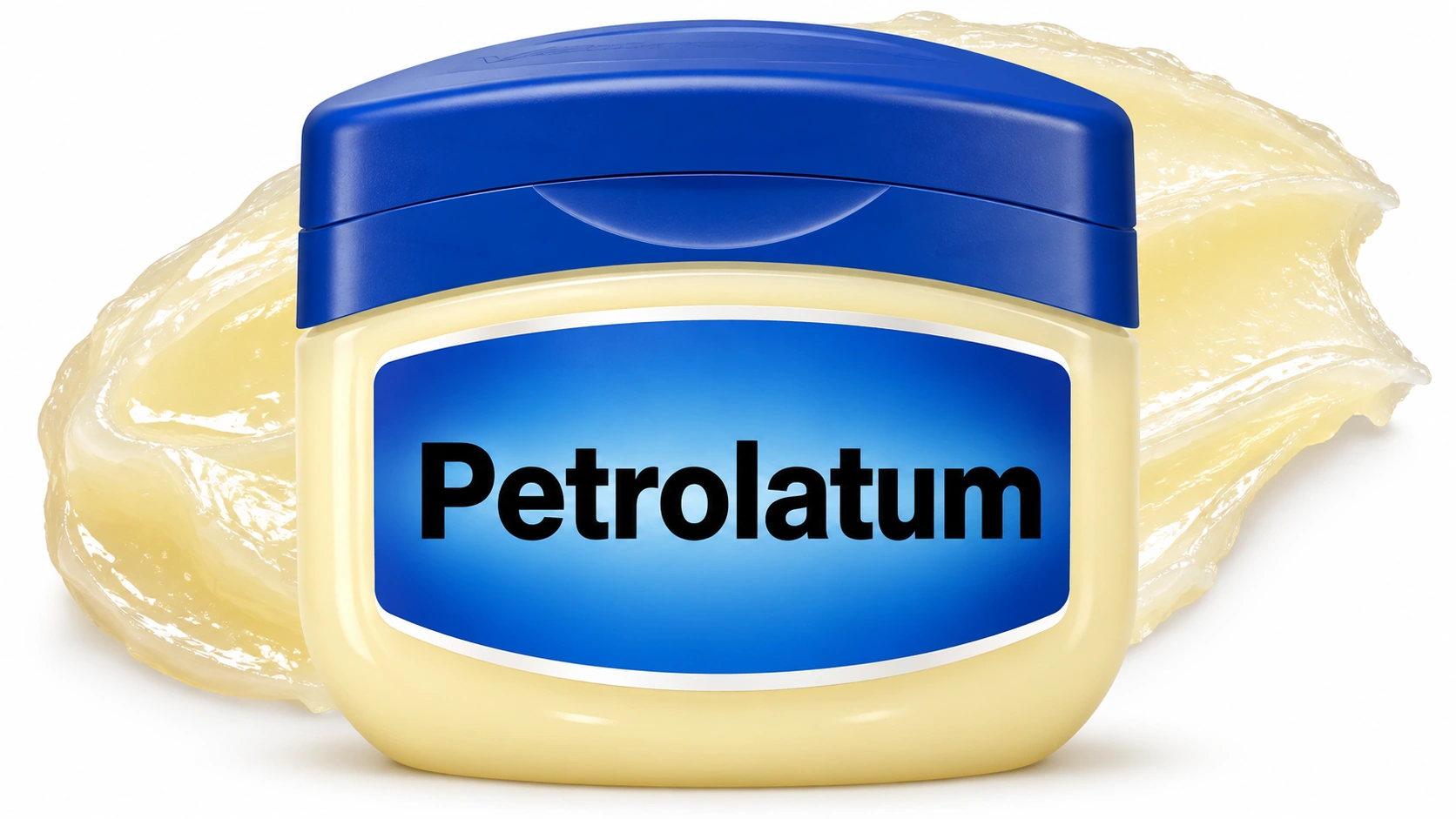
Four ointments on white: CeraVe Healing Ointment, a Vaseline jar, a petroleum jelly tube and Aquaphor

Petrolatum

Listed

Plain ointment dabbed over the crust keeps it soft so it does not split each time you talk or eat, which hurts less and leaves less of a mark. Drying the sore out does the opposite of what people expect. Apply it with a clean fingertip or a cotton bud and wash your hands afterwards - it does nothing to the virus itself.

Illustration: Generic topical cream tube and white cream.

Shop antiseptic creams

Limited evidence

General antiseptic ointments from the shelf are not the same thing as a prescription antibiotic ointment and usually do not clear impetigo. The main cost of trying them is time: the infection keeps spreading and the child stays off school for longer than they needed to.

Prescription topicals

Penciclovir

Moderate evidence

Penciclovir cream. A prescription antiviral cream applied every two hours while awake for four days. It shortens an episode by around half a day to a day, so a little more than the over-the-counter cream and a lot less than tablets. It is a reasonable option for someone who cannot take the tablets.

Topical Acyclovir

Moderate evidence

Acyclovir cream. The cream version of the tablet, five times a day for four days. The virus is multiplying deep in the skin cells and traveling in a nerve, so a cream only reaches part of the problem, and the benefit is measured in hours rather than days. If you can take the tablets, take the tablets.

Mupirocin — Header Image

Mupirocin

Strong evidence

The usual first choice for a small number of patches, applied three times a day for about five days after the crust has been softened off. For a few sores it works as well as tablets and avoids their side effects. It is also the ointment used inside the nostrils when impetigo keeps coming back and long-term carriage in the nose is the reason.

Cream — stock illustration

Fusidic acid

Strong evidence

An equally effective alternative ointment for a few small patches, used three times a day for five to seven days. Which of the two you are given depends mostly on local resistance patterns and what your country prescribes first. Neither is enough on its own once the infection is widespread.

Ozenoxacin

Moderate evidence

Ozenoxacin cream. A newer antibiotic cream for the crusted form, used twice a day for five days. It is an option where resistance to the older ointments is a problem, and it works against some resistant staph. It is not widely stocked and is usually the more expensive choice.

Prescription pills
Valacyclovir — Header Image

Valacyclovir

Strong evidence

The usual first choice, and for a cold sore it is a single day of treatment - two large doses twelve hours apart, started at the first tingle. Taken then, it shortens the episode and can stop a blister forming at all. Started after the blister is out it does much less, which is the whole argument for keeping a course at home.

Representative medication packaging labelled Famciclovir, lying sideways on a white background.

Famciclovir

Strong evidence

An equally effective alternative, taken as a single dose at the first tingle, which suits people who will not manage a second dose later in the day. It is used where valacyclovir does not suit or is not available. It is usually the more expensive of the two.

Tablets — stock illustration

Acyclovir

Moderate evidence

The oldest of the antiviral tablets and the cheapest. It works, but it has to be taken five times a day for five days, which is a lot of doses for something that lasts a week anyway. The dose is lowered if your kidneys are not working well.

Valacyclovir — Header Image

Daily suppressive treatment

Listed

A low dose of the same antiviral taken every day, rather than only during an episode, for people getting roughly six or more a year. It reduces how often they happen substantially and lowers the amount of virus shed in between. The effect stops when the tablets stop, and doctors usually review it after six to twelve months.

Flucloxacillin or cephalexin

Flucloxacillin or cephalexin

Strong evidence

The usual tablets or liquid when the infection is widespread, spreading fast, blistering, or the person feels unwell. A course runs about seven days, and the contagious period ends after roughly the first day of it. Finish the course even once the crusts have gone, because stopping early is one of the common reasons it comes straight back.

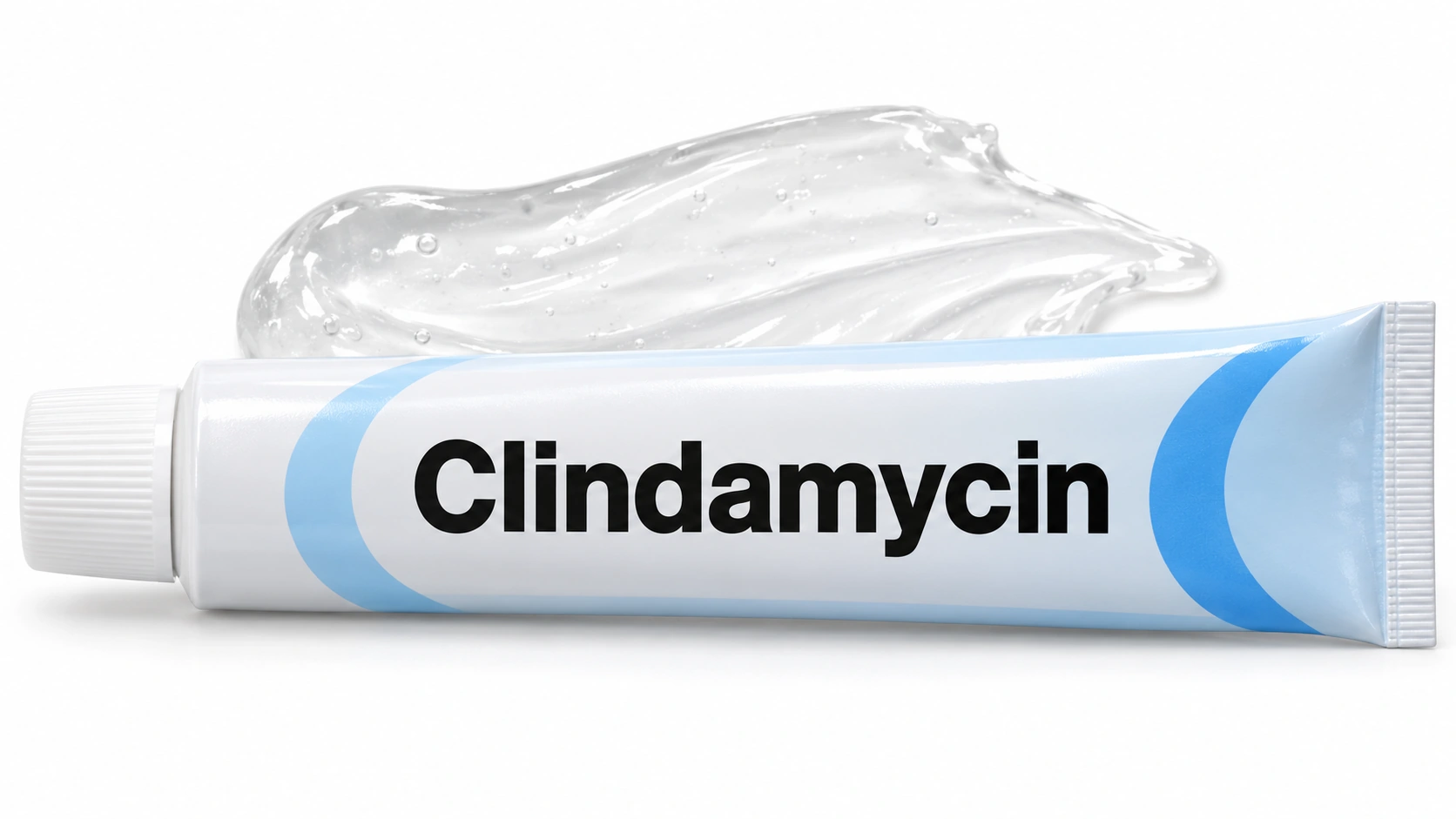
A white metal tube lying at an angle on a white background, white ribbed cap to the left, labeled Clindamycin in black lettering with a teal swoosh curving beneath the word.

Clindamycin

Moderate evidence

Used when there is a penicillin allergy, or when a swab shows resistant staph. It works well against the bacteria that cause impetigo. It upsets the stomach more than the first-choice options and, uncommonly, can cause a serious bowel infection, so any diarrhoea during or shortly after a course is worth reporting.

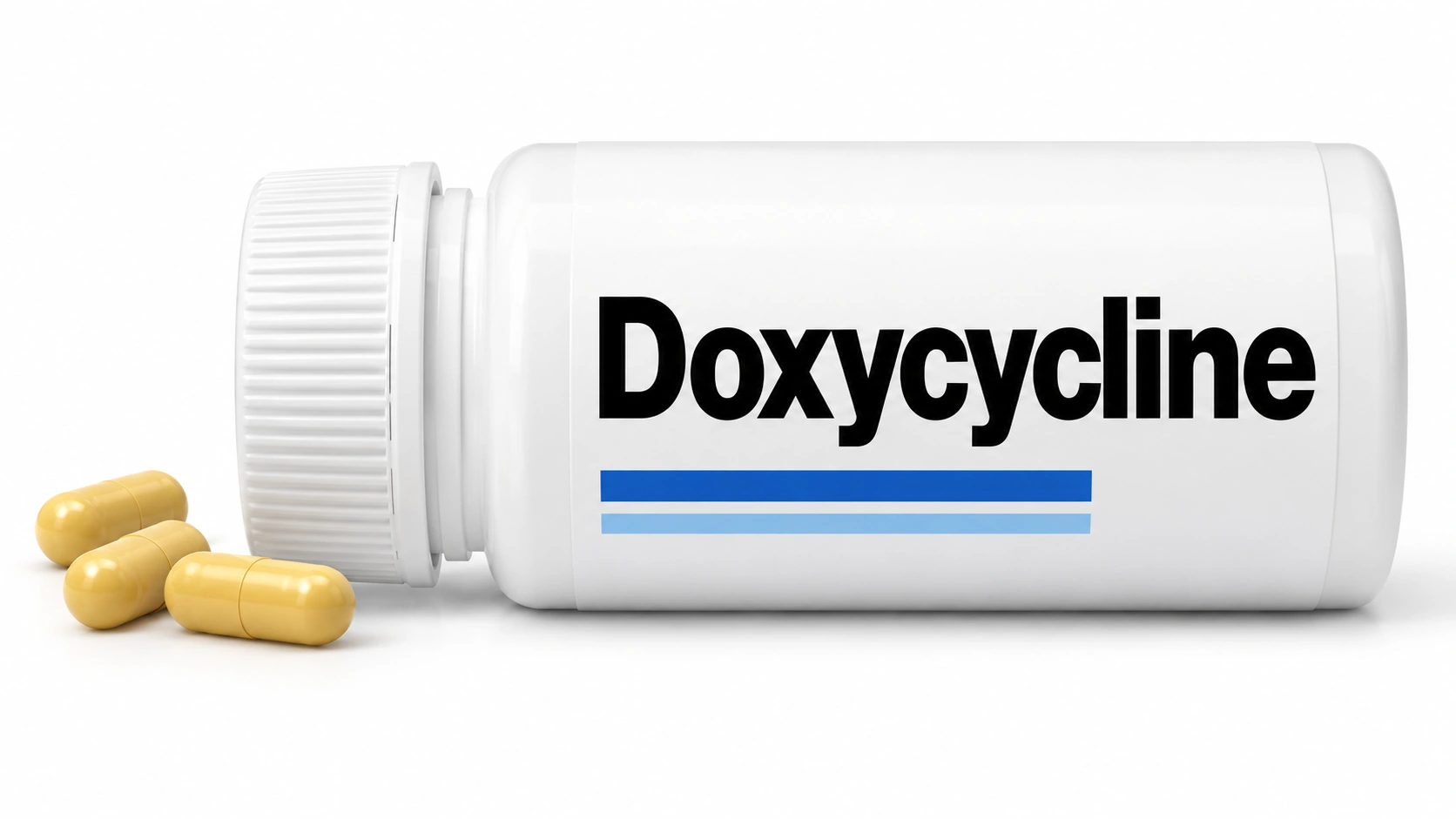
An amber prescription bottle lying on its side on a white background with a plain white label reading Doxycycline, and six small round white tablets spilled out in front of it.

Doxycycline

Moderate evidence

Reserved for adults and older children when a swab shows resistant staph, and not used in young children or in pregnancy — ask your doctor if either applies. It is a reasonable option for the age group that fits it, but for the usual patient with impetigo, a small child, it is not the drug.

Outlook

Long term

Most episodes run a week to ten days. People settle into a rhythm - one or two a year, or several, and some have one episode and never another. Frequency drops with age.

Impetigo moves fast - it appears over days and, treated, clears in about a week. Untreated it usually resolves in around 2 to 3 weeks, but it spreads much further meanwhile, stays contagious throughout, and carries more risk of complications. Ecthyma, the deeper form, takes several weeks and does scar.

Complications

Possible complications

Herpes can occasionally spread to the eye or extensively through eczema-affected skin. Eye pain, widespread painful blisters, or exposure of a newborn requires prompt medical advice.

  • Cellulitis
  • Ecthyma — the deeper form
  • Days off school and spread at home
More details

Cellulitis
Occasionally the bacteria get past the top layer and into the deeper tissue. The area around the sores becomes swollen, hot and increasingly painful, with redness or darkening spreading outward into normal skin, and the person often feels unwell with it. It is uncommon and it is treatable, but it needs antibiotic tablets rather than a cream, and it is a same-day problem rather than one to watch overnight.

Ecthyma — the deeper form
When the infection punches through into the layer below, it forms a punched-out ulcer under a thick, hard crust, most often on the lower legs. It is the one form of impetigo that heals slowly and does leave a scar. It is more likely where sores have been picked at, where treatment was delayed, and in people with diabetes or a weakened immune system. It needs antibiotic tablets, not an ointment.

Days off school and spread at home
Most settings ask for about 24 hours of antibiotic treatment before a child returns, with any remaining sores covered, so treating early is what gets them back soonest. The bigger cost is usually at home: without separate towels, bedding and hot washing, it works its way through the other children and sometimes the adults, and each new person starts the clock again.

When to get help

When to get help

Seek care for severe, frequent or persistent episodes. Eye pain or redness, widespread blisters with eczema, or illness in a newborn needs urgent assessment.

Seek treatment for suspected impetigo. Spreading redness, fever, marked pain or a newborn with blisters needs prompt assessment.

Common questions

Cold Sores:How did I get this?

Almost certainly in childhood, from ordinary contact with someone who carried the virus - a kiss, a shared cup or spoon. Most people have no memory of it, because the first infection often causes nothing. It is not about hygiene or anything you did.

Cold Sores:How long am I contagious?

Most easily passed on from when blisters appear until the sore has fully crusted - roughly the first four to five days. Small amounts are shed when nothing is visible. Precautions matter most around newborns, eczema and anyone immune-suppressed.

Cold Sores:Why do I always get it in exactly the same place?

Because the virus lives in one nerve, which supplies one small patch of skin. When it reactivates it travels down to that patch. Some people have two or three usual spots.

Cold Sores:Will it ever go away for good?

The virus stays in the body permanently, so there is no cure. But episodes usually become less frequent over the years, and daily suppressive treatment can reduce them a great deal. Plenty of people effectively stop having them.

Cold Sores:Is it safe to kiss my baby?

Not while you have an active sore. Herpes simplex is dangerous in newborns in a way it is not in older children or adults. Do not kiss the baby, wash your hands before handling them, and cover the sore. If a newborn develops blisters or a fever, or becomes unusually sleepy or floppy, that is an emergency.

Cold Sores:Does the treatment work if I start it late?

Less well. Antiviral tablets stop the virus multiplying, and by the time blisters are out most of that has happened. Still worth taking for a severe episode, but the benefit is in the first 24 hours.

Impetigo:How long is it contagious?

Until about 24 hours after antibiotics start, or until the sores have fully dried and crusted if untreated, which takes far longer. That is why treatment is offered even though it would clear on its own - it cuts the contagious period from a week or more to about a day.

Impetigo:When can my child go back to school or nursery?

Most settings ask for around 24 hours of antibiotic treatment first, with remaining sores covered. Rules vary between countries, schools and nurseries, so check the policy.

Impetigo:Will it leave a scar?

Ordinary impetigo almost never scars, because it sits in the top layer of skin. Flat pink, brown or pale marks fade over weeks to months, more slowly on deeper skin tones. Ecthyma, the deeper ulcerating form, does scar, and picking raises the risk in any form.

Impetigo:Why does my child keep getting it?

Usually eczema that is not fully controlled, which keeps supplying broken skin. Other reasons are scratching from bites or scabies, shared towels and bedding, or long-term Staphylococcus aureus in the nose. Look at those rather than repeat the antibiotic.

Impetigo:Can adults catch it from their child?

Yes, though it is much less common in adults with healthy skin. The risk rises with eczema, a cut, a graze or any other break. Separate towels, handwashing after applying the ointment, and hot washing of bedding reduce the chance.

Impetigo:Should I use a cream or tablets?

It depends how much skin is involved. A prescription ointment works as well as tablets for a few patches and avoids the side effects of oral antibiotics. Tablets or liquid are for widespread infection, rapid spread, large blisters, or an unwell child. Make that call with a doctor.
Sources

Sources and further reading

  1. DermNet
  2. DermNet
Dermapedia on YouTube