

Stasis Dermatitis vs Cellulitis

Lower-leg eczema caused by longstanding venous circulation problems. Cellulitis is a bacterial infection of the deeper layers of the skin and the fat underneath. The area becomes swollen, warm, tender and discolored, and it spreads. It needs antibiotics, and some presentations need care the same day.

Research updated 2026-10-23
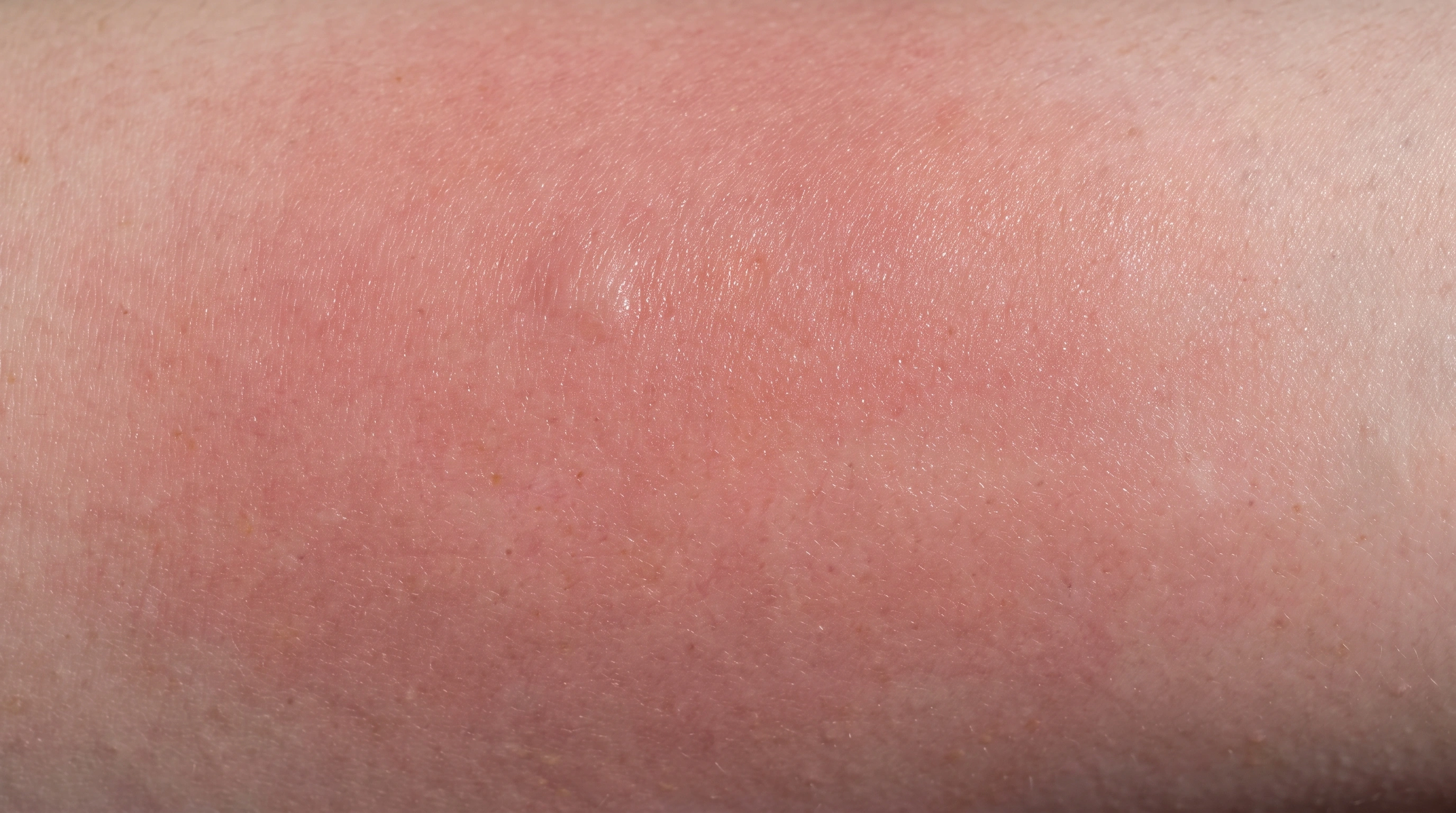
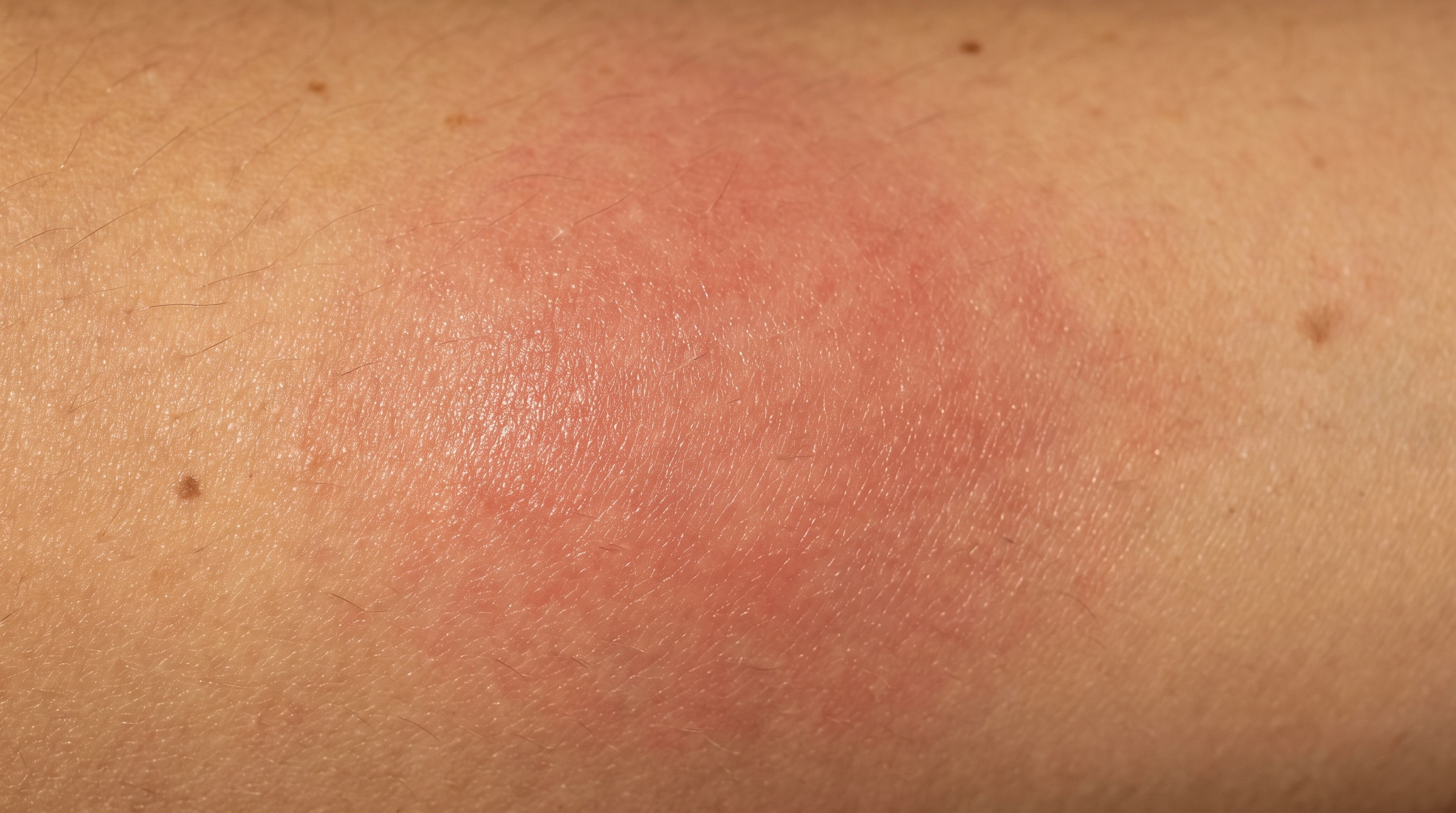
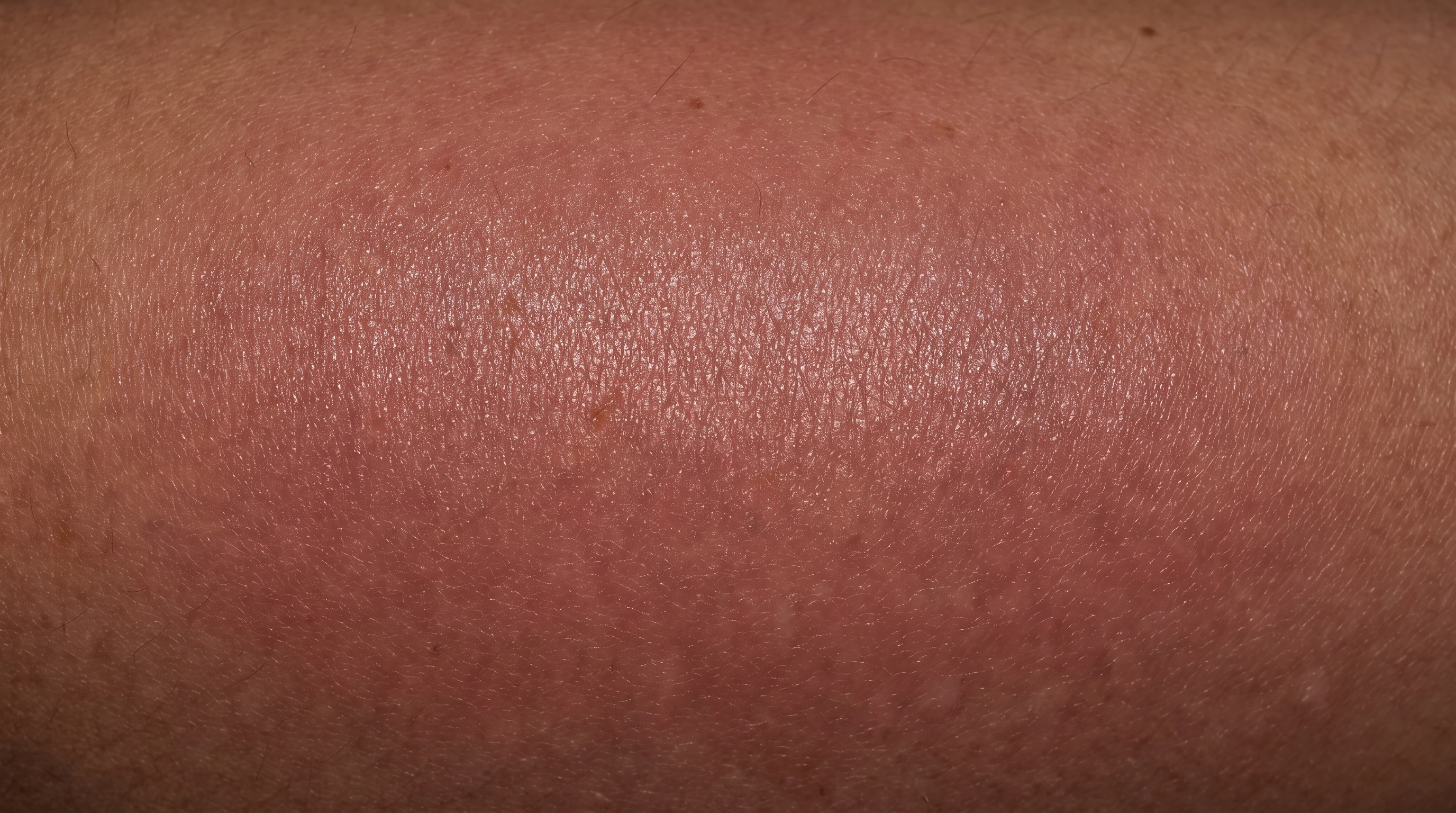
Stasis Dermatitis.One lower leg on light skin with a large bright pink-red area that is swollen and tight-looking, with a shiny surface and a blurred edge where it fades into normal skin.

Key differences

The same eight facts on every condition comparison.

Usual age
50 and over
Any age
Where
Lower legs and ankles
Often the lower leg
Main sign
Swelling with brown, scaly skin
Spreading warm, swollen, tender area
Itch or pain
Itchy
Painful
Contagious
No
No
Long term
Long-term
Clears with antibiotics; can recur
Scars
Can ulcerate
Rarely
Who gets it
People with leg vein problems
Broken skin, swelling, diabetes

What is it?

Stasis Dermatitis
Cellulitis
What is it?
  • What it is
    Lower-leg eczema caused by longstanding venous circulation problems.
  • It is a bacterial skin infection.
    Bacteria enter through a crack or wound, sometimes too small to notice.
  • It affects deeper skin layers.
    Inflammation in the dermis and fat causes warmth, tenderness and swelling.
  • Lookalikes are common.
    Dermatitis and venous inflammation can appear similar.
  • Diagnosis is mainly clinical.
    Tests are used selectively; a swollen leg may also need a clot check.

What it looks like

Stasis Dermatitis

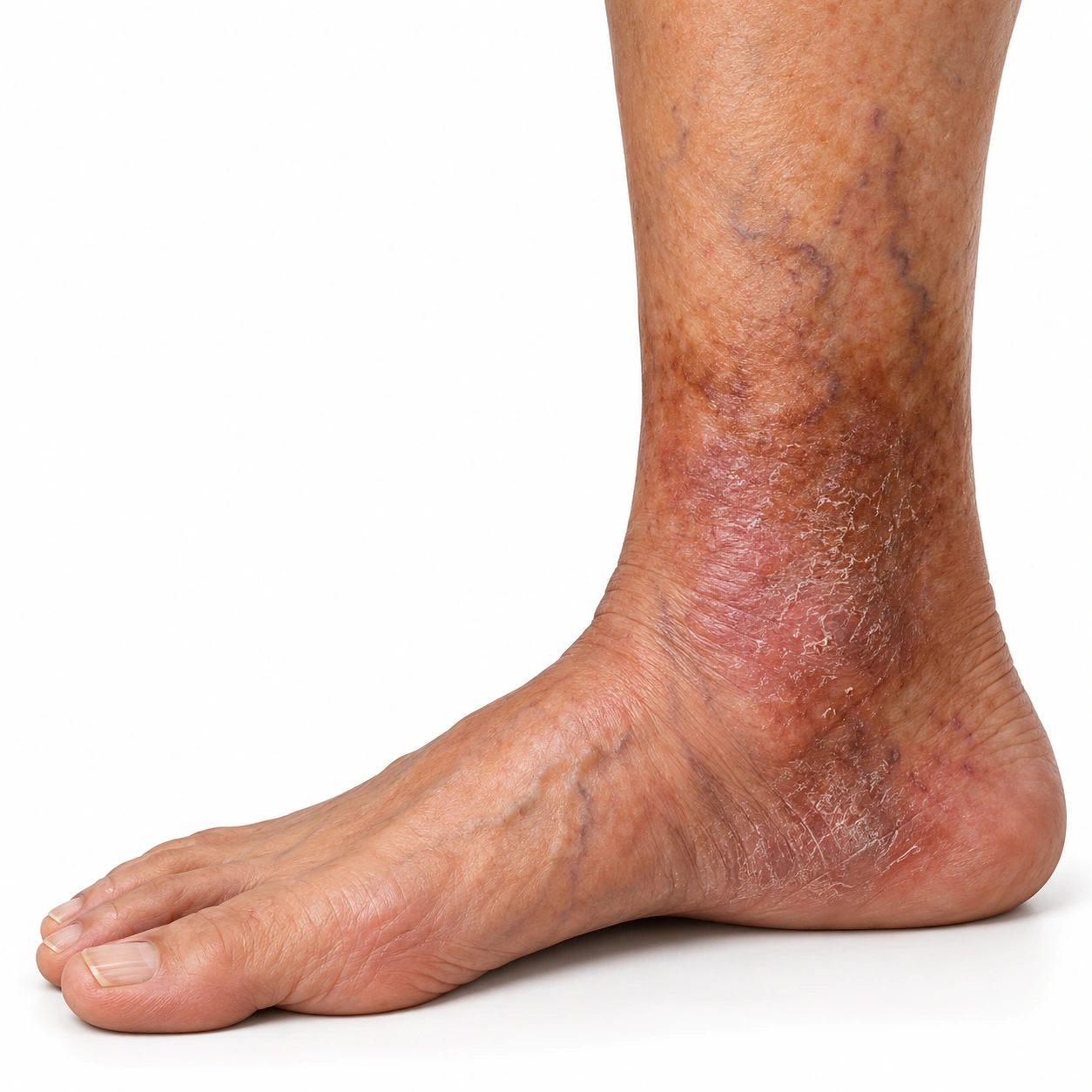
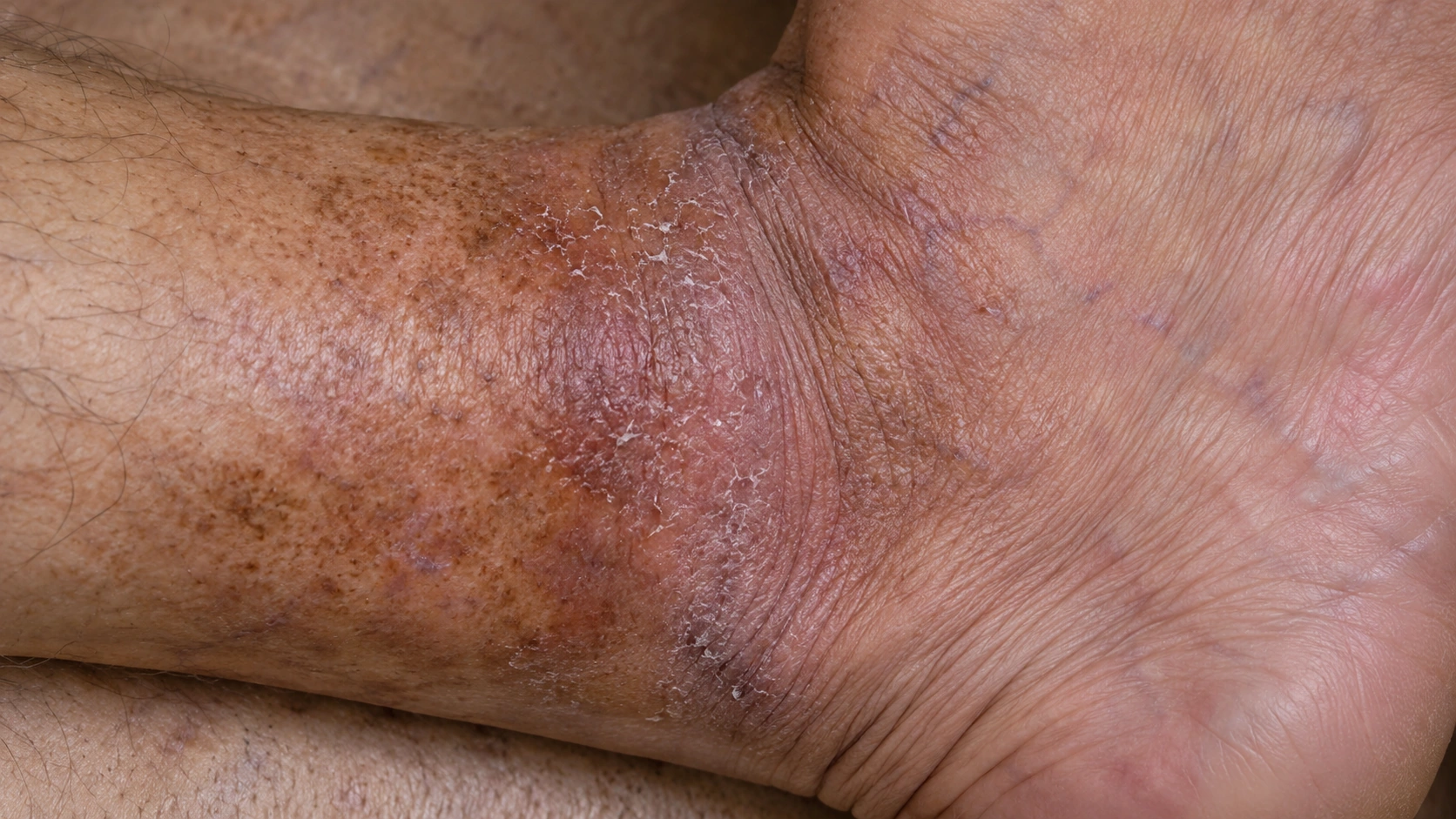
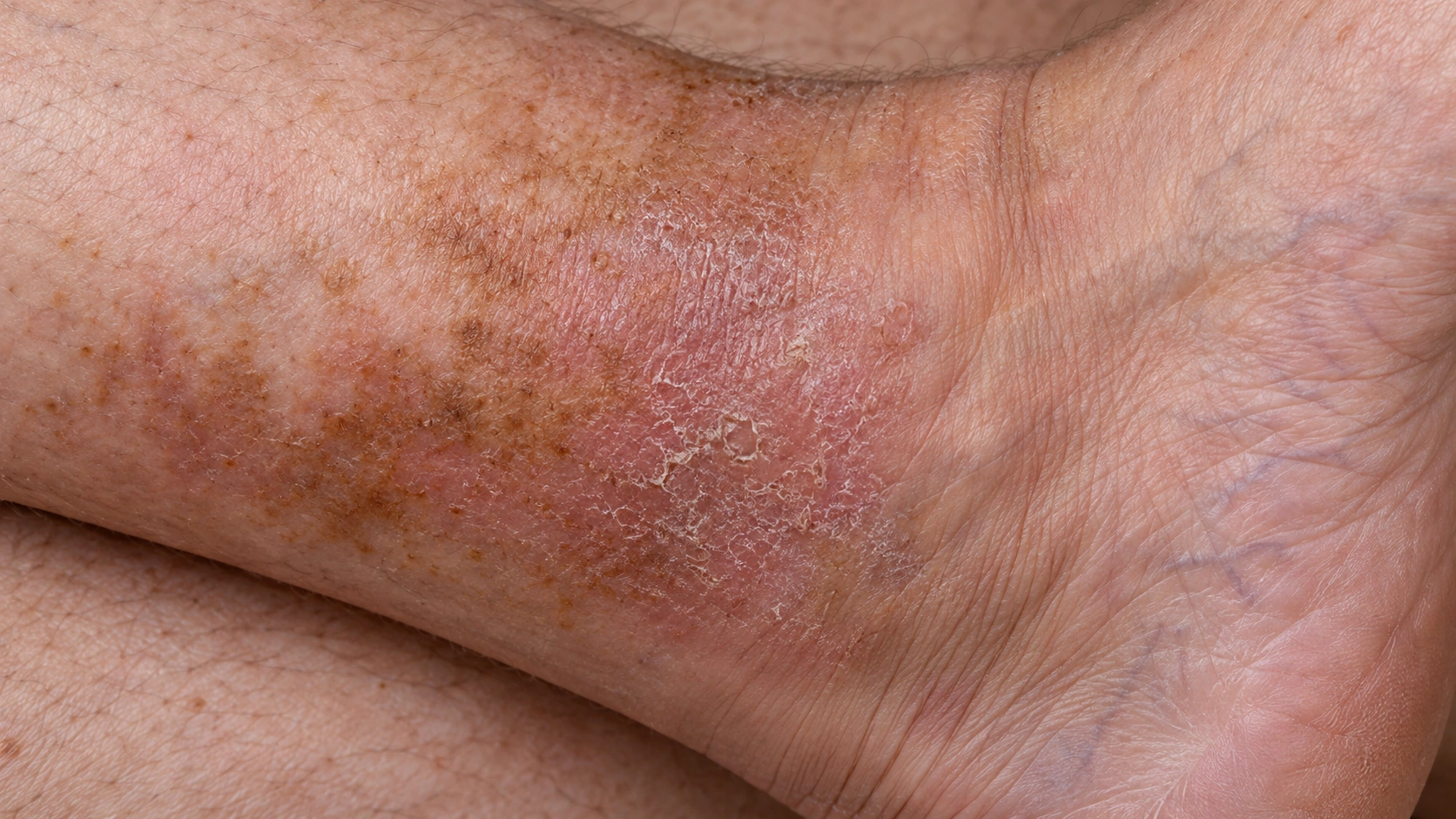
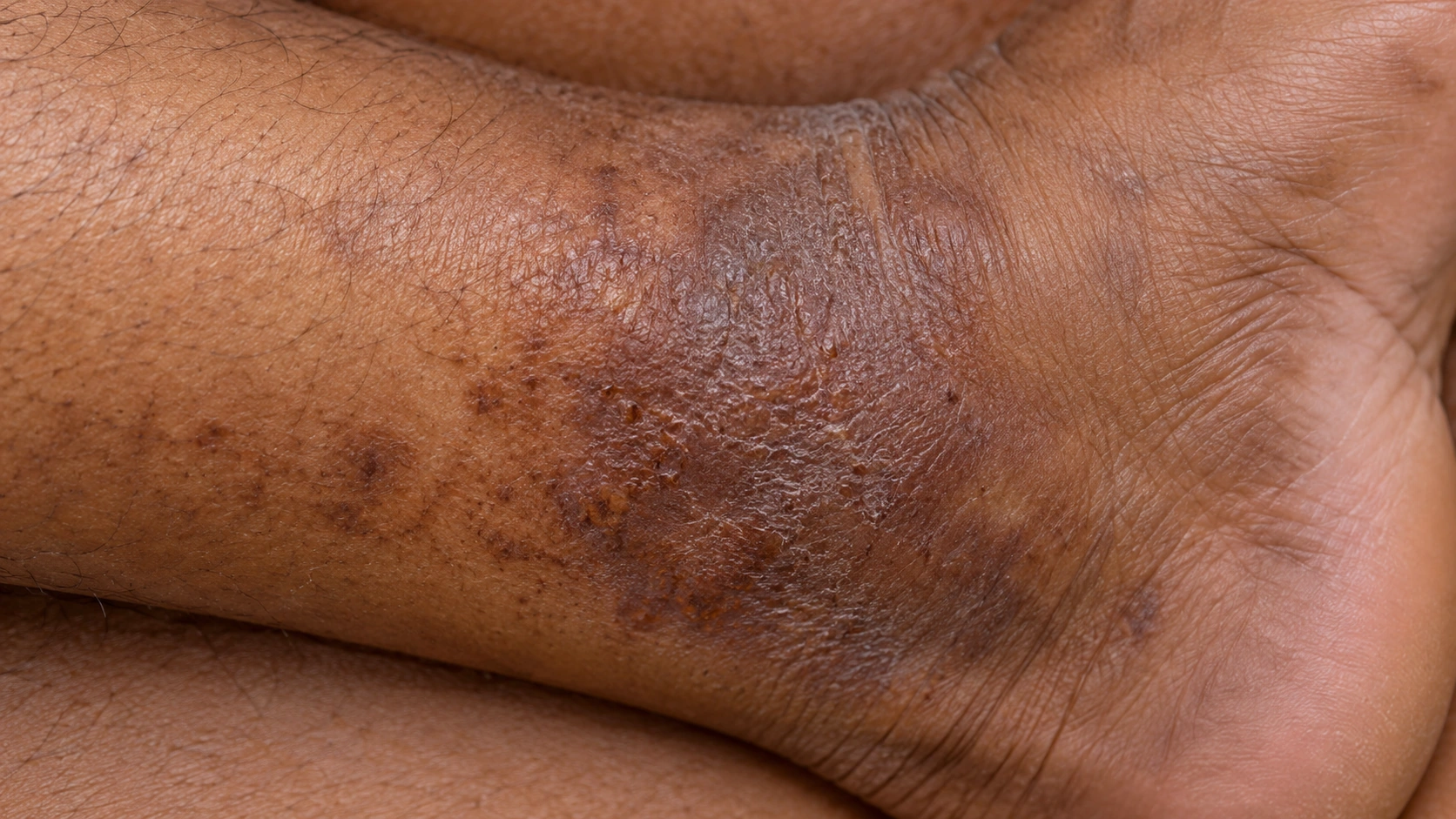
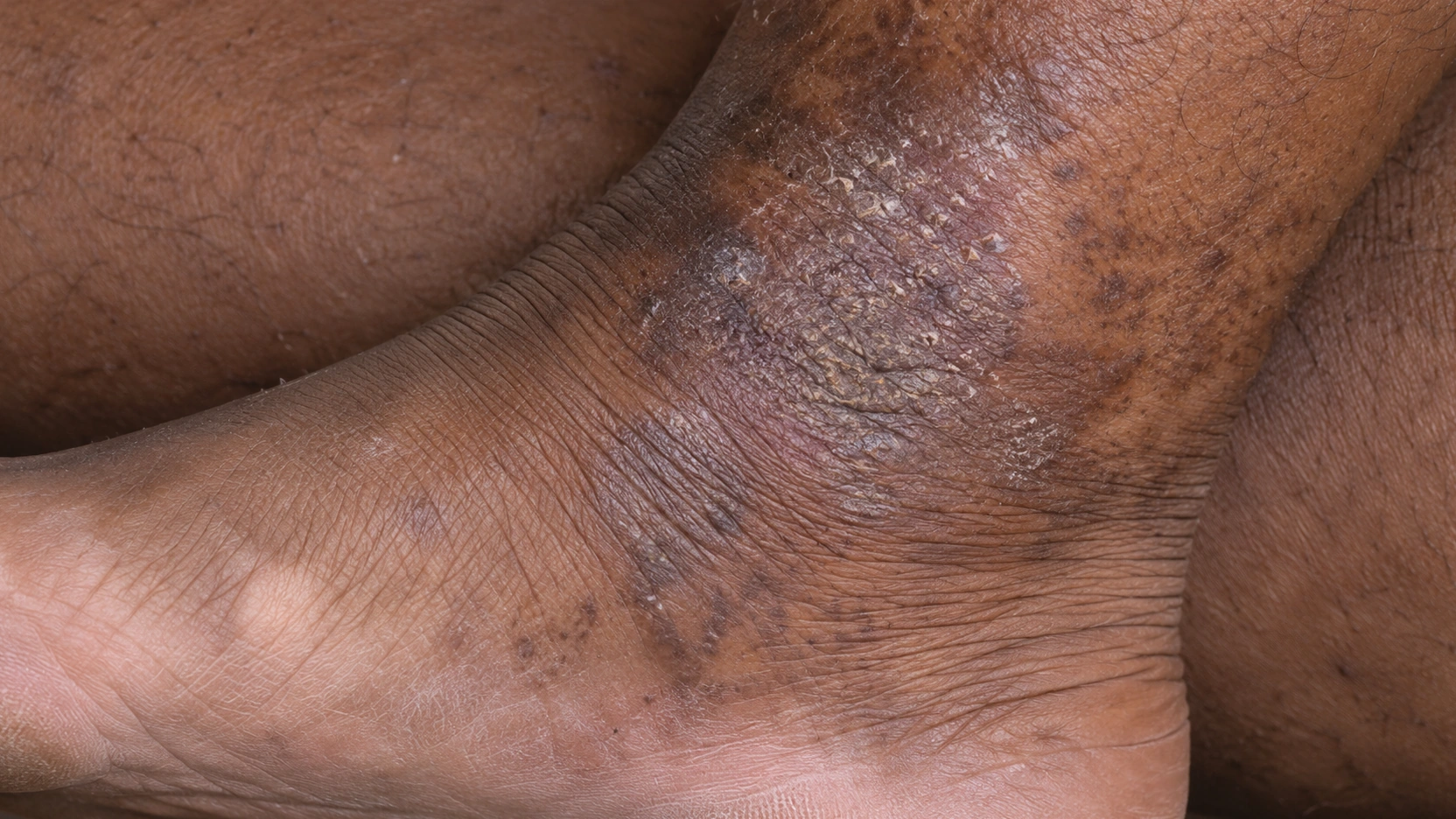
A lower leg with brown discoloration and a red scaly area around the ankle.

Stasis Dermatitis Discoloration and a roughened patch surround the lower leg and ankle.

Cellulitis

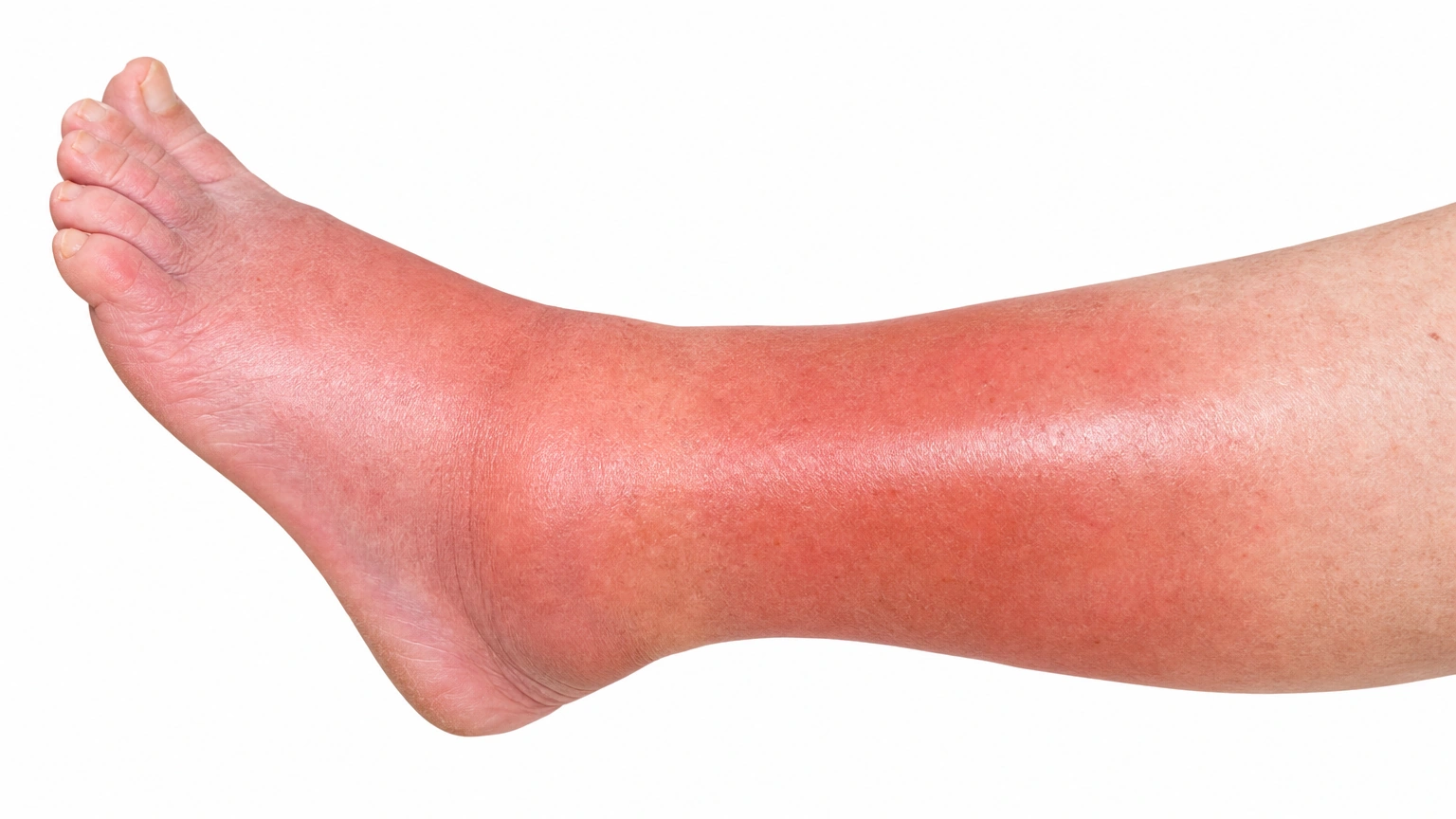
A swollen red lower leg and foot, representing cellulitis.

Swollen leg Warm, tender, one-sided swelling.

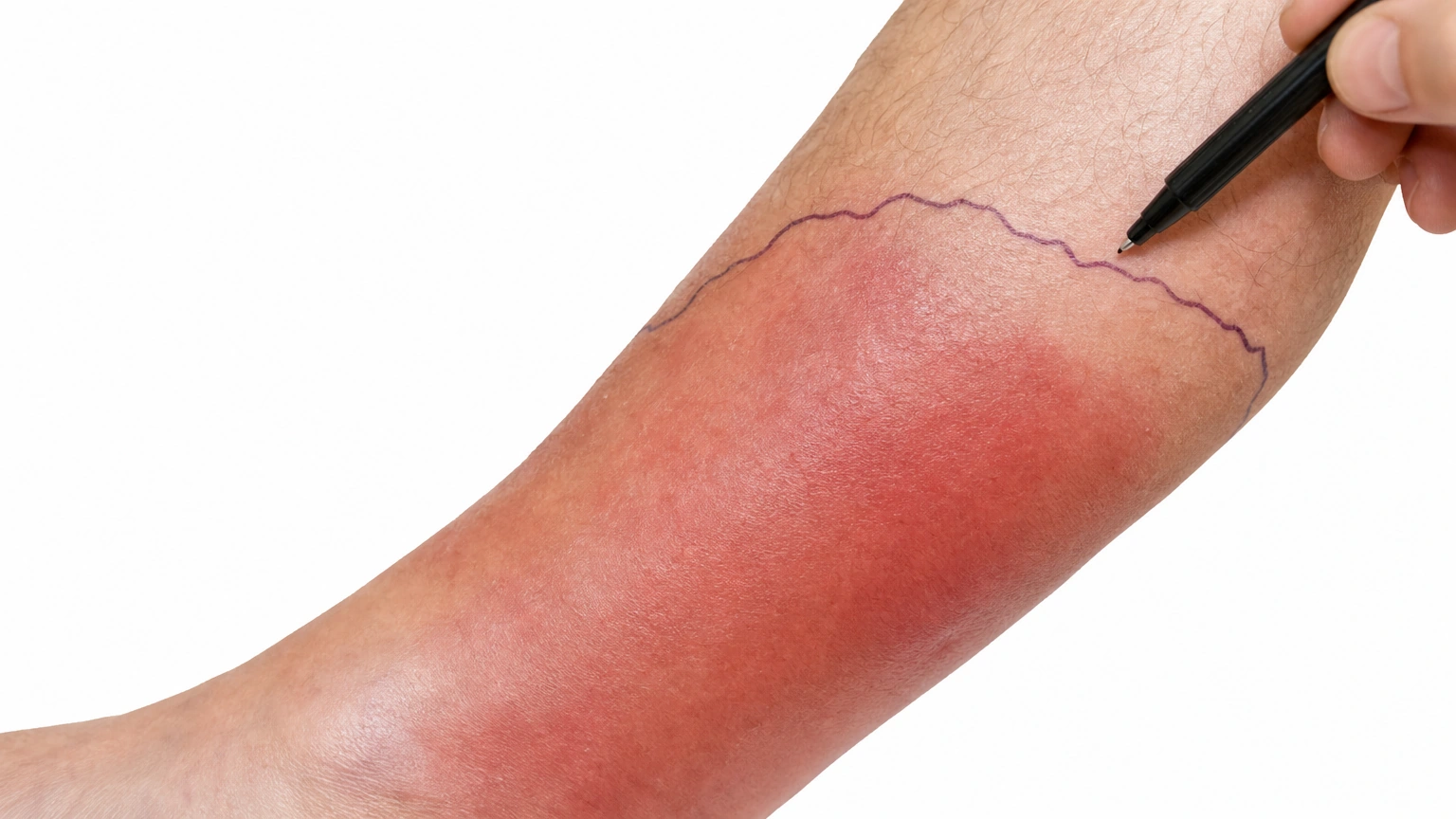
A pen tracing a border near an area of red swollen lower-leg skin, representing monitoring of spreading cellulitis.

Spreading area Enlarges over hours to days.

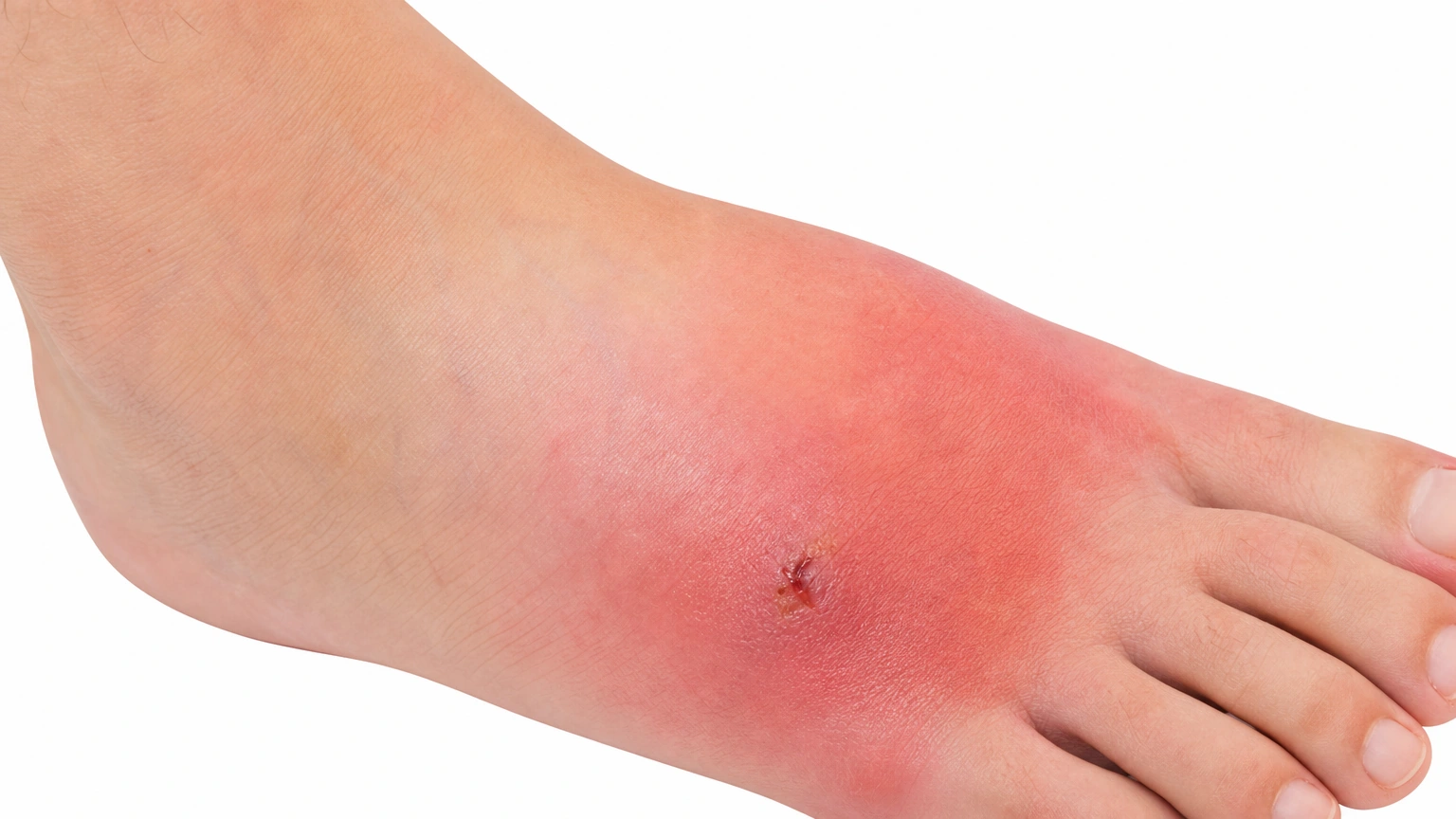
A small superficial wound on a red swollen area of the foot, representing a possible cellulitis entry point.

Entry point Often a cut or cracked skin.

Skin tones
Stasis Dermatitis.
Stasis Dermatitis.
Stasis Dermatitis.
Stasis Dermatitis.
One lower leg on light skin with a large bright pink-red area that is swollen and tight-looking, with a shiny surface and a blurred edge where it fades into normal skin.
One lower leg on medium tan skin with a large dusky pink-brown area that is swollen and tight-looking, with a shiny surface and no clear edge.
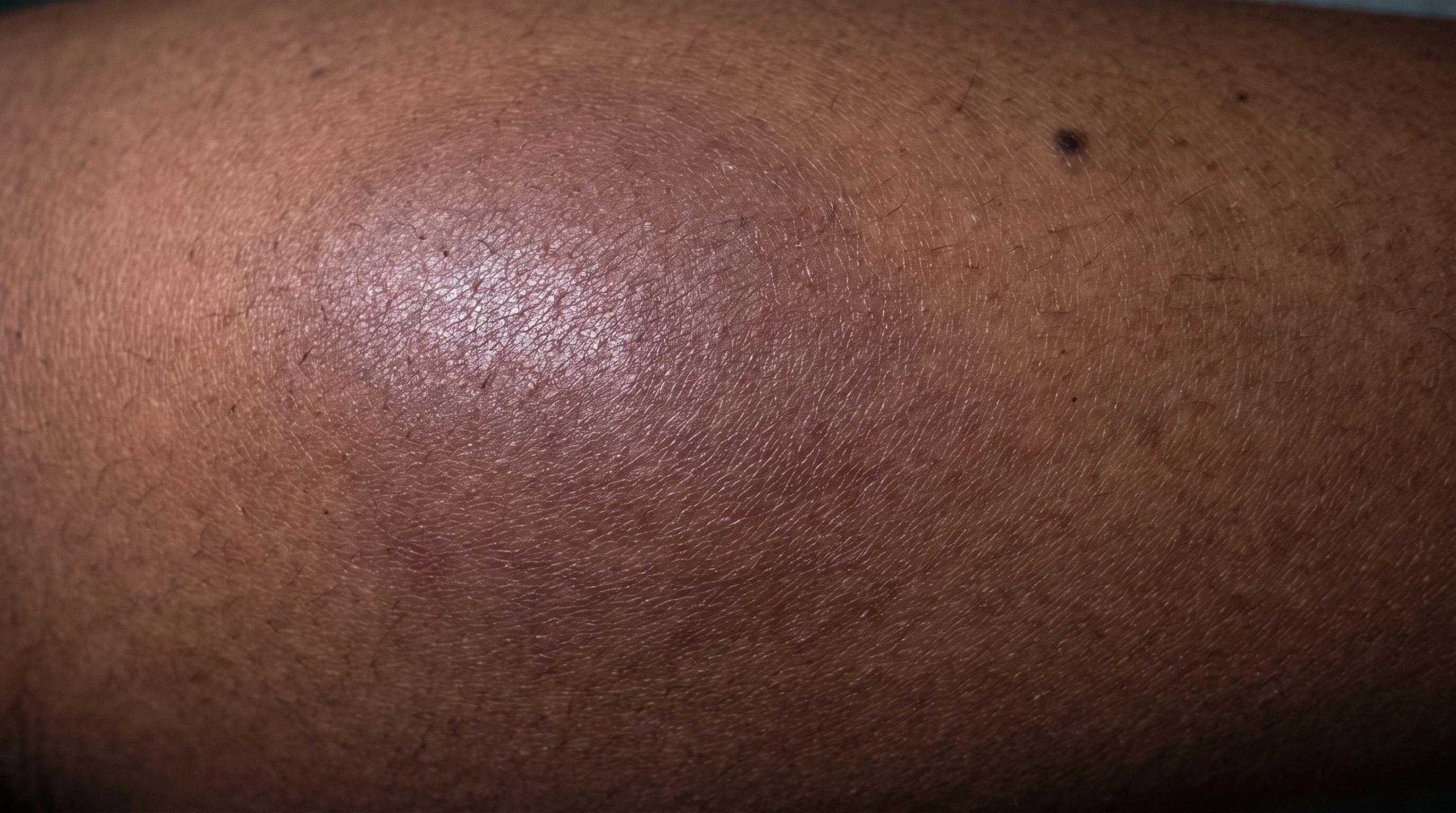
One lower leg on brown skin with a large area that is slightly darker and more violet than the skin beside it, swollen and tight-looking. The color change is subtle and has no clear edge.
One lower leg on deep brown skin with a large swollen, tight-looking area that is only slightly darker and grayer than the skin beside it. The color change is very subtle and has no clear edge.
Diagram
Cellulitis mechanism diagram. Bacteria enter a skin break: A small crack or wound can be an entry point. Infection affects deeper tissue: The dermis and nearby tissue become inflamed. Swelling and warmth develop: The affected area may expand.
In the skin

Poor venous return raises pressure in small vessels of the legs. Fluid leakage and the resulting inflammation damage the surrounding skin.

Bacteria enter through a break in the barrier and infect deeper skin and nearby tissue. The inflammatory response causes warmth, swelling, tenderness and an area that may expand.

When it usually starts

010203040506070+

Stasis Dermatitis. Most often develops in middle-aged or older adults.

Cellulitis. Can develop at any age when bacteria enter deeper skin, often through a break in the barrier.

Causes and triggers

Causes

Poor venous return raises pressure in leg vessels and promotes inflammation.

Cellulitis is a bacterial infection, usually from strep or staph, that gets into the deeper skin through a break.

Risk factors
Varicose veins, Previous leg clot, Chronic swelling
Swelling in the legs, Obesity, Diabetes, Past cellulitis
Trigger
● Stasis Dermatitis
● Cellulitis
Prolonged standing
Can contribute
Not listed
Leg swelling
Can contribute
Not listed
Cuts and scrapes
Not listed
Well established
Athlete's foot cracks
Not listed
Well established
Insect bites
Not listed
Strong link
Surgical wounds
Not listed
Strong link

Daily Care

Stasis Dermatitis
Cellulitis
Daily care

Habits that help

  • Walk regularly and move the ankles during long sits
    Gentle movement helps the calf muscles return blood from the legs.
  • Raise swollen legs when resting
    Support them comfortably rather than leaving them hanging down for long periods.
  • Moisturize dry lower-leg skin every day
    Gentle skin care reduces cracking and itch.
  • Use compression only as prescribed and correctly fitted
    A clinician should assess suitability, especially with circulation problems or an acute painful change.
  • Follow a prescribed flare and wound-care plan
    Oozing or broken skin may need dressings and review; do not assume a hot painful leg is simply eczema.
  • Follow the stasis dermatitis care plan
    Moisturize, walk regularly and elevate the legs. Compression needs suitable assessment of circulation.
  • Discuss venous and compression assessment
    Managing swelling is central; compression must be suitable for arterial circulation and the individual.

Avoid

  • Avoid: Long periods standing or sitting still
    Take short movement breaks when possible.
  • Avoid: Scratching or overlooking a new wound
    New one-sided pain, swelling, warmth, bleeding or an ulcer needs assessment.

Habits that help

  • Elevate the limb, properly and often
    Raise the affected limb to ease swelling alongside prescribed treatment.
  • Mark the edge with a pen and the time
    Track spreading redness; seek reassessment if it expands or you feel worse.
  • Clean and cover breaks in the skin
    Get bites and punctures assessed.
  • Check your feet daily
    With diabetes or reduced sensation.
  • Treat athlete's foot and keep treating it
    Closes the main entry point.
  • Ask when to resume prescribed compression after acute cellulitis improves
    Compression helps some people prevent recurrent cellulitis after recovery. Do not put stockings over an acutely painful inflamed leg without the treating clinician’s advice.

Avoid

  • Avoid: Leaving the leg down all day
    Elevation is treatment.
  • Avoid: Unnoticed cuts and cracks on the feet
    Easy to miss with numb feet.
  • Avoid: Scratching eczema, psoriasis or bites
    Every scratch is an entry point.
  • Avoid: Untreated athlete's foot
    The commonest entry point.
  • Avoid: Delaying treatment
    It expands over hours.
  • Avoid: Using steroid cream instead of assessment for suspected cellulitis
    Steroid creams do not treat infection.
  • Avoid: Leg swelling that is never addressed
    Why episodes repeat.
  • Avoid: Leg ulcers and chronic wounds
    A continuously open barrier.
  • Avoid: Assuming both legs at once is cellulitis
    Usually stasis dermatitis.
  • Avoid: Steroid creams
    A steroid cream calms the look of inflamed skin without touching the infection underneath, so it can quieten the appearance while the infection carries on spreading. Cellulitis is mistaken for a rash often enough that this is worth saying plainly. If a leg is hot, swollen, tender and growing, it needs assessing, not a steroid.

Treatment differences

Evidence labels come from each condition’s own treatment list.

Treatment
● Stasis Dermatitis
● Cellulitis
Treatment approach

Treatment addresses leg swelling and the inflamed skin. Compression requires assessment of circulation and suitability; active eczema may also need a prescribed topical treatment.

—
Over-the-counter
None listed
Existing Dermapedia illustration of acetaminophen and ibuprofen.

Acetaminophen and ibuprofen

Limited evidence

These cover the pain and bring the fever down while the antibiotics do the work. Taking them regularly for the first couple of days works better than waiting for the pain to peak. They do not treat the infection, and pain that is far worse than the skin looks is a reason to be seen urgently rather than to take more.

Existing educational treatment illustration: Spinosad

Terbinafine cream

Limited evidence

Athlete's foot between the toes is the most commonly identified way bacteria get into a leg, and it is one of the few entry points you can genuinely close. An antifungal cream used on the toe webs for two to four weeks, and repeated whenever the skin cracks again, lowers the chance of another episode. It does nothing for the infection you have today.

Antibiotic ointment from the shelf.

Antibiotic ointment from the shelf

Limited evidence

Cellulitis sits below the surface, deeper than any cream reaches, so an over-the-counter antibiotic ointment cannot treat it. Using one and watching for a day is a common reason people arrive later than they should. It is reasonable on a small fresh cut to keep it clean, and that is all.

Prescription topicals
None listed
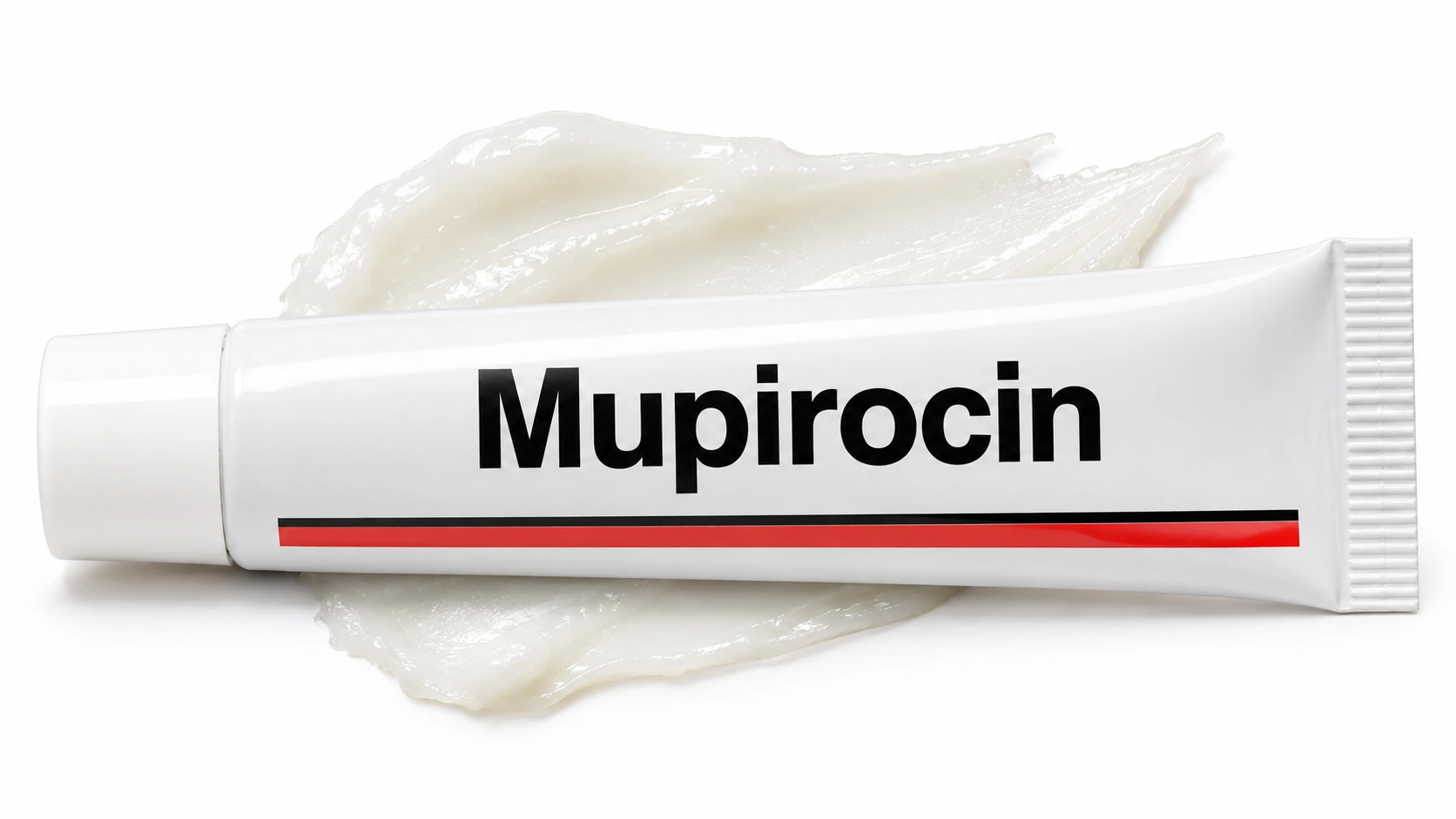
Mupirocin — Header Image

Mupirocin

Limited evidence

Useful only for the small crusted sore or infected wound that let the bacteria in, not for the cellulitis itself, which is far too deep for a cream to reach. Treating the entry point matters, but it happens alongside antibiotic tablets, never instead of them.

Prescription pills
None listed
Cephalexin

Cephalexin

Strong evidence

The usual first choice for ordinary cellulitis, taken four times a day for about five to seven days. It covers the streptococci behind most cases and many staph as well. Antibiotics are not optional here - there is no version of cellulitis that clears without them - and the course is finished even though you feel better in two days.

An amber prescription bottle lying on its side on a white background with a plain white label reading Doxycycline, and six small round white tablets spilled out in front of it.

Doxycycline

Moderate evidence

Used when MRSA is a concern, when there is pus or a boil involved, or when penicillins do not suit. It is often paired with a second antibiotic because it covers strep less reliably on its own. It is avoided in pregnancy and in young children, and it makes sunburn more likely.

Trimethoprim-sulfamethoxazole

Trimethoprim-sulfamethoxazole

Moderate evidence

The other main option when MRSA is suspected, particularly with an abscess or a draining wound. Like doxycycline it is often combined with an antibiotic that covers strep properly. It needs care with kidney problems and with some other medicines, so tell the prescriber everything you take.

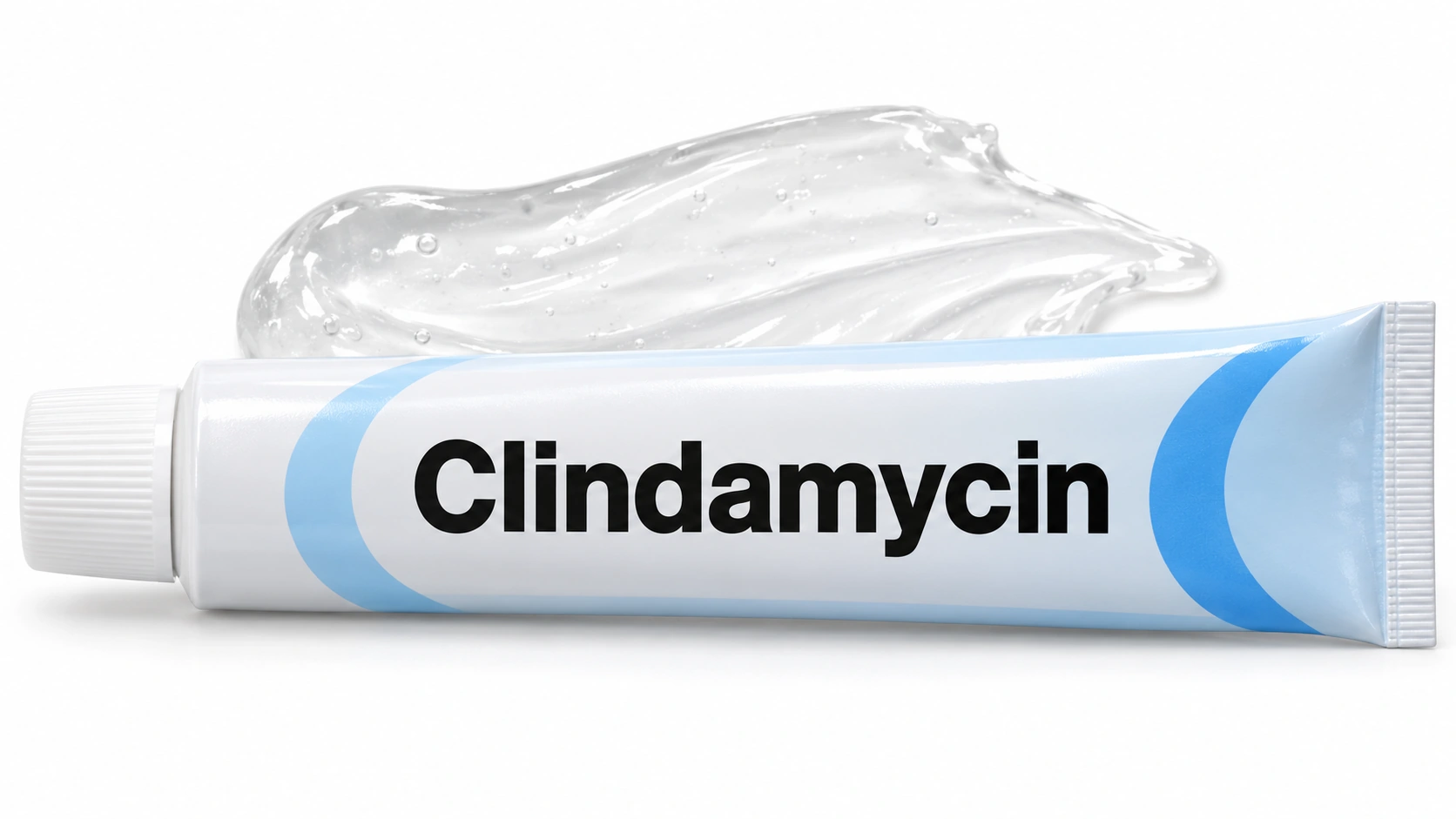
A white metal tube lying at an angle on a white background, white ribbed cap to the left, labeled Clindamycin in black lettering with a teal swoosh curving beneath the word.

Clindamycin

Moderate evidence

An alternative for a genuine penicillin allergy, and it covers both strep and most staph. It causes diarrhoea more often than the others and carries a higher risk of a bowel infection called C. difficile, so it is usually not the first pick. Report diarrhoea that starts during or after the course.

Low-dose preventive antibiotics

Low-dose preventive antibiotics

Listed

For people who keep getting episodes, a small daily dose of penicillin taken for months roughly halves how often they come back. The effect fades once it is stopped, so it works best alongside compression and treating the entry point. Ask about it if you have had two or more episodes.

Outlook

Long term

Stasis dermatitis commonly recurs because the underlying circulation problem may remain. Ongoing swelling management and skin care help control flares; a new ulcer or infection needs assessment.

Cellulitis needs prompt antibiotic treatment. Symptoms should begin improving within two to three days, although skin changes can take longer to settle. Worsening symptoms or failure to improve needs reassessment; swelling and repeat episodes can occur.

Complications

Possible complications

Skin breakdown, ulcers and secondary infection can develop.

  • An abscess underneath
  • Swelling and repeat episodes
  • Sepsis
More details

An abscess underneath
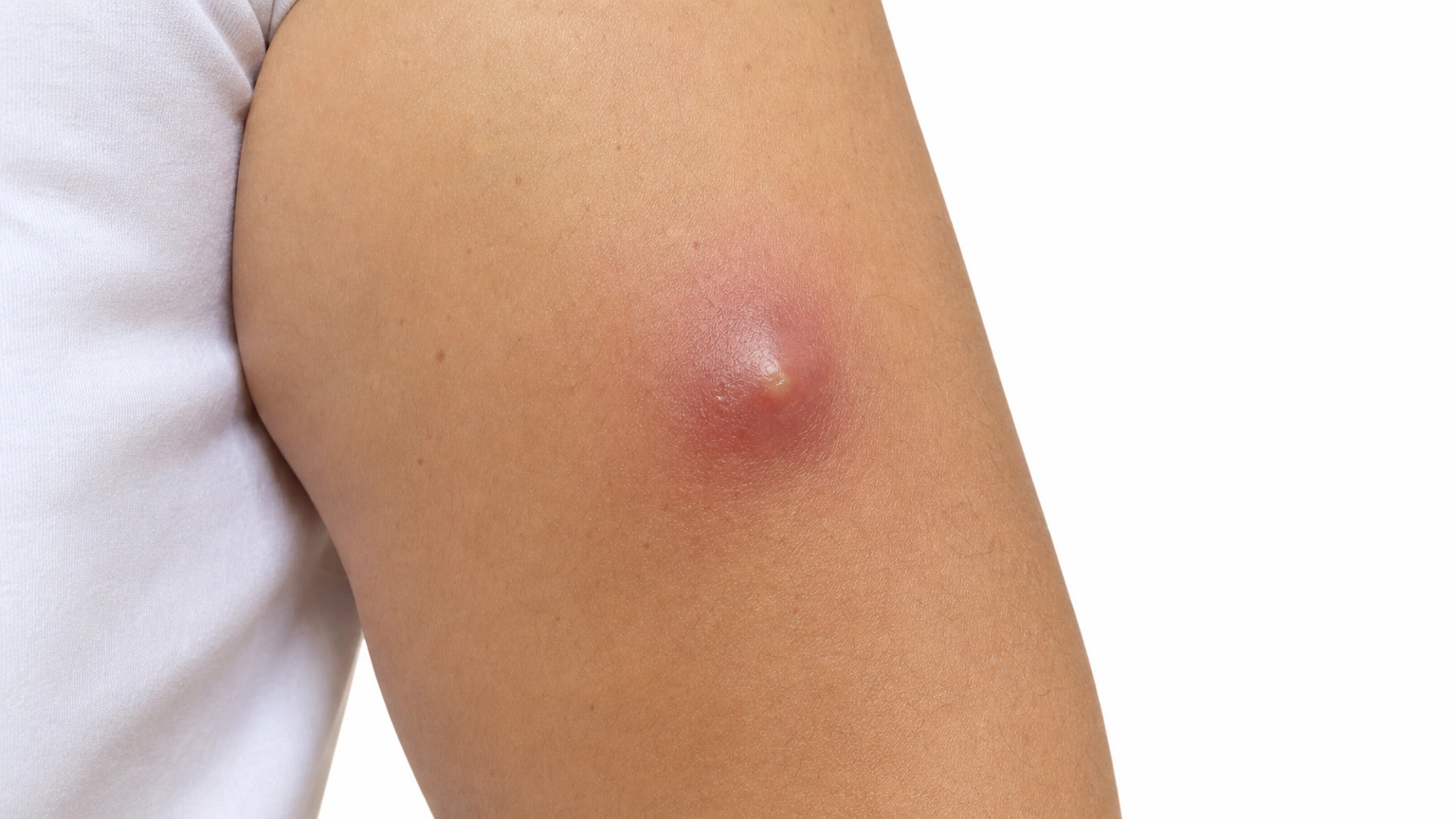
A pocket of pus can form inside the infected area, most often when Staphylococcus aureus is involved or there was a boil or wound to begin with. It shows up as a tender lump that feels boggy or fluid-filled, and it is a common reason antibiotics alone are not working at 48 hours. Pus has to be drained as well as treated, so this is a reason to go back rather than wait.

Swelling and repeat episodes
Each episode damages the lymph channels that drain the limb, so the limb swells more afterwards, and a limb that swells is more likely to be infected again. A previous episode is the strongest predictor of the next one. Compression, daily moisturizer and treating athlete's foot break the loop better than any antibiotic does.

Sepsis
The infection can reach the bloodstream and affect the whole body. The signs are a high fever with shaking chills, confusion or new drowsiness, a racing heart, fast breathing, feeling faint, or passing very little urine. It is uncommon but it is time-critical, so it is an emergency department problem rather than a next-day appointment.

When to get help

When to get help

New painful one-sided swelling, rapidly spreading warmth or fever needs prompt assessment.

Suspected cellulitis needs prompt medical assessment. Rapid spread, severe pain, fever, confusion or infection near the eye warrants urgent care.

Common questions

Stasis Dermatitis:What is Stasis Dermatitis?

Lower-leg eczema caused by longstanding venous circulation problems.

Stasis Dermatitis:What can I do day to day?

Moisturize, walk regularly and elevate the legs. Compression needs suitable assessment of circulation.

Stasis Dermatitis:When should I get medical advice?

New painful one-sided swelling, rapidly spreading warmth or fever needs prompt assessment.

Cellulitis:Is cellulitis contagious?

No. The bacteria already live on normal skin, and the infection is in your own deeper tissue. You cannot pass it on, and there is no need to isolate from family. Keep any open, draining wound covered - ordinary wound care.

Cellulitis:Why does it look worse after I started antibiotics?

Common in the first 24 to 48 hours. Dying bacteria release material that briefly intensifies the immune reaction, so the area can look more inflamed while you improve. Watch how you feel, whether the fever settles, and whether the marked edge stops. If it is still spreading at 48 hours, go back.

Cellulitis:How long will it take to go away?

You should feel better within one to two days, and a typical antibiotic course runs about 5 to 7 days. The skin takes one to two weeks to settle, and peeling is normal. Some swelling and a darker or lighter mark can persist for weeks to months, especially on deeper skin tones.

Cellulitis:Do I need to be in hospital?

Most cellulitis is treated with tablets at home. Antibiotics into a vein are used when it is severe or spreading fast, with a high fever or signs of sepsis, when the face or around the eye is involved, when tablets have failed, or with diabetes, poor circulation or a weakened immune system.

Cellulitis:Why does it keep coming back?

Usually because the limb still swells and the entry point was never closed. Long-term leg swelling, untreated athlete's foot, and lymph drainage damaged by a previous episode all make the next one more likely. Compression, moisturizing and treating the foot fungus do more than any antibiotic. If it keeps happening, ask about long-term preventive antibiotics.

Cellulitis:Is this the same as cellulite?

No, and the similar names cause a lot of confusion. Cellulite is dimpled normal fat beneath the skin, a cosmetic matter. Cellulitis is a bacterial infection of the deeper skin that needs antibiotics and sometimes urgent care.

Sources

Sources and further reading

  1. Venous eczema
  2. DermNet
Dermapedia on YouTube